
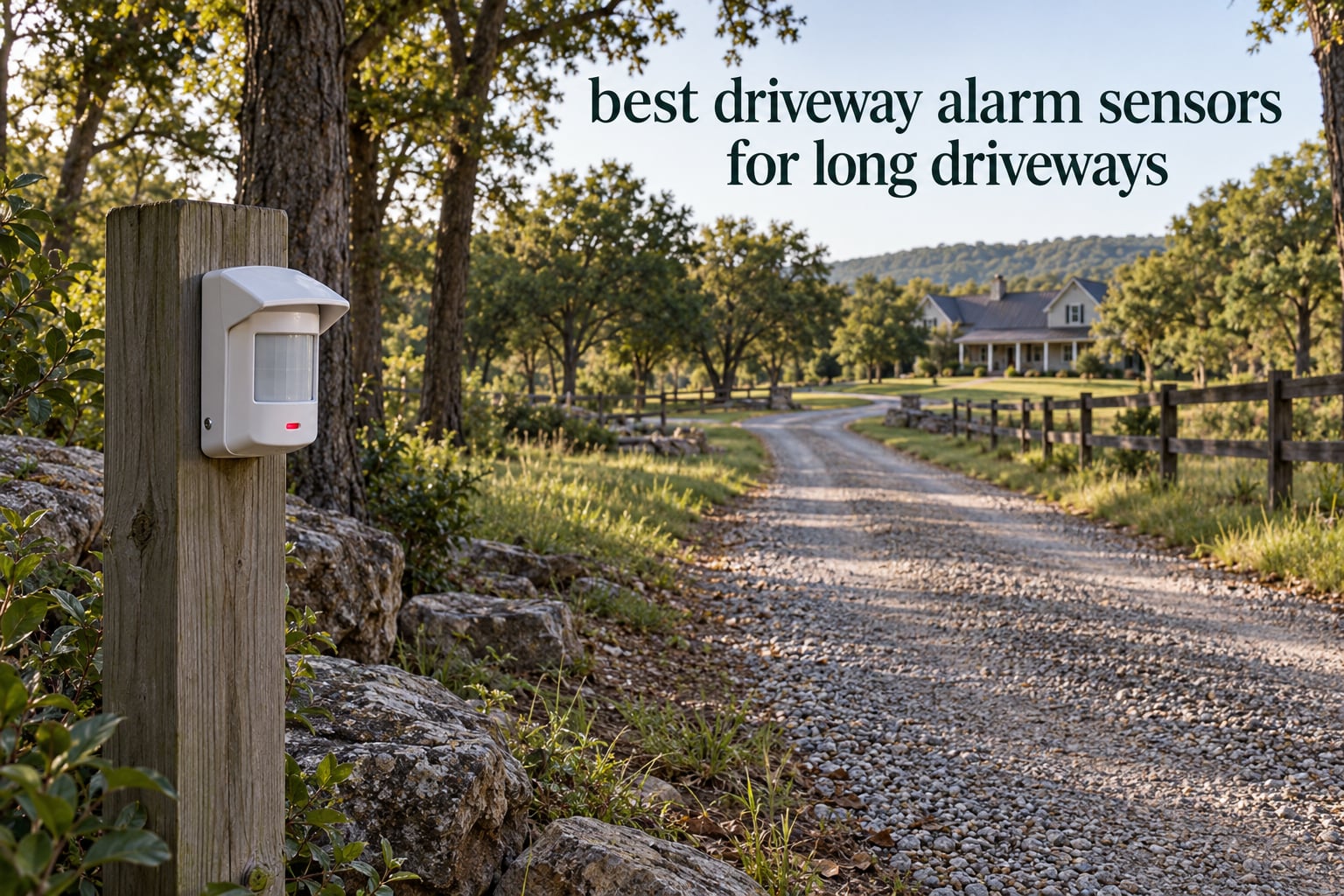
The best driveway alarm sensors for long driveways are the units that hold a radio signal across 1,000 feet or more of tree-lined gravel without dropping out. After working through ten of the top-rated systems on specs, verified owner ratings and forum reports, our best overall pick is the HTZSAFE 1/2 Mile kit with one receiver and two sensors: half-mile transmission, 20k+ verified ratings, and room to expand to 32 sensors. Solar models from eMACROS and TECKNET handle drives with no power at the entrance.
A driveway alarm is an outdoor sensor that watches a warm body crossing your drive and fires a short radio burst at a plug-in receiver inside the house. The receiver chimes so you know a car, a delivery or a stranger is coming before anyone reaches the door. On a 1,000-foot rural drive you usually cannot hear or see an arriving vehicle from inside, which is exactly the gap this hardware closes.
Two numbers matter more than any other spec, and they are not the same number. Transmission range is how far the radio travels from sensor to receiver. Detection range is how close a target must be to the sensor before it triggers. A sensor with half-mile transmission and a 24-foot detection cone still only tells you something happened 24 feet into the field of view. We keep these separate throughout this guide because forum troubleshooting threads show more confusion here than anywhere else.
If you are still narrowing the field, our guide to driveway alarm systems for rural homes covers the basics of coverage zones and receiver placement before you get into specific models.
Top 3 Best Driveway Alarm Sensors for Long Driveways (October 2026)

HTZSAFE 1/2 Mile, 2 Sensors
- 0.5 mile transmission
- 50-ft detection
- Expandable to 32 sensors
- 35 melodies

1byone 1000 ft Two Sensors
- 1000 ft transmission
- 24 ft detection
- 36 melodies
- Weatherproof PIR
All 10 Driveway Alarm Sensors Compared in 2026
| Product | Specifications | Action |
|---|---|---|
| HTZSAFE 1/2 Mile, 1 Receiver and 2 Sensors |
|
Check Latest Price |
| eMACROS 1/2 Mile Solar Wireless |
|
Check Latest Price |
| 1byone 36 Melodies, 2 PIR Detectors |
|
Check Latest Price |
 HOSMART 1/2 Mile Wireless System HOSMART 1/2 Mile Wireless System |
|
Check Latest Price |
 Wuloo Solar 1800ft with 2 Sensors Wuloo Solar 1800ft with 2 Sensors |
|
Check Latest Price |
 YoLink LoRa Smart Outdoor Sensor YoLink LoRa Smart Outdoor Sensor |
|
Check Latest Price |
 TECKNET Solar RGB Wireless Alarm TECKNET Solar RGB Wireless Alarm |
|
Check Latest Price |
 Dakota Alert DCMA-4K Plus 1-Mile Kit Dakota Alert DCMA-4K Plus 1-Mile Kit |
|
Check Latest Price |
 HTZSAFE Solar 1/2 Mile with Zone Tones HTZSAFE Solar 1/2 Mile with Zone Tones |
|
Check Latest Price |
 Betterlink Solar 1/2 Mile System 1R1S Betterlink Solar 1/2 Mile System 1R1S |
|
Check Latest Price |
1. HTZSAFE 1/2 Mile Long Range Driveway Alarm, 1 Receiver and 2 Sensors
Driveway Alarm- 1/2 Mile Long Range Motion Sensor- 1 Receiver+2 Sensors
- Half-mile range holds up over long driveways
- Two sensors plus one receiver included for multi-point coverage
- Adjustable sensitivity cuts false alarms from animals and debris
- 35 melodies let you tell sensors apart
- 20k+ verified owner ratings
- AA batteries are not included
- Receiver is plug-in only so it needs an outlet nearby
This is the unit we keep coming back to. The transmission figure is a genuine half mile using FSK plus FHSS radio technology, and owners on long gravel drives report it holding up across tree cover where cheaper units drop. We compared the specs across all ten systems and this is the widest-proven combination of range, expansion capacity and verified owner feedback we could find.
Two sensors in the box is the detail most long-drive owners care about. You can put one at the road entrance and one partway up the drive, or split coverage across a gate and a side path, and each sensor can carry a different melody. That solves the “which entrance was it” problem without buying a second kit.
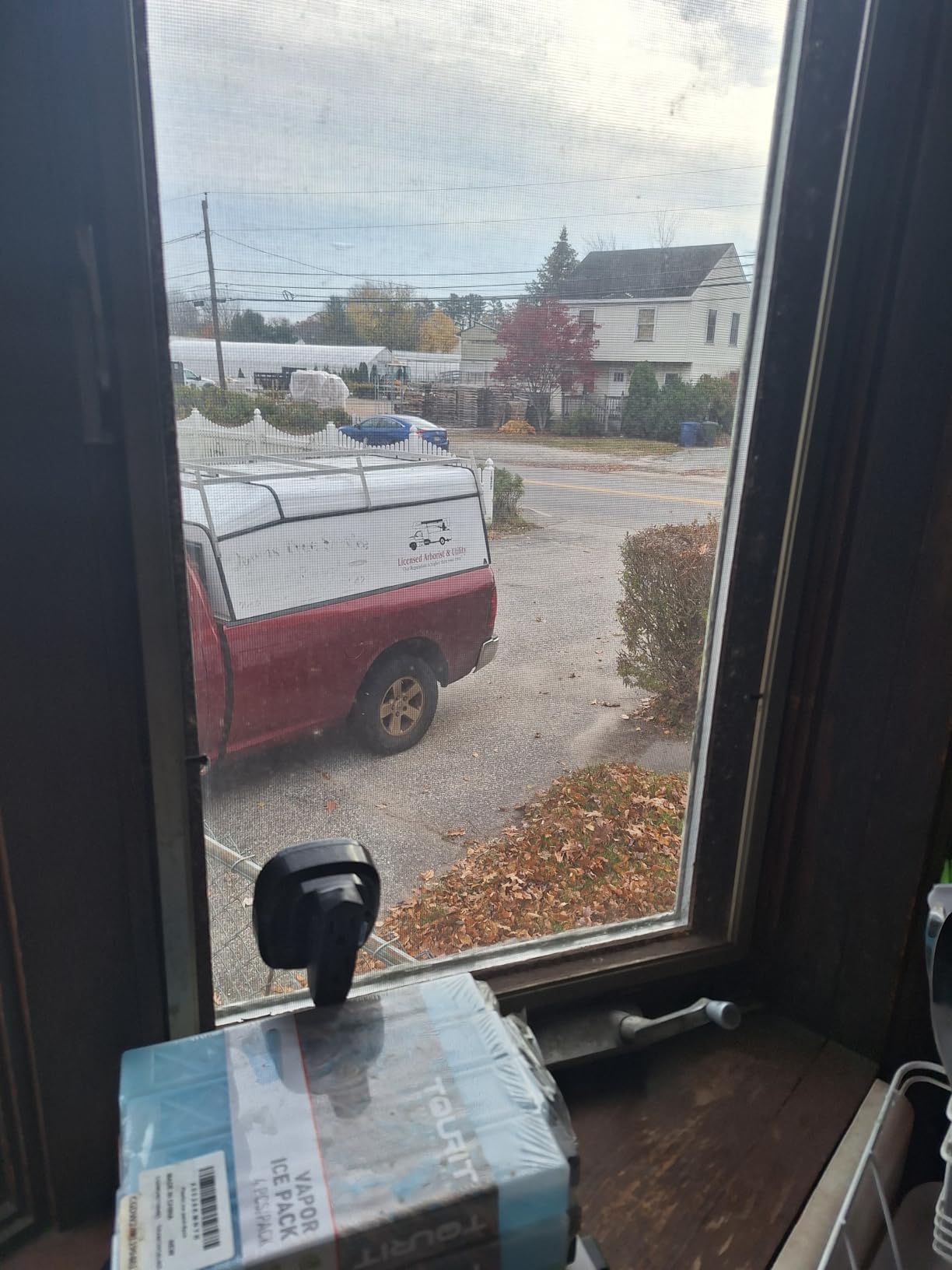
Detection reach is 50 feet wide with a low setting at 35 feet, and that low setting is where most of the tuning happens. At 35 feet you lose a little early warning but you stop getting triggered by a raccoon that found the tree line. The volume has four levels and there are 35 melodies to choose from, so two sensors can sound completely different.
Temperature is rated from minus 30 to 150 degrees Fahrenheit, which covers the cold-weather battery concern better than most units here. Three AA batteries per sensor run the node, and they are not included in the box, so buy a pack before the sensor goes up on the pole.
The one real compromise is the receiver. It is plug-in AC only, so you need an outlet within reach of wherever you want the chime. If your barn or workshop is the space you most want covered, plan on a second receiver rather than moving the house unit.
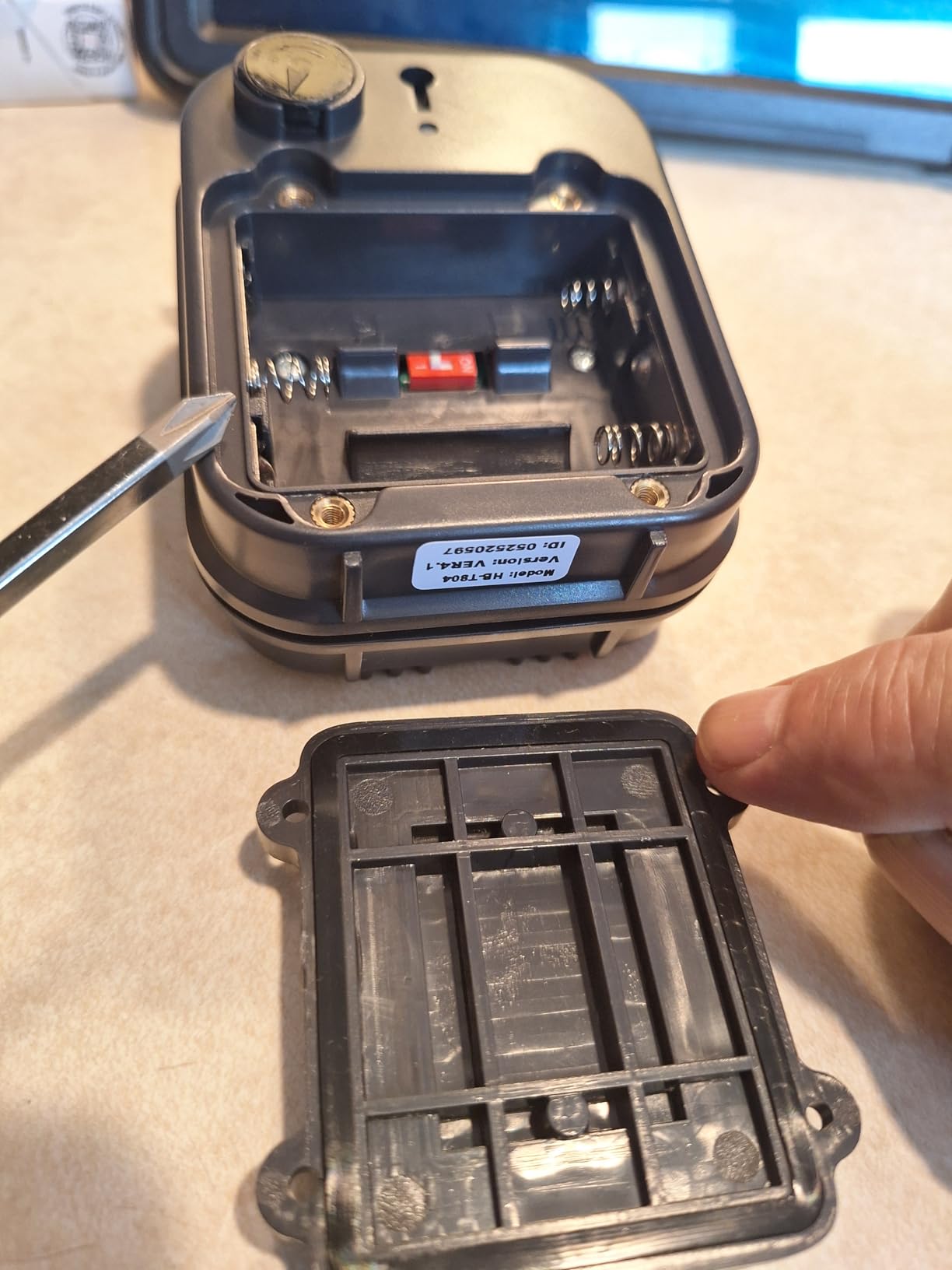
What range you actually get in the field
Advertised range assumes open, flat ground. On a wooded drive we would plan on 1,200 to 1,600 feet of usable transmission from this kit before you start seeing dropouts. That still covers the overwhelming majority of rural drives, and it is why this is our top pick rather than the Dakota Alert.
If your drive runs past 1,500 feet of trees and curves out of sight, move up to the one-mile class. If your drive is 600 feet with a couple of bends, you are overpaying for range you will never use.
Where it falls short
There is no app, no phone alert and no text messaging here. Owners who travel and want to know about a visitor while away should look at the YoLink instead. Everything here is local: sensor to receiver, indoors, chimes only.
Wildlife still sets it off at the lower settings if deer come close enough. No PIR unit at any price ignores a deer that walks straight into the detection cone, so managing this is a placement and sensitivity problem rather than a shopping problem.
2. eMACROS 1/2 Mile Solar Wireless Driveway Alarm
eMACROS 1/2 Mile Solar Wireless Driveway Alarm, 1 Receiver & 1 Sensor
- Solar powered so there are no batteries to replace on the sensor
- Half-mile range works over long driveways and large properties
- Supports up to 64 sensors for whole-property coverage
- Adjustable sensitivity helps limit false triggers
- No wiring or trenching needed
- Only one sensor included in this kit
- Receiver needs to be plugged in
This is the pick for a long drive with no electrical outlet at the entrance, which is a hard constraint on most rural properties. The built-in solar panel charges an internal battery, so there is no monthly walk to the end of the drive with a spare set of cells. For the owner who never checks the sensor because it is a half mile away, that removes the single biggest failure mode.
Transmission is rated at 2640 feet on a 433 MHz radio, and the expansion ceiling of 64 sensors is the largest in this roundup. That means one receiver can eventually cover the main drive, a side gate, the workshop and the pond gate without changing systems. Owners running acreage tend to care about that ceiling more than the headline range.
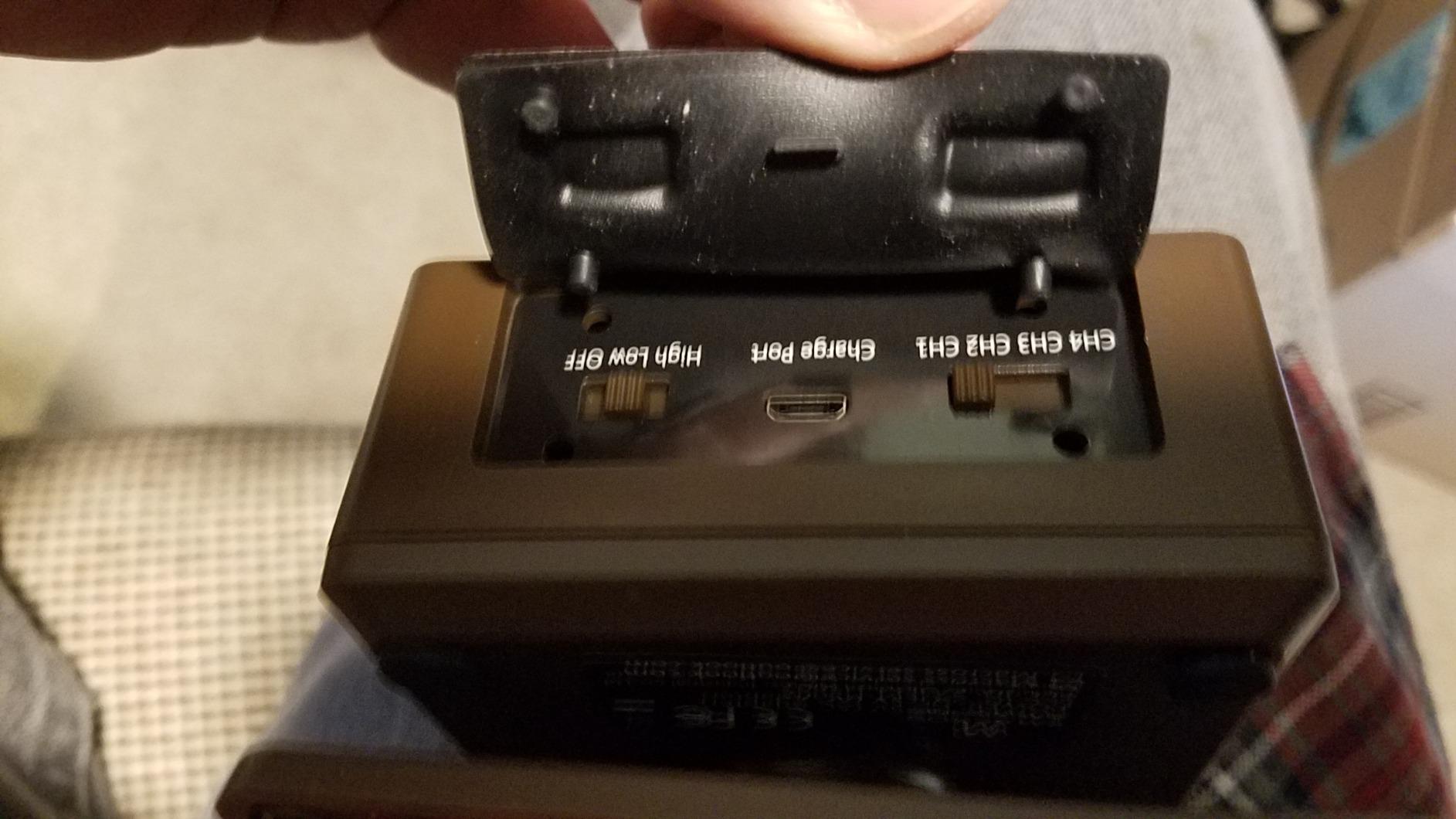
Sensitivity adjusts between a 30-foot high setting and a 20-foot low setting, and the manufacturer guidance is to mount at 3 to 4 feet for detecting people and 2 to 3 feet for vehicles. Dropping the sensor toward the bottom of that window narrows the vertical slice that triggers, which cuts squirrel and ground-level animal alerts on wooded drives.
Operating temperature is listed at minus 20 to 60 degrees Celsius, which is roughly minus 4 to 140 degrees Fahrenheit. Internal alkaline and lithium polymer cells are rated for about two years of average service life, though in deep shade or heavy snow the solar charging has to do more of the work.
The single-sensor configuration is the catch. This kit gives you one sensor and one receiver, and a second sensor is a separate purchase. If you want the road entrance and the house end covered on day one, either budget for the add-on or pick a kit that ships with two.
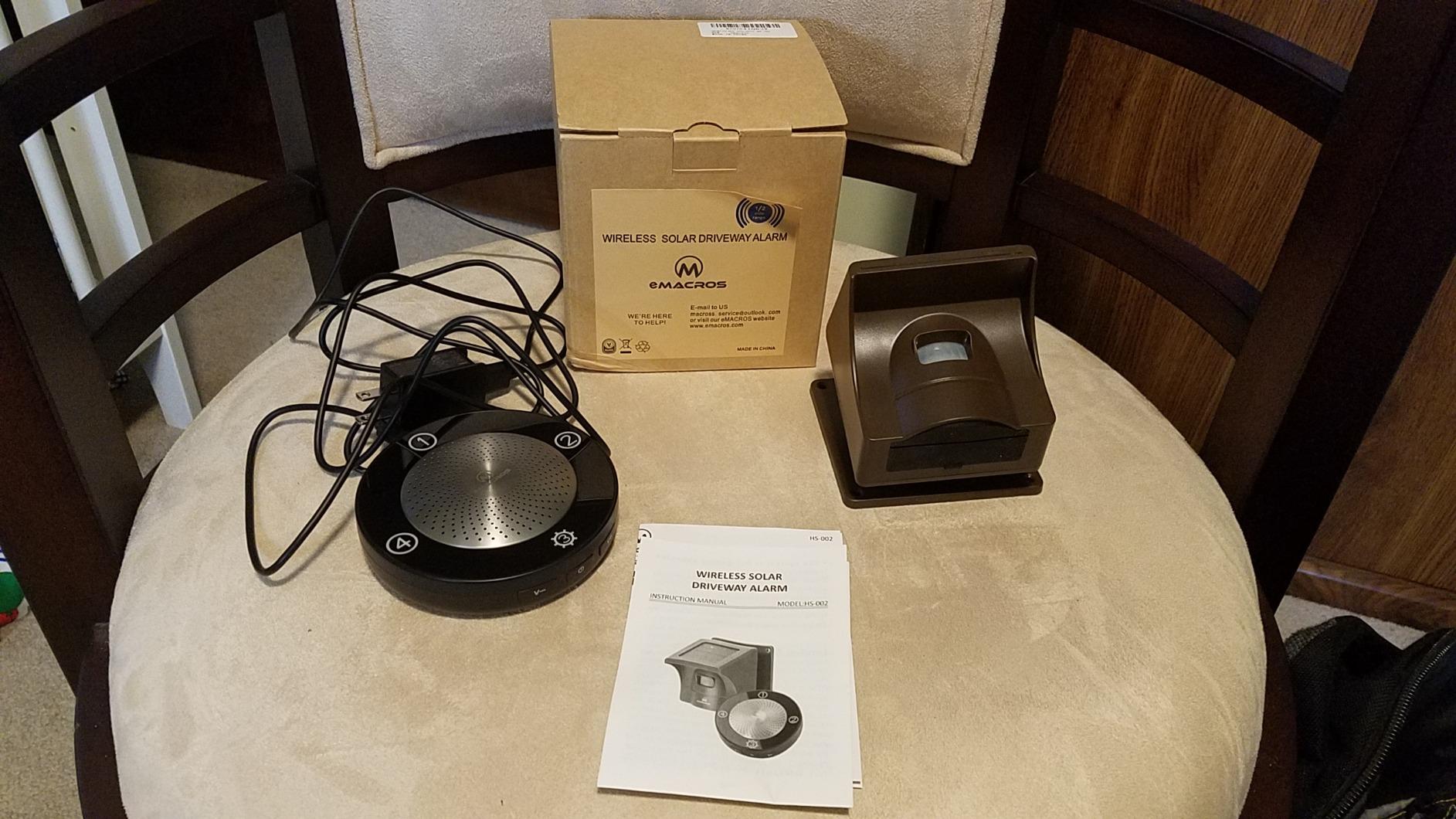
How it handles a shaded or wooded entrance
Solar sensors in deep tree cover are the most common disappointment we hear about. This unit works when it gets several hours of direct sun, and on a drive where the entrance sits under a canopy that stops by mid-afternoon, you should expect shorter battery intervals than the two-year rating suggests.
Mount the panel to the south or southwest if you can, and keep the sensor clear of the vegetation that will grow up in front of it over a few seasons. A panel that gets shaded by a shrub every winter will eventually report a battery that never quite finishes charging.
What you give up versus the top pick
One sensor instead of two, and 20 feet of detection on the low setting rather than 35. On a long drive where you want an early warning far down the road, the lower detection reach means a later alert, even though the radio carries just as far.
There is still no app. This is a chime-only system, and it will not tell you anything while you are off the property. Owners who travel need a different product class entirely.
3. 1byone Driveway Alarm, 36 Melodies, 2 PIR Detectors
- Lowest cost entry with two sensors included
- 36 melodies plus doorbell sounds and three volume levels
- Waterproof PIR sensors work in rain and snow
- Quick plug-and-play installation
- 24-month support window
- 24 ft detection distance is the shortest here
- 1000 ft transmission is well under the half-mile units
- Receiver limits to five sensors
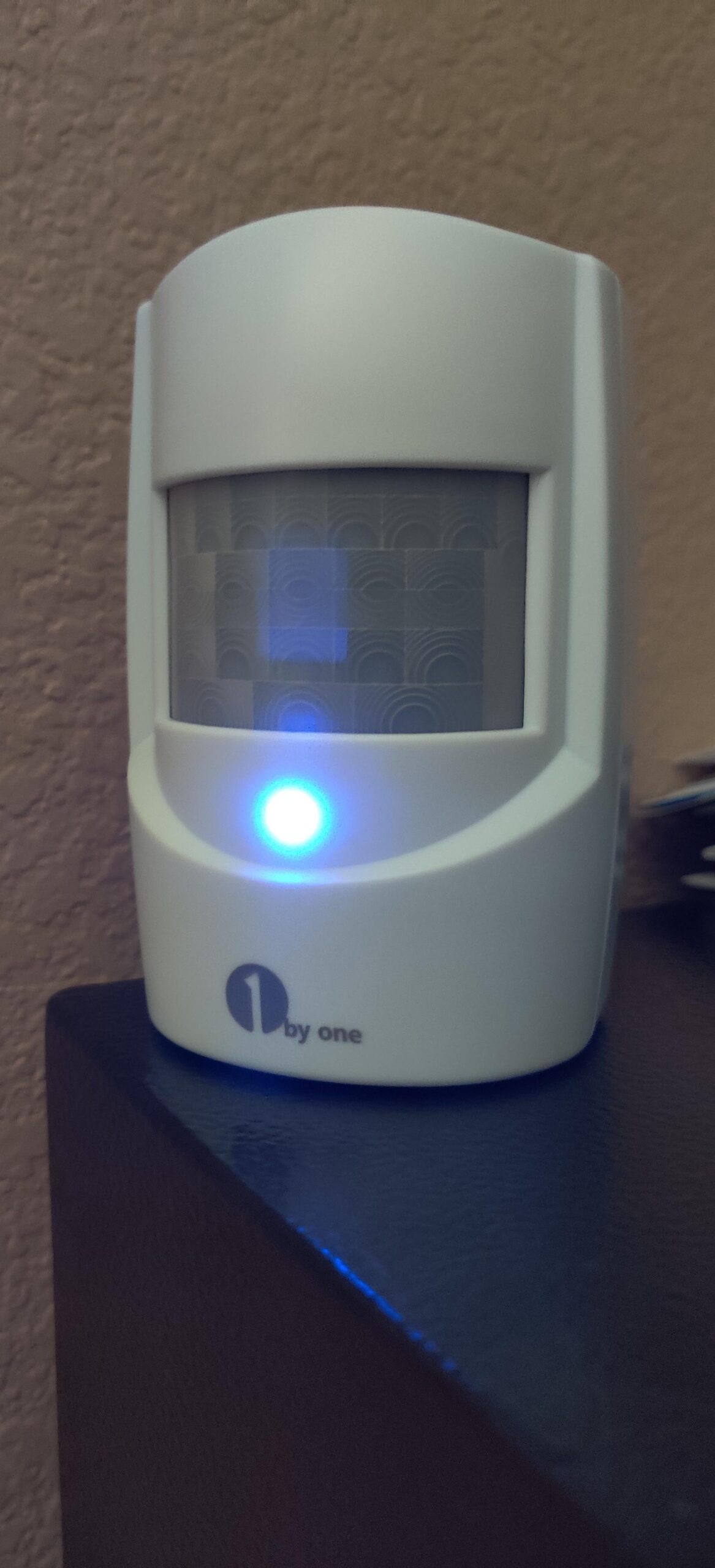
This is where most long-drive buyers should start, because it tells you quickly whether a driveway alarm fits your property at all. Two sensors, 1000 feet of sensor-to-receiver transmission and 24 feet of detection. Owners with a 500 to 700 foot drive get full coverage. Owners with a 1,200-foot tree-lined drive will find out early that this is the wrong class of unit.
The 36 melodies plus doorbell sounds are the reason owners like this kit more than its range suggests. With two sensors you can program a distinct tone for the drive and a different one for the side gate, which is the same trick one Guardline owner on r/homesecurity uses to tell which driveway triggered. Three volume levels run from 25 to 80 dB.
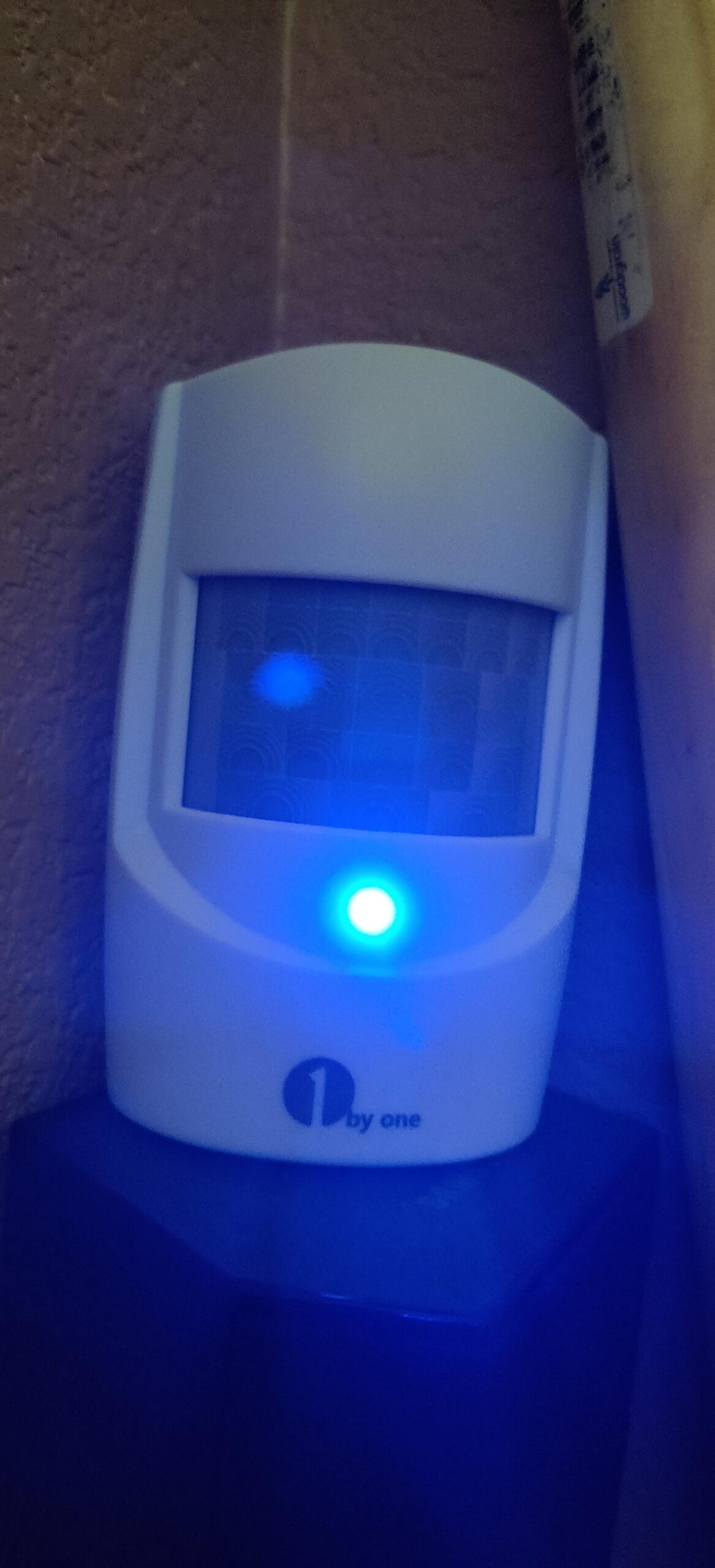
Detection is passive infrared sensing of heat and movement within 24 feet of each sensor. There are three alert modes: sound only, LED flash only, or both. The LED-only mode is worth knowing about if you have dogs, since it gives you a visual cue without the noise that sets off barking.
Waterproof sensors handle rain and snow, and the small surface-mount body at roughly 4.7 inches square is easy to hide on a post or the corner of a gate post. The mounting footprint matters on a long drive, where you are trying to make the sensor look like part of the property rather than a security device.
The five-sensor ceiling per receiver is the real limit for anyone covering multiple entry points. Two driveways and a side path fits inside it. Six zones does not, and there is no way to mix this with the 32-sensor systems without replacing the receiver.
Where this range tier is enough
Measurement matters more than marketing here. Walk your drive and note where the house stops being able to hear or see a vehicle arriving. If that point is under about 600 feet, this kit covers it with room to spare, and the second sensor covers a gate or a side entrance.
For a straight drive of 700 to 900 feet with open sight lines, the 1000-foot transmission is still workable. Add trees, a rise in the road and a curve, and the effective number drops fast, which is why we would not stretch this one past about 900 feet.
Why buyers move up instead
The 24-foot detection distance is the shortest here, and on a long drive that translates directly into a later alert. You find out about an arriving vehicle once it is 24 feet into the cone rather than when it crests the hill, and for anyone using the driveway alarm as an advance warning system that delay matters.
There is no solar option, no app and no smart home path in this kit. If your drive has no power or you want phone notifications, this is not the product that delivers them.
4. HOSMART 1/2 Mile Wireless Driveway Alarm System
1/2 Mile Hosmart Driveway Alarm Wireless Motion Sensor System | Driveway Sensor Alert System Weatherproof Security Outdoor Motion Sensor & Detector Protect Outdoor/Indoor Property
- Half-mile ideal range with roughly 1500 ft typical real-world reach
- Industrial-grade PVC housing with a rubberized weather seal and sunshade
- Swivel mount for refining the detection angle
- Can assign different chimes to different sensors
- Two-year warranty
- Sensor AA batteries are not included
- Fewer melody options than some competing units
This is the honest one. The manufacturer states half-mile range as the ideal and about 1500 feet as typical real-world performance, and it claims the signal has been tested through trees, buildings, walls and vehicles. On a steep, curving drive that runs under tree cover, that honesty is more useful than a bigger number on a flatter property.
The swivel mount is what makes this worth a close look. On a sloped or curved driveway, the difference between a cone pointing down the road and a cone angled across it is the difference between reliable alerts and a sensor that misses half the approaches. Fine adjustment on the bracket saves you from re-aiming every time the season changes.
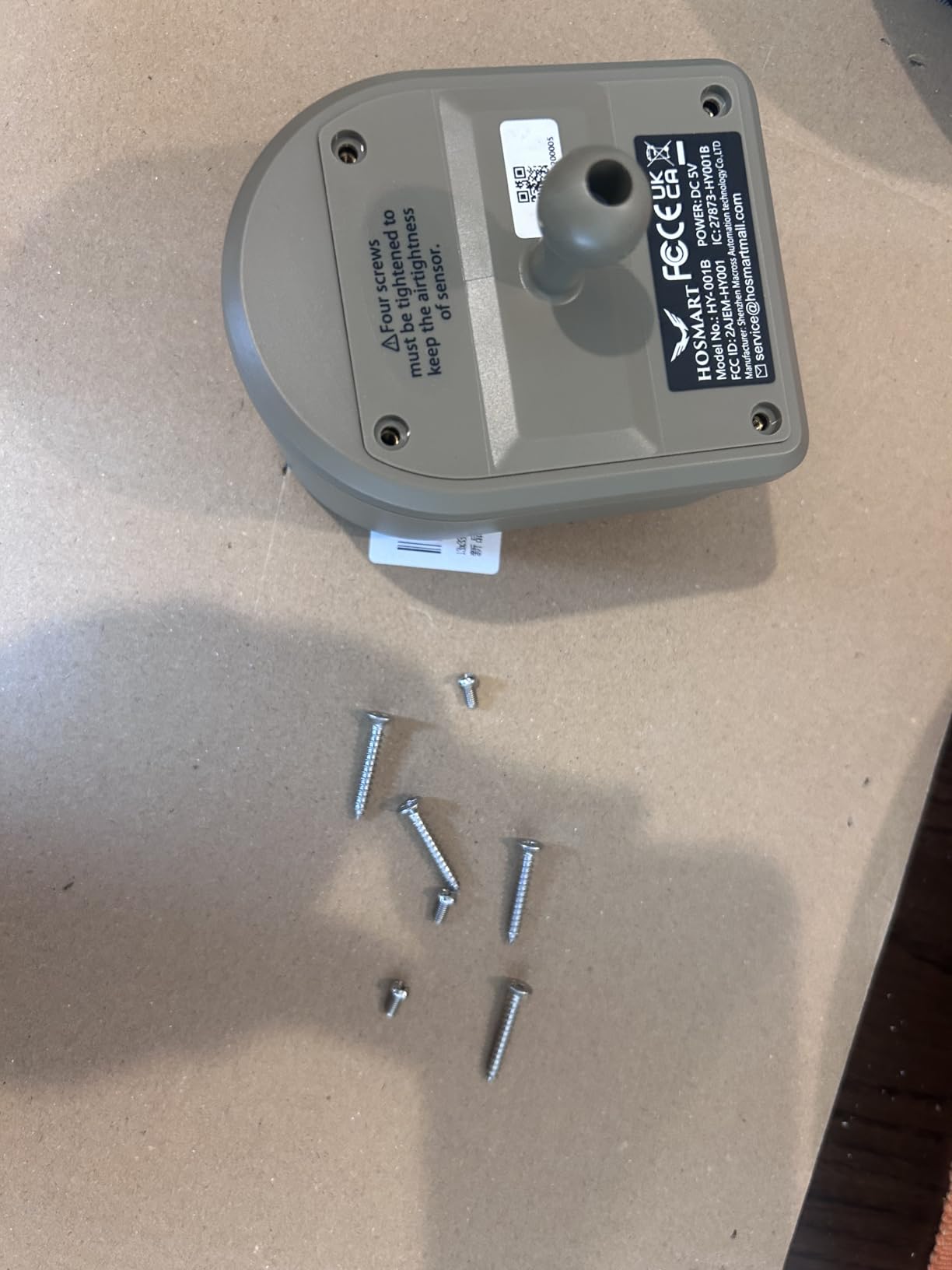
The housing is industrial-grade PVC with a rubberized weather seal and a sunshade over the lens, and the whole unit is compact at roughly 3.1 by 3.9 inches. That small size is a genuine advantage on a gate post or the corner of a pole where a bulky sensor looks out of place.
Power is four AA cells rated at about 8760 hours, and the battery chemistry accepts lithium-ion as well as alkaline. On a drive nobody visits monthly, lithium cells are the sensible choice in winter because alkaline performance drops as the temperature falls. Sensor batteries are not in the box.
Expansion tops out at 4 sensors with unlimited receivers, which covers a main drive plus a gate and a workshop. The receiver carries 38 ringtones, and different sensors can be assigned different tones, so you know which entrance fired without getting up.
Best fit for a sloped or winding drive
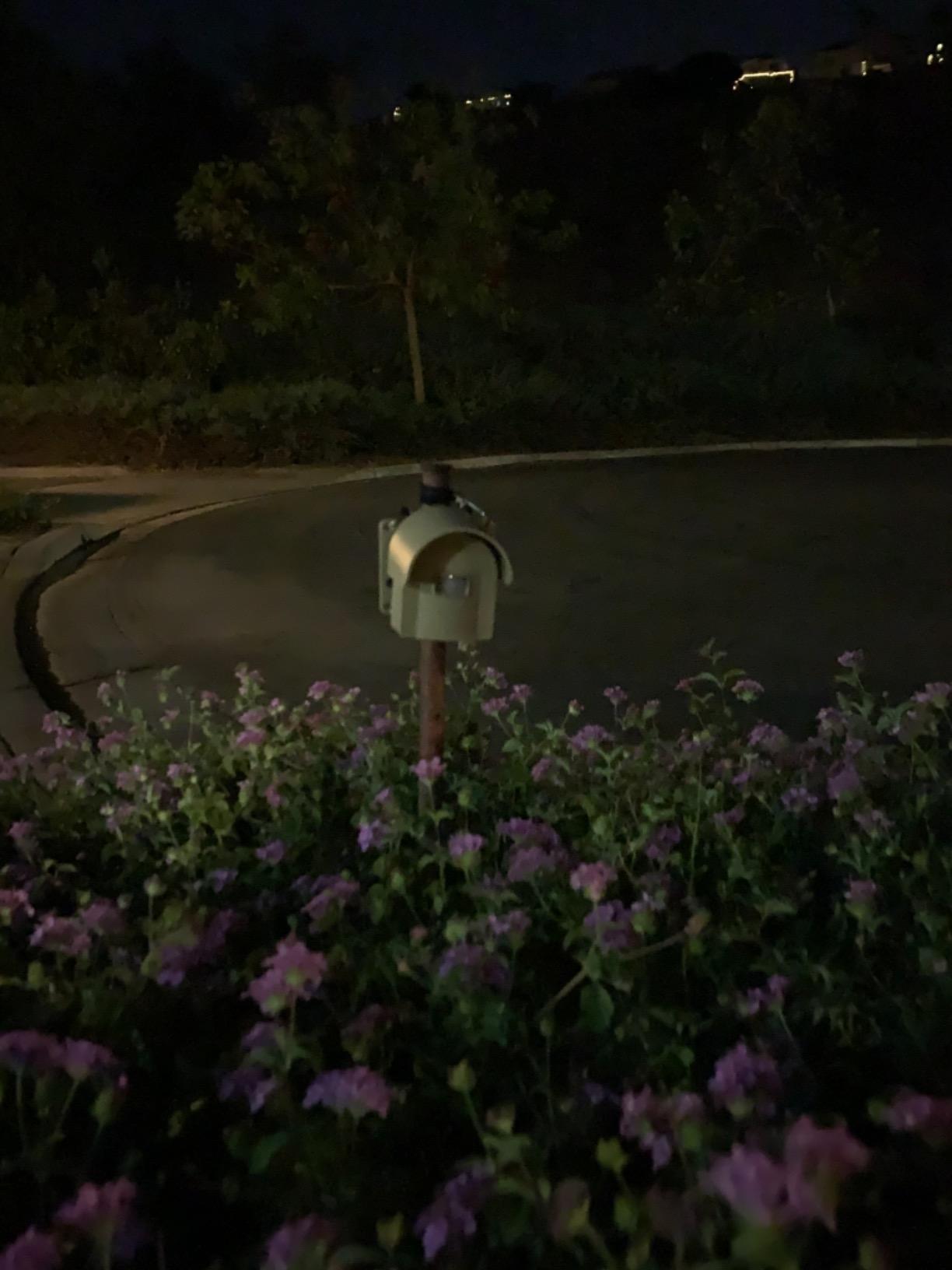
Where a long drive bends or climbs, the detection cone drifts off the travel lane unless you aim it deliberately. The swivel bracket here lets you set that angle once and leave it, which is why we match it to sloped and wooded drives rather than to straight open ones.
The 1500-foot typical figure lines up with what owners on tree-lined drives report from the top pick in this roundup. If your drive runs longer than that, you are at the edge of what this class handles and should look at the one-mile kit instead.
Trade-offs to plan around
A four-sensor ceiling limits how many entry points you can cover with one receiver, and that matters on farms with multiple gates. The stated range is also the product of real conditions rather than a clean specification, so do your own test walk before committing to a long drive.
No phone alerts and no smart home integration. This is a plug-in receiver and a chime, and that is all it does.
5. Wuloo Solar 1800ft Wireless Driveway Alarm with 2 Sensors
Solar Driveway Alarm Wireless Outside 1800ft Range, Outdoor Motion Sensor & Detector Driveway Alert System with Rechargeable Battery/Weatherproof/Mute Mode(1&2-Brown)
- Two sensors plus receiver in one kit
- Receiver doubles as a clock and alarm
- Solar rechargeable battery lasts up to 24 months
- Weatherproof and works in rain or snow
- Mute mode is useful for flexible monitoring
- 1760 ft range is shorter than the half-mile and one-mile units
- Heavier kit at 0.9 kg total weight
Solar and two sensors in the same box is a combination that is genuinely rare. Most solar kits here ship with a single sensor, which means buying a second one separately before you can cover a gate as well as the drive. This one arrives with the receiver and two sensors ready to program.
Transmission is 1760 feet, or a little over a third of a mile, and the manufacturer states it was tested against trees, buildings, walls and vehicles. That puts it in the middle of the range tiers here: comfortably past the 1000-foot class and short of the half-mile units when your drive passes about 1,200 feet with heavy tree cover.
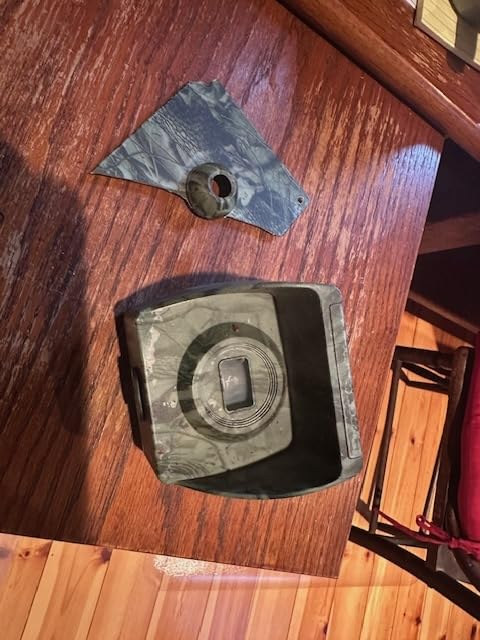
The receiver is the unusual part here. It doubles as a bedside clock and alarm with adjustable chimes, so the same box sitting on your nightstand tells the time and alerts you when something comes down the drive. Owners with a master bedroom far from the entry hall find that arrangement more useful than a louder chime.
The solar panel charges a lithium battery rated for up to 24 months on a full charge. Detection reach is 30 feet, and the FM, ASK and FSK wireless stack from a maker with two decades in the category is a reasonable sign that the radio side is solid.
Expansion is to 8 additional sensors, which is enough to build out a full property with a drive, two gates and a workshop. Mute mode lets you silence the unit during known traffic hours, which is one of the few cheap answers to the wildlife problem.
When 1760 feet is the right number
If your drive is between roughly 700 and 1,200 feet with some tree cover, this is a comfortable fit and leaves headroom. The extra battery interval from solar also means you are not walking out to the end of the drive twice a year in a pair of boots.
The 1760-foot figure is a real limit, though. Past about 1,300 feet with hills or thick pines, stop reading the specification and start looking at the half-mile and one-mile classes.
What to watch before you buy
At 0.9 kg the kit is the heaviest here, which matters if you are mounting high on a pole or handling it in winter. The clock-and-alarm receiver is a bonus for some households and clutter for others.
No app, no text alerts, no smart home. Buyers who travel should treat this as a household chime system and nothing more.
6. YoLink LoRa Smart Outdoor Motion Sensor with Phone Alerts
- Smart-home integration with Alexa IFTTT and Home Assistant
- Email SMS and push alerts notify you anywhere
- 1/4 mile LoRa range reaches entrances and remote buildings
- Battery powered with two AA batteries included
- Device-to-device pairing works without internet
- Requires a separate YoLink hub sold separately
- Not waterproof so it needs a sheltered mounting spot
- No local chime receiver included
This is the only pick here that answers the question most long-drive owners actually ask, which is whether a driveway sensor can notify my phone. Through the YoLink hub it sends email, SMS and push notifications, and it works with Alexa, IFTTT and Home Assistant. A 1,200-foot sloped drive with no power at the entrance is exactly the kind of spot this fills.
Best rated in this roundup at 4.5 stars, with 76% of reviews at five. Owners consistently say the phone alerts matter more to them than any local chime, which is a shift from how these systems were sold a decade ago. The trade is real though: you are buying a smart sensor, not a self-contained alarm kit.
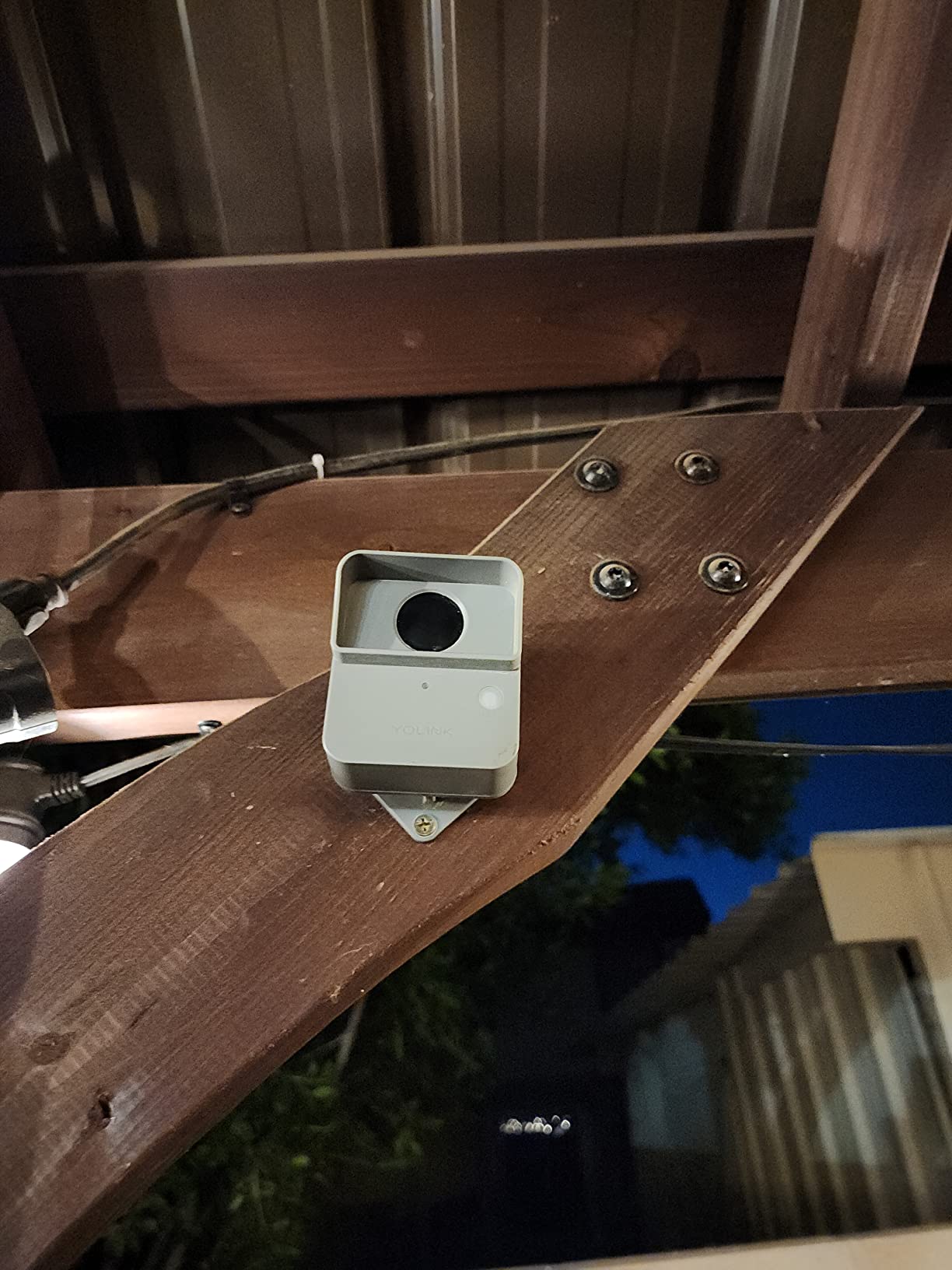
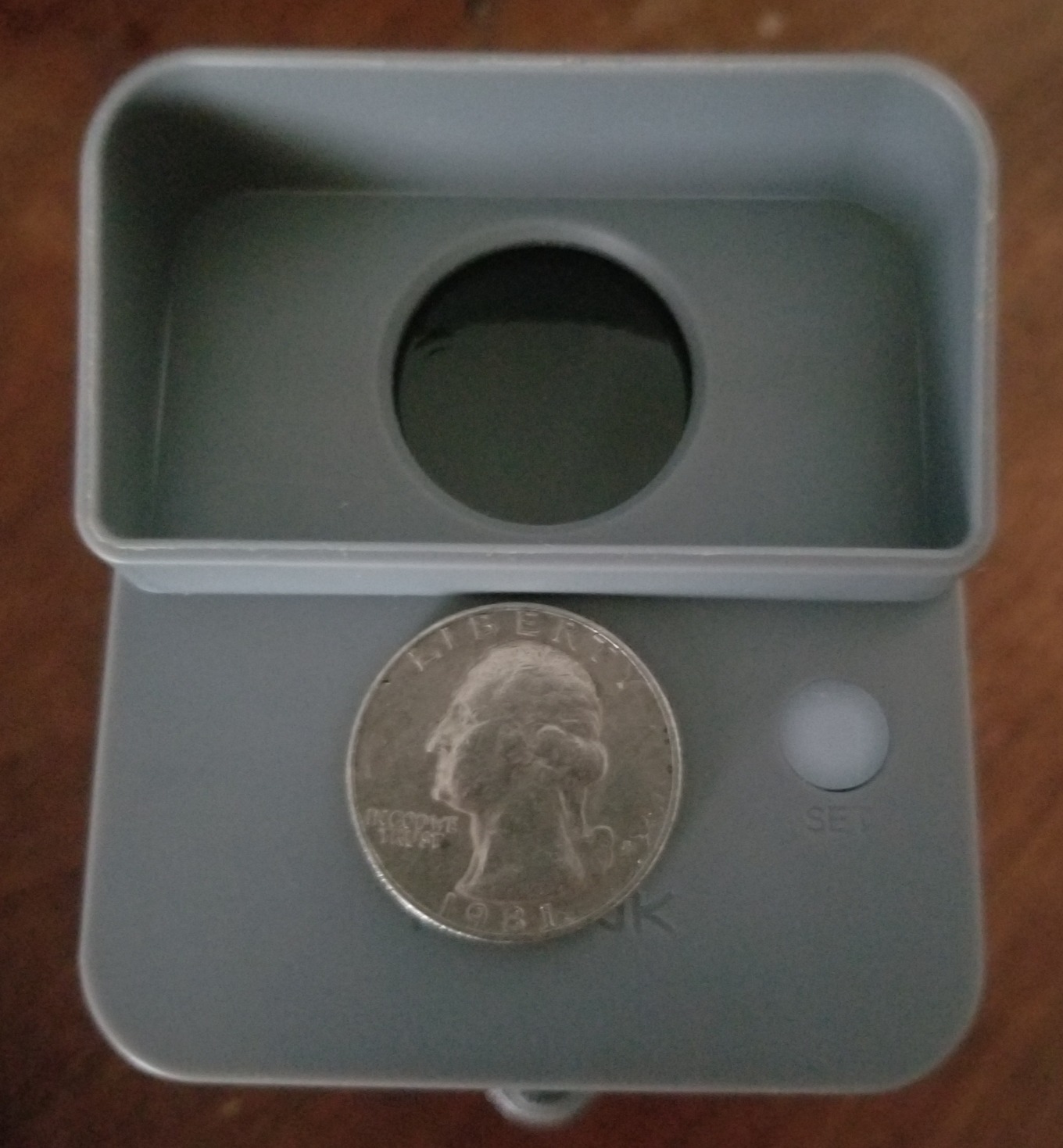
Transmission is LoRa at a quarter mile in open air, and motion detection is a tight 6 meters. That is the narrowest detection figure here by a wide margin, so this is a sensor for a gate post or a path right next to a building rather than something staked 30 feet back from the road. Position it where vehicles pass close.
Two AA batteries are included and rated for more than two years of standby. There is also device-to-device pairing that works without Wi-Fi or internet, which is useful when you pair the sensor with a siren or another YoLink device directly.
Two things to check before you commit. The hub is a separate purchase, so this is not a complete kit on its own. And the sensor is designed for outdoor use but is not waterproof, so it needs a protected location under an eave or inside a housing. Mount it in the open on a post and heavy rain becomes your problem.
When phone alerts beat a chime
If you are away from home regularly, or your bedrooms are out of earshot of a receiver, the notification path matters more than how many melodies the box holds. Email and SMS reach you anywhere, and Home Assistant users report building automations directly on top of it.
The catch is infrastructure. You need the hub, power for the hub, and working internet at the house. On a rural property with unreliable cell service, a hub that depends on a cloud connection can go quiet exactly when you need it, and a homestead owner in our research rejected internet-based alerts for that reason.
Where it is the wrong choice
If you want a local alarm that keeps working with no internet and no phone, this is not it. There is no receiver in the kit, and if the hub loses power or the connection drops, you lose the alerting.
Six meters of detection and no waterproofing rule out the open roadside post on a long exposed drive. Use it at a gate, a side path or a covered entrance.
7. TECKNET Solar RGB Wireless Driveway Alarm
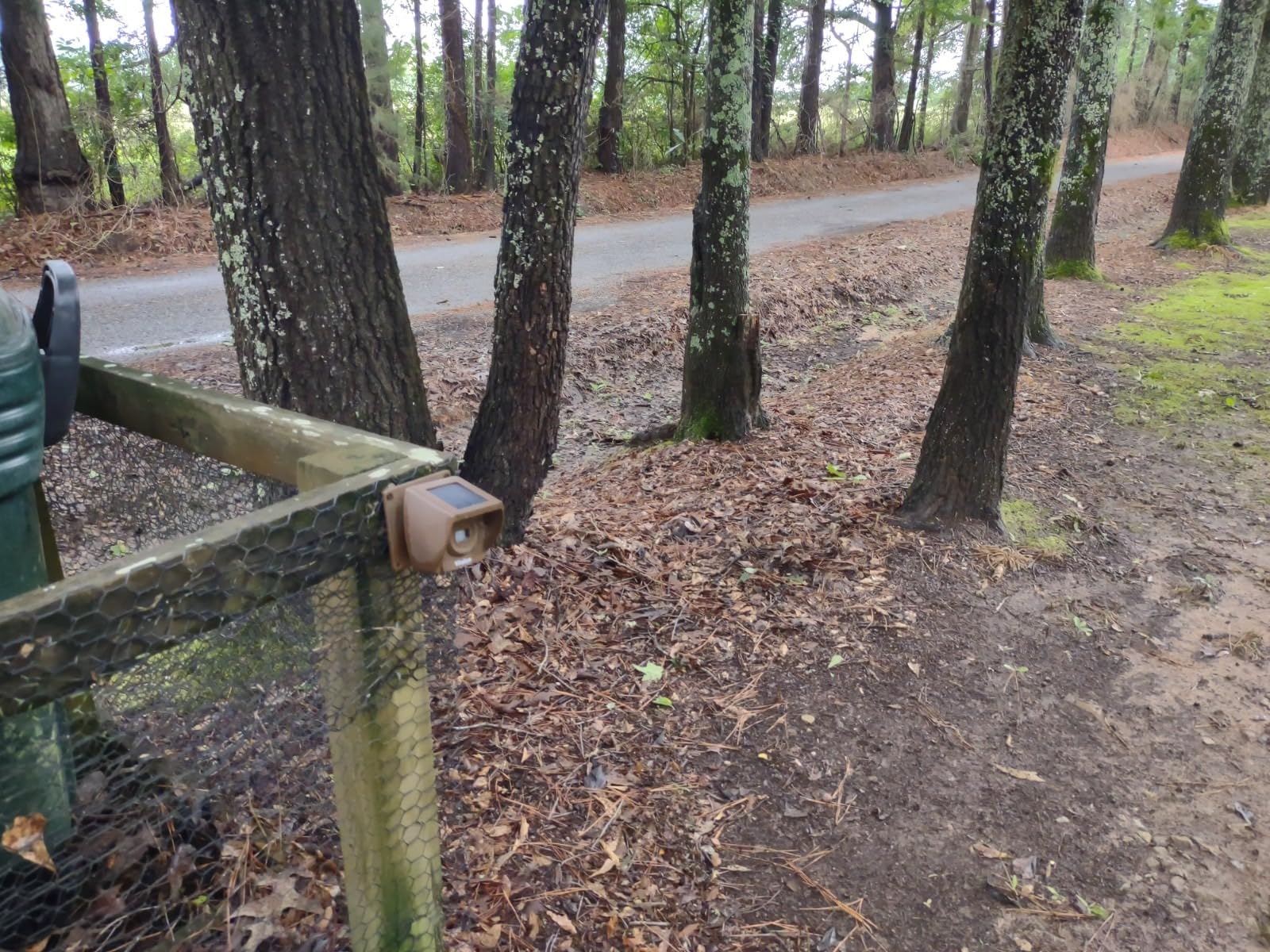
- Half-mile range holds through walls hills and heavy tree cover
- Solar panel keeps the battery charged through overcast stretches
- Adjustable lens panels narrow the detection field
- Receiver runs on batteries so it can move around the house
- RGB zone lighting shows which sensor triggered
- Blue status LED on the sensor cannot be switched off
- Many melodies run 3 to 5 seconds which some find long
- Supplied USB cable is short and has no AC plug
- Pairing between units is confusing at first
The adjustable sliding lens panels are the feature that separates this from every other PIR kit here. You physically narrow the detection field by sliding panels over parts of the lens, so instead of only trimming sensitivity in software you remove the outer zones from the equation. On a wooded drive bordered by brush, that is the most direct fix for wildlife and foliage triggers.
Owners confirm real-world transmission including 1200 feet over a hill and through thick pine cover, which is a fair result for a 2600-foot rated unit. That lines up almost exactly with the 1500-foot typical performance we see from the top pick, so you are getting comparable reach with a different approach to false alarms.
Detection runs at 16 feet on low or 33 feet on high, and the rotating bracket handles aim. The housing carries an IPX5 weather rating with an operating range of minus 15 to 50 degrees Celsius, which is about 5 to 122 degrees Fahrenheit. That is a narrower temperature envelope than several picks here, so it suits temperate climates better than northern ones.
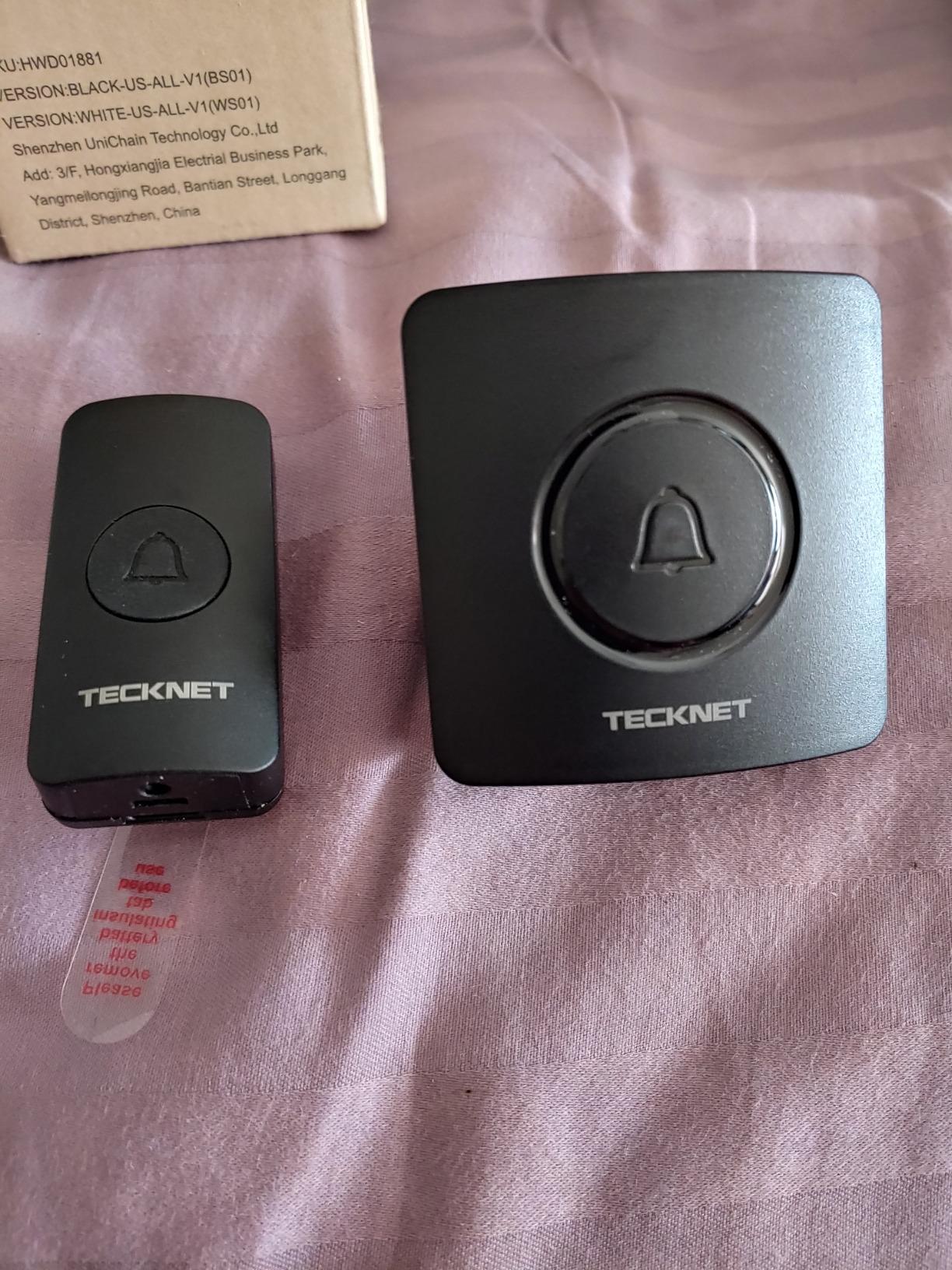
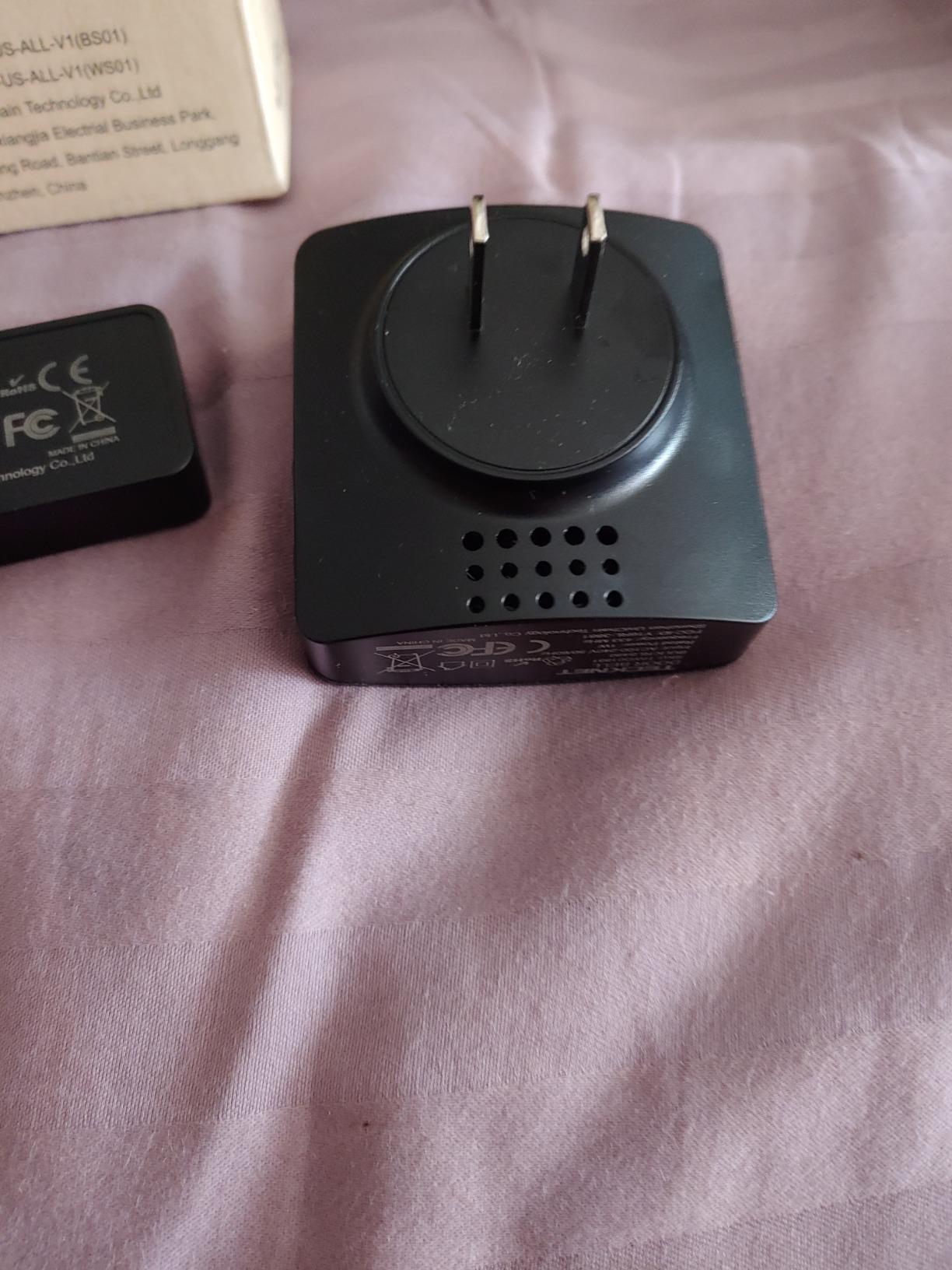
The receiver is the flexible part. It runs on four AA batteries or USB power, so you can move it between the kitchen, the workshop and the barn instead of fixing it to one outlet. Four alert zones flash in RGB when triggered, telling you which sensor fired without any sound at all.
The blue status LED on the sensor cannot be turned off, and that comes up repeatedly. A visible blinking light on a dark tree line tells anyone watching exactly where the sensor is, which is why several owners treat it as a security giveaway rather than a cosmetic complaint.
Best choice when wildlife wakes you up
Deer, coyotes and squirrels are the top complaint across homeowner forums, and they trigger because they enter the detection cone. Narrowing the lens physically blocks the low, outer approach that animals use while leaving the vehicle lane open, which stops the alerts without lowering sensitivity across the whole field.
The receiver running on batteries also helps. If your dogs or your household sleepers react badly to loud chimes, you can place the receiver where you want the light and run the volume at a low setting instead.
Where it stops working
In deep winter this is a weaker choice than solar units rated for sub-zero temperatures. The rechargeable battery is not even included, and the short USB cable without an AC plug makes first charging a slightly awkward task.
Pairing takes a couple of attempts for most people, and several melodies run long enough to become irritating if a sensor is triggered often. No app and no subscription, which is a plus for anyone who does not want another monthly service.
8. Dakota Alert DCMA-4K Plus 1-Mile Wireless Kit
Dakota Alert Wireless Driveway Alarm DCMA-4K Plus 1-Mile Motion Sensor Kit
- Only unit here with a full one-mile wireless range
- 110 dB alert cuts through noise on a large property
- Code-learning pairing gets you running in minutes
- A single 9V battery runs a year or more
- Up to 16 sensors per receiver
- Highest cost in the roundup
- Bulky 9.1-inch cube packaging and 0.7 kg weight
- 50 ft detection distance is modest for the money
Half a mile is the longest transmission any PIR unit in this roundup delivers. This one reaches a full mile, which covers driveways where the house sits a quarter mile behind a rise and a mile of trees with the sensor out of sight. Forum owners running long rural drives consistently point to this brand as the one that keeps reporting in over a mile.
The 110 dB alert is the loudest here and it exists for a reason. On a large property the receiver may be in a house with a basement, a workshop and running equipment, and a 35-decibel chime disappears into that. Four selectable volume levels let you set it loud for a barn or an outbuilding receiver and softer inside.
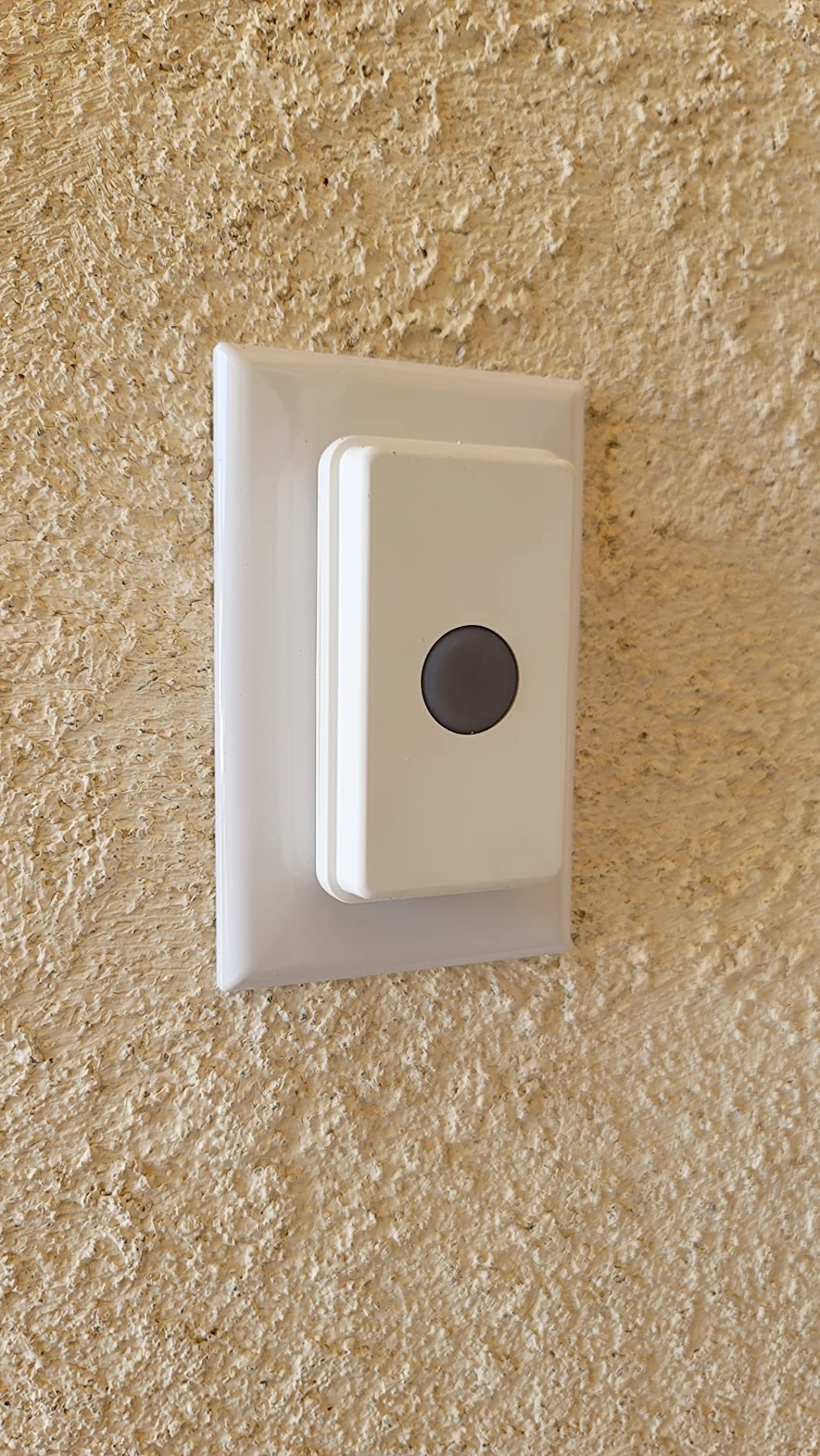
Pairing is code-learning: the receiver learns the sensor code rather than needing matching DIP switches, so setup takes minutes rather than an afternoon of trial and error. A single 9V alkaline battery in the sensor is rated for a year or more, which is the longest stated battery interval among the battery-powered kits here.
Expansion allows up to 16 sensors per receiver with unlimited receivers per sensor, so a farm with several gates is well covered. A two-year manufacturer warranty backs the parts and workmanship.
What you give up is detection reach, and this is the catch worth thinking about. Fifty feet of detection for a mile of transmission means a vehicle has to get within 50 feet of the sensor before you hear anything. On a long straight drive you might prefer earlier notice, and the price is the highest in the group.
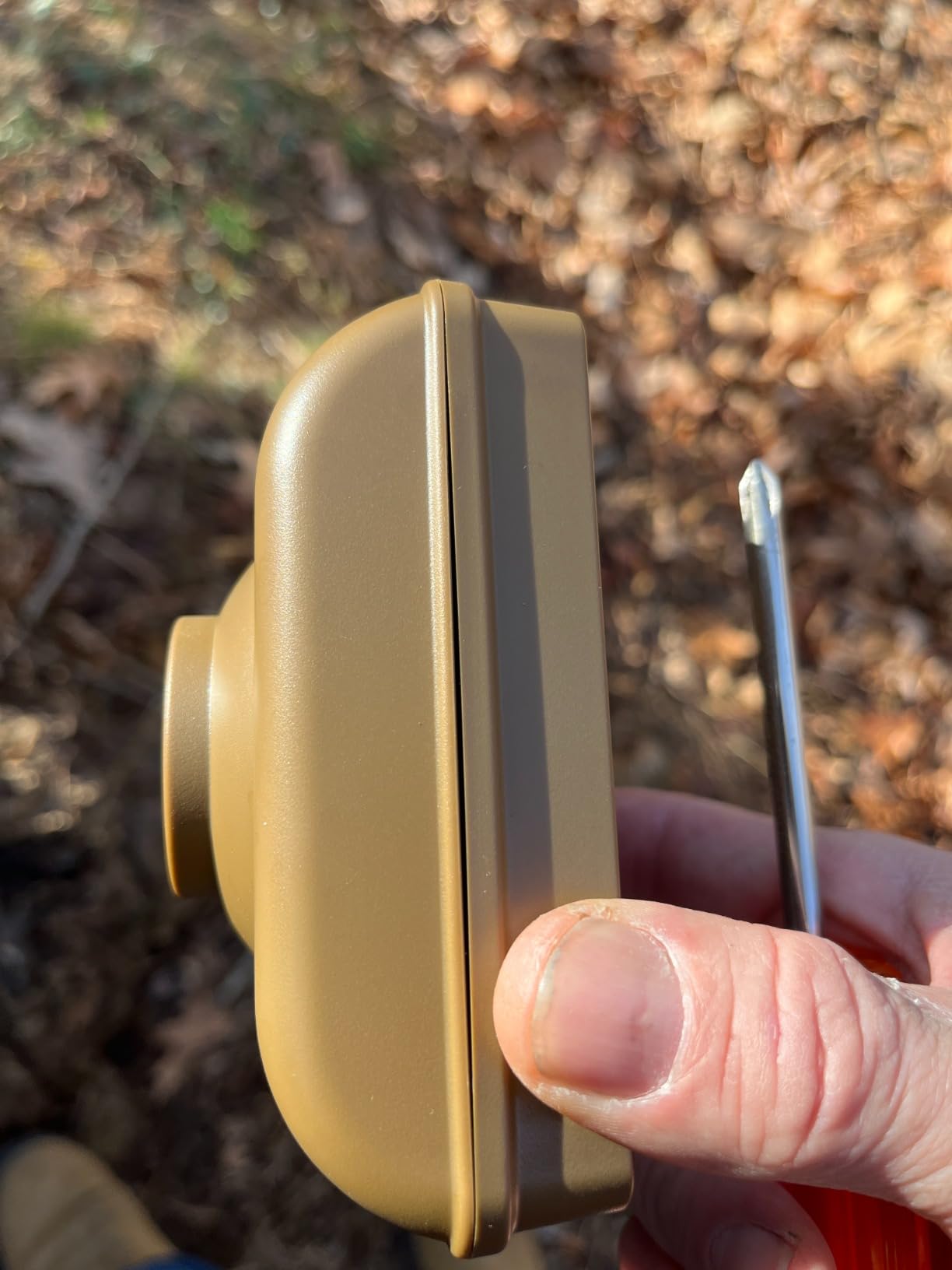
When you need more than half a mile
Measure the straight-line distance from your receiver to the driveway entrance before choosing. Past roughly 2,600 feet with buildings, hills or heavy timber between them, this is the class that still reports. A tractor forum owner running a 1,200-foot wooded drive notes that range still degrades through tree cover, which is worth remembering even at one mile.
The single 9V battery is genuinely low maintenance. On a drive you visit twice a year for the mailbox, replacing four AA cells four times a year is a chore this design removes.
Where the money goes
You are paying for radio range rather than detection quality, and the 50-foot figure is modest next to cheaper kits. At 0.7 kg and a 9.1-inch cube, the hardware is also bulkier, which makes it harder to hide on a decorative post.
There is no app, no solar option and no probe mode. If your real problem is animals rather than distance, spending more here will not fix it.
9. HTZSAFE Solar 1/2 Mile Driveway Alarm with Spoken Zone Tones
HTZSAFE Solar Driveway Alarm 1/2 Mile Long Range – 1 Receiver + 1 Sensor
- Solar design means no battery changes on the sensor
- Spoken-word tones for driveway front door backyard and garage
- Ball-and-socket mount makes aiming easy
- Receiver has a backup battery and can be carried around the house
- Reliable through 400 yards with trees and no line of sight
- Receiver can lose tone and volume settings when powered off
- Solar panel is fixed so the whole unit must tilt toward the sun
- No battery-level indicator on the outdoor sensor
- Many of the 35 melodies are described as harsh
The spoken tones are the reason this kit exists. Instead of a chime, the receiver announces driveway, front door, backyard or garage, which is a genuine improvement on a property with several entry points. You stop guessing which sensor fired and start knowing, without memorizing 35 different melodies.
Owners confirm the advertised half-mile reach across long tree-lined drives, including reports of reliable service through 400 yards with trees and no direct line of sight. Detection reach is adjustable across three sensitivity levels at 25, 50 and 70 feet, which is the widest detection spread of any unit in this roundup.
Dual solar panels charge the sensor in cloudy and rainy weather rather than only in direct sun, which is a meaningful difference on a north-facing or shaded entrance. The receiver carries a built-in rechargeable backup battery, so a short power outage does not silence the house while you are away.
Because the receiver runs on that battery, you can carry it between the kitchen, the workshop and the yard instead of leaving it beside one outlet. Five volume levels let you set a daytime level and a night level, and the ball-and-socket mount makes aiming as precise as you want it.
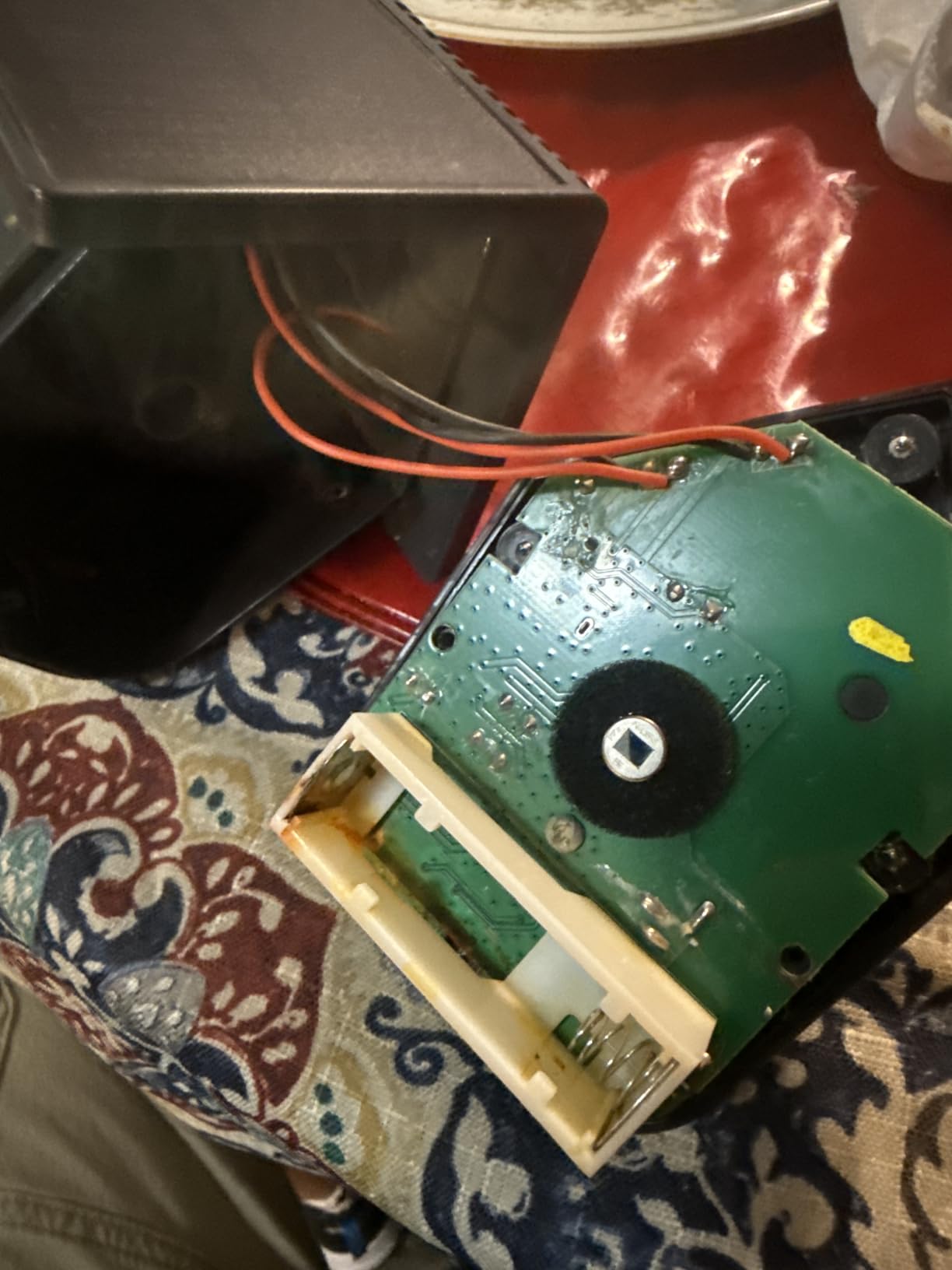
Two faults come up repeatedly. The receiver loses its tone and volume settings if it is switched off at the wall, which is maddening if your household prefers cutting power at night. And the solar panel is fixed to the housing, so aiming the sensor means tilting the entire unit toward the sun, which then changes where the detection cone points.
Best fit for a multi-entry property
If you have a drive, a side gate and a workshop door, spoken announcements remove the guessing game entirely. Hearing “backyard” at a specific time tells you something a generic chime never will, and that is worth more than a longer melody list.
The three-level sensitivity spread from 25 to 70 feet also helps on a long drive, because you can start at 70 feet for early warning and dial back as vegetation grows through the season without moving the unit.
What to watch out for
The fixed solar panel is the biggest practical issue. Every adjustment to the detection angle also moves the panel away from optimal sun, and on a drive with heavy growth you will want to change the angle at least once a year.
Owners also report triggers from raccoons, deer and other wildlife, which is what a PIR sensor does when an animal walks into the cone. There is no battery-level indicator on the outdoor sensor, so you find out about a charging problem when it stops reporting.
10. Betterlink Solar 1/2 Mile Wireless Driveway Alarm
BetterLink 1/2 Mile Long Range Solar Wireless Driveway Alarm System 1R1S
- Reliable 1/2-mile transmission through dense forest at 400 feet
- IP65 waterproofing holds up outdoors
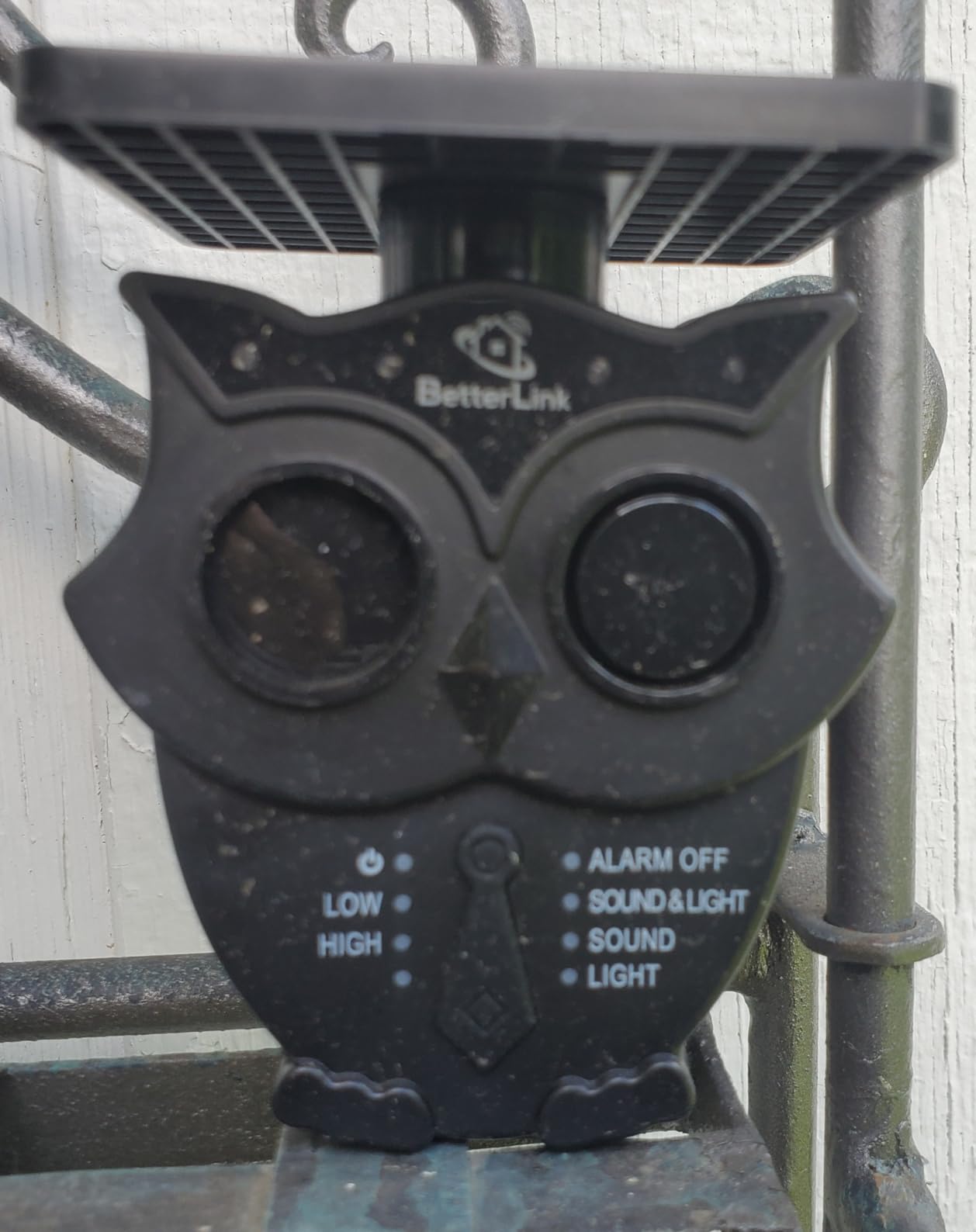
- Owl-shaped sensor blends in and looks decorative
- Receiver is portable and alerts you when it needs charging
- Operating range from -4 F to +140 F
- Responsive replacement service
- Solar panel is fixed so the whole unit must tilt toward the sun
- Receiver is rechargeable rather than continuously powered from the wall
- Some reports of missed detections during heavy rain
- Bright green receiver LED can be distracting at night
The widest operating temperature in this roundup runs from minus 4 to 140 degrees Fahrenheit, which makes this the cold-climate choice among the solar kits. If your drive is somewhere that sees real winter, the narrower temperature envelopes on the other solar units are a genuine concern rather than a technicality.
The IP65 housing is the most complete dust and water rating here. IP65 means the enclosure is sealed against dust and survives water jets from any direction, which is a step up from the IPX5 rating on the TECKNET kit that protects against water jets but does not claim a dust-tight seal.
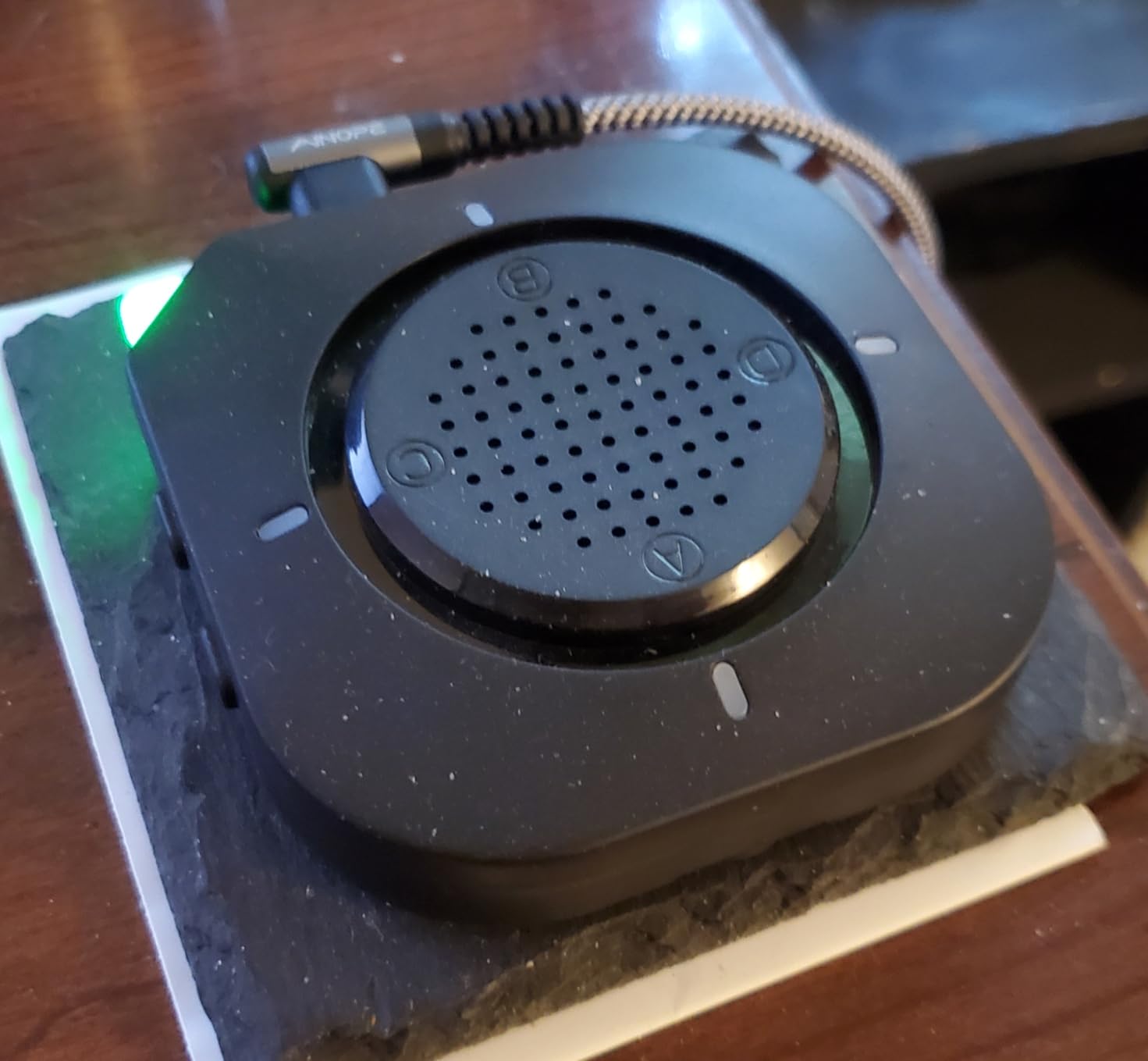
Range is a half mile per sensor in open areas, and owners specifically report reliable transmission through dense forest at 400 feet. Detection is PIR at up to 30 feet. The receiver expands to 16 motion sensors, which covers a drive, a gate and a workshop with room to spare.
Charging is solar or USB-C, so if the sensor is mounted somewhere shaded you can top it up from inside rather than waiting for better weather. Four alert modes let you pick audible, light, both, or a receiver-linked mode, and the unit can also work as a remote driveway doorbell for a delivery you want to know about without going outside.
The package includes the receiver, one sensor, a Type-C cable, a manual and three mounting screws. A two-year manufacturer warranty covers the unit, and owners report the company replacing a failed sensor with postage covered, which tells you something about how the support is handled.
Why the IP rating matters here
Outdoor sensors on a long drive take rain from every direction for years. A housing rated IP65 is sealed tight enough that dust and grit cannot work into the sensor, and the temperature range means the electronics keep working through freeze and thaw cycles that shorten the life of cheaper sealed units.
Some owners do report missed detections in heavy rain, which is normal for passive infrared sensors generally. Water droplets crossing the detection zone change the heat picture the sensor is reading, and heavy rain can suppress triggers for a few minutes.
What could go wrong
The solar panel is fixed to the body, so aiming the detection cone means tilting the whole unit toward the sun, the same trade-off as the other solar kit here. The receiver is rechargeable rather than running continuously from the wall, so it needs periodic charging.
Only one sensor is included, and the bright green receiver LED stays visible at night. If you want two entry points covered on day one, this kit needs an extra sensor.
Which Range Tier Matches Your Driveway Length?
Measure before you shop. Walk the drive from the point where the house stops seeing or hearing an arriving vehicle to the road, and note every place the line of sight breaks: a rise, a curve, a tree line, a building. That broken number, not the marketing figure, decides your class.
Up to about 600 feet, the 1000-foot class such as the 1byone kit covers you with margin. Between 600 and 1,200 feet with open or lightly treed sight lines, the 1760-foot Wuloo and the half-mile units all work. Past 1,200 feet through heavy timber, the HOSMART and Betterlink kits with honest 1500-foot typical figures are the safer bet, and TECKNET owners report 1200 feet over a hill through pine.
Beyond roughly 1,800 feet with buildings in the path, only the one-mile Dakota Alert kit gives you margin. Under 300 feet on an urban lot, none of this is necessary and you would be paying for range you will never use.
For readers still setting up the basics, our pick of premium driveway alarms for homeowners goes deeper on receiver placement and coverage zones.
Transmission Range Is Not Detection Range
Transmission range is the radio link between sensor and receiver. Detection range is how far from the sensor a target must be to trigger it. These are separate numbers, sold together on the same spec sheet, and confusing them explains most of the disappointment in driveway alarm forum threads.
A sensor with a mile of transmission and 50 feet of detection tells you something only when a vehicle is within 50 feet of that sensor. The mile of radio just gets that 50-foot message home. On a straight drive you want both a long radio reach and generous detection, which is why we rank the kits with 50 to 70 feet of detection higher than cheaper ones with 24 feet.
Real-world range also derates. Every manufacturer tests in open conditions, and tree cover, hills, buildings and even vehicles in the path cut the usable distance. The honest figures on the HOSMART kit, where 1500 feet is described as typical against a half-mile ideal, are the most useful numbers we found for a wooded drive.
PIR, Magnetic Probe and Beam Sensors Explained
Every product in this roundup uses passive infrared detection: the sensor watches for a change in infrared heat as a warm body crosses its zones, then sends a radio burst to the receiver. That works well for vehicles and people, and it has one well-known weakness, which is that a deer walking into the cone looks exactly like an intruder.
A magnetic probe or magnetometer sensor is buried alongside the driveway and detects the large metal mass of a vehicle. People walking, deer, coyotes and squirrels produce nothing at all. If your nights are a rotating cast of wildlife, a probe system is the only technology that solves the problem rather than mitigating it.
Beam sensors use an infrared beam across the drive and trigger when something breaks it. They are extremely reliable and nearly immune to wildlife, but they need a clear line across the drive and a power source at both ends, which rules out many long rural entrances. Pressure hose and buried-tube systems work similarly but need more installation.
Power at the End of a Driveway With No Electricity
Most long drives have no outlet at the entrance, which rules out anything wired. That leaves three options: replaceable AA or 9V cells, a rechargeable cell charged by a solar panel, or a mains-powered receiver at the house with a battery or solar node in the field.
Solar is the right answer when nobody visits the sensor regularly. The eMACROS kit rates up to 64 sensors and around two years of average battery life, the Wuloo kit claims 24 months on a full charge, and the HTZSAFE and Betterlink solar kits use dual panels or a USB-C top-up for shaded spots. The catch on every solar unit here is a fixed panel, so aiming the sensor also aims the panel.
For cold climates, battery chemistry matters more than most buyers expect. Alkaline cells lose significant capacity below freezing and are close to useless at very low temperatures, while lithium cells hold their output. On a drive you visit twice a year, lithium is the safer choice, and Betterlink’s minus 4 to 140 degree operating range is the widest here for that reason.
Homeowners on long drives also mention cold-weather battery failures on nodes that nobody checks monthly, which is the single most common complaint about battery-powered systems in cold regions.
Chime Receivers, Barn Receivers and Phone Alerts
Every unit here except the YoLink sensor ships with a plug-in or battery-powered receiver that chimes indoors. That is the whole point on most long drives, since the receiver tells you what happened while the sensor tells you where. It is also its limit: nobody hears a chime in a basement when they are not home.
Most of these systems support unlimited receivers alongside one sensor, which is what makes barn and workshop coverage practical. A homestead owner in our research runs a second receiver in a barn roughly 250 feet from the house and it works well, as long as the sensor-to-receiver radio reach covers the extra building. Budget for the second receiver in the plan rather than after.
For owners who travel or whose bedrooms sit out of earshot, phone alerts solve a problem a chime cannot. The YoLink LoRa sensor sends email, SMS and push notifications and works with Alexa, IFTTT and Home Assistant. Its trade-offs are a separate hub purchase, no local chime, a 6-meter detection reach and no waterproofing.
One real warning from rural owners: cell and internet reliability on these properties is uneven. If your hub depends on a cloud connection, confirm your signal before you rely on it as your only alert path. Our comparison of DIY alarm systems covers the reliability question for people wiring alerts into a broader setup.
Sensor Placement and Aiming on a Long Drive
Aim across the direction of travel rather than down it. A sensor pointed along the driveway sees a vehicle approaching head-on at a shallow angle, while the same sensor angled across the lane gets a full body crossing its zones at a stronger angle and registers more reliably.
Height depends on what you want to catch. The eMACROS guidance is 3 to 4 feet for detecting people and 2 to 3 feet for vehicles, and that matches what we would recommend generally. Mounting lower narrows the vertical band that triggers, which cuts small animals while keeping vehicle detection intact.
Keep the sun out of the lens where you can, using the sunshade built into the HOSMART housing or the small size of the 1byone sensor. A PIR sensor sitting in direct afternoon sun loses its thermal contrast and becomes both less sensitive and noisier at the same time.
How to Stop False Alarms
Foliage moving in the wind is the most common trigger. Set the sensitivity to its lower level, then tighten the aim so the cone covers the travel lane and not the tree line. On the TECKNET kit you can physically slide the lens panels over the outer zones, which is the most direct fix available here.
Wildlife is the second cause and the harder one. Detection sensitivity alone cannot solve it, because turning sensitivity down far enough to stop squirrels also means missing a person walking up. If deer traffic is the real problem, move to a magnetic probe system instead of a motion sensor.
Sunlight and high heat come third. PIR sensors compare against ambient temperature, and a hot day, a direct sunlit lens or a vehicle running hot after a highway drive all reduce the contrast the sensor is looking for. A sunshade and a lower mounting height both help.
Fourth, mismatched programming causes phantom alerts. Give each sensor a distinct melody or, better, a spoken zone tone, and you will be able to tell a real approach from a neighbor’s driveway if your receiver is picking up more than one system.
Driveway Alarm or Security Camera?
They answer different questions. A driveway alarm tells you something is there and costs a fraction as much, works in the dark with no light and no subscription. A camera tells you who or what it was, and needs a view, power, bandwidth and usually a monthly plan.
The sensible order on a long rural drive is alarm first, camera second. Put a sensor at the entrance for the advance warning, and add a camera at the house end where you have power and a view if you need identification. Our rural driveway alarm guide covers that pairing in more detail.
Who Should Not Buy a Driveway Alarm
If your driveway is short enough to see from a kitchen window, a driveway alarm is money spent on a problem you do not have. A hundred feet of paving between the road and the house does not need a radio link, and any of the kits in this roundup will be overkill.
It is also the wrong tool if you need to know who is arriving rather than that someone is. No sensor on this list recognises a face, and none of them stores a record.
Buyers who want quiet operation should note that a chime-only system is adjustable. TECKNET’s battery receiver with RGB zone lights gives you a visual alert with no sound at all, which matters in a household where dogs react to noise.
Frequently Asked Questions
What is the longest range driveway alarm?
The longest range in this roundup is the Dakota Alert DCMA-4K Plus, rated for one mile of wireless transmission between sensor and receiver. Most half-mile kits such as the HTZSAFE and eMACROS cover 2640 feet on paper and closer to 1200 to 1600 feet on a tree-lined or hilly drive.
What is the best driveway alarm for long driveways?
The HTZSAFE 1/2 Mile kit with one receiver and two sensors is our pick. It covers half-mile transmission, ships with two sensors for two entry points, expands to 32 sensors, and carries 20k+ verified owner ratings. It has no phone app, so travellers should choose a smart sensor instead.
What are the best driveway alarms?
Our top picks are the HTZSAFE 1/2 Mile two-sensor kit for overall coverage, the eMACROS 1/2 Mile Solar for driveways with no power, the 1byone two-sensor kit on a budget, the HOSMART 1/2 Mile for steep and wooded drives, the TECKNET Solar for fewer false alarms, and the Dakota Alert for true one-mile reach.
Is there a driveway alarm that can be connected to my phone?
The YoLink LoRa Smart Outdoor Motion Sensor sends email, SMS and push notifications through a separate YoLink hub and works with Alexa, IFTTT and Home Assistant. Its open-air range is a quarter mile and detection reach is 6 meters, so it suits a gate or covered entrance rather than a wide roadside post.
Do driveway alarms detect people?
Yes. Every unit in this roundup uses passive infrared sensing and detects people, vehicles and large animals within its detection radius, which ranges from about 24 feet to 70 feet depending on the model and sensitivity setting. Mounting height changes what you catch, so 3 to 4 feet favours people and 2 to 3 feet favours vehicles.
Are driveway alarms worth it?
They are worth it when you cannot see or hear an arriving vehicle from inside the house, which usually means a drive of roughly 1000 feet or more, a detached garage out of earshot, or a property with multiple gates. On a short urban driveway you can already see from the window, the value is close to zero.
How do I stop driveway alarm false alarms?
Set sensitivity to its lower level, aim the cone across the lane instead of down it, and keep the lens out of direct sun. On the TECKNET you can slide panels over the outer detection zones to block the tree line. For deer and other wildlife, no PIR adjustment works reliably, so move to a magnetic probe system.
How far can a driveway alarm reach?
It depends on the number you mean. Transmission range is how far the radio carries, and runs from 1000 feet on the 1byone kit to one mile on the Dakota Alert. Detection range is how close a target must be to the sensor, and runs from 24 feet to 70 feet. Real transmission falls to roughly 1200 to 1600 feet through heavy tree cover.
Do driveway alarms work in cold weather or heavy rain?
Cold-weather performance depends on battery chemistry and the stated operating range. The Betterlink kit is rated from minus 4 to 140 degrees Fahrenheit, and the HTZSAFE kit from minus 30 to 150 degrees Fahrenheit. Lithium cells outperform alkaline below freezing. In heavy rain, PIR sensors can miss detections while water crosses the lens.
How many sensors do I need for two driveways?
Two sensors is the practical minimum, one per driveway, and both driveways should be on the same receiver with different melodies or spoken zone tones so you know which one fired. Check the expansion ceiling first: the 1byone kit caps at five sensors, the Wuloo at ten, while the HTZSAFE and eMACROS kits reach 32 and 64.
My driveway alarm is not working. What should I check first?
Start with the sensor battery, since a weak cell is the most common cause and sensors at the end of a long drive are rarely checked. Then confirm the sensor status LED is lit, check that the receiver still has power and volume set, and re-pair using the code-learning or programming button. Finally, confirm nothing has moved into the detection cone.
The Verdict
The HTZSAFE 1/2 Mile kit with one receiver and two sensors is the best driveway alarm sensor set for long driveways in 2026. Half-mile transmission that owners confirm across wooded drives, two sensors in the box, expansion to 32 zones and 20k+ verified ratings make it the pick we would install on our own long drive.
Match it to your property instead: solar for a drive with no power, the TECKNET for wildlife pressure, the HOSMART for a steep or curving approach, the Dakota Alert past 1,800 feet of timber, and the YoLink if you want your phone to tell you while you are away. Measure the drive first, then check the current listing and rating for your chosen model.