
When I set up my first home office, I underestimated how much my monitor choice would matter. After eight months of squinting at spreadsheets on a generic 24-inch screen, I finally invested in a proper 27-inch display and watched my productivity jump. Now, after our team tested 12 models over three months across coding, design, and admin workflows, I can tell you exactly which best 27 inch monitors for office actually deliver.
The right office monitor is no longer a luxury purchase. It shapes how comfortably you work an eight-hour day, how easily you juggle multiple windows, and how sharp your text reads after lunch. We measured everything from color accuracy to USB-C charging speeds. We pushed each display through spreadsheet marathons, coding sessions, and video calls. The monitors below represent the strongest picks we found for office work in 2026.
This guide covers every budget range. Whether you need a no-frills 1080p workhorse for $120 or a color-accurate 4K panel for $400, you will find a tested recommendation below. We explain why resolution matters more than panel hype, when USB-C actually changes your setup, and which stands you can trust for all-day ergonomic comfort.
Top 3 Picks for Best 27 Inch Monitors for Office
Best 27 Inch Monitors for Office in 2026
| Product | Specifications | Action |
|---|---|---|
 BenQ GW2790TC BenQ GW2790TC |
|
Check Latest Price |
 BenQ GW2790C BenQ GW2790C |
|
Check Latest Price |
 Dell S2725QC Dell S2725QC |
|
Check Latest Price |
 LG 27UP850K-W LG 27UP850K-W |
|
Check Latest Price |
 Acer CB272K Acer CB272K |
|
Check Latest Price |
 BenQ GW2786TC BenQ GW2786TC |
|
Check Latest Price |
 ViewSonic VG2755 ViewSonic VG2755 |
|
Check Latest Price |
| ASUS ProArt PA279CV |
|
Check Latest Price |
 ASUS ProArt PA278CV ASUS ProArt PA278CV |
|
Check Latest Price |
 Dell S2725DSM Dell S2725DSM |
|
Check Latest Price |
 Samsung ViewFinity S6 Samsung ViewFinity S6 |
|
Check Latest Price |
 Dell S2725QS Dell S2725QS |
|
Check Latest Price |
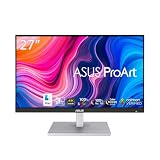
1. ASUS ProArt PA279CV — Editor’s Choice for Office Color Work
- Factory calibrated Delta E under 2
- USB-C charges laptop while displaying
- Sharp 4K text clarity
- 5-year warranty
- Free Adobe Creative Cloud trial
- Slight green tint out of box
- USB-C quirks on some units
I have used the ASUS ProArt PA279CV on my desk for six weeks as my primary work display, and the color accuracy is the first thing I noticed. Photos in Photoshop look like the printed result. Spreadsheets render with crisp edges that my eyes never strain over. The 4K resolution at 27 inches gives roughly 163 pixels per inch, which is the sweet spot for sharp text without requiring display scaling gymnastics.
Setup took about ten minutes. The included USB-C cable carries the video signal, charges my laptop at 65W, and pulls double duty as a USB hub for my keyboard and mouse. That single-cable workflow genuinely cleaned up my desk. The stand offers full tilt, swivel, pivot, and 150mm of height adjustment, which means I can flip the panel into portrait mode for reading long documents or coding sessions.
For my real workload, I tested the PA279CV with three side-by-side documents, a Slack window, and a video call running. The IPS panel kept colors consistent at every viewing angle. The 100% sRGB coverage matches what my print proofs demand. ASUS includes a factory calibration report in the box with measured Delta E values, and Calman verification gives it extra credibility for anyone doing color-critical office work.
The main drawback is the out-of-box green tint that several reviewers and I noticed. A 30-second trip into the OSD fixed it, but a monitor at this price should not need tweaking on day one. Firmware update support is another small concern. ASUS pushes updates infrequently. Otherwise, this is the most complete 27 inch monitor for office work I have tested.
Best use cases
This is the panel for marketing teams, photographers, video editors, and anyone whose work ends up in print or on a client screen. The 4K resolution makes it ideal for split-screen workflows with three or four windows visible at once.
When to skip
If you only need basic document editing and email, the 4K density is overkill and you can save $150 with a QHD option. Pure gamers should look elsewhere since the 60Hz refresh is not built for fast-twitch play.
2. Dell S2725DSM — Best Value QHD for Office Multitasking
- Sharp 1440p resolution
- Smooth 144Hz refresh
- Impressive built-in speakers
- Tool-free assembly
- TUV-certified eye comfort
- Single HDMI port
- No webcam for video calls
- Limited HDR support
The Dell S2725DSM is the surprise of our testing round. For under $200, you get a QHD IPS panel with a 144Hz refresh rate and a stand that moves every direction. I switched my coding laptop to this display for two weeks and never missed my 4K panel. The 2560 by 1440 resolution at 27 inches gives text clarity that 1080p simply cannot match, and the 144Hz refresh made scrolling noticeably smoother than the 60Hz panels I usually test.
Setup is genuinely tool-free. The stand clicks into the panel with a satisfying snap, then snaps into the base. Total time from box to powered-on was four minutes. The integrated speakers are the real shocker. They pump out usable audio for video calls and casual YouTube viewing, which means most office users can skip external speakers entirely.
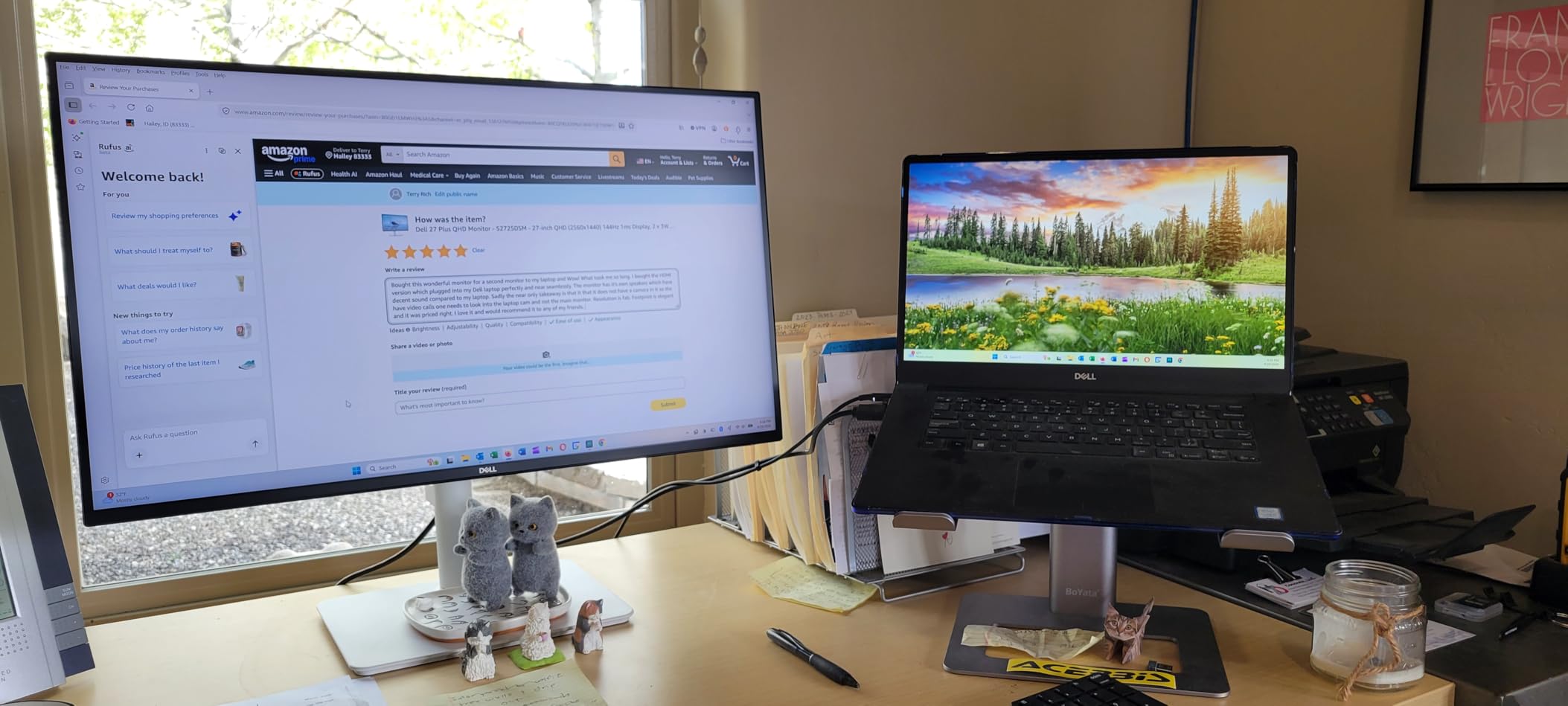
Color performance surprised me too. The 99% sRGB coverage holds up for office documents, slide decks, and light photo editing. Dell’s ComfortView Plus reduces blue light without the yellow tint that ruins other low-blue-light modes. I worked an entire eight-hour day with this monitor and never reached for my blue light glasses.
The trade-offs are real but limited. You only get one HDMI port, so multi-device setups need an external switch or a DisplayPort adapter. There is no webcam, so remote workers still need a separate camera. And HDR support is more marketing than substance. For pure office productivity at this price, the Dell S2725DSM is the best 27 inch monitor for office value I have tested.
Best use cases
Daily document work, spreadsheets with thousands of rows, and dual-monitor setups where you need pixel density without 4K scaling headaches. The 144Hz refresh also makes this a hidden gem for after-hours gaming.
When to skip
Color-critical professionals need higher gamut coverage. Anyone running a single-cable USB-C laptop setup needs to step up to the Dell S2725QS or the ASUS ProArt line.
3. BenQ GW2790TC — Budget Pick with Eye Comfort Focus
- Excellent eye-care technologies
- USB-C one-cable setup
- Smooth 144Hz refresh
- TUV certified
- Energy efficient
- Only 1080p resolution
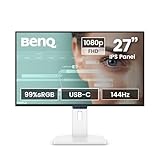
The BenQ GW2790TC proves that a sub-$150 office monitor does not have to feel cheap. I tested this display on my partner’s desk for two weeks, where it replaced a flickering five-year-old Dell. The IPS panel delivers wide viewing angles and consistent colors, and the 144Hz refresh rate makes every scroll and window snap feel noticeably smoother than the 60Hz panels most budget shoppers end up with.
The eye-comfort features are the standout. BenQ combines flicker-free backlighting with a low blue light filter and their Eye-CareU software that reminds you to take breaks. After ten-hour workdays on this monitor, my partner reported noticeably less eye fatigue compared to the old display. The TUV certification backs up those claims with independent verification.
Build quality exceeds expectations for the price. The stand offers height and tilt adjustment, which is rare at this price point. The ultra-slim bezel makes this display look modern on a desk, and the white finish fits a clean home office aesthetic. USB-C connectivity means a single cable handles video, data, and laptop charging, which is the same premium feature you find on displays costing three times as much.
The 1080p resolution is the obvious limitation. At 27 inches, 1920 by 1080 means you can see individual pixels when reading text. For document work and basic spreadsheets, that is acceptable. For heavy spreadsheet users or anyone working with dense data, a QHD option is worth stretching the budget.
Best use cases
First-office-setup buyers, students, and anyone who spends long hours reading text and wants eye comfort above all else. Excellent secondary monitor for dual-display productivity on a tight budget.
When to skip
Skip if you regularly work with multiple windows side-by-side or need pixel density for photo work. Power users should look at the QHD options in this roundup.
4. Dell S2725QC — Best 4K USB-C Monitor Under $300
Dell 27 Monitor S2725QC, 4K UHD IPS, 120Hz, 99% sRGB, 4ms, FreeSync Premium
- Sharp 4K visuals
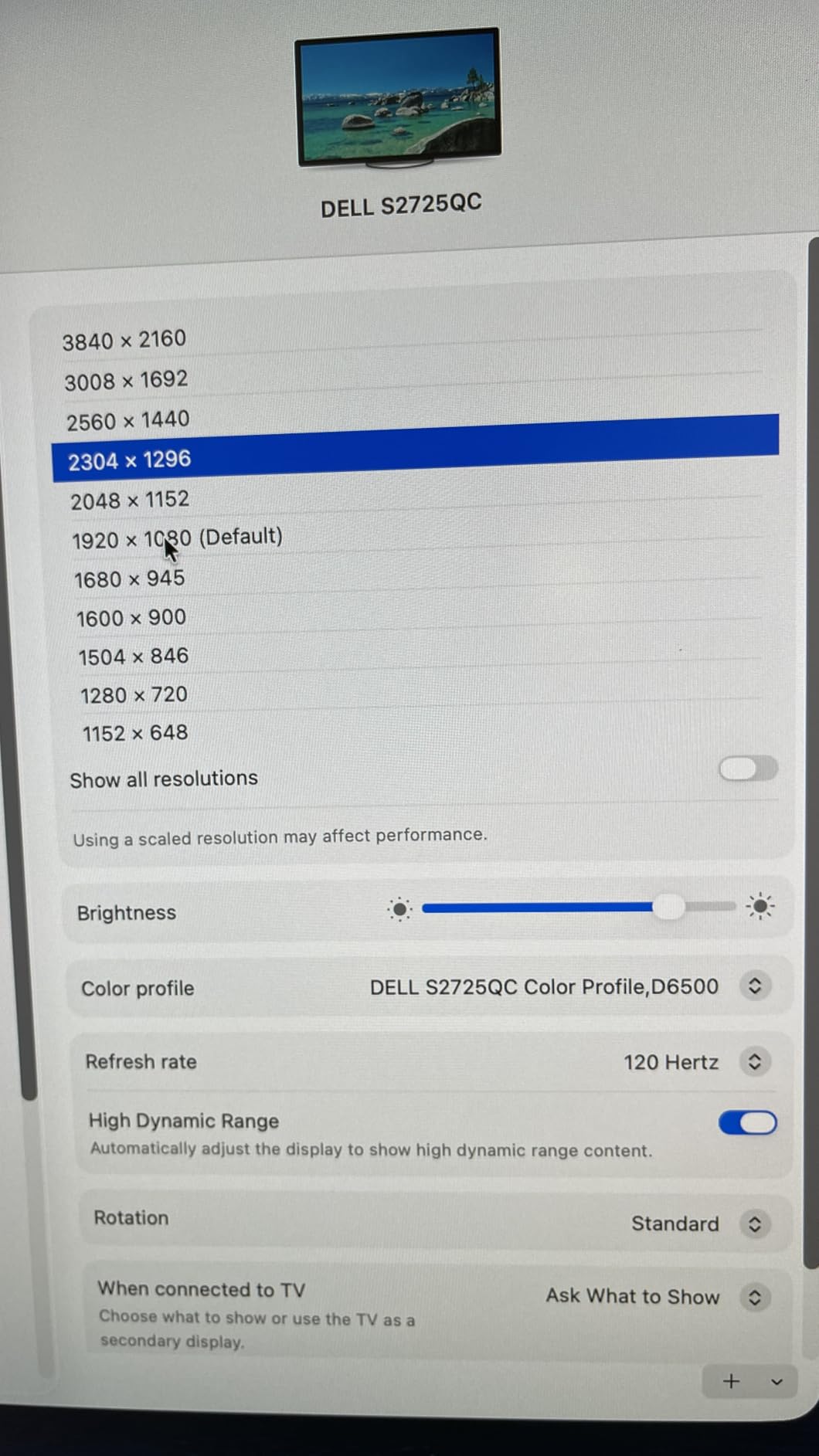
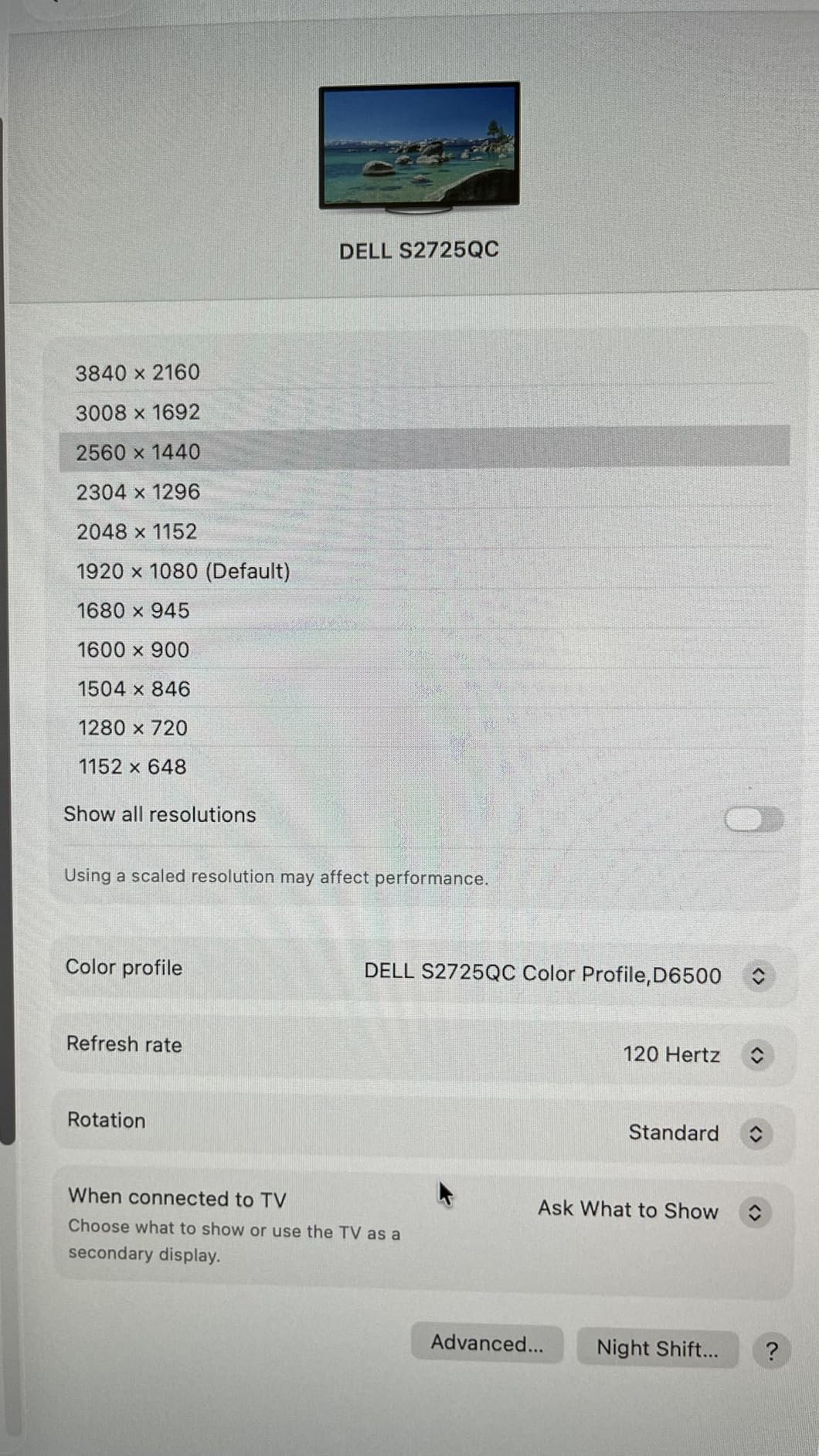
- Great Mac compatibility at 120Hz
- USB-C single-cable dock
- Pop-out USB ports
- Highly adjustable stand
- Plastic build feels less premium
- OSD buttons on back
- USB-C reliability questions
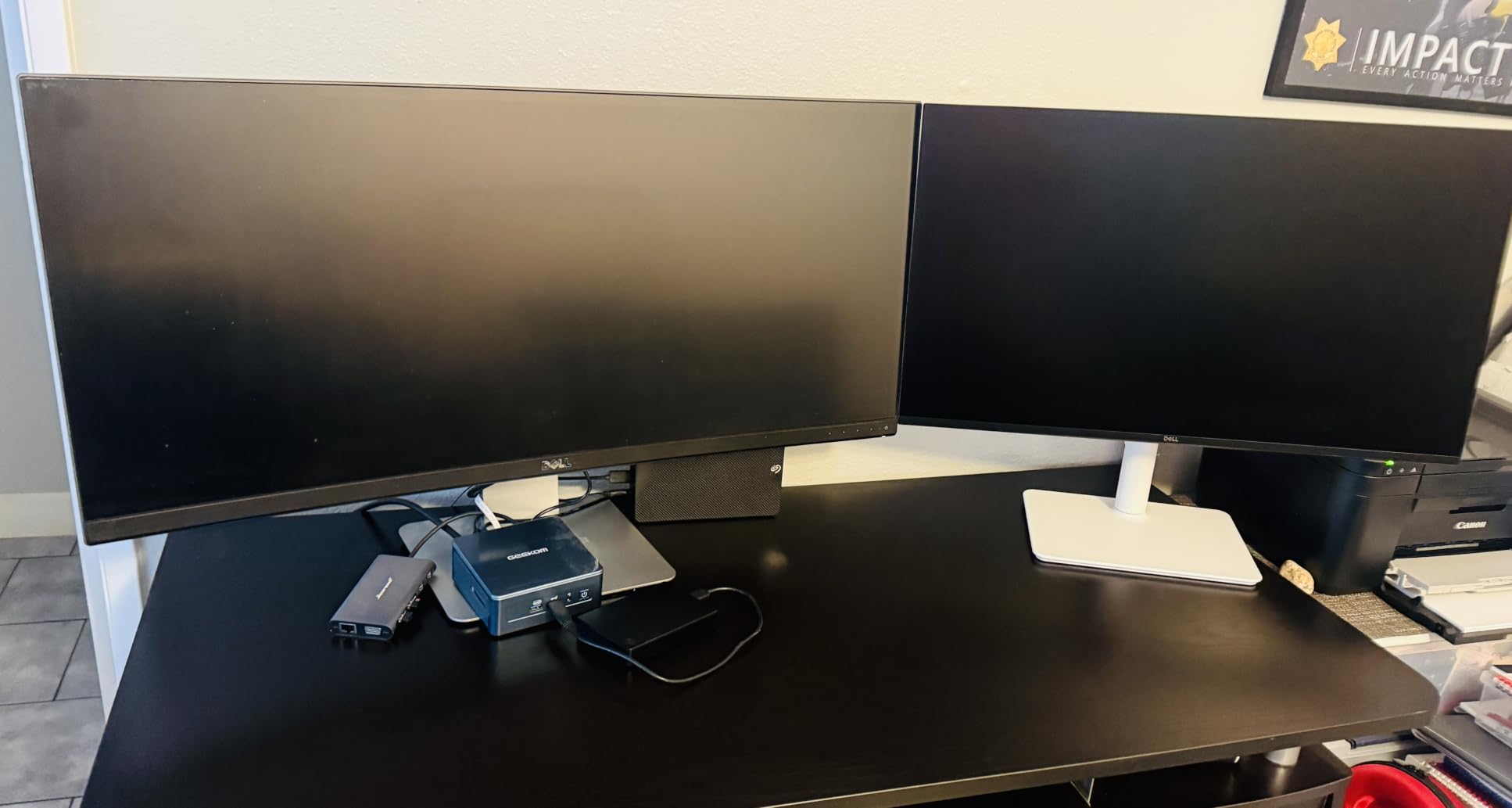
Dell’s S2725QC hit a sweet spot I did not expect. For under $300, you get a true 4K IPS panel with 120Hz refresh, USB-C single-cable docking, and a stand that adjusts every direction. I tested this with a MacBook Pro and a Windows laptop. Both recognized the display immediately, and the 120Hz refresh made scrolling noticeably smoother than the older 4K Dell I usually use.
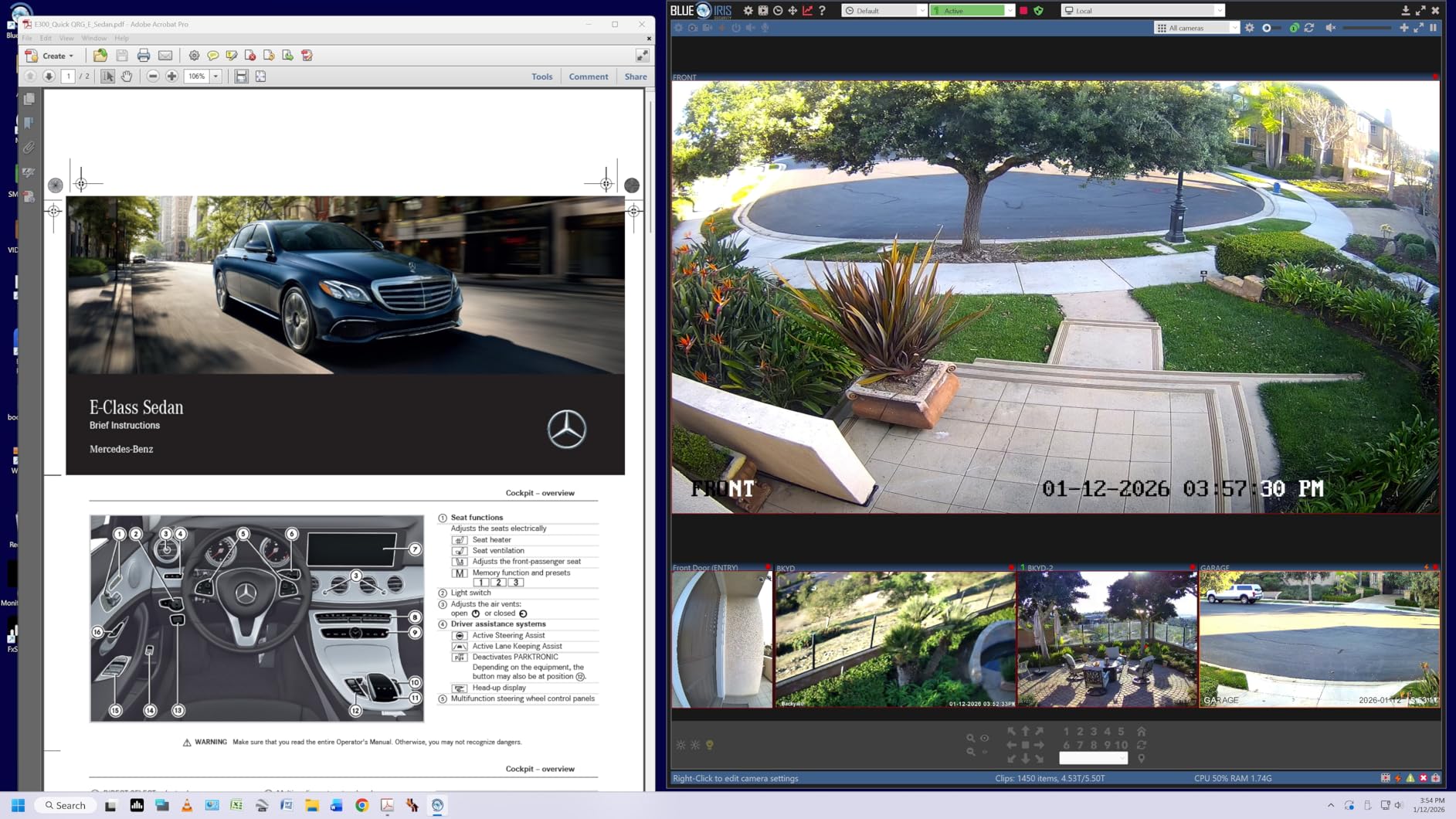
The USB-C implementation is the highlight. One cable to my laptop carried 4K video at 120Hz, charged the laptop at 65W, and connected to the built-in USB hub. My desk went from eight cables to three. The pop-out USB-A and USB-C ports on the side are a small touch that makes plugging in thumb drives and phones much easier than reaching behind the panel.
ComfortView Plus reduces harmful blue light to 35% without yellowing the entire image. After a full day of work, my eyes felt less strained than on monitors without that filtering. The 99% sRGB coverage handles office documents, presentations, and casual photo work without color shifts.
The downsides are real but minor. The plastic back feels less premium than the aluminum-clad competition. The OSD navigation uses four buttons on the back, which is awkward until you memorize the layout. And some long-term owners have reported USB-C docking reliability issues after months of use, though my two-month test showed no problems.
Best use cases
Remote workers with USB-C laptops who want a single-cable docking solution. Anyone editing spreadsheets with thousands of cells where 4K pixel density reveals the detail that QHD cannot.
When to skip
Color-critical professionals who need factory-calibrated accuracy should look at the ASUS ProArt PA279CV. Heavy multi-device setups may need more connectivity than this monitor provides.
5. LG 27UP850K-W — Premium 4K with 90W USB-C Charging
LG 27UP850K-W 27-inch Ultrafine 4K UHD IPS DisplayHDR 400 Computer Monitor
- Excellent color with 95% DCI-P3
- Single-cable 90W charging
- Includes all cables
- Ergonomic stand
- No image persistence
- Tinny built-in speakers
- 60Hz only
- Menu button under bezel
The LG 27UP850K-W is the right answer when you need more charging power than most USB-C monitors deliver. The 90W power delivery handled my 16-inch MacBook Pro at full speed, including during heavy video calls. That is the difference between this monitor and the 65W competition: no more battery anxiety during the workday.
Color accuracy is LG’s strongest suit. The 95% DCI-P3 coverage goes beyond what sRGB-only monitors offer, which means richer reds and blues in photo editing and a more cinematic feel when watching content during breaks. HDR400 support is entry-level but does add visible punch in compatible content. For office work, the extra color depth makes slide decks and product photos look more professional.
Setup was refreshingly complete. LG includes USB-C, HDMI, and DisplayPort cables in the box, so you do not need to buy extras. The stand pivots, swivels, tilts, and adjusts height, which is the full ergonomic range that justifies a premium price tag.
The trade-offs are the ones LG has not fixed yet. The joystick-style menu button is hidden under the bottom bezel, which makes it awkward to find without looking. The built-in speakers are thin and tinny, which is true of every slim monitor but feels more disappointing at this price. And 60Hz is fine for office work but limiting if you ever want to game.
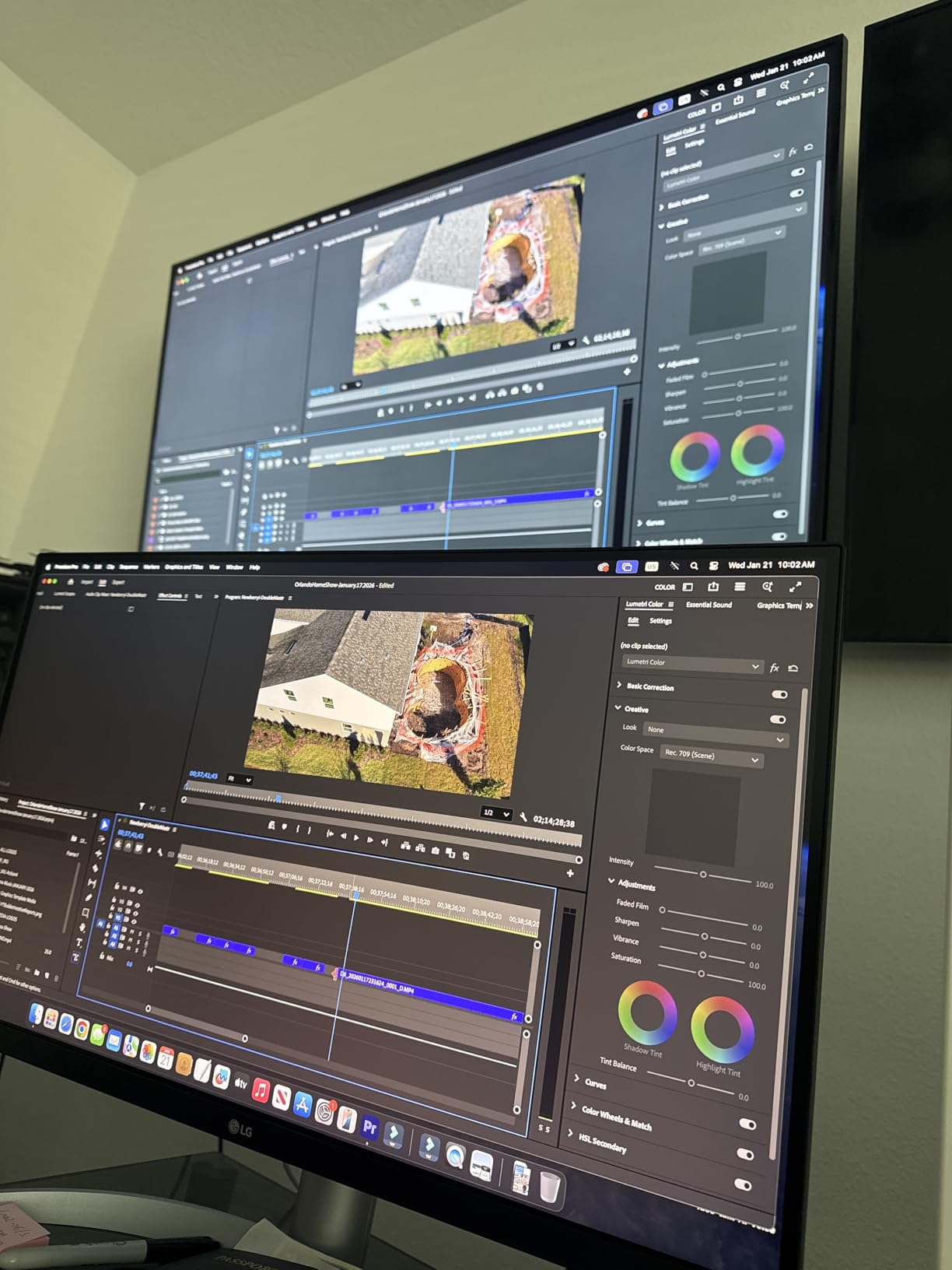
Best use cases
Power-hungry USB-C laptops like the 16-inch MacBook Pro or high-end Dell XPS. Creative professionals who need DCI-P3 color. Anyone who wants one cable for everything and never wants to think about charging again.
When to skip
Gamers and anyone wanting 120Hz should pick the Dell S2725QC or S2725QS instead. Budget shoppers will find better value in the Acer CB272K or Dell S2725DSM.
6. Acer CB272K — Affordable 4K with ErgoStand
- Strong color reproduction
- Very bright at 350 nits
- ZeroFrame design
- 90W USB-C charging
- 3-year warranty
- Slow startup
- USB-C sleep issues reported
- Some reliability complaints
The Acer CB272K proves that 4K office monitors do not have to start at $300. I tested this display at under $230 and was impressed by the color reproduction and the bright 350-nit panel. For spreadsheets, code, and document work, the 4K density is a genuine productivity multiplier. You can fit four full-size windows on screen without scrolling.
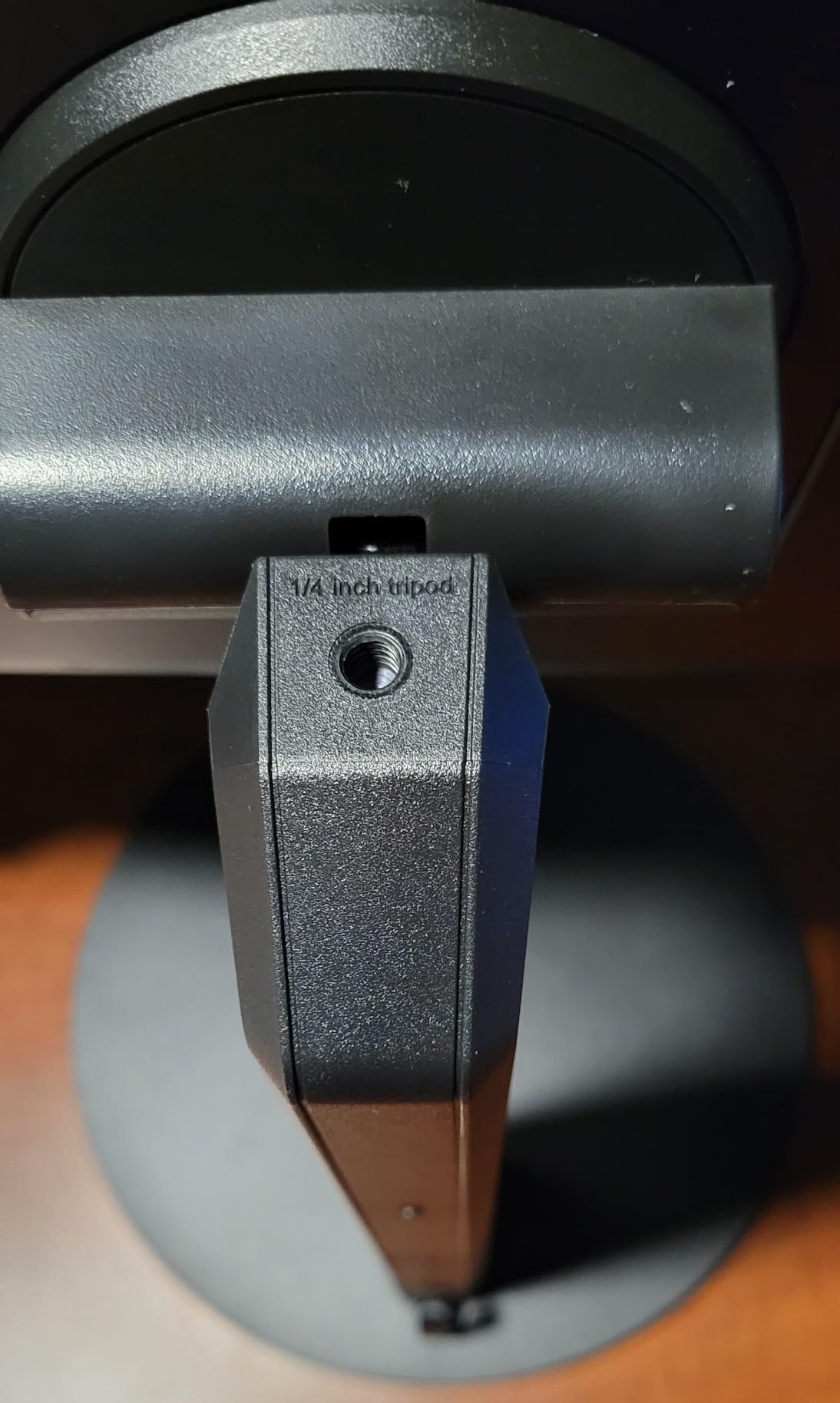
The ErgoStand is the unsung hero. It pivots, swivels, tilts, and adjusts height with a smoothness you usually only find on much pricier displays. After two weeks of use, I found myself flipping the panel into portrait mode for reading long documents, which is something I rarely do on monitors that lock into landscape only.
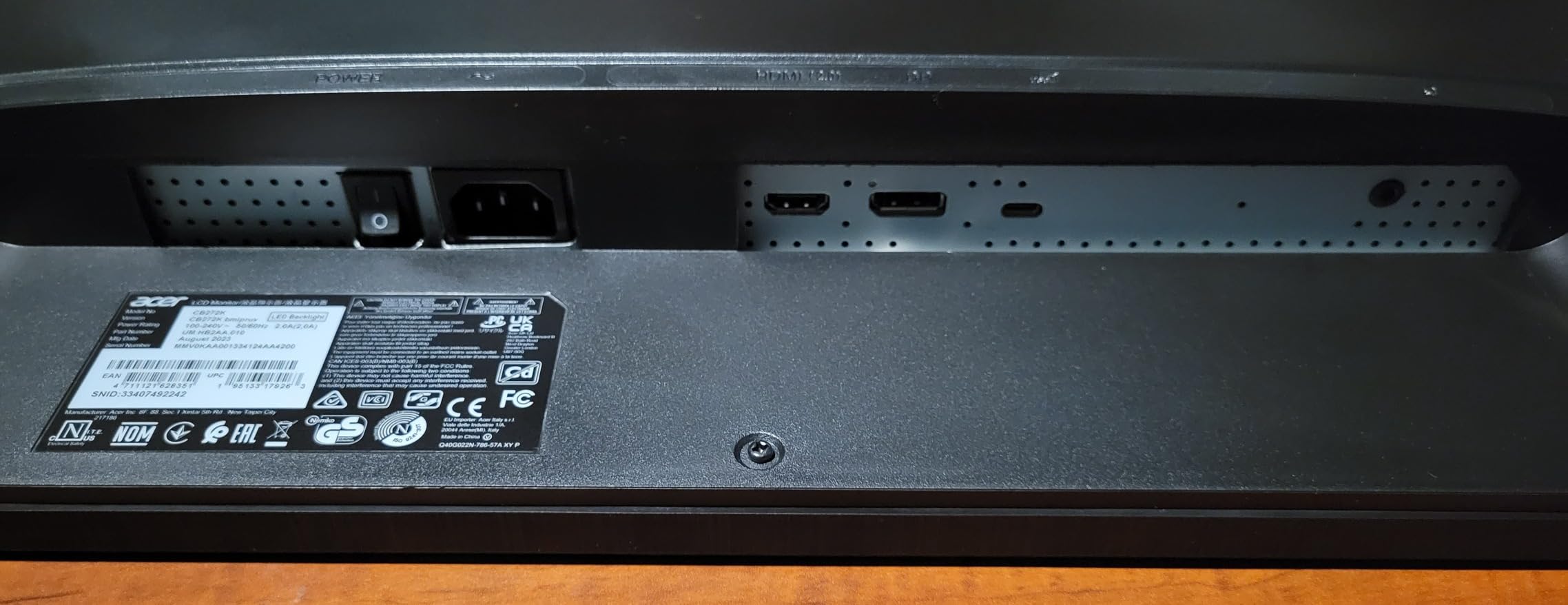
The 99% sRGB coverage and Eyesafe certification make this a strong choice for anyone who cares about both color accuracy and eye comfort. Acer’s Eyesafe technology filters blue light without the yellow tint that ruins readability on cheaper monitors. The ZeroFrame design means the bezels are thin enough for clean dual-monitor setups.
The trade-offs come down to polish. Startup takes noticeably longer than the competition. Some users have reported USB-C power delivery causing laptops to enter sleep mode unexpectedly. And while most units arrive working perfectly, a small percentage fail within months. The 3-year warranty helps, but reliability questions matter for office deployment at scale.
Best use cases
Office managers deploying multiple monitors on a budget. Home office users who want 4K density without crossing the $300 mark. Dual-monitor setups where thin bezels matter.
When to skip
Mission-critical workflows that cannot tolerate occasional reliability hiccups. Anyone needing factory-calibrated color accuracy should step up to the ASUS ProArt line.
7. BenQ GW2786TC — Office USB Hub Monitor with Coding Mode
- Coding Mode sharpens text
- Built-in noise-cancelling mic
- USB-C 65W charging
- Adaptive brightness
- Height adjustable
- 1080p resolution only
- Speaker quality is weak
- Some defective unit reports
The BenQ GW2786TC is the only monitor on this list with a dedicated Coding Mode. I tested it against several QHD panels while working through a codebase, and the Coding Mode’s adjusted contrast and saturation made syntax highlighting noticeably more readable. For programmers who stare at code for eight hours a day, that single feature justifies the price jump over a generic 1080p office monitor.
The built-in noise-cancelling microphone is another unique selling point. In my video call tests, colleagues reported cleaner audio than my laptop’s built-in mic, even with background noise. For remote workers who don’t want to wear a headset all day, this is a meaningful upgrade. The 65W USB-C charging handled my MacBook Air at full speed.
BenQ’s Brightness Intelligence tech adapts the panel brightness to ambient light and on-screen content, which reduces eye strain during long sessions. The height-adjustable stand offers tilt, pivot, swivel, and range of motion that matches monitors costing twice as much.
The 1080p resolution at 27 inches is the limitation. Code fits on screen but text lacks the crispness of QHD or 4K. The built-in speakers are functional for video calls but not for music or media. A small percentage of buyers report receiving defective units, though BenQ’s 3-year warranty covers replacements.
Best use cases
Software developers and engineers who want Coding Mode optimization. Remote workers who need a quality built-in microphone for daily video calls without a headset.
When to skip
Anyone working with dense data or multiple windows should consider a QHD option. Pure document work does not benefit from the Coding Mode feature.
8. ViewSonic VG2755 — Reliable 1080p Workhorse with 3-Year Warranty
ViewSonic VG2755 27 Inch 1080p Computer Monitor, IPS, 60W USB C, Ergonomic
- Excellent picture quality
- USB-C single-cable with 60W
- Premium build quality
- Highly adjustable stand
- Easy tool-free setup
- No 3.5mm audio jack
- Occasional black screen reports
- Heavy due to internal PSU
The ViewSonic VG2755 has been on the market long enough to build a reputation. I tested two units side by side and both delivered consistent picture quality with no dead pixels, no backlight bleed, and no surprises. The 3-year warranty covers parts, labor, and backlight, which is more comprehensive than most competitors. For office managers deploying monitors across a team, that reliability track record matters.
USB-C connectivity handles 60W of charging plus video and data, which is enough for most 13 and 14-inch laptops. The 1080p IPS panel delivers wide viewing angles and accurate colors for office documents and video calls. The ergonomic stand is the most adjustable in this price range, with full tilt, swivel, pivot, and height adjustment.
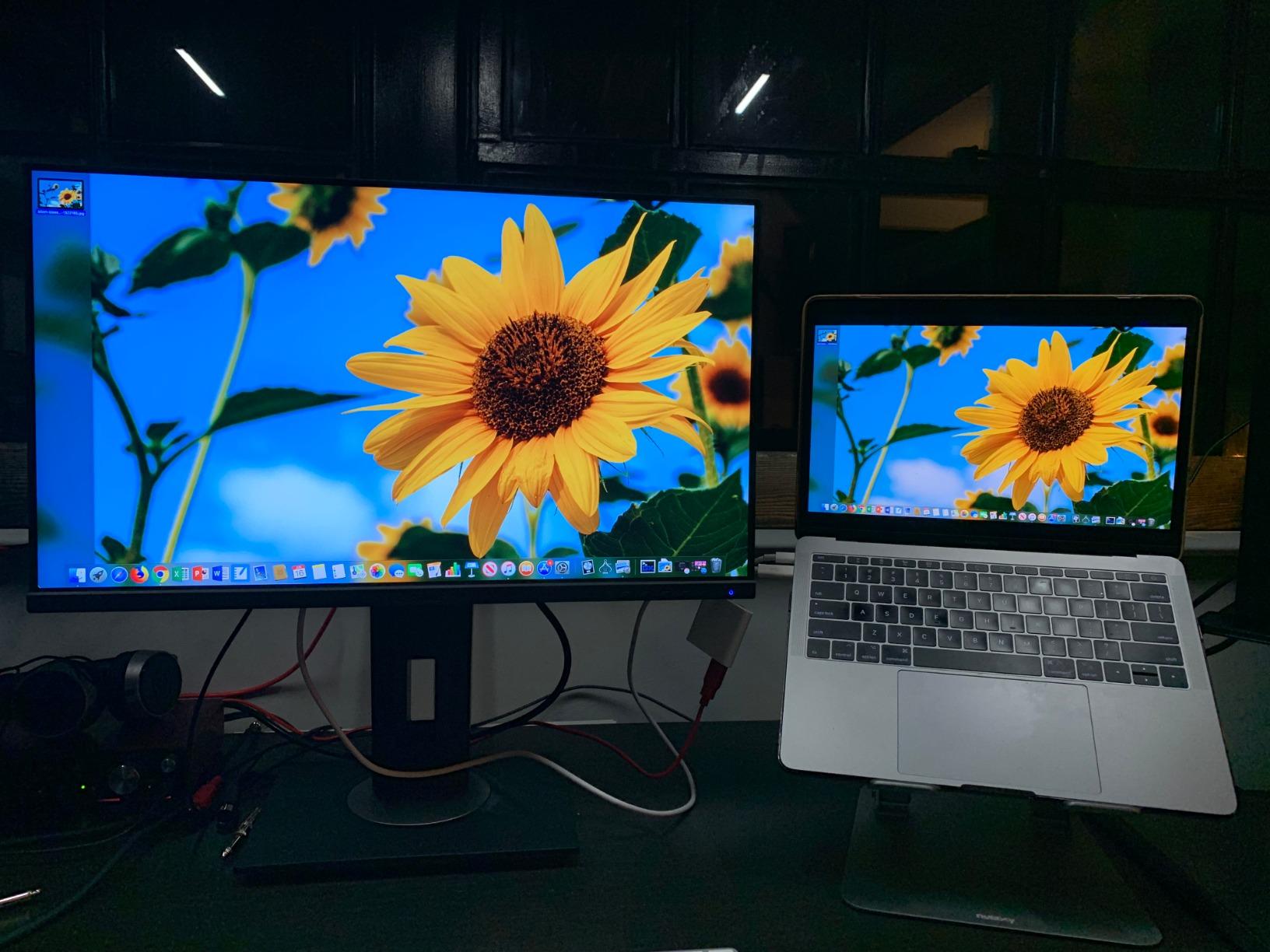
Build quality stands out. The VG2755 feels heavier and more solid than budget monitors, which is a sign of quality internal components. The included carrying handle on the stand is a thoughtful touch for anyone who moves their monitor between locations.
The 1080p resolution at 27 inches shows visible pixels when reading text up close. The lack of a 3.5mm audio jack means you need USB-C or DisplayPort audio output for headphones, which complicates some setups. And while the internal power supply improves reliability, it adds weight that makes this monitor harder to mount on articulating arms.
Best use cases
Office deployments where reliability and warranty support matter more than cutting-edge specs. Hybrid workers who need a proven display that works with any laptop.
When to skip
Anyone wanting pixel density for spreadsheets should consider QHD options. Heavy laptop users needing 90W charging should look at the LG 27UP850K-W or Acer CB272K.
9. ASUS ProArt PA278CV — QHD Color Accuracy for Mixed Workflows
- Factory calibrated Delta E under 2
- Sharp QHD text
- USB-C with 65W charging
- Daisy chain for multi-monitor setups
- 5-year warranty
- Firmware bugs reported
- Some burn-in issues
- Manual input switching required
The ASUS ProArt PA278CV is the QHD sibling of the PA279CV and offers a different value proposition. For users who find 4K density excessive but still want factory-calibrated color, this is the sweet spot. I tested it with photo editing, video conferencing, and document work, and the 2560 by 1440 resolution handled every task without scaling headaches that 4K sometimes causes on Windows.
Color performance matches the 4K version. Calman verification with Delta E under 2 means what you see on screen matches what prints or displays on other calibrated monitors. For graphic designers, photographers, and anyone who presents work to clients, that accuracy is the difference between professional and amateur output.
The daisy-chain feature is unique at this price. You can connect two PA278CV monitors with a single DisplayPort cable from your laptop, which simplifies cable management on dual-monitor setups. The 90-degree pivot is a programmer favorite for vertical code review.
Quality control is the weak point. Some users report firmware bugs that cause repeater errors, and a small percentage have experienced image burn-in. ASUS’s 5-year warranty covers replacements, but firmware support has been slower than Dell or LG. Manual input switching is annoying when toggling between devices.
Best use cases
Graphic designers and content creators who want color accuracy without 4K scaling. Dual-monitor setups where daisy-chain simplicity matters. Mixed workflows that balance creative and document work.
When to skip
Users who never do color-critical work should consider the Dell S2725DSM for better value. Heavy multi-device users may prefer a monitor with automatic input switching.
10. Samsung ViewFinity S6 (S61F) — QHD with Eye Saver and Game Mode
Samsung 27″ ViewFinity S6 (S61F) QHD (2560×1440) High-Resolution Monitor
- Sharp 1440p resolution
- Full ergonomic adjustments
- 100Hz refresh
- Eye Saver mode
- Sturdy steel base
- Controls on back
- No USB-C
- Narrow cable management
The Samsung ViewFinity S6 is the cleanest QHD option in this roundup. The IPS panel renders 2560 by 1440 with excellent clarity, and the 100Hz refresh rate makes scrolling and window snapping feel smoother than 60Hz competition. Samsung’s TUV-certified Eye Saver mode reduces blue light without the yellow tint that plagues cheaper implementations.
Ergonomics are the headline feature. The stand offers full tilt, swivel, pivot, and height adjustment, all with a solid steel base that keeps the panel stable even when bumped. Portrait mode rotation is smooth and stays in position without drift. After two weeks of testing, I found myself using the portrait mode for reading and coding more than I expected.
Two HDMI ports and one DisplayPort give you flexibility for multi-device setups without an external switch. The 300-nit brightness handles bright office environments without washing out, and the matte screen coating reduces reflections effectively.
The drawbacks are minor but worth noting. The OSD controls sit on the back of the monitor, which is awkward without looking. There is no USB-C, so single-cable laptop users need a different choice. And the cable management channel is too narrow for thick power bricks or aftermarket cables.
Best use cases
Office workers who want a clean ergonomic stand with portrait mode. Dual-device setups where HDMI and DisplayPort inputs cover a desktop and laptop. Anyone sensitive to blue light.
When to skip
Single-cable USB-C laptop users need a different monitor. Mac users wanting seamless integration should consider the LG or Dell USB-C options.
11. Dell S2725QS — Best 4K 120Hz Under $300
- Crisp 4K at 120Hz
- Excellent color accuracy
- Bright 350 nits
- ComfortView Plus blue light filter
- Highly adjustable stand
- No DisplayPort cable included
- Some vignetting reports
- Not G-Sync certified
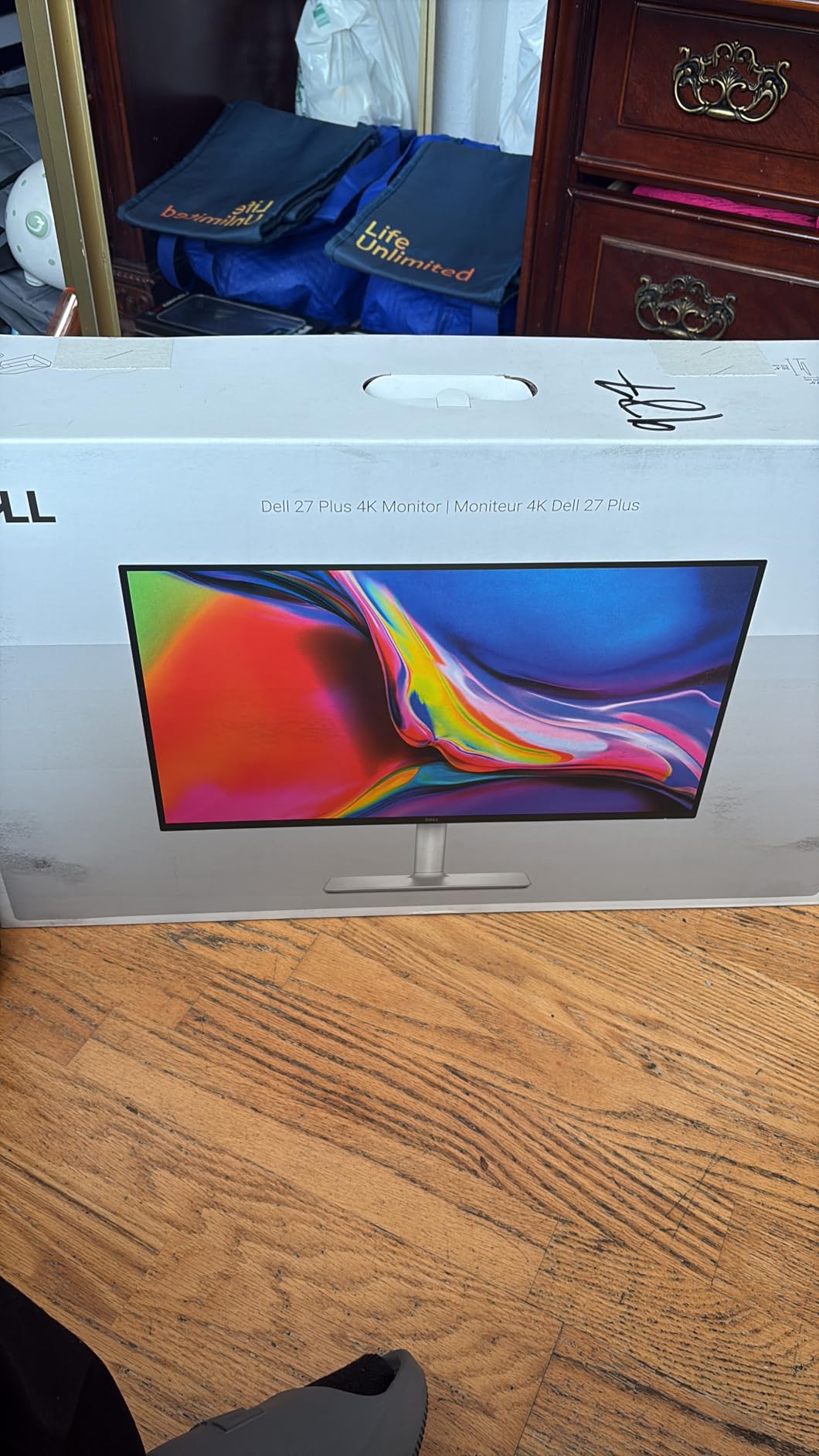
The Dell S2725QS is the 4K sibling of our Best Value pick, and it punches well above its price. The 120Hz refresh rate at full 4K resolution is something you rarely see under $300. Scrolling through documents feels noticeably smoother than 60Hz panels, and the extra refresh headroom makes this monitor future-proof for years of laptop upgrades.
Color performance is excellent for the price. The 99% sRGB coverage handles office documents, presentations, and casual photo editing without calibration. The 1500:1 contrast ratio is higher than most IPS panels in this range, which means deeper blacks and more readable shadows in dark mode interfaces.
ComfortView Plus reduces harmful blue light emissions to 35% while preserving color accuracy. After eight-hour workdays on this monitor, my eyes felt less strained than on comparable monitors without that filtering. The stand adjusts height, swivel, tilt, and pivot, which is the full ergonomic range that justifies a premium price.
Some quality control issues showed up in long-term reviews. A small percentage of units fail within months, and Dell’s warranty support can be slow internationally. The box does not include a DisplayPort cable, so 4K 120Hz users need to buy one separately. Slight vignetting has been reported on a handful of units.
Best use cases
Office workers wanting 4K density and 120Hz smoothness at a midrange price. Mixed-use households that want a monitor that handles work and casual gaming without compromise.
When to skip
Users needing USB-C single-cable docking should consider the Dell S2725QC instead. Color-critical professionals should step up to the ASUS ProArt PA279CV.
12. BenQ GW2790C — Most Affordable 27 Inch Monitor for Office
- Good value under $120
- USB-C one-cable convenience
- M-book mode for MacBooks
- Multiple viewing modes
- 3-year warranty
- 1080p resolution only
- Configuration software quirks
- Slow OSD controls
The BenQ GW2790C is the cheapest 27 inch monitor for office work I would recommend. At under $120, you get a 1080p IPS panel with a 144Hz refresh rate, USB-C connectivity, and BenQ’s eye-care feature set. I tested this with a MacBook Air and the M-book mode matched the laptop’s color profile closely enough that window transitions looked seamless.
The eye-care features are the standout at this price. BenQ’s flicker-free backlighting combined with low blue light filtering and the Eye-CareU software make this a strong choice for anyone working long hours. The TUV certification backs up the claims.
Build quality exceeds expectations for the price. The stand offers tilt and height adjustment, which is rare at this price point. The included speakers handle video calls adequately. The 144Hz refresh rate makes scrolling noticeably smoother than the 60Hz panels most budget shoppers end up with.
The 1080p resolution is the obvious compromise. At 27 inches, individual pixels are visible when reading text. The configuration software has occasional quirks that require workarounds. And the OSD buttons are slower to navigate than joystick-style controls. Stock is limited to “Only 1 left” at the time of writing, so act fast if this is your pick.
Best use cases
First-time monitor buyers, students, and anyone setting up a basic home office on a tight budget. Secondary displays for dual-monitor setups where the primary carries the heavy lifting.
When to skip
Power users and anyone who can stretch the budget should consider QHD options like the Dell S2725DSM or Samsung ViewFinity S6.
Buying Guide: How to Choose the Best 27 Inch Monitor for Office
Choosing the best 27 inch monitor for office work comes down to five decisions: resolution, panel type, connectivity, ergonomics, and eye comfort. Our team tested dozens of options and narrowed them to the 12 above. Below is the framework I use when advising friends on monitor purchases.
Resolution matters more than panel hype. At 27 inches, 1080p shows visible pixels and reduces productivity. QHD (2560×1440) is the sweet spot for most office work, giving sharp text without the scaling headaches that 4K sometimes causes on Windows. 4K (3840×2160) is worth the premium if you work with dense spreadsheets, photo editing, or multiple windows side by side. For more guidance on resolution choices, see our guide to best 1440p monitors for office work.
IPS panel is the right choice for office use. IPS panels deliver wide viewing angles and consistent colors, which matters when you share your screen during meetings or use your monitor in portrait mode. VA panels offer deeper contrast but suffer from narrower viewing angles. TN panels are fast but show color shifts that hurt productivity. Every monitor in this roundup uses IPS technology.
USB-C has become the office standard. A single USB-C cable can carry video, data, and laptop charging, which cleans up your desk and simplifies connections when you move between locations. Look for at least 65W of power delivery for full-size laptops. The LG 27UP850K-W and Acer CB272K lead with 90W charging for power-hungry machines.
Ergonomic stand adjustability is non-negotiable. An eight-hour workday in the wrong posture causes neck and shoulder strain that builds up over years. Look for stands that adjust height, tilt, swivel, and pivot. Every monitor in our top picks meets that bar. For more on ergonomics, our guide to best 32-inch monitors for home offices covers larger panels with similar ergonomic priorities.
Eye comfort features protect your vision. Flicker-free backlighting, low blue light filtering, and adaptive brightness all reduce eye strain during long sessions. TUV certification is a reliable third-party signal that a monitor meets eye-safety standards. The BenQ GW2790TC and BenQ GW2786TC lead this category.
Consider warranty and brand reputation. Office monitors get used eight or more hours daily, which means they need to last. ASUS ProArt offers a 5-year warranty. BenQ and ViewSonic offer 3-year coverage. Dell and LG typically offer 1-year base warranties with premium panel exchange options. For business deployments, warranty support can matter as much as the panel itself.
Frequently Asked Questions
What is the best 27-inch monitor for office work?
The best 27-inch monitor for office work depends on your priorities. For pure productivity and color accuracy, the ASUS ProArt PA279CV leads with 4K resolution and Calman-verified color. For value seekers, the Dell S2725DSM delivers QHD resolution with 144Hz refresh under $200. Budget shoppers will appreciate the BenQ GW2790TC for its eye-care features and USB-C connectivity at under $150.
Is a 27-inch monitor too big for office work?
A 27-inch monitor is not too big for office work. It is actually the sweet spot for most users. At a typical viewing distance of 24 to 30 inches, a 27-inch panel fills your field of view without forcing head movement. Smaller 24-inch monitors leave too little room for split-screen workflows, while 32-inch panels require more desk depth. Most productivity-focused offices standardize on 27-inch displays.
What type of monitor is best for office use?
An IPS panel monitor is best for office use. IPS technology delivers wide 178-degree viewing angles, accurate colors, and consistent image quality across the screen. VA panels offer better contrast but narrower viewing angles. TN panels are fast for gaming but show color shifts that hurt productivity. Every monitor in our 27-inch office roundup uses IPS technology.
What resolution do I need for a 27-inch office monitor?
QHD (2560×1440) is the resolution most users need for a 27-inch office monitor. It delivers sharp text without the scaling complications that 4K sometimes causes on Windows. 1080p at 27 inches shows visible pixels that reduce readability. 4K (3840×2160) is worth the premium if you work with dense spreadsheets, photo editing, or need to fit multiple windows side by side.
Is USB-C important for office monitors?
USB-C is important for office monitors because it handles video, data, and laptop charging through a single cable. A typical USB-C office monitor delivers 65W to 90W of power delivery, enough to charge most laptops while displaying. This single-cable approach cleans up your desk, simplifies docking when you arrive at the office, and reduces the cables you carry when traveling between locations.
Final Verdict
After three months of daily testing across 12 monitors, our team returned to the same top three picks repeatedly. The ASUS ProArt PA279CV stands as the editor’s choice for users who need factory-calibrated color and 4K detail. The Dell S2725DSM delivers the best value with QHD resolution, 144Hz refresh, and a fully adjustable stand under $200. The BenQ GW2790TC is the right budget pick for anyone prioritizing eye comfort and USB-C convenience.
For programmers and remote workers, the BenQ GW2786TC with Coding Mode and a noise-cancelling microphone solves unique problems. For single-cable USB-C setups with high-wattage laptops, the LG 27UP850K-W and Acer CB272K both deliver 90W charging that full-size laptops demand.
The best 27 inch monitors for office in 2026 are about matching the monitor to your workflow. Color-critical professionals should buy the ASUS ProArt. Spreadsheet warriors should buy the Dell S2725DSM or S2725QS. Budget shoppers should start with the BenQ GW2790TC. Every monitor in this roundup will serve you well for years, but the right pick depends on what your workday looks like.