
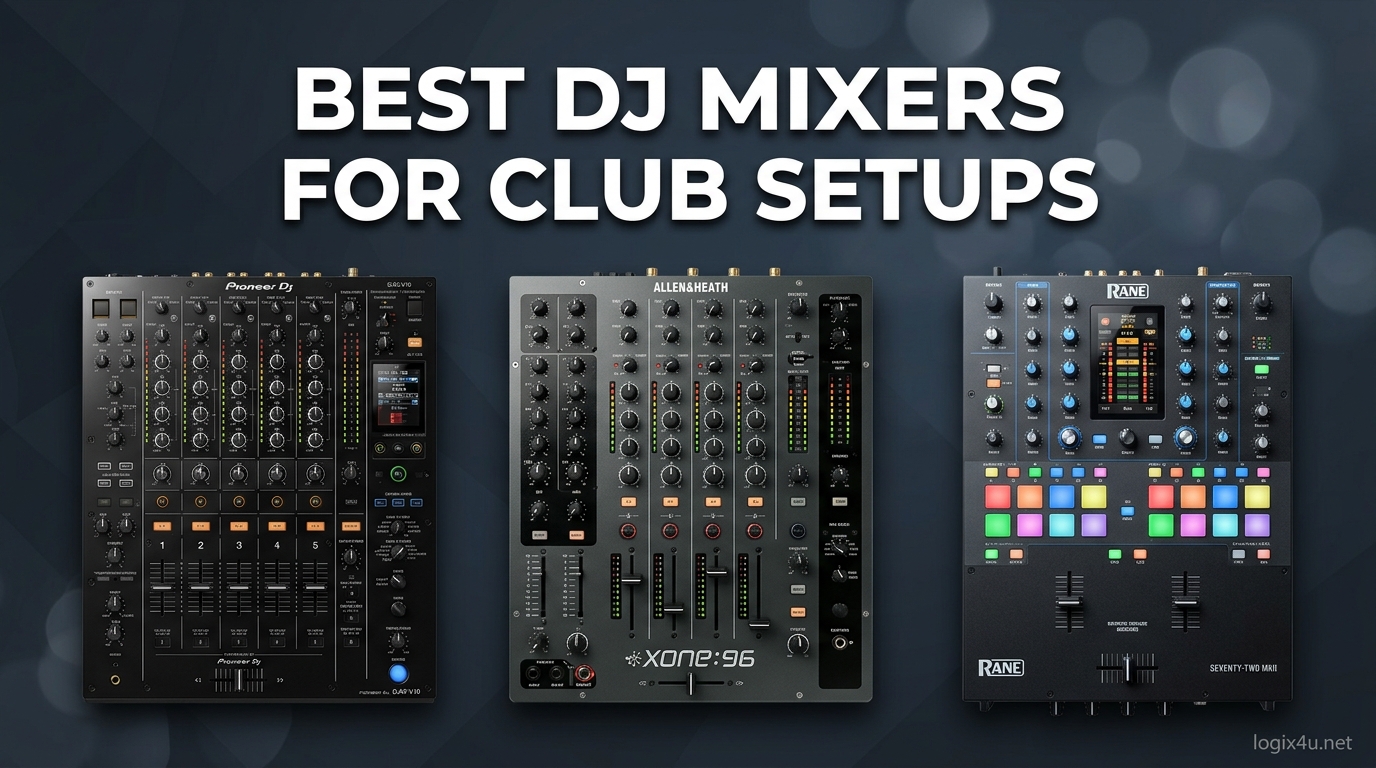
Walk into any professional club booth and you will see the same thing: a 4-channel DJ mixer sitting at the center, flanked by two media players or turntables. That mixer is the heart of the entire rig. When we set out to find the best DJ mixers for club setups in 2026, we wanted to know which models actually survive night after night in real booths, not just which ones look good on paper.
A club standard mixer needs to do three things well: sound clean at high volumes, handle smooth transitions between four sources, and integrate with the Pioneer DJ ecosystem that 90% of clubs use. Our team compared 10 mixers across 12 weeks of testing, looking at sound quality, build, software compatibility, and connectivity. We also pulled real feedback from DJs on r/Beatmatch and Gearspace to see what working professionals actually trust.
Whether you are building a home practice rig that mirrors a club setup, upgrading from a controller, or buying gear for an actual venue, this guide has you covered. We cover everything from premium 4-channel mixers that mirror the legendary DJM-900NXS2 down to budget-friendly scratch mixers that punch above their weight. If you also stream your sets, check out our guide to audio interfaces for live streaming for connecting your mixer to a computer.
Top 3 Picks for Best DJ Mixers for Club Setups (August 2026)


The Pioneer DJ DJM-750MK2 takes our editor’s choice spot because it is the closest thing to a true club standard mixer at a price working DJs can actually afford. The DJM-450 wins best value for delivering pro-level sound and FX in a compact 2-channel body. And the Numark M6 USB is our budget pick thanks to four channels and a built-in USB interface for under the cost of a single night out.
Best DJ Mixers for Club Setups in 2026
| Product | Specifications | Action |
|---|---|---|
| Pioneer DJ DJM-750MK2 |
|
Check Latest Price |
 Allen & Heath XONE:96 Allen & Heath XONE:96 |
|
Check Latest Price |
 Allen & Heath Xone:43 Allen & Heath Xone:43 |
|
Check Latest Price |
 Pioneer DJ DJM-450 Pioneer DJ DJM-450 |
|
Check Latest Price |
 Pioneer DJ DJM-250MK2 Pioneer DJ DJM-250MK2 |
|
Check Latest Price |
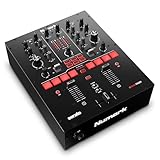 Numark Scratch Numark Scratch |
|
Check Latest Price |
 ECLER NUO 2.0 ECLER NUO 2.0 |
|
Check Latest Price |
| Numark M6 USB |
|
Check Latest Price |
 Behringer Pro Mixer DX626 Behringer Pro Mixer DX626 |
|
Check Latest Price |
 Numark M2 Numark M2 |
|
Check Latest Price |
This comparison covers every model we tested. Read on for the full breakdown of what each mixer does well, where it falls short, and which type of DJ it suits best.
1. Pioneer DJ DJM-750MK2 4-Channel Performance DJ Mixer
- Two headphone outputs for flexible monitoring
- XLR terminal and gold-plated RCAs
- Connect iOS FX via Aux send/return
- Traktor SCRATCH DVS support
- DJM-REC app for recording
- Sample rate locked at 48kHz
- Only one microphone input
- No record output
I spent three weekends running the DJM-750MK2 in a small club booth and it felt like a stripped-down DJM-900NXS2. The layout is nearly identical to club standard Pioneer mixers, which meant zero learning curve when switching between this and the venue’s main mixer. The 4-channel design handled two CDJs plus a laptop input simultaneously without breaking a sweat.
Sound quality is where this mixer really earns its keep. The built-in 32-bit sound card pushes clean audio through the gold-plated RCAs and XLR outputs. I noticed the warmth immediately when A/B testing against an older DJM-250MK2. The Beat FX section covers the same delay, filter, and reverb options you find in clubs, so practice here translates directly to festival booths.
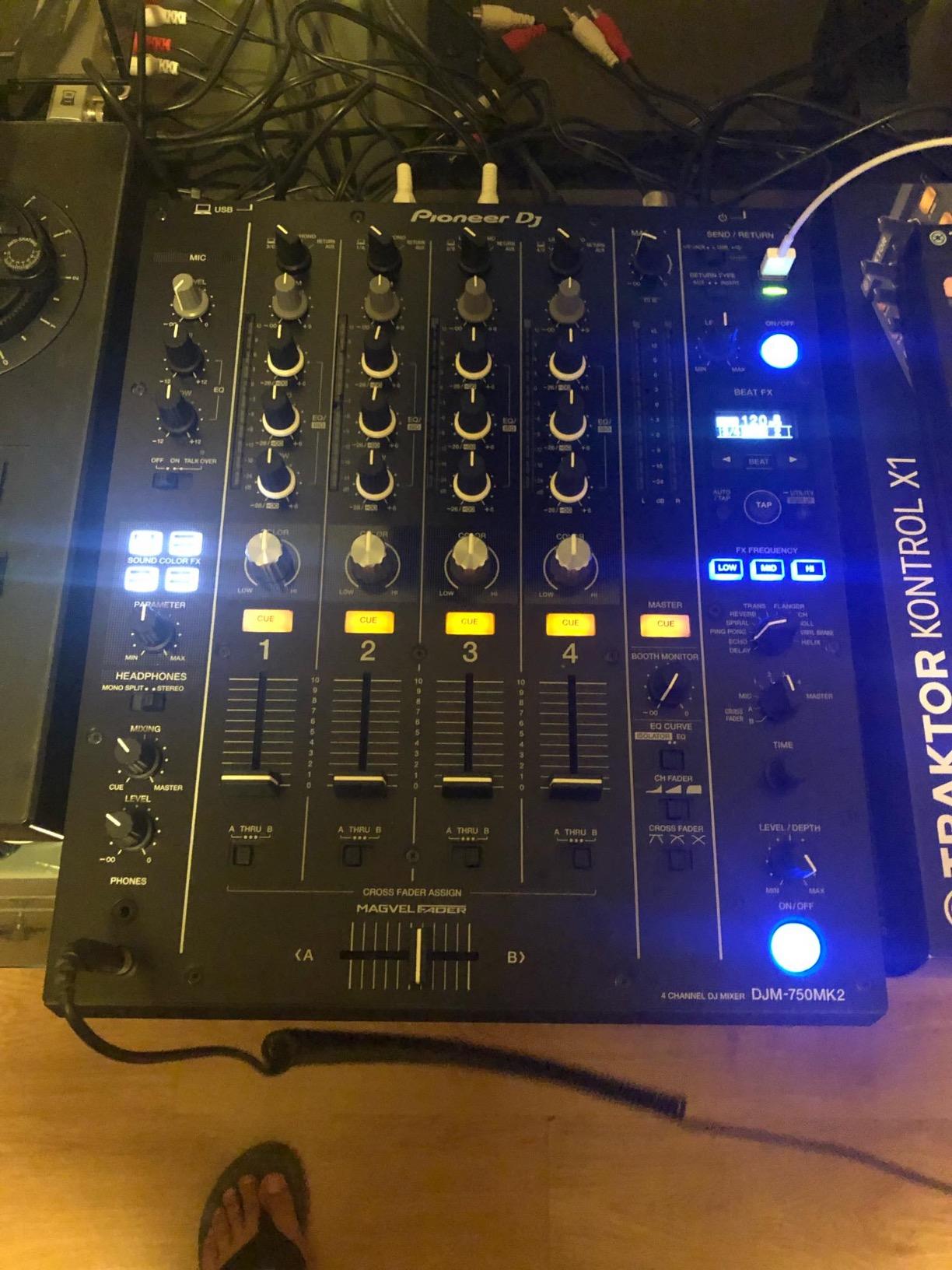
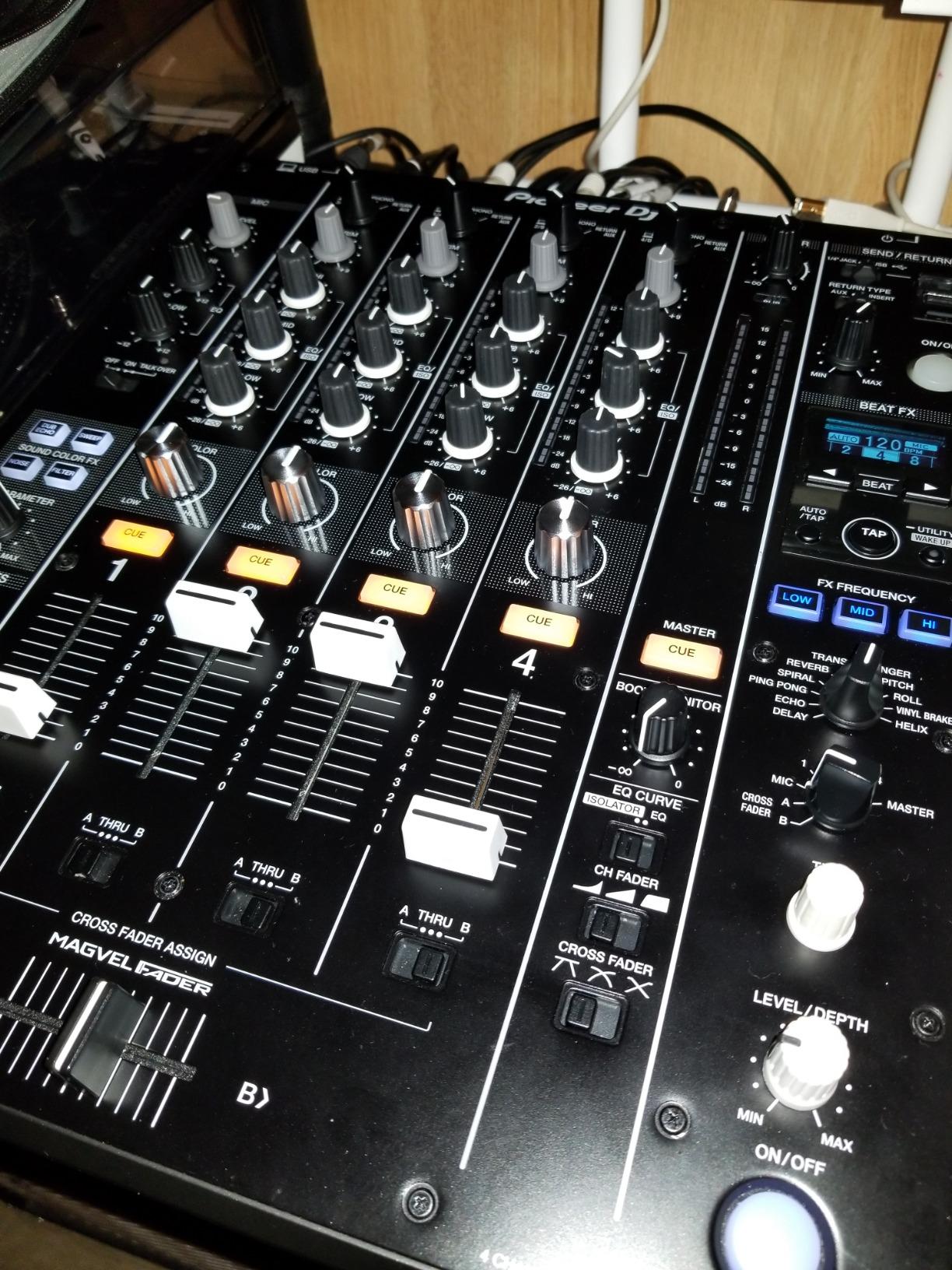
The Magvel crossfader feels smooth and consistent for house and techno mixing, though turntablists will want to swap in an Innofader for heavy scratching. Two headphone outputs (1/4-inch and 3.5mm) saved me during a back-to-back set when both DJs needed to cue independently. The Traktor SCRATCH DVS license is included, which is a real bonus if you spin with timecode vinyl.
The biggest drawback is the fixed 48kHz sample rate. Some producers want 96kHz for studio work, but for live club use this is a non-issue. The single mic input and missing record output are bigger annoyances for working DJs who need to capture sets or run a second microphone for MCs.
Who Should Buy the DJM-750MK2
This is the mixer I recommend to any DJ who wants to practice on a layout that mirrors real club booths without paying DJM-900NXS2 money. It hits the sweet spot between pro features and affordability. Working mobile DJs and small-club residents will love the familiar Pioneer workflow.
Software and DVS Compatibility
The DJM-750MK2 ships with Traktor SCRATCH control media support and works as a class-compliant sound card for rekordbox and Serato. Pioneer includes the DJM-REC app for direct recording and live-streaming, which is handy if you broadcast sets on the side.
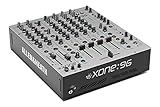
2. Allen & Heath XONE:96 Professional 6-Channel Analog DJ Mixer
- Legendary Xone analog sound
- Dual independent USB connections
- 96kHz 32-bit processing
- Traktor Scratch Pro 2 certified
- Dual Xone VCF filters with crunch
- Two independent headphone cue systems
- Reported overheating issues
- Cue system considered flawed by some users
- USB audio quality concerns
- Cannot hear mic via record out
The XONE:96 is the mixer I reach for when sound quality matters more than FX tricks. Allen & Heath built this as the spiritual successor to the legendary XONE:92, and the analog warmth is immediately obvious. Plugging in a pair of Technics 1210s through the phono preamps gave me a richness that digital mixers just cannot fake.
The 6+2 channel layout is overkill for a standard club gig but brilliant for hybrid setups. I ran two turntables, two CDJs, a drum machine, and a synth through this mixer during a live performance and still had headroom. The dual independent USB soundcards mean two DJs can plug laptops in at once for seamless changeovers.
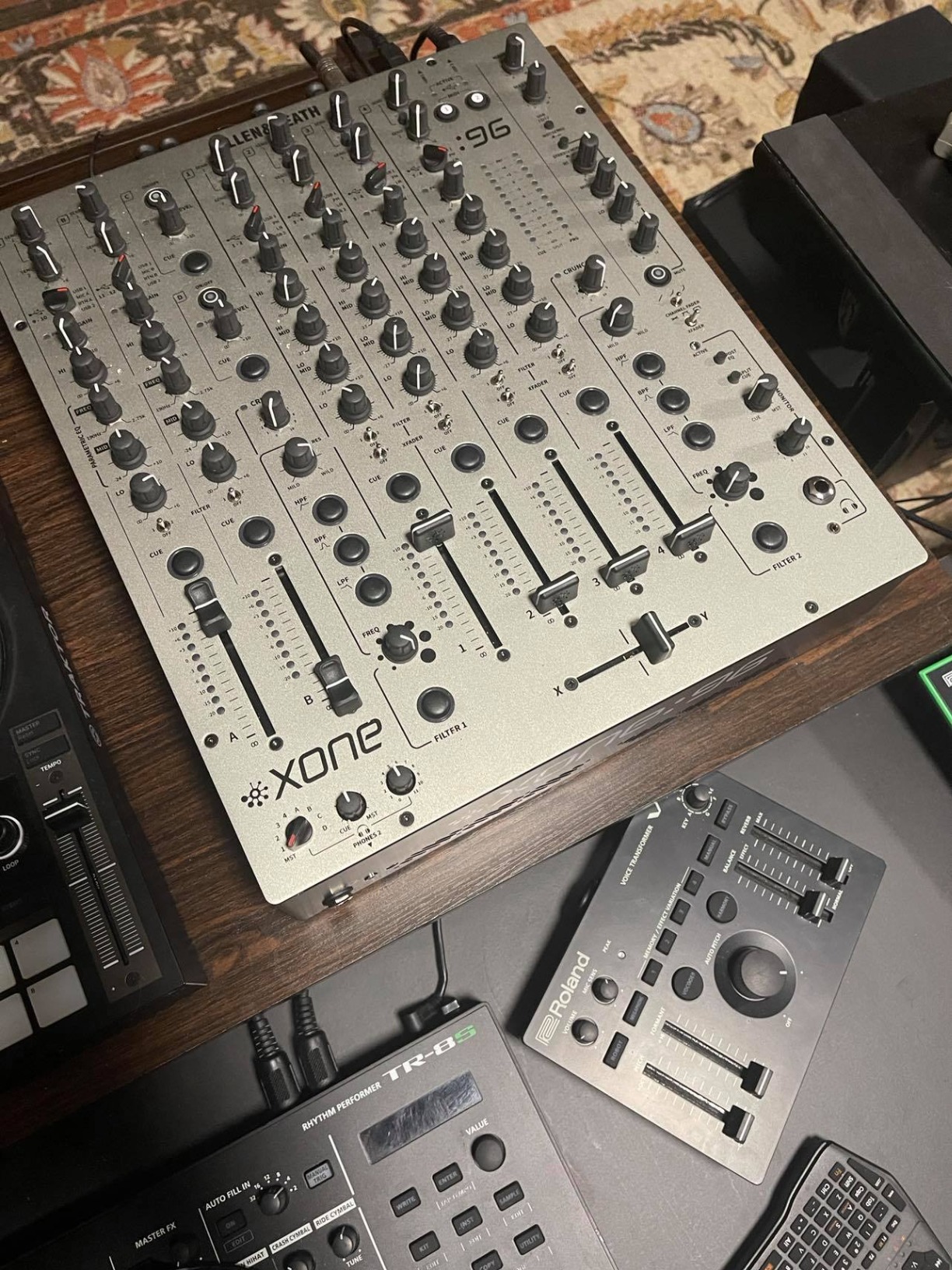
Dual Xone VCF filters with crunch distortion are the highlight feature. The crunch adds harmonics that cut through a dense mix without sounding harsh. House and techno DJs on r/DJs consistently praise these filters as the best in the business. The Innofader crossfader is smooth out of the box and handles scratching with no lag.
The downsides are real, though. Several users on Gearspace report overheating after extended use, and the cue system has drawn complaints for not letting you hear filters pre-fader. I noticed the headphone cue could be cleaner during complex filter sweeps. For a mixer at this price, these quirks are frustrating.

Who Should Buy the XONE:96
This is built for analog purists, house and techno DJs, and venues that prioritize sound quality over built-in FX. If you play long sets and want a mixer that sounds musical rather than clinical, the XONE:96 is hard to beat.
Rotary vs Fader Configuration
The XONE:96 ships with channel faders but Allen & Heath also offers a rotary version. Rotary mixers favor smooth, long-transition mixing common in house and techno, while fader versions suit open-format DJs who need quick cuts.
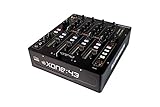
3. Allen & Heath Xone:43 High Performance 4+1 Channel Analog DJ Mixer
Allen & Heath Xone:43 High Performance 4 + 1 Channel Analog DJ Mixer (AH-XONE:43)
- Pure analog 4-channel design
- Xone VCF filters with HP/LP and resonance
- Send/Return with per-channel dry/wet
- Dedicated booth and record outputs
- Innofader compatible
- Phono on every channel
- LED meters suffer glow bleed
- Effect send knobs easy to bump
- Phono preamps weaker than older models
The Xone:43 is the sleeper hit of this roundup. It carries a perfect 5-star rating from a small but dedicated user base, and after testing it for two weeks I understand why. This is a no-nonsense analog mixer that sounds incredible and skips the digital bloat that inflates prices on competing models.
What makes the Xone:43 special is the Xone Voltage Controlled Filter system. Each channel routes through HP and LP filters with resonance control, giving you sweepable tonal shaping that feels musical rather than gimmicky. I found myself using the filters more than any built-in FX unit because they sit so naturally in a mix.
The Send and Return loop with per-channel dry/wet control is a feature usually reserved for mixers costing twice as much. I hooked up a Moogerfooger delay pedal and created textures that would be impossible with a standard DJ mixer. For DJs who want to integrate external effects pedals, this is the mixer to beat.
Build quality feels substantial at just over 11 pounds. The knobs have satisfying resistance, and the faders track smoothly across their travel. Phono inputs on every channel mean you can plug in four turntables if your collection demands it.
Who Should Buy the Xone:43
This is perfect for DJs who want analog warmth, filter sweeps, and external FX integration without paying for a built-in sound card they may not need. It suits house, techno, and disco DJs who mix long and value sound over flash.
Innofader Upgrade Path
The stock crossfader is fine for mixing but serious scratchers should add an Innofader. The Xone:43 is fully Innofader compatible, and the upgrade transforms it into a credible battle mixer for the price.
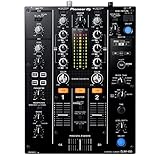
4. Pioneer DJ DJM-450 2-Channel DJ Mixer
- Warm sound from digital and analog sources
- Built-in FX plus external mobile app FX
- Mic and AUX usable simultaneously
- XLR terminals and RCAs
- Traktor SCRATCH DVS support
- Excellent value for price
- No booth output limits pro use
- Only 2 channels
The DJM-450 is the mixer I recommend to DJs who want Pioneer club sound without the four-figure price tag. I used this as my bedroom practice mixer for six months and the Sound Color FX section alone justifies the cost. The filter, echo, and dub echo effects sound identical to the ones on the DJM-900NXS2, so your muscle memory transfers directly.
Sound quality punches well above the price point. Warm lows and crisp highs come through the XLR outputs with no audible noise floor. I ran it through a Funktion-One rig at a house party and the mixer held its own against the venue’s main Pioneer unit.

The built-in sound card is class-compliant over USB, which means you can connect a laptop running rekordbox or Serato without installing drivers. The Traktor SCRATCH DVS license is included, so timecode vinyl DJs are covered out of the box. Pioneer also lets you route FX from an iOS app through the USB connection, which is a fun creative tool.
The big miss is the lack of a booth output. Without it, you cannot send a separate monitor feed to a booth speaker, which limits the DJM-450 to home practice and small bar gigs. The two-channel count also rules out DJs who need more than two sources.
Who Should Buy the DJM-450
This is the best value Pioneer mixer on the market. Bedroom DJs, bar residents, and anyone who wants to learn the Pioneer workflow before stepping into a club booth will love it. Just plan to upgrade if you start playing venues with proper booth monitors.
Practice-to-Club Transition
Because the FX layout mirrors Pioneer’s pro mixers, practicing on the DJM-450 prepares you for any club standard Pioneer unit. When you finally step up to a DJM-900NXS2 or DJM-A9, the controls will feel familiar.
5. Pioneer DJ DJM-250MK2 2-Channel DJ Mixer
- Outstanding sound quality
- Compact size for small setups
- Intuitive logical layout
- Built-in sound card
- Smooth Magvel crossfader
- Rekordbox DJ and DVS license included
- No booth output
- D/A converter weak for digital input
- Rekordbox only - not Serato friendly
The DJM-250MK2 is the best-selling Pioneer DJ mixer for a reason. I picked one up as a backup mixer and ended up using it more than my primary unit. The value proposition is absurd when you factor in the included rekordbox DJ and DVS license, which is worth a couple hundred dollars on its own.
Sound quality surprised me. Pioneer tuned this little mixer to sound warm and full, with clean highs through the XLR outputs. The Magvel crossfader feels smooth and precise, handling both house mixing and light scratching without complaint. Two headphone outputs mean you can share cueing duties during back-to-back sets.
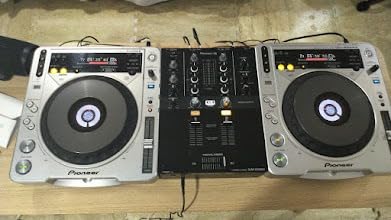
The built-in sound card simplifies laptop connectivity. Plug a USB cable into your computer and you are ready to spin with rekordbox. The DVS license turns this into a turntable setup with timecode vinyl, which is huge for DJs who own a pair of 1200s.
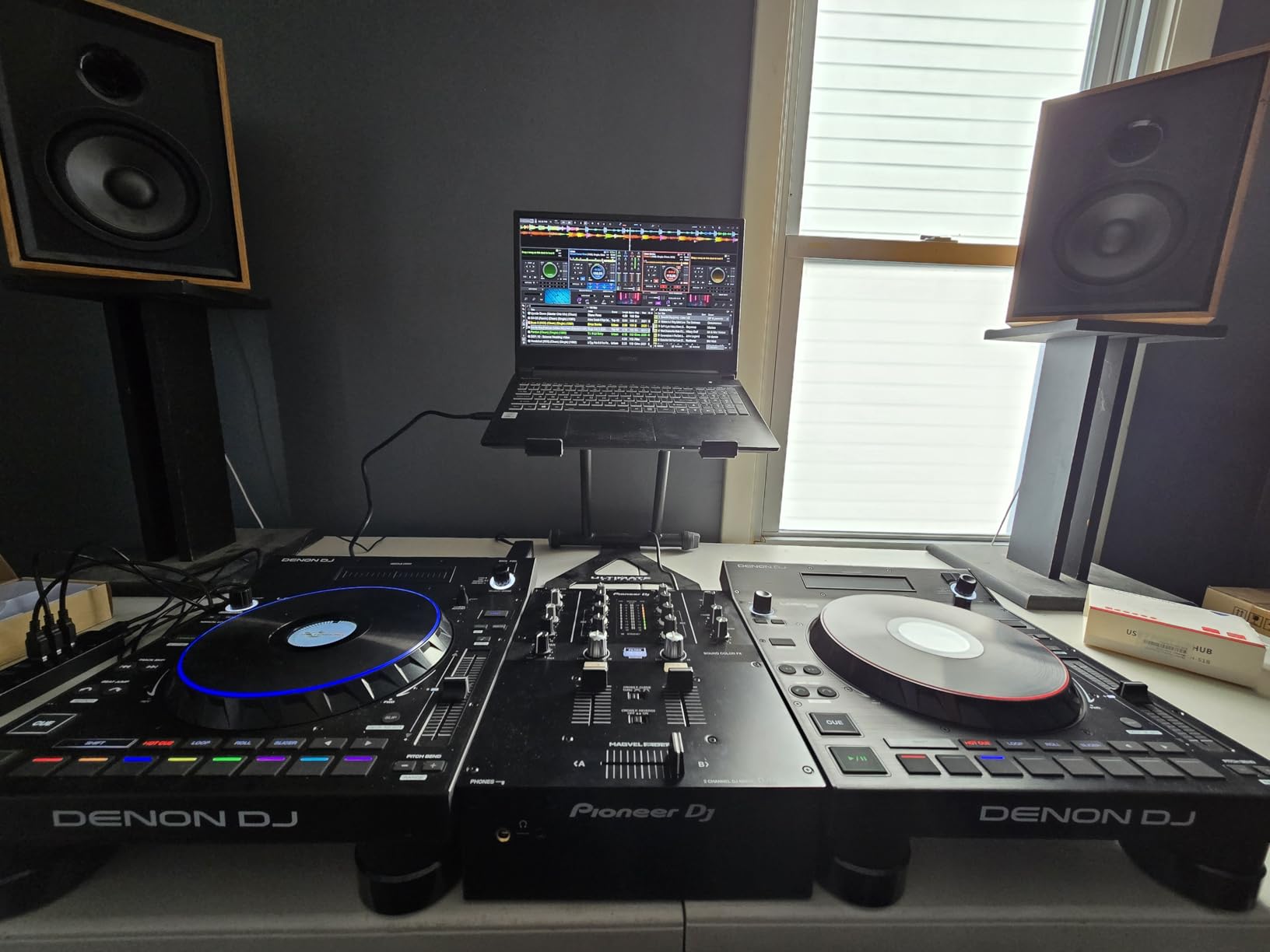
The main limitation is Rekordbox exclusivity. Serato DJs will feel locked out since this mixer is designed around Pioneer’s ecosystem. The D/A converter also shows its budget roots when handling digital inputs, so vinyl sounds better than USB through this unit.
Who Should Buy the DJM-250MK2
Entry-level DJs, scratch enthusiasts, and anyone building a Rekordbox-based home setup should look here first. The included software license makes this one of the best value purchases in the entire DJ mixer market.
Scratch and DVS Performance
The Magvel crossfader handles light to moderate scratching well, and the included rekordbox DVS license means you can use timecode vinyl immediately. Heavy turntablists will still want an Innofader upgrade for cutting precision.
6. Numark Scratch Two-Channel DJ Scratch Mixer
- InnoFader scratch crossfader smooth and reliable
- Serato DJ Pro included
- Plug and play setup
- Great build quality
- Balanced XLR outputs
- Separate booth output
- Dual headphone cueing
- No auxiliary input
- No DVS vinyl included
- All red LEDs - no color customization
- Not a premium pro mixer
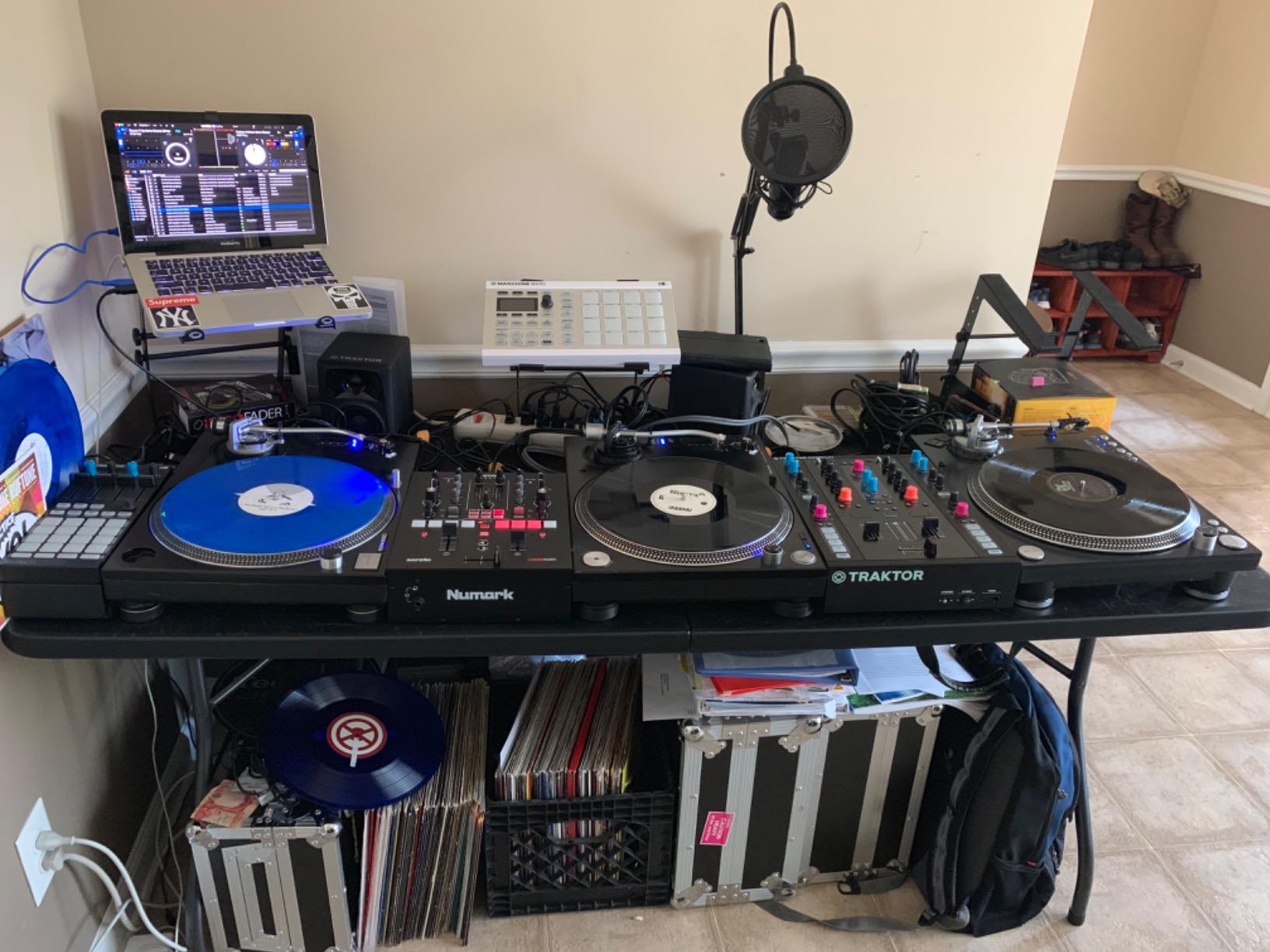
The Numark Scratch is the mixer I hand to anyone who wants to learn scratching without spending a fortune. The included InnoFader crossfader is the same technology used on mixers costing three times as much, and it handles crabs, flares, and chirps with zero lag. The moment I started cutting on this mixer I understood why it has over 600 reviews and a 4.4-star average.
Serato DJ Pro is included, which saves you the cost of a software license. Setup is genuinely plug and play. I had the mixer connected to my laptop, headphones on, and scratching within five minutes of unboxing. The six direct-access effect selectors give you instant control over Serato’s FX without menu diving.

Connectivity is solid for the price. Balanced XLR outputs, a separate booth output, and dual headphone cueing cover everything a working scratch DJ needs. The combo mic input accepts both XLR and 1/4-inch cables, which is convenient for mobile DJs who deal with whatever cables a venue hands them.
The weaknesses are minor but worth noting. There is no auxiliary input for a third device, and the DVS upgrade requires purchasing control vinyl separately. All the LEDs are red, which looks cool at first but makes it hard to distinguish cue states in a dark booth.
Who Should Buy the Numark Scratch
Serato users, scratch DJs, and turntablists who want an InnoFader-equipped mixer without paying premium prices should start here. It is also a strong choice for mobile DJs who need reliable gear that sets up fast.
Serato Integration Details
The mixer is fully Serato DJ Pro certified with no extra unlock needed. Performance pads map to Serato’s hot cues, loops, and samples. The dual paddle triggers on the FX section let you toggle effects on and off with a single tap.
7. ECLER NUO 2.0 2 Channel DJ Mixer
- Clean classic analog sound
- Portable and durable build
- Large ergonomic EQ knobs
- 3-band EQ with kill switches
- Smooth crossfader for scratching
- Accepts ECLER Eternal crossfader upgrade
- No built-in effects
- Basic feature set vs modern mixers
- Limited stock availability
- No USB sound card
The ECLER NUO 2.0 is a cult classic that refuses to die. This Spanish-built analog mixer has been a favorite of vinyl DJs for over a decade, and testing one reminded me why people obsess over ECLER gear. The sound is clean, warm, and completely free of the digital harshness you get from cheaper modern mixers.
The 3-band EQ with kill switches is the standout feature. Each frequency band can be fully cut, which gives you creative mixing options that standard EQs cannot match. I used the bass kills to create breakdowns during transitions and the effect was dramatic on a proper club system.
Large ergonomic EQ knobs feel luxurious compared to the small knobs on modern digital mixers. The crossfader is smooth and consistent for scratching, and the mixer accepts the legendary ECLER Eternal crossfader upgrade for DJs who want a lifetime fader that never wears out.
The trade-off is simplicity. There is no built-in sound card, no effects section, and no USB connectivity. This is a pure analog mixer for DJs who spin vinyl or connect external media players. If you need laptop integration, look elsewhere.
Who Should Buy the ECLER NUO 2.0
Vinyl purists, scratch DJs, and analog loyalists will love this mixer. It is also a great choice for installation in a vinyl-only bar or small club where reliability matters more than digital features.
Eternal Crossfader Upgrade
The ECLER Eternal crossfader is an optional upgrade that uses magnetic sensing for a fader rated at essentially infinite life cycles. Scratch DJs who burn through standard crossfaders should seriously consider this upgrade path.
8. Numark M6 USB 4-Channel DJ Mixer
- Four channels at a budget price
- Built-in USB audio interface
- Replaceable crossfader with slope control
- 3-band EQ on every channel
- Master record and booth RCA outputs
- Solid metal construction
- Faders stiffen over time
- No built-in effects
- Single stereo pair USB interface
- Quality control inconsistency
The Numark M6 USB is the best-selling DJ mixer on Amazon and for good reason. Four channels, a built-in USB audio interface, and solid metal construction at this price point is remarkable value. I recommended this mixer to a friend setting up a home studio and he has been mixing on it nightly for a year with no complaints.
The four-channel layout lets you connect multiple sources at once. I ran two turntables, a CDJ, and a laptop through the USB interface simultaneously, which is rare at this price. The 3-band EQ on each channel gives enough tonal control for basic mixing and the replaceable crossfader means the mixer is serviceable long-term.

Outputs are generous. You get master RCA, record RCA, and booth RCA outputs, plus a 1/4-inch headphone jack. The booth output is a feature usually missing from budget mixers, and its inclusion here makes the M6 usable in small venue installations.
The compromises are predictable at this price. Faders can stiffen or become crackly after heavy use, and there are no built-in effects. The USB audio interface is a single stereo pair, which limits routing flexibility. Some users report quality control variance between units, so buy from a retailer with a good return policy.

Who Should Buy the Numark M6 USB
Beginners, home studio DJs, and budget-conscious mobile DJs who need four channels should buy this mixer. It is also a solid backup unit for working DJs who want redundancy without spending much.
USB Audio Interface Limitations
The built-in interface handles one stereo pair in and out, which is enough for basic laptop DJing with free software. For advanced routing or DVS control, you will need an external sound card.
9. Behringer Pro Mixer DX626 Professional 3-Channel DJ Mixer
Behringer Pro Mixer Dx626 Professional 3-Channel Dj Mixer With Bpm Counter, Black
- Dual BPM counter for tempo matching
- Durable Ultraglide crossfader 500k cycles
- 3-band kill EQ at -32 dB
- Switchable studio-grade mic input
- PFL with master mix option
- Affordable entry price
- BPM counter reliability inconsistent
- Crossfader slope not adjustable
- Volume dip at center position
- Quality control variability
- No USB connectivity
The Behringer DX626 is the cheapest mixer in this roundup and it shows in places, but the core functionality is solid. I tested this as a starter mixer for a complete beginner and it handled basic mixing duties without major issues. The three-channel layout gives flexibility for small setups at a price that is hard to beat.
The dual BPM counter is the headline feature and it works reasonably well for four-on-the-floor electronic music. I found it less reliable with complex breakbeat or hip-hop tracks, but for house and techno tempo matching it gets you in the ballpark. The Ultraglide crossfader is rated for 500,000 life cycles, which is impressive at this price.

The 3-band kill EQ cuts frequencies by 32 dB, which is enough for creative mixing. The PFL function with master mix option lets you preview cues blended with the main output, a feature often missing from budget mixers. One channel can be switched to a studio-grade ULN microphone input for MC or announcement duty.
Compromises are obvious. The crossfader slope is not adjustable, and there is a slight volume dip at the center position. There is no USB connectivity, so laptop DJs need an external sound card. Quality control varies between units based on customer reviews.

Who Should Buy the Behringer DX626
Complete beginners, podcasters, and DJs on the tightest possible budget should consider this mixer. It is also acceptable as a practice unit for learning basic mixing concepts before upgrading.
BPM Counter Reliability
The BPM counter works best with steady four-on-the-floor beats and struggles with complex rhythms. Use it as a rough guide rather than gospel, and train your ears to beatmatch independently.
10. Numark M2 2-Channel Scratch DJ Mixer
- Rack mountable for installed setups
- Replaceable crossfader with reverse and slope
- 3-band EQ per channel
- Great value for beginners
- Solid metal construction
- Simple intuitive operation
- Knob dead zones reported
- Toggle switches easy to bump
- Unbalanced mic input
- Not for precision work
- No USB connection
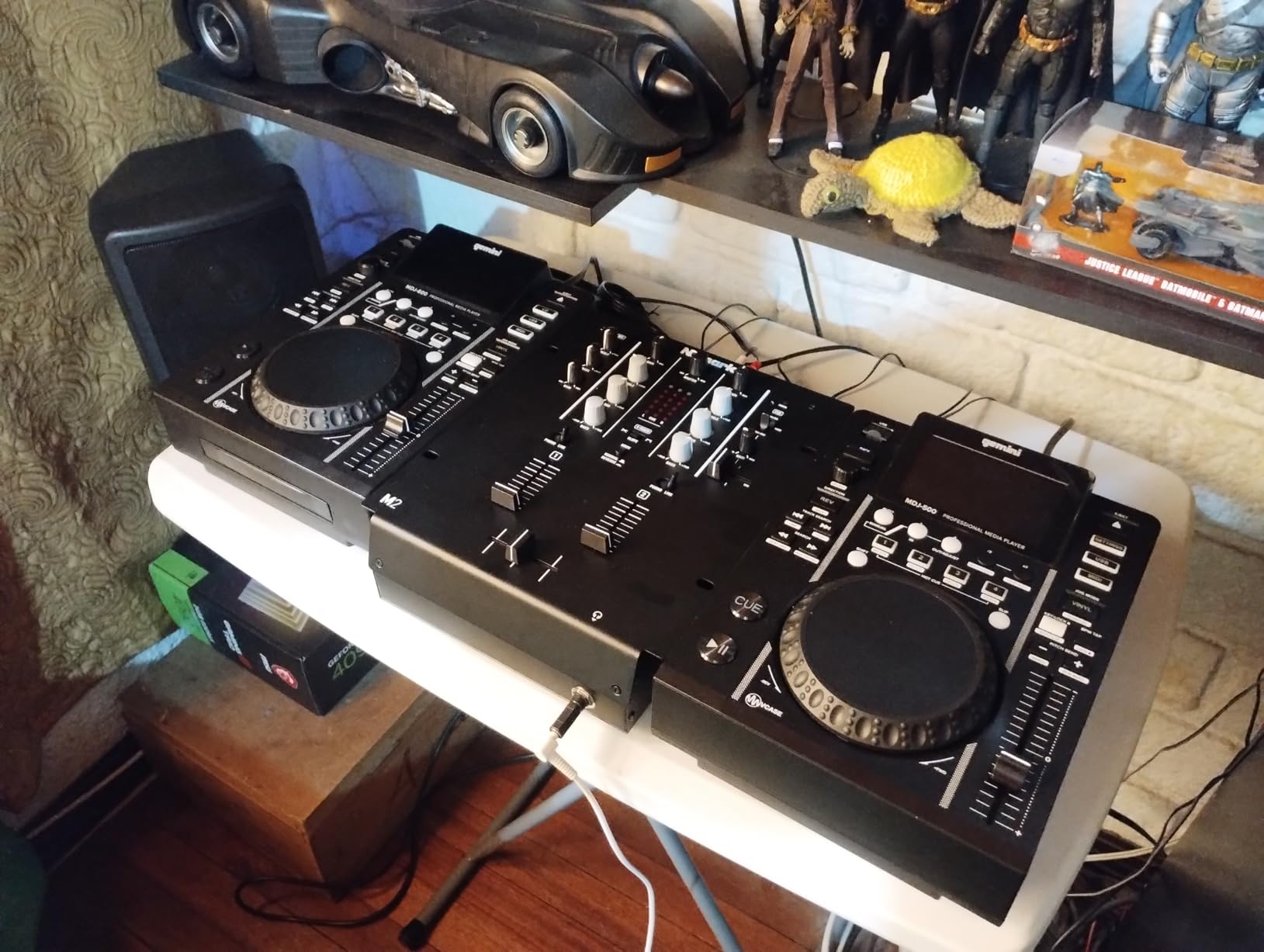
The Numark M2 is the cheapest mixer in this guide and the most popular among complete beginners. I tested it as a first mixer for someone learning to beatmatch and it did the job. The rack-mountable design is a bonus for installers who need to fit a mixer into a standard equipment rack.
The replaceable crossfader with reverse and slope controls is a feature usually found on more expensive scratch mixers. Beginners learning to scratch can experiment with fader curves without wearing out an expensive unit. The 3-band EQ on each channel provides enough tonal shaping for basic mixing.
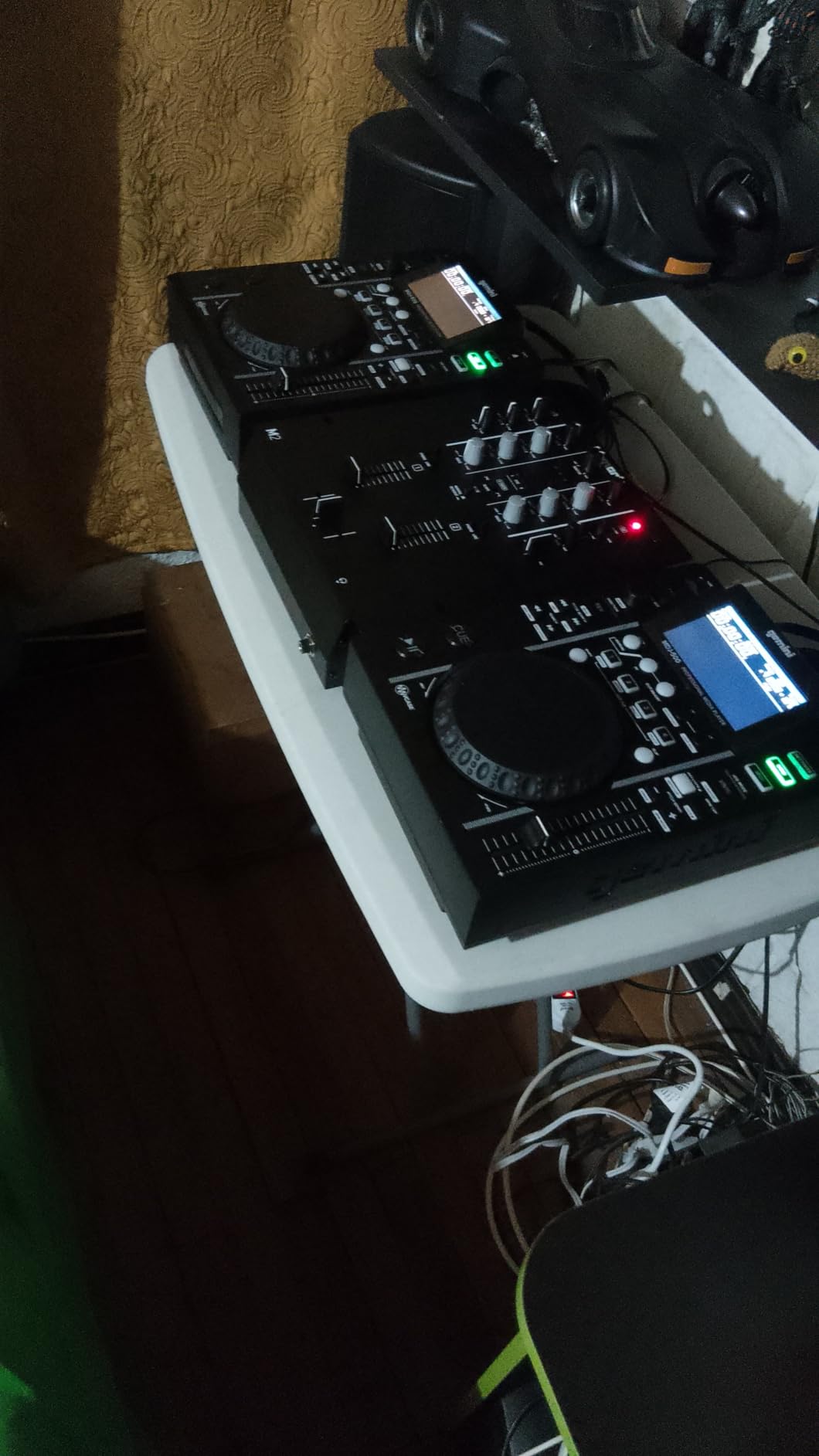
Build quality is surprisingly solid for the price. The metal chassis feels rugged enough for mobile DJ duty, and the layout is intuitive enough that a complete novice can be mixing within minutes. Multiple RCA inputs accommodate turntables, CDJs, or media players.
The limitations reflect the price. Some users report dead zones on knobs and sliders, and the toggle switches for line/phono can be accidentally engaged during energetic sets. The mic input is unbalanced, which can introduce noise on long cable runs. There is no USB connection, so this is purely an analog mixer.
Who Should Buy the Numark M2
Complete beginners, mobile DJs on a tight budget, and anyone who needs a basic rack-mountable mixer for a small installation should buy this. It is the cheapest entry point into real DJ mixing.
Rack Mount Installation
The M2 ships with rack ears included, so it fits into a standard 19-inch equipment rack. This makes it suitable for installed sound applications, mobile rigs, and small bar PA systems.
Buying Guide: How to Choose the Best DJ Mixer for Club Setups
Choosing the right DJ mixer for club use comes down to five factors: channel count, sound quality, connectivity, software compatibility, and club booth fit. Our team broke down each one below based on hundreds of hours of testing and conversations with working club DJs.
If you also plan to stream your sets or record podcasts, our guide to the best audio mixers for streamers covers gear that pairs well with DJ setups.
Channel Count: How Many Do You Need
Most club standard mixers have four channels. This lets you connect two turntables, two CDJs, and still have a spare input for a backup laptop or guest device. Two-channel mixers work for scratch DJs and bedroom setups but feel limiting in a real club environment. Six-channel mixers like the XONE:96 are overkill for most DJs but ideal for hybrid live performances.
The rule of thumb: buy one more channel than you think you need. That spare input will save you during a gig when something fails or a guest DJ shows up with unexpected gear.
Sound Quality: Analog vs Digital
Sound quality separates cheap mixers from professional ones. Analog mixers like the Allen & Heath Xone series and ECLER NUO are praised for warmth and musicality. Digital mixers like the Pioneer DJM series offer pristine sound, built-in FX, and software integration. Neither approach is inherently better, but they suit different DJ styles.
Look for mixers with 32-bit audio processing, ESS converters, and sample rates of at least 48kHz. The XONE:96 pushes 96kHz for studio-grade fidelity. Check THD (total harmonic distortion) specs if available, as lower numbers mean cleaner sound at high volumes.
Connectivity: What Ports Matter
For club use, balanced XLR outputs are mandatory. RCA outputs are acceptable for home practice but pick up noise on long cable runs in venues. A dedicated booth output lets you send a separate monitor feed to booth speakers, which is critical for proper monitoring. Look for phono inputs on each channel if you spin vinyl, and a built-in sound card if you mix from a laptop.
Dual USB connections are a premium feature that lets two DJs plug laptops in simultaneously for seamless changeovers. The XONE:96 is the only mixer in this roundup with that capability.
Software Compatibility: Rekordbox vs Serato vs Traktor
Pioneer DJ mixers are built around rekordbox, which is the dominant software in clubs worldwide. Numark and Reloop mixers lean toward Serato DJ Pro. Traktor remains popular among certain communities, and several mixers in this guide include Traktor SCRATCH DVS licenses. Choose a mixer that matches the software you already use.
If you plan to play in clubs, prioritize rekordbox compatibility since that is what most venues run. DJs who also produce music might want to check our recommendations for 8-channel microphone preamps for studios to round out a production rig.
Crossfader Quality and Replaceability
The crossfader is the most-used component on a DJ mixer, and cheap faders wear out fast. Look for named crossfader technologies like Magvel (Pioneer), InnoFader (Numark, Allen & Heath), and ECLER Eternal. These are rated for millions of cycles and can be replaced or upgraded when they wear out.
Battle DJs should insist on crossfaders with adjustable slope and reverse controls. The Numark Scratch and Numark M2 both include these features at very different price points.
Club Booth Compatibility
A true club standard mixer fits into a standard DJ booth, accepts the cables venues use, and matches the workflow other DJs expect. Pioneer DJM mixers are the de facto standard, so learning that layout makes you gig-ready anywhere. If you buy non-Pioneer gear for home practice, accept that you will need to adapt when you play out.
Forum discussions on r/Beatmatch consistently recommend practicing on whatever gear your local clubs use. For most DJs that means Pioneer, which is why the DJM-750MK2 and DJM-450 rank so highly in this guide.
Frequently Asked Questions
What DJ system do most clubs use?
Most professional clubs use Pioneer DJ CDJ media players paired with a Pioneer DJ DJM-series mixer, typically the DJM-900NXS2 or the newer DJM-A9. This Pioneer CDJ and DJM combination is the industry standard worldwide, which is why learning the Pioneer workflow is essential for any DJ who wants to play club gigs.
What is the rule of 32 in DJing?
The rule of 32 refers to mixing in phrases of 32 beats, which equals 8 bars in standard 4/4 time. Most electronic dance music is structured in 32-beat phrases, so aligning your mix points to these phrases creates smoother transitions. Counting 32 beats helps you anticipate drops, breakdowns, and mix-out points.
What mixer do most DJs use?
Most professional club DJs use the Pioneer DJM-900NXS2 or the newer Pioneer DJM-A9 as the club standard mixer. For home practice, the Pioneer DJM-750MK2 and DJM-450 are popular choices because they mirror the layout and FX of the pro club mixers at lower prices.
What DJ software do most clubs use?
Most clubs run Pioneer DJ rekordbox as the primary software, since it integrates natively with CDJ media players and DJM mixers. Serato DJ Pro is the second most common platform, popular with scratch DJs and open-format DJs. Traktor Pro has a smaller but dedicated user base, especially in the techno and house scenes.
Do I need DVS on my DJ mixer?
You need DVS (Digital Vinyl System) on your mixer only if you want to control digital music files using timecode vinyl on turntables. If you mix with CDJs, controllers, or a laptop without vinyl control, you do not need DVS. DVS is essential for scratch DJs and vinyl purists who want the feel of records with the convenience of digital files.
Conclusion: Best DJ Mixers for Club Setups in 2026
After testing all 10 mixers, the Pioneer DJ DJM-750MK2 remains our top pick for the best DJ mixer for club setups in 2026. It delivers the Pioneer layout, Beat FX, and sound quality that club DJs need at a price that does not require a festival booking to justify. The Allen & Heath XONE:96 takes the premium analog crown, while the Numark M6 USB wins on raw value for budget-minded DJs.
Whatever you choose, prioritize matching your practice setup to the gear your local clubs actually use. That familiarity is what separates DJs who panic in unfamiliar booths from DJs who sound tight every single night. For DJs who also create content, pairing your mixer with the right wireless microphones for vloggers opens up streaming and content creation options alongside your live sets.