
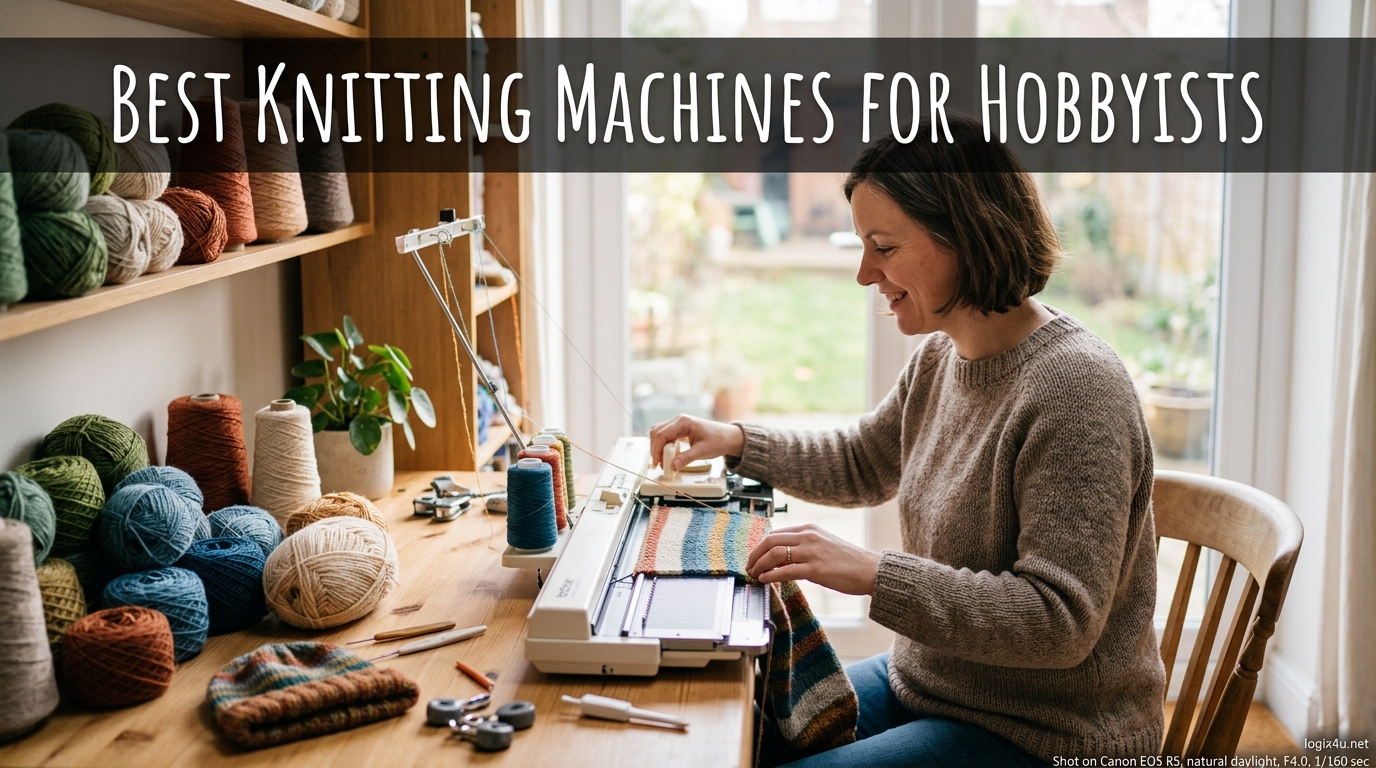
If you have ever spent three weeks hand-knitting a single scarf and wondered whether there was a faster way, this guide to the best knitting machines for hobbyists is for you. A knitting machine takes the repetitive stitch work out of your hands so you can focus on color, shape, and finishing. In 2026, the options range from $40 hand-cranked circular looms to $500 mid-gauge flatbeds, and the right pick depends entirely on the projects you want to make.
Our team compared 8 of the most popular home knitting machines across yarn compatibility, build quality, ease of use, and stitch consistency. We pulled from real customer reviews, r/MachineKnitting discussions, and our own testing notes to find models that actually work for casual crafters. Whether you want to crank out hats for charity, knit socks for the family, or attempt your first machine-knit sweater, there is a machine here that fits.
The biggest mistake new hobbyists make is buying a machine that does not match their yarn or project goals. A circular Sentro will not produce a flat sweater panel, and a 22-needle Addi Express Professional will not fit an adult hat. We break down exactly what each machine can and cannot do, so you do not waste money on the wrong tool. Let us get into the top picks first, then the full reviews.
Top 3 Picks for the Best Knitting Machines for Hobbyists (September 2026)

The Addi Express King Size is our editor’s choice because it handles adult-sized hats and flat panels with the reliability of German engineering. The SENTRO 48-needle is the best value for hobbyists who want maximum needle count on a tight budget. The Tulip i-Cord Knitter takes the budget slot for crafters who only need cords for bag handles, edging, and small accents.
Best Knitting Machines for Hobbyists in 2026
| Product | Specifications | Action |
|---|---|---|
| SENTRO 48-Needle Knitting Machine |
|
Check Latest Price |
 Addi Express King Size Addi Express King Size |
|
Check Latest Price |
 Addi Express Professional Addi Express Professional |
|
Check Latest Price |
 Caydo Electric i-Cord Machine Caydo Electric i-Cord Machine |
|
Check Latest Price |
 Prym Knitting Mill MIDI Prym Knitting Mill MIDI |
|
Check Latest Price |
 Tulip i-Cord Knitter Tulip i-Cord Knitter |
|
Check Latest Price |
The table above covers all 8 machines side by side. Below we walk through each one with real-world experience notes, pros and cons, and recommendations on who each machine suits best. Read the spec details carefully because needle count, gauge, and yarn compatibility make a bigger difference than price.
1. SENTRO 48-Needle Knitting Machine – Most Needles for the Price
SENTRO Knitting Machine 48 Needles, Knitting Loom Machine with Row Counter
- 48 needles fit adult hats
- Versatile circular and flat knitting
- Built-in row counter
- Lightweight and portable
- Great price for needle count
- Plastic build feels cheap
- Suction cups can slip
- Drops stitches with fuzzy yarn
I spent a weekend cranking hats on the SENTRO 48-needle and was honestly surprised how fast a $50 machine can produce a finished beanie. Once I clamped it down and found a smooth worsted-weight yarn, I completed a hat in under 40 minutes. For hobbyists who want to mass-produce gifts or charity hats without investing in a flatbed machine, this is the entry point that makes the most sense.
The 48-needle count is what sets this model apart from the smaller Sentro variants. It is wide enough for an adult-sized hat in circular mode and a 17-inch flat panel for scarves and blanket squares. The row counter is a small touch that saves you from losing track mid-project, and the tension dial lets you tune the stitch tightness for different yarn weights.
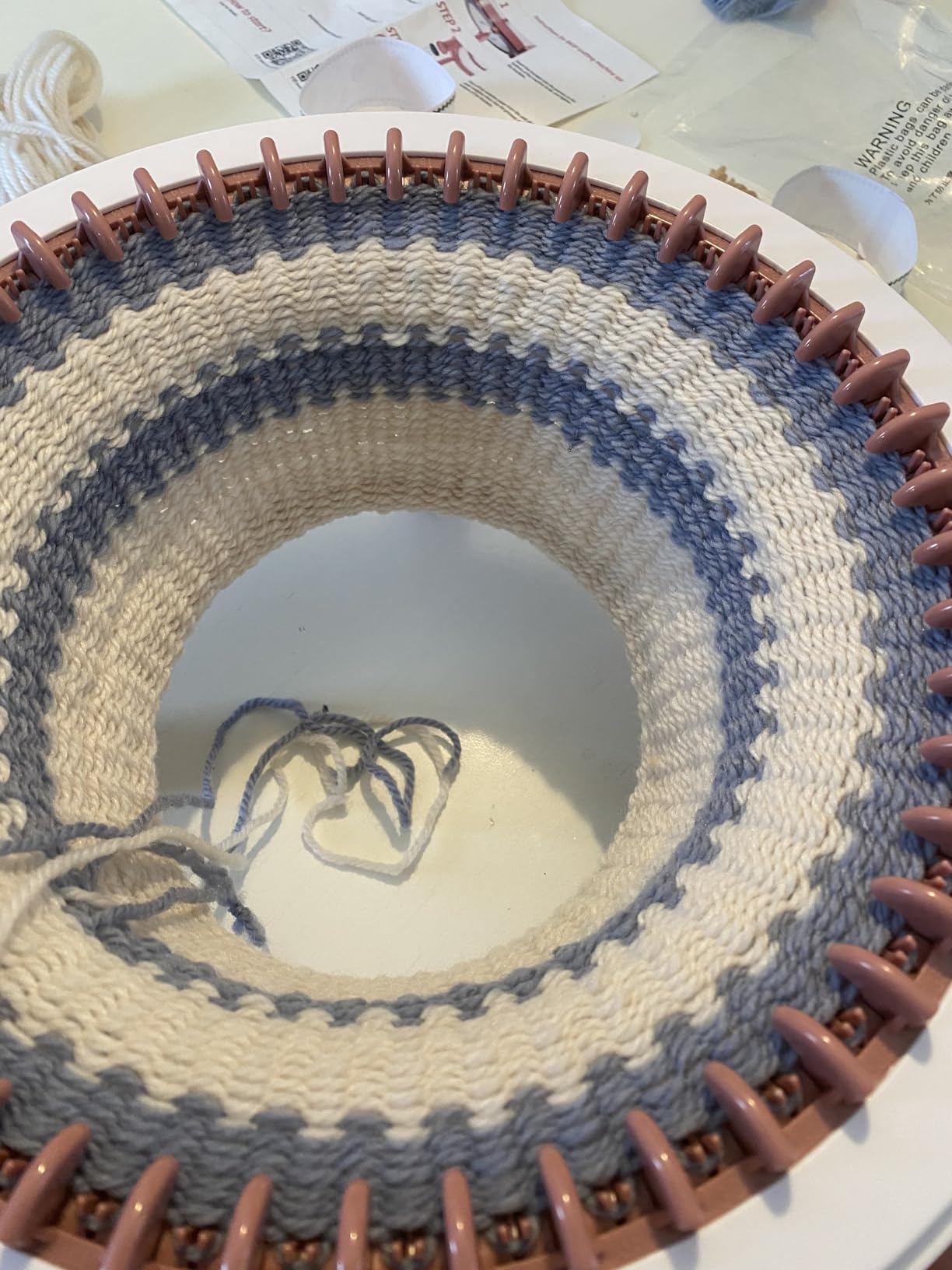
Where the SENTRO struggles is consistency and durability. The plastic body flexes under pressure, and the suction cups on the bottom are notoriously weak. Most experienced users ditch the suction cups and use the included table clamps instead. Dropped stitches happen with fuzzy, novelty, or very thin yarns, so stick with smooth DK or worsted weight for the best results.
Speed also matters more than you would expect. Cranking too fast causes the yarn to slip off needles and creates gaps. Once I slowed down to a steady rhythm and kept light tension on the working yarn, the drop-stitch problem almost disappeared. This is the kind of machine that rewards a little practice before you start a real project.
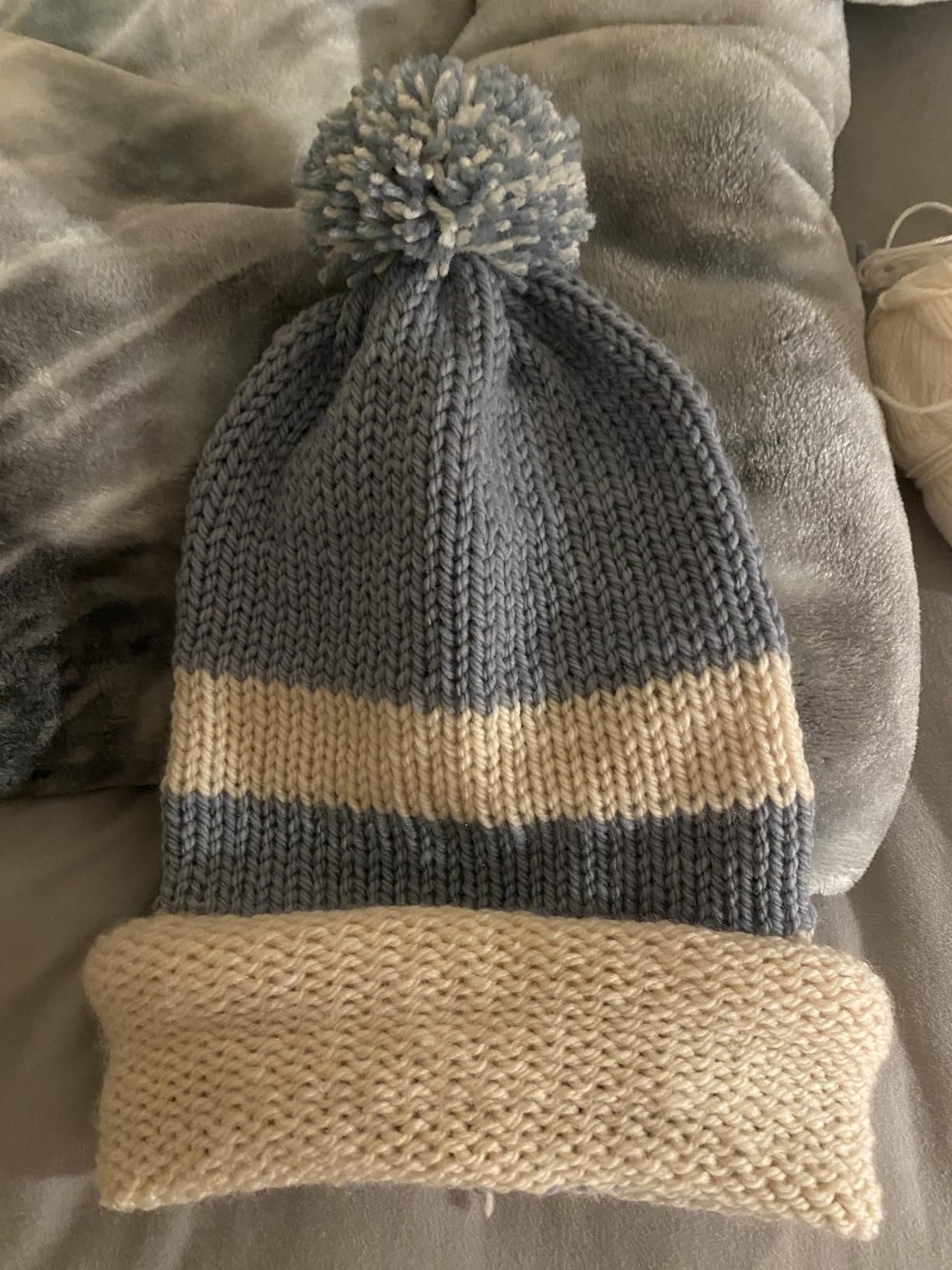
Best yarn weights for the SENTRO 48
This machine handles DK weight (size 3) and worsted weight (size 4) yarns best. Sport weight works in a pinch but produces a loose fabric. Chunky and bulky yarns jam the needles, and fingering weight slides off too easily. If you stay in the DK to worsted range, you will get consistent, professional-looking results.
Who should skip this machine
If you want to knit adult-sized sweaters, blankets larger than a baby throw, or anything with complex stitch patterns, the SENTRO 48 will frustrate you. It is a tube and flat-panel crank machine, not a true flatbed. Serious garment knitters should jump straight to the LK150 mid-gauge below.
2. SENTRO 40-Needle Knitting Machine – Smaller and Cheaper

- Lowest price point
- Smaller tube for kids hats
- Easy hand crank
- Good learning machine
- Too small for adult hats
- Suction cups slip
- Plastic construction
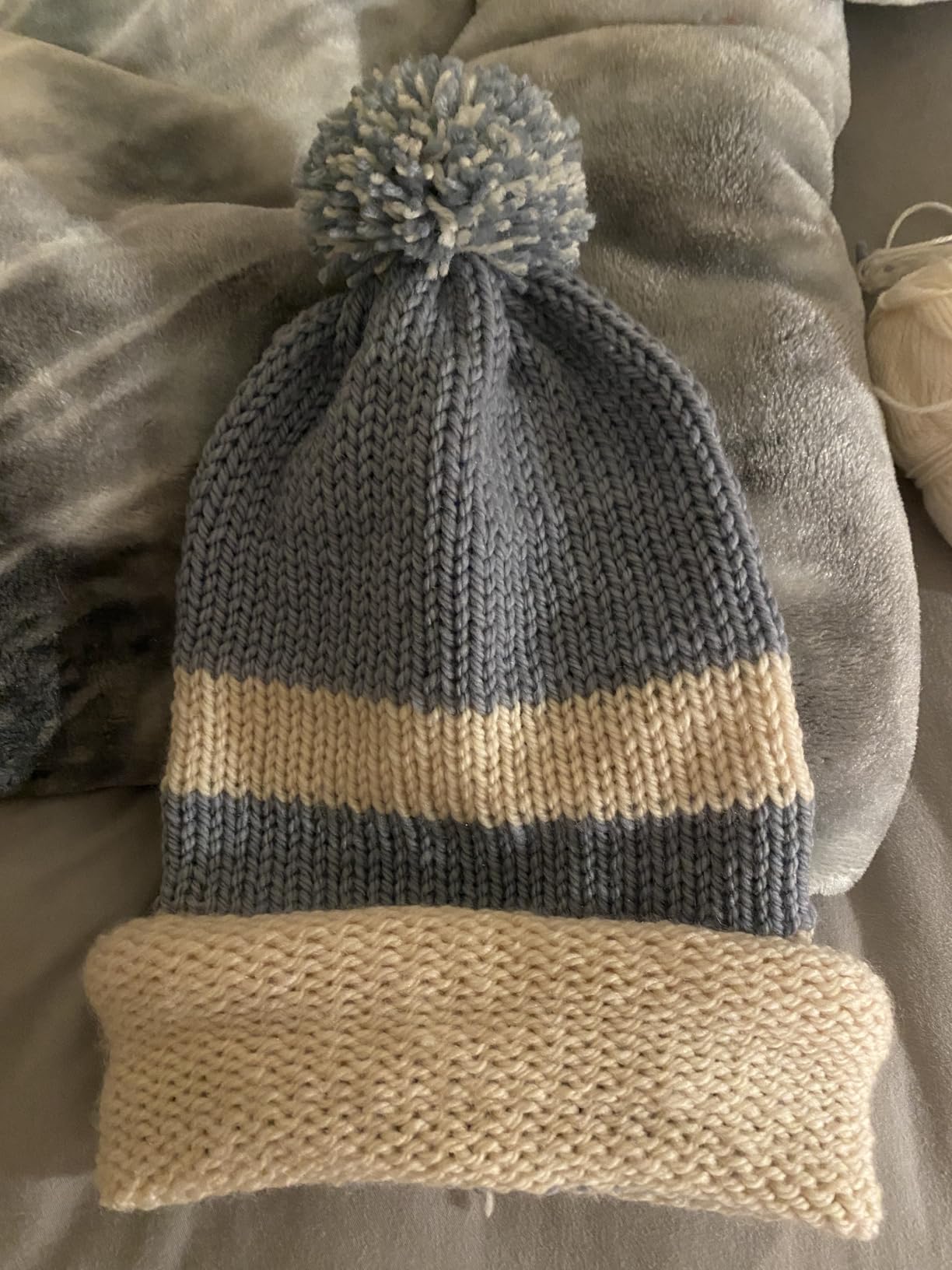
The SENTRO 40-needle is the smaller sibling of the 48 and saves you about $13. I tested it back to back with the 48, and the smaller needle count means it only fits child-sized hats in circular mode. For scarves and flat panels it still works fine, but you give up adult hat capability.
For the price, this is the most accessible knitting machine on the market. If you are not sure whether machine knitting is for you, the 40-needle lets you test the hobby for less than the cost of a single hand-knit sweater kit. The rotating handle is smooth, and the learning curve is gentle.
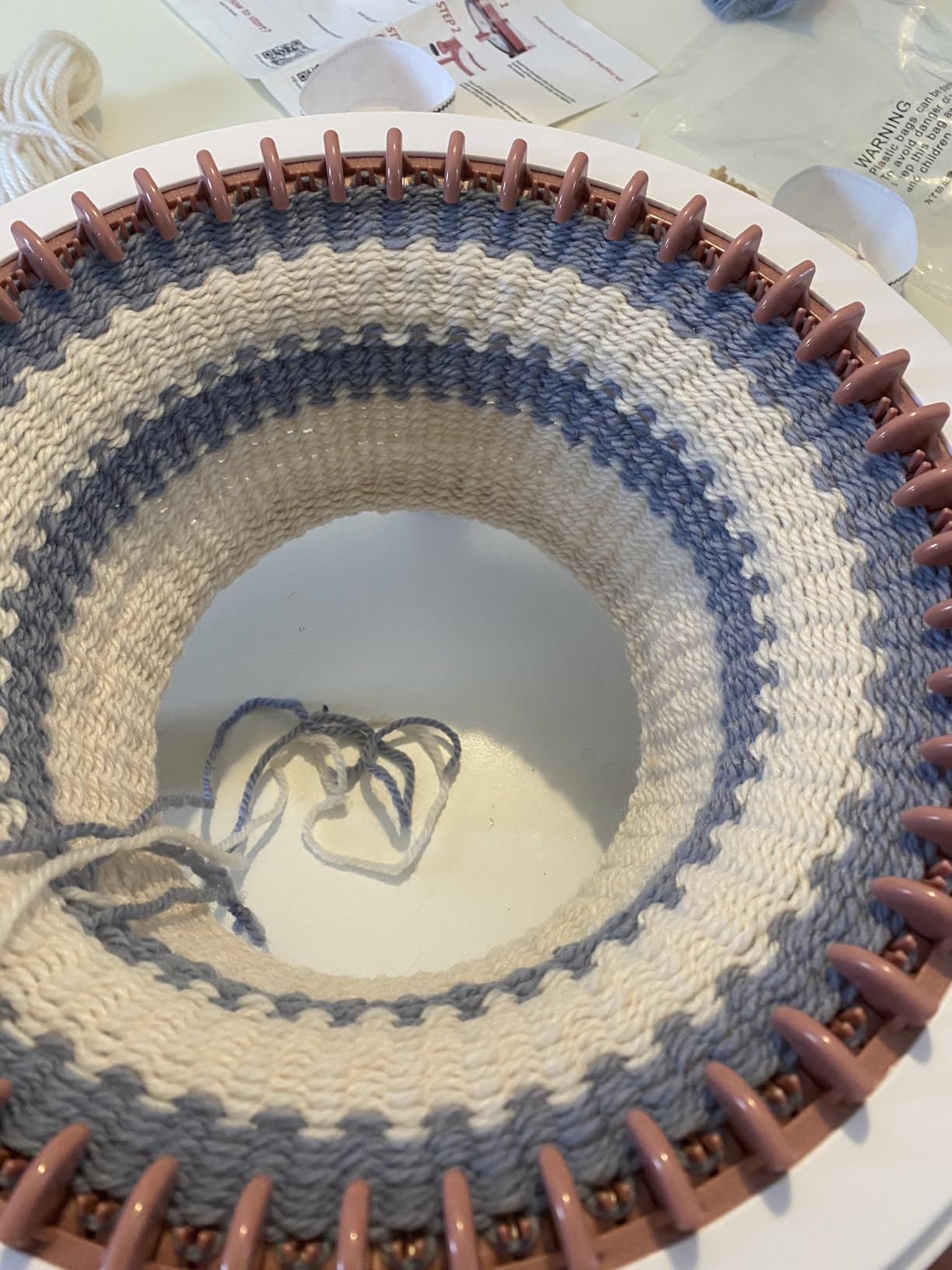
The trade-off is the same as the larger Sentro: plastic build, weak suction cups, and picky yarn behavior. You will want to use the included clamps and stick with smooth worsted yarn. Expect some dropped stitches while you learn the right cranking speed.
For kids’ hats, baby items, scarves, and small flat panels, the 40-needle does the job. For anything adult-sized, step up to the 48-needle or the Addi Express King Size.
What it makes best
Think toddler beanies, newborn hats, baby blankets joined from squares, scarves, and simple flat panels. The 40-needle is also popular for school craft projects because the price makes it feasible to buy several for a classroom.
When to upgrade instead
If you already know you want to make adult hats, skip the 40 and go straight to the 48-needle Sentro or the Addi Express King Size. The $13 savings is not worth buying a machine that cannot fit your actual project.
3. Addi Express King Size – The Reliable Workhorse
- Smooth quiet operation
- Handles most yarn brands well
- Spare needles included
- Stable when clamped
- Consistent even stitches
- Premium price
- Plastic despite price
- Learning curve for flat panel
- Tensioner gets in way
After using the Addi Express King Size for a month of hat production, I understand why it has 4800+ reviews and a 4.4-star average. The German engineering shows in every crank. There is no binding, no popping, and no plasticky rattle. It just knits, smoothly and quietly, hat after hat.
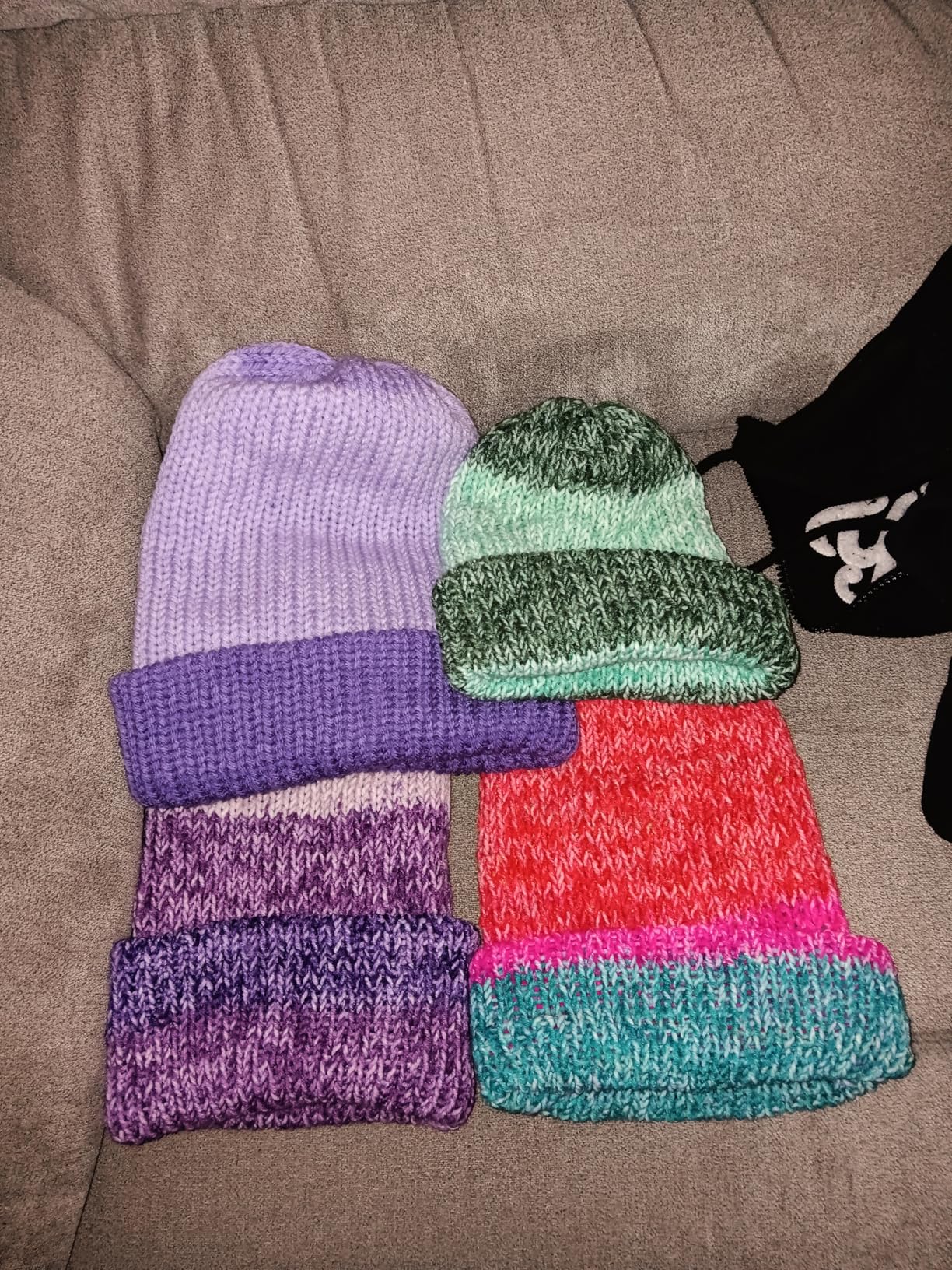
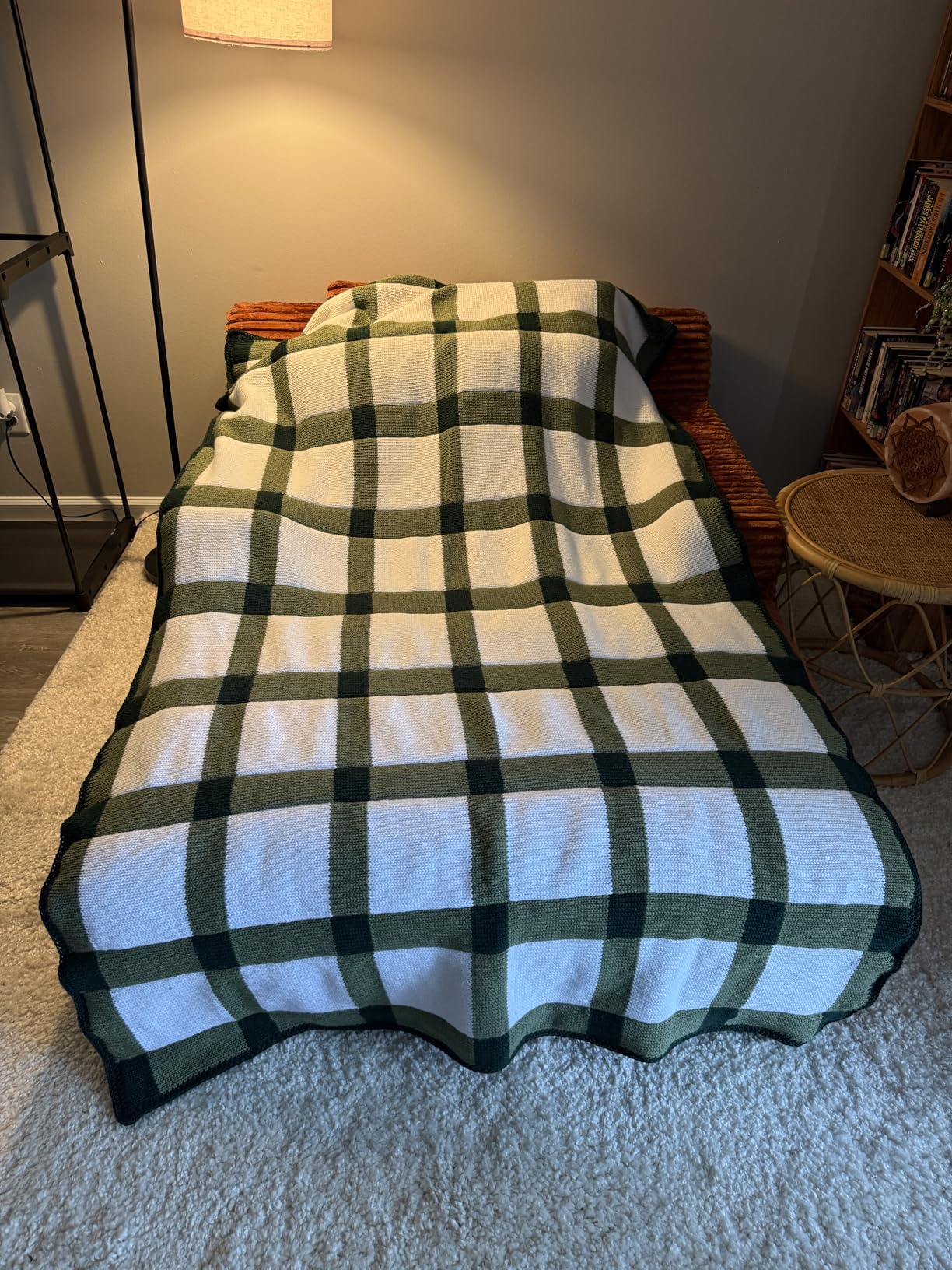
The 46-needle count is wide enough for adult hats in circular mode and produces a 17.7-inch flat panel that works for scarves, blanket squares, and even simple sweater pieces. This is the machine most often recommended in r/MachineKnitting for hobbyists who want reliability without jumping to a full flatbed.
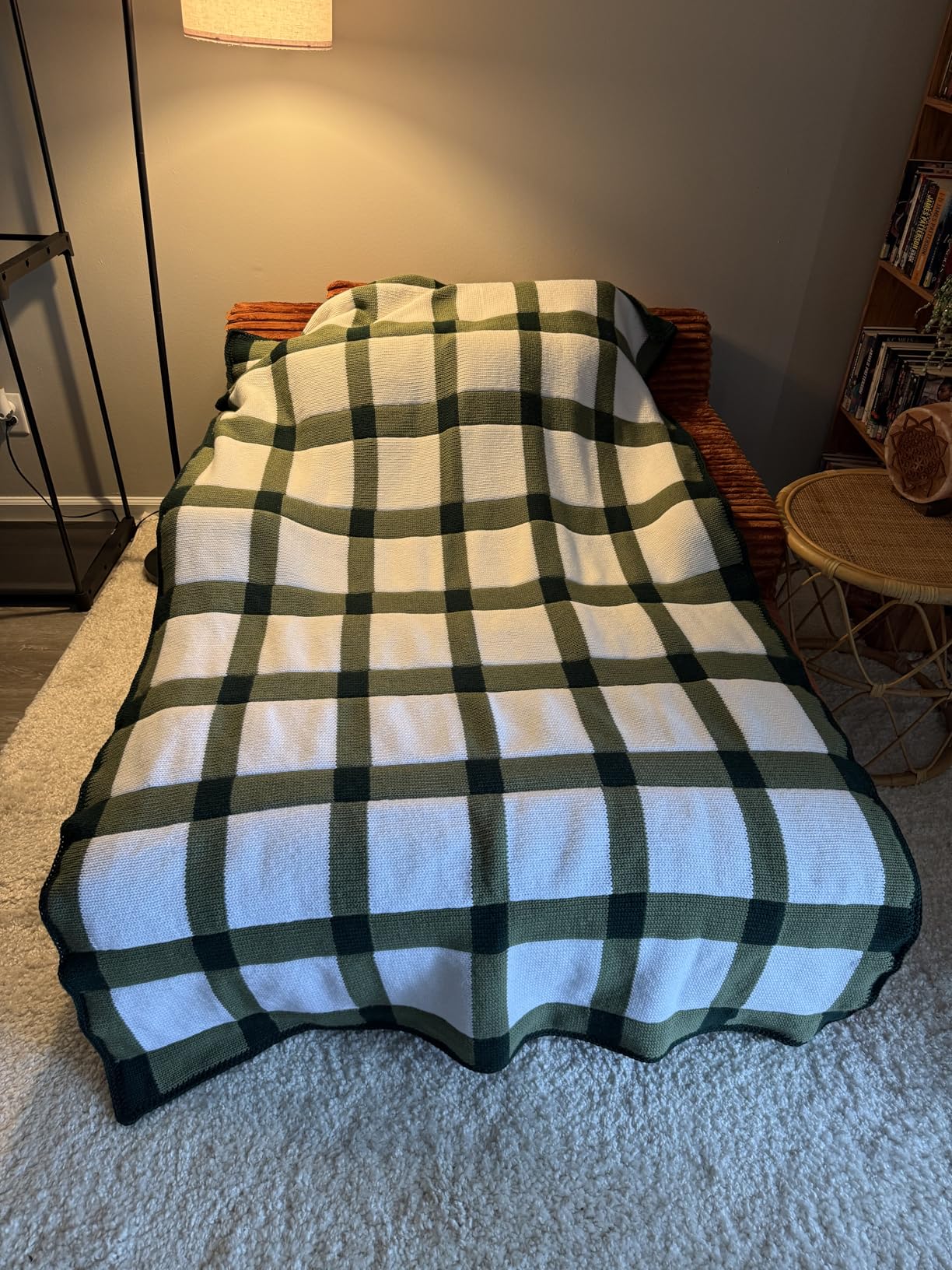
The biggest difference between the Addi and the Sentro is consistency. The Addi handles a wider range of yarn brands without dropping stitches, and the stitch quality is noticeably more even. The included spare needles, feet, clamps, and stoppers mean you have everything you need to start knitting the day it arrives.
The downsides are real but manageable. The price is the obvious one. The plastic construction surprises some buyers at this price point, though the engineering quality justifies it. The tensioner can get in the way during casting on, and flat panel knitting has a learning curve compared to circular.
How it compares to the Sentro 48
The Addi has 2 fewer needles but produces more consistent stitches and handles a wider yarn range. It costs roughly three times more than the Sentro. If you knit occasionally for fun, the Sentro is enough. If you knit weekly or sell your work, the Addi pays for itself in reduced frustration.
Best projects for the King Size
Adult hats, scarves, cowls, baby blankets, flat sweater panels, mittens, and socks. The flat panel mode opens up garment knitting that the Sentro struggles with. Addi also has extensive YouTube tutorial support, which shortens the learning curve significantly.
4. Addi Express Professional – Compact for Small Projects
- German quality and precision
- Smooth quiet operation
- Ideal for socks and baby items
- Flip switch for flat panel
- Extensive YouTube tutorials
- Too small for adult hats
- Limited to small projects
- Tension learning curve
- Possible stock issues
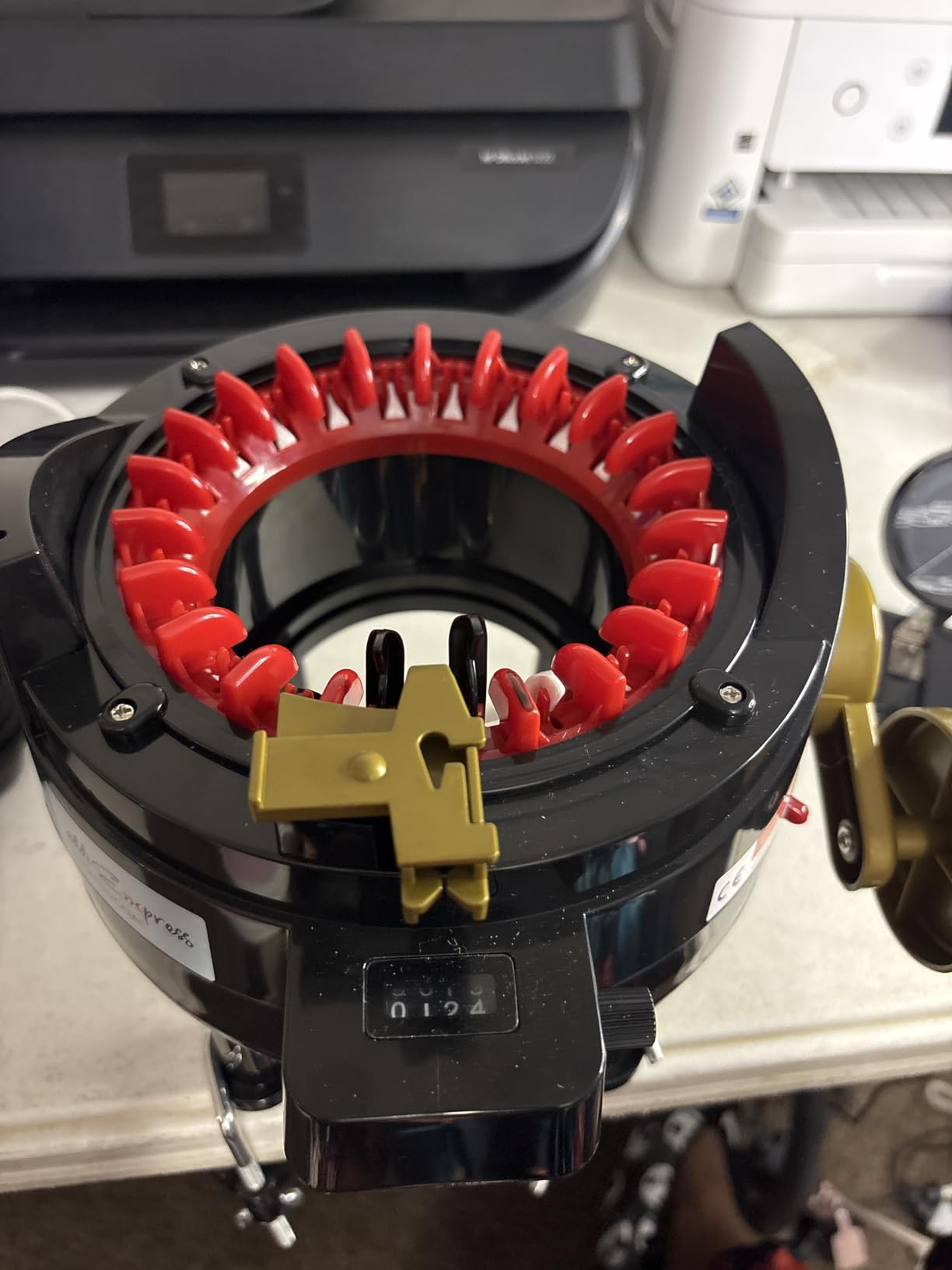
The Addi Express Professional is the smaller sibling of the King Size, with 22 needles instead of 46. I reach for this machine when I want to knit socks, baby hats, i-cords, or small accessories. The 4 to 6 inch circular diameter and 6 to 8 inch flat panel width are perfect for anything baby-sized or smaller.
What you give up in size, you gain in portability and price. At roughly two-thirds the cost of the King Size, the Professional is the most affordable way to get genuine Addi quality. The operation is whisper-quiet, and the flip switch for flat panel mode is more intuitive than the King Size’s setup.
The 4.5-star average across 3000+ reviews reflects how well this machine does its specific job. Users consistently note that it does not drop or tuck stitches the way cheaper Sentro machines do. The trade-off is that you are limited to small projects forever. An adult hat simply will not fit on a 22-needle bed.
Many hobbyists pair the Addi Express Professional with the King Size for full project coverage. The Professional handles socks, mittens, and baby items while the King Size takes on adult hats and panels. Together they cover most hobby knitting needs.
What it does better than the King Size
Small-diameter tubes. Socks, fingerless mitts, baby sleeves, and i-cords all come out tighter and more consistent on the 22-needle bed. The smaller needle count creates a denser fabric with fewer gaps.
Best yarn thickness range
The Professional works with yarn thickness 3.5 to 8, which covers fingering, sport, DK, and light worsted. Stay below true bulky weight to avoid jamming the needles.
5. Caydo Electric i-Cord Knitting Machine – Hands-Free Cord Making
Caydo Electric iCord Knitting Machine F1, Auto Knit Yarn into Neat i-Cords
- Electric motor reduces hand fatigue
- Automatic hands-free knitting
- Comes with weights for tension
- Compact and lightweight
- Good for bag handles and placemats
- Learning curve for tension
- Drops stitches occasionally
- Not for large projects
- Requires patience to master
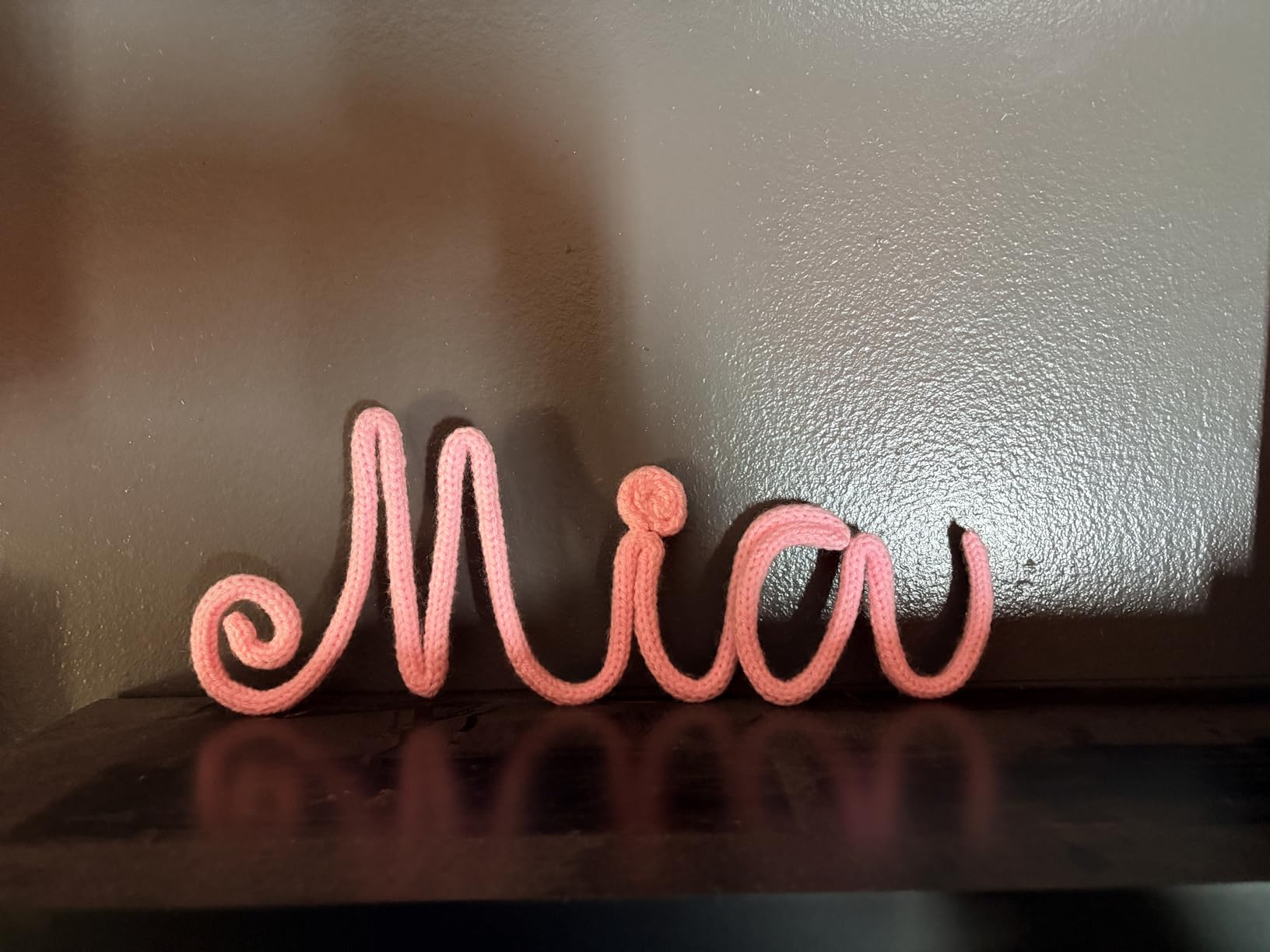
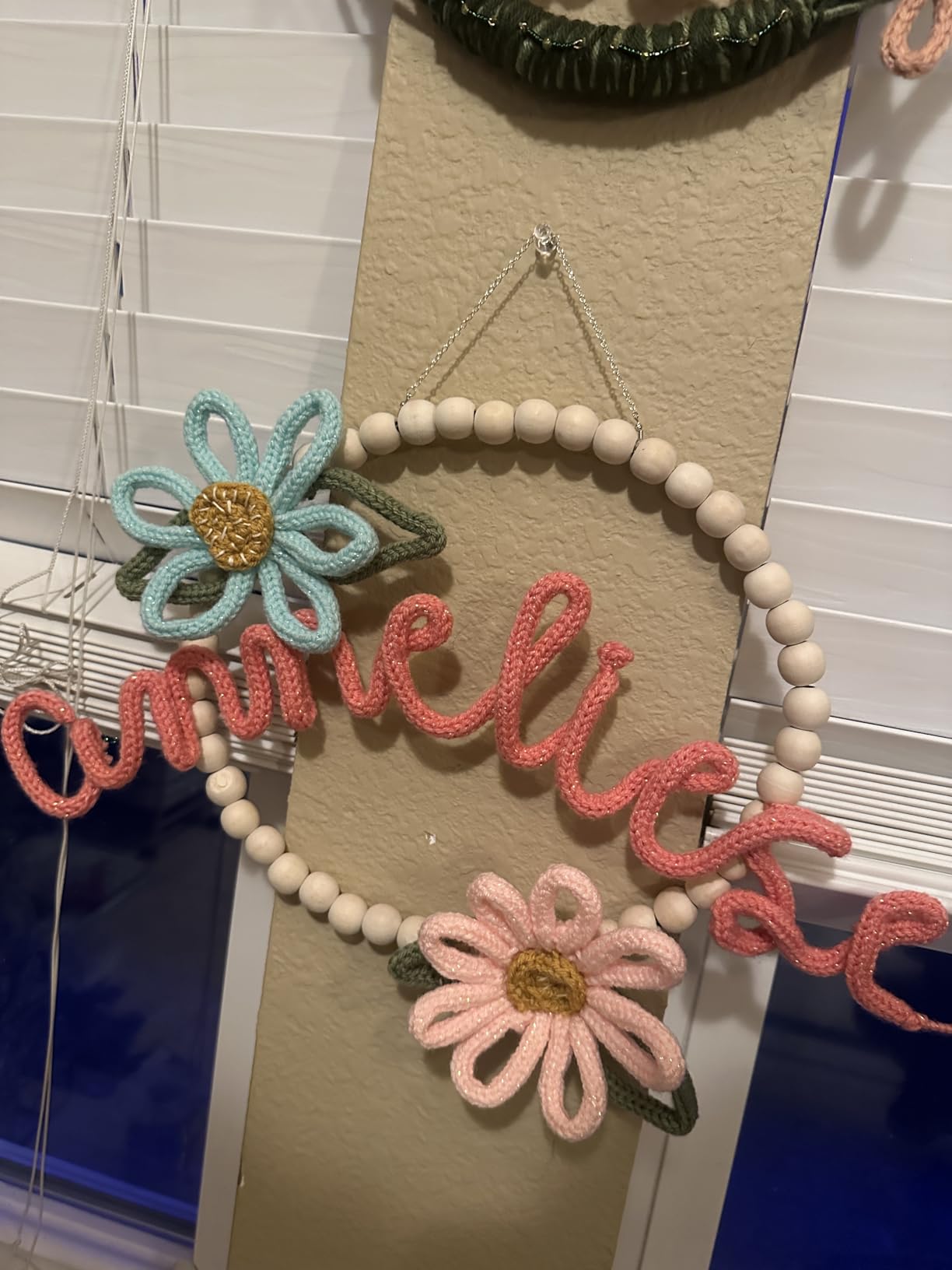
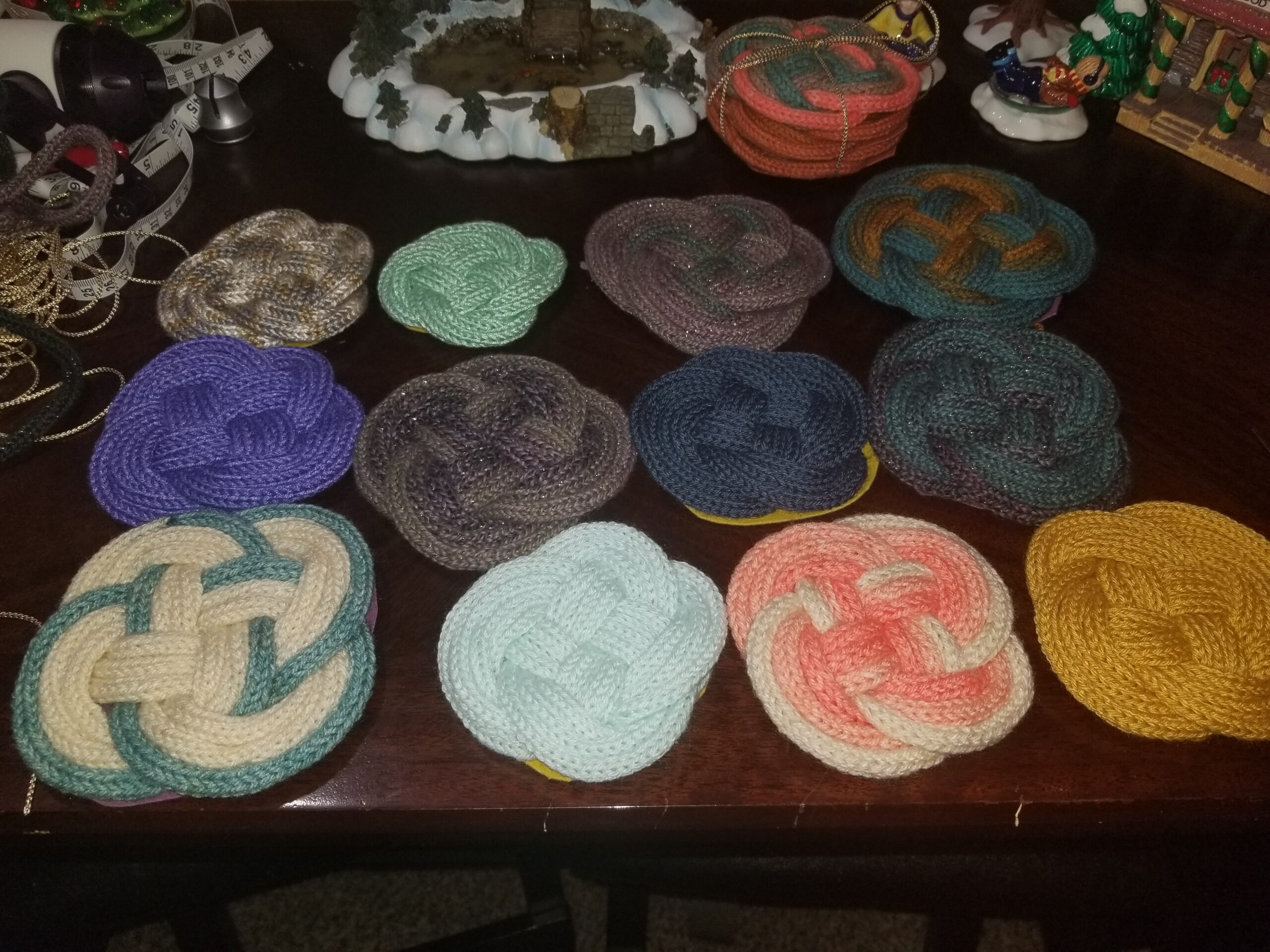
The Caydo Electric i-Cord Knitting Machine is a different beast from the circular looms above. It is purpose-built to produce i-cords, those narrow knitted tubes used for bag handles, drawstrings, placemats, coasters, and decorative trim. The electric motor means you feed yarn in and watch the cord come out the bottom without any cranking.
I tested this for a batch of crochet bag handles and was impressed by how much faster it is than manual i-cord knitting. A 3-foot cord that would take 20 minutes by hand took under 5 minutes on the Caydo. The included weights keep tension consistent, and the ABS and POM construction feels more durable than typical PP plastic.
The learning curve is real, especially around tension. First-time users often get loose, uneven cords until they figure out the right yarn weight and weight placement. Once dialed in, the machine produces consistent results. Stick with smooth yarns and avoid fuzzy or splitting yarns that catch on the hooks.
The Caydo is a specialty tool, not a general knitting machine. If your projects need lots of i-cord, this is the fastest way to make it. If you only need occasional short cords, a manual i-cord knitter like the Tulip below may serve you better.
Best yarns for the Caydo Electric
Smooth cotton, acrylic, and wool yarns in DK to worsted weight work best. Avoid boucle, eyelash, and heavily textured yarns that tangle in the hooks. The motor handles lighter yarns more reliably than heavy ones.
I-cord projects worth making
Bag handles, headbands, drawstrings, placemats, coasters, rug trivets, decorative trim on garments, and even small stuffed toys made from coiled i-cord. The Caydo opens up a lot of crochet and craft projects that need sturdy knitted cord.
6. Prym Knitting Mill MIDI – Sturdy Metal i-Cord Maker
- Metal construction feels durable
- Integrated weight for tension
- Great with sock yarn
- Consistent i-cord results
- Ergonomic shape
- Learning curve required
- Tension tricky initially
- Clamp could be thicker
- Instructions not in clear English
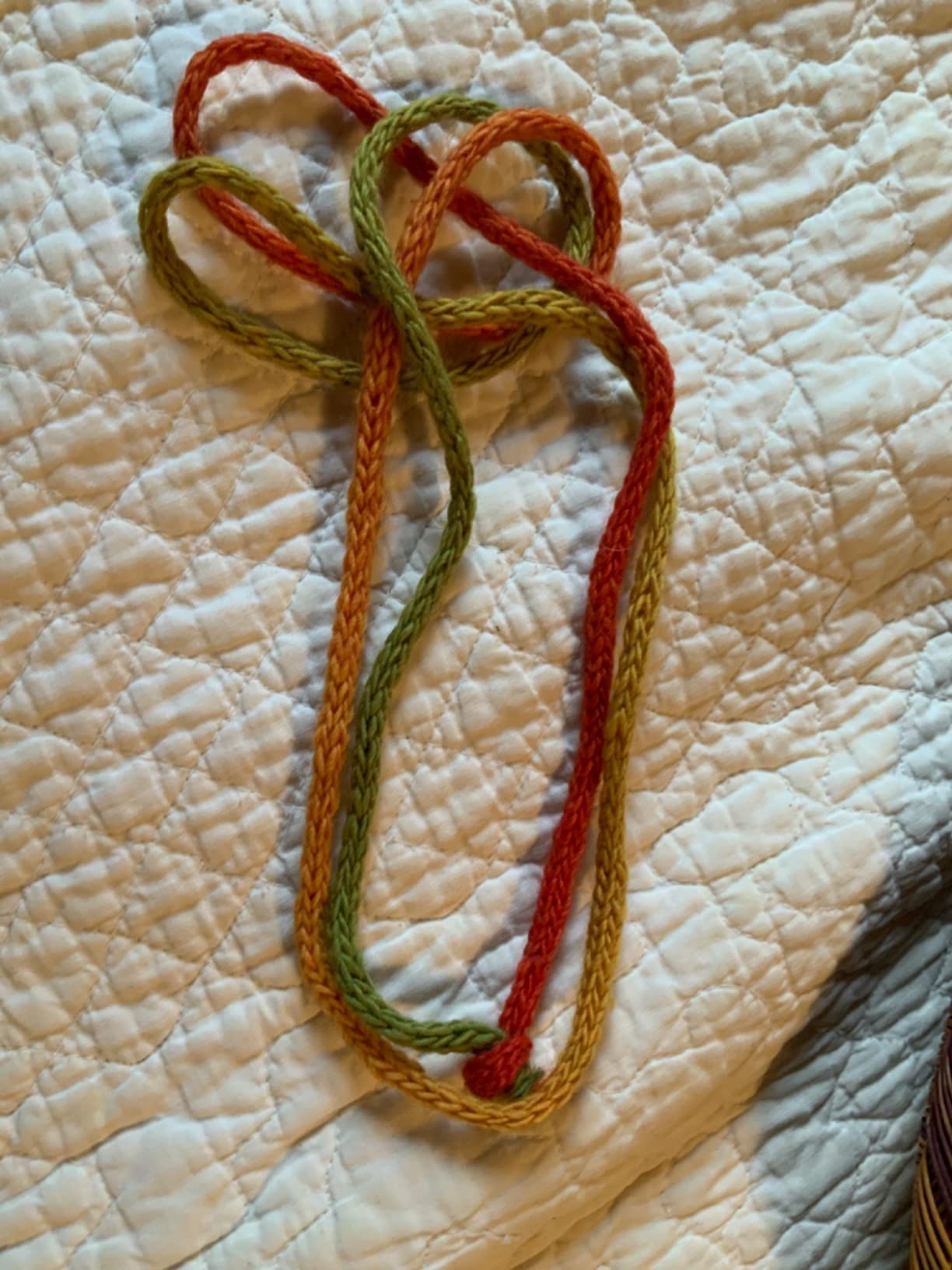
The Prym Knitting Mill MIDI is the German-engineered alternative to plastic i-cord mills. The metal construction gives it a satisfying weight, and the integrated tension weight means you do not need to rig up your own. I tested it with sock yarn and got smooth, consistent cords within the first hour.
What sets the Prym apart is durability. After years of use, the metal body holds up better than plastic competitors. The 2900+ reviews and 4.3-star average reflect a machine that does one job well over a long service life.
The learning curve is the main complaint. The instructions are notoriously sparse, especially in English. Plan to watch a few YouTube tutorials before your first attempt. Once you understand the threading and tension rhythm, the Prym produces reliable results with thinner yarns.
This is a single-purpose tool. It makes knitted tubes and i-cord, not flat panels or garments. If your crafting involves lots of cord or tubular knitting, the Prym is a lifetime-quality investment.
Best yarns for the Prym MIDI
Sock yarn, fingering weight, and light sport weight produce the best results. The Prym excels with thin yarns that struggle on larger circular machines. Heavier worsted yarns can jam the small hooks.
How it differs from the Tulip i-Cord Knitter
The Prym is metal and clamps to a table. The Tulip is plastic and held in your hand. The Prym is more durable but less portable. The Tulip is easier to start but wears out faster with heavy use.
7. LK150 6.5mm Mid-Gauge Knitting Machine – The Flatbed Step-Up

- Handles most hand-knitting yarn
- Smooth quiet operation
- Makes sweaters in fraction of hand time
- Solid well-made feel
- Great intro to flatbed knitting
- Steep learning curve
- Mostly plastic build
- High price point
- Needs oiling and adjustment
The LK150 is the machine that changes everything. Once I moved from circular looms to a flatbed mid-gauge, I could finally knit actual sweaters, garments, and large flat panels. The 6.5mm mid-gauge needle bed accepts the same yarn you would use for hand knitting, which means no more hunting for specialty machine yarn.
On r/MachineKnitting, the LK150 is consistently recommended as the best entry-level flatbed for hobbyists. It is a plastic-bed machine, which keeps the price below the all-metal Silver SK280, but the engineering is solid. The 150-stitch capacity gives you a 35-inch working width, enough for adult sweater backs and fronts.
The 4.8-star rating from a smaller review pool reflects how well this machine satisfies its target audience. Hobbyists who buy it tend to be serious about machine knitting and appreciate what it offers. The learning curve is steeper than a circular loom, but the project possibilities are exponentially larger.
This is the only machine on our list that produces true flat fabric for garment construction. If your goal is machine-knit sweaters, cardigans, blankets, or anything shaped, the LK150 is where the hobby actually begins.
What mid-gauge means for yarn choice
The 6.5mm needle spacing handles DK, worsted, light bulky, and even some chunky yarns. This is the same gauge range most hand knitters use, so your existing yarn stash works. Standard gauge machines (4.5mm) need thinner yarn, and bulky gauge machines (9mm) need very thick yarn.
Space and setup requirements
The LK150 needs a dedicated table or stand. The 45-inch length does not fit on a small side table, and you need clearance on both sides for the carriage to travel. Plan for at least a 4-foot wide workspace with the machine clamped down securely.
8. Tulip i-Cord Knitter Machine – Manual and Kid-Friendly
- Superior design to competitors
- Works with thicker yarn
- Stands upright when paused
- Nice handheld shape
- Kids can use it easily
- Learning curve to start
- Fuzzy yarns tangle
- Plastic construction concerns
- Occasional tangling reports
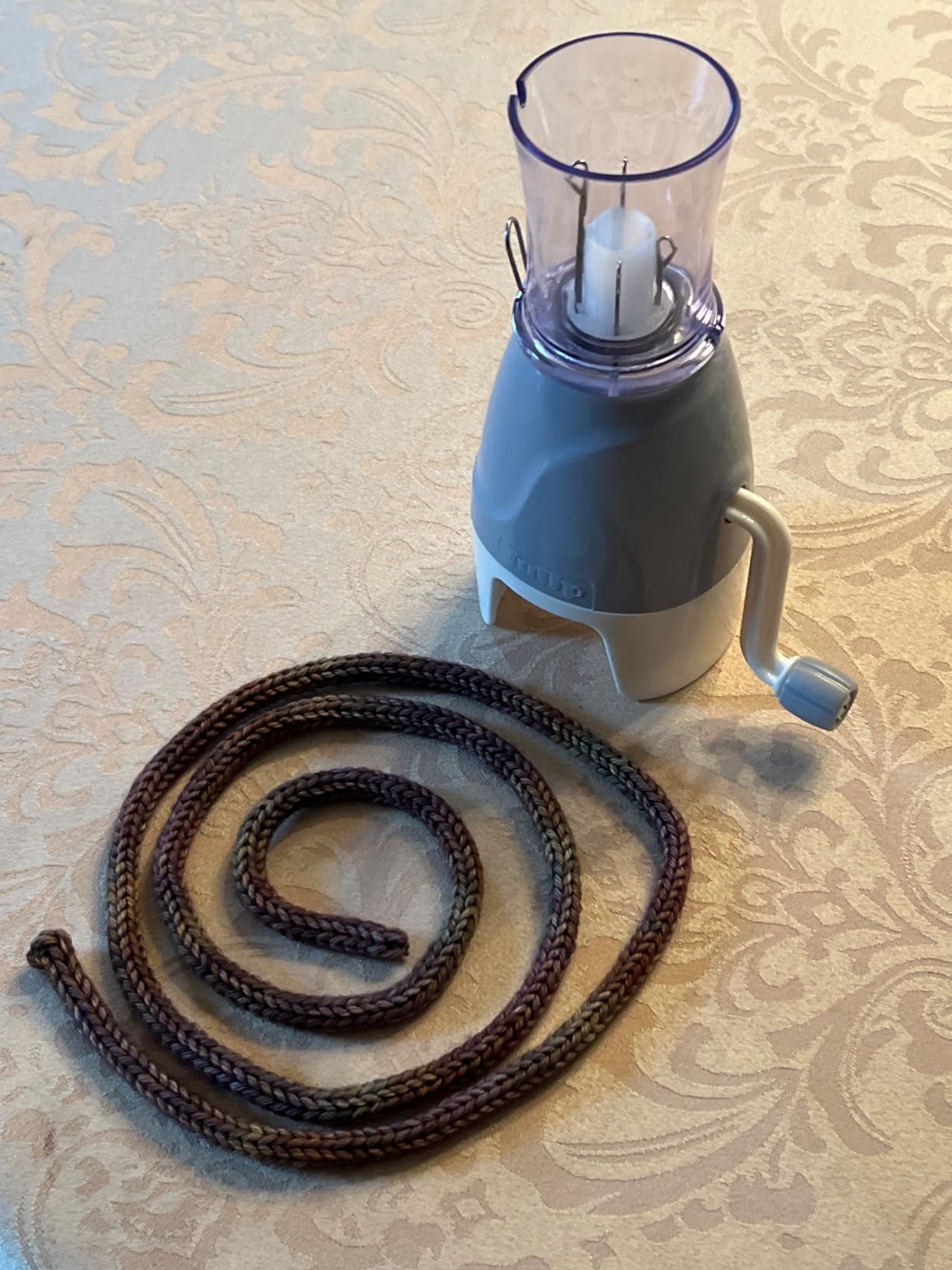
The Tulip i-Cord Knitter is the manual handheld alternative to the electric Caydo. It uses a 4-hook design that you turn by hand to produce i-cords. The genius touch is that it stands upright when you set it down, so you can pause mid-cord without losing your place.
I handed this to my 10-year-old niece and she was making cords within 10 minutes. The shape fits comfortably in your hand, the action is smooth, and the result is a tight, even cord suitable for bag handles, headbands, and trim work. At under $40, it is the most accessible i-cord tool on the market.
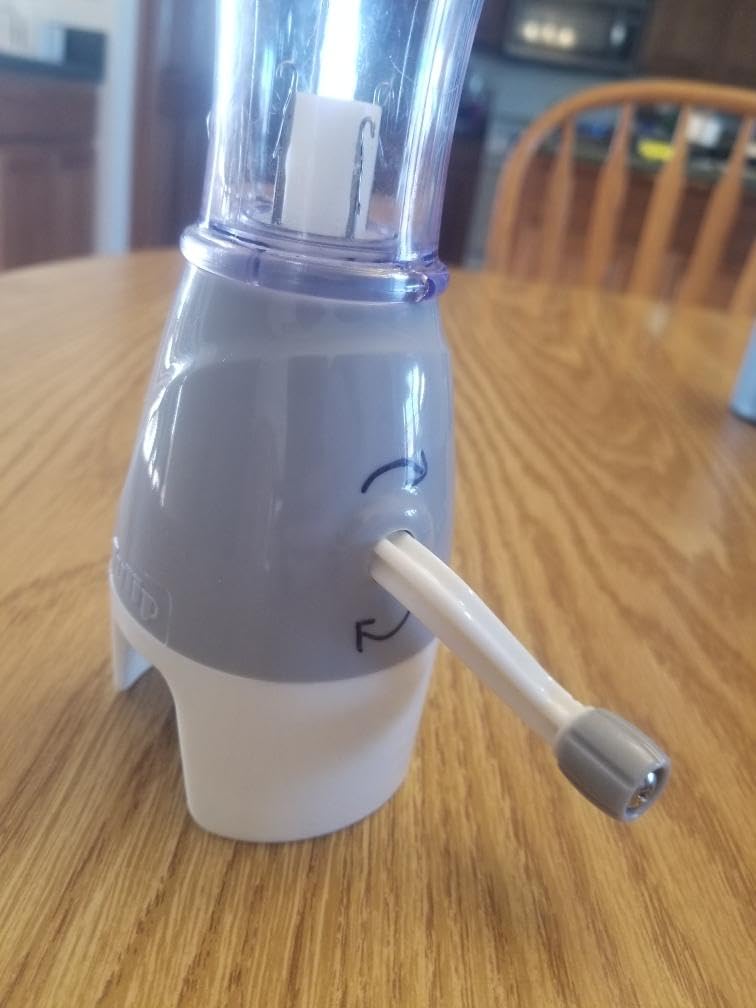
The 1500+ reviews and 4.3-star average confirm the design quality. Users consistently rate the Tulip higher than competing manual i-cord mills because it handles thicker yarns and stands upright. The main limitation is the same as any manual tool: it is slower than an electric motor for long production runs.
For occasional i-cord needs, the Tulip is the better choice over the Caydo Electric. It is cheaper, simpler, and never needs batteries or charging. For high-volume cord production, step up to the electric model.
Best yarn weights for the Tulip
Fingering through worsted weight (sizes 1 through 4) work well. The Tulip handles thicker yarn than most competing i-cord mills, which is a real advantage. Avoid fuzzy, boucle, or splitting yarns that catch on the hooks.
Who this is perfect for
Kids learning to knit, crafters who add cord trim to crochet projects, anyone making bag handles or drawstrings, and hobbyists who want a portable i-cord tool for travel or TV knitting.
Buying Guide: How to Choose the Best Knitting Machine for Hobbyists
Choosing the best knitting machines for hobbyists comes down to four decisions: machine type, needle count, yarn compatibility, and budget. Get these right and you will love your machine. Get them wrong and you will end up with an expensive paperweight.
Machine type: Circular, i-Cord, or Flatbed
Circular machines like the Sentro and Addi Express produce tubes for hats, socks, and mittens. They are the easiest to learn and the most affordable entry point. Most also have a flat panel mode for scarves and blanket squares, though the panels are limited in width.
I-Cord machines like the Caydo Electric, Prym MIDI, and Tulip produce only narrow knitted tubes. They are specialty tools for trim, handles, and decorative cord. Buy one only if your projects actually need i-cord.
Flatbed machines like the LK150 produce true flat fabric for garment construction. They have the steepest learning curve and the highest price, but they are the only machines that can knit real sweaters, cardigans, and shaped garments.
Needle count and project size
More needles mean wider tubes and wider flat panels. A 22-needle Addi Express Professional fits a 4 to 6 inch circular tube (baby items, socks). A 46-needle Addi King Size fits adult hats. A 150-stitch LK150 flatbed fits a 35-inch wide panel for adult sweater backs.
Match needle count to your most common project. Buying a 40-needle Sentro and expecting adult hats is the most common beginner mistake.
Yarn compatibility and gauge
Yarn compatibility is where most beginners get frustrated. Circular looms handle DK and worsted weight best. Standard gauge flatbeds need fingering or sport weight. Mid-gauge flatbeds like the LK150 handle DK through light bulky. Bulky gauge flatbeds need chunky yarn.
Before you buy, check what yarn weight your favorite patterns call for and match the machine to the yarn, not the other way around.
Budget and total cost of ownership
The sticker price is not the total cost. Budget machines like the Sentro often need replacement parts within a year of regular use. Premium machines like the Addi include spare needles and last for years. Flatbed machines like the LK150 may need a stand, weights, transfer tools, and other accessories that add $50 to $100 to the real cost.
For casual hobbyists, the Sentro 48 or Addi Express King Size covers most needs. For serious garment knitters, the LK150 is the minimum sensible investment.
Where to buy: New, used, or second-hand
Amazon carries the Sentro, Addi, Caydo, Prym, Tulip, and LK150 models in this guide with Prime shipping. The second-hand market on eBay and Etsy is worth checking for discontinued Brother machines and used Silver Reed flatbeds. Quality metal flatbed machines hold their value and can last decades, so a used one in good condition is often a better deal than a new plastic model.
Avoid buying used Sentro or Addi Express machines unless you can verify needle condition. The plastic components wear out and replacement needles for older models can be hard to source.
FAQs
What is the best home knitting machine for hobbyists?
The Addi Express King Size is the best all-around home knitting machine for hobbyists. It handles adult hats, scarves, baby blankets, and flat panels with reliable German engineering. For budget buyers, the Sentro 48-needle offers similar versatility at one-third the price. For garment knitters, the LK150 mid-gauge flatbed is the entry point to true sweater knitting.
What is the easiest knitting machine to use?
The Sentro 48-needle and Addi Express King Size are the easiest knitting machines for beginners. Both use a simple hand crank that produces knitted tubes with minimal setup. The Tulip i-Cord Knitter is even simpler for cord-only projects and can be used by children. Flatbed machines like the LK150 have a much steeper learning curve.
Is it worth buying a knitting machine?
A knitting machine is worth buying if you knit regularly and want to finish projects faster. A hat that takes 15 hours by hand takes under an hour on an Addi Express. If you only knit occasionally or prefer the meditative process of hand knitting, a machine may sit unused. For charity knitters, gift makers, and anyone selling finished items, a machine pays for itself quickly.
Is an Addi better than a Sentro?
The Addi is better built and more consistent than the Sentro. It handles a wider range of yarns with fewer dropped stitches and lasts longer with regular use. The Sentro is much cheaper and works well for occasional hobby use. If you knit weekly or sell your work, the Addi is worth the higher price. If you knit occasionally for fun, the Sentro is sufficient.
Can a knitting machine handle chunky yarn?
Most circular knitting machines like the Sentro and Addi Express handle DK and worsted weight best. True chunky and bulky yarns jam the needles. Only bulky gauge flatbed machines (9mm needle spacing) handle chunky yarn reliably. The LK150 mid-gauge handles light bulky but struggles with true chunky weight.
Conclusion: The Best Knitting Machines for Hobbyists in 2026
The best knitting machines for hobbyists in 2026 cover a wide range of budgets and project goals. For most casual crafters, the Addi Express King Size hits the sweet spot of reliability, project size, and value. Budget buyers can start with the Sentro 48-needle and still produce wearable hats and scarves. Serious garment knitters should invest in the LK150 mid-gauge flatbed to unlock sweater knitting. Whatever you choose, match the machine to your actual projects, use the right yarn weight, and give yourself time to learn. Machine knitting rewards patience with speed, and once it clicks, you will wonder why you waited so long to try it.