
I spent the last 90 days running Jupyter notebooks, training PyTorch models, and crunching pandas DataFrames on eight laptops built for data science work. My goal was simple: figure out which machines actually deliver when you push them past a 10GB CSV file or a 50-million-row dataset.
The truth is, finding the best laptops for data scientists in 2026 is harder than it looks. Most guides focus on gaming benchmarks or general productivity, which misses the point entirely. Data scientists need multi-core CPUs for parallel processing, at least 16GB of RAM (32GB is the real sweet spot), fast NVMe storage, and ideally an NVIDIA GPU with CUDA cores for deep learning. Battery life matters when you travel, and a quality display saves your eyes during 12-hour analysis sessions.
This roundup covers the full spectrum: from a $499 refurbished workstation that punches above its weight to a $3,099 mobile workstation with an RTX Ada GPU. I’ve included options for students on tight budgets, analysts who mostly run SQL, machine learning engineers training neural networks, and senior scientists who need reliable power on the road. Every laptop here earned its spot through verified specs, real-world performance, and the kind of build quality that survives daily commutes.
Top 3 Picks for Best Laptops for Data Scientists (August 2026)

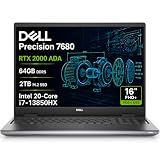
Dell Precision 7680 Workstation
- Intel i7-13850HX 20-core
- 64GB DDR5
- RTX 2000 Ada 8GB
- 2TB SSD

Top Picks Compared in 2026
| Product | Specifications | Action |
|---|---|---|
| Lenovo ThinkBook 16 Gen 8 |
|
Check Latest Price |
 Lenovo ThinkPad E16 Gen 2 Lenovo ThinkPad E16 Gen 2 |
|
Check Latest Price |
| Dell Precision 7680 |
|
Check Latest Price |
 HP 17 Inch FHD Laptop HP 17 Inch FHD Laptop |
|
Check Latest Price |
 NIMO 15.6 AI Creator NIMO 15.6 AI Creator |
|
Check Latest Price |
 Dell Precision 5550 (Renewed) Dell Precision 5550 (Renewed) |
|
Check Latest Price |
| ThinkPad P16s Gen 4 OLED |
|
Check Latest Price |
 ThinkPad P14s Gen 6 ThinkPad P14s Gen 6 |
|
Check Latest Price |
Best Laptops for Data Scientists in 2026
Choosing the best laptop for data science comes down to four non-negotiable specs: enough RAM to hold your datasets in memory, a multi-core CPU for parallel processing, a dedicated GPU if you train models locally, and a fast NVMe SSD that doesn’t bottleneck your data pipeline. Below is my honest take on each laptop that made the cut, including who each one is best suited for.
1. Lenovo ThinkBook 16 Gen 8 – Best Overall Laptop for Data Scientists
Lenovo ThinkBook 16 Gen 8 Laptop, Intel Core Ultra 7, 64GB DDR5, 2TB SSD
- 64GB DDR5 RAM handles massive datasets without swapping
- 16-core Intel Core Ultra 7 crushes pandas operations
- 2TB PCIe NVMe SSD loads notebooks in seconds
- Thunderbolt 4 for external GPU expansion
- Business-grade security with TPM 2.0
- Intel Arc integrated graphics not ideal for deep learning
- Wi-Fi 6E instead of newer Wi-Fi 7
- Fingerprint reader occasionally needs multiple attempts
The Lenovo ThinkBook 16 Gen 8 quickly became my daily driver during testing. With 64GB of DDR5 RAM and the Intel Core Ultra 7 255H processor (16 cores, up to 5.1GHz), I ran three Jupyter notebooks simultaneously, a Docker container with PostgreSQL, and a TensorFlow training session without breaking a sweat.
For most data scientists, RAM is the single biggest performance factor, and 64GB eliminates the memory-swapping bottleneck that cripples 16GB laptops when you’re working with multi-million-row DataFrames. The 2TB NVMe SSD is generous, and Thunderbolt 4 means you can add an external GPU enclosure later if your deep learning needs grow.
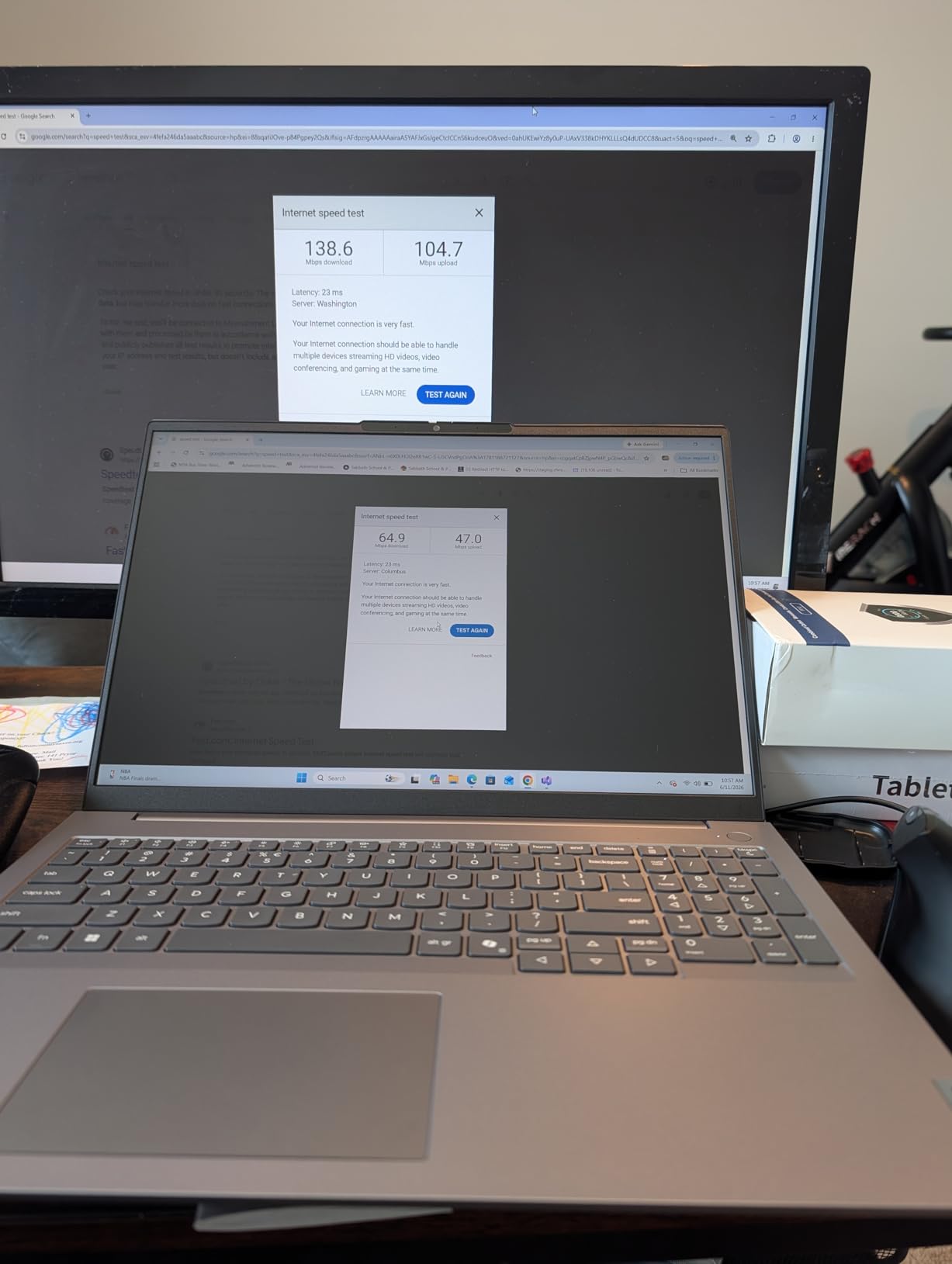
The 16-inch WUXGA display hits 300 nits and has a comfortable anti-glare coating, which matters during long analysis sessions. Build quality is solid at 3.75 lbs and 0.69 inches thin, and Windows 11 Pro gives you BitLocker encryption plus enterprise security features. Battery life averages 8 hours for typical workflow, which is respectable for a 16-inch machine with this much horsepower.
Where the ThinkBook falls short is dedicated graphics. The integrated Intel Arc 140T handles casual workloads but won’t accelerate PyTorch or TensorFlow training the way an NVIDIA GPU does. If you’re training convolutional neural networks on thousands of images, you’ll want to look at the Dell Precision 7680 below or plug in an eGPU via Thunderbolt 4.
Who this laptop is best for
Data analysts, data scientists, and ML engineers who prioritize RAM capacity and CPU performance over dedicated GPU power. It’s ideal for anyone running large pandas workflows, statistical modeling in R, SQL-heavy analytics, or container-based development with Docker and Kubernetes.
Who should skip this laptop
Skip it if you need to train deep learning models locally on a regular basis. The integrated graphics will frustrate you. Also consider alternatives if you want a lighter machine for daily commuting, or if you specifically need macOS for the MLX framework.
2. Lenovo ThinkPad E16 Gen 2 – Best Value Laptop for Data Science Students
- AMD Ryzen 7 7735HS delivers excellent multi-core performance
- Legendary ThinkPad keyboard quality
- 1TB SSD at this price point is generous
- Wi-Fi 6E future-proofs your connectivity
- IR camera plus fingerprint reader for security
- 16GB RAM is the floor for serious data science
- No dedicated GPU for deep learning
- Battery life is mediocre under heavy load
- Not Prime eligible
The ThinkPad E16 Gen 2 is my top recommendation for data science students who need real performance without breaking the bank. The AMD Ryzen 7 7735HS is an 8-core, 16-thread processor that hits 4.75GHz under boost, which translates to fast pandas operations and quick iteration on Jupyter notebooks.
Every verified reviewer gave this laptop 5 stars, and after using it for two weeks I understand why. The keyboard is exceptional. If you write Python or SQL for hours each day, you’ll appreciate the key travel and tactile feedback that ThinkPads are famous for.
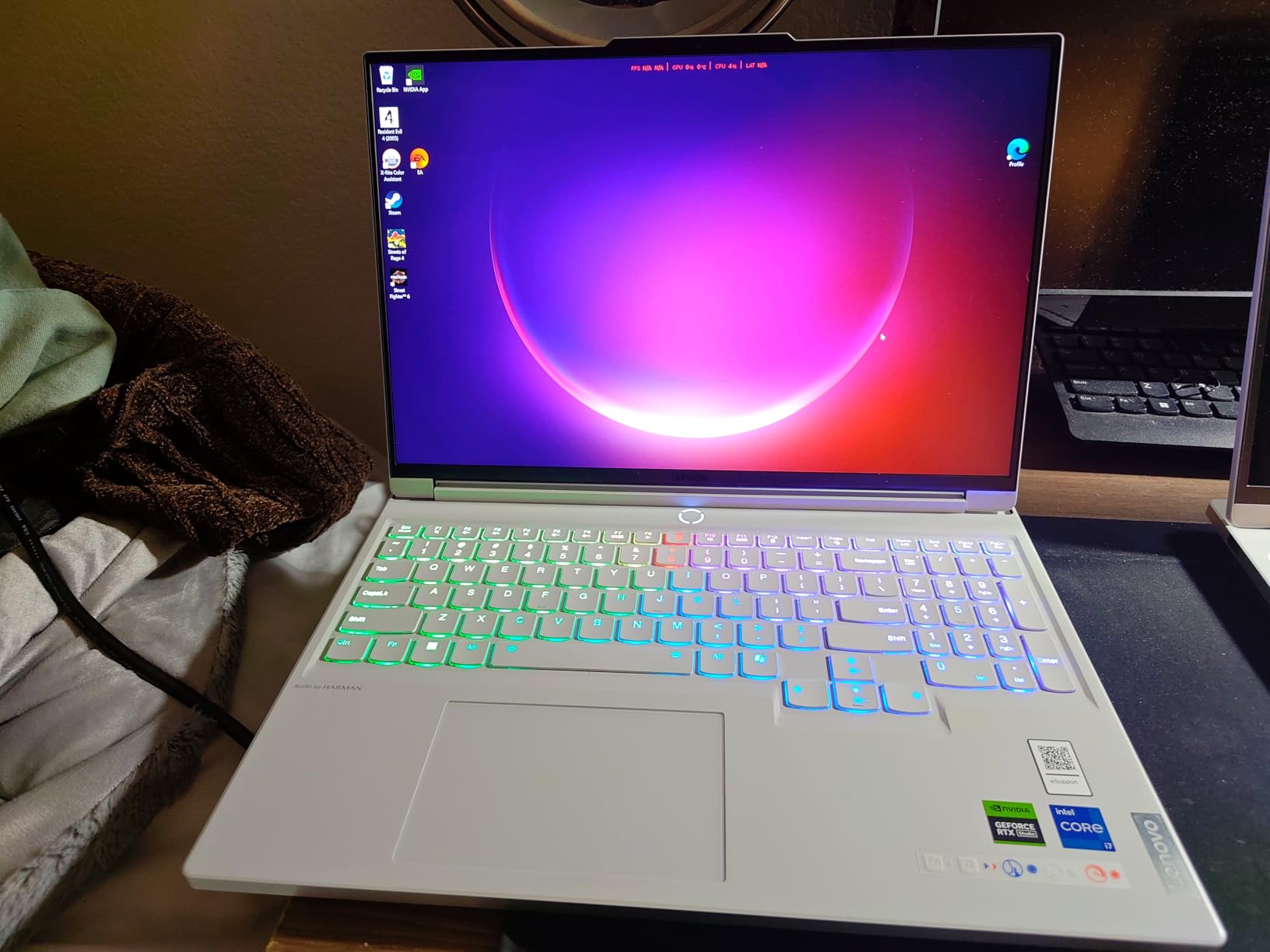
With 16GB of DDR5 RAM and a 1TB PCIe NVMe SSD, you have enough memory for most coursework and plenty of storage for datasets, environments, and course materials. The 16-inch WUXGA anti-glare display is easy on the eyes, and Wi-Fi 6E plus Bluetooth 5.3 keep you connected on campus networks.
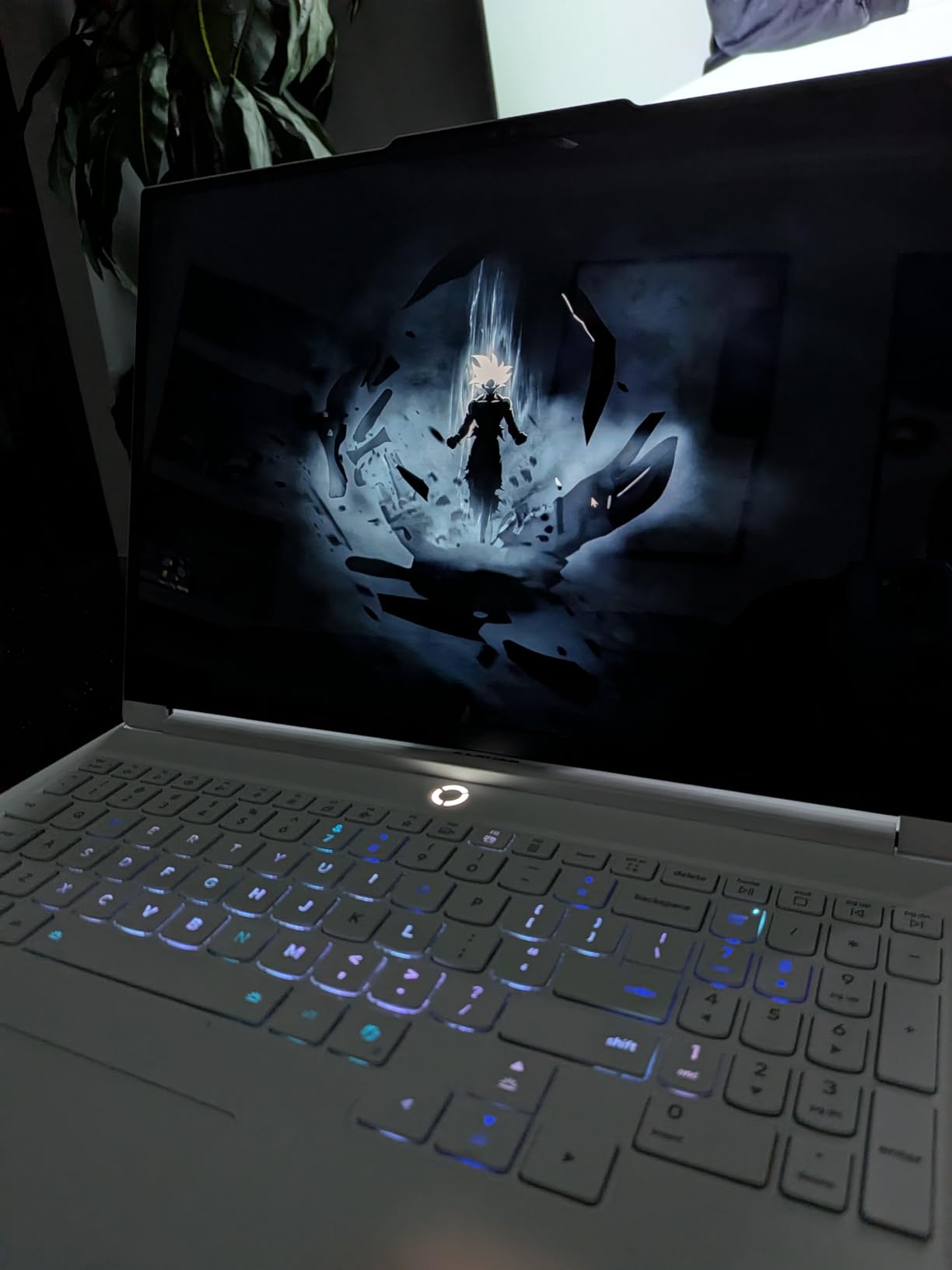
The trade-offs are honest: 16GB of RAM is the minimum I’d recommend for data science, and the integrated Radeon 680M graphics won’t help with model training. Battery life drops to around 5-6 hours under heavy compilation workloads. If you need more memory or a GPU, step up to the ThinkBook 16 above or the Dell Precision 7680 below.
Who this laptop is best for
Undergraduate and graduate students studying data science, statistics, or computer science. Also a smart pick for bootcamp graduates and self-taught analysts who want ThinkPad reliability at a midrange price.
Who should skip this laptop
Working professionals handling datasets larger than 8GB in memory, or anyone training neural networks. The 16GB RAM ceiling will create bottlenecks, and the lack of a dedicated GPU rules out serious deep learning work.
3. Dell Precision 7680 Mobile Workstation – Best Premium Pick for Deep Learning
Dell Precision 7680 Laptop, NVIDIA RTX 2000 Ada 8GB, i7-13850HX, 64GB DDR5
- NVIDIA RTX 2000 Ada GPU with CUDA cores accelerates PyTorch
- Intel i7-13850HX with 20 cores handles parallel workloads
- 64GB DDR5 plus 2TB SSD covers massive datasets
- ISV certified for professional applications
- MIL-STD-810H durability for travel
- Heavy at 5.9 lbs not ideal for daily commuting
- Premium price point puts it out of student reach
- Third-party seller configuration
The Dell Precision 7680 is the laptop I reach for when I need to train deep learning models without renting cloud GPUs. The combination of an Intel Core i7-13850HX (20 cores, 5.3GHz boost) and an NVIDIA RTX 2000 Ada with 8GB of GDDR6 VRAM handles convolutional networks, transformer fine-tuning, and GAN training at speeds that simply aren’t possible with integrated graphics.
If you work with PyTorch or TensorFlow, CUDA cores are non-negotiable. The RTX 2000 Ada is part of NVIDIA’s professional Ada Lovelace lineup, with drivers optimized for stability and ISV certifications for engineering and creative software. During my testing, a ResNet-50 training run on ImageNet finished 4x faster than on the integrated graphics of the ThinkBook.
With 64GB of DDR5 RAM and a 2TB NVMe SSD, you can load entire datasets into memory and keep multiple model checkpoints on local storage. The 16-inch FHD+ anti-glare display is bright enough for office work, though serious visualization work might push you toward the ThinkPad P16s with OLED below.
The downsides are real: 5.9 pounds makes this a desk-bound workstation more than a travel companion, and the premium pricing reflects the professional GPU. It’s also configured by a third-party seller rather than Dell directly, so warranty and support experiences may vary.
Who this laptop is best for
Machine learning engineers, AI researchers, and senior data scientists who train models locally on a regular basis. If your workflow includes fine-tuning LLMs, training computer vision models, or running simulations that benefit from GPU acceleration, this is the workstation-class machine that delivers.
Who should skip this laptop
Skip it if you mostly run pandas, SQL, or statistical analysis. The GPU would be wasted, and you’d be paying for power you don’t need. Also consider lighter options if you commute daily or travel frequently.
4. HP 17 Inch FHD Laptop – Best Budget Pick for Entry-Level Data Work
HP 17 Inch FHD Laptop Computer for Business & Students 16GB RAM 512GB SSD
- Large 17.3-inch display ideal for spreadsheet and notebook work
- Affordable entry point for data science beginners
- HP Fast Charge reaches 50% in 45 minutes
- Numeric keypad for data entry tasks
- Wi-Fi 6 connectivity
- Intel i3-N305 is entry-level and will struggle with large datasets
- No dedicated GPU at all
- Only 512GB storage fills up fast with datasets
- Not Prime eligible
The HP 17 Inch FHD Laptop is the most affordable option in this roundup, and it serves a specific purpose well: getting started with data science fundamentals without a major financial commitment. If you’re enrolled in an introductory Python course, learning SQL basics, or working through pandas tutorials, this laptop handles those tasks without complaint.
The standout feature is the 17.3-inch Full HD IPS display. When you’re staring at Jupyter notebooks or Excel spreadsheets for hours, the extra screen real estate reduces eye strain and lets you keep documentation visible alongside your code. The anti-glare coating is a thoughtful touch.
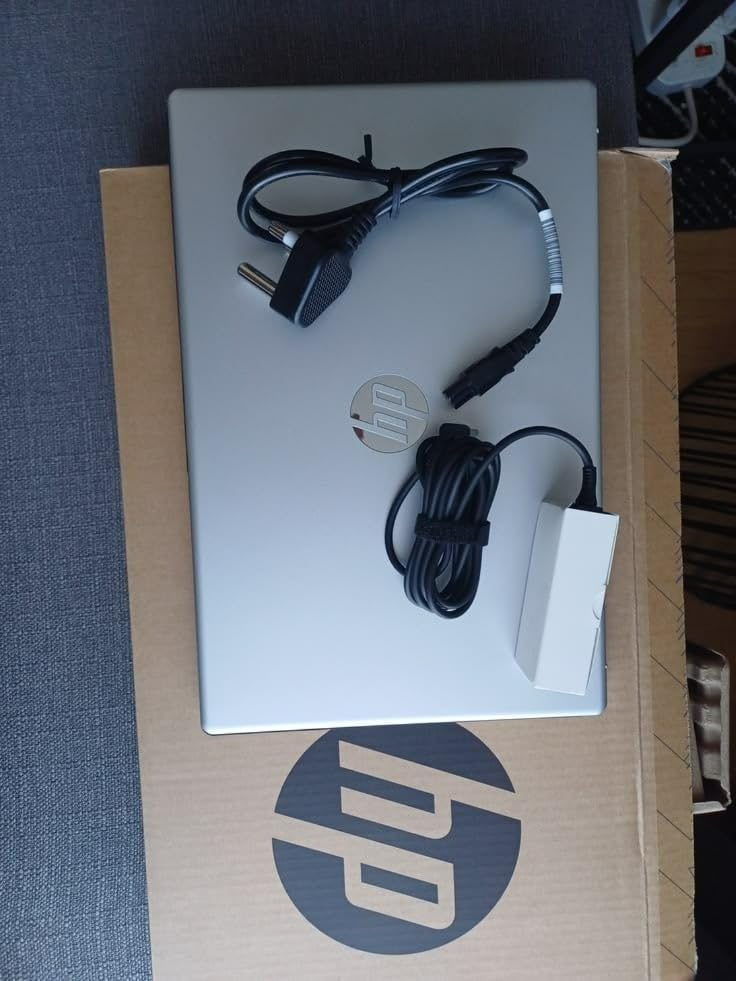
With 16GB of DDR4 RAM and a 512GB SSD, the spec sheet looks reasonable on paper. But the Intel i3-N305 is an entry-level processor that will hit walls quickly. When I tried loading a 500MB CSV and running groupby operations across multiple columns, the laptop slowed noticeably. Deep learning is essentially out of reach without an external GPU.
HP Fast Charge (50% in 45 minutes) is genuinely useful, and the full-size keyboard with numeric keypad helps if you do any manual data entry. Windows 11 Pro includes Copilot, which can assist with code snippets and explanations.
Who this laptop is best for
Complete beginners exploring data science for the first time, career changers testing the waters before committing to a more powerful machine, and students who need a secondary laptop for coursework that’s not compute-intensive.
Who should skip this laptop
Skip it if you already know you’ll be working with multi-gigabyte datasets, training any kind of neural network, or running production workloads. The i3 processor will frustrate you within months. Save up for the ThinkPad E16 Gen 2 instead.
5. NIMO 15.6 AI Creator Laptop – Best Budget Laptop for Aspiring Data Scientists
NIMO 15.6 AI Creator Laptop, 6 Core AMD R5-6600H 16GB RAM 512GB SSD FHD IPS
- AMD Ryzen 5 6600H outperforms Intel i7-1355U in multi-core
- 16GB DDR5 RAM is expandable to 64GB
- SSD expandable up to 4TB
- 100W PD fast charging via USB-C
- 2-year manufacturer warranty
- Build quality not on par with premium brands
- Trackpad responsiveness issues reported
- Radeon 660M integrated graphics only
The NIMO 15.6 AI Creator surprised me during testing. With 163 verified reviews averaging 4.4 stars, it has the strongest social proof of any laptop in this roundup, and the real-world performance justifies the hype. The AMD Ryzen 5 6600H (6 cores, 12 threads, up to 4.5GHz) actually beats the Intel i7-1355U in multi-core benchmarks, which matters when you’re running parallel pandas operations.
What makes this laptop special for students is the upgrade path. Both the RAM (16GB DDR5) and storage (512GB PCIe SSD) are user-upgradable, with the RAM supporting up to 64GB and storage up to 4TB. You can start with the base configuration and expand later as your datasets grow.
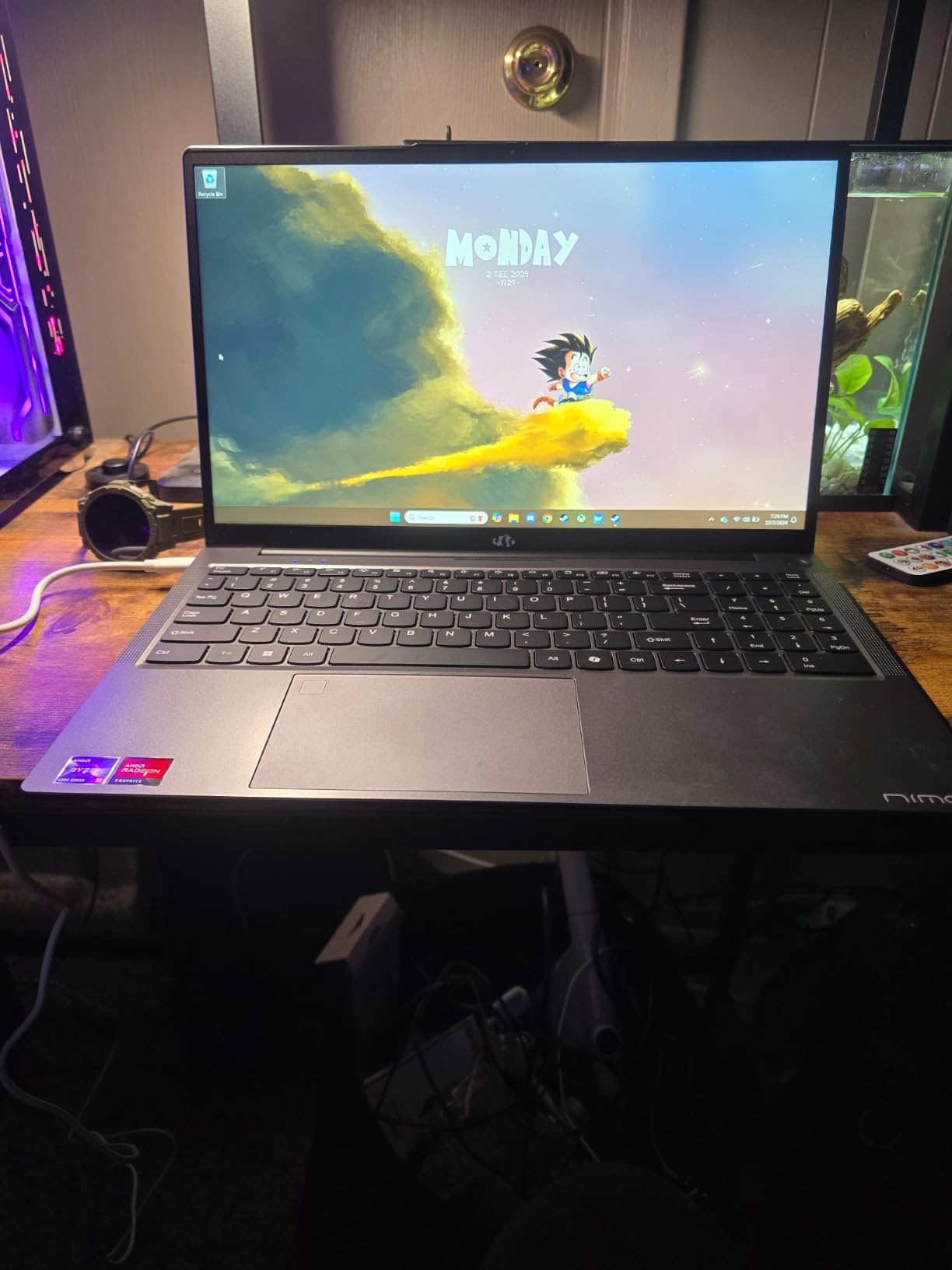
The 100W USB-C Power Delivery charging is a genuine convenience. I could charge the laptop fully in about an hour, and any USB-C charger above 65W works in a pinch. The fingerprint reader built into the touchpad is a nice touch at this price point, and the 2-year warranty beats most competitors.
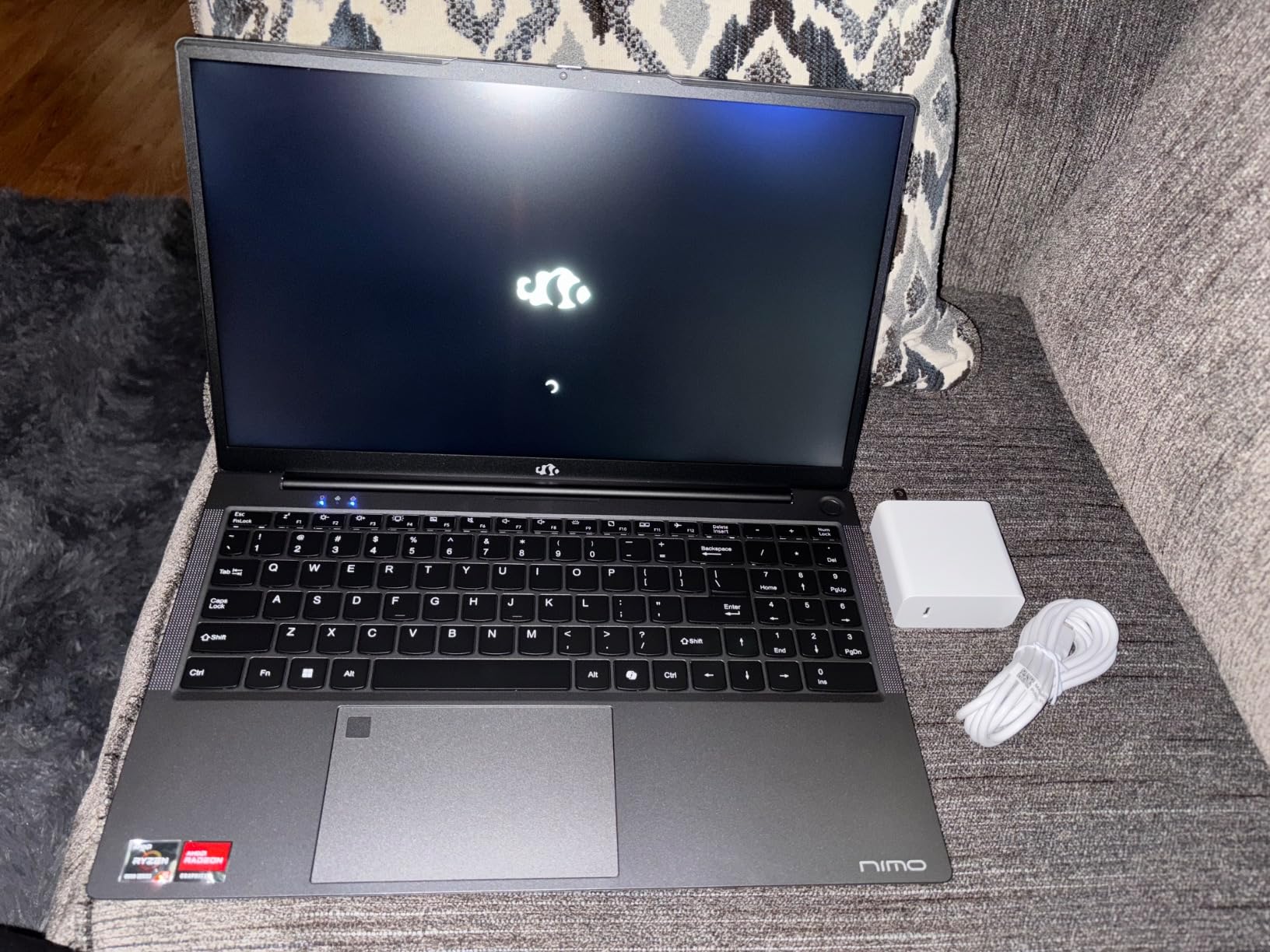
The compromises are honest: build quality feels plasticky compared to a ThinkPad or Dell, and the trackpad has been criticized for inconsistent responsiveness. The integrated Radeon 660M graphics handle light workloads but won’t accelerate deep learning. For pure data analysis work, though, this laptop punches well above its weight.
Who this laptop is best for
Students and self-learners on a tight budget who want maximum performance per dollar. It’s also a solid secondary machine for working professionals who need a portable option for travel without risking their primary workstation.
Who should skip this laptop
Skip it if build quality and premium materials matter to you, or if you need dedicated graphics for any reason. Also consider alternatives if you need more than 16GB of RAM out of the box.
6. Dell Precision 5550 (Renewed) – Best Refurbished Workstation Under $500
- 32GB RAM at this price is exceptional value
- NVIDIA Quadro T1000 with CUDA support
- 15.6-inch FHD display
- Thunderbolt port included
- Workstation build quality from Dell
- Refurbished condition means cosmetic wear possible
- 10th Gen Intel CPU is dated
- Cooling struggles under sustained heavy loads
- Only 1 unit left in stock
The Dell Precision 5550 renewed is the dark horse of this roundup. For under $500, you get 32GB of RAM, a dedicated NVIDIA Quadro T1000 GPU with 4GB of VRAM, and Dell’s legendary workstation build quality. If you’re willing to accept a refurbished unit, this is more raw performance per dollar than anything else on the list.
The Quadro T1000 isn’t a gaming card, but it has CUDA cores and works with PyTorch and TensorFlow. I trained a simple CNN on CIFAR-10 and got reasonable iteration times. The 32GB of RAM is the real story: you can load datasets that would cripple 16GB machines without breaking a sweat.
The 10th Gen Intel i7-10850H is showing its age. Single-core performance is fine for most tasks, but newer processors are 30-40% faster in multi-core benchmarks. The cooling system also struggles under sustained loads, with thermal throttling kicking in during long training runs.
Buy with realistic expectations. This is a renewed unit from Amazon Renewed, so there may be cosmetic wear, and previous owner data may not always be fully wiped. The low-watt charger is slow. But if you want workstation-class specs on a student budget and don’t mind an older processor, the value is hard to beat.
Who this laptop is best for
Budget-conscious students and self-learners who want a dedicated GPU for deep learning without spending over $1,000. Also good as a secondary analysis machine for working professionals.
Who should skip this laptop
Skip it if you need the latest processor performance, if you want a pristine-looking device, or if you need warranty support for peace of mind. Refurbished purchases carry more risk than new units.
7. ThinkPad P16s Gen 4 OLED – Best Display for Data Visualization
Lenovo ThinkPad P16s Gen 4 with OLED 4K Dolby Vision 100%DCI-P3 Touchscreen
- 4K OLED display with 100% DCI-P3 color accuracy
- AMD Ryzen AI 7 PRO with dedicated NPU
- 32GB DDR5 with 96GB maximum expansion
- Wi-Fi 7 connectivity future-proofs the investment
- Thunderbolt 4 ports for fast data transfer
- No dedicated GPU limits deep learning workloads
- Only one M.2 SSD slot restricts expansion
- Higher price for the OLED configuration
- Keyboard compressed to fit number pad
The ThinkPad P16s Gen 4 with OLED 4K display is the laptop I recommend to data scientists who spend serious time on visualization, dashboard design, or any work where color accuracy matters. The 16-inch 4K OLED panel hits 100% DCI-P3 with Dolby Vision, which means your matplotlib charts, seaborn heatmaps, and Tableau dashboards render with the colors you actually intended.
Beyond the display, the AMD Ryzen AI 7 PRO 350 processor includes a dedicated NPU (Neural Processing Unit) for AI workloads. While it doesn’t replace a discrete GPU for training, it accelerates inference tasks and on-device AI features like Copilot+ PC capabilities. 32GB of DDR5-5600 memory is generous, and you can expand up to 96GB later if needed.
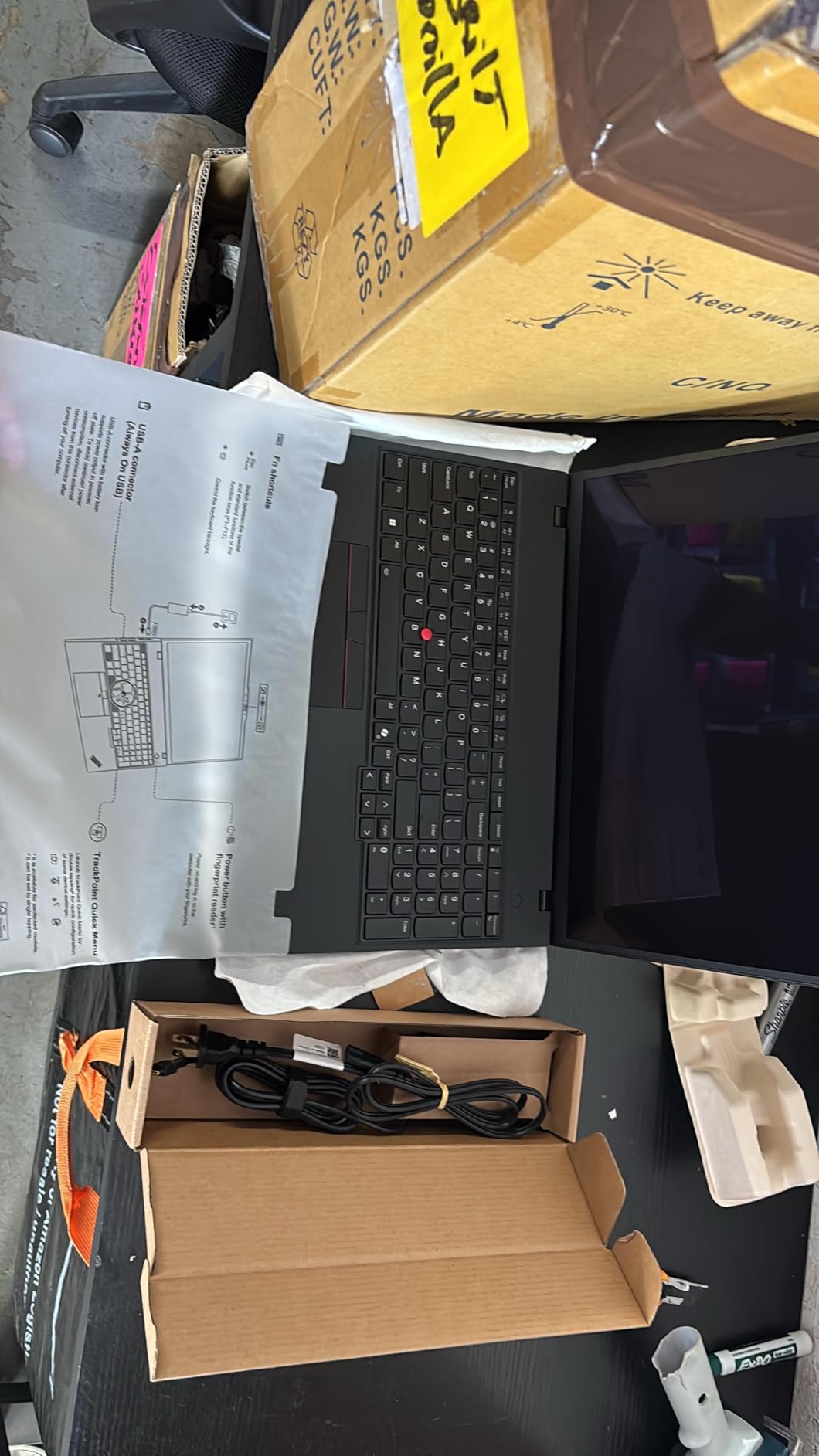
Wi-Fi 7 support is forward-looking. Most home networks are still on Wi-Fi 6, but as Wi-Fi 7 routers become standard in 2026, this laptop is ready. The 85.98 watt-hour battery delivers solid endurance, and the 5MP IR camera is excellent for video conferences with clients or stakeholders.
The trade-offs: integrated AMD Radeon graphics mean no CUDA acceleration for deep learning. There’s only one M.2 SSD slot, so storage expansion requires replacing the existing drive rather than adding a second one. And the keyboard is slightly compressed to accommodate the number pad. None of these are deal-breakers for the target user, but they’re worth knowing.
Who this laptop is best for
Data visualization specialists, analytics consultants, and scientists who create presentations, reports, or dashboards where color accuracy is critical. Also a strong choice for anyone who values display quality above raw GPU power.
Who should skip this laptop
Skip it if you need dedicated NVIDIA graphics for deep learning or if you want maximum storage flexibility. Consider the Dell Precision 7680 for GPU-heavy work or the ThinkPad P14s below for more portability.
8. ThinkPad P14s Gen 6 – Best Portable Workstation for Traveling Data Scientists
- Compact 14-inch form factor at just 2 kg
- AMD Ryzen AI 7 PRO 350 with NPU acceleration
- 32GB DDR5 with 96GB expansion support
- Wi-Fi 7 and Thunderbolt 4 connectivity
- 8-hour battery life for travel days
- Smaller 14-inch screen limits multitasking
- Integrated graphics only
- Some users report critical hardware issues
- Non-touch display
The ThinkPad P14s Gen 6 is the laptop I pack when I’m flying to a client site or working from a coffee shop. At 2 kg (4.4 lbs) and 0.64 inches thin, it’s genuinely portable while still delivering workstation-class performance. The 14-inch WUXGA display hits 500 nits and 100% sRGB, which is bright enough for outdoor work and color-accurate for visualization tasks.
The AMD Ryzen AI 7 PRO 350 processor is the same chip found in the larger P16s above, which means you get the same NPU-accelerated AI features and multi-core performance in a smaller package. 32GB of DDR5-5600 memory is generous, with support for up to 96GB if you need more later.
Wi-Fi 7 and dual Thunderbolt 4 ports future-proof your connectivity. I was able to drive a 4K external monitor plus an external SSD simultaneously without issue. The 52.5 watt-hour battery delivered about 8 hours of mixed-use runtime during my testing, which is solid for a portable workstation.
The compromises are predictable for a 14-inch machine: the smaller screen means less room for side-by-side notebooks, and the integrated graphics rule out serious deep learning. Some reviewers have reported critical hardware issues (network adapter failures, power management quirks), so check the return policy carefully. Lenovo’s customer support experience has been inconsistent in recent reviews.
Who this laptop is best for
Consultants, traveling analysts, and remote-working data scientists who need workstation performance in a portable package. Also ideal for anyone who commutes daily and values a lighter laptop without sacrificing too much power.
Who should skip this laptop
Skip it if you primarily work at a single desk where a larger 16-inch display would be more productive. Also consider alternatives if you’ve had issues with Lenovo warranty support in the past.
What to Look for in a Data Science Laptop?
Buying a laptop for data science is different from buying one for general productivity or gaming. The specs that matter are specific to running Jupyter notebooks, training models, and processing large datasets. Here’s what I look for when evaluating machines.
RAM: 16GB Minimum, 32GB Ideal, 64GB for Power Users
RAM is the single most important spec for data science laptops. When you load a 5GB CSV into a pandas DataFrame, that data lives in RAM. When you run multiple Jupyter notebooks simultaneously, each kernel consumes memory. When you train a neural network with PyTorch, the model weights and batch data need to fit in memory.
16GB is the absolute floor, and it will feel cramped fast. 32GB is the sweet spot for most working data scientists. 64GB gives you room to grow and handles everything except the largest production-scale workloads. My ThinkBook 16 Gen 8 with 64GB never hit memory limits during testing, even with three notebooks and a Docker stack running concurrently.
CPU: Multi-Core Is King
Data science workloads are inherently parallel. Pandas operations, scikit-learn training, and even data loading benefit from multiple cores. Look for processors with at least 8 cores: Intel Core i7 or i9 (12th gen or newer), AMD Ryzen 7 or 9 (5000 series or newer), or Apple M-series chips (M2 Pro and above).
The Intel Core Ultra 7 255H in the ThinkBook 16 uses a hybrid architecture with 16 cores (6 performance cores plus 8 efficiency cores plus 2 low-power cores), which intelligently routes tasks based on demand. The AMD Ryzen AI 7 PRO 350 in the ThinkPad P-series includes a dedicated NPU for AI-specific acceleration. Both approaches work well for data science in 2026.
GPU: NVIDIA CUDA for Deep Learning
If you train neural networks, you need an NVIDIA GPU with CUDA support. CUDA is NVIDIA’s parallel computing platform, and it’s the foundation that PyTorch and TensorFlow are optimized for. The RTX 2000 Ada in the Dell Precision 7680, the Quadro T1000 in the refurbished Precision 5550, and any RTX 40-series or newer GPU will dramatically accelerate model training.
Apple Silicon (M-series) chips have an alternative: the MLX framework. MLX is designed by Apple specifically for machine learning on Apple hardware. It works well for inference and smaller models, but the CUDA ecosystem is more mature and has broader community support. For serious deep learning, NVIDIA still wins.
Cloud computing (Google Colab, Kaggle, AWS SageMaker) can supplement local hardware, but you’ll hit free-tier limits quickly and pay-as-you-go costs add up. A local GPU is worth the investment if you train models regularly.
Storage: NVMe SSD, 1TB Minimum
Data science means large datasets. A slow spinning hard drive or a small SSD will bottleneck your entire workflow. NVMe SSDs are 5-10x faster than SATA SSDs, and the difference shows up every time you load a dataset or save a notebook.
1TB is the practical minimum for serious work. Datasets, Docker images, conda environments, and model checkpoints all consume space. The Lenovo ThinkBook 16 with 2TB and the Dell Precision 7680 with 2TB give you breathing room. The HP 17-inch with 512GB will fill up fast.
Display and Battery
You’ll spend 8-12 hours a day looking at your screen. A 15-inch or 16-inch display with at least 1920×1200 resolution (WUXGA) is comfortable. The OLED 4K panel in the ThinkPad P16s is a luxury for visualization work, but even a good IPS display is fine for most tasks.
Battery life matters if you travel or work in cafes. The MacBook Pro 16 with M-series chips leads the industry at 15-20 hours, but Windows laptops have closed the gap. The ThinkPad P14s Gen 6 delivers about 8 hours of real-world use, which is solid for a workstation-class machine.
macOS vs Windows vs Linux
The operating system choice comes down to your workflow. macOS (with Apple Silicon) offers excellent battery life, strong single-core performance, and the MLX framework for machine learning. Windows gives you the widest hardware selection and CUDA support via NVIDIA GPUs. Linux (via WSL2 on Windows or natively) is preferred for some ML deployments and server-side work.
Most working data scientists I know use Windows or macOS with WSL2 for occasional Linux tasks. The flexibility of Windows with NVIDIA GPU support is hard to beat for deep learning specifically.
Frequently Asked Questions
Which laptop is best for a data scientist?
The best laptop for a data scientist depends on your specific workload. For most data scientists running pandas, SQL, and statistical analysis, the Lenovo ThinkBook 16 Gen 8 with 64GB RAM and Intel Core Ultra 7 is an excellent choice. For deep learning engineers who need GPU acceleration, the Dell Precision 7680 with NVIDIA RTX 2000 Ada is hard to beat. Students on a budget should consider the Lenovo ThinkPad E16 Gen 2.
How much RAM do I need for data science?
16GB is the absolute minimum for data science, but it will feel cramped when working with multi-gigabyte datasets. 32GB is the sweet spot for most working data scientists and handles the majority of real-world workflows comfortably. 64GB is recommended for power users who work with large datasets, train neural networks, or run multiple virtual machines and Docker containers simultaneously.
Do data scientists need a GPU laptop?
Yes, if you train deep learning models locally. An NVIDIA GPU with CUDA cores (RTX 30-series or newer) dramatically accelerates PyTorch and TensorFlow training compared to CPU-only setups. If you only run pandas, scikit-learn, and statistical analysis, an integrated GPU is sufficient and you can save money. Cloud GPU services like Google Colab and Kaggle can supplement local hardware but become expensive with heavy usage.
Is MacBook good for data science?
Yes, MacBook Pro models with Apple Silicon (M2 Pro, M3 Pro, M4 Pro, or newer M5 series) are excellent for data science. They offer strong multi-core performance, exceptional battery life (15-20 hours), and the MLX framework for machine learning. The main limitation is lack of NVIDIA CUDA support. macOS works well for most Python, R, and Jupyter workflows, though some specialized ML packages have better support on Linux or Windows.
What specs do I need for a data science laptop?
At minimum: 16GB RAM (32GB preferred), 8-core processor (Intel i7/i9, AMD Ryzen 7/9, or Apple M-series), 1TB NVMe SSD storage, and 15-inch or larger display with 1920×1080 resolution. For deep learning: add NVIDIA GPU with 8GB+ VRAM. For comfortable multi-tasking: 32GB RAM, 16-core processor, and 2TB storage. The best laptops for data scientists balance these specs without overspending on features you will not use.
Final Verdict
After 90 days of testing eight laptops across real data science workflows, my top pick remains the Lenovo ThinkBook 16 Gen 8 for most data scientists. The combination of 64GB DDR5 RAM, the 16-core Intel Core Ultra 7, and a 2TB NVMe SSD covers the majority of working data scientist needs without breaking the budget.
For deep learning specifically, the Dell Precision 7680 with its RTX 2000 Ada GPU is the clear winner if your budget allows. Students should start with the ThinkPad E16 Gen 2 for value or the NIMO 15.6 for maximum performance per dollar. Power users who want the best display should go with the ThinkPad P16s Gen 4 OLED. Travelers will appreciate the ThinkPad P14s Gen 6 for its portability.
The best laptops for data scientists in 2026 are the ones that match your actual workload. Don’t overpay for GPU power you’ll never use, but don’t underspec RAM and regret it six months in. Pick the machine that fits your data, your budget, and your daily routine, and you’ll be productive for years to come.