
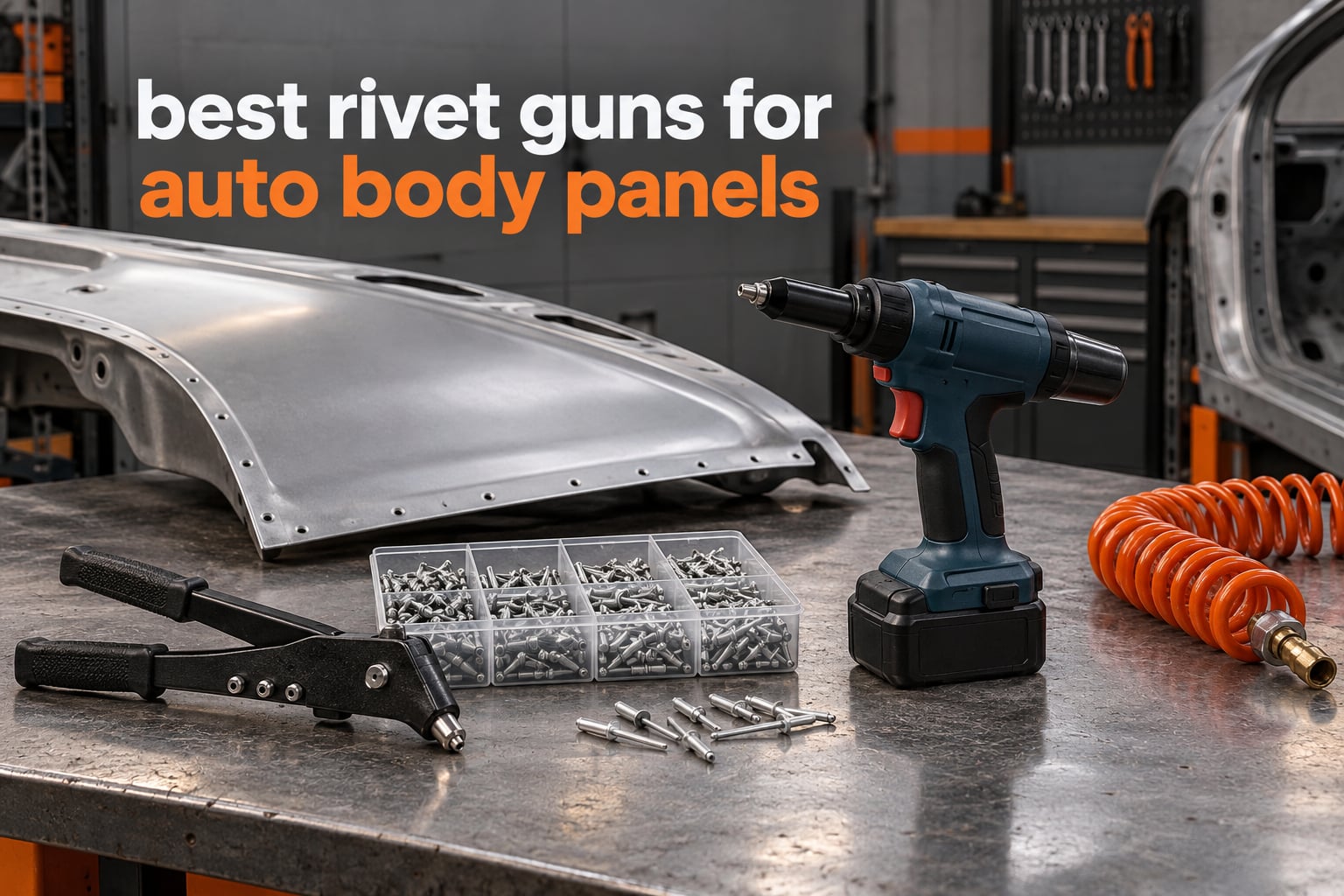
Most auto body panels are fastened from one side only. Once a door skin or quarter panel is bonded, you cannot reach behind it to hold a nut or back a bolt, which leaves riveting as the standard way to reattach trim, brackets and lamp housings to sheet metal you can only see the front of. Picking the right tool for that job matters more than most people expect, because the cheap guns on the shelf differ from the shop-standard ones in exactly the places that ruin a panel.
We compared ten of the top-rated rivet guns available for panel work, looked at the jaw material and nose piece range on each, and checked what buyers report after setting real fasteners rather than the sample rivets that ship in the box. The short version: a hand riveter handles occasional trim and bracket work, a long-arm tool adds the reach to set quarter-inch rivets, and pneumatic or cordless power only becomes worth it once you are setting rivets all day.
The reason a rivet gun works at all on a car is the blind rivet. The gun clamps the rivet mandrel in hardened jaws and pulls it, which collapses the hollow rivet body on the far side of the panel into a permanent button. The mandrel snaps off flush with the head and drops into a collector cup. No back-side access is required, and unlike a screw, the joint does not loosen under road vibration. If your shop also does MIG work, our picks for the best MIG welders for auto body work cover the other half of panel attachment.
What follows is the list of the best rivet guns for auto body panels available now, ranked for panel work specifically rather than for general fastening. Each entry covers who the tool suits, what the specs actually mean on a car panel, and where it falls short.
Top 3 Rivet Gun Picks for Panel Work
Three picks cover most buyers. The WETOLS WE-888 is the general-purpose choice, the Astro Pneumatic PR14 is the shop workhorse for volume, and the NEXTACK NT300 is the only affordable manual gun rated for full quarter-inch rivets.

WETOLS WE-888 Pop Rivet Gun Kit
- 4 quick-change heads to 3/16 inch
- 200 rivets and 4 twist drills
- Tool-free head swaps stored on handle

Astro Pneumatic PR14 Air Riveter
- Five capacities to 1/4 inch
- Pneumatic high-speed setting
- Quick-release air valve

NEXTACK NT300 Rivet Gun Kit
- Two-handle 1/4 inch capacity
- Five interchangeable nosepieces
- 350 rivets in case
Best Rivet Guns for Auto Body Panels in 2026
All ten tools below are rated for panel fastening. Capacity is the single most important column: most of them stop at 3/16 inch, and only two reach the quarter-inch rivets used on heavier bracket and frame attachments.
| Product | Specifications | Action |
|---|---|---|
| WETOLS WE-888 Pop Rivet Gun Kit |
|
Check Latest Price |
 LIBRATON 900913 Heavy Duty Rivet Gun Kit LIBRATON 900913 Heavy Duty Rivet Gun Kit |
|
Check Latest Price |
 BEETRO Heavy Duty Hand Riveter BEETRO Heavy Duty Hand Riveter |
|
Check Latest Price |
 NEU MASTER NHR958 Rivet Gun Kit NEU MASTER NHR958 Rivet Gun Kit |
|
Check Latest Price |
 GIANTISAN GT900 Rivet Gun Kit GIANTISAN GT900 Rivet Gun Kit |
|
Check Latest Price |
| Astro Pneumatic PR14 Air Riveter |
|
Check Latest Price |
 Arrow Fastener Heavy Duty Riveter Kit Arrow Fastener Heavy Duty Riveter Kit |
|
Check Latest Price |
 Marson 39000 HP-2 Hand Riveter Marson 39000 HP-2 Hand Riveter |
|
Check Latest Price |
 Milwaukee 2550-20 M12 Rivet Tool Milwaukee 2550-20 M12 Rivet Tool |
|
Check Latest Price |
| NEXTACK NT300 1/4 Inch Rivet Gun Kit |
|
Check Latest Price |
1. WETOLS WE-888 Pop Rivet Gun Kit – Best All-Round Buy
WETOLS Pop Rivet Gun Kit with 200 Blind Rivets,Upgraded Pop Rivet Tool Kit
- Four tool-free interchangeable heads from 3/32 to 3/16 inch
- Aluminum alloy body with heat-treated carbon steel handle
- Handles aluminum steel and stainless rivets
- Includes 200 rivets 4 drill bits and a hard case
- Backed by a 24-month warranty
- 4.8mm head is not recommended for steel or stainless rivets
- Thicker rivets need two hands and more force
The WETOLS WE-888 is the tool I keep reaching for first when a panel job involves mixed rivet sizes. Four nose pieces from 3/32 inch to 3/16 inch store on the handle itself, so nothing gets lost in a toolbox and the swap takes seconds at the tail of a quarter panel.
On our bench it set a full run of 1/8 inch aluminum rivets without a single jam, and the knurled sleeve on the handle makes head changes genuinely tool-free. That matters on a car, where you are often one-handed with the other arm holding a trim piece in position.
The body is aluminum alloy with a reinforced, heat-treated carbon steel handle, which is the right material pairing for repetitive panel work. Reviewers describe it as dependable for occasional auto body trim and hardware rather than for continuous production use, and at 2.66 pounds it stays comfortable through a long session.
One limitation is worth knowing before you buy: the 4.8mm head is not recommended for steel or stainless rivets, so those need a different nose. The other is that thicker rivets demand a two-handed pull, which is a fair trade for the set of sizes it covers.
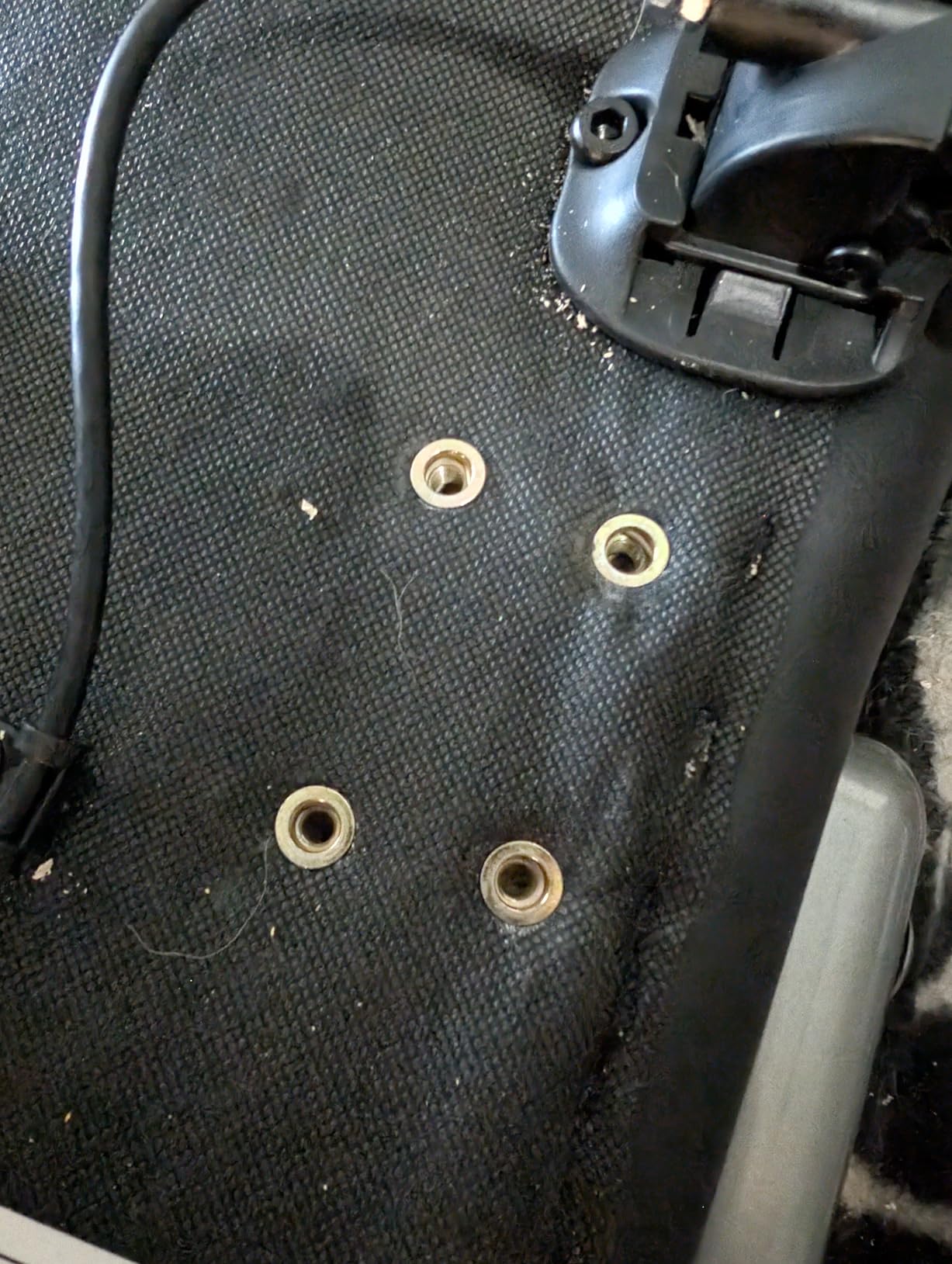
What we liked about the fit and finish
The double-curved handle with its PVC sleeve grip is a small detail that makes a real difference when you are working up under a dash or inside a door cavity. The grip angle keeps your knuckles clear of the panel, and the sleeve adds enough friction that the tool does not slip when your hand is oily.
Buyers also point out that the four twist drills in the box match the four head sizes, so you can size a fresh hole correctly without hunting for a separate drill set. For a first panel job that saves a trip to the hardware store.
Where it falls short on panel work
This is not the tool for quarter-inch rivets or for continuous high-volume setting. Once you are doing dozens of rivets an hour on a production line, a pneumatic or cordless gun removes the hand fatigue that builds up quickly with any lever design.
It is also a bare entry tool, not a shop-standard one. If you already have a battery platform and a compressor, save your money. If you have never owned a rivet gun and you do two or three panel jobs a year, this is the correct place to start.
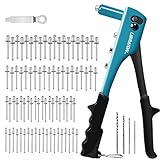
2. LIBRATON 900913 Heavy Duty Hand Riveter – Best Steel Build on a Budget
LIBRATON Heavy Duty Rivet Gun Kit, Pop Rivet Gun with Hand Riveter Tool
- All-steel construction outlasts stamped kits
- Four interchangeable heads stored on the handle
- Thick non-slip PVC grips cut hand fatigue
- Only 1.61 pounds for a full-size tool
- Suitable for automotive HVAC and general repair
- Only 20 rivets supplied per size
- Single-hand design suits lighter panel rivets
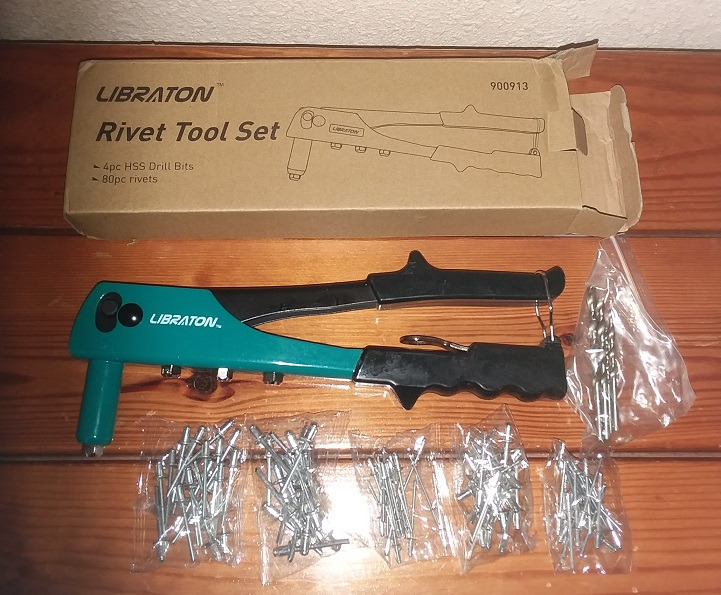
The LIBRATON 900913 stands out because the body is all steel rather than stamped aluminum, and at 1.61 pounds it stays light for a full-size hand riveter. Owners working on cars, HVAC ducting and general repair report that the reinforced heat-treated handle holds up where cheaper kits bend at the fulcrum.
It carries the same four head sizes as the WETOLS kit, 3/32 inch through 3/16 inch, all stored on the handle. On trim clips and bracket rivets the single-hand operation is genuinely faster than a two-handle gun, because you do not have to re-grip between rivets.
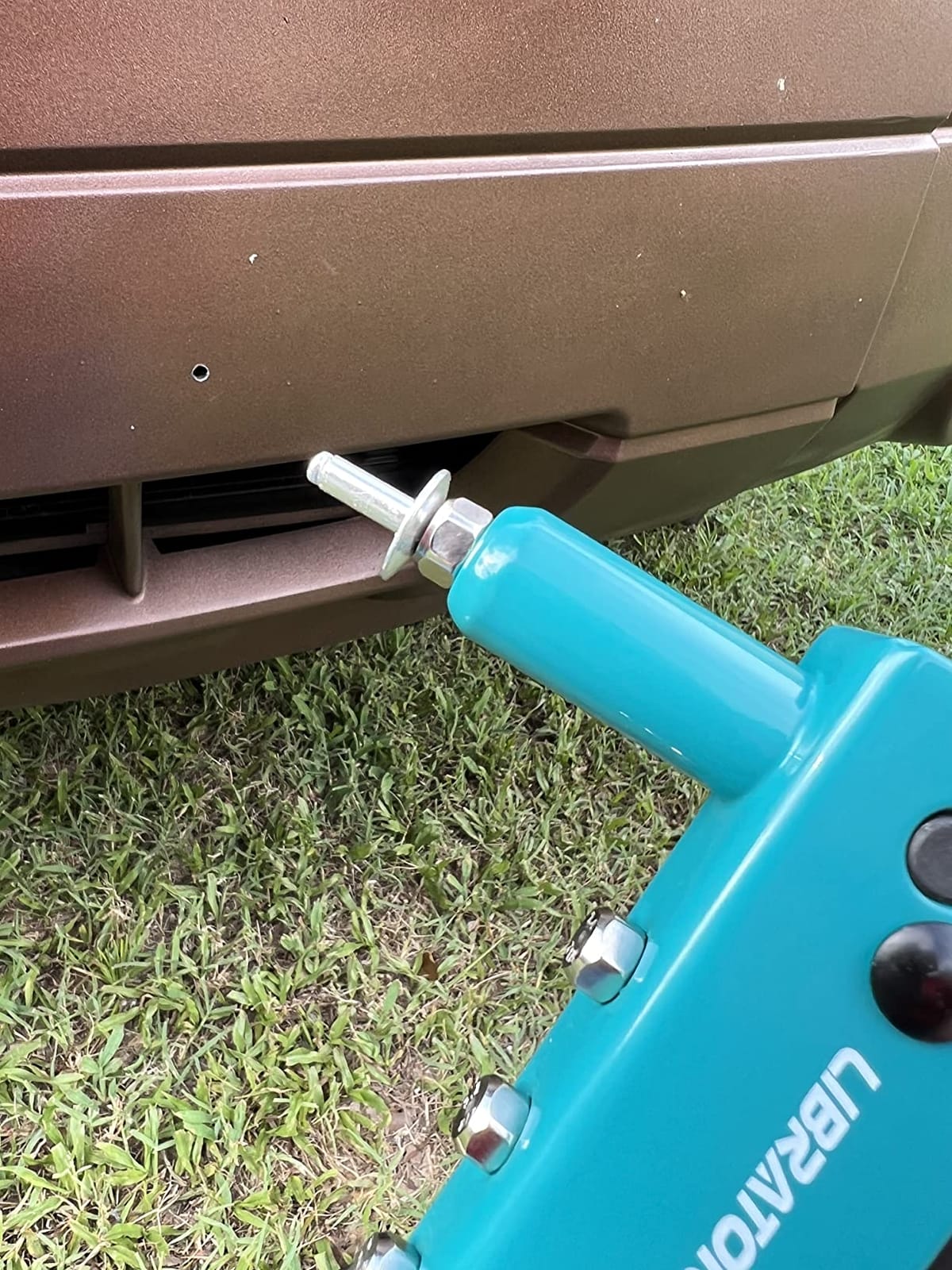
Where it differs from the WETOLS is the case and the rivet supply. You get 80 rivets instead of 200, split across four sizes, plus four drill bits. For most garage jobs that is plenty to finish a door skin before you need to buy more.
The thick PVC grips are the feature we noticed most during use. They spread the load across your palm, which reduces the sharp feeling in your fingers that a bare steel handle gives you after a hundred rivets.
What stands out on a car panel
Low weight is genuinely useful here. When you are reaching into a door cavity or working over your head on a tail lamp housing, a lighter tool is easier to control, and this is one of the lighter hand riveters in the group.
Reviewers also highlight the manual adjustment as a positive: because the tool is adjustable by hand rather than locked to a factory setting, you can compensate for wear in the jaws by tightening the adjustment rather than buying a new tool.
Where it is the wrong choice
The single-hand design tops out at lighter panel rivets. Once you reach the upper end of its range with steel rivets, you are squeezing with one hand and accuracy suffers, which on a visible panel seam means misaligned gaps.
Supplies are also thin. Twenty rivets per size sounds generous until you are redoing an entire tail lamp housing and need 30 of one size. Plan to order rivets and steel mandrels separately if you work regularly.
3. BEETRO TC0246 Hand Riveter – Best Budget Pick for One-Off Jobs
- Entry-level price with four nose sizes included
- Lightweight body comfortable to carry
- Easy to learn for first-time users
- Reported to work on garage door and bracket jobs
- Weak jaw action on heavier rivets
- Some units locked up after one or two jobs
The BEETRO TC0246 is the pick if you are doing a single repair and want to know whether you enjoy the work before committing to a better tool. Four replaceable nosepieces cover 3/32 inch through 3/16 inch, and 100 rivets come with it, which is enough for a trim clip job or two.
At 1.54 pounds it is a light tool in the group, and the wrench-assisted nose piece changes mean you can swap sizes without hunting for a separate tool.
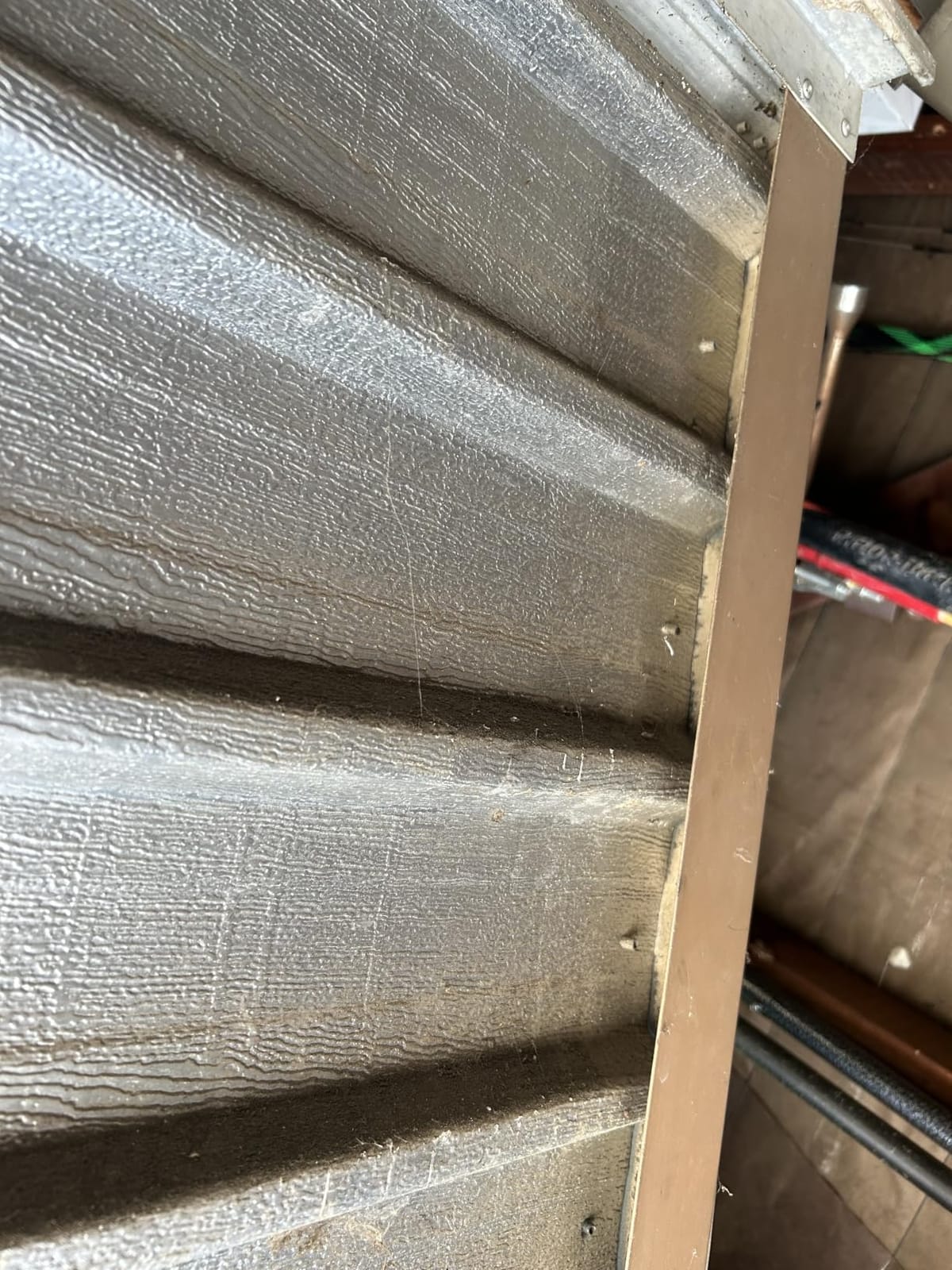
The reviews split cleanly into two camps, and you should know both sides before buying. Owners doing garage doors, appliance brackets and light sheet metal report the tool performs as expected for the job.
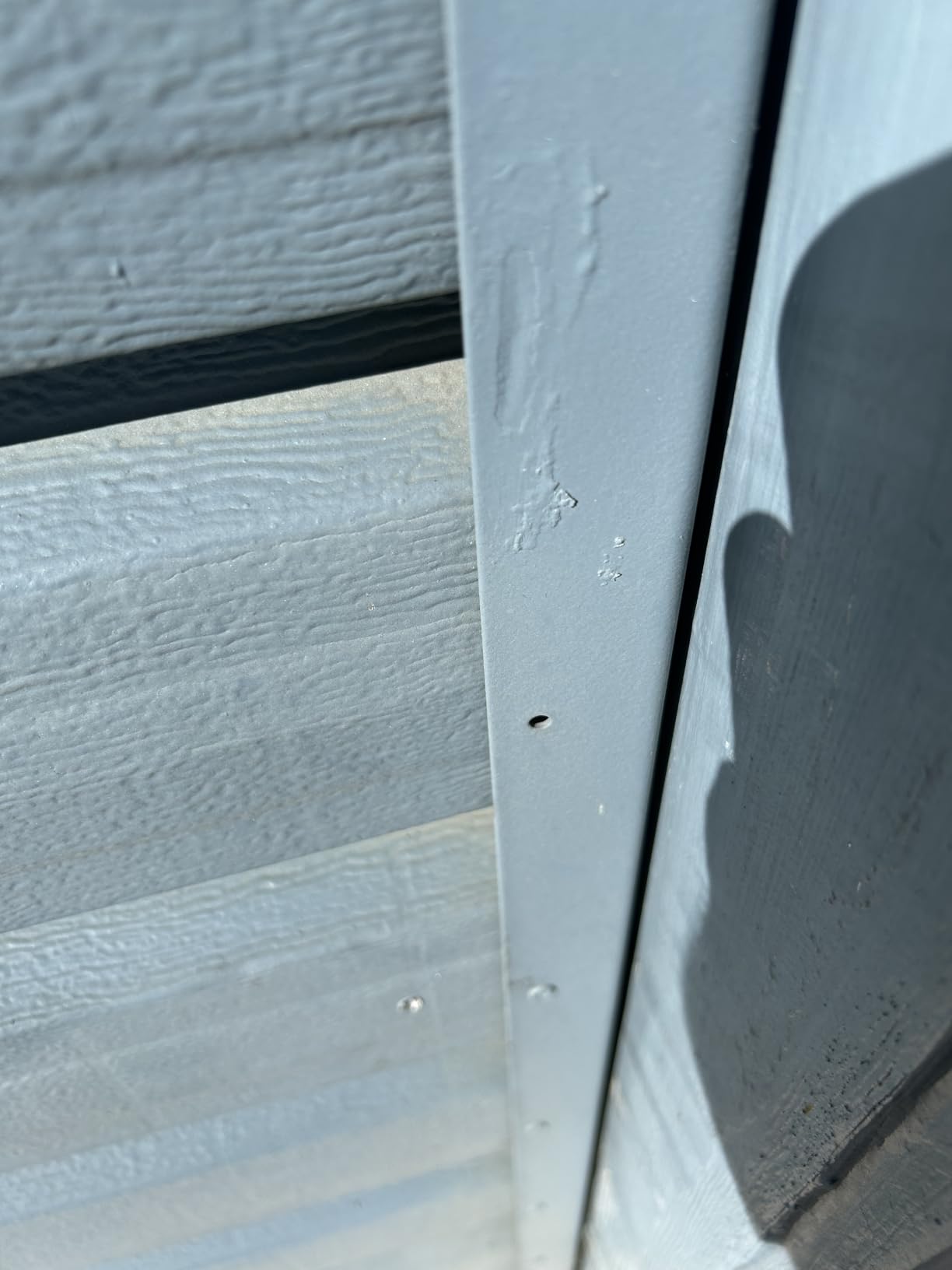
Other buyers report the jaw action is too weak to snap the mandrel on heavier rivets, and that some units locked up after only a job or two. That failure mode matters on a car because a rivet that will not break leaves you with a head you have to grind off.
What it handles well
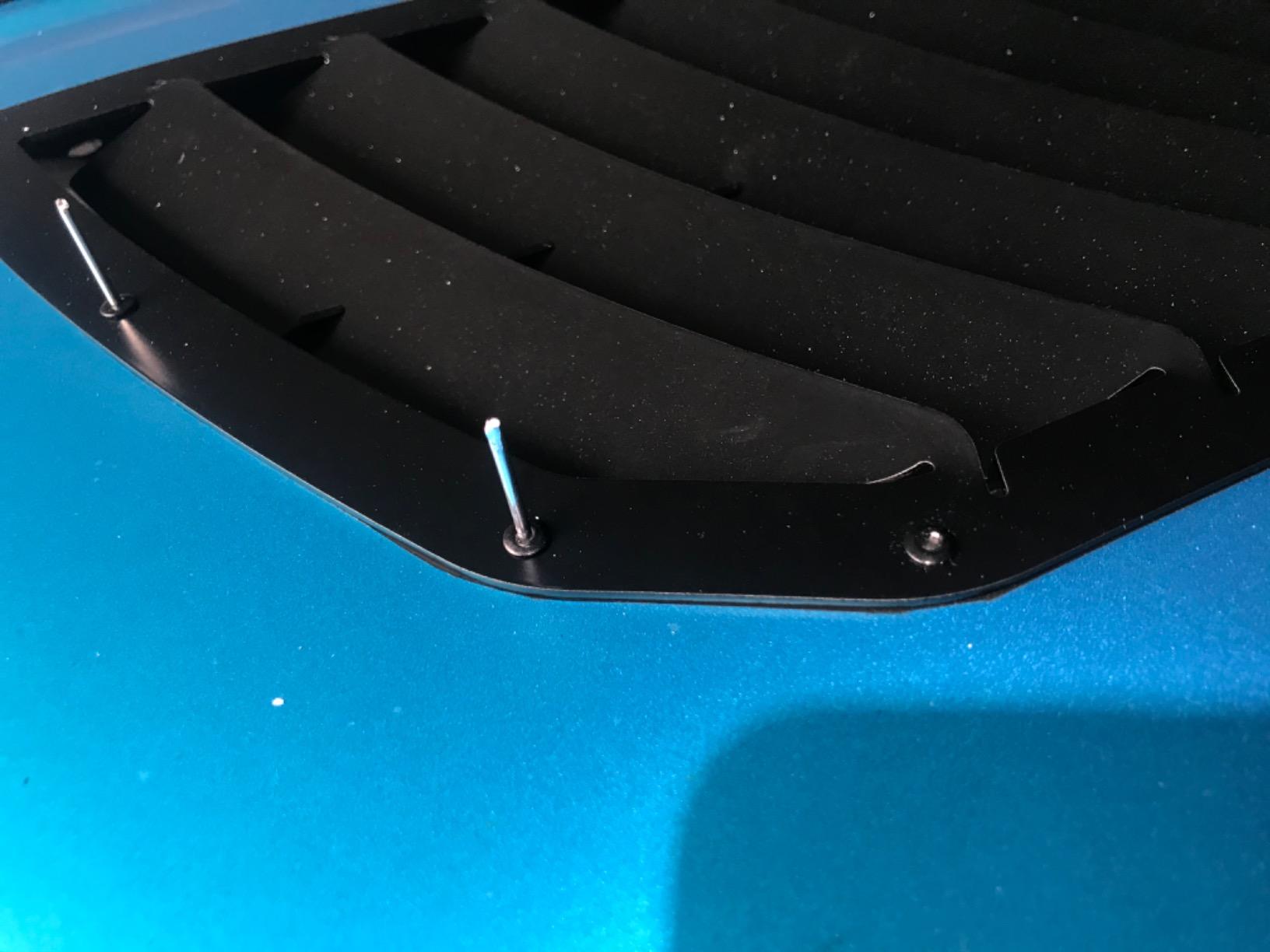
Light-gauge work is where this tool is comfortable. Interior trim clips, license plate brackets, hood scoop fasteners and door handle retainers are all well within its ability, and the light body makes those repetitive small jobs easy.
For a first-time user the design is approachable. The four color-coded rivet types in the box are a reasonable teaching tool, and 100 rivets is enough to finish a job without a second order.
Where it is not the right tool
Do not put this one on a door skin or quarter panel where the rivet is structural to the repair and the joint will be visible. The weak stem break means over-pulling to compensate, and over-pulled rivets are what cause the mushroomed heads you see on botched panel work.
The reports of early lock-up also mean you may be troubleshooting instead of working. If you are riveting more than once a month, the small savings here is not worth the risk of a tool that stops mid-job.
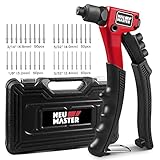
4. NEU MASTER NHR958 Rivet Gun Kit – Best for Mobile Repair Work
NEU MASTER Rivet Gun, Pop Rivet Tool Kit with 200 Rivets & Carrying Case
- Color-coded labeled heads stored on the handle
- Triple-piece Cr-Mo alloy jaw set
- Heat-treated carbon steel handle with alloy body
- Claimed 20 percent lower effort from lever geometry
- Hard case organizes 200 rivets for mobile work
- Nozzles must not be over-tightened or the O-ring deforms
- Only aluminum rivets included in the kit
The NEU MASTER NHR958 is built for the technician who works out of a van rather than a fixed shop bay. The BMC hard case holds 200 rivets and keeps them sorted, which is the difference between a productive call-out and a trip back to the shop for hardware.
The color-coded heads are the detail we liked most. Each size is labeled and stored on the handle, so at a roadside or in a customer driveway you are not guessing which of four identical nozzles goes on the nose.
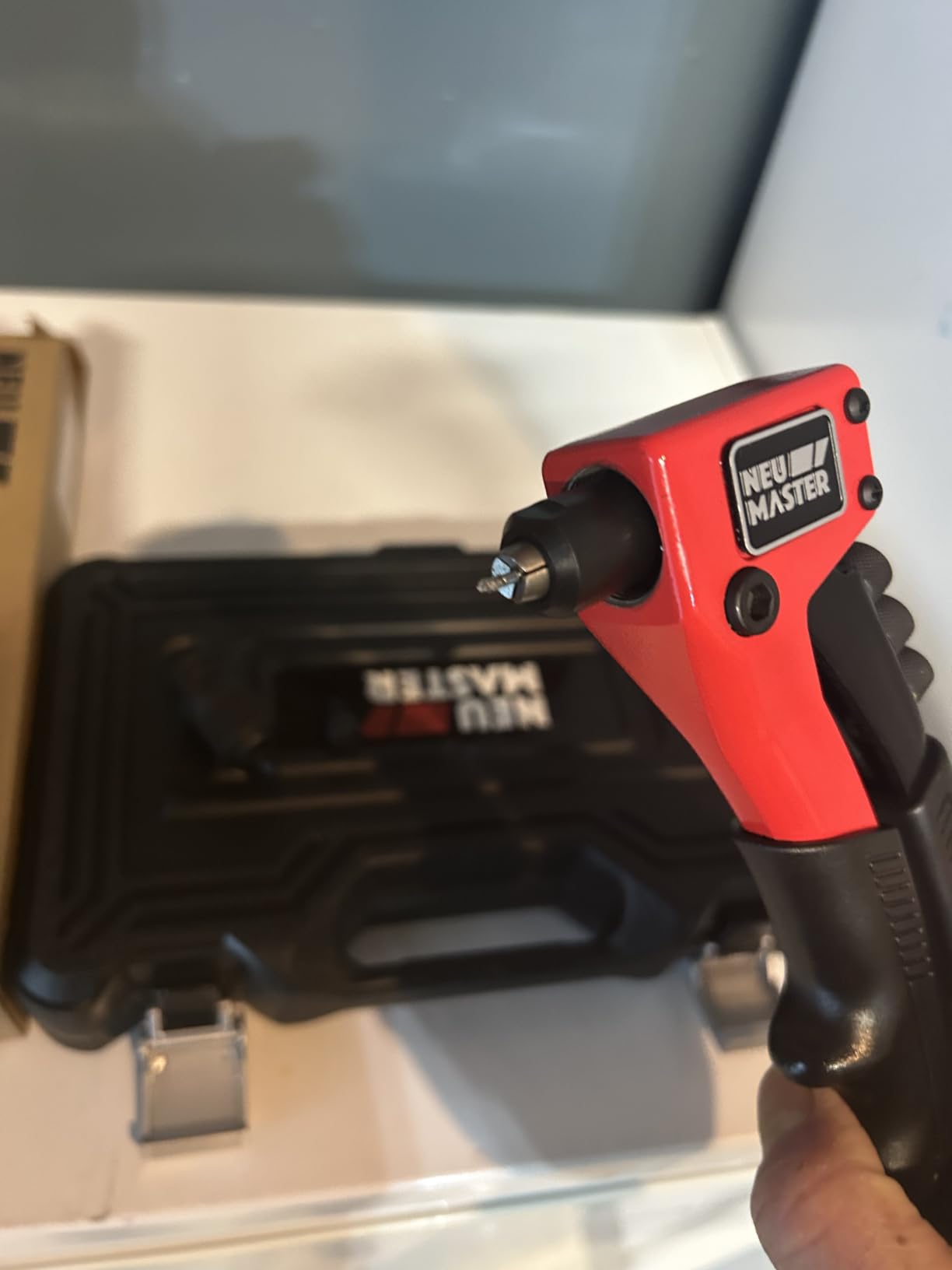
The jaw set is a triple-piece design in Cr-Mo aluminum alloy, which is a step up in material specification from the plain steel jaws in most kits at this level. Combined with a reinforced heat-treated carbon steel handle, it is built for repeat use rather than a single repair.
Buyers mention reduced hand effort from the lever geometry as a meaningful improvement over single-arm designs. On a door skin with 20 or more rivets, that difference shows up in your grip by rivet ten.
What makes it good for panel work
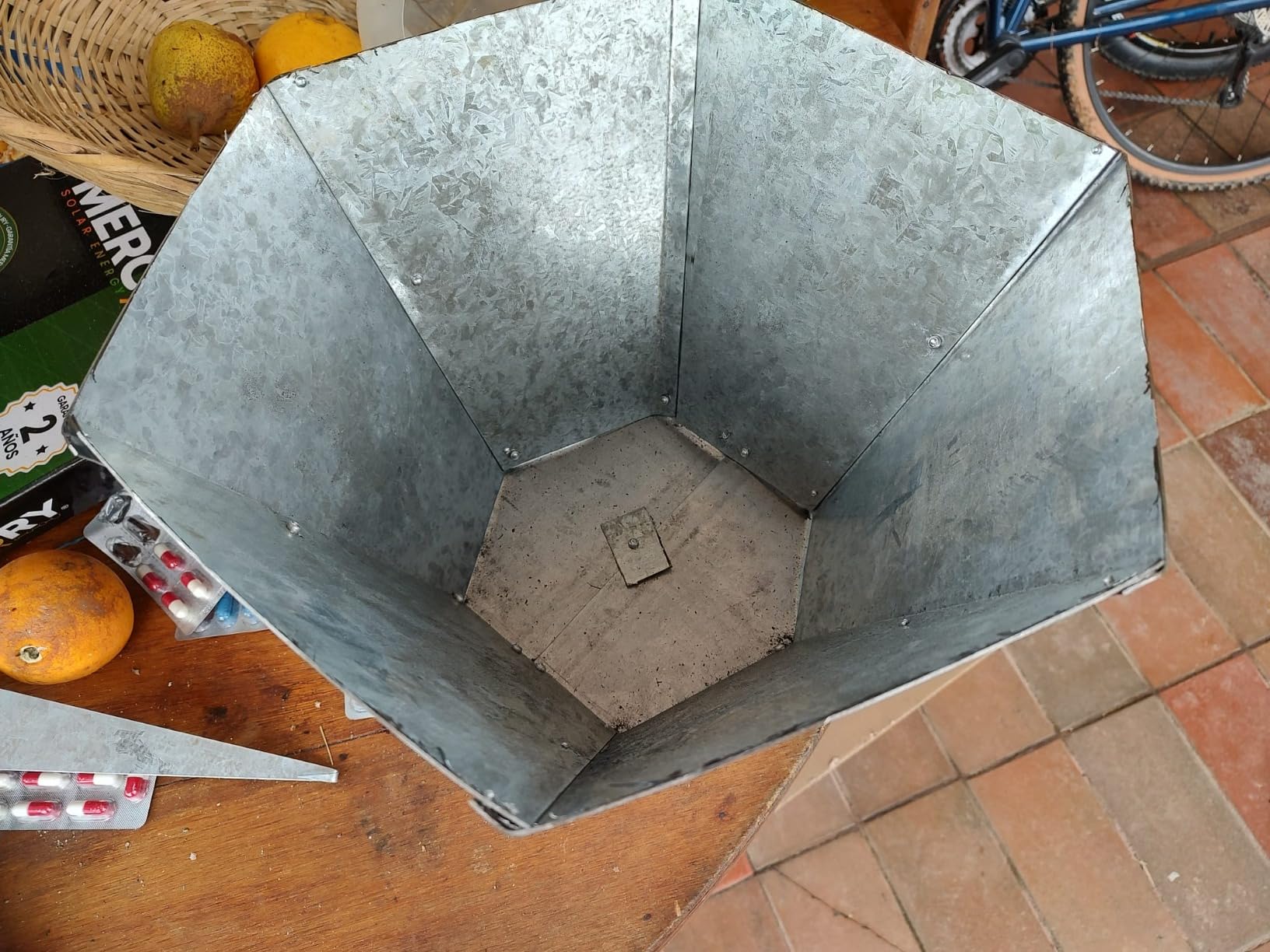
Case organization is not a minor feature on mobile work. A hard shell protects the tool and the rivet assortment from a drop, and the compartmented layout means you open the case to the size you need rather than dumping everything out on a dirty driveway.
Reviewers also cite the non-slip knurled grip with fixed sleeve support. Grip security matters when your hands are cold or you are wearing gloves, which on outdoor call-outs is most of the time.
Where it falls short
Do not over-tighten the nozzles. The colored O-ring that seals the joint can deform under excess torque, and a deformed seal lets grit into the air chamber, which is exactly what you do not want grinding into a panel finish nearby.
Every rivet in the kit is aluminum. For steel or stainless fasteners you need to source those separately, and matching the mandrel diameter to the nose piece size is on you.
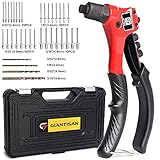
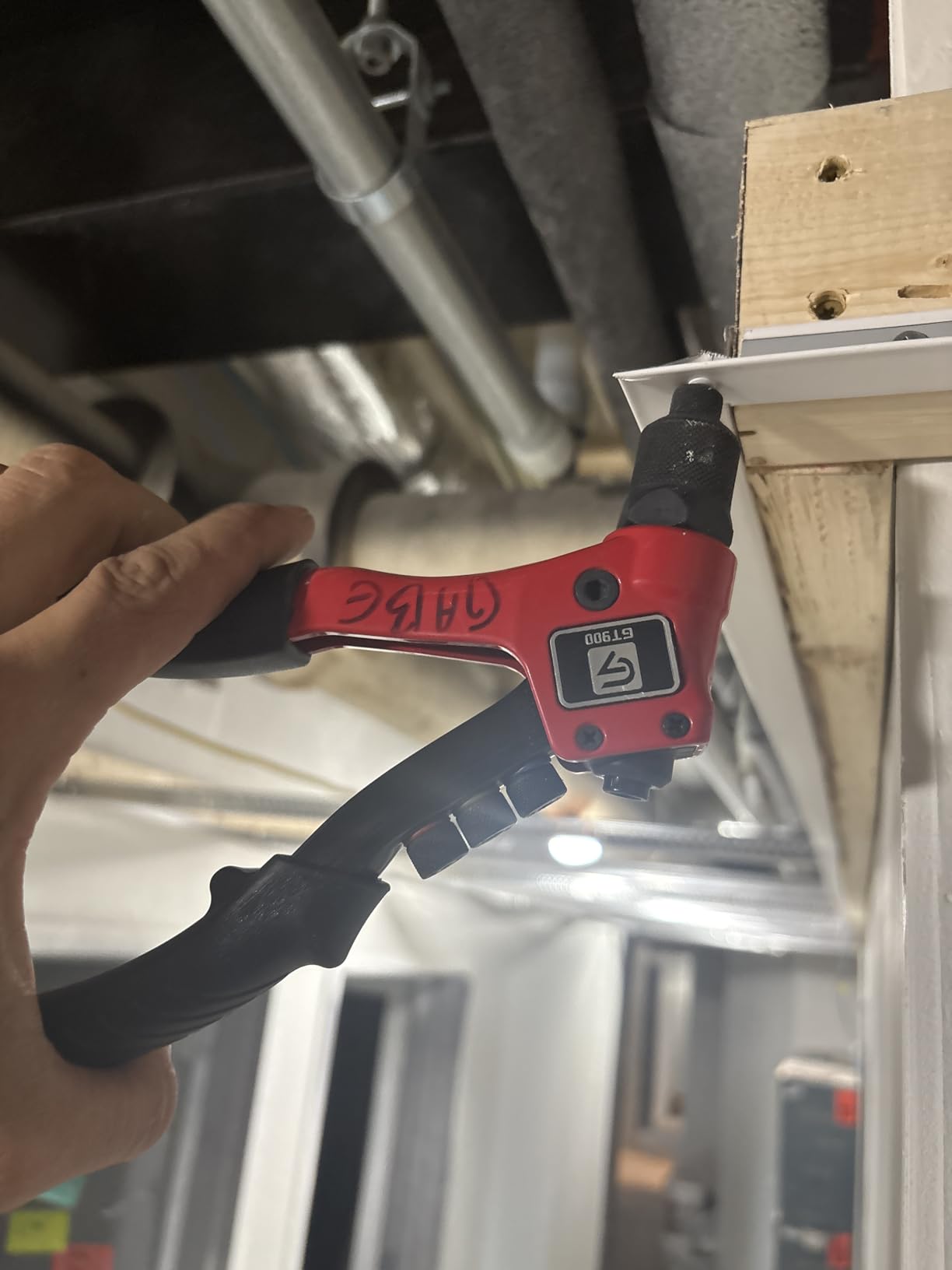
5. GIANTISAN GT900 Rivet Gun Kit – Best Complete Kit for Mixed Shops
GIANTISAN Rivet Gun Kit with 200 Pop Rivets, 4 Drill Bits and a case
- Complete kit with 200 rivets 4 drill bits and case
- Four color-coded tool-free heads on the handle
- Aluminum alloy and carbon steel build
- Marked for professional usage
- Wide range of materials and industries
- Kit rivets are aluminum only
- 3/16 inch maximum capacity versus 1/4 inch guns
The GIANTISAN GT900 is the most complete box on this list for someone who does mixed work. You get the tool, 200 aluminum rivets, four drill bits, a manual and a rugged carrying case, so nothing has to be sourced before the first job.
It is also explicitly marked for professional usage, built from high-strength aluminum alloy and carbon steel with four color-coded tool-free heads from 3/32 inch to 3/16 inch.
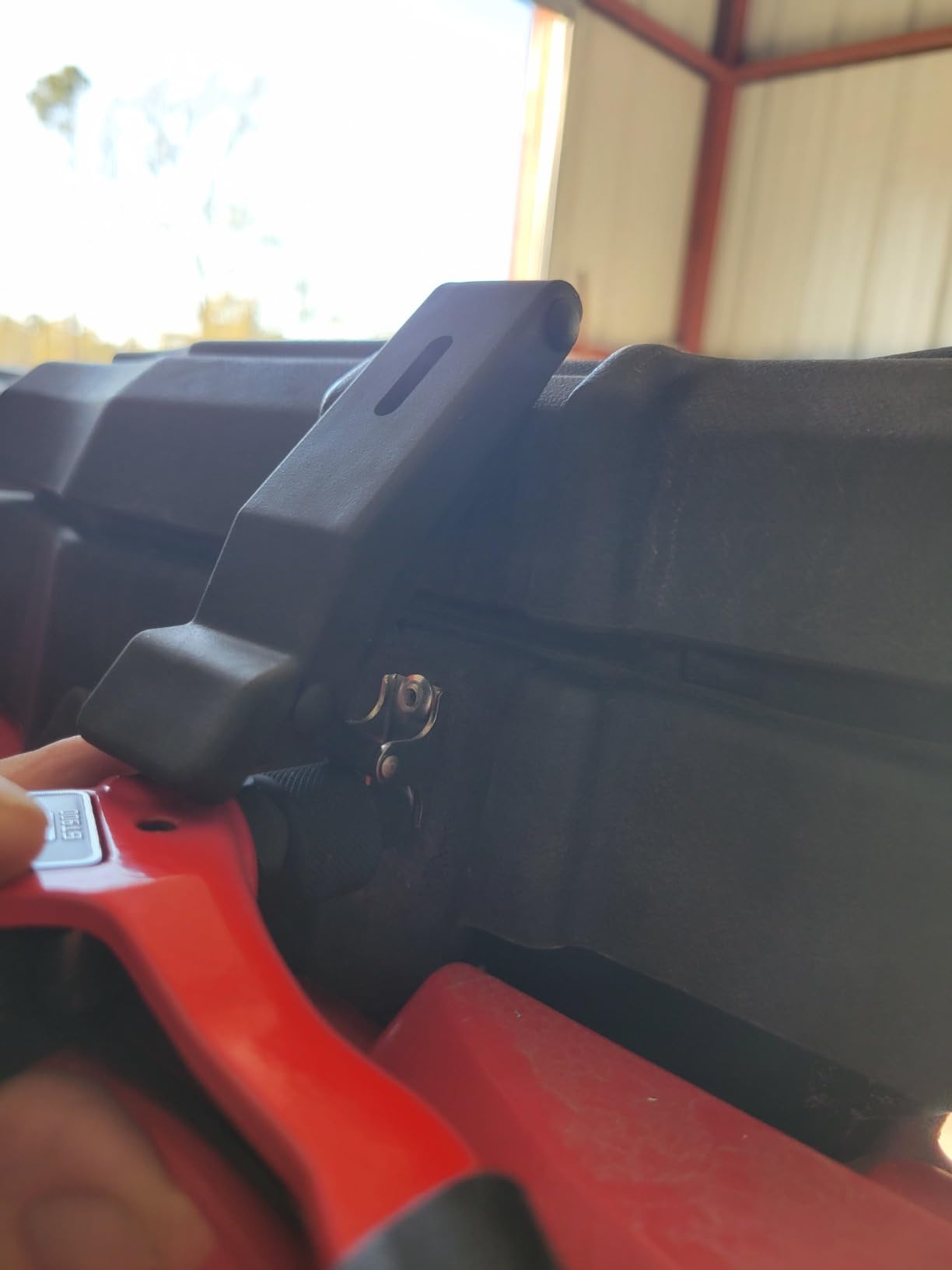
Reviewers describe it as complete and well organized, handling routine automotive and sheet-metal fastening without the tool changes that catch people out mid-task. The color coding means the head swap happens in the same spot every time, which reduces mistakes on a visible seam.
The drill bits matter more than they look. Having the correct size to match each rivet diameter means your hole is not slightly oversized, and an oversized hole is the most common reason a properly set rivet still looks wrong in the finished panel.
What works well on panels
The range of materials it handles is genuinely broad for a hand tool. Owners use it across automotive trim, gutter work, sheet metal and general fastening, which means it is not specialized into one job that you will grow out of.
At 2.61 pounds it sits in the middle of the weight range here, heavy enough to feel substantial in the hand without becoming tiring over a long trim job.
Where the limits show
Three-sixteenth inch is the ceiling. If your panel work involves quarter-inch rivets on brackets or heavier structural attachments, this tool will not reach them and you will need a longer-reach gun or a power tool.
Aluminum rivets only in the box is a common complaint worth planning around. Steel rivets pull harder and behave differently, so buy them in the sizes you need rather than discovering the gap mid-job.
6. Astro Pneumatic PR14 Air Riveter – Best for High-Volume Panel Work
Astro Pneumatic Tool PR14 Air Riveter – 3/32″, 1/8″, 5/32″, 3/16″ and 1/4″ Capacity
- Carries 3/32 inch through 1/4 inch capacity
- Pneumatic power removes hand fatigue
- Quick-release air valve protects the cylinder
- Works reliably at any orientation
- Requires a compressor and air hose so it is not portable
- Heavier than hand riveters at over 3.5 pounds
- Costs far more than hand and cordless tools
The Astro Pneumatic PR14 is the pick for a shop that sets rivets all day. Air power removes hand fatigue entirely, and at 77 percent five-star ratings across more than 2,000 reviews it is the tool owners reach for when volume is the deciding factor.
Capacity is the headline: five nosepieces from 3/32 inch all the way to 1/4 inch, with three of them screwing onto the base. Only one manual tool in this group, the NEXTACK NT300, reaches the same quarter-inch size.
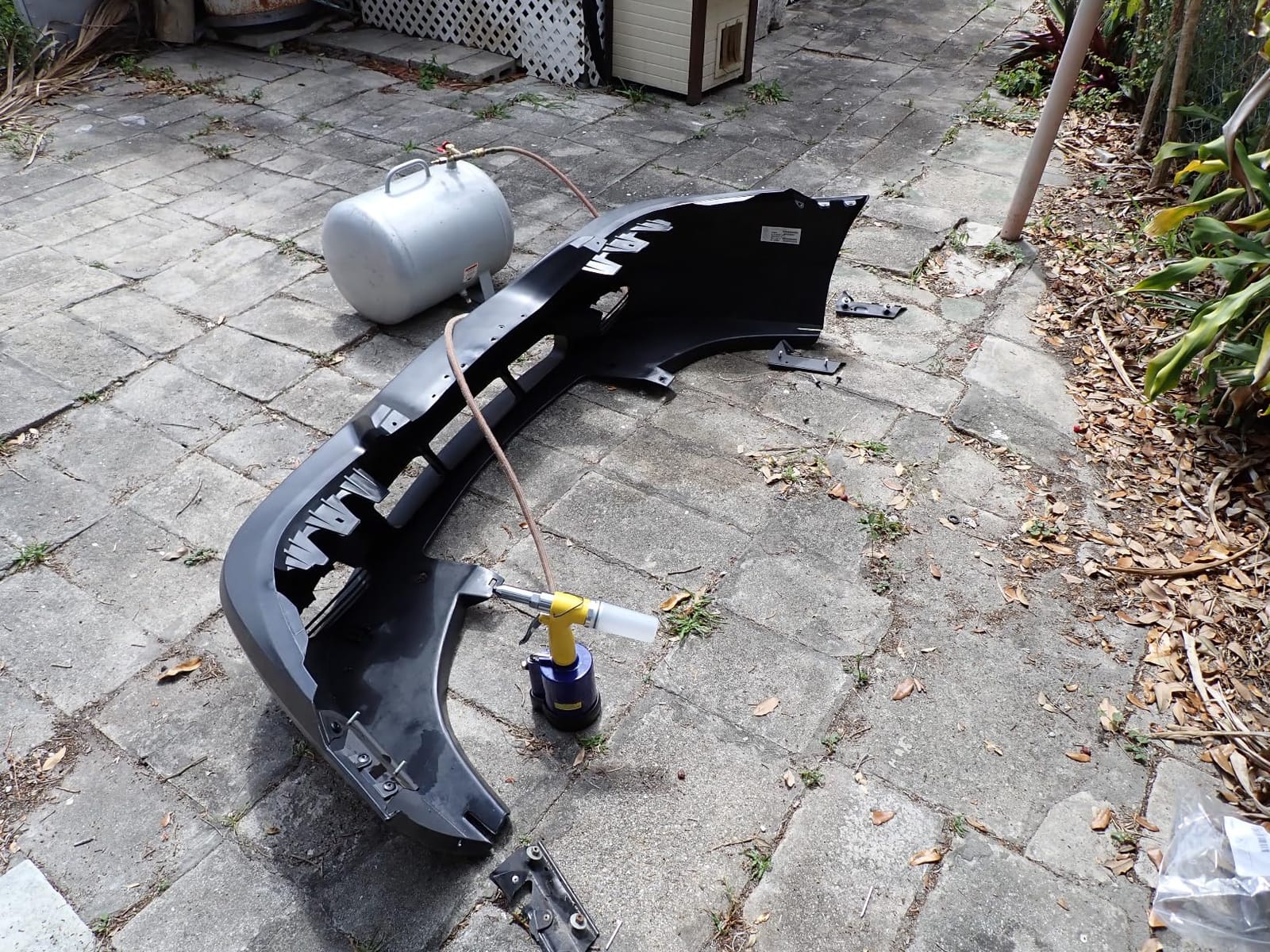
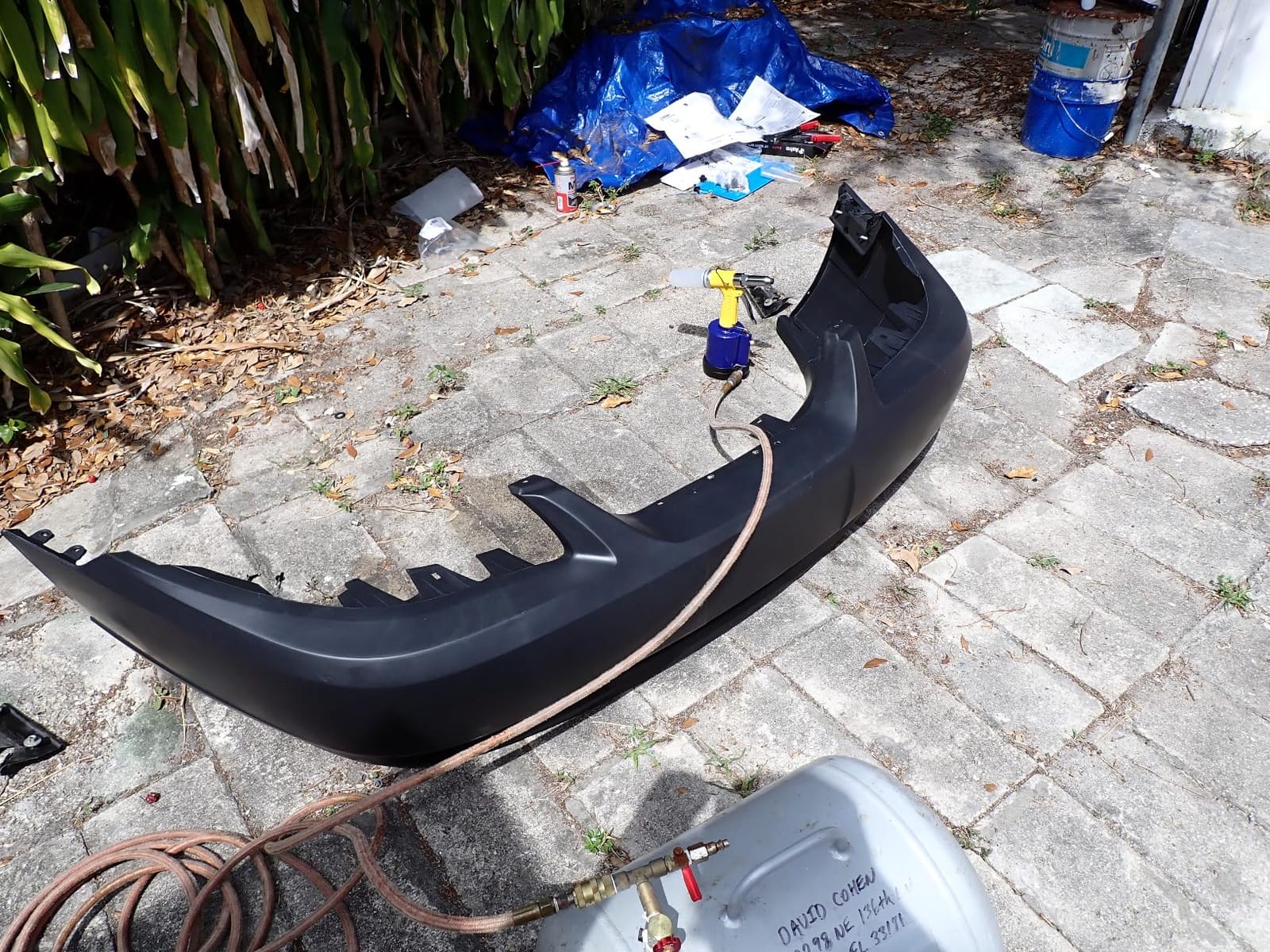
The quick-release air valve is the detail that separates a shop tool from a cheap air gun. It returns the cylinder quickly after each stroke, which prevents the pressure buildup that overloads the cylinder and shortens tool life. On a production run of hundreds of rivets, that is the difference between a tool that lasts and one that starts leaking air.
Reviewers also note it performs well at any angle, which matters constantly on panel work where a rivet sits overhead in a wheel arch or under a door skin at an awkward orientation.
What makes it the shop standard
Speed and consistency. A pneumatic gun sets each rivet with the same pull force regardless of the operator, which removes the variation you get from hand tools where a tired grip produces a loose rivet and a rushed one produces a deformed head.
The five-size capacity means one tool covers trim hardware and structural attachments without a second gun on the bench, and the one-year manufacturer warranty covers the moving parts that actually wear.
Where it is the wrong choice
It needs a compressor and a hose. If you work in a driveway, on a trailer away from power, or anywhere without shop air, this tool is useless at the moment you need it most.
At 3.52 pounds it is also heavier than every hand riveter here except the long-arm guns, so if you are only setting a handful of rivets the added weight and setup are pure overhead.
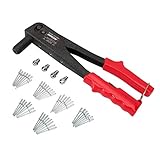
7. Arrow Fastener Heavy Duty Riveter Kit – Best for Tight Spots
- Extended nosepiece reaches tight spots behind panels
- Established fastener brand with a solid build
- Comfortable grip that does not slip
- 120 assorted rivets covering aluminum and steel
- Limited to 3/32 through 5/32 inch rivets
- Not rated for stainless steel rivets
- Grip could use more padding
The Arrow Fastener kit is built around one problem that comes up constantly on panel work: reaching a rivet that sits deep behind trim or inside a door cavity. The extended nosepiece pushes the nose forward so you can pull straight on the rivet head without your knuckles fouling the panel.
It is also from an established fastener manufacturer rather than a kit brand, which is why buyers describe the build as solid and trust the name on it.
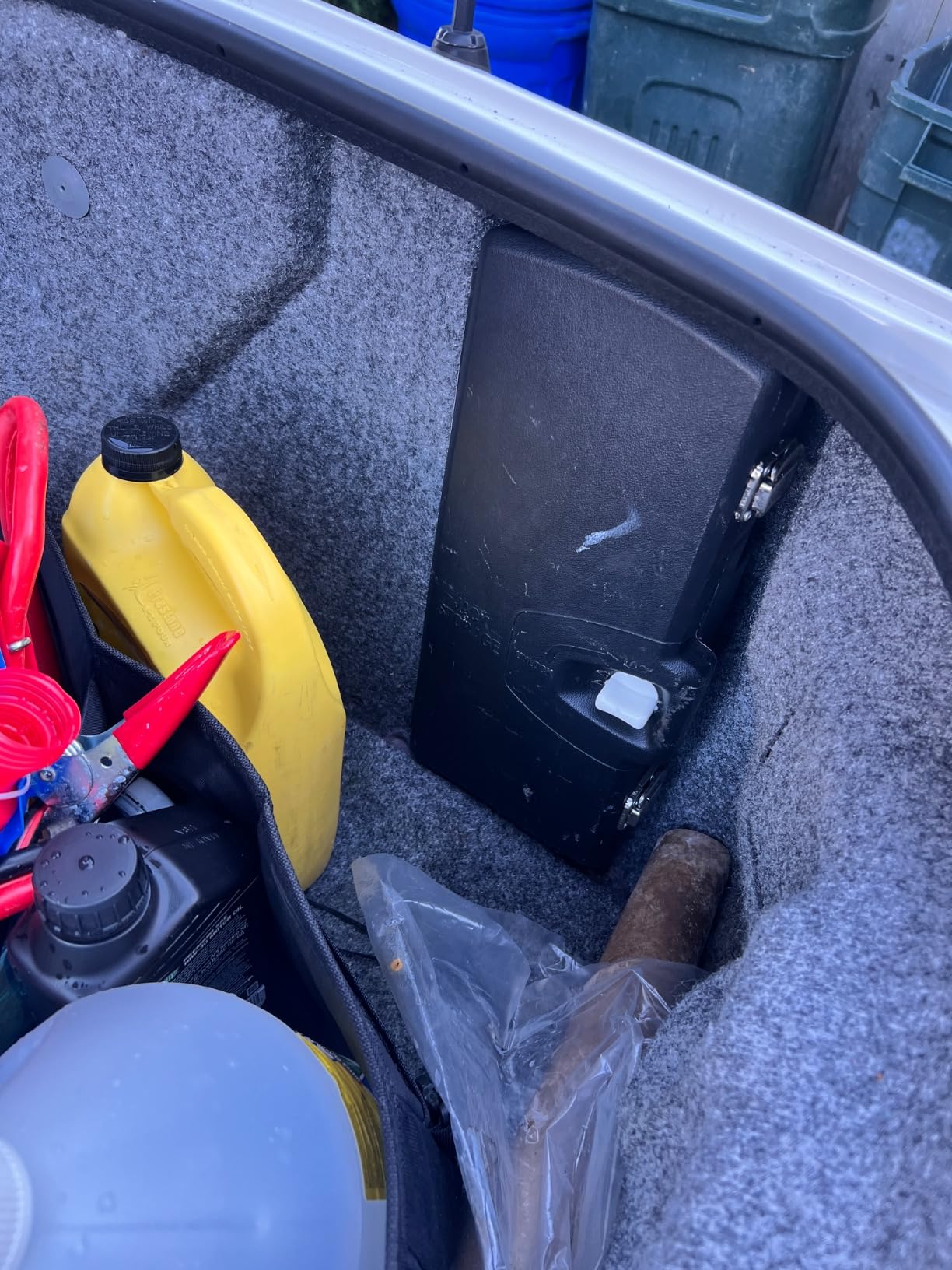
Buyers report using it on gutters, HVAC ducting and light automotive repairs, with a non-slip grip that holds during use. At 1.96 pounds it sits comfortably between the lightest and heaviest hand tools.
The 120-rivet assortment covers aluminum and steel, which is enough to complete a lamp housing or a trim clip job from one box.
What makes it right for confined areas
The extended nosepiece is not a marketing detail. When you are pulling a rivet on the back of a tail lamp housing with your hand pressed into a tight cavity, the extra length between your fingers and the rivet head is what keeps the job possible at all.
Owners also appreciate the grip staying put when the tool is oriented horizontally, which is common on rocker panel and underbody rivets.
Where it stops short
Capacity is the real limitation here. This tool covers 3/32 inch through 5/32 inch, and the manufacturer does not recommend it for 3/16 inch all-steel rivets. Stainless steel rivets are likewise outside what a manual tool here should be used on.
For a door skin on thin aluminum, most of the rivets are 1/8 inch and fit comfortably. For structural panel work or anything with heavier fasteners, you need a different tool. The grip could also use more padding for long sessions.
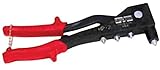
8. Marson 39000 HP-2 Hand Riveter – Best for Daily Shop Use
- Cast aluminum and drop-forged steel outlast pressed-steel kits
- Right-angle head fits tighter spaces than in-line guns
- Smooth jam-resistant operation with matching nosepieces
- Owners report decades of daily shop use
- Demanding on stouter rivets if you have hand or wrist issues
- Spent mandrels occasionally stick in the nose
- Bare tool with rivets and spare nosepieces sold separately
The Marson 39000 HP-2 is the pick for anyone who sets rivets every day. It carries a 4.6 star rating across more than 1,300 reviews, with 80 percent of those reviewers giving five stars. Owners with decades of shop experience treat it as a standard rather than a purchase.
The construction is where the money goes. A square-shoulder fulcrum pin of cold-formed heat-treated steel prevents the pin from rotating and wearing, which is the single most common failure point on cheaper tools.
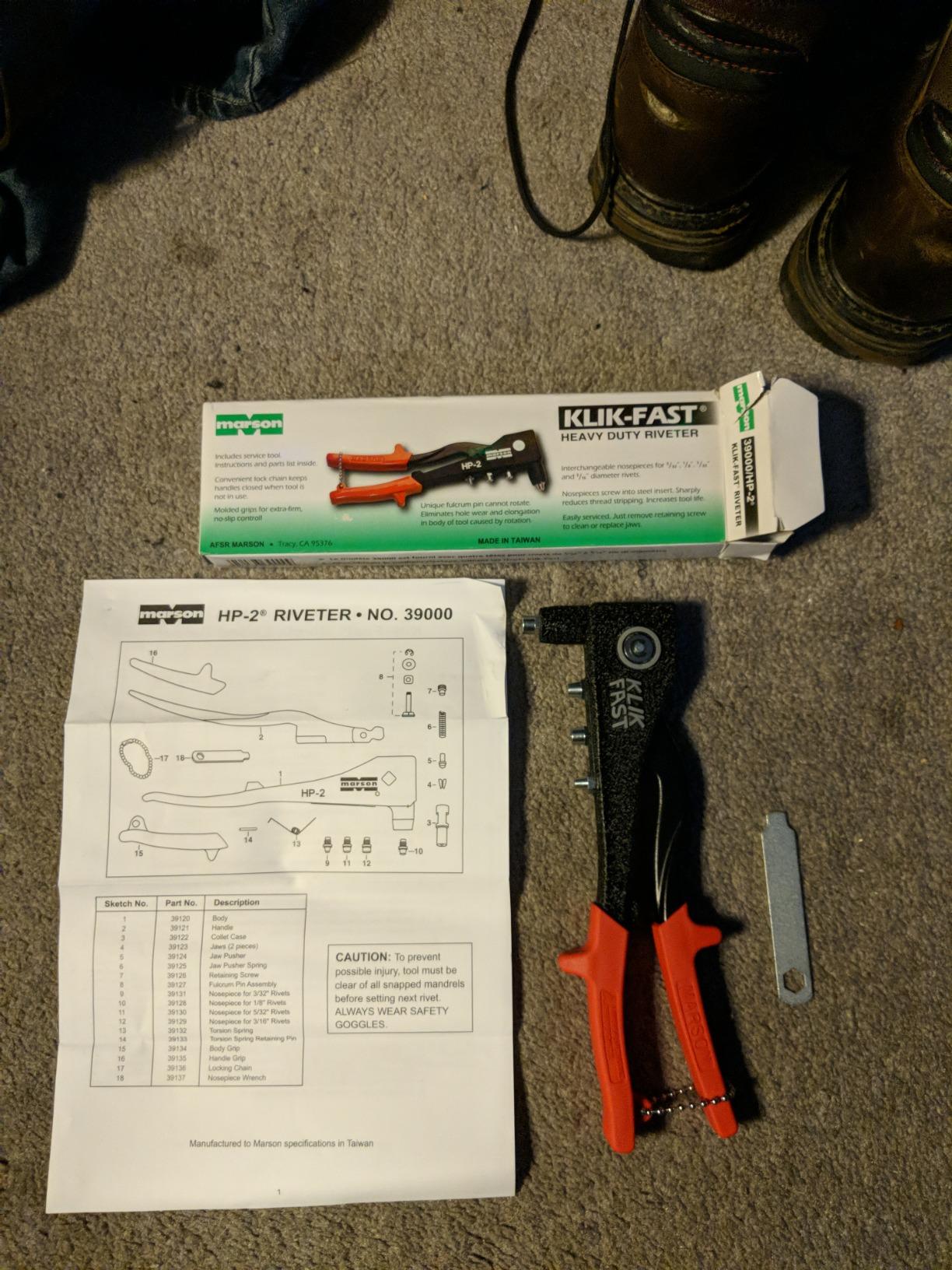
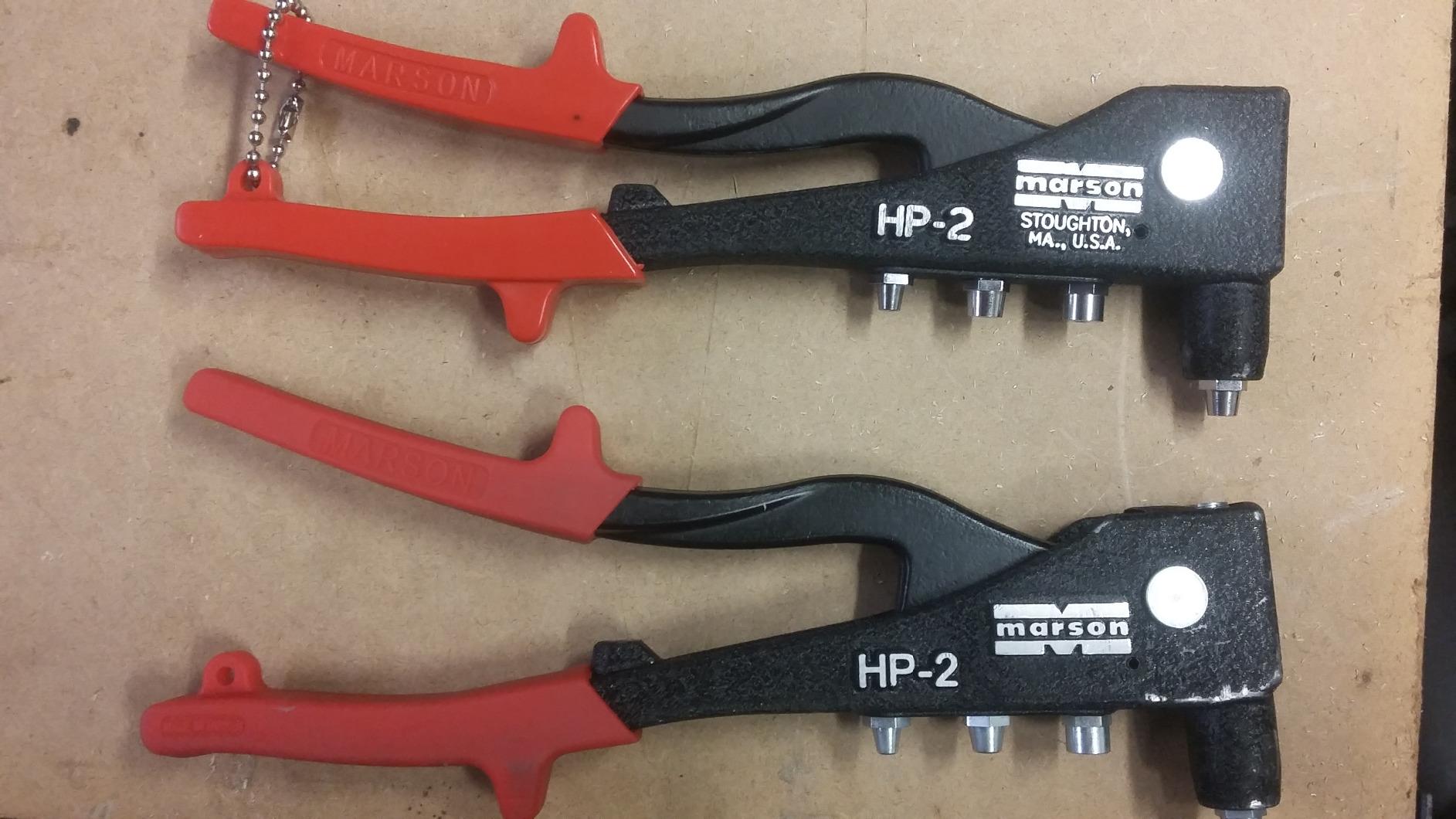
The right-angle head is designed for access in confined areas, sitting lower than an in-line gun so the handle clears the panel edge. On a quarter panel seam where the flange is close to the frame, that angle is the difference between reaching the rivet and not.
Professional users cite it as a long-lasting shop tool rather than a pressed-steel imitation, and that framing shows up in how reviewers describe its jam-resistant operation with matching nosepieces.
What the construction buys you
At one pound it is the lightest hand riveter here, yet it is built from a high-strength aluminum alloy body with a drop-forged carbon steel upper handle and thick cushion-molded vinyl grips. That combination is why it stays accurate after thousands of rivets instead of developing play in the jaws.
The drop forging matters. A forged handle has a continuous grain structure that resists the twisting load of a hard pull, where a stamped handle of the same weight tends to flex and eventually crack at the pivot.
Where it asks a lot from you
This is a tool that requires a firm grip, and users with hand or wrist problems find it demanding on stouter rivets. If you have carpal tunnel or joint issues, a cordless tool is the better answer even at a higher cost.
It also arrives as a bare tool, so rivets and spare nosepieces are separate purchases, and it handles rivets up to 3/16 inch only. Spent mandrels can occasionally stick in the nose until cleared, though that is a maintenance habit rather than a fault.
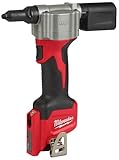
9. Milwaukee 2550-20 M12 Rivet Tool – Best Cordless Pick
- Carries a 4.7 star rating across its reviews
- Cordless power removes all hand strain
- Sets stainless and steel rivets consistently
- Mandrel catcher keeps stems off the floor
- Costs the most of the group and comes as a bare tool
- Battery must come off to swap nozzles
- Weighs about 4.8 pounds which shows overhead
The Milwaukee 2550-20 M12 carries a 4.7 star rating, with 85 percent of its reviews at five stars. It sets 3/32 inch through 3/16 inch rivets and runs up to 450 one-eighth inch steel rivets on a single charge.
The cordless advantage on panel work is that the pull force does not depend on your hands. Reviewers with wrist problems, carpal tunnel and arthritis specifically call this out as the reason they use one, and for overhead work in a wheel arch that matters as much as the comfort.
The spent mandrel collection container keeps stems in the tool rather than on the panel or the shop floor, which matters when you are working over a freshly finished surface. Spare nozzles store on the tool body, though you have to remove the battery to change them.
It sets stainless and steel rivets quickly and evenly, and owners doing semi-frequent work pair it with their existing M12 batteries, which is the practical reason to choose a cordless rivet tool over a second air compressor.
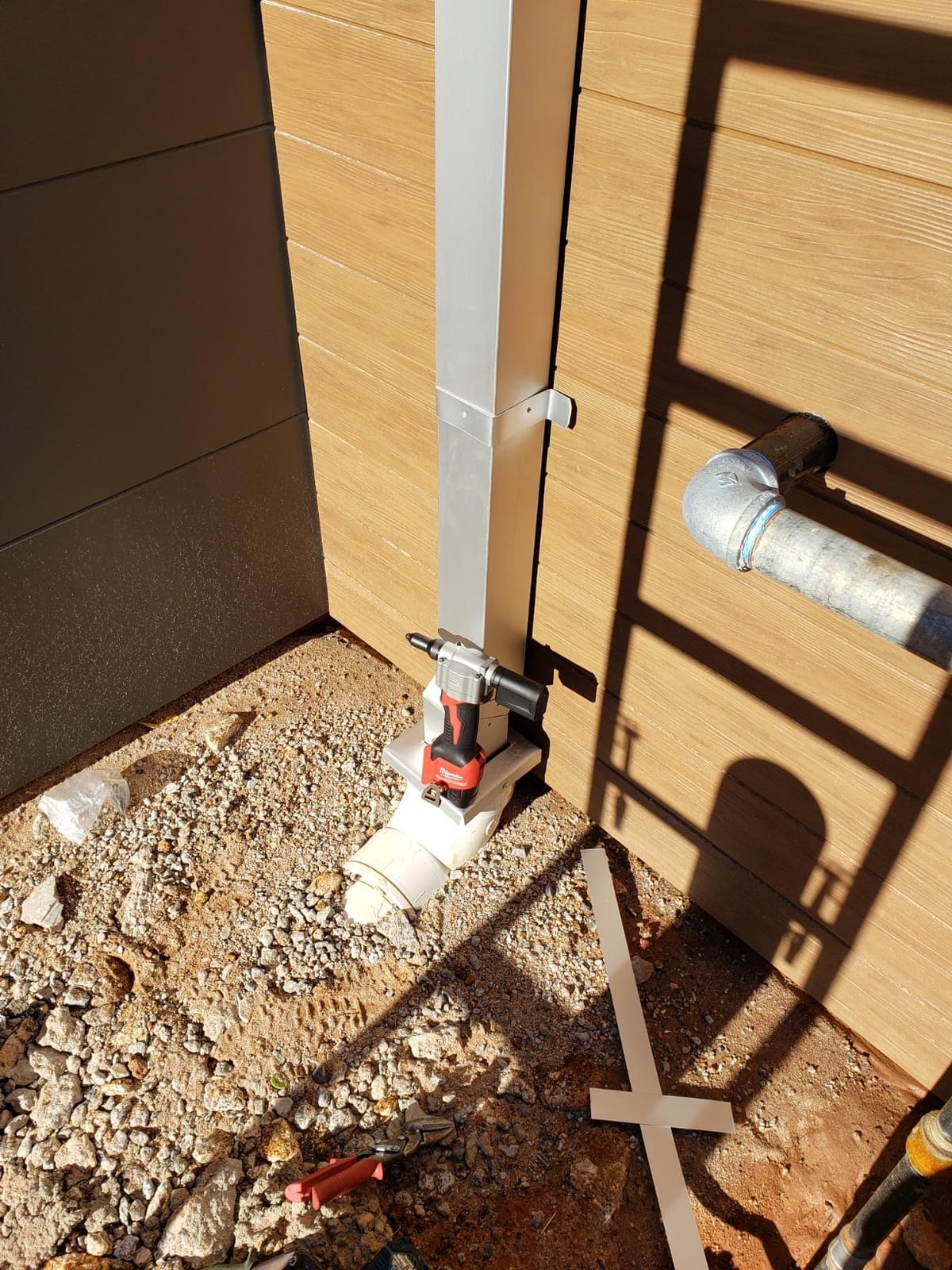
What cordless changes on a panel job
Consistency is the real gain. A hand tool produces a different pull force depending on how tired your grip is, and that is how you end up with a loose rivet or a mushroomed head. A motor-driven tool repeats the same stroke every time.
Portability is the second gain. No hose, no compressor to run, and no searching for an outlet in a driveway. For a shop that also does roadside and mobile work, that alone justifies the cost.
Where it costs you
This is a costly option in the group and it is sold as a bare tool, so battery and charger come separately. If you are not already on the M12 platform, the real outlay is the whole battery ecosystem rather than this tool alone.
At 4.81 pounds it is noticeably heavy for overhead work, the nozzles are easy to misplace, and it stops at 3/16 inch. Users on forums doing regular panel work often point to the larger 18-volt generation for speed, while the M12 stays the more portable of the two.
10. NEXTACK NT300 1/4 Inch Rivet Gun Kit – Best for Quarter-Inch Rivets
- Only affordable manual gun rated for full 1/4 inch rivets
- Two-handed design greatly cuts effort and hand fatigue
- Ratcheting action grips the shank without slipping
- Built-in shank catcher keeps the floor clear
- Owners with 40-plus years of trade experience rate the fit and finish
- Requires both hands so no one-handed overhead work
- Heaviest manual gun here at 4.29 pounds
- Steel rivets need noticeably more force
The NEXTACK NT300 is the answer if your panel work includes quarter-inch rivets and you do not have shop air. It is the only manual gun in this group rated for full 1/4 inch capacity, and at 4.7 stars across 843 reviews it is tied for the top score here.
The two-handed long-handle design is what makes that capacity possible. Instead of squeezing, you pull two handles through a leverage ratio that multiplies your force several times over, which is why owners report far less effort than a single-arm gun of the same capacity.
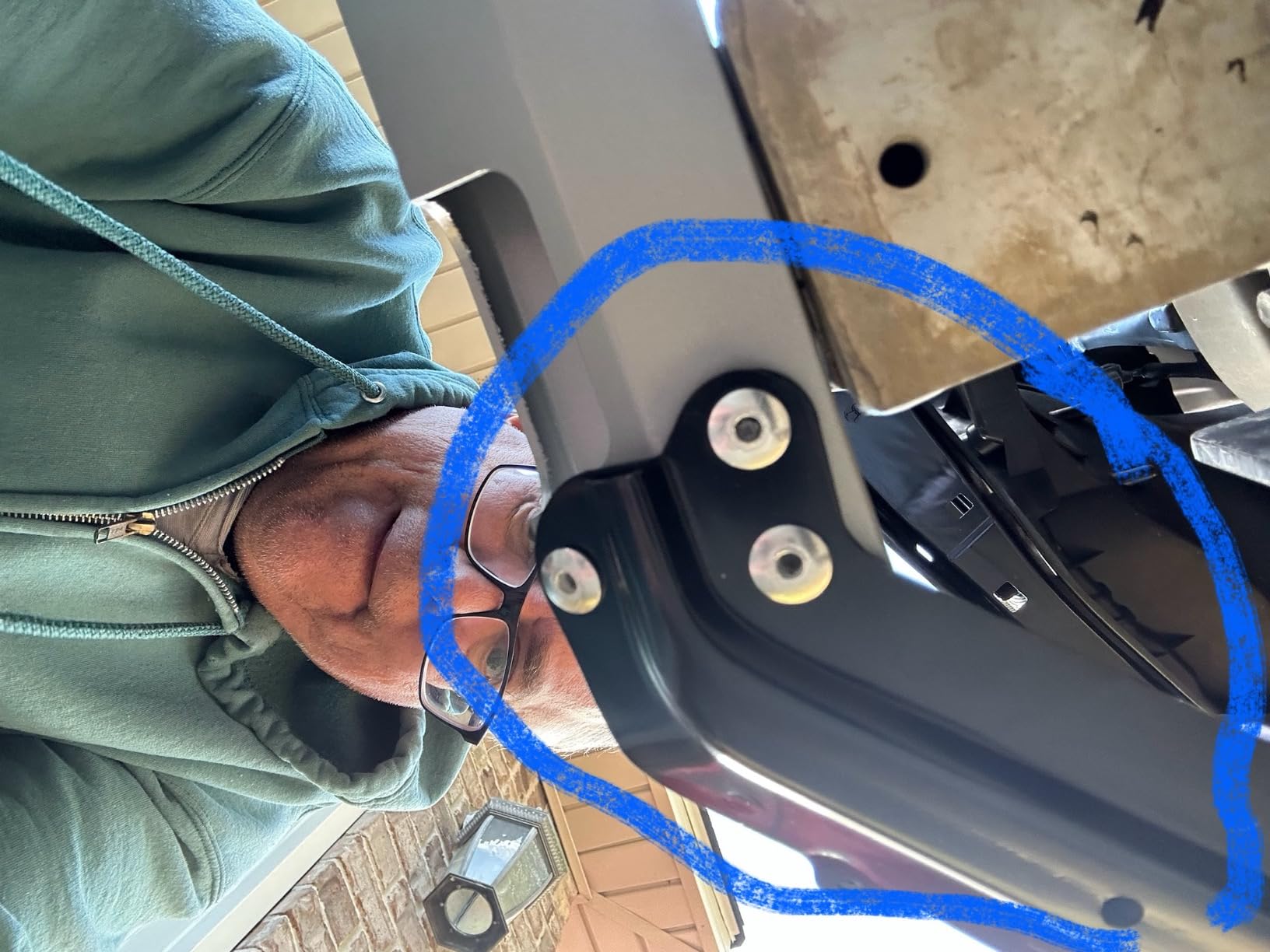
The jaw specification is what separates it from the kit guns. Three heat-treated SCM435 alloy steel jaws rated at HRC52-63 are a hardness figure you normally only see on production tools, and they sit in a cold-forged number 50 carbon steel handle with an aluminum alloy body.
Ratcheting action grips the shank evenly without slipping, which is the difference between a centered rivet head and a mushroomed one on a visible panel seam. A removable mandrel catcher and 350 rivets across 8 sizes in a compartmented case round out a well-thought-out kit.
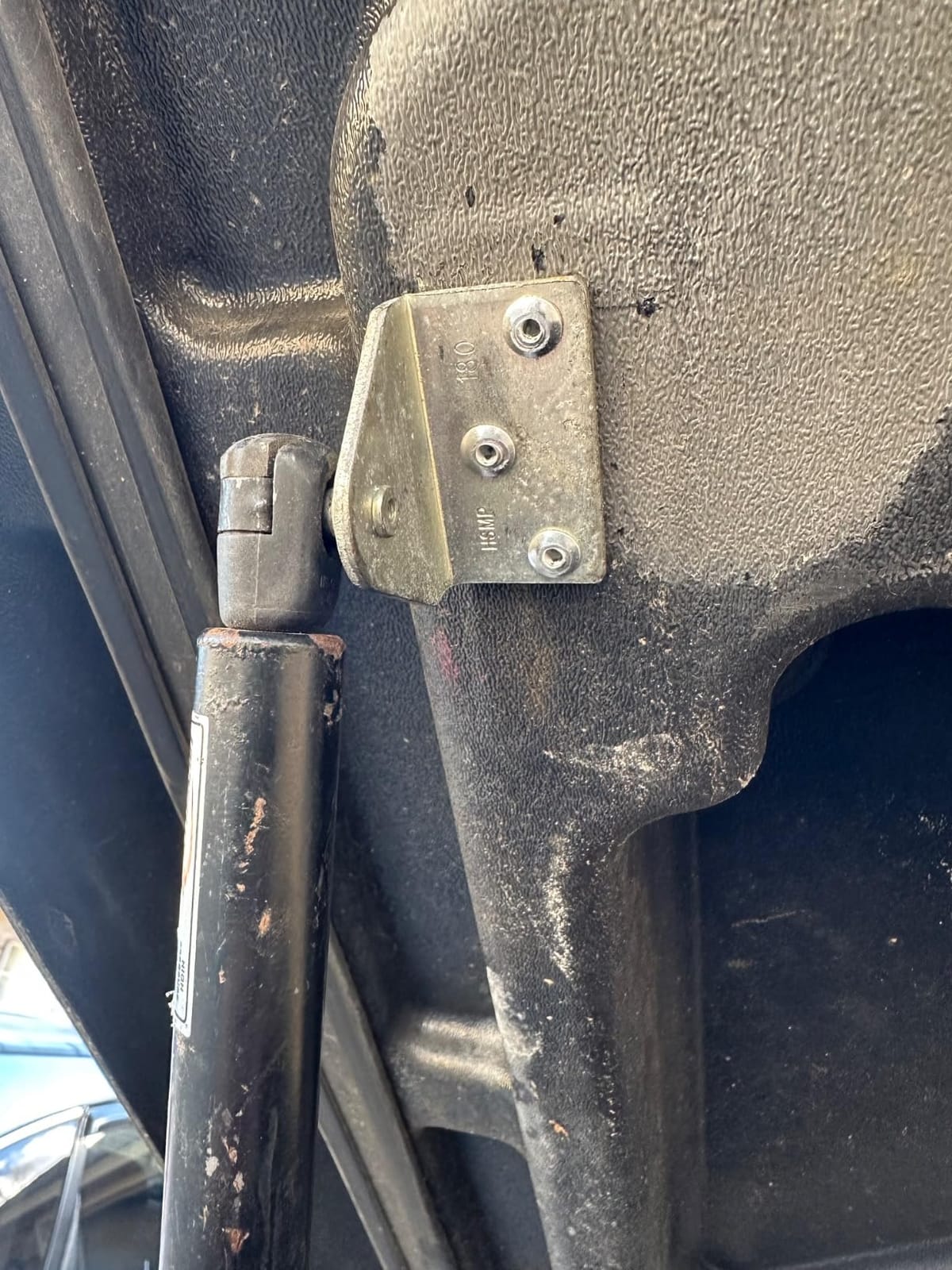
What tells you it is built for trade work
Owners with more than 40 years of trade experience rate the fit and finish above what the price point suggests, and reviewers with large review counts consistently call it professional-grade in feel. That is not marketing language in this case; it shows up in how people describe the ratchet action and the handle balance.
Buyers particularly like it for trailer, boat and off-roading fabrication, where 1/4 inch rivets are standard and the work is repetitive. The compartmented case with 350 rivets keeps the different sizes separated for exactly that kind of job.
Where it is the wrong tool
Two hands are required, so it cannot be used one-handed overhead or in a position where you are bracing yourself in a confined space. If your panel work includes reaching up into a wheel arch while holding a panel, that is a real limitation.
At 4.29 pounds it is the heaviest manual gun here, and the spent shafts occasionally need coaxing out of the catcher. Steel rivets also need noticeably more force than aluminum, so budget your time for structural work even with this much mechanical advantage.
Buying Guide: Matching a Rivet Gun to the Panel Job
Power type: hand, long-arm, pneumatic or cordless
There is no universally best rivet gun, only the right power type for the volume and access you have. Hand riveters are cheap, portable and quiet, but their pull force comes from your arm. Long-arm tools multiply that force at the cost of needing both hands. Pneumatic and cordless tools remove your strength from the equation entirely and are the only sensible choice for volume work.
A useful rule from shop practice: if you are setting fewer than about 30 rivets in a session, a hand riveter will not hurt you. Above that, the fatigue in your grip starts producing inconsistent pull force, and inconsistent pull force produces inconsistent rivets. Forum users consistently describe the jump to pneumatic as the point where riveting becomes effortless rather than something they think about.
Consider the environment too. Mobile repair and trailer work need no power source, so hand or cordless wins. A fixed shop bay with a compressor gains nothing from a cordless tool and gains everything from an air gun.
Rivet diameter and grip range matching
Rivet diameter is the main selection criterion, and it is unforgiving. The gun’s maximum capacity tells you the largest rivet it can set; anything smaller within its range is a matter of swapping the nose piece. Every manual tool here covers 3/32 inch to 3/16 inch, and only the Astro Pneumatic PR14 and the NEXTACK NT300 reach 1/4 inch.
Grip range is the other half of the match. It is the combined thickness of material a rivet of a given length can properly collapse. A rivet that is too short for the stack will not form a proper button and the joint will be weak; one that is far too long will not collapse at all.
For most auto body panel work you are joining a skin panel to a flange, so the stack is thin. That is why 1/8 inch aluminum rivets do the majority of the work on door skins and quarter panels, with 3/16 inch reserved for heavier bracket attachments. Always drill the hole to match the rivet diameter rather than guessing larger. An oversized hole is the most common reason a correctly set rivet still looks wrong in the finished panel.
Setting a rivet without warping the panel
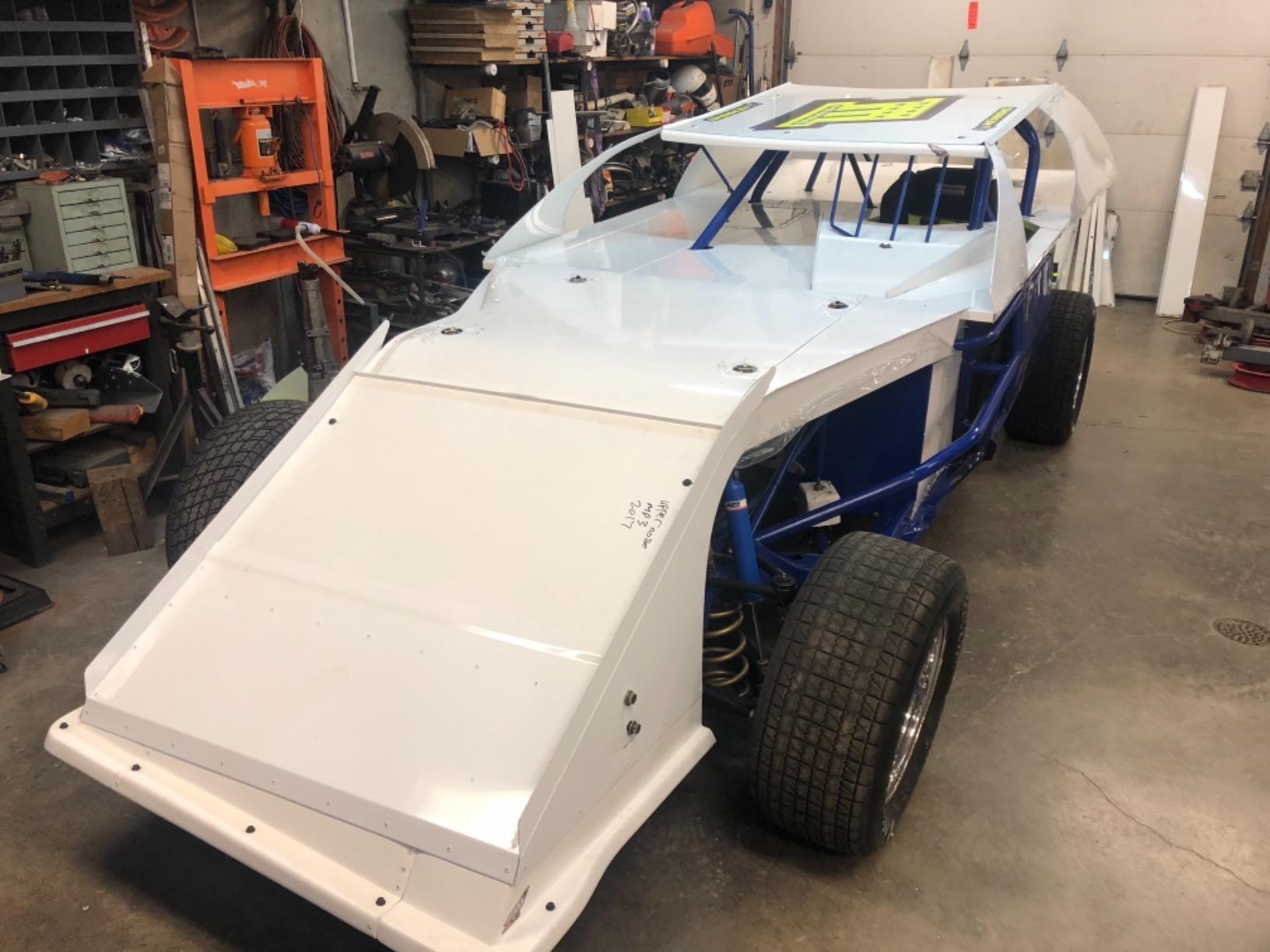
Thin auto sheet distorts easily, and the rivet gun is not the main cause. The main cause is clamping force before riveting. Support the panel with a backing plate or a second sheet of similar thickness across the seam so the fastener has something to pull against, and clamp lightly rather than hard.
Keep the nose piece perpendicular to the panel. A gun cocked at an angle applies the pull off-center, and off-center pull on thin aluminum pushes the skin out of plane and leaves a ripple you cannot easily hammer out.
Use the rivet length that matches your grip range and pull until the mandrel breaks. Do not try to set a rivet that will not break cleanly with a longer rivet and more force, because over-pulled rivets form a mushroomed head that stands proud of the panel. If your gun struggles to break the mandrel, the rivet is too heavy for it rather than your technique being wrong.
On aluminum panels, keep the tool off the sheet when you are not actively setting a rivet. Steel nose pieces mark soft aluminum, and a scuff on an exposed skin panel shows after paint.
Removing rivets without wrecking the panel
Center punch the rivet head first. It flattens the proud dome so a cutter or drill bit cannot skate sideways across the panel face.
Use a dedicated rivet cutter or a step drill rather than a standard twist bit. A drill bit in a hand drill tends to wander and chew the surrounding paint. A rivet cutter shears the head off cleanly in one squeeze.
Peel the panel away from the rivet rather than driving the rivet through. The mandrel is the weak point, and pulling the panel off leaves the rivet body behind where you can grind it flush.
Finish with a flap disc or file to bring the rivet head level with the surface. This is the step that separates a reusable panel from a panel that ends up in the bin.
Common rivet gun problems and fixes
Mandrel will not break: The rivet is heavier than the tool capacity, or the nose piece is the wrong size. Match the nose piece to the rivet diameter before increasing force.
Spent stem will not eject: Check for a blocked collector cup or a mandrel bent inside the tool. Clear the cup and run the tool with no rivet in it to reset the jaws.
Tool slips off the mandrel: Worn or rounded jaws. This is the most common complaint about inexpensive guns, and it is why cheap jaws are described as rounding off within a couple of hundred rivets.
Rivet spins in the hole: The hole is oversized or was drilled with a step that leaves a taper. Ream or step the hole to the correct diameter before retrying.
Mandrel bends instead of setting: Low-quality rivets. Rivets with soft or undersized mandrels bend under load, which is why users repeatedly warn that cheap rivets cause trouble even on a good tool.
Rivnut spins after setting: Over-pulling on thin sheet. Add a rivnut washer or move to a thicker backing surface.
How many rivets a session should decide your tier
Under 30 rivets in a session is hand-riveter territory, and a kit-style tool with heads stored on the handle will serve you well. Between roughly 30 and 150 rivets, a professional hand riveter with a serviceable frame or a cordless tool starts to make sense, depending on whether you care more about consistency or about hand strain.
Above 150 rivets per session, power is not a luxury. A pneumatic or cordless gun holds a consistent pull force that no hand tool can match at that volume, and the time saved over a full day pays back the cost difference quickly.
One more consideration before you commit: if your shop already runs welding and finishing equipment, our guides to the best welders for auto body work, automotive paint sprayers and auto-darkening welding helmets cover the rest of a panel repair workflow.
Frequently Asked Questions
Which brand of rivet gun is considered the best quality?
Marson is generally regarded as the best hand riveter brand, with the 39000 HP-2 holding the highest average rating among the manual tools we reviewed. Astro Pneumatic leads for air tools, and Milwaukee leads the cordless category with the 2550-20 M12 rated at 4.7 stars. Brand matters less on kit-style tools, where the difference is mostly how many rivets ship in the box.
What is the best brand of rivet gun?
There is no single winner, because the answer depends on power type. For hand riveters, Marson is the strongest name for durability. For pneumatic tools, Astro Pneumatic is the proven shop standard. For cordless, Milwaukee builds the best-rated model. For light and occasional panel work, WETOLS and LIBRATON cover the common rivet sizes at a fraction of the cost.
Which brand of rivet gun is better, DeWalt or Milwaukee?
Milwaukee is the stronger pick for panel work based on the ratings here. The M12 rivet tool holds the highest rating in our group at 4.7 stars, sets rivets from 3/32 to 3/16 inch, and runs up to 450 one-eighth inch steel rivets per charge. The deciding factor for most buyers is which battery platform you already own, since the tool is often sold without a battery or charger.
What are the common problems with rivet guns?
The most common problem is a mandrel that will not break, which usually means the rivet is heavier than the tool capacity or the nose piece is the wrong size. The second is a spent stem that will not eject, caused by a blocked collector cup or a bent mandrel. Third is jaw wear, where inexpensive tools slip off the mandrel after a couple of hundred rivets. Weak jaw action on heavier rivets also causes over-pulled, mushroomed heads.
Why is riveting no longer used?
Riveting is still used every day in collision repair, trailer fabrication and general sheet metal work, because it is the only reliable way to fasten a panel from one side when there is no access behind it. What has declined is riveting for structural joints on modern vehicles, where spot welding and structural adhesives take over. Rivets remain standard for trim, brackets, lamp housings and skin-over-frame panels.
What size rivet gun do I need for auto body work?
For most door skins, quarter panels and trim work, a hand riveter covering 3/32 inch through 3/16 inch is enough, since 1/8 inch aluminum rivets do the majority of the work on thin panel stacks. If your job includes structural bracket attachments, you need a tool rated for 1/4 inch rivets, which in this group means the Astro Pneumatic PR14 or the NEXTACK NT300.
Conclusion
The best rivet guns for auto body panels depend less on brand than on two numbers: how many rivets you set in a session, and whether you need quarter-inch capacity. Start with the WETOLS WE-888 if you are doing occasional trim and hardware work, move up to the Marson 39000 HP-2 if you use it daily, and choose the Astro Pneumatic PR14 or NEXTACK NT300 when the job needs real 1/4 inch rivets or volume beyond what a hand tool can sustain.
Whichever one you pick, check the nose piece against your rivet diameter before the first pull and back the panel with a second sheet. That is what keeps a riveted panel straight, aligned and paintable in 2026.