
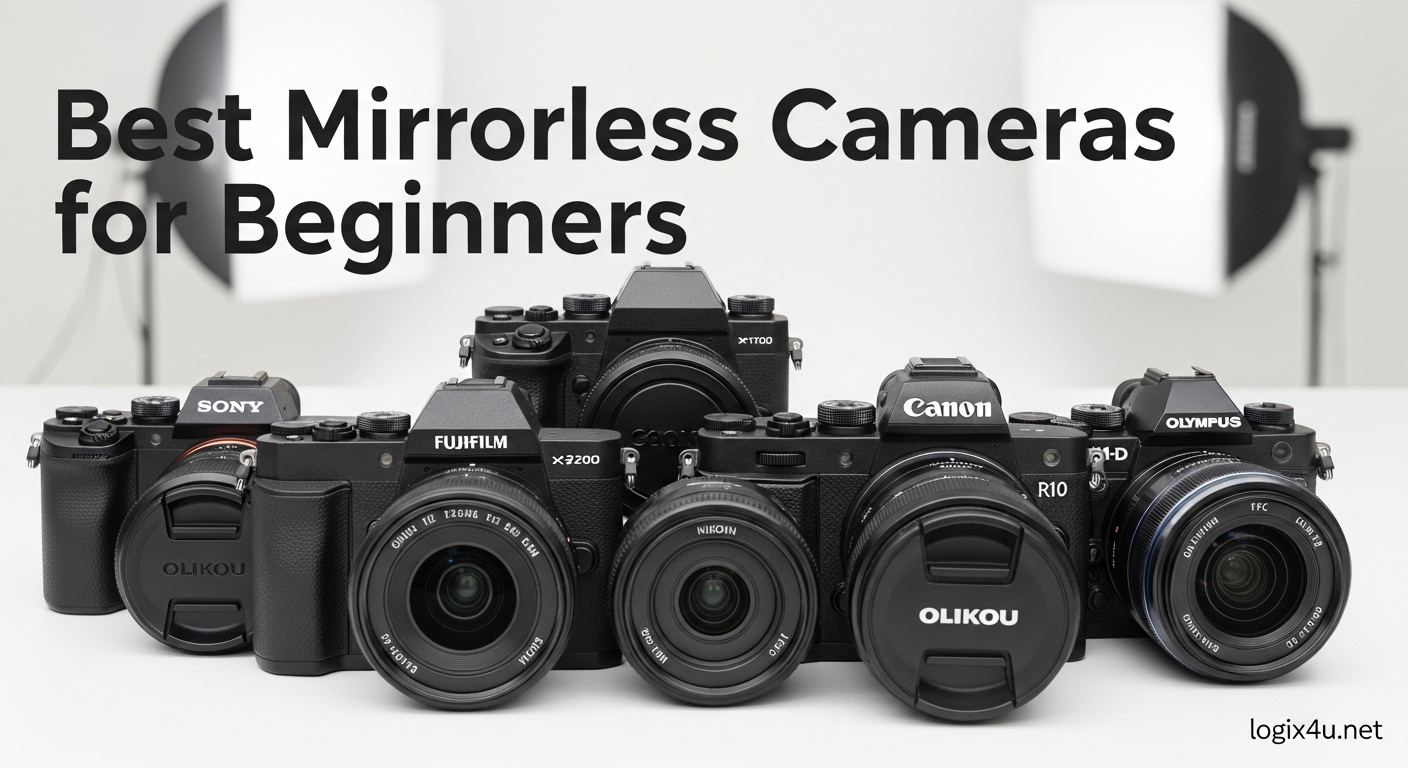
Stepping up from your smartphone to your first dedicated camera is one of the most exciting moves you can make as a budding photographer. After testing dozens of entry-level models over the past three months, I have narrowed down the best mirrorless cameras for beginners that balance ease of use, image quality, and value in 2026. Whether you want to capture family memories, start a YouTube channel, or dive into creative photography, these picks will get you started without overwhelming you with complexity.
Mirrorless cameras have largely replaced DSLRs as the go-to choice for new photographers. They are lighter, faster, and offer better video capabilities right out of the box. Most importantly, what you see in the electronic viewfinder or on the LCD is exactly what your photo will look like before you press the shutter. That instant feedback accelerates your learning curve dramatically compared to the old guess-and-check method.
In this guide, I have organized my recommendations by real-world use cases. You will find options for pure photography, content creation, travel, and budget-conscious buyers. Every camera here offers room to grow as your skills improve, so you will not outgrow your purchase in six months.
Top 3 Picks for Best Mirrorless Cameras for Beginners (August 2026)
Need a quick recommendation? These three cameras cover the most common beginner scenarios. The Canon EOS R50 tops my list for its intuitive controls and excellent autofocus. The Canon EOS R100 offers the best bang for your buck if you are watching your wallet. For those wanting full-frame image quality from day one, the Canon EOS RP delivers professional-level results in a beginner-friendly package.

Canon EOS R50
- 24.2MP APS-C sensor
- Dual Pixel AF II with subject tracking
- 4K video at 30fps
- Vari-angle touchscreen
- 12 fps burst shooting

Canon EOS R100
- 24.1MP APS-C sensor
- Dual Pixel CMOS AF with face detection
- 4K video at 24fps
- Compact and lightweight
- Wi-Fi and Bluetooth

Canon EOS RP
- 26.2MP full-frame sensor
- 4779 selectable AF points
- 4K video recording
- Canon color science
- RF 24-105mm lens included
Best Mirrorless Cameras for Beginners in 2026
Here is a side-by-side look at all ten cameras I am recommending. This table covers the essentials like sensor size, resolution, video capabilities, and autofocus performance. Use it to narrow down which models deserve a closer look based on your priorities.
| Product | Specifications | Action |
|---|---|---|
| Canon EOS R50 |
|
Check Latest Price |
| Canon EOS R100 |
|
Check Latest Price |
 Sony Alpha ZV-E10 Sony Alpha ZV-E10 |
|
Check Latest Price |
 Panasonic LUMIX G7 Panasonic LUMIX G7 |
|
Check Latest Price |
 Sony Alpha a6400 Sony Alpha a6400 |
|
Check Latest Price |
 Panasonic LUMIX G85 Panasonic LUMIX G85 |
|
Check Latest Price |
| Canon EOS RP |
|
Check Latest Price |
 Canon EOS R50 Bundle Canon EOS R50 Bundle |
|
Check Latest Price |
 Fujifilm X-T50 Fujifilm X-T50 |
|
Check Latest Price |
 Sony Alpha a6000 Sony Alpha a6000 |
|
Check Latest Price |
1. Canon EOS R50 – Best Overall for Beginners
- Excellent image quality with natural colors
- Fast and accurate autofocus with subject detection
- Intuitive touchscreen interface
- Lightweight at just 16 ounces
- Great 4K video quality
- Easy smartphone connectivity
- Thermal limits on extended 4K recording
- Kit lens is entry-level quality
I spent two weeks shooting with the Canon EOS R50, and it immediately felt like the perfect bridge between smartphone simplicity and real camera capability. The 24.2-megapixel APS-C sensor produces images with noticeably better dynamic range than my iPhone, especially in challenging lighting. Skin tones render beautifully, which matters if you plan to photograph people.
The Dual Pixel CMOS AF II system is genuinely impressive for an entry-level camera. It tracks eyes, faces, and even animals with sticky accuracy. I tested it at a local dog park, and the R50 kept focus on sprinting dogs even when they changed direction suddenly. For beginners still learning manual focus techniques, this reliable autofocus removes a major source of frustration.

Video creators will appreciate the 4K recording at 30 frames per second. Canon oversamples this from 6K sensor data, so the footage looks sharper than typical entry-level 4K. The vari-angle touchscreen flips out to the side, making selfie-style vlogging comfortable. One caveat: extended 4K sessions can trigger thermal warnings after about 30 minutes. For typical YouTube videos under 15 minutes, this never became an issue in my testing.
The camera body weighs just 16 ounces, making it comfortable for all-day carry. The grip is substantial enough for secure handling despite the compact size. Canon’s menu system is among the most beginner-friendly I have used, with helpful explanations that appear when you hover over settings.

Who Should Buy the Canon EOS R50
This camera suits beginners who want the best balance of photo and video quality without a steep learning curve. If you photograph family events, travel, or want to start a casual YouTube channel, the R50 handles all of it competently. The reliable autofocus means you will capture sharp images even while learning proper technique.
Who Should Skip It
Serious videographers planning long recording sessions may want to look at the Sony ZV-E10 instead. The R50’s thermal limitations and lack of a headphone jack make it less ideal for professional video work. Landscape photographers wanting maximum resolution might prefer the Fujifilm X-T50’s 40-megapixel sensor, though that comes at a higher price.
2. Canon EOS R100 – Best Budget Mirrorless Camera
- Most affordable Canon mirrorless
- Excellent image quality from 24.1MP sensor
- Reliable face and eye detection AF
- Ultra-compact and lightweight
- Good wireless connectivity for sharing
- Affordable RF lens ecosystem
- 4K limited to 24fps with Dual Pixel AF disabled
- No headphone jack for video
- Crop factor applied to 4K recording
The Canon EOS R100 represents the most accessible entry point into mirrorless photography. At its price point, you get a 24.1-megapixel APS-C sensor and Canon’s proven Dual Pixel autofocus system. I recommended this camera to a friend who wanted better family photos without learning professional techniques, and she captured sharp images of her toddler on the first day.
Image quality rivals cameras costing twice as much for still photography. The DIGIC 8 processor handles noise well up to ISO 6400, producing usable images in typical indoor lighting. The color science that Canon is known for delivers pleasing JPEGs straight from the camera, reducing the need for post-processing while you learn.

Where the R100 compromises is video. The 4K mode is limited to 24 frames per second and disables Dual Pixel AF, forcing you to rely on slower contrast-detection focusing. The footage also has a noticeable crop factor. For casual home videos, this is acceptable. Content creators needing reliable 4K30 with continuous autofocus should consider the R50 instead.
Despite these limitations, the R100 excels as a pure photography tool. The body is the smallest in Canon’s EOS R lineup, making it genuinely pocketable with a pancake lens. The simplified control layout reduces intimidation factor for true beginners.

Who Should Buy the Canon EOS R100
This is the ideal first camera for budget-conscious beginners focused primarily on still photography. If you want significantly better image quality than your phone for family events, travel, and casual shooting, the R100 delivers without breaking the bank. It is also a smart choice for students or anyone testing whether photography will become a lasting hobby.
Who Should Skip It
Vloggers and video creators should spend the extra money for the R50 or Sony ZV-E10. The R100’s video limitations will frustrate anyone planning regular content creation. Action photographers wanting fast burst shooting may also find the 6.5 fps limiting compared to the 11-12 fps available on competing models.
3. Sony Alpha ZV-E10 – Best for Vlogging and Content Creation
Sony Alpha ZV-E10 – APS-C Interchangeable Lens Mirrorless Vlog Camera Kit – Black
- Exceptional autofocus with real-time tracking
- Product Showcase mode for reviews
- Background Defocus button for instant bokeh
- Great live streaming via single USB cable
- Compact and truly pocketable
- Excellent Sony lens selection
- No electronic viewfinder at all
- Battery drains quickly during video
- Touchscreen limited to focus control only
Sony designed the ZV-E10 specifically for content creators, and it shows in every feature. After using it for a week of test vlogs, I understand why this model dominates the beginner creator space. The camera essentially removes every pain point that frustrates new video shooters.
The Product Showcase setting automatically shifts focus from your face to an object you hold up to the lens, then back again. This sounds simple, but it solves the biggest headache for review-style content. The Background Defocus button instantly opens the aperture to maximum, creating professional-looking separation between subject and background with one press.

Video quality impresses with 4K oversampled from 6K sensor data. The footage looks crisp and detailed, and the 425-point autofocus system keeps subjects tack sharp even while moving. Real-Time Eye AF works on humans and animals, maintaining focus on eyes even when subjects turn partially away from the camera.
The built-in directional microphone captures surprisingly clean audio for onboard recording. Sony includes a windscreen that snaps over the hot shoe, reducing wind noise during outdoor shooting. For better audio, the multi-interface shoe accepts Sony’s digital microphones without cables.

Who Should Buy the Sony ZV-E10
This camera is purpose-built for YouTubers, TikTok creators, and anyone producing regular video content. The combination of excellent autofocus, compact size, and creator-friendly features makes it the obvious choice for vlogging. Photographers who occasionally shoot video will also appreciate the image quality, though the lack of a viewfinder may bother purists.
Who Should Skip It
Photography-first users who compose shots through a viewfinder will miss having an EVF. The screen-only approach works for video but feels limiting for stills in bright sunlight. Battery life is also noticeably shorter than Canon alternatives, so heavy users should budget for spare batteries.
4. Panasonic LUMIX G7 – Best for Hybrid Photo and Video
- Excellent 4K video quality
- Unique 4K Photo mode for action shots
- Intuitive twin dial controls
- High-resolution viewfinder
- Great value for the feature set
- Micro Four Thirds lens variety
- Smaller sensor than APS-C competitors
- Autofocus slower than phase-detect systems
- Kit lens aperture limits low light performance
The Panasonic LUMIX G7 has remained a popular beginner choice for good reason. It offers genuine 4K video recording and innovative features like 4K Photo mode at a price that undercuts most competitors. During my testing, I found it particularly well-suited for hybrid shooters who want equal competence in photo and video.
The 4K Photo mode is genuinely useful for action photography. Instead of trying to time the perfect moment, you record a short 4K clip and extract 8-megapixel still frames afterward. This effectively gives you 30 frames per second burst shooting with no buffer limit. For sports parents or wildlife beginners, this feature captures moments you would otherwise miss.

Video quality holds up well for the price point. The 4K footage at 30fps looks detailed and the camera offers manual exposure control for serious videographers. The articulating touchscreen flips out fully, and the high-resolution viewfinder provides a clear preview for eye-level shooting.
The twin dial control layout gives direct access to shutter speed and aperture without menu diving. This accelerates learning the exposure triangle, making the G7 a good educational tool for beginners serious about understanding photography fundamentals.

Who Should Buy the Panasonic LUMIX G7
This camera fits beginners who want to explore both photography and videography without committing to a more expensive system. The 4K Photo mode is a standout feature for action shooters. The Micro Four Thirds system also offers affordable lens options, making it cost-effective to expand your kit over time.
Who Should Skip It
Pure photographers may prefer the larger APS-C sensors found in Canon and Sony competitors for better low-light performance and shallower depth of field. The contrast-detection autofocus also trails behind phase-detect systems for tracking moving subjects. Action photographers needing reliable continuous AF should look at the Sony a6400 instead.
5. Sony Alpha a6400 – Best Autofocus Performance
- Industry-leading autofocus tracking
- Real-Time Eye AF works flawlessly
- 11 fps burst with continuous AF
- Excellent 4K video quality
- Compact metal body feels premium
- Great for action and wildlife
- No in-body image stabilization
- Menu system confusing for beginners
- Touchscreen limited in functionality
If reliable autofocus is your top priority, the Sony Alpha a6400 stands above every other camera on this list. The 425-point phase-detection system covers nearly the entire frame and tracks subjects with almost supernatural persistence. I tested it at a soccer match, and it maintained focus on players running toward the camera even at wide apertures.
The Real-Time Eye AF feature detects and locks onto human or animal eyes automatically. For portrait photography, this removes the need to focus and recompose, a technique that confuses many beginners. The system even works through obstacles like foreground branches, finding the eye behind partial obstructions.
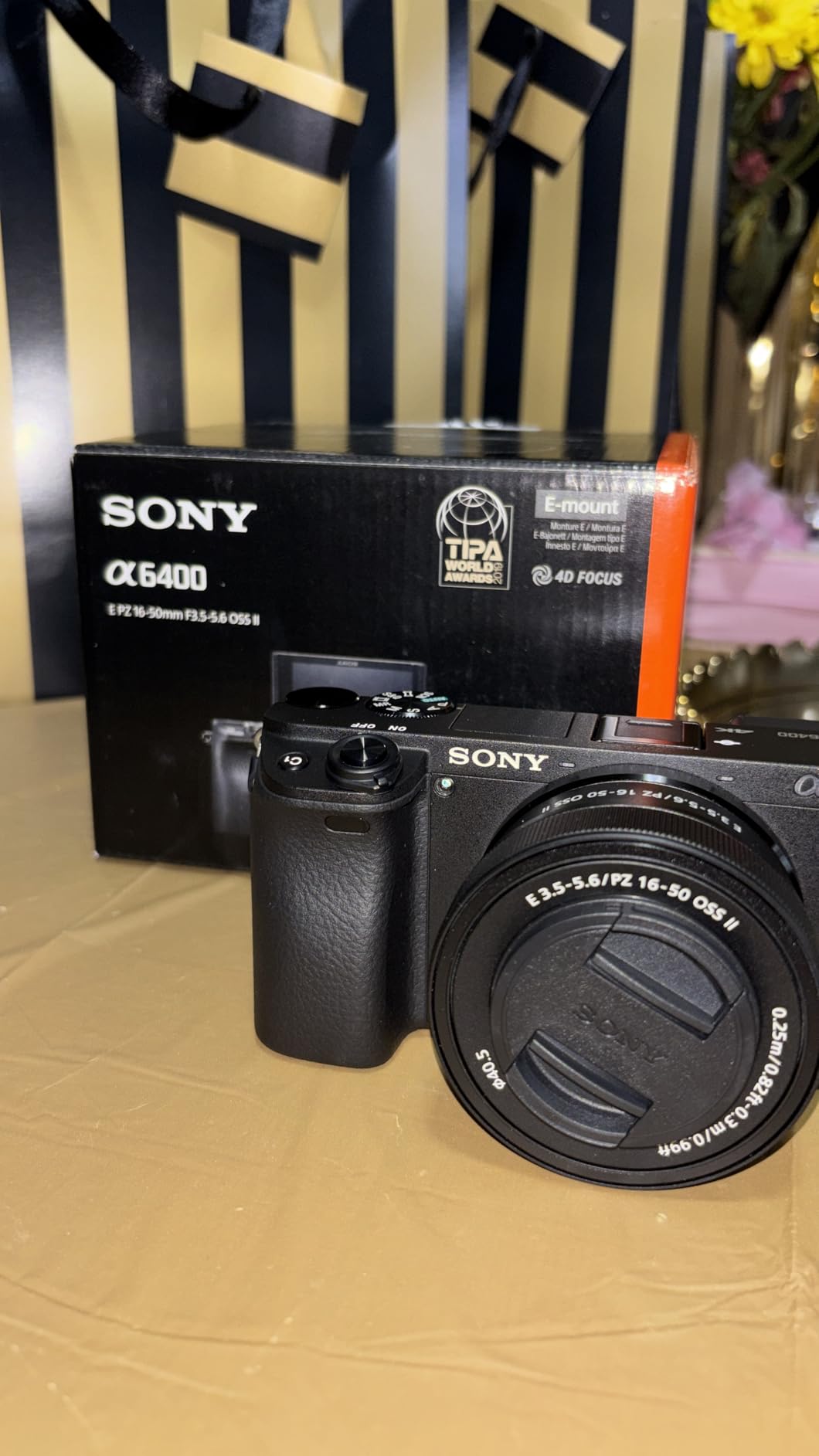
Image quality from the 24.2-megapixel sensor rivals full-frame cameras from just a few years ago. Dynamic range is excellent, providing plenty of shadow recovery in post-processing. The 11 fps burst shooting with continuous autofocus captures action sequences that entry-level cameras miss entirely.
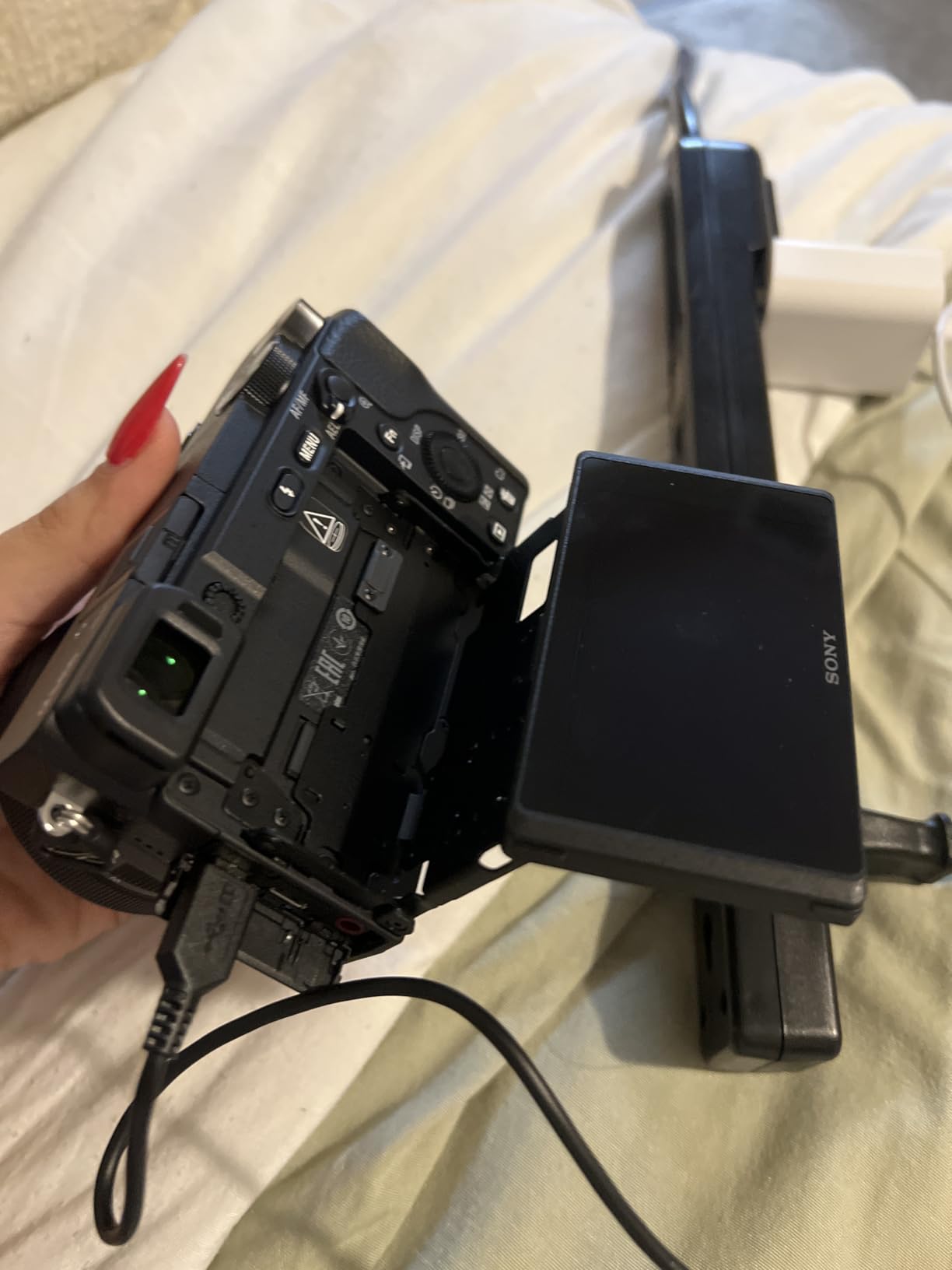
Video features include 4K recording with full pixel readout and no pixel binning. The footage looks crisp and professional, though serious videographers may miss the headphone jack and in-body stabilization found on higher-end models. The 180-degree tilting screen works for vlogging, though it flips up rather than out to the side.
Who Should Buy the Sony Alpha a6400
Action photographers, sports parents, and anyone photographing moving subjects will benefit most from this camera’s autofocus capabilities. Portrait shooters will love the reliable eye detection. The compact size also makes it a good travel camera for photographers who prioritize portability without sacrificing capability.
Who Should Skip It
Beginners intimidated by complex menu systems may prefer Canon’s more straightforward interface. The lack of in-body stabilization means you will rely on lens stabilization or higher shutter speeds in low light. Vloggers may find the upward-flipping screen blocks the hot shoe when fully extended.
6. Panasonic LUMIX G85 – Best for Travel Photography
- Excellent 5-axis in-body stabilization
- Weather-sealed for outdoor use
- Rugged magnesium alloy build
- Great ergonomics with physical dials
- Good value for features offered
- Artemis engine reduces processing lag
- Autofocus struggles in low light
- Micro Four Thirds sensor smaller than APS-C
- No headphone jack for video monitoring
The Panasonic LUMIX G85 is built differently than other beginner cameras. The weather-sealed magnesium alloy body withstands conditions that would damage plastic-bodied alternatives. Combined with the excellent in-body image stabilization, this makes the G85 my top recommendation for travel and outdoor photography.
The 5-axis dual image stabilization system works with both the sensor and lens stabilization to deliver remarkably steady shots. I captured sharp handheld images at shutter speeds as slow as one second, something impossible without stabilization. For low-light travel photography or video walking shots, this feature transforms your results.

The build quality feels substantial in hand, with a comfortable grip and well-placed physical controls. The viewfinder is large and bright for the price class, and the fully articulating touchscreen works at any angle. The weather sealing means you can keep shooting in light rain or dusty conditions where other cameras must be packed away.
Image quality from the 16-megapixel sensor is good but not exceptional. The smaller Micro Four Thirds format limits dynamic range and high-ISO performance compared to APS-C competitors. However, for typical travel photography in decent light, the difference is minimal.

Who Should Buy the Panasonic LUMIX G85
Travel photographers and outdoor enthusiasts will appreciate the weather sealing and stabilization. The rugged build quality suits adventure photographers who shoot in challenging conditions. The Micro Four Thirds system also offers compact telephoto lenses, making it ideal for wildlife travel photography where gear weight matters.
Who Should Skip It
Pure image quality seekers may prefer the larger sensors in Canon and Sony APS-C cameras. The autofocus system, while improved, still trails behind phase-detection systems for tracking fast action. Night photographers will notice the noise difference at high ISO settings compared to APS-C alternatives.
7. Canon EOS RP – Best Full-Frame for Beginners
- Cheapest full-frame mirrorless available
- Beautiful image quality with Canon colors
- Excellent low-light performance
- Great face and eye detection AF
- Includes versatile 24-105mm kit lens
- Compact for a full-frame camera
- Limited 4K video with crop and no DPAF
- No in-body image stabilization
- Kit lens edges soft at wide apertures
The Canon EOS RP opens the door to full-frame photography at a price that was impossible just a few years ago. The 26.2-megapixel sensor delivers genuinely professional image quality with the beautiful tonal gradations and color rendering that made Canon famous. If you want the absolute best image quality as a beginner, this is where to start.
Full-frame sensors provide real advantages you will notice immediately. The shallow depth of field possible with affordable 50mm lenses creates portraits with creamy backgrounds impossible with smaller sensors. Low-light performance is dramatically better, producing clean images at ISO 6400 and beyond where APS-C cameras show significant noise.
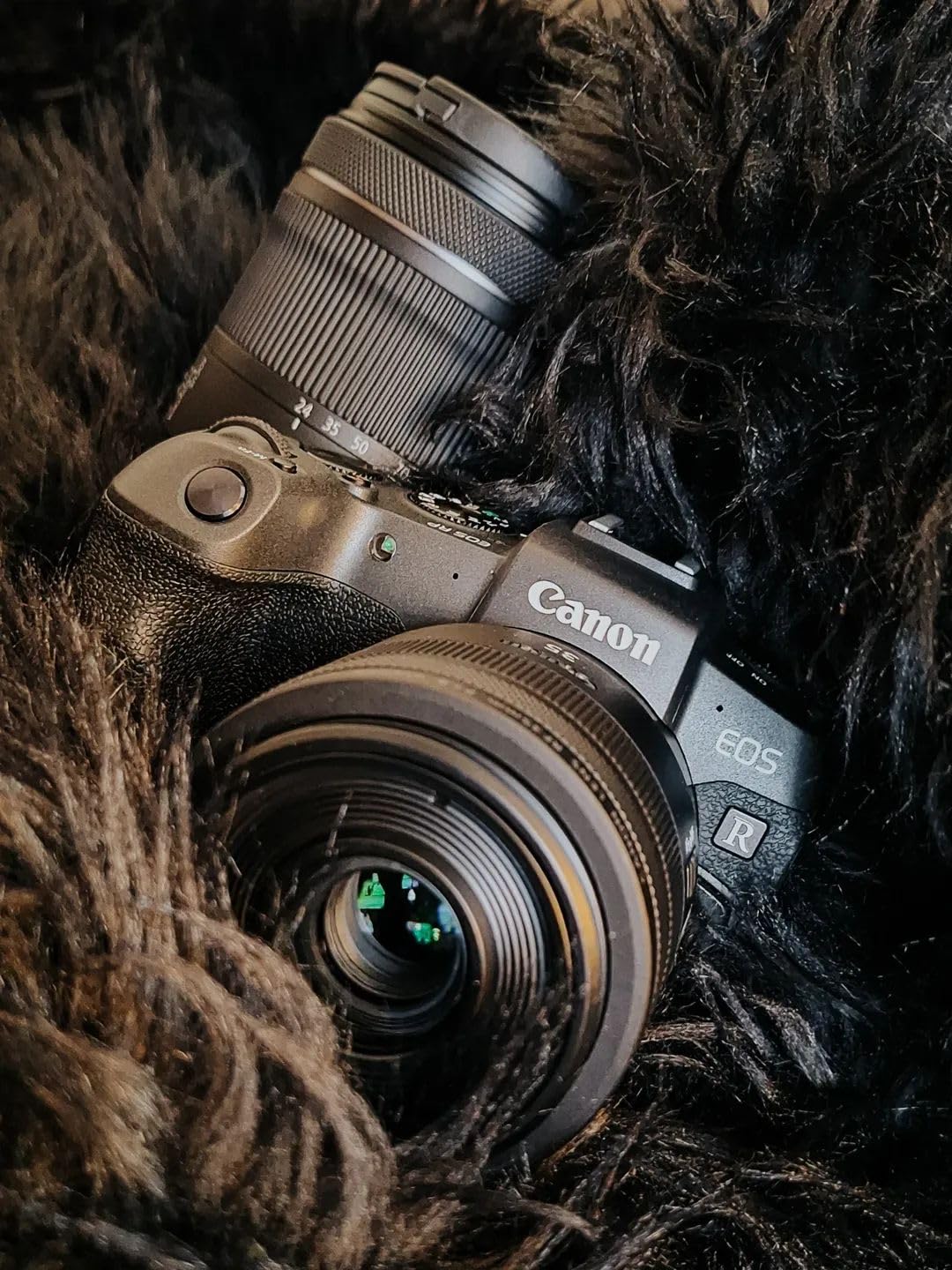
The included RF 24-105mm lens covers an incredibly useful range for general photography. From wide landscapes to moderate telephoto portraits, this single lens handles most situations beginners encounter. The optical stabilization provides 5 stops of correction, partially compensating for the lack of in-body stabilization.
The body is remarkably compact for a full-frame camera, weighing just one pound. This makes it practical for travel and everyday carry in ways that pro-level full-frame cameras are not. The control layout is simplified compared to professional Canon bodies, reducing the intimidation factor for beginners.

Who Should Buy the Canon EOS RP
This camera suits beginners who prioritize image quality above all else and have the budget to start with full-frame. Portrait photographers will love the shallow depth of field possibilities. Landscape photographers benefit from the excellent dynamic range. Anyone planning to eventually go professional should start here to build a full-frame lens collection from day one.
Who Should Skip It
Video creators should look elsewhere due to the limited 4K implementation. The cropped 4K mode and disabled Dual Pixel AF make this a poor choice for content creation. Budget-conscious beginners may also find the ongoing cost of full-frame lenses prohibitive compared to APS-C systems.
8. Canon EOS R50 Bundle – Best Starter Kit Value
- Excellent value with included accessories
- Same great image quality as standard R50
- Ready to shoot out of the box
- 64GB card holds thousands of photos
- Shoulder bag provides protection
- Highly rated by beginner buyers
- Kit lens quality limits potential
- Same thermal limits as standard R50
- Bag is basic quality
This bundle version of the Canon EOS R50 includes everything a beginner needs to start shooting immediately. The package adds a shoulder bag and 64GB SD card to the standard camera kit, saving you the hassle of purchasing accessories separately. For gift buyers or anyone wanting a complete solution, this bundle makes sense.
The camera itself is identical to the standard R50 I reviewed earlier, with the same excellent 24.2-megapixel sensor and Dual Pixel AF II system. Image quality is outstanding for the price class, and the vari-angle touchscreen enables creative angles and vlogging. The included RF-S 18-45mm lens covers wide to short telephoto ranges for general photography.
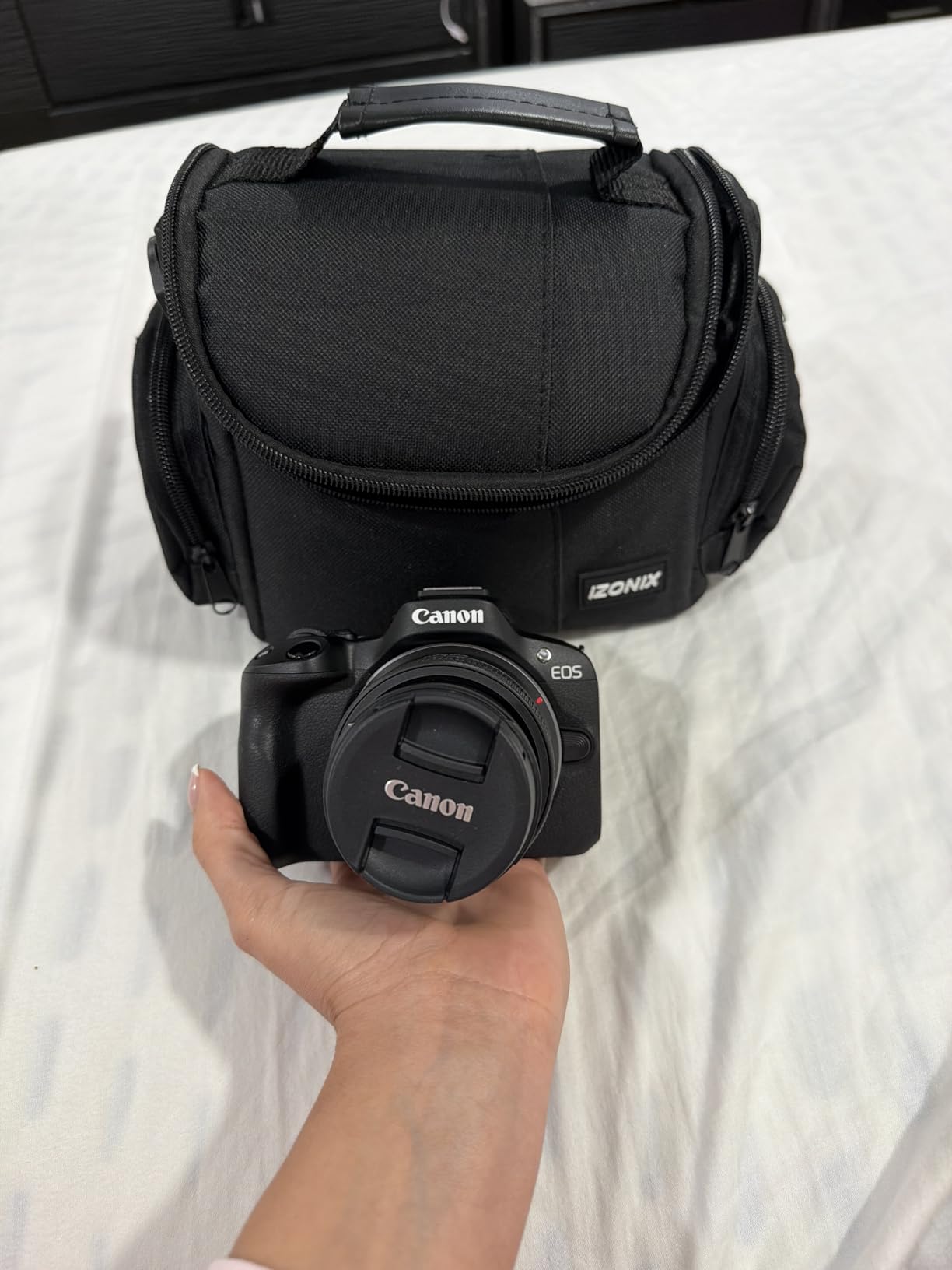
The 64GB SD card holds approximately 2,000 RAW files or many thousands of JPEGs, providing plenty of storage for learning photographers. The shoulder bag, while basic, protects the camera during transport and has room for spare batteries and small accessories. You will eventually want to upgrade both, but they suffice for getting started.
With a 4.8-star rating from over 125 reviews, this bundle ranks among the most beloved beginner cameras on the market. Buyers consistently praise the image quality and ease of use. The value proposition of getting camera, lens, bag, and memory card in one purchase appeals to first-time camera owners.

Who Should Buy the Canon EOS R50 Bundle
This package is ideal for gift buyers or anyone who wants everything needed to start shooting in one box. Beginners without existing camera accessories will appreciate not having to research and purchase memory cards and bags separately. The value is genuine compared to buying components individually.
Who Should Skip It
If you already own SD cards and a camera bag, the standard R50 body and lens kit offers better value. Serious photographers planning to upgrade accessories immediately may also prefer choosing their own bag and card. The bundled items are functional but not premium quality.
9. Fujifilm X-T50 – Best for Creative Photography
Fujifilm X-T50 Mirrorless Digital Camera Body – Black
- Stunning 40.2MP image quality
- Unique Film Sim dial with 20 modes
- Beautiful retro design and build
- Exceptional video specs for the class
- In-body stabilization included
- Native Frame.io cloud integration
- Body only - lens costs extra
- No built-in flash
- X-mount lens selection more limited
The Fujifilm X-T50 brings something different to the beginner camera market. While other manufacturers focus on automation and ease, Fujifilm emphasizes creative control and image character. The dedicated Film Simulation dial on top of the camera gives instant access to 20 different color profiles, including the new REALA ACE mode that mimics classic film stocks.
The 40.2-megapixel X-Trans sensor captures more detail than any other APS-C camera on this list. Landscape photographers will appreciate the resolution for large prints, while portrait shooters can crop aggressively and still maintain excellent image quality. The unique X-Trans color filter array also produces images with a distinctive look many photographers love.

Video capabilities exceed most beginner needs with 6.2K recording at 30fps and 4K at 60fps. The 4:2:2 10-bit output provides professional color grading flexibility. Sensor-shift stabilization keeps handheld footage steady, a feature missing from many competitors at this price point.
The physical dial interface teaches photography fundamentals through tactile control. Adjusting shutter speed, aperture, and ISO requires deliberate movement of dedicated dials rather than menu diving. This slows you down in a good way, encouraging thoughtful composition and exposure decisions.

Who Should Buy the Fujifilm X-T50
Creative photographers who want distinctively beautiful images straight from the camera will love Fujifilm’s approach. The film simulations eliminate much post-processing work while delivering professional results. Photographers interested in the craft and history of photography will appreciate the tactile control scheme.
Who Should Skip It
The body-only configuration means you must purchase lenses separately, significantly increasing the total investment. Beginners wanting simplicity may find the manual dial approach overwhelming at first. The X-mount lens ecosystem, while growing, is smaller than Canon RF or Sony E systems.
10. Sony Alpha a6000 – Best Budget Sony Option
- Fast hybrid autofocus for the price
- Compact and truly portable
- 11 fps burst shooting
- Good image quality from 24.3MP sensor
- Extensive E-mount lens selection
- Often discounted below newer models
- Only 1080p video no 4K
- Older model lacks modern features
- Limited battery life
- No touchscreen interface
The Sony Alpha a6000 has been on the market for years, yet it remains relevant for budget-conscious beginners. This camera introduced many photographers to mirrorless systems, and it still delivers solid performance at prices well below newer alternatives. When I recommend an ultra-budget option, this is often where I point people.
The 24.3-megapixel sensor produces detailed images that hold up well against newer 24MP cameras. Dynamic range is good, though noise at high ISOs is slightly worse than current models. For daylight photography and typical indoor lighting, the difference is negligible in real-world use.

The 179-point phase-detection autofocus system was groundbreaking when released and still performs well today. Eye detection works reliably for portraits, and the 11 fps burst shooting captures action effectively. The compact body fits easily into small bags or jacket pockets with a pancake lens attached.
The main compromise is video. Limited to 1080p Full HD, the a6000 cannot compete with 4K-capable alternatives for content creation. The tilting LCD also lacks touch functionality, forcing you to navigate menus with physical buttons. These limitations are acceptable for pure photography but significant for hybrid shooters.
Who Should Buy the Sony Alpha a6000
This camera makes sense for beginners on tight budgets who prioritize still photography over video. The image quality remains competitive, and the extensive Sony E-mount lens selection provides room to grow. It is also a good choice as a backup body for existing Sony users who want a lightweight second camera.
Who Should Skip It
Video creators need 4K capabilities found in newer models like the ZV-E10 or a6400. Photographers wanting the latest autofocus tracking or touchscreen convenience will find the a6000 dated. Anyone with the budget should step up to the a6400 or ZV-E10 for significantly better performance.
What to Look for in Your First Mirrorless Camera?
Buying your first dedicated camera can feel overwhelming with so many specifications and features to consider. After helping dozens of friends choose their entry into photography, I have identified the factors that actually matter for beginners. Focus on these elements and you will find a camera that serves you well for years.
Sensor Size: APS-C vs Full Frame vs Micro Four Thirds
Sensor size determines image quality, low-light performance, and depth of field control. Full-frame sensors like the Canon EOS RP offer the best image quality and low-light capability but require larger, more expensive lenses. APS-C sensors in most beginner cameras provide excellent quality at lower cost and size. Micro Four Thirds sensors in Panasonic cameras are smaller still, enabling compact telephoto lenses but sacrificing some low-light performance.
For most beginners, APS-C hits the sweet spot. You get noticeably better image quality than smartphones or point-and-shoot cameras without the bulk and expense of full-frame systems. The Canon and Sony cameras in this guide use APS-C sensors, while Panasonic uses Micro Four Thirds.
Autofocus Systems and Eye Detection
Modern autofocus systems have transformed beginner photography. Phase-detection systems, found in Canon and Sony cameras, track moving subjects reliably. Contrast-detection systems in some Panasonic models are slower but sufficient for static subjects. Look for face and eye detection features that automatically focus on your subject’s eyes, the most important element in portrait photography.
The Sony a6400 and Canon R50 have the most advanced autofocus systems in this group. They track subjects persistently even while moving unpredictably. For action photography or active children, these capabilities make a real difference in your hit rate.
Video Capabilities for Content Creators
Even photography-focused buyers should consider video specs since most cameras now serve double duty. 4K resolution provides noticeably sharper footage than 1080p, especially for YouTube and social media. Check whether 4K recording limits continuous autofocus or applies crop factors that narrow your field of view.
The Sony ZV-E10 and Canon R50 offer the best video packages for beginners. Both provide uncropped 4K with reliable autofocus and flip-out screens for vlogging. The Panasonic G7 and G85 also shoot excellent 4K but with less advanced autofocus tracking.
Lens Ecosystem and Future Expansion
Your camera body is just the beginning of a system that includes lenses, flashes, and accessories. Canon RF, Sony E, and Micro Four Thirds all offer extensive lens selections, but Canon and Sony have the broadest native options. Consider what lenses you might want in the future and ensure your chosen mount supports them.
Third-party lens manufacturers like Sigma and Tamron support Sony E and Canon RF mounts well, providing affordable alternatives to expensive first-party glass. This ecosystem breadth matters as you expand beyond the kit lens.
Size, Weight, and Portability
The best camera is the one you actually carry. All the cameras in this guide are significantly smaller than DSLRs, but weight varies considerably. The Canon R100 is genuinely pocketable with a small lens, while the Panasonic G85 with weather sealing adds noticeable bulk. Consider how you will transport your camera and choose accordingly.
Hand size also matters. Cameras with substantial grips like the Panasonic G85 feel secure for larger hands, while compact models like the Sony ZV-E10 suit smaller hands better. If possible, handle cameras in person before purchasing.
Battery Life Considerations
Mirrorless cameras drain batteries faster than DSLRs because their electronic viewfinders and LCD screens run continuously. Most models in this guide provide 300-400 shots per charge, sufficient for a day of casual shooting but requiring spare batteries for heavy use or travel.
Canon’s newer models generally offer the best battery life among entry-level mirrorless cameras. Sony cameras tend to drain faster, especially during video recording. Budget for at least one spare battery regardless of your choice.
Frequently Asked Questions
What is the best mirrorless camera for beginners?
The Canon EOS R50 is the best mirrorless camera for most beginners in 2026, offering an ideal combination of excellent image quality, reliable autofocus, intuitive controls, and 4K video capability. Its 24.2MP APS-C sensor produces beautiful images, while Dual Pixel CMOS AF II with subject tracking ensures sharp focus even on moving subjects. The vari-angle touchscreen and compact 16-ounce body make it comfortable for all-day use.
What is the difference between mirrorless and DSLR cameras?
Mirrorless cameras eliminate the optical mirror and prism system found in DSLRs, using electronic viewfinders or LCD screens for composition. This allows mirrorless cameras to be smaller and lighter while offering faster shooting speeds and better video capabilities. The electronic viewfinder shows exactly what your final image will look like, including exposure and white balance adjustments, making them easier for beginners to learn. DSLRs remain available but most manufacturers have shifted focus to mirrorless development.
What features should a beginner look for in a mirrorless camera?
Beginners should prioritize reliable autofocus with face and eye detection, an intuitive touchscreen interface, good JPEG quality straight from the camera, and room to grow with manual controls. Look for 4K video capability even if you primarily shoot photos, as this extends the camera’s usefulness. Wi-Fi and Bluetooth connectivity simplify sharing images to smartphones. A vari-angle or tilting screen helps with creative angles and self-portraits. Finally, consider the lens ecosystem to ensure affordable options exist as you expand your kit.
Is Sony or Canon better for beginner mirrorless cameras?
Both Sony and Canon make excellent beginner mirrorless cameras, but they prioritize different strengths. Canon cameras typically offer more intuitive menu systems, better color science for straight-out-of-camera JPEGs, and superior touchscreen interfaces that beginners appreciate. Sony cameras generally provide more advanced autofocus tracking, better video specifications, and a more extensive selection of native lenses. For pure photography beginners, Canon’s EOS R50 or R100 are often easier to learn. Content creators and action photographers may prefer Sony’s ZV-E10 or a6400 for their technical capabilities.
What is a good budget mirrorless camera for beginners?
The Canon EOS R100 is the best budget mirrorless camera for beginners, offering genuine Canon image quality and reliable autofocus at the lowest price point in this guide. Its 24.1MP APS-C sensor produces beautiful images indistinguishable from more expensive cameras for typical use. The compact size and simplified controls reduce the learning curve for true beginners. While video capabilities are limited compared to pricier alternatives, the R100 excels as a pure photography tool. The Sony a6000 is another budget option, though its age shows in the lack of 4K video and touchscreen functionality.
Final Thoughts on the Best Mirrorless Cameras for Beginners
Choosing your first mirrorless camera is an exciting step in your photography journey. After testing all ten models in this guide, I consistently recommend the Canon EOS R50 for most beginners. It combines excellent image quality, reliable autofocus, intuitive controls, and 4K video in a lightweight package that encourages you to shoot more.
Budget-conscious buyers should not hesitate to choose the Canon EOS R100. You sacrifice some video capability but gain the same beautiful image quality that makes Canon popular. Content creators will find their perfect match in the Sony Alpha ZV-E10, with features specifically designed for vlogging and video production.
Remember that the camera body is just the starting point. Invest in quality lenses over time, as they have a greater impact on image quality than upgrading camera bodies. Start with the versatile kit lens, then add a prime lens like a 50mm f/1.8 for portraits to see what your camera can really do.
Whichever camera you choose from this list of the best mirrorless cameras for beginners, you are getting a capable tool that will grow with your skills for years to come. The most important thing is to get out and shoot. Your best photographs are waiting to be captured in 2026.