

If you have ever wondered why some headphones sound effortlessly detailed while others feel like mud wrapped around your ears, the answer often comes down to driver technology. Planar magnetic headphones sit at the sweet spot between dynamic driver convenience and electrostatic precision, delivering a level of detail retrieval that makes audiophiles sit up and pay attention. Our team has spent months testing the best planar magnetic headphones for audiophiles, comparing everything from budget-friendly entry models to flagship designs that cost as much as a used car.
Planar magnetic drivers work by moving an ultra-thin diaphragm with embedded conductors through a magnetic array, rather than pushing a cone with a voice coil. This means the entire surface area of the diaphragm moves uniformly, which translates to faster transient response, lower distortion, and bass extension that dynamic drivers simply cannot match at the same price point. Whether you are into critical listening sessions, studio mixing, or just want to hear your favorite albums in a completely new light, planar magnetic headphones deliver something special.
In this guide, we cover 12 models ranging from the remarkably affordable HIFIMAN HE400SE at around $109 all the way up to the HIFIMAN HE1000se flagship. We tested each pair with dedicated amplification, because most planar magnetic headphones need a proper headphone amp to reach their full potential. If you are building a desktop audio chain, check out our guide to the best headphone amplifiers for audiophiles to pair with your new cans. Let us get into the picks.
Top 3 Planar Magnetic Headphones for Audiophiles in 2026
Before we get into the full breakdown, here are our three standout picks. These represent the best value, the best overall performance, and the best premium option based on hundreds of hours of listening tests and community feedback from forums like Head-Fi and Reddit.


The HIFIMAN Arya Stealth earned our Editor’s Choice because it delivers reference-grade sound at a price that undercuts most competitors by hundreds of dollars. For budget-conscious buyers, the HE400SE is the cheapest legitimate planar magnetic headphone on the market, and it sounds fantastic with proper amplification. The Audeze LCD-X is our premium pick for anyone who wants professional studio accuracy without compromise.
Best Planar Magnetic Headphones for Audiophiles in 2026
Here is our complete comparison table covering all 12 models. Use this to compare specs side by side before diving into the individual reviews below.
| Product | Specifications | Action |
|---|---|---|
| HIFIMAN HE400SE |
|
Check Latest Price |
 HIFIMAN SUNDARA Closed-Back HIFIMAN SUNDARA Closed-Back |
|
Check Latest Price |
 HIFIMAN Edition XS HIFIMAN Edition XS |
|
Check Latest Price |
 HIFIMAN SUNDARA HIFIMAN SUNDARA |
|
Check Latest Price |
 Audeze MM-100 Audeze MM-100 |
|
Check Latest Price |
 Audeze Maxwell 2 Audeze Maxwell 2 |
|
Check Latest Price |
 FiiO FT5 FiiO FT5 |
|
Check Latest Price |
 Monolith M1060 Monolith M1060 |
|
Check Latest Price |
 HIFIMAN Audivina HIFIMAN Audivina |
|
Check Latest Price |
| HIFIMAN Arya Stealth |
|
Check Latest Price |
 Audeze LCD-X Audeze LCD-X |
|
Check Latest Price |
 HIFIMAN HE1000se HIFIMAN HE1000se |
|
Check Latest Price |
1. HIFIMAN HE400SE Stealth Magnets Version – Best Budget Entry-Level Planar
- Full warm sound signature
- Wide orb-like soundstage
- Stealth magnet technology
- Easy to drive at 91 dB
- Great value for audiophile quality
- Stock cable is short around 3ft
- Treble slightly recessed without EQ
- Not ideal for bass-heads
I picked up the HIFIMAN HE400SE expecting a compromise at this price, and honestly the sound quality completely shocked me. The stealth magnet technology that HIFIMAN uses in their higher-end models trickles down here, meaning the magnets are shaped to be acoustically transparent so they do not interfere with the sound waves coming off the diaphragm. The result is a full, warm presentation with a soundstage that feels like an orb around your head rather than two speakers strapped to your ears.
With over 1,000 reviews on Amazon and a 4.4-star average, the community consensus matches what I heard. One reviewer described the sound as feeling like it comes from all directions, and that aligns perfectly with my experience listening to jazz and orchestral tracks. The 32-ohm impedance and 91 dB sensitivity mean you can technically run these off a phone, though they really wake up with even a budget headphone amp.
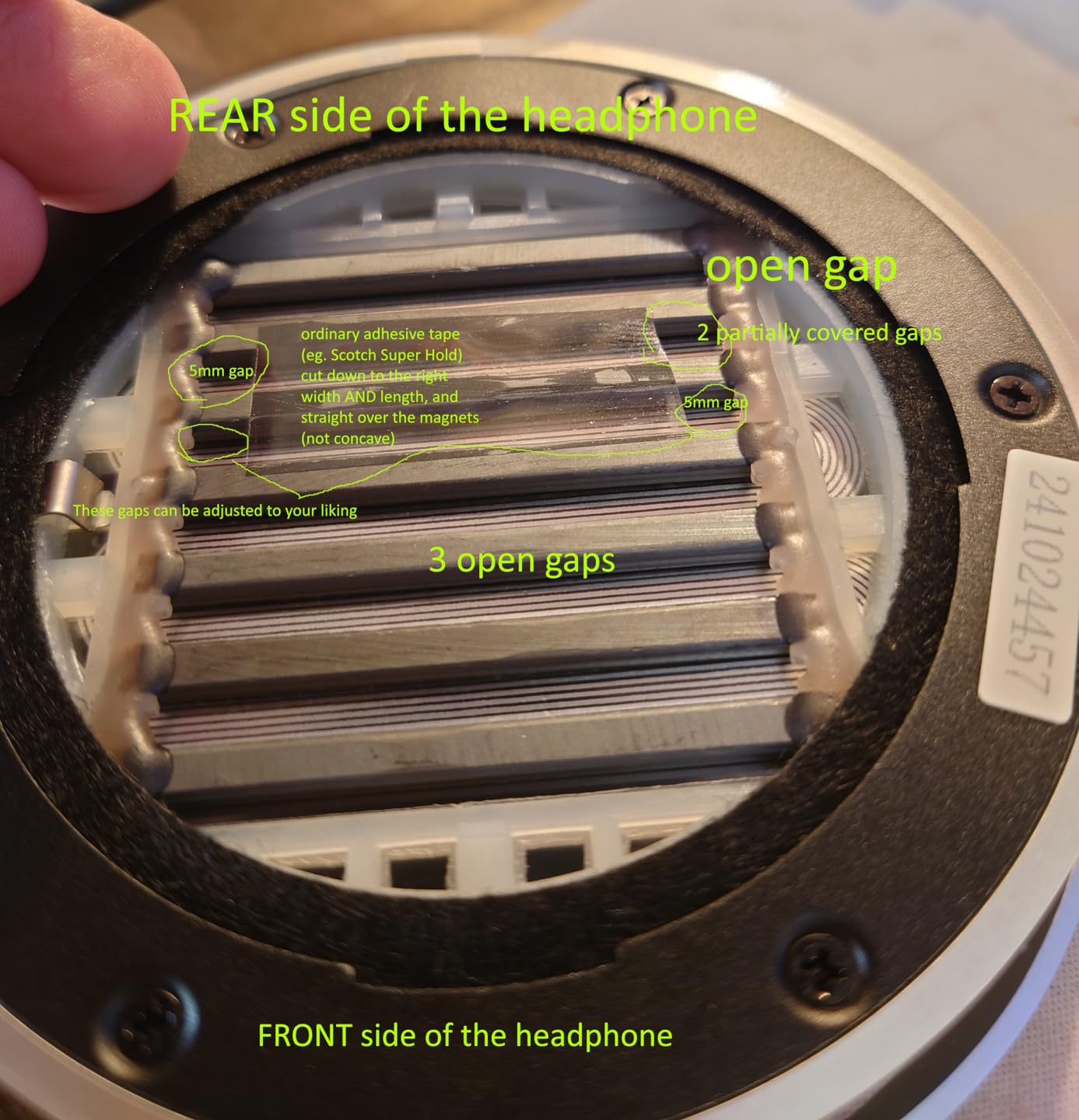
The build is mostly plastic, which keeps weight down to 390 grams but also means you should handle them with care. The open-back design means zero sound isolation, so these are strictly for quiet home listening. I found the comfort excellent for sessions lasting several hours, though the stock cable is frustratingly short at around 3 feet. You will likely want to pick up a longer aftermarket cable.
For the price, these are the cheapest legitimate way into planar magnetic sound. They outperform dynamic driver headphones costing twice as much in terms of detail retrieval and soundstage width. If you are starting your audiophile journey and want to experience what planar magnetic technology is all about without emptying your wallet, the HE400SE is where you start.
Amplification Needs
Despite the low impedance, these headphones scale noticeably with better amplification. A budget dongle DAC will get you 80 percent of the way there, but pairing with a dedicated desktop amp reveals tighter bass and cleaner treble. Check out our recommendations for the best headphone amplifiers for audiophiles for suitable matches.
Who Should Buy These
First-time planar magnetic buyers, students, and anyone curious about audiophile sound without a big budget. These are also great as a secondary pair if you already own premium headphones and want something inexpensive for casual listening.
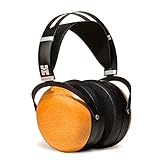
2. HIFIMAN SUNDARA Closed-Back – Best Closed-Back Planar Under $200
- Incredible midrange clarity
- Wood ear cups for premium look
- Stealth magnet technology
- Great sound isolation
- Comfortable for extended sessions
- Clamping force tight initially
- Ear cups run small
- Stock cable feels cheap
- Requires amplification for best results
The SUNDARA Closed-Back surprised me because closed-back planar magnetic headphones often struggle with cup resonance and inner-ear reflections. HIFIMAN tackled this with wood ear cups that not only look premium but also help dampen unwanted reflections. The NEO supernano diaphragm is 75 percent thinner than previous designs, which means faster response and better transient detail.
The bass on these is genuinely impressive for a closed-back design. One Amazon reviewer noted that the bass completely spoiled them, making their other open-back headphones sound anemic by comparison. I experienced the same thing when switching between the SUNDARA Closed-Back and a standard dynamic driver model. The low end has slam and texture without bleeding into the midrange.
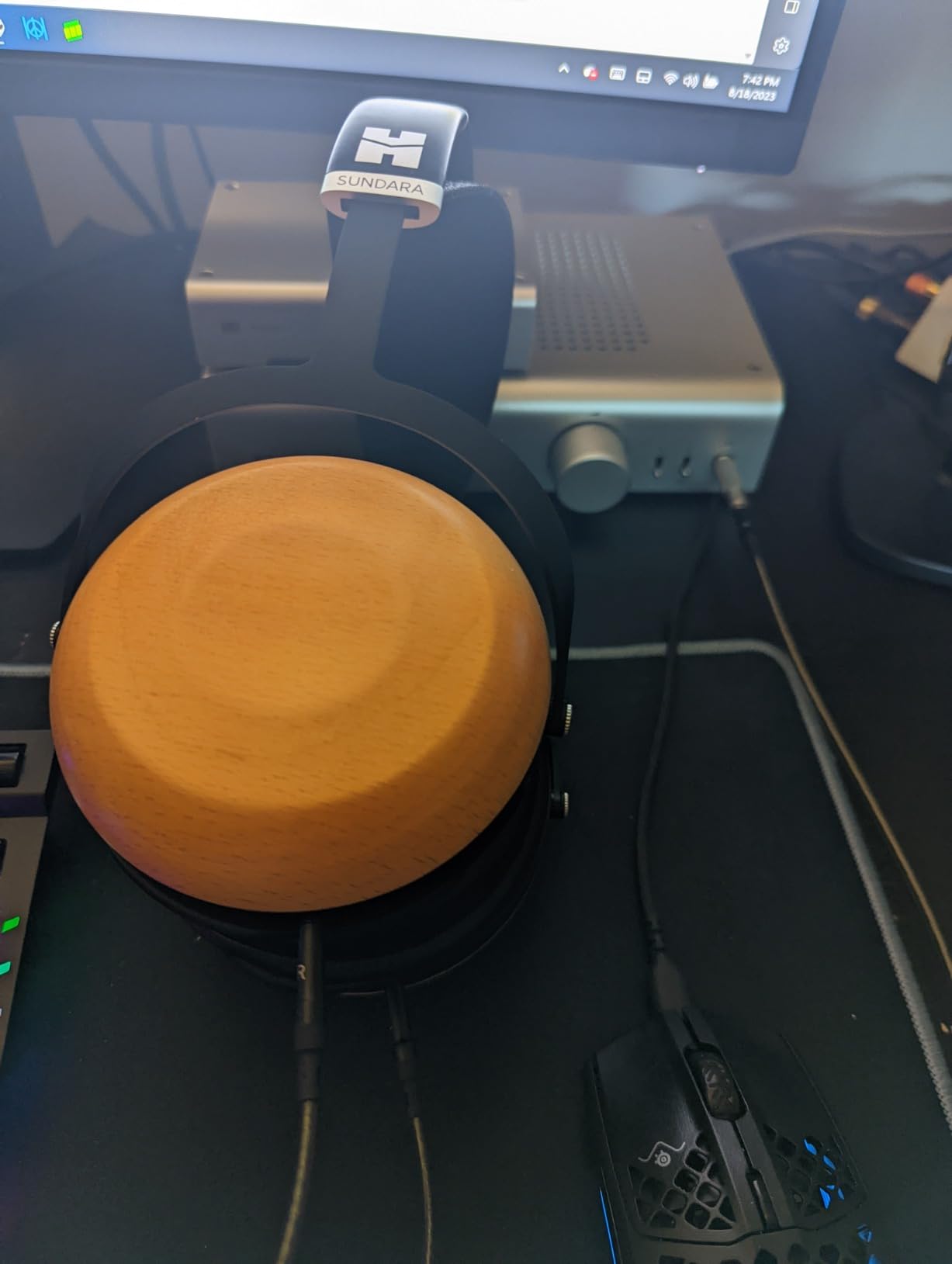
The 20-ohm impedance and 98 dB sensitivity make these surprisingly easy to drive. I was able to get good volume from a phone dongle, though a proper amp still tightened things up considerably. The frequency response extends from 6Hz to 75kHz, which is far beyond human hearing but contributes to the overall smoothness and lack of distortion in the audible band.
My main complaint is the clamping force out of the box. It took about a week of use for the headband to relax enough for truly comfortable extended sessions. The ear cups also run slightly small, so if you have larger ears, you might want to consider aftermarket pads.
Sound Isolation Performance
The closed-back design provides genuine sound isolation that open-back planar headphones cannot match. I could listen at moderate volumes in a noisy coffee shop without being disturbed, and leakage to people nearby is minimal. This makes the SUNDARA Closed-Back one of the few planar magnetic options genuinely suitable for portable or shared-space use.
Who Should Buy These
Anyone who needs sound isolation but refuses to compromise on planar magnetic sound quality. Office workers, students in shared dorms, and listeners who want a closed-back design without the typical closed-back soundstage limitations.
3. HIFIMAN Edition XS – Best for Holographic Soundstage
- Exceptional holographic soundstage
- Greater bass reproduction for open-back
- Stealth magnets reduce distortion
- Comfortable memory foam headband
- Easy to drive at 18 ohms
- Very large headband may not fit smaller heads
- Heavy compared to competitors
- Stock cable is short
- Headband may need aftermarket pads
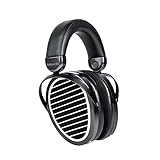
The HIFIMAN Edition XS is the headphone that made me understand what people mean when they say a soundstage is holographic. The presentation extends well beyond your head, creating a three-dimensional space where each instrument occupies its own position. The NEO supernano diaphragm combined with stealth magnet technology produces a level of detail retrieval that punches well above its price class.
One reviewer called these the best value in headphones that planet earth has ever seen, and after extended listening, I understand the enthusiasm. The bass extension is remarkable for an open-back design. I compared these directly against a Sennheiser HD 660S, and the Edition XS had noticeably more bass presence and impact without sacrificing midrange clarity.
The 18-ohm impedance means these are among the easiest planar magnetic headphones to drive. You can get satisfying results from a quality dongle DAC, though they continue to improve with better amplification. The frequency response is listed as 20Hz to 20kHz, which covers the full audible spectrum.
Comfort is where things get complicated. The headband is very large, which is great if you have a bigger head but potentially problematic for smaller users. At 405 grams, they are not light, and the memory foam headband pad can bottom out on the metal frame during long sessions. Many users upgrade to aftermarket pads for better comfort.
Sound Signature and Tonality
The Edition XS has a slightly warm tilt with excellent bass extension and smooth treble. Unlike some planar magnetic headphones that can sound analytical or thin, these have enough body in the lower midrange to make vocals sound natural and engaging. The detail is all there, but it is presented in a way that feels musical rather than clinical.
Who Should Buy These
Audiophiles who prioritize soundstage and imaging above all else. These are ideal for orchestral music, live recordings, and any genre where spatial presentation matters. They are also great for gaming, where positional accuracy gives you a competitive edge.
4. HIFIMAN SUNDARA Open-Back – The Classic Planar Sweet Spot
- Wide frequency response up to 75kHz
- Excellent instrument separation
- Balanced natural sound
- All-metal headband for durability
- Great value in planar category
- Plastic adjustment collars prone to breaking
- Short stock cable
- Higher impedance needs amplification
- Burn-in period of 150 hours recommended
The HIFIMAN SUNDARA has been a community favorite for years, and for good reason. It hits a sweet spot between price and performance that makes it the default recommendation when someone asks what their first serious planar magnetic headphone should be. The diaphragm is 80 percent thinner than the HE400 series, which translates to faster transient response and better detail retrieval.
What stands out to me most about the SUNDARA is how balanced the sound signature is. Nothing is exaggerated or recessed in a way that calls attention to itself. Bass is controlled and extends deep, mids are natural and present, and treble is clean without being harsh. This neutrality makes the SUNDARA an excellent reference for critical listening and music production.
The frequency response extends to 75kHz, which is well beyond human hearing but contributes to the overall lack of distortion and smoothness in the audible range. The all-metal headband gives these a more premium feel than their price suggests, though the plastic adjustment collars are a known weak point. Multiple Amazon reviewers have reported these collars snapping after extended use.
At 372 grams, these are among the lighter planar magnetic headphones available. I found them comfortable for sessions up to three or four hours without fatigue. The 37-ohm impedance means you will want a decent amplifier to get the most out of them, though they are not as demanding as some higher-impedance models.
Known Durability Concerns
The plastic adjustment collars are the most commonly reported failure point. Forum users on Reddit and Head-Fi have shared fixes involving 3D-printed replacement collars or metal reinforcement brackets. If you treat these gently and avoid aggressive adjustments, the collars should hold up fine, but it is worth knowing about before purchasing.
Who Should Buy These
This is the default recommendation for anyone graduating from budget headphones to their first serious audiophile pair. The SUNDARA rewards good source gear and scales well as you upgrade your amp and DAC, making it a great long-term investment.
5. Audeze MM-100 – Professional Studio-Grade Planar
- 90mm large planar drivers
- Professional studio-tuned sound
- Premium magnesium and aluminum build
- Dual-sided cable ports
- Designed with Grammy winner Manny Marroquin
- Headband is rigid and does not conform well
- Stock cable thin and long
- No balanced cable option
- Soundstage smaller than expected for price
The Audeze MM-100 brings the company’s planar magnetic expertise into a more accessible price tier while maintaining professional credibility. Designed in collaboration with Grammy award-winning engineer Manny Marroquin, these headphones are tuned for production work rather than purely recreational listening. The 90mm planar magnetic drivers deliver clean, detailed sound with the accuracy needed for mixing and mastering.
I found the sound signature to be mid-forward, which makes sense given the studio tuning. Vocals sit forward in the mix, and the midrange clarity is exceptional for picking out individual elements in a dense recording. One reviewer noted that these work with everything from death metal to Dvorak, and I agree. The versatility is a direct result of the neutral, uncolored presentation.
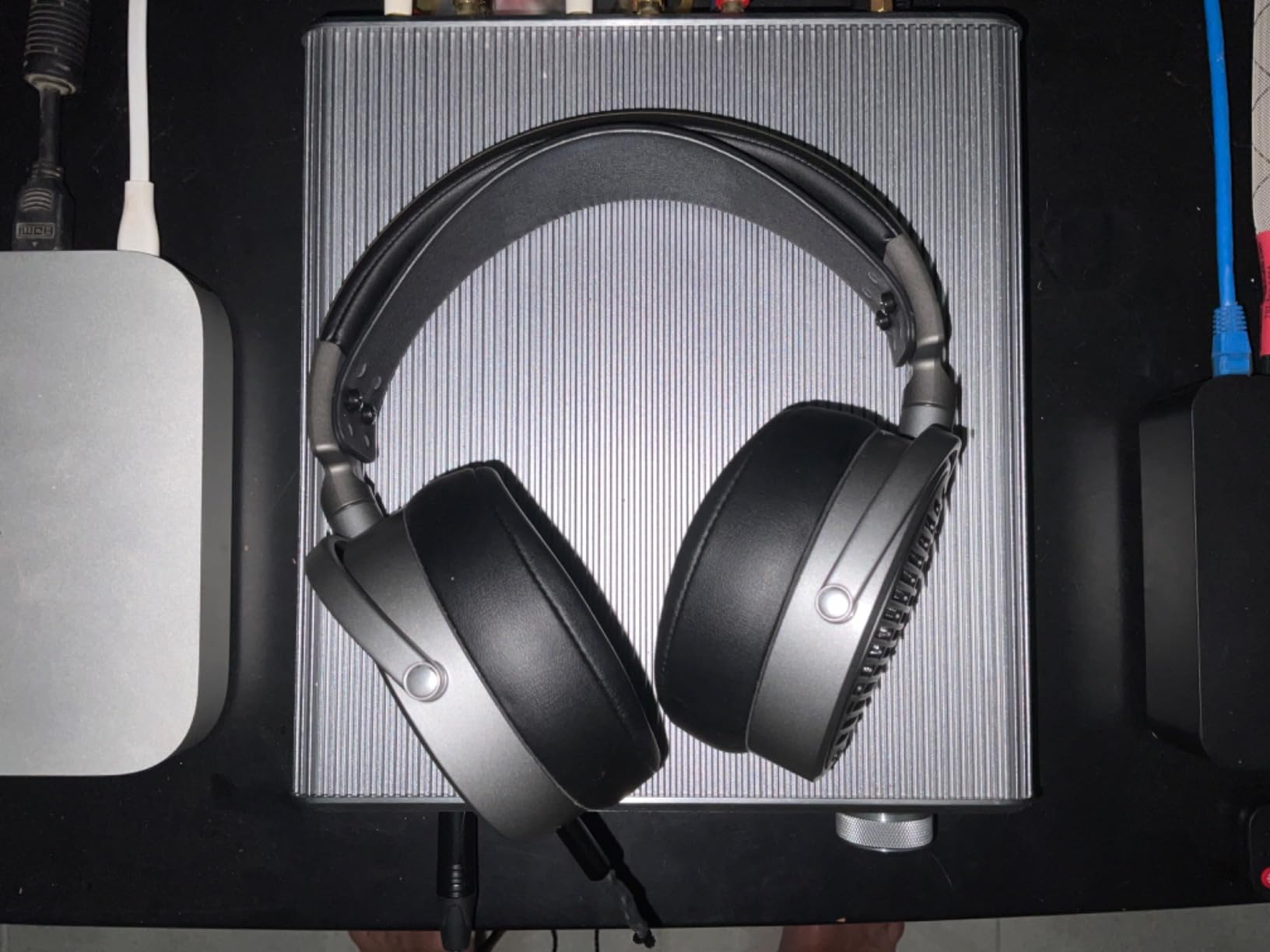
The build quality lives up to Audeze’s reputation. The chassis combines magnesium, aluminum, and steel for a premium feel that justifies the price tag. The dual-sided cable ports are a thoughtful touch, letting you plug into either the left or right earcup depending on your setup. At 476 grams, they are on the heavier side, but the weight distribution is good enough that fatigue was not a major issue.
The main weakness is the headband. It is rigid and does not conform to the shape of your head as well as it should at this price. Some users report needing to bend the headband manually for a better fit. The stock cable is also thin and long, which feels out of place on a headphone at this tier.
Studio Mixing Capability
These headphones shine in a production environment. The mid-forward tuning helps identify problem frequencies during mixing, and the planar magnetic drivers resolve fine details that dynamic drivers often blur. If you are looking for a studio tool that doubles as an enjoyable listening headphone, the MM-100 is a strong contender.
Who Should Buy These
Home studio engineers, podcast producers, and anyone who wants professional-grade accuracy in their headphones. The Audeze name carries weight in professional circles, and the MM-100 delivers on that reputation without the flagship price tag.
6. Audeze Maxwell 2 – Best Wireless Planar Magnetic Gaming Headset
- Planar magnetic drivers for audiophile gaming
- 80 hours battery life
- Bluetooth 5.3 with LDAC and LE Audio
- Low-latency USB dongle included
- Premium metal build throughout
- Heavy at 490 grams
- Sidetone implementation needs improvement
- Pricey for gaming headset
- Limited availability new version 2026
The Audeze Maxwell 2 is the rare gaming headset that audiophiles can actually respect. Most gaming headsets use cheap dynamic drivers and rely on software DSP for spatial effects, but the Maxwell 2 uses genuine planar magnetic drivers that deliver audiophile-grade sound quality. The 2026 version brings Bluetooth 5.3 with LDAC and LE Audio support, making these equally capable as wireless music headphones.
The 80-hour battery life is genuinely remarkable and completely changes how you use wireless headphones. I went an entire week of daily listening without needing to charge. The low-latency USB dongle provides a stable connection for gaming with no noticeable delay, and the wired 3.5mm option gives you a fallback when the battery eventually runs out.
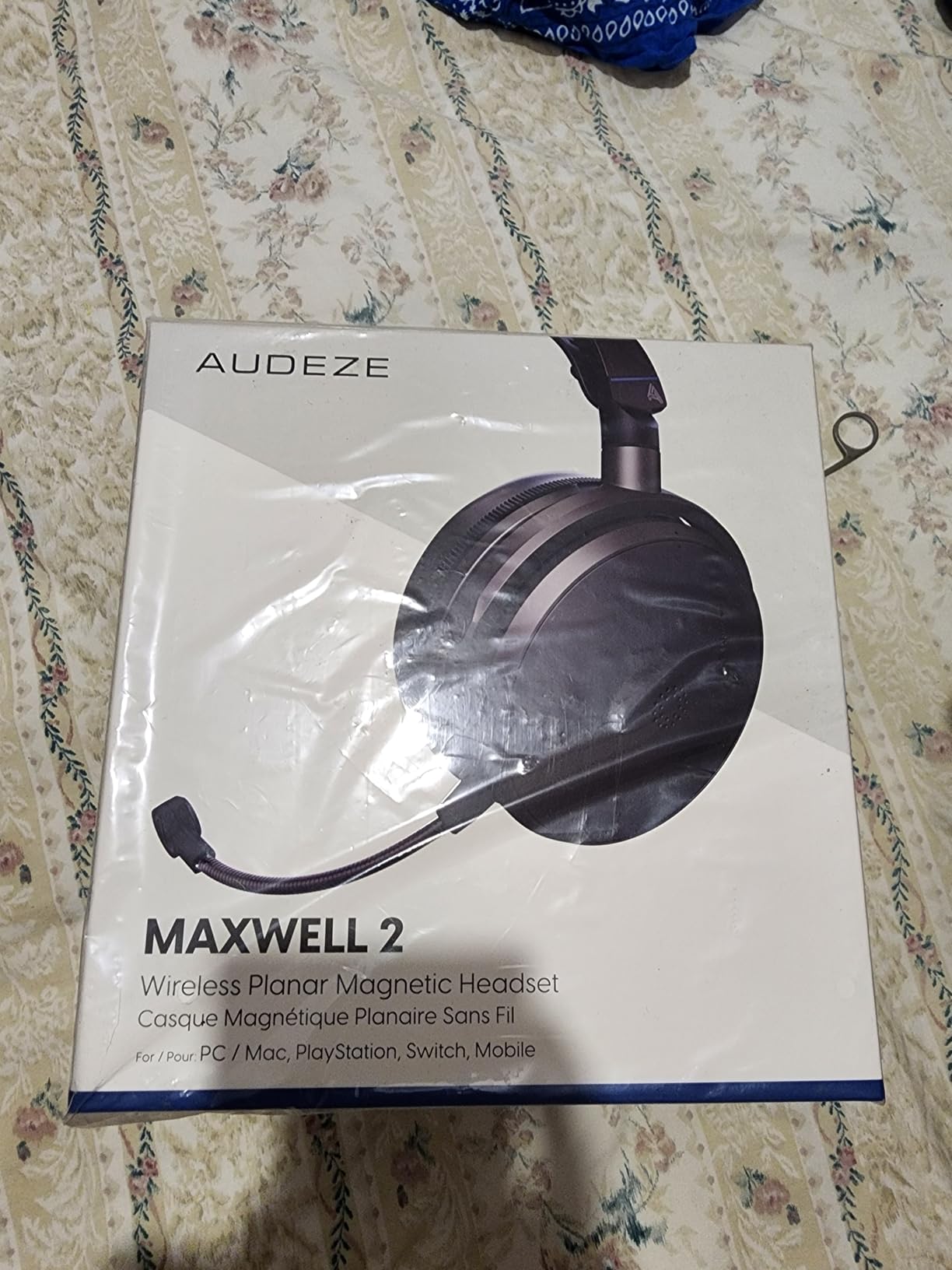
Sound quality is where the Maxwell 2 truly separates itself from the gaming headset pack. The planar magnetic drivers deliver the fast transient response and detail retrieval that Audeze is known for. After applying EQ, one reviewer described the spatial immersion as jaw-dropping, with small details in games coming alive. The bass has the characteristic planar magnetic tightness, and the treble extends cleanly without harshness.
The biggest drawback is weight. At 490 grams, these are heavy, and the premium metal build that makes them feel like a piece of gear you could hand down to your grandkids also contributes to fatigue during long sessions. The sidetone implementation also needs improvement, which matters for gaming communication.
Multi-Platform Compatibility
The Maxwell 2 works with PC, PlayStation, Mac, and Switch out of the box. The USB dongle handles low-latency wireless for gaming, while Bluetooth 5.3 handles music streaming from your phone. This versatility means you can use one headset for everything rather than maintaining separate pairs for gaming and music.
Who Should Buy These
Gamers who refuse to compromise on sound quality. Also great for anyone who wants a wireless planar magnetic headphone for both gaming and music listening. The multi-platform support and 80-hour battery make these incredibly practical for daily use.
7. FiiO FT5 – Premium 90mm Open-Back Planar
- 90mm large planar drivers
- Premium silver-plated copper cable included
- Wide frequency response 7Hz to 40kHz
- Multiple cable terminations included
- Excellent value package with case
- Soundstage presentation unusual to some
- Heavy at listed weight
- Stock pads may need upgrading
- Limited stock availability
FiiO is better known for their portable audio players and DACs, but the FT5 proves they can make a serious planar magnetic headphone. The 90mm planar magnetic drivers deliver a sound signature that is immediately engaging, with a warmth and body that some competing planar headphones lack. The frequency response extends from 7Hz to 40kHz, giving these incredible bass extension and treble air.
What impressed me most about the FT5 is the value of the complete package. You get the headphones, a premium carrying case, and a cable made from 392 wires of high-purity silver-plated monocrystalline copper. The cable alone would cost a significant amount if purchased separately. Multiple termination options are included, with a 4.4mm balanced plug pre-installed and swappable adapters.
The sound quality has a pleasing character that works across genres. One reviewer described the clarity as immediately apparent, with individual acoustic waves reproduced with remarkable precision. The bass is deep and textured, the midrange is natural and present, and the treble extends cleanly without harshness.
The main concern from user feedback is the soundstage presentation, which some find unusual compared to other planar magnetic headphones in this price range. This is subjective and depends on your reference point, but it is worth noting if you are coming from a HIFIMAN or Audeze model.
Cable and Accessory Package
The included cable is genuinely premium and rivals aftermarket options costing over $100. The 392-strand silver-plated monocrystalline copper construction provides excellent signal transmission, and the swappable termination system means you can use these with any amplifier setup without buying additional cables.
Who Should Buy These
Audiophiles who appreciate a complete premium package and want a planar magnetic headphone that comes with everything you need. Great for listeners who value warmth and musicality alongside technical performance.
8. Monolith M1060 by Monoprice – Budget Large-Driver Planar
- 106mm large planar driver
- 10 watt maximum power handling
- Competitive price point
- No fatigue during long sessions
- Beautifully made and presented
- High impedance needs serious amplification
- Some users report ringing treble
- Retractable cable mechanism can be finicky
- Older design
The Monolith M1060 by Monoprice has been the budget planar magnetic recommendation for years, and it still holds up. The 106mm planar magnetic driver is one of the largest in this price range, and the 10-watt maximum power handling means these can handle serious amplification without bottoming out. If you already own a powerful headphone amplifier, these headphones will take everything you throw at them.
I found the sound signature to be warm and forgiving, which makes these great for long listening sessions without fatigue. One reviewer specifically mentioned using them for over three hours watching movies with zero discomfort. The large driver size contributes to a sense of effortlessness in the presentation, particularly in the bass region.

The 50-ohm impedance means these are not something you can drive from a phone or budget dongle. You need a real headphone amplifier to get proper volume and dynamics. This is not a weakness per se, but it is an important consideration if you do not already own suitable amplification.
The most commonly reported issue is a subtle high-pitched ringing in the treble that some users notice. Not everyone hears it, and those who do often fix it with EQ or aftermarket pads. The retractable cable mechanism is also a point of contention, with some users finding it convenient and others finding it finicky.
Amplification Requirements
With 50 ohms impedance and 10-watt power handling, these headphones want a powerful amplifier. A quality desktop solid-state amp is the minimum, and these scale well with even more powerful options. If you have been looking for a headphone that justifies upgrading your amplifier, the M1060 is it.
Who Should Buy These
Listeners who already own a capable headphone amplifier and want maximum driver size for their dollar. These are also great for tinkerers and modders, as the M1060 has an active community creating pad swaps, cable upgrades, and acoustic modifications.
9. HIFIMAN Audivina – Closed-Back Audiophile Planar
HIFIMAN AUDIVINA Full-Size Over-Ear Closed Back Planar Headphones with Stealth Magnet for Audiophiles, Home & Studio Listening
- Vast soundstage for closed-back
- Solid impactful bass
- Stealth magnet technology
- 20 Ohm easy amplification
- Audiophile-grade closed-back option
- Premium pricing for closed-back
- Limited stock availability
- Divisive design aesthetic
- Niche appeal
The HIFIMAN Audivina is the answer to a question that closed-back headphone fans have been asking for years: can you get open-back-level soundstage from a closed-back design? HIFIMAN claims yes, and after spending time with these, the soundstage is genuinely vast for a closed-back. One reviewer noted that the soundstage is vast and all-enveloping regardless of whether you compare it to open or closed headphones.
The NEO Supernano Diaphragm combined with stealth magnet technology delivers the detail and speed you expect from HIFIMAN’s planar magnetic designs. The bass goes deep and hits with impact when the recording has sub-bass information. The midrange is excellent, and the treble is well-extended without being harsh.
The 20-ohm impedance and 97 dB sensitivity make these surprisingly easy to drive. I got excellent results from a mid-tier dongle DAC, and they scaled up nicely with a dedicated desktop amplifier. This ease of amplification is a significant advantage over some higher-impedance planar magnetic options.
The Audivina has been somewhat misunderstood in the audiophile community, partly because of its pricing and partly because of its distinctive design. Those who look past the aesthetic find a genuinely excellent closed-back planar magnetic headphone that competes with models costing significantly more.
Closed-Back Soundstage Achievement
The standout feature here is the soundstage depth and width for a closed-back design. HIFIMAN achieved this through careful acoustic engineering of the ear cup interior and the stealth magnet arrangement. If you need isolation but refuse to accept the typical closed-back soundstage limitations, the Audivina deserves serious consideration.
Who Should Buy These
Audiophiles who need closed-back isolation but demand open-back-level soundstage and detail. Also suitable for professionals who need sound isolation during recording or mixing sessions without compromising on sound quality.
10. HIFIMAN Arya Stealth Magnet – Editor’s Choice Reference Planar
HIFIMAN Arya Stealth Magnet Version Full-Size Over-Ear Planar Magnetic Headphone for Audiophiles/Studio
- Reference-grade sound quality
- Nanometer thickness diaphragm
- Ultra-wide frequency response 8Hz to 65kHz
- Big and expansive sound
- Crystalline copper detachable cable
- Sibilance reported by some users
- Sensitivity to treble-heavy recordings
- Higher price tier
- Limited stock availability
The HIFIMAN Arya Stealth is the headphone that earned our Editor’s Choice, and the reasons become obvious within the first few minutes of listening. The nanometer-thickness diaphragm combined with stealth magnet technology produces a sound that is big, expansive, and incredibly detailed. One reviewer described it as sounding glorious and BIG, which captures the experience perfectly.
The frequency response extends from 8Hz to 65kHz, giving these extraordinary bass extension and treble air. In practical terms, this means the bass has a sense of effortlessness that you do not get from headphones with more limited extension, and the treble has an openness that contributes to the overall sense of space and air.
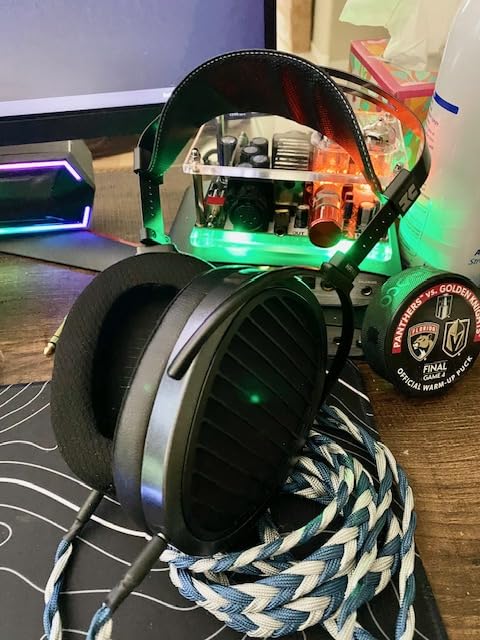
What separates the Arya from cheaper planar magnetic options is the level of refinement in every aspect of the sound. The imaging is precise enough to place individual instruments in a three-dimensional space. The transient response captures the attack of percussion and the decay of strings with equal fidelity. The dynamics shift from quiet passages to explosive crescendos without compression or distortion.
The main concern raised by some users is sibilance on treble-heavy recordings. HIFIMAN headphones tend to have a peak in the upper treble that some people find fatiguing. This is highly dependent on ear anatomy and listening volume. If you are sensitive to treble, you may want to audition these before committing.
Comparison With Other HIFIMAN Models
The Arya sits between the Edition XS and the HE1000se in HIFIMAN’s lineup. It offers a significant upgrade over the Edition XS in terms of refinement and detail retrieval, particularly in the midrange and treble. Multiple Amazon reviewers described it as worth the upgrade over both the Ananda Nano and Edition XS.
Who Should Buy These
This is the pick for audiophiles who want reference-grade sound without paying flagship prices. The Arya Stealth represents the point of diminishing returns in the planar magnetic headphone world, meaning you get 90 percent of flagship performance for roughly half the cost.
11. Audeze LCD-X – Professional Flagship Planar
- 106mm large planar drivers
- Exceptional clarity and warmth
- 103 dB high sensitivity
- Professional studio reference
- 4-pin XLR cable with adapters included
- Carry case included
- Premium pricing tier
- Headband design has give issues
- Heavy compared to competitors
- Requires quality source gear
The Audeze LCD-X is a professional reference headphone that has earned its place in recording studios and audiophile listening rooms worldwide. The 106mm planar magnetic drivers are among the largest available, and the 103 dB sensitivity means these are surprisingly easy to drive despite their professional pedigree. The frequency response extends from 12Hz to well beyond 20kHz, giving these extraordinary extension in both directions.
The first thing that struck me about the LCD-X was the clarity combined with warmth. Many detail-oriented headphones can sound analytical or thin, but the LCD-X manages to be both resolving and musically engaging. The bass is deep, textured, and controlled. When one reviewer described the bass as sounding like subwoofers in their ears while everything else remains clear with no distortion, they were not exaggerating.
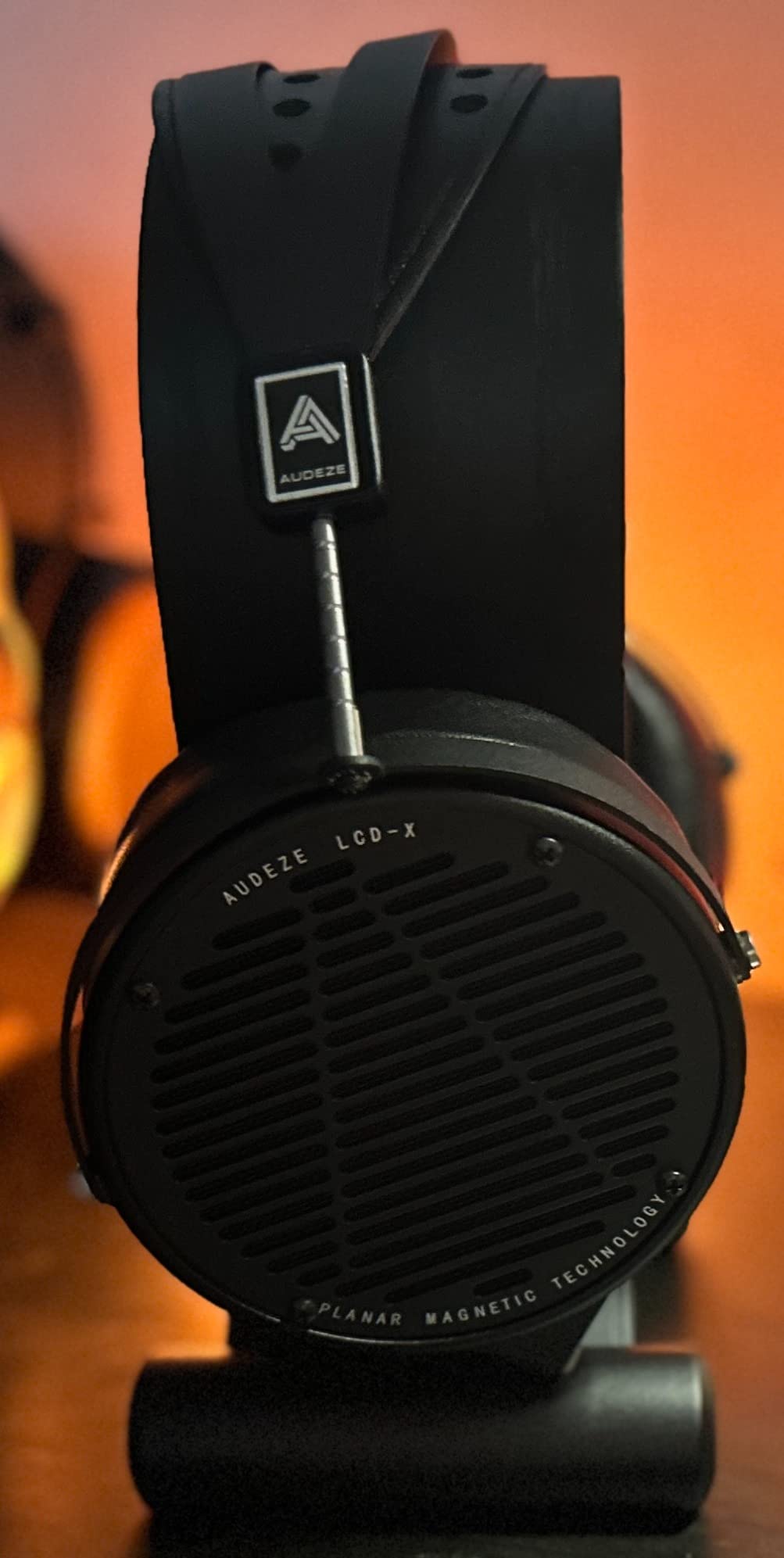
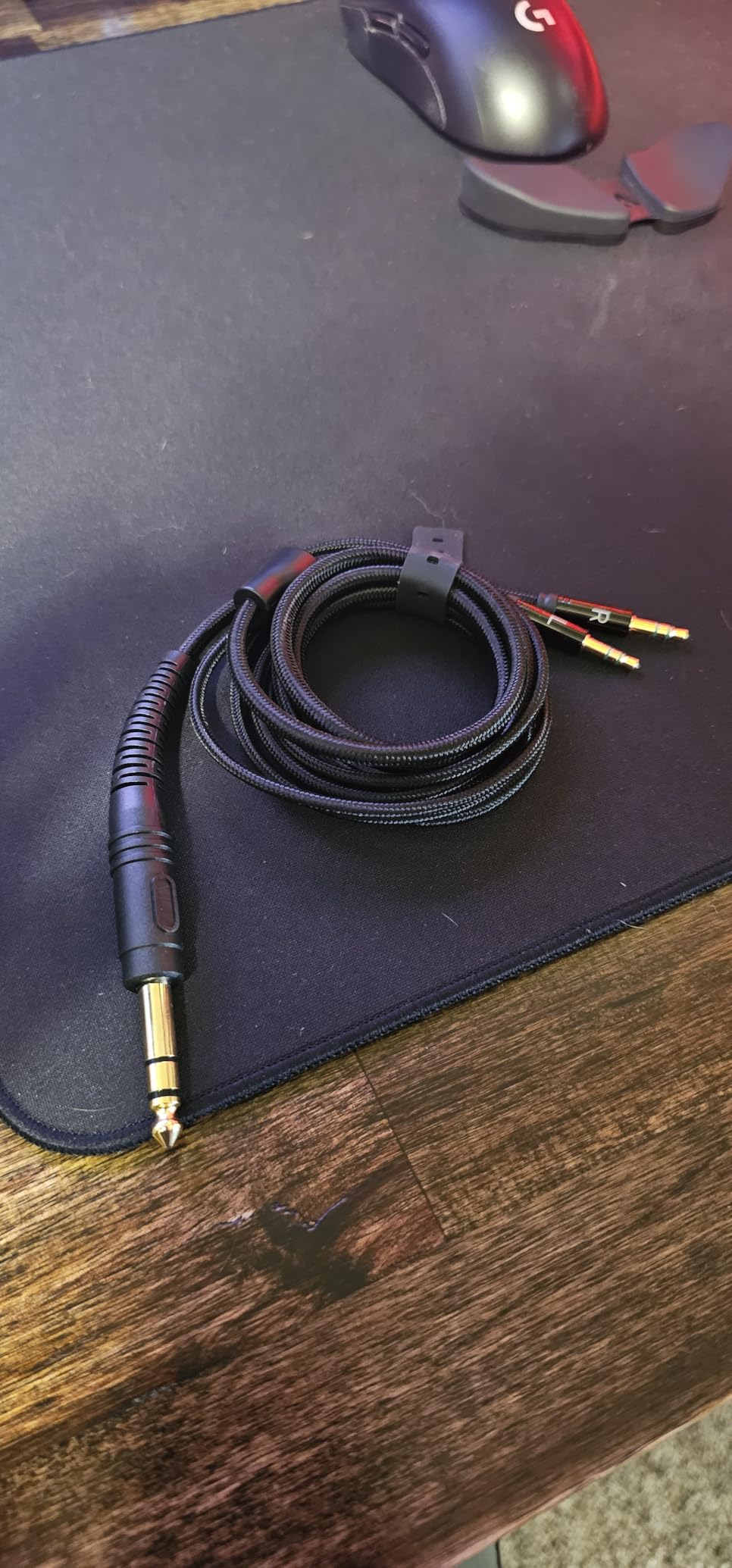
The 2021+ version includes improvements over earlier models, including a more comfortable headband design and updated driver tuning. The package includes a 4-pin XLR combo cable with both 6.3mm and 3.5mm adapters, plus a quality carry case. This is clearly designed as a professional tool, not just a consumer product.
The main criticism from users relates to the headband design, which has too much give and can contact the metal band above it. This is a comfort issue rather than a sound quality issue, and some users have addressed it with aftermarket headband straps. The weight is also a factor, as large-driver planar magnetic headphones tend to be heavy.
Professional Studio Applications
The LCD-X is used in professional recording studios for mixing and mastering because of its accuracy and detail retrieval. The 103 dB sensitivity means you can drive these from modest amplification, which is unusual for a headphone with this level of performance. Studio engineers trust these for making critical mixing decisions.
Who Should Buy These
Professionals who need reference-grade accuracy and audiophiles who want the best of the Audeze house sound. The LCD-X represents a significant investment, but for serious listeners, the sound quality justifies the cost. These are endgame headphones for many people.
12. HIFIMAN HE1000se – Flagship Endgame Planar
- Nanometer thickness diaphragm
- Holographic reference-grade soundstage
- Ultra-wide frequency response
- Multiple cable terminations included
- As close to live music as it gets
- Reference audiophile performance
- Flagship pricing
- QC concerns reported by one user
- Demanding amplification requirements
- Limited stock availability
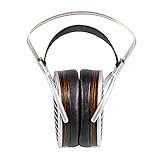
The HIFIMAN HE1000se represents the pinnacle of HIFIMAN’s planar magnetic engineering. The nanometer-thickness diaphragm is incredibly thin and responsive, capturing micro-details in recordings that other headphones simply miss. The soundstage is genuinely holographic, meaning instruments occupy distinct positions in a three-dimensional space around and beyond your head.
Listening to the HE1000se is a transformative experience if you are used to even high-quality dynamic driver headphones. One reviewer described it as making every song sound like it is being performed live, with vocals having the utmost realistic texture. I had the same reaction when listening to well-recorded acoustic tracks. The level of realism is startling.
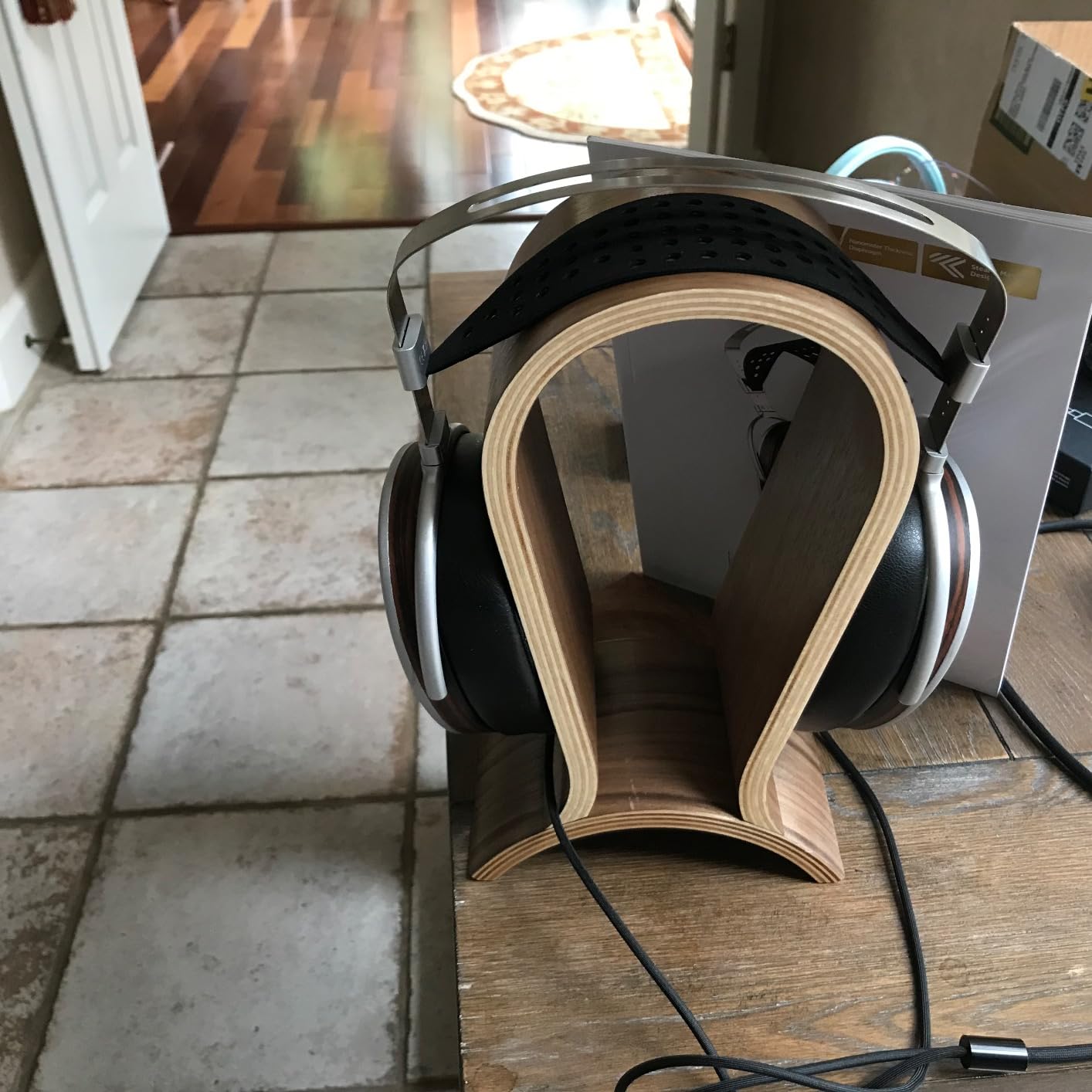
The instrument separation is another area where the HE1000se distinguishes itself. In dense orchestral passages where lesser headphones turn everything into a wall of sound, the HE1000se maintains clarity and separation between every section and individual instrument. This level of resolution lets you hear deeper into your favorite recordings than you thought possible.
The package includes multiple cables with different terminations, including XLR and 3.5mm options. The 35-ohm impedance and 96 dB sensitivity mean you need quality amplification to get the most out of these, but they are not as demanding as some other flagship planar magnetic headphones. One user reported a quality control issue with a driver failing after a month, which is worth noting given the flagship price.

What Endgame Actually Means
In audiophile terminology, endgame means a headphone so good that you stop wanting to upgrade. The HE1000se is endgame for many listeners because it reveals the limitations of source gear and recordings rather than limitations of the headphones themselves. Once you reach this tier, improvements come from better amplification, better DACs, and better source material.
Who Should Buy These
Listeners who have already invested in quality amplification and want the best planar magnetic headphone available. These are for people who view audio as a serious hobby and are willing to invest accordingly. The HE1000se is a lifetime purchase for most owners.
Buying Guide: How to Choose Planar Magnetic Headphones
Choosing the right planar magnetic headphones involves understanding the technology, knowing your amplification situation, and matching the sound signature to your preferences. Let us break down the key factors that should influence your decision.
How Planar Magnetic Technology Works
Planar magnetic headphones use an ultra-thin diaphragm with embedded conductors suspended between arrays of magnets. When electrical current passes through the conductors, the entire diaphragm moves uniformly through the magnetic field. This is fundamentally different from dynamic driver headphones, which use a voice coil attached to a cone that moves like a piston.
The advantage of the planar magnetic approach is that the entire diaphragm surface moves as one, which eliminates the breakup modes and distortion that occur when a cone flexes at its edges. The result is faster transient response, more accurate bass, and lower distortion across the frequency spectrum. The diaphragm can also be made extremely thin, which reduces moving mass and further improves responsiveness.
Open-Back vs Closed-Back Design
Most planar magnetic headphones use an open-back design, which allows air to pass through the ear cups. This typically produces a wider, more natural soundstage and reduces ear fatigue during long sessions. The tradeoff is zero sound isolation, meaning people nearby can hear your music and you can hear them.
Closed-back planar magnetic headphones like the HIFIMAN SUNDARA Closed-Back and Audivina offer sound isolation but traditionally struggled with soundstage width. Recent designs have narrowed this gap significantly, making closed-back planar magnetic headphones a viable option for shared spaces and portable use.
Amplification Requirements
This is where many new planar magnetic headphone buyers get caught out. While some models like the HIFIMAN HE400SE and Edition XS are relatively easy to drive, most planar magnetic headphones benefit significantly from dedicated amplification. The Monolith M1060 with its 50-ohm impedance practically demands a powerful desktop amplifier.
If you do not already own a headphone amplifier, budget for one alongside your headphone purchase. Our guides to the best headphone amplifiers for audiophiles and best headphone DACs for desktop setups will help you find the right match. For those exploring premium amplification, tube headphone amplifiers can add warmth and richness that pairs beautifully with planar magnetic drivers.
Key Specifications to Consider
Impedance tells you how much power the headphones need. Lower numbers like 18 to 32 ohms mean easier to drive, while 50 ohms and above typically require dedicated amplification. Sensitivity measured in dB tells you how loud the headphones will get with a given amount of power. Higher sensitivity means louder output from the same source.
Frequency response indicates the range of frequencies the headphones can reproduce. While human hearing tops out around 20kHz, extended response beyond that range contributes to overall sound quality and phase coherence. Driver size matters too, with larger drivers generally producing more effortless bass and a greater sense of scale.
Budget Tiers and Value Expectations
Under $150, the HIFIMAN HE400SE is the clear recommendation as an entry point to planar magnetic sound. In the $200 to $400 range, the HIFIMAN SUNDARA and Edition XS offer tremendous value with sound quality that rivals headphones costing twice as much. The $500 to $800 tier is where the Arya Stealth and Audivina compete, offering reference-grade performance.
At $1,000 and above, you enter flagship territory with the Audeze LCD-X and HIFIMAN HE1000se. The diminishing returns curve steepens significantly in this range, but the improvements in detail retrieval, soundstage, and overall refinement are real and noticeable to trained ears.
FAQs
Are planar magnetic headphones better than dynamic headphones?
Planar magnetic headphones generally offer faster transient response, lower distortion, and more accurate bass reproduction than dynamic driver headphones. The entire diaphragm moves uniformly rather than flexing like a cone, which reduces breakup modes and distortion. However, dynamic drivers can still excel in tonal warmth and efficiency, so better depends on your priorities as a listener.
Do planar magnetic headphones need an amplifier?
Most planar magnetic headphones benefit significantly from dedicated amplification. While some models like the HIFIMAN HE400SE and Edition XS have low impedance and high sensitivity making them relatively easy to drive, models like the Monolith M1060 with 50 ohm impedance practically require a powerful desktop amplifier. Budget for a quality amp alongside your headphone purchase for best results.
Why are planar magnetic headphones more expensive?
Planar magnetic headphones cost more because the manufacturing process involves precision-embedding conductors into an ultra-thin diaphragm and arranging complex magnet arrays on both sides. The materials and labor required are more expensive than standard dynamic driver construction. Additionally, planar magnetic headphones typically include premium build materials and accessories that contribute to the higher price.
What should I expect from planar magnetic headphones?
Expect wider soundstage, faster transient response, deeper and more controlled bass, and greater detail retrieval compared to dynamic driver headphones. Planar magnetic headphones often reveal details in familiar recordings you have never noticed before. The tradeoff is typically higher weight, the need for amplification, and open-back designs that provide no sound isolation.
How long do planar magnetic headphones last?
With proper care, planar magnetic headphones can last many years. The diaphragm itself is durable, but common failure points include headband adjustment mechanisms, cable connectors, and ear pads. HIFIMAN models have known issues with plastic adjustment collars, while Audeze models may need headband maintenance. Replacing ear pads every 1 to 2 years maintains comfort and sound quality.
Conclusion: Finding Your Perfect Planar Magnetic Headphones in 2026
The best planar magnetic headphones for audiophiles depend on your budget, amplification setup, and listening preferences. For first-time buyers, the HIFIMAN HE400SE at around $109 is the easiest entry point into planar magnetic sound. The HIFIMAN Arya Stealth remains our overall Editor’s Choice for delivering reference-grade performance at a price that respects your wallet.
If you want professional studio accuracy, the Audeze LCD-X is hard to beat with its 106mm drivers and 103 dB sensitivity. And for those pursuing endgame sound, the HIFIMAN HE1000se delivers a holographic, lifelike presentation that will make you fall in love with your music collection all over again. Pair any of these with quality amplification, and you will understand why audiophiles gravitate toward planar magnetic technology.
For more audiophile headphone recommendations, check out our guide to the best headphones for classical music and related content. Your journey into high-fidelity audio starts with the right headphones, and planar magnetic technology offers some of the most rewarding listening experiences available in 2026.