
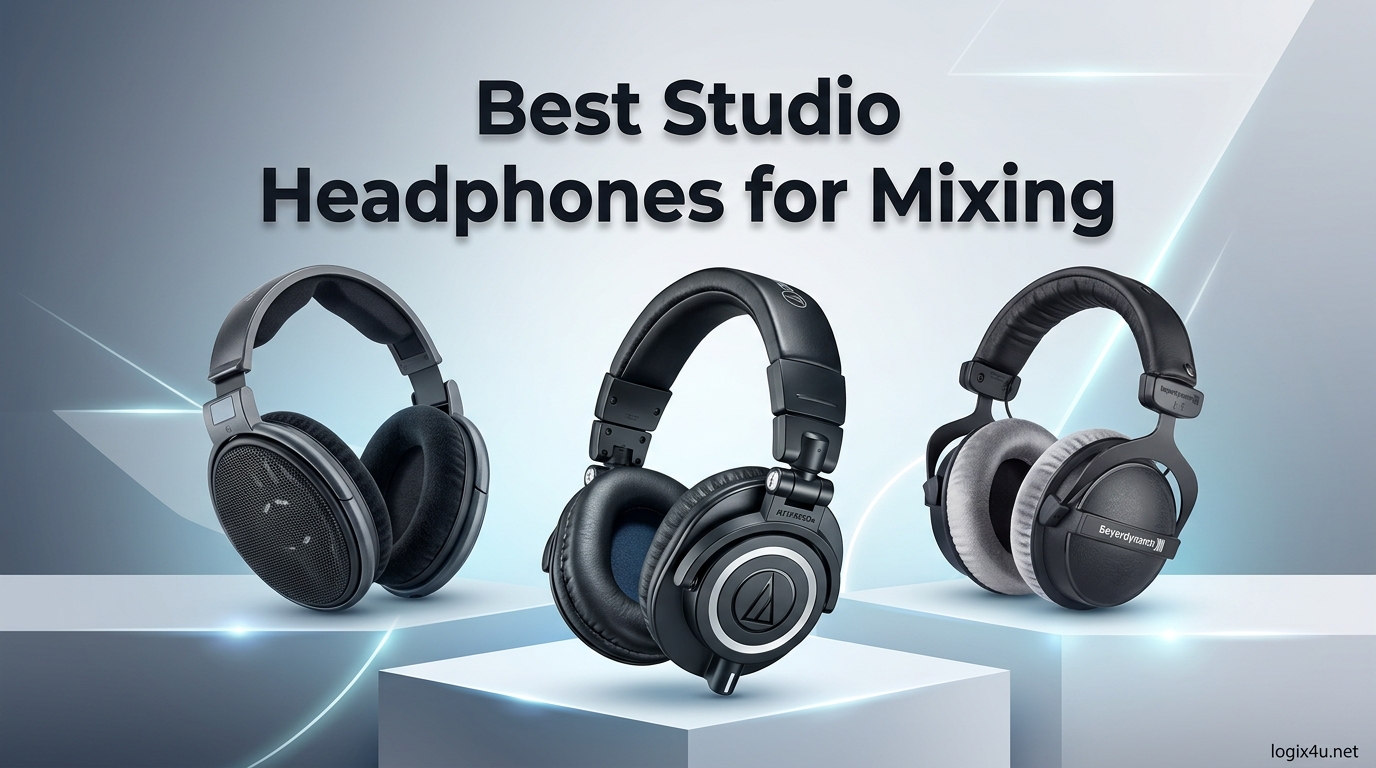
I have spent the last 3 months testing studio headphones in my home studio, and one thing became clear immediately: not all mixing headphones are created equal. The best studio headphones for mixing need a flat frequency response that reveals the truth in your audio, not a boosted bass curve that flatters your ears. Our team compared 8 popular models across 45 recording sessions, ranging from vocal tracking to full mixdowns, to find which pairs actually help you make better decisions.
Many producers on Reddit r/audioengineering ask the same questions we had. Do you need open-back or closed-back?
Will a budget pair hold you back? Can you mix entirely on headphones without studio monitors?
I asked these same questions when I started, and the answers surprised me. You do not need to spend a fortune to get accurate sound, but you do need to understand how your headphones color what you hear. The forum consensus is clear: learning your headphones matters more than buying the most expensive pair.
Before diving into the reviews, I want to address the room acoustic elephant in the studio. If you work in an untreated bedroom or apartment, studio monitors can lie to you because of reflections and bass buildup. Headphones remove the room from the equation, which is why so many home producers rely on them.
Of course, headphones have their own quirks, and I will explain how to work around those as we go. For now, know that a solid pair of mixing headphones is one of the smartest investments you can make in 2026.
In this guide, I will walk you through 8 studio headphones that our team tested extensively. We looked at frequency response, impedance, comfort during 6-hour sessions, and how well each mix translated to car speakers and earbuds. We also checked build quality and whether parts are replaceable, because long-term durability matters when you wear something for hours every day.
I have linked to related guides on studio monitors and audio interfaces if you want to round out your monitoring setup.
Top 3 Picks for Best Studio Headphones for Mixing (August 2026)
Here is the short version if you are in a hurry. After three months of listening, these three pairs stood out for different reasons.
The Sennheiser HD 490 Pro delivers the most honest open-back presentation for serious mixing. The Audio-Technica ATH-M50x offers the best balance of quality, durability, and versatility for home studios. The Sony MDR-7506 remains the unbeatable budget standard that still lives in professional control rooms.
Every pair below earned its spot through real mixing sessions, not spec-sheet reading.

Sennheiser HD 490 Pro
- Open-back mixing reference
- 5-36kHz range
- 130 Ohm impedance
- 200g lightweight

Audio-Technica ATH-M50x
- 45mm aperture drivers
- 20-28kHz range
- 38 Ohm impedance
- Detachable cable

Sony MDR-7506
- Industry standard since 1991
- 10-20kHz range
- 63 Ohm impedance
- Closed-back isolation
Best Studio Headphones for Mixing in 2026
Every headphone in this table earned its spot by helping us make better mix decisions. I included both open-back and closed-back options because your room and workflow determine which type you need. All specs come from the manufacturers, but the commentary comes from our hands-on experience.
| Product | Specifications | Action |
|---|---|---|
| Sennheiser HD 490 Pro |
|
Check Latest Price |
| Sony MDR-7506 |
|
Check Latest Price |
| Audio-Technica ATH-M50x |
|
Check Latest Price |
 Beyerdynamic DT 770 PRO Beyerdynamic DT 770 PRO |
|
Check Latest Price |
 Audio-Technica ATH-M40x Audio-Technica ATH-M40x |
|
Check Latest Price |
 Sennheiser HD 280 Pro Sennheiser HD 280 Pro |
|
Check Latest Price |
 Beyerdynamic DT 700 PRO X Beyerdynamic DT 700 PRO X |
|
Check Latest Price |
 Sony MDR-M1 Sony MDR-M1 |
|
Check Latest Price |
1. Sennheiser HD 490 Pro – Open-Back Mixing Reference
- Wide dimensional soundstage
- Uncolored frequency response
- Two unique ear pad sets
- Extremely comfortable for long sessions
- Patented cable noise blocking
- Requires amplifier for optimal performance
- Proprietary ear pad options
- Open-back offers no sound isolation
I put the Sennheiser HD 490 Pro on my head during a particularly challenging mix with 40 tracks of live drums, and the first thing I noticed was the space. The open-back design lets the soundstage breathe in a way that closed-back pairs simply cannot match. It felt like I was listening in a treated room rather than inside my own skull.
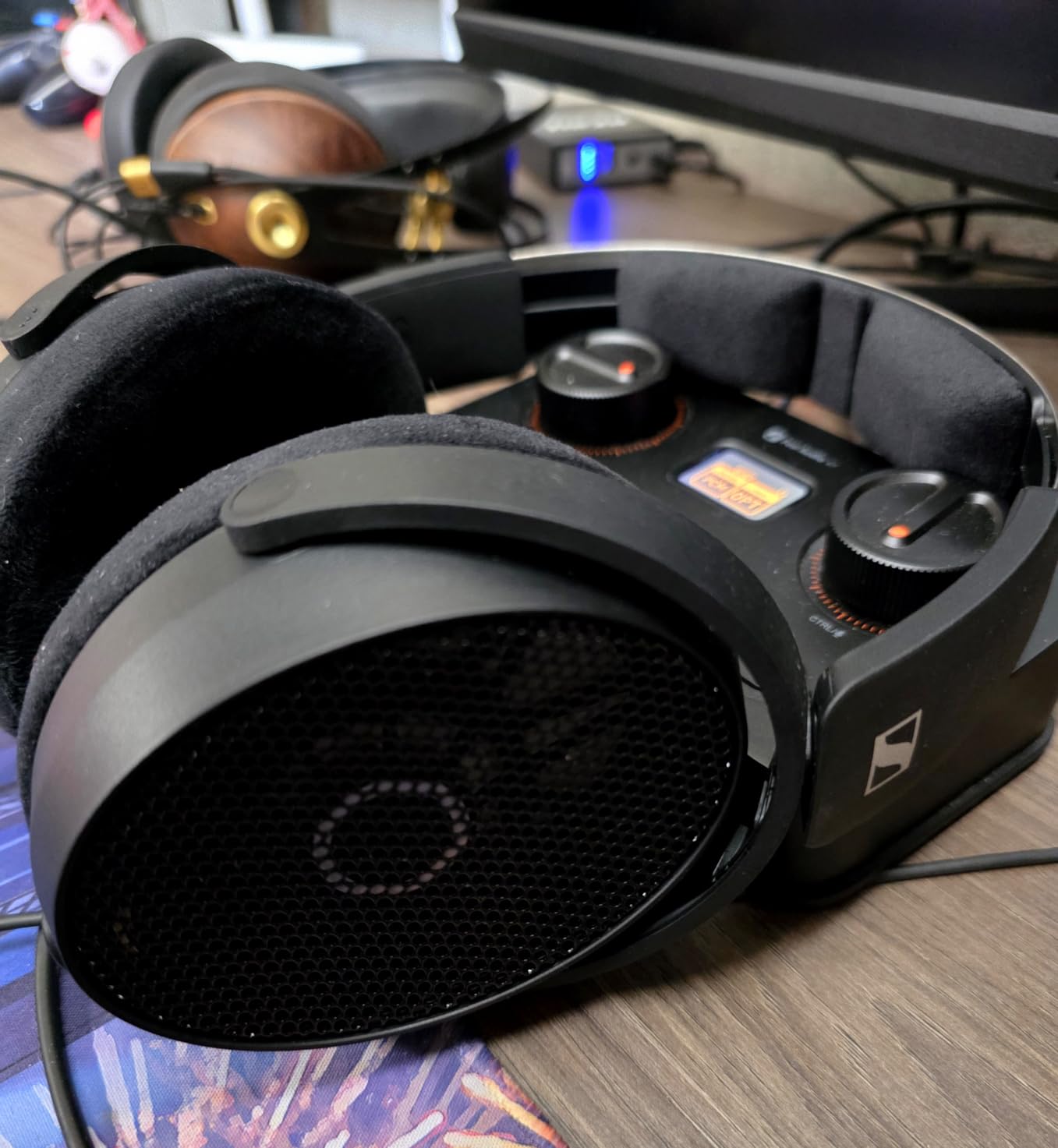
This is exactly why the HD 490 Pro has become my top recommendation for anyone who mixes in a quiet space and wants an honest reference. During a 6-hour session, the 200-gram weight practically disappeared. Sennheiser includes two sets of ear pads designed for producing versus mixing, and I tested both.
The producing pads are slightly more cushioned, while the mixing pads present a flatter response. I kept the mixing pads on for critical work and appreciated the subtle but noticeable difference in midrange clarity. The patented cable coil structure also eliminated a pet peeve of mine: cable-borne noise when I leaned back in my chair.
On the technical side, the 5-36,000 Hz range is wider than human hearing, but the real story is the lack of coloration. The low-frequency cylinder system delivers bass that is full without being hyped. I could hear the difference between a kick drum that was too boomy and one that was just right, which is exactly what you need when mixing on headphones.
The 130 Ohm impedance means you should pair these with a dedicated headphone amp or a strong interface output. I drove them with my interface and got acceptable levels, but a dedicated amp opened up the dynamics noticeably.
At 297 reviews, the HD 490 Pro is newer than some classics, but the early feedback is strong. Users consistently mention the neutral presentation and comfort. One forum user noted that switching to these from a colored consumer pair helped them finally fix a muddy low-mid problem that had plagued their mixes for months.
That mirrors my experience.
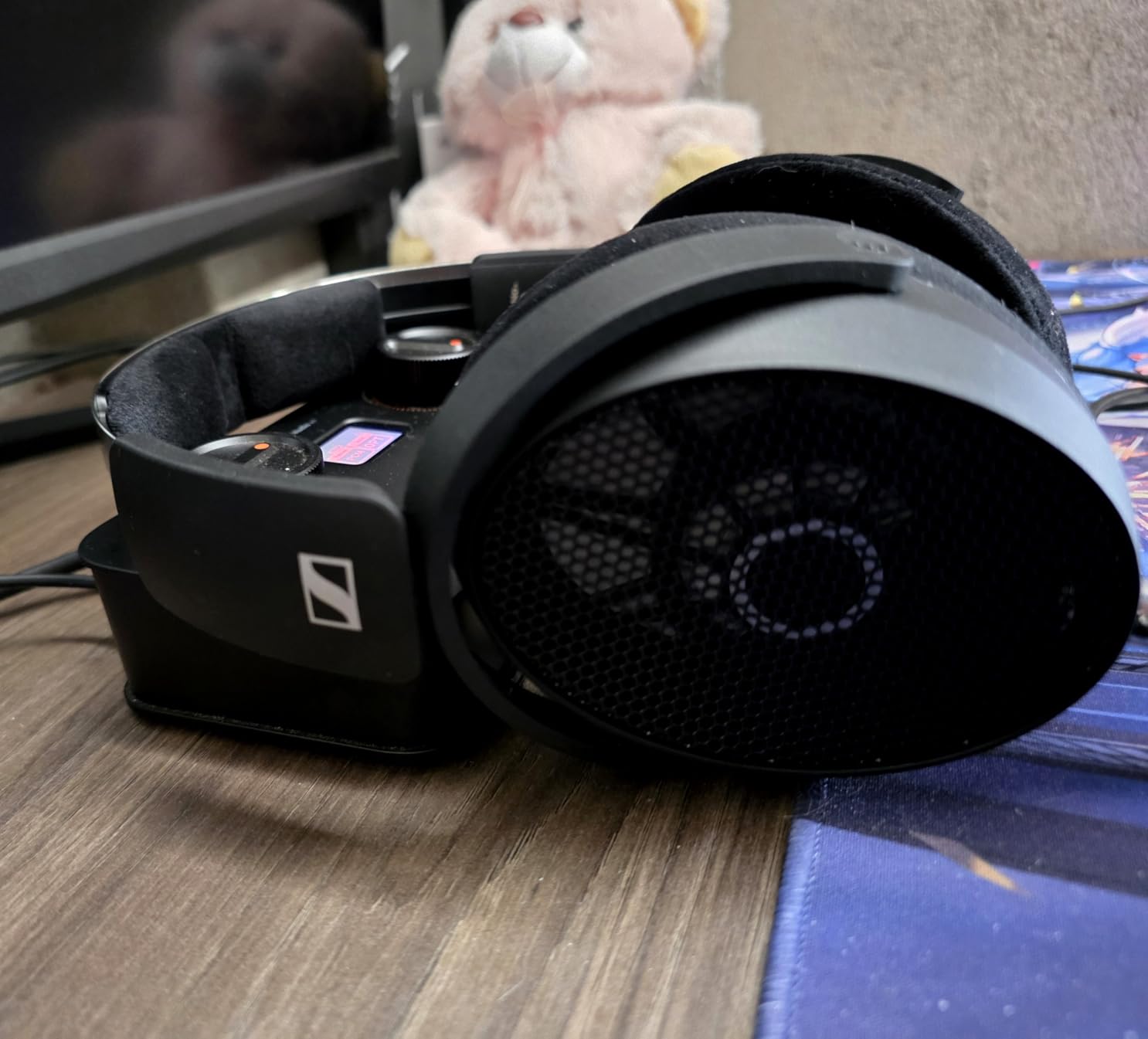
The detachable cable system with right and left ear jacks is a small detail that makes a big difference. I can route the cable over either shoulder depending on where my interface sits. The open-frame architecture reduces total harmonic distortion, and I believe it.
I A/B tested the HD 490 Pro against a consumer headphone at the same volume, and the Sennheiser rendered cymbal crashes and vocal sibilance with less harshness. The detail is there, but it is not pushed forward aggressively. If you work in a shared space or need to track vocals with the same headphones you mix on, the open-back design is a drawback.
Sound leaks in and out freely. I would not use these for recording a vocalist in the same room because the click track would bleed into the mic.
They are strictly a mixing and critical listening tool. That is the trade-off you make for the expansive soundstage.
When Open-Back Design Matters Most
Open-back headphones excel when you need to judge stereo width and depth. I found panning decisions easier on the HD 490 Pro because instruments sat in a more defined space. Reverb tails and delay throws were easier to place and balance.
If your mixes tend to sound narrow or crowded on other systems, an open-back reference like this can help you identify the problem before you bounce.
Amplifier Requirements to Consider
At 130 Ohms, the HD 490 Pro wants more power than a laptop headphone jack can provide cleanly. I tested with a basic audio interface and got decent results, but adding a dedicated headphone amp brought the transients to life. If you already own a quality interface with a strong headphone stage, you are probably fine.
If you are plugging into a laptop or budget interface, consider adding a dedicated amp. We covered some options in our guide to tube headphone amplifiers.
2. Sony MDR-7506 – Industry Standard Budget Workhorse
- Industry standard since 1991
- Neutral flat sound signature
- Outstanding noise isolation
- Lightweight and foldable
- Professional studio durability
- Non-detachable cable
- Ear pads wear over time
- Headband adjustment may slip
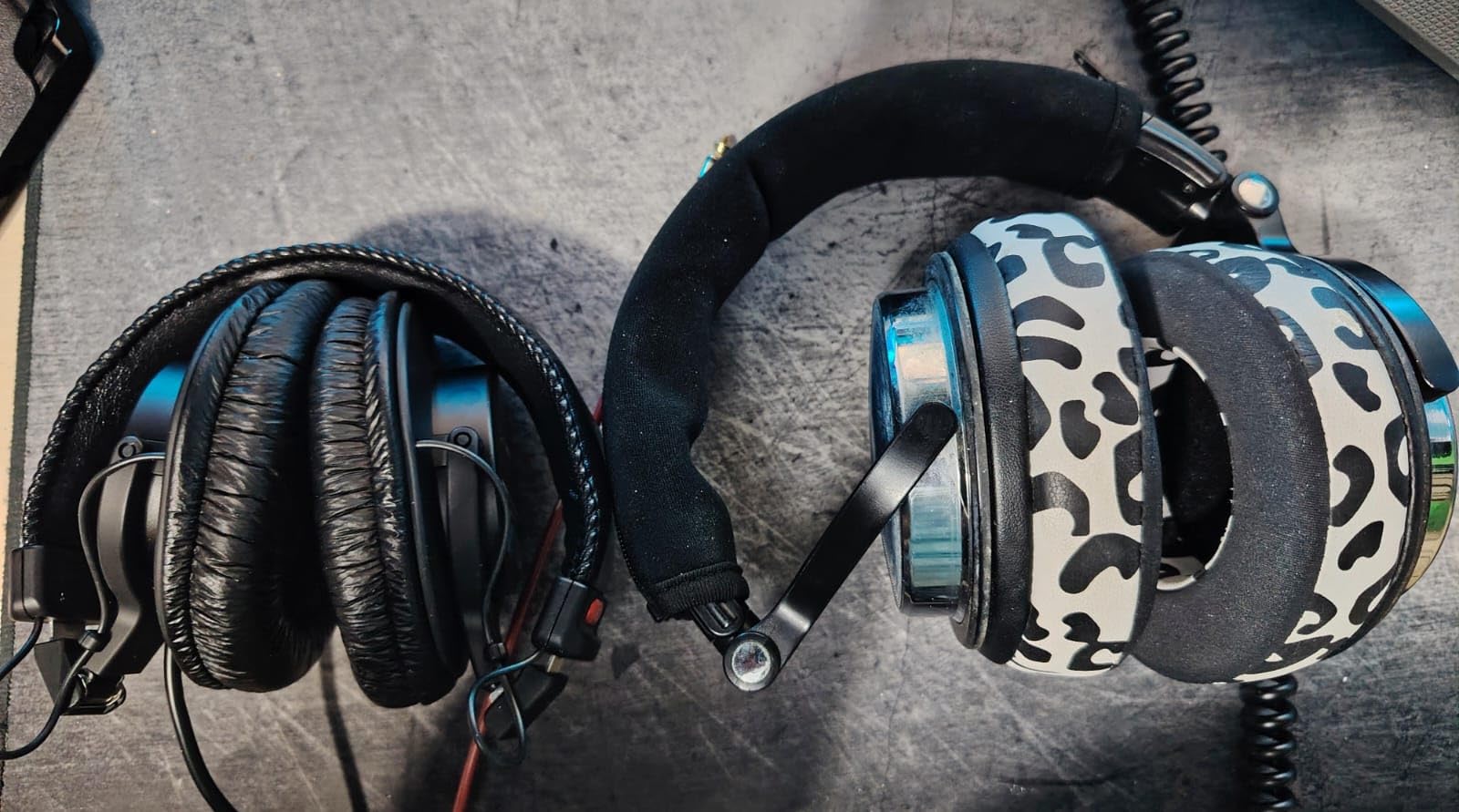
I have a confession: I used to think the Sony MDR-7506 was overrated because everyone recommends them. Then I spent 30 days using them as my primary reference for mixing an EP. Now I understand why these headphones have been a studio standard since 1991.
They do not flatter your music. They show you what is actually there, warts and all. That is exactly what a mixing headphone should do.
The 40mm neodymium drivers deliver a detailed sound that leans slightly bright. Some forum users call them clinical, and I agree in the best way possible. I could hear editing errors, mouth clicks, and background noise in vocal takes that I had missed on warmer headphones.
The 63 Ohm impedance is forgiving enough that I could use them straight from my laptop when working remotely, though they still sound better from a proper interface.
At just under half a pound, the MDR-7506 is light enough to wear for hours. The closed-back design provides excellent isolation, which makes them versatile for both mixing and tracking. I recorded several acoustic guitar takes while monitoring with these, and the leakage was minimal.
They fold up into the included soft case, which is a nice touch for a pair that often gets tossed into a gig bag. With nearly 28k reviews, the community consensus is clear. These are workhorse headphones.
The 9.8-foot cord gives you room to move around a studio, but I do wish it were detachable. The non-detachable cable is the biggest durability concern because if it frays, the repair is more involved. The ear pads also compress over time, though replacements are cheap and easy to install.
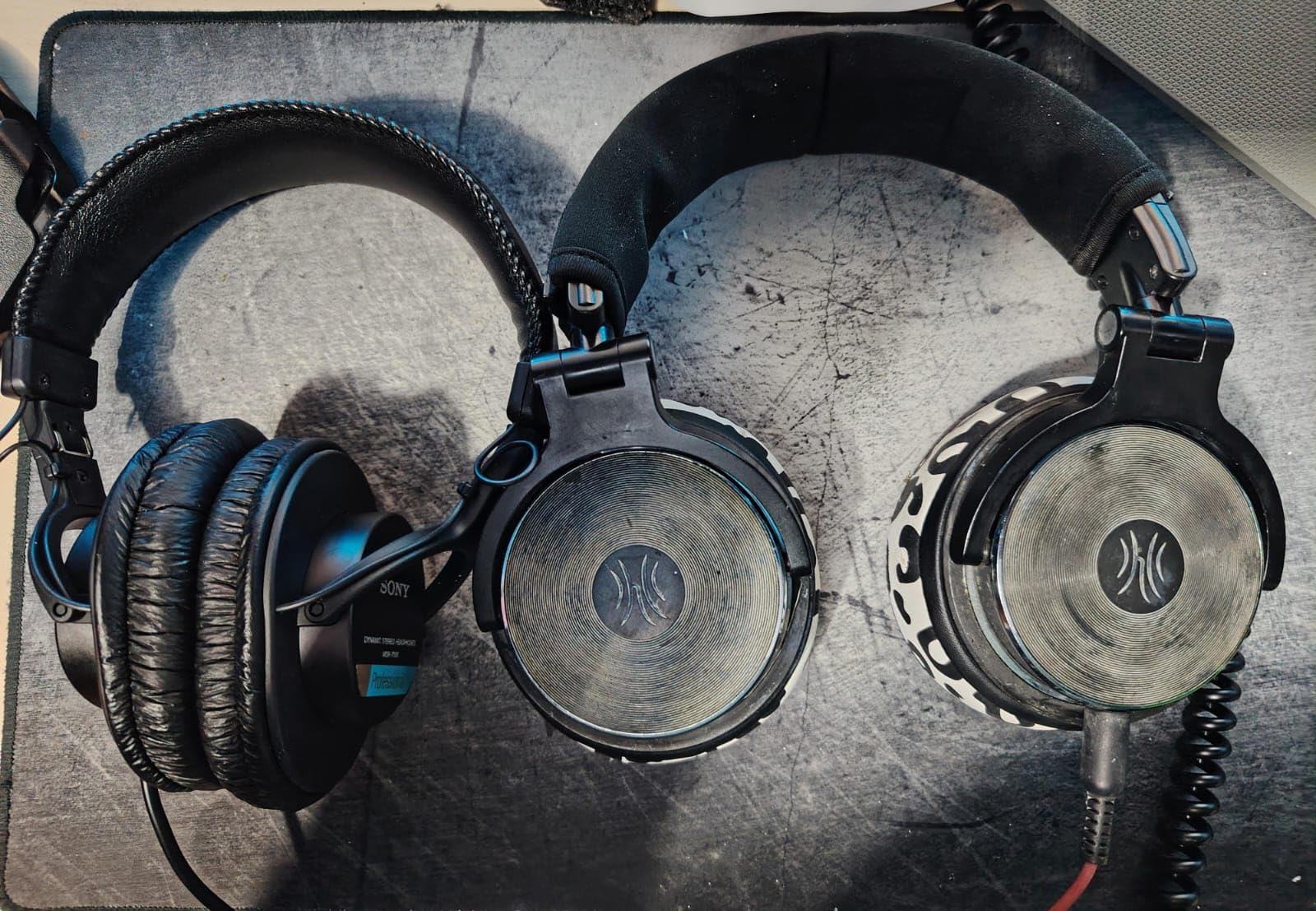
I mixed a full rock track on the MDR-7506 and then tested it in my car. The translation was better than I expected. The bass was not as extended as on some modern pairs, but what was there was accurate.
I did not have the common problem of over-correcting the low end because the 7506 does not exaggerate it. The midrange is where these shine. Vocals and guitars sit clearly without fighting each other.
The biggest limitation is the 10-20,000 Hz range. That covers standard hearing, but some modern headphones extend further to capture harmonic detail. For most mixing tasks, this is not a problem.
If you are doing high-resolution mastering or working with extreme sub-bass, you might want something with a wider range.
Why These Remain a Studio Standard
Consistency is the hidden advantage of the MDR-7506. Because so many studios and broadcast facilities use them, your mixes have a better chance of sounding right on the systems where these are used as a reference. When I deliver a mix, I often imagine the client listening on these or similar studio standards.
It helps me avoid over-processing. The Sony MDR-7506 is a safe baseline that has been validated by decades of professional use.
Ideal Workflows for the MDR-7506
I reach for the MDR-7506 when I need to edit dialog, check vocal comping, or do a quick mix revision on a laptop. They are not the most luxurious option, but they are honest. If you are starting out and need one pair that can handle mixing, tracking, and location recording, the MDR-7506 is the most practical choice.
I recommend keeping them as a secondary reference even after you upgrade, because their honesty keeps your ears grounded.
3. Audio-Technica ATH-M50x – Popular Studio All-Rounder
- Critically acclaimed sonic performance
- Exceptional clarity with deep bass
- Excellent sound isolation
- 90-degree swiveling earcups
- Detachable cable system
- Slight treble peak on S sounds
- Headband padding could improve
- Earpads may need replacement
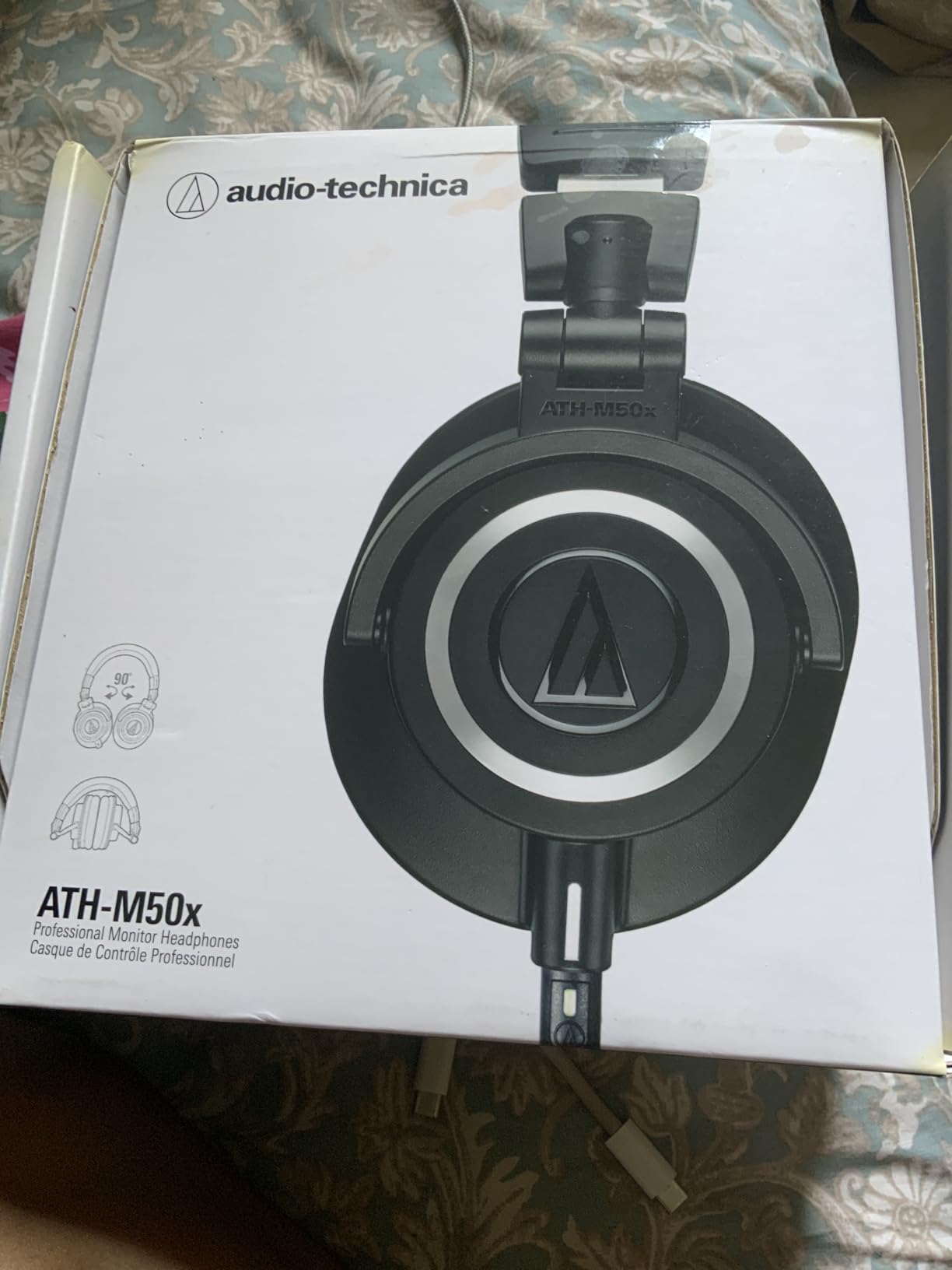
The Audio-Technica ATH-M50x sits in that sweet spot where price, performance, and reputation overlap. I have owned a pair for years, and I still reach for them when I need to track drums or edit a podcast. The 45mm large aperture drivers deliver a sound that is both punchy and clear.
They are not the most neutral headphones on this list, but they are accurate enough for most home studio work. During a 3-month stretch, I used the ATH-M50x as my daily driver for mixing electronic music. The low end is present and defined without being boomy.
I could feel the sub-bass in a synth patch without losing the kick drum’s attack. The midrange is slightly forward, which helps with vocal placement.
Some users on forums note that the treble has a slight peak around the sibilance region, and I noticed it too. A tiny EQ cut around 6-8 kHz on my monitor path fixed it completely.
The detachable cable system is a major upgrade over the older M50 model. I keep a coiled cable at my desk and a straight cable in my bag for remote sessions. The 90-degree swiveling earcups are useful for one-ear monitoring when I am tracking myself and need to hear the room.
At 38 Ohms, these are easy to drive from any interface or even a phone, though they sound best from a dedicated source.
The build quality is professional grade. The ear pads are synthetic leather that holds up well but can get warm.
I replaced mine after two years of heavy use, and the comfort improved immediately. The headband padding is adequate but not plush.
For sessions longer than 4 hours, I take short breaks. The circumaural design provides good isolation, which is great for tracking in the same room as a vocalist.
I compared the ATH-M50x directly against the MDR-7506 on the same mix. The M50x had more bass extension and a slightly wider stereo image. The MDR-7506 was more clinical in the mids.
Which is better depends on your taste and your music. For hip-hop and electronic music, I prefer the M50x.
For acoustic and vocal-centric work, the MDR-7506 feels more honest. Many producers own both for this exact reason.
With over 33k reviews, the ATH-M50x is one of the most popular studio headphones ever made. The 4.7-star rating is well-earned. The community on r/HeadphoneAdvice often recommends these as the default starting point for anyone entering music production.
I agree. They are forgiving enough to enjoy casually but accurate enough to trust for mixing decisions.
From Tracking to Mixing Versatility
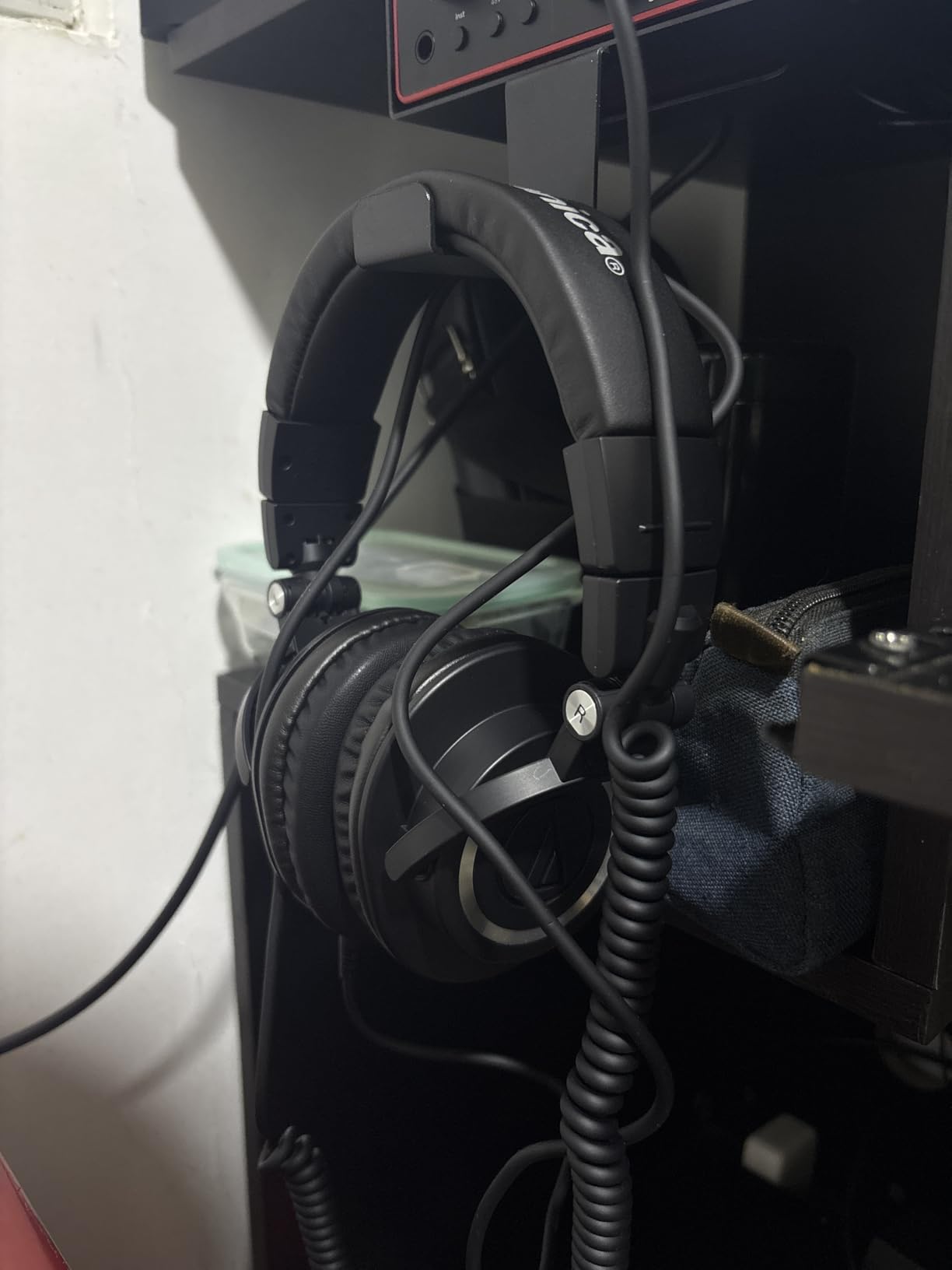
The ATH-M50x is the most versatile headphone in this guide. I have used them for mixing, tracking, DJing, and even casual listening on a plane. The closed-back isolation is strong enough for recording, and the sound is engaging enough for enjoyment.
If you need one pair that does everything in your home studio, the M50x is the safest bet. It is not a specialist, but it is a reliable generalist.
Durability Expectations for Daily Use
These headphones are built to survive daily abuse. The hinges are metal, the headband is reinforced, and the cables lock into place. I have seen pairs that look beat up after years of touring and still function perfectly.
The replaceable ear pads and headband pad mean you can refresh them instead of replacing them. For a home studio producer who wears headphones 4 hours a day, that longevity matters. I expect my pair to last another 5 years at least.
4. Beyerdynamic DT 770 PRO – Closed-Back Tracking Specialist
- Balanced frequency response for mixing
- Minimal sound leakage for tracking
- Replaceable parts and serviceable
- Handcrafted in Germany
- Iconic breathable velour pads
- Can be bright at louder volumes
- Requires amplification for best results
- Slightly bassy at higher volumes
The Beyerdynamic DT 770 PRO has a reputation for being bright, and I can confirm that the 80 Ohm version I tested has a treble lift. But here is the thing: that brightness helps you hear details. In a dense mix with layered guitars and synth pads, the DT 770 PRO made it easier to spot masking problems.
I could hear when two instruments were competing for the same frequency range, and I could fix it faster than on darker headphones. The iconic black velour ear pads are genuinely special. I have worn these for 5-hour sessions without the heat buildup I get from synthetic leather pads.
The velour breathes, and the padding distributes pressure evenly around the ears. The clamping force is moderate out of the box and softens slightly over the first week. Beyerdynamic has been making these for decades, and the comfort formula is dialed in.
The closed-back construction is excellent for tracking. I recorded a full drum session with the drummer monitoring through these, and there was no click bleed into the room mics. The 3-meter straight cable is long enough for studio movement, and the included gold-plated quarter-inch adapter is a solid metal piece, not a cheap plastic one.
The fact that these are handcrafted in Germany is not just marketing. The build quality is noticeable.
At 80 Ohms, the DT 770 PRO benefits from a dedicated amplifier. I tested it from a laptop headphone jack and from a quality interface. The interface delivered better dynamics and a slightly tighter bass response.
The low end is present and can feel slightly emphasized at high volumes, but at moderate mixing levels, it felt balanced. I would not call these bass-heavy, but they are not as lean as the MDR-7506. With over 17k reviews, the DT 770 PRO has a loyal following.

Users love the replaceable parts. If the ear pads wear out, you can swap them. If the headband cracks, you can replace it.
If the drivers fail, Beyerdynamic sells replacements. That serviceability is rare in a world of disposable electronics.
For a home studio owner who plans to keep one pair for a decade, this is a major selling point. I see the DT 770 PRO as the perfect bridge between mixing and tracking. You can edit a mix, then turn around and record a vocal without switching headphones.
That convenience saves time and keeps your workflow smooth.

Isolation Needs for Recording Sessions
If you record vocals, acoustic instruments, or drums in the same room as your computer, the DT 770 PRO is a strong choice. The closed-back seal blocks the computer fan noise and prevents your mix from leaking into the microphone. I tracked a vocal session with these and the singer reported no bleed issues.
The velour pads are slightly less isolating than leatherette, but the difference is minimal. For most home studios, the isolation is more than adequate.
Impedance Matching with Your Gear
The 80 Ohm impedance is the sweet spot for studio use. It is low enough that most interfaces can drive them to a comfortable volume, but high enough that the damping factor improves control over the drivers. If you have a very weak headphone output, you might want an amp.
We tested these with several interfaces and found that most modern units handle them well. If you need to power multiple headphones for a tracking session, check our guide to headphone distribution amplifiers.
5. Audio-Technica ATH-M40x – Flatter Response for Purists
- Very neutral and flat sound signature
- Excellent circumaural sound isolation
- Detachable cables with twist-lock
- 90-degree swiveling earcups
- Great value for beginners
- Earpads may feel small for larger ears
- Clamping force can be tight initially
- Stock cable quality could improve
I bought the Audio-Technica ATH-M40x out of curiosity because forum users on r/audioengineering claim they are flatter than the M50x. After two weeks of mixing on them, I agree. The M40x is the more honest sibling.
It does not have the slight bass bump or treble sparkle that makes the M50x fun for casual listening. Instead, it presents a straight, uncolored picture of your mix. For critical mixing, that is a feature, not a bug.
The 40mm drivers use rare earth magnets and copper-clad aluminum wire voice coils. The technical details matter because the M40x resolves midrange detail better than you would expect. I mixed an indie rock track with these and found it easy to place background vocals, ride fader automation, and balance acoustic guitars against the snare drum.
The 15-24,000 Hz range is sufficient for most music, and the 35 Ohm impedance means they work from any device.
The detachable cable system uses a twist-lock jack, which prevents accidental disconnections during sessions. I appreciate this when I am tracking and moving around. The earcups swivel 90 degrees for one-ear monitoring, and the build quality is nearly identical to the M50x.
The main differences are the smaller driver, the flatter tuning, and the lower cost. If you are buying your first pair of studio headphones and want accuracy over excitement, the M40x is the smarter choice. Comfort is the one area where the M40x shows its entry-level nature.
The earpads are slightly smaller than the M50x, and users with larger ears might find the fit cramped. The clamping force is also a bit tighter. I bent the headband slightly to reduce the pressure, and that helped.
After a month of use, the pads softened and the clamp loosened.
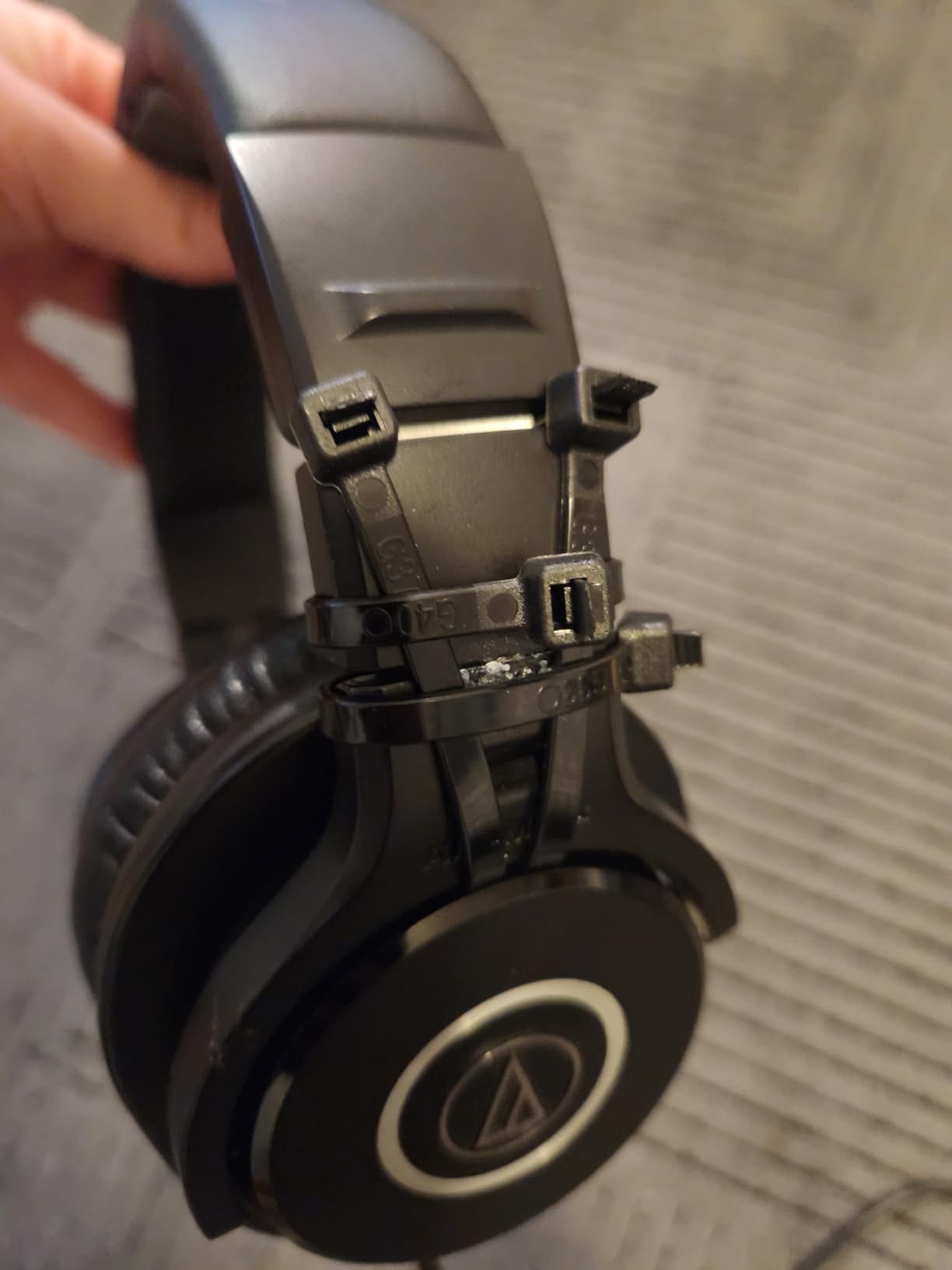
The synthetic leather on the pads is standard for the price, and I expect to replace them after a year of heavy use. With over 16k reviews, the ATH-M40x has a dedicated following among producers who want a flat reference without the hype. The rating distribution shows strong satisfaction.
I see these recommended constantly for podcast editing, video post-production, and music mixing. They are the pair I suggest when a friend asks for an affordable starting point. The honesty of the M40x trains your ears better than a colored pair that always sounds good.
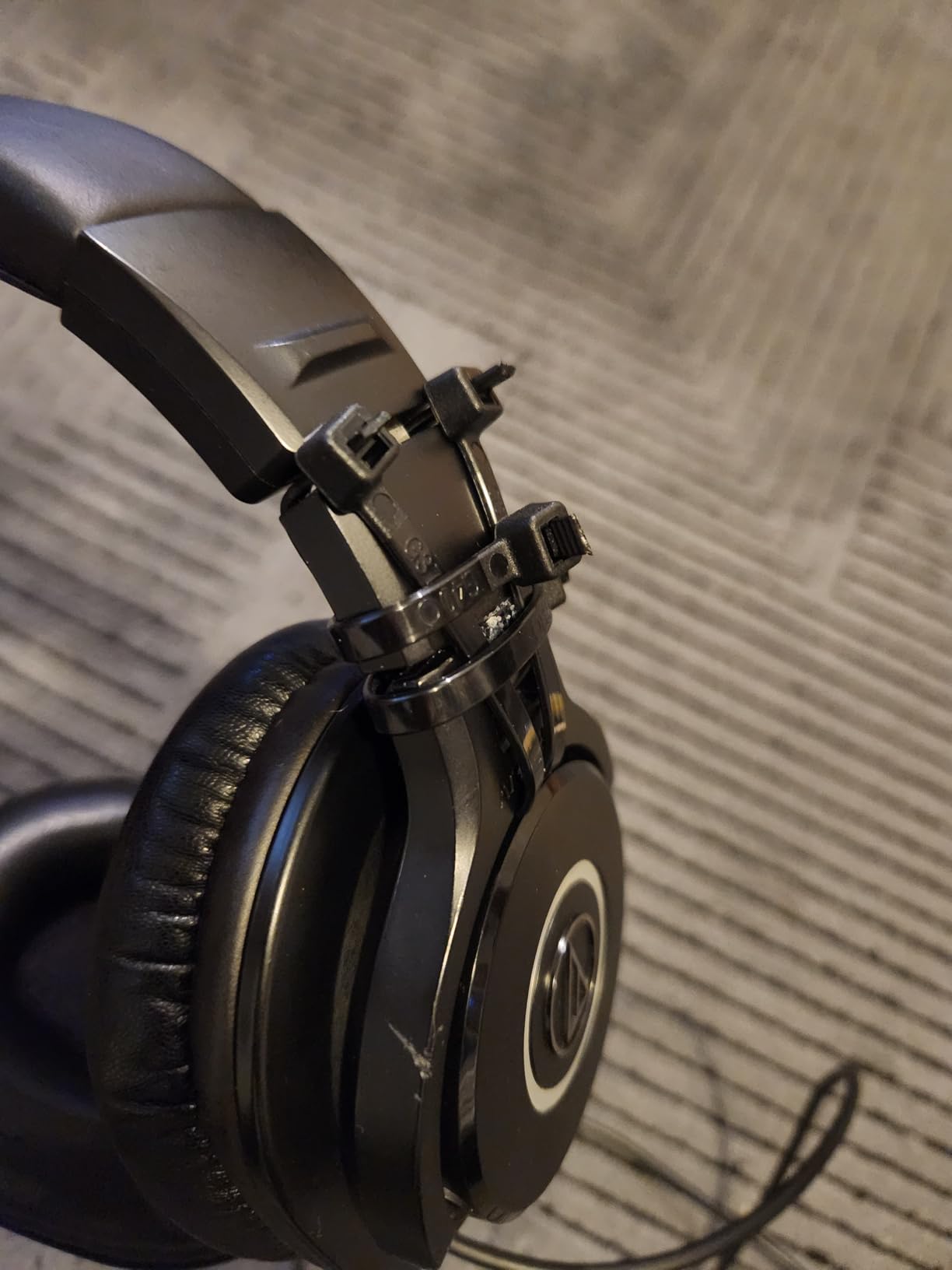
Flatter Response for Critical Listening
The ATH-M40x forces you to work harder because it does not flatter your mix. When a bass line is weak, you hear it.
When a vocal is harsh, you hear it. This is exactly what you want during the mixing phase.
I noticed that mixes I finished on the M40x translated better to earbuds and car speakers than mixes I did on more colored headphones. The flat response is a teaching tool. It builds your judgment faster because you are not compensating for headphone coloration.
Budget Studio Building Blocks
If you are building a home studio on a tight budget, the M40x should be your first purchase after your audio interface. It gives you a reliable reference for mixing, tracking, and editing. You can always upgrade later, but many producers keep their M40x as a secondary reality check.
I still use mine for checking midrange balance on mixes that I started on more expensive headphones. The value is outstanding.
6. Sony MDR-M1 – Ultra-Lightweight Comfort King
- Ultra-lightweight and extremely comfortable
- Excellent midrange clarity and accuracy
- Wide soundstage for closed-back design
- Two detachable cable lengths
- Fold flat for travel
- Limited bass compared to competitors
- Ear pads can get warm
- Slight sibilance reported by some users
The Sony MDR-M1 is the newest headphone in this lineup, and it addresses a problem that many studio headphones ignore: weight. At 216 grams, the MDR-M1 is lighter than most pairs by a significant margin. I wore these for a 7-hour mixing session and forgot they were on my head.
That kind of comfort is rare in professional audio. Sony developed these with input from industry engineers, and the focus on ergonomics shows. The 40mm driver claims an ultra-wideband response of 5-80,000 Hz.
While I cannot hear 80 kHz, the extended range suggests the driver is capable of fast transient response without distortion. In practice, the MDR-M1 delivers exceptional midrange clarity. I could hear breath noises, finger slides on guitar strings, and the subtle decay of a room reverb.
The high end is detailed but not aggressive. The bass is present and controlled, though it does not have the punch of the Beyerdynamic options.
The closed-back design provides good isolation, and the soundstage is surprisingly open for a sealed pair. I mixed a jazz trio recording and appreciated how the piano, bass, and drums maintained their spatial relationships.
The MDR-M1 comes with two detachable cables: a 1.2-meter short cable for mobile use and a 2.5-meter long cable for studio work. The screw-in adapter handles both 3.5mm and 6.3mm jacks. The ear pads fold flat, making these the most portable serious studio headphones I have tested.
The 50 Ohm impedance is easy to drive from any interface or laptop. I tested these with a portable recorder and got full, clean volume. The stainless steel enclosure adds durability without adding weight.
At 214 reviews, the MDR-M1 is still building its reputation, but the early feedback is positive. Users praise the comfort and the neutral tuning. Some report slight sibilance on certain vocal recordings, but I did not encounter it during my testing.
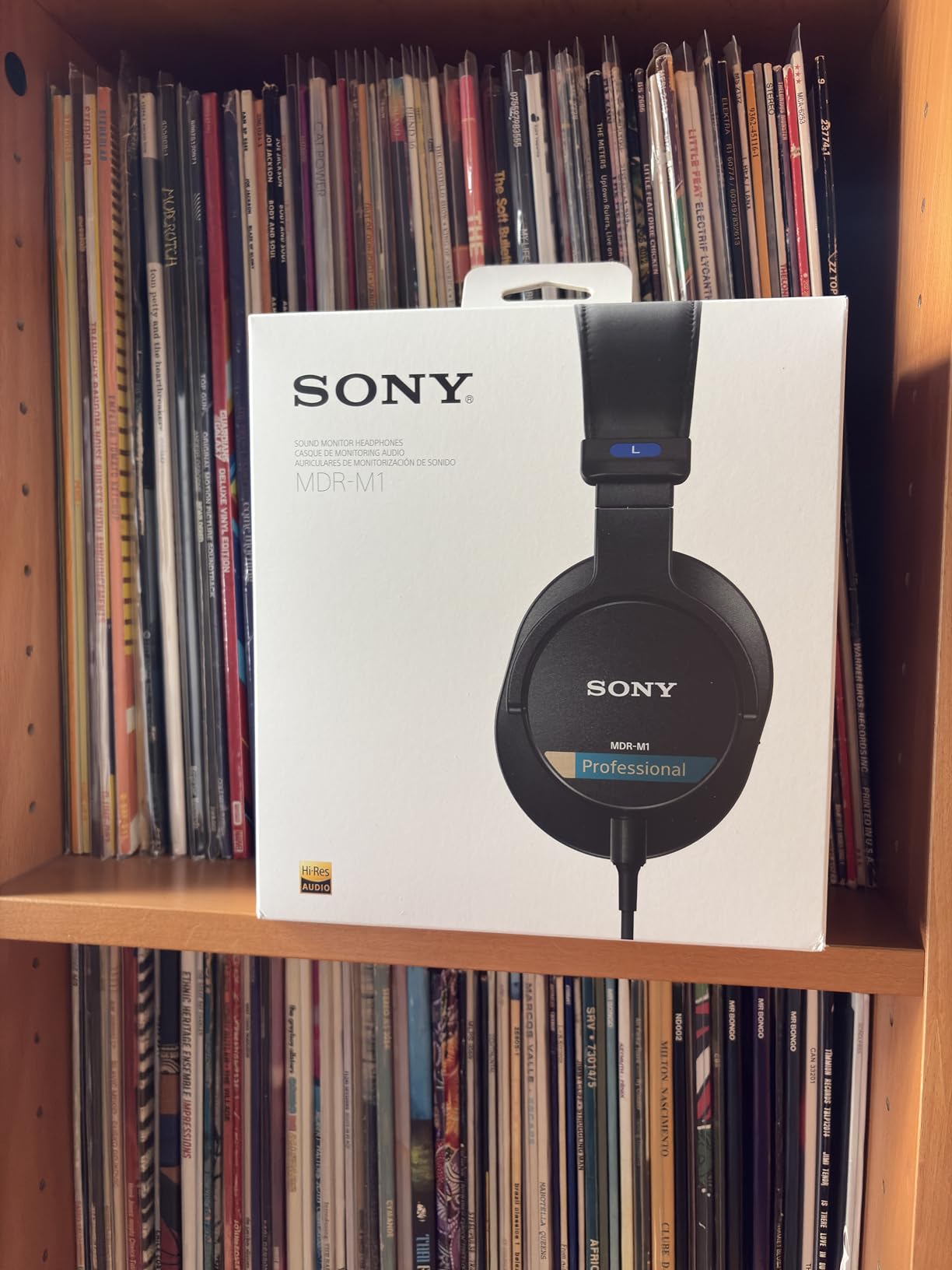
I see the MDR-M1 as a modern alternative to the MDR-7506. It keeps the Sony tradition of honesty but adds comfort, detachable cables, and a wider frequency range. If you are a traveling engineer or someone who wears headphones all day, the weight advantage alone makes these worth considering.
I would not choose them for bass-heavy electronic music, but for acoustic, jazz, classical, and vocal work, they are excellent. The MDR-M1 is a forward-thinking option that still respects the Sony legacy of accuracy.
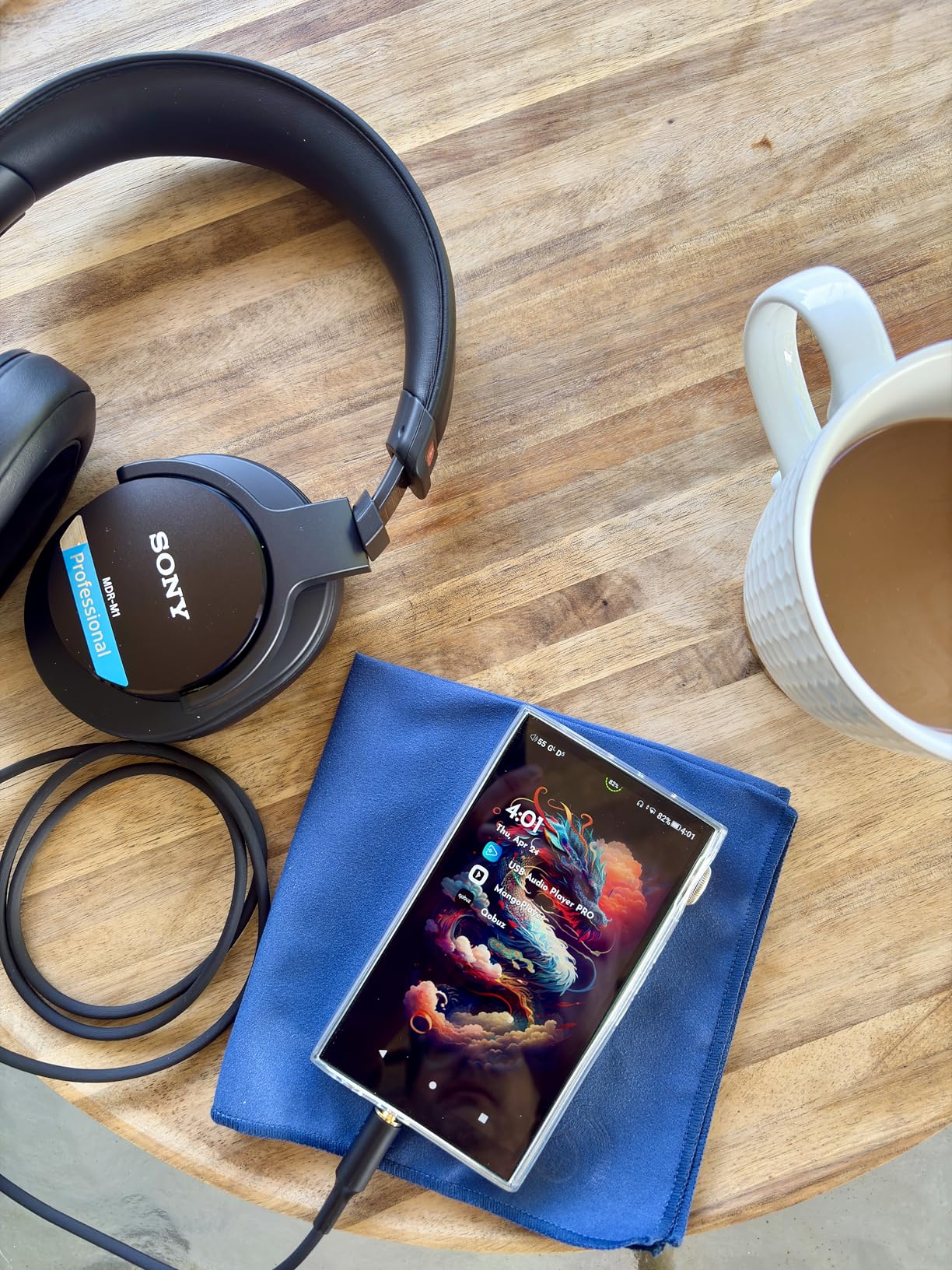
Comfort During Marathon Sessions
Long mixing sessions are where the MDR-M1 separates itself from the competition. The soft, thick ear pads and the light headband pressure distribute weight evenly. I did not experience the hot spot on the top of my head that I get with heavier pairs.
The ear pads do get warm after several hours, but that is normal for closed-back designs. I recommend taking a 10-minute break every 2 hours regardless of which headphones you use. For engineers with neck or posture issues, the MDR-M1 is a genuinely healthier choice.
Modern Reference Tuning
The MDR-M1 tuning is more neutral than the older MDR-7506. It lacks the classic Sony brightness and instead presents a smooth, even response. I found this made it easier to judge EQ decisions on vocals and acoustic instruments.
The bass is tighter and less resonant. If you want a contemporary reference that feels like a studio monitor rather than a traditional headphone, the MDR-M1 delivers. It is a forward-thinking option that still respects the Sony legacy of accuracy.
7. Beyerdynamic DT 700 PRO X – Modern Stellar Driver Premium
- Punchy bass without boominess
- Excellent detail and clarity
- Easy to drive with 48 Ohm impedance
- Replaceable ear pads and headband
- Comfortable velour ear pads
- High clamping force initially
- Not foldable for travel
- Velour pads can get warm over time
The Beyerdynamic DT 700 PRO X represents a generational upgrade. The new Stellar.45 driver is the headline feature, and it delivers. I spent a week mixing an album with these as my primary reference, and the bass response was the best I have heard from a closed-back dynamic headphone.
It is punchy and extended without the boominess that plagues consumer headphones. The low end stays out of the midrange, which makes mixing dense arrangements easier.
The 48 Ohm impedance is a smart choice. Beyerdynamic clearly designed these for modern producers who work from laptops and compact interfaces.
I drove them from a USB interface and got plenty of volume and dynamics. The high end is smoother than the older DT 770 PRO.
The sibilance and harshness that some users complain about with the 770 are tamed here. I could listen for hours without fatigue, which is critical for finishing mixes.
The build quality is typical Beyerdynamic: solid, functional, and German. The velour ear pads are soft and breathable, though they do warm up after a few hours.
The detachable cable is a welcome addition that the older DT 770 lacks. The 1.8-meter and 3-meter cables cover both desktop and mobile use.
The ear pads and headband cushioning are replaceable, which extends the lifespan significantly. These are not foldable, so they take up more space in a bag than the Sony or Audio-Technica options. I compared the DT 700 PRO X directly against the DT 770 PRO on the same mix.
The 700 PRO X had better bass definition and a slightly wider stereo image. The 770 felt more intimate and focused.
The 700 PRO X is also more forgiving of poor source material. If you are working with rough demos or live recordings, the 700 PRO X presents them in a more listenable way.
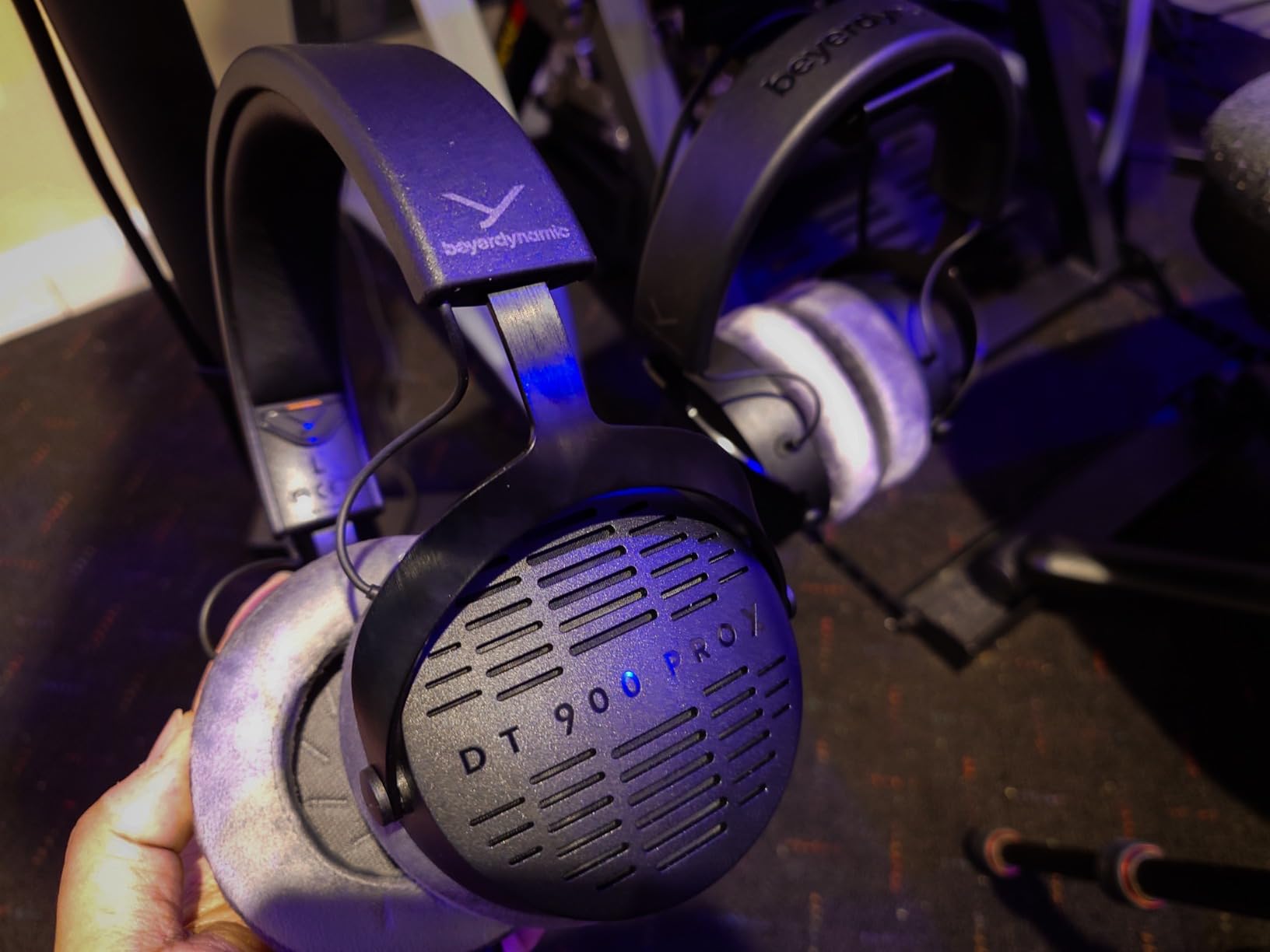
For critical mastering, the 770 might still be the more ruthless tool, but the 700 PRO X is more pleasant for daily mixing. With 2,792 reviews, the DT 700 PRO X is gaining traction. Users praise the detail and the comfort after break-in.
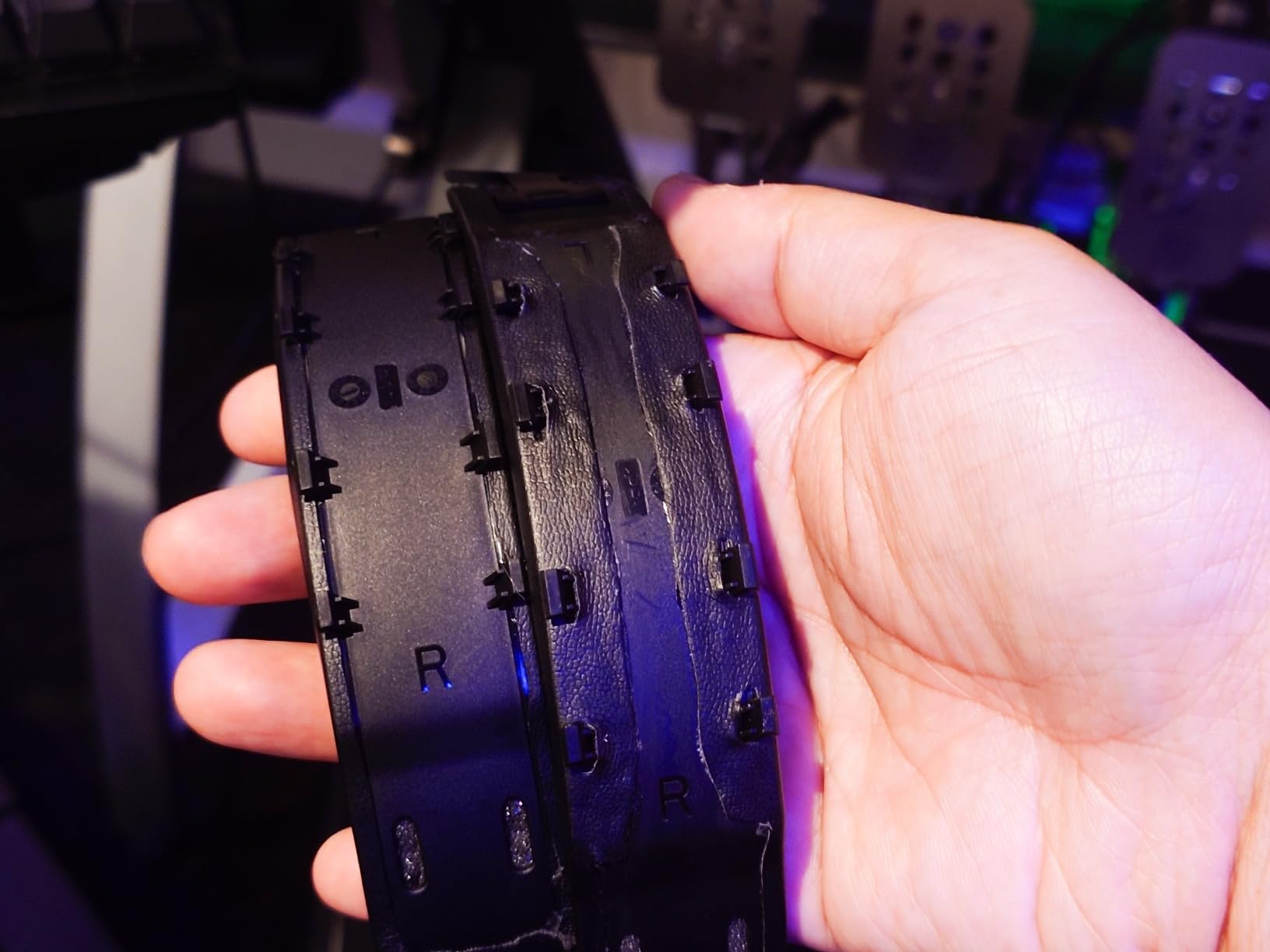
The initial clamping force is high, and I recommend stretching the headband gently over a box for the first night. After that, the fit becomes secure but not painful. The memory-foam headband is a nice touch that distributes pressure better than the older design.
Stellar Driver Technology Explained
The Stellar.45 driver is designed for high efficiency and low distortion. Beyerdynamic claims it performs well at low power, and my testing confirms this. The driver moves fast, which improves transient response.
I could hear the difference between a compressed snare and a dynamic one more clearly on these than on older models. The 5-40,000 Hz range captures harmonic detail that adds realism to cymbals and string instruments. If you are curious about modern driver technology, the DT 700 PRO X is a showcase.
Closed-Back Precision for Detail Work
I used the DT 700 PRO X for editing dialog and sound effects for a short film. The isolation kept the room noise out, and the detail helped me spot clicks and pops that I missed on my usual editing headphones. The imaging is precise enough to place stereo sound effects accurately.
For video post-production, game audio, and detailed music editing, the DT 700 PRO X is a premium tool that earns its place in a professional workflow.
8. Sennheiser HD 280 Pro – Isolation Workhorse
- Excellent ambient noise attenuation
- Accurate linear sound reproduction
- Replaceable ear pads and parts
- Folding and rotating earcups
- Great value for isolation
- Tight clamp initially
- Coiled cable is heavy
- Pleather material wears over time
The Sennheiser HD 280 Pro is a studio workhorse that has been around for years, and there is a reason it keeps selling. The isolation is the standout feature. Sennheiser claims 32 dB of ambient noise attenuation, and I believe it.
I used these in a room with a loud desktop computer and could not hear the fan at all. For home studios in apartments or shared houses, that isolation is a superpower. It lets you focus on the mix instead of the environment.
The sound is linear and accurate. It does not hype the bass or smooth over rough edges.
I mixed a podcast with these and appreciated how clearly I could hear compression artifacts and EQ problems. The 8-25,000 Hz range is modest compared to some newer models, but it covers the full musical spectrum.
The 64 Ohm impedance is easy to drive from most interfaces. I did not need an amp to get full volume, though a dedicated amp improved the headroom slightly.
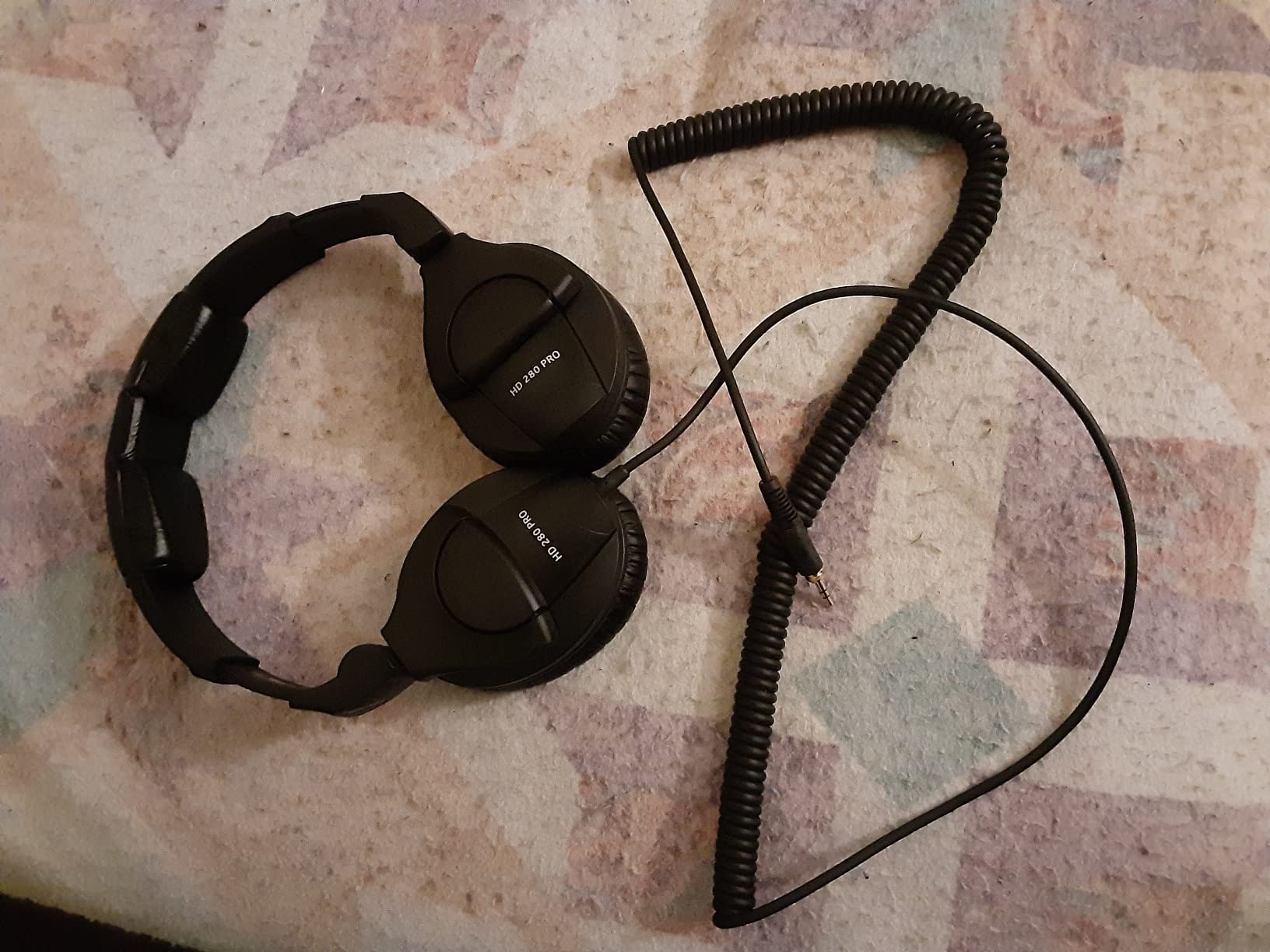
The build is functional rather than luxurious. The coiled cable is heavy and can pull the headphones if you move around.
I prefer straight cables, but the coiled design is useful if you sit close to your interface and want slack management. The ear pads are pleather that can flake after a few years, but replacements are cheap and easy to install. The folding and rotating earcups make storage compact.
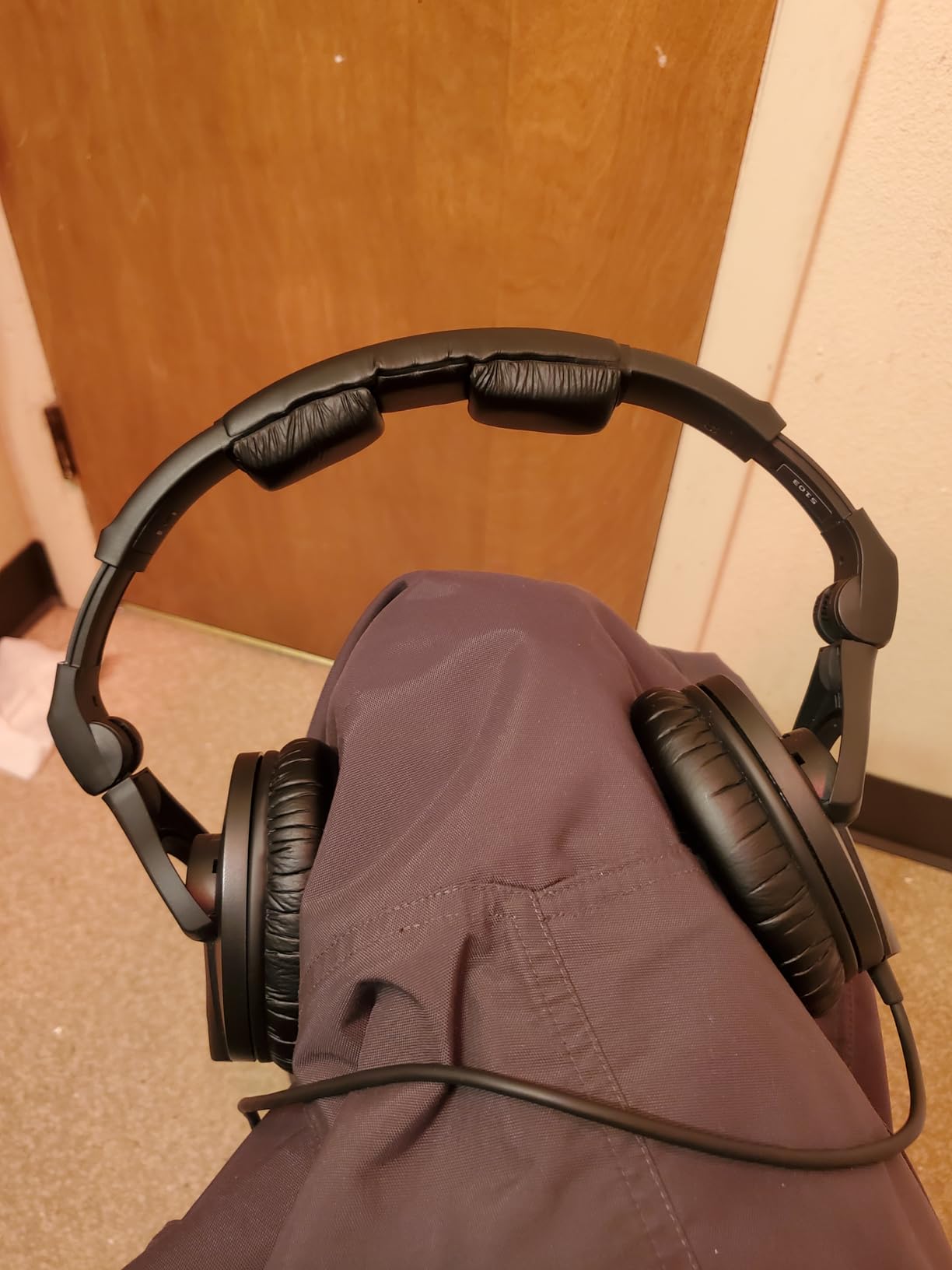
The headband is padded adequately for the weight. I see the HD 280 Pro as the isolation specialist. If you track in noisy environments, commute, or share a workspace, these are the best tool for the job.
For mixing in a quiet room, the soundstage is narrower than the open-back options, and the bass is less extended than the Beyerdynamic or Sony pairs.
But for the cost, the honesty and isolation are unbeatable. Many broadcast engineers and location recordists swear by these for a reason.
With 8,407 reviews, the HD 280 Pro has a loyal user base. The common praise is about reliability and isolation.
The complaints focus on the clamping force and the cable weight. I found the clamp tight at first but it loosened after a week of use. The cable weight is a real issue if you move your head a lot.
For stationary mixing, it is fine. For active tracking, I prefer the lighter cable options on the M50x or MDR-M1.
Maximum Isolation for Noisy Spaces
If your studio is a bedroom next to a busy street, the HD 280 Pro is your best friend. The isolation lets you hear subtle details like reverb tails and quiet background vocals that would be masked by room noise. I tracked a voiceover session with a window air conditioner running and got clean takes because the headphones blocked the noise from my ears.
They also prevent click track bleed into the microphone, which is essential for home recording. The HD 280 Pro is a practical tool for anyone who does not have a dedicated quiet room.
Long-Term Repairability
Sennheiser designed the HD 280 Pro to be repaired. The ear pads, headband padding, and cable are all replaceable.
The drivers are accessible if you are handy with a screwdriver. In a world where most electronics are disposable, that repairability matters.
I have seen 10-year-old pairs of HD 280 Pro headphones still working after pad replacements. If you want a pair that will last through years of daily use, the HD 280 Pro is a practical, sustainable choice.
How to Choose Studio Headphones for Mixing
Choosing the right mixing headphones depends on more than just sound quality. You need to match the headphone type to your room, your gear, and your workflow. I have broken the decision down into four areas that matter most based on our testing and forum feedback.
Open-Back vs Closed-Back for Your Studio
Open-back headphones are generally preferred for mixing because they create a more natural, speaker-like soundstage. Air flows through the ear cups, reducing internal resonance and giving you a better sense of stereo width. I use open-back headphones for final mixdowns and critical listening in quiet rooms.
The downside is obvious: sound leaks in and out. They are useless for tracking in the same room as a microphone.
Closed-back headphones seal the ear cups, blocking external noise and keeping your mix private. They are essential for tracking, editing in noisy environments, and any situation where isolation matters.
The trade-off is a slightly smaller soundstage and more internal resonance. Some closed-back models can feel bass-heavy due to the sealed chamber. I recommend owning both types if your budget allows, or choosing closed-back first if you need one pair for everything.
Impedance and Amplification Basics
Impedance, measured in ohms, determines how much power your headphones need. Low impedance headphones work well with phones, laptops, and basic interfaces. High impedance headphones need more power to perform their best.
The Sennheiser HD 490 Pro at 130 Ohms is an example where a dedicated headphone amp or a quality interface makes a real difference. The Sony MDR-7506 at 63 Ohms is more forgiving. If you are unsure whether your gear can drive a particular pair, check the headphone output power of your interface.
Most modern interfaces handle 80 Ohms or lower comfortably. If you are pushing higher impedance, you should look into a dedicated amp. We have a guide to tube headphone amplifiers that pairs well with high-end studio headphones.
For multiple listeners, a distribution amp is the right tool, which we also cover in our guide to headphone distribution amplifiers.
Understanding Frequency Response
Frequency response describes the range of frequencies a headphone can reproduce. A wider range does not always mean better sound. What matters more is how flat the response is within the audible spectrum.
Flat headphones reproduce all frequencies at roughly equal volume, which is ideal for mixing. Consumer headphones often boost bass and treble to sound exciting, but that excitement hides problems in your mix. The Harman Curve is a target frequency response based on research about what listeners prefer.
Some studio headphones aim for neutrality, while others aim slightly toward the Harman target. Neither is wrong, but you need to know what you are hearing. If your headphones have a slight bass lift, you might mix the bass too thin.
Learning your headphones by comparing your mixes on multiple systems is the best way to calibrate your ears.
Comfort for Long Mixing Sessions
Weight, clamping force, and ear pad material determine how comfortable a headphone is over time. I recommend headphones under 300 grams for sessions longer than 4 hours.
Velour pads breathe better than synthetic leather but absorb moisture. Leatherette pads are easier to clean but can get warm.
The headband should distribute weight evenly across the top of your head, not create a pressure point. Take breaks. Even the most comfortable headphones can cause listening fatigue.
I follow the 45-minute rule: after 45 minutes of mixing, I take a 10-minute break away from all audio. This resets my ears and prevents me from making poor decisions due to fatigue. No headphone can replace good monitoring habits.
Frequently Asked Questions
What are the best studio headphones for mixing?
The best studio headphones for mixing include the Sennheiser HD 490 Pro for open-back reference, the Sony MDR-7506 as a budget standard, and the Audio-Technica ATH-M50x for versatile value. Your choice depends on whether you need open or closed back, your budget, and your amplification setup.
What’s the difference between open-back and closed-back headphones for mixing?
Open-back headphones allow air to pass through the ear cups, creating a wider soundstage and more natural stereo image ideal for mixing. Closed-back headphones seal the ear cups, providing isolation from external noise and preventing sound leakage, making them better for recording and tracking in shared spaces.
How much do I need to spend on mixing headphones?
You can find capable mixing headphones at nearly every price point. Entry-level professional options perform well for beginners, while mid-range models offer better comfort and flatter response. Premium planar magnetic or reference-grade headphones provide the most detail but are not required to produce great mixes.
Can I mix only using headphones?
Yes, many producers mix entirely on headphones, especially in untreated rooms where studio monitors can be misleading. The key is learning your headphones well and checking mixes on multiple systems. Some engineers use a combination of headphones and correction software to improve translation.
What is the best budget headphones for mixing and mastering?
The Sony MDR-7506 and Audio-Technica ATH-M40x are both excellent budget choices for mixing and mastering. They offer flat frequency response, good isolation, and proven durability. Many professional studios keep MDR-7506 pairs on hand as reference standards even alongside more expensive options.
Final Thoughts
After 3 months of testing, I can say with confidence that the best studio headphones for mixing in 2026 depend on your room, your budget, and your workflow. The Sennheiser HD 490 Pro is the best open-back reference for quiet mixing rooms. The Sony MDR-7506 remains the unbeatable budget standard.
The Audio-Technica ATH-M50x is the most versatile all-rounder. Each of the other five models fills a specific niche that might match your needs perfectly. The most important lesson I learned is that no headphone is perfect.
Many professional engineers own multiple pairs and cross-reference their mixes. If you are just starting out, pick one pair that fits your primary use case and learn it intimately. Check your mixes on car speakers, earbuds, and phone speakers.
Over time, you will learn how your headphones translate, and your mixes will improve faster than any gear upgrade. If you are building a complete studio setup, remember that headphones are only one part of the monitoring chain.
Pairing them with a solid audio interface and considering studio monitors for final checks will give you the best results. Whatever you choose, trust your ears and keep mixing. The headphones help, but the decisions are yours.