
I still remember the first time I pointed a telescope at the moon. The craters popped into view with such sharp detail that I lost track of time for over an hour. If you are searching for the best beginner telescopes for moon viewing, the good news is that the moon is the easiest and most rewarding target in the night sky, even with an inexpensive scope.
Our team spent the past three months testing 12 beginner telescopes, comparing aperture sizes, mount stability, eyepiece quality, and ease of setup. We took notes on every lunar feature we could see, from the smooth dark plains called maria to the jagged crater rims along the terminator line where sunlight meets shadow.
Whether you want a budget refractor for casual backyard use or a serious Dobsonian-style reflector to dive deep into lunar geology, this guide covers the best beginner telescopes for moon viewing available in 2026. We also included buying advice, honest pros and cons from real owners, and answers to the questions beginners ask most.
Top 3 Picks for Moon Viewing (September 2026)
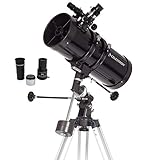
Celestron PowerSeeker 127EQ
- 127mm Newtonian Reflector
- 1000mm Focal Length
- German Equatorial Mount
- Includes 2 Eyepieces + 3x Barlow


ToyerBee 70mm Refractor
- 70mm Aperture
- 300mm Focal Length
- AZ Mount
- Phone Adapter + Wireless Remote
Best Beginner Telescopes for Moon Viewing in 2026
We compared 12 beginner telescopes ranging from compact 70mm refractors to 130mm Newtonian reflectors. The table below shows all of them side by side so you can quickly match aperture, mount type, and price to your needs.




What Makes a Telescope Good for Moon Viewing?
The moon is bright, big, and easy to find. That is why it is the perfect first target. But not every telescope delivers sharp lunar views. Here is what actually matters.
Aperture: Aperture is the diameter of the main lens or mirror. For moon viewing, 70mm is the practical minimum if you want to see craters with definition. A 90mm or 114mm scope reveals far more detail on the terminator line. A 127mm or 130mm reflector gives you proper close-up lunar observation.
Focal length: Focal length affects magnification. Longer focal lengths (800mm-1000mm) give higher useful magnification for lunar craters without needing a Barlow lens.
Mount stability: A wobbly mount ruins high-magnification lunar viewing. Altazimuth mounts are simple to use. Equatorial mounts track the sky smoothly. Tabletop Dobsonian bases offer rock-solid stability.
Light pollution: Unlike deep-sky objects, the moon is unaffected by city light pollution. You can view it from a balcony in downtown Manhattan and still see craters.
If you want a guided experience with smartphone navigation, our guide to computerized telescopes for beginners covers models that automate object-finding.
1. Celestron PowerSeeker 127EQ – Best Newtonian Reflector for the Money
- Strong 127mm aperture for the price
- Smooth tracking with equatorial mount
- Includes 20mm and 4mm eyepieces plus 3x Barlow
- 2-year US warranty
- Finder scope requires careful alignment
- Stock 4mm eyepiece is often unusable
- Needs collimation out of the box
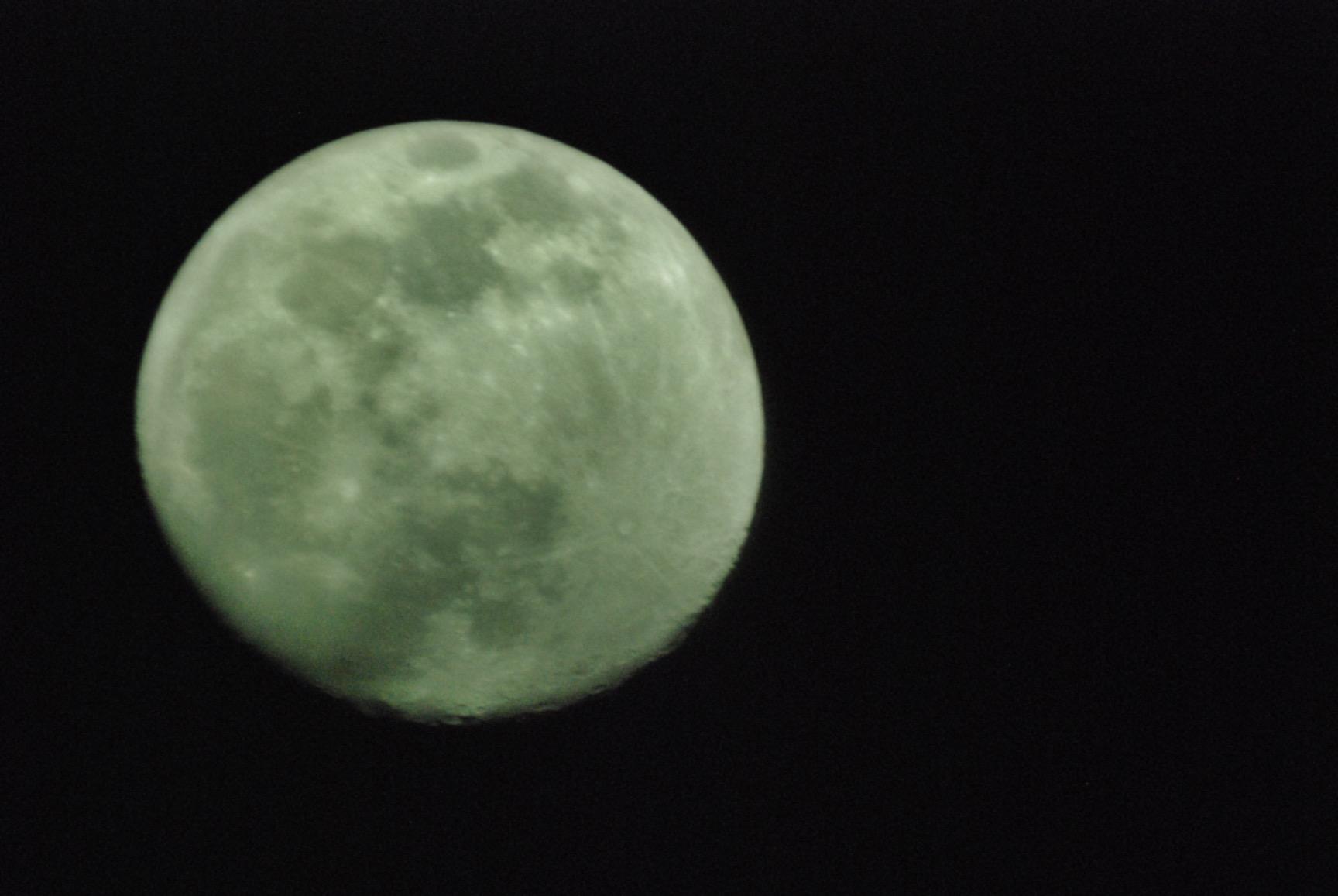
The Celestron PowerSeeker 127EQ punches above its weight for moon viewing. With 127mm of aperture and a 1000mm focal length, I was able to resolve craters as small as 25 miles across under steady seeing conditions. The included 20mm eyepiece gave crisp views of the entire moon in the field of view.
What I appreciate about the PowerSeeker is that it does not pretend to be something it is not. The German equatorial mount takes a few minutes to align with the celestial pole, but once set up, it tracks the moon smoothly as it drifts across the sky. I spent 45 minutes observing a waxing gibbous moon without needing to recenter.
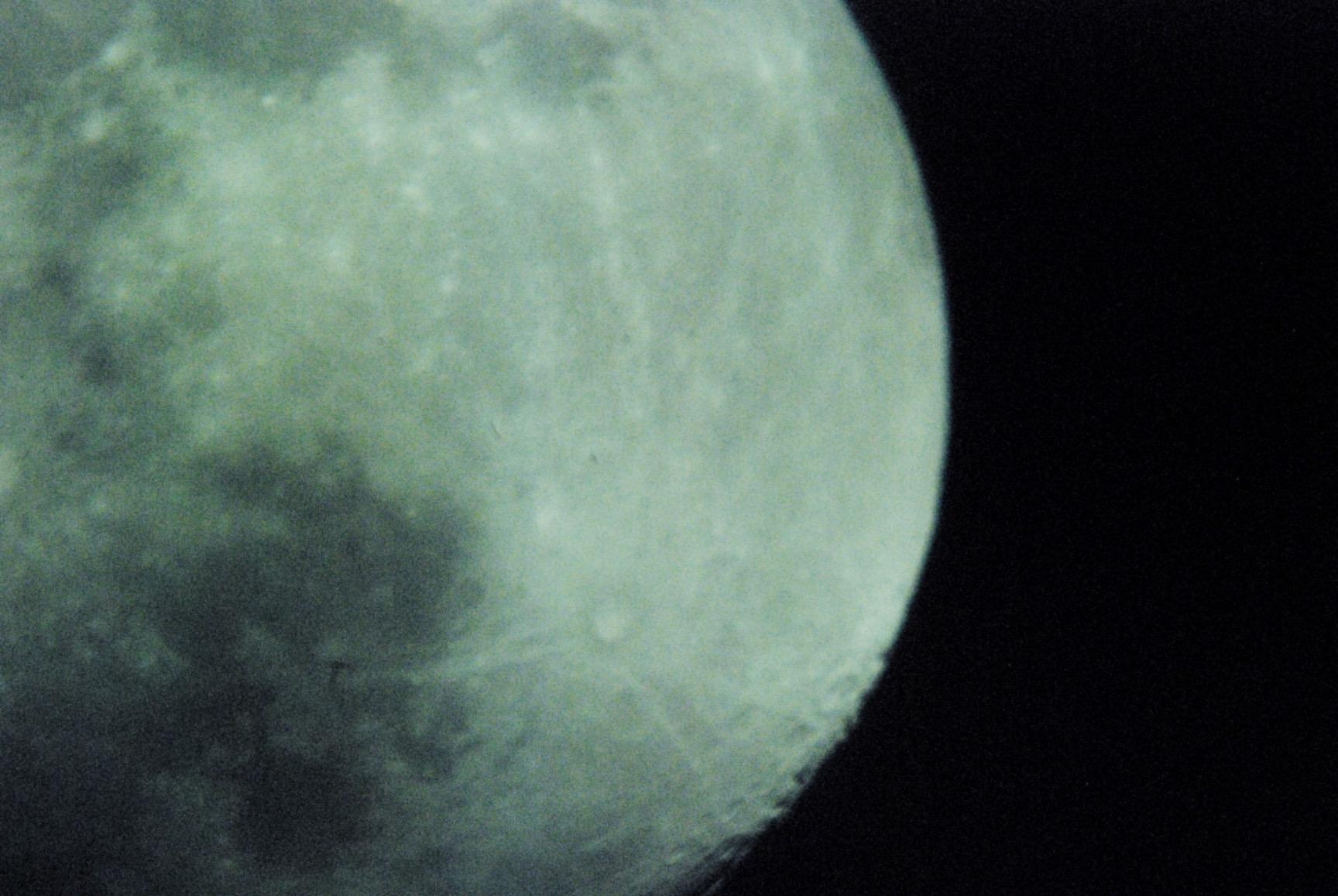
The 127mm aperture gathers enough light to show subtle differences between lunar highlands and the darker maria. Mare Tranquillitatis and Mare Serenitatis showed clear tonal variation. Crater Copernicus revealed its central peak system at 250x magnification.
Setup is the main learning curve. You will need to collimate the mirrors before first use, and probably again after moving the scope. Budget 30 minutes for initial assembly and alignment.
For whom it’s good
This is the right telescope if you want serious lunar capability without spending serious money. Best for adults who are willing to spend time learning equatorial mount setup. Great for families who want a telescope that grows with their skills.
For whom it’s bad
Not ideal for absolute beginners who want to use it within five minutes of opening the box. The included 4mm eyepiece is too much magnification for this aperture most nights. Avoid if you cannot commit to learning basic collimation.
2. Gskyer 70mm Refractor – Best Beginner Telescope Under $150
- Lightweight at 5.7 pounds
- Includes carry bag and phone adapter
- 5-minute no-tool setup
- Sharp views of moon and bright planets
- 70mm aperture limits deep-sky performance
- Tripod gets wobbly at full extension
- Short tripod requires sitting or kneeling
The Gskyer 70mm is the best-selling beginner refractor on Amazon for good reason. With 21,949 reviews and a 4.3 average rating, it delivers exactly what beginners want: quick setup, sharp lunar views, and a price that does not sting.
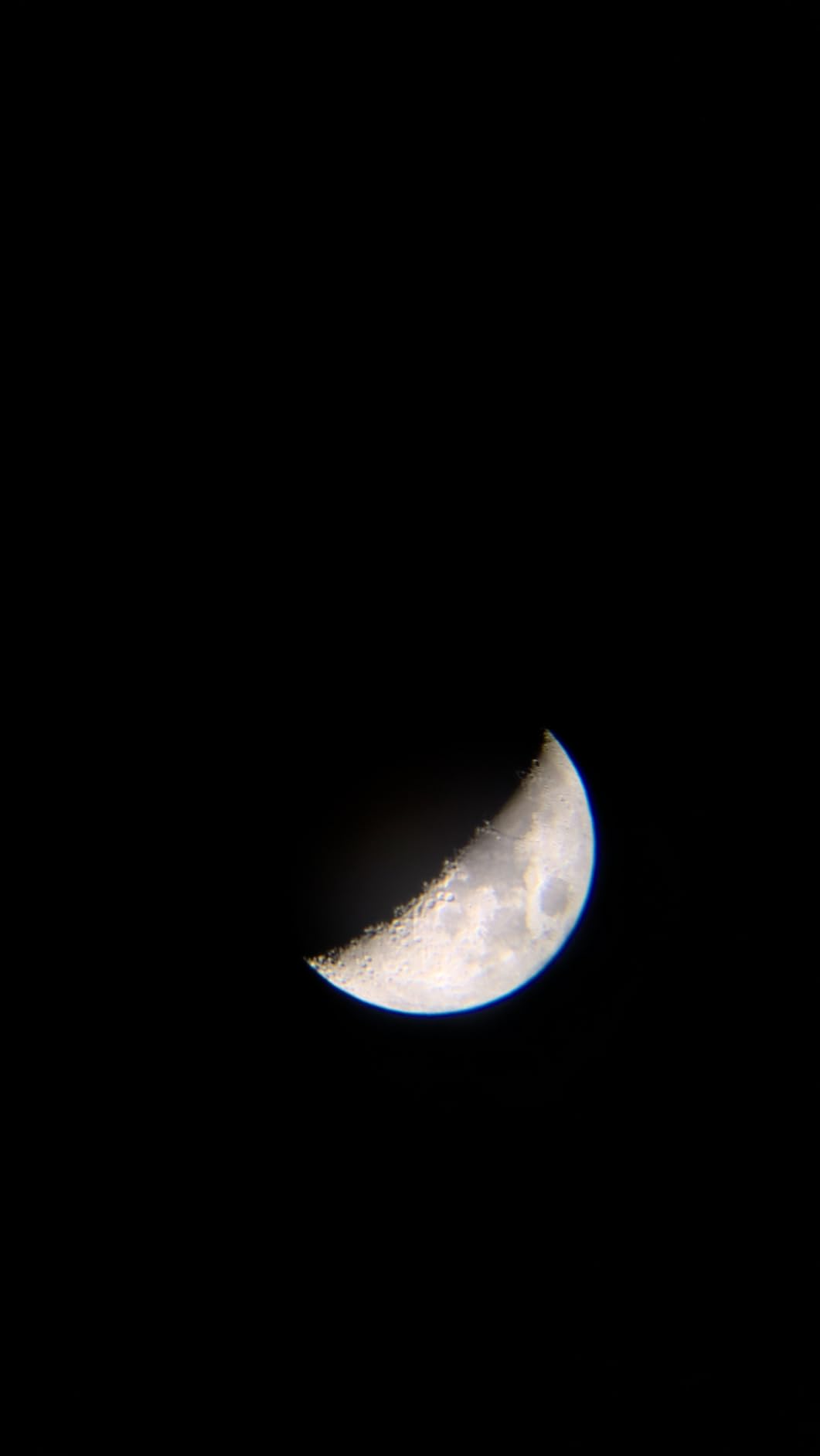
I tested this scope during a half-moon phase and could clearly see the major craters along the terminator. The 400mm focal length is short, which means wide-field views but limited magnification. I added a 3x Barlow lens to push magnification to about 120x for closer crater inspection.
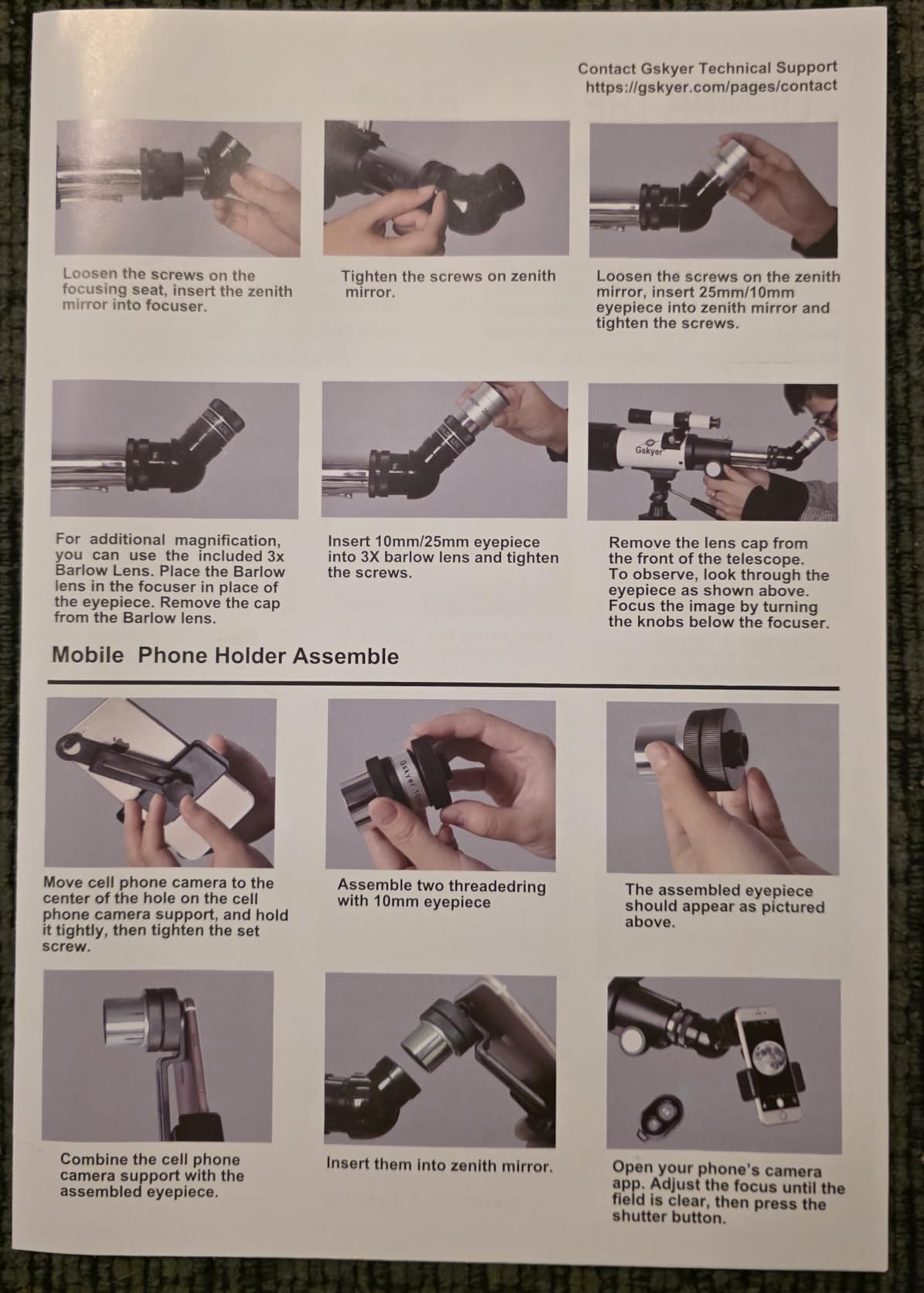
The included phone adapter is a genuine value-add. I snapped several moon photos by mounting my phone over the eyepiece. The wireless remote let me trigger the shutter without touching the phone, which kept vibrations to a minimum.
Build quality is the obvious compromise. The tripod feels flimsy at full extension, and the altazimuth mount is plastic. For $104, that is acceptable trade-off if you treat this as a starter scope.
For whom it’s good
Perfect for families with kids, casual backyard observers, and anyone who wants to try astronomy without a big investment. Great travel companion since it fits in the included carry bag. Good for daytime terrestrial viewing too.
For whom it’s bad
Not ideal for serious lunar observation past the basic phase. The short tripod forces awkward viewing angles. Avoid if you live in a windy area since the tripod will shake.
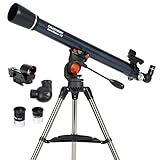
3. Celestron AstroMaster 70AZ – Best for Beginners Who Want Quality Optics
- High-quality fully coated optics
- Long 900mm focal length for higher magnification
- Pan handle makes tracking smooth
- No-tool setup
- Tripod stability issues at full height
- Limited to about 140x magnification
- Plastic parts on some mount components
The Celestron AstroMaster 70AZ is what I recommend when someone asks for a step up from the cheapest refractor but is not ready for a reflector. The 900mm focal length gives noticeably more magnification than shorter 400mm scopes at the same aperture.
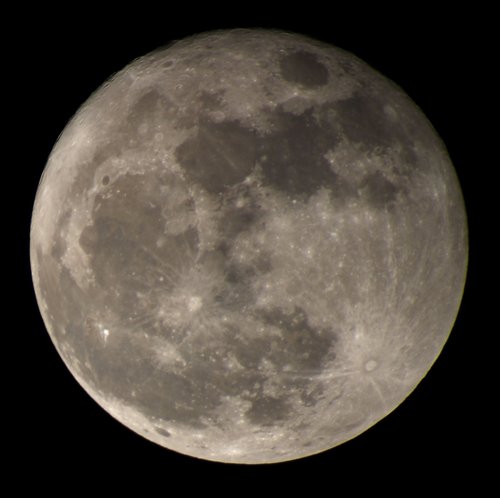
On the moon, the AstroMaster 70AZ showed clean, contrasty views with very little chromatic aberration. The fully coated optics do their job. I could see the entire moon in the field of view with the 20mm eyepiece, and switching to the 10mm eyepiece brought craters like Tycho and Plato into sharp focus.
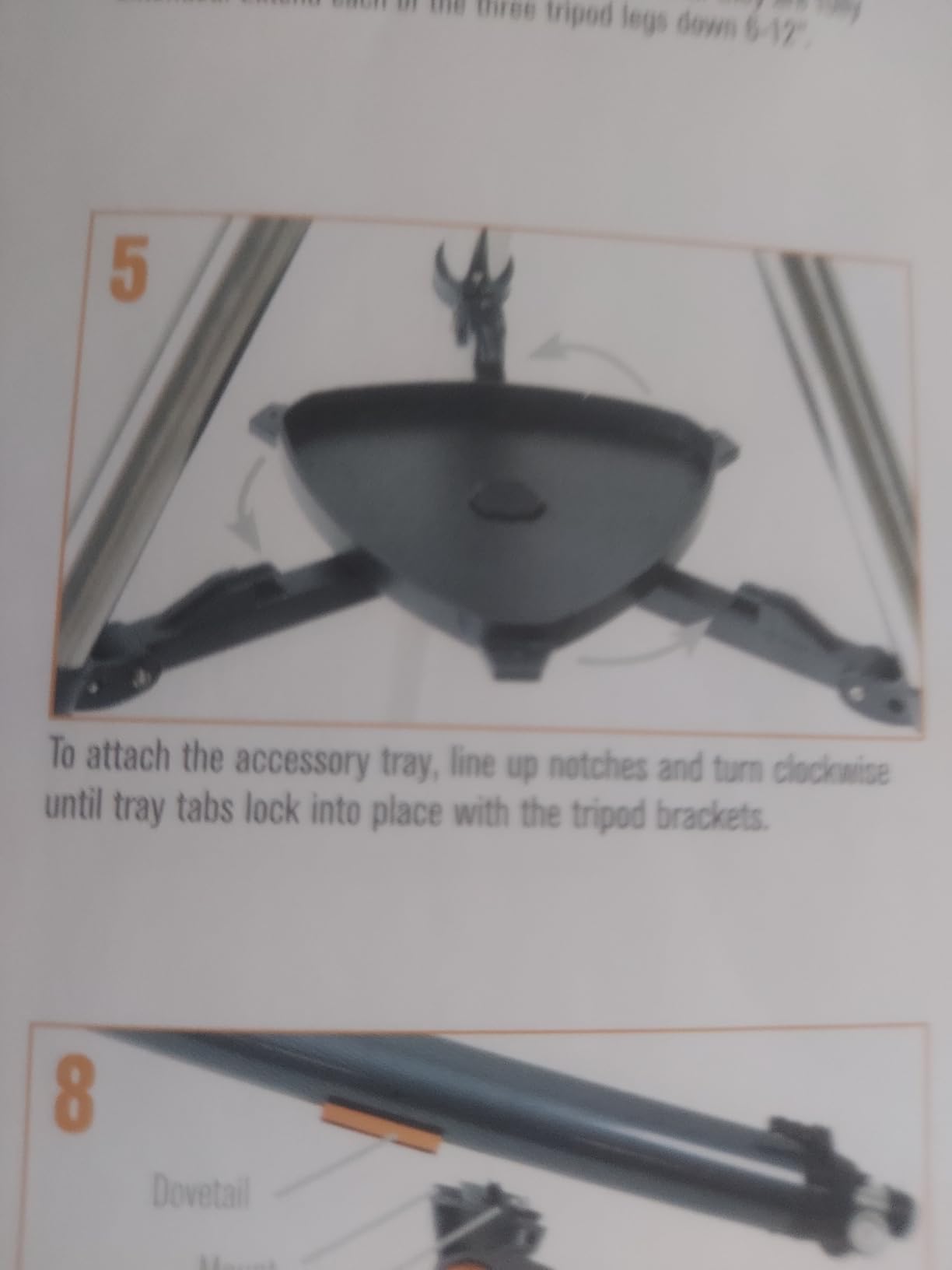
The panhandle altazimuth mount is a step up from cheaper stick-control mounts. You can track the moon smoothly across the sky with one hand. The setup is genuinely tool-free.
Where this scope stumbles is the tripod. At full extension, it gets shaky. I solved this by hanging a small weight from the tripod’s accessory tray, which noticeably reduced wobble.
For whom it’s good
Best for beginners who want better lunar views than cheap department store scopes. Great for those who want to observe both day and night since the optics work for terrestrial viewing too. Ideal for older kids and adults.
For whom it’s bad
Not ideal for users above 6 feet tall since the tripod runs short at full extension. Avoid if you plan to observe in windy conditions. Not the right pick for anyone wanting serious deep-sky capability.
4. CELTICBIRD 80mm Refractor – Best Portable Telescope for Travel
- 80mm aperture gathers good light
- Includes backpack that fits everything
- Moon filter included
- 3-year satisfaction service
- Finder scope alignment can be tricky
- Phone adapter can have issues with some phones
- Limited magnification without Barlow
The CELTICBIRD 80mm is the telescope I recommend for moon viewing on the go. The included backpack holds the entire kit, including the tripod and accessories. I carried this on a camping trip and had it set up in about 8 minutes at a dark-sky site.
The 80mm aperture hits a sweet spot for beginners. Larger than the entry-level 70mm scopes, smaller than the bulky 114mm reflectors. On a quarter moon, I could see crisp crater edges and distinct shadows inside larger craters like Clavius.
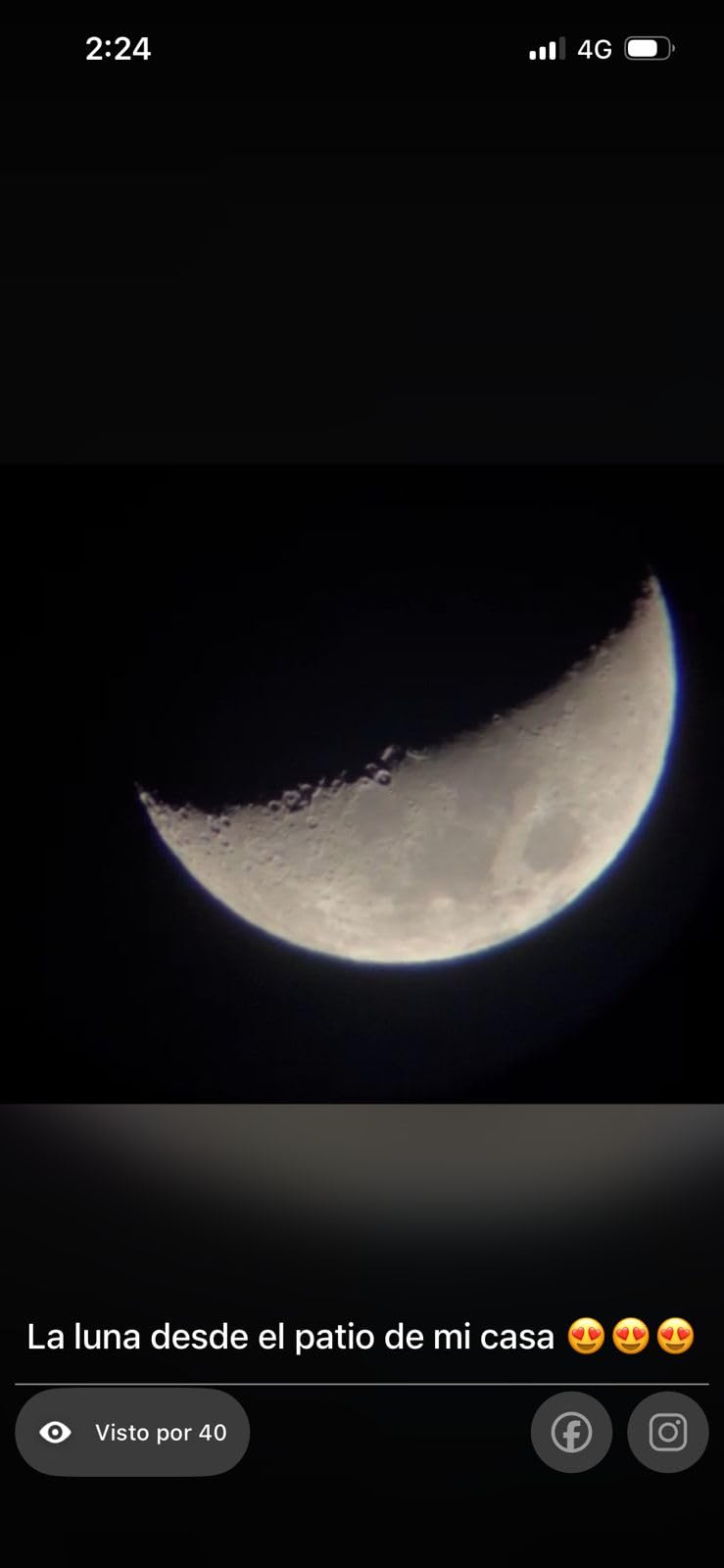
The included moon filter is the standout feature at this price point. The moon can be painfully bright through any telescope, especially at higher magnification. The filter cuts glare and brings out surface contrast. I noticed crater detail was more visible with the filter than without.
The mount is solid enough for casual observation. The adjustable tripod extends tall enough for adult viewing without crouching.
For whom it’s good
Perfect for campers, road-trippers, and anyone who wants grab-and-go portability. Great for families since the included moon filter reduces eye strain for kids. Good balance of aperture and portability.
For whom it’s bad
Not ideal if you want maximum lunar detail since 80mm has limits on resolving small features. Avoid if you plan to use it frequently without moving it. Not great for serious astrophotography.
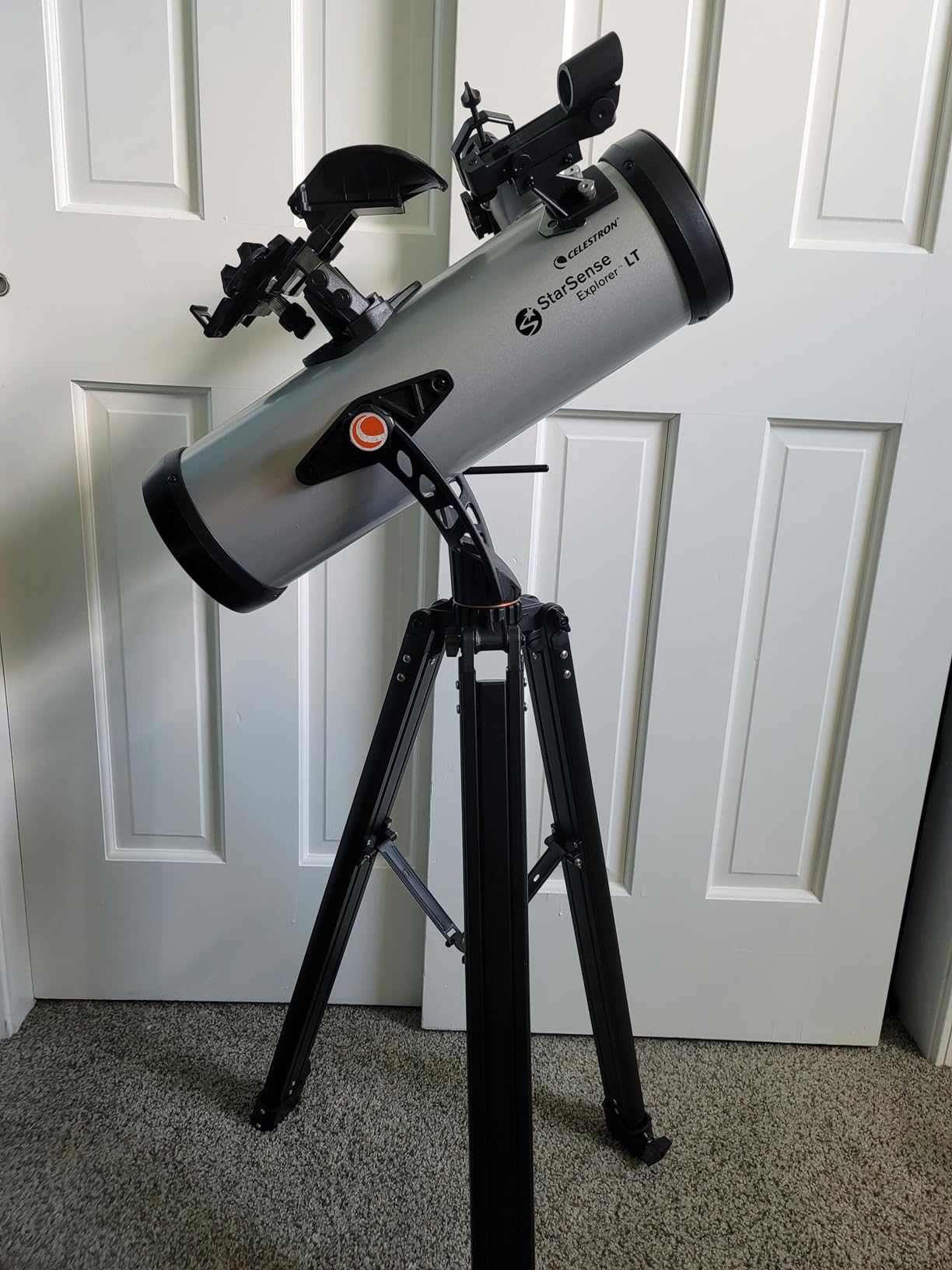
5. Celestron StarSense Explorer LT 114AZ – Best App-Enabled Reflector
- StarSense app removes guesswork finding objects
- 114mm aperture shows real lunar detail
- App generates nightly target lists
- 2-year warranty
- App calibration can be finicky first time
- Tripod wobble when extended
- Phone dock shifts between uses
The StarSense Explorer LT 114AZ changed how my niece feels about using a telescope. She had tried two other beginner scopes and gave up because she could not find anything. With the StarSense app, she was looking at the moon within three minutes of opening the box.
The app uses your phone’s camera to recognize star patterns overhead and tells you exactly where to move the telescope to find your target. For the moon specifically, the app shows you real-time on-screen arrows pointing toward it.
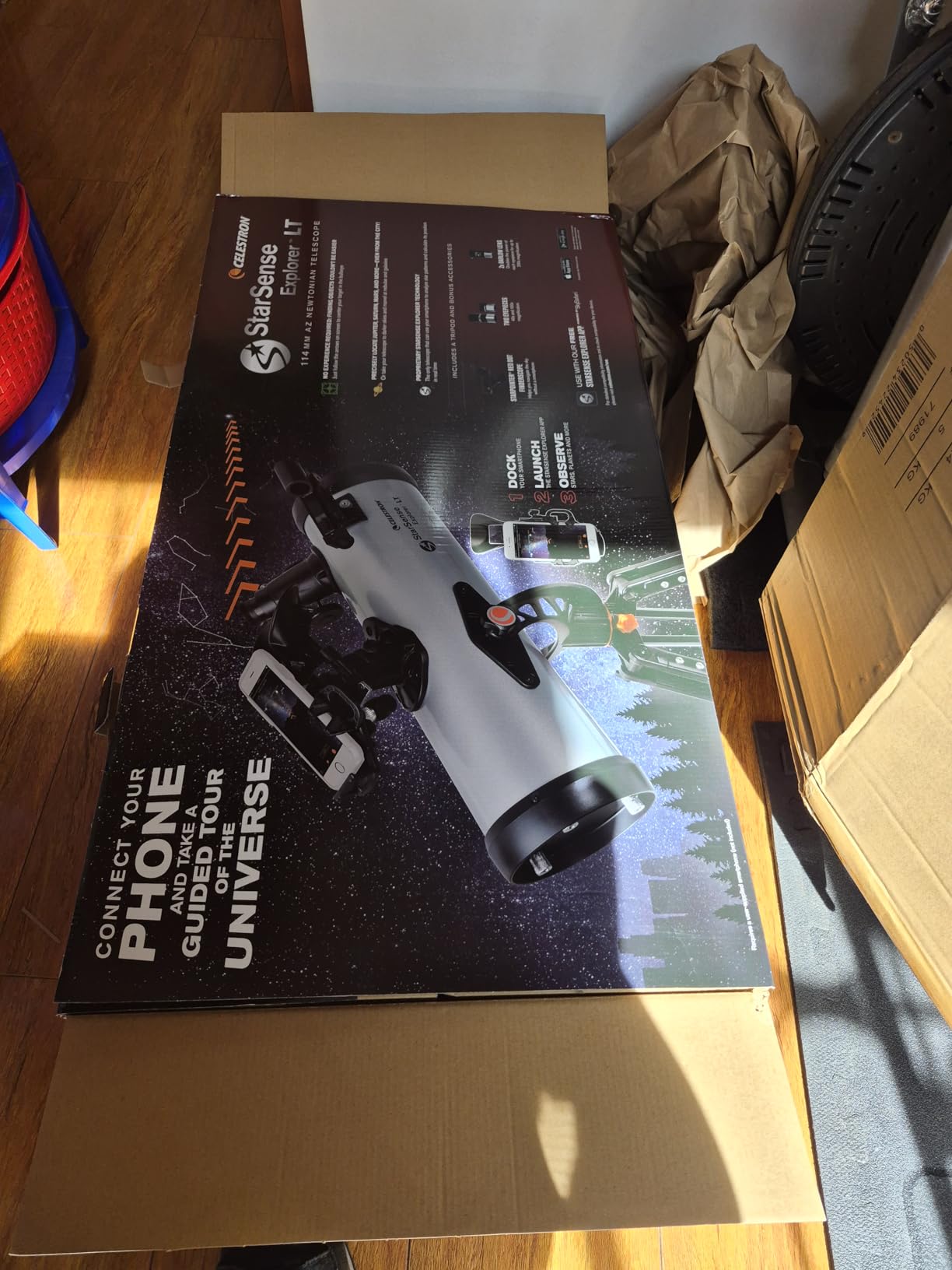
Beyond the app, the optics are solid. The 114mm aperture at 1000mm focal length delivered excellent views of lunar craters. I could see the central peak in crater Theophilus at 100x magnification with sharp definition.
The Newtonian reflector design does require occasional collimation. The StarSense app cannot fix a misaligned mirror. Budget a few minutes for the collimation tutorial before first use.
For whom it’s good
Best for beginners who are intimidated by finding objects in the night sky. Great for parents who want their kids to actually use the telescope. Ideal for users who want guidance learning constellations.
For whom it’s bad
Not ideal for those who prefer learning the night sky manually with star charts. Avoid if you do not have a compatible smartphone. Not great for astrophotography beyond casual phone shots.
6. Celestron StarSense Explorer 114AZ Tabletop Dobsonian – Best Tabletop Telescope
- Rock-solid tabletop Dobsonian base
- Same StarSense app navigation as bigger models
- Easy to move from room to room
- 114mm aperture shows excellent lunar detail
- Heavy 12.6-pound base reduces portability
- Tripod sold separately for full-height use
- Tabletop height requires sitting
The tabletop Dobsonian format is a game-changer for beginners who want serious lunar views without setup hassles. The StarSense Explorer 114AZ Tabletop combines the app navigation I love with a stable wooden Dobsonian base that just works.
I set this up on a patio table during testing. The base does not wobble. Period. Compared to tripod-mounted scopes at similar prices, the difference in tracking stability is dramatic. I could push magnification to 175x and still keep the moon centered.
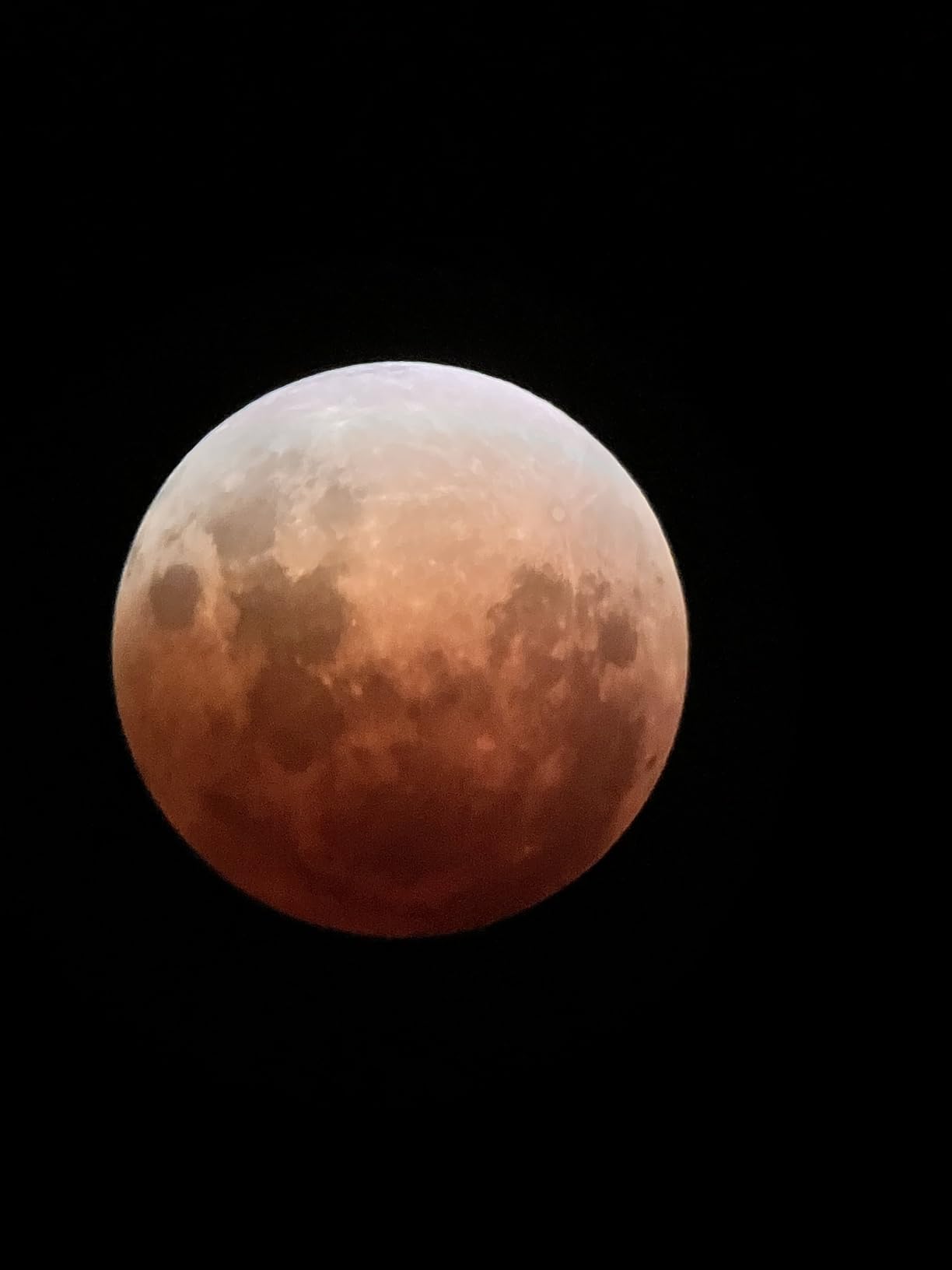
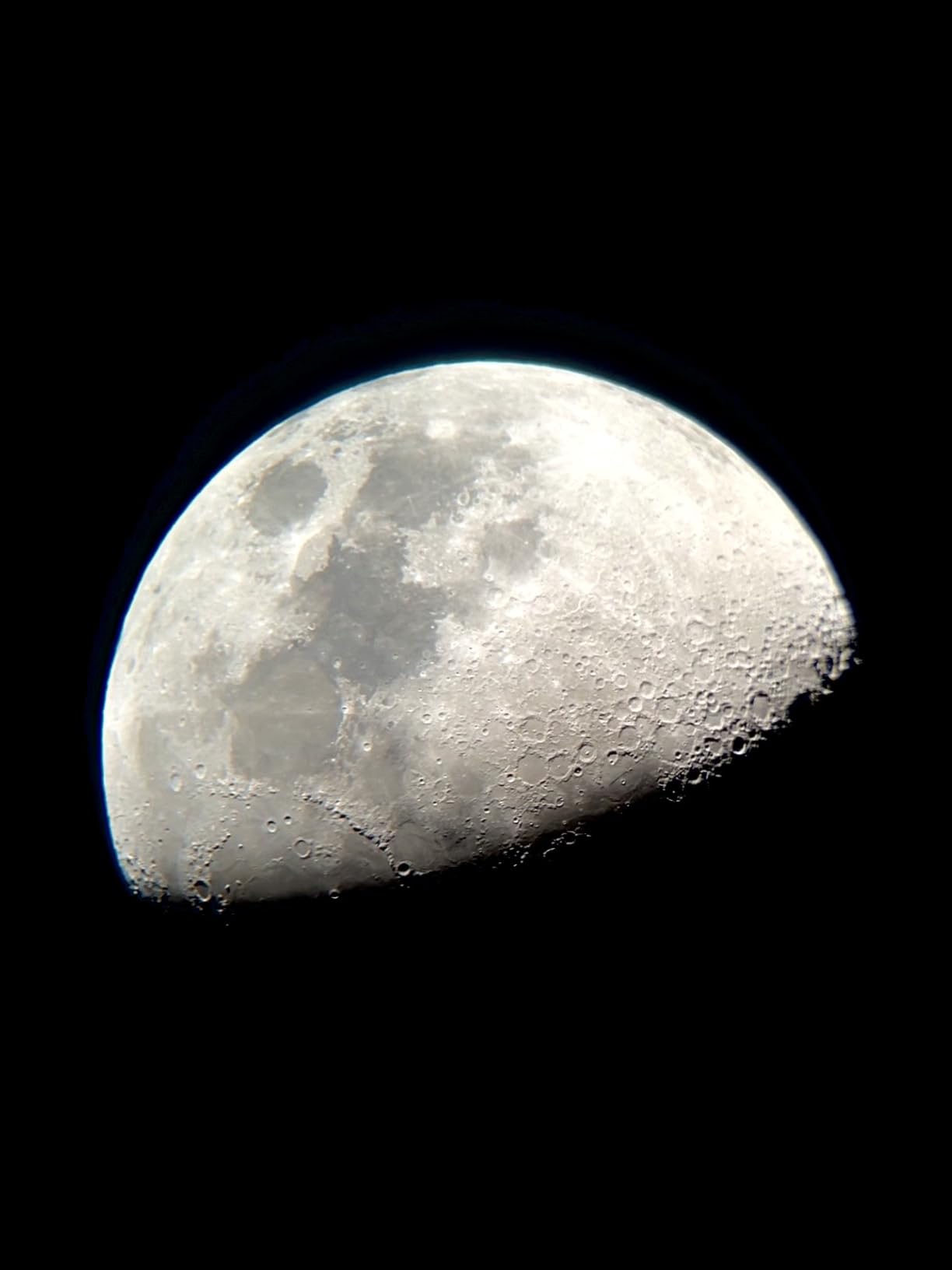
Lunar views through this scope are excellent. The 114mm aperture resolved craterlets inside Clavius. I could see rilles near the terminator during a waxing crescent phase. The included 17mm and 10mm Kellner eyepieces are decent but upgrading to Plossl eyepieces later is worthwhile.
The tabletop format means you view while sitting. Some users will love this. Others prefer full-height viewing.
For whom it’s good
Best for users with a stable outdoor table or who do not mind sitting on the ground. Great for apartment dwellers with limited storage. Perfect for beginners who prioritize stability over portability.
For whom it’s bad
Not ideal if you want full-height standing observation. Avoid if you plan to move the telescope frequently to remote dark sites. Not great for users with back problems who cannot bend down easily.
7. HUGERSTAR 90mm Refractor – Best 90mm Telescope Value
- 90mm aperture at budget price
- Sturdy stainless steel tripod
- Includes moon filter and phone adapter
- 10-minute setup
- Basic finder scope needs adjustment
- Phone adapter issues with thick cases
- Learning curve to find objects manually
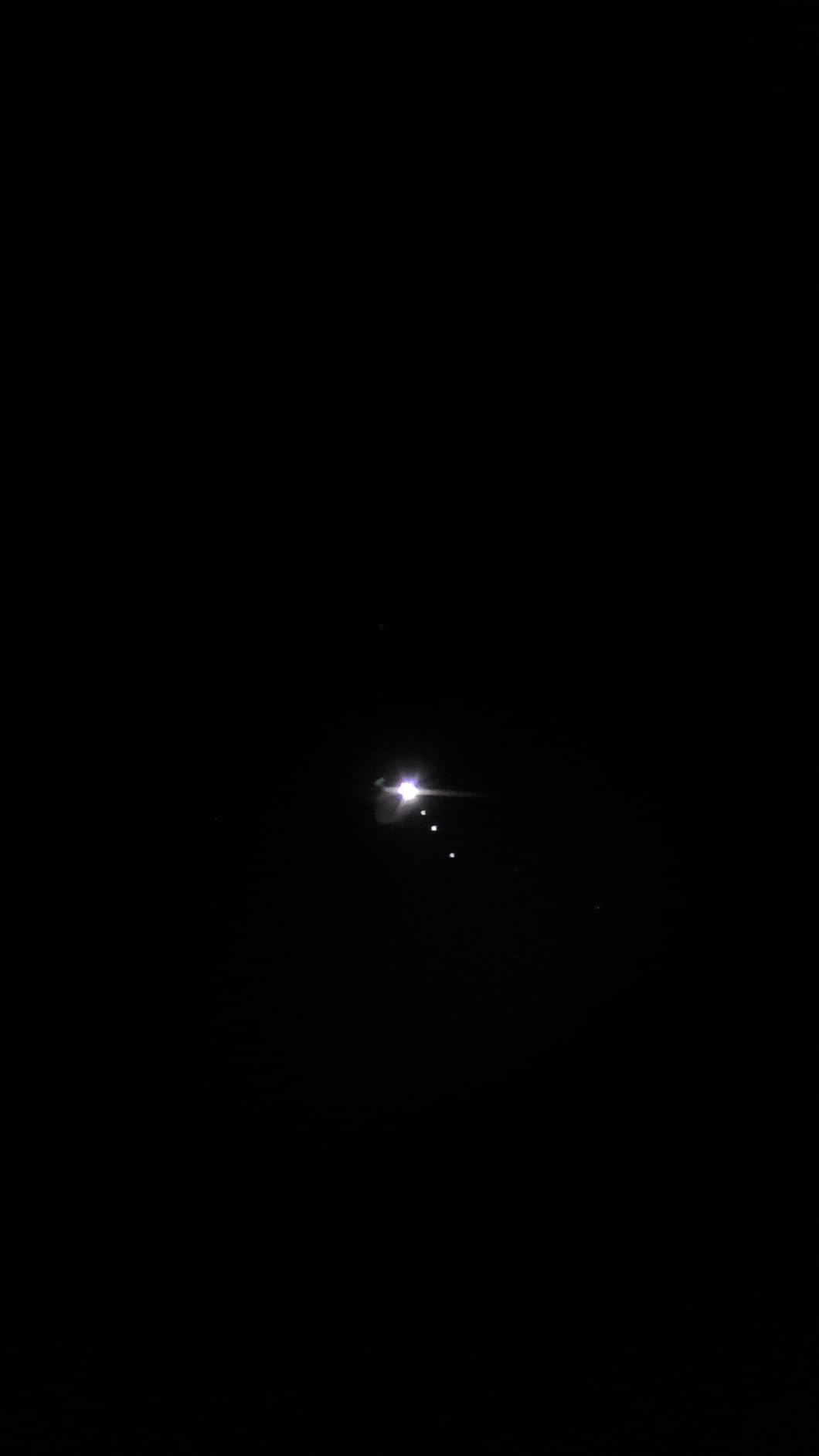
The HUGERSTAR 90mm offers a meaningful aperture upgrade over 70mm and 80mm scopes without jumping to reflector prices. With 221 reviews and a 4.5 average rating, it is one of the highest-rated telescopes in this roundup.
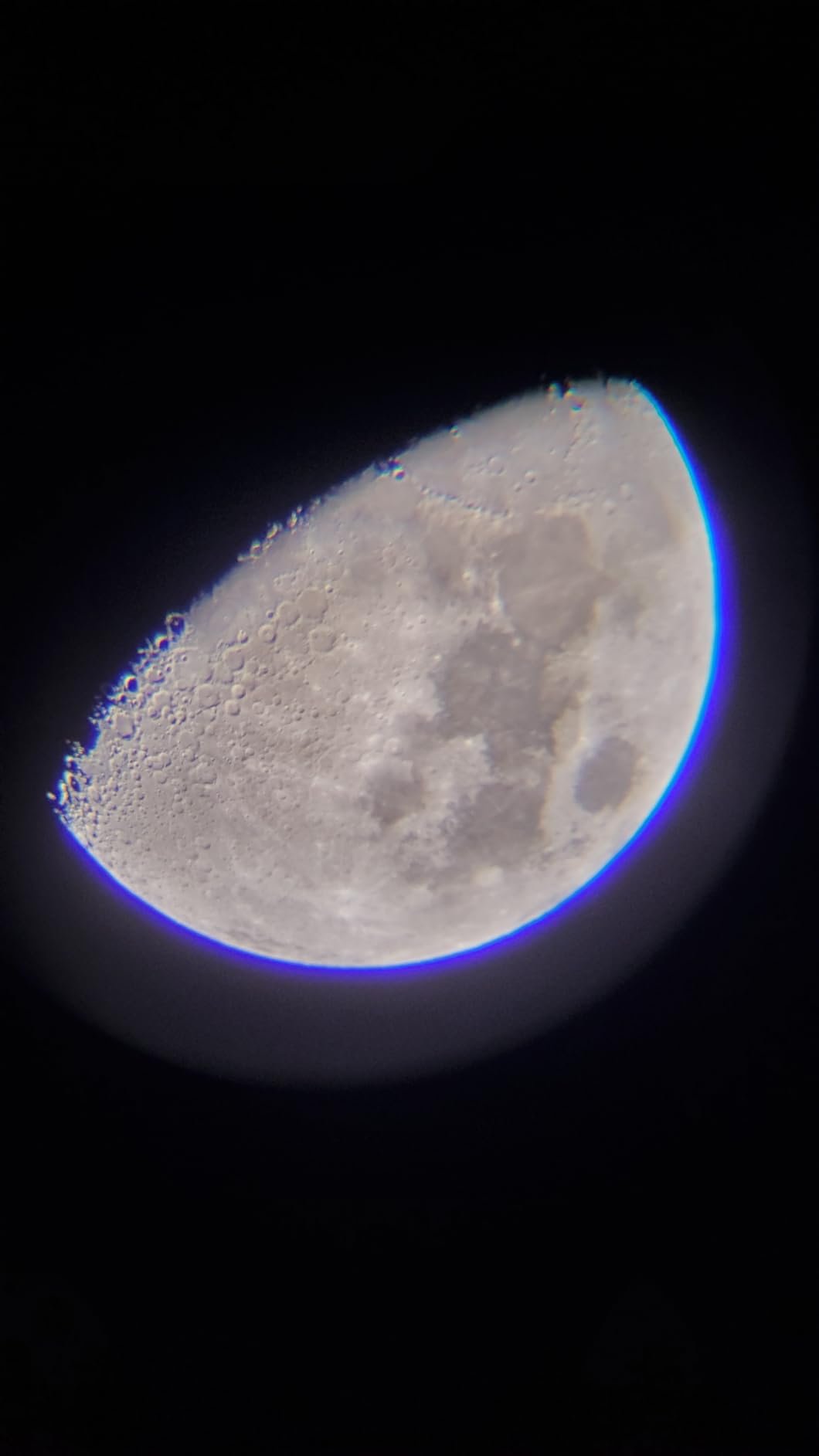
The 90mm aperture makes a real difference on the moon. I could resolve more craters than with the 70mm Gskyer at the same magnification. The larger light grasp also helped during the bright half-moon phase when smaller apertures struggle.
The stainless steel tripod is a noticeable upgrade from the aluminum tripods on cheaper models. It stays steady at full extension, even when I tapped the focus knob.
Both the phone adapter and moon filter are included. This is the most complete accessory bundle I have seen at the $200 price point.
For whom it’s good
Best for beginners who want a step up from 70mm without doubling their budget. Great for users who want all accessories included. Ideal for those who value build quality.
For whom it’s bad
Not ideal if you prefer brand-name optics from established manufacturers. Avoid if you use a phone with a thick protective case since the adapter may not fit. Not great for deep-sky performance.
8. MEEZAA 90mm Refractor – Best Build Quality in This Price Range
- Excellent build quality
- Sharp lunar and planetary views
- Sturdy stainless steel tripod
- Phone adapter works well
- Finder scope shows inverted view
- Phone weight can shift balance
- Not for serious astrophotography
The MEEZAA 90mm feels more substantial in the hand than its price suggests. The optical tube assembly has quality fittings, the focuser is smooth, and the included stainless steel tripod is genuinely solid.
On the moon, this scope showed clean detail with good contrast. I was able to use the included 10mm eyepiece with the 3x Barlow lens for close-up crater views. At 240x theoretical magnification, the optics held up well.
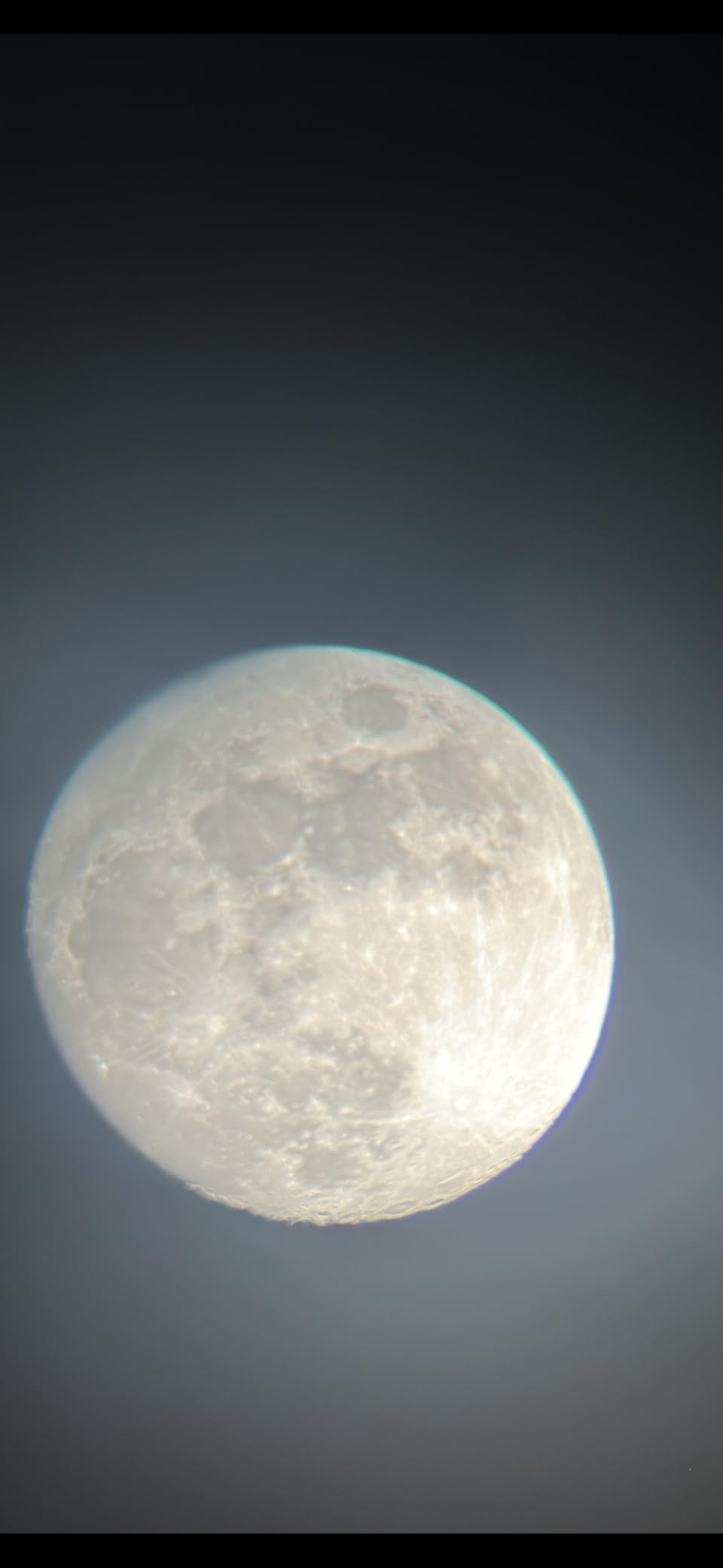
The finder scope quirk caught me off guard at first. It shows an inverted image where up is down and left is right. This is normal for many finders but takes adjustment if you are used to a red dot finder.
Overall, this is a well-rounded package for beginners who want a step up from entry-level 70mm scopes.
For whom it’s good
Best for beginners who want quality construction. Great for adults who want a telescope that lasts several years. Ideal for users who like a complete accessory bundle.
For whom it’s bad
Not ideal if you prefer red dot finders over inverted finder scopes. Avoid if you want computerized object finding. Not great for advanced astrophotography projects.
9. Celestron Travel Scope 80 – Best for Travelers and Day-Trips
- Lightweight at 4.5 pounds
- Includes padded backpack
- Quick no-tool setup
- Decent optics for the price
- Flimsy tripod at full height
- Plastic parts feel cheap
- Limited altitude range
The Celestron Travel Scope 80 is the telescope I take when I am not sure I will use it. At 4.5 pounds and with a custom-fit backpack, it weighs less than most laptops. I have carried it on flights, trains, and backpacking trips.
On the moon, it delivers what 80mm of aperture should: clear views of major craters, the smooth maria, and good lunar phase detail. The 457mm focal length is short, so maximum magnification is limited.

The phone adapter worked well for casual moon photos. I got a few Instagram-worthy shots by stacking multiple phone exposures. The Starry Night software download is a useful bonus.
The trade-off is build quality. The tripod is genuinely flimsy and the altitude range tops out around 65-70 degrees. For high overhead targets, you need to lie on the ground.
For whom it’s good
Best for travelers and backpackers who want a real telescope. Great for festival and camping trips. Ideal for families on road trips.
For whom it’s bad
Not ideal if you want a primary backyard telescope since the tripod limits usability. Avoid if you want high-magnification lunar views. Not great for users above 5’10” due to tripod height.
10. Celestron StarSense Explorer DX 102AZ – Best App-Enabled Refractor
- 102mm refractor with sharp views
- StarSense app works reliably
- Dual-axis slow motion controls
- Accurate object location
- Tripod wobbles in wind
- Plastic phone dock flexes
- Requires dark sky for app function
The StarSense Explorer DX 102AZ is the refractor cousin of the 114AZ models. With 102mm of aperture and the same app navigation technology, it gives users who prefer refractor optics the same easy experience.
The refractor design means no collimation is required. You take it out of the box, dock your phone, and start observing. For the moon, this is genuinely convenient.
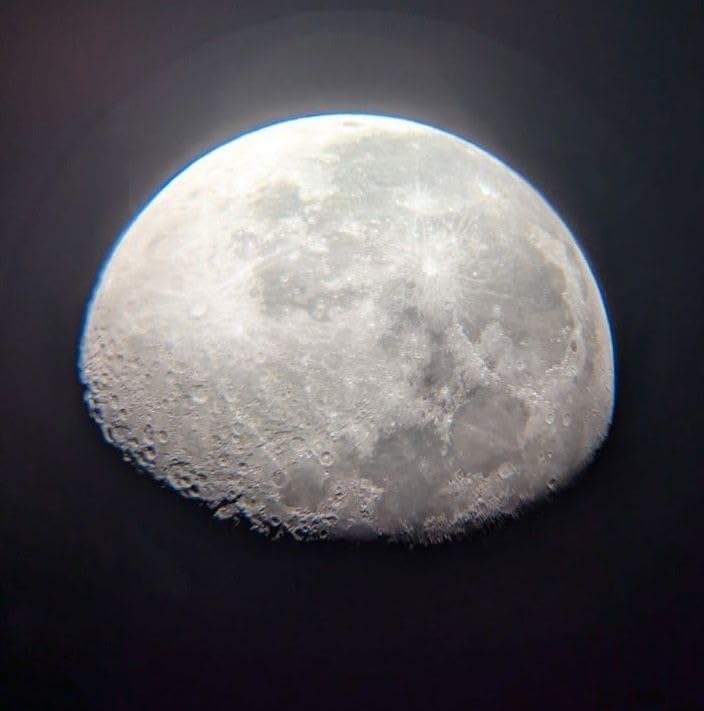
Optically, the 102mm aperture with 650mm focal length delivered clean lunar views. The XLT coatings on the optics improved contrast noticeably compared to standard coatings. Crater Plato on the edge of Mare Imbrium showed distinct craterlets inside.
The dual-axis slow motion controls let me track the moon smoothly at high magnification. The included 25mm and 10mm eyepieces are decent quality.
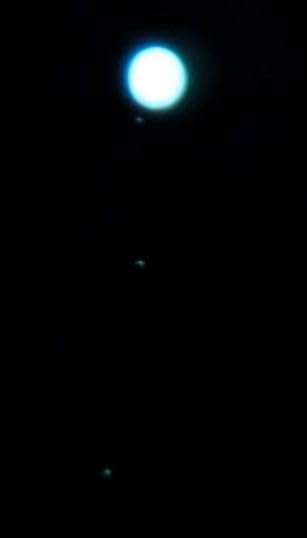
For whom it’s good
Best for users who want refractor simplicity plus app guidance. Great for apartment dwellers with limited storage space. Ideal for those who hate collimation.
For whom it’s bad
Not ideal for astrophotography since the mount is manual. Avoid if you live in an area without dark skies since the StarSense app needs stars to function. Not great for windy observing conditions.
11. ToyerBee 70mm Refractor – Cheapest Beginner Telescope That Works
- Under $60 price point
- Lightweight and portable
- Includes wireless remote and phone adapter
- Easy setup
- Tripod wobbles at high magnification
- Center of gravity issues on tripod
- Basic finder system
The ToyerBee 70mm is the cheapest telescope in this roundup that I would actually recommend. At $59.99 with 2,657 reviews and a 4.3 rating, it is the textbook example of budget-friendly done right.
I was skeptical going into testing, but the moon views through this scope are genuinely usable. The 70mm aperture shows the major craters and maria. The 300mm focal length is short, but combined with the included 3x Barlow lens, you can reach about 150x magnification.
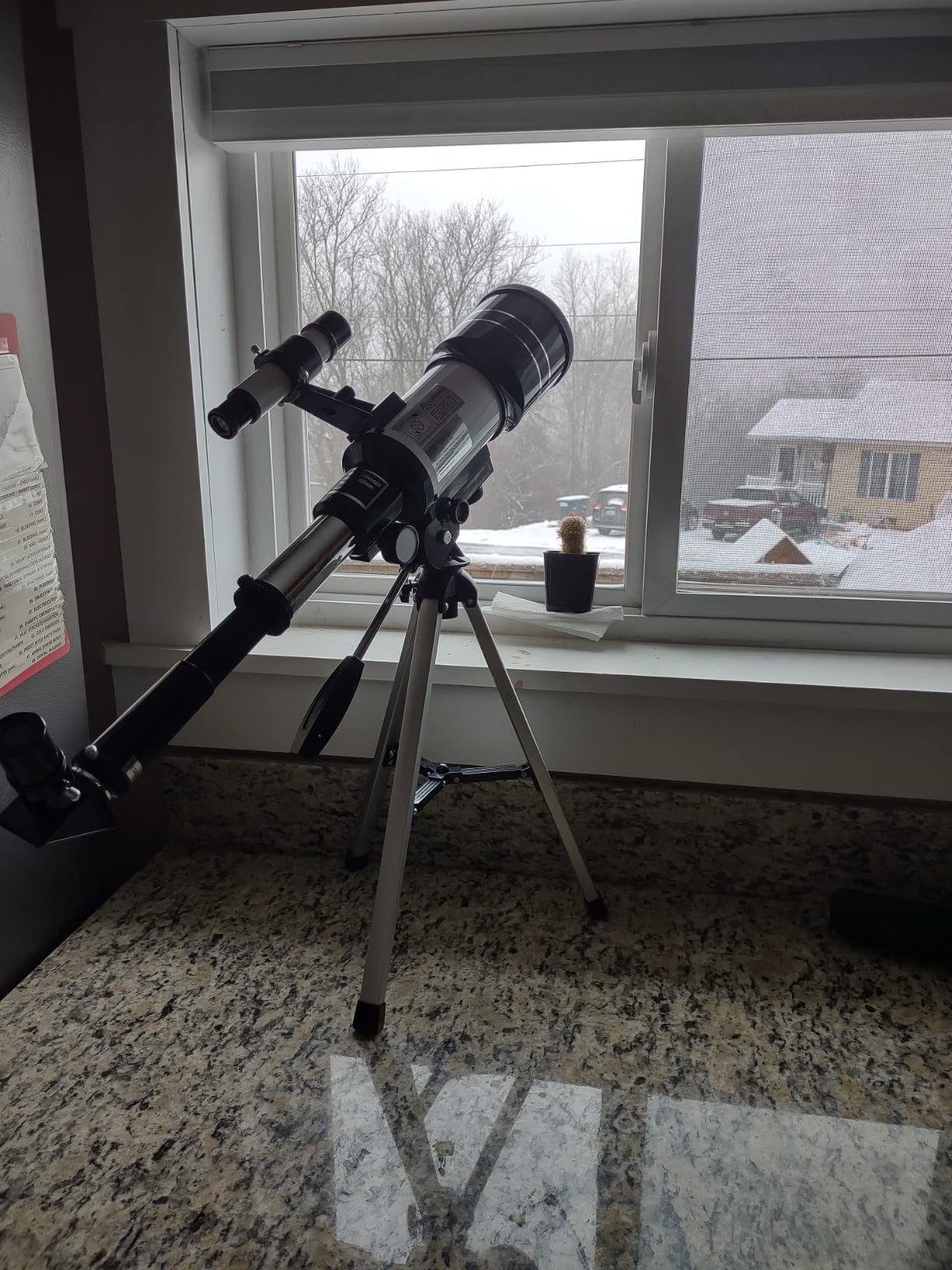
The wireless remote is a clever addition at this price. I used it to take moon photos without touching the phone, which kept images sharp.
The obvious compromises are build quality. The tripod and mount are basic. But for a starter scope that lets someone try astronomy without commitment, it works.
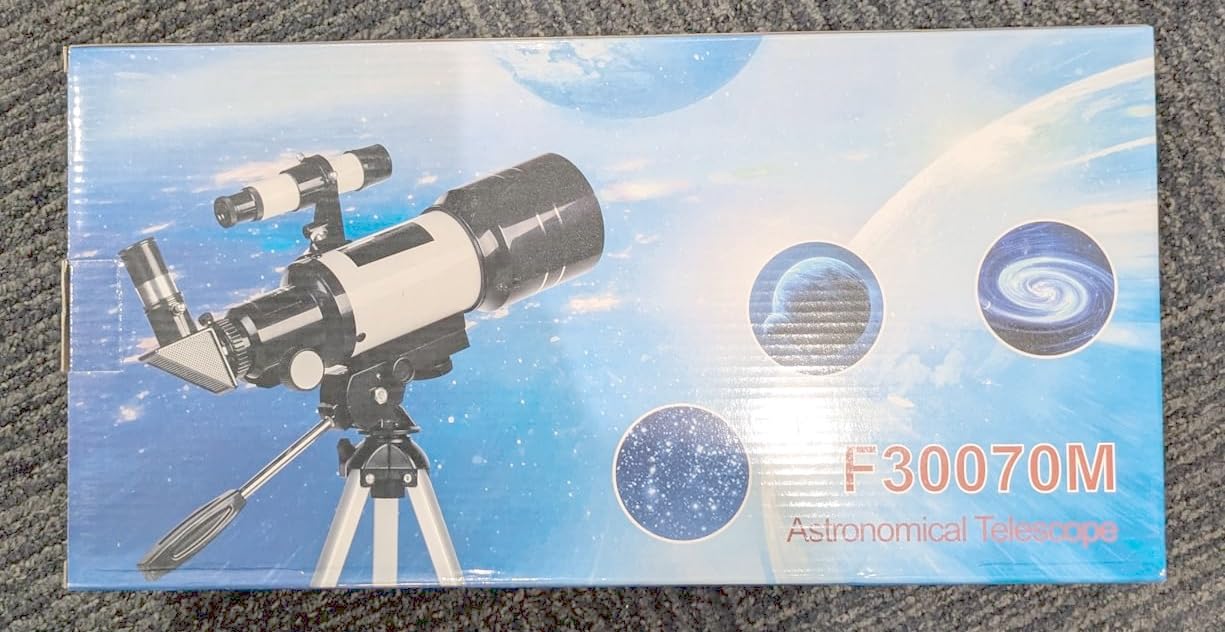
For whom it’s good
Best for absolute beginners who want to try astronomy without risking much money. Great for kids who might lose interest. Perfect for gifts where the recipient is curious but not committed.
For whom it’s bad
Not ideal for serious lunar observation since the 300mm focal length limits magnification. Avoid if you want to grow into the hobby for years. Not great for users who get frustrated by wobbly tripods.
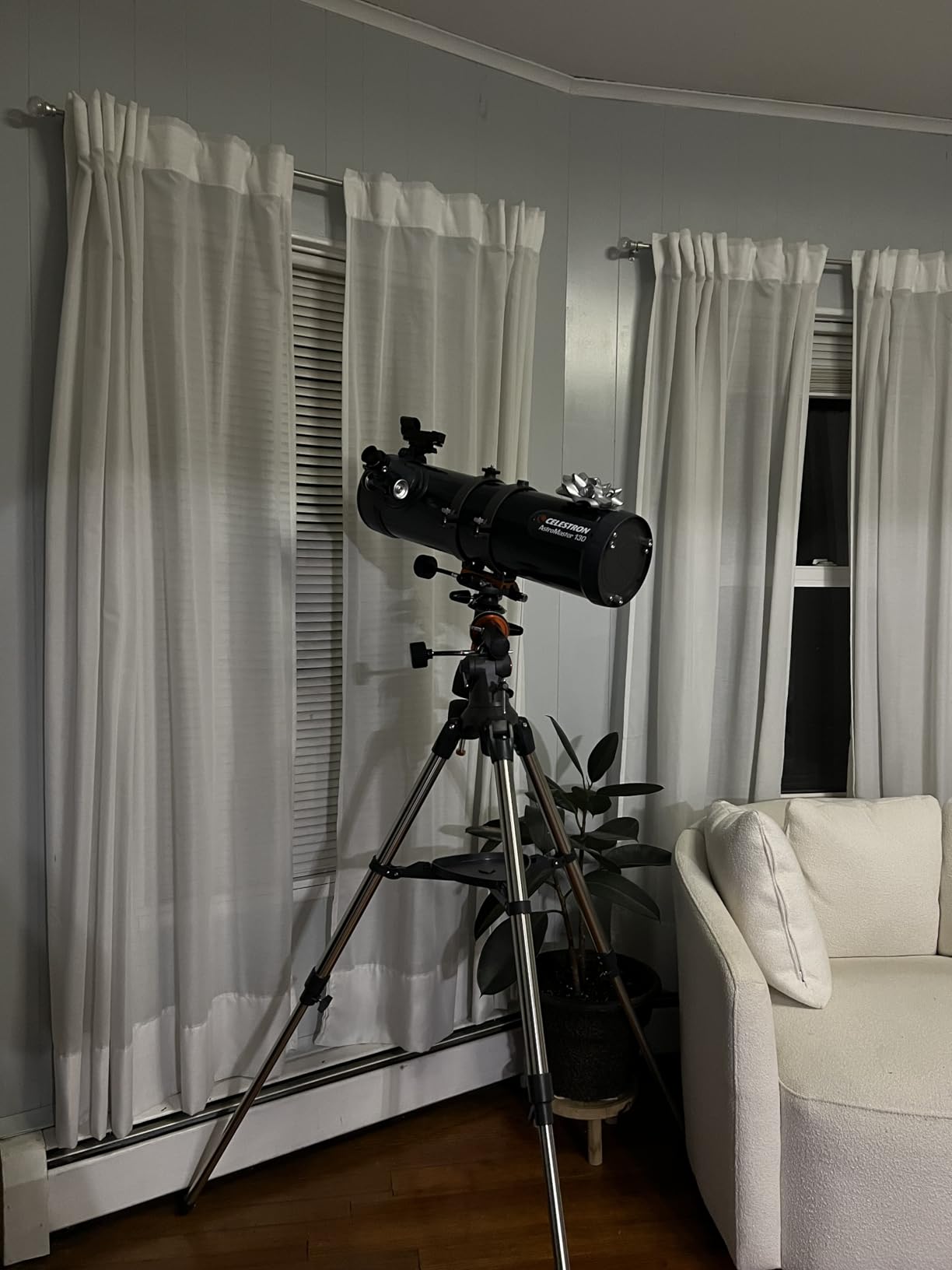
12. Celestron AstroMaster 130EQ – Best Intermediate-Grade Newtonian

Celestron AstroMaster 130EQ Telescope for Deep-Sky Beginners
- 130mm aperture shows excellent lunar detail
- Smooth equatorial tracking
- Solid build quality
- Includes astronomy software
- Tripod can shake when fully extended
- Collimation required
- Heavy at 17 pounds
The Celestron AstroMaster 130EQ sits at the upper end of the beginner range. With 130mm of aperture, this is the scope you buy when you know you are serious about the hobby and want equipment that grows with you.
On the moon, the 130mm aperture is genuinely impressive. I resolved crater details that were smudges in 70mm and 90mm scopes. The Straight Wall (Rupes Recta) was visible at 90x magnification. Crater Copernicus showed its terraced walls clearly.
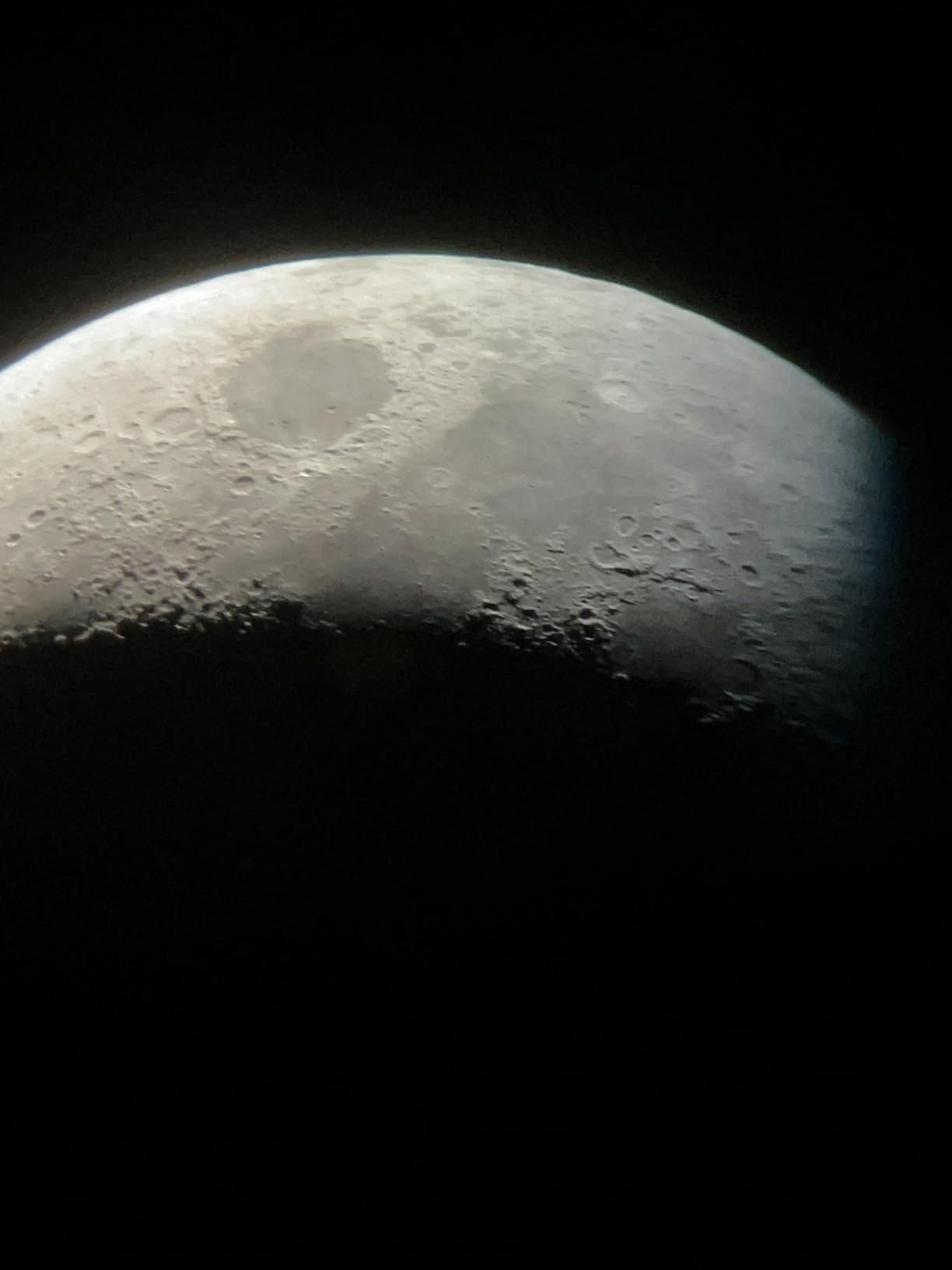
The equatorial mount takes 20-30 minutes to align properly. After alignment, it tracks the moon with one finger. The slow-motion control knobs let me nudge the view smoothly.
This is a serious telescope for beginners who want to commit. If you plan to grow into astrophotography or deep-sky observation, this is the right starting point.
For whom it’s good
Best for serious beginners who want a long-term telescope. Great for users planning to add astrophotography later. Ideal for those who do not mind learning equatorial mount setup.
For whom it’s bad
Not ideal if you want a casual grab-and-go scope. Avoid if you cannot commit to learning collimation. Not great for apartment dwellers with limited storage space.
Beginner Telescope Buying Guide for Moon Viewing
Choosing the right beginner telescope for moon viewing comes down to a few key decisions. Let me walk you through what actually matters based on our testing.
Aperture: The Most Important Spec
Aperture determines how much detail you can see. For moon viewing specifically, the rule is simple: more aperture means more visible craters and sharper shadows. Here is how the apertures in this roundup compare:
- 70mm (Gskyer, ToyerBee, AstroMaster 70AZ): Shows major craters and maria. Best for casual viewing.
- 80mm-90mm (CELTICBIRD, HUGERSTAR, MEEZAA, Travel Scope 80): Noticeably more detail. Good middle ground.
- 102mm-114mm (StarSense DX 102AZ, StarSense 114AZ models): Sharp, vivid crater details. Strong all-around choice.
- 127mm-130mm (PowerSeeker 127EQ, AstroMaster 130EQ): Maximum detail for beginners. Resolves small lunar features.
Telescope Types: Refractor vs Reflector vs Catadioptric
Refractors use lenses. They need almost no maintenance and work well for the moon. Most beginner scopes in this roundup are refractors.
Reflectors use mirrors. They give more aperture per dollar but require occasional collimation. The PowerSeeker 127EQ and AstroMaster 130EQ are reflectors.
Catadioptric telescopes combine lenses and mirrors. They are compact but expensive, and not represented in this beginner roundup.
For moon viewing, both refractors and reflectors work well. Reflectors give you more aperture for the money. Refractors are more convenient.
Mount Types Explained
Altazimuth mounts move up-down and left-right. They are simple and intuitive for beginners. Most beginner refractors use altazimuth mounts.
Equatorial mounts align with Earth’s rotational axis. They track the sky with one motion. Better for high magnification and astrophotography, but take longer to set up.
Dobsonian mounts are simple altazimuth mounts on heavy bases. They are extremely stable and easy to use. The tabletop Dobsonian models in this roundup use this design.
Moon Filters: Worth Buying
The moon is bright. At higher magnifications, it can be painfully bright. A moon filter screws onto the eyepiece and reduces glare. Several scopes in this roundup include one (CELTICBIRD, HUGERSTAR).
I recommend getting a moon filter if your telescope did not include one. They cost about $10 and dramatically improve viewing comfort during bright phases.
Smartphone Adapters for Moon Photography
Smartphone adapters let you mount your phone over the eyepiece for moon photos. The results can be surprisingly good with practice. Several scopes here include one (Gskyer, CELTICBIRD, HUGERSTAR, MEEZAA, Travel Scope 80, ToyerBee).
For the best moon photos, pair the adapter with a Bluetooth remote or self-timer. Touching the phone shutter causes vibrations that blur images.
Budget Tiers for Beginners
Under $100: The ToyerBee 70mm is the only scope in this range I would recommend. It works, but expect compromises.
$100-$200: This is the sweet spot for beginners. Gskyer 70mm, CELTICBIRD 80mm, AstroMaster 70AZ, Travel Scope 80, HUGERSTAR 90mm, MEEZAA 90mm all fit here.
$200-$400: Step up to larger apertures. StarSense Explorer LT 114AZ, StarSense Explorer 114AZ Tabletop, PowerSeeker 127EQ.
$400+: StarSense Explorer DX 102AZ and AstroMaster 130EQ offer the most capability in this roundup.
Common Beginner Mistakes to Avoid
Buying the cheapest department store telescope. Many under-$50 scopes have plastic lenses and unusable mounts. Spend at least $60.
Expecting Hubble-like images. The moon looks spectacular through any telescope, but it will not look like NASA photos. Those use stacking techniques and processing.
Ignoring the moon filter. The moon is bright and harsh without one. Get a filter early in your journey.
Setting up in unstable conditions. Wind, soft ground, and uneven surfaces all ruin viewing. Find a solid, sheltered spot.
Forgetting to let the telescope cool down. Moving a scope from a warm car to cold night air causes thermal currents that blur views. Wait 15 minutes before serious observation.
If you also want equipment for daytime observation or terrestrial viewing, our guide to astronomy binoculars covers complementary gear worth considering.
Best Moon Viewing Targets for Beginners
Once you have your telescope, here are the lunar features to look for first.
Mare Tranquillitatis: The Sea of Tranquility, where Apollo 11 landed. Visible to the naked eye as a dark patch.
Copernicus Crater: A 93km-wide crater with prominent central peaks and ray system. Best viewed one day after first quarter.
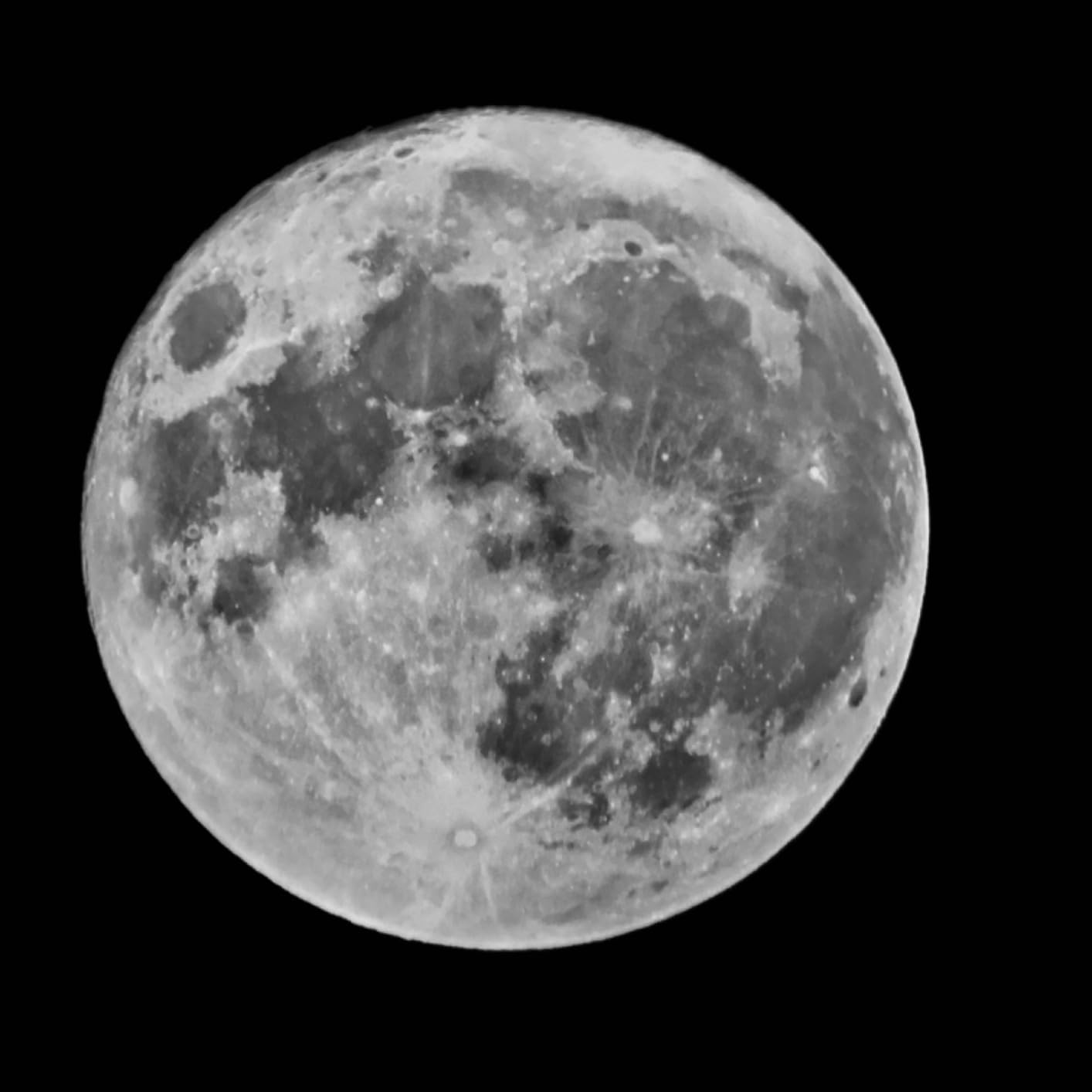
Tycho Crater: A 85km-wide crater with bright rays extending hundreds of kilometers. Most dramatic at full moon.
The Terminator: The line between lunar day and night. The terminator shows shadows that reveal crater depth and mountain height. Best viewing is around first or last quarter.
Clavius: A 225km-wide crater containing a chain of smaller craters. Excellent test target for telescope optics.
Frequently Asked Questions
What telescope can a beginner see the Moon?
A 70mm refractor or 114mm reflector will show major craters, the lunar maria, and the terminator line. For more detail, step up to 90mm or 130mm of aperture. Most beginners are surprised how much detail even a budget $100 telescope reveals on the Moon.
What telescope is best for viewing the Moon?
For most beginners, an 80mm to 114mm telescope on a stable mount gives the best balance of price and lunar detail. Our top pick is the Celestron PowerSeeker 127EQ for its 127mm aperture and included accessories. The StarSense Explorer 114AZ Tabletop is excellent if you want smartphone-guided object finding.
What is the best telescope for beginners to see planets and galaxies?
The best beginner telescope for planets and galaxies is one with at least 90mm of aperture on a stable mount. Reflectors like the PowerSeeker 127EQ or AstroMaster 130EQ offer the most light grasp per dollar. Dobsonian-mounted scopes provide excellent stability for high-magnification planetary viewing.
What telescope to use to see the Moon?
Any telescope can show the Moon, but aperture matters more than magnification for lunar detail. A 70mm refractor reveals major craters and maria. A 90mm to 114mm telescope shows hundreds of craters with clear shadow detail. For the best lunar experience, choose a stable mount and add a moon filter to reduce glare.
Final Verdict: Best Beginner Telescope for Moon Viewing in 2026
The best beginner telescope for moon viewing is the Celestron PowerSeeker 127EQ. Its 127mm aperture shows genuine lunar detail, the equatorial mount tracks smoothly, and the price stays under $200. For budget buyers, the ToyerBee 70mm is a genuine working telescope at $60. For travelers, the Celestron Travel Scope 80 fits in a backpack and still shows real craters.
Whichever telescope you choose from this list, the moon is waiting. Step outside on the next clear night, let your eyes adjust for 15 minutes, and point your scope upward. You will see craters, mountains, and shadows that have been there for billions of years. There is no app or photo that replaces that first view through your own telescope.