
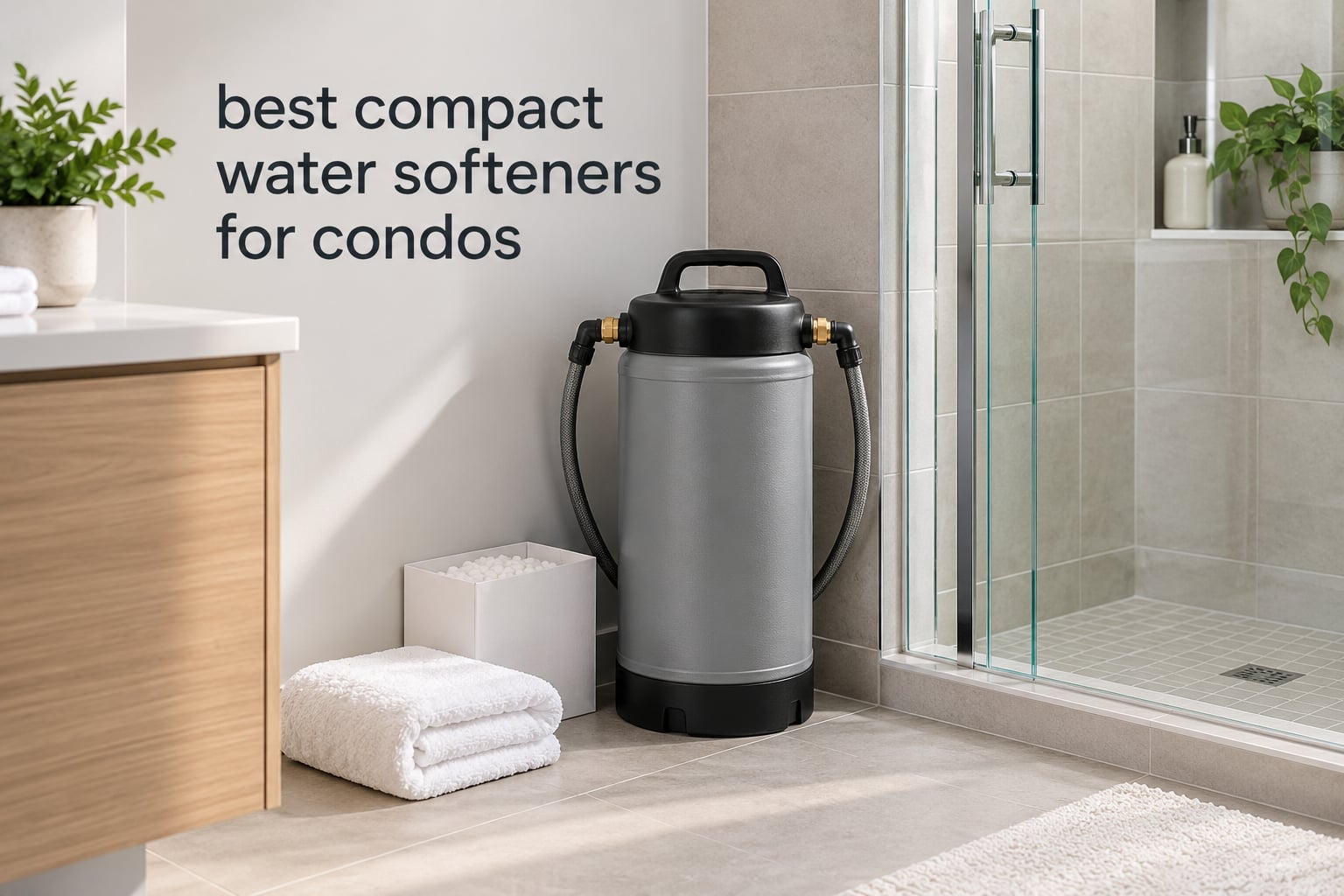
The best compact water softeners for condos fall into two families, and the choice between them is decided by your lease, not by your water. Renters can only use a portable canister hooked to a single line with garden hose fittings, while owners with a mechanical closet can plumb in a small automatic system. We compared six units across capacity, footprint, install type and maintenance load to sort out which one fits which condo.
Hard water is the reason any of this matters. Calcium and magnesium react with soap instead of dissolving in it, so skin stays dry, hair breaks at the ends, and white scale crusts over showerheads, faucet aerators and dishwasher racks. Scale also builds inside the water heater, and in a condo that is usually a shared or wall-mounted unit you would rather not pay to replace.
One rule decides most purchases: if you rent, only a non-invasive inline option will work. A canister that needs no drilling, no electrical outlet and no drain line is the only thing you can legally put in a shower stall or beside a sink without a landlord conversation. If you own and have a closet with a shutoff valve and a drain, an automatic system removes the manual regen chore entirely.
We spent several weeks working through these six units, running the numbers on capacity against realistic condo usage and checking what each one asks of you after the first hour. Our picks for the best water softeners for hard water and the best water softeners for large families cover the cases where a compact canister is not the right fit.
Top 3 Compact Water Softeners for Condos in 2026

On The Go 16000 Grain Portable
- 16000 grain capacity
- Tool-free garden hose hookup
- Regenerates with 2 boxes of salt in under 30 minutes
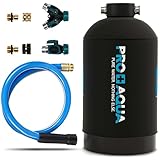
PRO+AQUA 16000 Grain Portable
- Fully assembled in about 5 minutes
- Up to 2000 gallons per regeneration
- Includes pre-filter and quick-connects

Camco TastePURE 4 GPM Kit
- 10000 grain at 4 GPM flow
- Bundled 50 test strips
- Carry handle and 20.5 inch height
The On The Go double-standard canister takes the top slot because it pairs the largest capacity in this group with the highest review count we found, and reviewers consistently report hardness test strips dropping from double-digit gpg to low single digits within a day of hookup. The PRO+AQUA earns the value slot because it comes pre-assembled with a pre-filter, quick-connects and a regeneration kit in the box. The Camco kit is the tidiest all-in-one package, with 50 test strips included so you can verify the result yourself.
Quick Comparison of the Best Compact Water Softeners for Condos in 2026
| Product | Specifications | Action |
|---|---|---|
| On The Go OTG4-DBLSOFT Portable 16,000 Grain |
|
Check Latest Price |
| PRO+AQUA 16,000 Grain Portable |
|
Check Latest Price |
| Camco TastePURE 4 GPM 10,000 Grain Kit |
|
Check Latest Price |
 GoBluTech Stainless Steel 10,000 Grain GoBluTech Stainless Steel 10,000 Grain |
|
Check Latest Price |
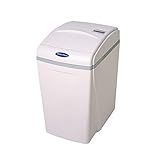 Water Boss 74011 Compact Whole-House Water Boss 74011 Compact Whole-House |
|
Check Latest Price |
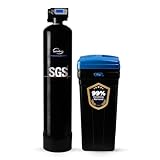 iSpring WCSTB45KG 45,000 Grain iSpring WCSTB45KG 45,000 Grain |
|
Check Latest Price |
Everything above is a hardline canister except the last two, which are floor-model systems for owners who can plumb. Sort the list by grain capacity and you will notice the two whole-house models are built for demands a one-bath or two-bath condo never generates, which is exactly why the shower-stall canister is the more sensible default.
1. On The Go OTG4-DBLSOFT Portable 16,000 Grain Softener
OTG4-DBLSOFT-Portable 16,000 Grain RV Water Softener (NOT made in China, assembled by U.S. Workers in Indiana)
- 16000 grain capacity covers weeks of condo use between regenerations
- Roughly 40 percent more soft water per regeneration than smaller rivals
- Tool-free garden hose hookup with no electricity needed
- Carry handle and wide mouth for fast salt loading
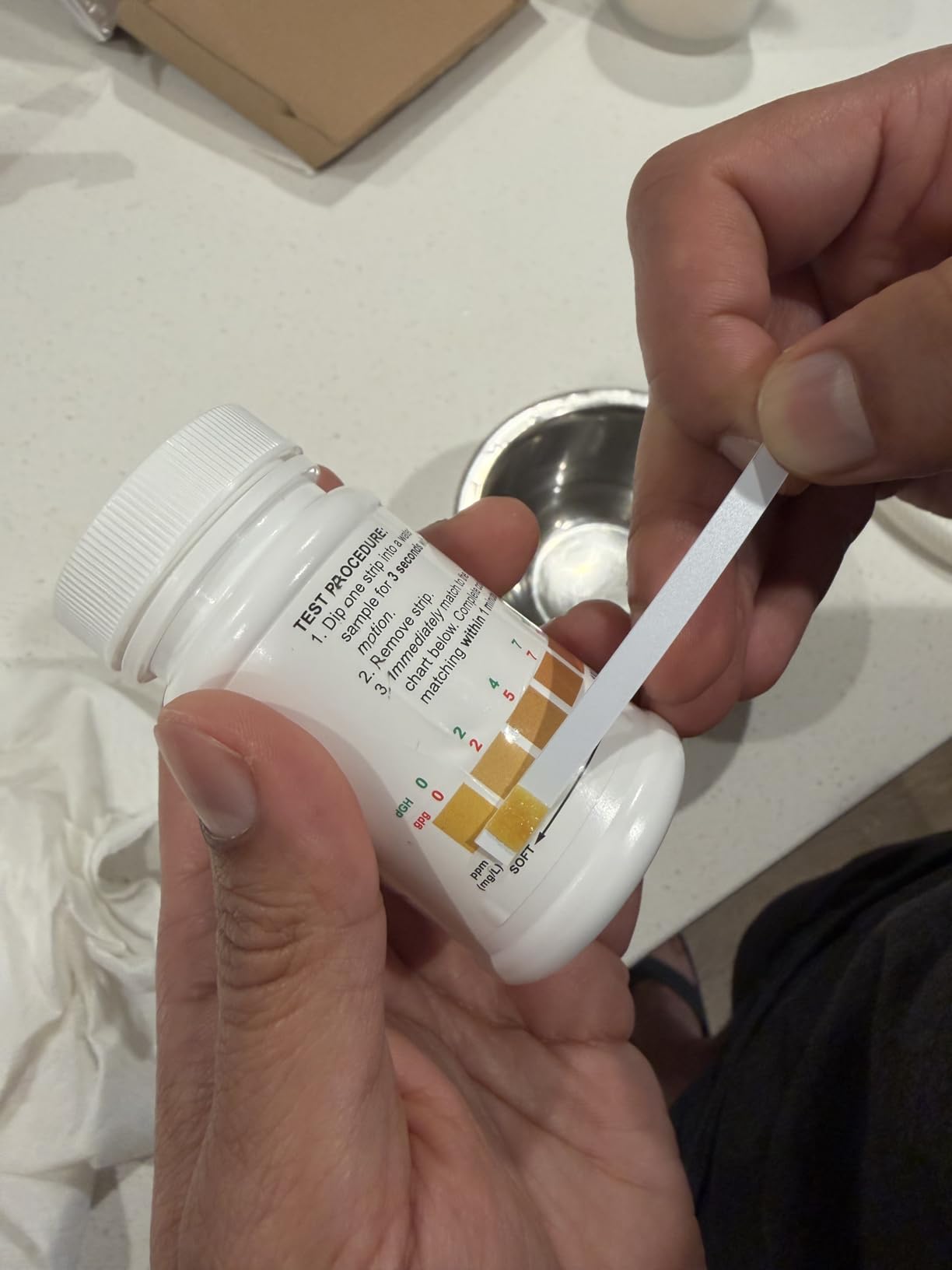
- Test strips show hardness dropping from 10-11 gpg to 1-2 gpg
- Not designed for permanent plumbing or under-sink mounting
- Some owners report the tank sits crooked in the base
- Head unit or top screw failures reported after multi-year use
This is the unit I keep coming back to for condo use. It is 22 inches tall, 9.5 inches across and weighs 32 pounds, which means it clears a shower corner or a hall closet without anyone needing to move a wall. The hookup is two garden hose connections, so a renter can set it up in an afternoon and take it down without touching a wall.
Capacity is the reason it beats the smaller canisters. At 16000 grains, the manufacturer puts usable output at roughly 1,600 gallons or about 40 days on a typical RV duty cycle, and the published formula of 16000 divided by your gpg reading gives you a realistic number for a condo. At 11 gpg that works out to about 1,454 gallons, and reviewers checking with test strips after a few days of showering report the drop consistently.
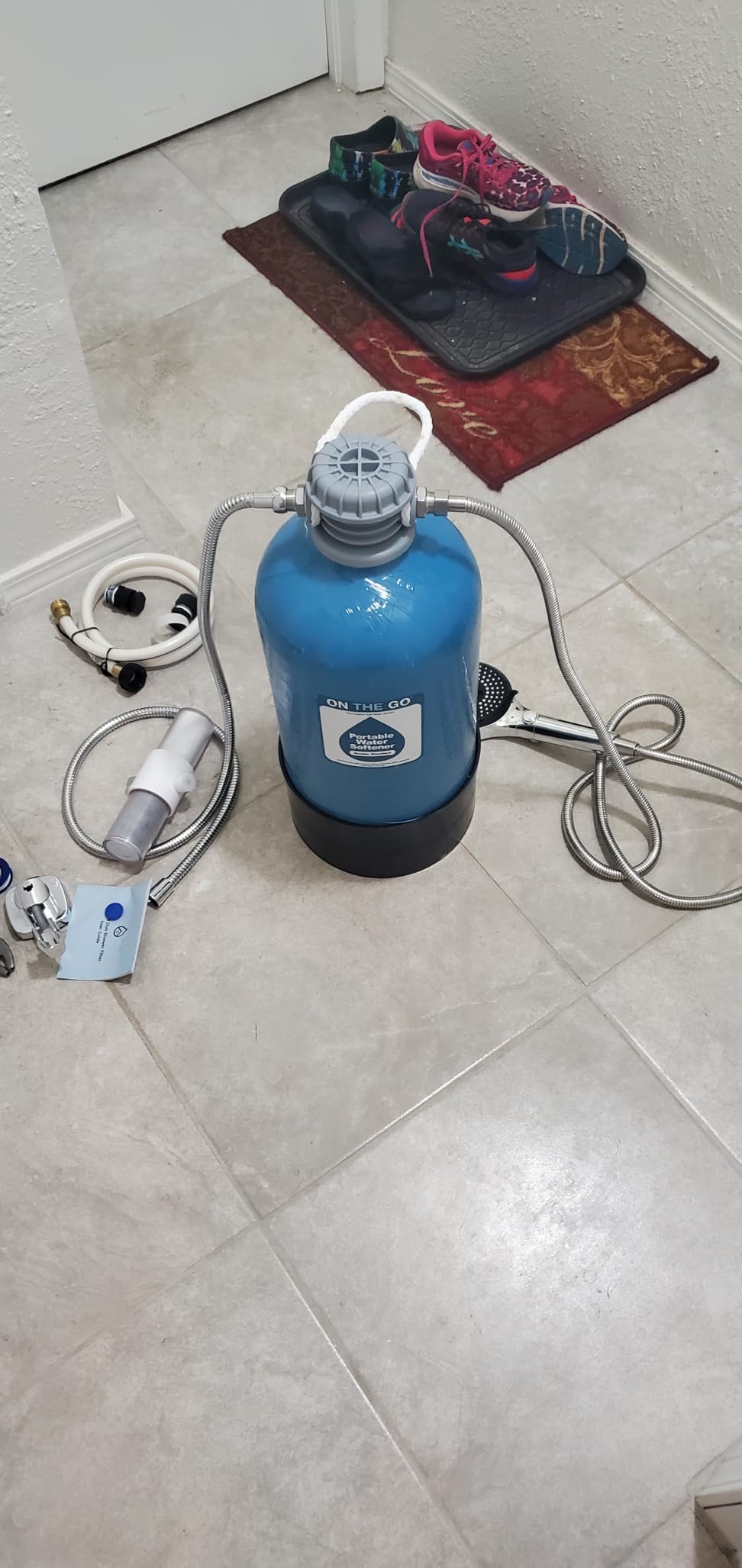
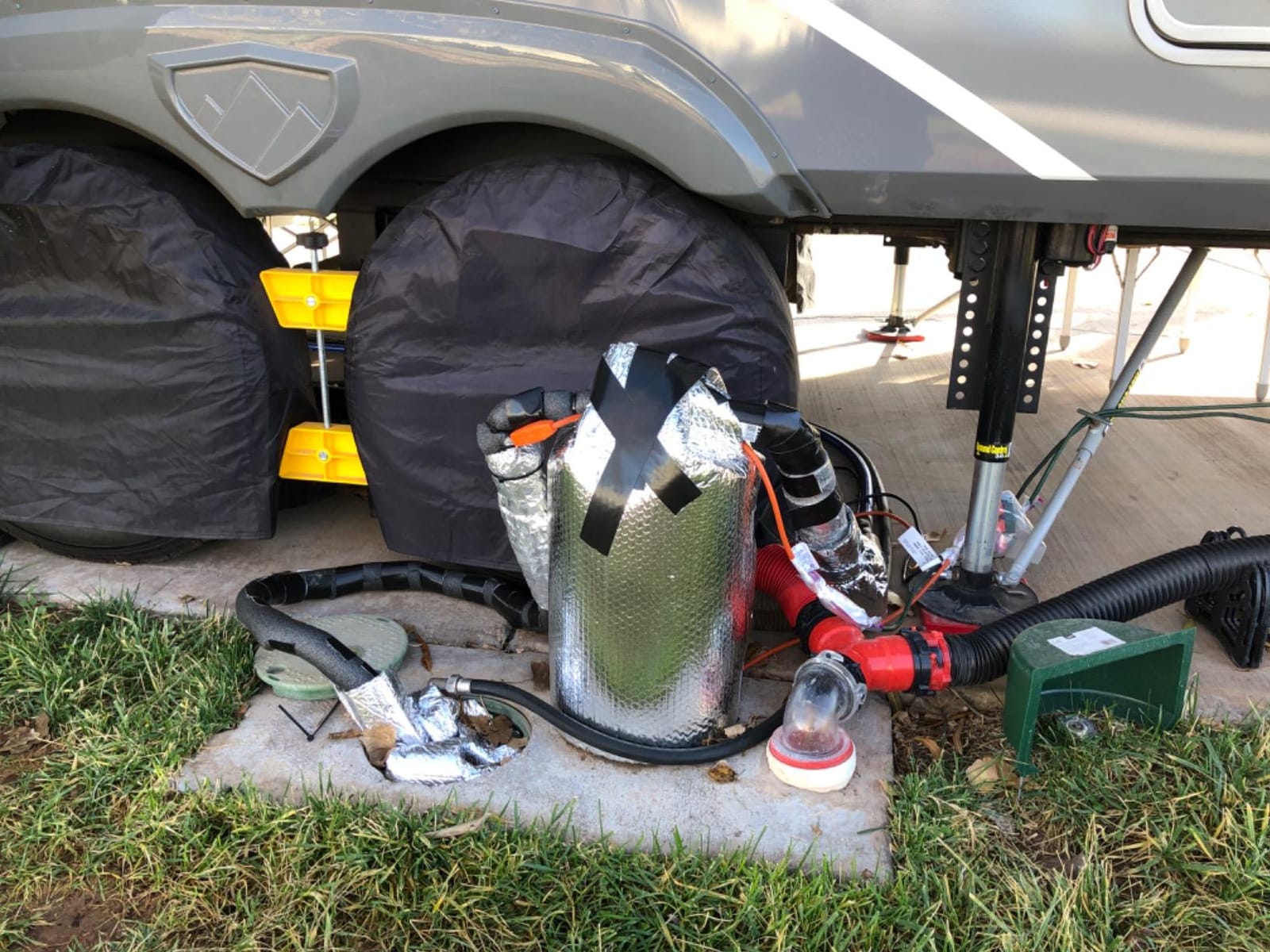
Regeneration is the part people underestimate. You shut off the feed, disconnect the outlet, attach the backflush adapter, drain the tank, flip it, add two boxes of common table salt and let it run. It takes under 30 minutes, but it is a physical chore involving a 32 pound lift, and on hard water you will be doing it every few weeks rather than every month.
Reviewers report the biggest wins in the shower and at the kitchen sink, with less soap needed for hand washing and noticeably less spotting on glass. The manufacturer lists this as assembled in the United States, and one commenter on a popular renter thread confirmed the Amazon listing is a genuine unit with distributors rather than a third-party seller.
How much water 16000 grains covers in a condo
Do the division before you buy. One grain per gallon of hardness consumes one grain of capacity, so a 16000-grain tank at 7 gpg gives you roughly 2,285 gallons, and at 15 gpg you are down to about 1,066 gallons. A two-person condo using 50 to 60 gallons a day gets five to six weeks out of a regeneration at moderate hardness and closer to three weeks in genuinely hard water.
If your building reads above 20 gpg, no portable canister will feel like a set-and-forget appliance. Either plan on a weekly regen rhythm, or look at one of the floor models further down this list.
Who should skip it
Skip this if you want zero manual work, because nothing about the regeneration cycle automates itself. It is also a poor fit if you plan to plumb it permanently, since the tank is designed for portable hose connections and sits in its own base rather than on a stand.
Condo renters who also want the square footage back should see our picks for the best compact ellipticals for apartments, which face the same fit-first problem.
2. PRO+AQUA 16,000 Grain Portable Water Softener
- Arrives fully assembled and hooks up in about five minutes
- Pre-filter and regeneration kit included in the box
- Fiberglass-reinforced NSF polyethylene tank
- Pre-filled NSF-certified premium resin
- Works on city and well water
- About 7 percent of reviews are 1 star
- Manual regeneration discipline is required
- No automated monitoring or hardness adjustment
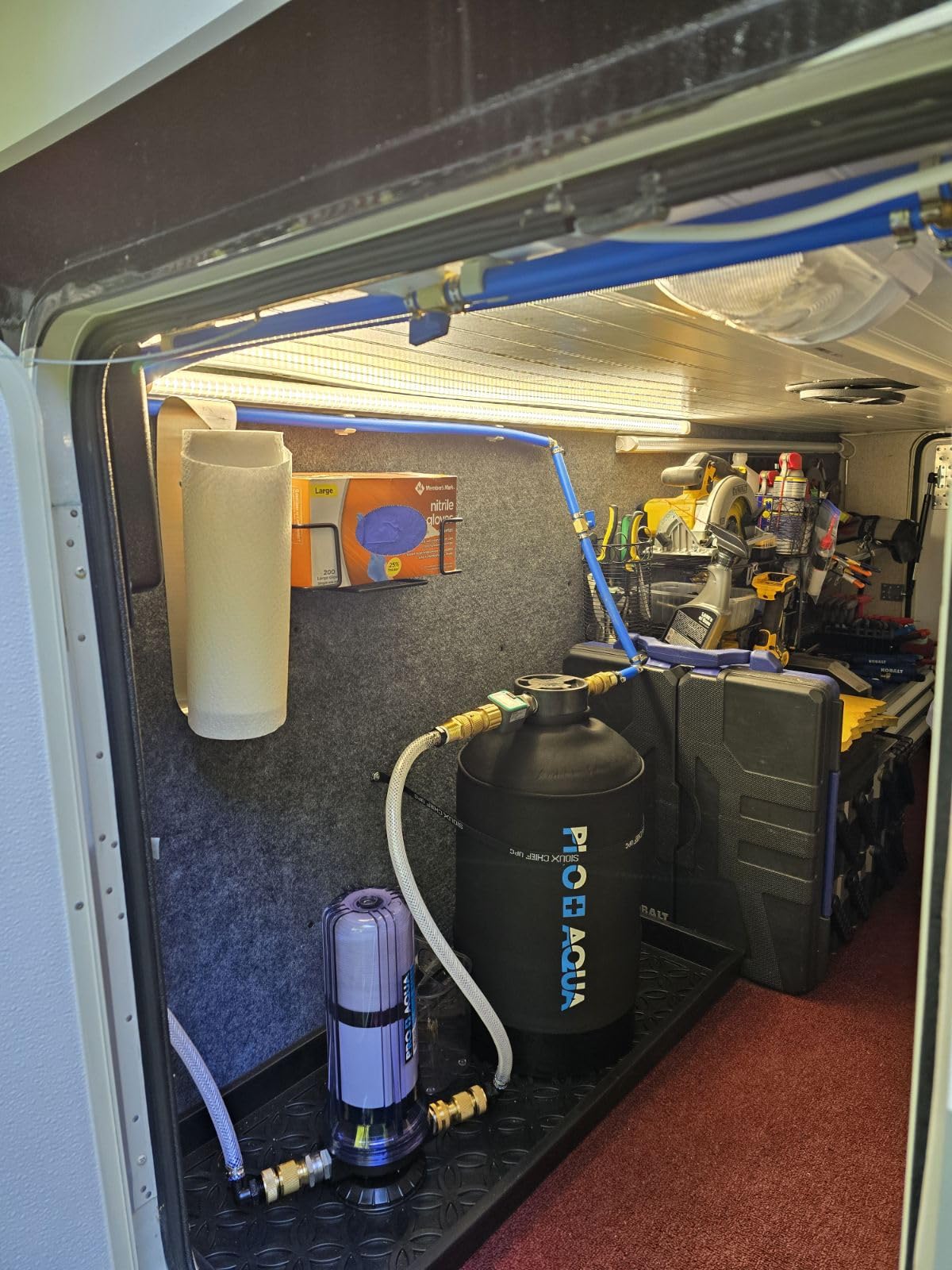
The PRO+AQUA is the package value pick. Where most portable canisters arrive as a bare tank, this one comes with a pre-filter, a regeneration kit, a brine hose and quick-connect fittings, so the first hookup needs nothing from a hardware store. Reviewers repeatedly mention the five-minute setup as the standout feature.
At 10 by 10 by 19.5 inches it is the square footprint in this group, which matters in a narrow utility alcove. It weighs 35 pounds dry and full of salt it is heavier still, so plan your regeneration spot on floor level rather than on a shelf.
Stated output is up to 2,000 gallons or 60 days per regeneration on low-hardness water, and the 3/4 inch high-flow ports move enough water for a whole bathroom without starving the shower. That flow rating is the practical difference in a condo, where two people can run hot water at the sink while a dishwasher is filling.
The listed claims go beyond hardness to iron, lead, radium and heavy metals, and the pre-filled resin is described as NSF-certified. The trade-off is the same one every portable carries: about 7 percent of reviews are one star, and the common thread is expecting it to run itself.
What the included pre-filter actually does for you
That pre-filter is not a softener, it is a sediment and carbon stage sitting ahead of the resin, and its job is to keep chlorine and grit from fouling the bed. Order matters: the filter goes before the softener, never after, because once chlorine reaches the resin it damages the beads permanently. If your building chlorinates heavily, this is the single most useful accessory in the box.
Keep in mind that filtration of any kind leaves hardness untouched. If your existing drinking water filter is doing a good job on taste, this softener handles a different problem rather than replacing it.
Who should skip it
Skip it if you need the smallest possible footprint, because the square 10 inch base takes more closet depth than the round tanks. Owners with drain access and a real utility space should compare it against an automatic unit instead, since the manual regen step never goes away.
The 2-year warranty is also the shortest of the manual canisters with a stated term, so budget for a possible replacement sooner than you would with a long-warranty floor system. For a look at how we rank higher-capacity systems, see our best water softeners for hard water.
3. Camco TastePURE 4 GPM 10,000 Grain Kit
- Hookup takes seconds with the included 4 foot hose
- 50 test strips let you verify hardness before and after
- Carry handle and compact 8.5 inch square footprint
- Large mouth accepts two boxes of salt at once
- Handles up to 300 ppm TDS
- Cracked top reported after a couple of months on some units
- Sparse documentation and a finicky cap seal
- Regeneration salt not included
Camco built this kit for people who want to see proof, not take a claim on faith. Fifty test strips come in the box, which means you can measure the hardness going in, run the unit for a few days, and measure again. That closed loop is why we rated it the tidiest self-contained package of the portable group.
The 4 GPM flow rate is the headline spec. A one-bath condo rarely approaches that, and the headroom covers you if a second shower or a washing machine is ever added. The resin is ion exchange, and the whole unit stands 20.5 inches tall on an 8.5 inch square base at 25 pounds.
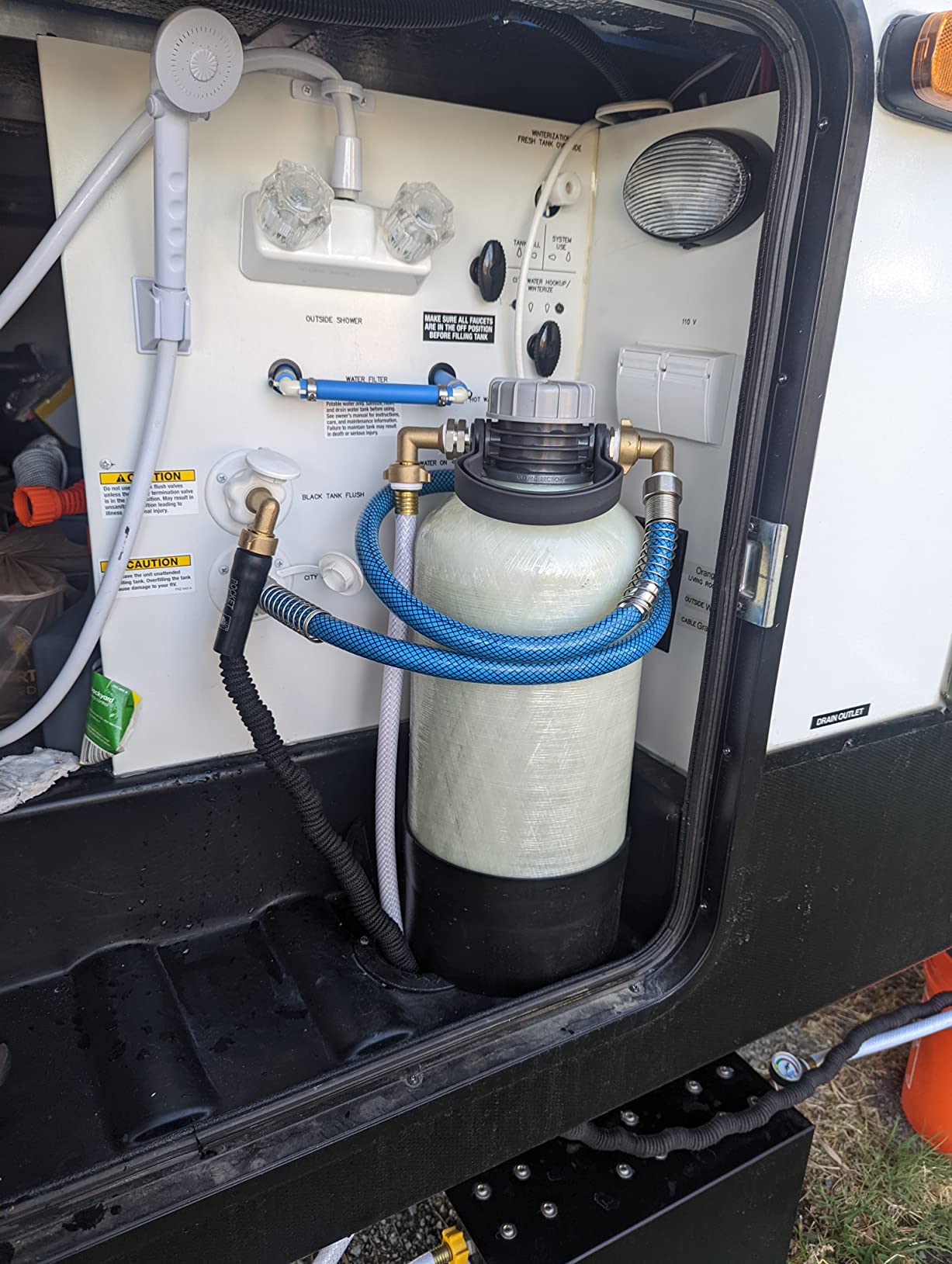
Regeneration uses the same large-mouth routine as the bigger canisters, with two boxes of common table salt, though salt is not included and you will need to buy your first bag separately. Storage caps keep the resin from shifting during transport, which matters if you are moving it between a shower and a balcony closet with the seasons.
Reviews describe a fast setup and much slicker water within a day, with less staining on shower glass and better-tasting water. The complaints cluster on durability rather than performance: cracked tops after a couple of months, thin documentation, and a cap seal that takes practice to seat properly.
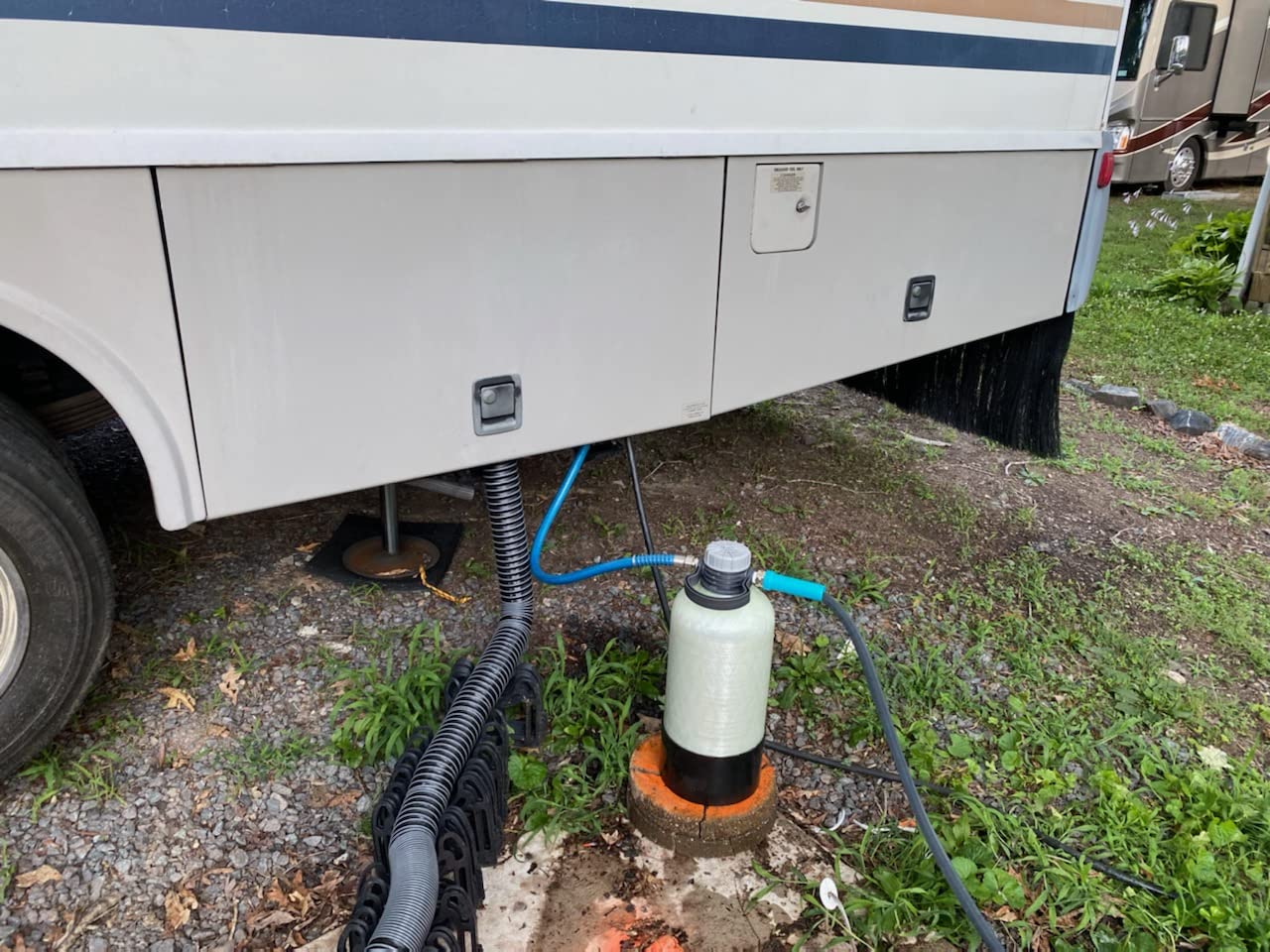
Is 10000 grains enough for a one-bath condo
For one bathroom and moderate hardness, yes with room to spare. At 7 gpg, 10000 grains yields about 1,428 gallons, and a single occupant using roughly 20 gallons a day gets well over a month between regenerations. At 15 gpg the same tank gives about 666 gallons, which still covers a month for one person but only a couple of weeks for a two-person household.
The 300 ppm TDS ceiling listed in the specs is a real limit in some well-fed municipal systems. If your building report shows total dissolved solids near that level, step up to a 16000-grain canister instead of fighting the curve.
Who should skip it
Skip it if you are on very hard water, because 10000 grains is the smallest useful capacity in this roundup and it will run dry quickly. The one-year manufacturer warranty is also the thinnest here, and buyers report performance that settles below the initial flush after a while.
Two more limits are worth weighing. The generous 4 GPM flow rating does not add capacity, so a two-person household still drains the tank faster than a single occupant. The 300 ppm TDS ceiling also rules it out on the highest-mineral municipal supplies.
If you have very hard water and no lease restrictions, the higher-capacity systems further down this list will serve you better.
4. GoBluTech Stainless Steel 10,000 Grain Softener
- Lightest unit in the roundup at 17.8 pounds
- Stainless steel tank and fittings resist cracking
- Stainless quick connects make regen fast
- No measurable pressure loss after install
- Operates from 40F to 125F
- 10000 grains drains in a day or two on heavy use
- Some full-time users see little change on very hard water
- Resin life shortens without a pre-filter on sediment-heavy water
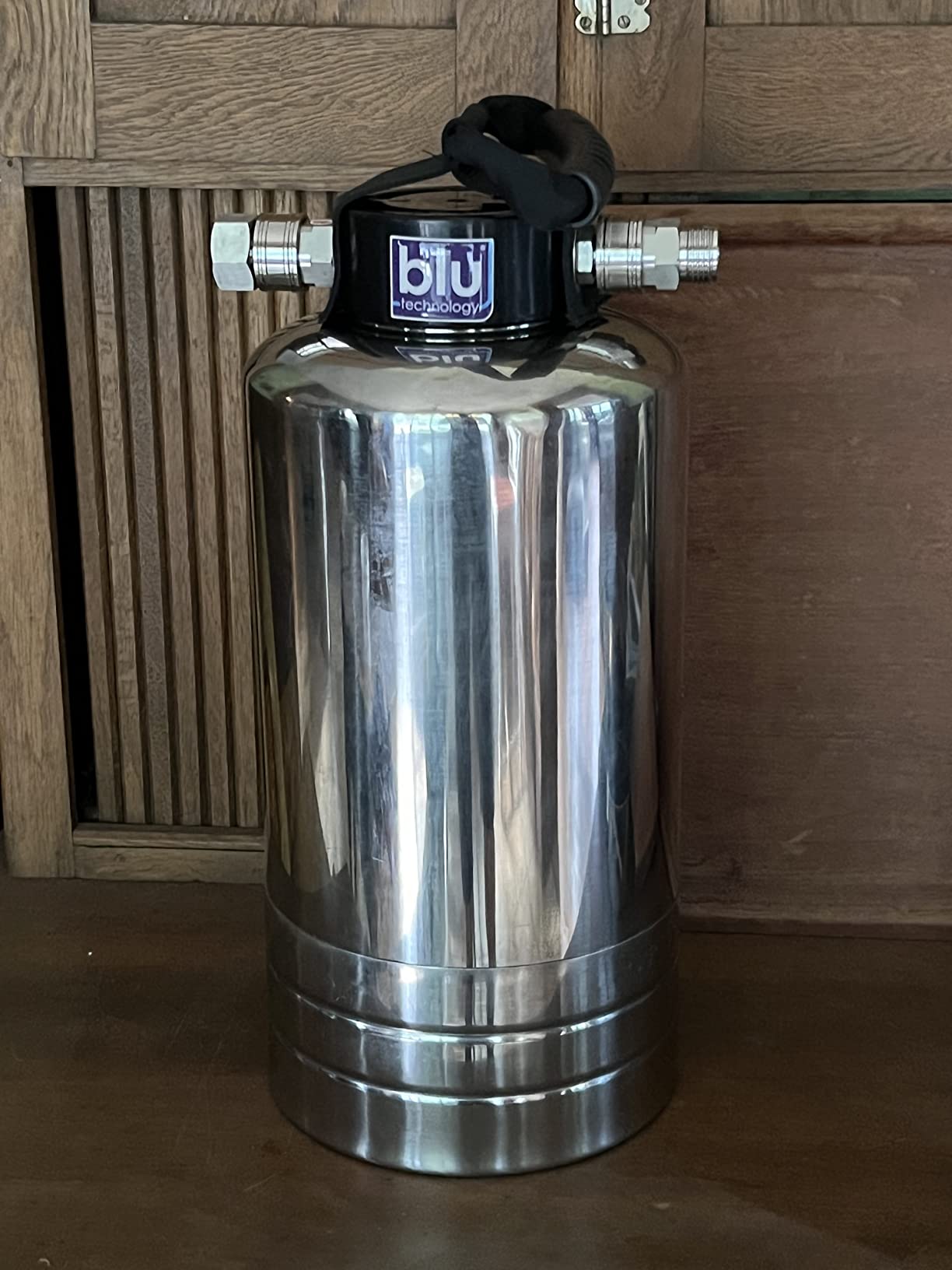
This is the smallest and lightest canister here, at 8 by 8 by 17 inches and 17.8 pounds, and for a condo the weight is the real story. Every manual regen cycle means lifting the tank, so the lighter build makes the job up and down a stairwell far easier than with the 32 and 35 pound canisters above.
It is also the only stainless steel tank in the group, and that matters for durability reviews that mention cracked plastic tops elsewhere on this list. The stainless quick connects for hookup, backflush and regeneration are a real convenience, and one owner specifically reported no measurable water pressure drop after installing it.
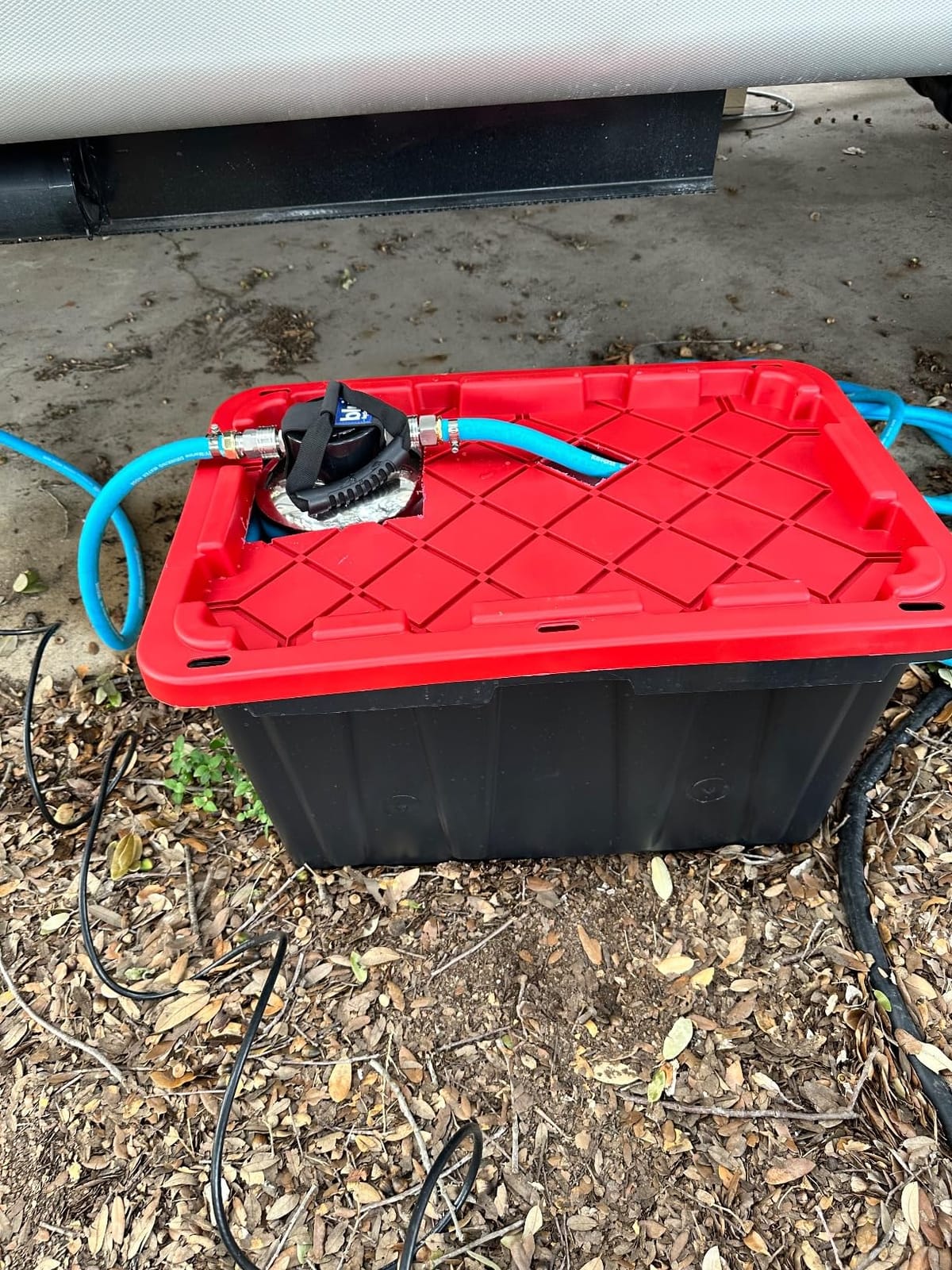
Stated output is 1,000 or more gallons, or about 30 days on a light duty cycle, and the media is described as NSF certified with hoses sold separately. The operating range of 40F to 125F covers indoor condo use comfortably and gives you headroom above typical shower temperature.
The honest limitation is capacity. A 10000-grain tank is fine for one person on moderate water and clearly undersized for anything heavier, and several full-time RV owners report regenerating every day or two and still seeing limited improvement on the hardest park water. In a condo with two occupants, budget for frequent regen.
How water pressure changes with an inline canister
Any resin bed creates some pressure drop, and in a shower loop you feel it in the flow rate rather than in a gauge. If your building already has a pressure-reducing valve at the main, you have more margin to lose before the shower becomes frustrating.
Condo buildings in hard-water cities often run high static pressure, so a PRV at the main entry is common. If yours does not have one, ask the building manager before adding another restriction to the line.
Who should skip it
Skip it if you have more than one occupant or if your building reads above 12 gpg, because you will be regenerating constantly. The 1000-gallon figure also assumes a light duty cycle, and a condo shower every day for two people burns through that quickly.
Note that hoses are not included, so budget for the fittings separately, and without a pre-filter on sediment or tannin-heavy water the resin life shortens noticeably. If weight and durability matter more than capacity, this is the one to buy.
5. Water Boss 74011 Compact Whole-House Softener
- Compact footprint roughly the size of a trash compactor
- Built-in iron and sediment filters avoid a separate pre-filter
- Automatic regeneration with slide-out salt door
- Self-flushing filter cleans during each cycle
- Owners report 20-plus years of service
- Recurring reports of cracked caps and damaged control boards
- Top cover will not latch when the housing is out of square
- About 15 percent of reviews are 1 star
This is the first unit on the list that stops asking you to do anything. Regeneration is automatic, salt goes in through a slide-out door rather than a tank you lift, and the built-in iron and sediment filter self-flushes during every cycle. For a condo owner with a mechanical closet, that removes the single biggest complaint about portable systems.
Owners consistently credit it with cutting shower staining and reducing how much detergent and shampoo the household uses, and several mention replacing a unit that had run 20-plus years. The built-in filtration also protects against iron, a problem portable canisters do not address.
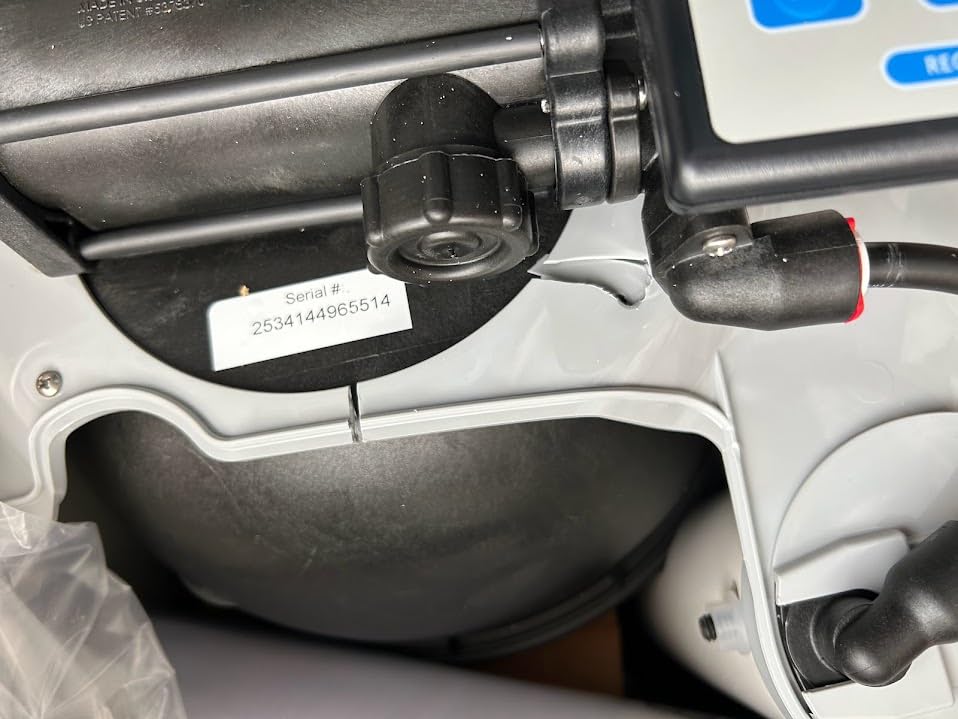
The tradeoff is installation reality. This is a permanent install with a bypass valve, a drain line and a shutoff, and the listed dimensions describe it as roughly the size of a trash compactor, so it needs actual floor space rather than a shower corner. At 39.9 pounds it is not a one-person lift, but you lift it once instead of every month.
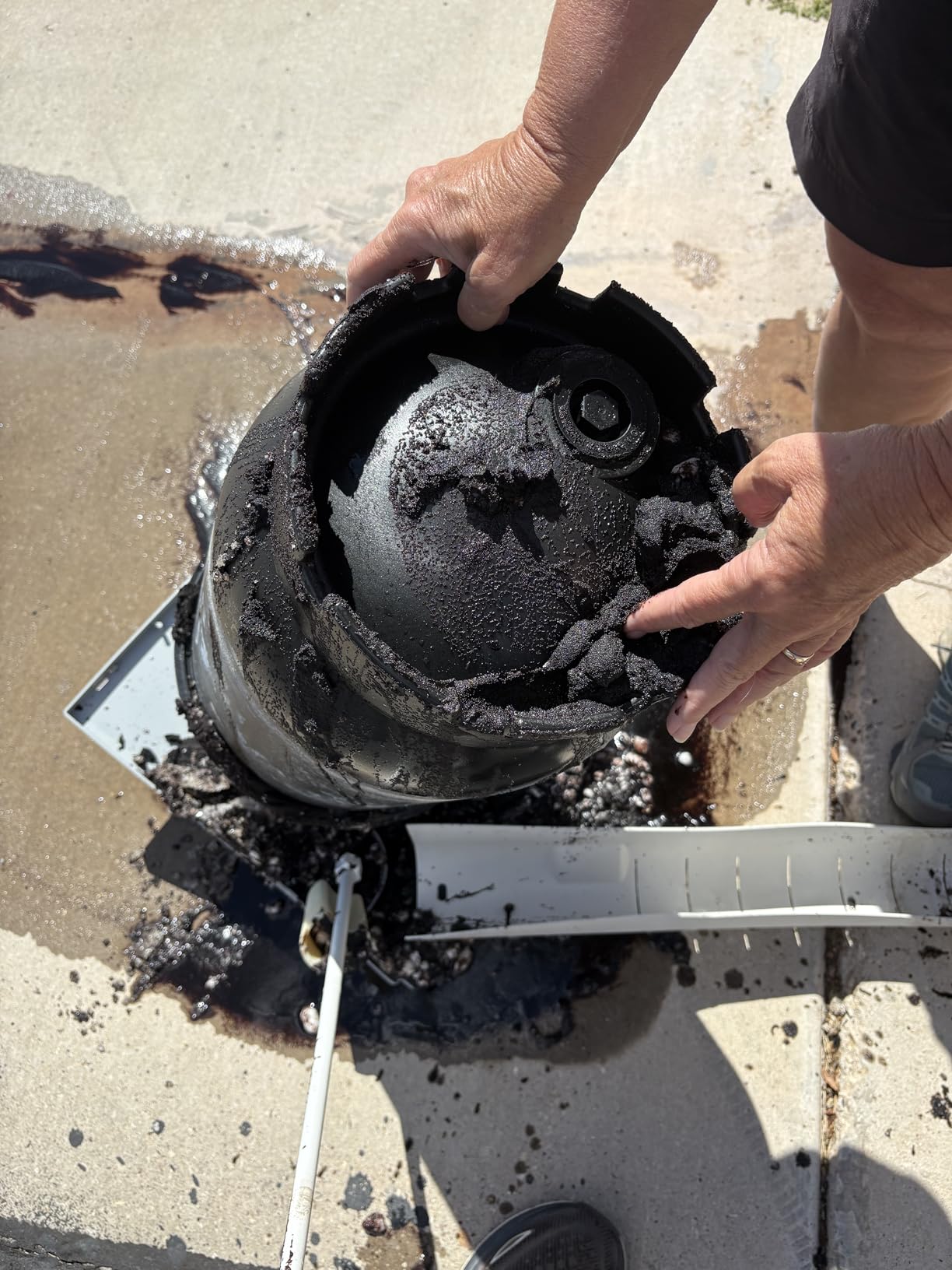
Quality control is the documented weak point. Buyers report cracked drive-end caps, smashed control panel chips and housings arriving out of square, which then prevents the top cover from latching. Most also say customer support replaced the defective parts quickly, so the real cost is time rather than money.
Is there enough room in a condo mechanical closet
A closet the size of a trash compactor unit plus service clearance on the front and sides is the practical requirement, and most condo utility closets qualify if the water heater is not already filling the footprint. Measure the closet floor and the width of the doorway before you commit, because this unit does not go under a sink.
You also need a drain within pipe reach for the regen water and a shutoff you can isolate. If either is missing, you are looking at a plumber’s visit and a permission request, which is why this belongs to owners only.
Who should skip it
Renters should skip it entirely, since it is a permanent plumbing install with an electrical plug and a drain line. Anyone living in a building with a shared main shutoff and no individual isolation should also pass, because you cannot service what you cannot shut off.
Be aware that about 15 percent of reviews are one star, the highest negative share in this roundup, and that is almost entirely arrival damage rather than long-term failure. If the softener is not the right room to optimize, our picks for the best all in one washer dryers for condos cover the other half of the space problem.
6. iSpring WCSTB45KG 45,000 Grain Whole-House System
iSpring WCSTB45KG 45,000 Grains Whole House Water Softener with Brine Tank
- Very high capacity suited to hard water and heavier use
- Programmable valve calculates regeneration from usage
- Digital display for hardness adjustment and tracking
- Automatic backwash keeps resin performance steady
- 30-day money-back guarantee and lifetime support
- Heaviest unit here at 75.6 pounds and needs dedicated floor space
- Requires plumbing changes plus an outlet and drain access
- Footprint is wrong for a tight condo utility area
At 45000 grains this is the wrong size for most condos and exactly right for one situation: a building on very hard water where the portable canisters on this list would need weekly regenerations. The manufacturer reports third-party testing at 99.71 percent hardness reduction, and the programmable valve sizes each regen to your measured hardness and usage.
Everything runs automatically. The digital display shows real-time usage and lets you adjust hardness settings, and the automatic backwash and regeneration cycle is reported by owners to keep resin performance steady over time rather than declining. No manual regen, no lifting a tank, no drain-and-flip routine.
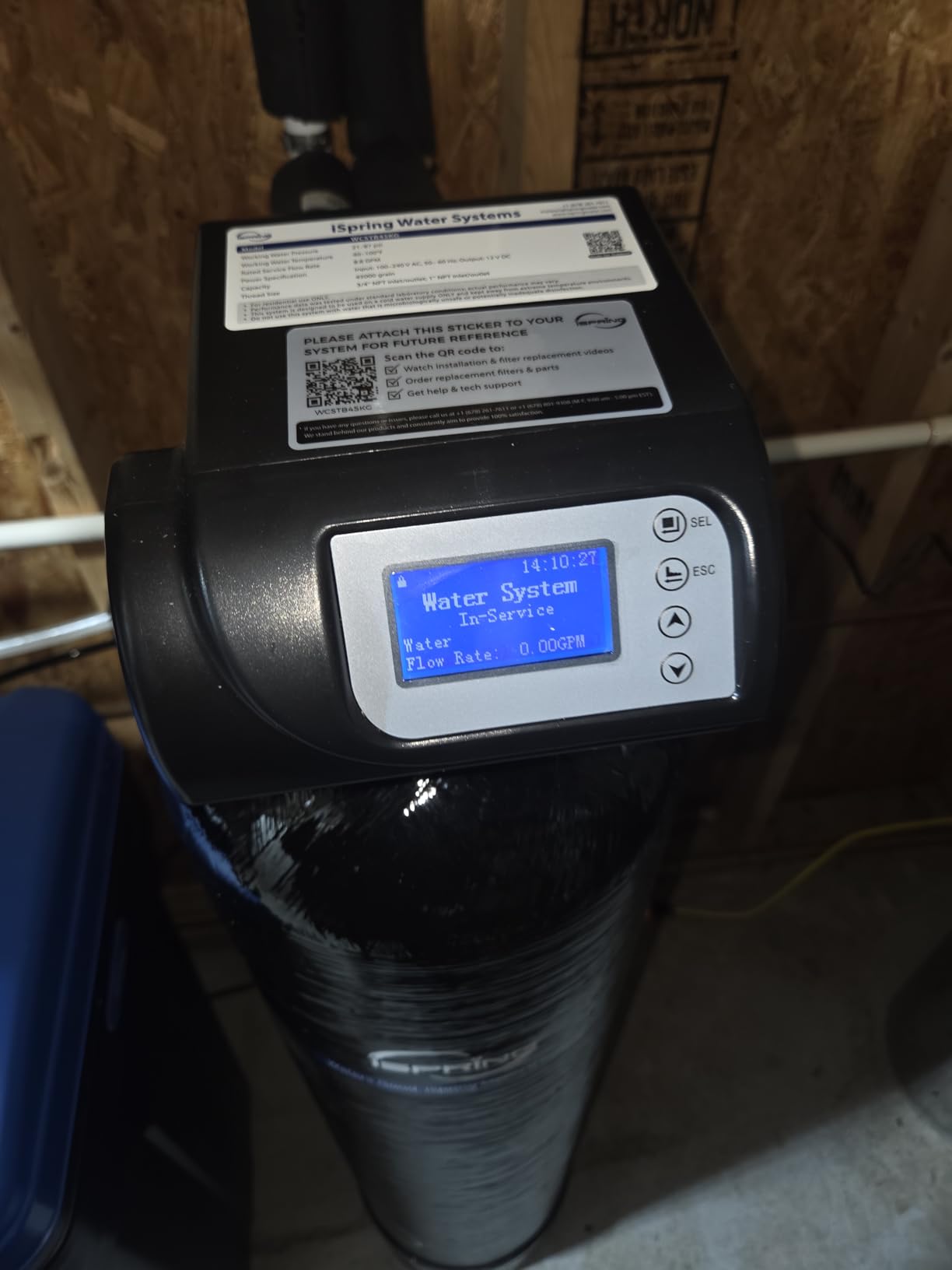
Buyers who plumbed it in report spotless fixtures, improved laundry results and clear hardness reduction, along with a hands-on installation that has a real learning curve. The system includes the brine tank and lid, a power adapter and accessories, and it works on both city and well water.
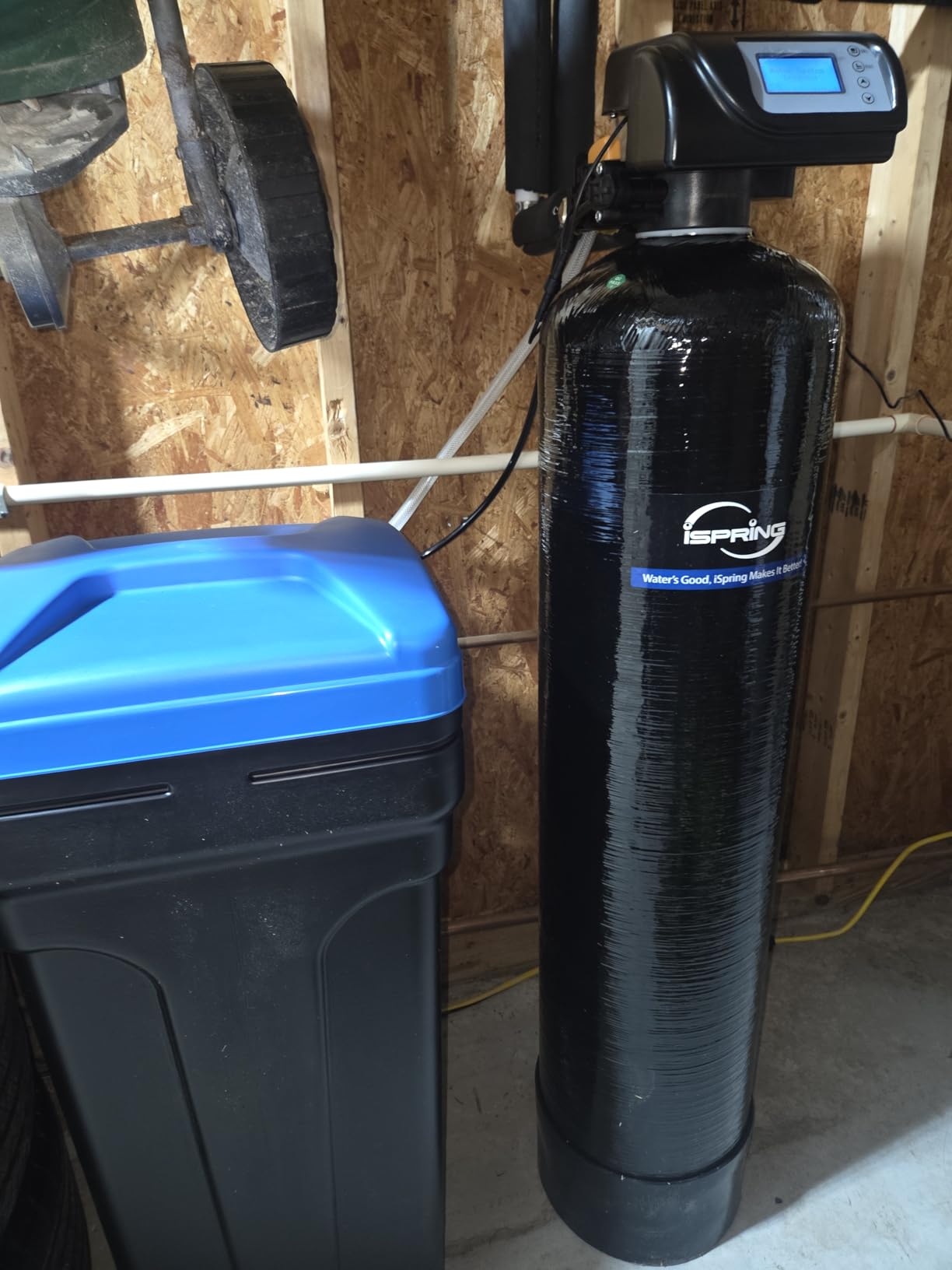
The honest drawback is size. At 75.6 pounds, this is the heaviest unit in the roundup and it needs a dedicated floor space, an electrical outlet, a drain line and plumbing modifications. It is a poor match for a tight condo utility area unless you genuinely have the room and the permission.
When 45000 grains is justified in a condo
Run the numbers before assuming it is oversized. A two-bath condo with two occupants using roughly 1,200 gallons a month at 15 gpg burns about 18,000 grains of capacity, which a 16000-grain canister barely covers. A 45000-grain system absorbs the same usage for about two and a half months between regenerations.
If your building reads 5 to 7 gpg, the same two-bath usage comes to 6,000 to 8,400 grains a month, and a 16000-grain canister handles it with room to spare. Measure first, then size.
Who should skip it
Skip it for any condo where the utility space is shared, where you rent, or where a plumber is not an option. The 1-year limited manufacturer warranty is thin for a permanent install, though the 30-day money-back guarantee gives you a window to confirm hardness reduction.
It also costs you on space what it gives you on capacity, so a mid-size system or a well-maintained portable will serve most condo households better. Anyone on genuinely high gpg water should read our best water softeners for hard water before deciding.
What You Can and Cannot Install in a Condo
The lease and the building layout eliminate more softener options than price ever does. In a rented unit, anything that requires drilling, a new electrical outlet or permanent pipe modification is off the table, and a portable canister with garden hose fittings is usually the only defensible choice.
Owners need to check four things before buying a floor model, starting with the shutoff valve for your branch line. If the only shutoff is the building main in a shared mechanical room, you cannot service a softener safely.
Then confirm there is a drain within reach for regeneration water, check that the closet has the floor space and doorway clearance, and confirm your HOA or building management has no rules about water treatment equipment in utility spaces. Missing any one of these turns a weekend install into a negotiation.
Water pressure is the fourth factor and the least discussed. Many condo buildings in hard-water cities already have a pressure-reducing valve at the main entry, which is good news because you have margin before an inline softener starts affecting your shower. Buildings without one may run higher pressure, and adding a resin bed to an already high-pressure line is how people end up chasing low flow at the showerhead. Occupants who also want the square footage back can compare our best compact ellipticals for apartments for the same fit-first approach.
How to Choose the Right Compact Water Softener in Four Steps
Step one is ownership. If you rent, your list is short: a portable canister, an under-sink mini unit, or nothing. If you own and have an isolatable shutoff plus a drain, an automatic system is the better long-term experience.
Step two is which fixtures you actually want treated. A shower loop solves skin and hair and the visible scale on glass, and it costs nothing in plumbing. A kitchen under-sink unit solves drinking water and the dishwasher, and it is the only way to treat the dishwasher without treating the whole unit. Trying to do both with one inline canister means routing hose to the kitchen, which most people find more trouble than it is worth.
Step three is a hardness number, not a guess. Buy a test strip kit or a titration kit, sample your shower or kitchen cold tap, and read it in grains per gallon. One grain equals 17.1 ppm, so a municipal report given in ppm converts by dividing by 17.1. Test before and after the softener so you know it is actually working.
Step four is capacity math, which is simple division. Divide grain capacity by your gpg reading to get gallons per regeneration, then divide that by your household’s daily usage. A 16000-grain unit at 7 gpg gives about 2,285 gallons, which is over two months for a one-bath condo and closer to three weeks for a two-bath unit at 15 gpg. If your building runs much heavier usage than a condo, our best water softeners for large families walk through the same math at a higher scale.
One clarification worth repeating: filtration and softening are different jobs. Carbon and sediment filters improve taste and reduce chlorine but do not touch hardness, and shower filters marketed as softeners usually do not soften anything. Only ion exchange resin removes calcium and magnesium, so a shower filter is a complement to a softener, never a replacement.
Maintenance Schedule and Ongoing Operating Costs
Portable canisters share a rhythm. Check the salt level weekly if you are on hard water and monthly otherwise, plan a regeneration every few weeks based on your own gallons-per-regen figure, and run 50 to 80 gallons of fresh water after any new resin before you use the output.
Automatic systems replace that with quarterly checks: salt level, brine tank, filter changes, and a look at the drain line and hoses once a year. Replace carbon prefilters on their schedule, since a loaded filter both slows flow and lets chlorine reach the resin.
On cost, the hardware is the small part. Salt is the recurring line item and it scales with how hard your water is and how often you regenerate, so add prefilter cartridges if you run a prefilter stage and expect portable hoses and quick-connects to be consumables. None of that changes the buying decision, but it belongs in the conversation before you commit.
Frequently Asked Questions
What is the best small water softener?
For a condo, the best small water softener is a portable canister with a 16000-grain capacity and garden hose fittings. It needs no drilling, no electricity and no drain line, so it suits renters and fits a shower corner. The On The Go double-standard model and the PRO+AQUA are the two we rate highest, and both regenerate with two boxes of table salt in under 30 minutes.
What are the disadvantages of using a water softener?
The main disadvantages are maintenance, sodium output and space. Portable canisters require manual regeneration, which means lifting a 20 to 35 pound tank on a schedule that shortens as hardness rises. Softened water adds sodium, which matters on a sodium-restricted diet. Floor models need a drain line, an outlet and permanent plumbing changes.
What is the best water filter for a condominium?
The best water filter for a condominium depends on what you are fixing. A carbon filter improves taste and chlorine odor but does not reduce hardness. For hardness you need ion exchange, either a portable canister on the shower line or an under-sink unit. Filters and softeners solve different problems and are often used together.
Does Costco do water softeners?
Costco carries water treatment and filtration products, and the models they carry change over time. Search by the exact model number rather than browsing by brand, and confirm that the warranty terms apply through Costco if you buy there.
Can you install a water softener in a rented apartment?
Yes, as long as the install is non-invasive. A portable canister on a shower line using garden hose fittings requires no drilling and no permanent plumbing, which most leases tolerate. Anything requiring new pipe, an electrical outlet or a wall anchor generally needs written landlord permission first, and HOA rules can add a second approval layer.
The Best Compact Water Softener for Your Condo
For most condo residents in 2026, the answer to the best compact water softeners for condos question is a portable 16000-grain canister like the On The Go double-standard, which wins on capacity, review volume and the simplest possible install. Renters should take it, test their hardness first, and accept that regeneration is a monthly chore rather than a set-it-and-forget appliance.
Owners with an isolatable shutoff, a drain and real closet space should look past the canisters entirely. The Water Boss 74011 automates regeneration and adds iron filtration in a compact cabinet, while the iSpring 45000-grain system is the practical answer for very hard water in a heavily used unit. Match the grain capacity to your measured gpg and daily usage, and test again after installation to confirm the water is actually getting softer.