
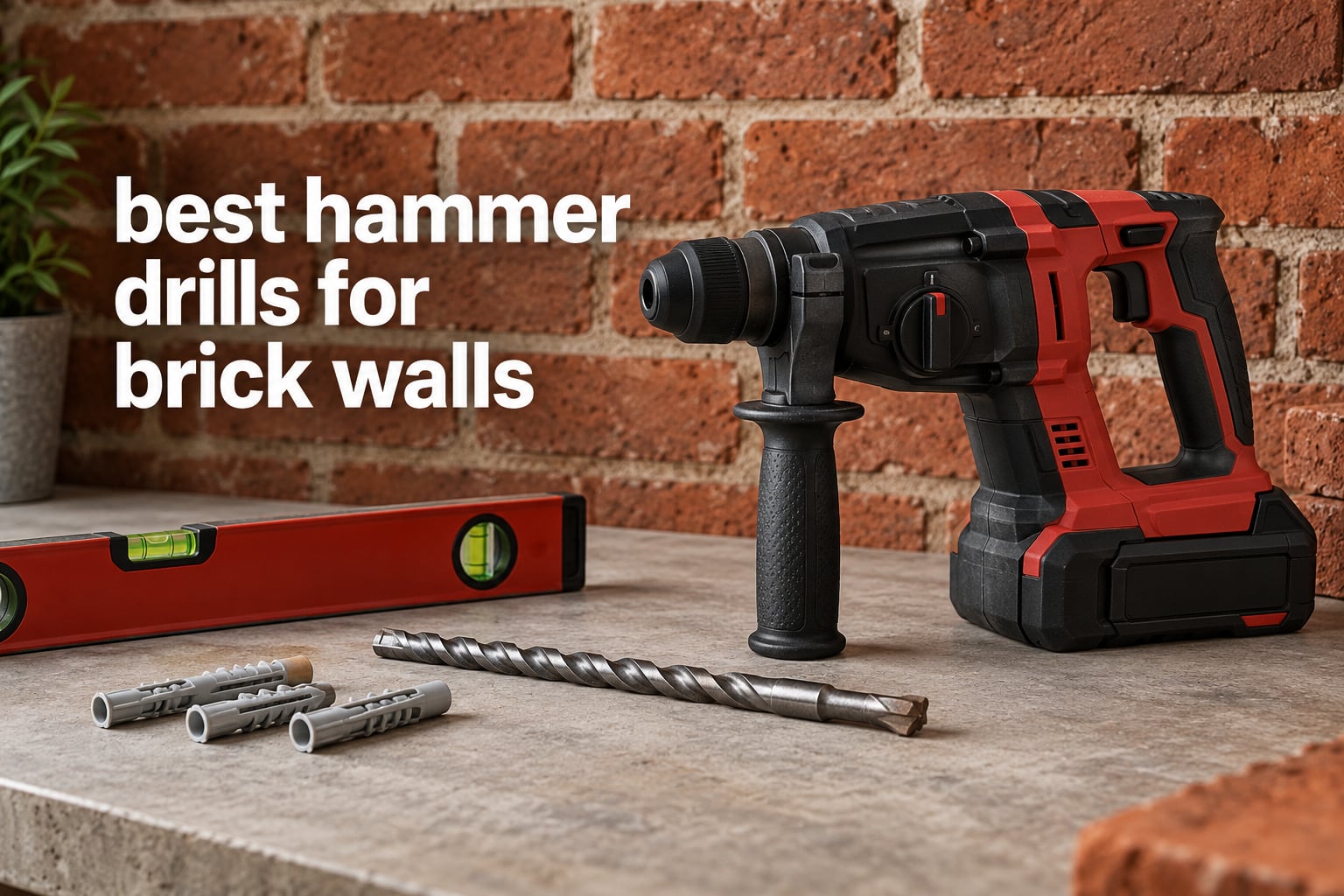
Short answer: for drilling into brick walls, the DEWALT DCH273B cordless SDS rotary hammer is the strongest all-round pick, and the ENEACRO ENRH3201 corded 13 amp model is the one to buy if you want maximum impact energy in a single tool. Both deliver a real hammer action that a standard cordless drill cannot match on brick.
This guide covers the best hammer drills for brick walls for 2026. Brick is not concrete, and that difference matters more than most roundups admit. A standard drill/driver set to hammer mode on a solid brick wall will skate, heat up and dull the bit within a minute, because the mechanism only works properly when the tool has real impact energy behind it. Every pick below has published impact energy, blow rate or torque figures, so you can match the tool to the job rather than guessing.
We looked at ten of the highest-rated hammer drills and rotary hammers on the market, then filtered them for the three things that decide whether a brick hole gets drilled cleanly: real impact energy, a chuck that holds SDS-plus bits, and enough control to keep the bit from wandering. Our criteria were published specifications, owner review patterns and how each tool behaves on masonry specifically. We also weighed total ownership cost, because a bare tool means a second battery and a charger, while a kit means you can start the same afternoon.
If you also want a general-purpose driver for wood and drywall, our picks for the best cordless drills for homeowners and best cordless hammer drills for concrete roundups cover that side of the shelf.
Top 3 Picks for Brick Walls in October 2026
DEWALT DCH273B Rotary Hammer
- 2.1 Joules impact energy
- Three application modes
- SHOCKS vibration control

ENEACRO ENRH3201 Rotary Hammer
- 7.4 Joules impact energy
- Four operating modes
- Safety clutch

All 10 Hammer Drills for Brick Compared in October 2026
| Product | Specifications | Action |
|---|---|---|
| DEWALT DCH273B Rotary Hammer |
|
Check Latest Price |
| ENEACRO ENRH3201 Rotary Hammer |
|
Check Latest Price |
| BOSCH 11255VSR Bulldog Xtreme |
|
Check Latest Price |
 DEWALT D25263K Rotary Hammer DEWALT D25263K Rotary Hammer |
|
Check Latest Price |
 CRAFTSMAN CMCD711C2 Hammer Drill CRAFTSMAN CMCD711C2 Hammer Drill |
|
Check Latest Price |
 Berserker 26FA Rotary Hammer Berserker 26FA Rotary Hammer |
|
Check Latest Price |
 DCK 20V Brushless Hammer Drill DCK 20V Brushless Hammer Drill |
|
Check Latest Price |
 DEWALT DW511 Hammer Drill DEWALT DW511 Hammer Drill |
|
Check Latest Price |
 DESHUO LD26 Rotary Hammer DESHUO LD26 Rotary Hammer |
|
Check Latest Price |
 RYOBI PBLHM101K2 Hammer Drill RYOBI PBLHM101K2 Hammer Drill |
|
Check Latest Price |
1. DEWALT DCH273B Rotary Hammer: Best Hammer Drill for Brick Overall
DEWALT 20V MAX SDS Rotary Hammer Drill, Cordless, 3 Application Modes, Bare Tool Only (DCH273B)
- Cordless convenience on ladders and in tight rooms
- Fast in concrete and cinder block
- Light for its impact energy
- Three modes plus chipping function
- Battery endurance across many holes
- Bare tool so battery and charger cost extra
- Not a demolition hammer
- SDS-plus bits cost more than masonry bits
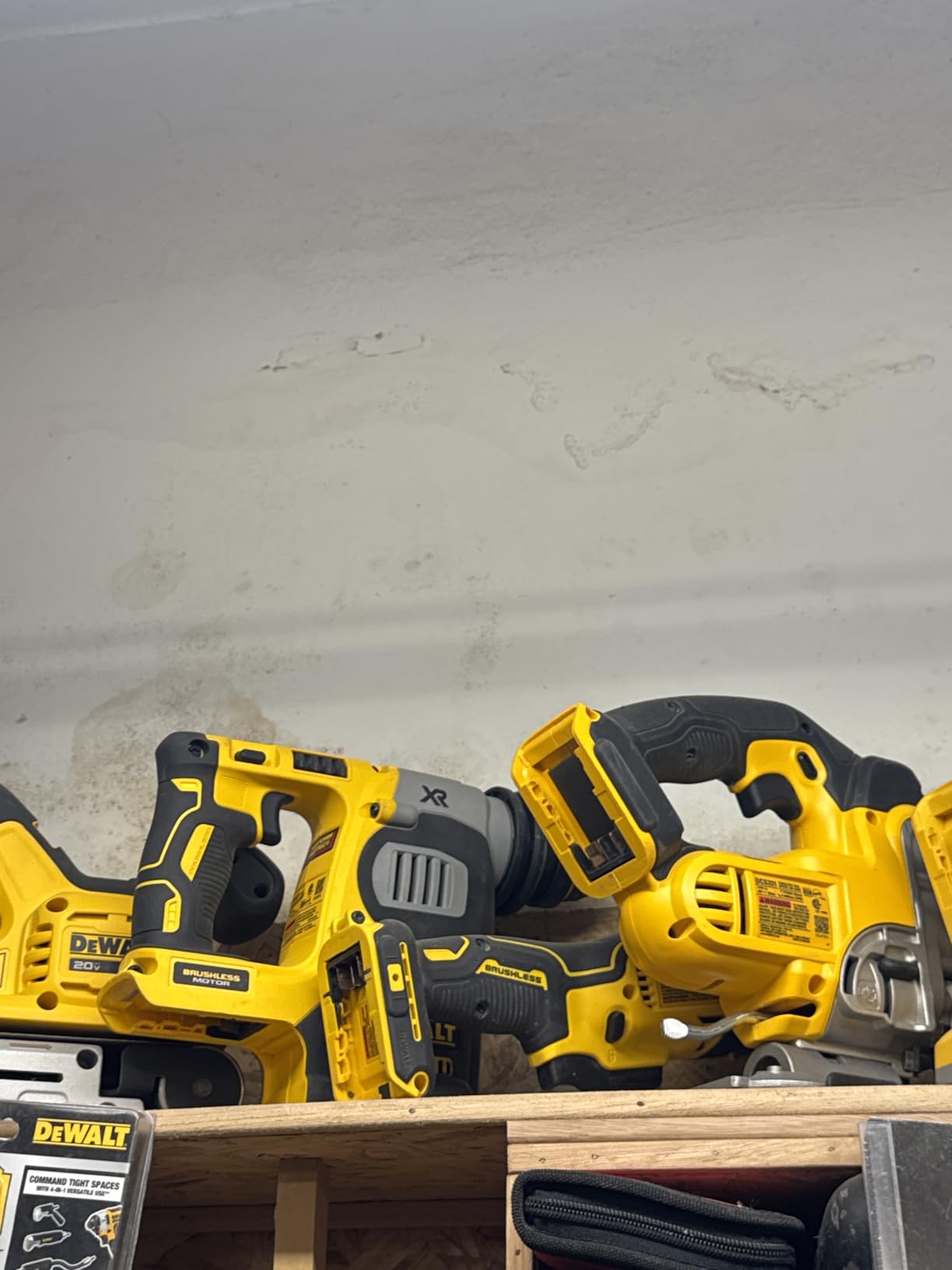
The DCH273B is the drill I would hand someone mounting a shelf or a bracket to a brick wall in a house with no nearby outlet. At 6.4 lb it stays under the weight where a corded tool starts to drag on the end of a long shift, and the SDS-plus chuck means the bit change takes seconds rather than a minute of fiddling with a chuck key.
Two things set it apart. The rotating mode dial gives you plain drilling, hammer drilling and chipping from one tool, so when a screw head snaps off in a wall you can chisel the hole out without finding another machine. The SHOCKS vibration control is the reason this one feels different from cheaper cordless units after twenty consecutive holes.
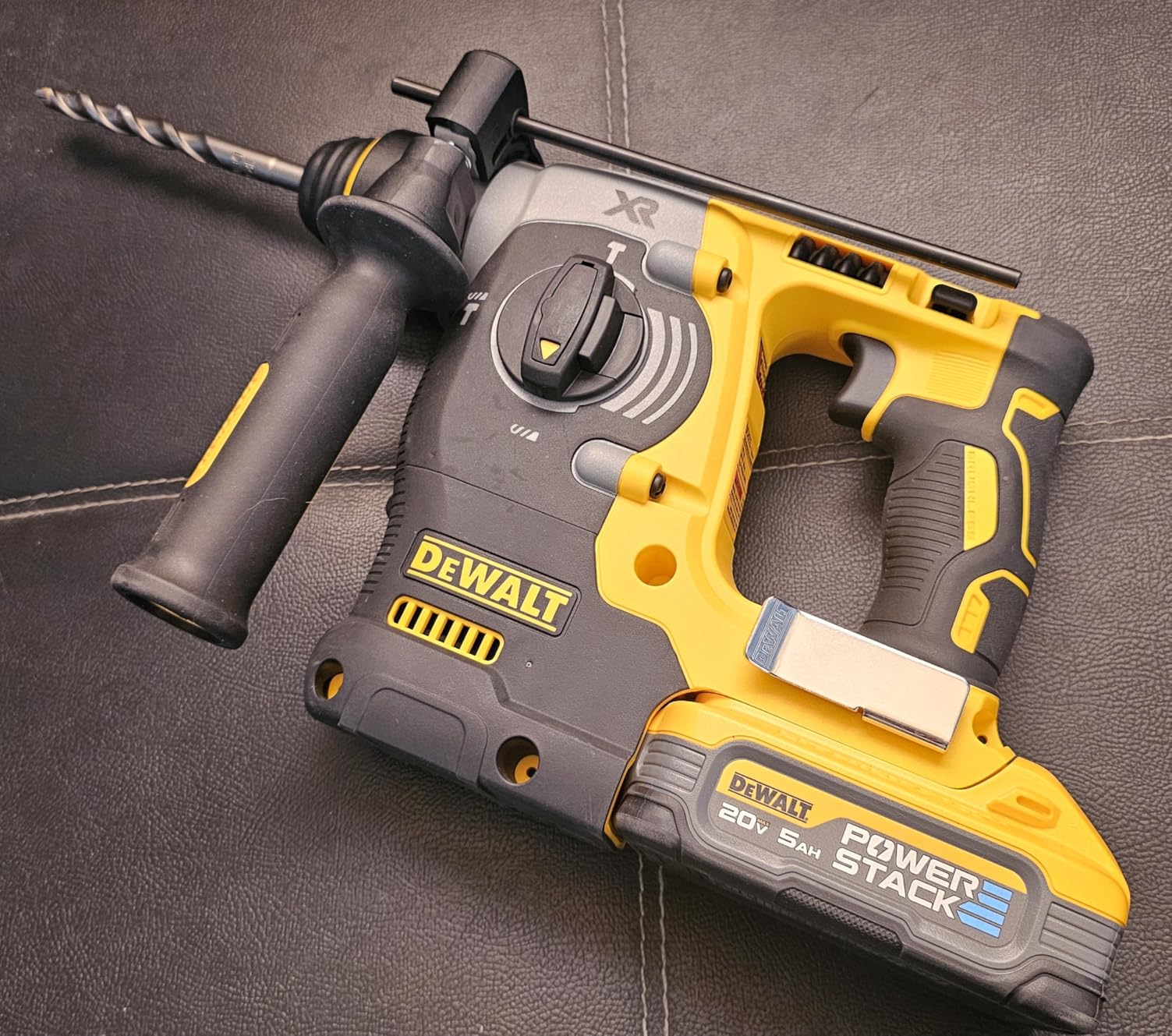
Reviewers report it drilling 22 four-inch holes on a single charge, and the top-rated pattern among the 3438 reviews is 87 percent five star. The consensus is that it punches through concrete and block noticeably faster than a conventional hammer drill, which is the same advantage it brings to brick.
Be realistic about the ceiling. At 2.1 joules it is a drilling and light chipping machine, not a breaker, and if your wall is full of rebar or you need 1-1/2 inch holes you will want more impact energy than this. For Tapcon-style anchors, shelves, TVs, curtain rods and light fittings, it is more than enough.
What to check before you buy
This is a bare tool, so budget for a 20V MAX battery and a charger unless you already own the platform. If you already have any 20V MAX packs, that is the cheapest path to owning this drill, and it is the reason the sticker number tells you so little about the real cost.
Genuine SDS-plus bits are another ongoing cost, and they cost more than ordinary masonry bits. For brick, though, SDS-plus is the right format, so treat it as a running expense rather than a compromise.
Where it falls short
Owners rate it very loud in hammer mode, and hearing protection is not optional. If you are drilling indoors or near neighbours, plan for that before you start rather than after.
It also cannot be relied on for sustained demolition. If your project involves breaking out a window opening or chasing a channel through brick, rent a dedicated breaker instead of wearing this one out.
2. ENEACRO ENRH3201 Rotary Hammer: Best for Heavy Brick Work
- Highest impact energy in this group
- Safety clutch protects the wrist
- Complete kit with bits chisels and case
- 24 month defect warranty
- Handles chiselling and drilling
- 12.6 lb body tires the arms overhead
- Corded design limits mobility
- Safety clutch trips on high-torque work
The ENRH3201 has the most impact energy of any drill in this roundup at 7.4 joules, and on thick brick, high-strength block or a wall full of old mortar that difference shows up as fewer stopped holes and fewer burnt bits. A 13 amp motor and 1500 watts give it the raw push that smaller machines lack.
What surprised me is how much comes in the box: three SDS-plus bits, a point chisel, a flat chisel, an auxiliary handle, spare carbon brushes, grease and a carrying case. Most competing tools at this capability level sell you the case as an accessory. The four modes include a chisel position adjustment, which turns a drilling tool into a light breaker.
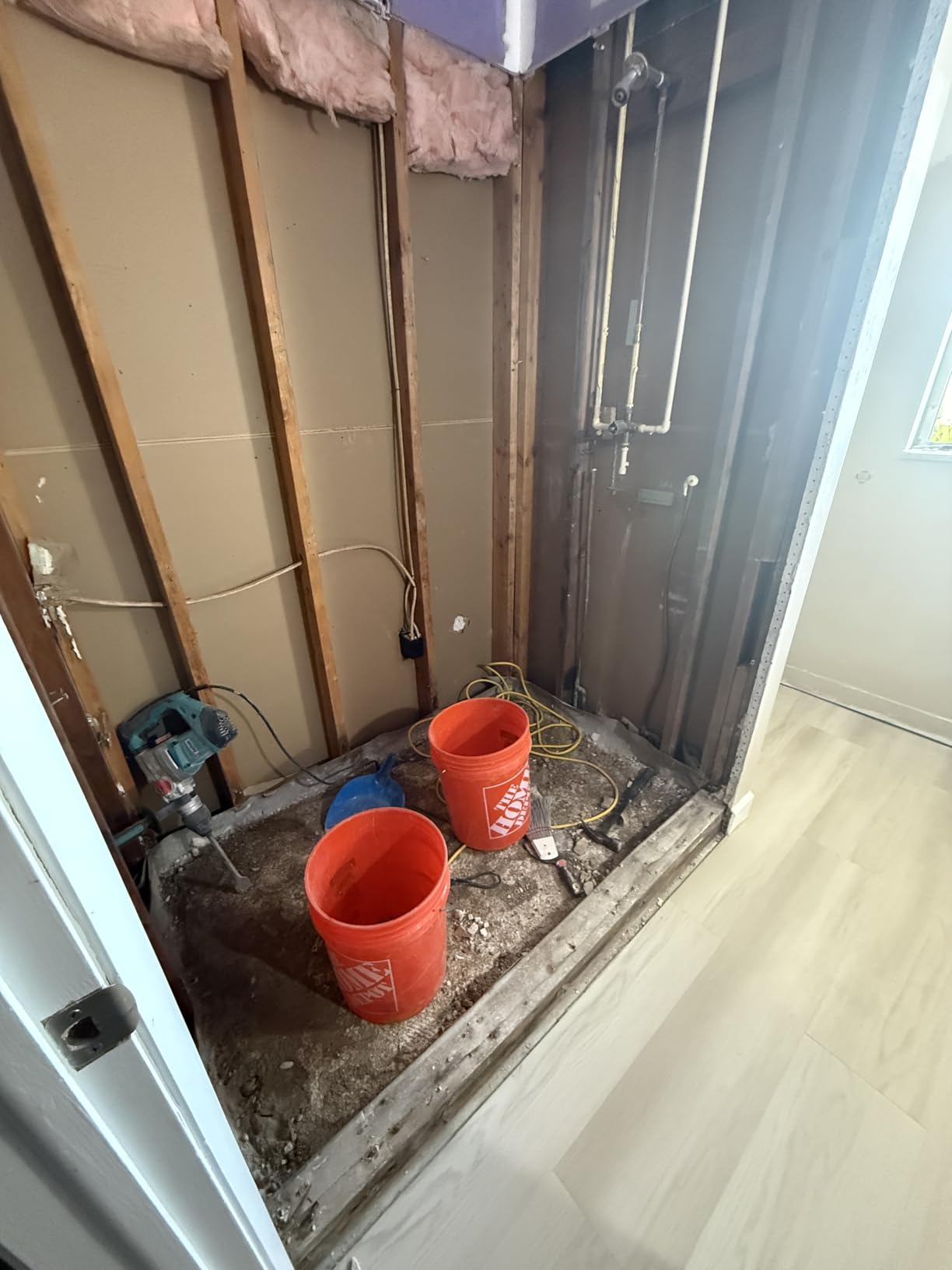
Owners consistently single out the accessory package and the 24-month defect warranty as reasons to recommend it, with 79 percent of the 3510 reviews at five star. The safety clutch is genuinely useful on brick, where a bit can bind the instant it finds a soft mortar joint or a hollow face brick.
The reviews also flag the same weakness every time: 12.6 lb is heavy. On a wall at chest height that weight is helpful, because it keeps the bit tracking straight. Held overhead, or for forty anchor holes in an evening, it is punishing.
Best for masonry specialists and shed work
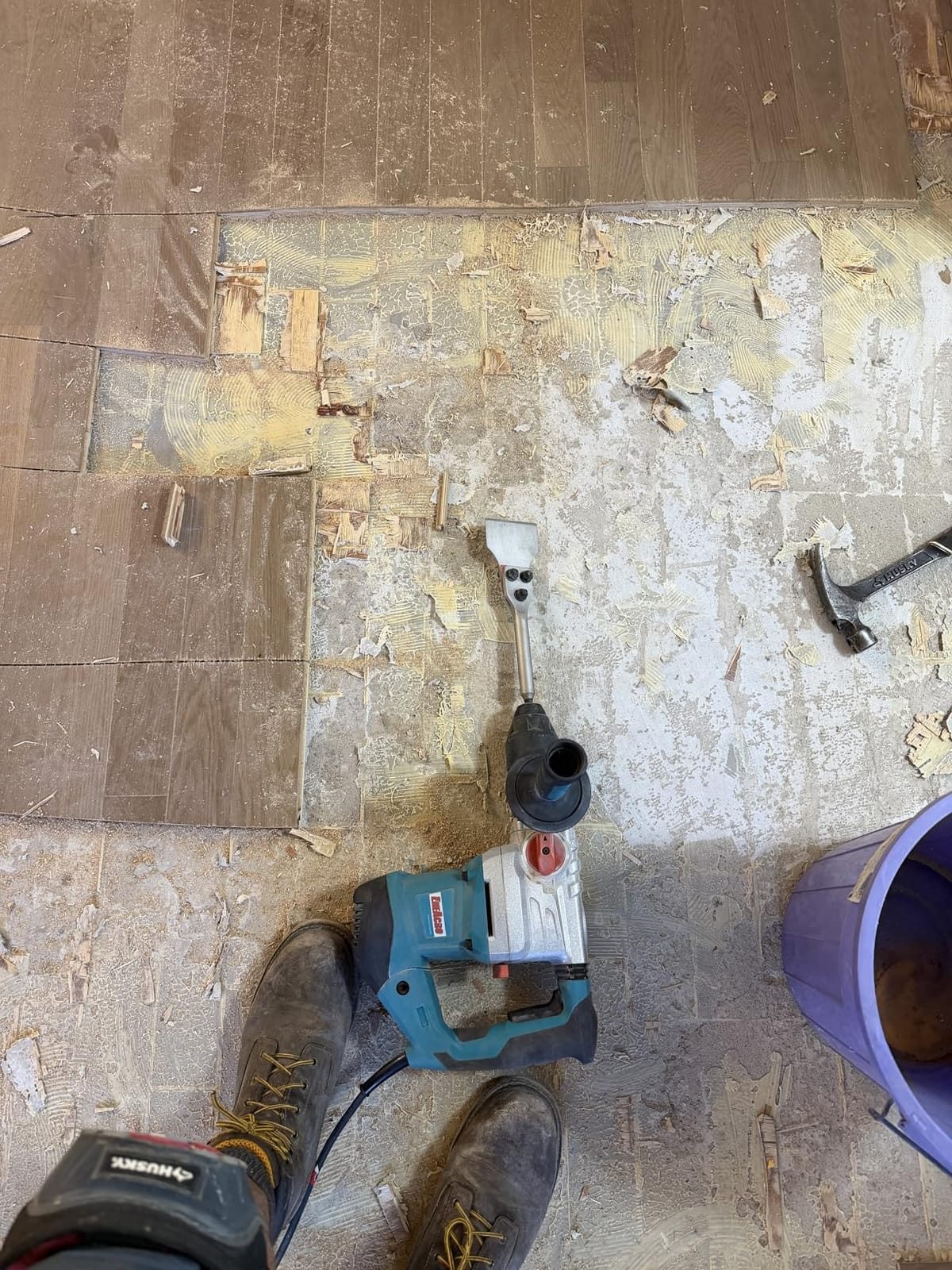
This is the one to pick if brick is a regular part of your work rather than a Saturday project. The 1-1/4 inch concrete drilling capacity and the 360-degree adjustable handle mean it handles larger holes and awkward angles without drama, and the vibration control layer reduces the sting through your knuckles.
Because it is corded, you get continuous power with no battery fade. That matters on a facade where you are dozens of feet from an outlet and drilling at height.
Where it falls short
For anyone working above head height for long stretches, the weight and the cord together are a real problem. A compact cordless rotary hammer is the better tool for overhead mounting, whatever its lower impact energy.
One more honest note: the safety clutch can trip during high-torque masonry drilling. That is the system protecting you, but you will have to free the bit and restart rather than lean harder.
3. BOSCH 11255VSR Bulldog Xtreme: Best for Anchor Holes
- Long service life under heavy use
- SDS-plus chuck locks bits securely
- Reverse is as powerful as forward
- Low felt vibration for a corded tool
- Modes do not shift out of position
- Included depth gauge is flimsy and short
- Very light trigger
- Needs an adapter for standard bits
The Bulldog Xtreme is the drill I recommend when the job is a row of anchor holes in a brick wall and you want the bit to stay on the mark. The SDS-plus chuck grips the bit as soon as it is pushed home, so there is no key, no tightening and no slip halfway down a hole.
It delivers 0 to 1300 RPM, up to 5800 BPM and 2.0 feet-pounds of impact energy from a 7.5 amp motor, across three modes: rotation only, rotary hammer and hammer only. The D-handle shape is deliberate, giving you two-handed control when you are pushing into a wall rather than hanging off it.
Owners report long-term loyalty more than any other comment in the 3023 reviews, with 86 percent five star. Recurring praise goes to the variable speed trigger and to the reverse, which reviewers say is just as powerful as forward and therefore excellent for freeing a stuck bit. Felt vibration is lower than a conventional corded hammer drill.
The complaints are consistent too. The included depth gauge is thin aluminium that bends, and it is shorter than you will want for deep anchor holes. The trigger is very light, so it ramps to full speed almost immediately, which takes practice to feather.
Why it suits brick anchors
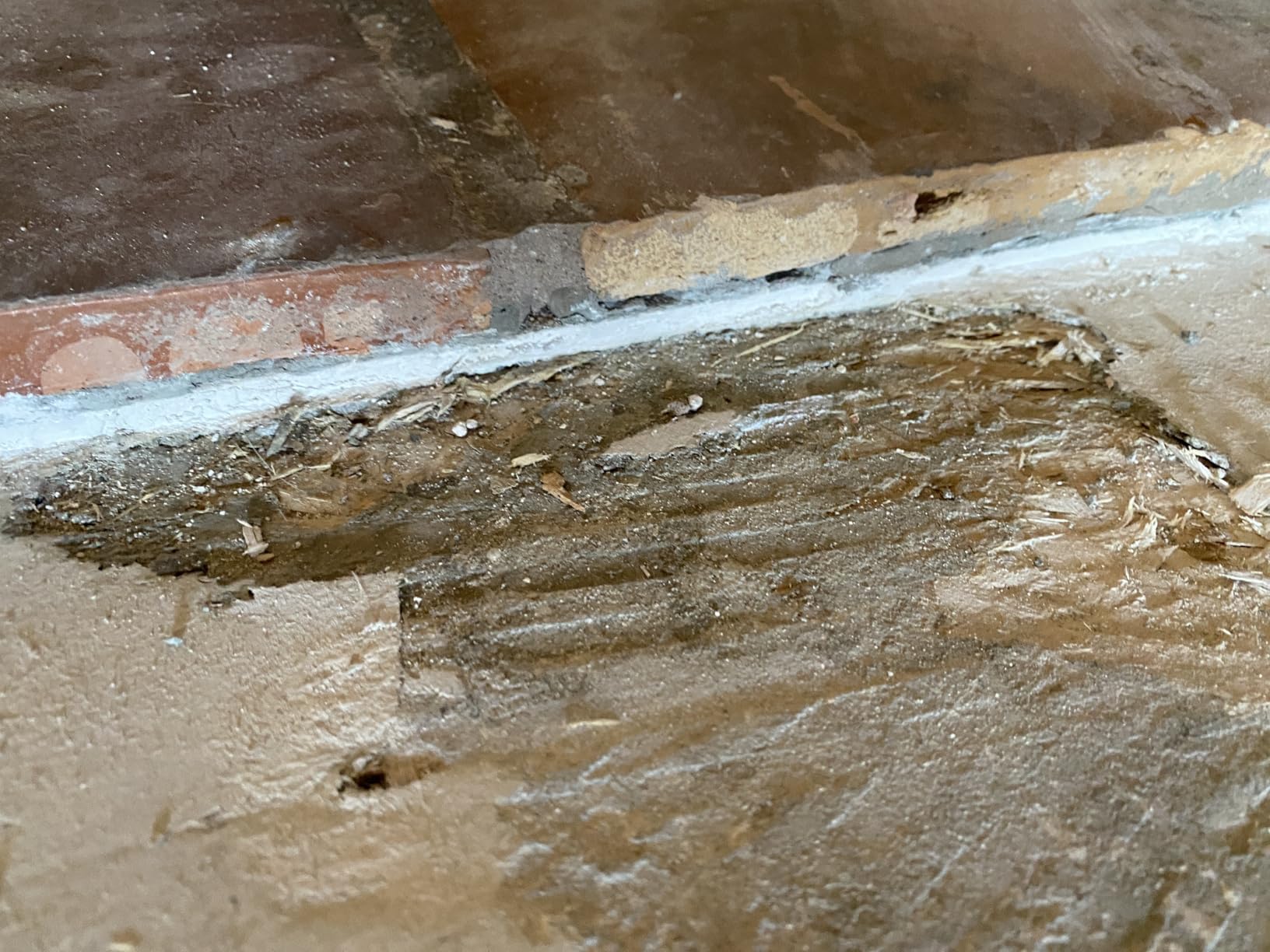
Rotary hammer action with SDS-plus bits is exactly the combination that makes clean, correctly sized holes in brick. The variable speed trigger lets you start a bit at low rpm, which stops it walking across a face brick, and then wind into the hammering range once it is centred.
Long-term owners also mention anchor holes, thinset removal and light chipping as the work this drill does most happily, which is a good description of a homeowner’s brick-wall year.
Where it falls short
If you want to use ordinary twist or masonry bits as well, you need a separate SDS-plus chuck adapter. The chuck will not take anything that is not SDS-plus.
And while it chips, it is not a demolition hammer. For breaking a doorway through brick you need a far heavier machine and a breaker bit.
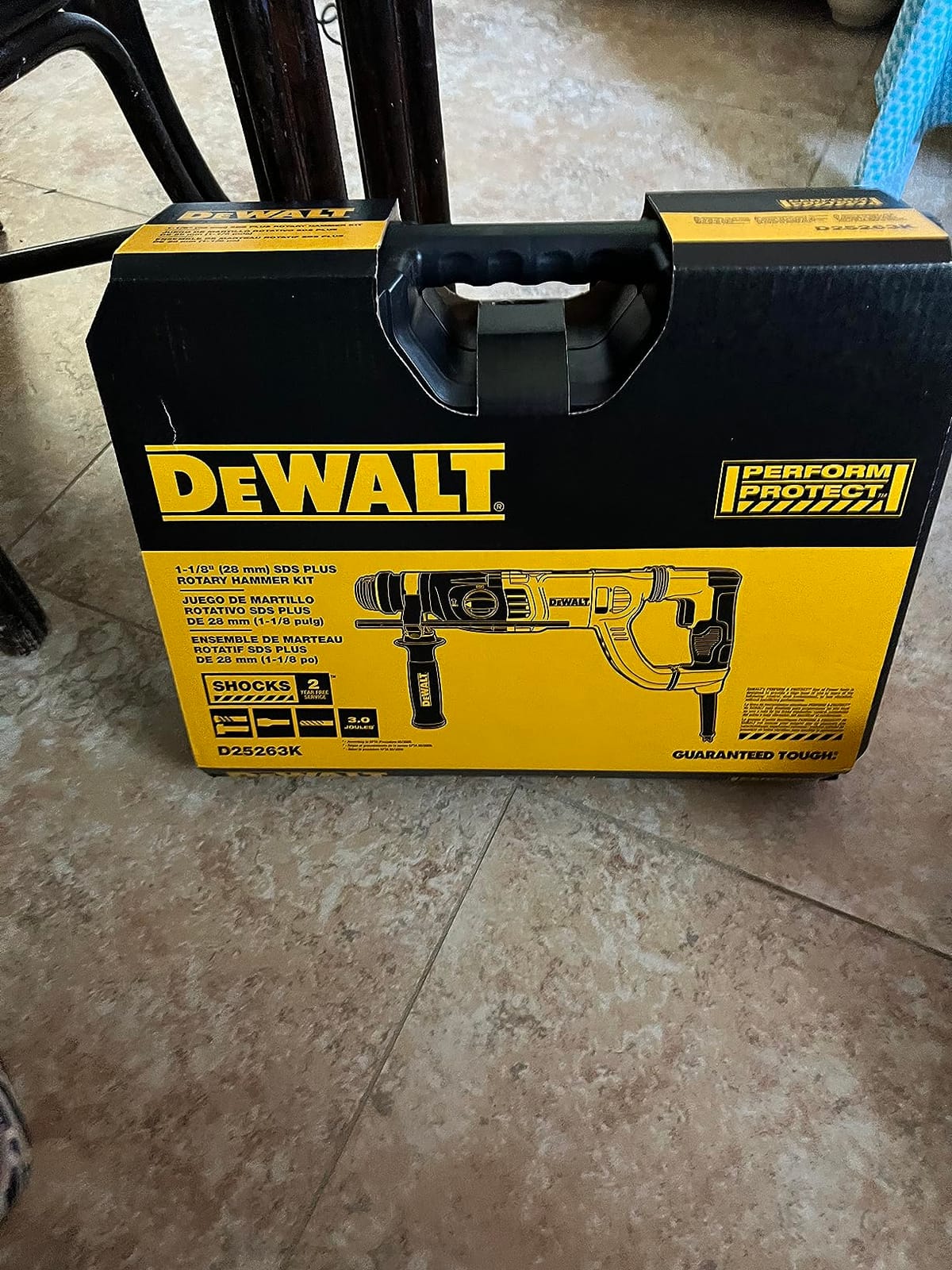
4. DEWALT D25263K Rotary Hammer: Best Corded Power for Concrete and Brick
DEWALT SDS Rotary Hammer Drill, Vibration Control Shocks, 115 Volts, Corded (D25263K)
- 3.0 joules drives masonry bits fast
- SHOCKS reduces felt vibration
- Rotating brush ring holds reverse torque
- Integral clutch protects on jams
- Includes side handle depth rod and case
- Needs continuous access to an outlet
- Bulkier than compact cordless tools
- Dust extraction sold separately
The D25263K sits between the Bulldog and the ENEACRO on impact energy, at 3.0 joules from an 8.5 amp motor, and it does something the cheaper machines do not: it holds its power in reverse. The rotating brush ring keeps full torque in both directions, which matters when a bit binds halfway down a hole.
The integral clutch is a small feature with a real effect on brick. When the bit catches a hard face brick face, the clutch reacts instead of twisting your wrist, and the SHOCKS system cuts the vibration that otherwise travels up your arms through the side handle.
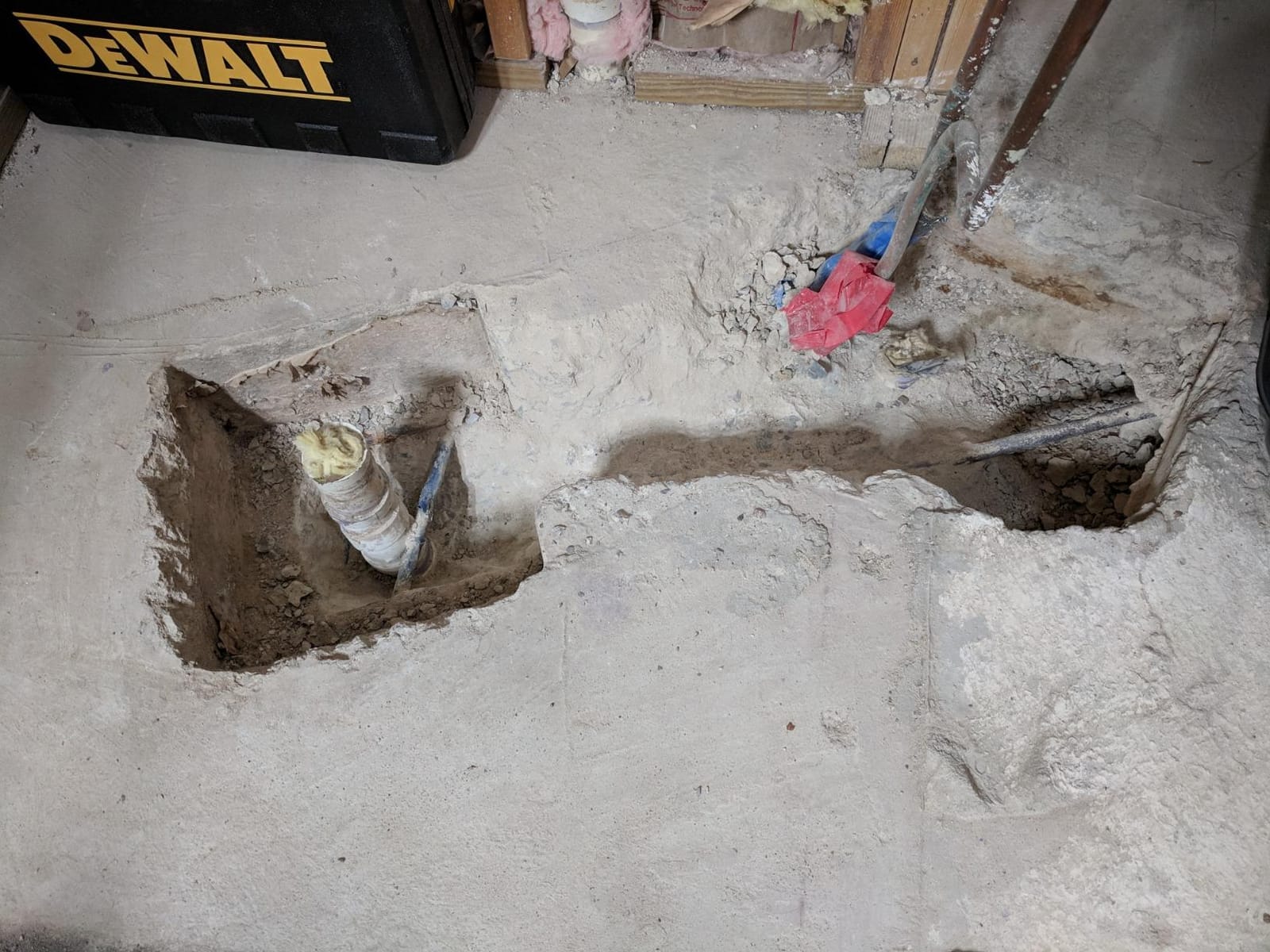
Reviewers call it a dependable corded workhorse, with 84 percent of the 1555 reviews at five star. The consistent theme is a balance of power and vibration control that makes long masonry sessions bearable without losing the punch that a smaller drill lacks.
It ships with a 360-degree side handle, a depth rod and a kit box, so unlike some rivals you can start drilling with the two-handed control that brick actually demands.
What makes it worth choosing over a cheaper corded drill
Impact energy, not amps, is what breaks into brick. At 3.0 joules this machine has roughly the output of a far larger 8 amp hammer drill, which is the difference between a hole that gets drilled and a hole that stalls halfway.
It also pairs with the D25301D dust extraction system, which is worth considering if you are drilling indoors and care about the dust cloud that masonry drilling creates.
Where it falls short
It is corded, so you need an outlet. In a basement or a garden wall with no power nearby, that rule alone rules it out.
It is also larger than the compact cordless options, so in a tight corner between a wall and a workbench you will be using it one-handed, which is exactly the situation where a hammer drill performs worst.
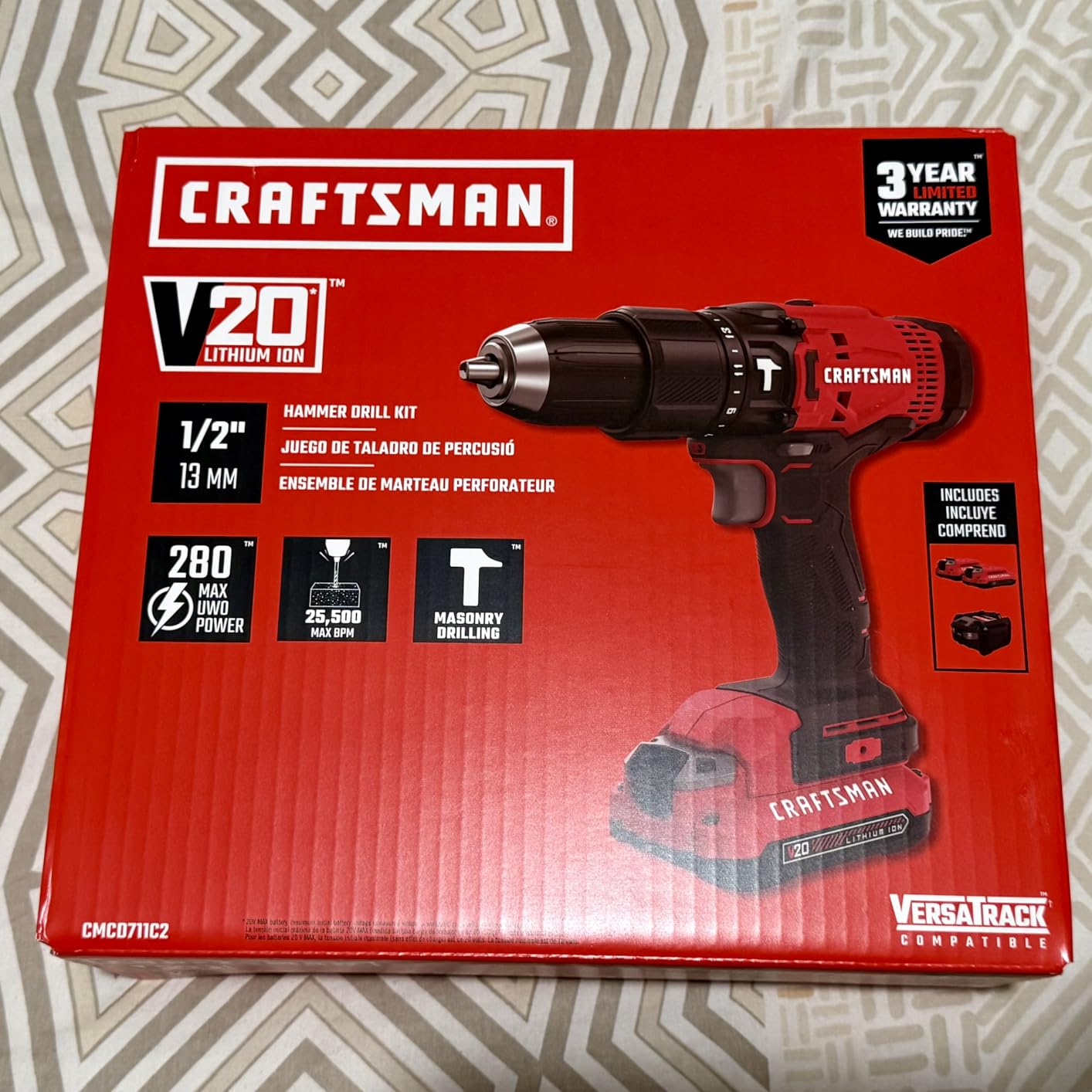
5. CRAFTSMAN V20 CMCD711C2 Hammer Drill: Best Battery Kit for Household Brick Jobs
CRAFTSMAN V20 Cordless Hammer Drill Kit, 1/2 inch, 2 Batteries and Charger Included (CMCD711C2)
- Two batteries and a charger in the box
- 25500 BPM works in concrete and brick
- 5.4 lb is easy on the wrist
- Ratcheting chuck holds bits well
- No extension cord to trip over
- Light duty for heavy masonry work
- No side handle or depth rod included
- V20 batteries do not fit other platforms
This is the most complete package on the list for someone who does not own any cordless tools. You get the drill, two V20 lithium batteries and a charger, so there is nothing to buy before you can hang a shelf. That removes the single most common hidden cost in cordless tool ownership.
At 25,500 BPM with a 280 unit watt motor and a two-speed gearbox, it has genuine hammering capability in concrete and brick rather than the token vibration some cheap combi drills offer. At 5.4 lb it stays comfortable for a long run of anchor holes.
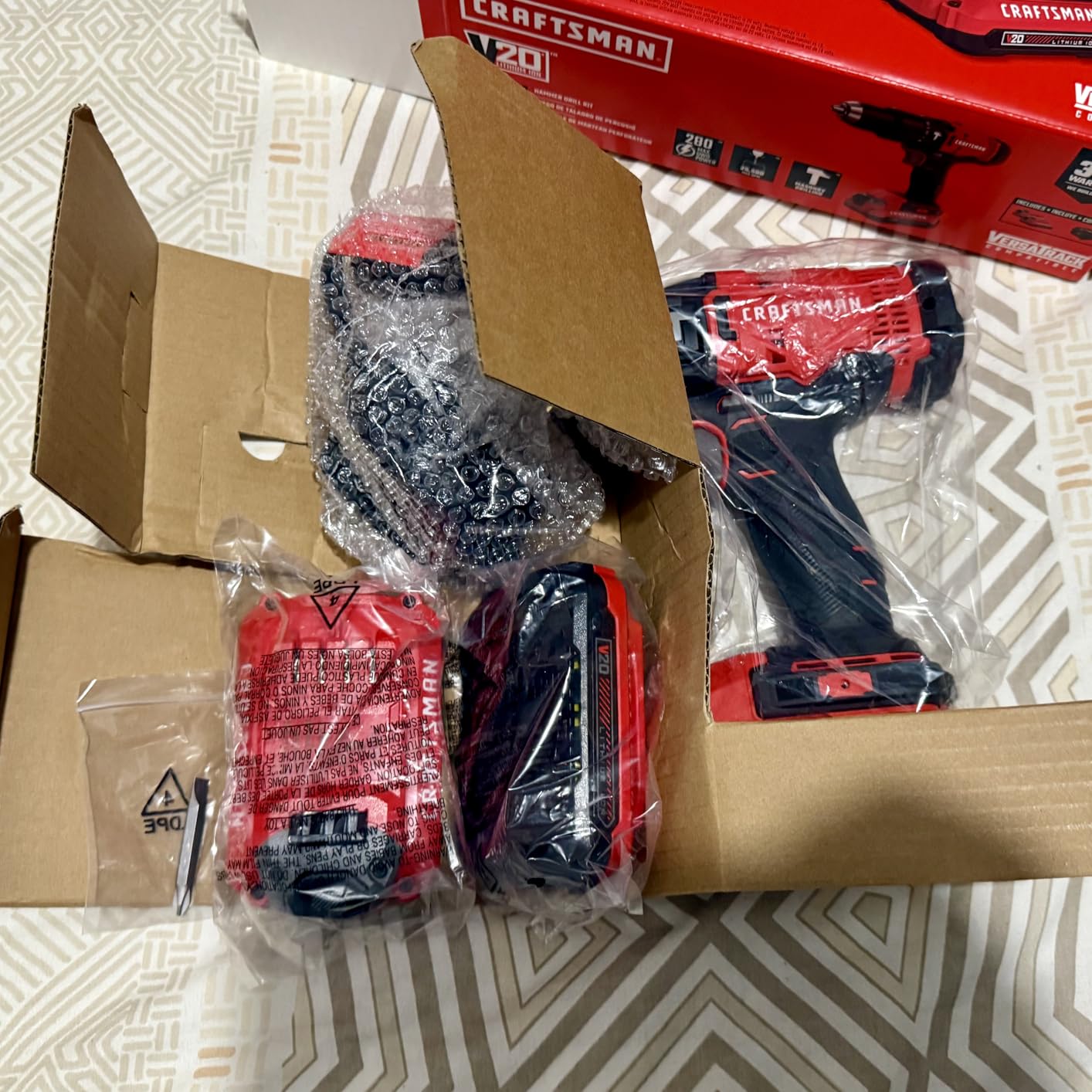
The 1/2 inch ratcheting chuck grips bits well and changes them quickly, which matters more on hammer setting than a smooth keyless chuck does. Reviewers value the complete kit and the low weight, with 80 percent of the 1164 ratings at five star.
What the reviews consistently say is that this is a hammer drill rather than a rotary hammer. That is the honest boundary: light to medium masonry work, and plenty for Tapcon screws and small anchors.
Best for a first cordless platform
If you own nothing, this is the cheapest route to a working setup because the batteries and charger are already counted. The 60 minute or less charge time means a second battery is a genuine option rather than a luxury.
It is also compatible with the VERSATRACK wall organisation system if you want the drill stored on the wall rather than in a drawer.
Where it falls short
There is no auxiliary side handle or depth rod in the box. Without a handle you are pushing a masonry bit into brick one-handed, and the hammer action feels weaker than the spec suggests. Buying a handle is the cheapest upgrade available to this drill.
Batteries are CRAFTSMAN V20 only, so if you later add another brand of cordless tool you will be running two battery systems.
6. Berserker 26FA Rotary Hammer: Best for Larger Holes in Brick
- Drills large holes remarkably fast
- Three modes cover drilling and chipping
- 360 degree handle gives leverage
- Aluminium housing and overload clutch
- Complete kit with bits chisels and case
- Runs hot after 15 to 20 holes
- 9.5 lb is heavy for long sessions
- SDS-plus bits only
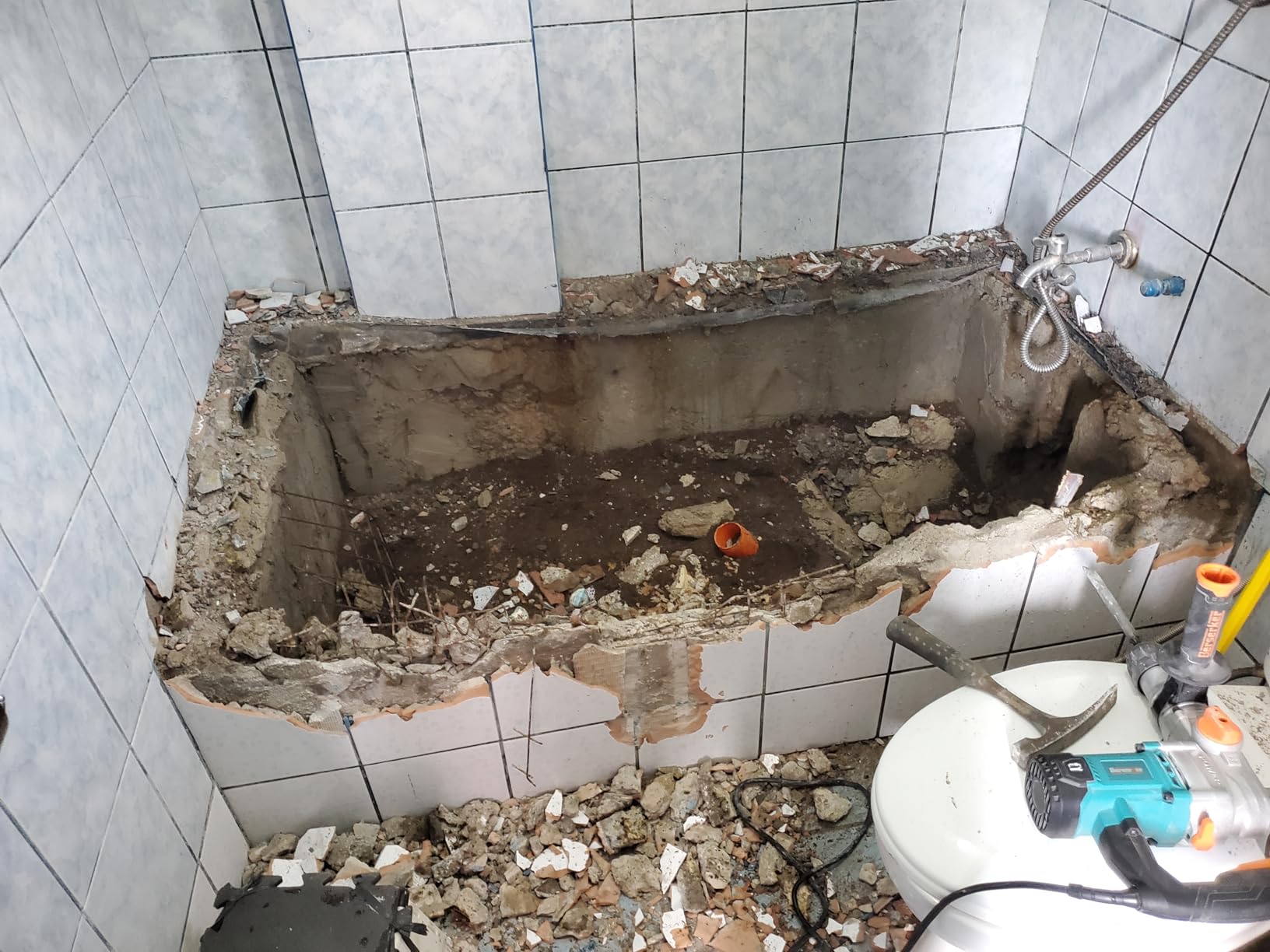
Where the lighter drills stop, the Berserker keeps going. With 4.5 joules of impact energy and a stated 1-1/8 inch maximum drilling diameter in concrete, it handles hole sizes that make a 2 to 3 joule machine bog down, which is the situation you hit when running pipe or a cable chase through a brick wall.
The 9 amp, 1050 watt motor runs at up to 1050 RPM with 4200 BPM, and the three modes cover rotation only, hammering with rotation and hammering only. The 360-degree adjustable accessory handle gives you the control to keep a large bit tracking in brick rather than skating off the face.
DIY buyers call it excellent value and report drilling anchor holes through concrete far faster than a standard hammer drill, with 78 percent of the 897 reviews at five star. The box includes three bits, two chisels, a depth gauge, grease, a wrench, spare carbon brushes and a case.
Two negatives recur. It runs hot after roughly 15 to 20 holes and needs cooling time, and 9.5 lb becomes tiring over a long afternoon of overhead or repeated work.
When you need more than a light hammer drill
If you are chasing a large-diameter hole through brick for a flue, a downspout or a conduit run, this is the tool class that will not stall. Overload clutch protection stops the drill tearing itself apart if the bit catches, and the aluminium housing tolerates the heat of hard work.
Note the honest limit on that heat: sustained drilling without pauses will shorten its life, and one reviewer reports a motor failure after only three uses, which is isolated but worth knowing.
Where it falls short
It takes SDS-plus bits only. If your work needs SDS-Max or standard masonry bits in the same session, you are carrying two tools.
It is also not a demolition machine despite the chipping mode, and the 9.5 lb weight plus the heat build-up make it a poor choice for overhead work.
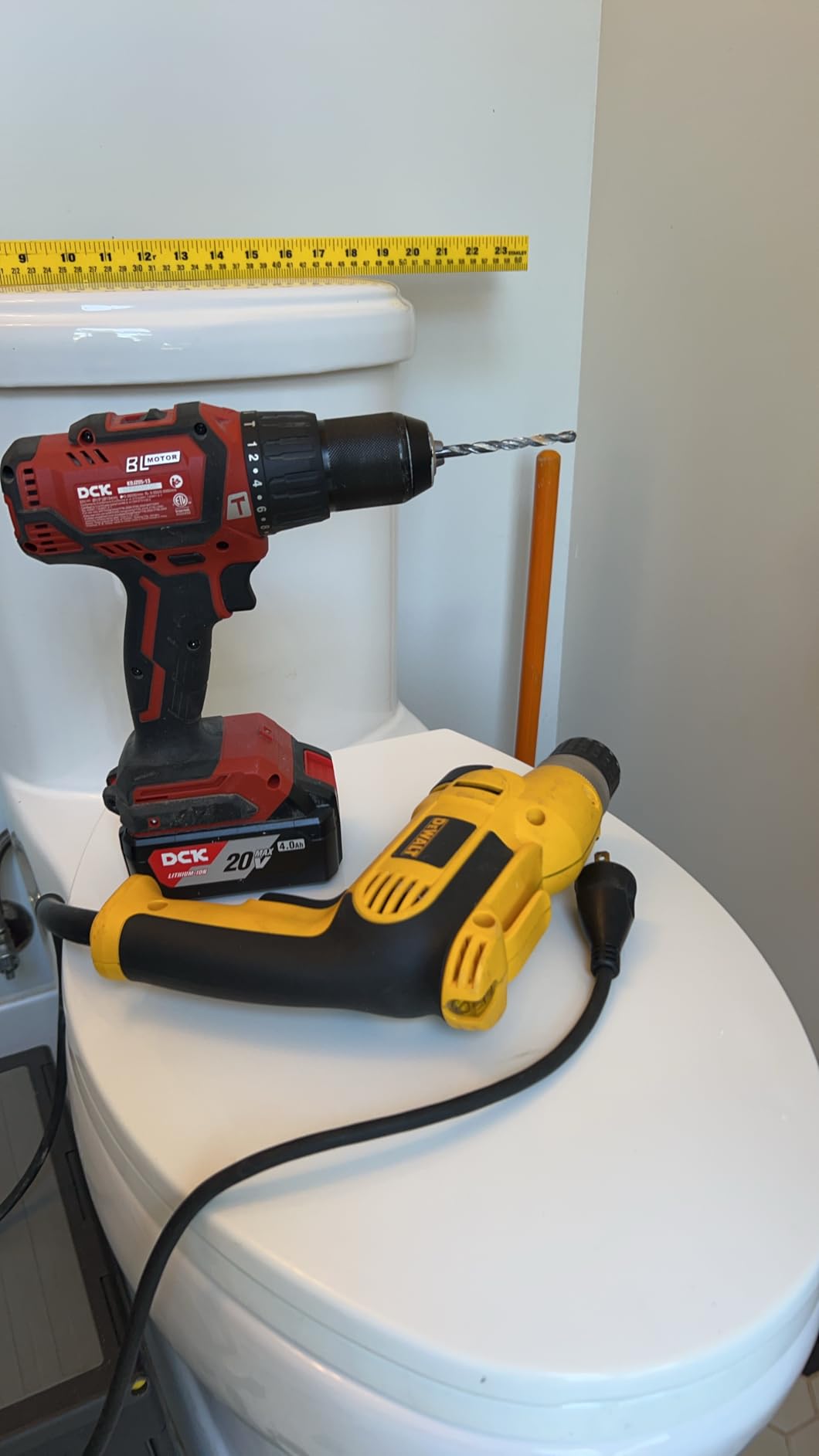
7. DCK 20V Brushless Hammer Drill: Best 3-in-1 for Brick, Metal and Wood
- Brushless motor with corded-like output
- Handles concrete cinder block and thick brick
- All-metal keyless chuck resists heat
- 4.0Ah battery gives long runtime
- Bit set belt hook bag battery and charger included
- LED only stays on while the trigger is held
- Chuck can feel glitchy after extended hammering
- Hammer mode is limited versus an SDS rotary hammer
The DCK is here because most people buying a drill to put anchors in a brick wall also need to drive screws, drill wood and work on metal. This one does all three from a single body: 531 in-lbs of torque, 36,000 IPM and a 3-in-1 mode covering standard drilling, hammer drilling and screw driving.
The brushless motor is rated at 600W output, and the all-metal keyless chuck is the part that matters most on brick. Plastic chucks soften and slip under hammer load; a metal chuck does not, which is why this detail separates this drill from cheaper combinations.
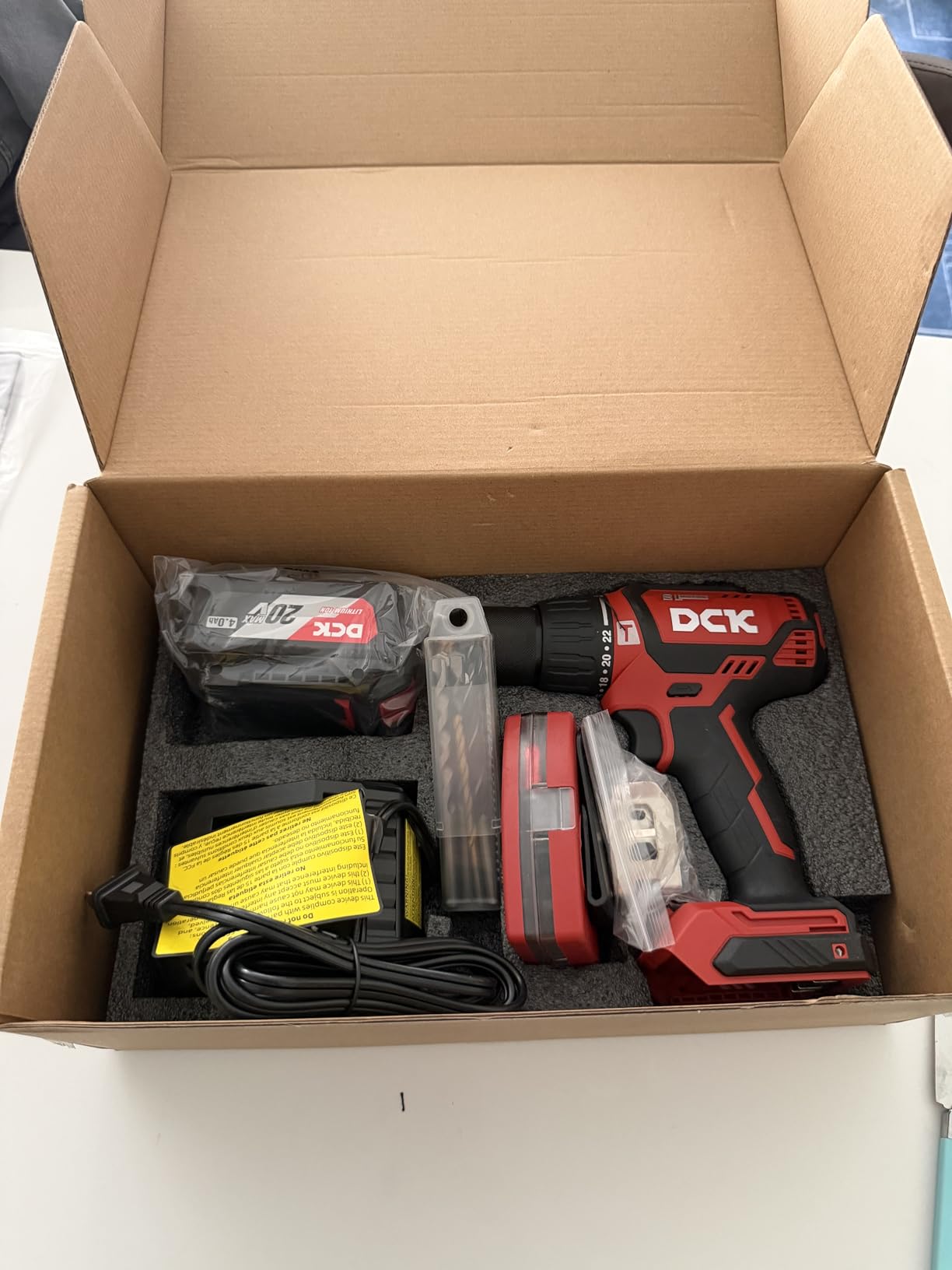
Users largely see it as matching or beating more expensive drills on concrete, brick and general construction work, with 80 percent of the 819 reviews at five star. The 4.0Ah battery is rated at around 90 holes per charge, and a 15-piece bit set, belt hook and carry bag are included.
Its stated drilling capacity is 1/2 inch in brick, 1/2 inch in steel and 1-1/2 inch in wood, which covers most household work in one tool.
Why the metal chuck matters for brick
Hammer mode generates heat and shock that chews through plastic chuck bodies. A keyless all-metal chuck holds its grip, handles the heat and changes bits with one hand, which is exactly what you want when you are working through a list of anchor positions.
The two-speed trigger at 0-550 and 0-2200 RPM with a 22+1+1 clutch gives you slow starts for centring on face brick and full speed once the bit is engaged.
Where it falls short
The work light only stays on while the trigger is held, so it is not much help for a long job in a dark basement. The chuck can also feel glitchy after extended hammering, which is worth watching for over time.
Most importantly, this is still a hammer drill, not a rotary hammer. For large masonry anchors or repeated anchor work, an SDS-plus machine like the Bosch is a better tool.
8. DEWALT DW511 Hammer Drill: Best Lightweight Corded Option
- 4.3 lb body reduces fatigue
- Low-end torque for big holesaw work
- Variable speed prevents bit walk
- Side handle and depth rod included
- Covers wood steel and masonry
- Overheats with large masonry bits
- No bits or case included
- Keyed chuck is slower than keyless
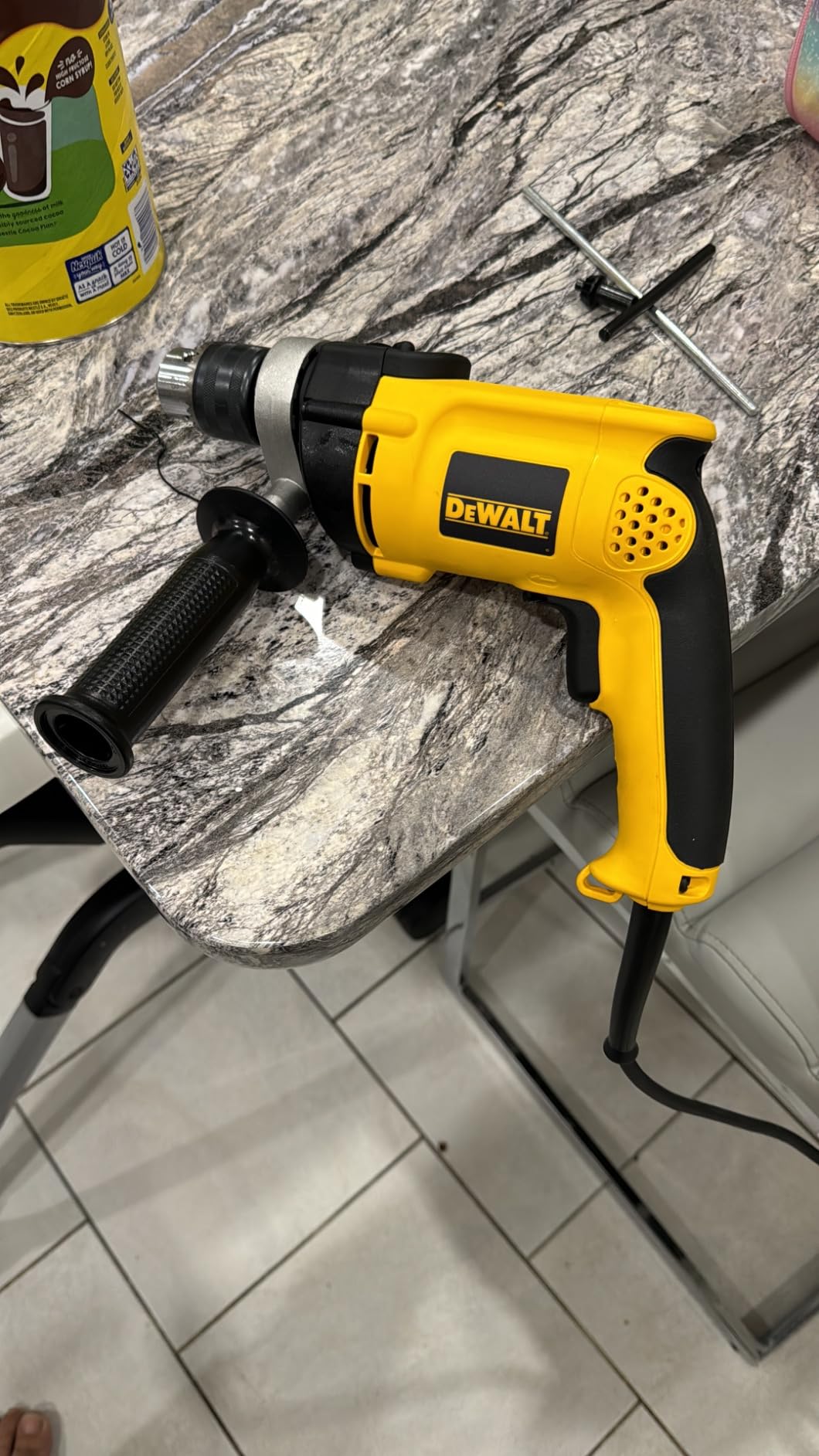
The DW511 is the lightest corded hammer drill here at 4.3 lb, and weight is the spec that matters most on a wall. Holding a 10 lb rotary hammer overhead for a row of holes is a completely different experience from holding half that, and the 360-degree side handle and depth rod in the box make it controllable.
It is a conventional hammer drill rather than an SDS machine, so it takes the ordinary masonry bits most people already own. The 7.8 amp motor has the low-end torque to drive larger holesaw and carbide bit work, and variable speed helps you start a bit cleanly instead of walking it across the brick.
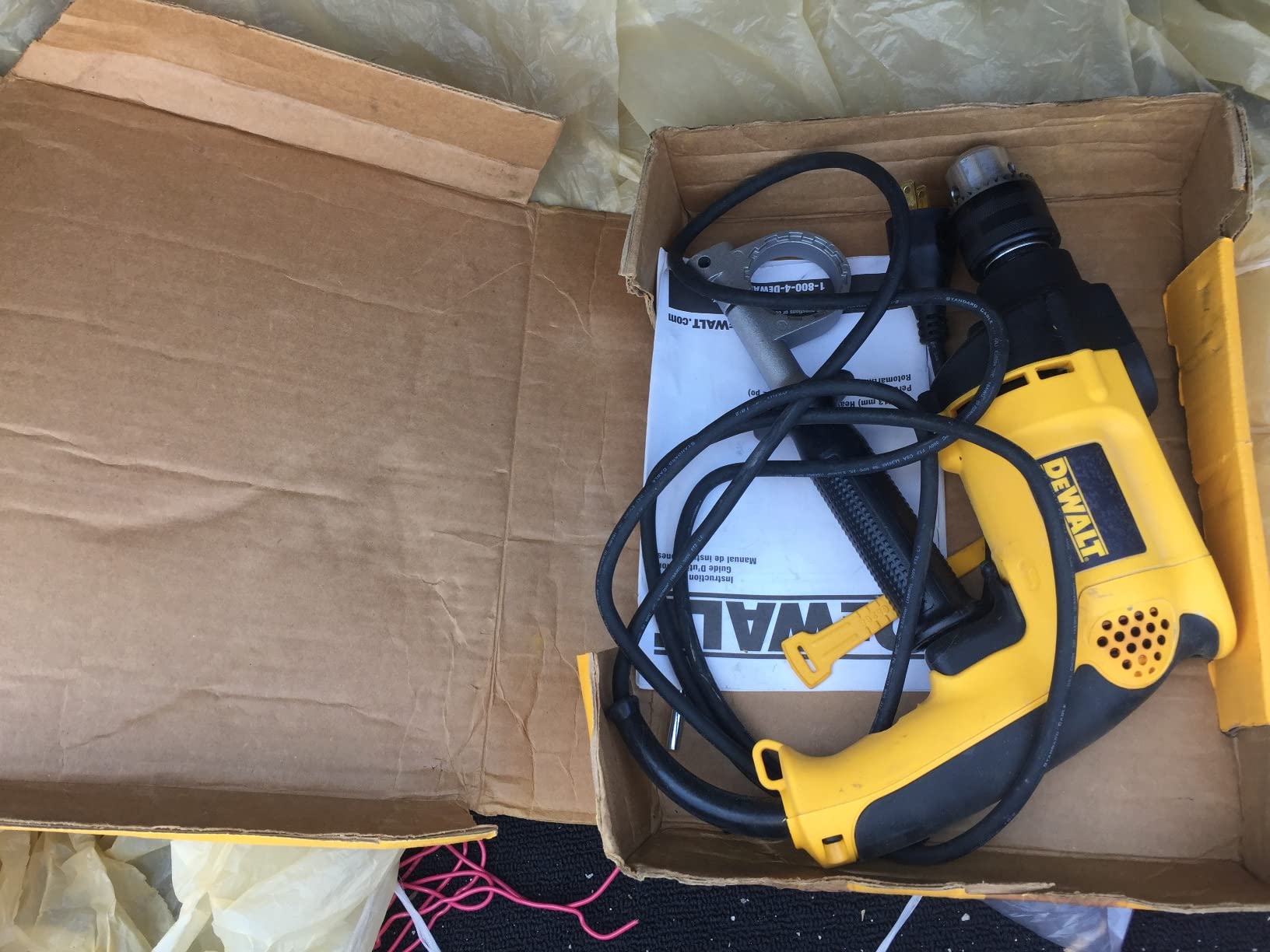
Reviewers value it as a dependable mid-range tool for smaller masonry and household jobs, with 76 percent of the 717 ratings at five star. The side handle and variable speed draw repeated positive mentions.
Recurring criticism is heat. With a large masonry bit under sustained load, it overheats quickly, which limits the size of job it can take on in one session.
Best for overhead and above-head mounting
At 4.3 lb this is the drill to take to a ceiling or an upper wall for outdoor lighting, a downspout bracket or a curtain rod. A hammer drill only works when you push into the material, so in overhead positions the lighter tool is the one that still works once your arm is tired.
It also suits anyone who already owns a set of masonry bits and does not want to switch formats entirely.
Where it falls short
It arrives with no drill bits, no case and no bag, so you are buying consumables and storage from scratch. The keyed chuck also needs the included chuck key, and the instructions do not clearly explain how to store the key in its holder.
For thick brick, heavy block or a run of deep anchor holes, the heat build-up will stop you before the job does.
9. DESHUO LD26 Rotary Hammer: Best Entry-Level Rotary Hammer for Brick
Deshuo 1″ SDS-Plus Lightweight Rotary Hammer Drill for Concrete/Masonry
- Lightest rotary hammer here at 7.2 lb
- 3 joules drives masonry bits quickly
- Four modes with free chisel adjustment
- Variable speed with lock button and reverse
- Safety clutch and vibration control
- Not for heavy demolition
- SDS-plus bits only
- Can heat up under sustained drilling
The LD26 is the lightest true rotary hammer in this group at 7.2 lb, and that is not a small thing. Most rotary hammers are heavy machines built for a full day of work; this one is light enough to use overhead or downward, which is where hammer action most needs the tool to stay pressed against the wall.
It still delivers 3.0 joules of impact energy from a 9 amp motor at up to 1100 RPM and 5300 BPM, with four modes including a free chisel position adjustment that makes short tile and mortar removal easy.
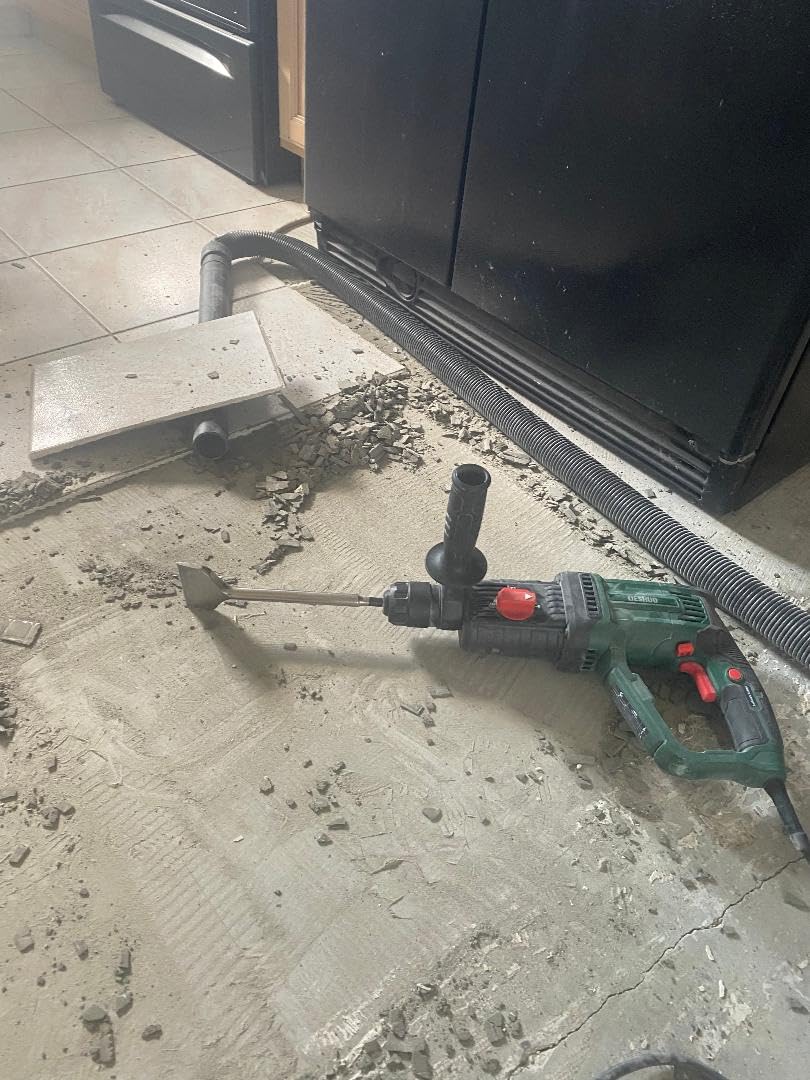
Buyers describe it as a capable entry-level rotary hammer that handles concrete, brick and cement, with the adjustable handle and vibration control reducing fatigue. The box includes three SDS-plus bits, two chisels, a depth gauge, spare carbon brushes and a case.
Reviewers are clear that the ceiling is reached quickly. Its 3 joule output is below the heavier full-size machines, so it heats up under sustained heavy drilling, and it is not meant for demolition.
Best for overhead brick and light work
The combination of 7.2 lb, a 360-degree adjustable handle and a safety clutch makes this the most comfortable option in the roundup for above-head work. The clutch protects your wrist if a bit catches, and the vibration control layer takes the edge off extended use.
Variable speed with a lock button and forward and reverse give you good bit control for anchor work, and the depth gauge helps you stop at a consistent depth across a row of holes.
Where it falls short
Only SDS-plus bits fit, so standard masonry bits and SDS-Max bits will not work. If you already own a full set of conventional masonry bits, this is a second format rather than a replacement.
On a thick wall or a reinforced facade you will feel the 3 joule limit, and the compact motor is the first thing to heat up. For that work, step up to the Berserker or the ENEACRO.
10. RYOBI ONE+ HP PBLHM101K2 Hammer Drill: Best for Overhead Brick Work
RYOBI ONE+ HP 18V Brushless Cordless 1/2 in. Hammer Drill Kit with (2) 2.0 Ah Batteries, Charger, and Bag (PBLHM101K2)
- 31000 BPM works in concrete brick and block
- Brushless motor with 750 in-lbs torque
- Very light 2.8 lb body
- Auxiliary handle included
- Two batteries charger and bag in the kit
- 2.0 Ah batteries give less runtime
- Hammer mode is lighter duty than an SDS rotary hammer
- Not built for continuous concrete breaking
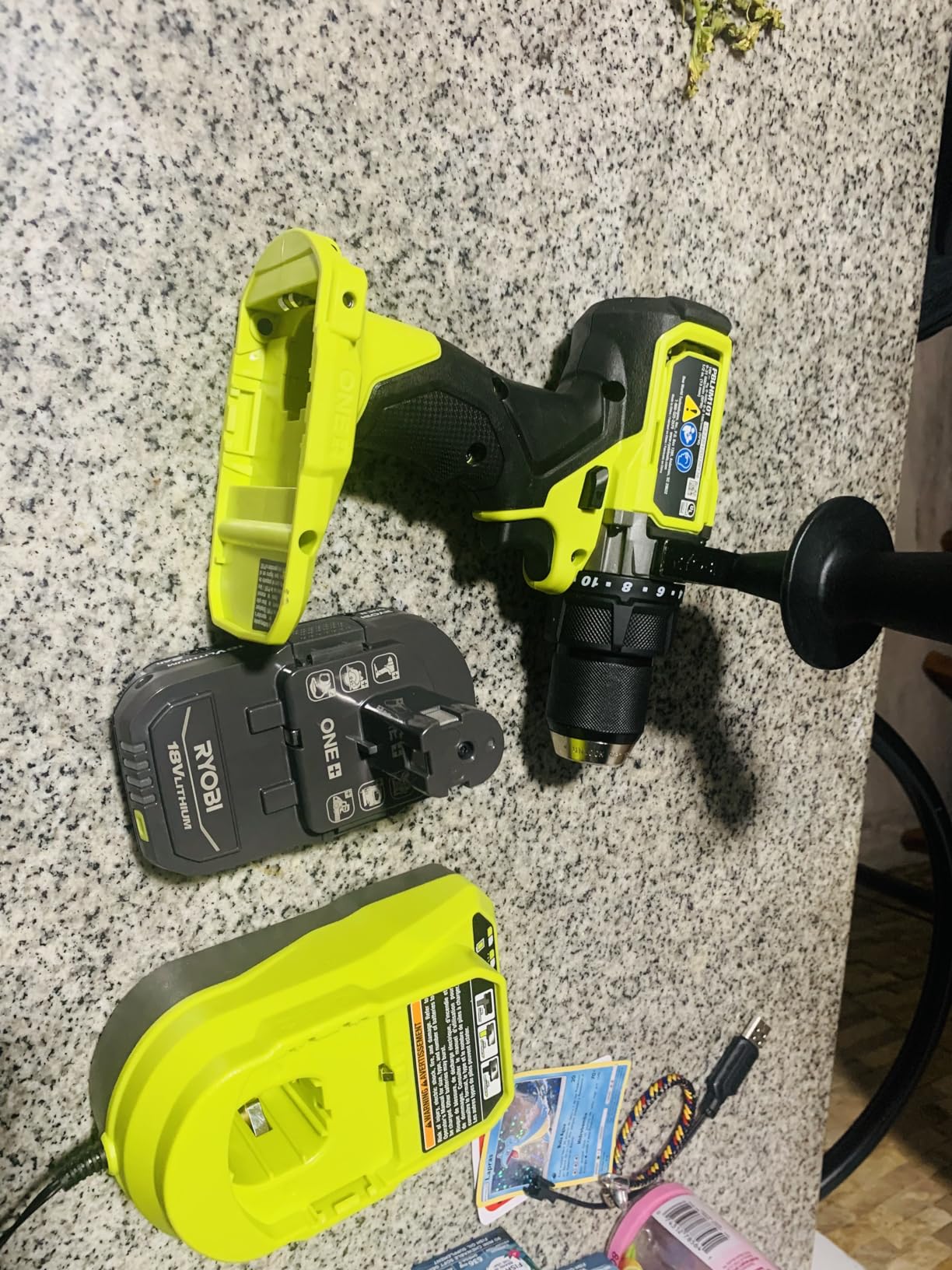
At 2.8 lb this is the lightest tool in the roundup, and that is the entire argument for it. If your brick work is a ceiling mount, a soffit bracket or an upstairs wall, a 2.8 lb body with an auxiliary handle is the difference between finishing the job and putting the drill down halfway through.
The mechanics are not trivial either. The ONE+ HP brushless motor delivers 750 in-lbs of torque with 0 to 31,000 BPM across a two-speed gearbox, and a 24-position clutch with hammer mode, using a 1/2 inch ratcheting metal chuck.
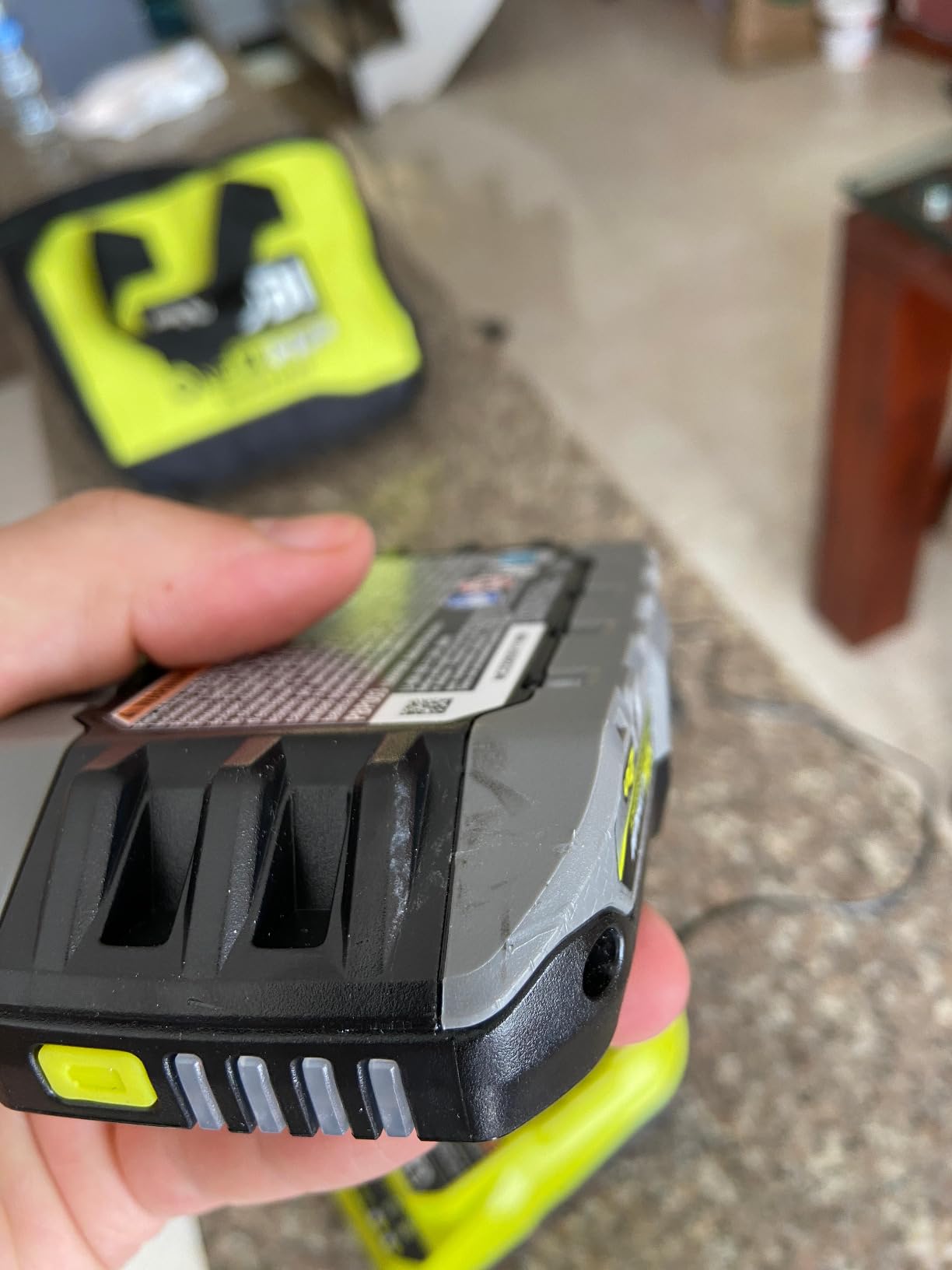
Owners are satisfied with the mix of brushless power, low weight and a complete kit, with 86 percent of the 241 reviews at five star. The kit includes two 18V ONE+ batteries, a charger, a tool bag and the auxiliary handle, so it is ready to work out of the box.
The most common reservation is battery capacity. The 2.0 Ah packs included are among the smallest in the ONE+ range, so on a long drilling session you will be swapping batteries more often than you would with 4.0 Ah packs.
Best for a household full of light anchor jobs
Shelves, curtain rods, light fittings, a TV bracket and a few Tapcon screws are all well within this drill’s ability, and the hammer mode is genuinely useful on brick for those jobs. The 2.8 lb weight means the hammer action stays engaged because you can still push into the wall.
If you already own ONE+ tools, the platform is widely available and easy to expand with larger batteries later.
Where it falls short
This is a hammer drill, not a rotary hammer. It will not take SDS-plus bits, and it is not the tool for large masonry anchors or repeated heavy drilling.
The 2.0 Ah batteries are the weak point for anything longer than an afternoon. If you expect to do serious masonry work, budget for higher capacity packs within the ONE+ range.
What a Hammer Drill Actually Does in Brick
A hammer drill adds a mechanical hammering action to a normal drill. Two ridged cam plates behind the chuck ride over each other as the chuck rotates, slamming it forward and back thousands of times a minute. The bit therefore hits the brick many times per second rather than scraping across it, and the carbide tip pulverises the material instead of skating.
Here is the part that causes confusion: the hammer only engages while you press the tool into the work. Leaning into the wall is not optional technique, it is the mechanism. That is also why overhead drilling is so much harder, and why a light drill can outperform a heavy one on an upper wall.
Impact energy in joules is the number worth comparing, and the table above puts every tool on the same scale. Below roughly 2 joules, a drill struggles with anything harder than face brick. Above 3 joules, anchor work in block or thick brick becomes routine.
How to Drill Into Brick Without Cracking It
Cracking brick is a real risk, and it comes from technique as much as from the tool. Seven steps make most of the risk disappear.
Use a carbide-tipped masonry bit matched to the hole size. Never use a twist bit in hammer mode. It will dull or snap, and the debris it leaves will not hold an anchor.
Start in rotation-only mode at low speed. A few seconds of spinning without hammering centres the bit and stops it walking off the face.
Switch to hammer drill in gear 1. High gear gives fast rotation, which grinds rather than breaks the material. On an SDS rotary hammer, use the low setting.
Push in steadily but not hard. Builders repeatedly report that leaning on a hammer drill like a regular drill warps and dulls the bit quickly. Let the hammer action do the work.
Drill into the brick, not the mortar joint. Mortar crumbles and pulls out, leaving a ragged hole. A thin pencil mark across the joints helps you aim.
Clear the dust every few inches. Packed brick dust makes a hole feel like the tool has lost power when it has not. Pull the bit out and blow out the hole, or drill in shorter passes.
Set a depth stop rather than judging by feel. The included depth rod or depth gauge is there for a reason, and overshooting in brick can break through the far face.
Two more safety points. Wear eye protection and hearing protection, because masonry drilling throws sharp fragments and SDS machines are loud. If you are working indoors, use a dust extraction unit or a vacuum, since the airborne silica from brick and mortar is a genuine health concern.
Why Won’t My Hammer Drill Go Through Brick?
Six causes account for almost every complaint on this. Work through them in order and most stalled holes start moving again.
You do not have a real hammer drill. A cheap combi drill with a weak hammer mode simply spins on solid brick and burns the bit. This is the single most common problem reported on tool forums.
The chuck is not gripping the bit. A smooth keyless chuck can slip under hammer load. Check the bit is fully seated, and use an SDS-plus chuck if the tool takes one.
You are in the wrong gear or pushing too hard. High speed plus heavy pressure overloads the bit instead of the material. Use gear 1 and moderate pressure.
The hole is full of dust. Powdered brick debris packs the hole and stops the bit advancing. Clear it every few inches.
The bit is wrong or worn. A dull or non-carbide masonry bit will never cut brick properly. Bits dull fast when hammered too hard, so light pressure lengthens their life.
You hit something unexpected. Hollow core, flashing, a fixing from a previous installation or rebar inside a brick facade will stop any drill. A change in sound or a sudden loss of rate is the signal to stop and investigate.
On old or historic brick, add a seventh caution. The mortar is often softer and older than the brick, and it crumbles rather than cuts, so take smaller bites, clear more often and expect to clean up afterwards.
Hammer Drill vs Rotary Hammer vs Impact Driver
These three tools get confused constantly, and buying the wrong class is the most expensive mistake in this category. The chuck and the force mechanism are what actually decide the job.
A hammer drill is a conventional drill with a cam-plate hammer and a keyed or keyless 1/2 inch chuck. It takes ordinary masonry bits, handles holes up to about half an inch in brick, and is the right tool for anchors, shelves and light fittings.
A rotary hammer uses SDS-plus or SDS-Max bits and a heavier piston mechanism rather than cam plates. Impact energy is far higher, holes up to 1-1/8 inch and beyond are practical, and it is the right choice for thick brick, block, large holes, chipping and repeated anchor work. Forum consensus consistently puts a rotary hammer ahead for masonry generally.
An impact driver is for screws. It uses a square drive and delivers torque differently, and it is not a drilling tool for brick. A standard drill has no hammer action at all and is the wrong tool for any structural masonry.
Step up from a hammer drill to a rotary hammer when you need holes larger than half an inch, when you are anchoring into block rather than brick, when you expect to hit reinforcement, or when you will drill more than a dozen holes a day. For everything else, the hammer drill is lighter, cheaper to run and easier to control.
Buying Guide: What Matters for Brick
Impact energy beats everything else. For SDS machines, compare joules. For conventional hammer drills, there is no joules figure, so compare blow rate and amps instead, and treat anything above roughly 30,000 BPM marketing as noise rather than capability. Impact energy is what decides whether a hole gets drilled or stalls.
Chuck type sets the bit format. SDS-plus machines take SDS-plus bits and nothing else, which is why they are faster and stronger but need their own consumables. Keyed and keyless conventional chucks take the masonry bits most people already own. An SDS-plus to standard chuck adapter exists if you want both.
Use gear 1 for brick. The low gear gives slow, high-torque rotation. The high gear exists for wood and fast driving, and using it on masonry grinds the bit rather than breaking the material.
Never ignore the side handle. Hammer action only works under pressure, and you cannot apply pressure one-handed. A 360-degree side handle is the difference between a clean hole and a wandering one. If a tool does not include one, add it.
Battery capacity changes everything. A hammer drill rated for real masonry wants 4.0Ah or 5.0Ah packs. Small 1.3Ah or 2.0Ah packs deliver the tool’s power but give up quickly, and a 2.0 Ah pack on a 5.0 Ah drill is roughly a quarter of the work per charge.
Brushless motors are worth the premium. They run cooler and more efficiently in a hammer drill, which matters because hammer drilling is the hardest thing you will ask the motor to do. Several picks in this roundup use brushless motors and reviewers single that out.
Count the total cost, not the tool price. A bare tool needs a battery and a charger unless you already own that platform. Kits that include two batteries and a charger are the cheaper route for a first-time buyer, and for a household doing occasional brick work the kit is usually the sensible purchase.
Corded or cordless for brick. Corded gives you constant power and no battery fade, which is better for a long drilling session or a wall far from an outlet. Cordless wins on ladders, in tight corners and where no power exists, and a compact cordless rotary hammer is often better overhead precisely because you can still press it into the wall.
Match the hole to the fastener. Check the anchor or screw specification for the required hole diameter and drill exactly that size. Tapcon-style concrete screws, plastic expansion anchors and wedge anchors all specify their own diameter, and a hole drilled with the wrong bit will not hold the load you expect.
Frequently Asked Questions
What is the best hammer drill for drilling through brick?
The DEWALT DCH273B cordless rotary hammer is the best all-round choice, with 2.1 joules of impact energy, three application modes and a 6.4 lb body. For the highest impact energy in one tool, the corded ENEACRO ENRH3201 delivers 7.4 joules from a 13 amp motor.
Are hammer drills good for brick?
Yes. A hammer drill adds a rapid mechanical impact action alongside rotation, so a carbide-tipped masonry bit breaks into brick instead of skating across it. What matters is impact energy: below roughly 2 joules a tool struggles with anything harder than face brick.
Why won’t my hammer drill go through brick?
Most stalled holes come from six causes: a weak hammer mode on a cheap combi drill, a chuck that is not gripping the bit, the wrong gear combined with too much pressure, a hole packed with dust, a dull or non-carbide bit, or hitting a hollow core, flashing or rebar inside the wall.
Do I really need a hammer drill for brick?
If you already own a cordless drill, test it on a scrap hole first. A combi drill with genuine hammering and a proper carbide masonry bit can handle small anchors in face brick. For solid brick, block, repeated anchor work or holes larger than half an inch, a real hammer drill or rotary hammer is the correct tool.
Do I need a masonry bit for brick?
Yes, always use a carbide-tipped masonry bit. Twist bits and general-purpose bits dull or snap immediately under hammer action and leave a ragged hole that will not hold an anchor. Match the bit diameter exactly to the hole size the fastener specification requires.
Will a hammer drill crack a brick wall?
It can, but the risk is mostly technique rather than the tool. Drill into the brick rather than the mortar joint, use gear 1, press firmly but not hard, clear dust every few inches and set a depth stop. Take extra care on old or historic brick where the mortar crumbles instead of cutting.
Conclusion: Which Hammer Drill for Brick Walls Should You Buy
For most people mounting things to a brick wall, the DEWALT DCH273B is the best hammer drill for brick because it balances real rotary hammer performance against a weight you can hold overhead. If brick work is regular or the wall is thick, the ENEACRO ENRH3201 and its 7.4 joules of impact energy will keep going long after lighter drills stall.
Match the tool to the job: the CRAFTSMAN and DCK kits for household anchoring, the RYOBI and DESHUO for overhead and tight spaces, the Berserker for larger holes, and the Bosch or DEWALT D25263K for serious anchor work in the 2026. Whichever you choose, use gear 1, moderate pressure, a carbide bit matched to the fastener spec, and clear the dust as you go. Once the fixings are in, our guide to the best airless paint sprayers for interior walls covers finishing the room properly.