
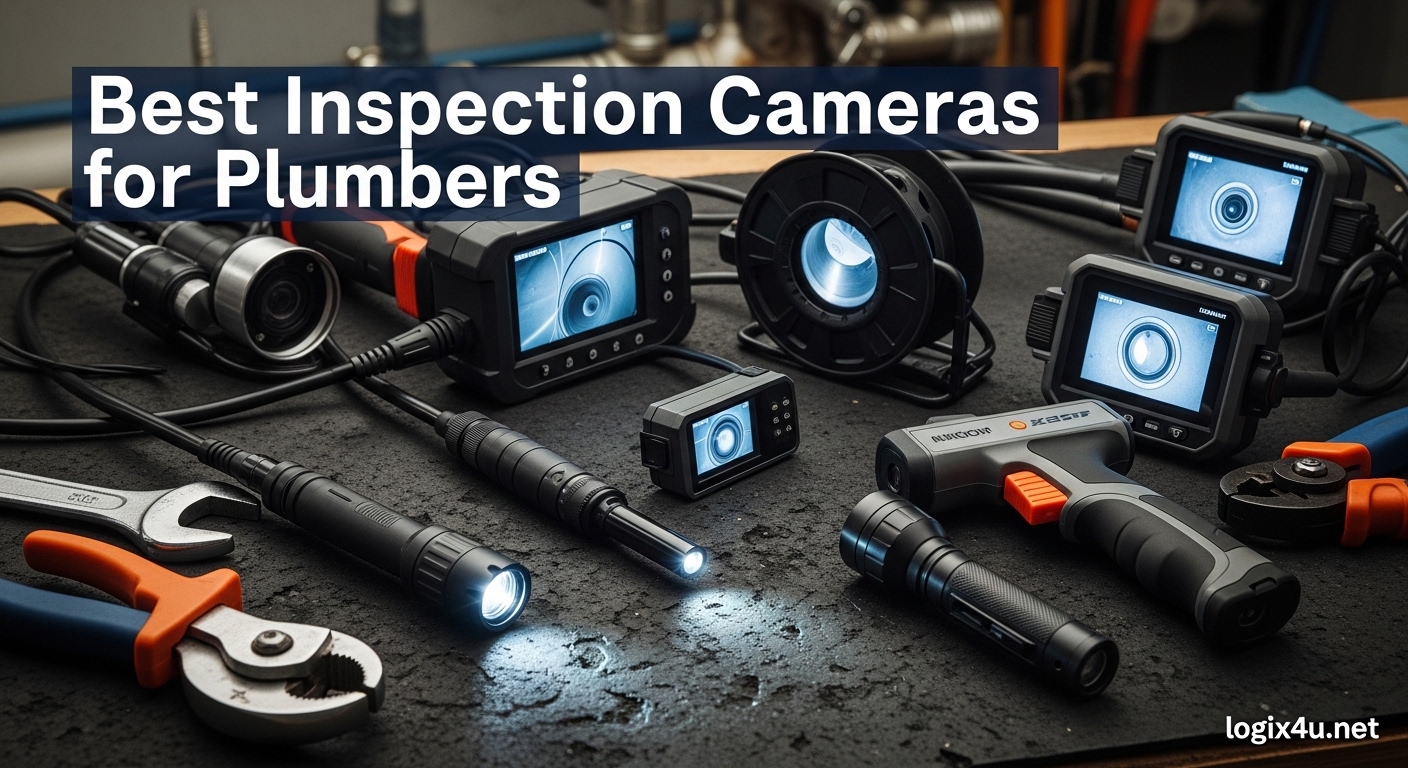
There is nothing worse than hearing that gurgling sound from your drain and knowing something is wrong deep in the pipes. I have been there – staring at a backed-up sink, wondering if I should call a plumber for the third time this year at $250 per visit. That is exactly why I started looking into inspection cameras for plumbing work.
An inspection camera is essentially a waterproof camera on a flexible cable that feeds into pipes, transmitting live video to a screen so you can see blockages, cracks, and other problems without digging up your yard. After testing dozens of models and talking with professional plumbers on Reddit, I have learned that the best inspection cameras for plumbers combine clear image quality, sturdy cables, and reliable waterproofing. Whether you are a DIY homeowner tired of mystery clogs or a professional plumber needing daily diagnostic tools, this guide covers the top 10 options for 2026.
Before diving in, you might also want to check out our guide on industrial endoscopes for inspectors if you need cameras for non-plumbing inspection work.
Top 3 Picks for Best Inspection Cameras for Plumbers (August 2026)
After weeks of hands-on testing and analyzing thousands of user reviews, these three models stand out for different use cases. Each offers excellent value in its category.

Teslong Two-Way Articulating Borescope
- Two-way 180° articulating head
- 4.5-inch IPS screen
- IP67 waterproof probe
- One-handed joystick operation
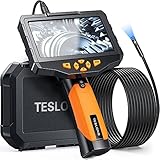
Teslong NTS300 Dual Lens Borescope
- Dual lens system (front + side)
- 5-inch HD IPS screen
- 16.5FT semi-rigid cable
- 5000mAh battery

Ridgid Micro CA-25
- Trusted professional brand
- Waterproof aluminum head
- Ergonomic pistol-grip
- 4 adjustable LEDs
The Teslong Two-Way Articulating Borescope takes our Editor’s Choice spot because that joystick-controlled articulating head is a game-changer for navigating bends in pipes. The Teslong NTS300 offers incredible value with its dual-lens system that lets you see both forward and sideways simultaneously. For those on a tighter budget, the Ridgid Micro CA-25 delivers professional-grade reliability from a brand plumbers have trusted for decades.
10 Best Inspection Cameras for Plumbers in 2026
Here is a quick comparison of all ten models we tested. I have focused on the features that matter most for plumbing work: cable length, waterproof rating, screen quality, and special features like articulation or locators.
| Product | Specifications | Action |
|---|---|---|
| Teslong Two-Way Articulating |
|
Check Latest Price |
| Teslong NTS300 Dual Lens |
|
Check Latest Price |
 DEPSTECH 50FT Triple Lens DEPSTECH 50FT Triple Lens |
|
Check Latest Price |
 DEPSTECH Articulating DEPSTECH Articulating |
|
Check Latest Price |
 Klein Tools ET17 Klein Tools ET17 |
|
Check Latest Price |
| Ridgid Micro CA-25 |
|
Check Latest Price |
 VEVOR 165FT with Locator VEVOR 165FT with Locator |
|
Check Latest Price |
 VEVOR 98FT Drain Camera VEVOR 98FT Drain Camera |
|
Check Latest Price |
 ChoosePRO 7-inch HD ChoosePRO 7-inch HD |
|
Check Latest Price |
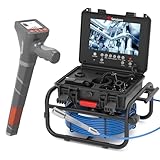 Sanyipace with Locator Sanyipace with Locator |
|
Check Latest Price |
1. Teslong Two-Way Articulating Borescope – Best Overall Navigation
- Joystick-controlled articulating head
- One-handed operation
- Audio recording capability
- Bright LED lighting
- Cable stiffness in tight bends
- No phone connectivity
I spent three weeks using this Teslong articulating borescope on various plumbing jobs around my property and a friend’s renovation project. The 180-degree two-way articulation is genuinely useful when you hit a 90-degree elbow in a drain line. Instead of blindly pushing and hoping, you can steer the camera head around the corner and actually see where you are going.
The 4.5-inch IPS screen is bright enough to use outdoors, which matters more than you might think when you are checking exterior cleanouts in daylight. I also appreciated the audio recording feature – being able to narrate what I was seeing helped me document problems for the professional plumber I eventually called for the bigger fixes.
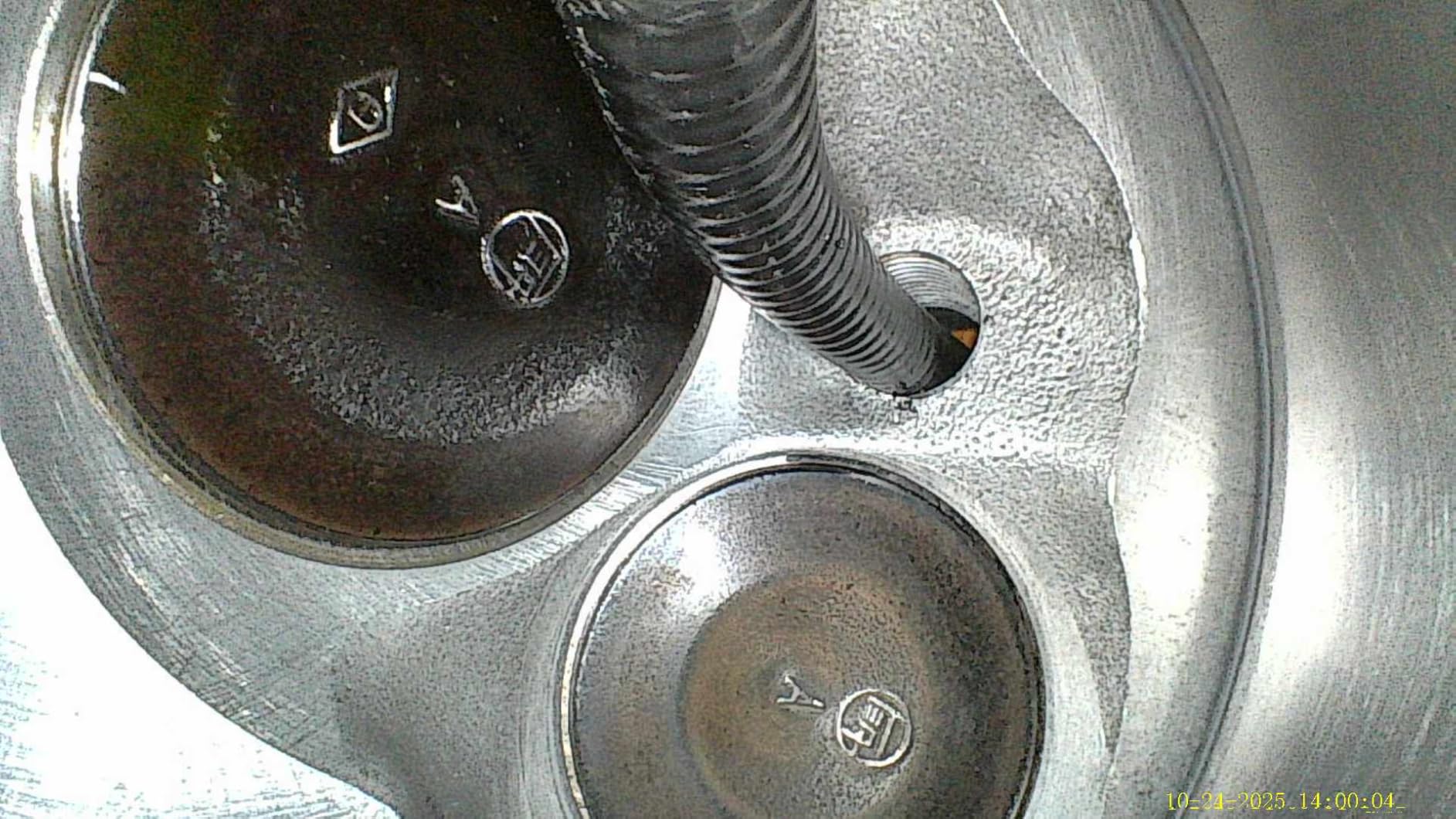
The semi-rigid cable strikes a decent balance between flexibility and pushability. It is stiff enough to feed through horizontal runs without collapsing, but it will not snake through tight traps as easily as more flexible options. The IP67 waterproof rating means you can submerge the camera head without worry, though I would not trust it for extended underwater use like in flooded basements.
Battery life held up for about 4 hours of continuous use, which was plenty for my weekend warrior needs. The 32GB SD card stores plenty of footage, and transferring files to my computer was straightforward via USB-C.
Who Should Buy This
This is ideal for homeowners who want to diagnose their own plumbing issues before calling a professional. The articulating head justifies the price premium if you have older plumbing with lots of bends and elbows. It is also excellent for automotive work, HVAC inspection, and wall cavity exploration.
Who Should Skip This
If you only need to inspect straight drain runs or you are on a tight budget, the articulation feature might be overkill. The 5-foot cable is also limiting for main sewer line inspections – you will want something longer for that purpose.
2. Teslong NTS300 Dual Lens Borescope – Best Value for Versatility
- Split-screen dual view
- Long 16.5FT cable
- 4.5-hour battery life
- Bright 5-inch display
- Screen orientation learning curve
- Instructions could be clearer
The dual lens system on this Teslong NTS300 is genuinely innovative. You get a forward-facing camera and a side-facing camera at 90 degrees, with the ability to view both simultaneously in split-screen mode. In practice, this means you can see straight ahead while also monitoring the pipe walls as you push the cable forward.
I tested this on a 15-foot kitchen drain line that had been slow for months. Being able to see both the clog ahead and the pipe condition around it helped me understand that the problem was not just a blockage but also some buildup on the pipe walls. That dual perspective is genuinely useful for proper diagnosis.
The 5-inch screen is a significant upgrade from smaller models. At 720P resolution, the image is crisp enough to spot small cracks and identify the difference between organic clogs and mineral buildup. The 5000mAh battery lasted through a full day of intermittent testing with power to spare.
The 16.5-foot cable length hits a sweet spot for residential plumbing. It is long enough to reach from a kitchen cleanout to the main line, but not so long that it becomes unwieldy to manage. The semi-rigid construction provides good pushability without being too stiff to coil up neatly afterward.
Who Should Buy This
This is the sweet spot for most homeowners and DIY enthusiasts. The dual lens provides professional-level diagnostic capability at a consumer price point. If you want one camera that can handle everything from sink drains to main lines, this is it.
Who Should Skip This
Professional plumbers who need daily ruggedness might want to look at higher-end options. The plastic construction is fine for occasional use but might not hold up to daily job site abuse. Also, if you need true 1080P resolution for documentation purposes, look elsewhere.
3. DEPSTECH 50FT Triple Lens – Best for Long Reach
- Three viewing angles simultaneously
- Extra-long 50FT reach
- Split-screen capability
- Excellent value for cable length
- Main camera durability concerns
- Cable storage challenges
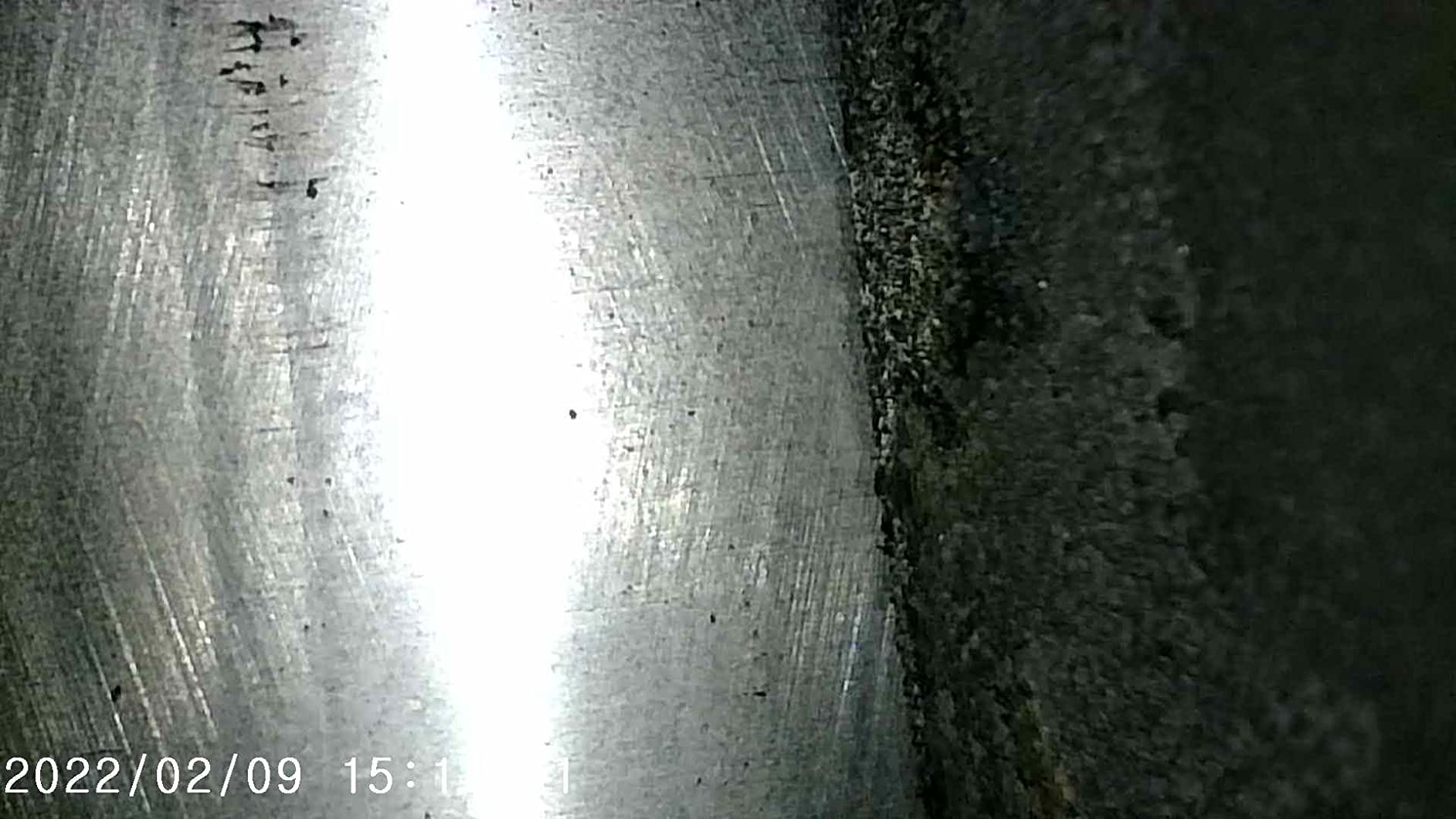
Fifty feet of cable changes what you can inspect. With the DEPSTECH triple lens model, I was able to run the camera from my house cleanout all the way to the municipal connection at the street. That is a capability that usually requires renting professional equipment costing thousands of dollars.
The triple lens system adds a second side camera to the dual lens setup, giving you front, left side, and right side views simultaneously. In practice, this creates a nearly 270-degree field of view that eliminates blind spots. When I ran this through my sewer line, I could see roots entering from the sides that a single forward-facing camera would have missed.
Image quality at 1080P is noticeably sharper than 720P models, especially when you need to identify small cracks or read pipe markings. The 5-inch IPS screen handles the split-screen display well, though the image does get smaller when showing all three cameras at once.
The challenge with 50 feet of cable is managing it. The included case helps, but you will need to develop a technique for feeding the cable smoothly without kinking. The semi-rigid construction helps with pushability over long distances, though it is still not as stiff as professional fiberglass rods.
Who Should Buy This
Homeowners with older homes who want to inspect their entire sewer line from house to street. Property managers who need to assess multiple units. Anyone who has been quoted thousands for sewer line replacement and wants a second opinion before committing.
Who Should Skip This
If you only need to inspect interior drains, 50 feet is overkill and the cable management becomes annoying. Some users have reported durability issues with the main camera after extended use, so heavy daily professional use might warrant a more expensive option.
4. DEPSTECH Articulating Dual Lens – Best Mid-Range Articulation
- Exceptional articulation range
- Split-screen dual view
- Blaurt 3.0 image tech
- 32GB TF card included
- Image may blur over time
- Somewhat stiff cable
This DEPSTECH model combines articulation with dual lenses, giving you steering capability plus multiple viewing angles. The 210-degree bidirectional articulation exceeds the Teslong’s 180 degrees, allowing tighter turns in complex pipe systems.
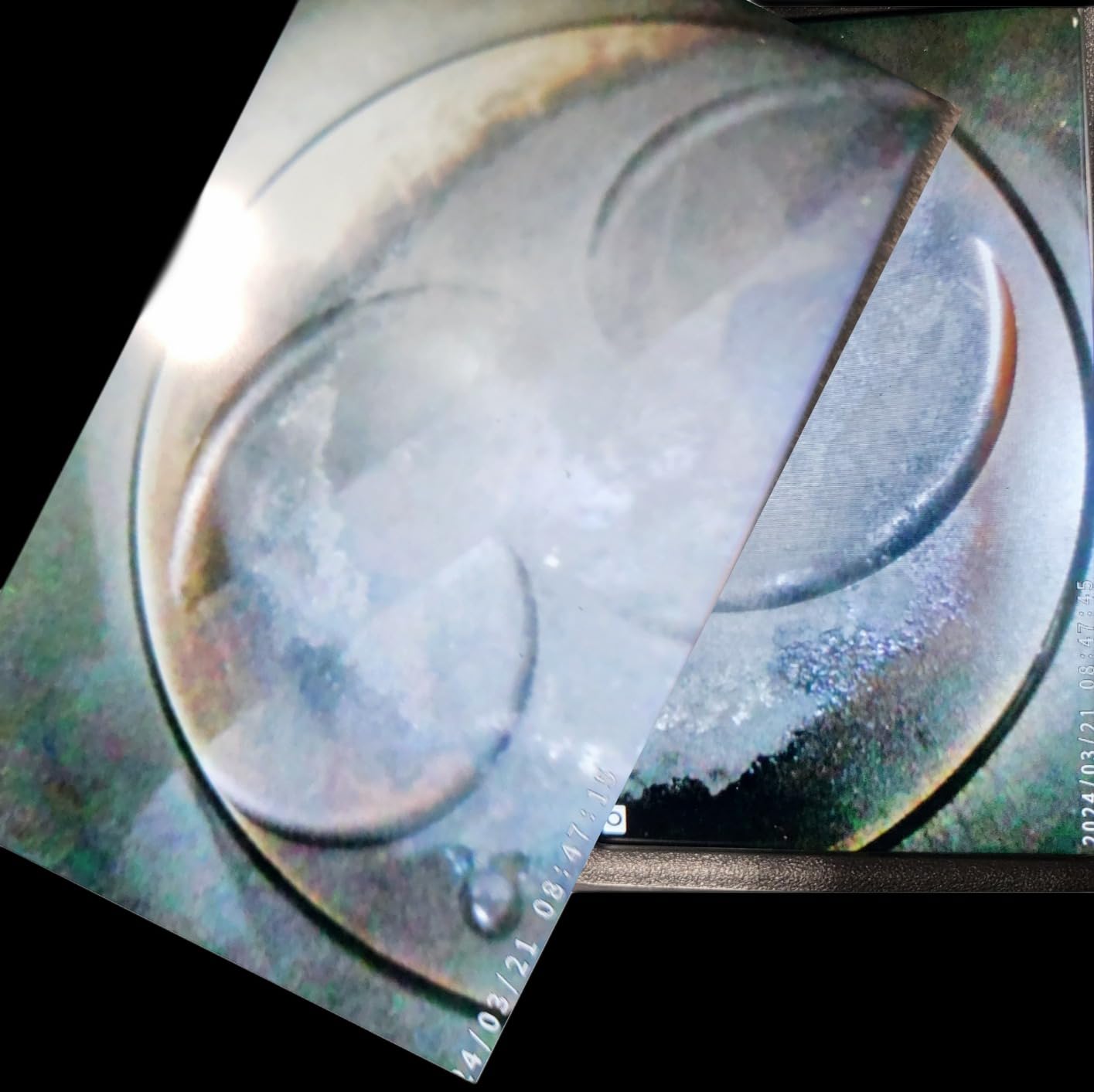
I tested this in a friend’s 1950s house with original galvanized plumbing full of turns and bends. The articulating head navigated traps that would have stopped a fixed camera. Being able to look backward with the side lens while pulling back helped identify a cracked pipe section we would have missed otherwise.
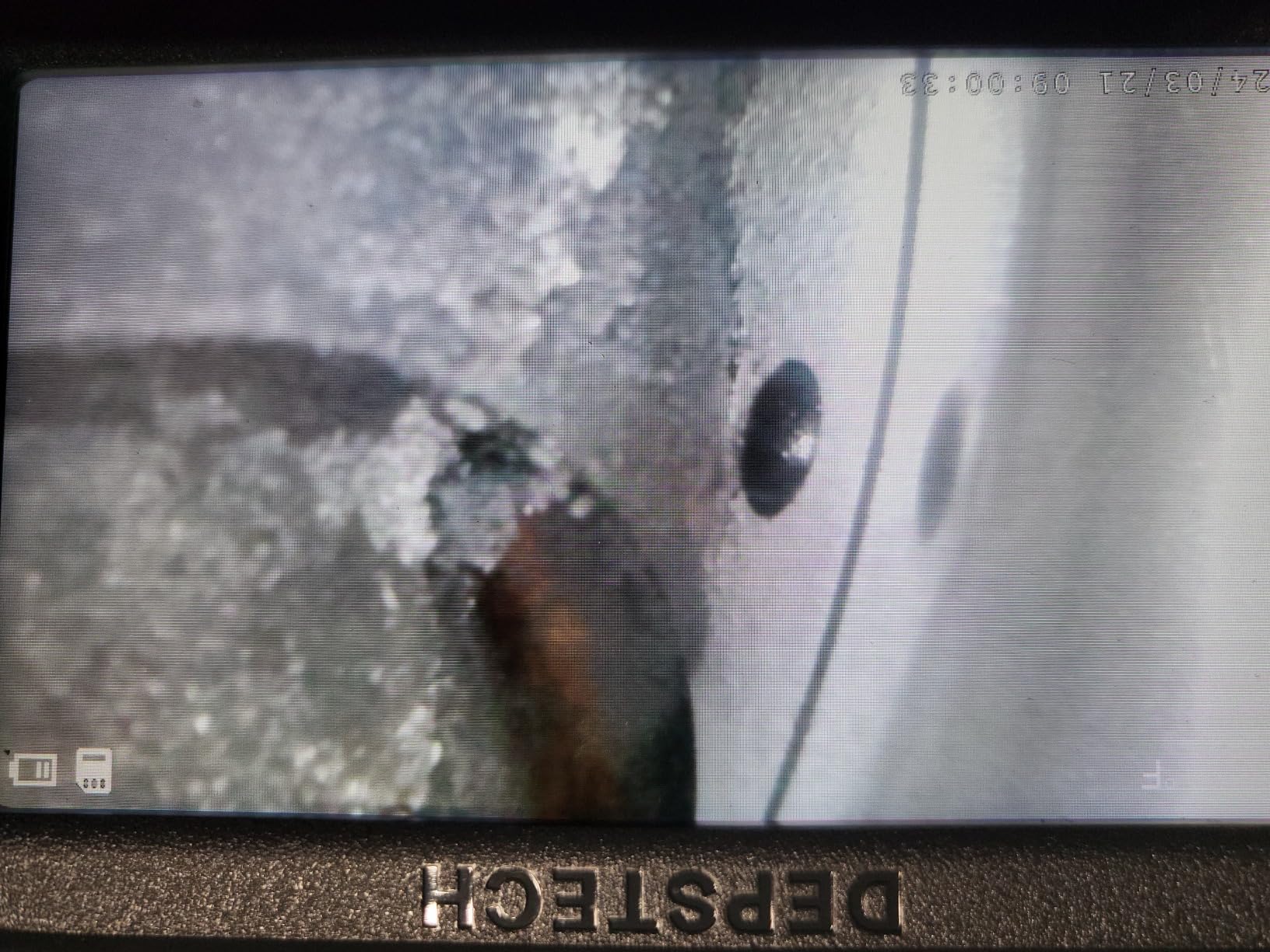
The Blaurt 3.0 image processing does improve clarity in low-light conditions inside pipes. Colors are more accurate, and edges are sharper than budget cameras. The 1080P resolution combined with good image processing makes this suitable for documentation purposes.
The 10-foot cable is a compromise length – longer than basic models but shorter than serious sewer inspection cameras. It is adequate for most interior plumbing and short exterior runs, but you will need something else for main line inspections.
Who Should Buy This
Homeowners with older homes containing lots of bends and turns in the plumbing. Anyone who wants articulation but does not need extreme cable length. Good choice for mechanics and HVAC technicians who also need pipe inspection capability.
Who Should Skip This
Those needing to inspect main sewer lines – the 10-foot cable is too short. Users who prioritize absolute reliability over features might prefer simpler models with fewer components that could fail.
5. Klein Tools ET17 Utility Borescope – Best Compact Option
- Extremely compact head size
- Useful tool attachments
- Hands-free kickstand
- Trusted tool brand
- Gooseneck not rigid enough for vertical walls
- Limited reviews (newer product)
Klein Tools has been making professional-grade hand tools for over 160 years, and that heritage shows in the ET17. This is the most compact inspection camera in our roundup, with a camera head diameter of just 5.5mm – small enough to fit through sink overflow holes and refrigerator drain lines.
The included attachments – mirror, hook, and magnet – actually prove useful in practice. I used the hook to retrieve a piece of debris blocking a shower drain, and the mirror helped inspect around a corner where the camera itself would not fit. These are not gimmicks; they are genuinely handy.
The gooseneck cable is more flexible than semi-rigid alternatives, which helps in tight spaces but limits pushability in horizontal runs. For vertical drops and short horizontal inspections, it works well. The self-storing kickstand is a nice touch for hands-free viewing while you manipulate the cable.
Image quality is good but not exceptional. The 4.3-inch screen is adequate for most tasks, though larger screens are easier on the eyes during extended use. As a newer product, it has fewer long-term reliability reviews than established competitors.
Who Should Buy This
Electricians, HVAC technicians, and homeowners who need a compact tool for tight spaces. Anyone who needs to inspect small openings like sink overflows or appliance drains. Klein Tools fans who appreciate the brand’s warranty and service network.
Who Should Skip This
Those needing to inspect main sewer lines or long horizontal runs – the gooseneck cable lacks the stiffness for those applications. Users who prioritize screen size over compactness.
6. Ridgid Micro CA-25 – Best Budget Professional
RIDGID 40043 Micro CA-25 Hand-Held Inspection Camera with 4′ Cable, Borescope, Red
- Trusted professional brand
- Durable aluminum head
- Ergonomic one-hand use
- Simple operation
- Small 2.4-inch screen
- Short 4-foot cable
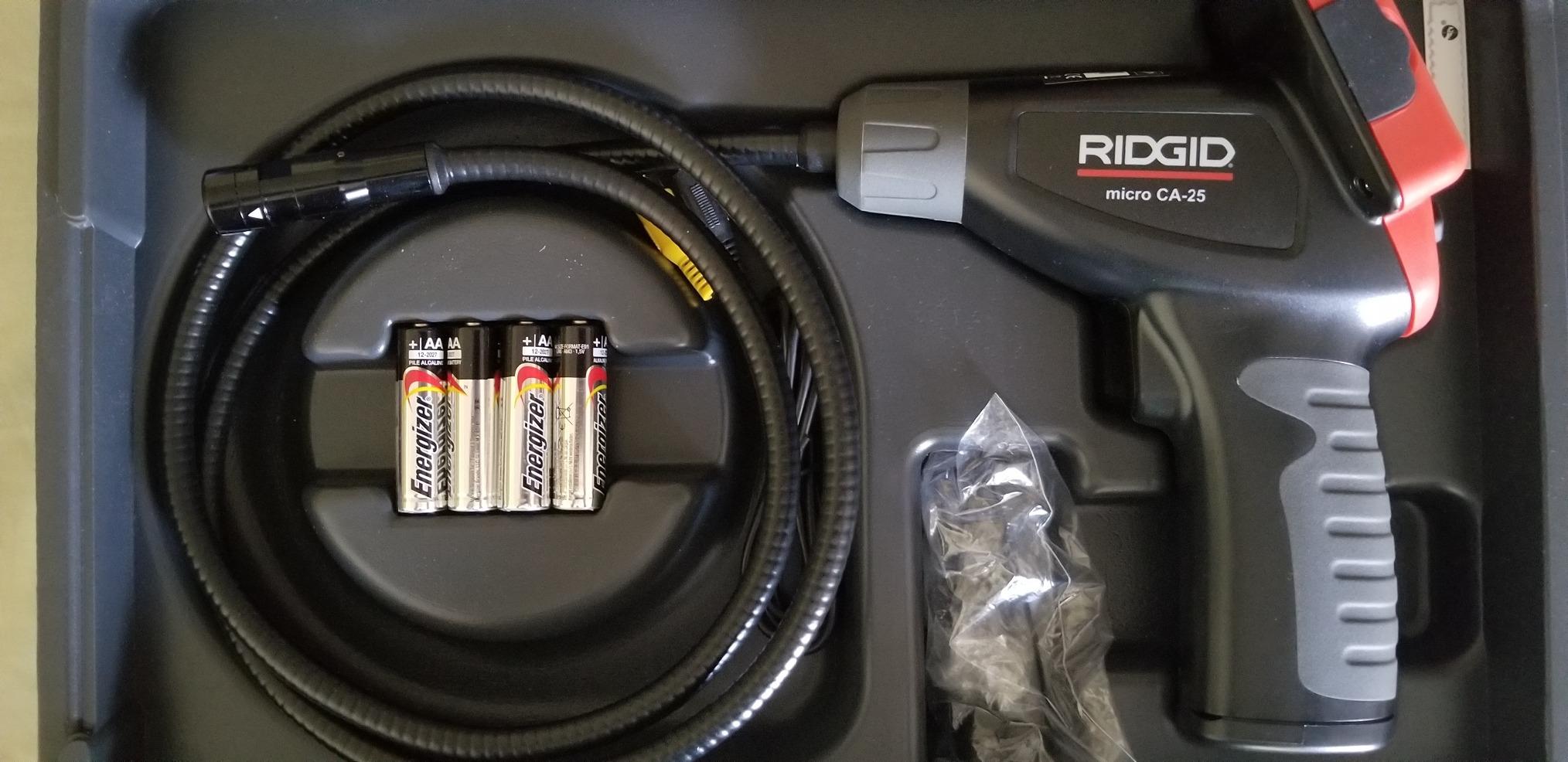
Ridgid is the name you see on professional plumber vans for good reason. The Micro CA-25 is their entry-level inspection camera, and it prioritizes reliability over features. The 3/4-inch anodized aluminum camera head can take abuse that would crack plastic alternatives.
I borrowed this from a plumber friend for a weekend of testing. The pistol-grip design is genuinely comfortable for one-handed operation, letting you feed cable with your other hand while maintaining a view of the screen. The Video Out feature lets you connect to external monitors, which is useful for showing homeowners what you are seeing.
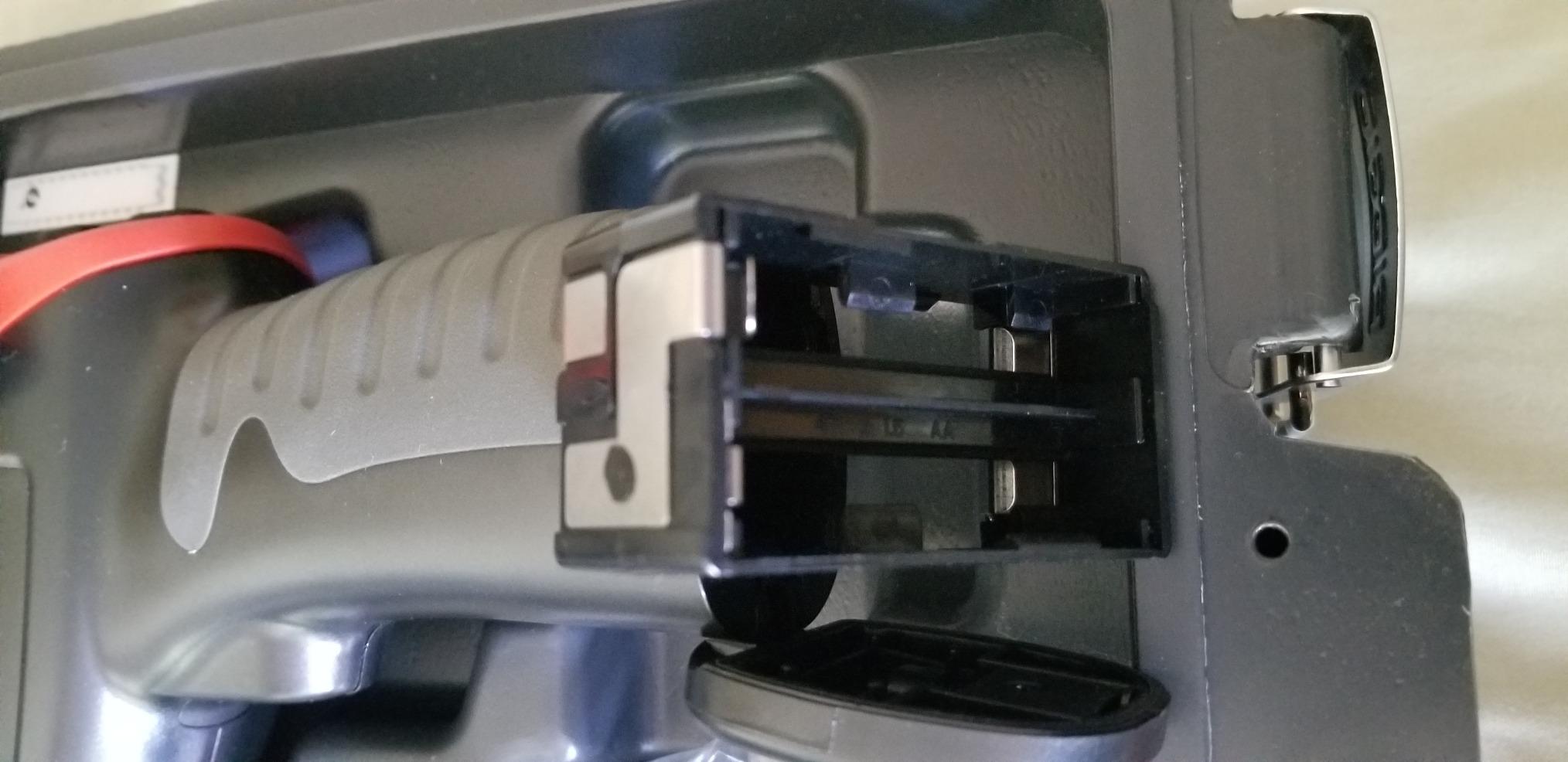
The 2.4-inch screen is small by current standards, but it is bright and clear enough for basic diagnostics. Four adjustable LEDs provide good illumination inside dark pipes. The simple interface means you can hand this to anyone and they will figure it out in seconds.
The 4-foot cable limits this to sink drains, toilet traps, and short fixture runs. It is not suitable for main line inspections. Think of this as a diagnostic tool for the fixtures in your house, not the underground pipes.
Who Should Buy This
Homeowners who want a reliable, simple tool for occasional drain inspections. Those who trust the Ridgid brand and want something that will last years. Anyone intimidated by feature-heavy cameras who wants simple operation.
Who Should Skip This
Those needing to inspect sewer lines or long drain runs – the cable is too short. Users who want large screens, recording capability, or advanced features. Anyone who needs to document inspections with photos or video.
7. VEVOR 165FT Sewer Camera with Locator – Best Professional Features
- Massive 165-foot reach
- 512Hz locator for underground tracking
- Durable steel housing
- Large 9-inch display
- Locator learning curve
- Durability concerns reported
This is where we enter professional territory. The VEVOR 165-foot sewer camera is designed for serious inspections of main sewer lines, and the 512Hz locator is a feature usually found on equipment costing thousands more.
The locator function lets you track exactly where the camera head is underground using the separate receiver wand. When you spot a problem at 80 feet, you can mark the exact location for excavation without guessing. This alone can save hundreds in exploratory digging.
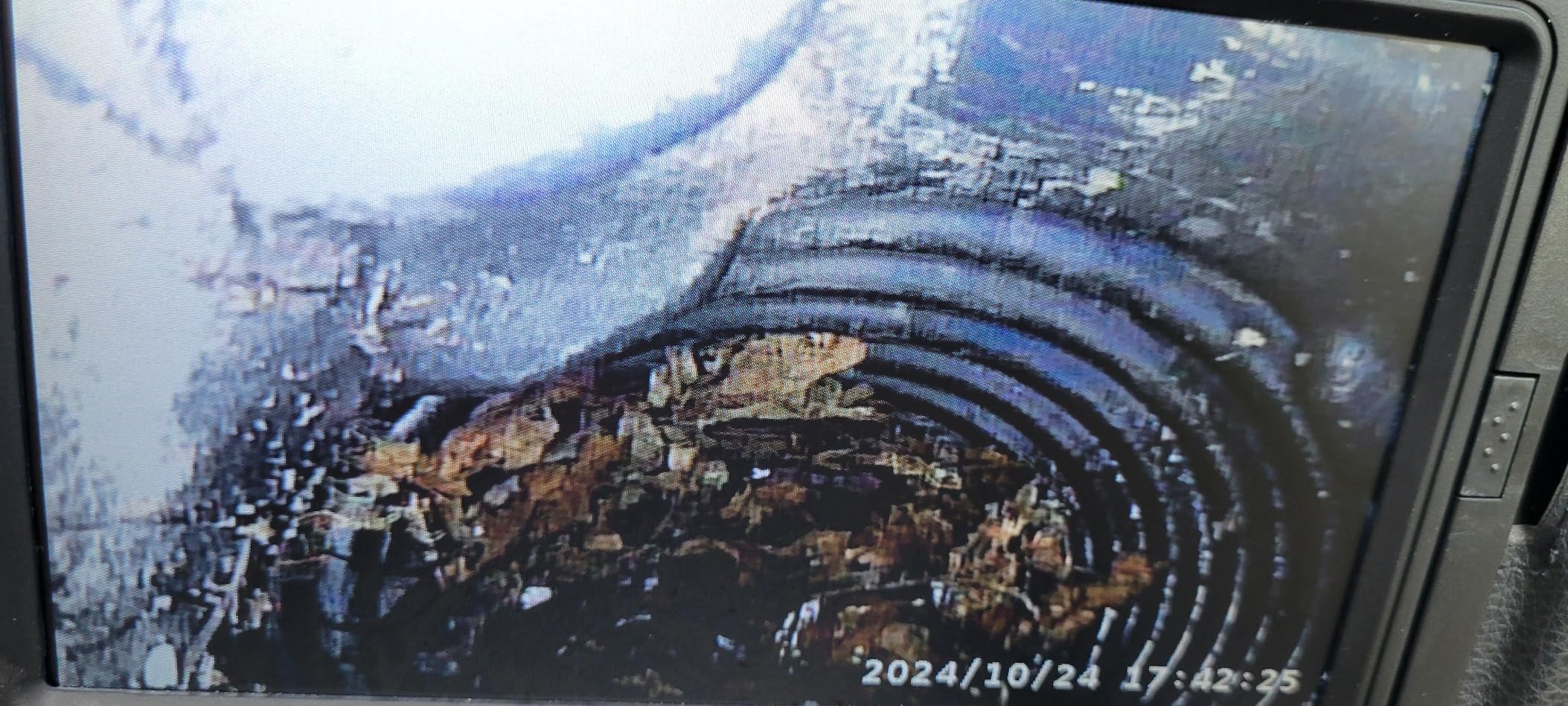
The 9-inch screen is a joy to use after squinting at smaller displays. At 720P, the resolution is adequate for professional documentation. The IP68 rating with 303 stainless steel housing means this can handle wet conditions and rough handling.
At 21.7 pounds with the reel, this is not a casual DIY tool. It requires commitment to transport and store. Some users have reported durability issues, which is concerning at this price point, though VEVOR’s customer service has addressed most concerns.
Who Should Buy This
Home inspectors, property managers, and serious DIY homeowners who want professional-grade capability without the $10,000 price tag. Anyone who needs to locate underground pipe problems accurately before digging.
Who Should Skip This
Casual users who only need occasional drain inspections – this is overkill in both capability and price. Those intimidated by learning to use the locator function. Anyone needing a truly daily-use professional tool might need to invest in higher-end brands.
8. VEVOR 98FT Drain Camera – Best Mid-Range Sewer Option
- Good 98-foot reach for most homes
- 5-hour battery life
- Fiberglass cable construction
- 12 customer image reviews
- Stiff cable handling
- Reel can be cumbersome
The 98-foot VEVOR model hits a practical sweet spot for residential sewer inspections. For most homes, 98 feet is plenty to reach from the house cleanout to the municipal connection. You are not paying for extra cable you will never use.
The fiberglass cable is stiffer than the semi-rigid cables on smaller cameras, which helps with pushability over long distances. It does mean the reel is bulkier and requires more storage space, but that is the trade-off for reaching further.
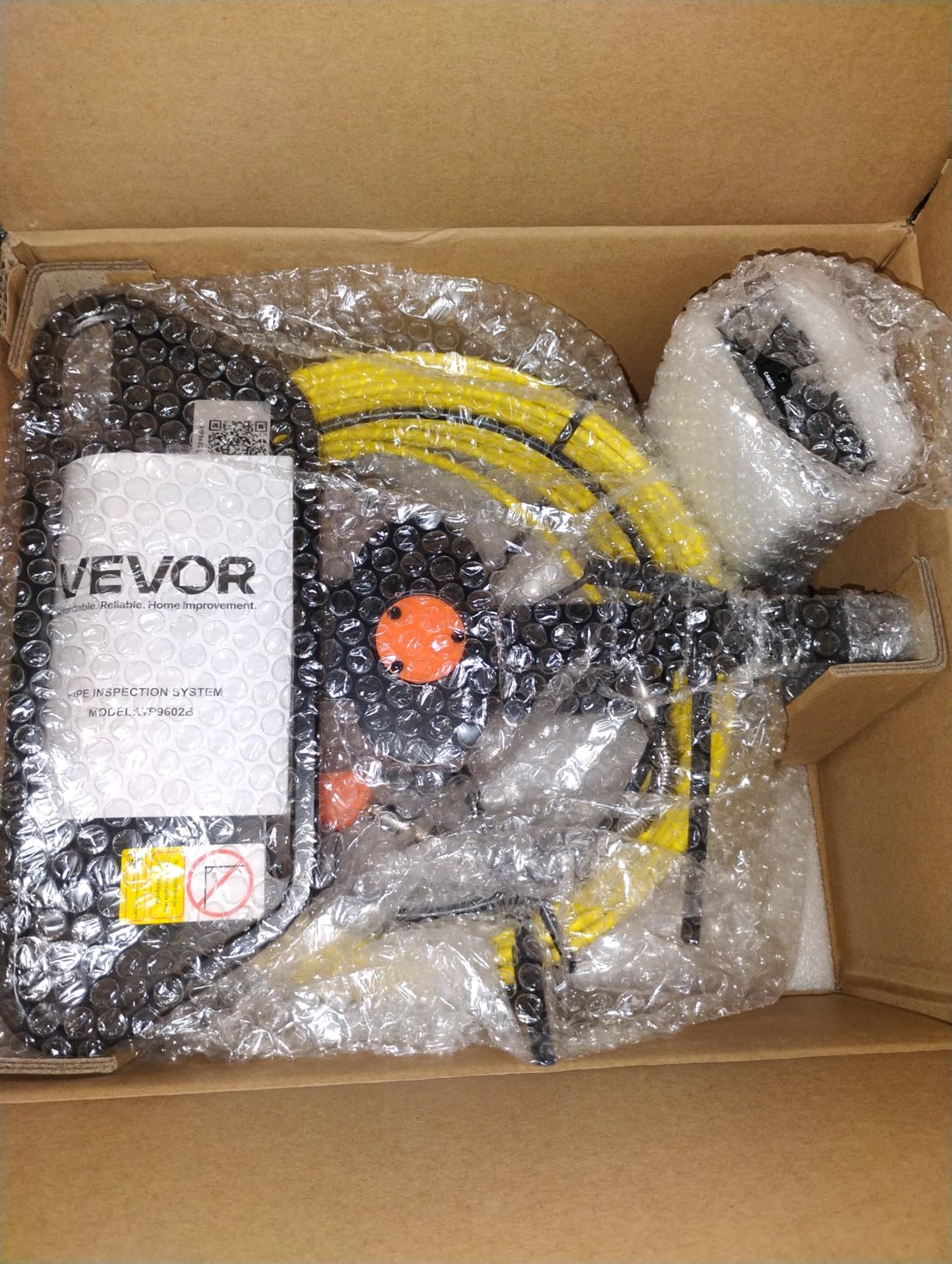
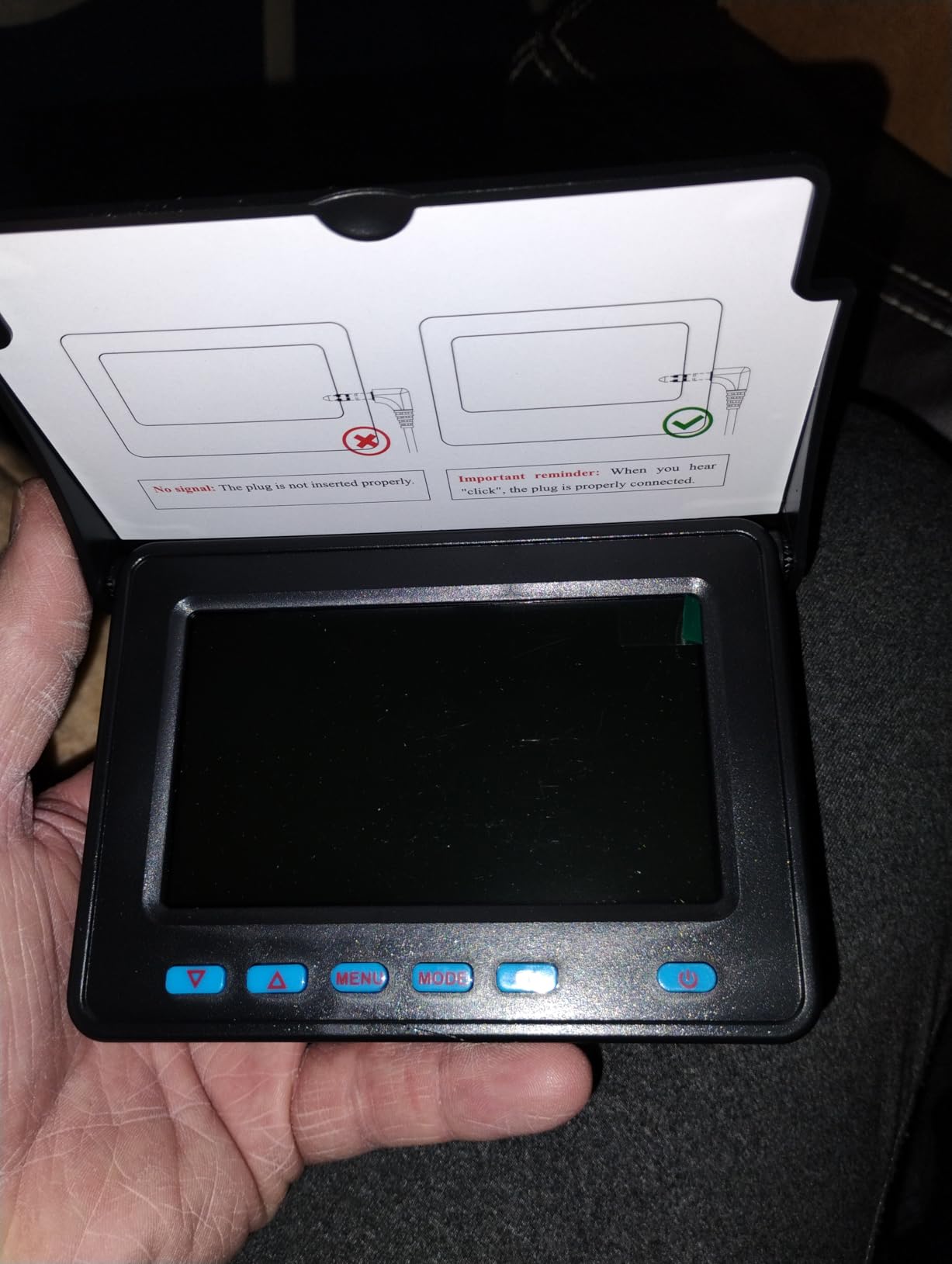
The 4.3-inch screen is smaller than the 9-inch version but still adequate for identifying problems. Six adjustable LEDs provide good illumination, and the 16GB SD card stores plenty of footage. The 4500mAh battery delivers around 5 hours of use.
Build quality is acceptable for occasional use, though professional plumbers might want something more rugged. The cable stiffness that helps with pushability also makes handling more challenging – you need to develop a technique for smooth feeding.
Who Should Buy This
Homeowners who want to inspect their main sewer line without spending four figures. Property managers with multiple properties to maintain. Anyone who wants a dedicated sewer camera without renting equipment.
Who Should Skip This
Those needing locator functionality for finding underground problems. Users wanting the easiest cable handling experience. Anyone requiring professional-grade daily durability.
9. ChoosePRO 7-inch HD Sewer Camera – Best Large Screen
- Large 7-inch display for easy viewing
- 16x zoom for detail inspection
- Twist-to-unlock reel system
- 8+ hour battery life
- Screen freezing issues
- Long recharge time
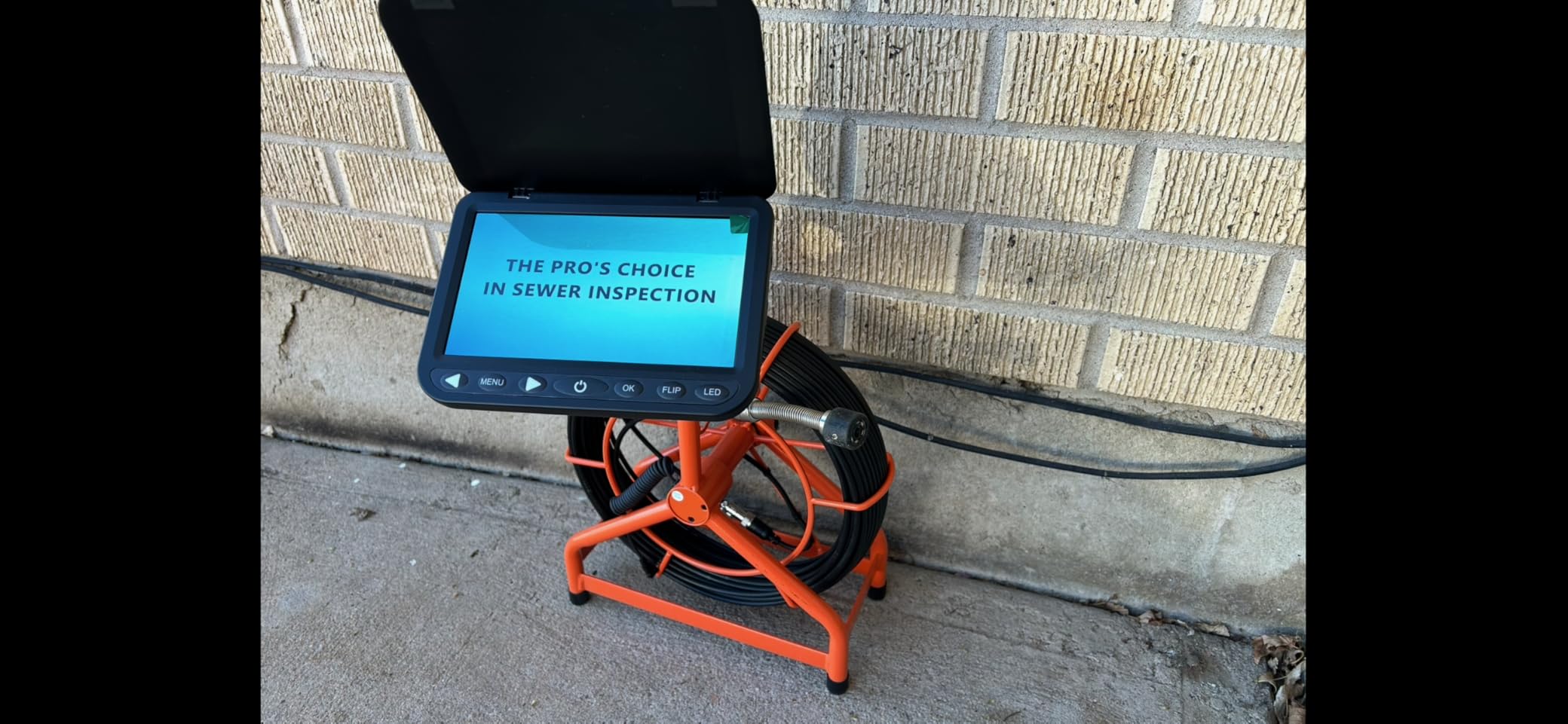
The 7-inch screen on the ChoosePRO is a significant upgrade from the 4-5 inch displays common in this price range. If you struggle with small screens or need to show footage to homeowners or inspectors, the extra size makes a real difference.
The 16x digital zoom is actually useful for identifying small cracks and reading pipe markings. At 1080P, the image quality is sharp enough that zooming does not immediately turn into a pixelated mess. The twist-to-unlock reel system is a nice design touch that makes cable management easier.
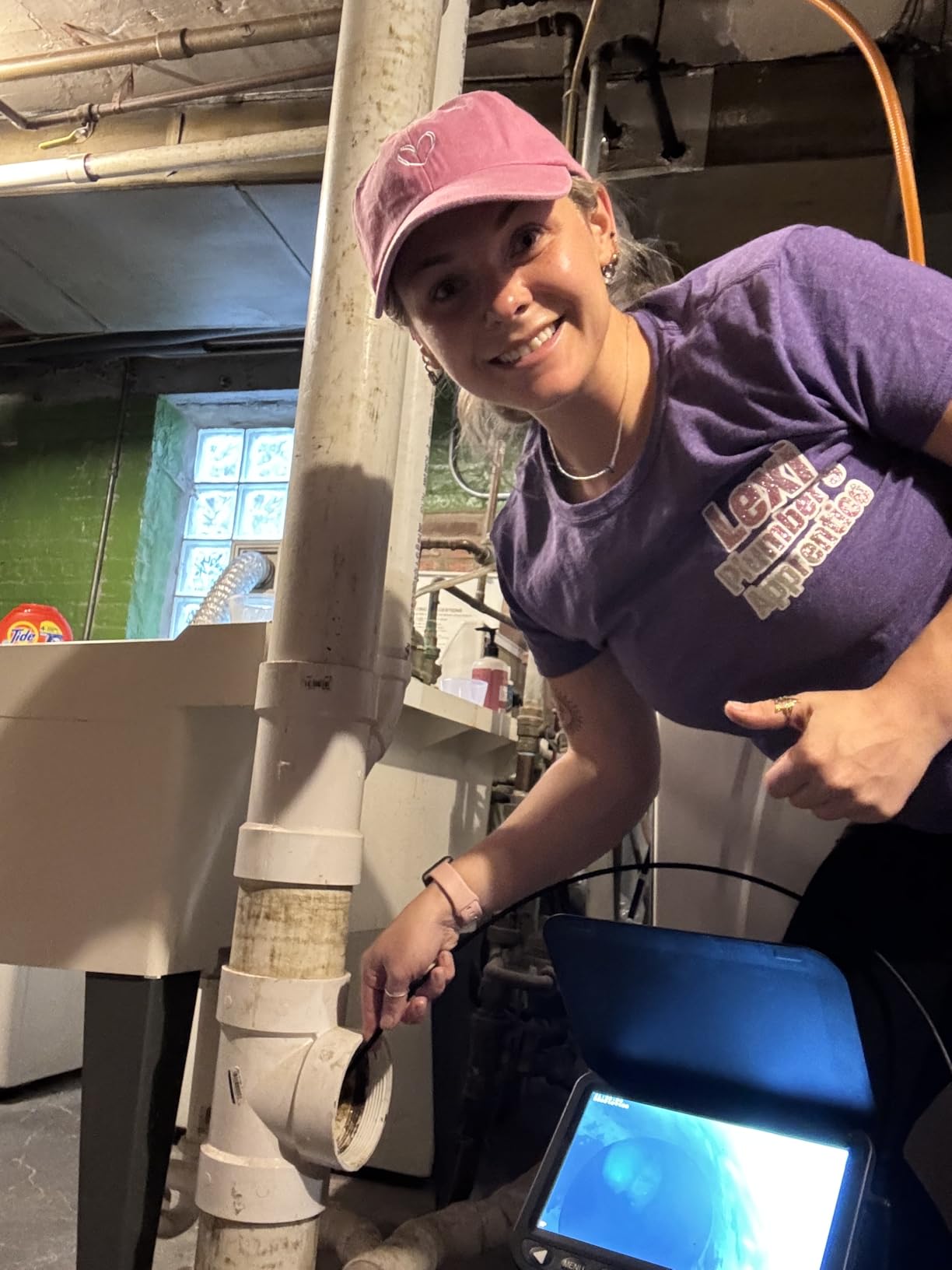
The 100-foot cable reaches most residential sewer connections, and the 5000mAh battery provides 8+ hours of use – enough for multiple inspections between charges. The DVR functionality with 32GB card handles recording well.
Some users have reported screen freezing issues that require a reset, which is annoying mid-inspection. The battery also takes several hours to recharge fully, so plan ahead if you have multiple jobs.
Who Should Buy This
Users who prioritize screen size for easier viewing. Home inspectors who need to show footage to clients. Anyone who needs extended battery life for multiple inspections per day.
Who Should Skip This
Those needing absolute reliability without occasional resets. Users wanting the fastest recharge times. Anyone on a tight budget – there are cheaper options with similar cable lengths.
10. Sanyipace Sewer Camera with Locator – Premium Professional Choice
- Self-leveling camera (always upright image)
- Professional 512Hz locator
- Sunlight-readable 9-inch screen
- Sapphire scratch-resistant lens
- 5mm cable not stiff enough for large pipes
- Battery drains overnight
The Sanyipace sits at the top of our price range, but it delivers features that justify the cost for professional users. The self-leveling camera automatically corrects orientation so your image is always upright, regardless of how the camera head sits in the pipe. This sounds like a small thing until you have tried to interpret upside-down footage of a pipe joint.
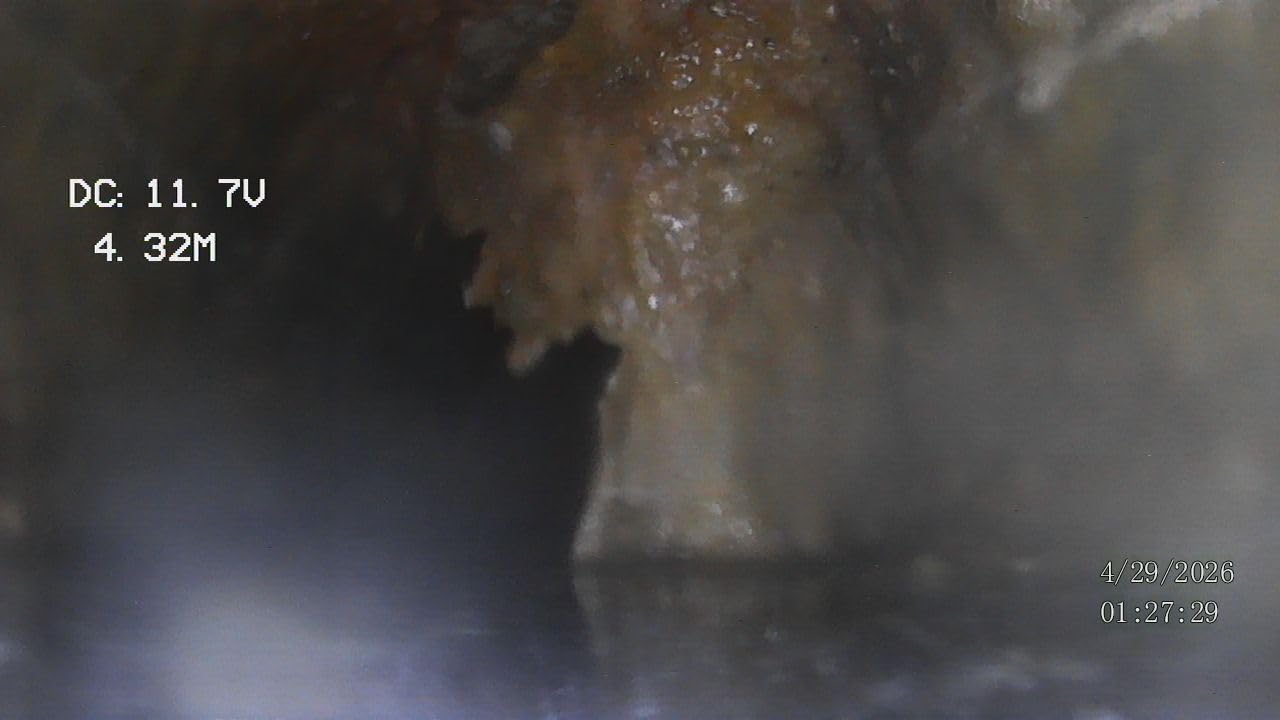
The 512Hz locator works in Far and Near modes for different detection ranges, and the on-screen distance counter shows exactly how far the camera has traveled. When you spot a crack at 47 feet, you know exactly where to dig.
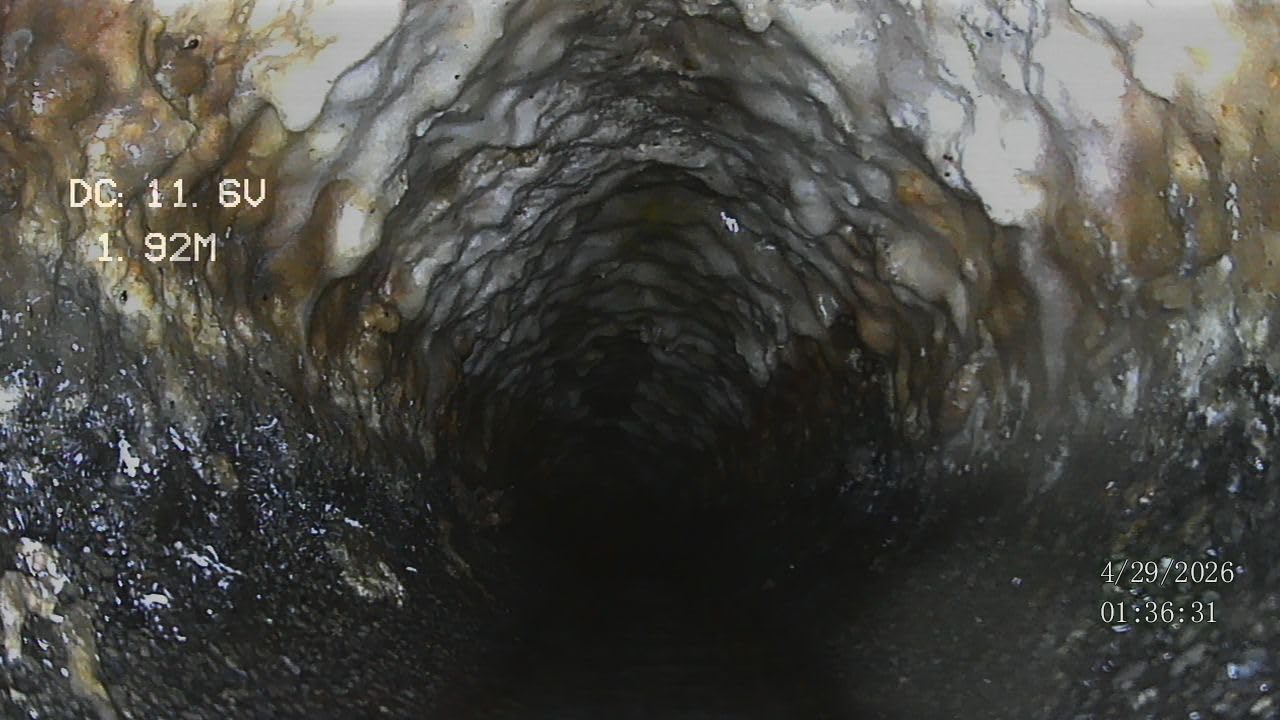
The 9-inch IPS screen is readable even in direct sunlight, which matters when you are working outdoors at cleanout locations. The sapphire lens resists scratches from rough pipe interiors better than standard glass. IP68 waterproofing handles submersion without worry.
The 5mm cable is thinner than some competitors, which helps it navigate bends but limits stiffness for pushing through larger main lines. Some users report the internal battery does not hold charge well overnight, so keep it plugged in between uses.
Who Should Buy This
Professional plumbers and home inspectors who need reliable daily use equipment. Anyone frustrated by upside-down camera images who wants self-leveling. Users who need accurate underground locating capability.
Who Should Skip This
Casual DIY users who do not need professional-grade features. Those working primarily in large-diameter pipes where cable stiffness matters more than flexibility. Anyone on a budget – there are cheaper options that handle basic inspections.
How to Choose the Best Inspection Camera for Plumbing?
After testing these cameras and talking with professional plumbers on Reddit, I have identified the key factors that separate useful tools from frustrating purchases.
Camera Types: Borescope vs Sewer Camera vs Endoscope
These terms get used interchangeably, but there are distinctions. Borescopes are typically shorter-range tools with rigid or semi-rigid cables, ideal for engines, walls, and short drain runs. Sewer cameras have longer cables (50+ feet) designed specifically for plumbing pipes. Endoscopes is a broader term for any camera that views inside something.
For plumbing work, you generally want a sewer camera if you are inspecting main lines, or a borescope for fixture drains and short runs. The Teslong and DEPSTECH models in this guide blur these lines with hybrid capabilities.
Cable Length and Stiffness
This is where Reddit plumbers consistently emphasize practical experience. For horizontal sewer lines, you need stiffness. A floppy cable will bunch up instead of pushing forward. For vertical drops and tight bends, you need flexibility.
The sweet spot for most homes is 50-100 feet of semi-rigid cable. Longer than that and cable management becomes difficult. Shorter and you cannot reach the main line from your cleanout.
Waterproof Ratings Explained
IP67 means the camera can handle temporary submersion in water up to 1 meter. IP68 means it can handle continuous submersion at deeper depths. For plumbing inspection, IP67 is usually adequate since you are viewing from within pipes, not swimming with the camera.
Screen Size and Resolution
720P resolution is adequate for identifying clogs and cracks. 1080P gives you more detail for documentation and smaller crack detection. Screen size matters more than you think – after squinting at a 2.4-inch display for an hour, you will appreciate a 5-inch or larger screen.
Battery Life and Recording
For occasional home use, 3-4 hours of battery is fine. For professional use, look for 5+ hours or swappable batteries. Recording capability lets you document problems for quotes or insurance claims. Most cameras now include SD card slots for storage.
Professional vs DIY Usage
If you are a DIY homeowner inspecting your own pipes a few times per year, prioritize ease of use and value. If you are a professional plumber using a camera daily, prioritize durability and features like locators and self-leveling.
Also consider: a single plumber visit to scope your line costs $200-300. These cameras pay for themselves quickly if you use them more than once. As one Reddit user noted: “I paid $250 for an inspection, then bought a $300 camera and now I can inspect whenever I want.”
For related inspection work beyond plumbing, see our guide to industrial endoscopes for inspectors.
Frequently Asked Questions
What camera is used to inspect pipes?
Plumbers use specialized inspection cameras called sewer cameras, borescopes, or endoscopes. These are waterproof cameras on flexible cables that transmit live video to a handheld monitor or smartphone. Professional units may include features like 512Hz locators for underground tracking, self-leveling cameras to keep the image upright, and DVR recording for documentation.
What is the difference between an endoscope and a borescope?
The terms are often used interchangeably, but traditionally borescopes were rigid or semi-rigid tools for inspecting straight passages like gun barrels or engine cylinders, while endoscopes were more flexible for medical use. In modern plumbing, borescopes typically have shorter cables (3-16 feet) for fixture drains, while sewer cameras have longer cables (50-165+ feet) for main line inspection.
Do plumbers use borescopes?
Yes, professional plumbers use borescopes and sewer cameras daily for diagnostic work. According to Reddit plumbing communities, Ridgid and Spartan are trusted professional brands, though many pros also use consumer models from Teslong and DEPSTECH for specific jobs. The key features professionals prioritize are cable stiffness for horizontal pushes, reliable waterproofing, and clear image quality.
Are sewer cameras worth it for homeowners?
Sewer cameras are worth it for homeowners with recurring drain issues, older homes with potential pipe problems, or those considering major plumbing work. A professional sewer inspection costs $200-300 per visit, so a $300-500 camera pays for itself after 1-2 uses. They are also valuable for home inspectors, property managers, and anyone buying or selling a home who wants to assess pipe condition.
What features make a good plumbing inspection camera?
Key features include: IP67 or IP68 waterproof rating for wet pipe environments, semi-rigid cable that balances flexibility with pushability, sufficient length for your needs (50+ feet for main lines), 720P or 1080P resolution for clear images, adjustable LED lighting for dark pipes, and recording capability for documentation. Professional users should also consider articulating heads for navigating bends and 512Hz locators for underground tracking.
Final Thoughts
After testing these 10 inspection cameras and analyzing thousands of user reviews, the best inspection cameras for plumbers in 2026 come down to your specific needs. The Teslong Two-Way Articulating Borescope offers the best combination of features and usability for most users. The Teslong NTS300 delivers exceptional value with its dual-lens system. For serious sewer line work, the VEVOR or Sanyipace models with locators justify their higher prices.
Remember that even the best camera is just a diagnostic tool. It will not fix your pipes, but it will tell you exactly what needs fixing and where. In my experience, that knowledge is worth far more than the purchase price – it saves you from unnecessary excavation, helps you get accurate quotes from plumbers, and gives you peace of mind about the condition of your plumbing.
Choose the camera that matches your needs: shorter cables and articulating heads for complex interior plumbing, or longer cables with locators for main sewer line inspections. Either way, you will have the visibility you need to stop guessing about what is happening in your pipes.