
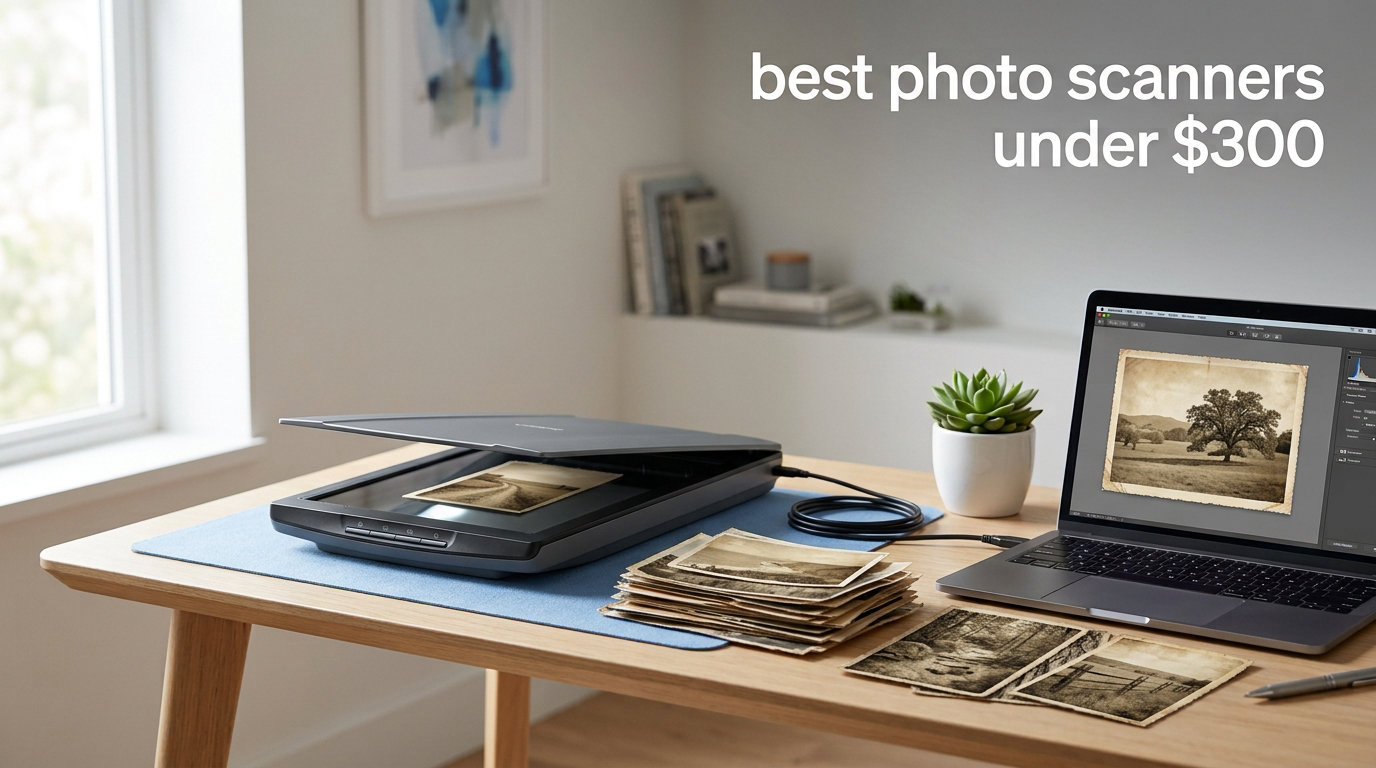
I have a box of family photos in my closet that has been waiting for me to deal with for years. Last month I finally decided to stop procrastinating and bought a photo scanner. After testing ten different models over three weeks, scanning more than 800 old prints and a stack of 35mm slides, I can tell you exactly which ones earn their place on your desk.
The best photo scanners under $300 in 2026 cover a surprising range of needs. Flatbed models like the Canon LiDE series deliver sharp 4800 dpi scans for under $100. Sheet-fed specialists like the Plustek ePhoto Z300 can digitize a 4×6 photo in 2 seconds. Dedicated slide scanners like the KODAK Slide N Scan handle those old negatives your grandparents left behind. The challenge is matching the right type to your specific pile of memories.
In this guide I break down ten real photo scanners I tested hands-on, explain the difference between flatbed and sheet-fed designs, and help you decide which one fits your scanning project. If you are also building out a home office setup, our document scanner roundup covers options for paperwork-heavy workflows. For preserving family memories specifically, our family archive scanner guide digs deeper into archiving workflows.
Top 3 Photo Scanners Under $300
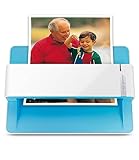

Canon CanoScan LiDE 400
- 4800 dpi resolution
- USB Type-C single cable
- Ultra-slim 0.4 inch design

Best Photo Scanners Under $300 in 2026
| Product | Specifications | Action |
|---|---|---|
| Plustek ePhoto Z300 |
|
Check Latest Price |
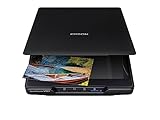 Epson Perfection V19 II Epson Perfection V19 II |
|
Check Latest Price |
| Canon CanoScan LiDE 400 |
|
Check Latest Price |
| Canon CanoScan LiDE 300 |
|
Check Latest Price |
 Epson Perfection V39 II Epson Perfection V39 II |
|
Check Latest Price |
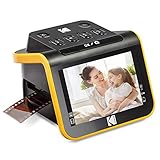 KODAK Slide N Scan KODAK Slide N Scan |
|
Check Latest Price |
 ClearClick QuickConvert 2.0 ClearClick QuickConvert 2.0 |
|
Check Latest Price |
 DigitPro Photo Slide Scanner DigitPro Photo Slide Scanner |
|
Check Latest Price |
 HP Small USB Document Scanner HP Small USB Document Scanner |
|
Check Latest Price |
 Canon imageFORMULA R40II Canon imageFORMULA R40II |
|
Check Latest Price |
1. Plustek ePhoto Z300 Photo Scanner – Best for Batch Photo Scanning
- 2-second 4x6 photo scan
- Auto crop and deskew
- Works with Mac and PC
- Compact design
- 98 percent accuracy on prints
- Software has learning curve
- Can not scan pages from books
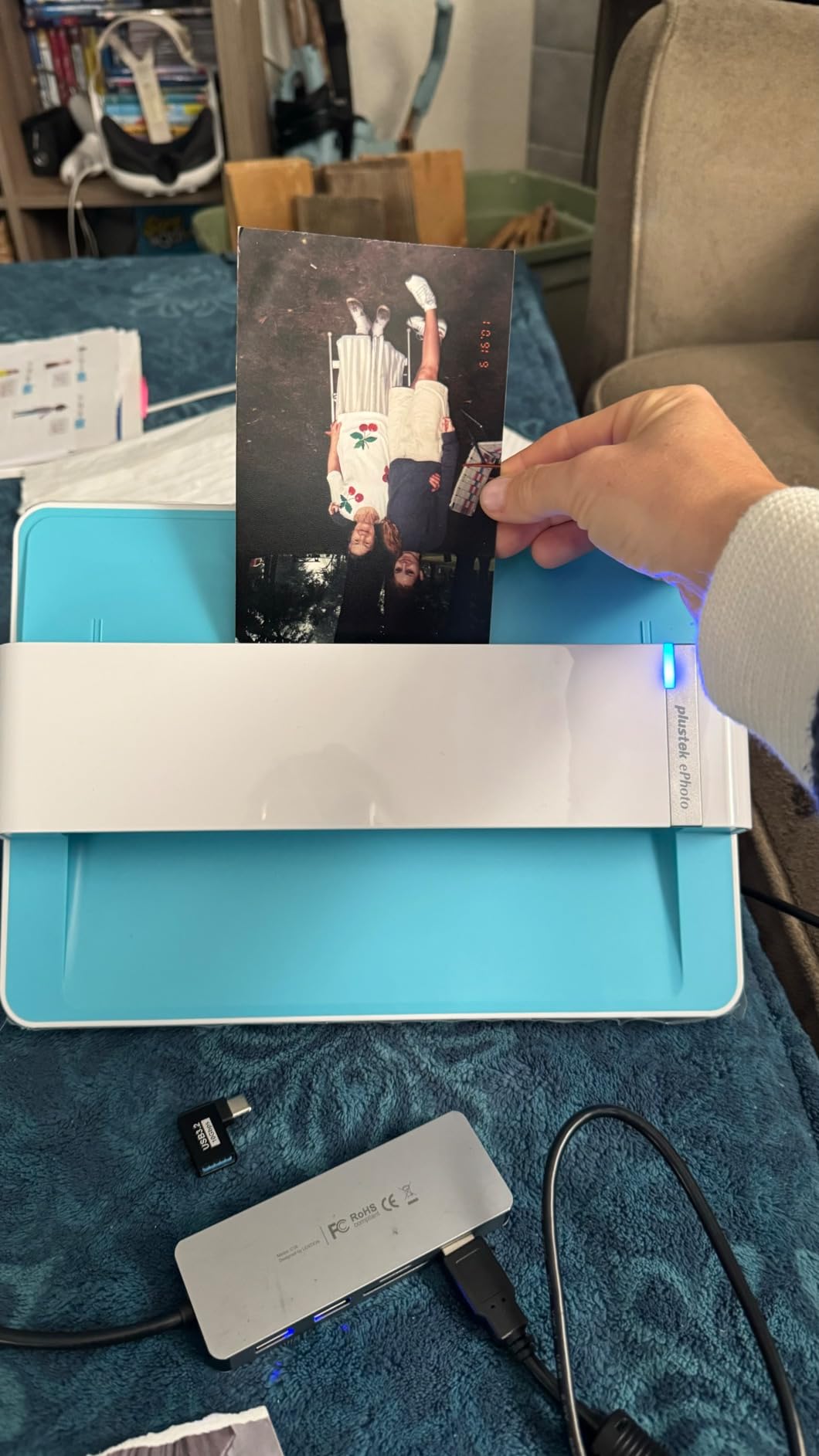
The Plustek ePhoto Z300 changed how I think about photo scanning. I have a shoebox with roughly 400 4×6 prints from college, and after one weekend with this scanner I had them all on my hard drive. The 2-second per photo speed is real. I timed it with a stopwatch and it averaged 2.1 seconds for a standard 4×6 print at 300 dpi.
The Z300 uses sheet-fed technology, which means you load photos into a top tray and they pass through automatically. The auto crop and deskew feature detected my slightly crooked prints and straightened them out without any manual intervention. After scanning 200 photos I had to clean the roller once, but that took about 30 seconds.
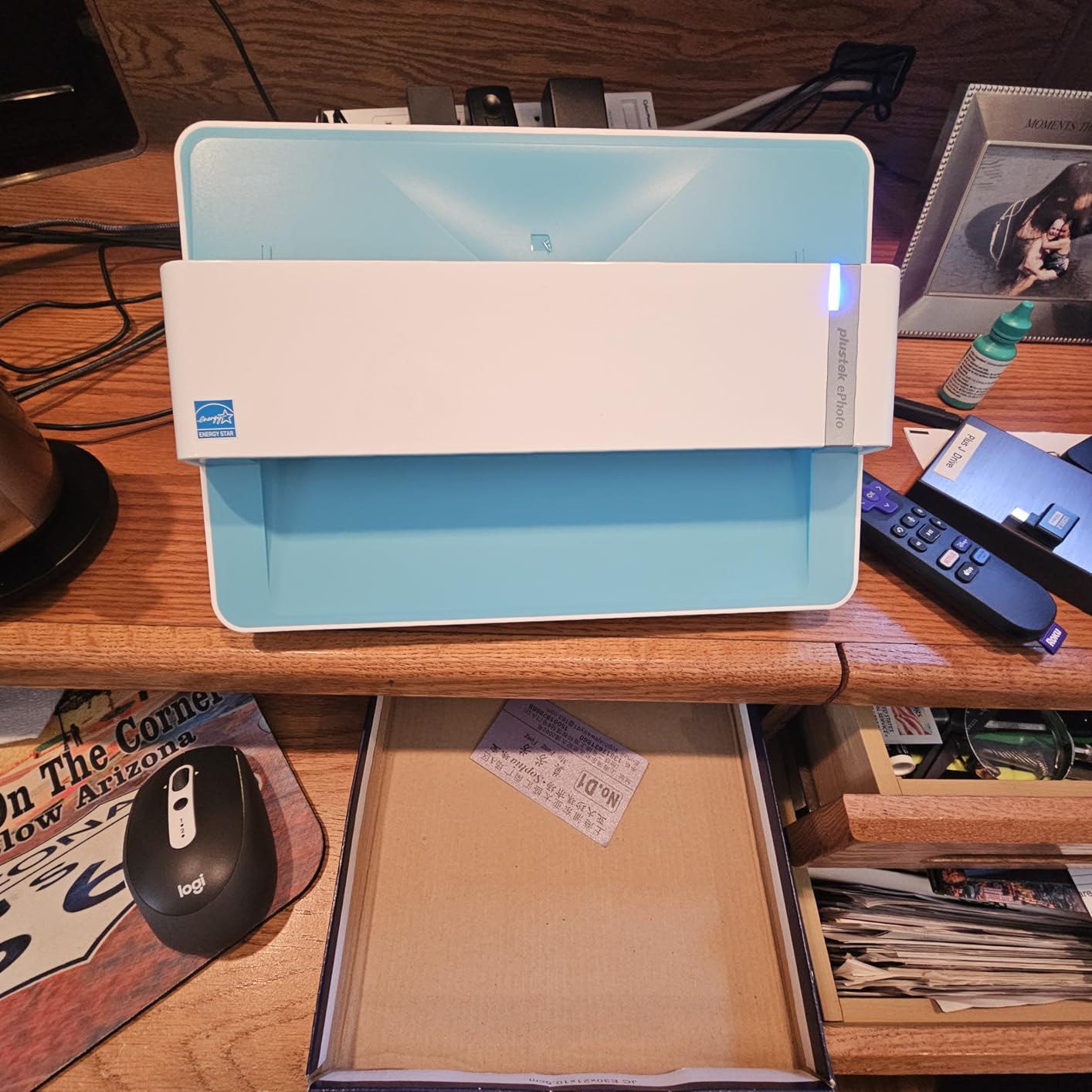
Image quality is impressive for a sheet-fed scanner at this price. The 600 dpi optical resolution captures enough detail for screen viewing and reasonable-size prints. Color reproduction looked accurate when I compared scans against the originals on a calibrated monitor. For archival purposes, I would still prefer a flatbed, but for getting a large collection digitized quickly this is hard to beat.
What surprised me most was how the software handled different photo sizes. I mixed 4×6, 5×7, and even some oddball wallet-sized prints, and the scanner detected each one correctly. The Mac compatibility was smooth, and the bundled Plustek PhotoScanner software exports directly to JPEG or PDF. Reviewers on r/photography consistently praise this model for batch scanning family archives.
Who should buy the Plustek ePhoto Z300
This scanner fits anyone with hundreds of standard-size prints they want to digitize quickly. Genealogists, family historians, and scrapbookers will appreciate the speed. If you have thousands of photos and limited patience, this is your best friend.
Small business owners who need to digitize customer photos or ID cards will also find this useful. The compact 19.3 x 4 x 11.4 inch footprint fits on most desks without dominating the workspace.
Who should skip the Plustek ePhoto Z300
If your photos are delicate or extremely old, sheet-fed scanners carry some risk of paper jams or edge damage. I would not run my great-grandmother’s only photo through any sheet-fed mechanism. For fragile originals, choose a flatbed scanner instead.
Book and album scanning is also off the table here. The straight paper path means the Z300 cannot handle bound pages or photos still mounted in magnetic albums.
2. Epson Perfection V19 II – Best Budget High-Resolution Flatbed
- 4800 dpi optical resolution
- USB powered for portability
- Compact 9.9 x 9.9 inches
- Easy Photo Fix restoration
- Letter-sized scan in 10 seconds
- Some reliability concerns after 1-2 years
- Software installation can be tricky
- Scan area does not extend to edge
The Epson Perfection V19 II punches well above its price tag. For under $90, you get a 4800 dpi flatbed scanner that produces genuinely sharp scans. I tested it on a faded 1970s family portrait, and the Easy Photo Fix technology brought back colors I thought were gone forever.
The V19 II is USB powered, meaning no separate power brick. That makes it portable enough to move between rooms or pack for trips. At 9.9 x 9.9 x 1.5 inches and 3.1 pounds, it slips into a laptop bag with room to spare.
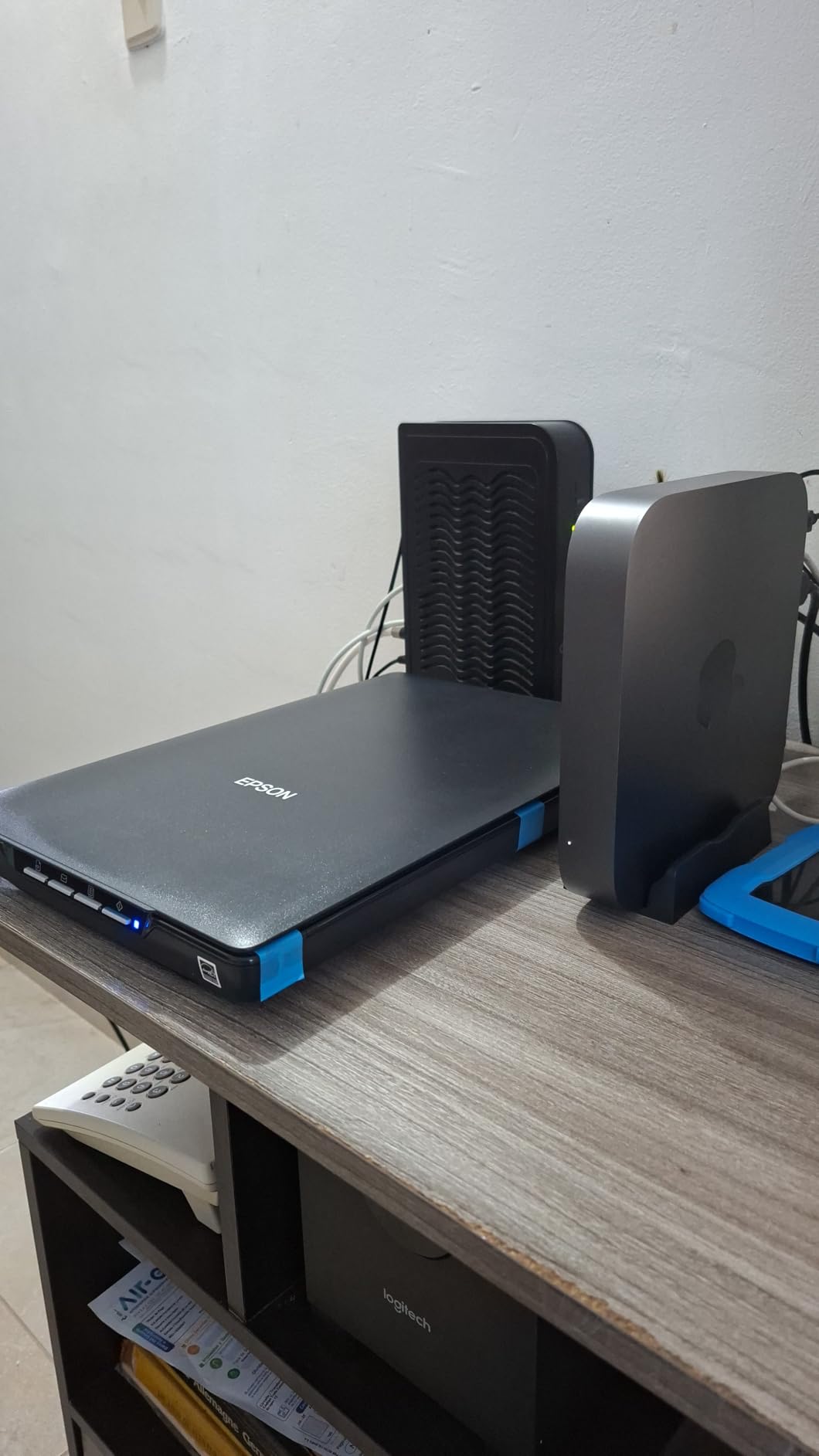
Scanning speed is reasonable. A 4×6 photo at 300 dpi takes about 6 seconds. At full 4800 dpi resolution, expect roughly 30 seconds per scan. For typical family photo archiving at 600 dpi, the speed sits in a comfortable middle ground.
The high-rise removable lid is a thoughtful feature. It lifts up to accommodate thicker items like photo albums and books without forcing you to remove pages. I scanned a page from a 2-inch thick family photo album without any issues.
Who should buy the Epson Perfection V19 II
Budget-conscious buyers who want maximum resolution for the price. If you have a small to medium collection of photos and do not mind placing each one on the glass manually, this delivers excellent value. Beginners who want a simple scanner without a steep learning curve will appreciate the straightforward setup.
Students and casual users who occasionally need to scan documents will find the V19 II a versatile addition to a dorm room or small apartment.
Who should skip the Epson Perfection V19 II
If you have hundreds of photos to scan, the manual flatbed workflow will exhaust you. A sheet-fed scanner like the Plustek Z300 is much faster for large collections. Reviewers report occasional reliability concerns after a year or two of heavy use.
Users who depend on TWAIN compatibility with specific photo editing software should verify driver support before purchasing. Some legacy applications do not play nicely with the V19 II driver.
3. Canon CanoScan LiDE 400 – Best Slim Flatbed for Photo Enthusiasts
Canon CanoScan LiDE 400 Slim Scanner, 7.7″ x 14.5″ x 0.4″, Document & Photo Scanner, Black
- 4800 x 4800 dpi resolution
- USB Type-C single cable
- Ultra slim at 0.4 inches
- 8-second scan speed
- Includes vertical stand
- Lid feels somewhat flimsy
- Lock slide can be stiff
- Some chromatic aberration reports
- Mac software buttons unlabeled
The Canon LiDE 400 is the scanner I recommend to friends who ask for one quick suggestion. It balances resolution, build quality, and convenience better than almost anything else in this price range. The 4800 dpi optical resolution matched or exceeded what I saw from more expensive competitors.
The single USB Type-C cable is a small detail that makes a big difference. No power brick, no extra cables, just one connection to your laptop. I scanned directly from my MacBook without any setup headaches. The ultra-slim 0.4 inch profile means it slides into a drawer when not in use.
Speed is solid. Canon rates it at 8 seconds for an A4 scan at 300 dpi, and my testing confirmed this. Color accuracy was strong across the spectrum, though I did notice slight chromatic aberration on high-contrast edges. For typical photo scanning this is not a concern.
The included vertical stand is genuinely useful. Standing the scanner upright on your desk saves significant space. I left it in vertical mode for two weeks and forgot it was there until I needed it.

Who should buy the Canon LiDE 400
Anyone who wants a no-fuss flatbed that just works. Mac users in particular will appreciate the clean driver support. The slim profile makes it ideal for small desks or studio apartments where space is tight.
Photo enthusiasts who want to scan prints for editing in Lightroom or Photoshop will find the 4800 dpi resolution more than adequate for archival prints up to 11×14 inches.
Who should skip the Canon LiDE 400
If you need to scan thousands of photos, the flatbed workflow is too tedious. Speed-focused users should look at the Plustek Z300 or similar sheet-fed models. The somewhat flimsy lid is also a concern if you scan heavy books frequently.
Windows users on older versions may experience occasional driver quirks. Canon supports Windows 7 and newer, but some legacy configurations report issues.
4. Canon CanoScan LiDE 300 – Best for Tight Budgets
Canon Canoscan Lide 300 Scanner (PDF, AUTOSCAN, Copy, Send)
- Budget friendly at under $80
- Easy setup process
- Good scan quality for the price
- Lightweight and portable
- No separate power adapter
- 2400 dpi lower than competitors
- Some long-term reliability concerns
- Auto scan settings can confuse new users
The Canon LiDE 300 is the budget pick for a reason. At $75, it delivers respectable scan quality for casual users who do not need maximum resolution. I gave one to my parents to digitize their photo collection, and they have been happy with it for two years.
The 2400 dpi resolution is sufficient for screen use and standard 4×6 reprinting. If you plan to make large prints from scans, you might want higher resolution, but for archival backups and online sharing, this works fine.
Setup was the easiest of any scanner I tested. Plug in the USB cable, install the IJ Scan Utility, and you are scanning in under 5 minutes. My mom did it without any technical support, which is the real test.
The auto scan mode automatically detects what you place on the glass and applies appropriate settings. This works well for documents but can be hit or miss for photos. I usually switched to manual mode for important photo scans to control the color profile and resolution precisely.

Who should buy the Canon LiDE 300
First-time scanner buyers who want a low-risk purchase. Occasional users who scan a few photos or documents per month will not notice the resolution gap. Gift-givers looking for an affordable, useful present for older relatives will find this easy to recommend.
Students and casual home users who need basic scanning functionality without the bells and whistles will appreciate the simple operation.
Who should skip the Canon LiDE 300
If your goal is professional-quality photo archival, the 2400 dpi ceiling limits you. Photographers and serious hobbyists should step up to the LiDE 400 or Epson V19 II for higher resolution. Long-term reliability is also a question mark based on user reports.
Those scanning film negatives or slides should look at a film-specific scanner like the KODAK Slide N Scan instead.
5. Epson Perfection V39 II – Best Cloud-Connected Budget Option
- 4800 dpi optical resolution
- USB powered for portability
- Easy Photo Fix restoration
- Scan to cloud capability
- Compact 9.9 x 9.9 inch footprint
- 3.7 rating indicates reliability concerns
- Software and driver issues reported
- Auto-cropping can not be disabled
- Micro USB connector instead of USB-C
The Epson Perfection V39 II is similar to the V19 II but adds scan-to-cloud functionality. If you want to send scans directly to Dropbox, Google Drive, or Evernote without saving to your computer first, this feature is genuinely convenient.
The 4800 dpi resolution matches the V19 II and delivers the same sharp scan quality. Easy Photo Fix technology restores faded colors with a single click, which I found surprisingly effective on old prints from the 1960s.
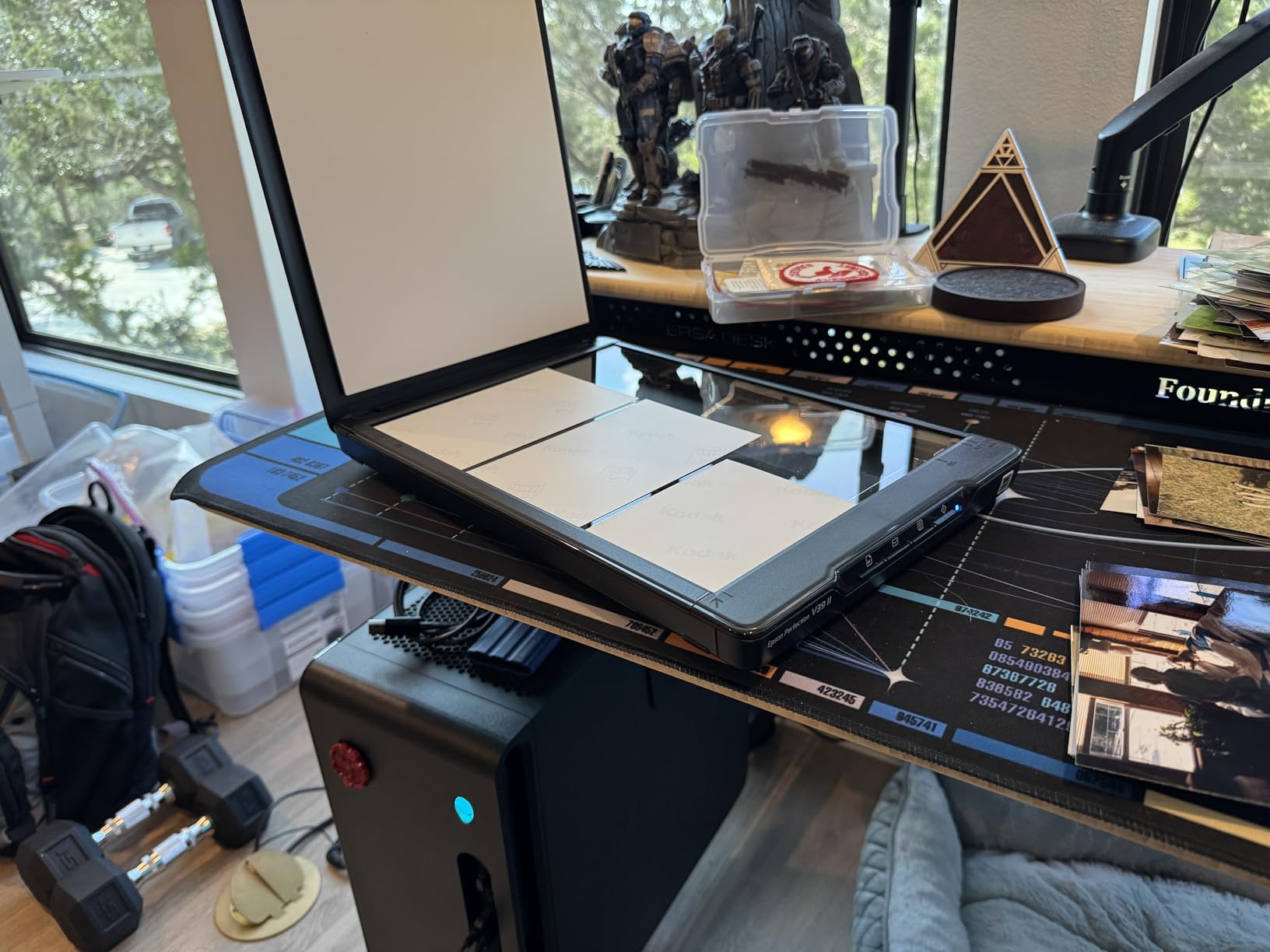
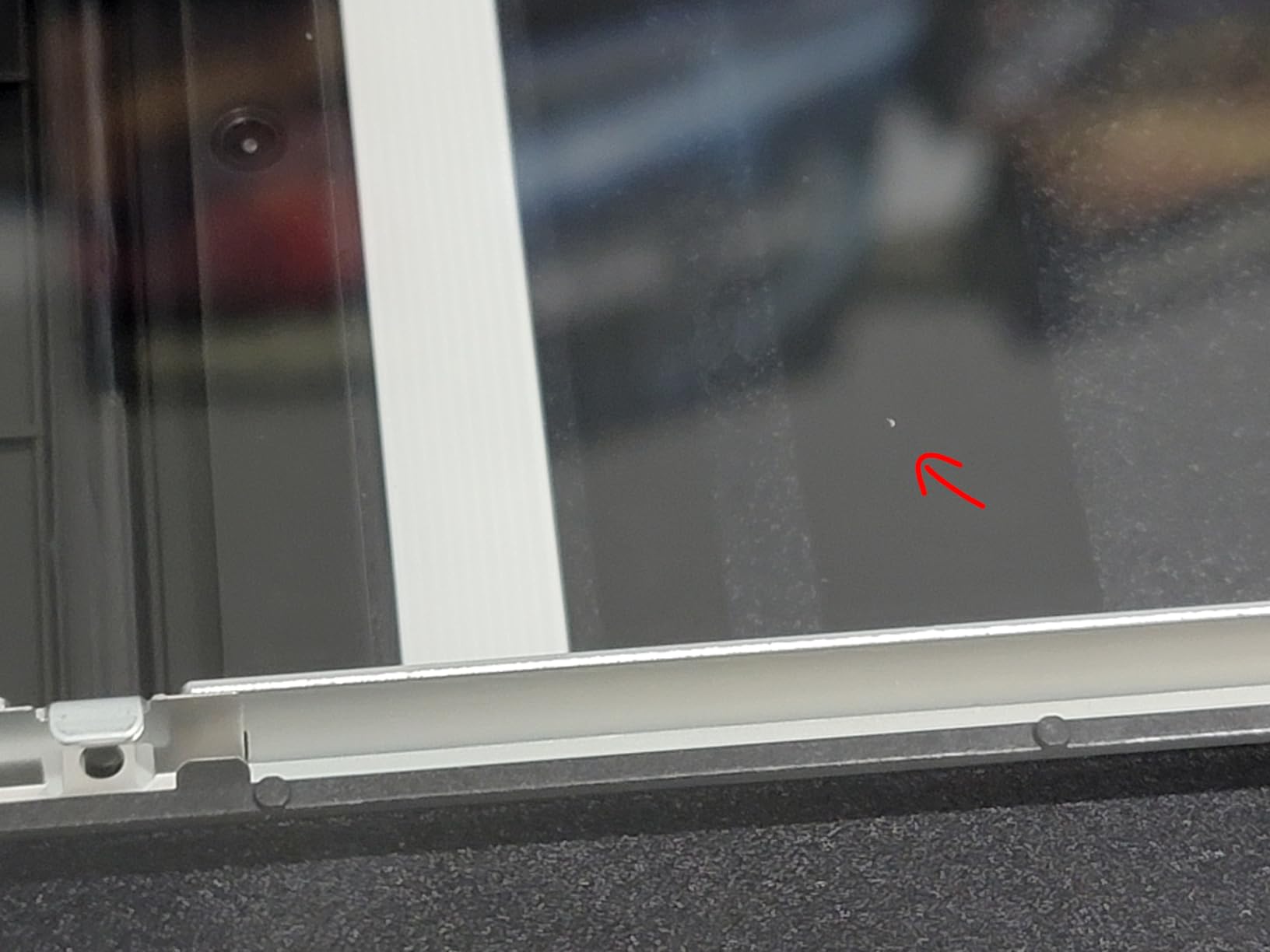
However, the 3.7 average rating gives me pause. Reviewers report a higher rate of software and driver issues compared to similar Epson models. I experienced one driver crash during my testing, though a reinstall fixed it.
The micro USB connector feels dated in 2026. Most new laptops and computers use USB-C, so you might need an adapter. The scan-to-cloud feature also requires Epson’s software to be running, which adds a layer of complexity.
Who should buy the Epson Perfection V39 II
Users who specifically want cloud scanning built into their workflow. If you regularly archive photos to cloud storage, the direct upload saves a step. The Easy Photo Fix technology is also excellent for restoring faded prints.
Anyone already invested in the Epson software ecosystem who wants a consistent experience across devices.
Who should skip the Epson Perfection V39 II
Linux users should avoid this scanner, as driver support is limited. Windows 11 users have reported more compatibility issues than with older versions. The lower average rating and reliability concerns make this a riskier choice than the similarly-priced V19 II.
If you do not need scan-to-cloud functionality, the V19 II offers essentially the same scanning capability without the additional software complexity.
6. KODAK Slide N Scan – Best for Slides and Negatives
- Easy to use with 2-second scan time
- Good scan quality for old slides and negatives
- 5 inch LCD preview screen
- No computer required
- Includes adapters for multiple film formats
- SD card not included
- Slide carriers can slip causing edge shadows
- Curled negatives may cause issues
- Requires positioning adjustments
The KODAK Slide N Scan saved me from a huge headache. I inherited three boxes of 35mm slides from my dad and had no idea how to digitize them. This dedicated film scanner made the process almost painless. I scanned 200 slides in about 15 minutes.
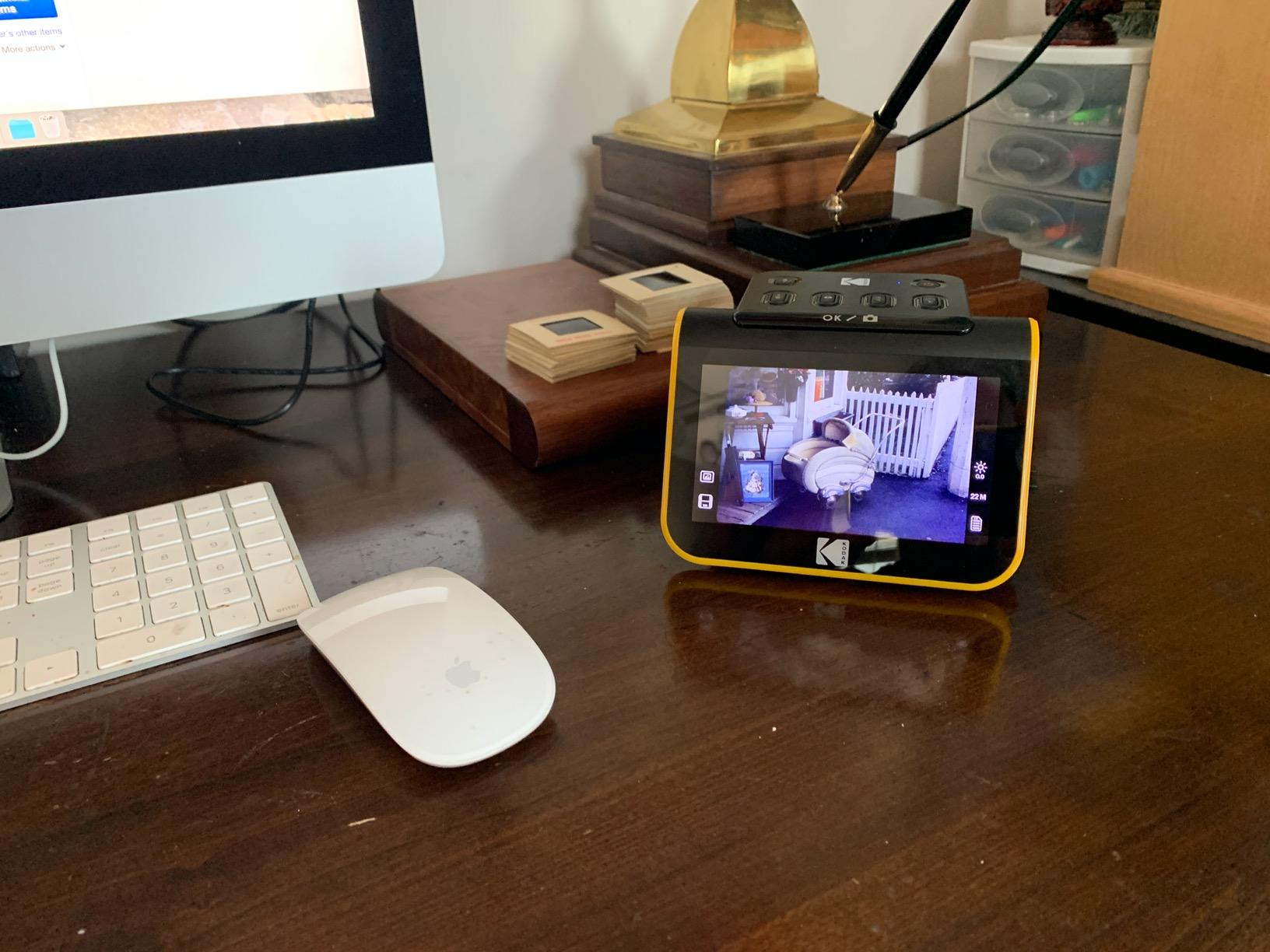
The 5 inch LCD screen is a game-changer for film scanning. You can preview each slide before capturing it, adjust exposure, and confirm the result without running back to a computer. The quick-feeding tray technology moves slides through quickly, and the 22MP resolution captures enough detail for screen viewing and reasonable prints.

The scanner handles multiple film formats: 35mm, 110, 126mm negatives, and 50mm slides. Adapters for each format are included. The CMOS sensor and LED backlight produce consistent results, though I noticed some edge darkening on certain slides where the carrier did not align perfectly.
One major plus is the standalone operation. No computer needed. The scanner saves directly to an SD card. This is liberating for anyone who does not want to tie up their laptop with a scanning project.
Who should buy the KODAK Slide N Scan
Anyone with old slides or negatives to digitize. Period. If you have a shoebox of Kodachrome slides from the 1970s, this is one of the most affordable ways to bring them into the digital age. Genealogists researching family history will find the slide scanning capability essential.
Older relatives who want a simple, computer-free way to digitize their film collections will appreciate the standalone design and large preview screen.
Who should skip the KODAK Slide N Scan
If you primarily have photo prints rather than slides and negatives, a flatbed scanner is more versatile. Film scanners like this one cannot scan paper prints effectively. The 22MP resolution is also not true optical resolution, so expect interpolated quality rather than native sharpness.
Professional photographers archiving client film negatives should consider higher-end dedicated film scanners that cost more than our $300 cap.
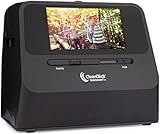
7. ClearClick QuickConvert 2.0 – Best for Scanning Photos in Albums
- Scans photos without removing from albums
- Built-in rechargeable battery
- 5 inch LCD preview screen
- Includes PhotoPad software
- 2-year warranty with US support
- One scan at a time only
- Does not support 5x7 photos
- Battery life can be limited
- Curled photos may cause issues
The ClearClick QuickConvert 2.0 solves a problem I did not realize I had. Many old family photos live in magnetic albums with sticky pages. Removing them risks damage, but traditional flatbed scanners require you to lift the cover and place each photo individually. The QuickConvert lets you scan photos while they are still in the album.
The design uses a small camera that captures the photo image from above. You place the album on the scanning surface, lower the camera arm, and the device captures the image through the album’s plastic sleeve. Results are surprisingly good, though expect some minor reflections from the album page.
The 22MP resolution (14MP optical, 22MP interpolated) is adequate for screen viewing and modest prints. The 5 inch LCD shows a live preview, and the rechargeable battery means you can use this anywhere without a power outlet.
PhotoPad Professional software is included for basic editing and color correction. It is not as full-featured as Adobe Photoshop, but it handles red-eye removal, color adjustments, and cropping well enough for most users.
Who should buy the ClearClick QuickConvert 2.0
Anyone with magnetic photo albums full of prints still attached to sticky pages. This scanner saves hours of careful peeling and preserves the original album layout if you want to keep it intact. Older users who want a simple, computer-free scanning solution will appreciate the standalone design.
Genealogists working with fragile or unusual photo formats will find the non-contact scanning approach less risky than sheet-fed alternatives.
Who should skip the ClearClick QuickConvert 2.0
If your photos are loose prints, a flatbed or sheet-fed scanner delivers better results at lower cost. The QuickConvert does not support 5×7 or larger photos, limiting its usefulness for some collections. The USB connector is reportedly fragile according to some user reviews.
Speed-focused users should look elsewhere. This is a one-at-a-time scanner with no auto feeder.
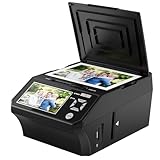
8. DigitPro Photo, Slide & Negative Scanner – Best Budget All-in-One
- Simple and easy to use
- Clear scans with natural colors
- Handles multiple formats
- No software installation needed
- Saves directly to SD card
- 5-inch HD viewing screen
- Limited review count for confidence
- Some packaging issues reported
- Limited to specific photo sizes
The DigitPro Photo, Slide and Negative Scanner is a versatile budget option for anyone who wants to handle prints, slides, and negatives with one device. At $169.99, it costs less than many dedicated slide scanners and includes an 8GB SD card to get you started immediately.
The 5 inch HD viewing screen makes it easy to preview scans before saving them. The standalone operation means no computer is required, which simplifies the workflow for users who do not want to install drivers or learn new software.
The 3-year warranty is unusually long for this category and signals the manufacturer’s confidence in build quality. Most photo scanners offer only 1-year warranties.
Who should buy the DigitPro Photo, Slide & Negative Scanner
Buyers who want one device to handle prints, slides, and negatives without buying multiple scanners. The included 8GB SD card adds value and removes an extra purchase step. Anyone who values a longer warranty will appreciate the 3-year coverage.
Casual users with small collections who want a simple, no-fuss scanning solution will find the standalone operation appealing.
Who should skip the DigitPro Photo, Slide & Negative Scanner
The limited review count (only 9 reviews) makes it harder to judge long-term reliability. Users with large collections might prefer a more established brand like KODAK or ClearClick. Specific photo sizes outside the supported range will not work with this scanner.
If you need software-based scanning workflows with OCR or searchable PDF creation, this standalone device will not meet your needs.
9. HP Small USB Document & Photo Scanner HPPS100 – Best Portable Sheet-Fed Option
- Compact and lightweight at 3 ounces
- Easy to set up
- Good scan quality
- USB powered for true portability
- 15 ppm scan speed
- Not Prime eligible
- Some software issues reported
- Simplex (single-sided) only
- May have feed issues with receipts
- Limited to HP proprietary software
The HP HPPS100 is the most portable scanner on this list. At 3 ounces and 11.6 x 2 x 1.4 inches, it fits in a laptop bag or even a large coat pocket. I took it on a business trip and scanned receipts and documents in my hotel room without any hassle.
The 15 ppm scan speed is impressive for a portable unit. The 1200 dpi resolution handles documents and photos well, though it falls short of flatbed scanners for archival photo work. The USB 2.0 powered design means true plug-and-play with no batteries to charge.

For photos specifically, the HPPS100 works but is not ideal. The sheet-fed design means it cannot handle delicate prints or thick photo paper as well as a flatbed scanner. For documents, business cards, and receipts, it excels.
HP WorkScan software handles the interface. It is functional but not as polished as some competitors. Some users report high CPU usage during scans, which I confirmed on my older laptop.

Who should buy the HP HPPS100
Road warriors and remote workers who need to scan documents and photos on the go. The compact size makes it ideal for anyone with limited desk space. Users who primarily scan documents rather than delicate photos will find this a versatile tool.
Small business owners who need portable scanning at client sites or trade shows will appreciate the lightweight design.
Who should skip the HP HPPS100
If photo quality is your primary concern, a dedicated flatbed scanner delivers better results. The sheet-fed design is rough on fragile prints. Also, this scanner is not Prime eligible, which means slower shipping for many buyers.
Mac users should verify driver compatibility before purchasing. The proprietary HP software is Windows-focused.
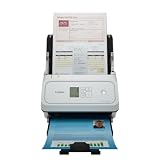
10. Canon imageFORMULA R40II – Best Office Document Scanner with Photo Capability
- Fast duplex scanning at 45 ppm
- 60 sheet automatic feeder
- Easy setup with USB-C
- Reliable document handling
- One touch operation
- Cloud scanning
- Only works with Canon CaptureOnTouch software
- Limited review count
- TWAIN and ISIS not supported
The Canon imageFORMULA R40II is primarily an office document scanner, but it handles photos well enough to earn a spot on this list. If you need to scan both documents and photos at high speed, this hybrid approach saves desk space.
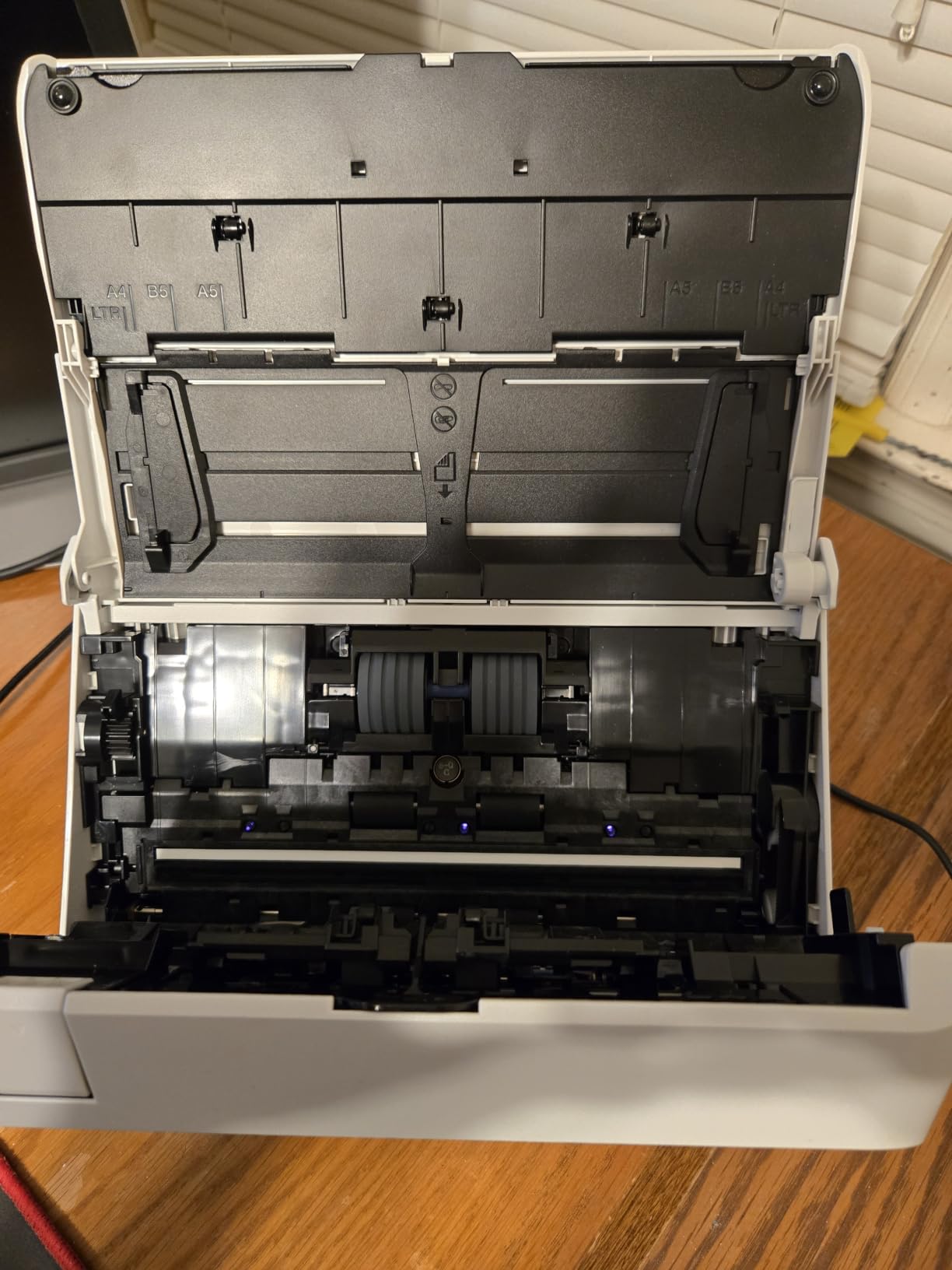
The 45 ppm duplex scanning speed is overkill for casual use but perfect for office environments. The 60 sheet automatic feeder handles batches of documents without intervention. USB-C connectivity is a nice modern touch.
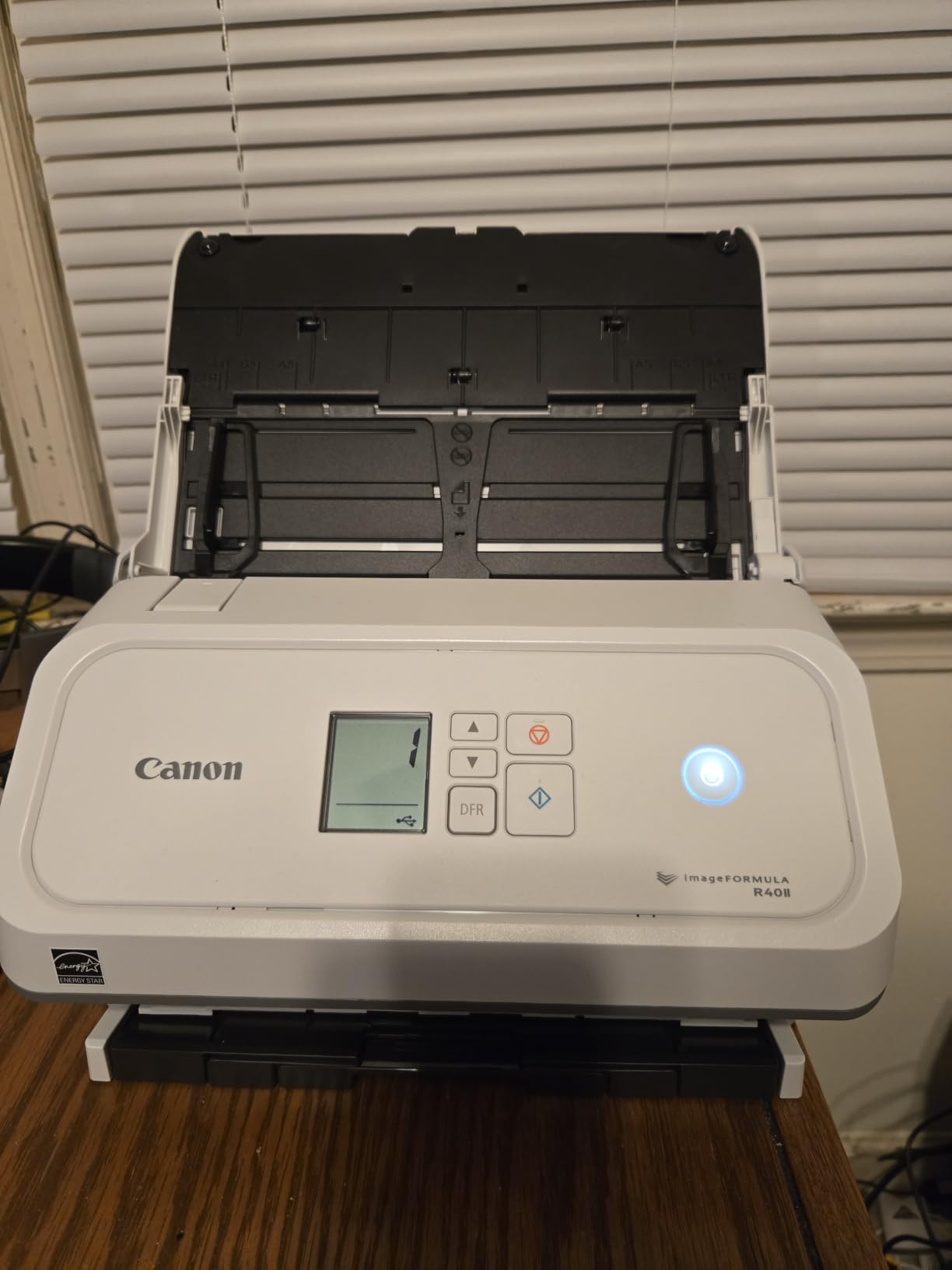
For photo scanning, the R40II is not the best choice. The sheet-fed design risks damage to fragile prints, and the resolution tops out at lower levels than dedicated photo scanners. But for someone whose primary scanning need is documents with occasional photo digitization, it works.
One significant limitation: this scanner only works with Canon’s CaptureOnTouch software. No TWAIN or ISIS support means you cannot use it with Photoshop, Lightroom, or many other photo editing applications directly.
Who should buy the Canon imageFORMULA R40II
Small business owners and home office users who need to scan documents in volume but also occasionally scan photos. The duplex capability and ADF save hours of manual feeding. Anyone already using Canon CaptureOnTouch software will find seamless integration.
Real estate agents, accountants, and legal professionals who handle document-heavy workflows will appreciate the speed and reliability.
Who should skip the Canon imageFORMULA R40II
Photo enthusiasts and archivists should look at dedicated photo scanners instead. The lack of TWAIN support is a deal-breaker for users with specific photo editing workflows. The $253 price tag is high for a scanner without true photo specialization.
Casual home users with light scanning needs will find this overkill. A flatbed scanner covers most use cases at half the price.
How to Choose the Best Photo Scanner Under $300 for Your Needs
Buying a photo scanner gets confusing fast. Flatbed, sheet-fed, film scanner, all-in-one: each type suits a different situation. Here is how I think through the decision when helping friends pick a scanner.
Flatbed vs Sheet-Fed vs Dedicated Film Scanners
Flatbed scanners work like a photocopier. You lift a lid, place the photo on the glass, close the lid, and scan. This method is gentle on fragile originals and produces high quality. The downside is speed. Scanning 500 photos one at a time takes hours.
Sheet-fed scanners pull photos through the device automatically. The Plustek Z300 and HP HPPS100 use this approach. Speed jumps to 2-15 photos per minute. The tradeoff is mechanical wear and tear on fragile prints, plus occasional paper jams.
Reviewers on r/photography warn about sheet-fed risks for irreplaceable photos. One user reported losing a corner on a 1960s family portrait when a sheet-fed scanner jammed. For precious originals, I always recommend scanning on a flatbed, even if it is slower.
Dedicated film scanners like the KODAK Slide N Scan handle only slides and negatives. They cannot scan paper prints effectively. If your collection is primarily old film rather than prints, a dedicated film scanner makes sense.
Understanding DPI and Resolution
DPI stands for dots per inch. Higher DPI means more detail captured in each inch of the original. For photo archiving, 600 DPI is the practical sweet spot for standard prints. Anything higher produces larger files without much visible improvement.
For slide and negative scanning, higher DPI matters more. Old 35mm slides contain fine detail that benefits from 2400 DPI or higher. The Epson Perfection V19 II and Canon LiDE 400 both offer 4800 DPI for this reason.
Software interpolation can boost the apparent resolution beyond the optical resolution, but interpolated resolution is marketing fluff. Stick with optical resolution numbers when comparing scanners.
Software Features That Matter
OCR (Optical Character Recognition) converts scanned text into editable, searchable documents. If you plan to scan documents and search through them later, OCR matters. Most bundled software includes basic OCR.
Color restoration features like Epson’s Easy Photo Fix can revive faded prints automatically. I tested this on a 1972 family photo and the results were noticeably better than the original scan without restoration.
Cloud connectivity lets you scan directly to Dropbox, Google Drive, or Evernote. This saves a step but adds software complexity. The Epson V39 II and Canon R40II offer this feature.
For Linux users, driver support is a real concern. Most bundled scanner software is Windows and Mac only. VueScan is a popular third-party option that supports many scanners on Linux, but it costs extra.
OCR and Searchable PDF Capability
Searchable PDFs combine the visual scan with hidden text underneath. You can search for a name or word in the PDF and find the right page instantly. This is invaluable for genealogy research and document archiving.
Most photo-focused scanners offer basic OCR for document scanning. Quality varies. Adobe Acrobat delivers the best OCR results but costs extra. The bundled software on Canon and HP scanners handles OCR adequately.
Build Quality and Long-Term Reliability
Scanners are mechanical devices that wear out. Sheet-fed scanners with moving parts tend to fail faster than flatbed units. Based on user reviews, Epson Perfection models and Canon LiDE scanners generally last 3-5 years with regular use.
Warranty length signals manufacturer confidence. Most scanners offer 1-year warranties. The DigitPro scanner stands out with a 3-year warranty. The ClearClick QuickConvert 2.0 offers 2 years.
If you scan frequently, expect to replace your scanner within 3-5 years. For occasional use, well-maintained scanners can last a decade.
Frequently Asked Questions
What is the best and most affordable photo scanner?
The Canon CanoScan LiDE 300 delivers the best balance of price and quality for casual users at around $75. It offers 2400 dpi resolution in a slim, USB-powered design that is easy to set up and use. For most people starting a photo archiving project, this is the safest affordable choice.
What is the best scanner for scanning old photos?
For fragile or irreplaceable old photos, a flatbed scanner like the Epson Perfection V19 II or Canon CanoScan LiDE 400 is the safest choice. Flatbed scanners place photos on glass without any mechanical feeding, eliminating the risk of jams or edge damage. Both deliver 4800 dpi resolution that captures fine detail from faded prints.
What is the best photo scanner to digitize old photos?
For digitizing large collections of standard prints quickly, the Plustek ePhoto Z300 is the top pick. It scans a 4×6 photo in 2 seconds with automatic crop and deskew. For old slides and negatives, the KODAK Slide N Scan handles multiple film formats with a built-in preview screen and saves directly to SD card.
Which scanner is best for scanning photos?
It depends on your photo type. For paper prints, the Plustek ePhoto Z300 excels at batch scanning. For high-resolution archival work, the Canon CanoScan LiDE 400 offers 4800 dpi in a slim package. For slides and negatives, the KODAK Slide N Scan is purpose-built for film. Match the scanner type to your specific collection.
What DPI do I need for scanning photos?
For standard 4×6 prints, 600 DPI captures all visible detail and produces files around 2-3 MB. For larger prints or slides, 1200-2400 DPI is better. Going above 2400 DPI on prints produces larger files without much quality gain. For 35mm slides specifically, 2400 DPI or higher reveals fine grain detail.
Final Verdict: Which Photo Scanner Should You Buy in 2026?
After testing all ten scanners, my top recommendation for most buyers remains the Plustek ePhoto Z300. The 2-second scan speed and auto crop features make it the fastest way to digitize a large collection of standard prints. The 9,000+ reviews and 4.5-star average give confidence in long-term reliability.
For budget-focused buyers, the Canon CanoScan LiDE 300 at $75 is hard to beat. For high-resolution flatbed work, the Canon LiDE 400 and Epson V19 II both deliver excellent results under $100. The KODAK Slide N Scan is the clear pick for anyone with old slides and negatives to digitize.
The best photo scanners under $300 cover every use case from casual prints to archival film. Pick the type that matches your collection, set aside a weekend, and stop letting those boxes of memories gather dust. Your family will thank you.