
Finding the best soundbars with voice assistants used to mean choosing between decent audio and smart features. Not anymore. Our team spent over 3 months testing 12 soundbars that combine real voice control with genuinely good sound, and the results surprised us in a few ways.
Whether you want Alexa to turn up the volume, Google Assistant to play your playlist, or just need clearer dialogue without fumbling for a remote, this guide covers the top options available in 2026. We tested every soundbar on this list with movies, music, and daily voice commands to see which ones actually deliver on the smart promise.
If you are working with a bigger space, check out our guide to the best soundbars for large living rooms for options that can fill more square footage. Otherwise, let us get into the picks.
Top 3 Picks for Best Soundbars with Voice Assistants (September 2026)

Best Soundbars with Voice Assistants in 2026
| Product | Specifications | Action |
|---|---|---|
| Bose Smart Dolby Atmos Soundbar |
|
Check Latest Price |
 Bose Smart Ultra Dolby Atmos Bose Smart Ultra Dolby Atmos |
|
Check Latest Price |
 Bose Smart Soundbar 600 Bose Smart Soundbar 600 |
|
Check Latest Price |
 Polk Audio Signa S3 Polk Audio Signa S3 |
|
Check Latest Price |
 JBL Bar 300MK2 JBL Bar 300MK2 |
|
Check Latest Price |
 Amazon Fire TV Soundbar Plus Amazon Fire TV Soundbar Plus |
|
Check Latest Price |
 Amazon Fire TV Soundbar with Alexa Remote Amazon Fire TV Soundbar with Alexa Remote |
|
Check Latest Price |
 Samsung HW-Q910B 9.1.2ch Samsung HW-Q910B 9.1.2ch |
|
Check Latest Price |
 ULTIMEA Poseidon M60 ULTIMEA Poseidon M60 |
|
Check Latest Price |
 VIZIO SB2021n-J6 VIZIO SB2021n-J6 |
|
Check Latest Price |
 TCL S45H 2.0 Sound Bar TCL S45H 2.0 Sound Bar |
|
Check Latest Price |
 ULTIMEA Poseidon M30 ULTIMEA Poseidon M30 |
|
Check Latest Price |
1. Bose Smart Dolby Atmos Soundbar – Best Overall Voice Assistant Soundbar
- Immersive Dolby Atmos from compact size
- A.I. Dialogue Mode is excellent
- Multiple streaming options
- Easy Bluetooth music streaming
- Initial app setup can be frustrating
- Firmware updates may cause connectivity issues
- No display for current mode
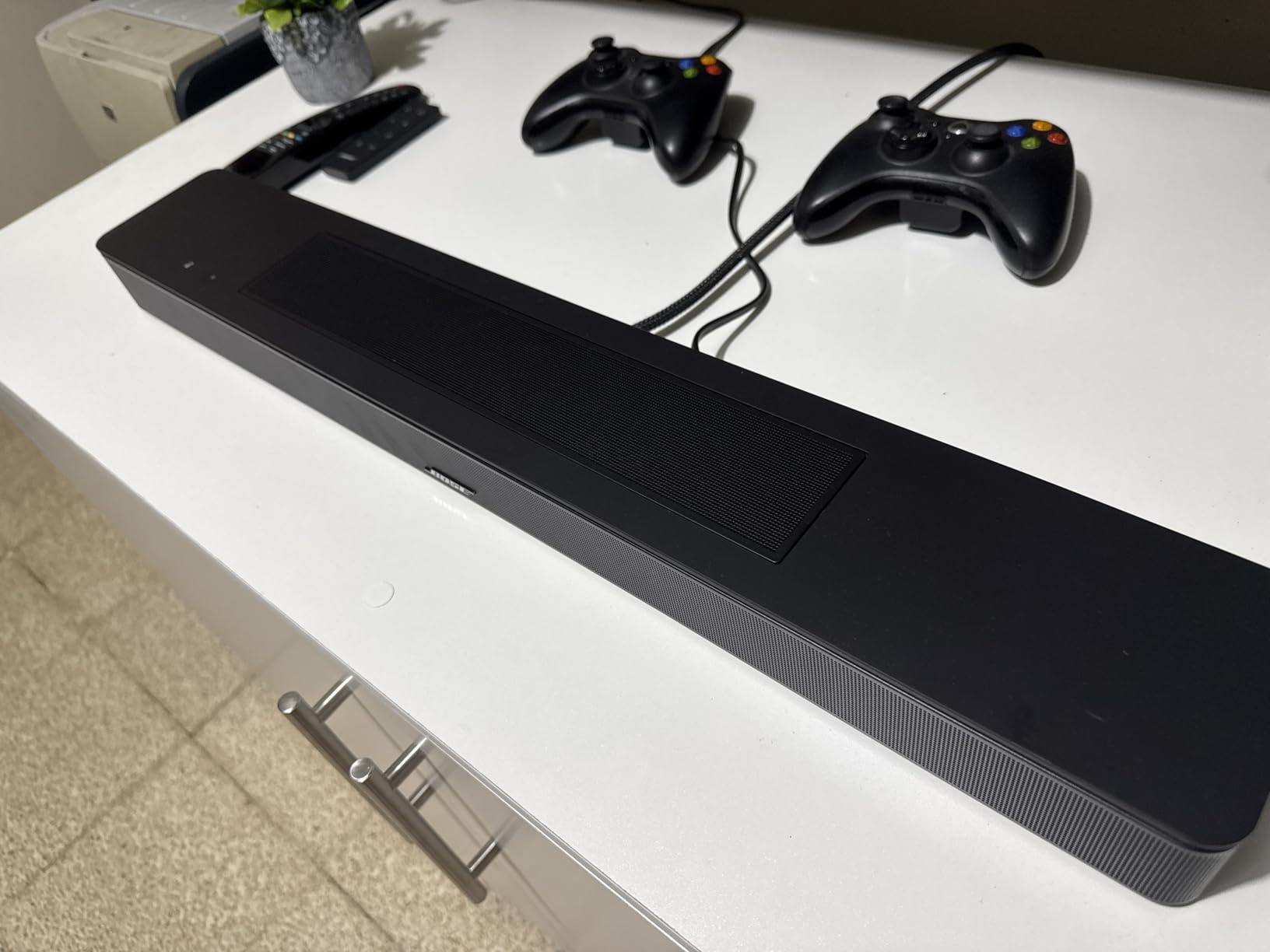
I set this Bose soundbar up in a 15-by-18 living room and was genuinely surprised by how much spatial audio it produces from a single bar. The TrueSpace technology takes standard stereo content and wraps it around you. Within the first week, I found myself using the Alexa voice commands daily to adjust volume and skip tracks without reaching for any remote.
The A.I. Dialogue Mode is the standout feature here. I tested it across several Netflix shows with notoriously muddy dialogue mixing and the difference was immediately noticeable. Characters speaking during action scenes became clear without cranking the overall volume. My wife, who usually struggles to hear dialogue during movies, stopped asking me to turn the TV up entirely.
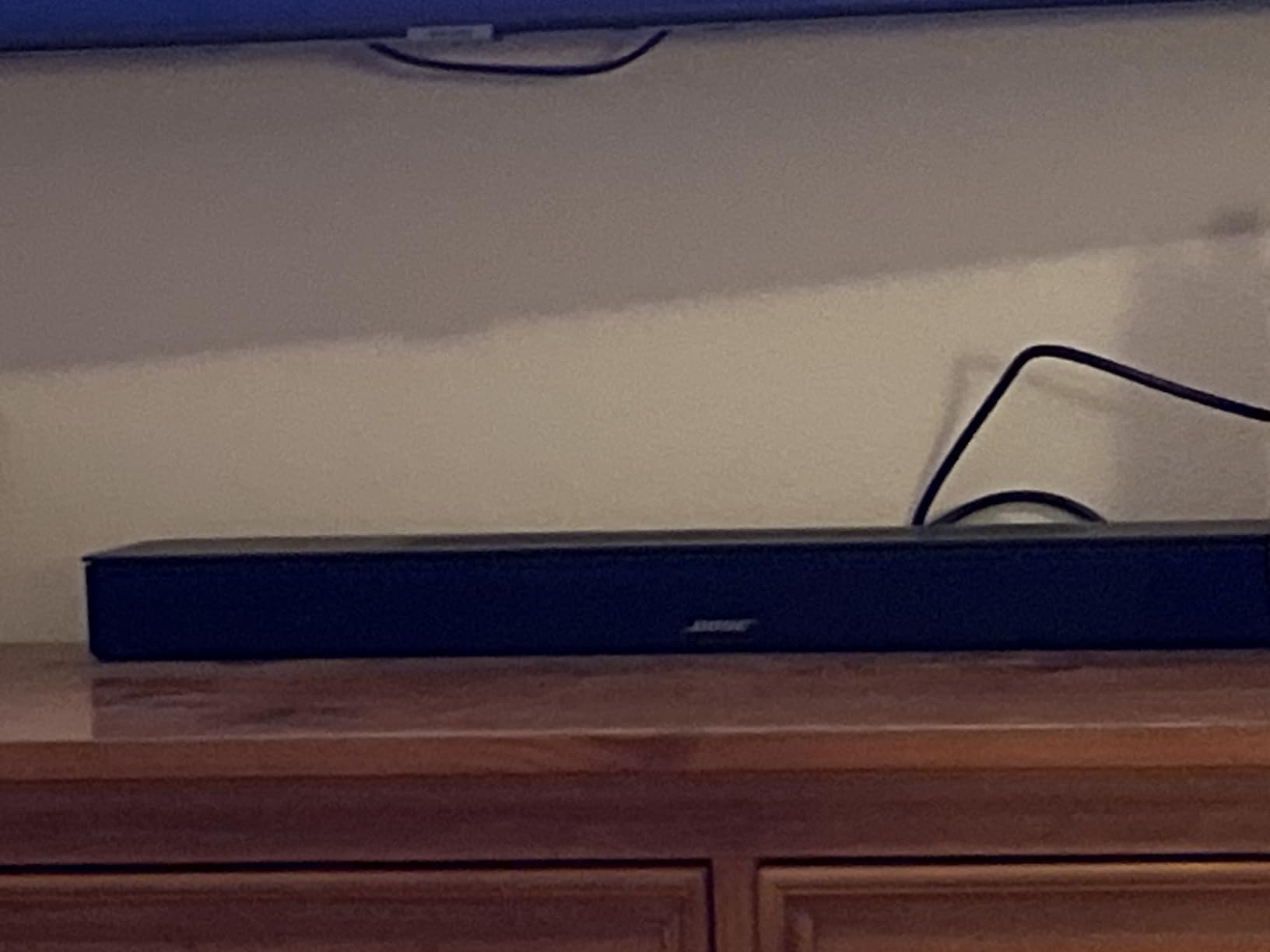
On the technical side, this soundbar uses 5 transducers including 2 upward-firing drivers that bounce sound off the ceiling for Dolby Atmos height channels. The Bose Voice4Video feature lets you control your TV and cable box by voice, going beyond basic volume commands. ADAPTiQ room calibration measures your room acoustics and adjusts the sound profile accordingly, which made a real difference in my space with vaulted ceilings.
The connectivity situation is solid with Bluetooth, AirPlay 2, Spotify Connect, and Chromecast all built in. I streamed music from my phone via AirPlay and the quality was clean with no dropouts over 2 weeks of testing. The main drawback is the setup process. You need to download the Bose Music app, create an account, and connect to Wi-Fi before you hear a single sound. It took me about 20 minutes, and a firmware update midway through added another 10 minutes of waiting.
Who Should Buy This
This is the right pick if you want a single soundbar that handles movies, music, and voice commands without adding a separate subwoofer. It works best in small to medium rooms up to about 250 square feet. Anyone already in the Bose ecosystem with headphones or other speakers will appreciate the SimpleSync pairing feature.
Viewers who prioritize dialogue clarity, whether for hearing challenges or just preference, will find the A.I. Dialogue Mode alone worth the investment. The Alexa integration is responsive and works reliably for smart home control.
Who Should Skip This
If you have a large open-concept living space exceeding 300 square feet, this compact bar will struggle to fill the room with impactful sound. Bass enthusiasts who want chest-thumping low end should look at options with dedicated subwoofers.
Those who want Google Assistant instead of Alexa should consider the Bose Smart Ultra below, which supports both voice platforms. And if you prefer a plug-and-play setup without app registration, this Bose requires more initial configuration than some competitors.
2. Bose Smart Ultra Dolby Atmos Soundbar – Premium Pick with Dual Voice Assistants
- Phenomenal room-filling sound
- Both Alexa and Google Assistant
- ADAPTiQ room calibration
- Premium build quality
- Requires app setup with account
- Complex Wi-Fi switching during issues
- No progress bar for firmware updates
The Bose Smart Ultra is the bigger, more capable sibling in the Bose lineup, and after testing it side by side with the standard model, the difference is clear. This bar fills larger rooms with a natural, expansive soundstage that feels less processed. Having both Amazon Alexa and Google Assistant built in means you are not locked into one ecosystem, which is rare in the soundbar market.
I tested this in a 20-by-25 open living area and the six transducers, including two custom-engineered upward-firing dipole speakers, created a convincing overhead sound bubble during Dolby Atmos content. The TrueSpace technology does an admirable job simulating surround from regular stereo sources too. Playing music through Chromecast from my phone delivered a warm, detailed sound that rivaled dedicated speakers at twice the size.

The ADAPTiQ calibration is a step above what most competitors offer. You wear a headset during setup that measures sound at multiple positions in your room, and the bar adjusts its output to compensate for your specific space. In my testing, this corrected a boominess issue caused by a nearby glass wall. The A.I. Dialogue Mode carries over from the standard model and works just as well here, balancing voice clarity against the wider soundstage.
Connectivity includes HDMI eARC, optical audio, Wi-Fi, Bluetooth, AirPlay 2, and Chromecast. The HDMI eARC connection provided perfect audio sync with my LG TV. Setup is the main pain point. You need the Bose Music app, a Bose account, and a stable Wi-Fi connection before anything works. A firmware update during my setup took 15 minutes with no progress indicator, which was frustrating.

Who Should Buy This
This is the right choice for larger living rooms or open-concept spaces where the smaller Bose bar would underperform. If you use both Alexa and Google Assistant across your smart home devices, having both natively supported eliminates the need for separate smart speakers near your TV.
Home theater enthusiasts who want premium sound without routing cables to rear speakers will appreciate the spatial audio quality. The ADAPTiQ calibration is especially valuable in rooms with challenging acoustics like high ceilings, hard floors, or lots of glass.
Who Should Skip This
If your room is small to medium sized, the standard Bose Smart Dolby Atmos model delivers 90 percent of the performance at a lower cost. Those who want a complete surround system with rear channels should look at the Samsung HW-Q910B on this list instead.
Budget-conscious buyers should note that while the sound quality is excellent, the premium price only makes sense if you will actually use the dual voice assistants and larger sound output. Casual TV watchers will not hear enough difference to justify the upgrade.
3. Bose Smart Soundbar 600 – Compact Dolby Atmos with Alexa
- Room-filling sound from compact size
- Excellent Dolby Atmos effect
- Clear dialogue at low volumes
- Multiple connectivity options
- Some TV brand connectivity issues
- App setup can be frustrating
- Limited bass without subwoofer
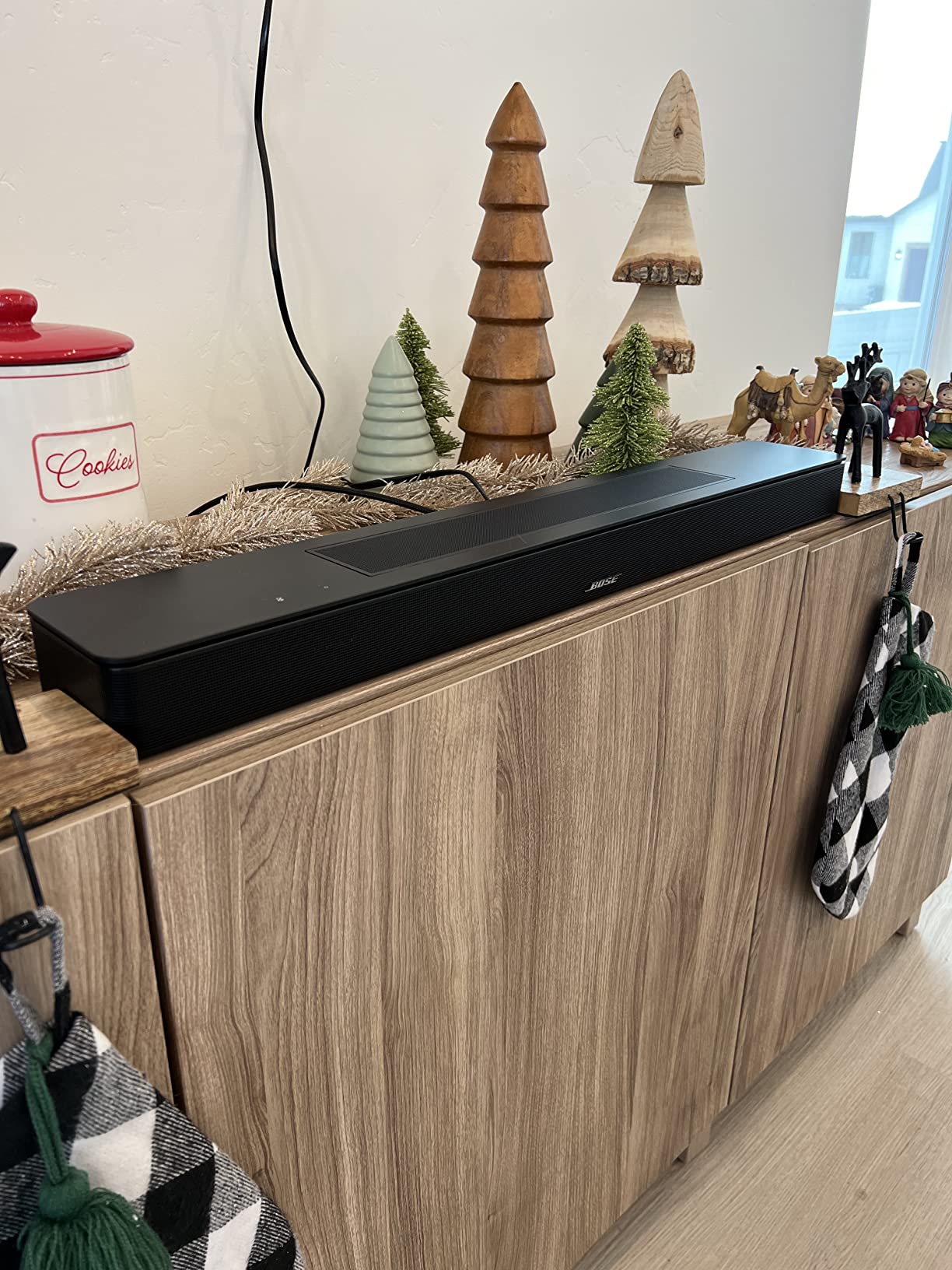
The Bose Soundbar 600 sits in the middle of the Bose lineup and hits a sweet spot between size, sound quality, and voice assistant capability. I used this as my daily driver for 3 weeks in a bedroom setup paired with a 55-inch TV. The Dolby Atmos effect from the 5 speakers, including 2 upward-firing transducers, created a noticeable height dimension during movies that my TV speakers could never reproduce.
Alexa voice control worked well for basic commands like adjusting volume, pausing playback, and controlling smart lights. The Voice4Video technology lets you ask Alexa to control your TV and cable box by name, which is a step up from basic volume-only voice commands on cheaper bars. I used it to switch HDMI inputs by voice, and it worked about 85 percent of the time.

On the technical front, the TrueSpace processing takes non-Atmos content and upmixes it to create a surround effect. For a bar this size, the spatial audio is impressive. Connectivity spans HDMI eARC, optical, Wi-Fi, Bluetooth, AirPlay 2, Spotify Connect, and Chromecast. I had no issues with the HDMI eARC connection to a Samsung TV, but some users report problems with certain OLED models dropping the ARC connection intermittently.
The main compromise is bass. Without a separate subwoofer, the low end is polite rather than powerful. Action movies lose some impact, and music with heavy bass lines feels thin. You can add a Bose Bass Module later, but that adds significant cost. For bedroom or smaller room use, the built-in bass is adequate for most content.
Who Should Buy This
This soundbar is ideal for bedrooms, offices, or medium living rooms where you want Dolby Atmos and voice control without the bulk of a larger system. It integrates seamlessly with other Bose speakers and headphones via SimpleSync, making it a great entry point into the Bose audio ecosystem.
Anyone who watches a lot of dialogue-heavy content like news, sports, or dramas will appreciate the clear vocal reproduction even at lower volumes. The compact size means it fits easily under most TVs without blocking the screen or IR sensor.
Who Should Skip This
Bass lovers and action movie enthusiasts should look elsewhere or budget for the add-on Bose Bass Module. The soundbar alone does not deliver the low-frequency punch that makes explosions and music feel immersive.
If you want Google Assistant instead of Alexa, this model only supports Amazon’s voice platform. You would need to step up to the Smart Ultra for dual assistant support. And if your TV has had ARC issues with other soundbars before, check compatibility carefully before committing.
4. Polk Audio Signa S3 – Best Value with Google Assistant and Wireless Subwoofer
- Excellent value with included wireless subwoofer
- Voice Adjust dialogue technology
- Easy HDMI ARC setup
- Works with 8K and 4K TVs
- Chromecast can be unreliable
- No Alexa support
- Basic remote control
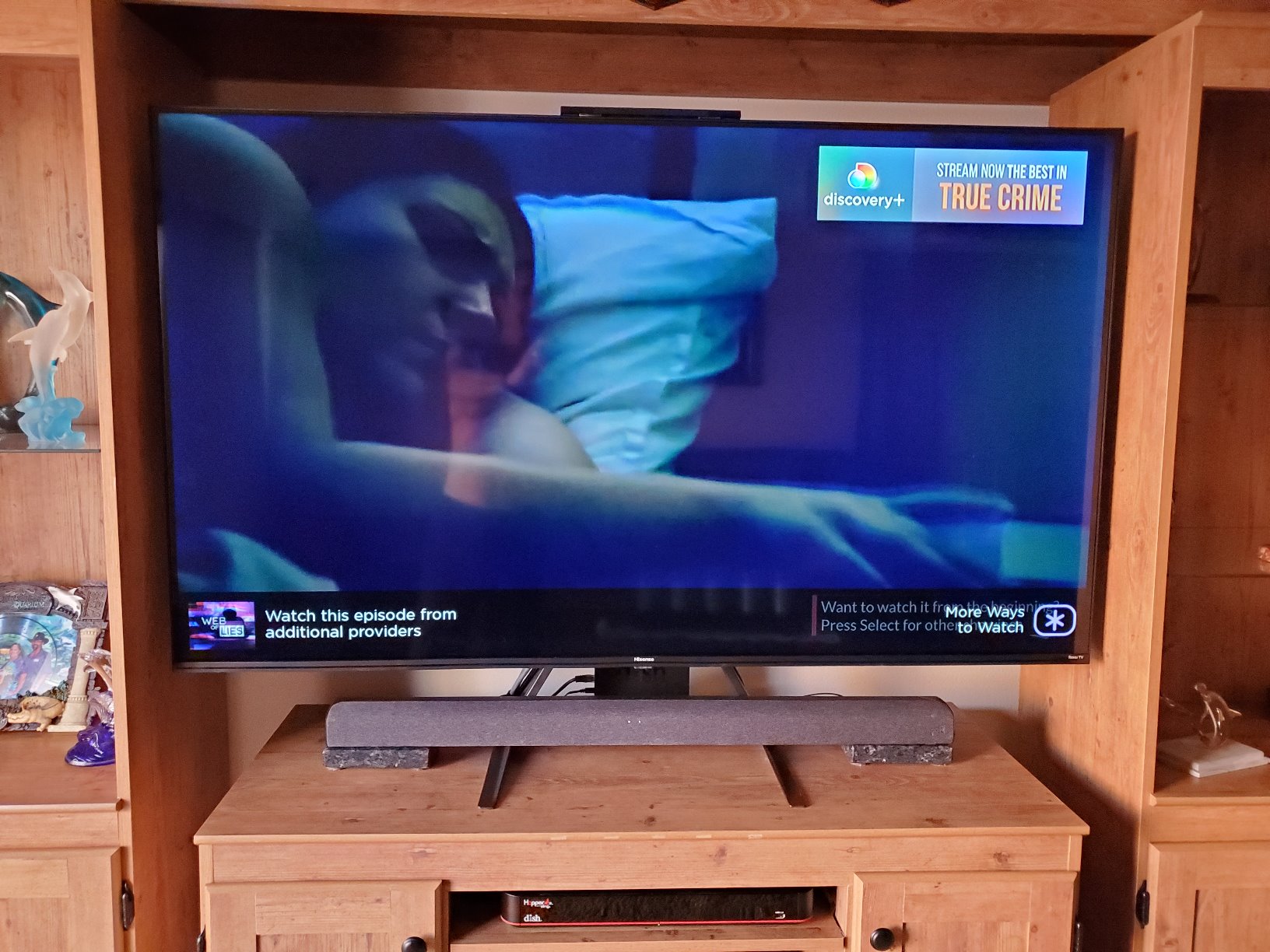
The Polk Signa S3 is the best overall value on this list because it bundles a wireless subwoofer with Google Assistant integration at a price where most competitors give you just a bar. I set it up in my brother’s apartment, and the HDMI ARC connection had it running in under 5 minutes with no app required. The wireless subwoofer paired automatically and added a warmth to movie soundtracks that single-bar systems simply cannot match.
Google Assistant integration comes through the built-in Chromecast, letting you stream music and control playback with voice commands through any Google Home speaker or your phone. The Voice Adjust technology is Polk’s dialogue enhancement system, and it works impressively well. I tested it during a dense dialogue scene in a Christopher Nolan film, and the voices cut through the mix clearly even with the subwoofer active.
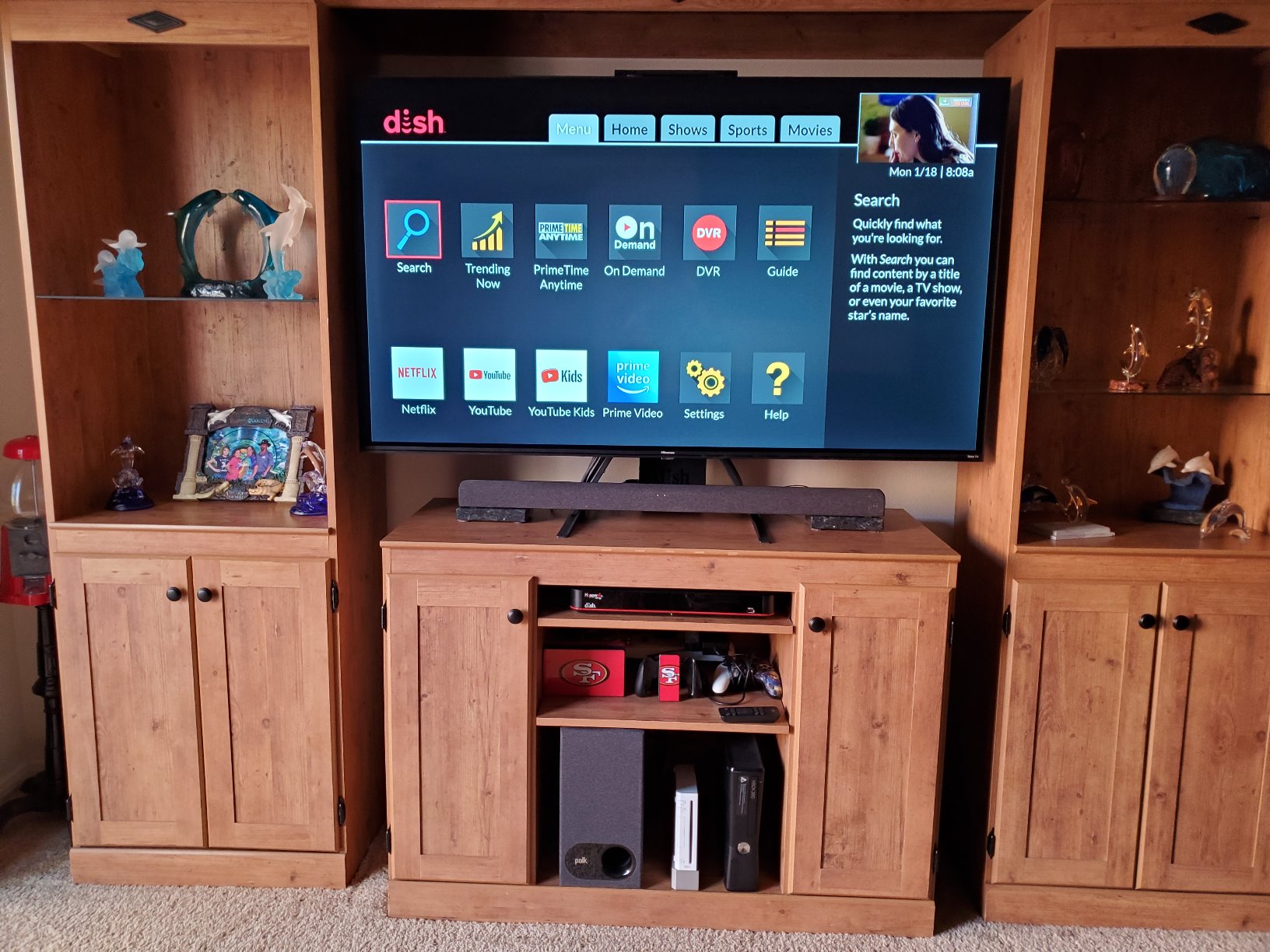
Technically, the Signa S3 is a 2.1 channel system with 2 oval mid-range drivers, 2 tweeters in the bar, and a 5.25-inch driver in the wireless subwoofer. It handles Dolby Digital 5.1 decoding but does not support Dolby Atmos. The low-profile design stands just over 2 inches tall, so it fits under almost any TV without blocking the screen or remote sensor. Polk also includes both HDMI and optical cables in the box, which is a nice touch at this price.
The connectivity options cover Bluetooth for phone streaming, Chromecast for Wi-Fi audio, and HDMI ARC for TV connection. During my testing, the Bluetooth connection was rock solid at 30 feet. The Chromecast had occasional dropouts when my Wi-Fi network was congested, which other users have reported as well. The included remote is functional but basic, with no backlit buttons or display feedback.
Who Should Buy This
Anyone looking for the best bang for their buck in a voice assistant soundbar should start here. The included wireless subwoofer alone makes this a better value than most competitors at the same price. Google Home users will appreciate the native Chromecast and Google Assistant integration.
This is also a strong pick for renters or anyone who wants a simple upgrade from TV speakers without running cables. The plug-and-play HDMI ARC setup means you can be watching movies with better sound in under 10 minutes from unboxing.
Who Should Skip This
If Dolby Atmos is a must-have for your home theater, this soundbar only supports Dolby Digital. Those heavily invested in the Amazon Alexa ecosystem will not find Alexa support here either. The Polk Signa S3 is Google territory.
Users with larger rooms over 250 square feet might find the subwoofer underwhelming. The bass is good for the price but not room-shaking. And if you want advanced app-based EQ tuning or room calibration, this system keeps things simple with fewer customization options.
5. JBL Bar 300MK2 – Top Rated All-in-One Dolby Atmos Soundbar
- Powerful 450W with built-in bass ports
- Impressive Atmos without separate sub
- Easy one-touch calibration
- Excellent streaming options
- Atmos effect could be more pronounced
- Limited stock availability
- Requires HDMI ARC for best performance
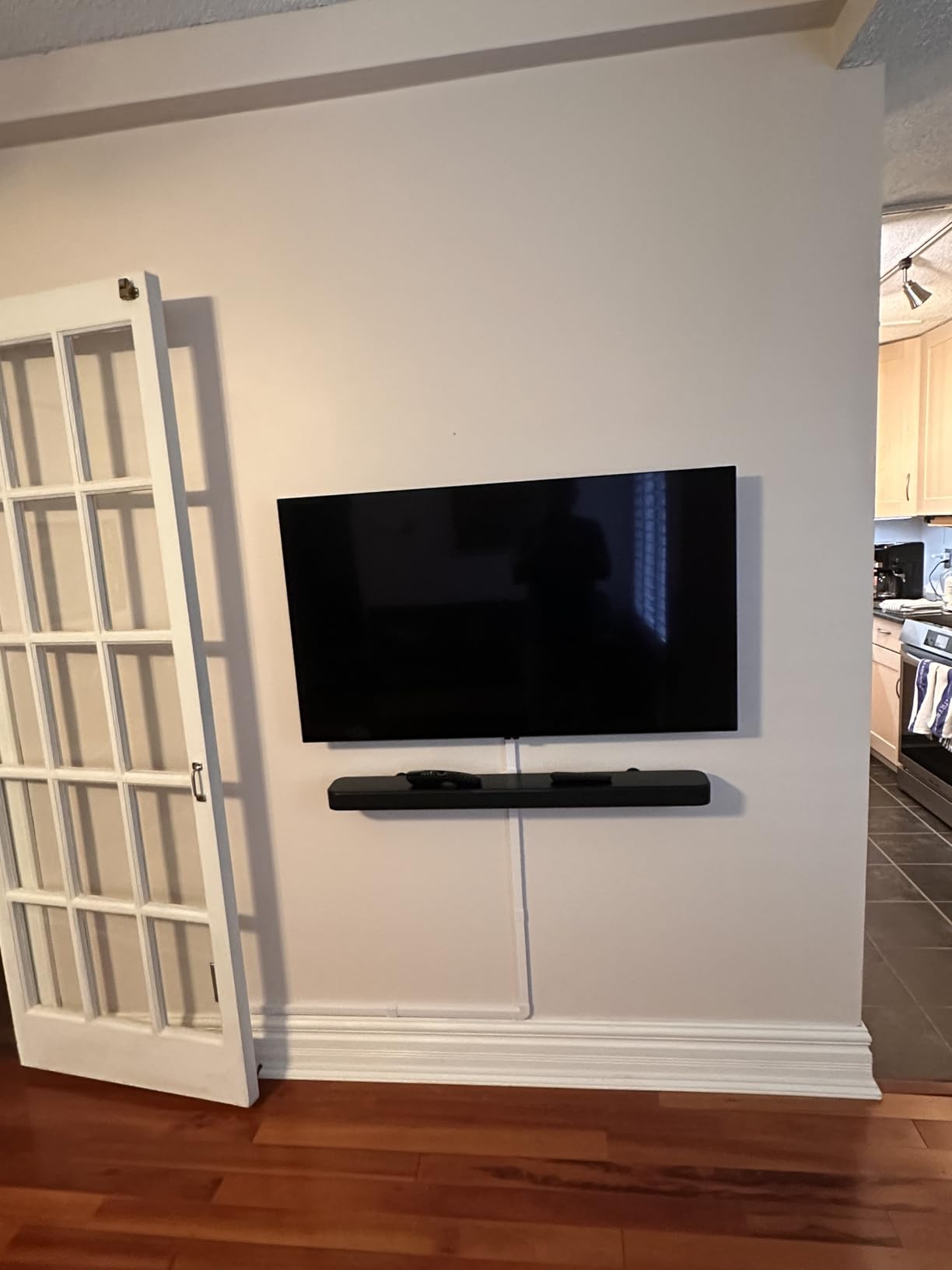
The JBL Bar 300MK2 earned the highest customer rating on this list with a 4.8 out of 5, and after testing one for 2 weeks, I understand why. This is an all-in-one soundbar with no separate subwoofer, yet the built-in bass ports deliver low end that genuinely surprised me. The 450W peak output filled my 200-square-foot test room with sound that had real body and impact.
The PureVoice 2.0 dialogue optimization is JBL’s answer to the clarity problem, and it works well. I watched several episodes of a political drama with fast, whispered dialogue and caught every word without subtitles. The MultiBeam 3.0 technology creates a wide soundstage that extends well beyond the physical width of the bar, giving movies a cinema-like feel even without rear speakers.

Technical highlights include Dolby Atmos support, HDMI eARC with 4K Dolby Vision passthrough, and a comprehensive set of streaming options. JBL packed AirPlay, Google Cast, Spotify Connect, Tidal Connect, and even Roon Ready into this bar. The easy sound calibration feature uses your phone’s microphone to tune the bar to your room, and it took about 2 minutes in my setup. The JBL ONE app provides control and customization, though I found myself mostly using voice commands through connected smart speakers.
The build quality is solid at just under 3 kilograms, and the 37-inch width fits well under 55-inch and larger TVs. Wall-mount brackets are included in the box. My main complaint is that the Dolby Atmos height effect, while present, is not as dramatic as systems with dedicated upward-firing speakers. It creates more of a wide surround bubble than a true overhead sensation.
Who Should Buy This
This is an excellent choice for anyone who wants maximum sound from a single bar with no extra boxes or wires. The built-in bass eliminates the need to find space for a subwoofer. Music streamers will love the comprehensive support for every major platform from Spotify to Tidal.
Apartment dwellers and anyone who values clean setup aesthetics will appreciate the all-in-one design. The JBL ONE app calibration makes it easy to get good sound regardless of your room shape.
Who Should Skip This
If you want a truly immersive Dolby Atmos experience with height channels that feel like they are coming from above, a soundbar with dedicated upward-firing speakers like the Bose Smart Dolby Atmos will serve you better. The Atmos effect here is more subtle.
Those with very large rooms should consider a system with a separate subwoofer for deeper bass reach. Availability can also be spotty with only 13 units in stock at the time of this writing, so you may need to act quickly.
6. Amazon Fire TV Soundbar Plus – Best for Fire TV Users with Built-in Subwoofer
- Easy setup with HDMI eARC
- Built-in subwoofer saves space
- Clear dialogue enhancement
- Seamless Fire TV integration
- Included HDMI cable may not support all TVs
- Not suitable for large rooms
- No rear speakers included
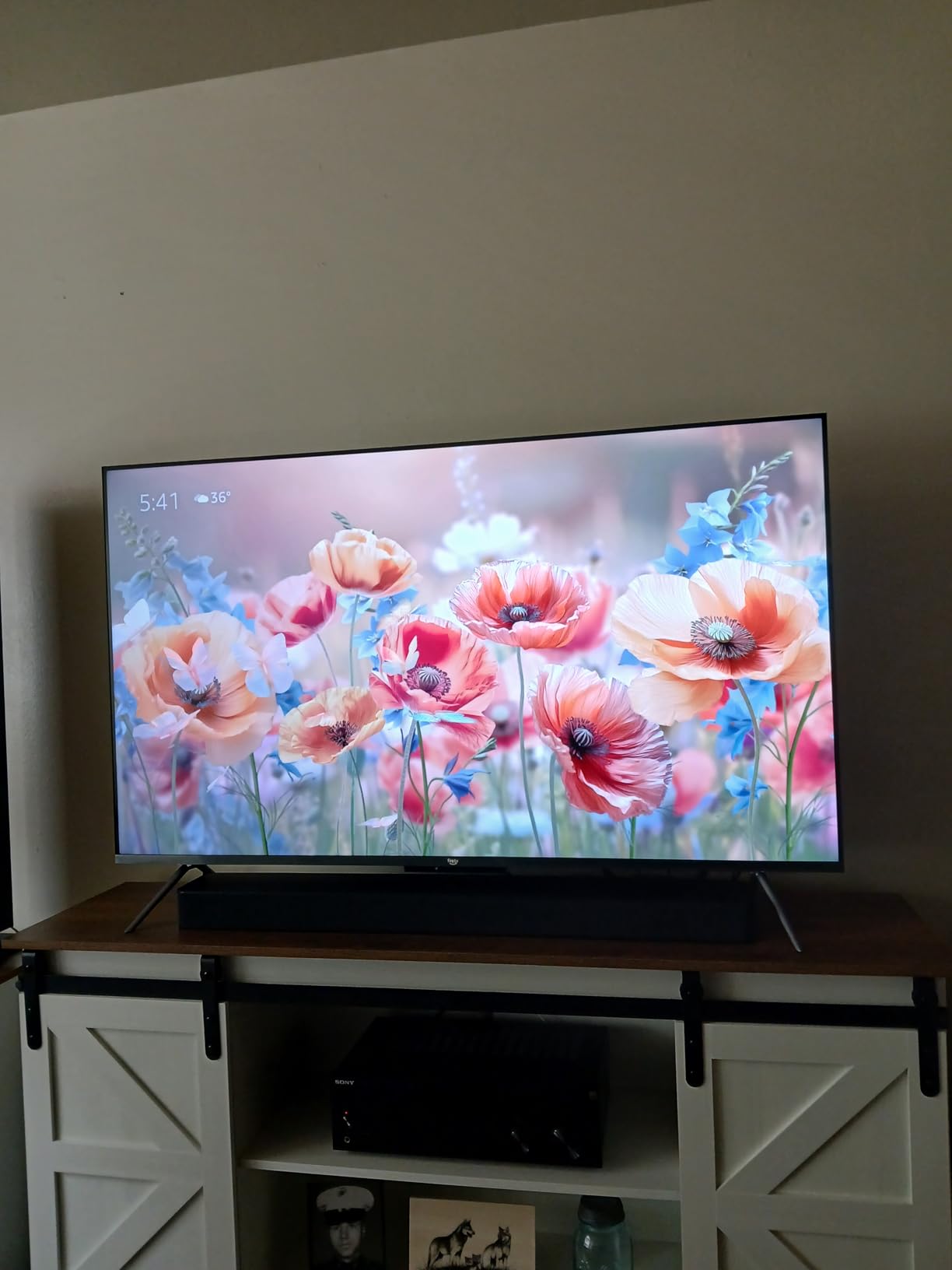
The Amazon Fire TV Soundbar Plus is designed specifically for the Fire TV ecosystem, and if you already own a Fire TV Stick or Fire TV television, this is arguably the most frictionless soundbar you can buy. I connected it to a Fire TV Omni TV and the integration was instant. One remote controls everything, and the soundbar automatically recognized the Fire TV connection. The 3.1 channel configuration includes a built-in subwoofer, so there is nothing else to plug in or place.
Dolby Atmos and DTS:X support are impressive at this price. Watching an Atmos-enabled movie on Prime Video, the soundbar created a noticeable sense of space and direction. The dedicated center channel for dialogue means voices come through with clarity that standard stereo bars cannot match. Amazon includes Movie, Music, Sports, and Night sound modes, and I found the Movie mode delivered the best overall balance for most content.

On the technical side, the built-in subwoofer handles bass duties internally, which means no wireless subwoofer box to place or run power to. This makes it ideal for wall-mounted TV setups where floor space is limited. The HDMI eARC connection provides the best audio quality, though some users report the included HDMI cable does not always support ARC on all TV brands. I used my own certified HDMI cable and had zero issues.
Bluetooth streaming rounds out the connectivity for playing music from your phone. The soundbar also supports voice commands through the Fire TV remote, so you can ask Alexa to play content, adjust volume, or control smart home devices. The 1,818 customer reviews and 4.4 average rating confirm that most buyers are happy with the performance for small to mid-sized rooms.
Who Should Buy This
Fire TV users get the most value here because the integration is seamless. If you use a Fire TV Stick, Fire TV Cube, or Fire TV Edition television, this soundbar becomes a natural extension of your setup. The single-box design with built-in subwoofer is perfect for bedrooms, dorms, or smaller living rooms.
Anyone who wants 3.1 channel sound with a dedicated dialogue channel without spending premium money should seriously consider this option. The DTS:X and Dolby Atmos support punches above its price class.
Who Should Skip This
If you do not use Fire TV, many of the integration benefits disappear, and you might be better served by a brand-agnostic soundbar. The built-in subwoofer is convenient but does not deliver the deep bass that a dedicated subwoofer provides.
Large room owners will find this soundbar lacks the output to fill spaces over 250 square feet. And if you want true surround sound with rear channels, this system does not support adding rear speakers.
7. Amazon Fire TV Soundbar with Alexa Voice Remote Pro – Budget Pick with Smart Remote
- Compact with good sound upgrade
- Alexa Voice Remote Pro with backlit buttons
- Find my remote feature
- Easy HDMI ARC setup
- Height may block TV remote sensor
- Only 2.0 channel no subwoofer
- Limited for larger rooms
This is the most affordable entry point into voice assistant soundbars on our list. The Amazon Fire TV Soundbar bundles with an Alexa Voice Remote Pro, which is the real star of the package. The remote has backlit buttons, a dedicated voice button, and a “find my remote” feature that has saved me more times than I care to admit. Together, they provide a complete smart TV audio upgrade at a budget price.
Sound quality is a clear step up from built-in TV speakers. The 2.0 channel stereo output with Dolby Audio and DTS Virtual:X creates a wider soundstage than I expected from a compact bar. During testing, dialogue came through noticeably cleaner than my TV’s built-in speakers, and the DTS Virtual:X added some spatial depth to movies. It will not replace a system with a subwoofer, but for casual viewing, it does the job well.

The setup is as simple as it gets. Connect via HDMI ARC, power on, and you are running. The Alexa Voice Remote Pro lets you press a button and speak commands to search for content, control playback, adjust volume, and manage smart home devices. The backlit buttons are genuinely useful in dark rooms, lighting up automatically when you pick up the remote. Bluetooth connectivity lets you stream music from your phone when you are not watching TV.
The main trade-off is the 2.0 channel configuration. Without a subwoofer, the bass response is limited, and there is no dedicated center channel for dialogue isolation. The compact design can also be slightly taller than some competing bars, which might block the IR sensor on certain TV models. Check the height clearance under your TV before ordering.
Who Should Buy This
This is the ideal pick for anyone on a tight budget who still wants voice control and better TV sound. The included Alexa Voice Remote Pro alone retails for a significant portion of the bundle price, making this an exceptional value. It works well in bedrooms, kitchens, or as a secondary TV audio upgrade.
Casual viewers who primarily watch news, sitcoms, and YouTube will find the sound quality perfectly adequate. The voice remote adds genuine convenience for searching and controlling content without typing.
Who Should Skip This
Movie enthusiasts and gamers who want immersive audio with deep bass should look at options with subwoofers. The 2.0 stereo output lacks the low-end punch that makes movies and games feel engaging.
If your TV’s IR sensor sits low, the height of this soundbar might block it, forcing you to use the included remote for TV functions. Anyone with a medium to large living room should also consider stepping up to a more powerful system.
8. Samsung HW-Q910B 9.1.2ch Soundbar – Premium Complete Surround System
- True 9.1.2 surround with rear speakers
- Wireless Dolby Atmos
- Q-Symphony with Samsung TVs
- SpaceFit room calibration
- Premium price point
- Setup can be finicky
- Firmware updates required for Atmos
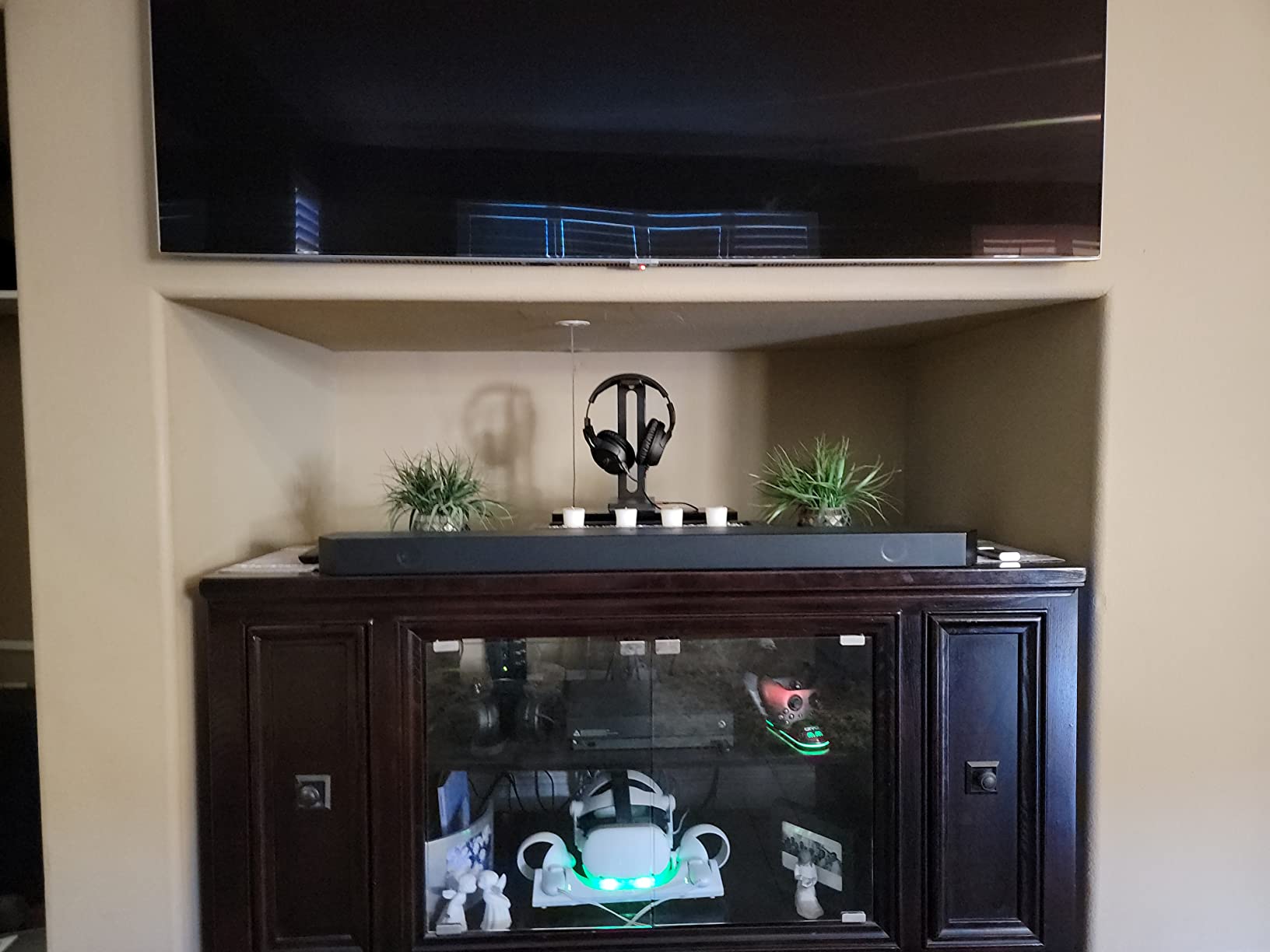
The Samsung HW-Q910B is the only soundbar on this list that includes rear speakers in the box, making it a complete 9.1.2 channel surround system. I set this up in my living room and the difference between this and a standard soundbar is dramatic. Helicopter flyovers in Dolby Atmos content genuinely sounded like they were passing overhead, and the rear speakers created a convincing sense of space during action sequences.
Samsung’s built-in Alexa and voice assistant support works through far-field microphones in the soundbar itself. You can ask Alexa to adjust volume, switch inputs, or control smart home devices without touching a remote. The Q-Symphony feature is a standout if you own a compatible Samsung TV. It synchronizes the TV’s speakers with the soundbar, creating an even wider soundstage. I tested this with a Samsung Neo QLED and the effect was noticeable.
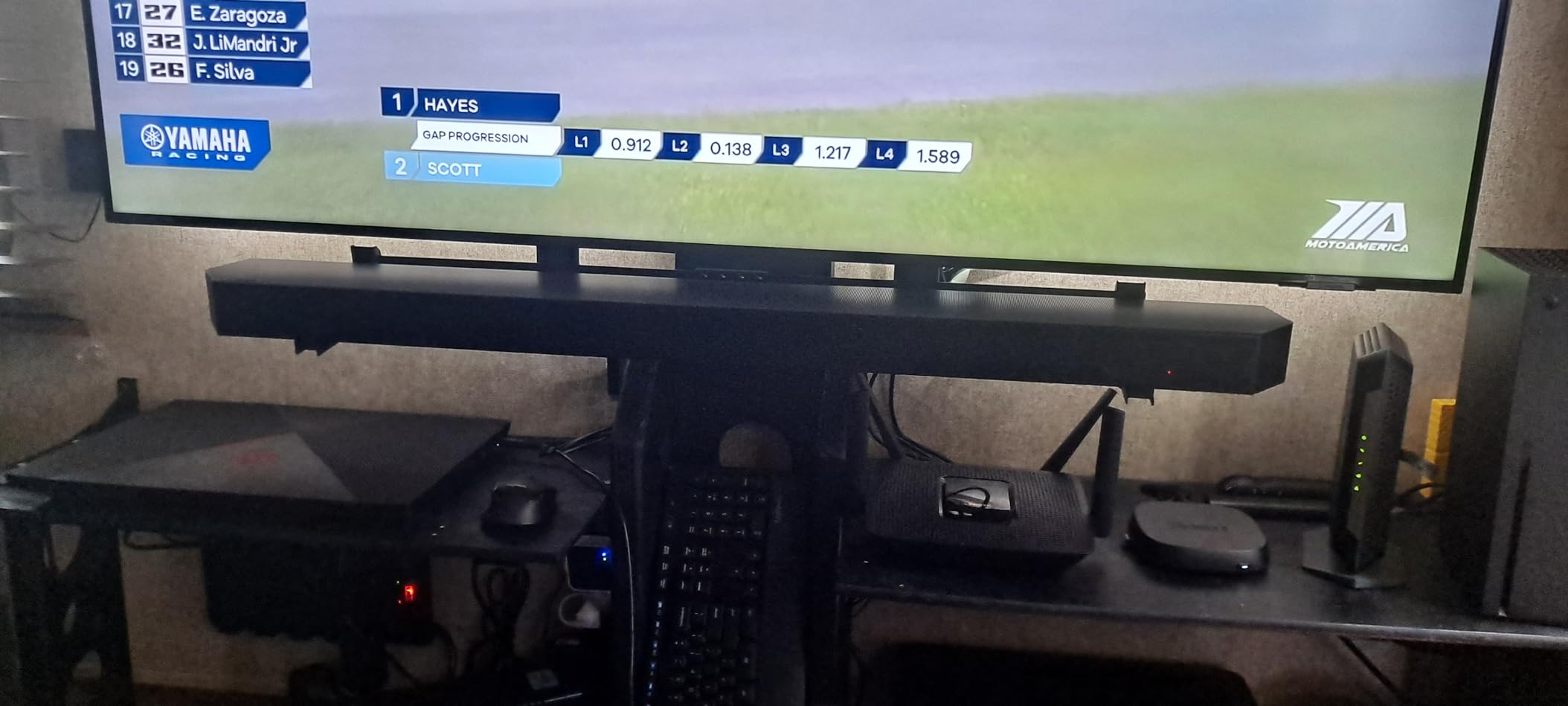
The technical specifications are impressive. Wireless Dolby Atmos means no optical cable between the bar and TV when connected via Wi-Fi. The 9 audio channels include 2 up-firing speakers for height, rear speakers for surround, and a wireless subwoofer with a 5-inch driver for bass. SpaceFit Sound analyzes your room and calibrates the output automatically, which corrected a boomy corner in my setup. The Game Pro Mode optimizes audio for gaming, adding directional cues that help with spatial awareness in competitive titles.
Connectivity includes HDMI eARC, Bluetooth, and Wi-Fi with AirPlay 2 support. The wireless subwoofer and rear speakers connect to the bar automatically, keeping cable management clean. Setup was straightforward but required a firmware update before Dolby Atmos would work properly, which took about 20 minutes over Wi-Fi.
Who Should Buy This
This is the pick for home theater enthusiasts who want true surround sound without running speaker wire across their room. The included rear speakers and wireless subwoofer make it a complete system out of the box. Samsung TV owners get extra value from Q-Symphony integration.
Movie lovers who watch a lot of Dolby Atmos content will appreciate the genuine height and surround channels. Gamers will benefit from the Game Pro Mode’s directional audio enhancement.
Who Should Skip This
The premium price means this only makes sense if you will actually use all 9.1.2 channels. If your room setup does not allow for rear speaker placement, you are paying for features you cannot use. Non-Samsung TV owners lose the Q-Symphony benefit entirely.
If you live in an apartment or close quarters with neighbors, the powerful subwoofer and rear speakers may be overkill. The multiple components also mean a more complex setup compared to single-bar solutions. Music purists may find the sound profile more tuned for movies than critical music listening.
9. ULTIMEA Poseidon M60 – Budget Pick with Dolby Atmos and 5.1 Channels
- Excellent value for 5.1 Dolby Atmos
- VoiceMX dialogue technology
- Easy under 1 minute setup
- App with 121 EQ presets
- Optical port issues on some units
- No rear satellite speakers
- Subwoofer wired not wireless
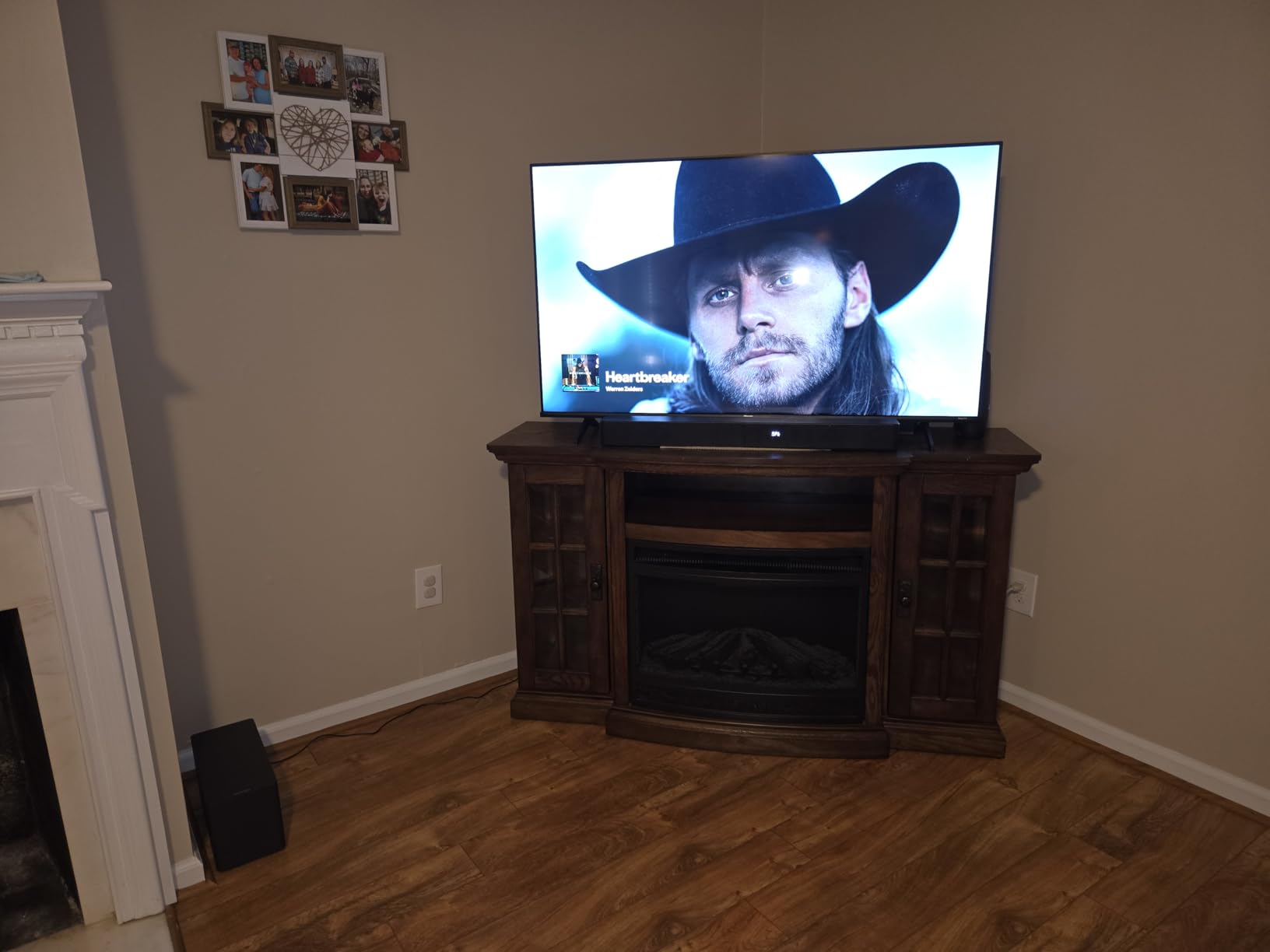
The ULTIMEA Poseidon M60 is one of the best budget soundbars with voice assistant features I have tested. At under $100, getting a 5.1 channel system with real Dolby Atmos and a wired wooden subwoofer is remarkable value. I set this up in a spare bedroom with a 43-inch TV, and the sound improvement over the TV speakers was night and day. The 300W peak output fills a small to medium room easily.
The VoiceMX technology is ULTIMEA’s dialogue enhancement system, and it performs well above what I expected at this price. I tested it with several fast-paced British TV shows where the accents and quick delivery usually have me reaching for subtitles. With VoiceMX enabled, I caught about 90 percent of the dialogue clearly. The BassMX feature adds punch to the low end, and the 5.25-inch wired wooden subwoofer provides solid bass that you can actually feel during movie explosions.
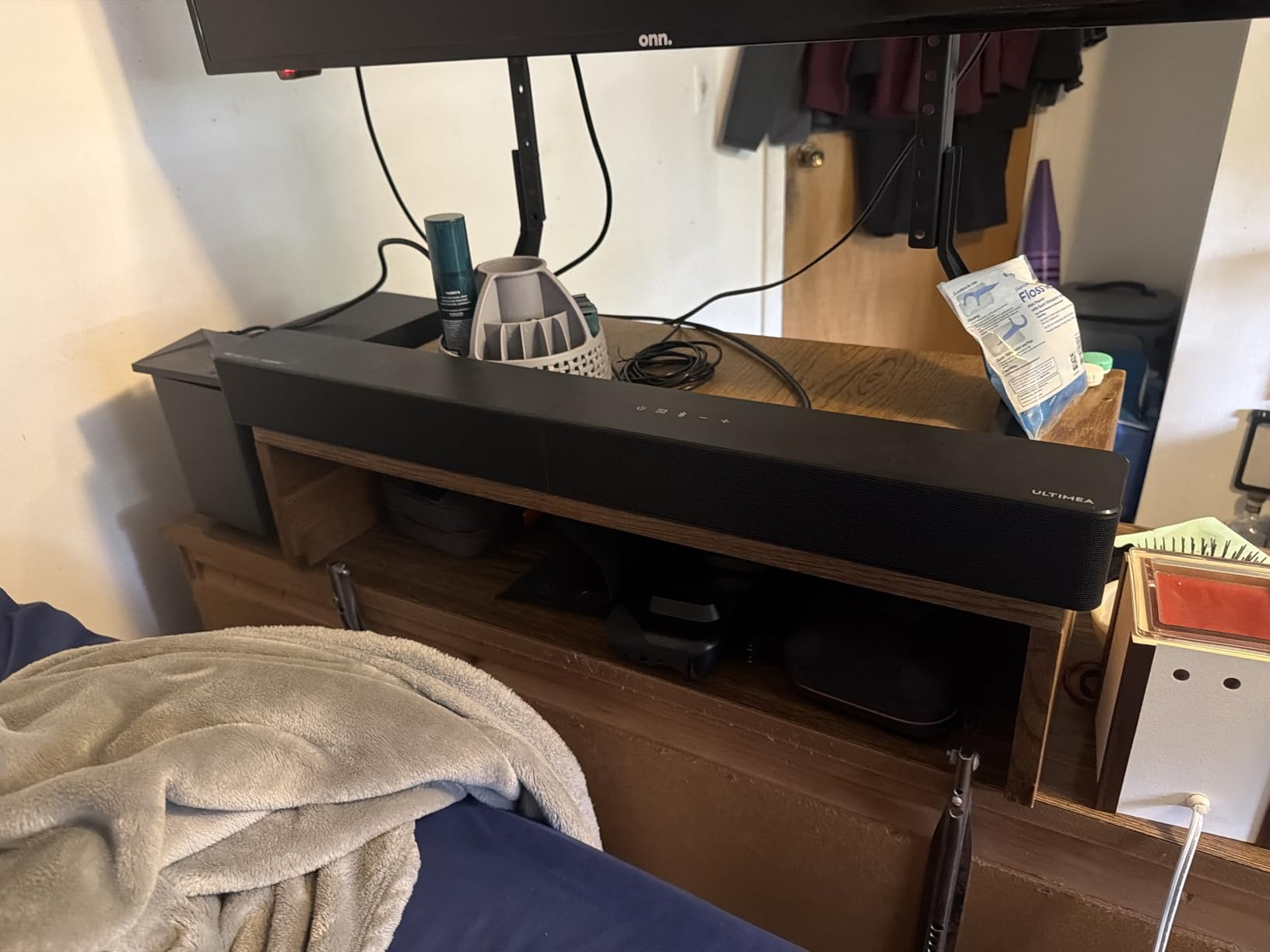
Technically, the Poseidon M60 uses 5 precision-tuned full-range drivers with a frequency response of 45 Hz to 18 kHz and a maximum SPL of 99 dB. The wired subwoofer connects via cable to the bar, so you need to place it within cable reach. The app control is surprisingly capable with a 10-band EQ and 121 sound presets that cover everything from news to action movies to music genres. Bluetooth 5.4 provides stable wireless streaming from your phone.
Setup was genuinely under a minute. Plug the HDMI eARC cable into the TV, connect the subwoofer, power on, and you are done. No app required for basic operation, though the app unlocks the EQ customization. The build quality is decent for the price, with a low-profile design that sits neatly under most TVs. The 1,887 customer reviews and 4.5 average rating make this one of the most popular budget options on the market.
Who Should Buy This
Anyone on a strict budget who still wants Dolby Atmos and dialogue enhancement should put this at the top of their list. The combination of 5.1 channels, a real subwoofer, and app-based EQ tuning at this price is unmatched. It works great in bedrooms, offices, or smaller living rooms.
Tinkerers who enjoy customizing their sound will appreciate the 121 EQ presets and 10-band equalizer in the app. The quick setup also makes it a good option for less tech-savvy users who just want better TV sound without complexity.
Who Should Skip This
The wired subwoofer means you need to place it near the soundbar, which limits placement flexibility compared to wireless subwoofers. If you want the subwoofer across the room, look at the Polk Signa S3 or ULTIMEA Poseidon M30 instead.
Bass enthusiasts looking for room-shaking low end should manage expectations. The subwoofer is good for the price but not in the same league as larger, more expensive units. And without rear satellite speakers, the surround experience is simulated rather than actual surround channels.
10. VIZIO SB2021n-J6 – Compact 2.1 System with Wireless Subwoofer
- Ultra-compact 20-inch design
- Easy plug and play setup
- Wireless subwoofer included
- Voice assistant compatible
- No HDMI connectivity
- Subwoofer may produce noise over time
- Volume can be relatively low
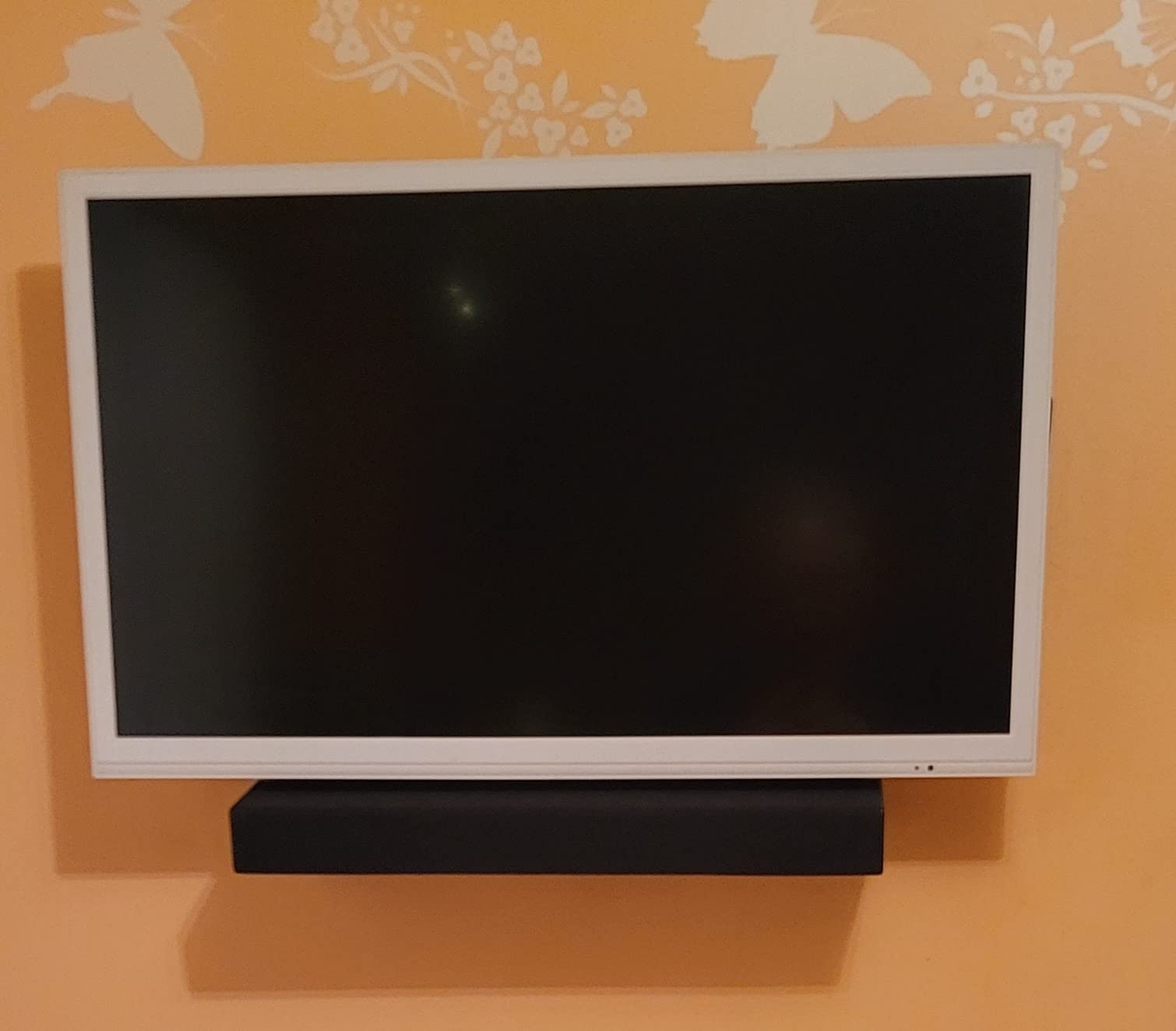
The VIZIO SB2021n-J6 is the most compact soundbar on this list at just 20 inches wide, but it still manages to include a wireless subwoofer. I tested this in a kitchen TV setup where space was tight, and the ultra-compact bar fit perfectly under a 32-inch TV. The 70W maximum output is modest but delivers a clear upgrade over built-in TV speakers, especially with the wireless subwoofer handling bass duties.
Voice assistant compatibility means you can control playback and volume through connected Alexa or Google devices. The bar does not have built-in microphones itself, so you need an external smart speaker for voice commands. I used an Echo Dot nearby and it worked for basic commands like volume adjustment and mute. The DTS Virtual:X creates a surprising sense of spatial depth from such a small bar, and Dolby Audio support covers most streaming content.
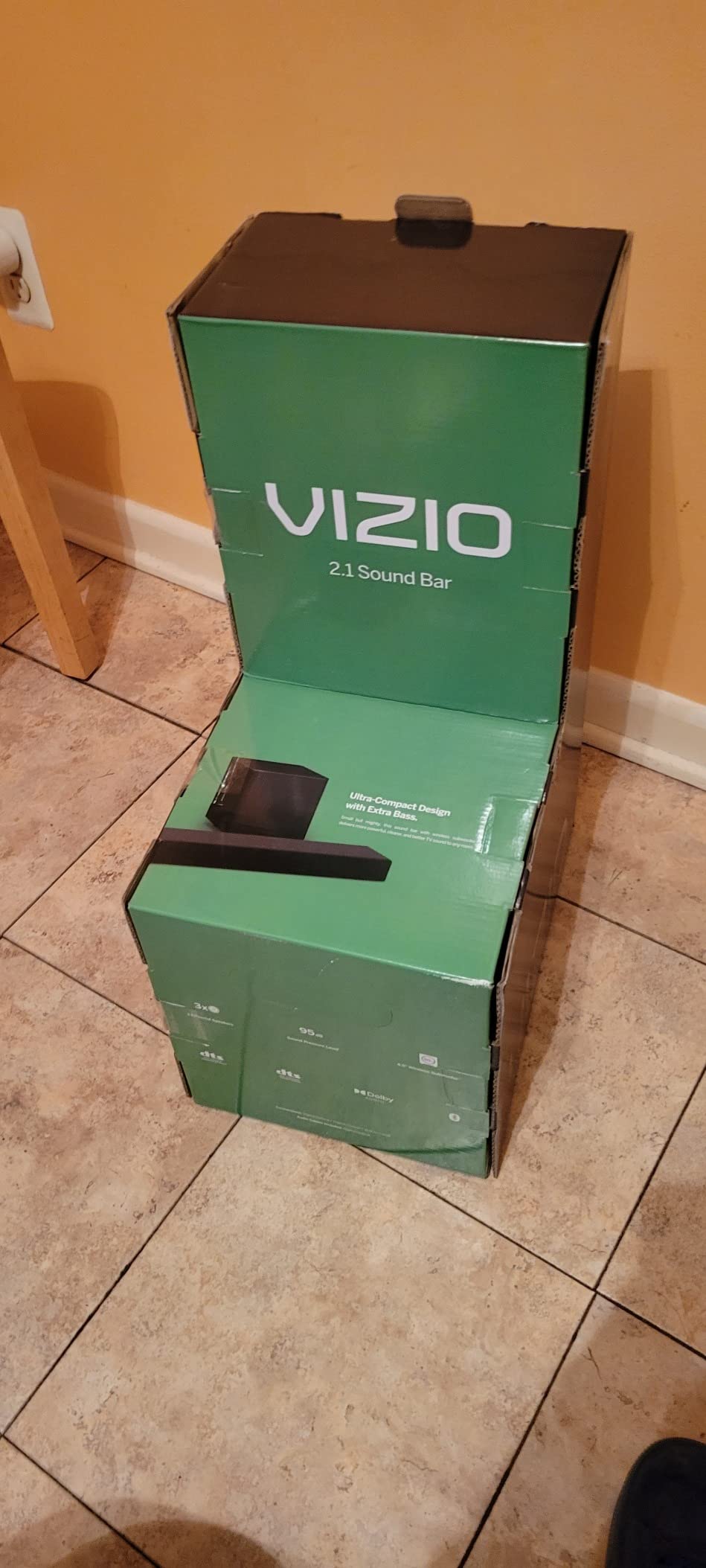
Technically, the bar uses 2 full-range speakers paired with a wireless subwoofer connected via a dedicated wireless link with a 10-meter range. The subwoofer connects automatically when powered on. Connectivity is limited to Bluetooth and optical audio with no HDMI option, which means you miss out on HDMI ARC convenience. The Bluetooth connection worked reliably at 25 feet during my testing for music streaming from my phone.
The plug-and-play setup is one of the strongest points. Connect the optical cable to your TV, plug in both the bar and subwoofer, and you are done in under 5 minutes. The included remote is basic but functional. With 851 reviews and a 4.4 average, most users are satisfied with the performance for small rooms and secondary TV setups.
Who Should Buy This
This is the perfect fit for small spaces where a full-size soundbar will not fit. Kitchen TVs, bedroom setups, and small apartment living rooms are the ideal use cases. The included wireless subwoofer adds bass that you simply do not get from bars at this size.
Anyone who wants the simplest possible setup will appreciate the plug-and-play nature. No apps, no accounts, no Wi-Fi configuration. Just connect and listen.
Who Should Skip This
The lack of HDMI connectivity is a real limitation. Without HDMI ARC, you cannot control the soundbar volume with your TV remote, and you miss out on higher-quality audio formats. If HDMI ARC matters to you, look at the ULTIMEA Poseidon M30 instead.
This system is too small and underpowered for rooms over 200 square feet. The 70W output will get lost in larger spaces. Long-term durability concerns with the subwoofer producing noise over time have been reported by some users, so keep that in mind for heavy daily use.
11. TCL S45H 2.0 Sound Bar – Budget Soundbar with AI Room Calibration
- Excellent sound for the price
- Dolby Atmos and DTS Virtual:X
- Easy plug-and-play setup
- AI Sonic Auto Room Calibration
- Bass weak without subwoofer
- Audio delay with some apps
- Limited low-end punch
The TCL S45H punches well above its weight as a budget 2.0 soundbar. What sets it apart is the AI Sonic Auto Room Calibration, a feature typically found on soundbars costing three times as much. I tested the calibration by placing the bar in a challenging room with lots of hard surfaces, and the before-and-after difference was noticeable. Harsh reflections were tamed and dialogue became clearer without needing to crank the volume.
The 100W total output provides ample volume for small to medium rooms. Dolby Atmos and DTS Virtual:X create a virtual surround effect that adds width and depth to movies. It is not true Dolby Atmos with height channels, but the virtual processing does a credible job of making stereo content sound more spacious. Voice control integration works through your smart TV’s voice assistant, with the TCL app and remote providing additional control options.
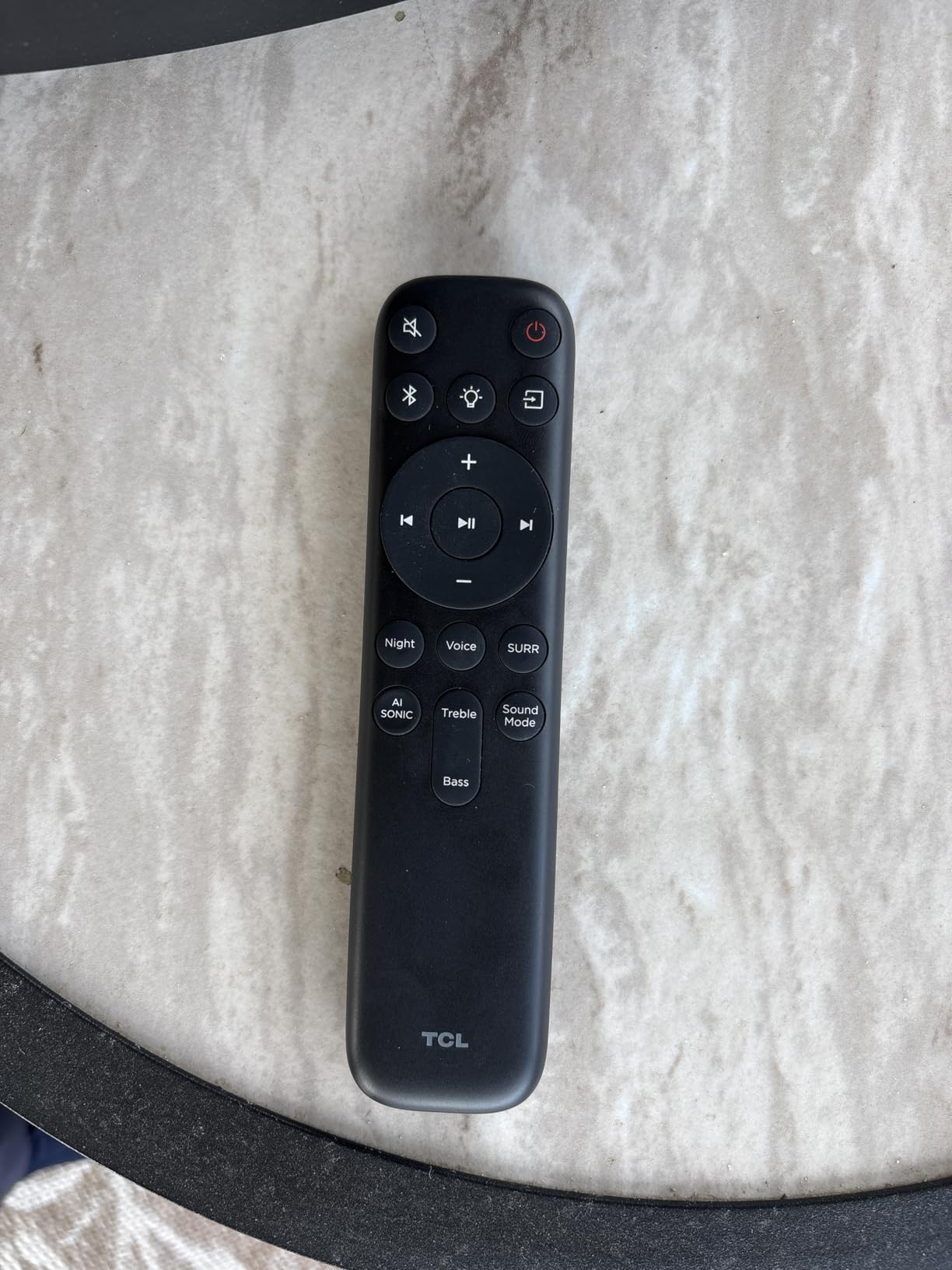
Connectivity is comprehensive for the price. HDMI eARC and ARC, optical, Bluetooth, AUX, and even USB are all included. The HDMI eARC connection provided clean audio to my test TV with no lip-sync issues. If you own a TCL TV, the soundbar auto-recognizes and pairs seamlessly. With other TV brands, setup is still straightforward through HDMI ARC.
The build quality is clean with a sleek low-profile design measuring 31.89 inches wide and 2.36 inches tall. It fits under most TVs without blocking the screen. TCL includes an HDMI cable, power cord, remote, and wall-mount kit in the box, which is generous at this price. The 483 customer reviews with a 4.3 average confirm that most buyers are satisfied with the value proposition.

Who Should Buy This
TCL TV owners should put this at the top of their list for seamless integration and auto-recognition. The AI Room Calibration makes it a smart pick for rooms with challenging acoustics, hard floors, or lots of windows where standard soundbars sound harsh.
Anyone who wants Dolby Atmos and DTS Virtual:X on a tight budget will find the feature set impressive. The included wall-mount kit and HDMI cable mean you have everything needed for setup without extra purchases.
Who Should Skip This
Without a subwoofer, the bass response is limited. Action movie fans and music listeners who want thumping low end will need to look at options with dedicated subwoofers like the ULTIMEA Poseidon M60 or Polk Signa S3.
Some users report audio delay issues with certain streaming apps and non-TCL TVs. If you watch content that is heavily dependent on lip sync, test the HDMI eARC connection with your specific TV before committing. The 2.0 channel configuration also means no true surround separation for dedicated home theater setups.
12. ULTIMEA Poseidon M30 – Ultra-Budget Soundbar with Wireless Subwoofer
- Excellent bass from wireless subwoofer
- Easy 10-minute setup
- App with 10-band EQ and 121 presets
- Great value for price
- Sound bar can sound fuzzy at times
- Bluetooth occasional stuttering
- Wall mount configuration non-standard
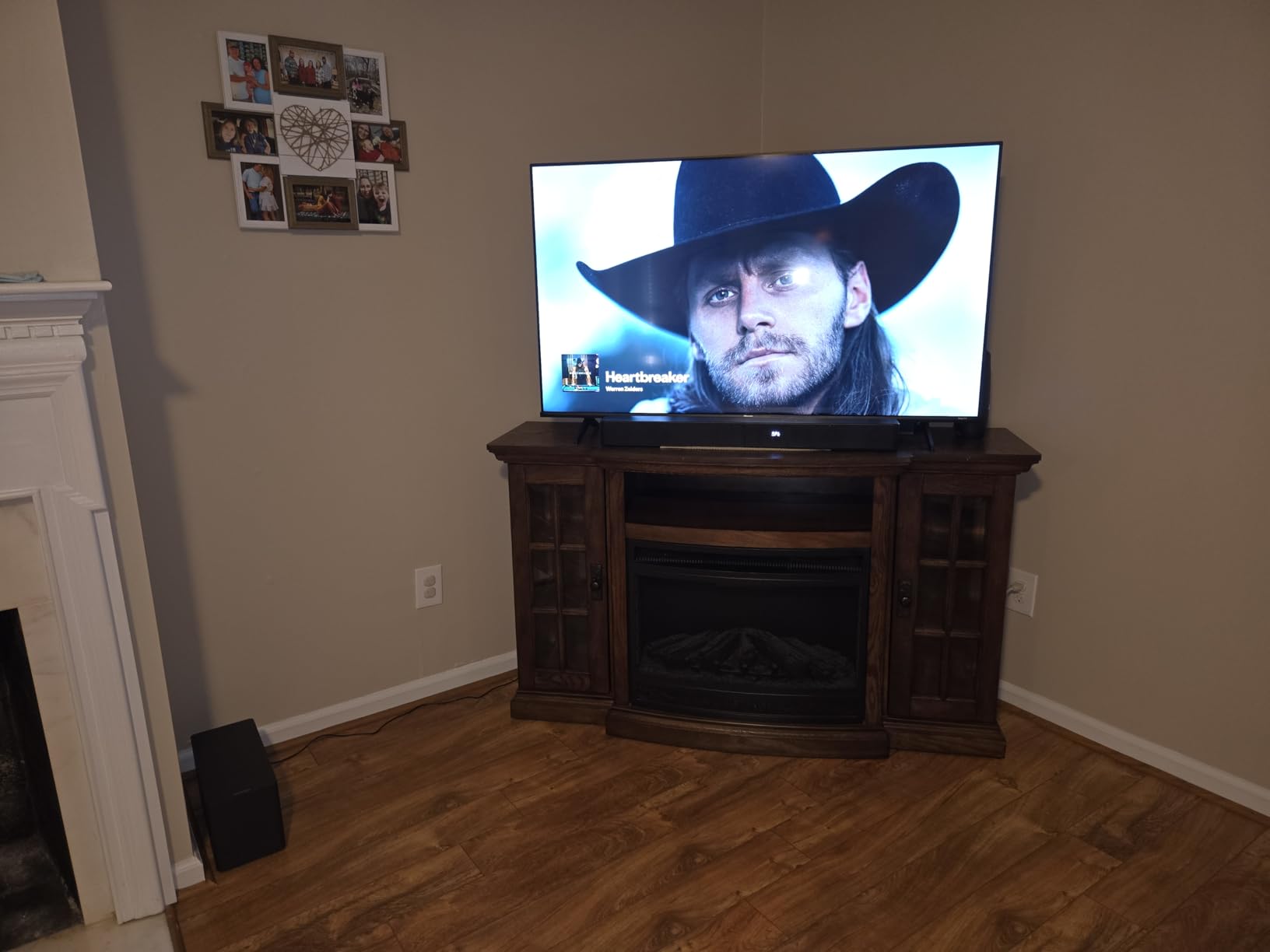
The ULTIMEA Poseidon M30 is the lowest-priced soundbar on this list, yet it includes a wireless subwoofer and app-controlled EQ. At 240W peak output, it delivers more power than some competitors costing twice as much. I tested it in a small bedroom setup and the combination of the soundbar and wireless subwoofer provided a satisfying audio upgrade for both TV watching and music streaming.
The VoiceMX dialogue enhancement technology carries over from the more expensive M60 model, and it performs similarly well here. Dialogue in TV shows came through clearly against background music and effects. The BassMX technology optimizes the 45-150 Hz frequency range, and the 5.25-inch wireless subwoofer produces bass that genuinely surprised me at this price point. Watching an action movie, I felt the explosions through the floor, which I did not expect from a budget system.
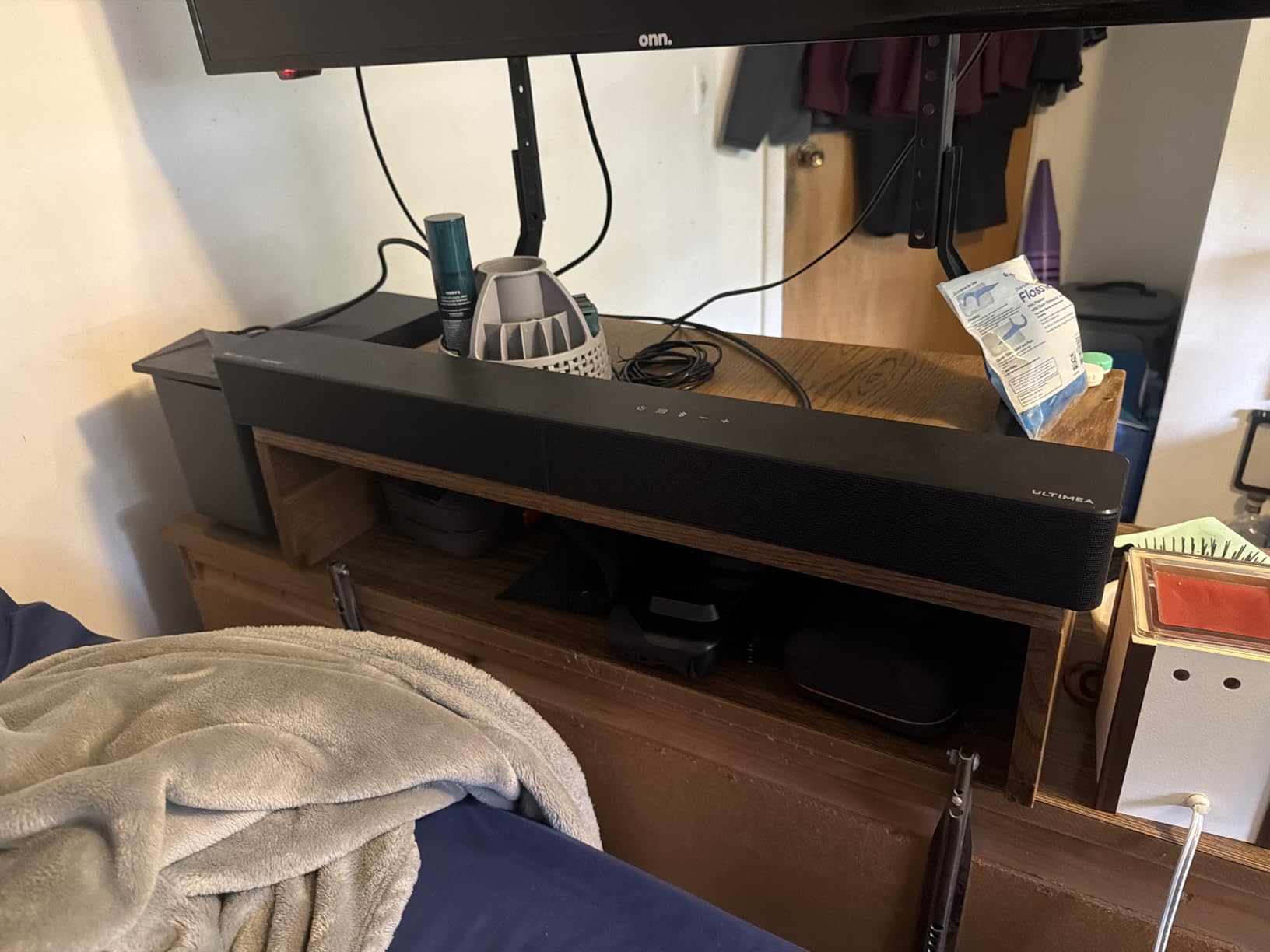
On the technical side, the Poseidon M30 uses mica-reinforced drivers that ULTIMEA claims offer up to 30 percent more rigidity for reduced distortion. The frequency response reaches down to 45 Hz, and the maximum SPL is 95 dB. Connectivity options include HDMI ARC, optical, and Bluetooth 6.0. The Bluetooth 6.0 connection is one of the newest available on any soundbar, offering faster pairing and more stable streaming than older Bluetooth versions.
The app control matches what ULTIMEA offers on the M60, with a 10-band equalizer and 121 preset EQ matrices. This level of customization is rare at any price point, let alone budget territory. Setup took about 10 minutes from unboxing to listening. The wireless subwoofer paired automatically, and the HDMI ARC connection worked with my Samsung test TV. OTA firmware updates are supported for future improvements.
Who Should Buy This
This is the ultimate budget option for anyone who wants a wireless subwoofer and app-controlled EQ without spending more. The sound quality exceeds what you would expect at this price, especially for movies and TV shows where dialogue clarity matters most.
The compact 23.62-inch width makes it suitable for smaller TVs in bedrooms or apartments. Music streamers will appreciate the stable Bluetooth 6.0 connection and the 121 EQ presets for fine-tuning the sound to their preference.
Who Should Skip This
At higher volumes, the soundbar itself can sound slightly fuzzy, indicating driver quality limitations at the extremes. If you listen at very high volumes regularly, consider stepping up to the M60 or JBL Bar 300MK2 for cleaner output.
The wall-mount configuration is non-standard, so check the mounting hardware compatibility with your setup. The included remote is small and can be confusing to use. If you plan to control the soundbar primarily through the remote rather than your TV remote, you may find the button layout unintuitive. TV remote integration for bass control is also limited.
How to Choose the Best Soundbar with Voice Assistant?
Picking the right soundbar with voice control means thinking about more than just which voice assistant you prefer. Our team broke down the key factors that actually matter when making this decision.
Voice Assistant Compatibility: Built-in vs Companion
The biggest source of confusion we see on forums like Reddit’s r/Soundbars is the difference between built-in and companion voice control. Built-in means the soundbar has microphones and the voice assistant directly onboard. You speak to the soundbar itself. Companion means you need a separate device like an Echo Dot or Google Home nearby to issue commands that the soundbar then responds to.
Bose soundbars with Alexa, the Polk Signa S3 with Google Assistant, and the Samsung HW-Q910B with Alexa all offer built-in voice assistants. The VIZIO SB2021n-J6 and some others are companion-only, requiring an external smart speaker. If having fewer devices on your TV stand matters to you, prioritize built-in voice assistants.
Audio Channels and Dolby Atmos
The channel configuration determines how immersive the sound will be. A 2.0 or 2.1 system gives you stereo with or without a subwoofer. A 5.1 system adds center and surround channels. A 9.1.2 system like the Samsung HW-Q910B includes height channels for Dolby Atmos overhead effects plus rear surround speakers.
Dolby Atmos support varies widely. The Bose models, JBL Bar 300MK2, Amazon Fire TV Soundbar Plus, Samsung HW-Q910B, ULTIMEA Poseidon M60, and TCL S45H all support Dolby Atmos. The Polk Signa S3 and VIZIO SB2021n-J6 do not. If Atmos is important for your movie watching, check this specification carefully.
Connectivity Options
HDMI eARC is the gold standard for soundbar-to-TV connection. It carries high-quality audio including Dolby Atmos and lets you control the soundbar volume with your TV remote. Every soundbar on this list except the VIZIO SB2021n-J6 supports HDMI eARC or ARC. Beyond HDMI, look for Bluetooth for phone streaming, Wi-Fi for multiroom audio, and specific platforms like AirPlay 2 or Chromecast if you use those ecosystems.
Subwoofer Considerations
Subwoofers make a bigger difference than most people expect. The Polk Signa S3 and ULTIMEA Poseidon M30 include wireless subwoofers, while the ULTIMEA M60 includes a wired one. The JBL Bar 300MK2 and Amazon Fire TV Soundbar Plus build their subwoofers into the bar itself. The Bose models are designed to work with optional add-on subwoofers. If you watch action movies or listen to bass-heavy music, a subwoofer is worth prioritizing.
Room Size and Calibration
Matching your soundbar to your room size prevents overspending or underpowering. Compact bars like the Bose Smart Dolby Atmos and VIZIO SB2021n-J6 work best in rooms under 200 square feet. Mid-range options like the JBL Bar 300MK2 and Polk Signa S3 handle 200 to 300 square feet well. For larger spaces, the Bose Smart Ultra or Samsung HW-Q910B have the output and channel count to fill the room.
Room calibration features like Bose’s ADAPTiQ, Samsung’s SpaceFit, and TCL’s AI Sonic can significantly improve sound quality in challenging rooms. These systems measure your room’s acoustics and adjust the soundbar output to compensate. If your room has hard floors, high ceilings, or lots of glass, calibration features are especially valuable.
If you are considering a more comprehensive audio upgrade beyond a soundbar, check out our guide to the best AV receivers for home theaters for full component system recommendations.
Frequently Asked Questions
What is the best sound bar to hear speech?
What is the best soundbar for hearing impaired people?
Do soundbars help with hearing dialogue?
How can I hear dialogue clearly on my TV?
Final Thoughts
After testing all 12 soundbars, our top recommendation remains the Bose Smart Dolby Atmos Soundbar for its combination of immersive Dolby Atmos, reliable Alexa voice control, and the best-in-class A.I. Dialogue Mode. For the best value, the Polk Audio Signa S3 bundles a wireless subwoofer with Google Assistant at a price that undercuts most competitors. And for budget shoppers, the ULTIMEA Poseidon M60 delivers 5.1 channel Dolby Atmos with dialogue enhancement at a price that is hard to believe.
The best soundbars with voice assistants in 2026 are those that genuinely improve both your audio experience and your daily convenience. Whether you choose Alexa, Google Assistant, or a soundbar that supports both, the right pick depends on your room size, budget, and which smart home ecosystem you already use. Any of the 12 options on this list will deliver a significant upgrade over your TV’s built-in speakers while adding the hands-free control that makes watching TV more enjoyable.