
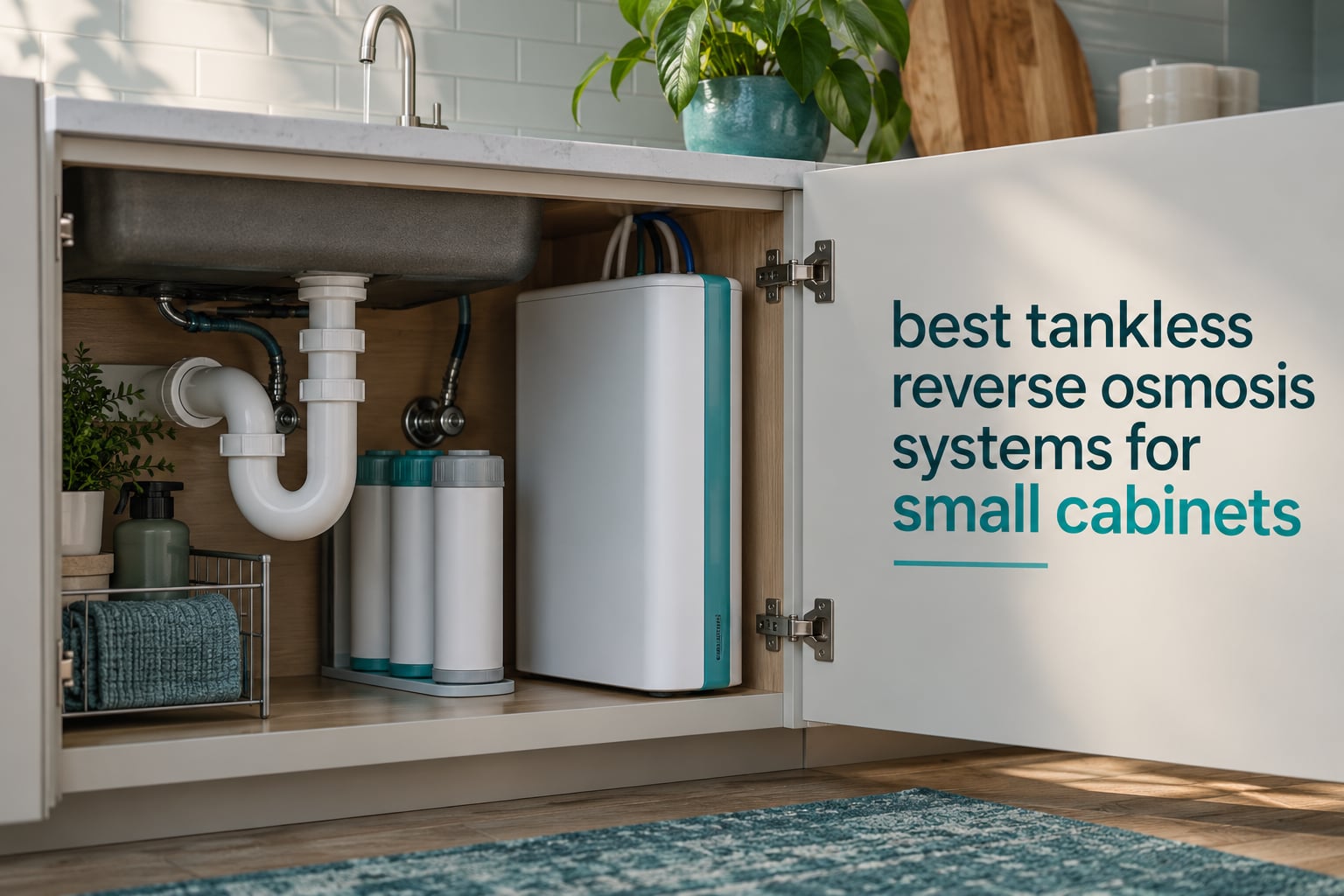
If your under-sink cabinet is short, deep or crowded with the drain trap, a traditional reverse osmosis setup probably will not fit. The 3 to 4 gallon storage tank alone eats 10 to 14 inches of vertical clearance, and that is exactly the space most compact kitchens do not have. A tankless reverse osmosis system removes the tank entirely and pushes purified water to a dedicated faucet on demand, which is why it has become the default answer for the best tankless reverse osmosis systems for small cabinets.
We spent weeks measuring, comparing and reading owner feedback on ten tankless under-sink RO systems across six brands. This guide ranks them on the things that actually decide a purchase in a tight cabinet: published dimensions in inches, flow rate, drain ratio, whether the unit needs an outlet under the sink, and how the faucet gets installed. Every dimension quoted below comes straight from the manufacturer’s published specification, so you can hold a tape measure against your cabinet before you order.
Quick answer: the Waterdrop G3P600 is our top pick for small cabinets, pairing 600 GPD output with a 2:1 drain ratio and NSF/ANSI 58, 42, 53 and 372 certification across a large owner base. The Frizzlife PD600-TAM3 is the better choice when cabinet width is the binding constraint, and the Waterdrop G2 is the pick when you want the smallest outlay. If there is no usable outlet under your sink, jump straight to the Glacier Fresh GFU03.
Top 3 Tankless Reverse Osmosis Picks for Small Cabinets

Waterdrop G3P600 Tankless RO
- 600 GPD at 0.42 gpm
- 2:1 pure-to-drain ratio
- 8-stage filtration
- NSF/ANSI 42
- 53
- 58 and 372 certified

Frizzlife PD600-TAM3 Tankless RO
- Compact 14.7 inch body
- Alkaline remineralization to pH above 7.5
- 2:1 drain ratio
- Live TDS panel

Waterdrop G2 Tankless RO
- 400 GPD entry model
- 7-stage filtration
- NSF/ANSI 372 certified
- Tankless layout saves 70% of space
Those three cover most situations, but they are not the whole picture. The remaining seven include the only non-electric option in the group, the only system that installs entirely from above the counter, and the lowest-profile body we measured. Our broader under-sink reverse osmosis roundup covers conventional tank systems too if you want to compare both formats before committing.
Best Tankless Reverse Osmosis Systems for Small Cabinets (October 2026)
| Product | Specifications | Action |
|---|---|---|
| Waterdrop G3P600 Tankless RO |
|
Check Latest Price |
| Frizzlife PD600-TAM3 Tankless RO |
|
Check Latest Price |
| Waterdrop G2 Tankless RO |
|
Check Latest Price |
 iSpring RO500-BN Tankless RO iSpring RO500-BN Tankless RO |
|
Check Latest Price |
 SimPure T1-400ALK Tankless RO SimPure T1-400ALK Tankless RO |
|
Check Latest Price |
 iSpring RO5004F-AK UV Tankless RO iSpring RO5004F-AK UV Tankless RO |
|
Check Latest Price |
 Frizzlife PX500-A Tankless RO Frizzlife PX500-A Tankless RO |
|
Check Latest Price |
 Glacier Fresh GFU03 Electric-Free RO Glacier Fresh GFU03 Electric-Free RO |
|
Check Latest Price |
 Waterdrop WD-T4-A Dual Flow RO Waterdrop WD-T4-A Dual Flow RO |
|
Check Latest Price |
 VIOMI V6 Tankless RO VIOMI V6 Tankless RO |
|
Check Latest Price |
1. Waterdrop G3P600 Tankless RO System, 600 GPD – Best Overall for Small Cabinets
Waterdrop G3P600 Tankless Reverse Osmosis Water Filter System, 600 GPD
- Tankless layout frees roughly 70% of under-sink space
- Front-facing twist-and-pull filters change in about 3 seconds
- Smart faucet displays live TDS and filter life
- 600 GPD fills an 8 oz glass in 8-12 seconds
- NSF/ANSI 42
- 53
- 58 and 372 certified
- Needs an unswitched electrical outlet under the sink
- Replacement cartridges cost more than many competing systems
- Bulky 18.12 x 5.67 x 17.72 inch body
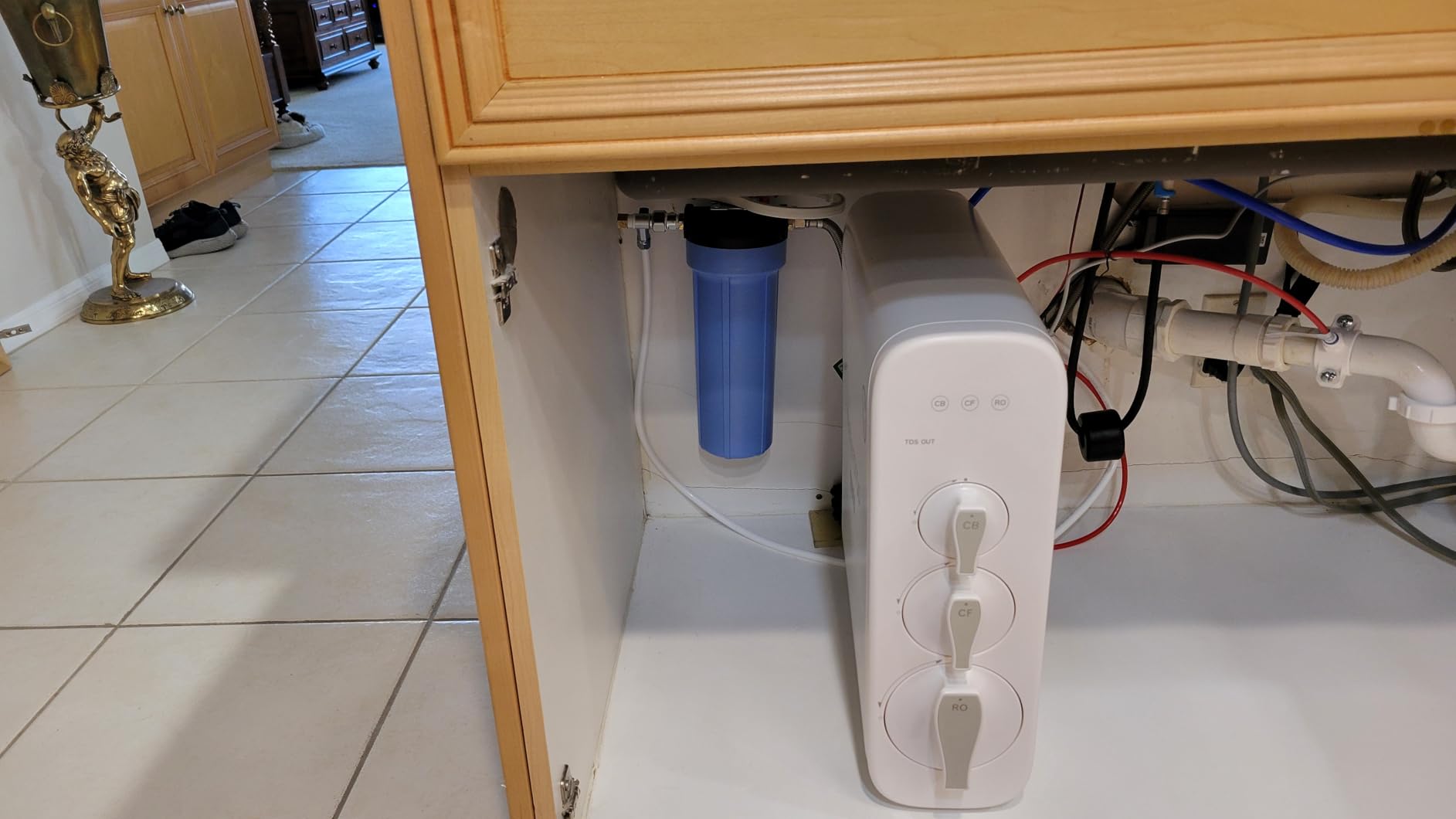
The G3P600 is the pick for a small cabinet that is cramped but not narrow. At 18.12 inches deep, 5.67 inches wide and 17.72 inches tall, it presents a broad face rather than a tower, so it slides into the wide gap beside a P-trap without stealing depth from the door.
That layout choice matters more than the capacity number. It rated 600 GPD at up to 0.42 gpm, which fills an 8 oz glass in roughly 8 to 12 seconds according to the manufacturer, and the 8-stage stack is certified to NSF/ANSI 42, 53, 58 and 372 with SGS third-party testing for contaminant reduction including PFAS, radium, fluoride and arsenic.
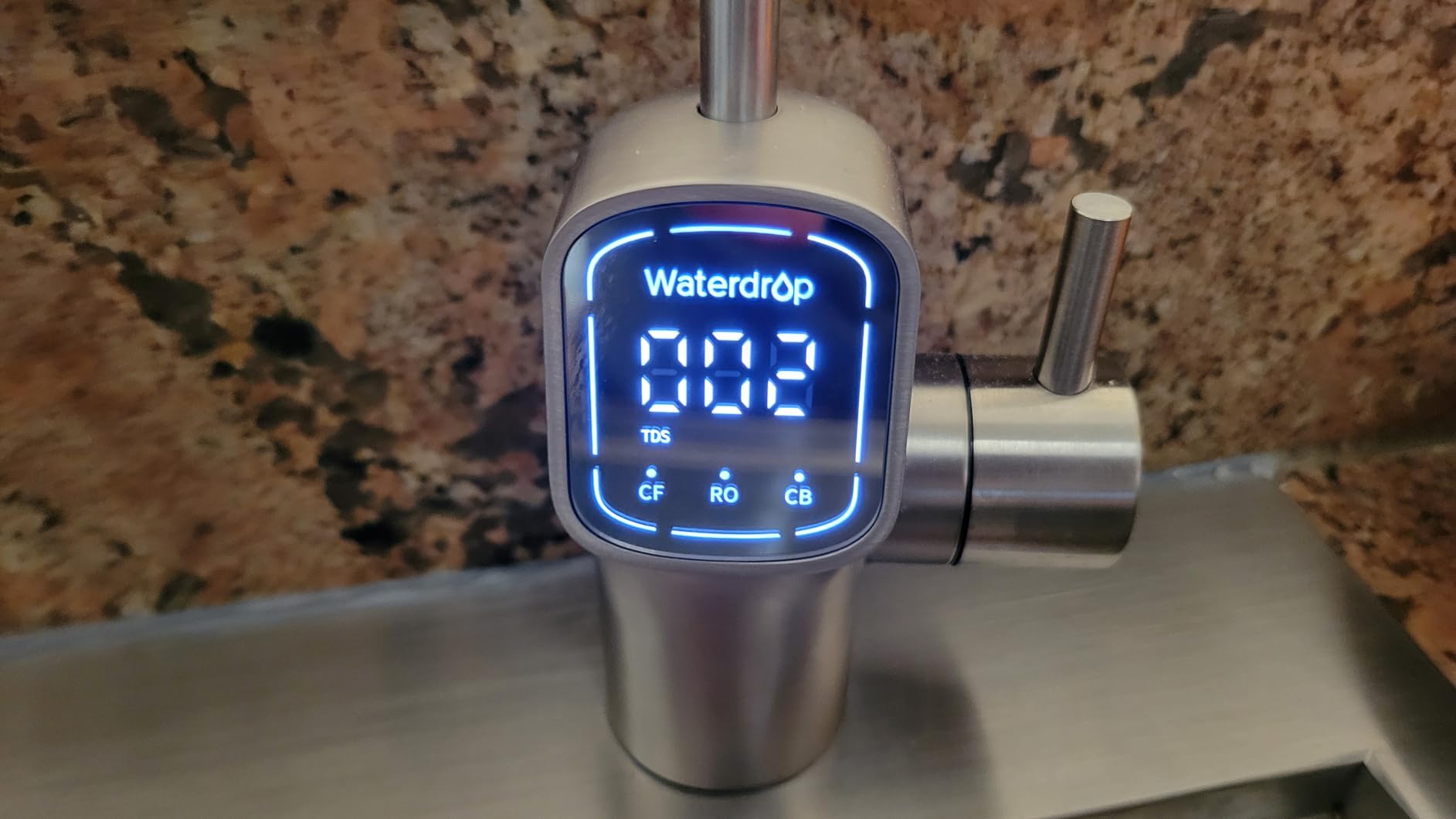
The maintenance design is the part owners single out most. Filters mount on the front face, so a cartridge swap takes about three seconds without draining, moving or sliding the unit out from the wall. The smart faucet carries a live TDS reading and a filter life tracker, so you can see when a stage needs attention instead of guessing.
The 2:1 pure-to-drain ratio is a genuine improvement over the 1:1 designs that dominate the budget end, and reviewers report noticeably less reject water going down the drain per glass filled. Support response is also regularly praised, which matters when you are replacing cartridges rather than installing a one-time unit.
Who the G3P600 suits
This suits households of two to four who drink and cook with the tap daily and want visible proof that the water is clean. It also suits anyone who prefers front-facing access and has at least 18 inches of cabinet depth to spare.
Where it falls short
Its 17.72 inch height is one of the taller bodies here, so very shallow cabinets under a low-hung sink can rule it out. Replacement cartridges also carry a higher price than most rivals, and a few owners report the automatic flush cycle firing after very little water has been drawn.
2. Frizzlife PD600-TAM3 Tankless RO System, 600 GPD – Best When Cabinet Width Is Tight
- Alkaline remineralization stage raises pH above 7.5
- Compact 14.7 inch body suits smaller cabinets
- No storage tank means no secondary contamination risk
- LED panel shows live TDS and remaining filter life
- 2:1 drain ratio reduces water waste
- Requires an electrical outlet under the sink for the pump and display
- Replacement filter cost adds up over the system life
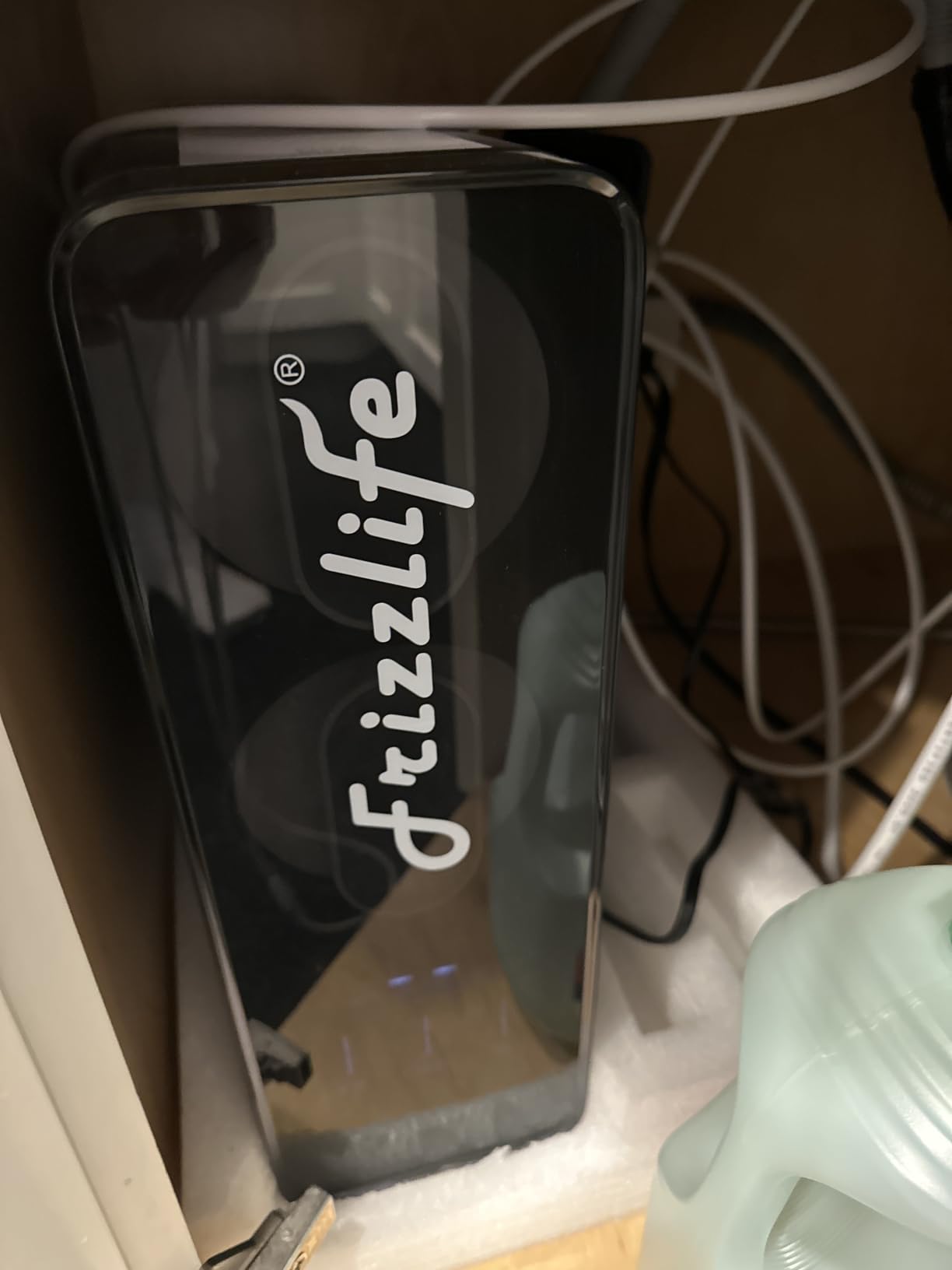
If your cabinet is tight on depth rather than height, the PD600-TAM3 is the more forgiving option. Its 14.7 by 5.3 by 15.5 inch footprint is the second-smallest body in this group, and 600 GPD output at 0.41 gpm puts it level with larger units despite the smaller shell.
The third stage is an alkaline remineralization cartridge that adds calcium and magnesium back after the membrane, pushing pH above 7.5. That is a taste preference rather than a health requirement, but reviewers consistently note it makes the water easier to drink straight, and it removes the flat, empty taste that makes people default to bottled water.
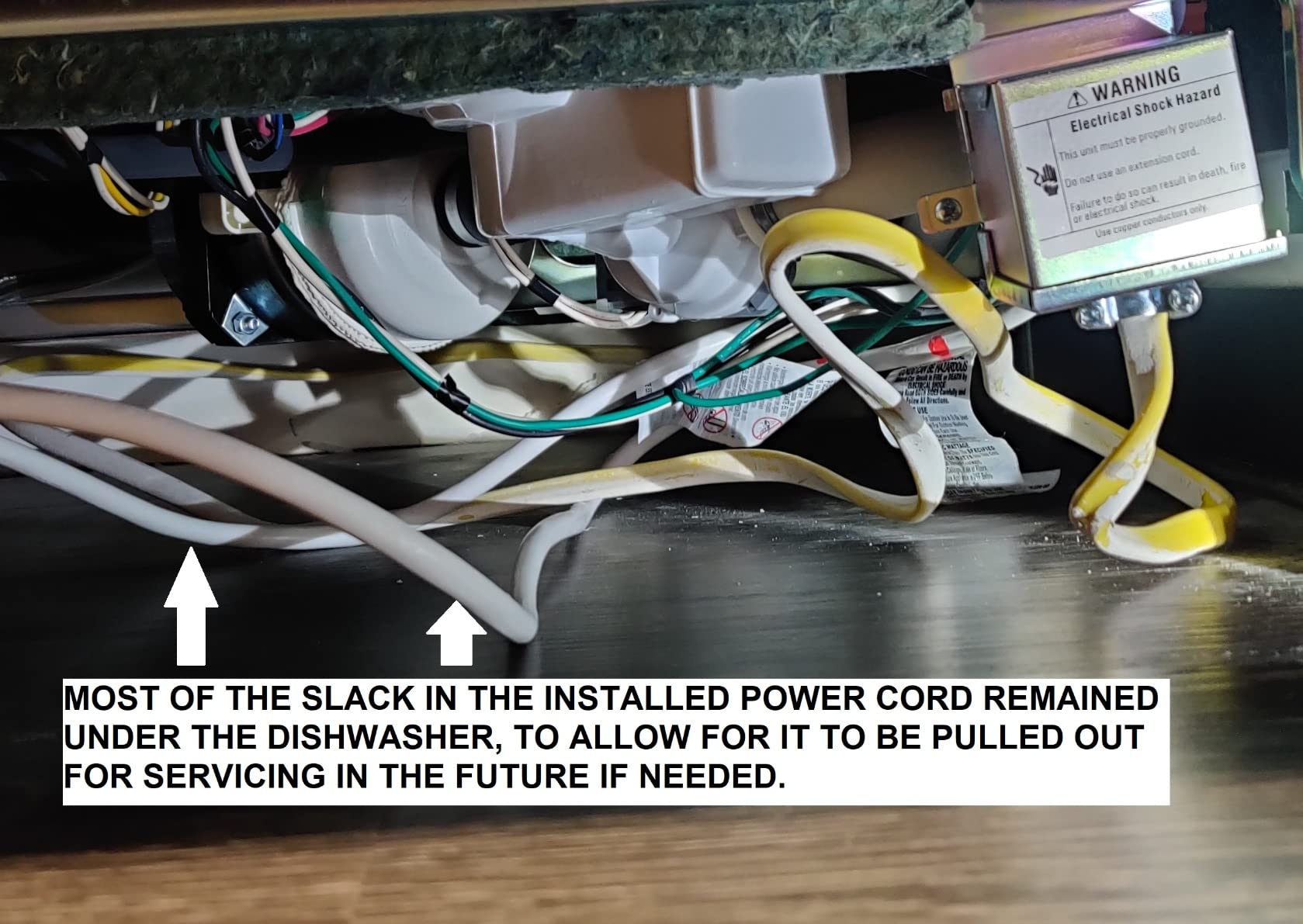
Installation is straightforward DIY work for anyone comfortable with a supply line and a drain saddle. The feed adapter handles common pipe sizes, and the manufacturer states a 330 ml cup fills in about 10 seconds. Buyers rate the TDS readings as accurate, which is worth having on a display you are paying attention to.
The 2:1 drain ratio is claimed to save up to 450% water against a conventional RO layout. Whether you land near that figure depends on line pressure and how much water you actually draw, but the ratio is in the right range for a home that cares about waste.
Who the PD600-TAM3 suits
This is the one to pick for a shallow cabinet, a rental where drilling must stay minimal, or a household that wants mineral-balanced water from a compact box. Members of r/WaterTreatment and r/WaterFilters repeatedly recommend this model for small homes on exactly those grounds.
Where it falls short
It still needs a grounded outlet under the sink to run the pump and light the display, which rules it out in outlet-free cabinets. Over several years the replacement filter cost becomes the main ongoing expense, and the alkaline stage is not what you want if you are chasing the lowest possible TDS number.
3. Waterdrop G2 Tankless RO System, 400 GPD – Most Versatile Entry Model
Waterdrop G2 Reverse Osmosis System, 400 GPD Tankless RO Water Filtration
- Entry-level pricing for a certified tankless RO system
- Tankless layout saves over 70% of under-sink space
- Twist-and-pull filters replace in about 3 seconds
- Integrated sealed housing reduces leak risk and noise
- 7-stage filtration with NSF/ANSI 372 certification
- 400 GPD and 0.28 gpm is the lowest flow in this roundup
- 1:1 drain ratio uses more water than 2:1 rivals
- Needs an under-sink outlet and a drilled faucet hole
The G2 answers a narrower question: can a certified tankless system work for a couple who drink one or two glasses a day? At 400 GPD and 0.28 gpm, yes. It will refill a glass in well under a minute, and for two people that is never the bottleneck.
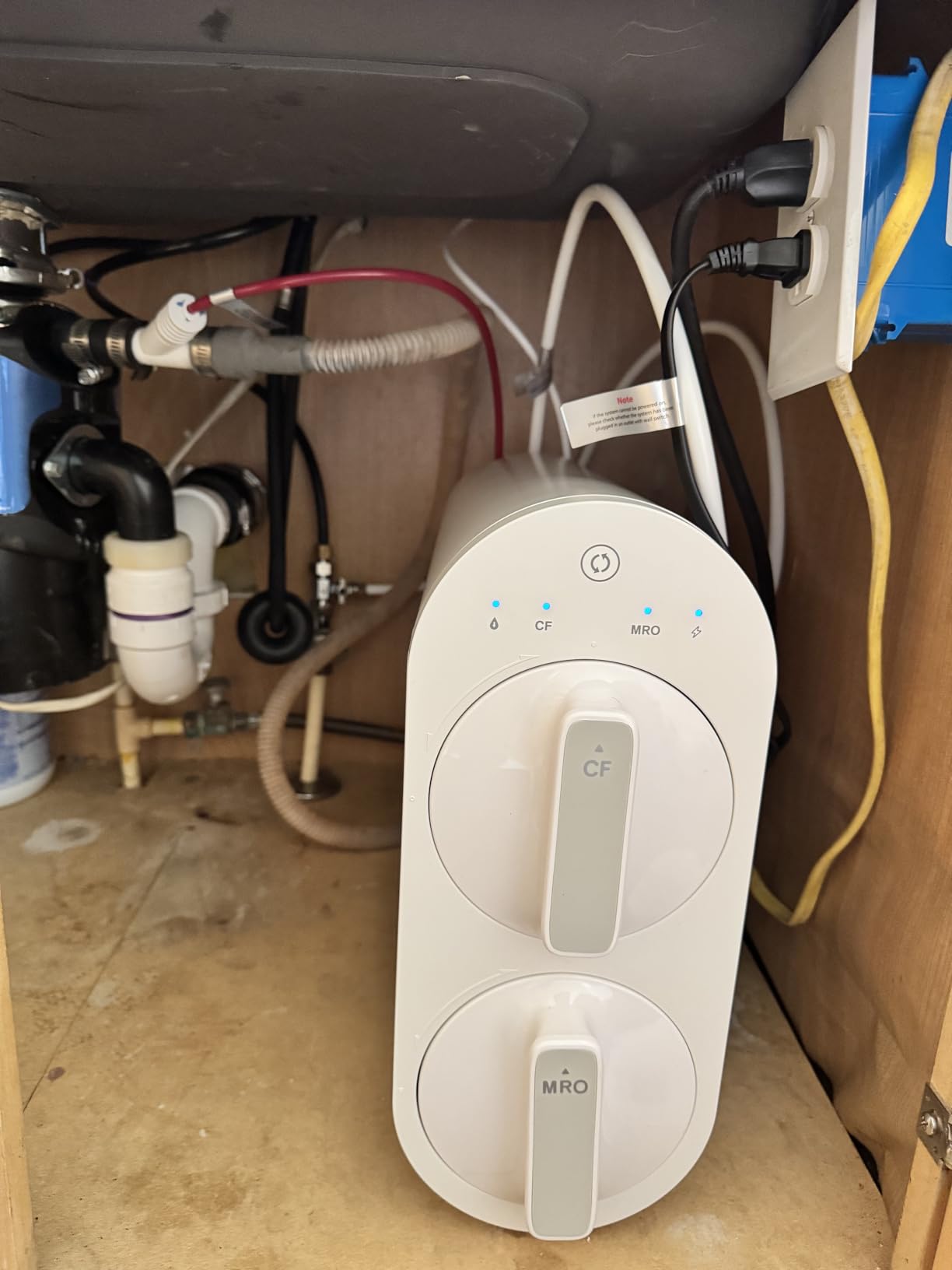
Its 17.3 by 5.9 by 14 inch body is mid-pack for depth but among the shortest for height, so it slides under a low sink bowl better than most 600 GPD tanks. The integrated housing seals the electrical and water circuits together, which reviewers credit for the low leak risk and quiet operation.
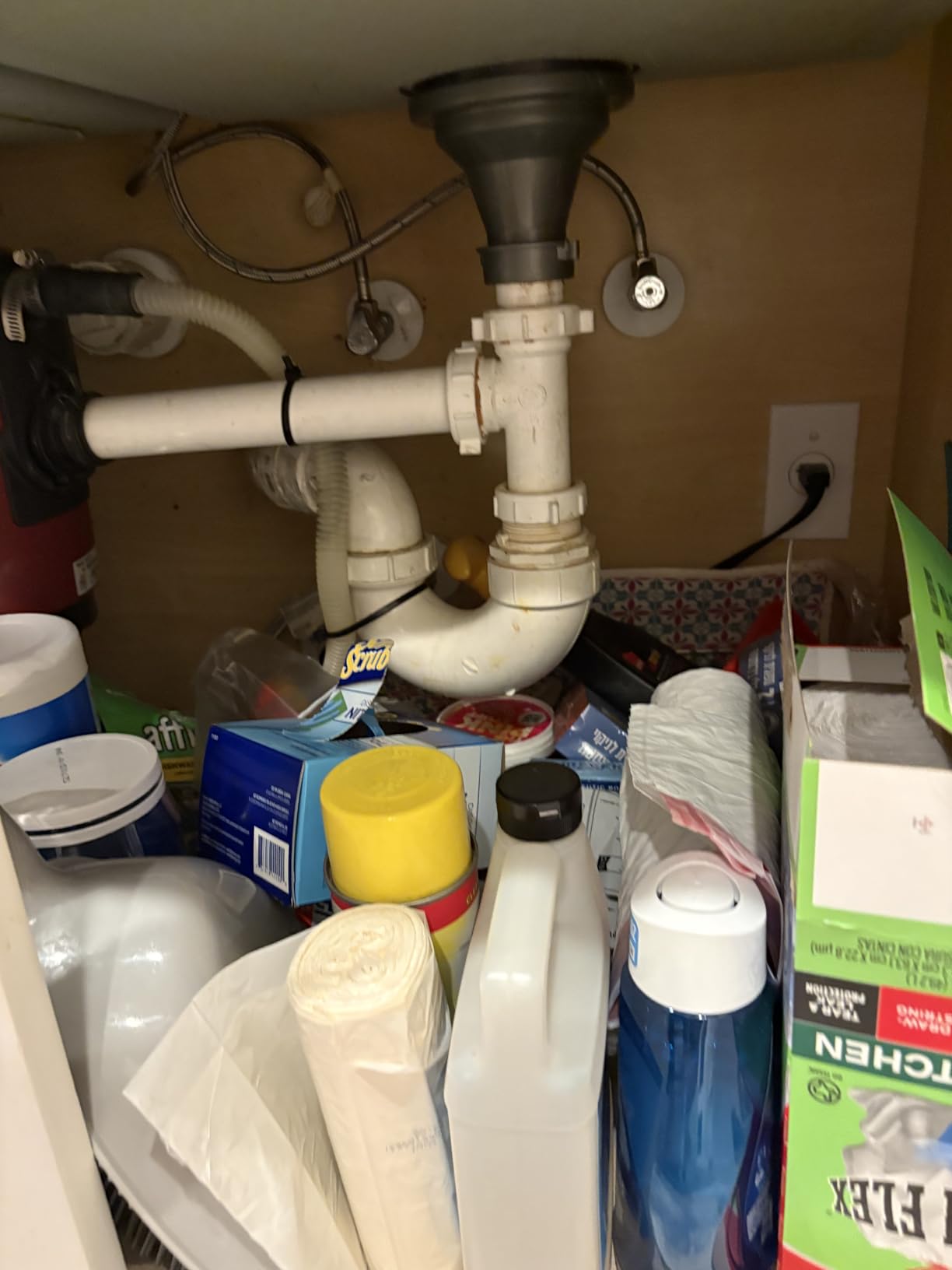
Installation takes under 30 minutes according to the manufacturer, and the two pre-installed filters mean there are fewer joint connections to seal. Seven-stage filtration carries NSF/ANSI 372 certification for lead-free materials, which is a materials standard rather than a contaminant-reduction one, so treat the contaminant claims accordingly.
The honest weakness is the 1:1 drain ratio. Every gallon you drink sends roughly a gallon to the drain, which is the least efficient figure in this roundup and the reason most buyers here move up a tier.
Who the G2 suits
This suits a one or two person apartment, a guest suite or an office kitchenette where daily drinking demand is modest. It is also the least intimidating first tankless system for a first-time installer.
Where it falls short
Water waste is the real cost. It also needs both an outlet under the sink and a drilled hole in the sink or countertop, and the lower flow rate is obvious if several people draw at once.
4. iSpring RO500-BN Tankless RO System, 500 GPD – Best Certified All-Rounder
- NSF/ANSI 58 certified for TDS reduction
- Quarter-turn filter changes with no water shutoff needed
- 500 GPD fills an 8 oz cup in about 10 seconds
- 2:1 drain ratio saves up to 400% water
- Automatic membrane rinse after inactivity
- Audibly hums while dispensing and runs a 60 second rinse
- Highest purchase price in this roundup
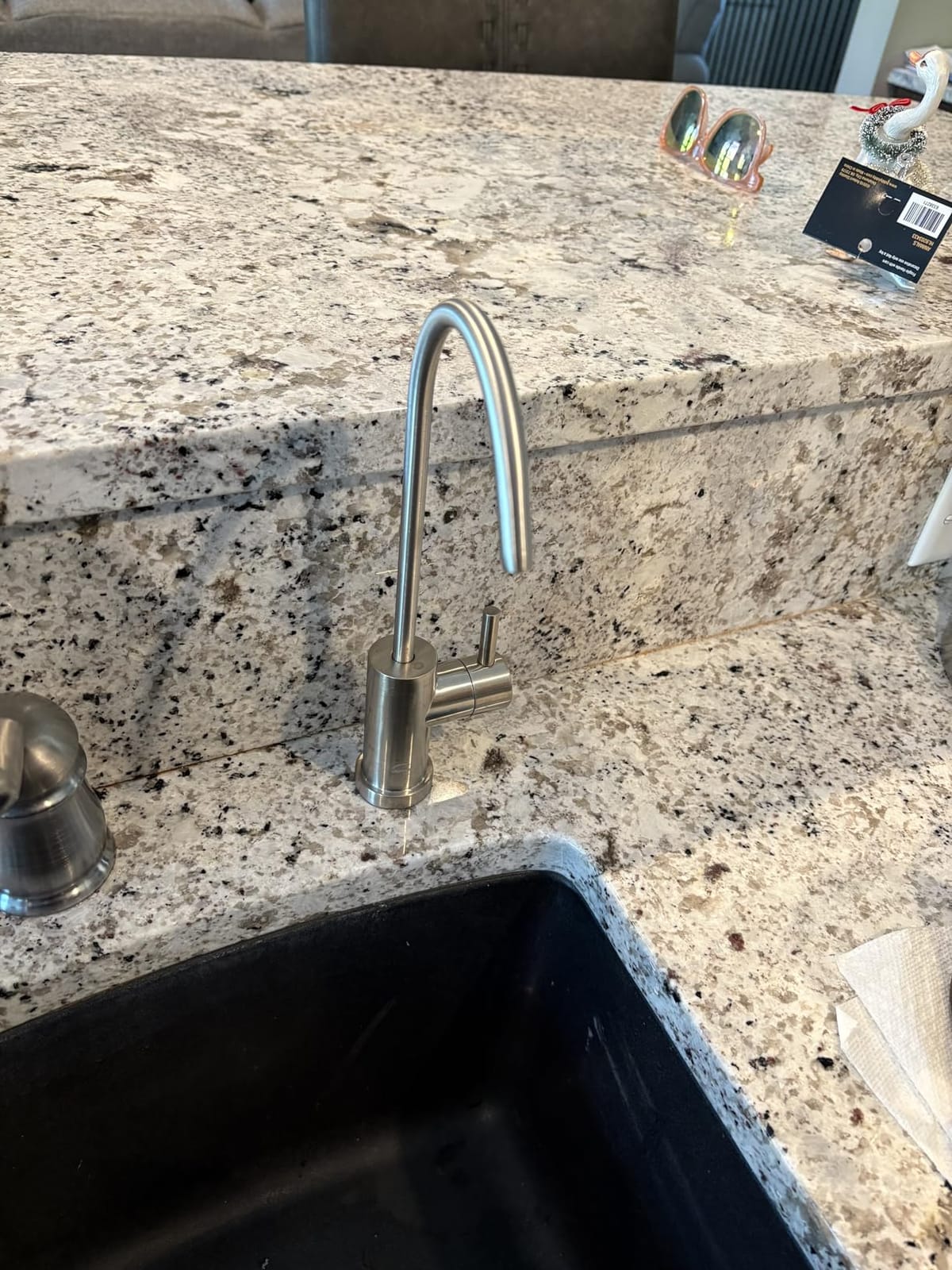
- Drilling a 1/2 inch hole in stone takes real effort
The RO500-BN is the certification answer. It holds an NSF/ANSI 58 listing for TDS reduction, which is the standard that actually addresses contaminant removal, and the feed adapter fits both 1/2 inch and 3/8 inch supply lines, so it drops into more kitchens without a fitting change.
At 17.5 by 5.2 by 16.25 inches it is one of the narrower bodies here, which helps when the cabinet opening is tight. Output is 500 GPD at 0.4 gpm with a 2:1 drain ratio, and the three-stage stack uses a 2-in-1 composite sediment and carbon pre-filter ahead of the membrane and a carbon block after it.
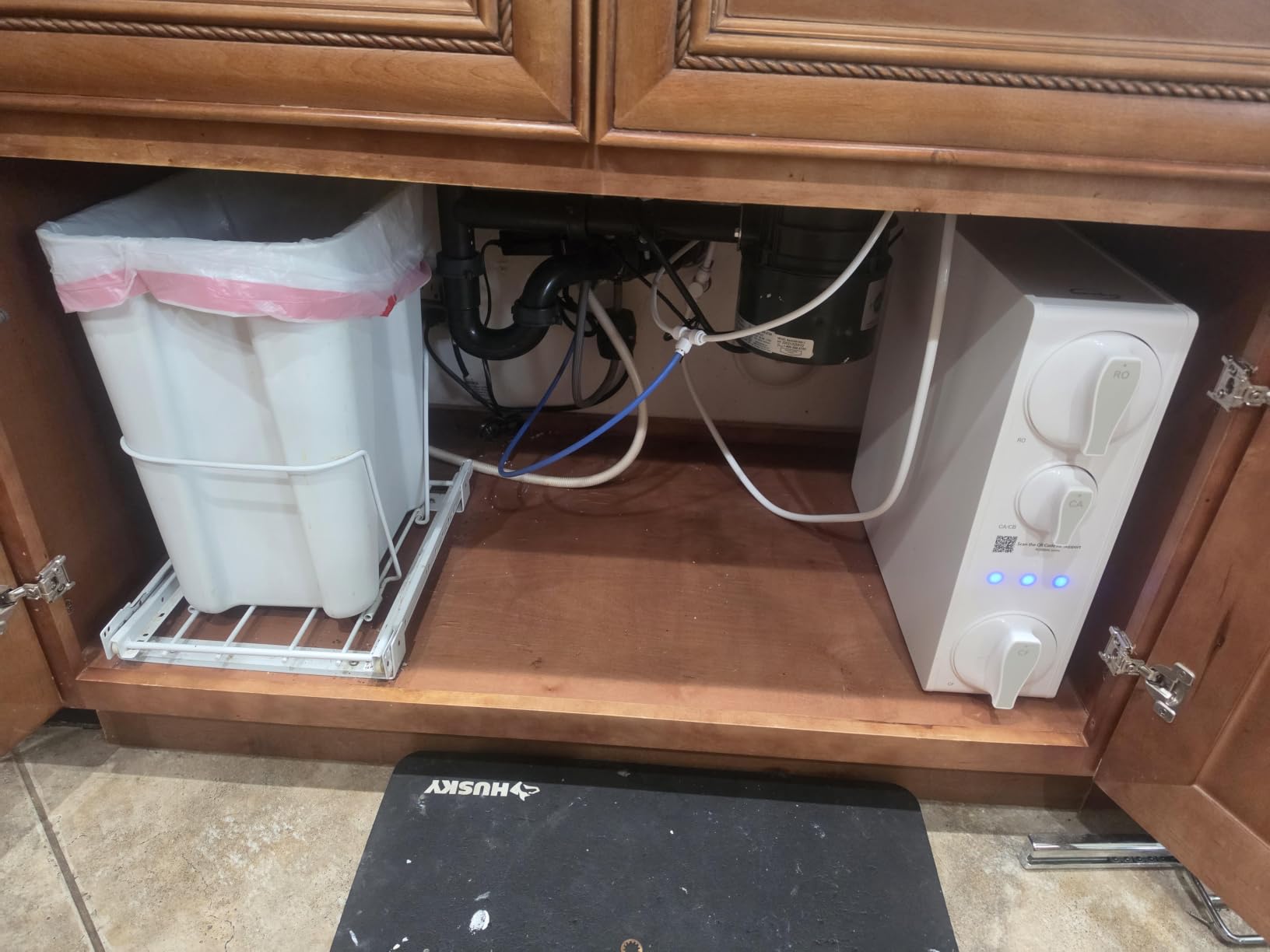
Quarter-turn filter changes are the standout feature. You can swap a cartridge without shutting off the supply, which removes the most tedious part of RO ownership. The automatic self-cleaning mode also runs the membrane for 20 seconds after 24 hours of inactivity, protecting it in a cabinet that is rarely opened.
Support is a genuine strength. iSpring runs its support team out of Atlanta, Georgia, and reviewers single it out repeatedly for responsiveness on parts and troubleshooting.
Who the RO500-BN suits
This suits anyone who wants verifiable contaminant-reduction certification rather than marketing language, and households of three who want a good drain ratio without a very large body. It is also a strong choice for a shared kitchen where filters change often.
Where it falls short
It is the loudest unit in this group. Owners report an audible hum while dispensing plus a 60 second membrane rinse afterwards, which is unpleasant in a small kitchen. The purchase price is also the highest here, and the faucet needs a drilled hole in stone or granite.
5. SimPure T1-400ALK Tankless Alkaline RO System, 400 GPD – Best With a Full Filter Set in the Box
SimPure T1-400ALK Tankless Alkaline Reverse Osmosis Water Filter 400 GPD
- SGS tested contaminant reduction covering PFAS
- heavy metals and nitrates
- Alkaline filter adds calcium
- magnesium and potassium
- Compact 15.6 x 5.3 x 15.7 inch tankless body
- UV stage adds microbial protection
- Four quick-change cartridges included in the box
- Lowest average rating in this roundup at 4.2 stars
- Alkaline stage keeps TDS from reaching near zero
- Filter life cycle listed at 6 months per cartridge
The SimPure T1-400ALK is compact in all three axes at 15.6 by 5.3 by 15.7 inches, which makes it one of the easiest tankless bodies to find a home for. Its 1.5:1 drain ratio sits between the efficient and the wasteful ends of this roundup, and 400 GPD at 0.4 gpm is a sensible figure for a couple or a small family.
Filtration is independently tested by SGS against the NSF/ANSI 58 standard, with claimed removal above 99.99% across more than 1,000 contaminants including PFAS, PFOA and PFOS. A UV stage operates on flow pressure, so it adds microbial protection without a separate powered component.
Four twist-lock cartridges ship in the box, which removes the first year of filter shopping entirely. That single detail changes the effective first-year cost more than any spec on the sheet, and it is the reason this model earns its place in a tight-cabinet roundup.
The alkaline stage adds calcium, magnesium and potassium after the membrane. Buyers like the taste, but it is worth knowing that those added minerals keep the TDS reading well above what a plain RO system would show.
Who the T1-400ALK suits
This suits buyers who want to avoid an immediate filter purchase, and households that value UV and PFAS coverage in a small footprint. Users on r/WaterTreatment frequently name SimPure alongside Waterdrop when reducing contact with bottled plastic.
Where it falls short
It has the widest rating spread in this group, with 12% one-star reviews. Filter intervals are listed at 6 months, which means more frequent cartridge handling and cost than the 12 and 24 month schedules some rivals use.
6. iSpring RO5004F-AK UV Alkaline Tankless RO System, 500 GPD – Best for Installing From Above the Counter
- Highest average rating among the systems analyzed
- Combines UV
- alkaline remineralization and 500 GPD in one body
- Patented top-mounted fastener avoids working under the sink
- Built-in booster pump holds output at low pressure
- Quiet operation with automatic filter life reminders
- Newer listing with a smaller review base than established models
- Lower sales volume than the long-running iSpring line
The RO5004F-AK solves a problem most cabinets create. Its patented top-mounted fastener allows the whole unit to be secured from above the counter, so you never have to lie on your back in a dark cabinet trying to thread a fastener into the underside of the housing.
At 15.2 by 6.1 by 16.6 inches it is compact for a 500 GPD system, and the 2:1 drain ratio keeps waste reasonable. SGS testing covers PFAS and TDS reduction with claimed removal above 99% across more than 1,000 contaminants, and the UV lamp is rated for up to 8,000 hours with lifespan monitoring built in.
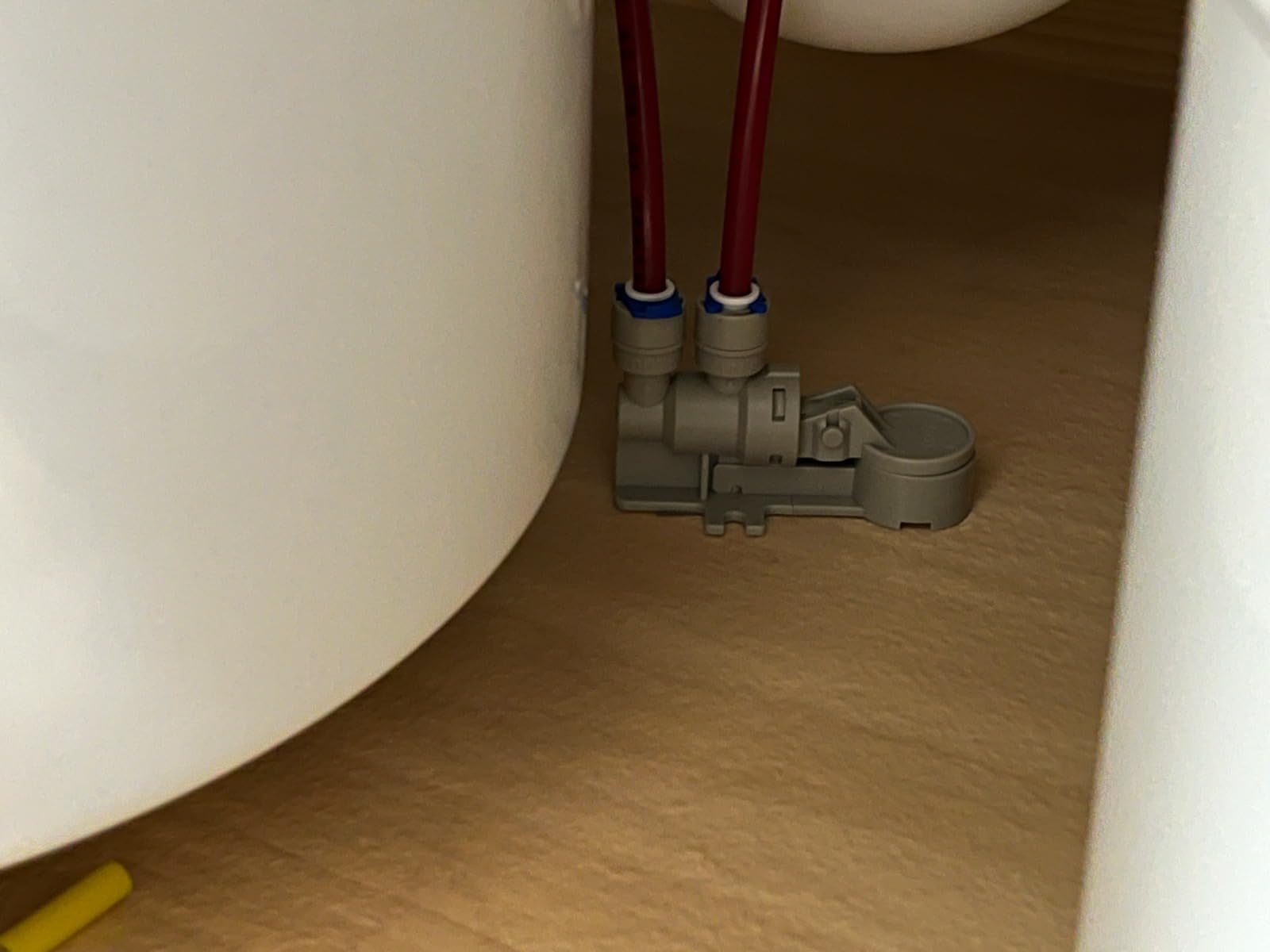
The booster pump is the other feature worth paying attention to in an older home. It holds output when household pressure is low, which is common in apartments on upper floors and in houses fed by a long supply run.
Owners describe it as quiet, and filter changes use quick twist-to-unlock cartridges with automatic reminders so nothing is missed. The alkaline mineral stage balances pH and rounds out the taste profile.
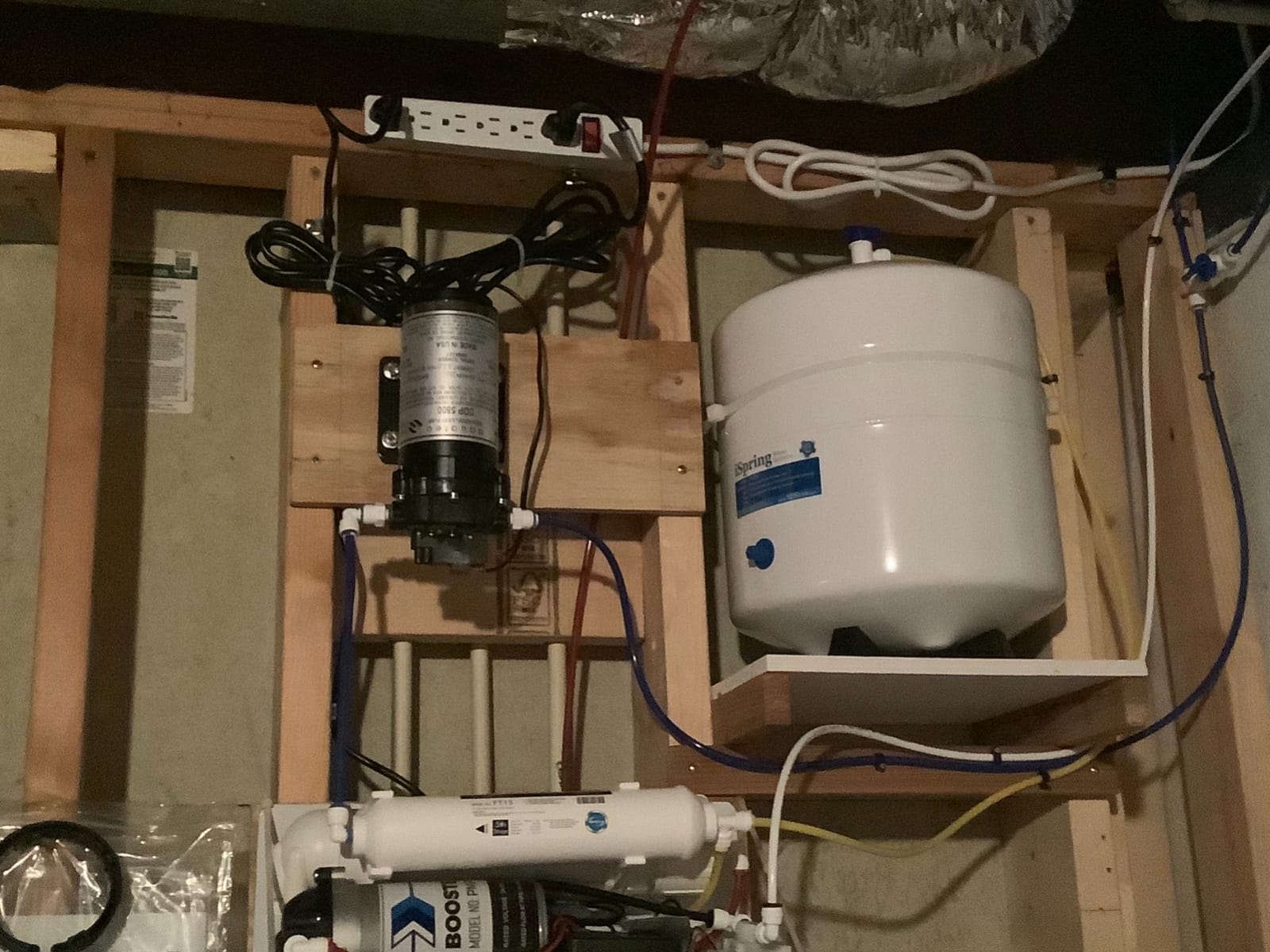
Who the RO5004F-AK suits
This suits anyone who dreads under-sink installation work, plus households on low water pressure. It is also a strong pick if you want UV and alkaline mineral water in the same compact body.
Where it falls short
It is a newer listing with a smaller body of owner feedback than the long-established models, and sales volume is well below the category leaders. Expect less long-term data behind the warranty claims than you would with an established line.
7. Frizzlife PX500-A Tankless RO System, 500 GPD – Best With Pre-Installed Filters
- Narrow 5.5 inch width suits tight under-sink cabinets
- Alkaline filter raises pH above 7.5
- Pre-installed filters mean fewer connections to leak
- Twist-and-lock replacement with audible and light reminders
- 2:1 drain ratio limits water waste
- Tall 17.7 inch body needs vertical clearance despite the narrow width
- Mixed satisfaction across the review base
- Newer listing with a low sales rank
The PX500-A trades height for width in a way that suits one specific cabinet shape. At 14.2 by 5.5 by 17.7 inches it is the shortest body in the group and only slightly wider than the slimmest units, so it fits a tall narrow gap that a squatter 600 GPD box would miss.
Output is 500 GPD at 0.4 gpm through a 0.0001 micron membrane with 8-stage filtration and alkaline remineralization to pH above 7.5. The 2:1 drain ratio is one of the better figures here, and the listed operating range of 43.5 to 100 psi is wide enough for most municipal supplies.
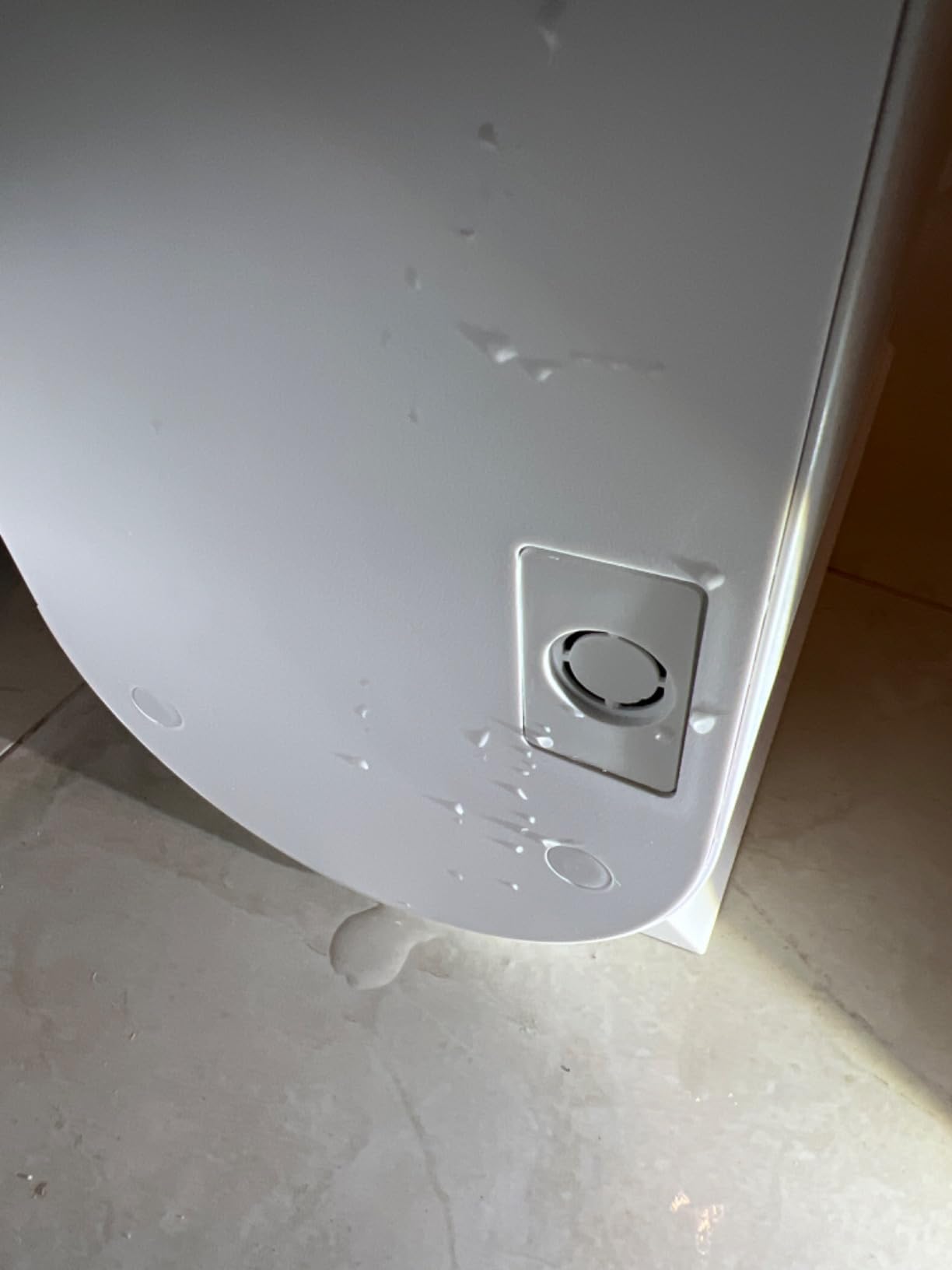
The filter design is the real reason to look at this one. All stages arrive pre-installed, which cuts the number of joint connections substantially and reduces leak risk during setup, and replacement is a twist and lock with both audible and visual change alerts.
The filter schedule is well spread out, with a pre-filter at 6 months, a secondary stage at 12 months and the membrane at 24 months. That spacing keeps annual maintenance cost lower than systems asking for changes twice a year.
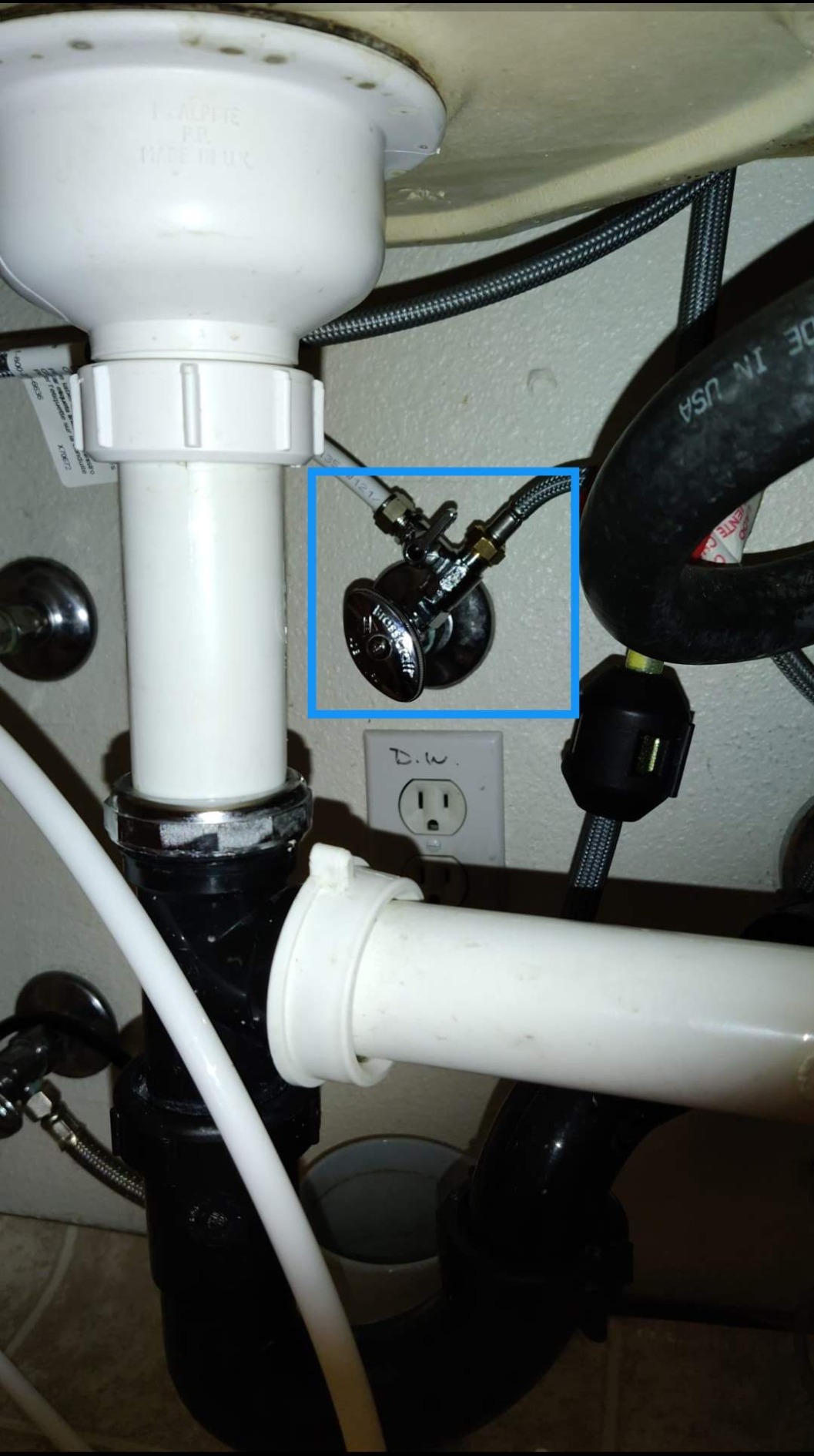
Who the PX500-A suits
This suits a cabinet that is tall and narrow rather than short and wide, and buyers who want to minimise the number of fittings they have to make themselves. Homeowners on well or consistently hard supply also fit the wide pressure window.
Where it falls short
The 17.7 inch height is among the tallest here, so a low-hung sink can rule it out despite the slim width. Reviewers also raise the build and finish more often than with the other Frizzlife model in this list.
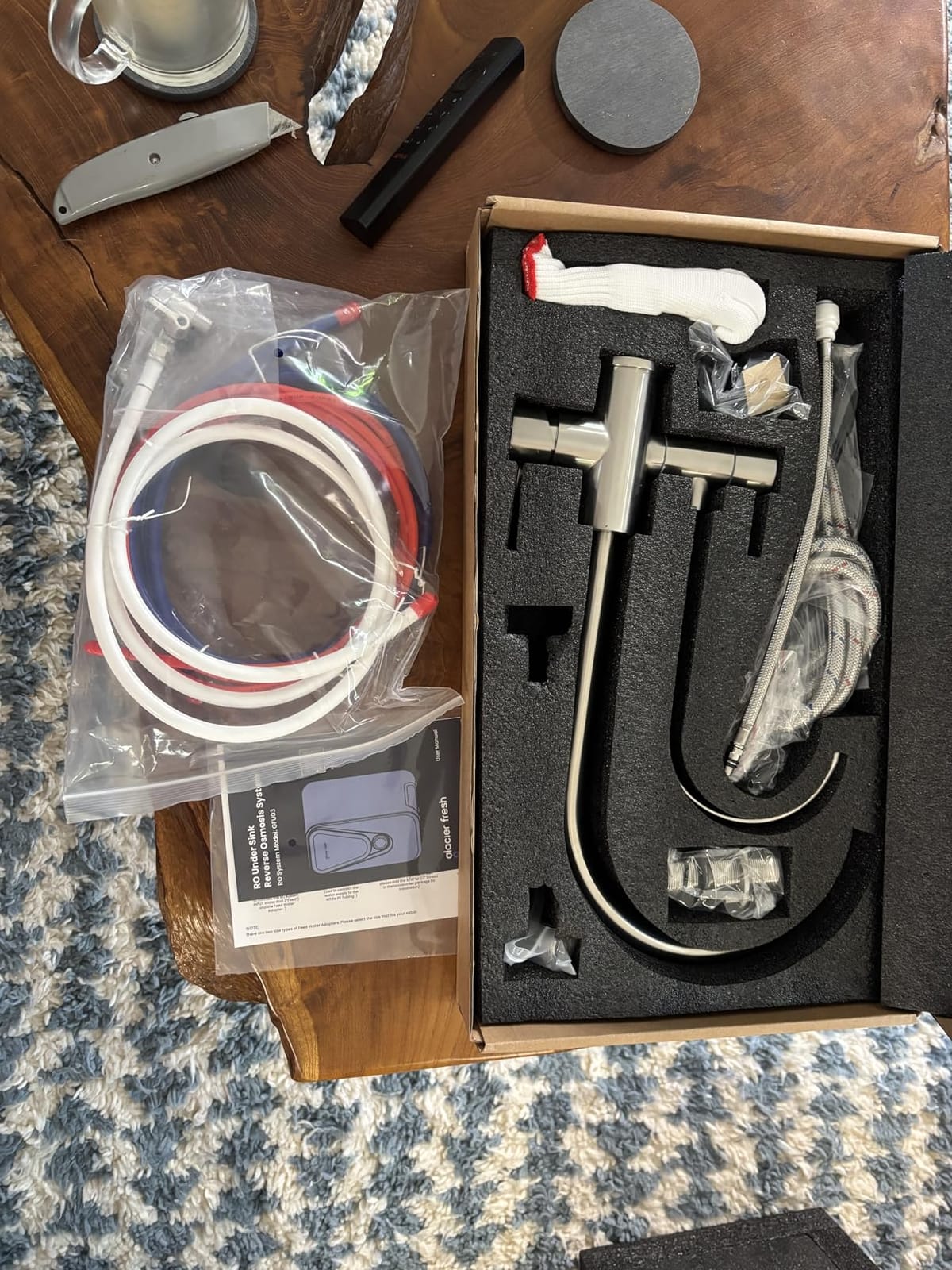
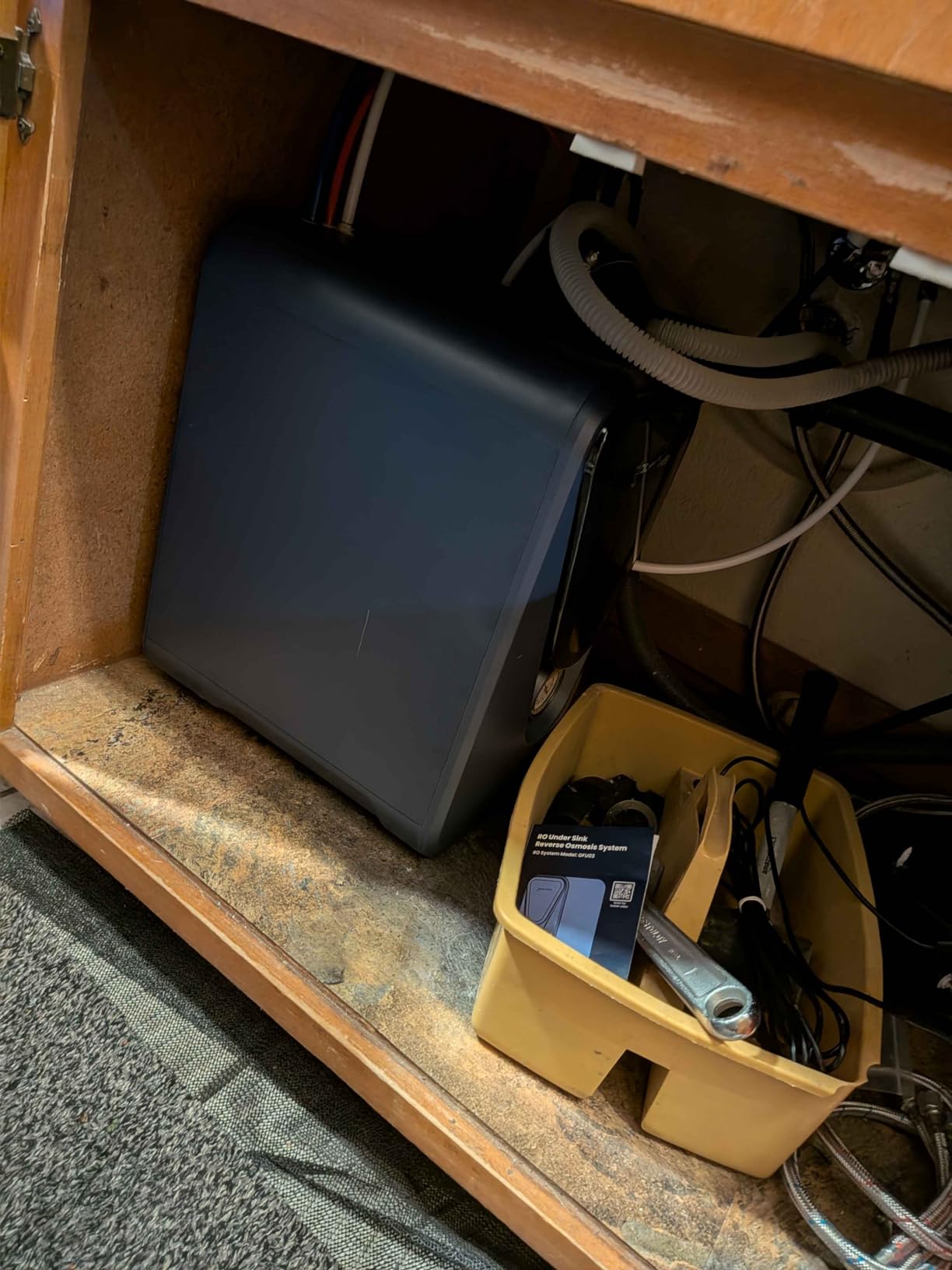
8. Glacier Fresh GFU03 Electric-Free Tankless RO System, 800 GPD – Best With No Outlet Needed
GLACIER FRESH GFU03 Electric-Free Reverse Osmosis Water Filter 800 GPD
- No electricity required so no outlet and zero pump noise
- Highest rated capacity in this roundup
- 3:1 drain ratio uses less water than most rivals
- 30-minute install with adapters and tool-free connectors
- Users report TDS drops from 129-379 ppm down to 16-50 ppm
- Wide 8.27 inch body needs more lateral cabinet room
- Flow tapers after roughly the first quart
- Some units reported mislabelled ports or mismatched adapters
The GFU03 is the answer to the outlet problem. It runs on incoming water pressure rather than a pump, so there is nothing to plug in, no electrical work in the cabinet, and no pump hum. In a rental, an RV or a kitchen with no usable outlet, that removes the single hardest blocker in this category.
It also posts the highest rated capacity in the group at 800 GPD, with a 0.6 gpm flow that fills an 8 oz cup in about 8 seconds. That is impressive for a unit with no motor, and it reflects the 5-stage stack and 0.0001 micron membrane rather than any pump assistance.
Water efficiency is the standout number. A 3:1 pure-to-drain ratio is the best figure in this roundup, which matters if you are on a well, in an RV, or simply conscious of what goes down the drain. Owners report input readings between 129 and 379 ppm dropping to between 16 and 50 ppm.
Installation is genuinely quick. Adapters and tool-free connectors are included, the manufacturer estimates 30 minutes, and cartridge replacement is a three-second pull-out. Meeting the recommended minimum inlet of 40 psi is the one condition to check before buying.
Who the GFU03 suits
This suits renters who cannot drill or run power, RV and motorhome installs, and anyone who simply has no outlet within reach of the sink. It is also the pick for a household that wants a low drain ratio more than a smart display.
Where it falls short
The 8.27 inch width is the widest body here by a wide margin, so it needs a cabinet with lateral room rather than a narrow slot. Flow tapers noticeably after about the first quart when filling a large container, and a few owners reported mislabelled ports or adapters that did not match their plumbing.
9. Waterdrop WD-T4-A Dual Flow Tankless RO System, 450 GPD – Best for Choosing Your Own Taste
- One faucet delivers plain RO and alkaline mineral water
- 10-stage filtration certified to NSF/ANSI 372450 GPD with a 2:1 drain ratio
- Filter life indicator lights plus buzzer alerts
- Tankless layout frees roughly 70% of the space a tank uses
- Flow rate is lower than the spec sheet suggests for some owners
- Alkaline stream tastes flat to several buyers even after flushing
- No mounting rail supplied for cabinet fixing
- Needs under-sink power and a drilled hole
The WD-T4-A solves an argument rather than a problem. A single faucet dispenses two streams: standard RO water, and a mineral-enhanced alkaline stream. Households that disagree about taste no longer have to compromise or run two separate systems.
Its 16.54 by 6.22 by 17.95 inch body is one of the taller and wider shells in this roundup, so it needs real cabinet space despite the tankless layout. Output is 450 GPD at a 2:1 drain ratio, which is the sweet spot for two to three people.
![[Dual Flow] Waterdrop WD-T4-A Alkaline pH+ Reverse Osmosis Water Filter, NSF/ANSI 372 Certified, 10-Stage, 450GPD Tankless Undersink RO Filtration System, 2:1 Pure to Drain, BPA Free, Plug-in required customer photo 1](https://www.logix4u.net/wp-content/uploads/2026/10/B0F5V9G355_customer_1.jpg)
Filtration runs 10 stages with NSF/ANSI 372 certification for lead-free materials and claimed reduction of PFOA, PFOS, chlorine and heavy metals. Maintenance prompts come through indicator lights and a buzzer, so a missed change is unlikely.
The filter schedule is well spread, with the carbon fibre stage at 6 months, the carbon block and alkaline mineraliser at 12 months, and the RO membrane at 24 months. That is one of the longer intervals between membrane changes in the group.
![[Dual Flow] Waterdrop WD-T4-A Alkaline pH+ Reverse Osmosis Water Filter, NSF/ANSI 372 Certified, 10-Stage, 450GPD Tankless Undersink RO Filtration System, 2:1 Pure to Drain, BPA Free, Plug-in required customer photo 2](https://www.logix4u.net/wp-content/uploads/2026/10/B0F5V9G355_customer_2.jpg)
Who the WD-T4-A suits
This suits mixed households where one person wants plain RO and another wants mineral water from the same tap. It is also a good fit if you want long filter intervals and dislike chasing cartridges.
Where it falls short
Several buyers find the alkaline stream flat or off even after extended flushing. Flow is weaker than the specification implies for some owners, and there is no mounting rail included, which makes securing the body to the cabinet wall harder.
10. VIOMI V6 Tankless RO System, 600 GPD – Best for the Lowest Profile
VIOMI V6 600GPD Under Sink Tankless Reverse Osmosis Water Filtration System
- Shortest body height in the roundup at 12.8 inches
- 4-year RO filter life lowers long-term cost
- No tank means no waiting for a refill
- NSF/ANSI 42
- 53 and 372 certified
- Twist-style filter changes without moving the unit
- Works only with the included faucet
- Audible pump hum while running
- PCB filter reported lasting about 6 months rather than 24
- Some units arrived with missing parts or leaking brackets
The V6 is the unit to measure twice. At 16.3 by 5 by 12.8 inches, its 12.8 inch height is the shortest body in this roundup by a clear margin, which matters enormously in a cabinet with a low-hung sink bowl or a shallow waste trap assembly.
Despite the small shell it rates 600 GPD, and filtration runs 9 stages through a 0.0001 micron membrane. The certification is NSF/ANSI 42, 53 and 372, with claimed TDS reduction up to 94.75% and PFOS reduction above 99.88%.
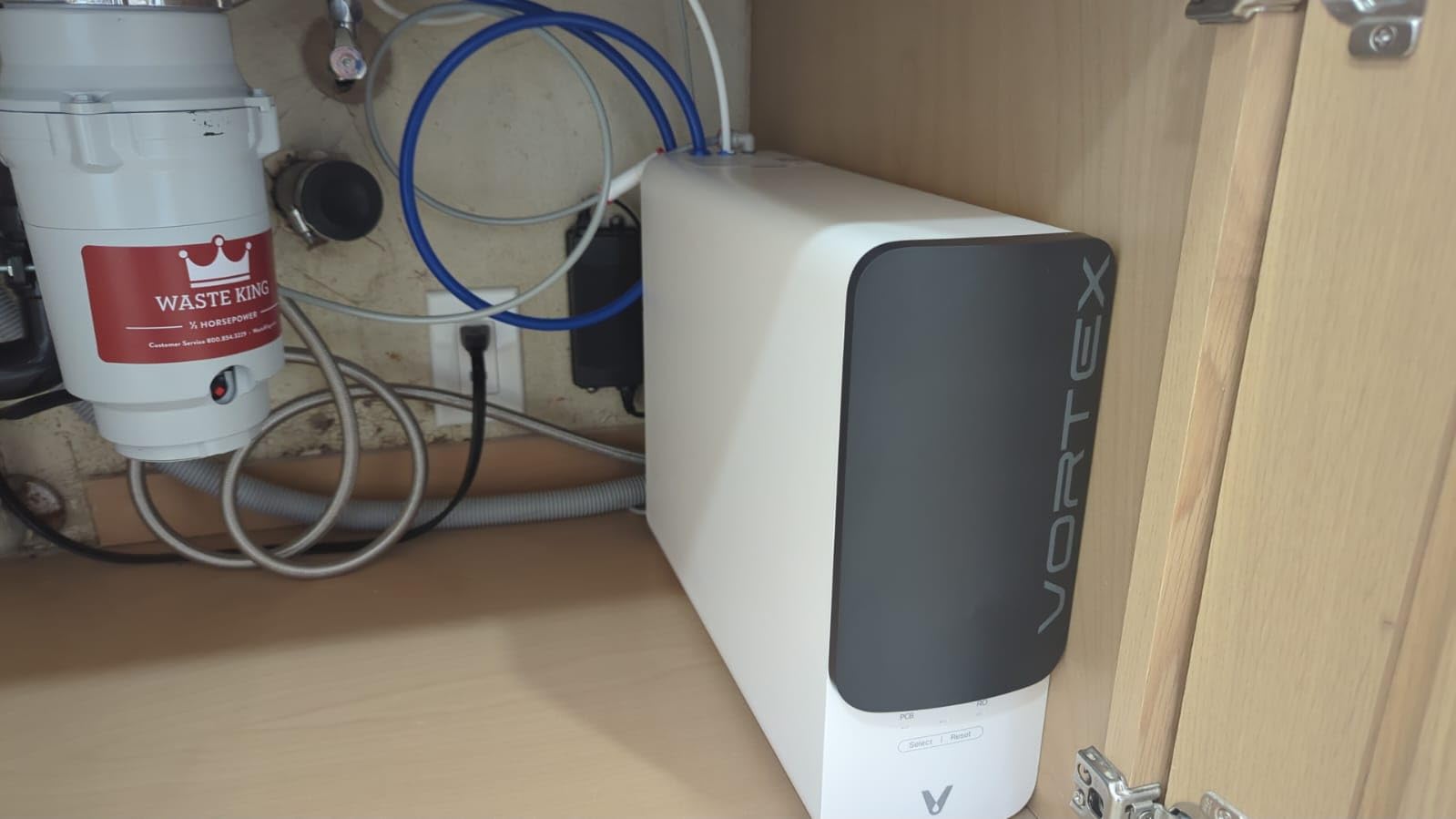
Two figures stand out. The 3:1 drain ratio is among the most efficient in this group, and the RO filter is rated at 48 months, the longest membrane interval listed here, which keeps the multi-year running cost low.
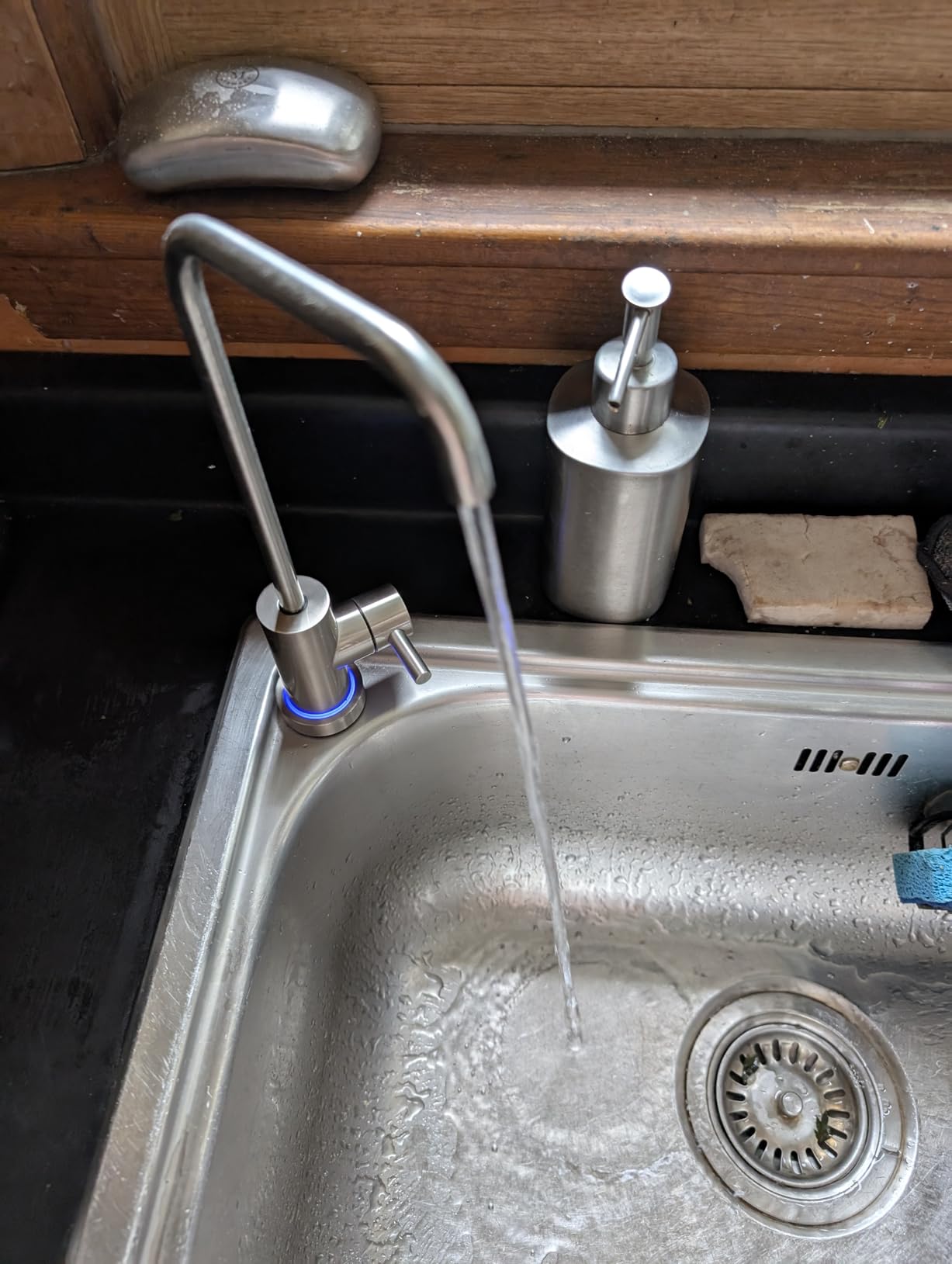
The smart faucet turns orange when a change is due, and filter changes use a twist style that does not require moving the unit or reaching for tools. Owners report good tasting water and verified nitrate reduction.
Who the V6 suits
This suits very shallow cabinets, and households of three who want a long interval between membrane changes. It is the natural pick when vertical clearance is the only dimension you have to fight for.
Where it falls short
It only works with the included faucet, so you cannot feed a refrigerator or ice maker without adding a pressure tank and losing the point of the tankless layout. Owners also report pump hum and a PCB filter that has not always matched its stated interval.
Buying Guide: Fitting a Tankless RO Into a Small Cabinet
Measure your cabinet before you buy
Start with the three published dimensions on each product page, then check them against your cabinet. Measure the interior width at the narrowest point, the height from the cabinet floor to the underside of the sink, and the depth from the door to the back wall. Then find the P-trap and note how much of that box remains clear on either side.
Leave at least an inch of working room around the housing so you can pull cartridges and reach fittings later. A system that technically fits but seals itself in is a system you will resent every time a filter changes.
Vertical chassis versus horizontal chassis
Chassis orientation decides which units you can use. A vertical tower needs height and little width, which is the Frizzlife PX500-A at 14.2 by 5.5 by 17.7 inches. A horizontal unit needs depth and width but little height, which is the Waterdrop G3P600 at 18.12 by 5.67 by 17.72 inches and the VIOMI V6 at only 12.8 inches tall.
If your cabinet is shallow because the sink bowl is large, go vertical. If the sink bowl is small and the cabinet is tall, go horizontal and buy the capacity you actually need.
Power and outlet requirements
Most tankless RO systems need a grounded 110V outlet under the sink that is not switched, because the pump and display need continuous power. If your outlet is on a different wall, inside a cavity, or controlled by a switch, you have three options: install an outlet, choose a non-electric model, or run an extension to a GFCI-protected receptacle.
The Glacier Fresh GFU03 is the non-electric route. It also suits RV hookups, where shore power availability is unreliable and a silent unit is worth more than a smart display.
Sizing GPD to your household
GPD is rated daily capacity under ideal conditions, not what you will experience at the tap. A rough guide: one person drinking a glass or two a day needs very little, a couple needs around 400 GPD, a family of three or four sits in the 500 to 600 GPD range, and larger households or ice maker feed should push higher.
Be honest about household size here. Buyers regularly talk themselves into 800 to 1000 GPD systems for two people, then end up with a larger, noisier box in exactly the cabinet they were trying to free up. More capacity does not mean faster water in a single glass; it means more reserve for simultaneous use.
Drain ratio and water waste
The pure-to-drain ratio tells you how many gallons go down the drain per gallon you keep. A 2:1 ratio means two gallons of waste for one of purified water, while 3:1 is more efficient. The 1:1 design on the Waterdrop G2 is the least efficient here, and the 3:1 design on the Glacier Fresh GFU03 and VIOMI V6 is the most efficient.
Ratio figures come from the manufacturer and vary with line pressure and usage, so treat them as relative rather than absolute. They matter most on a well, in an RV, or anywhere water is metered or rationed.
Filter lifespan and reading certification honestly
Check the replacement schedule before you buy, because it sets your running cost. Systems with a 6-month pre-filter need more frequent handling than those with 12 and 24 month stages. The longer the membrane interval, the fewer times you will be under a cabinet with a bucket.
On certification, NSF/ANSI 58 covers contaminant reduction including TDS, NSF/ANSI 42 covers chlorine, taste and odour, NSF/ANSI 53 covers health-related contaminants, and NSF/ANSI 372 covers lead-free materials. A 372 listing alone tells you about materials, not about what the system removes. Waterdrop G3P600, Frizzlife PD600-TAM3 and iSpring RO500-BN hold the broadest combination of these standards; on others, treat reduction figures as manufacturer claims unless an independent test backs them.
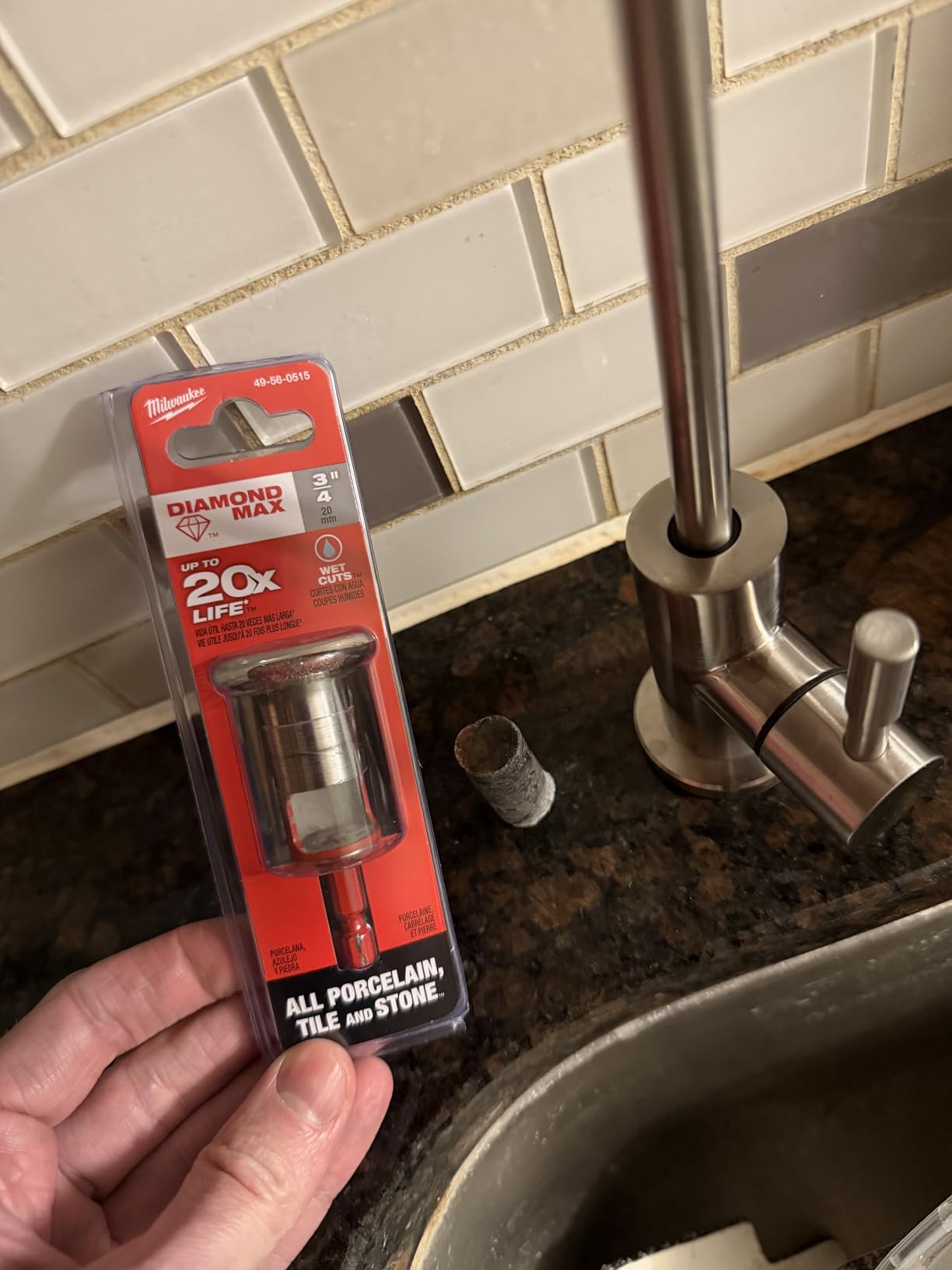
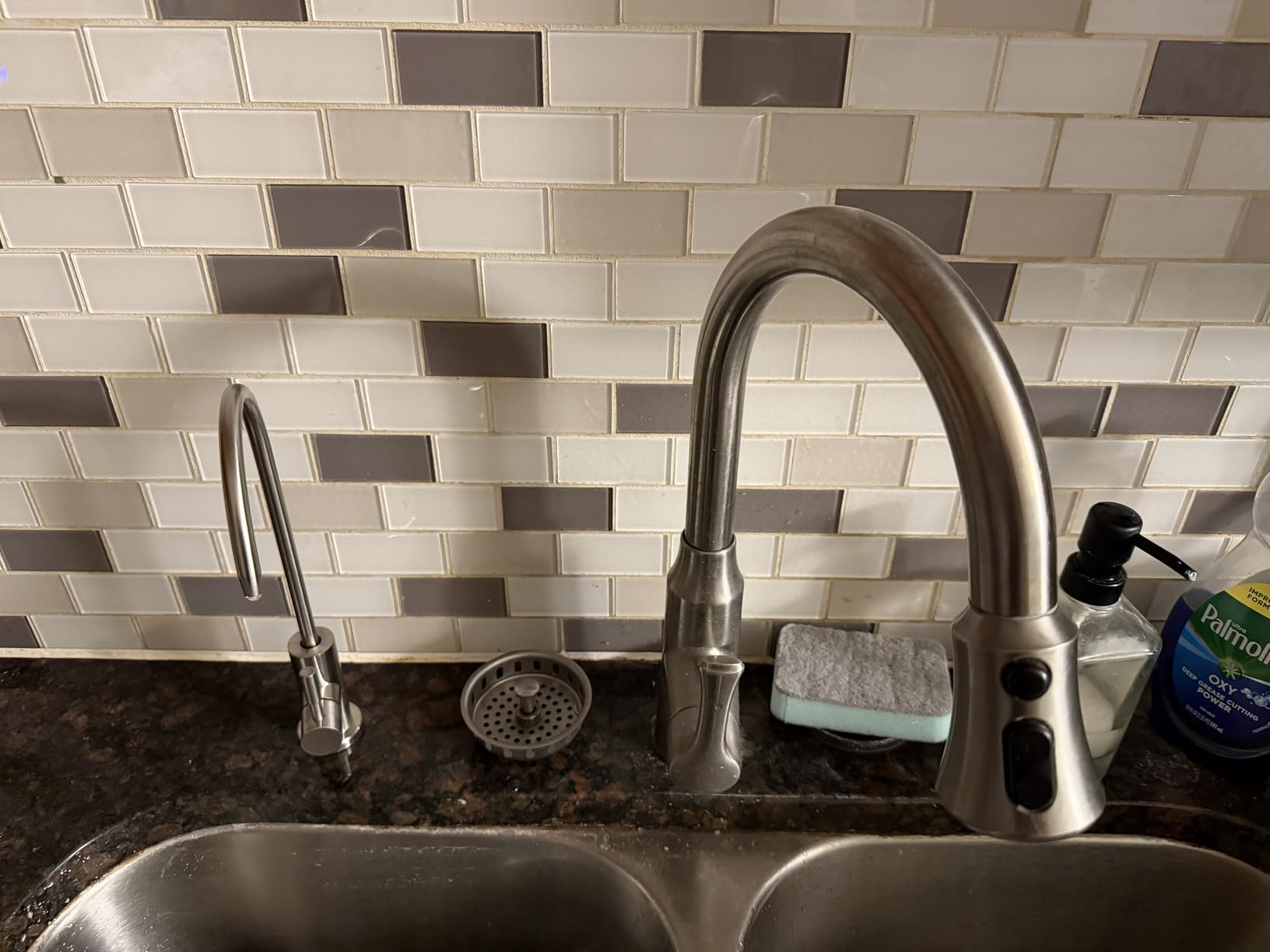
Finally, budget for the faucet. Most of these units need a dedicated drilled faucet, and drilling through stone or granite is where inexperienced installs go wrong. Our kitchen reverse osmosis picks covers the drilling question in more detail, and the drinking water roundup goes deeper on taste and remineralization.
Frequently Asked Questions
Is a tankless RO system better than a tank RO system?
For a small cabinet, yes. A tankless system removes the 3 to 4 gallon storage tank that needs roughly 10 to 14 inches of vertical clearance, and it delivers purified water continuously instead of after a tank refill. The trade-offs are a higher purchase price, a pump that needs an outlet, and in some models more noise.
How much cabinet space does an under sink RO system need?
Add the published chassis dimensions plus an inch of working room on every side. In this roundup bodies run from 12.8 to 17.95 inches tall, 5 to 8.27 inches wide and 13.58 to 18.12 inches deep. Measure your cabinet interior at the narrowest point and check the clear space either side of the P-trap before ordering.
Does an under sink RO system need electricity?
Most do, because the electric pump drives water through the membrane and powers the TDS display. They need an unswitched grounded outlet under the sink. The Glacier Fresh GFU03 in this roundup is water-powered and needs no outlet at all, which makes it the practical choice for rentals, RVs and kitchens with no usable receptacle.
What GPD do I need for a small household?
A couple drinking a glass or two a day is served well by 400 GPD, a family of three or four sits in the 500 to 600 GPD range, and larger households or an ice maker feed should go higher. GPD is a rated daily capacity, so buy for your household size rather than for the largest number on the page.
Do tankless RO systems waste more water than tank systems?
Not inherently. The drain ratio matters more than the tank. Models with a 2:1 or 3:1 pure-to-drain ratio waste less per gallon produced, while a 1:1 design such as the Waterdrop G2 wastes the most in this roundup. A tank system also stops draining once its tank is full, so a well-fed tank can beat an oversized tankless unit.
Can I install an under sink RO system myself?
Most people can, if they are comfortable with a supply line, a drain saddle and a drill. The Waterdrop G2 installs in under 30 minutes and the Glacier Fresh GFU03 in about 30 minutes with included tool-free connectors. Budget more time if you must drill stone or granite for the faucet, and check local air gap and plumbing code rules first.
Conclusion
Ten systems later, the answer to finding the best tankless reverse osmosis systems for small cabinets comes down to shape and power, not capacity. The Waterdrop G3P600 wins on overall balance: 600 GPD, a 2:1 drain ratio, the broadest certification in the group and the largest owner base, in a broad-faced body that suits a cramped but reasonably deep cabinet.
Measure twice and pick by geometry. Short and shallow points to the Frizzlife PD600-TAM3. Short on height, tall on width points to the Frizzlife PX500-A. No outlet points to the Glacier Fresh GFU03, which is also the most water-efficient design here. A pair on a budget can start with the Waterdrop G2 and accept the 1:1 drain ratio.
Our wider home reverse osmosis guide covers larger households, and the office roundup covers shared kitchens with heavier demand. Check the dimensions against your own cabinet, confirm you have an outlet or plan for the non-electric route, and the rest is straightforward.