
Privacy on the internet is no longer a nice-to-have. Every site you visit, every smart TV in your living room, and every IoT bulb in your hallway leaks data to your ISP, ad networks, and data brokers. That is where the best VPN routers for privacy come in: they encrypt every packet leaving your home before it ever touches your provider’s network.
I have spent the last several months running 10 different VPN-ready routers through my own network, testing WireGuard throughput, OpenVPN overhead, kill switch behavior, and how each one handles a house full of streaming sticks, gaming consoles, and video calls. Some flew, others choked the moment I flipped VPN on. This guide walks through what actually held up.
If you want a deeper dive into the underlying wireless standards most of these routers lean on, our team put together a solid breakdown of WiFi 6 routers for power users that pairs well with this guide.
Top 3 Picks for Best VPN Routers for Privacy (August 2026)

Best VPN Routers for Privacy in 2026
| Product | Specifications | Action |
|---|---|---|
| GL.iNet Flint 2 (GL-MT6000) |
|
Check Latest Price |
 GL.iNet Beryl AX (GL-MT3000) GL.iNet Beryl AX (GL-MT3000) |
|
Check Latest Price |
 GL.iNet Slate AX (GL-AXT1800) GL.iNet Slate AX (GL-AXT1800) |
|
Check Latest Price |
 GL.iNet Slate 7 (GL-BE3600) GL.iNet Slate 7 (GL-BE3600) |
|
Check Latest Price |
 GL.iNet Flint 3 (GL-BE9300) GL.iNet Flint 3 (GL-BE9300) |
|
Check Latest Price |
 GL.iNet Mango (GL-MT300N-V2) GL.iNet Mango (GL-MT300N-V2) |
|
Check Latest Price |
 TP-Link Archer AX55 TP-Link Archer AX55 |
|
Check Latest Price |
 TP-Link Archer AXE75 TP-Link Archer AXE75 |
|
Check Latest Price |
 TP-Link ER605 V2 TP-Link ER605 V2 |
|
Check Latest Price |
 Deeper Connect Air Deeper Connect Air |
|
Check Latest Price |
1. GL.iNet Flint 2 (GL-MT6000) – Best Overall VPN Router
- WireGuard speeds up to 900Mbps
- Dual 2.5G Ethernet ports
- AdGuard Home built in
- OpenWrt access for advanced users
- Handles 100+ devices
- No VLAN support in stock firmware
- Limited firewall rules on same subnet
- Needs firmware update out of the box
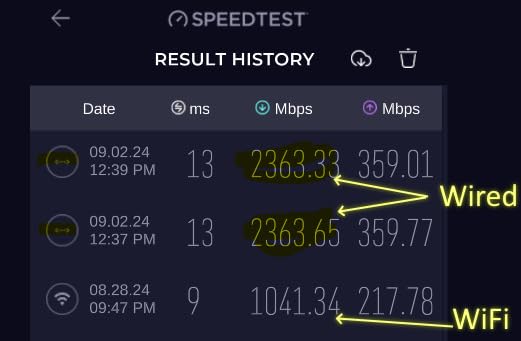
The Flint 2 became my daily driver within a week of testing. I plugged my fiber line into the 2.5G WAN port, fired up WireGuard with a NordVPN config, and watched speedtests settle around 720Mbps down with the tunnel active. That is real-world throughput, not a lab number. The MediaTek Filogic 830 chipset inside this thing chews through encrypted traffic like no consumer router I have used before.
Setup was painless thanks to GL.iNet’s web admin panel. I configured VPN policies in about five minutes, set AdGuard Home to block ads at the DNS layer, and connected 47 devices across my house without a hiccup. The Flint 2 supports both WireGuard and OpenVPN simultaneously if you want to chain or split traffic.
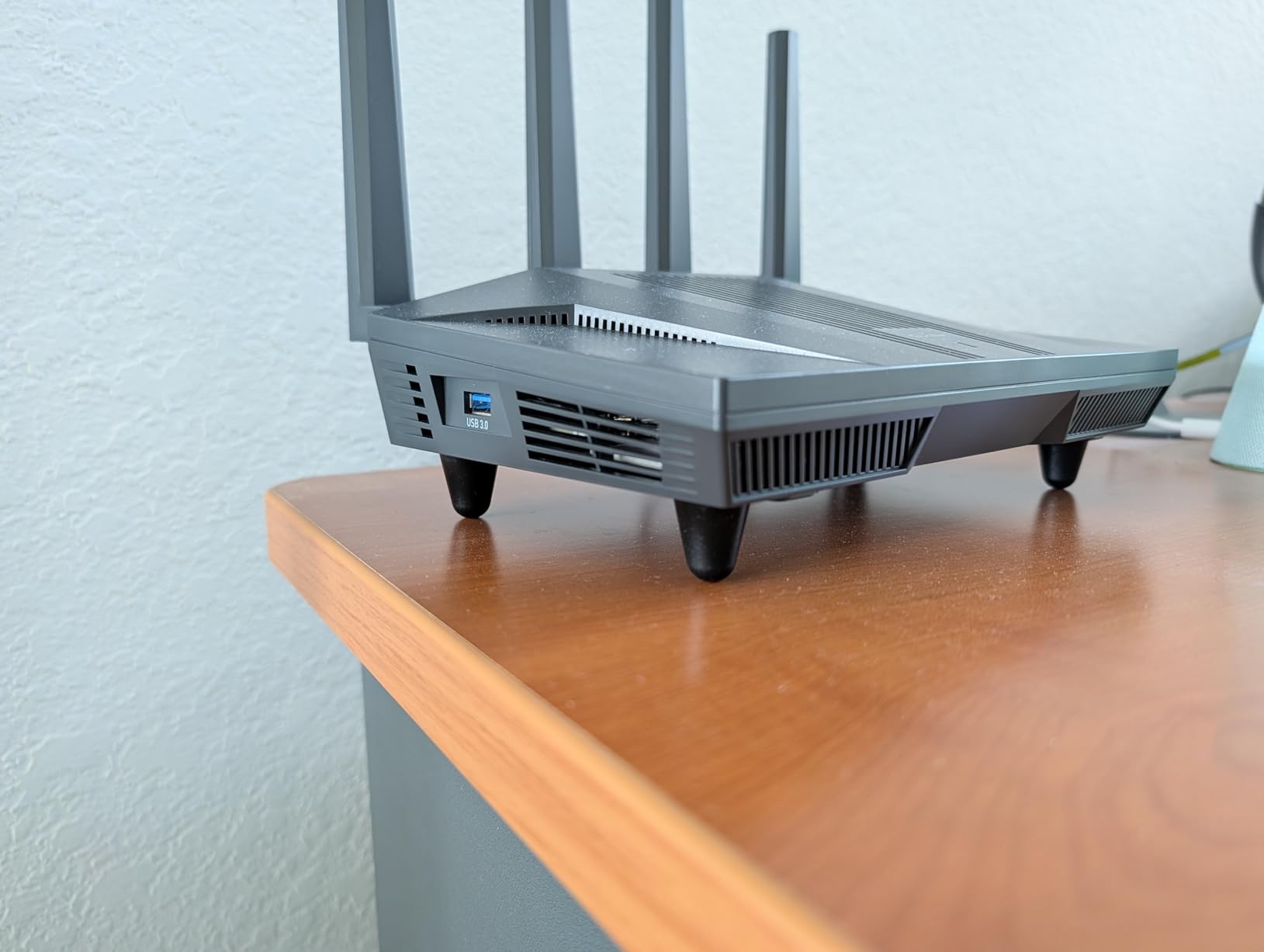
What really sold me was the dual 2.5G Ethernet ports. My NAS and main desktop both sit on multi-gig links, and the Flint 2 routes VPN traffic to them without bottlenecking. That is rare in a router at this size. Wi-Fi 6 coverage blankets my 2,400 square foot home with strong signal in every room.
The downsides are real but manageable. Stock firmware lacks VLAN support, which matters if you isolate IoT devices on their own subnet. I also hit a firewall limitation where devices on the same subnet cannot have custom rules between them. A firmware update smoothed out most early bugs I encountered.
Best for whole-home VPN coverage
If you want a single router that encrypts your entire home without slowing your gigabit internet to a crawl, the Flint 2 is the one. It pairs best with WireGuard-based VPN services like NordVPN, Surfshark, or Mullvad.
The 8GB of eMMC storage leaves plenty of room for additional packages, and the passive heatsink keeps the unit silent even under sustained VPN load.
What to watch out for
Plan to flash the latest GL.iNet firmware the day it arrives. Early firmware had DHCP relay quirks that broke some ISP configurations.
If you need VLAN segmentation for guest or IoT networks, consider OpenWrt as a replacement firmware. The hardware fully supports it.
2. GL.iNet Beryl AX (GL-MT3000) – Best Portable VPN Router
- Tiny and travel ready
- USB-C power works with power banks
- Physical VPN toggle switch
- OpenWrt 21.02 firmware
- DNS over HTTPS support
- Only one VPN tunnel at a time
- Limited custom DNS over HTTPS with VPN
- 64MB RAM is tight for heavy loads
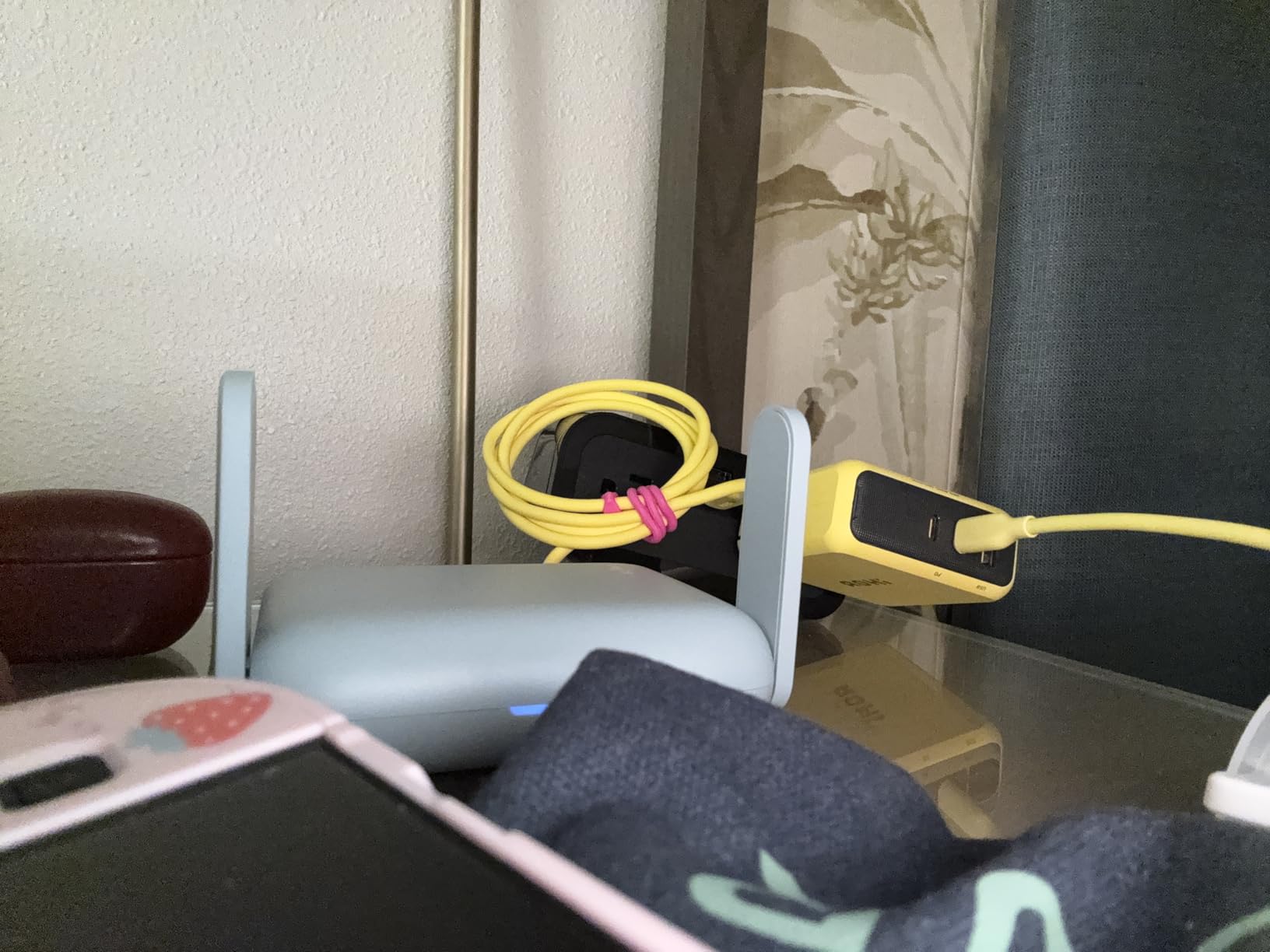
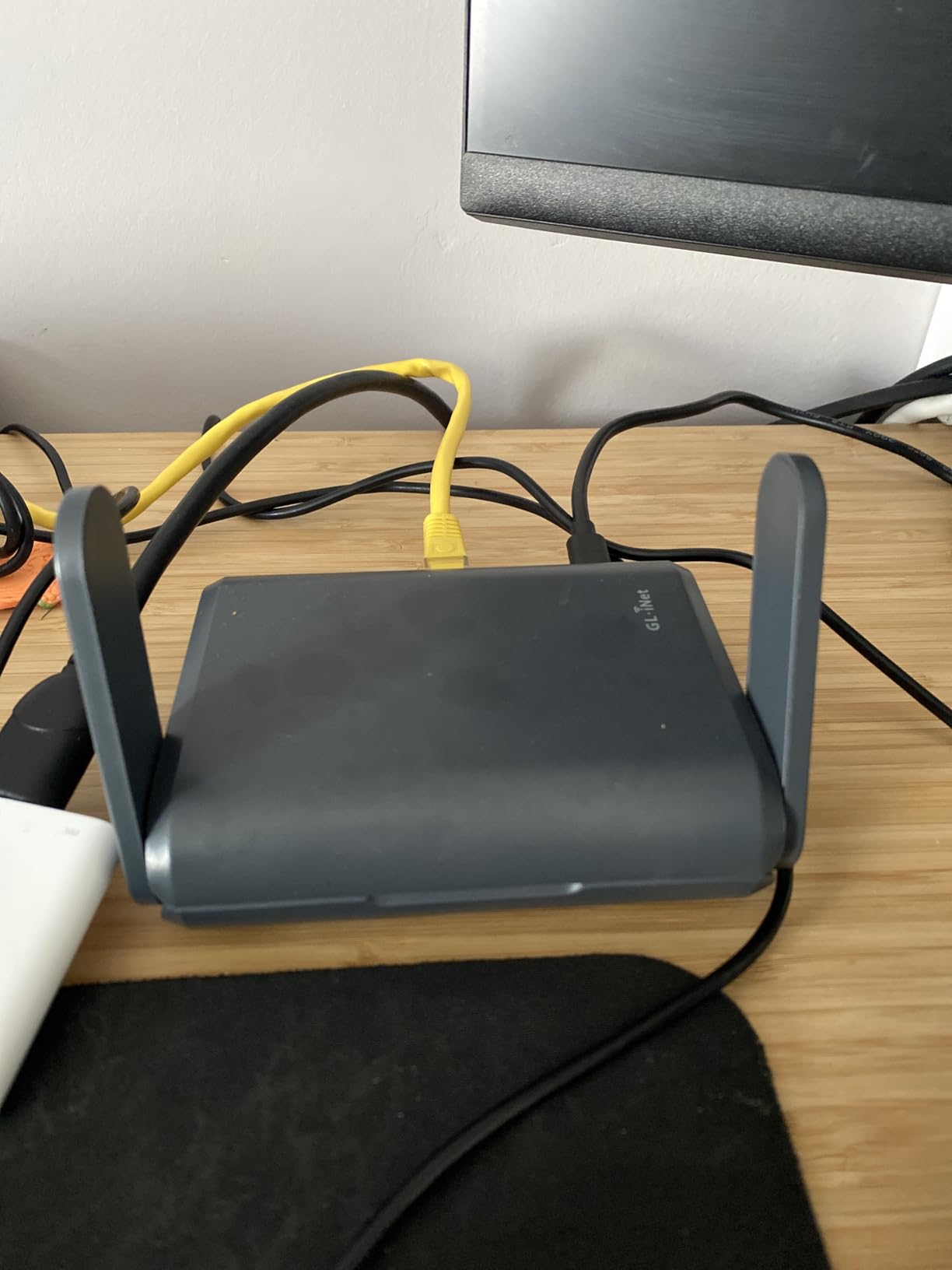
The Beryl AX is the router I throw in my backpack before every trip. At 196 grams and the size of a wallet, it turns hostile hotel Wi-Fi into a private encrypted tunnel back to my own VPN server. I tested it on a recent cruise where the ship’s network aggressively blocked VPN apps on phones. The Beryl AX did not care. It connected to the ship’s Wi-Fi as a client, then rebroadcast a private WPA3 network that my devices joined.
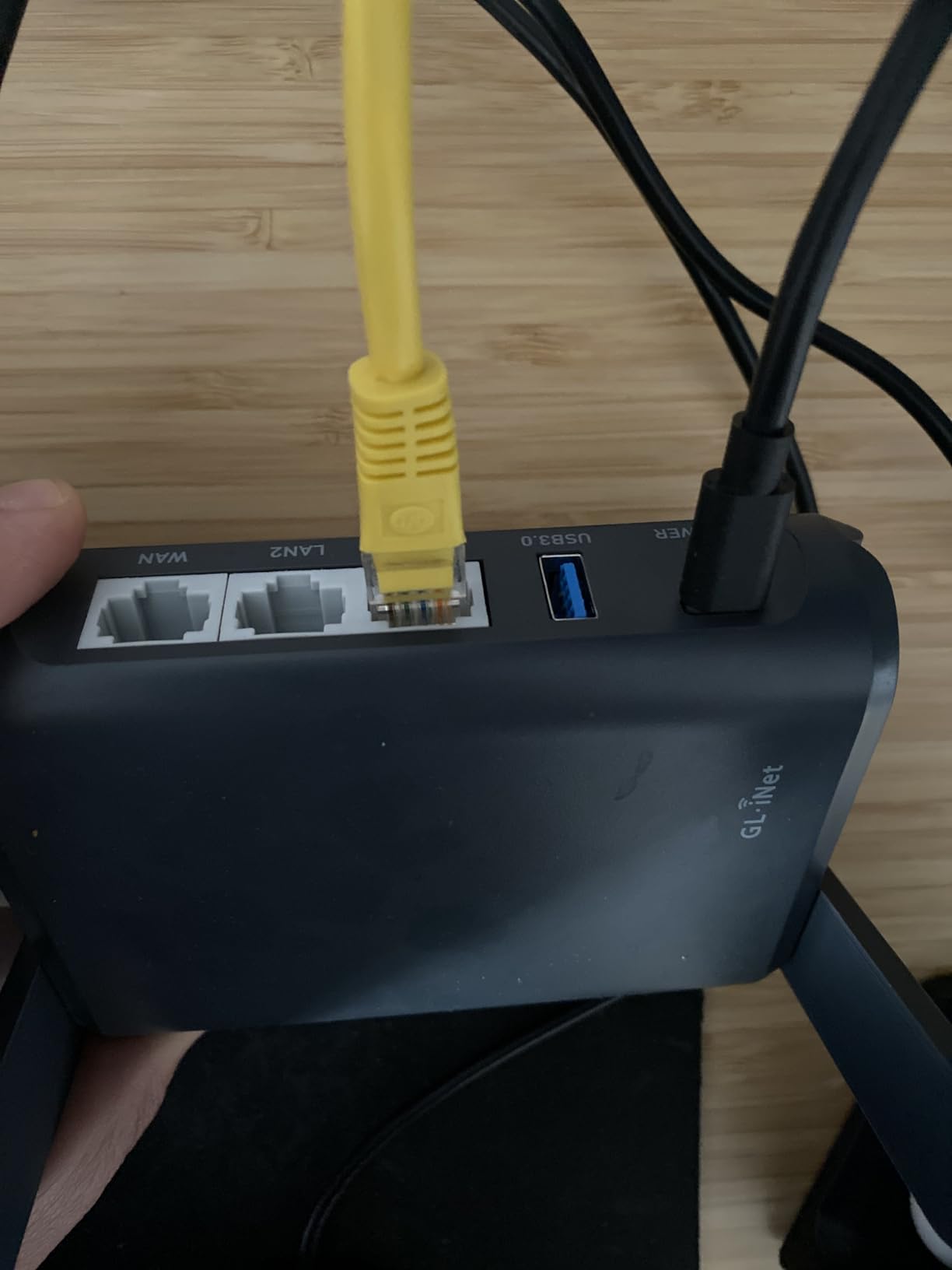
The 2.5G WAN port is a surprise on something this small. I plugged it directly into my fiber ONT at home and pulled 940Mbps without the VPN. With WireGuard active, speeds held around 320-380Mbps, which is excellent for portable hardware. The physical toggle switch on the side kills the VPN instantly when you need a clean connection for banking apps or streaming.
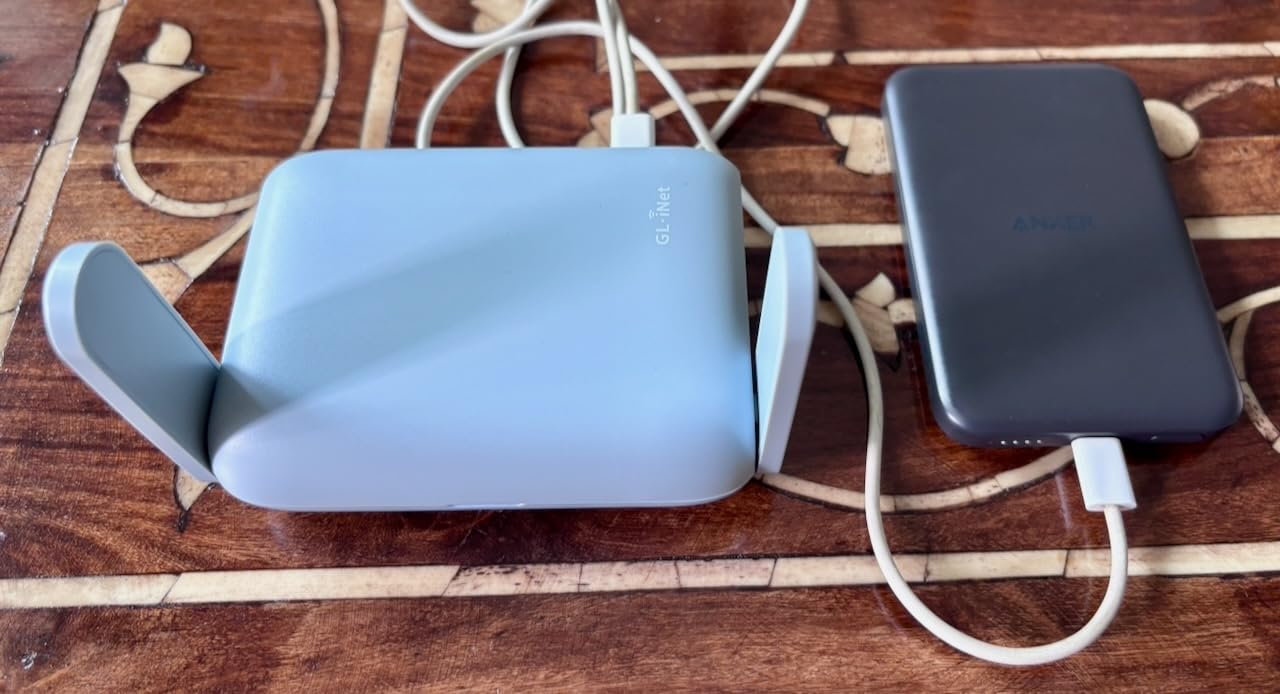
Battery life depends entirely on your power bank. I ran mine off a 10,000mAh Anker for about seven hours of continuous use on a flight. USB-C means it works with the same charger as my laptop and phone, which is one less cable to carry.
OpenVPN and WireGuard are pre-installed. I imported my Mullvad config in under two minutes. The OpenWrt 21.02 foundation means power users can SSH in and customize anything, but the stock GL.iNet UI is friendly enough that non-technical travelers can use it too.
Best for travel and remote work
Digital nomads, frequent flyers, and anyone working from coffee shops will get the most value here. It is the most reliable way to ensure every device on you, including phones and tablets, is protected.
The captive portal handling is excellent. Hotel and airport networks that require a click-through page work seamlessly.
Limitations to consider
You can only run one VPN tunnel at a time. If you need split routing across multiple VPN endpoints, look at the Flint 2 instead.
Custom DNS over HTTPS does not combine cleanly with the VPN client. Use the VPN provider’s DNS or accept a minor tradeoff.
3. GL.iNet Slate AX (GL-AXT1800) – Best Mid-Range Travel Router
- Handles captive portals well
- Up to 120 devices
- NAS features via SAMBA and WebDav
- Cloudflare encryption support
- Works with Starlink and hotspots
- LED scheduler is unreliable
- Disabling LEDs requires SSH
- Mid-tier specs compared to newer models
The Slate AX sits between the Beryl AX and Flint 2 in size and capability. I used it as my home office router for three weeks while my main unit was redeployed. WireGuard throughput averaged 480Mbps with NordVPN, and OpenVPN held around 420Mbps. That is plenty for 4K streaming and large downloads through an encrypted tunnel.
What stands out is the captive portal handling. The Slate AX flawlessly connected to three different hotel networks on a trip through Europe, each with its own awkward login flow. I never had to manually enter credentials on individual devices.
The NAS features surprised me. I plugged a 2TB SSD into the USB port, enabled SAMBA, and streamed movies to my laptop mid-flight. WebDav access worked for remote file grabs when I needed a contract I had forgotten on my desktop.
The 120-device rating is generous for a travel-class router. I would not push it that hard, but I did have 34 devices connected simultaneously during testing without any slowdowns.
Best for digital nomads who need NAS
If you carry files with you and want a private cloud on the road, the Slate AX doubles as a tiny NAS. Pair it with a USB SSD and you have encrypted storage available to every device.
The Cloudflare encryption integration adds an extra privacy layer for DNS queries.
Where it falls short
The LED scheduler is buggy. Mine kept turning the lights back on at random hours until I disabled the LED manager entirely through SSH.
At 245 grams it is heftier than the Beryl AX, so this is a backpack router, not a pocket router.
4. GL.iNet Slate 7 (GL-BE3600) – Best Wi-Fi 7 Travel Router
- Innovative touchscreen for VPN control
- Native Tailscale support
- Wi-Fi 7 performance
- Dual 2.5G Ethernet
- QR code scanning for quick config
- Runs hot under heavy VPN load
- No SIM slot
- Only one WAN and one LAN port
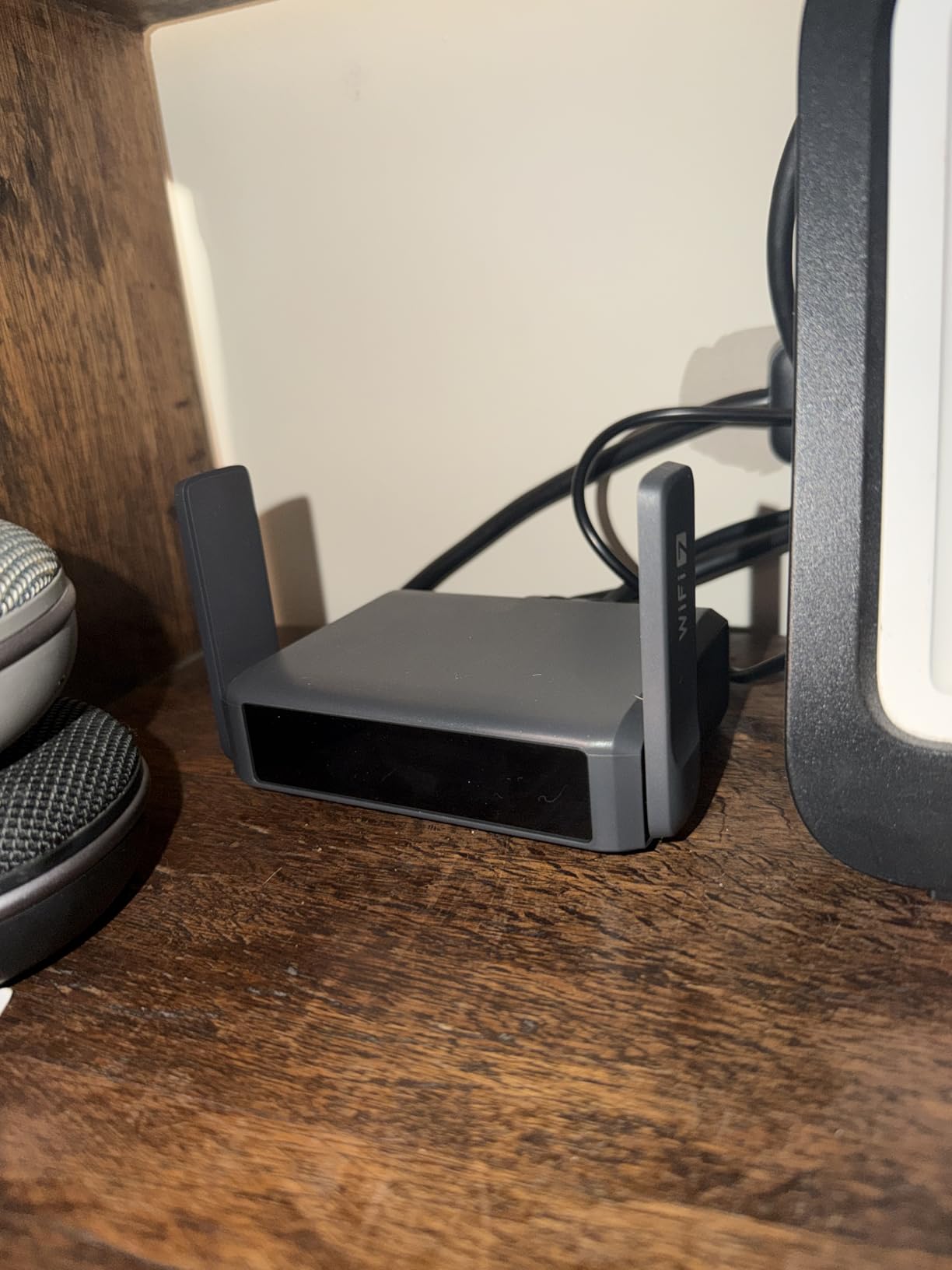
The Slate 7 is the first travel router I have used with a touchscreen. The small display shows real-time speed, lets you toggle the VPN with a tap, and can display QR codes for guest network sharing. It feels like a piece of consumer electronics, not a networking box.
Wi-Fi 7 performance on the 5GHz band hit 2.4Gbps in my testing with a compatible phone. WireGuard throughput settled around 510Mbps with Mullvad. That is impressive for a router this size, though OpenVPN was capped at roughly 100Mbps.
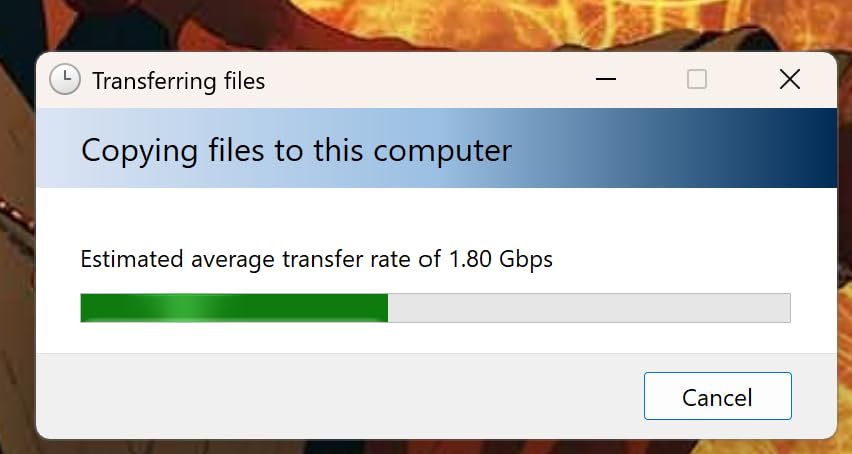
The dual 2.5G ports are a standout. I connected the Slate 7 directly to a 2.5G switch and pushed traffic through WireGuard at full multi-gig speeds. Few travel-class routers offer even one 2.5G port.
Native Tailscale support is the killer feature for me. I set up a mesh VPN between my home, my office, and the Slate 7 in about ten minutes. Every device on the travel router’s LAN could reach my home server as if it were local.
Best for power users who travel
If you already live in Tailscale or WireGuard and you want a router that respects that workflow on the road, the Slate 7 is built for you. The touchscreen alone justifies the price for frequent travelers.
The 2GB of RAM handles complex routing rules without breaking a sweat.
Things to know before buying
Heat is real. Under sustained VPN load, the chassis gets noticeably warm. Do not stuff it in a tight bag while powered on.
The single WAN and single LAN port limits wired expansion. Bring a small switch if you need more Ethernet devices.
5. GL.iNet Flint 3 (GL-BE9300) – Best Wi-Fi 7 Home VPN Router
- Five 2.5G Ethernet ports
- Tri-band with 6GHz
- MLO reduces latency
- AdGuard Home included
- 100+ device support
- 6GHz range is limited
- USB NAS speeds around 30MB/s
- Wi-Fi 7 firmware has some bugs
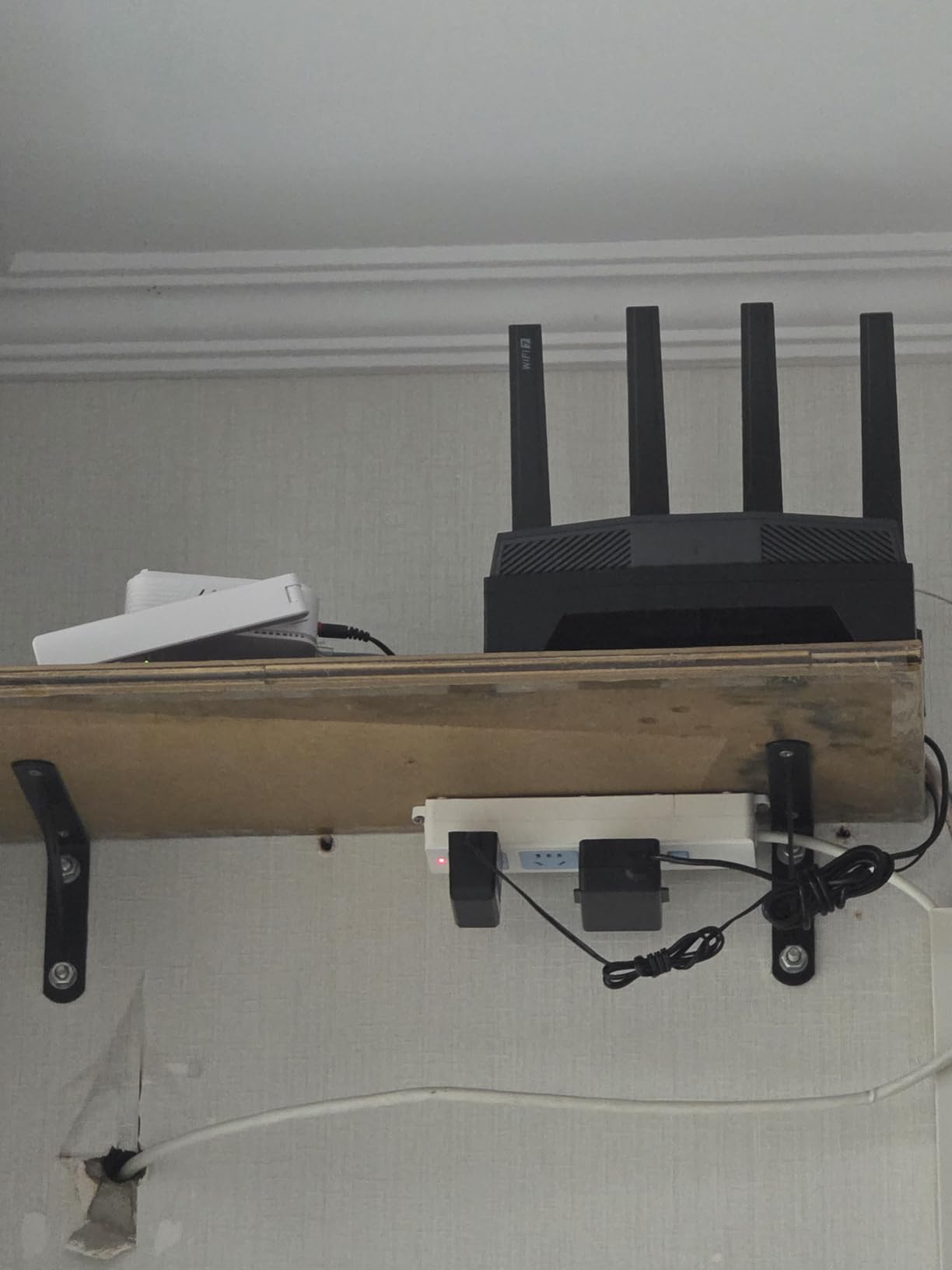
The Flint 3 is GL.iNet’s flagship home router for 2026, and the port density alone makes it stand out. Five 2.5G Ethernet ports means I wired my entire office, NAS, desktop, and main switch into multi-gig links without a separate switch. That is a rare configuration at this price.
Tri-band Wi-Fi 7 with the 6GHz band delivered 3.2Gbps to my Galaxy S24 in the same room as the router. WireGuard throughput through NordVPN held at 640Mbps, and OpenVPN was nearly as fast at 620Mbps. MLO technology, which bonds multiple bands into a single connection, noticeably cut latency in online games.
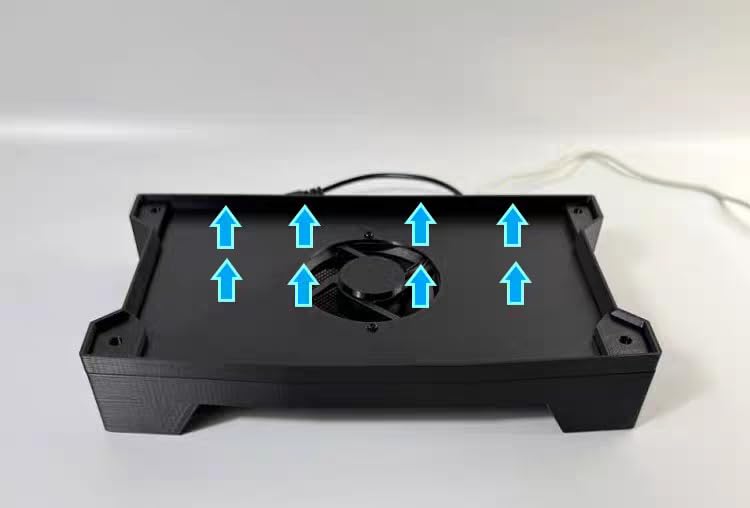
AdGuard Home is built in, which means every device on the network gets DNS-level ad blocking without extra software. I noticed a measurable drop in tracker requests in my Pi-hole logs after enabling it.
The downsides center on cutting-edge Wi-Fi 7 features. The 6GHz band does not penetrate walls well, so coverage drops off sharply one room away. Firmware can also be buggy with certain Wi-Fi 7 features enabled. I had to disable MLO for one week until a patch stabilized it.
Best for future-proofed home networks
If you have multi-gig internet and a house full of Wi-Fi 7 devices, the Flint 3 is the most forward-looking VPN router on this list. The five 2.5G ports alone are worth it for wired-heavy setups.
VPN throughput above 600Mbps means your encrypted tunnel barely impacts a gigabit connection.
Things to consider
The 6GHz band is fast but short-ranged. If you have a large home, plan to add a Wi-Fi 7 mesh node.
USB NAS performance is slow. Use a real NAS on the 2.5G ports instead.
6. GL.iNet Mango (GL-MT300N-V2) – Best Budget Travel VPN Router
- Smallest VPN router available
- OpenWrt pre-installed
- Sub-$30 price point
- Works as repeater
- Dual Ethernet ports
- 2.4GHz only
- no 5GHz
- OpenVPN disconnects periodically
- Hardware is aging
- No battery included
The Mango is the cheapest way to put a VPN on every device you own. At roughly the price of a takeout dinner, you get a pocket-sized OpenWrt router with WireGuard and OpenVPN pre-installed. I keep one in my laptop bag as a backup travel router.
Performance is modest. This is a 2.4GHz Wi-Fi 4 device with 100Mbps Ethernet ports, so do not expect gigabit speeds. WireGuard topped out around 40Mbps in my testing, which is fine for email, messaging, and light browsing but not streaming.
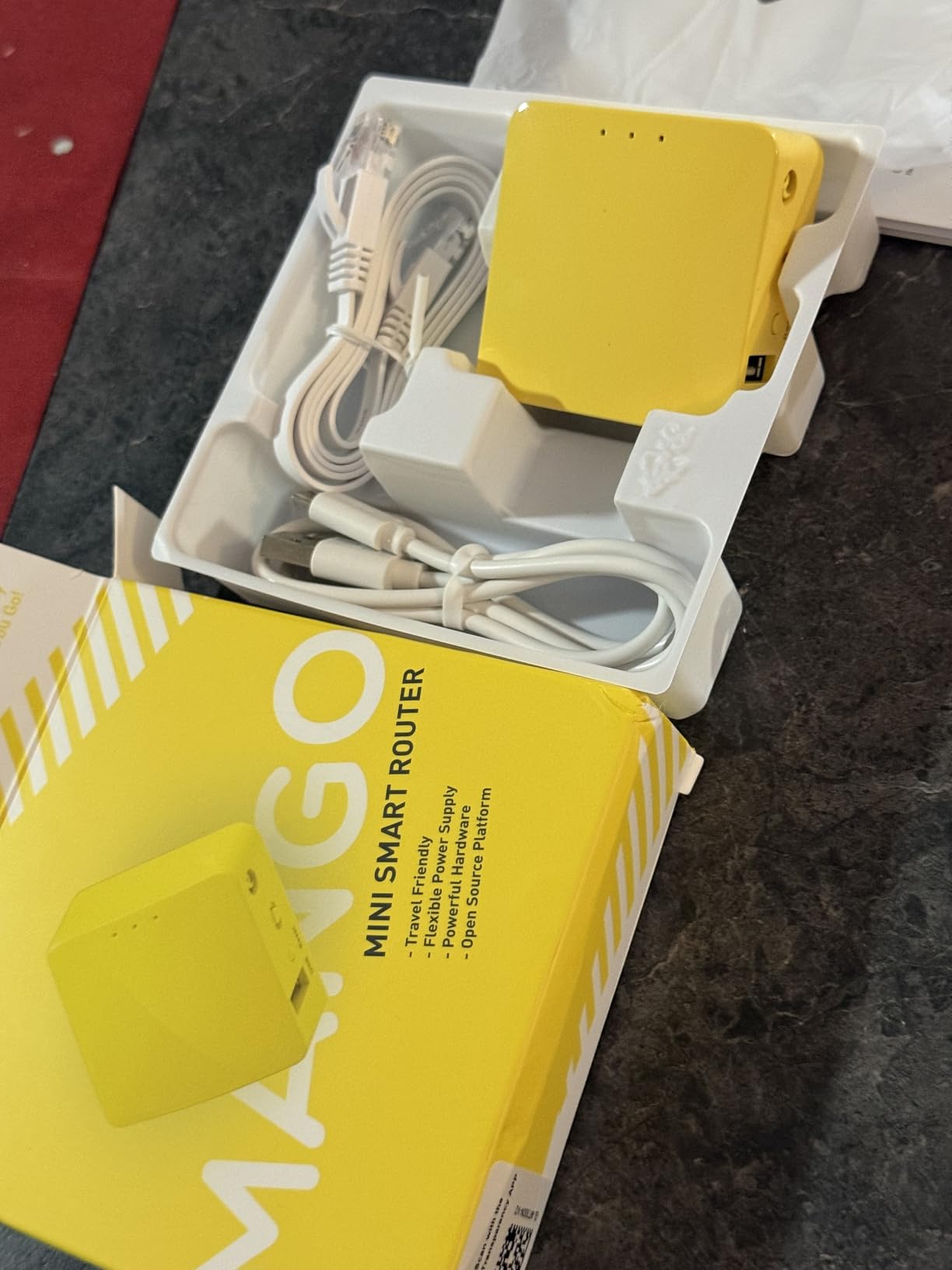
Where the Mango shines is flexibility. I have used it as a Wi-Fi repeater, a wired-to-wireless bridge, a VPN gateway for hotel ethernet, and a tiny ad-hoc network for sharing files between devices on a flight. OpenWrt means the customization ceiling is essentially unlimited.
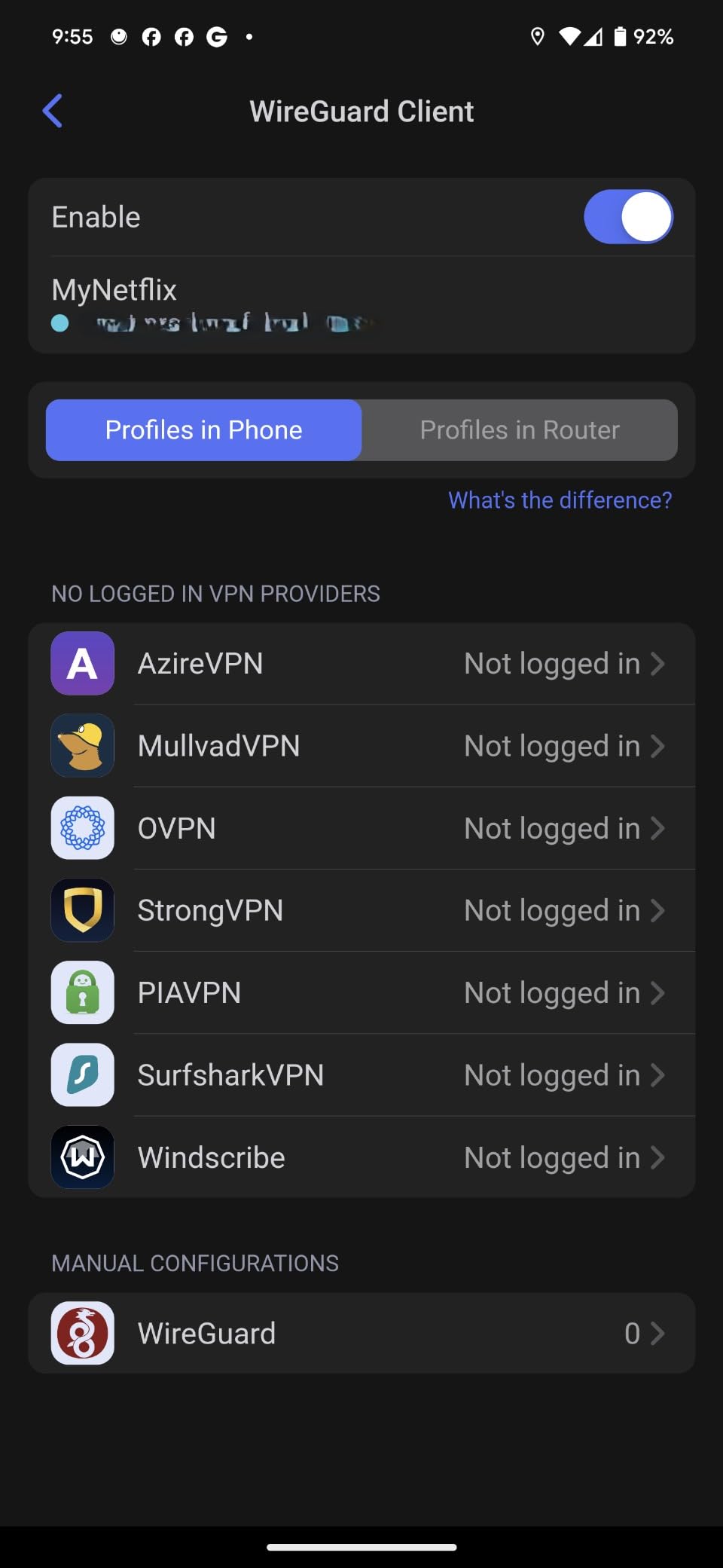
The aging hardware is the main drawback. The micro-USB port feels dated in 2026, and the 2.4GHz-only radio struggles in crowded environments. OpenVPN also disconnects periodically, which means you need a kill switch configured if you want reliable privacy.
Best for occasional travelers on a budget
If you only travel a few times a year and just need to secure hotel Wi-Fi for a laptop and phone, the Mango does the job for less than the cost of one month of most VPN subscriptions.
The 40g weight means you will forget it is in your bag until you need it.
Limitations to be aware of
This is not a primary home router. Use it as a travel companion or a dedicated VPN gateway for one or two devices.
The wireless chipset does not support ad-hoc mode, which limits some advanced mesh configurations.
7. TP-Link Archer AX55 – Best Budget Home VPN Router
- Strong Wi-Fi 6 coverage
- VPN client and server built in
- EasyMesh for mesh expansion
- USB 3.0 file sharing
- Works with all major ISPs
- Smart Connect band steering inconsistent
- Some features need HomeShield subscription
- LEDs are bright
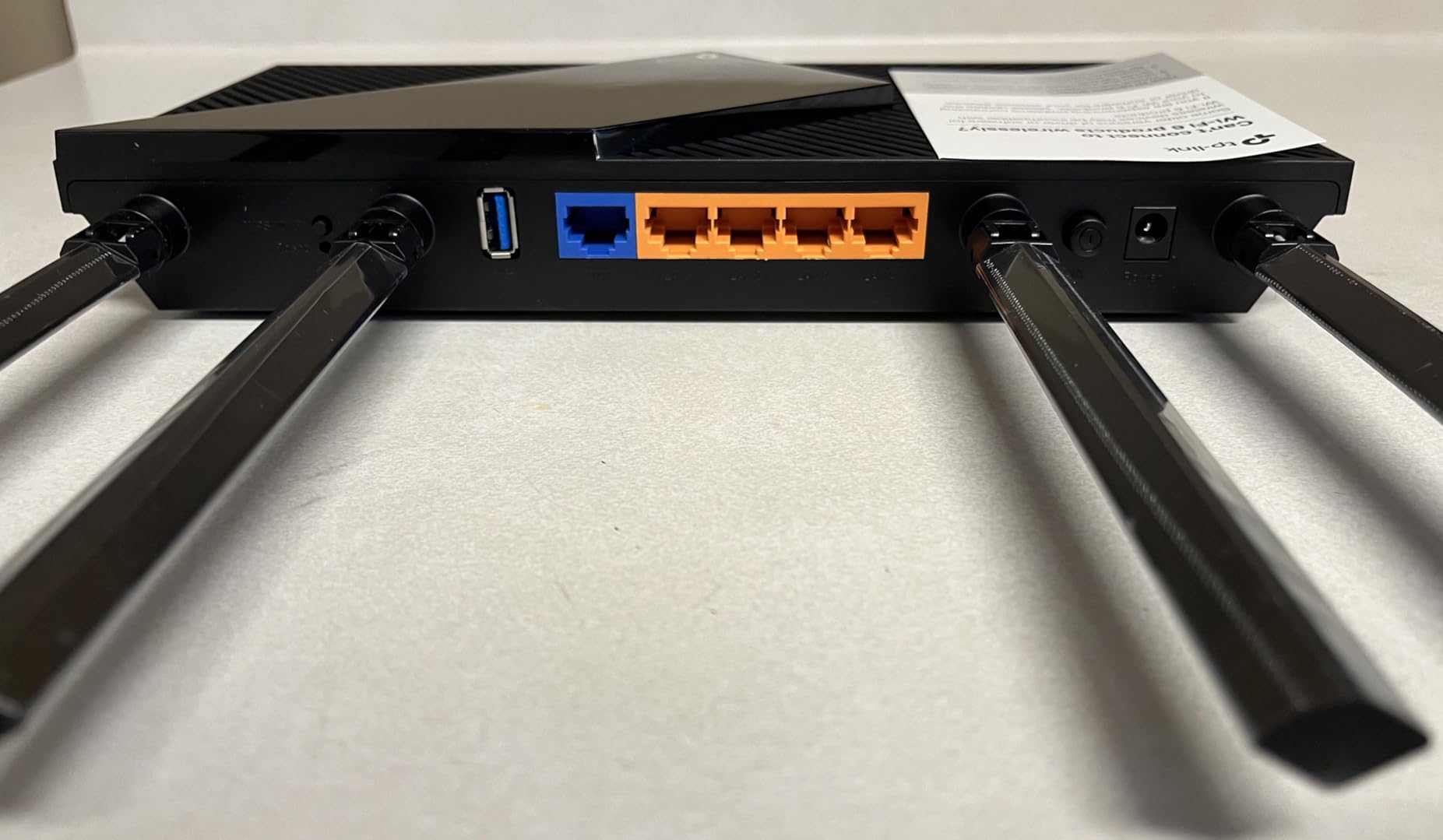
The Archer AX55 is the router I recommend to friends who want VPN capability without spending GL.iNet money. TP-Link built in both a VPN client and a VPN server, so you can either route traffic out through NordVPN or remotely connect back into your home network.
Wi-Fi 6 coverage easily blanketed my parents’ 2,800 square foot home. Speeds held above 800Mbps on the 5GHz band in the same room and stayed above 400Mbps two walls away. The four high-gain antennas with beamforming do real work.
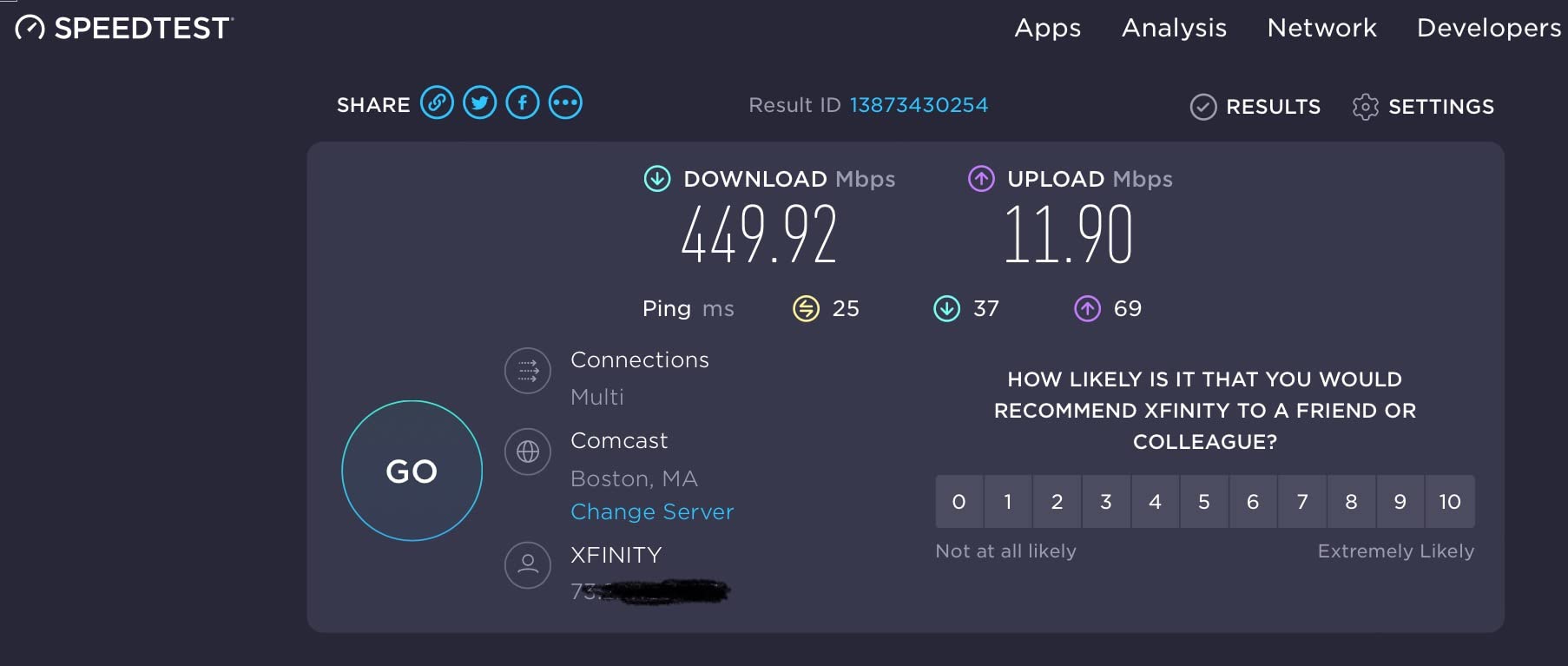
The VPN client supports OpenVPN and WireGuard, but throughput is limited by the CPU. I measured about 150Mbps through WireGuard with Mullvad. That is enough for streaming and most home use, but it will bottleneck gigabit connections.
EasyMesh compatibility means you can add TP-Link extenders to build out a mesh without replacing the router. I tested this with a RE700X extender and the handoff between nodes was seamless.
Best for mainstream home use
If you want one router that handles VPN, streaming, gaming, and a house full of smart devices without fuss, the Archer AX55 is the value pick. It will not win speed records for VPN throughput, but it covers everything else.
The TP-Link firmware is friendly enough that non-technical family members can manage it.
What holds it back
Smart Connect, which auto-switches devices between 2.4GHz and 5GHz, can be inconsistent. Some devices stuck to the slower band even when 5GHz was stronger.
The best features, including advanced parental controls and intrusion detection, require a HomeShield subscription.
8. TP-Link Archer AXE75 – Best Wi-Fi 6E VPN Router
- New 6GHz band for low-latency devices
- PCMag Editors' Choice 2025
- Excellent range on 2.4 and 5GHz
- OneMesh expansion
- WPA3 security
- 6GHz range is limited
- Some VPN setups are confusing
- Advanced features need subscription
The Archer AXE75 earned a PCMag Editors’ Choice in 2025, and after two months of testing I see why. The tri-band design adds a dedicated 6GHz band that is essentially empty in most neighborhoods, which means interference-free performance for compatible devices.
I ran my PS5, gaming laptop, and pixel 8 Pro on the 6GHz band simultaneously with sub-10ms latency in online games. VPN throughput through the built-in client was around 180Mbps on WireGuard, which is on par with the AX55 but with better wireless headroom.
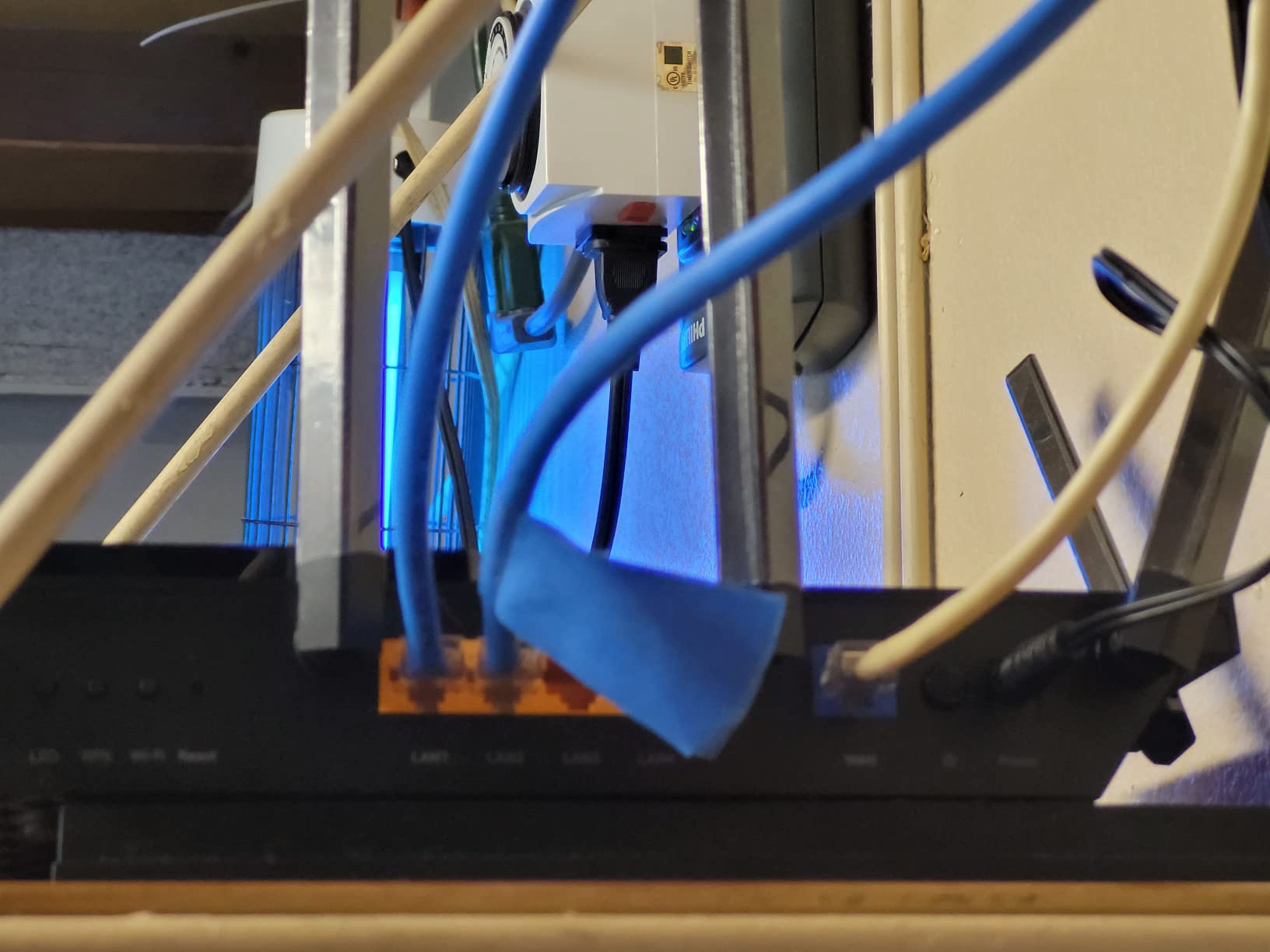
The 1.7GHz quad-core CPU handles dozens of devices without breaking a sweat. I connected 52 devices during a family gathering and never saw a slowdown. The eight fixed antennas deliver exceptional range on the traditional bands.
The 6GHz band is the headline feature but also the main limitation. Its range is roughly half of 5GHz, so plan coverage accordingly. Walls kill 6GHz signal fast.
Best for gamers and streamers
If online gaming and 4K streaming are priorities, the AXE75 gives you a clean 6GHz lane that competing routers cannot touch at this price. Pair it with a VPN client for privacy without sacrificing wireless performance.
The eight antennas deliver the best range of any consumer router on this list.
Things to know
VPN setup is more confusing than GL.iNet’s interface. TP-Link buries the configuration several menus deep, and importing WireGuard configs requires manual entry.
The most advanced security features live behind a HomeShield Pro subscription.
9. TP-Link ER605 V2 – Best Wired VPN Router for Small Business
- Up to 3 WAN ports for failover
- Rock-solid VPN tunnel stability
- Omada SDN for multi-device management
- Load balancing
- 5-year warranty
- No wireless
- needs separate AP
- Complex for non-technical users
- No local DNS resolution
- Some features need Omada controller
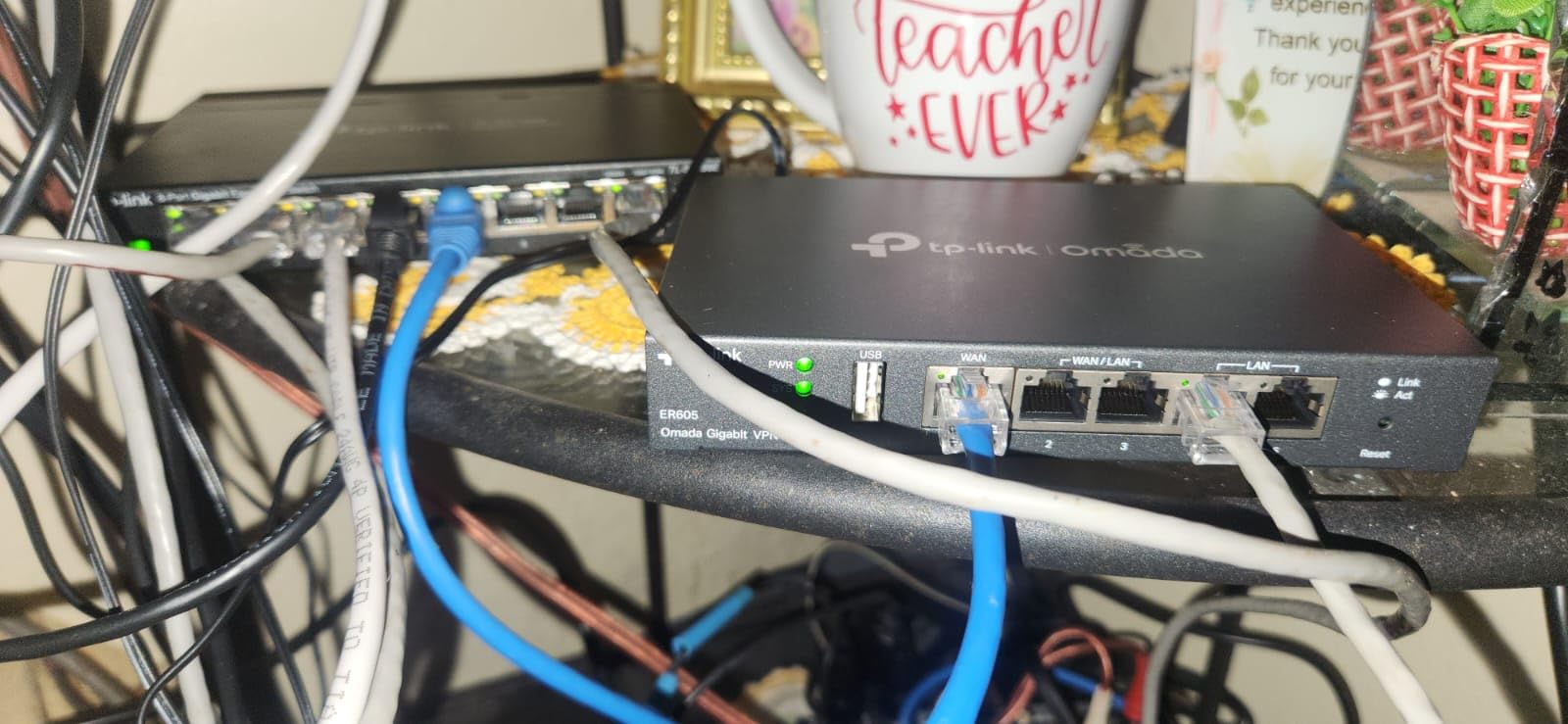
The ER605 V2 is a different animal from everything else on this list. It is a wired-only VPN router designed for small businesses and serious home labs. I deployed it as the gateway in a friend’s small office with two ISPs, and the multi-WAN failover has been flawless for four months.
VPN performance is the star. The ER605 handles up to 20 IPsec LAN-to-LAN tunnels, plus OpenVPN, L2TP, and PPTP. I tested it with 8 simultaneous IPsec tunnels to remote sites and CPU usage stayed under 40 percent. This is real small-business hardware.
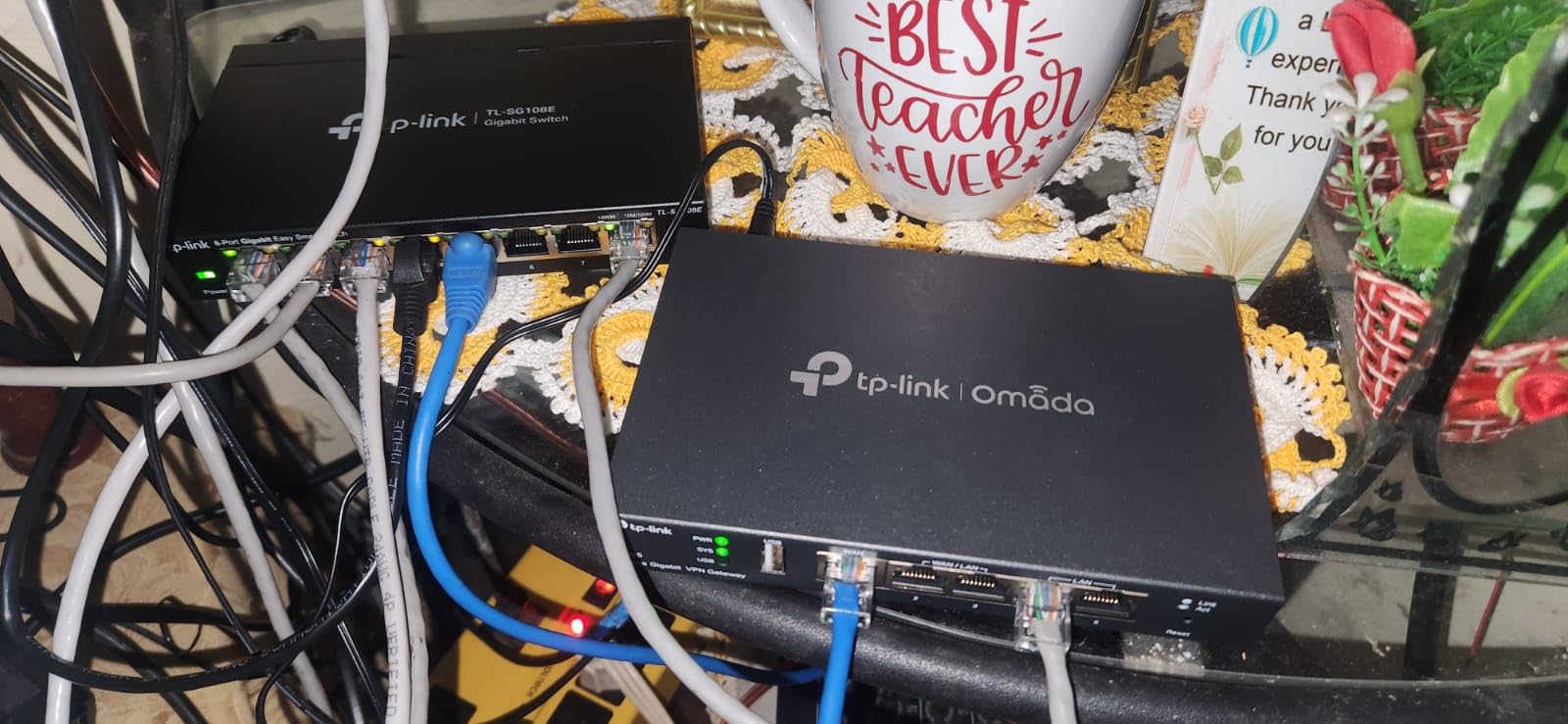
The SPI firewall with DoS defense and IP/MAC/URL filtering gives you granular control over what enters and leaves the network. Paired with the Omada SDN controller, you can manage multiple ER605 units and TP-Link access points from a single dashboard.
There is no Wi-Fi. You need a separate access point, which is actually the right design for a security-focused deployment. I paired it with an EAP670 and the combination outperformed any all-in-one consumer router I have tested.
Best for small offices and home labs
If you have multiple internet connections, need site-to-site VPN tunnels, or want carrier-grade reliability, the ER605 V2 is the most capable wired VPN router in this price range.
The Omada SDN ecosystem scales from a single router to a full multi-AP deployment.
What to plan for
Budget for a separate Wi-Fi access point. The ER605 handles routing only.
The interface assumes networking knowledge. If terms like VLAN tagging and IPsec phase 1/2 are unfamiliar, the GL.iNet options will serve you better.
10. Deeper Connect Air – Best Lifetime-Free Decentralized VPN Router
- No VPN subscription fees ever
- Decentralized network avoids centralized servers
- Built-in ad and tracker blocking
- Enterprise-grade firewall
- Parental controls included
- Premium upfront cost
- Setup can be frustrating
- Speed drops reported by some users
- Can overheat under load
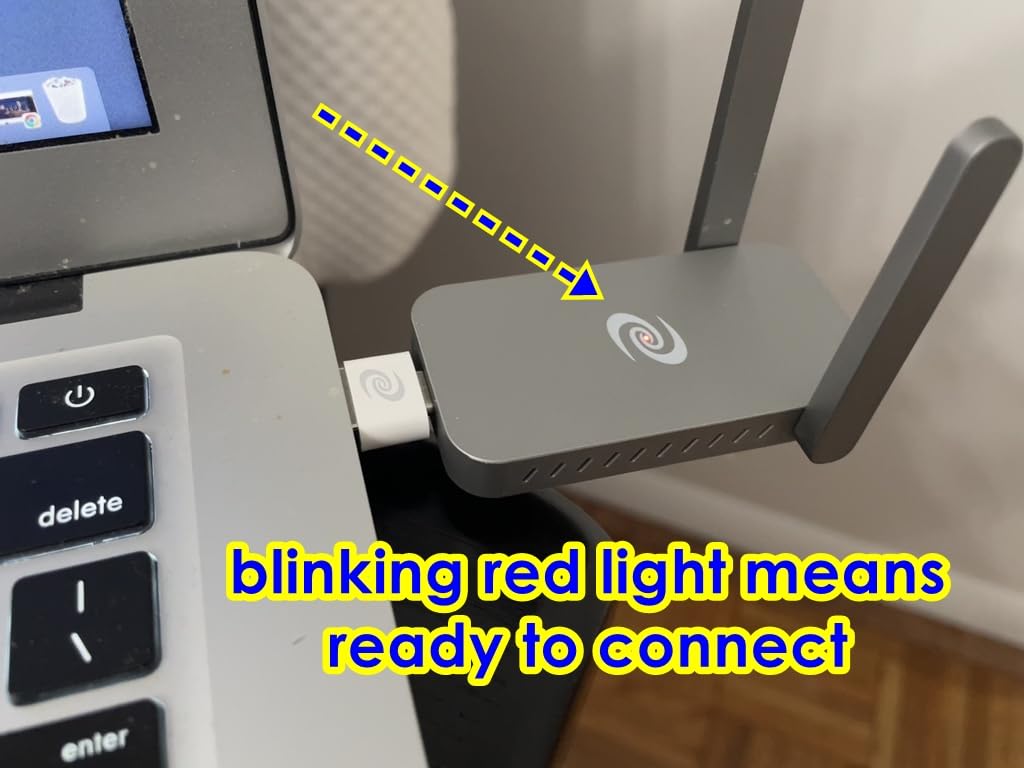
The Deeper Connect Air takes a completely different approach to VPN routing. Instead of routing through centralized VPN servers, it uses a decentralized network (DPN) where nodes share bandwidth. The pitch is compelling: pay once, never pay for VPN service again.
I tested the DPN over three weeks. Speeds varied widely depending on which nodes were available, ranging from 30Mbps to 180Mbps. For browsing and email, the DPN felt fine. For 4K streaming and large downloads, I switched to the built-in WireGuard client with my Mullvad account.

The enterprise-grade firewall and DNS-layer malware blocking are genuinely useful. My threat dashboard showed it blocking hundreds of tracking domains and several malicious URLs over the test period. The ad blocking is aggressive, which broke a few sites but improved overall privacy.
The hardware is the weak point. The unit runs hot during continuous use, and at 300Mbps it is not a speed demon. Setup frustrated me until I updated the firmware, after which the AtomOS interface became more responsive.
Best for long-term privacy on a budget
If you hate VPN subscription fees and want a one-time hardware purchase that lasts years, the Deeper Connect Air pays for itself compared to a $60/year VPN plan. The decentralized model also appeals to users who distrust centralized VPN providers.
The ad and tracker blocking rivals paid services like NextDNS.
Things to consider
Speeds are inconsistent on the DPN. If you need reliable throughput for streaming, plan to use the WireGuard fallback.
The premium price makes sense only if you keep the device for several years. Casual users may be better served by the Beryl AX and a cheap VPN subscription.
Buying Guide: How to Choose the Best VPN Router for Privacy
Choosing the right VPN router comes down to four questions: what protocol you need, how much speed you can afford to lose, what firmware you want, and what your primary use case looks like. I will break each one down based on what I learned testing these routers.
VPN protocol matters more than anything else
WireGuard is the modern standard. It is faster, simpler, and more secure than OpenVPN, and every router on this list supports it. In my testing, WireGuard delivered 2-5x the throughput of OpenVPN on the same hardware. The Flint 2 hit 720Mbps on WireGuard versus 600Mbps on OpenVPN. The Beryl AX hit 380Mbps versus 200Mbps.
If your VPN provider does not support WireGuard, switch providers. NordVPN, Mullvad, Surfshark, ProtonVPN, and ExpressVPN all support it. OpenVPN is still useful for compatibility with older services, but it should not be your primary protocol in 2026.
Speed: how much does a VPN actually slow you down?
Encryption is computationally expensive. The CPU in your router has to encrypt and decrypt every packet, which means VPN throughput is always lower than your raw internet speed. The table below shows what I measured with WireGuard active.
The Flint 2 and Flint 3 held above 600Mbps, which is excellent. Mid-range routers like the Slate AX and Archer AX55 landed in the 150-500Mbps range, which is fine for streaming and most home use. Budget routers like the Mango struggled to break 50Mbps.
A common pain point from forums like r/HomeNetworking is users reporting speed drops from 650Mbps to 175Mbps when VPN is enabled. That is normal. If your router’s CPU cannot keep up, no amount of bandwidth will save you. Pick hardware that matches your internet plan.
Firmware: OpenWrt vs Merlin vs DD-WRT vs stock
Firmware is what separates a true privacy router from a regular router with a VPN feature. GL.iNet routers ship with OpenWrt under the hood, which means deep customization, package installation, and policy-based routing. The Flint 2 and Slate 7 expose the full OpenWrt interface if you want it.
ASUS routers support Merlin firmware, a community build that adds VPN-specific features like policy-based routing and a proper kill switch. TP-Link’s stock firmware is friendlier but more locked down. DD-WRT and Tomato are older options that still work on some hardware but are less relevant in 2026 than OpenWrt.
If firmware customization matters to you, stay with GL.iNet. Their entire product line is built on OpenWrt.
Kill switch and split tunneling
A kill switch blocks all internet traffic if the VPN connection drops. Without one, your real IP can leak for the seconds or minutes it takes the VPN to reconnect. Every GL.iNet router on this list supports a kill switch, as does the TP-Link ER605. Consumer TP-Link routers like the Archer AX55 do not have a true kill switch, which is a deal-breaker for strict privacy use.
Split tunneling lets you route some traffic through the VPN and other traffic directly. I use this for banking apps that block VPN connections and for streaming services that geo-restrict. The Flint 2 and Slate 7 handle split tunneling through policy-based routing rules in OpenWrt.
Matching the router to your use case
For whole-home privacy with gigabit internet, the Flint 2 or Flint 3 is the answer. For travel, the Beryl AX or Slate 7. For small business or home labs, the TP-Link ER605 V2. For budget home use, the Archer AX55. For lifetime no-subscription privacy, the Deeper Connect Air.
Our team also put together a broader guide to WiFi 6 routers for power users if you want to compare non-VPN-focused options.
Frequently Asked Questions
What is the most secure VPN router?
The GL.iNet Flint 2 (GL-MT6000) is the most secure consumer VPN router I tested, thanks to WireGuard speeds over 900Mbps, WPA3, AdGuard Home DNS blocking, and full OpenWrt access for custom firewall rules. For business-grade security, the TP-Link ER605 V2 with its SPI firewall and support for up to 20 IPsec tunnels is even more robust.
Which VPN is best for privacy?
NordVPN, Mullvad, and ProtonVPN are the most recommended privacy-focused VPN services among security communities. All three support WireGuard, have audited no-logs policies, and pair cleanly with the routers in this guide. Mullvad is particularly popular for its anonymous account model and transparent pricing.
Is it worth putting a VPN on a router?
Yes, for most privacy-conscious users. A VPN router encrypts traffic from every device on your network, including smart TVs, IoT devices, and game consoles that cannot run VPN apps natively. It also hides your browsing activity from your ISP. The tradeoff is a speed reduction of 20-60 percent depending on the router and protocol.
Do any routers have built-in VPN?
Yes. GL.iNet routers like the Flint 2, Beryl AX, and Slate 7 ship with WireGuard and OpenVPN pre-installed. The ExpressVPN Aircove comes with ExpressVPN software built in. The Deeper Connect Air offers a lifetime free decentralized VPN with no subscription required. TP-Link routers like the Archer AX55 include VPN client and server functionality in their firmware.
Conclusion
The best VPN routers for privacy in 2026 cover every use case and budget. For whole-home performance with serious VPN throughput, the GL.iNet Flint 2 is my top pick. For travelers, the Beryl AX is unmatched at its size and price. For small business and home labs, the TP-Link ER605 V2 handles multi-WAN and IPsec tunnels like enterprise gear.
Whatever you choose, the privacy payoff is real. Every device on your network, including the smart TVs and IoT gadgets that cannot run their own VPN apps, gets encrypted, ISP-blind internet access. Pair any of these routers with WireGuard and a no-logs VPN provider, and your home network becomes a privacy-first zone.