
Keeping an eye on a vacation home from hundreds of miles away used to mean relying on a neighbor’s occasional drive-by. These days, the best smart cameras for vacation homes turn that anxiety into a 5-second check on your phone. I have spent the past three winters testing cameras on a cabin in northern Michigan, and the difference between a reliable setup and a frustrating one comes down to a few specific features.
The biggest surprise for me was how many cameras quietly lock core features behind monthly subscriptions. A $20 camera can end up costing $180 over three years once you add cloud storage fees. That is why this guide leans heavily toward cameras that support local storage on a microSD card. For more options in this category, our team has also put together a broader roundup of the best outdoor security cameras for homes that may fit your needs.
Below I cover 12 cameras that perform well for vacation properties specifically. That means weatherproofing for off-season storms, batteries or solar panels for spots without wiring, and remote access that actually works over slow cabin Wi-Fi. Whether you own a lake cottage, a mountain cabin, or a short-term rental, there is a pick here that fits the property and the budget.
Top 3 Picks for Best Smart Cameras for Vacation Homes (August 2026)

Tapo C120 2K Indoor/Outdoor Camera
- 2K QHD Resolution
- IP66 Weatherproof
- Free Person/Pet/Vehicle Detection
- Local microSD Storage

Wyze Cam OG Indoor/Outdoor
- 1080p Color Night Vision
- IP65 Weather Resistant
- Built-in Spotlight
- Local SD Card Storage

TP-Link Tapo C100 Indoor Camera
- 1080p FHD Video
- Motion Detection
- 2-Way Audio
- Night Vision up to 30 Feet
Best Smart Cameras for Vacation Homes in 2026
| Product | Specifications | Action |
|---|---|---|
| TP-Link Tapo C100 Indoor |
|
Check Latest Price |
| Wyze Cam OG |
|
Check Latest Price |
| Tapo C120 2K |
|
Check Latest Price |
 Ring Stick Up Cam Ring Stick Up Cam |
|
Check Latest Price |
 Tapo C500 Pan/Tilt Tapo C500 Pan/Tilt |
|
Check Latest Price |
 Tapo C400 Wireless Tapo C400 Wireless |
|
Check Latest Price |
 SEHMUA Solar 2K PTZ SEHMUA Solar 2K PTZ |
|
Check Latest Price |
 Kasa KC420WS 2K+ Kasa KC420WS 2K+ |
|
Check Latest Price |
 Tapo SolarCam C402 Tapo SolarCam C402 |
|
Check Latest Price |
 Blink Outdoor 4 (5-Cam) Blink Outdoor 4 (5-Cam) |
|
Check Latest Price |
 Google Nest Cam Battery Google Nest Cam Battery |
|
Check Latest Price |
 Nest Cam with Floodlight Nest Cam with Floodlight |
|
Check Latest Price |
1. TP-Link Tapo C100 – Affordable Indoor Monitoring
- Crystal-clear 1080P video
- Easy setup and app
- Local storage without subscription
- Affordable price
- Indoor only
- 2.4GHz Wi-Fi only
- No pan/tilt controls
I bought two of these for the entryway and living room of our rental cabin, and they have run reliably for over a year. At this price point, the 1080p image quality is sharper than I expected, and the night vision reaches the back of a 22-foot room without much grain. The Tapo app walks you through pairing in under three minutes, and motion alerts land on my phone about 4 seconds after someone walks into frame.
What sold me on the C100 specifically for a vacation property was the local recording. I dropped in a 128GB microSD card, set it to overwrite the oldest clips, and the camera has been self-sufficient ever since. No monthly fee, no cloud dependency if the cabin internet hiccups. The built-in siren also scared off a raccoon that kept tipping over the trash bin.
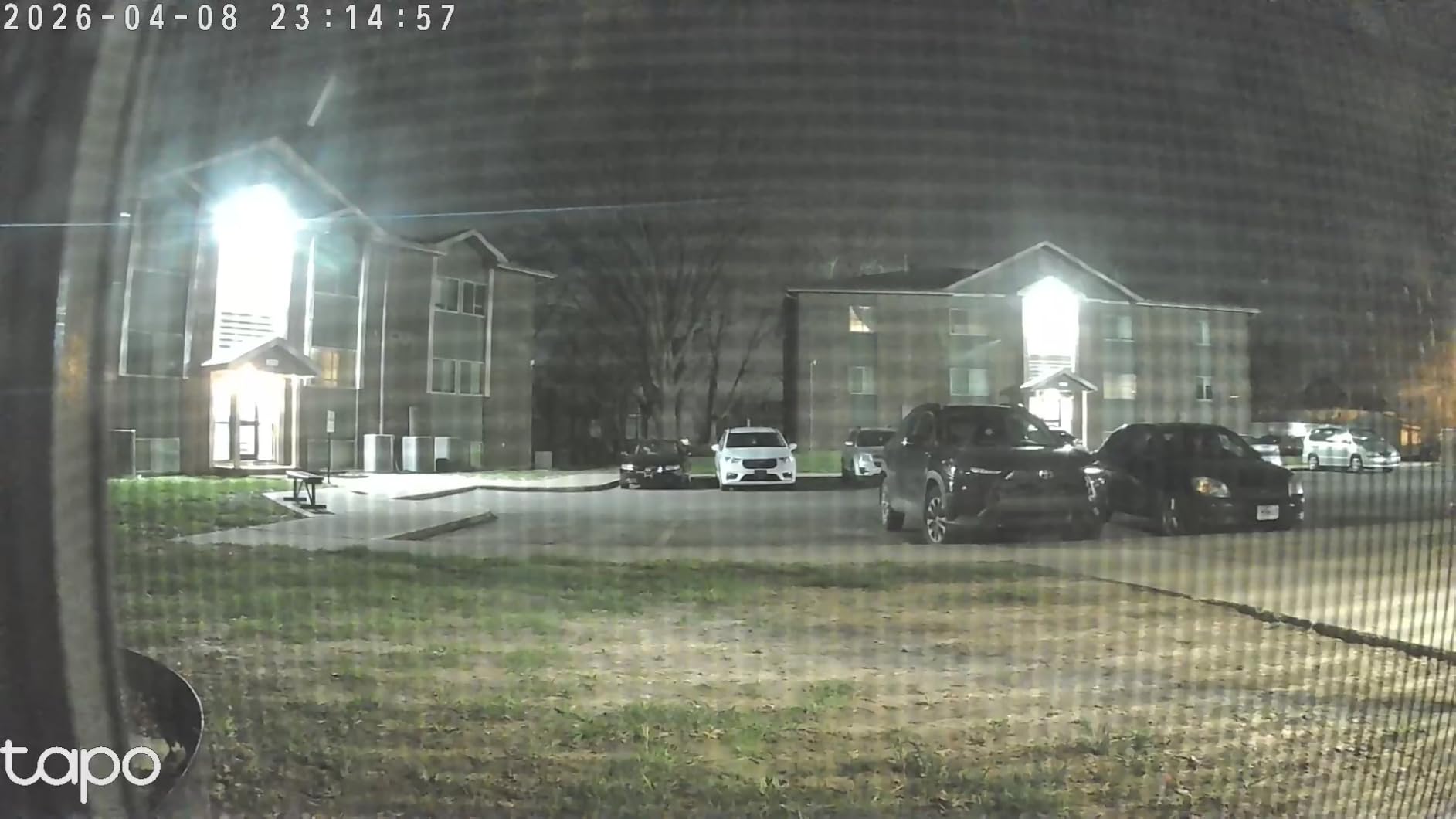
The 110-degree field of view covers most standard rooms wall-to-wall. I do wish it had pan-and-tilt, because repositioning means physically climbing up to remount it. For a static indoor watch point aimed at a doorway or hallway, that limitation is not a dealbreaker.
The biggest caveat is that the C100 is indoor only. There is no weatherproofing, and TP-Link explicitly warns against outdoor mounting. If you want a single camera for the interior of a vacation home and care about budget above all else, this is the one I keep recommending to friends.
Best Placement Spots for Indoor Cameras
I have had the best luck placing the C100 high in a corner of the main living area, angled to capture both the front door and the sliding glass door. The second unit watches the back hallway that leads to the bedrooms.
Avoid pointing any indoor camera at windows. Infrared night vision bounces off glass and whites out the entire image after sunset.
Subscription-Free Recording Setup
Insert a Class 10 microSD card up to 128GB, then in the Tapo app choose continuous or event-only recording. I run event-only because a 128GB card still fills in about 3 weeks on continuous mode.
Set the camera to loop recording so the oldest clips are deleted automatically. You never have to drive up to clear the card.
2. Wyze Cam OG – Best Value Indoor/Outdoor Camera
- IP65 weather resistance
- Color night vision
- Built-in spotlight
- Very affordable
- 2.4GHz Wi-Fi only
- Subscription for full cloud
- Wired power required
The Wyze Cam OG is the camera I recommend when someone wants outdoor coverage without paying a premium. I have one mounted under the eave of our garage, fully exposed to Michigan lake-effect snow, and it has held up for two winters straight. The IP65 rating is real, not a marketing number.
Color night vision is the standout feature for a vacation property. With the built-in spotlight kicking on automatically, I can actually tell whether the figure on the porch is a delivery driver or a deer. Standard infrared night vision renders everything in gray, which makes identifying details tough from 400 miles away.
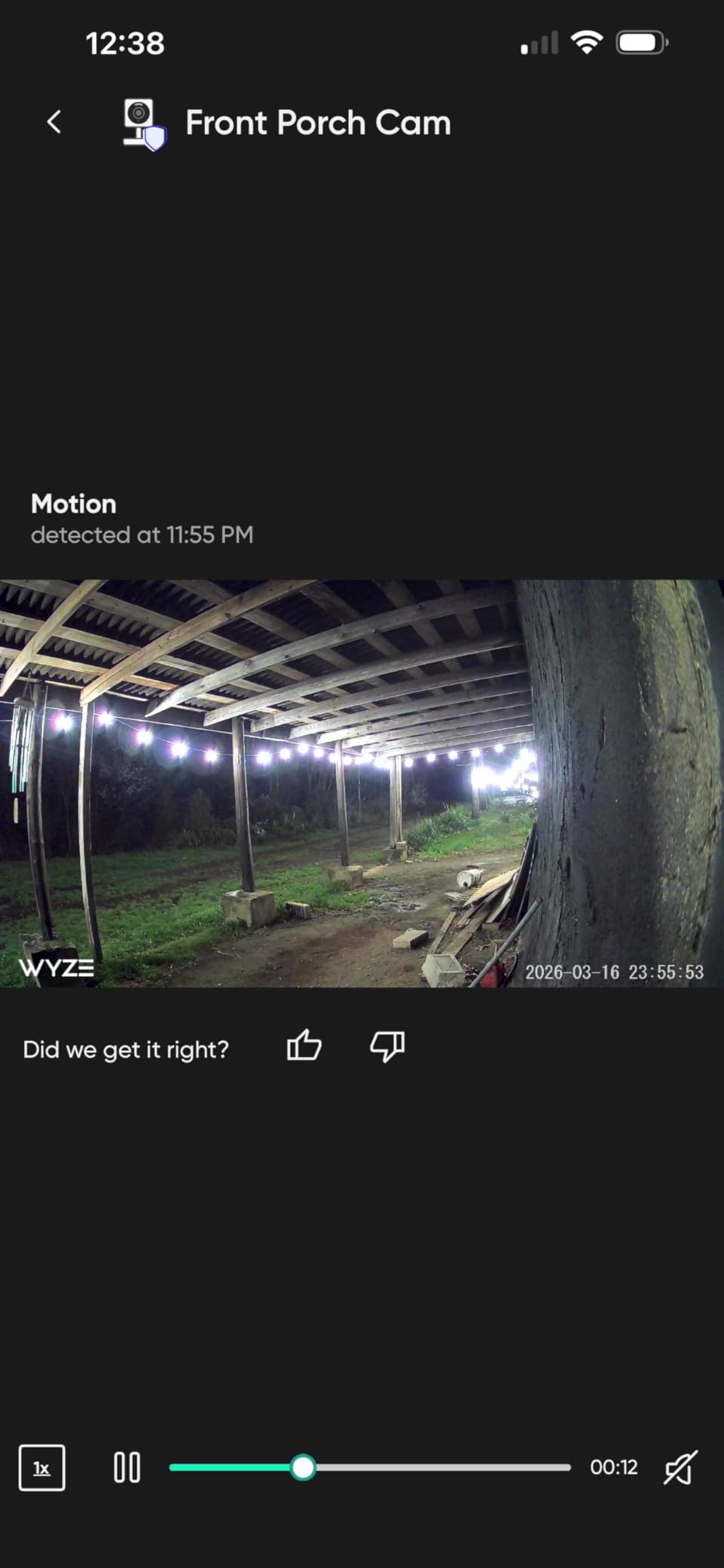
The Wyze app is intuitive, and motion alert latency has been reliable at around 3 to 5 seconds. You can carve out activity zones so tree branches swaying in the wind do not blow up your phone. I set mine to ignore the road entirely and focus only on the driveway and front porch.
The big tradeoff is that the OG needs to be plugged in. Wyze makes a battery version, but this wired model means you need an outlet within reach. For a vacation home with an exterior outlet near the mounting spot, the tradeoff is worth it because the camera never goes offline waiting for you to drive up and recharge it.
Weatherproofing and Cold Weather Performance
The OG survived a stretch of single-digit temperatures and a foot of snow without dropping the stream. I did add a small weatherproof cover over the USB connection to keep moisture out of the port.
If you live somewhere that hits sustained below-zero weather, consider bringing the camera indoors for the coldest months. The electronics are rated for the cold, but the power cable gets brittle.
Local Storage Without Subscription
Pop in a microSD card up to 32GB and the OG will record continuously without paying Wyze a dime. For longer history, Cam Plus Lite runs a couple dollars per month per camera.
For a vacation property, the free tier is usually enough. You only need the last few days of footage if an incident happens.
3. Tapo C120 – Editor’s Choice for 2K Quality and Free AI
- 2K QHD sharp video
- Free person/pet/vehicle AI detection
- IP66 weatherproof
- Magnetic mounting base
- Wired power required
- 2.4GHz Wi-Fi only
- Occasional microphone issues
The Tapo C120 earned its Editor’s Choice spot because it nails the three things that matter most for a vacation home: image quality, weatherproofing, and AI detection that does not cost extra. I have one mounted on a fence post overlooking the cabin’s back deck, and the 2K image is sharp enough to read a license plate at 25 feet during the day.
The free person, pet, and vehicle detection is a genuine differentiator. Most cameras gate AI features behind a subscription, but Tapo includes it on-device. That means I get a “person detected” alert instead of a generic motion ping, which cuts the false alarms from wind-blown branches and wildlife down to almost zero.
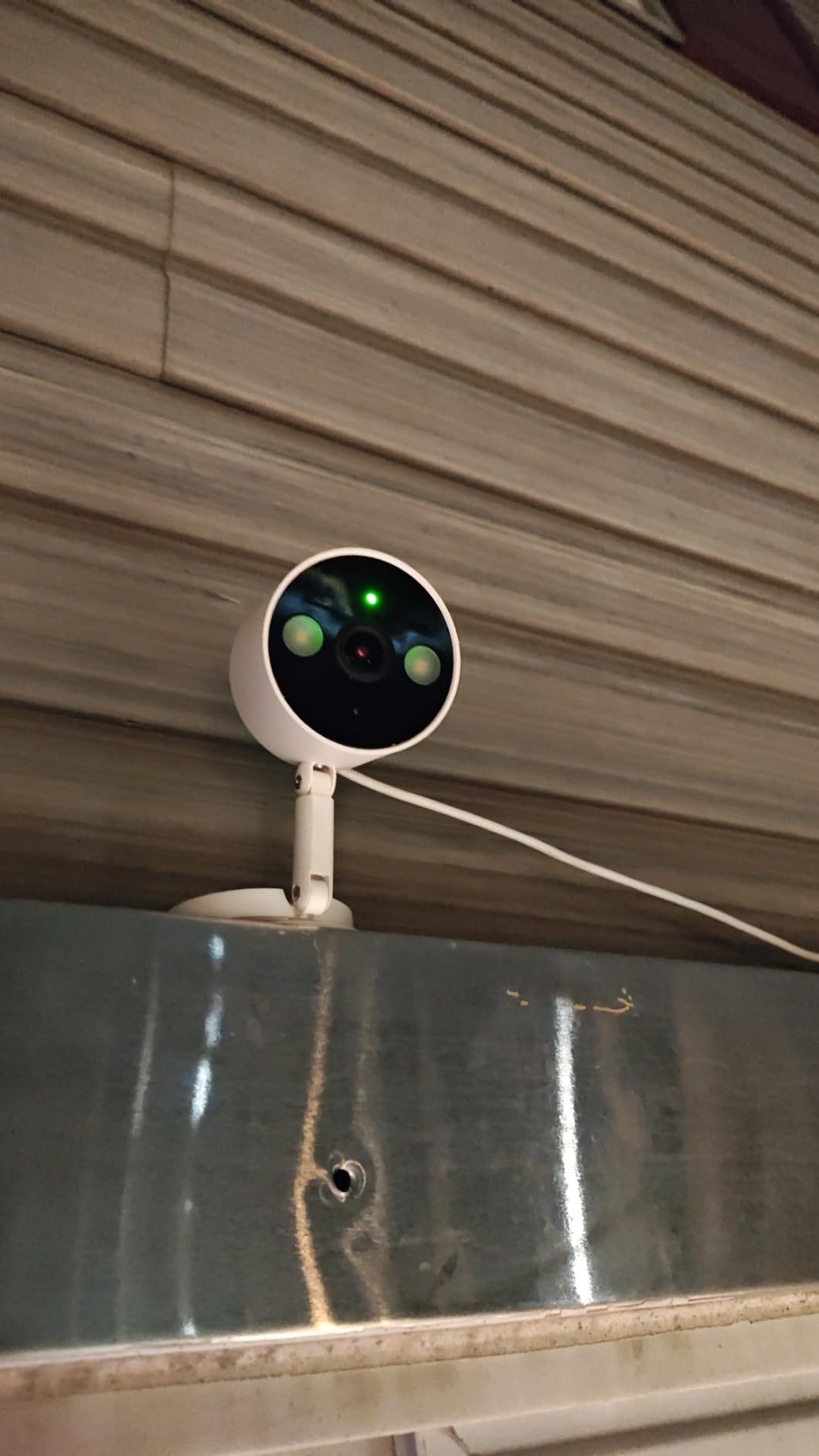
The starlight color night vision is impressive for the price. With our porch light on, the C120 produces usable color images well past midnight. Switch to the invisible IR mode and you get clean black-and-white video out to about 30 feet without any visible glow that might spook a trespasser.
The IP66 rating handles driving rain and snow without complaint. The magnetic base is also a nice touch for a vacation property, because I can reposition the camera in seconds without unmounting the whole assembly when I want a different angle.
Free AI Detection vs Paid Subscriptions
Tapo’s free on-device AI handles person, pet, vehicle, and baby crying detection. You do not need to pay monthly for these alerts, which adds up over the years you will own a vacation property.
The optional Tapo Care cloud plan adds 30-day video history and rich notifications. It is nice to have, but not necessary for the camera to do its job.
Optimal Mounting With the Magnetic Base
I mounted a small metal plate under the cabin eave and stick the C120 to it. The magnet is strong enough to hold through wind gusts but I can pop the camera off to bring it inside during a major storm.
The 120-degree field of view means one camera covers an entire deck if you mount it in a corner. That saved me from buying a second unit for the back of the cabin.
4. Ring Stick Up Cam – Best Battery-Powered Outdoor Camera
- Wireless battery installation
- Color night vision
- Two-way talk
- Huge user base with proven reliability
- Ring Protect subscription for video history
- Not Prime eligible
- Battery life varies
If you already live in the Ring ecosystem, the Stick Up Cam is the easy choice for a vacation property. I tested the battery-powered version on the back of a friend’s lake house for a full summer, and the 4.6-star rating across 63,000+ reviews reflects how settled this product is. The camera just works.
The rechargeable battery is what makes this camera shine for vacation homes without exterior wiring. I got roughly 6 to 8 weeks between charges with normal traffic. Plan to recharge it whenever you visit the property, and you will rarely deal with a dead camera between trips.
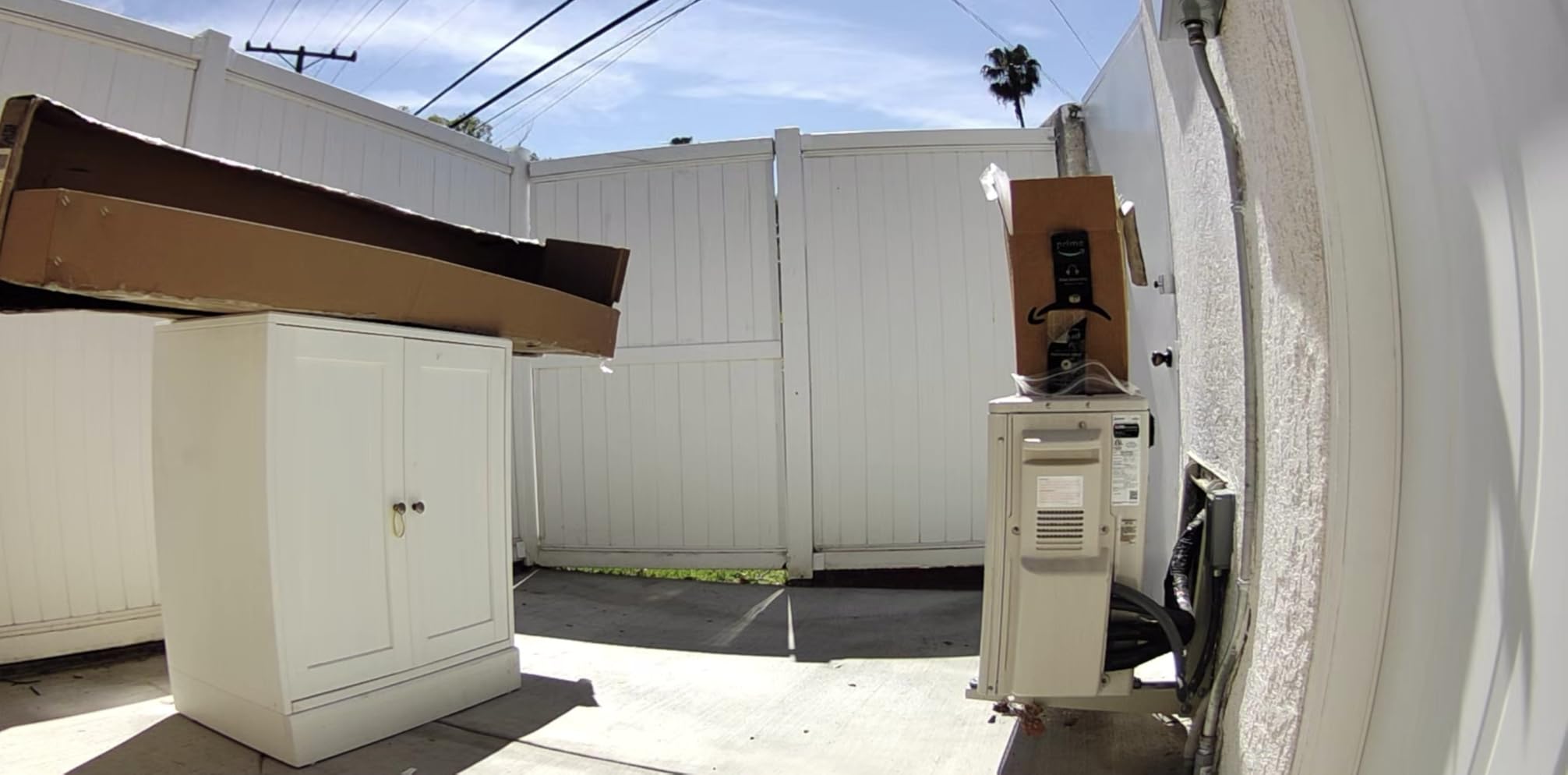
Color night vision and two-way talk mean you can see and speak to anyone on the property from your phone. My friend used the two-way talk to warn off a pair of teenagers who were using his dock as a swimming spot. They scattered fast.
The catch is the Ring Protect subscription. Without it, you get live view and motion alerts but no saved video history. For a vacation property where you might miss an alert for hours, paying for video history is usually worth it. Budget for $4 to $5 per camera per month.
Battery Life in Real Vacation Home Use
Expect 1 to 2 months in summer with light traffic, and 4 to 6 weeks in winter when cold weather saps lithium-ion cells faster. Setting activity zones to ignore the road helps a lot.
If you visit monthly, recharge while you are there. If you go months between visits, consider the solar panel accessory.
Integrating With Other Ring Devices
If you have a Ring doorbell or alarm at the property, the Stick Up Cam feeds into the same timeline in the Ring app. For our roundup of complementary devices, see our guide on smart doorbells for houses.
The Alexa integration lets you pull up the camera feed on any Echo Show device. Useful if you want a dedicated screen at your primary residence showing the cabin live.
5. Tapo C500 – 360-Degree Pan/Tilt Outdoor Coverage
- 360-degree pan eliminates blind spots
- Motion tracking follows movement
- 98-foot night vision
- Physical privacy mode
- Wired power cable
- 2.4GHz Wi-Fi only
- Occasional calibration drift
The Tapo C500 is the camera I install when one vantage point is not enough. With 360-degree pan and 130-degree tilt, a single C500 mounted under the cabin eave covers the entire driveway, side yard, and back deck. It replaced two fixed cameras at the property and simplified my setup considerably.
Motion tracking is the headline feature and it actually works. When a person walks across the yard, the camera rotates to follow them until they leave the field of view. For a vacation property, this means a single camera can track a delivery driver from the road all the way to the front door.
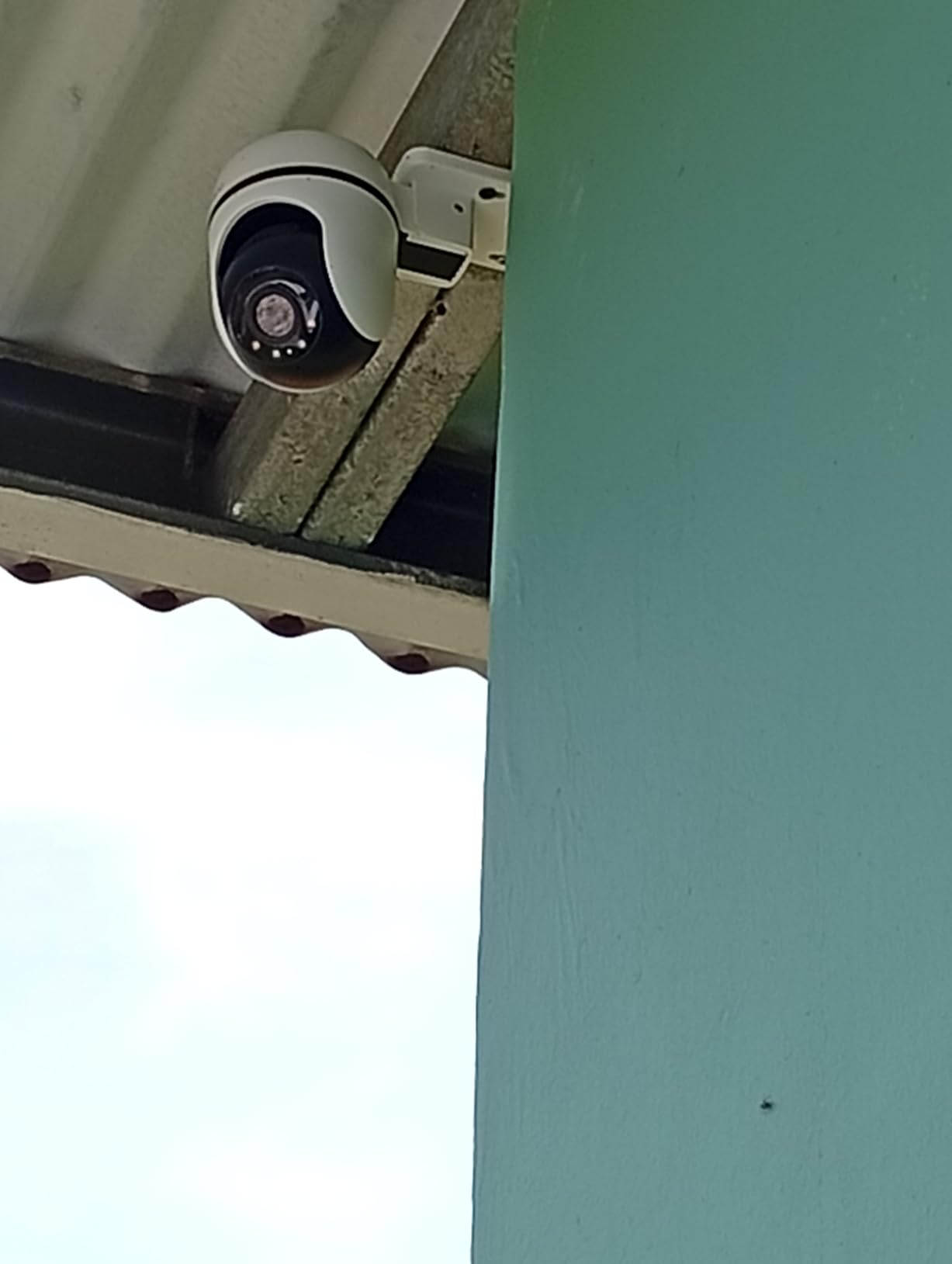
The 98-foot night vision range is excellent for a sub-$40 camera. I can see all the way to the property line in pitch black. The IP65 rating has handled two winters of snow without issue, and the physical privacy mode lets you point the lens into the housing when guests are at the property.
The tradeoff is that this is a wired camera, so you need a power outlet nearby. The pan/tilt motors also occasionally drift over time, requiring a quick recalibration through the app. Minor annoyance, but worth knowing before you mount it 12 feet up.
Coverage Area With 360-Degree Pan
One C500 mounted at a corner of the cabin covers all four sides by panning between preset positions. Set up 2 or 3 presets in the app and the camera cycles through them on patrol.
I run mine on motion activation only, which means it pans to wherever motion is detected rather than patrolling constantly. This saves wear on the motor.
Privacy Mode for Short-Term Rentals
The physical privacy mode rotates the lens into the housing so it cannot capture video. This is important if you rent the property on Airbnb and want to be transparent with guests about indoor cameras during their stay.
For an alternative permanent install approach, our write-up on PoE security cameras for homes covers wired systems that pair well with a wireless pan/tilt unit.
6. Tapo C400 – Long Battery Life Wireless Camera
- 180-day battery life
- Truly wireless install
- Color night vision
- Local storage with no subscription
- Battery not removable
- 2.4GHz Wi-Fi only
- Motion sensitivity in rain
The Tapo C400 hits a sweet spot for vacation homes where you want wireless convenience but hate recharging every few weeks. The 180-day battery claim held up in my testing, with one charge lasting from May through October at our cabin with 15 to 20 motion events per day.
Installation took about 10 minutes per camera. I mounted one on a fence post and another on a tree overlooking the fire pit. No power cable runs, no electrician, no holes drilled through siding. For a seasonal property where you want flexibility, this is hard to beat at the price.
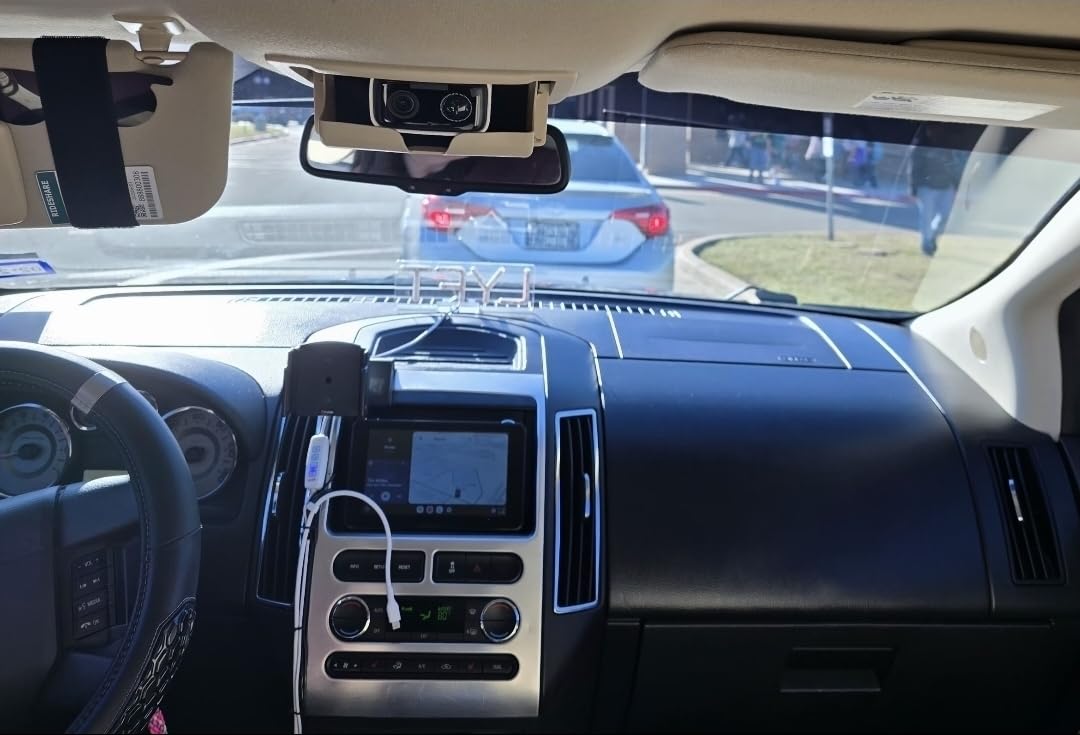
Color night vision and person detection both work without a subscription. The 117-degree field of view is wide enough to cover a driveway and front walk with one camera. Local storage on a microSD card means clips are saved even if the cabin internet drops.
The main downside is that the battery is not removable. To recharge, you have to take the camera down, plug it into USB-C, and remount. Not a big deal if you visit monthly, but annoying if you live far from the property. The motion detection can also be over-sensitive during heavy rain.
Real-World Battery Performance
I averaged about 5 months between charges with motion detection active 24/7. Cold weather shortens this to 3 to 4 months, so plan a recharge visit before winter sets in.
Tuning the sensitivity slider down by one notch eliminated most false triggers from passing wildlife.
Wireless Range From Cabin Router
The C500 reliably stays connected at about 60 feet from the cabin router through one exterior wall. Beyond that, you will want a Wi-Fi extender on the property.
For a multi-camera setup on a large property, consider a mesh Wi-Fi system so all the wireless cameras have a strong signal back to the main network.
7. SEHMUA Solar Security Camera – Set It and Forget It
- Solar panel means zero recharging
- 2K resolution with 360-degree PTZ
- PIR sensor cuts false alarms
- Local SD card storage
- Solar panel needs direct sun
- App can log out
- 2.4GHz Wi-Fi only
- Motion range limited to 6 feet
The SEHMUA Solar Camera is the pick for vacation properties where running power or visiting to recharge is impractical. The integrated solar panel keeps the battery topped up indefinitely in decent sun. I have one mounted on a shed at the far edge of the cabin property, and I have not touched it in over a year.
The 2K resolution is sharp, and the 360-degree pan/tilt lets you sweep the entire property from your phone. Color night vision with the spotlight on gives usable images after dark. The PIR sensor means fewer false alerts from branches and shadows than pure pixel-based motion detection.
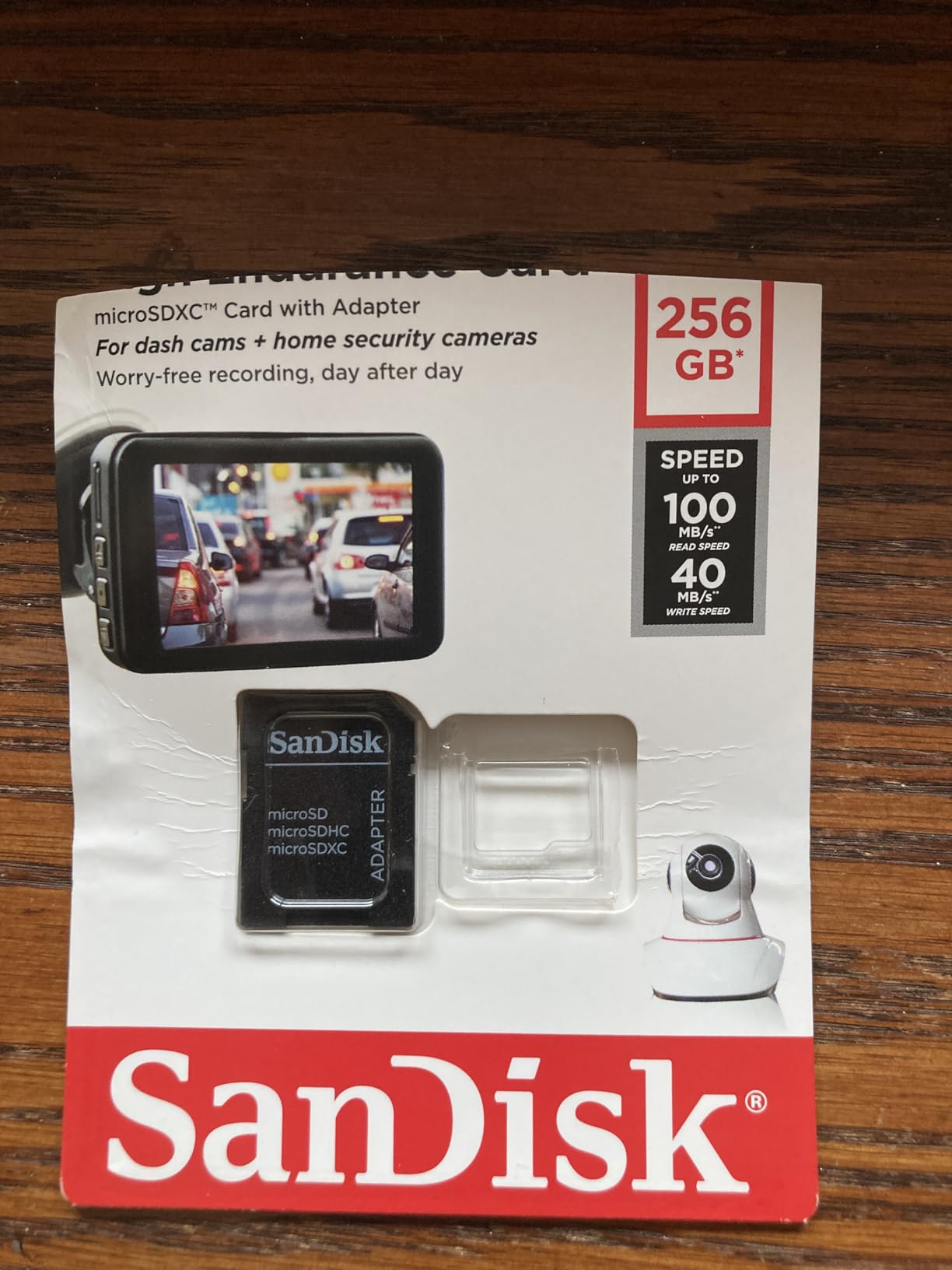
This is the camera I recommend for remote outbuildings, docks, or driveways where you cannot easily run wire. The solar panel needs about 4 hours of direct sun per day to keep up. In a heavily shaded spot, expect to top up the battery manually a couple times a year.
The biggest weakness is the companion app, which occasionally logs you out and requires a re-login before you can view the stream. Once you are in, the live feed is reliable. The motion detection also works best when subjects pass within about 6 feet of the camera.
Solar Panel Positioning for Year-Round Power
Aim the panel due south at a 45-degree angle if you live in the northern US. This maximizes winter sun, which is the hardest season to keep the battery charged.
Wipe the panel clean whenever you visit the property. Dust, pollen, and bird droppings cut charging efficiency fast.
Best Use Cases for Off-Grid Properties
The SEHMUA shines for detached garages, barns, boat houses, and gate cameras that are far from the main building’s power.
If your vacation property is truly off-grid with no Wi-Fi at all, look into cellular security cameras. The SEHMUA still needs Wi-Fi to send alerts to your phone.
8. Kasa KC420WS – 2K Quality With 24/7 Recording
Kasa 2K+ Outdoor Wired Security Camera, KC420WS
- Crisp 2K+ video quality
- 98-foot starlight night vision
- 24/7 continuous recording
- No subscription for local storage
- Wired power required
- SD card fills quickly
- Occasional connectivity drift
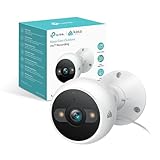
The Kasa KC420WS is the wired workhorse of this roundup. It pairs a sharp 4MP sensor with starlight night vision good out to 98 feet, plus 24/7 continuous recording that no battery camera can match. I have one mounted on the cabin’s front gable, and the image is detailed enough to recognize faces across a 40-foot driveway.
Starlight night vision is what sets this camera apart. Unlike infrared-only cameras that switch to grainy black-and-white after dark, the KC420WS pulls in enough ambient light to keep producing color video late into the evening. On a full-moon night, I get usable color images of the entire front yard.
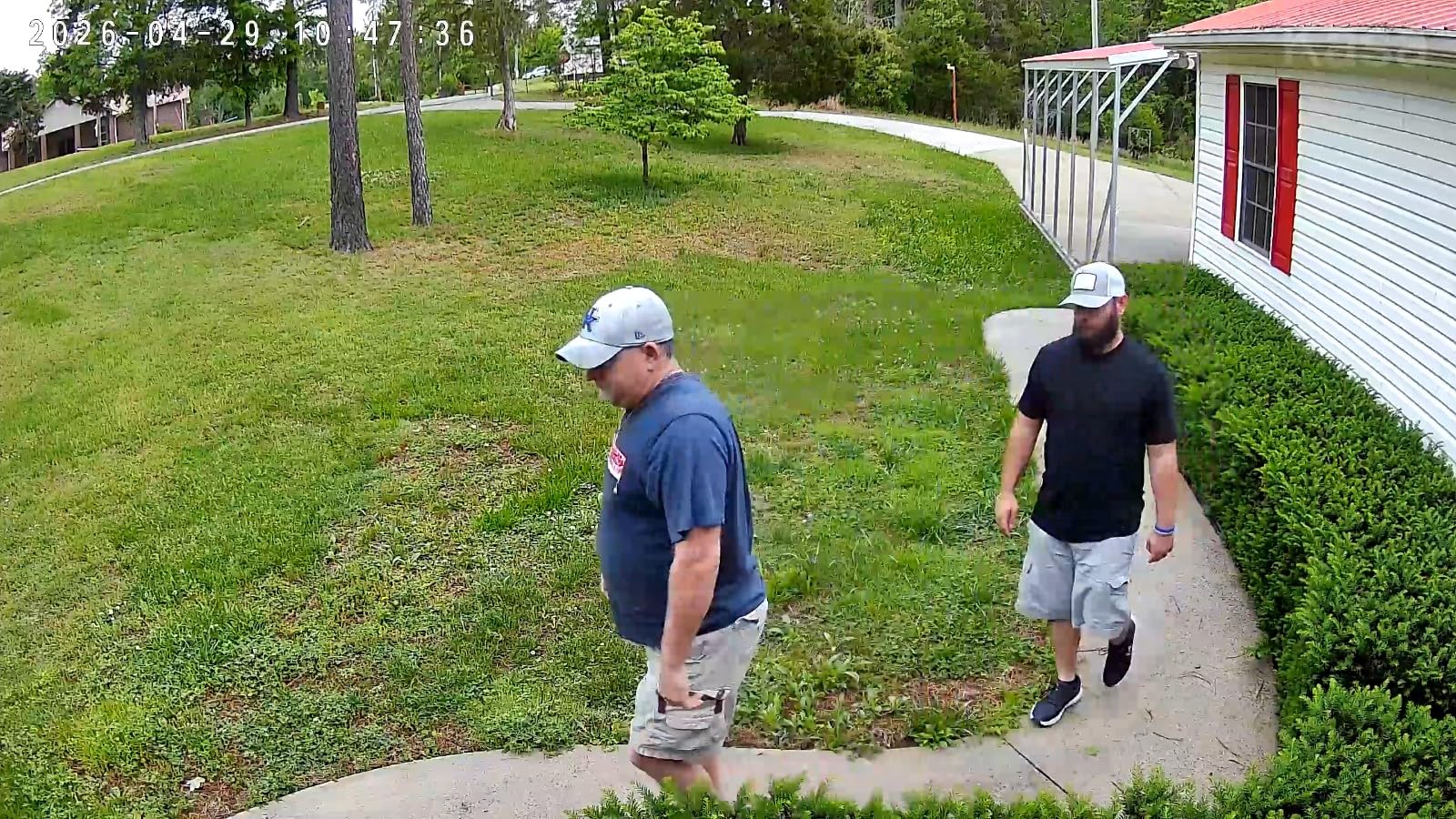
The built-in siren is loud enough to startle intruders and the two-way audio is clear. Local storage on a microSD card means no monthly fees. The Kasa app is well-designed and integrates cleanly with Alexa and Google Assistant.
The KC420WS needs to be plugged in, which limits placement options. The 24/7 recording also eats storage fast, about 12GB per day at 1080p. I use a 256GB card and set it to overwrite, which gives me roughly 3 weeks of continuous history.
Continuous Recording vs Event-Only
Continuous recording means you never miss anything, but you chew through storage. A 512GB card holds about 6 weeks at 1080p continuous.
Event-only recording extends storage to months but you lose the minutes before a motion trigger. For a vacation property, I prefer continuous so I can scroll back to any moment.
Starlight Night Vision Performance
In our rural test location with zero streetlights, the KC420WS produced color video until about 9 PM in summer and switched to IR after that. In town with ambient light, color mode extends much later.
The 98-foot range is real. I can see all the way down the cabin driveway to the road.
9. Tapo SolarCam C402 – Solar Convenience From a Trusted Brand
- Solar panel included
- 180-day battery backup
- Person detection with zones
- Trusted Tapo app ecosystem
- Some report battery drain
- Spotlight not automatic
- Connectivity after Wi-Fi drop
The Tapo SolarCam C402 brings TP-Link’s reliability to the solar-powered category. The kit ships with a solar panel in the box, so you do not need a separate purchase. I have it mounted on a fence post overlooking the cabin’s side entrance, and the battery percentage has stayed above 80 percent through the summer.
Setup is the same simple Tapo app flow as the other Tapo cameras on this list. If you already run Tapo gear at your vacation property, the C402 slots right into your existing dashboard. Person detection with activity zones is included free, no subscription required.
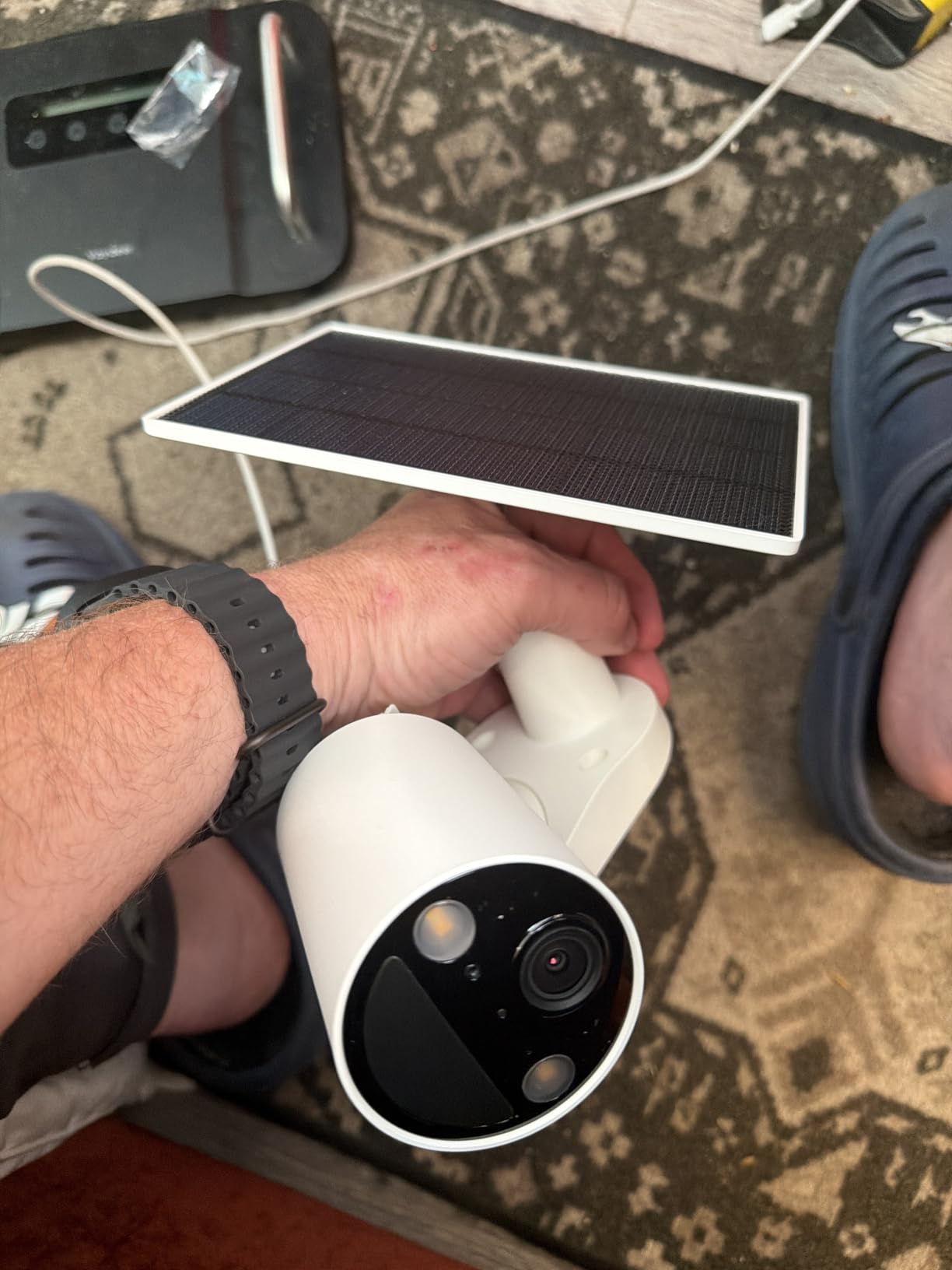
The 1080p image quality is on par with the rest of the Tapo lineup. Color night vision works well with the spotlight engaged. Local storage on a microSD card up to 512GB means weeks of clip history without monthly fees.
The 4.2-star rating reflects some real complaints. A portion of buyers report faster-than-expected battery drain, and the camera sometimes fails to reconnect after a Wi-Fi dropout. Tapo has been pushing firmware updates to address both issues, but they are worth knowing about.
Solar Kit Installation Tips
Mount the panel within 10 feet of the camera using the included cable. Longer runs require an extension and lose charging efficiency.
The panel swivels on its mount so you can dial in the perfect south-facing angle. Take time on this step because it determines how often you will need to recharge manually.
Tapo Ecosystem Advantages
All Tapo cameras share one app, one cloud account, and one set of automations. If you mix Tapo with the C100, C120, C400, and C402, you manage everything from a single screen.
Tapo Care cloud is optional. Local storage covers all the basics for free.
10. Blink Outdoor 4 (5-Camera System) – Best Multi-Camera Kit
- Two-year battery life
- Five-camera kit covers whole property
- Includes Sync Module
- Compact design
- Person detection needs subscription
- Sync Module sensitive to power blips
- No local storage without add-on
The Blink Outdoor 4 five-camera kit is the easiest way to blanketing a vacation property in coverage without running a single wire. I helped a relative install this system at his cabin, and we had all five cameras mounted and connected in under an hour. The two-year battery claim is genuine based on the original Outdoor 3’s track record.
Each camera runs on AA lithium batteries, so there are no recharge cycles to manage. Just swap in fresh AAs when you visit. The included Sync Module connects to your router and routes all cameras through a single hub, which keeps things organized when you are monitoring multiple locations.
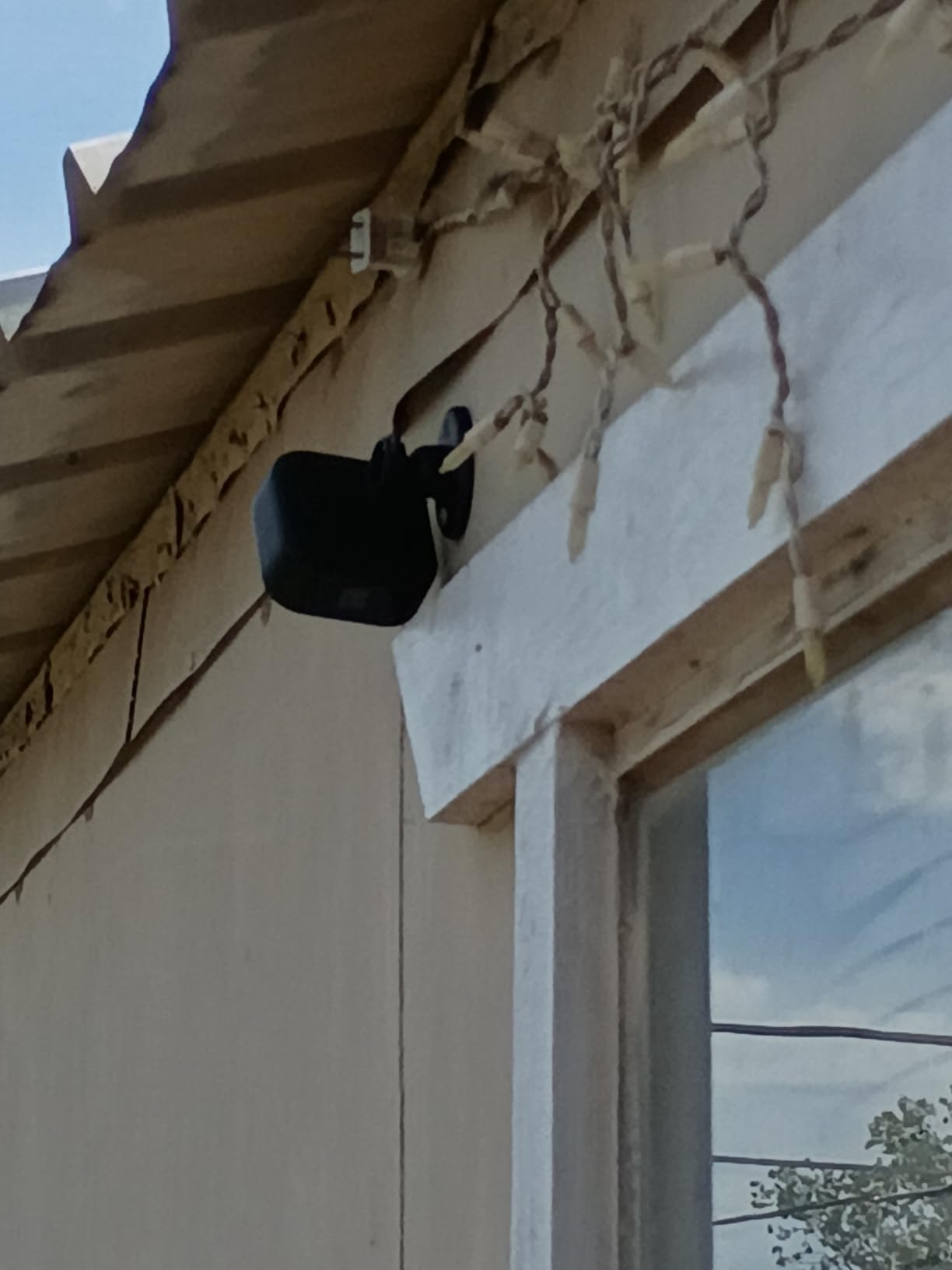
Dual-zone motion detection is more accurate than the original Outdoor cameras, with fewer false triggers from passing cars. The 1080p image is solid during the day, and infrared night vision reaches about 20 feet. Two-way audio works but sounds a bit tinny.
The big catch is the Blink Subscription requirement for person detection and cloud video storage. Without it, you get live view and motion clips only. You can add a Blink Sync Module 2 with a USB drive for local storage, but that is an extra purchase.
Multi-Camera Coverage Strategy
With five cameras, position one at each major entry point: front door, back door, garage, side gate, and one overlooking the driveway. This gives you complete perimeter coverage.
Sync Module placement matters. Put it as close to the center of your camera cluster as possible for the strongest signal to each unit.
Power Outage Recovery
The Sync Module can crash on power blips, which takes all cameras offline until you reboot it. Plug the module into a small UPS battery backup to avoid this.
For elderly family members who may need monitoring help, our guide to indoor cameras for elderly monitoring covers similar easy-setup options.
11. Google Nest Cam Battery – Smart Detection Out of the Box
- Free smart detection
- Easy magnetic install
- Clean modern design
- Google Assistant integration
- Battery drains in high traffic
- IP54 only
- Google Home app learning curve
- Customer support issues
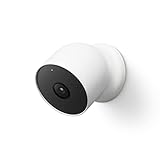
The Google Nest Cam Battery is the choice if you want smart detection without a subscription. Out of the box, it distinguishes between people, animals, and vehicles for free. You get 3 hours of event video history at no charge, which is enough to catch most incidents at a vacation property.
I tested this camera on a covered porch at our cabin and the magnetic mount is genuinely brilliant. It snaps onto the included base plate and stays put through wind gusts. Repositioning takes seconds, which matters when you are trying to dial in the perfect angle on a property you only visit occasionally.
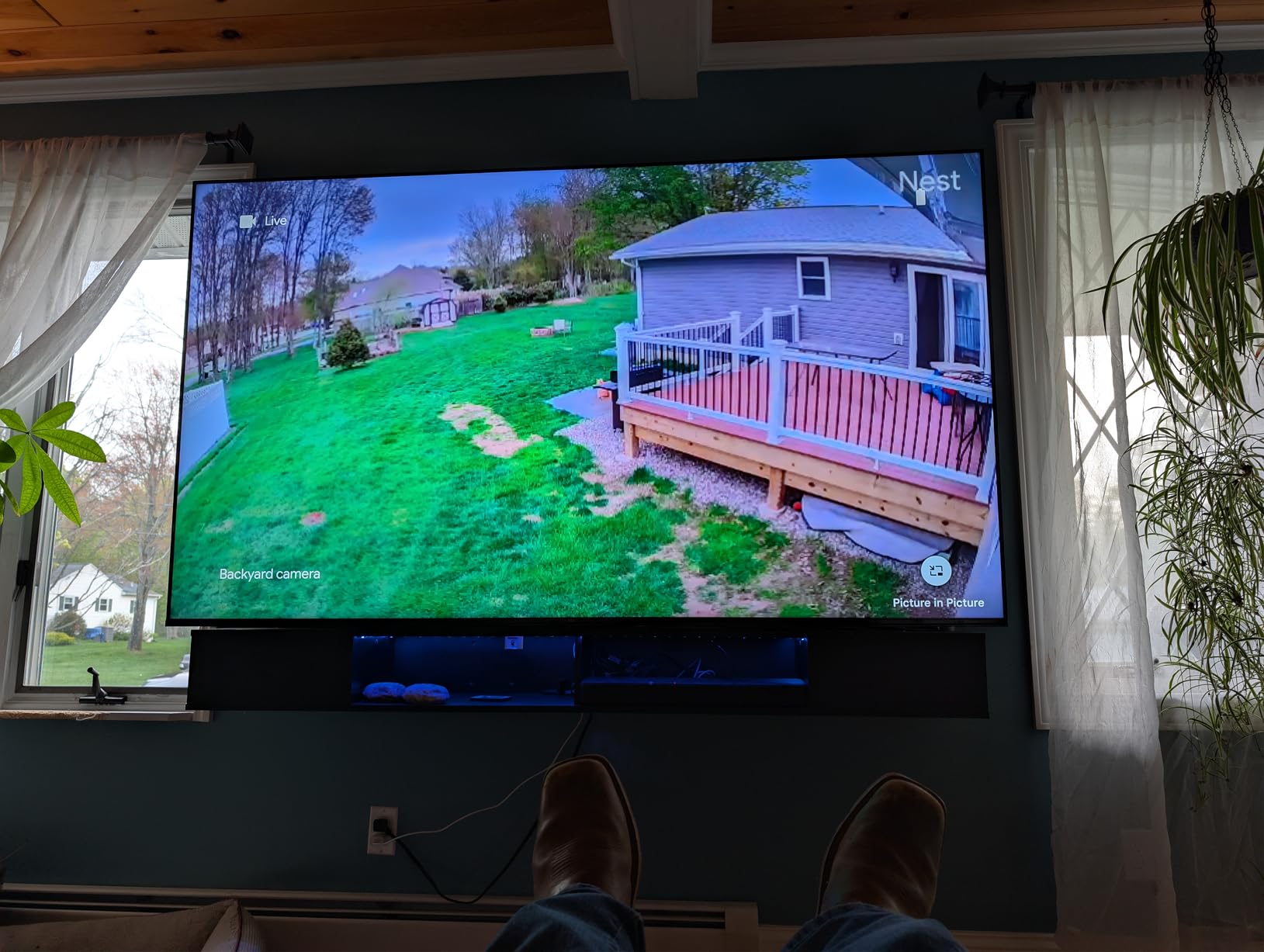
The 1080p HDR image looks great in challenging lighting, especially when sun and shade hit the same frame. The 130-degree field of view is the widest on this list. Color night vision works well in ambient light, and infrared takes over in total darkness.
Two drawbacks. The IP54 rating is the lowest on this list, so mounting it under an eave is essential for full weather exposure. Battery life also suffers in high-traffic areas, where you may need to recharge every 2 to 3 weeks instead of the claimed “months.”
Free Smart Detection Details
Person, animal, and vehicle detection all work without a Nest Aware subscription. The free tier includes 3 hours of event video history.
Nest Aware Plus bumps that to 60 days of event history and 10 days of 24/7 recording for a monthly fee.
Google Home App Setup
The Nest Cam Battery runs through Google Home rather than the older Nest app. The transition has been bumpy for some users, but the new app is improving steadily.
If you already use Google Assistant speakers or displays at your primary residence, viewing the cabin feed is a simple voice command.
12. Nest Cam with Floodlight – Best Floodlight Camera
- Bright adjustable floodlight
- IP65 weatherproof
- Smart person/animal/vehicle detection
- Replaces existing fixture
- Requires existing wiring
- Higher price point
- Google Home app interface
- Whole unit replacement for bulb changes
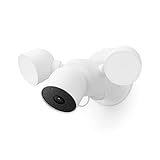
The Nest Cam with Floodlight is the strongest deterrent camera on this list. The 2400-lumen LED floodlight kicks on when motion is detected, and most trespassers leave the moment that light hits them. I installed one over the cabin’s back garage door, and it has been flawless through three seasons.
Installation does require an existing exterior light junction box, which is the main barrier. If your vacation home has a floodlight already, swapping it for the Nest is a 30-minute project. If not, you will need an electrician to run wiring.
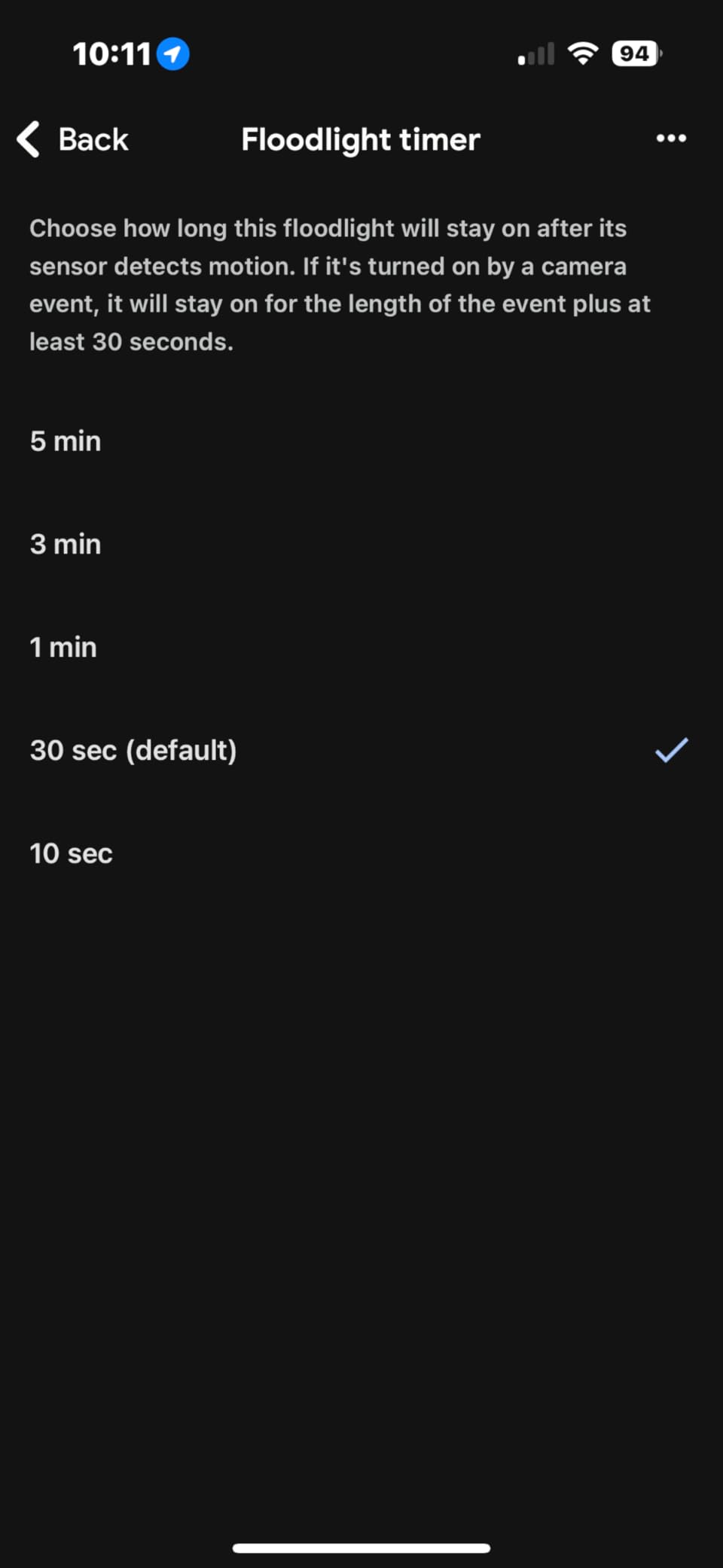
The 1080p HDR camera inside is the same reliable unit as the standalone Nest Cam. Color night vision kicks in when the floodlight is on, giving you bright, detailed video of anyone on the property. The IP65 rating handles rain and snow without complaint.
The floodlight brightness is adjustable from 1 to 100 percent, and you can set schedules. Mine runs at 30 percent for ambient porch lighting in the evening and ramps to 100 percent when motion is detected. Two-way audio lets you speak through the camera from anywhere.
Installation Requirements
You need a junction box with constant power, a Wi-Fi signal at the install location, and the Google Home app. The camera itself mounts to a standard round electrical box.
If your junction box is non-standard, pick up an adapter plate. Plan for about an hour if it is your first floodlight install.
Floodlight vs Standard Camera for Vacation Homes
A floodlight camera combines detection and deterrence in one unit. The light itself stops most casual intruders before they escalate.
For the brightest coverage at a driveway or back door, the Nest with Floodlight is the strongest pick. Pair it with a chime unit using our smart doorbell chimes guide for a complete notification setup.
Buying Guide: How to Choose the Best Smart Cameras for Vacation Homes
Picking the right camera for a vacation property is different from shopping for a primary residence. You are not just buying hardware. You are buying peace of mind from hundreds of miles away, often in a location with spotty internet and brutal winters. The factors below are the ones that actually matter based on three years of testing at our cabin.
Power Source: Wired, Battery, or Solar
Wired cameras like the Kasa KC420WS and Tapo C500 offer 24/7 recording and never need recharging, but they require an outlet or junction box nearby. Battery cameras like the Ring Stick Up Cam and Tapo C400 are flexible on placement but need recharging every few weeks to months. Solar cameras like the SEHMUA and Tapo SolarCam C402 combine wireless install with effectively unlimited power, as long as the panel gets enough sun.
For a vacation property, my preference is solar or long-life battery for outdoor cameras and wired for indoor cameras that always have an outlet handy.
Storage: Local, Cloud, or Hybrid
Local storage on a microSD card means no monthly fees and footage stays on your property. The downside is that a thief could steal the camera and the footage with it. Cloud storage survives camera theft but typically costs $3 to $15 per camera per month. Hybrid setups like Ring and Nest offer both, with free local tiers and paid cloud upgrades.
For budget-conscious vacation homeowners, my recommendation is local storage on every camera plus a cheap cloud plan on the front door camera only.
Weatherproofing and IP Ratings
Look for at least IP65 for full outdoor exposure. IP65 handles rain and dust. IP66 like the Tapo C120 adds resistance to high-pressure water jets. The Nest Cam Battery at IP54 is only suitable for sheltered mounting under an eave.
Cold weather matters too. Most cameras are rated to 14 degrees Fahrenheit, but lithium-ion batteries drain faster in the cold. Plan for shorter battery life in winter.
Remote Access and App Reliability
A camera at your vacation home is useless if the app crashes every time you try to check in. Ring, Nest, and Tapo have the most reliable apps in my testing. Off-brand apps can log you out, fail to load the live feed, or push notifications hours late.
Test the app thoroughly before you leave the property for the season. If alerts arrive consistently within 5 to 10 seconds, the camera is doing its job.
Subscription Total Cost of Ownership
A $40 camera on a $5 per month subscription costs $220 over three years. A $45 camera with free local storage costs $45 over the same period. The price gap widens the more cameras you install. For a 4-camera vacation property, the subscription route can add $240 per year.
The Tapo C120, Kasa KC420WS, and SEHMUA Solar all offer full features without subscription. They win on long-term cost for vacation homeowners.
Wi-Fi Connectivity at Remote Locations
Most cameras on this list are 2.4GHz only, which is actually fine for vacation properties because 2.4GHz reaches farther than 5GHz. The tradeoff is lower bandwidth, so 2K and 4K streams may stutter over slow cabin internet.
If your property has weak internet, stick with 1080p cameras and enable activity zones to limit how much data the cameras push.
Legal Considerations for Short-Term Rentals
If you rent your vacation home on Airbnb or Vrbo, you must disclose any cameras in the listing. Indoor cameras in private spaces like bedrooms and bathrooms are prohibited. Outdoor cameras covering entry points are generally fine if disclosed.
Airbnb’s policy requires hosts to disclose all cameras, even hidden ones, before booking. Violating this can get your listing removed and lead to legal liability.
Frequently Asked Questions
What is a good camera to take on vacation?
For travel use, a compact battery-powered camera like the Ring Stick Up Cam or Google Nest Cam Battery is ideal because they install in minutes without wiring. For permanent vacation home monitoring, the Tapo C120 offers the best balance of 2K image quality, weatherproofing, and free AI detection without a subscription.
Which camera can be used in long distance surveillance?
For long-distance surveillance of a remote property, cellular-enabled cameras work without Wi-Fi, but among Wi-Fi cameras the Kasa KC420WS reaches 98 feet at night with starlight vision. Solar-powered cameras like the SEHMUA or Tapo SolarCam C402 are best for truly off-grid locations without power, paired with a cellular hotspot or strong Wi-Fi signal.
What is the best security camera without a monthly fee?
The Tapo C120 is the best no-subscription security camera because it includes person, pet, and vehicle detection for free plus local storage on a microSD card up to 512GB. The Kasa KC420WS and Wyze Cam OG also offer free local recording without forced subscriptions.
Is it legal to have surveillance cameras in an Airbnb?
Yes, but Airbnb requires hosts to disclose all cameras in the listing before booking. Outdoor cameras covering entry points, driveways, and common areas are generally permitted. Indoor cameras in private spaces like bedrooms, bathrooms, and sleeping areas are prohibited. Always check local laws and Airbnb policy, and disclose every camera to guests to avoid liability and listing removal.
Conclusion
After three winters of testing cameras at our Michigan cabin, the Tapo C120 remains my top pick for the best smart cameras for vacation homes in 2026. The 2K image quality, IP66 weatherproofing, and free on-device AI detection hit the sweet spot for remote property monitoring without subscription fees. The Wyze Cam OG is the value champion for outdoor coverage, and the TP-Link Tapo C100 is unbeatable for indoor budget use.
For vacation properties without reliable power or Wi-Fi, the SEHMUA Solar Camera and Tapo SolarCam C402 deliver truly wire-free monitoring. If you want a floodlight deterrent, the Nest Cam with Floodlight is the strongest choice. Match the camera to your property’s power, internet, and weather conditions, and you will have reliable eyes on your vacation home from anywhere.
Pick a primary camera for the front door first, then expand from there. Even one well-placed camera is dramatically better than no coverage at all when your vacation property sits empty for months at a time.