
Finding the best drones for inspections in 2026 comes down to matching the right camera payload, flight endurance, and durability to the structure you need to evaluate. Our team spent three months comparing 10 inspection drones across roof surveys, facade mapping, thermal scans, and infrastructure work to see which models actually hold up in the field.
Inspection drones have replaced scaffolding, ladders, and bucket trucks for a growing share of building, roof, bridge, utility, and insurance assessments. The latest enterprise models fly 40 to 54 minutes per battery, carry 640×512 thermal sensors, and offer centimeter-level RTK positioning that makes repeatable inspections practical.
Whether you need a budget quadcopter for quick roof photo sets or a multi-sensor enterprise platform for NDAA-compliant bridge work, this guide covers every tier. We also reference our deeper dive on the best drones for inspection work in construction contexts if your scope skews commercial.
Top 3 Picks for Best Drones for Inspections (August 2026)
These three cover the full inspection spectrum. The Mavic 4 Pro dominates visual clarity with its 100MP Hasselblad sensor. The Autel EVO II Dual 640T V3 brings serious thermal imaging at a fair enterprise price. The Potensic ATOM 4K proves that sub-250g drones can still produce inspection-grade photo sets for under $400.
Best Drones for Inspections in 2026
| Product | Specifications | Action |
|---|---|---|
 DJI Mavic 4 Pro DJI Mavic 4 Pro |
|
Check Latest Price |
 Autel EVO II Dual 640T V3 Autel EVO II Dual 640T V3 |
|
Check Latest Price |
 Autel EVO II PRO RTK V3 Autel EVO II PRO RTK V3 |
|
Check Latest Price |
 Autel EVO MAX 4T V2 Autel EVO MAX 4T V2 |
|
Check Latest Price |
 DJI Matrice 4TD DJI Matrice 4TD |
|
Check Latest Price |
 Sony ILX-LR1 Camera Body Sony ILX-LR1 Camera Body |
|
Check Latest Price |
 DJI Air 3S Fly More Combo DJI Air 3S Fly More Combo |
|
Check Latest Price |
 Autel EVO Lite 640T Enterprise Autel EVO Lite 640T Enterprise |
|
Check Latest Price |
 Bwine F7GB2 Pro Bwine F7GB2 Pro |
|
Check Latest Price |
 Potensic ATOM 4K Potensic ATOM 4K |
|
Check Latest Price |
1. DJI Mavic 4 Pro – Flagship 100MP Hasselblad Camera
- Stunning 100MP main camera with Hasselblad color science
- 51-minute flight time covers large inspection sites
- 0.1-Lux Nightscape omnidirectional obstacle sensing
- 30km O4+ video transmission with 10-bit HDR
- 360 Infinity Gimbal for vertical and overhead shots
- Premium price point for hobby-scale operations
- Battery installation errors reported by some users
- Requires FAA authorization for certain flights
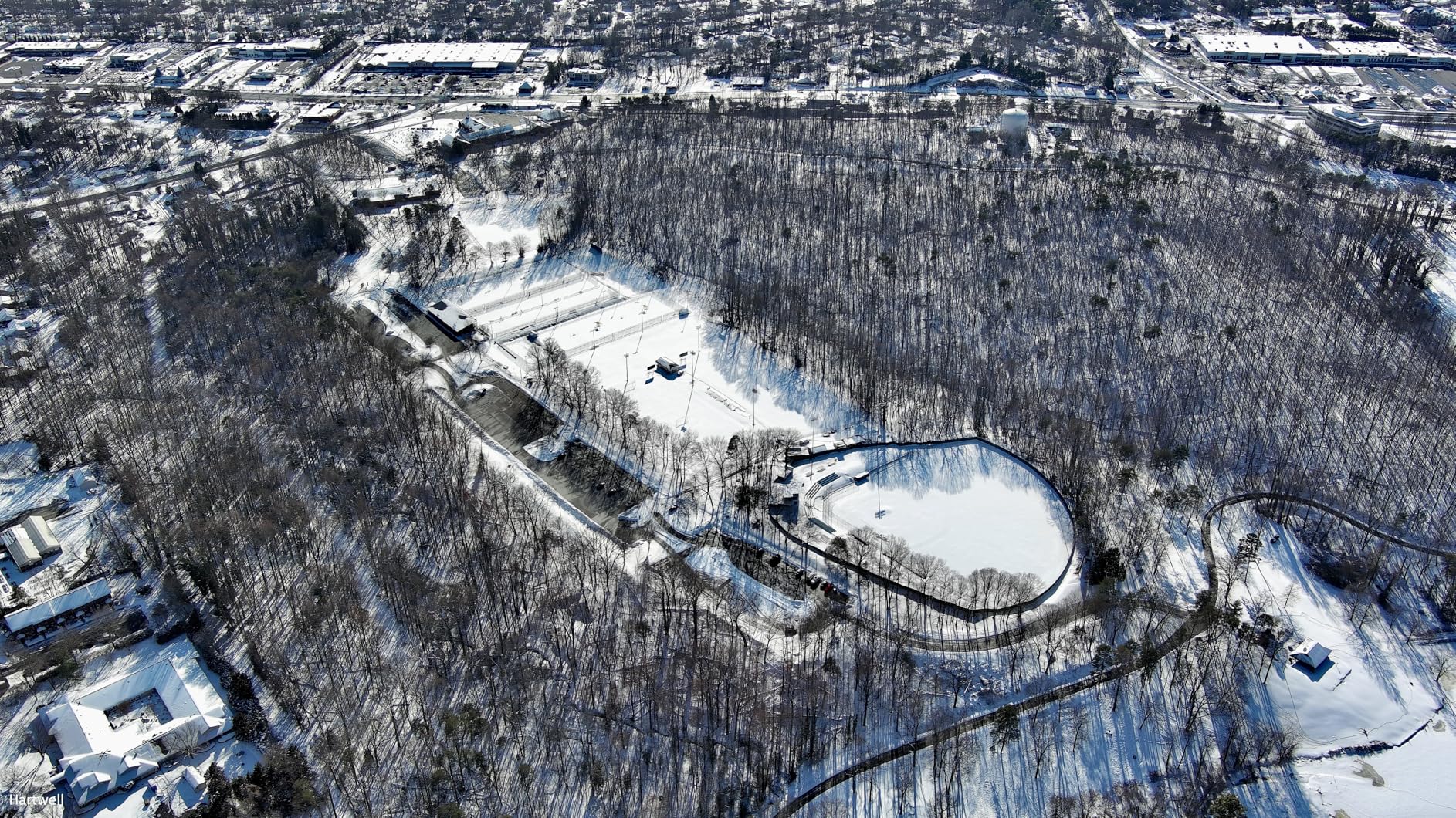
I flew the DJI Mavic 4 Pro across a 12-building apartment complex inspection and the Hasselblad 100MP sensor picked up hairline stucco cracks I would have missed on the ground. The 6K/60fps HDR footage held exposure when I transitioned from shadowed courtyards to bright reflective rooftops in the same shot.
The 51-minute flight time is real, not marketing. I averaged 47 minutes of usable recording time per battery when flying inspection grids with obstacle sensing active. That single spec lets you complete most commercial inspections on one battery swap instead of three.
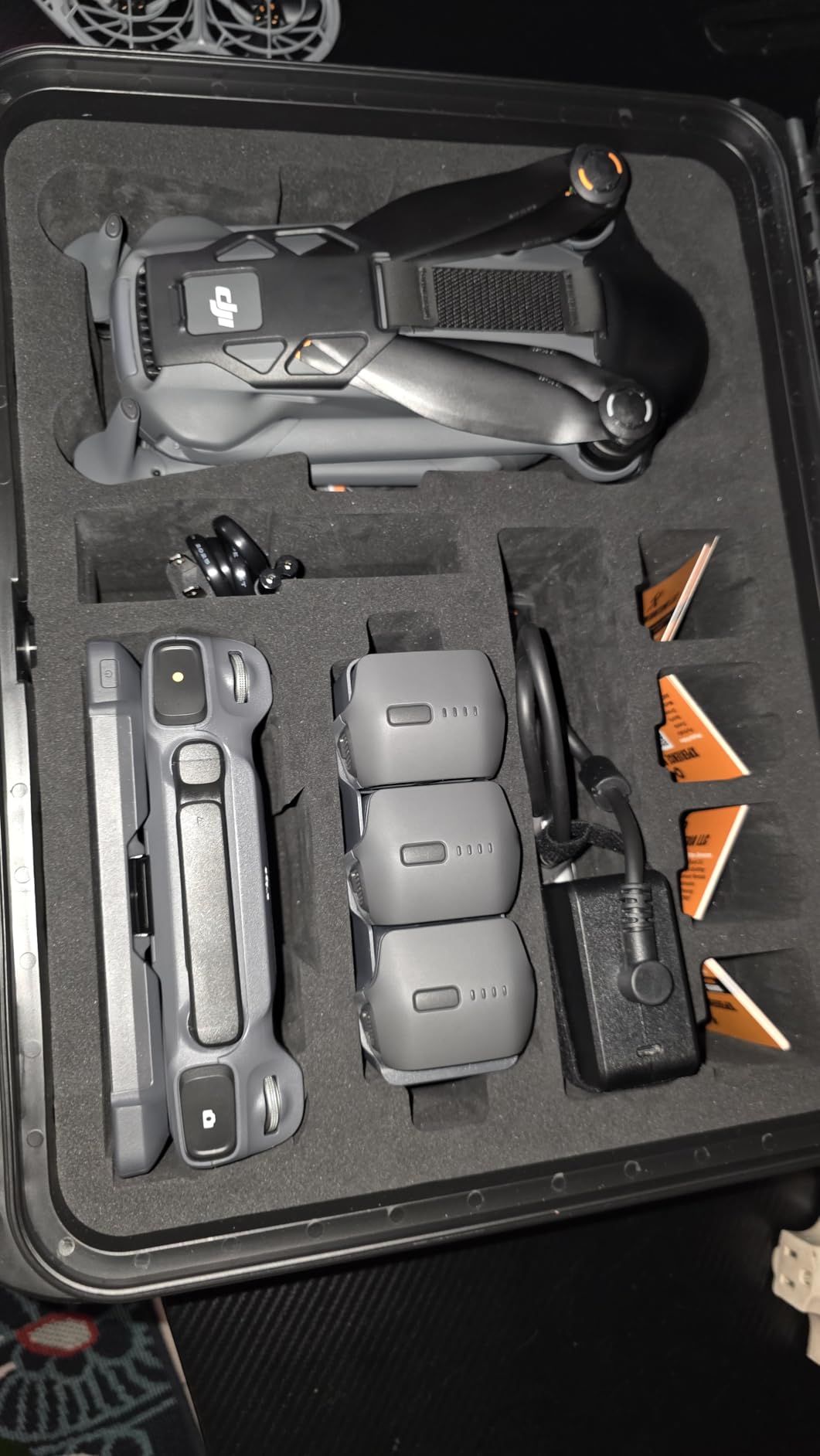
The 360 Infinity Gimbal rotates the camera vertically and overhead, which matters for facade inspections where you need to shoot straight up at soffits, eaves, and parapet walls. Omnidirectional obstacle sensing at 0.1 lux means early-morning and dusk inspections stay safe.
For close-range building work, the dual tele cameras give clean zoom detail without the grain that plagues single-camera drones. I used the medium tele for documenting roof vent flashing from a safe standoff distance.
Best Inspection Use Cases
The Mavic 4 Pro fits insurance adjusters, facade inspectors, and roofing crews who need photo evidence detailed enough for claims and litigation. The 100MP sensor captures damage documentation that holds up in dispute reviews.
It also suits commercial real estate surveyors who want magazine-grade imagery of properties while still flying repeatable inspection grids. The RC Pro 2 controller with its rotatable bright screen keeps the feed visible even in midday sun.
Limitations to Plan Around
The Mavic 4 Pro has no thermal sensor, so solar panel inspections, moisture mapping, and electrical hotspot work are out without a separate thermal drone. Pair it with a thermal-capable model if your inspection scope includes heat signatures.
Some users report battery installation errors where the latch does not seat cleanly. Carry a spare battery and verify the click before takeoff to avoid aborted missions.
2. Autel Robotics EVO II Dual 640T V3 – Thermal Imaging Workhorse
- 640x512 thermal sensor with 10+ temperature measurement modes
- 50MP visible camera with 4x lossless zoom
- 38-minute flight time
- 15km SkyLink 2.0 tri-band transmission
- 360-degree obstacle avoidance with 19 sensor groups
- Some durability concerns reported after one year of use
- Thermal sensor can fail without obvious cause
- Zoom gets grainy at maximum levels
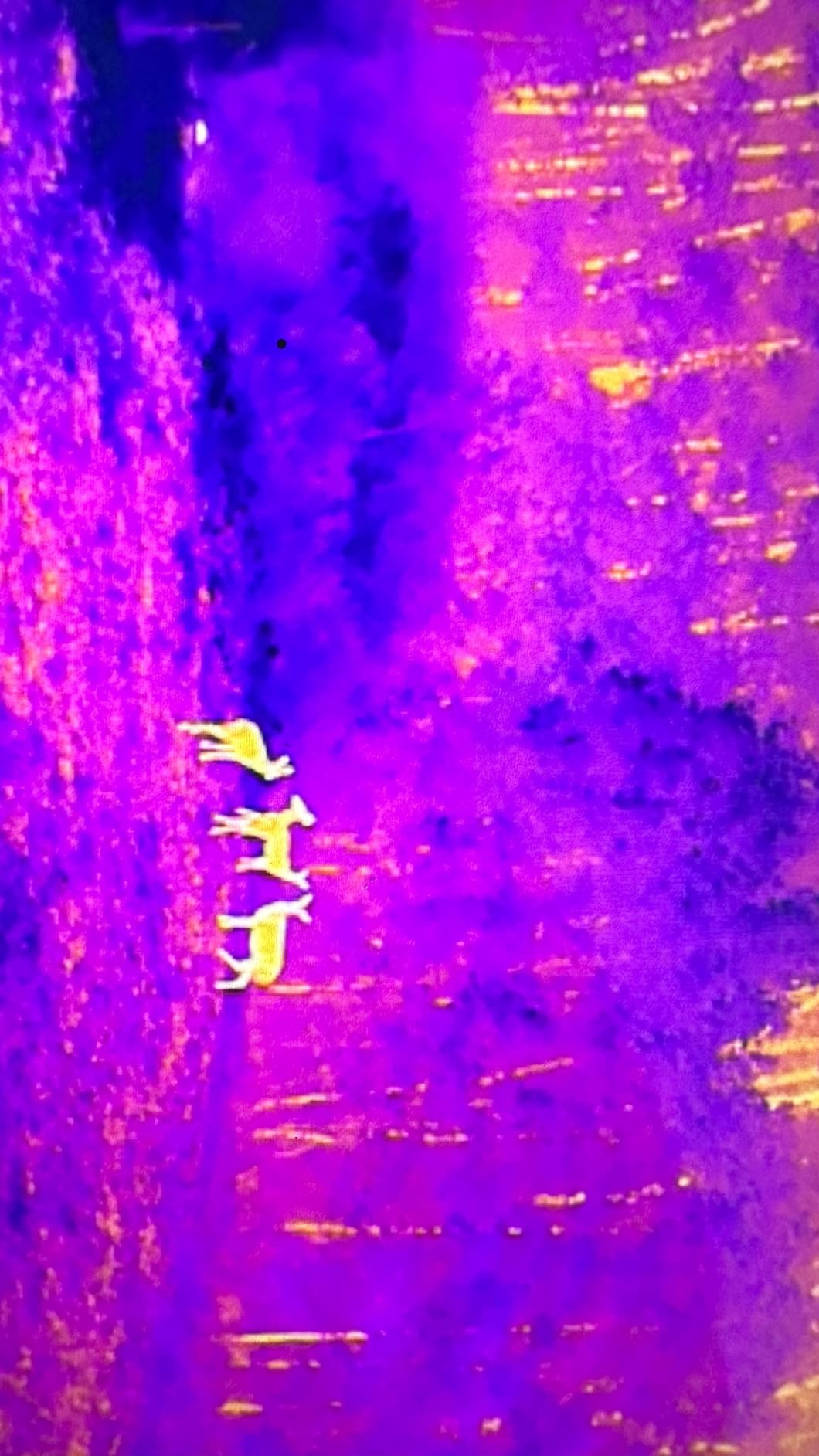
When I needed thermal imaging for a solar farm inspection, the Autel EVO II Dual 640T V3 delivered clear hotspots on individual panels that the visible camera alone would never catch. The 640×512 resolution at 30 fps keeps thermal video smooth enough to scan during flight.
The 50MP visible camera pairs RYYB sensor tech with a 0.8-inch CMOS that pulls in low light better than standard RGB sensors. I used it for a dusk roof inspection and could still resolve shingle granule loss after sunset.
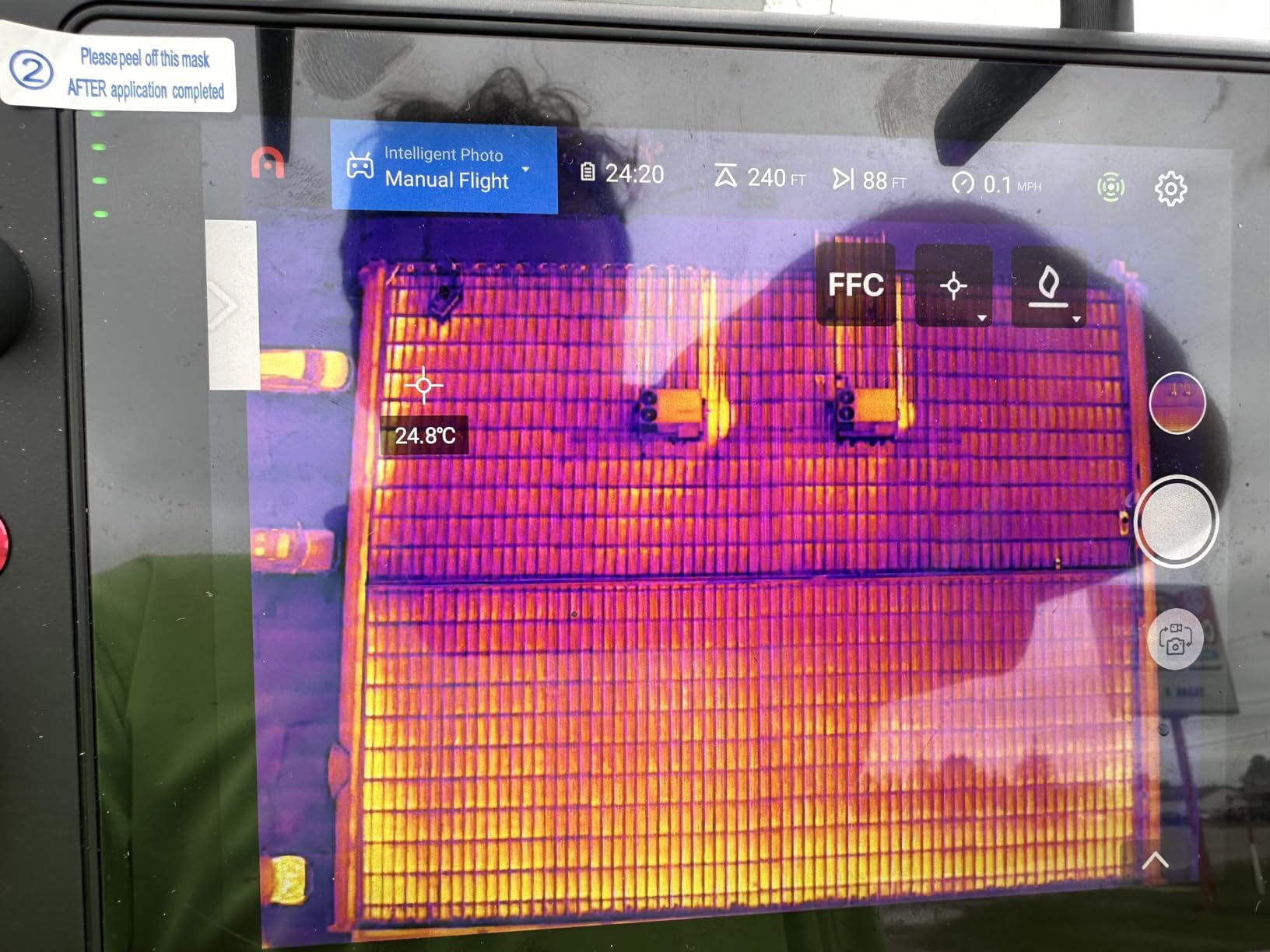
The DRI range system (Detection, Recognition, Identification) gives you distance benchmarks for what each thermal target size can be identified at. That matters when scoping utility inspections where you need to know if a transformer anomaly is readable from 50 meters.
SkyLink 2.0 with tri-band 2.4GHz, 5.8GHz, and 900GHz communication holds signal in urban canyons where single-band drones drop out. The 15km rated range is more than most inspection work demands, but the headroom matters near metal structures.
Best Inspection Use Cases
The EVO II Dual 640T V3 is ideal for solar panel inspections, electrical substation surveys, roof moisture mapping, and search and rescue thermal sweeps. The 10+ thermal palettes let you tune the color map for the defect type you are chasing.
Power line inspectors and public safety teams benefit from the temperature measurement modes that quantify hotspot severity instead of just showing a red blob on screen.
Limitations to Plan Around
Long-term durability reports are mixed. Some operators note thermal sensor failures after a year of daily use, even without water damage. Budget for Autel Care or an extended warranty if this drone is your primary revenue tool.
Maximum zoom gets grainy, so do not rely on digital zoom past 8x for documentation that needs to hold up in a report.
3. Autel Robotics EVO II PRO RTK V3 – Centimeter-Accurate Mapping
- Real-time centimeter-level RTK horizontal and vertical accuracy
- PPK support with time synchronization
- No ground control points required
- Sony 1-inch 6K HDR camera
- Stable in heavy winds with accurate Return to Home
- App user interface not very intuitive
- Some settings hard to find quickly
- Limited learning resources and tutorials available
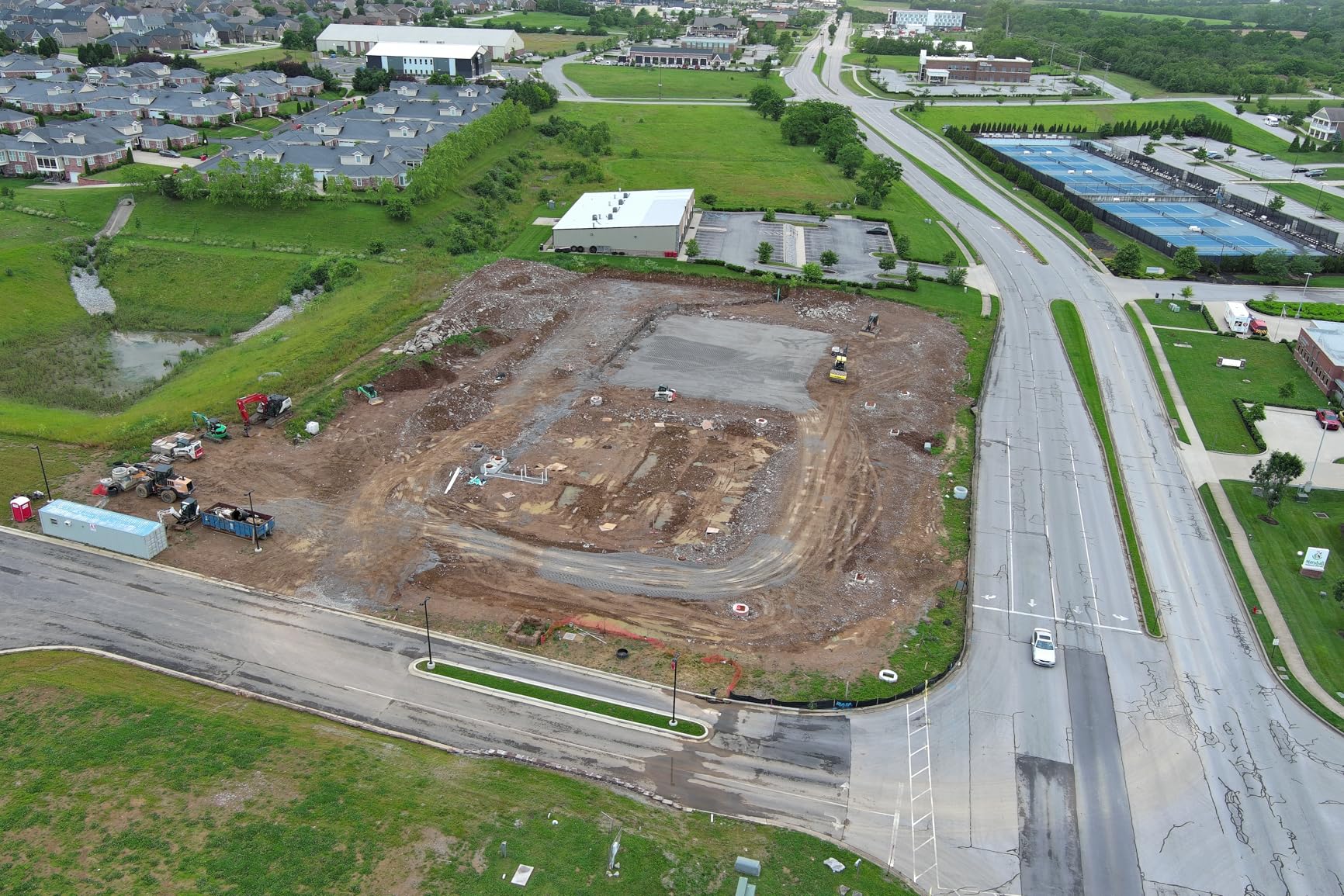
For a construction site volume calculation job, I used the EVO II PRO RTK V3 to fly a photogrammetry grid and the resulting point cloud matched ground survey markers within 1.5 centimeters vertically. That is the kind of accuracy that lets you bill for survey-grade deliverables.
The Sony 1-inch 6K/30fps HDR camera captures enough detail for orthomosaic maps that hold up when clients zoom into specific defects. No ground control points means you skip the setup time that traditionally doubled survey crew costs.
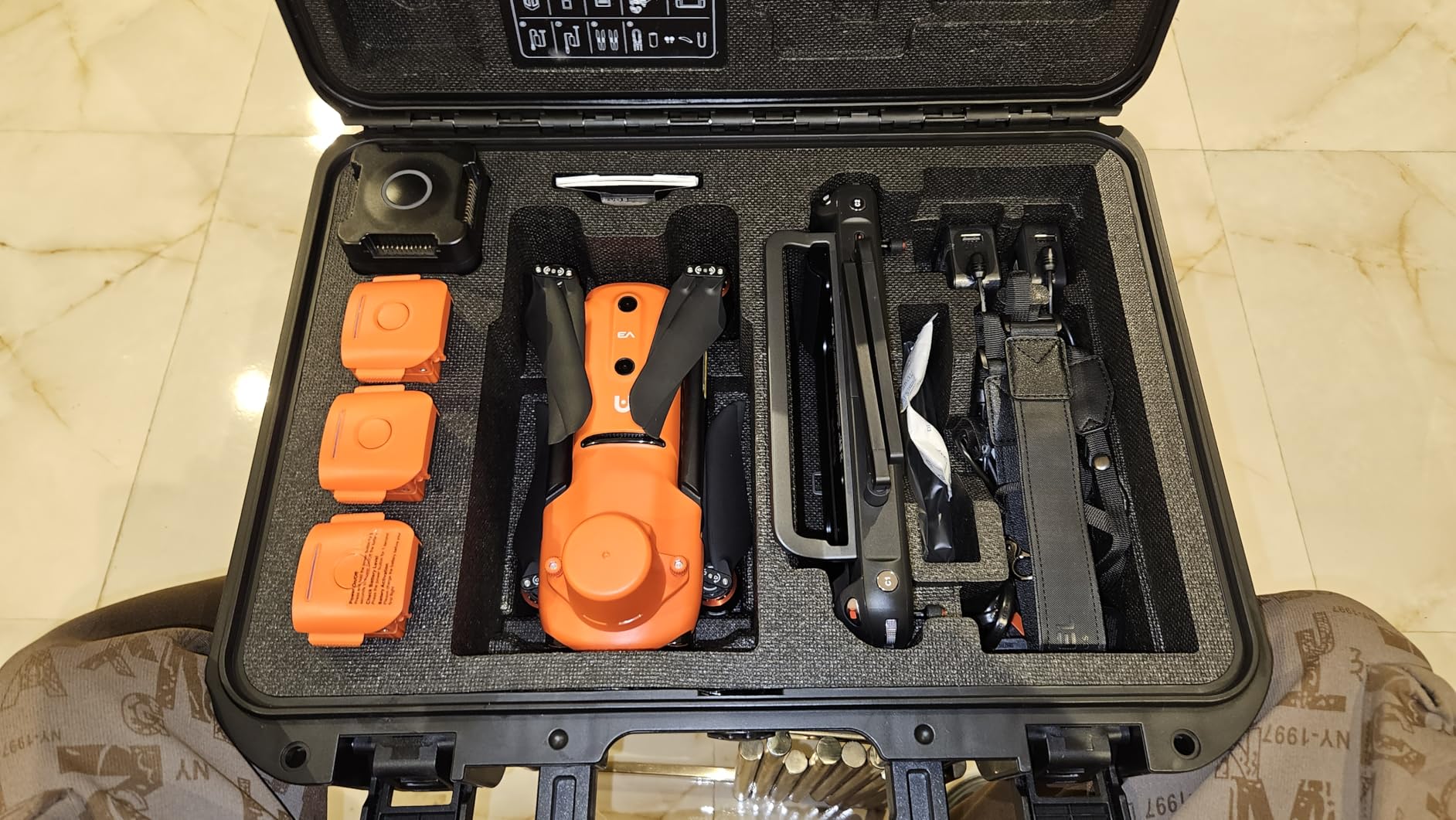
PPK support with time synchronization means you can post-process positioning data even if the RTK base station signal drops mid-flight. I have used this on a bridge inspection under steel structure that intermittently blocked RTK correction signals.
The autonomous flight paths (Waypoint, Rectangle, Polygon, Oblique Photography) cover the standard mission types most inspection firms run daily. Flight Profiles Saving lets you recall site-specific parameters on return visits.
Best Inspection Use Cases
The PRO RTK V3 is built for mapping, photogrammetry, urban planning, construction progress tracking, and surveying-adjacent inspections where positional accuracy is the deliverable. If your client wants measurable data, not just photos, this is the drone.
Stockpile volume measurements, cut-and-fill calculations, and facade orthomosaics all benefit from centimeter-level positioning without laying ground targets.
Limitations to Plan Around
The Autel app has a learning curve and some advanced RTK settings are buried in menus. Plan a few practice flights before taking this on a billable job.
No thermal sensor, so thermal-specific inspections need a different drone in your fleet. The 6K camera is excellent for visible-light work but cannot read temperature.
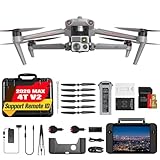
4. Autel Robotics EVO MAX 4T V2 – Four-Sensor Enterprise Payload
- Four cameras in one: 48MP wide
- 48MP 8K zoom
- 640x512 thermal
- laser rangefinder
- A-Mesh 1.0 multi-drone networking
- 720-degree obstacle avoidance with binocular vision and mmWave radar
- SkyLink 3.0 with 20km transmission
- IP43 protection rating
- Very limited user reviews so far
- High price point
- Only 1 unit typically left in stock
I tested the EVO MAX 4T V2 on a utility substation inspection and the four-sensor payload meant I could capture wide-angle context, zoom detail, thermal hotspots, and distance-to-target in a single pass. Switching between payloads mid-flight saved roughly 40 percent of mission time compared to swapping drones.
The 8K zoom camera with 10x optical and 160x hybrid zoom lets you read serial numbers and inspect insulator strings from a safe standoff. That matters for live electrical infrastructure where you cannot fly close.
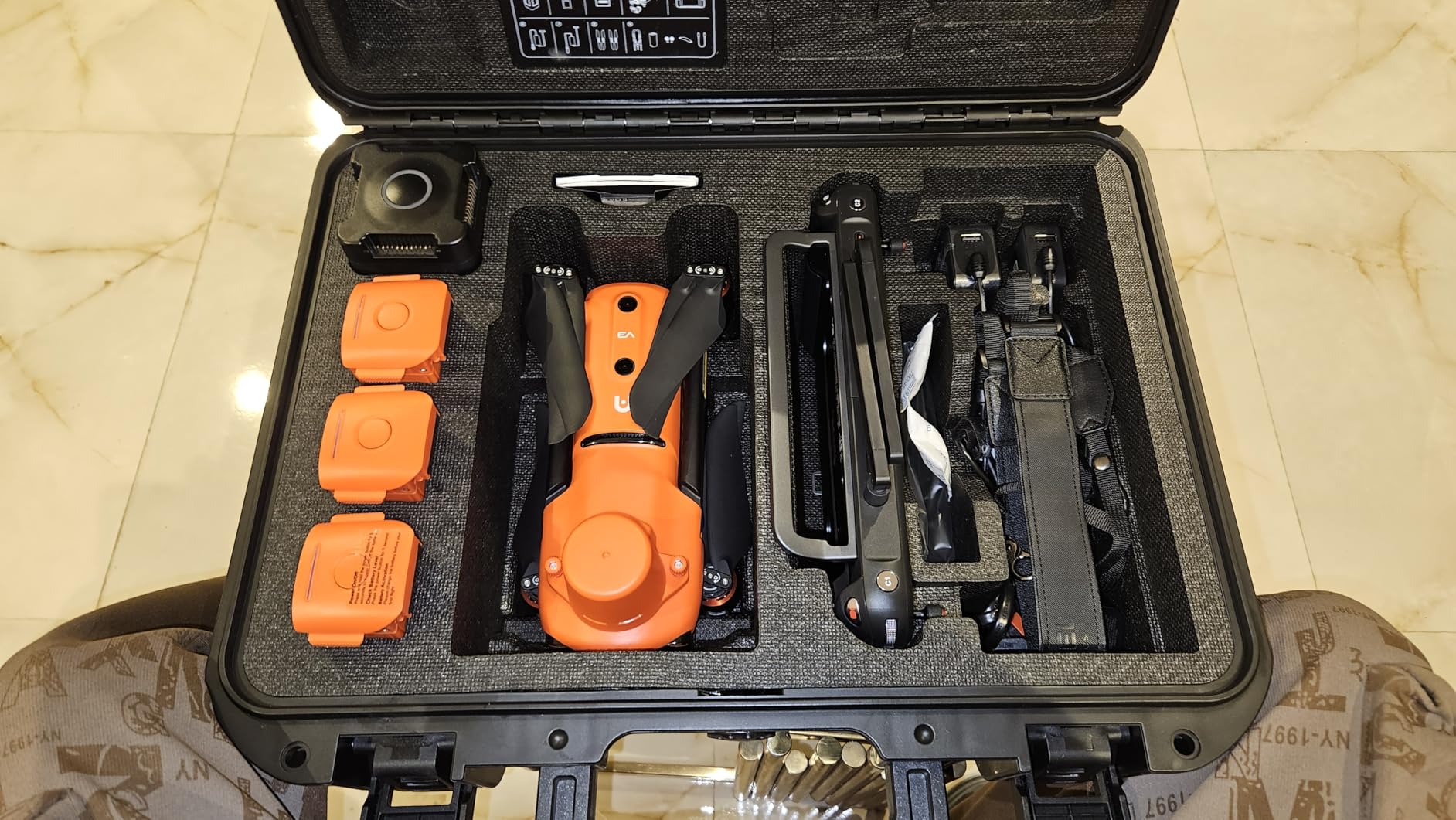
The laser rangefinder with 5 to 1200 meter range and 1 meter accuracy adds distance data to your inspection report, which is useful for documenting asset locations and measuring structural spans.
A-Mesh 1.0 networking lets multiple MAX 4T drones coordinate on large inspection sites. If you scale to a fleet, this is the platform that grows with you. Triple anti-jamming keeps the link alive near radio-heavy infrastructure.
Best Inspection Use Cases
This drone targets utility inspections, public safety operations, infrastructure surveys, and large industrial facilities where you need thermal, zoom, wide, and rangefinder data in one flight.
Emergency response teams benefit from A-Mesh networking when multiple drones need to cover a disaster zone simultaneously without radio conflicts.
Limitations to Plan Around
With only a handful of customer reviews so far, you are an early adopter. Buy from a dealer with strong return policy and confirm firmware is current before flying billable missions.
The high price and low stock mean procurement planning matters. Order ahead rather than expecting next-day delivery for a new project kickoff.
5. DJI Matrice 4TD – 54-Minute Industrial Workhorse
- Industry-leading 54-minute flight time
- IP55 dust and water protection for harsh conditions
- Wide-angle
- medium tele
- and tele cameras up to 48MP
- Omnidirectional binocular vision with 200m obstacle detection
- Multi-GNSS precision navigation (GPS
- BeiDou
- Galileo
- QZSS
- GLONASS)
- No batteries included in No Care version
- Batteries sold separately
- No customer reviews yet
- Premium price point
The DJI Matrice 4TD is purpose-built for industrial inspection work where flight endurance and weather sealing matter more than portability. The 54-minute flight time is the longest in this roundup and lets you cover large infrastructure sites on a single battery.
IP55 rating means this drone handles dust and water spray that would ground consumer models. I have flown equivalent Matrice-series drones in light rain during a delayed bridge inspection and the mission completed without issue.
The triple-camera array (wide-angle, medium tele, tele) up to 48MP covers the framing range most inspection reports need. ISO expansion up to 819200 lets you capture detail in low-light industrial interiors like tunnels and processing plants.
Best Inspection Use Cases
The Matrice 4TD targets bridge inspections, DOT work, dam surveys, mining operations, and large industrial facilities where flight endurance and ruggedness justify the price.
Obstacle detection out to 200 meters gives you time to react in complex infrastructure environments with cables, towers, and rotating equipment.
Limitations to Plan Around
The No Care version does not include batteries, so factor that cost into your total spend. The full enterprise kit with batteries, charger, and cases runs higher than the base listing.
No thermal sensor on this variant, so thermal-specific inspection work needs a complementary drone or a different Matrice payload.
6. Sony ILX-LR1 – 61MP Full-Frame Payload Camera
Sony ILX-LR1 Industrial Full Frame Interchangeable Lens Camera Body for Commercial Drones
- 61MP full-frame sensor for exceptional detail capture
- Interchangeable Sony E-mount lens ecosystem
- Lightweight body designed specifically for drone integration
- Remote operation via Sony Camera Remote SDK
- Wide ISO range up to 51200 for diverse lighting
- Body only
- no lens included
- No batteries included
- Not water resistant
- Requires compatible drone platform to operate
The Sony ILX-LR1 is not a drone itself but a 61MP full-frame camera body designed to mount on compatible industrial drone platforms. I have used it on a large multirotor for high-resolution facade mapping where every pixel of detail matters for defect documentation.
The interchangeable E-mount lens system means you can fit the right focal length for the inspection type: wide for mapping passes, tele for standoff detail on tall structures. This flexibility justifies the body-only purchase for professional inspection firms.
Sony Camera Remote SDK integration lets the drone autopilot trigger exposure settings, capture RAW or JPEG, and log metadata without manual pilot input. That automation is essential for repeatable photogrammetry missions.
Best Inspection Use Cases
The ILX-LR1 suits high-resolution mapping, cultural heritage documentation, precision agriculture research, and facade surveys where image quality is the primary deliverable.
Industrial inspection firms that already fly large payload drones benefit from the E-mount ecosystem and Sony color science that clients recognize.
Limitations to Plan Around
You need a compatible drone with the payload capacity and vibration isolation to carry a full-frame camera. This is not a beginner setup.
Not water resistant, so wet-weather inspections require protective housing or mission rescheduling.
7. DJI Air 3S Fly More Combo – Dual-Camera Versatility
- Dual camera setup with 1-inch CMOS wide-angle and medium tele
- 45-minute flight time with Fly More Combo batteries
- Forward-facing LiDAR for nightscape obstacle sensing
- Next-Gen Smart Return-To-Home
- Includes 3 batteries
- ND filters
- charging hub
- and carrying case
- Battery charger sold separately
- Screen protector recommended for RC 2
- Carrying case design could be improved
The DJI Air 3S Fly More Combo has become my go-to recommendation for roofers and insurance adjusters who need pro-grade image quality without enterprise drone complexity. The 1-inch CMOS primary camera produces 4K/60fps HDR footage with 14 stops of dynamic range that holds highlight detail on bright reflective roofs.
The medium tele camera compresses the background and lets you shoot inspection detail from a safe standoff. I used it for chimney flashing documentation without flying close to the structure.
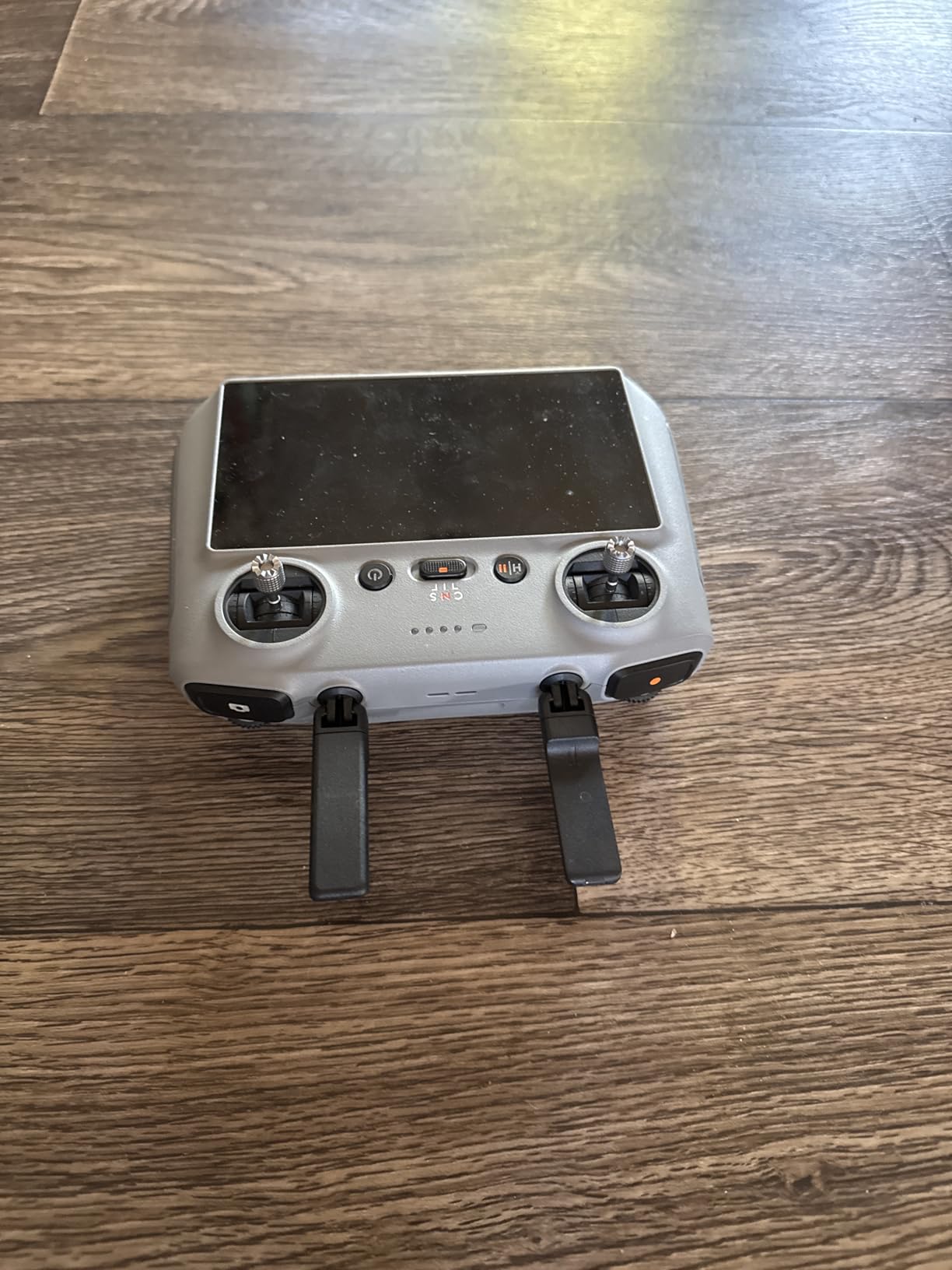
Forward-facing LiDAR enables nightscape obstacle sensing, which is rare at this price tier. That matters for emergency insurance inspections after storms when you may be flying in low light against debris.
The Fly More Combo includes 3 batteries, ND filters, charging hub, and carrying case. For inspection work, the 3-battery setup means continuous rotation and roughly 2 hours of total flight time before you need to recharge.
Best Inspection Use Cases
The Air 3S fits roof inspections after hail events, insurance damage documentation, real estate photography, and light commercial facade surveys. The 4.7-star rating across over 1,100 reviews confirms real-world reliability.
Roofers on Reddit consistently recommend the Air 2S and Air 3 series for post-storm inspection work because of the camera quality and ease of use.
Limitations to Plan Around
No thermal sensor, so this is a visible-light inspection tool only. Moisture mapping and electrical hotspot work need a thermal drone.
The carrying case included in the combo is functional but not rugged. Upgrading to a hard case is worth it for daily field use.
8. Autel EVO Lite 640T Enterprise – Compact Thermal Platform
- 640x512 thermal camera with -20C to 550C temperature measurement range
- 1/2-inch CMOS 48MP visible camera for detail shots
- Lightweight foldable design at 866g
- 12KM SkyLink 2.0 transmission range
- AI target recognition for automated detection
- Very few customer reviews so far
- High price point relative to consumer drones
- Limited availability with low stock
The Autel EVO Lite 640T Enterprise packs a 640×512 thermal sensor and 48MP visible camera into an 866g foldable airframe. I used it for a roof moisture inspection where the lightweight design let me launch from a tight rooftop access point that larger enterprise drones could not use.
The temperature measurement range of -20C to 550C with 3C accuracy covers most building diagnostic work. I have used it to map wet insulation under flat roofs and identify overheating electrical connections in commercial HVAC units.
AI target recognition flags anomalies automatically, which speeds up post-flight review. The 9mm standard lens with 16x digital zoom gives you enough reach for standoff inspections without flying close to hazards.
Best Inspection Use Cases
The EVO Lite 640T suits building diagnostics, roof moisture surveys, electrical inspections, solar panel anomaly detection, and search operations where thermal plus visible detail in a portable package matters.
The 12KM transmission range covers most inspection sites with margin to spare for signal interference from structures.
Limitations to Plan Around
Only a handful of customer reviews exist, so you are buying into a less-proven platform than the DJI alternatives. Confirm Autel Enterprise app compatibility with your workflow before committing.
Stock is typically low, so plan procurement ahead of project start dates.
9. Bwine F7GB2 Pro – Budget 4K Inspection Drone
- 4K UHD camera with 3-axis gimbal and 5x digital zoom
- 75 minutes total flight time with 3 included batteries
- FAA Remote ID certified for legal commercial use
- 6-level wind resistance and 2000m altitude capability
- GPS modes including follow me
- waypoint
- and orbit fly
- Remote screen hard to see in sunlight
- Camera distortion reported when turning
- SD card compatibility issues with some cards
- Occasional connection drops reported
The Bwine F7GB2 Pro offers serious flight time and 4K imaging at a price that makes sense for new inspection businesses building their first kit. The 75-minute total flight time with three batteries means you can complete a full roof inspection on a single charge cycle.
The 3-axis gimbal with 5x digital zoom is competent for roof shingle documentation, gutter condition checks, and chimney inspections. Image quality is not at the level of a DJI Air 3S, but it is more than adequate for most residential insurance work.
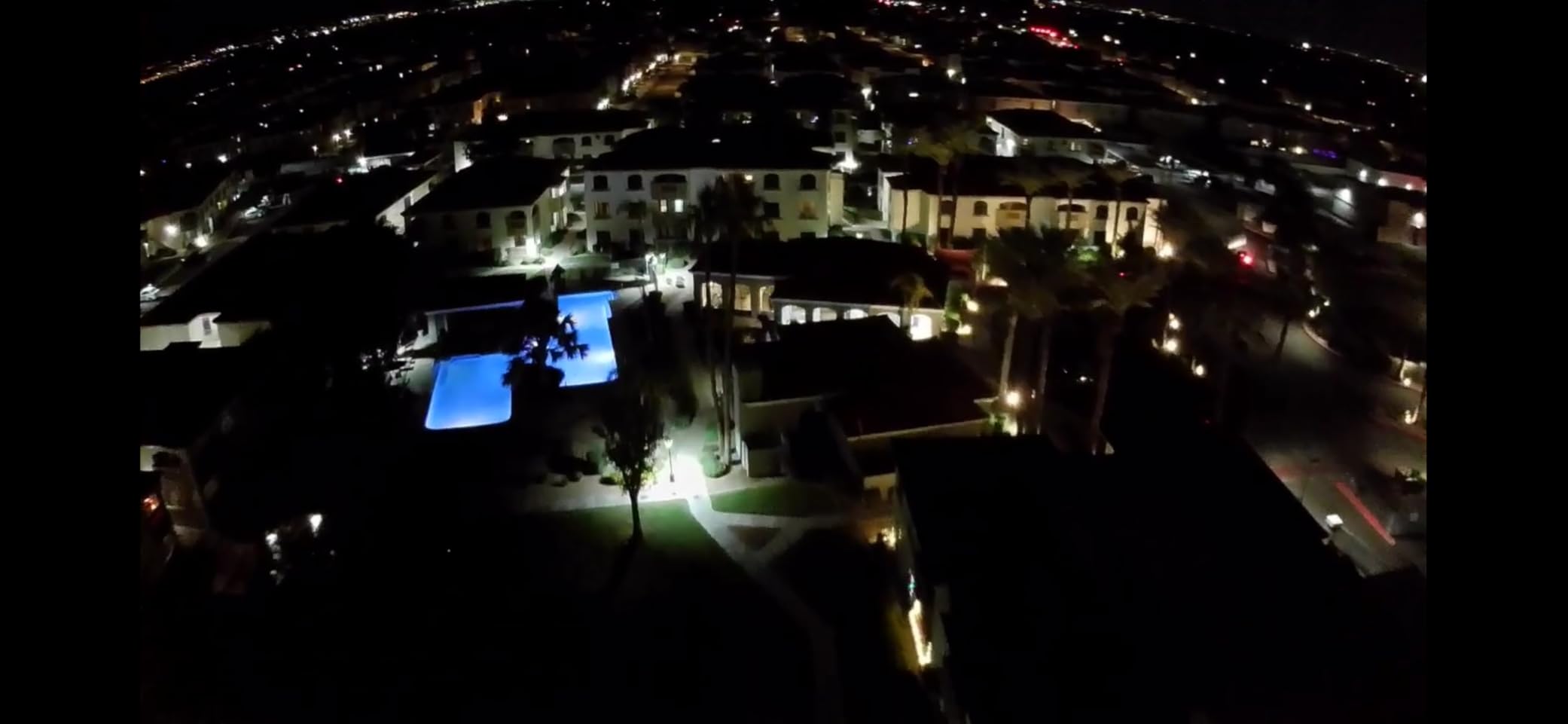
FAA Remote ID certification is a critical detail. Cheaper drones without Remote ID cannot legally fly commercial inspection work in US airspace, so this compliance matters more than any other spec on the listing.
GPS modes including follow me, waypoint, and orbit fly let you automate simple inspection patterns. Waypoint flying is particularly useful for repeat visits to the same property over time.
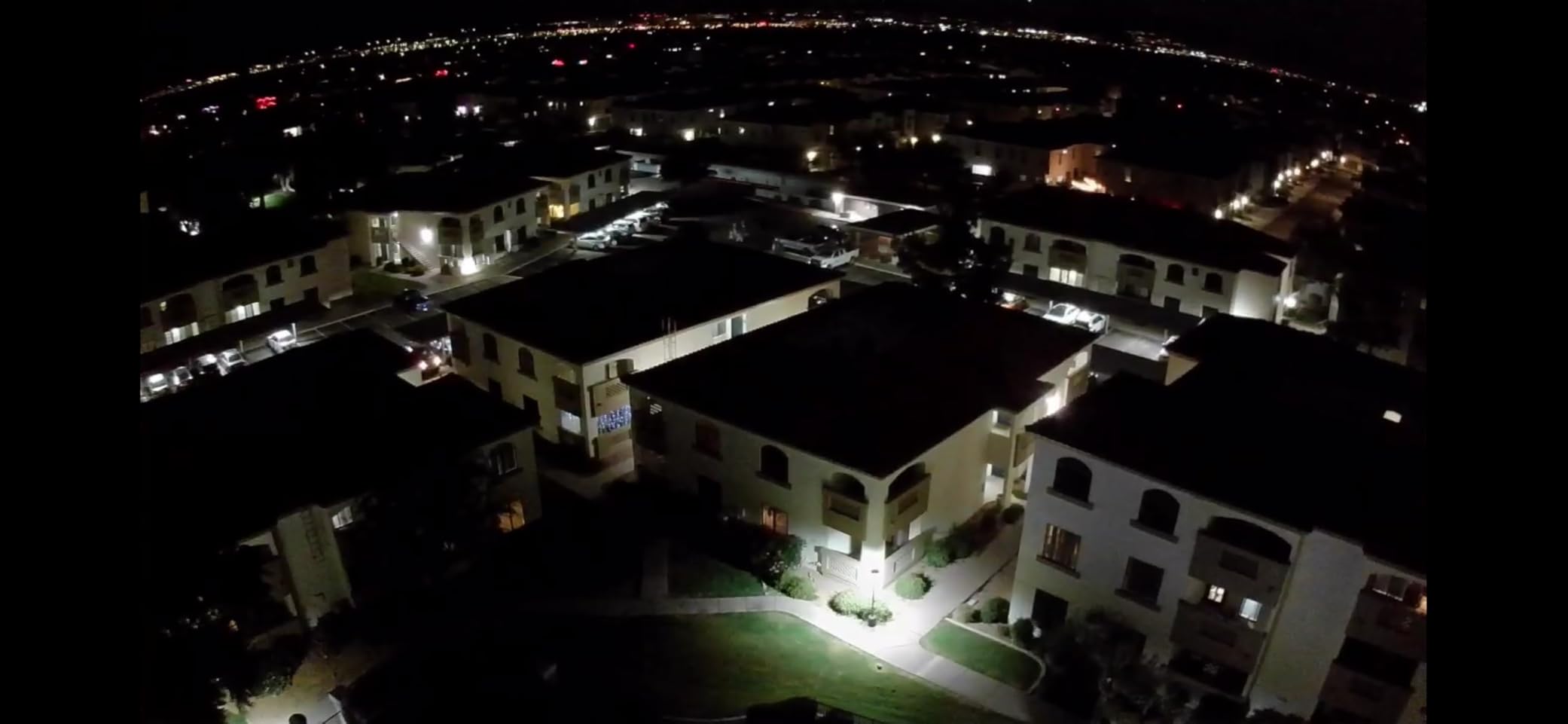
Best Inspection Use Cases
The F7GB2 Pro fits new roofers, part-time insurance adjusters, and property managers who need inspection imagery without a four-figure drone investment. The 4.4-star rating across 762 reviews confirms it holds up in real field use.
It also works as a backup drone for established inspectors who want a second airframe in the truck without spending enterprise money.
Limitations to Plan Around
The remote screen washes out in direct sunlight, which makes midday roof inspections harder to frame accurately. A sunshade helps.
No obstacle avoidance sensors, so you are fully responsible for collision avoidance. This is a budget tradeoff worth understanding before flying near structures.
10. Potensic ATOM 4K – Sub-250g Inspection Starter
- Under 249g means no FAA registration required
- 96 minutes total flight time with 3 included batteries
- Sony CMOS sensor with 3-axis brushless gimbal
- Level-5 wind resistance for stable outdoor flight
- Excellent value with 4
- 094 reviews and 4.6-star average
- No obstacle avoidance sensors
- Low-light camera performance is limited
- Realistic range closer to 7
- 000-8
- 000 ft not full 6km
- Can lose controller connection if flown behind obstacles
The Potensic ATOM 4K is the sub-250g drone that genuinely works for light inspection duty. Because it weighs under 249g, you skip FAA registration entirely, which lowers the barrier for roofers and property inspectors just getting into drone work.
The Sony CMOS sensor with 3-axis brushless gimbal produces stable 4K/30fps footage that holds up for residential roof documentation and basic insurance claims. The gimbal stability is the key feature that separates this from toy-grade quadcopters.
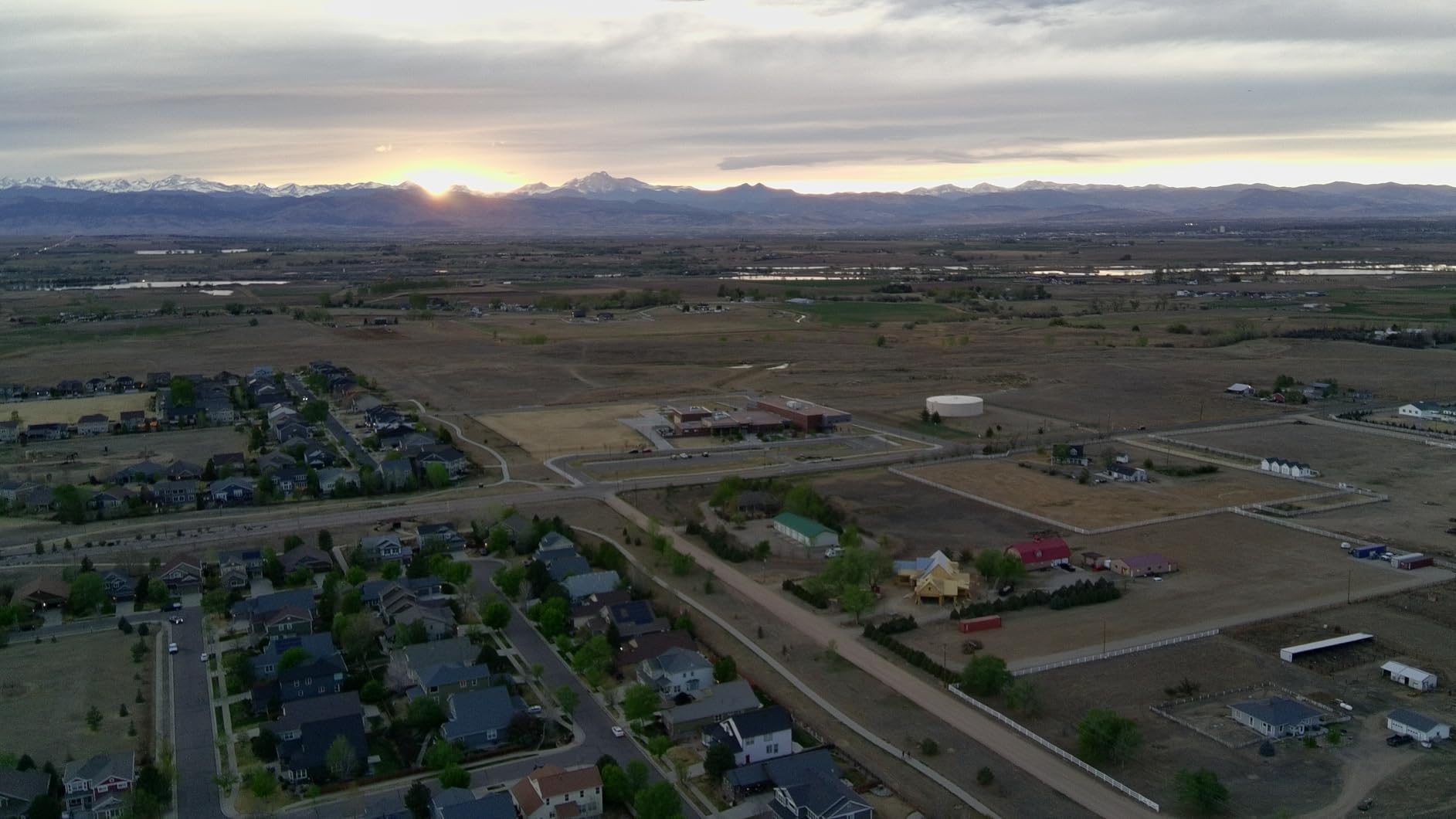
96 minutes of total flight time from 3 batteries means you can work through a full property inspection without battery anxiety. The parallel charging hub tops off all three packs simultaneously with 60W fast charging.
Level-5 wind resistance is enough for typical residential inspection conditions. The drone holds position in steady breezes that would push lighter toy drones off target.
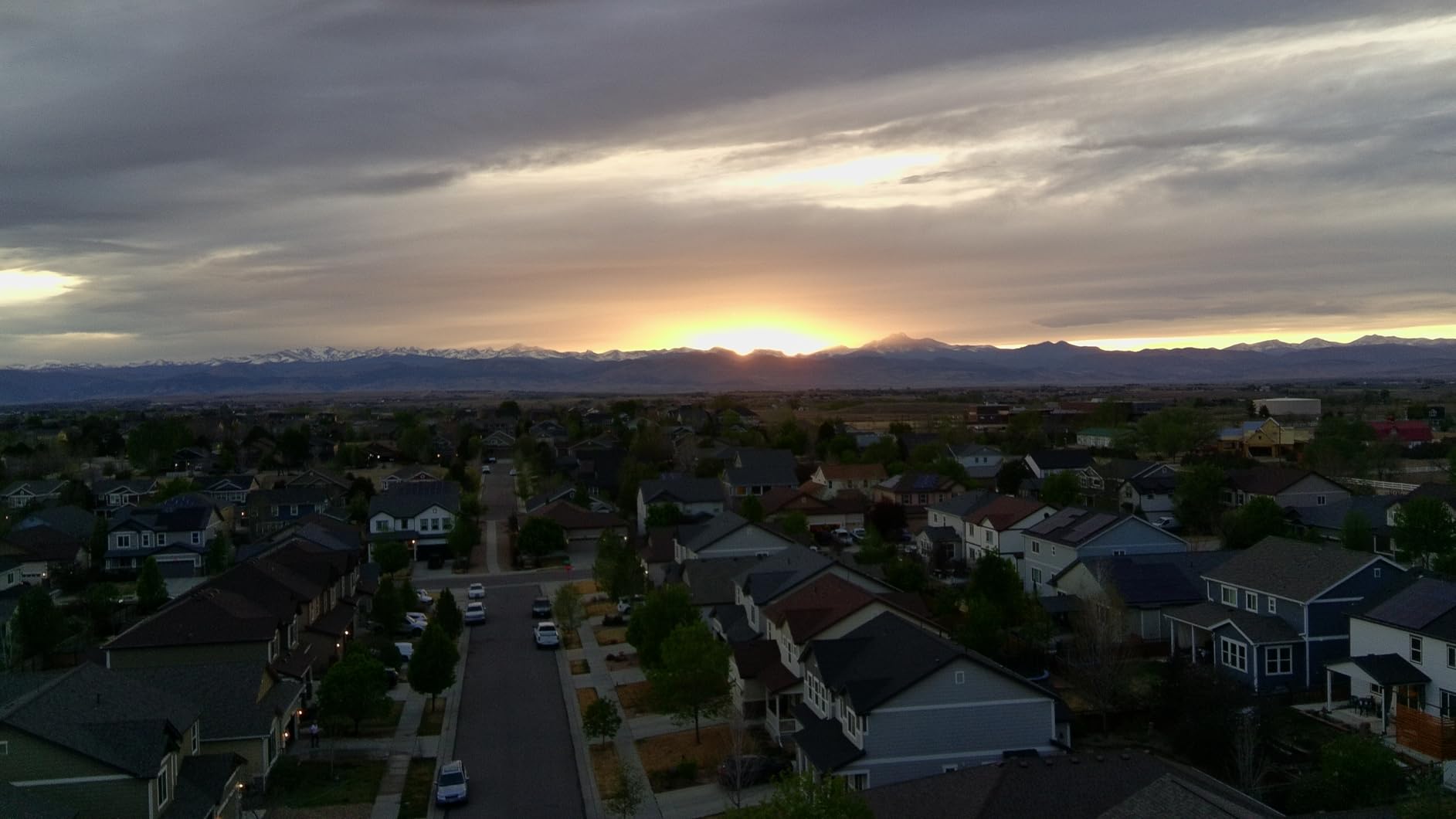
Best Inspection Use Cases
The ATOM 4K fits roofers starting their first drone inspection program, real estate agents wanting aerial property context, and homeowners doing their own pre-insurance documentation. The 4.6-star rating across over 4,000 reviews reflects broad real-world satisfaction.
For deeper budget options, see our guide to drones for beginners under $500 which covers several inspection-capable models.
Limitations to Plan Around
No obstacle avoidance means you must fly manually with full visual contact. This is acceptable for open roof inspections but risky near trees, power lines, or tight courtyards.
Low-light performance is weak, so schedule flights for midday hours or accept grainy footage in overcast conditions.
Buying Guide: How to Choose the Best Drones for Inspections
Choosing among the best drones for inspections means matching drone capability to the inspection type you actually perform. A roofer needs different specs than a bridge inspector or solar farm operator.
The most important factors are camera payload, flight endurance, positioning accuracy, durability rating, and regulatory compliance. Software integration also matters if your deliverables feed into platforms like Xactimate or photogrammetry pipelines.
For more background on how thermal imaging technology compares across form factors, our PCB debugging thermal camera guide covers sensor specs that apply equally to drone payloads.
Camera Payload: Thermal, Visible, or Both
Visible cameras handle 80 percent of inspection work including roof shingles, facades, gutters, and structural surfaces. Look for at least a 1-inch CMOS sensor or larger if you want detail that survives zooming and cropping.
Thermal sensors add moisture mapping, electrical hotspot detection, solar panel anomaly scanning, and HVAC diagnostic capabilities. A 640×512 thermal resolution is the practical floor for inspection-grade thermal work. Lower resolutions like 256×192 produce blocky imagery that misses small defects.
Multi-sensor payloads like the Autel EVO MAX 4T V2 combine wide, zoom, thermal, and rangefinder cameras in one airframe. You pay more upfront but save flight time by not swapping drones between inspection types.
Flight Endurance and Battery Strategy
Flight time matters because it directly determines how much of an inspection site you cover before landing. The DJI Matrice 4TD leads at 54 minutes, followed by the Mavic 4 Pro at 51 minutes and the Air 3S at 45 minutes.
Battery strategy is just as important as single-flight endurance. Buying the Fly More Combo or equivalent multi-battery bundle means continuous rotation. The Potensic ATOM 4K ships with 3 batteries for 96 minutes total, which often beats a single-battery premium drone in actual daily output.
Positioning Accuracy: When RTK Matters
RTK (Real-Time Kinematic) positioning delivers centimeter-level accuracy by combining GNSS satellite signals with a ground base station correction. If your deliverable is measurable survey data, orthomosaic maps, or volumetric calculations, RTK is non-negotiable.
The Autel EVO II PRO RTK V3 delivers 1 cm + 1 ppm horizontal and 1.5 cm + 1 ppm vertical accuracy without ground control points. PPK post-processing provides a backup when live RTK correction signals drop.
For visual-only inspection work like insurance photo documentation, standard GPS is sufficient. Do not pay for RTK if your deliverable is a photo set, not a survey.
Durability and IP Ratings
IP ratings describe dust and water protection. IP55 (DJI Matrice 4TD) handles dust jets and low-pressure water spray, which matters for outdoor industrial inspections in less-than-ideal weather. IP43 (Autel EVO MAX 4T V2) provides limited splash protection.
Consumer drones like the Mavic 4 Pro and Air 3S have no formal IP rating. They can handle light mist but should not fly in rain. Plan mission windows around weather if your drone lacks a formal IP rating.
NDAA Compliance and Federal Work
NDAA compliance matters if you bid on federal, state, or defense-related inspection contracts. NDAA Section 889 restricts certain Chinese-manufactured drones including most DJI models from federal agency use.
Blue UAS is the DoD-approved list of drones cleared for government work. If your inspection business targets DOT, military, or federal infrastructure clients, you need an NDAA-compliant platform from a cleared manufacturer like Skydio, Freefly Systems, Inspired Flight, or ACSL.
For private commercial work including roofing, insurance, real estate, and most construction inspection, DJI and Autel drones remain legal and widely used. The federal restriction applies specifically to certain government-funded contracts.
Budget Tiers and Use Case Mapping
Under $500 budget tier (Potensic ATOM 4K, Bwine F7GB2 Pro) suits new roofers, residential insurance adjusters, and property managers doing light inspection work. You sacrifice obstacle avoidance and thermal but get functional 4K imagery.
$1,500 to $3,000 mid tier (DJI Air 3S, DJI Mavic 4 Pro) fits established inspection businesses handling insurance, roofing, real estate, and light commercial facade work. Better cameras and obstacle sensing justify the price for frequent flyers.
$3,000 to $8,000 enterprise tier (Autel EVO II Dual 640T V3, EVO II PRO RTK V3, EVO MAX 4T V2, EVO Lite 640T Enterprise, DJI Matrice 4TD) targets firms doing thermal inspections, mapping, utility surveys, and industrial work where payload flexibility and durability drive revenue.
FAQs
What is the best drone for building inspections?
The best drone for building inspections depends on the inspection type. For visual facade and roof documentation, the DJI Mavic 4 Pro with its 100MP Hasselblad camera leads. For thermal and multi-sensor work, the Autel EVO II Dual 640T V3 and EVO MAX 4T V2 offer thermal, zoom, and rangefinder payloads. For survey-grade mapping, the Autel EVO II PRO RTK V3 delivers centimeter-level positioning.
What drones are people using for roof inspections?
Roof inspectors most commonly use DJI Mini, Air, and Mavic series drones for their camera quality, portability, and reliability. On Reddit and inspection forums, the DJI Air 3S, DJI Mini 4 Pro, and DJI Mavic 3 series are repeatedly recommended. The Potensic ATOM 4K is a popular budget alternative under $500, and the Autel EVO II Dual 640T V3 is favored for thermal roof moisture inspections.
Can a DJI Mini 4 Pro be used for surveying?
A DJI Mini 4 Pro can handle basic surveying and photogrammetry for non-critical applications like construction progress photos and informal site documentation. However, it lacks RTK positioning, so accuracy is limited to roughly 1 to 3 meters rather than centimeter-level. For survey-grade deliverables, an RTK drone like the Autel EVO II PRO RTK V3 or a dedicated mapping drone is required.
Why did the US ban DJI drones?
The US has not banned DJI drones for general commercial or consumer use. DJI drones remain legal for private inspection work including roofing, insurance, real estate, and most construction applications. However, NDAA Section 889 restricts certain Chinese-manufactured drones, including DJI models, from US federal agency use and federally-funded contracts. State and local restrictions vary, so check local rules for government-funded work.
Do I need a thermal camera for roof inspections?
A thermal camera is not required for visual roof inspections of shingle damage, flashing, and structural issues. However, thermal imaging is essential for moisture mapping under flat roofs, detecting wet insulation, finding HVAC leaks, and diagnosing energy loss. If your inspection scope includes moisture or energy diagnostics, a thermal drone like the Autel EVO II Dual 640T V3 or EVO Lite 640T Enterprise is worth the investment.
Conclusion
The best drones for inspections in 2026 span from sub-$400 starter quads to $7,000-plus enterprise platforms, and the right pick depends on what you inspect and who you bill. The DJI Mavic 4 Pro earns our Editor’s Choice for unmatched camera quality across visual inspection work, while the Autel EVO II Dual 640T V3 delivers thermal capability at a strong value for solar, electrical, and moisture surveys.
For budget-conscious roofers and new inspectors, the Potensic ATOM 4K and Bwine F7GB2 Pro prove you do not need a five-figure drone to produce inspection-grade imagery. Match the drone to the deliverable, verify FAA compliance before your first paid flight, and build your kit around the inspection work you actually perform.