
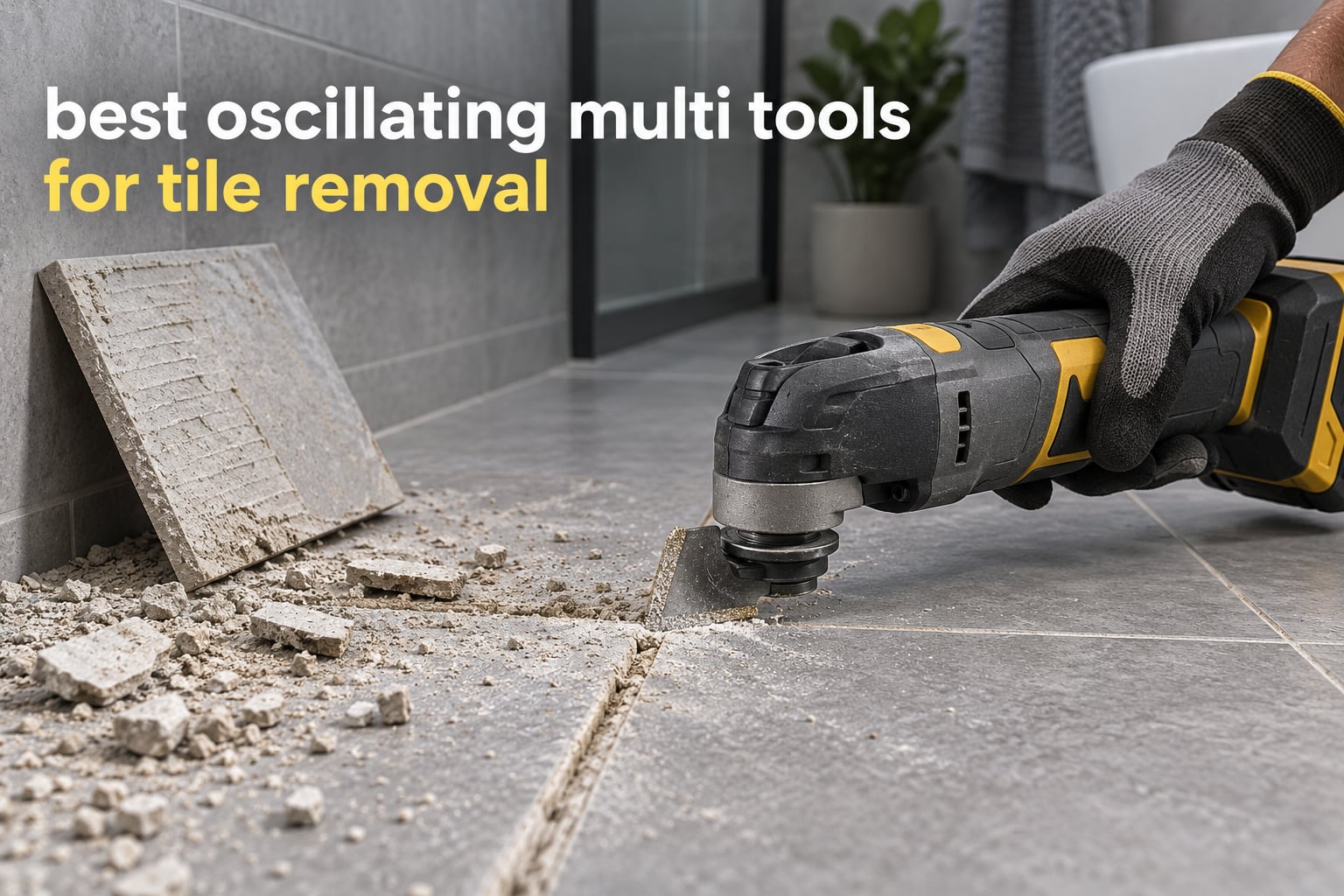
Stripping grout is one of those jobs that looks like it should take twenty minutes and quietly eats an entire Saturday. The grout is harder than it looks, the line is narrower than the blade you have, and halfway down the run the tile edge starts to chip. The right oscillating multi tool for tile removal changes all three of those outcomes, which is why I lined up twelve of the best models against grout width, blade type, job size and the point at which a hand tool is the smarter answer.
Before the models, the honest framing: an oscillating tool is a precision instrument for clearing grout and thin-set, not a demolition hammer. It excels at slicing grout out cleanly with almost no airborne dust, which is exactly what you want in a bathroom or a kitchen with cabinets still in place. It is slower than an angle grinder, it will not rip out a whole tile on its own, and if you force it through hardened thin-set you can shave the glaze off a tile edge or cut into the waterproofing layer underneath.
Last updated in 2026, and re-checked against the current spec sheets. I have grouped the picks by the job they actually suit, from a full bathroom regrout down to pulling three tiles out from behind a microwave, and I have flagged which ones are worth skipping if your grout lines are narrower than 1/8 inch. If you want the wider picture of the category first, our roundup of the best oscillating multi tools for renovations covers the same tools across flooring, drywall and trim work.
Top 3 Picks for Tile Removal in October 2026
These three cover the range most buyers actually need. The DEWALT kit is the most complete cordless package, the Milwaukee gives you the widest speed control of the group, and the AVID POWER corded tool handles a full regrout without asking you to own batteries first.

DEWALT DCS356C1 20V XR Kit
- 20000 OPM brushless motor
- Tool-free quick blade change
- Universal accessory adaptor
- LED work light

Milwaukee 2626-20 M18 Multi-Tool
- 12 speed settings 11000-18000 OPM
- All-metal gear case
- Rubberized overmold grip
- Onboard LED panel

AVID POWER 3.5-Amp Corded Tool
- 4.5-degree oscillation angle
- 6 variable speeds
- Tool-free quick-change lever
- Auxiliary side handle
All 12 Oscillating Multi Tools Compared in October 2026
Every tool below runs a standard multi-tool blade mount or ships with a universal adaptor, so third-party carbide and diamond-grit grout blades are an option across the list. The columns that matter for tile are power source, stroke control and how the tool holds a blade under load.
| Product | Specifications | Action |
|---|---|---|
| DEWALT DCS356C1 20V XR Kit |
|
Check Latest Price |
| Milwaukee 2626-20 M18 Multi-Tool |
|
Check Latest Price |
| AVID POWER MW146 Corded |
|
Check Latest Price |
 DEWALT DWE315K Corded DEWALT DWE315K Corded |
|
Check Latest Price |
 Hammerhead HAMT022 Corded Hammerhead HAMT022 Corded |
|
Check Latest Price |
 ENERTWIST ET-OM-500 Kit ENERTWIST ET-OM-500 Kit |
|
Check Latest Price |
 Ryobi ONE+ PCL430B Ryobi ONE+ PCL430B |
|
Check Latest Price |
 GALAX PRO 9525K Corded GALAX PRO 9525K Corded |
|
Check Latest Price |
 Makita DTM52Z LXT Makita DTM52Z LXT |
|
Check Latest Price |
 Genesis GMT15A Corded Genesis GMT15A Corded |
|
Check Latest Price |
 DEWALT DCS354B Atomic DEWALT DCS354B Atomic |
|
Check Latest Price |
 CRAFTSMAN V20 CMCE501D1 CRAFTSMAN V20 CMCE501D1 |
|
Check Latest Price |
1. DEWALT DCS356C1 20V XR Kit – Best Overall for Tile Removal
- Brushless motor with up to 20000 OPM for hard grout and thin-set
- Tool-free quick-change plus universal adaptor for most blade brands
- Bright LED for under-cabinet and corner work
- Kit ships with battery
- charger and two cutting blades
- Only 3 speed settings versus 12 on the Milwaukee
- Continuous hard cutting drains a 20V MAX pack
- Blades still cost extra for tile work
The DEWALT DCS356C1 is the tool I hand to someone who is doing a bathroom floor for the first time. The kit arrives complete with a battery, a charger and two cutting blades, so there is no hunting for a platform on day one. The brushless motor runs up to 20,000 OPM and the three-speed selector lets you back off when the blade starts to walk into the tile edge.
On grout work you live on the low and middle settings. I set the depth with the first pass across a joint and keep the same speed for the whole run, which is what stops the blade from wandering into the glaze. The LED matters more than expected when you are working under a vanity or inside a shower pan where your head is the only light source.
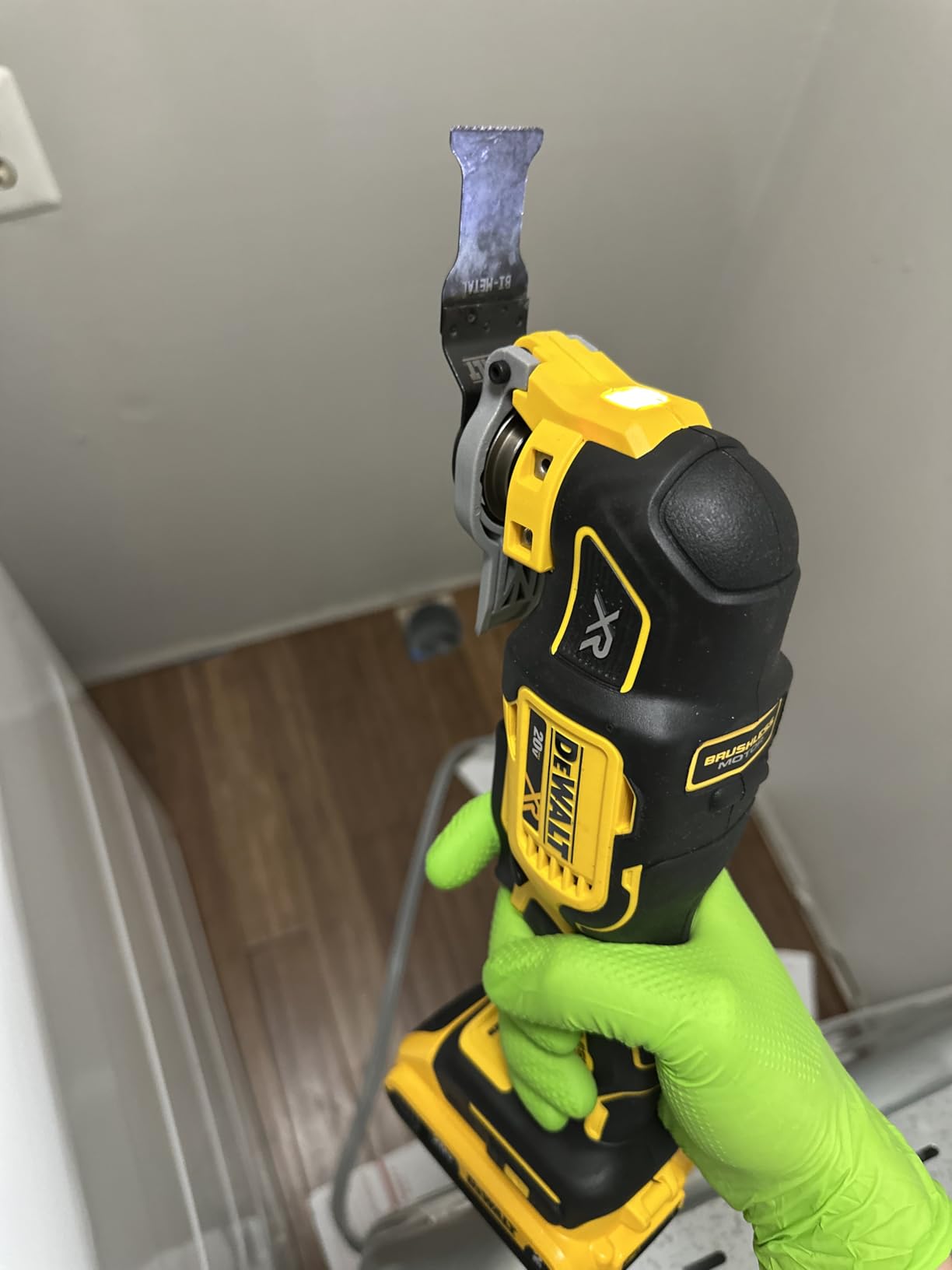
What separates this from the other DEWALT in the list is the kit completeness and the three speeds. The DCS354B further down is lighter, but it has no speed selector at all, and that difference shows up on anything harder than soft grout.
The universal accessory adaptor is the detail tile renovators care about most. It accepts blades from most other brands, so the carbide and diamond-grit grout blades you can buy are not locked to one ecosystem. That is worth more than any included blade, because the blades that ship with a tool are rarely the ones you want on grout.
On a 60 square foot bathroom floor, expect to change grout blades at least once. The carbide teeth dull fast against sanded grout, and a dull blade starts generating heat and pressure rather than cutting, which is exactly when tile edges start chipping. Budget for two or three diamond-grit blades alongside whatever you start with.
Based on owner feedback, the brushless motor has held up well across grout, thin-set and painted trim work. The grip stays comfortable because the tool is only 3 pounds before the battery, and the quick-change lever means you can swap a worn carbide tip in a few seconds rather than fumbling with a hex key in a tight corner.
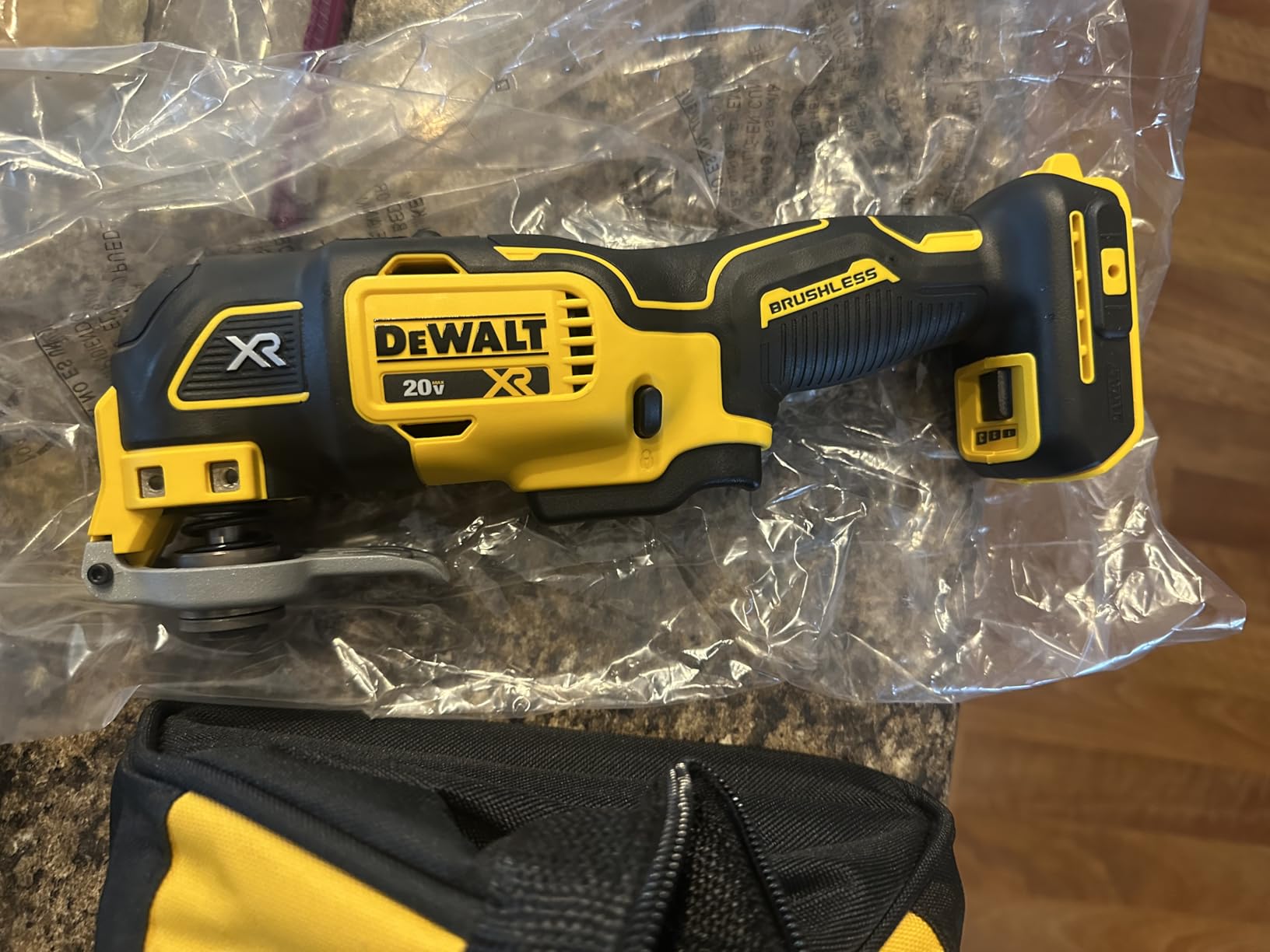
Why this one handles tight grout lines
The combination of a narrow body and a variable-speed trigger is what saves a thin line. You can creep along at low speed with light pressure and let the oscillation do the work instead of levering the blade sideways into the tile. For lines at or under 1/8 inch, that matters more than raw OPM.
Its closest rival on control is the Milwaukee, which offers twelve speed settings against three. If your grout is cement-based and hard rather than soft, that extra range is worth something. If your lines are narrow and you are worried about chipping, the DEWALT trigger feels easier to feather.
Where it falls short
Continuous heavy removal is where a cordless tool has to compromise, and this one does. When you are working a large floor with hard sanded grout, the pack will not last a whole session at full speed, and three speed settings is not much room to back off gradually.
It is also worth noting that the batteries and charger are not the point of this purchase. Grout removal for most people is a weekend job, not a daily trade task, so make sure the platform makes sense for the rest of your tool needs before you commit.
2. Milwaukee 2626-20 M18 Multi-Tool – Best Speed Control
- Twelve speed settings give finer control than any other tool here
- All-metal gear case resists job-site impacts
- Rubberized overmold grip holds when grout dust is wet
- Compact 11-7/8 inch body reaches into tight corners
- Battery and charger sold separately
- 18000 OPM ceiling is below some 20000 OPM rivals
- Bundled blades and pad are aimed at wood and sanding
- not grout
The Milwaukee 2626-20 is the control-freak’s option, and for grout work control beats power. Twelve discrete speed settings between 11,000 and 18,000 OPM mean you can find the exact pace the grout wants and, more importantly, drop down two or three clicks the moment the blade starts to bite the tile edge.
That fine control is what makes this the tool I trust on old, brittle porcelain. When the grout is hard and the glaze is thin, the difference between a smooth pass and a chipped corner is measured in OPM, and a three-speed tool can only give you three answers.
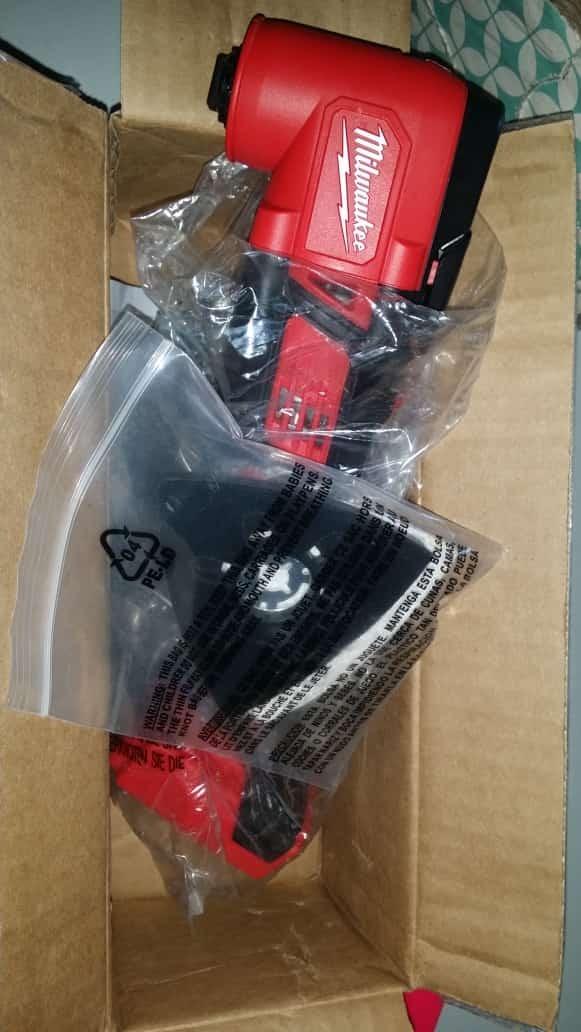
Construction matters here. The all-metal gear case is the part that survives a dropped tool or a knock against a vanity panel mid-grout, and on a job where the tool is being used in a confined space, drops are common. The rubberized overmold grip stays put even when your hands are dusty and damp.
The body is 11-7/8 inches long and weighs 2.9 pounds, which makes it one of the easier tools here to hold at an awkward angle against a wall. Combined with the onboard LED panel, it handles the awkward corners of a bathroom where a bigger tool simply does not fit.
What arrives in the box is a woodcutting blade, a sanding pad and sheets, so plan on sourcing a carbide or diamond-grit grout blade separately. That is normal for this category, but it means your real cost is the tool plus two or three blades, not the tool alone.
Reviewers consistently single out the balance and the smooth throttle for general work, and the same characteristics transfer directly to grout. A tool that holds its speed under load lets you keep the blade flat on the joint instead of gradually tilting into the tile.
Where the speed range earns its keep
Any time the grout changes character mid-job. Cement-based grout that has gone hard behaves completely differently from the soft, recently applied grout you find in a spare bathroom, and a tool with twelve settings lets you cross over without guessing. On a large floor where the old grout is thin-set rather than grout, the low settings keep the blade grinding rather than hammering.
For anyone who does trim and flooring as well as tile, the same control range carries over to flush cuts and plunge cuts in wood, where splintering is the equivalent of chipping. It is unlikely to become a grout-only purchase.
Where it falls short
It is a bare tool. You need M18 batteries and a charger already, or you are buying them separately, and that is the single biggest reason this one does not sit at the top of the list for a one-time bathroom job. The included accessories are also aimed at wood and sanding rather than tile.
The 18,000 OPM ceiling is also worth noting against the 20,000 OPM figures some competitors claim. In practice the difference is negligible on grout because you rarely run at maximum anyway, but it is the number this tool will be judged on.
3. AVID POWER MW146 – Best Budget Corded Grout Remover
- Wide 4.5-degree arc puts more blade into contact with the joint
- Tool-free locking lever for fast blade changes
- Universal fit system accepts most blade brands
- Auxiliary handle adds real control on long grout runs
- Some examples have failed to power on after light use
- Blade retention levers have broken for a minority of owners
- Loud and vibrates under heavy load
The AVID POWER MW146 is the tool that makes sense if grout removal is a single job rather than a hobby you intend to keep up. It is corded, so there is no battery platform, no charging and no runtime ceiling, and a 3.5-Amp motor has plenty of low-end push for cement grout and light thin-set.
The 4.5-degree oscillation angle is the spec that matters here. A wider arc puts more of the blade edge against the grout at any given moment, which means more material removed per pass and less pressure from your hand, and on a long run of grout that difference adds up.
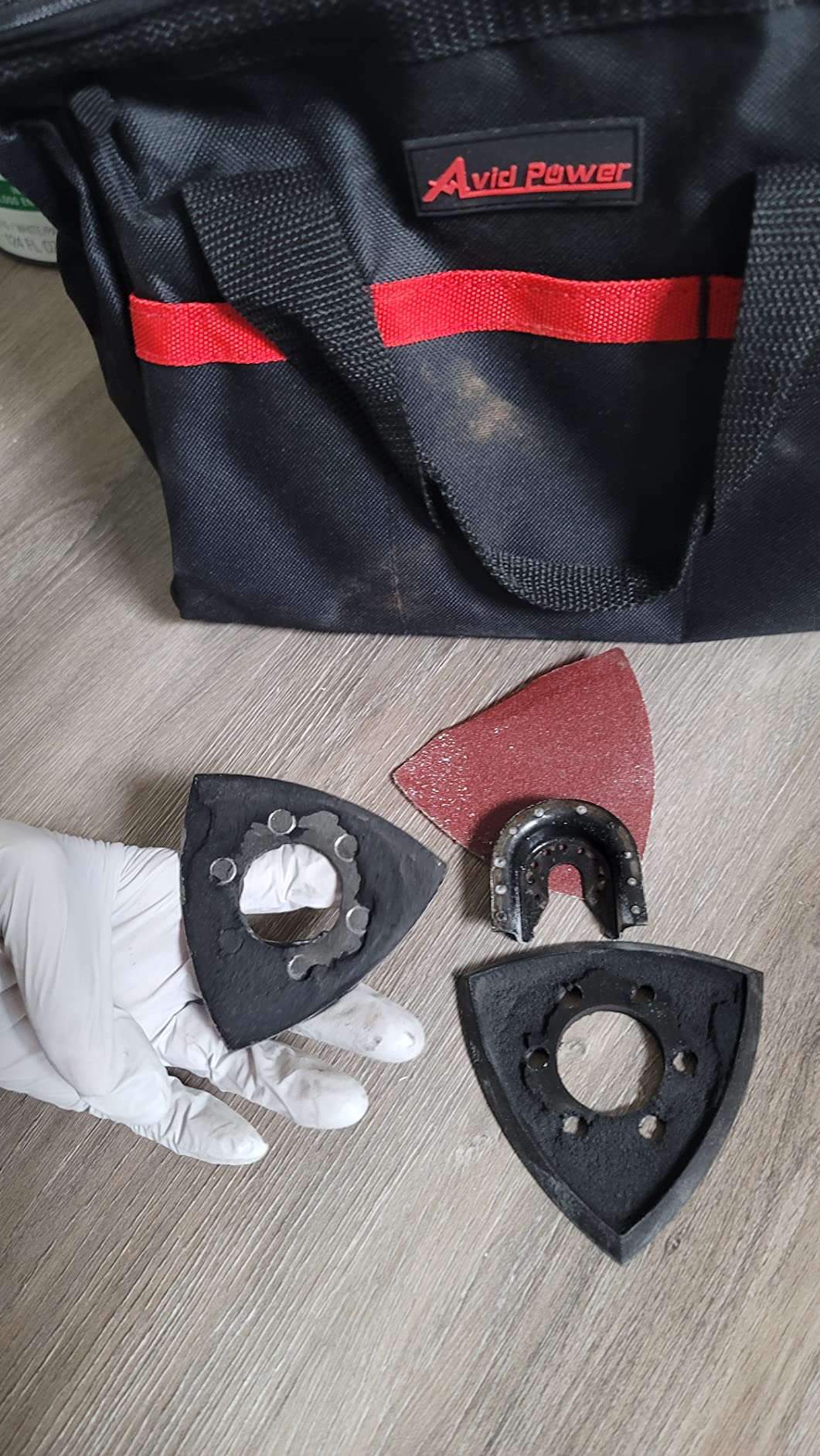
Six speed settings, a tool-free locking lever and a universal fit system cover the practical basics. The auxiliary side handle is unusual at this level and genuinely useful when you are working a wall backsplash overhead, because it gives you a second hand to control the angle of the blade against the joint.
The twelve-piece accessory bundle includes a scraper blade, a sanding pad, sanding papers and spare carbon brushes. As with every tool in this roundup, you will still want to buy a dedicated carbide grout blade, and the wide arc is far more useful with the right blade than with the ones that come in the box.
The honest drawback is durability rather than power. A number of reviews describe examples that stopped powering on after light use, and some owners have had the blade retention lever or pins break. Warranty service has generally replaced those tools, but the pattern is worth factoring in if this is a one-time purchase you might keep for a decade.
It is also noticeably loud under load and runs hot enough that you will want to take a break between long passes. Wear ear protection and keep the passes short, particularly on sanded grout where heat builds quickly.
Why it suits a single bathroom job
There is no setup cost. You plug it in and start cutting grout, and a corded tool will run at the same output for a full room without a pause to change a pack. For someone regrouting one shower or removing a backsplash behind a microwave, that simplicity is worth more than any battery platform.
The wide arc and the side handle also make it the better choice of the budget tools for wall work, where you are holding the tool above shoulder height and fighting gravity as much as grout.
Where it falls short
Durability is the honest limitation. A tool that may stop powering on after a few months is a poor investment for a contractor who will run it weekly, even if it is well suited to a single weekend project.
Vibration and noise are the other two. On a long grout run your hand and forearm will feel it, so take frequent breaks and keep a firm grip. If you are sensitive to vibration or you have a history with hand issues, look at a tool with dedicated vibration damping instead.
4. DEWALT DWE315K – Best Corded Tool for Grout and Mortar
DEWALT Oscillating Tool, 3-Amp, Corded, Includes Wood Blades, Sandpaper and Tool Bag (DWE315K)
- Constant corded power with no battery platform
- Tool-free quick-change clamps
- Universal adaptor accepts third-party grout blades
- Depth guide helps keep repeat cuts consistent
- Blades wear quickly on abrasive grout work
- Heavy and loud under load
- Soft carrying bag rather than a hard case
The DWE315K is the corded option for someone who has moved up from an older entry-level multi-tool and found it too slow. Reviewers who replaced a first-generation Dremel-style tool report a large jump in cut speed and noticeably less wrist fatigue, which is precisely the upgrade grout work needs.
Its 22,000 OPM ceiling ties for the highest here. More important than the headline figure is the dual-grip variable speed trigger, which gives you continuous control rather than a dial with six or twelve detents, so you can hold a steady pace along an entire joint without resetting the speed.
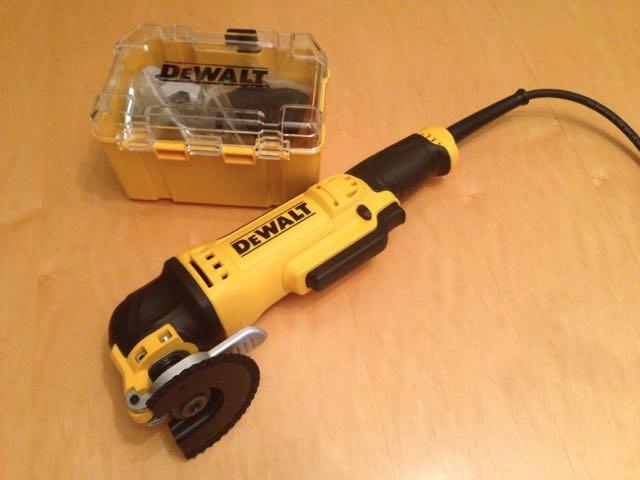
The depth guide system is an underrated feature here. You set the depth once and the guide keeps the blade at the same height on every pass, and since you are aiming for roughly half the tile thickness, that repeatability directly reduces the chance of cutting deeper than you meant to into the substrate or the waterproofing layer.
The universal adaptor means you are not limited to the twenty-nine attachments in the box. A dedicated carbide grout blade from another brand drops straight in, and the tool-free quick-change clamps open with a firm grip and hold the blade firmly enough to keep it from creeping under load.
The 29-piece kit and the storage case mean this one arrives ready to work, which matters if you want sanding and cutting capability as well as grout. The case is soft-sided, which is fine for storage but not for a truck bed or a garage floor.
The one thing to plan around is blade wear. A carbide or diamond-grit blade on abrasive sanded grout will dull, and a dull blade on this tool will start burning the work rather than cutting it. Treat blade changes as part of the process, not as a sign the tool is failing.
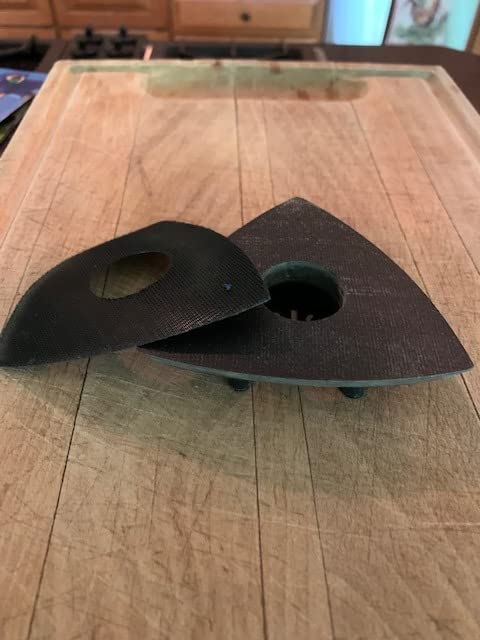
Why the depth guide helps on regrout jobs
Because regrouting means doing the same depth over an entire floor or wall. Aiming for about half the tile thickness by eye works for two or three tiles and then drifts, and the drift is what leaves a shallow patch where the new grout flakes out later. Setting the guide once removes the guesswork from every subsequent pass.
It also makes the tool easier to hand to someone else. A helper following the guide depth will not gouge the membrane or leave a hollow spot that fails a year later, which is a real risk on a shower floor.
Where it falls short
It is heavy and loud, and both get worse under sustained load. On a full bathroom floor you will feel it in your forearms by the end of the second wall, so pace the work and keep the blade sharp.
Because the tool is built around continuous corded power, it is a poor fit for work where you need to carry the tool up a ladder or across a tiled site with no outlet nearby. That is the one scenario where the cordless picks below make more sense.
5. Hammerhead HAMT022 – Best for Small Jobs and Tight Corners
Hammerhead 2.2-Amp Oscillating Multi-Tool with 1pc Flush Cut Blade, 1pc Semicircle Saw Blade, 1pc Sanding pad, 3pcs Sanding Paper – HAMT022
- 20000 OPM is strong output for a 2.2-Amp motor
- Compact body and soft grip work well in confined spaces
- Universal collet accepts standard blades from other brands
- Backed by a 2-year limited warranty
- 2.2-Amp rating is modest against 3.5-Amp rivals
- Heavier cutting loads take noticeably longer
- Modest accessory bundle with no carbide grout blade
The Hammerhead HAMT022 is sized for the job most people are actually facing, which is three or four tiles rather than a whole floor. It is compact, it has a soft-grip body, and at 3.4 pounds it stays controllable in the tight corner where a grout line meets a wall and a door jamb.
The universal collet is the part that matters for tile. It takes standard oscillating blades from other brands, so you can fit a narrow-profile diamond-grit blade for a tight joint without hunting for a branded accessory, and the included bundle covers flush cut, semicircle and sanding work for everything else.
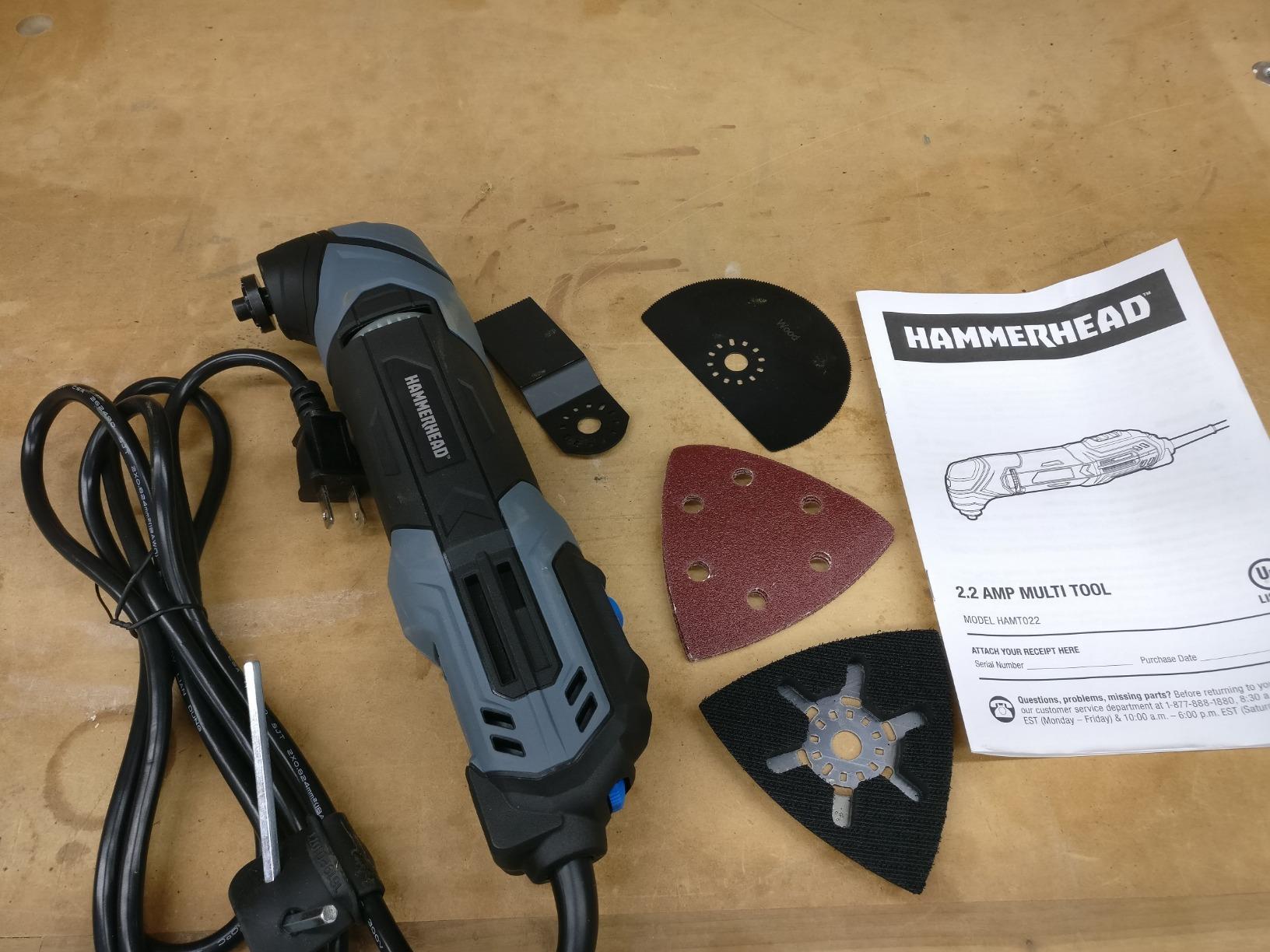
The LED work light is genuinely useful at this size. Small jobs happen in the least convenient places, behind an over-the-oven microwave or under a sink, and having the tool light the joint removes one of the more common causes of chipped tile.
The variable speed dial is a straight dial rather than a trigger, which means you set the speed once and leave it there. That is less precise than a trigger for careful work, but it suits a short job where you are not constantly modulating.
Where the 2.2-Amp motor shows is on hard material. Sanded grout, old thin-set and anything with a lot of set mortar will slow it down noticeably compared with a 3.5-Amp tool, so expect to make more passes and to change carbide tips more often.
For a first tile job, an over-the-oven backsplash or a small bathroom, that trade is worth making. You get a tool that handles the tile, stores easily and does not need any ecosystem decision before you start.
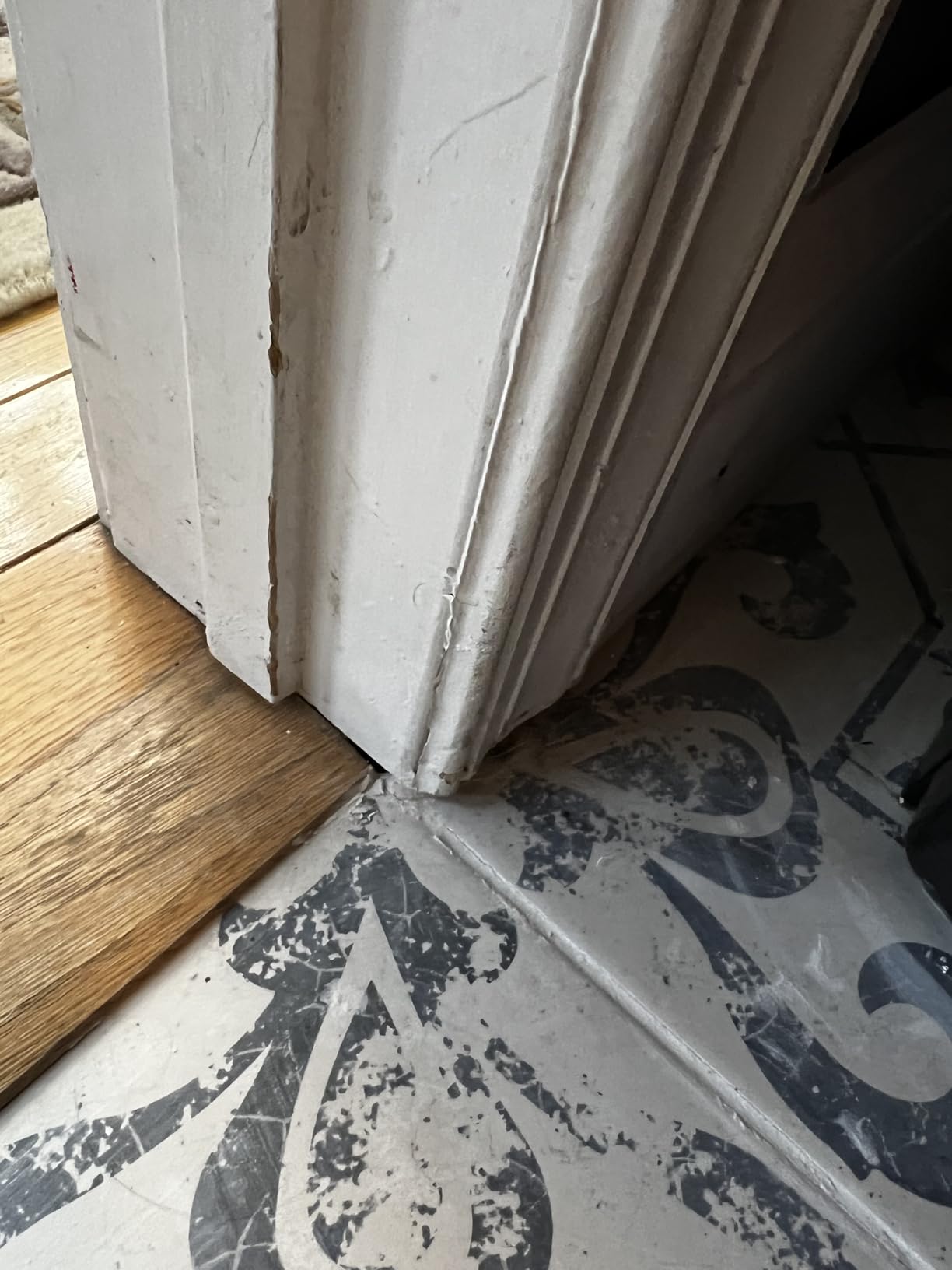
Why it fits micro-projects
Jobs like removing a cracked tile behind the microwave or cutting out a small section of old grout do not justify a big platform investment. They need a corded tool that starts immediately, fits in one hand, and can get into the cavity without a case in the way.
That is the niche this occupies, and it does it well. The two-year warranty also gives some comfort given the budget positioning.
Where it falls short
Hard grout is the limit. On a floor that has been down for decades with cement-based grout, a 2.2-Amp motor will test your patience. Move up a tier in power for that job.
It is also heavier than the lightest cordless options despite being less powerful, so on long runs your arm will notice. For a short job that is irrelevant, and for a full regrout it is not.
6. ENERTWIST ET-OM-500 – Best Value for Whole-Tile Demolition Prep
- 4.2-Amp pure copper motor has real push on grout and thin-set
- 5-degree arc cuts faster than narrower-arc tools
- Tool-free quick change with a safety latch
- 33-piece kit with bi-metal blade and scraper
- Sanding pad hook-and-loop grip is reported to be weak
- Universal-fit blades need washer shims and few spares are included
- Customer service is slow to respond on accessory requests
At 4.2 amps it has more motor than any other tool here, and that is the spec that matters if your job involves hardened thin-set rather than just grout. When you are clearing out the bed under a tile rather than the joint beside it, motor torque decides whether the job takes an hour or an evening.
The 5-degree oscillation angle is the widest arc in this roundup, and the manufacturer rates it 30 to 40 percent faster in its class than narrower-arc tools. In practice that shows up as more contact per pass, which means fewer strokes along a joint and less downward force from your wrist.
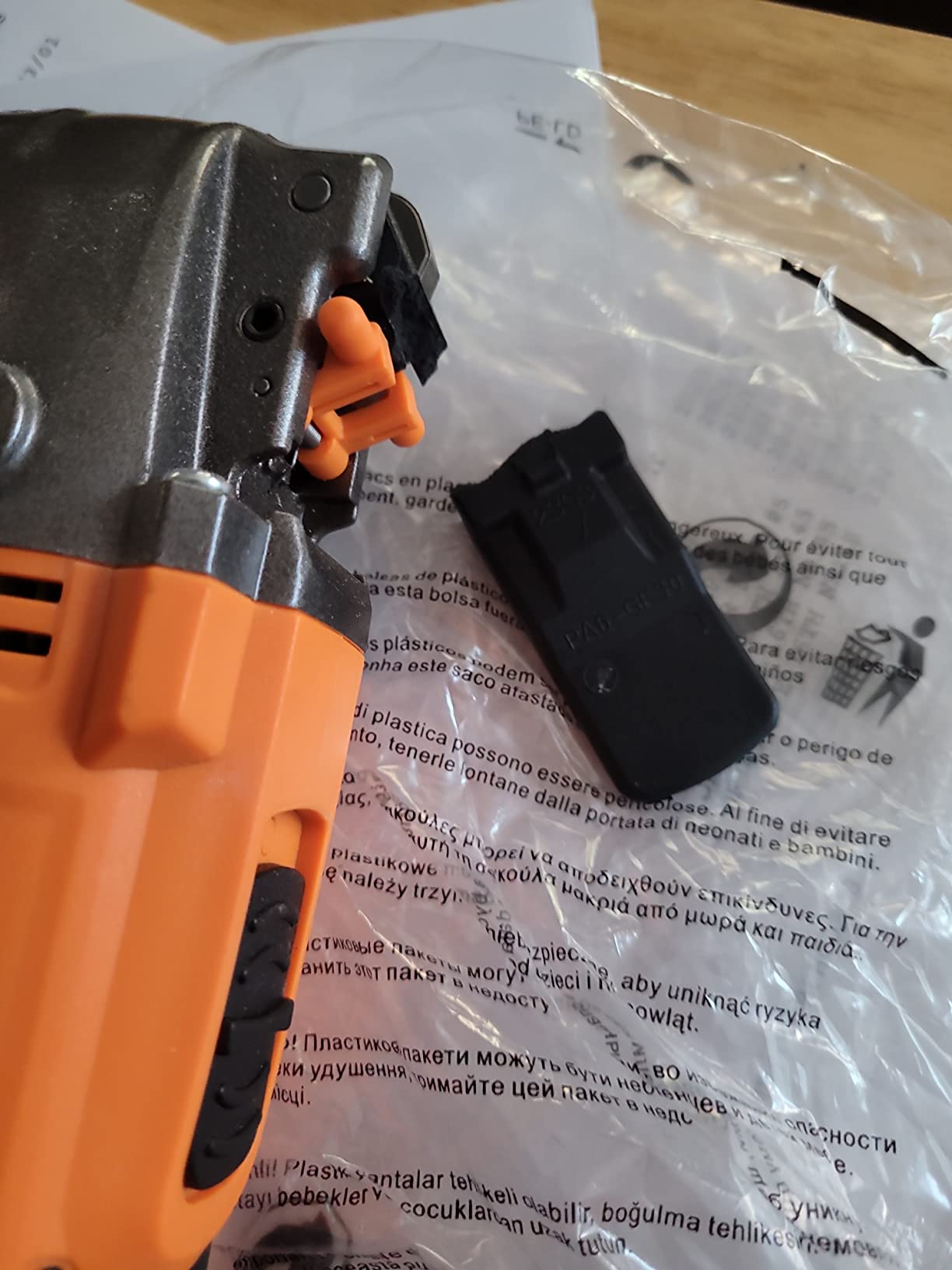
Six speeds from 8,000 to 16,000 OPM with a soft start give reasonable control, and the tool-free quick-change system includes a safety latch that stops the lever closing on your fingers. That latch is a small thing that you will appreciate when you are changing a worn carbide blade in a confined space.
At 2 kg the tool is not especially light, but the weight is in the gear housing, which reads as durable rather than unbalanced. Owners use it for cutting 2x4s and trim as well as grout, which suggests it holds up outside its intended lane.
Two practical notes from reviews. The sanding pad hook-and-loop grip is reported to be weak, so do not lean on the sanding accessories for tile work. And the universal-fit blades need washer shims to sit square, with only a few spares included, so check blade alignment before you start a long grout run.
The 33-piece kit is the largest accessory bundle here, with a bi-metal wood and nail blade, three fast-cut wood blades, a semicircle blade, a scraper, a sanding pad, twenty-five sheets of sandpaper, a multi-brand adaptor and an auxiliary handle. None of that is grout-specific, but the breadth means the tool is useful the rest of the week too.
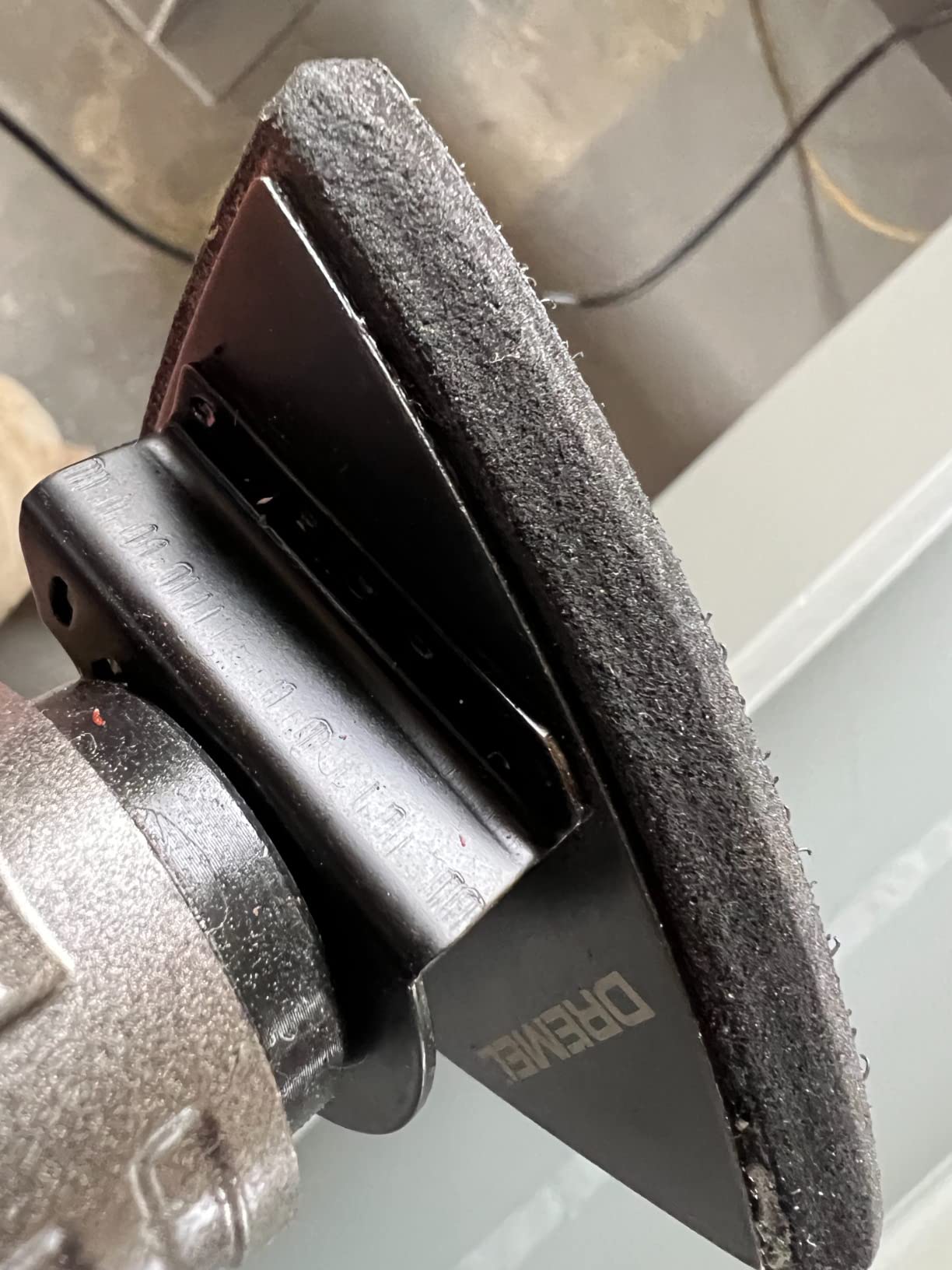
Why it suits a thick-bed demolition
When tile is being removed rather than regrouted, the hard part is not the joint. It is the mortar bed, and a higher-amperage motor is what keeps the blade moving when the material is set and the blade wants to stall. At 4.2 amps this has more headroom there than any other tool listed.
It is also a reasonable choice for a garage or utility floor where grout lines are wide and the grout is old and hard, conditions where a small motor simply stalls.
Where it falls short
The 16,000 OPM ceiling is the lowest of the variable-speed tools here, and the top of the range is where you would want to be when the blade is dull. More importantly, the accessories are aimed at wood and general cutting, so you are still buying a proper grout blade.
The weak sanding pad grip and the need for shims are small frictions, but they are the kind that show up mid-job. If you mostly want to cut grout and nothing else, put the budget into blades instead.
7. Ryobi ONE+ PCL430B – Best Cordless Tool for Vibration Control
Ryobi ONE+ 18V Cordless Oscillating Multi-Tool (Tool Only)
- Lightest cordless tool here at 1.9 lb for long grout runs
- Variable speed dial to 20000 OPM
- Shares batteries with the rest of the ONE+ range
- On-board accessory storage and lock-on button
- Hex-screw blade mount with no quick-release lever
- Blade retention part reported deforming within a month
- 30-day warranty is shorter than most rivals allow
The Ryobi ONE+ PCL430B is the tool to consider if grout removal makes your hand or forearm ache. At 1.9 pounds it is the lightest cordless option here, and combined with a design the manufacturer rates as the lowest vibration in its class, it is noticeably easier to hold steady on a long run of joint.
That steadiness is not a comfort detail, it is an accuracy detail. A vibrating tool wanders, and a wandering blade in a grout line is a blade that finds the tile edge. Owners who use it for floor cuts and detail work around door jambs point to the same light, controlled feel.
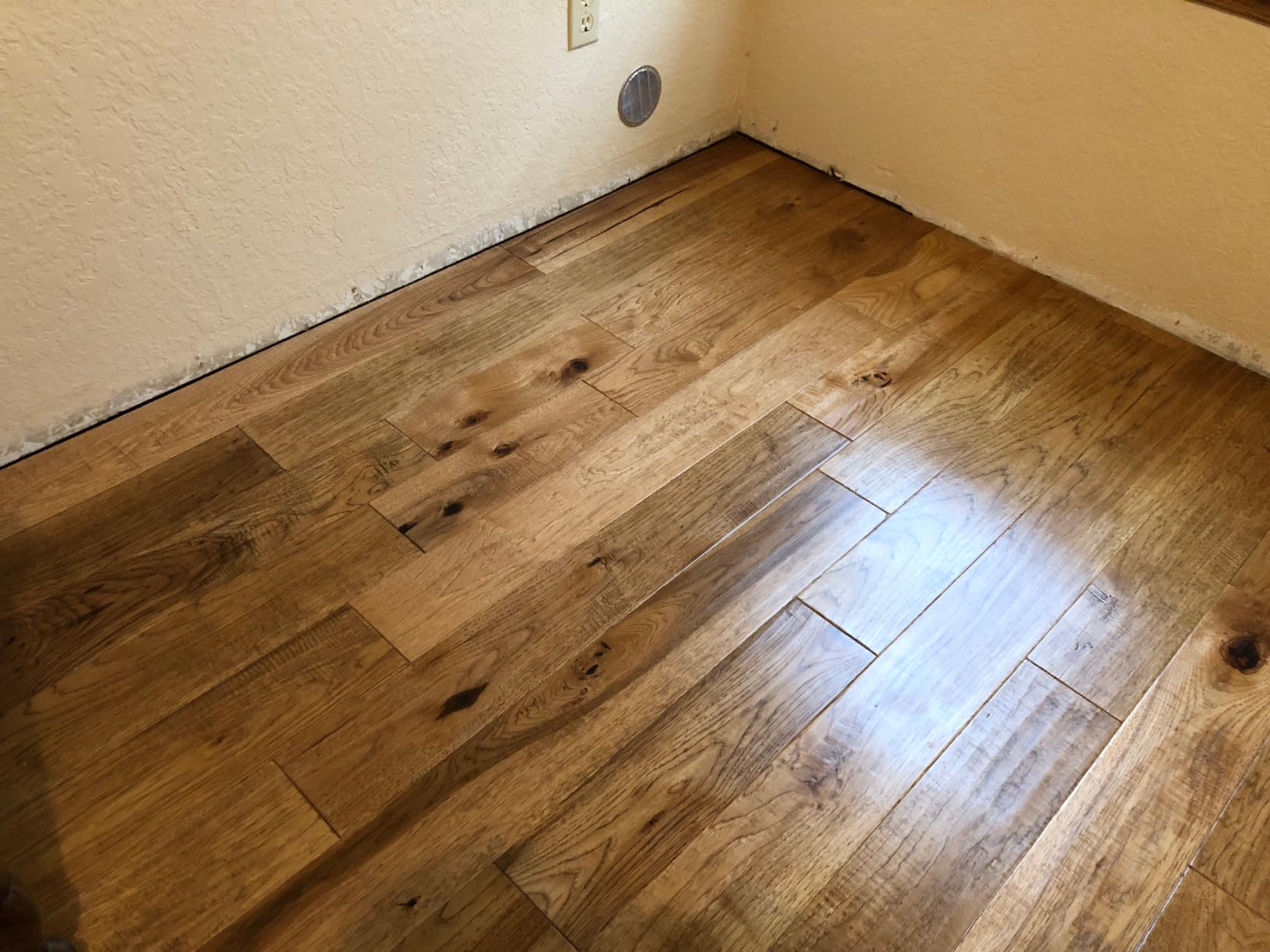
The variable speed dial runs up to 20,000 OPM and there is a lock-on button, so for a long straight joint you can set the pace and stop thinking about it. The on-board accessory storage keeps spare blades on the tool, which is convenient when you are working somewhere without a toolbox nearby.
If you already own ONE+ batteries and chargers, this is a straightforward addition to the platform. The 18V packs are in wide circulation, and adding a tool to a platform you already hold avoids the largest single cost of a cordless purchase.
The blade change is the weak point. There is no quick-release lever; you remove a hex screw to swap attachments, and reviews describe the blade retention component as a soft cast alloy that has deformed and failed within a month on some examples. If you are changing carbide tips every half hour, that friction adds up fast.
There have also been isolated reports of the rubber vibration isolators dislodging and jamming the motor. The 30-day warranty gives you a narrow window to report a fault if the tool develops one.
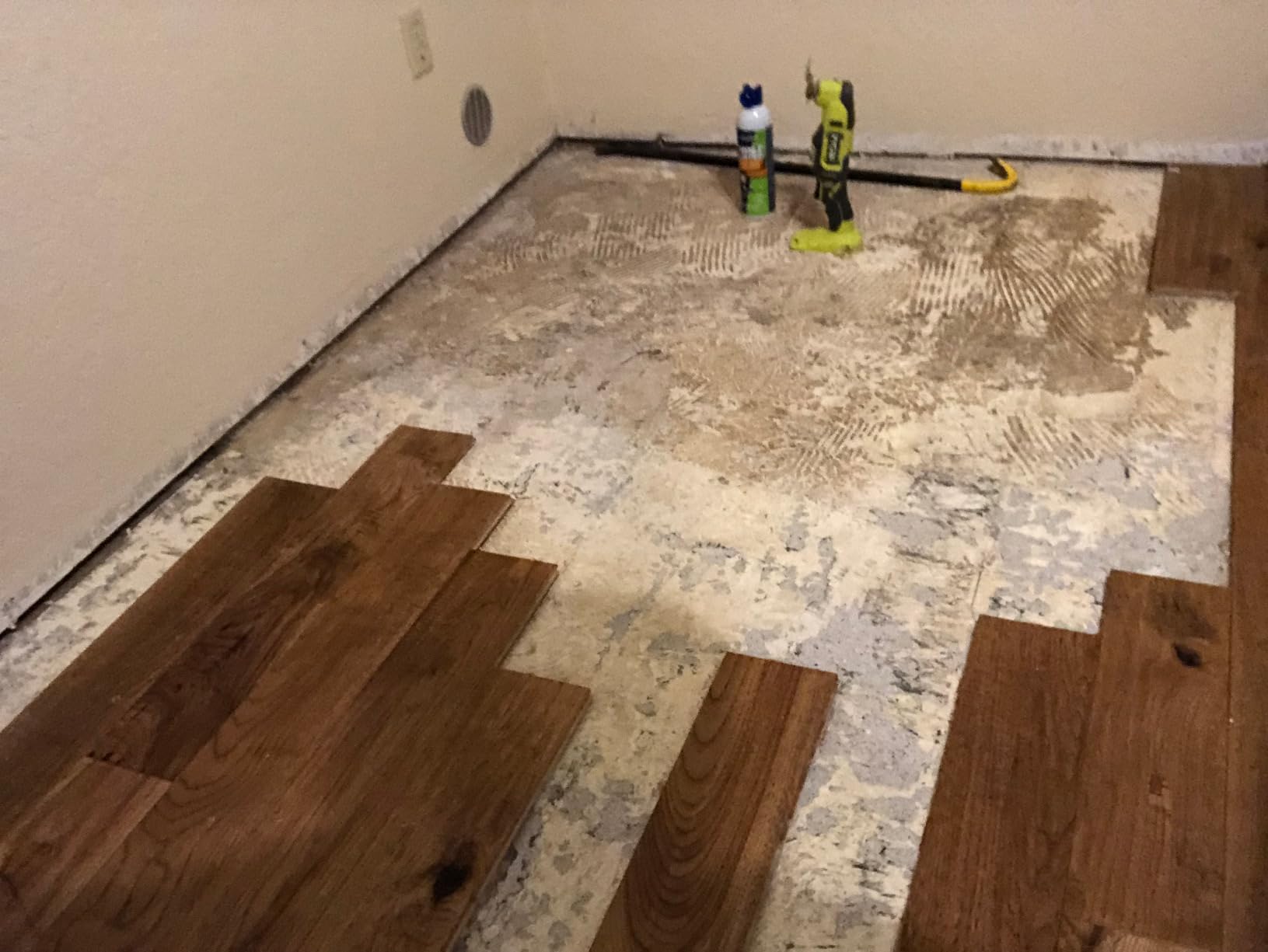
Why light weight matters on a long grout run
Grout removal is repetitive, repetitive, repetitive motion held at arm’s length. A heavier tool creates more static load on the wrist and forearm even if it is not physically heavy, and fatigue shows up as a slower feed rate, which shows up as more heat, which shows up as tile chipping.
For anyone working around a large floor in short sessions, or who already owns ONE+ packs, the arithmetic here is good. The tool is light, the batteries are common and the speed range is wide enough for most grout work.
Where it falls short
The hex-screw mount is the real compromise. Tool-free blade changes are close to essential when you are on your knees in a shower pan, and this tool makes you find a hex key every time. Combined with reports of the retention part deforming, that is the part I would scrutinise first.
It is also a bare tool, and the warranty here is the shortest in the group. If you are buying it for a one-time grout project and do not already run ONE+ batteries, a corded option costs less overall.
8. GALAX PRO 9525K – Best Corded Tool for Aggressive Cutting
GALAX PRO Corded Oscillating Multi Tool Kit 3.5A with 30Pcs Accessories
- Top-end speed of 22000 OPM is among the highest here
- 4.5-degree arc improves contact on grout and glue
- Variable speed dial prevents splintering on delicate work
- 30-piece kit covers cutting
- sanding and grinding
- Very loud and ear protection is advisable
- Included blades and sanding pad are short-lived
- No trigger-style on-off switch and no hard case
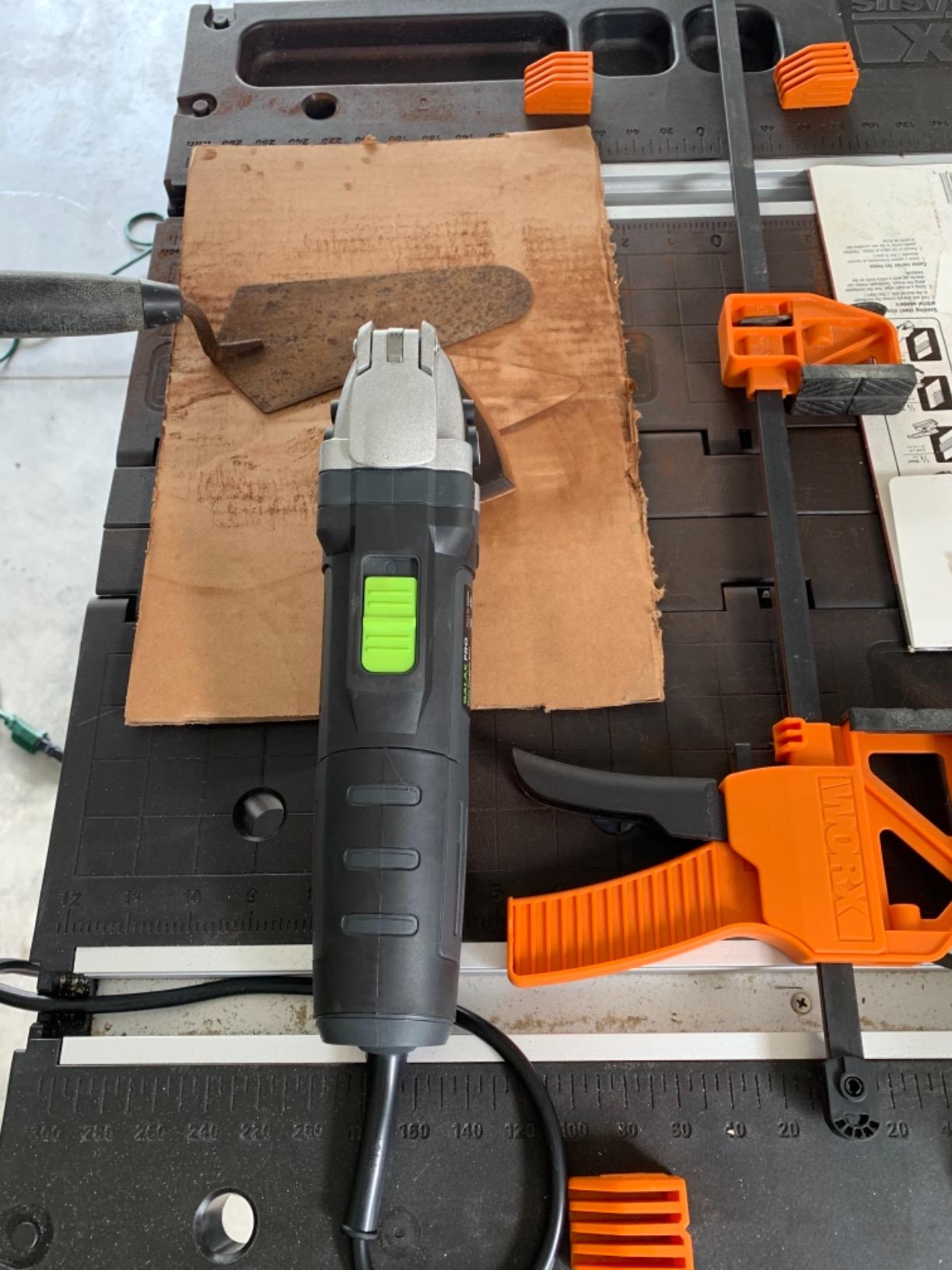
The GALAX PRO 9525K shares the highest top-end speed in this roundup at 22,000 OPM, and the manufacturer is explicit that the 4.5-degree arc exists to maximise accessory contact when scraping glue or grout. That pairing of a wide arc and a high ceiling is what makes this a tool that moves material fast on a straight run.
The variable speed dial spans 15,000 to 22,000 OPM. The low end is not a gentle crawl the way a 12-speed cordless tool can be, so this is more a coarse tool than a fine one, and the trade is speed against control.

The quick clamp gives you tool-free accessory changes, and the 30-piece kit with plunge blades, semicircle blades, a scraper, a triangular sanding pad and twenty-four sheets of paper covers a lot of jobs before you buy anything. Owners use it for cabinet remodels, deck planks and old caulk as readily as for tile.
It has a compact body that fits into narrow cabinets and inside corners better than a bulky corded alternative, though at 4.1 pounds it is one of the heavier tools here.
The noise is the first thing people notice, and it is genuinely loud. Ear protection is not optional on a long grout run. There have also been reports of models arriving scuffed, of the blade clamp slipping, and of the included consumables wearing out quickly.
So treat this as a fast, capable, no-frills corded machine. The consumables in the box are consumables; buy a proper carbide grout blade and expect to replace it, and the lack of a hard case is worth factoring in if the tool lives in a vehicle.
Why speed suits wide grout lines
On a wide joint, a patio with generous grout lines or an old cement-based floor, the amount of material you have to remove per pass is large. A 22,000 OPM ceiling with a 4.5-degree arc takes that material off faster, and on wide lines you have room to let a wider blade work without touching the tile.
This is also the tool to reach for if you are scraping adhesive or carpet glue off a substrate after lifting tile, which is the same high-abrasion work as grout but with more bulk to shift.
Where it falls short
Coarse speed control. With a dial that starts around 15,000 OPM there is no gentle setting for a thin grout line or a glazed edge, so it is the wrong tool when chipping is a real risk. For narrow lines, a tool with a trigger and a lower floor is safer.
Noise, consumable quality and a sometimes finicky blade clamp complete the list of complaints. Owners who rate it highly still tend to treat it as a fast secondary tool rather than the only one in the garage.
9. Makita DTM52Z – Best for Professional Installers
Makita DTM52Z Li-ion LXT Brushless Multi-Tool – Batteries and Charger Not Included, Blue, 18 V
- Makita Anti-Vibration Technology cuts fatigue and noise
- Tool-less Starlock clamp changes blades in seconds with no slippage
- 12 accessory angle settings at 30-degree increments
- Battery cross-communication with the rest of the LXT range
- Batteries and charger not included
- Will not run on G-Series batteries
- Some buyers report warranty service declined on this model
The Makita DTM52Z is the one to look at if you do this for a living. Makita Anti-Vibration Technology is the headline, and owners describe the tool as noticeably quieter and smoother than older multi-tools, which on a full day of grout and thin-set work is worth more than a specification sheet can capture.
The 3.6-degree oscillation angle is smaller than the budget tools here, but the relationship between arc width and power delivery is not one-to-one. Combined with a brushless motor and a constant speed control mode, this tool holds its rate under load rather than bogging down when the blade meets hard grout.
Twelve accessory angle settings at 30-degree increments is the feature tile renovators notice. Instead of rotating your wrist to get the blade flat against a vertical backsplash joint, you index the accessory to the angle you need, and that keeps the blade square and the cut clean.
The tool-less Starlock clamp is a rock-solid hold with no slippage, and Starlock Max accessory compatibility means the wide accessory range is available to you, including diamond-grit and carbide grout blades. The slide switch gives continuous operation and the anti-restart function stops accidental start-up.
Two things to be aware of. It is a bare tool on the 18V LXT platform, so you need LXT batteries, and it will not accept G-Series packs. Makita also explicitly markets this model for tiles and wooden flooring, which tells you where the engineering went.
Some buyers report that Makita declined a US warranty claim because this is a non-US-market model, so check the coverage where you live before buying on the strength of a pro reputation. There have also been reports that the accessory head is slightly bulky and works best with longer blades.
What makes it a professional choice
Vibration damping, a clamp that does not slip and indexing for accessory angle. Those three things matter over a week of work rather than a weekend, because they reduce the failure modes that show up as hand fatigue, inconsistent blade depth and misaligned cuts.
At 1.3 kg it is light for a brushless tool in this class. For an installer moving between a shower, a backsplash and a floor, that weight is a genuine advantage over a 4-pound corded machine.
Where it falls short
The platform and warranty caveats. Buying into 18V LXT for one multi-tool is a large commitment, and the G-Series incompatibility limits your options if your existing Makita batteries are the smaller range.
The smaller 3.6-degree arc also means it is not built for maximum material removal per pass, and the head is bulkier than the compact tools here. It is a precision tool that also does demolition, not a demolition tool that also does precision.
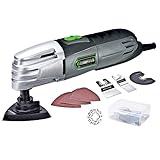
10. Genesis GMT15A – Best Entry Point for Occasional Use
Genesis GMT15A 1.6 Amp Multi-Purpose Oscillating Tool and 19-Piece Universal Hook-And-Loop Accessory Kit with Storage Box
- Die-cast aluminum housing gives real heft for the tier
- 21000 OPM is a high figure for a 1.6-Amp motor
- Universal adapter for Fein
- Bosch
- Rockwell and Dremel accessories
- 4-pin flange holds accessories firmly
- Lowest power rating here so it is slow on hard grout
- Included blades are not bi-metal and dull on hidden fasteners
- Metal sanding pad and hook-and-loop interface reported to melt or slip
The Genesis GMT15A is an affordable way into the category, and for light grout work on a small floor it is genuinely capable. The die-cast aluminum gear housing is the part that surprises people. It gives the tool the feel of something built to a higher standard than its price band suggests, and owners report long service lives on ordinary jobs.
At 21,000 OPM the headline speed is high for a 1.6-Amp motor, but speed is not the same as torque. This is the lowest amperage rating in the roundup, and it is the reason the tool is slower on hard material than anything else here. Unsanded grout and lightly worn cement grout are where it works well.
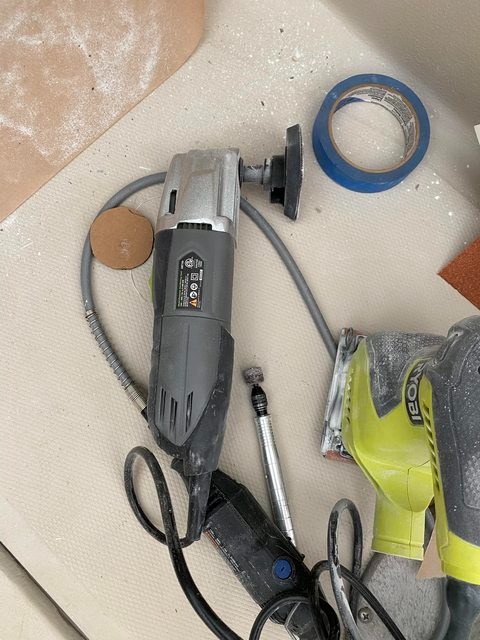
The universal adapter is a real advantage and it is the reason to buy this tool at all if you plan to mix and match. It accepts Fein, Bosch, Rockwell and Dremel accessories, so the grout blades you can fit are not limited to the nineteen in the box, which include a 3-inch delta sanding pad, a scraper, a 30 mm E-cut saw blade and an HSS segment blade.
The 4-pin flange holds accessories firmly in place, which matters more on a cheap tool than it sounds, since a loose mount on a vibrating multi-tool is a safety issue as well as an accuracy one.
What to avoid is the included blades. They are not bi-metal, and on grout work or on any material where a hidden fastener might be lurking, a non-bi-metal blade is the wrong choice. Buy a carbide grout blade before you start.
The metal sanding pad and its hook-and-loop interface have been reported to melt, slip or need washer shims, and the tool runs hot enough during extended cuts that blades need cooling. Keep passes short and you will avoid most of that.
Where a light-duty tool still makes sense
Touching up grout in a hallway, replacing a single cracked tile, or cleaning out a joint before refilling it. None of those jobs justify a platform decision or a premium machine, and a 2.8-pound corded tool that starts instantly is the right shape for the work.
A corded tool with no battery platform is usually the lower-cost route for a one-time job. Just plan on ear protection from the first minute, since owners consistently describe this one as very noisy, comparable to a router.
Where it falls short
Hard, old, cement-based grout. A 1.6-Amp motor simply has less to give, and you will be making multiple passes with more frequent blade changes. If your floor has been down for decades, step up in power.
The switch also feels less sturdy than a trigger-style control, and the power switch layout is one of the reasons people prefer a modern tool. Budget for good carbide or diamond-grit blades, and do not lean on the sanding accessories.
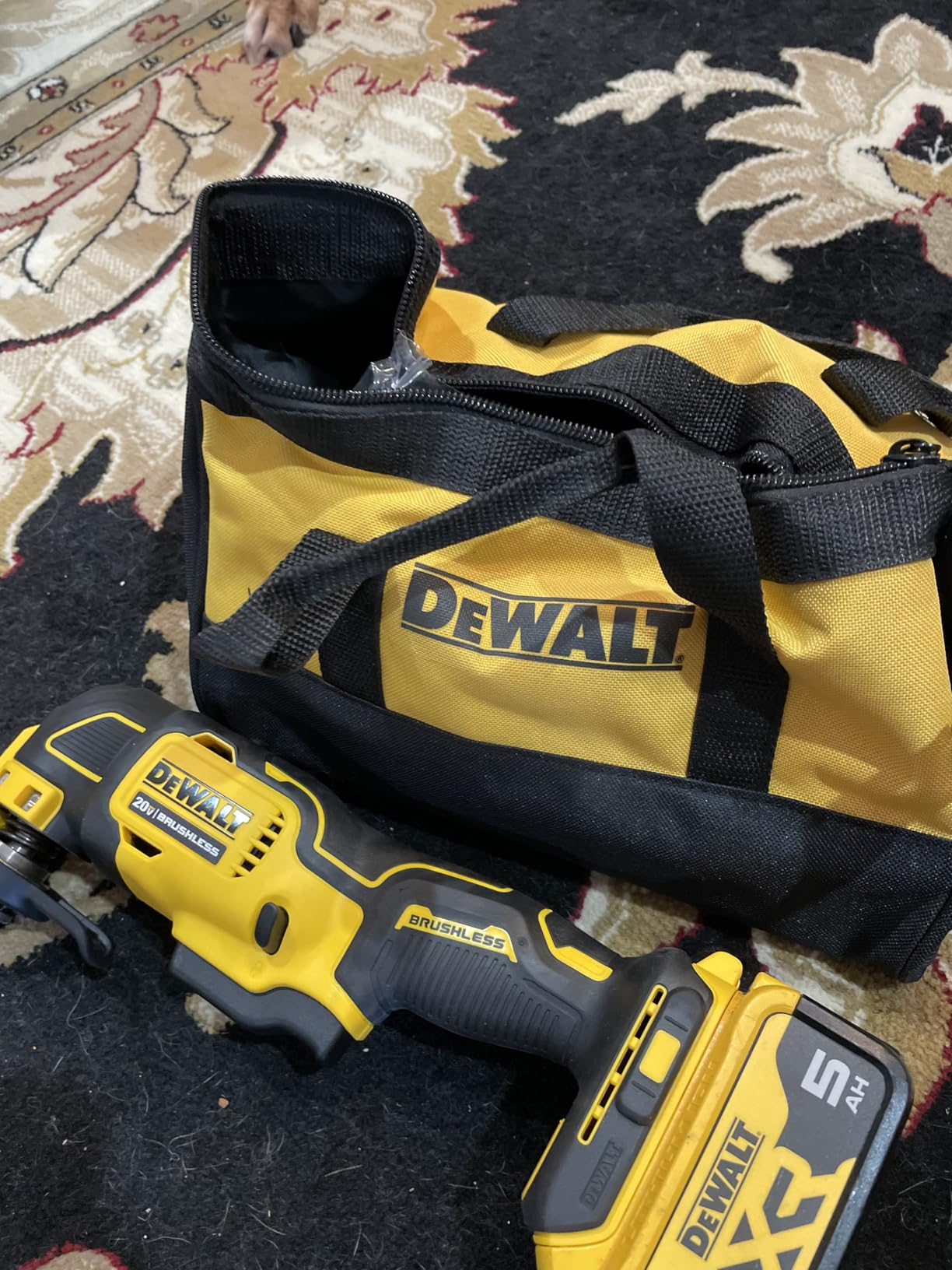
11. DEWALT DCS354B Atomic – Best Lightweight Cordless Option
DEWALT atomic 20V MAX* Oscillating Tool, Cordless, Oscillating, Tool only (DCS354B), 1 item package quantity, Color Multi
- Lightweight cordless brushless option at 2.3 lb
- Trigger-based speed control for instant starts and stops
- Universal adapter accepts both open and closed shank blades
- Notably quieter and lower vibration than older multi-tools
- Battery and charger not included
- No speed dial or multi-speed selector
- Single-trigger control offers less fine adjustment than a 12-speed tool
The DEWALT DCS354B is the cordless tool to buy if you want a light machine with a modern brushless motor behind it. At 2.3 pounds it is noticeably easier to control in a shower pan or above a backsplash than most corded alternatives.
Speed control comes from the dual-grip variable speed trigger rather than a dial or a selector. That means you start and stop the cut instantly, which is genuinely useful on grout because the moment you cross a joint intersection you want the blade stopped, not coasting.
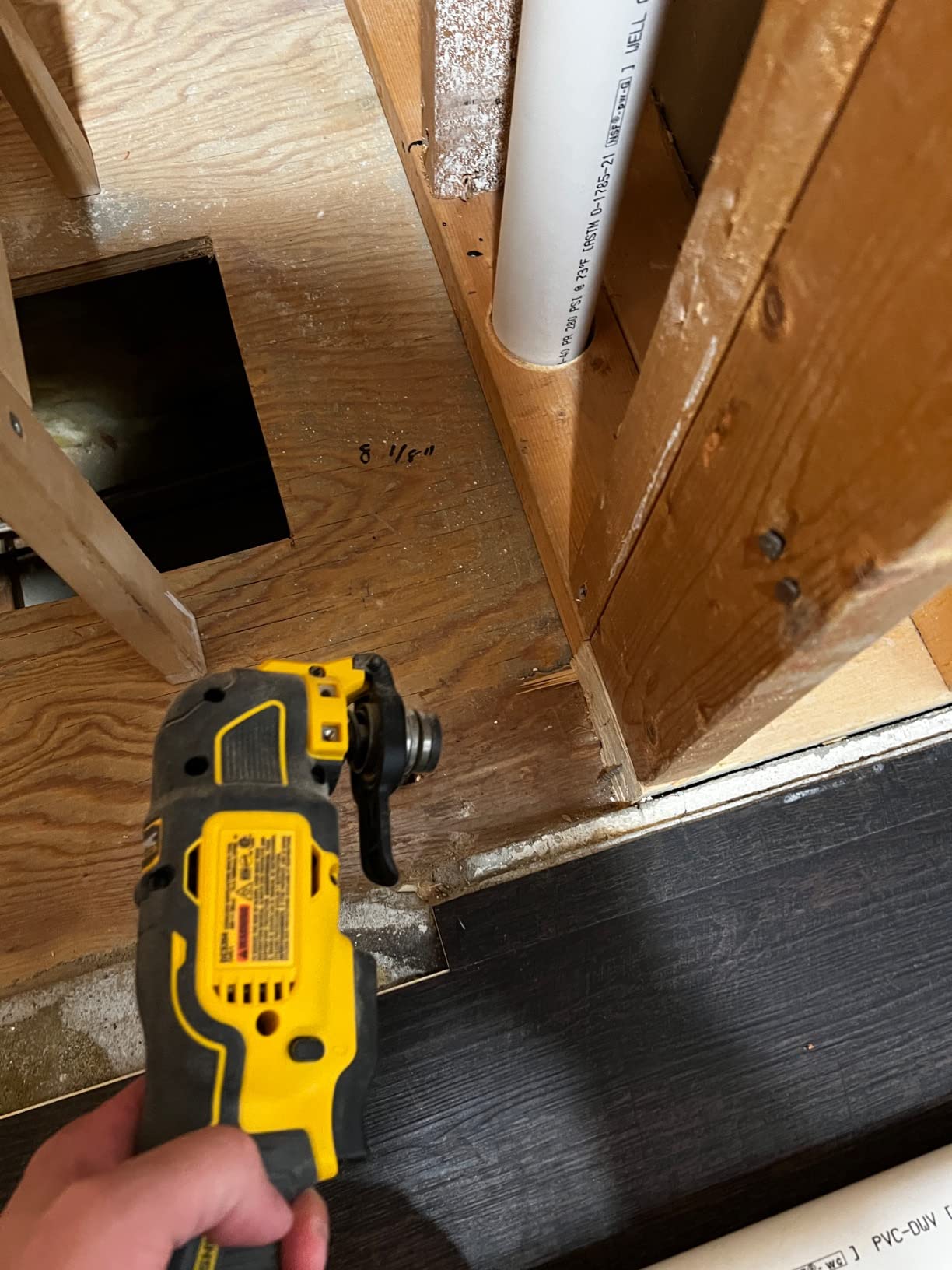
The universal adapter accepts both open and closed shank blades, which removes one of the classic compatibility traps when you are buying a third-party grout blade. Owners also report the tool is quieter and lower in vibration than older Dremel-style multi-tools, and many hold their 20V MAX platform for years.
The tool-free blade change eliminates the pinching hazard of lever-style clamps, and the LED work light lights dark work surfaces so you can see where the blade is actually cutting.
There is one real functional gap. This is a single-speed design with no dial and no multi-speed selector, so while the trigger varies speed continuously, you do not get discrete settings to return to. On grout, that makes it harder to settle on a repeatable pace and stay there across a long joint.
It bundles a wood-with-nails blade and a fast-cut wood blade, so again you will be buying your own grout blade. As a bare tool, it also assumes you already run 20V MAX batteries.
Why weight is the deciding factor here
Overhead work is where light pays. A backsplash grout line means holding the tool at shoulder height, and every extra pound of tool and battery is carried through the whole session. At 2.3 pounds this is one of the few cordless options here that does not become tiring quickly above head height.
It is also the easiest to control in a confined space, which is where most of the chipping risk lives. A light tool follows your hand, and a light tool is less likely to be forced.
Where it falls short
Single-speed control. It is a genuine limitation on grout, where the ability to set and hold a fixed low pace is worth more than the ability to reach a higher peak. If your grout is hard or your lines are narrow, the DCS356C1 with three settings is the safer pick.
It is also a bare tool with no battery or charger, so buyers without an existing 20V MAX platform need to factor that in before deciding.
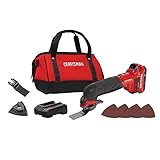
12. CRAFTSMAN V20 CMCE501D1 – Best Complete Cordless Kit
CRAFTSMAN V20 Cordless Oscillating Tool Kit Battery and Charger (CMCE501D1)
- Kit includes battery
- charger
- blades
- sanding platen
- sandpaper and a bag
- Variable speed dial gives control across cutting and grinding
- Tool-free universal attachment for fast blade changes
- Backed by a 3-year limited warranty
- Costs more than most corded tools in this roundup
- Smaller long-term review record than category leaders
- VERSATRACK storage clip is sold separately
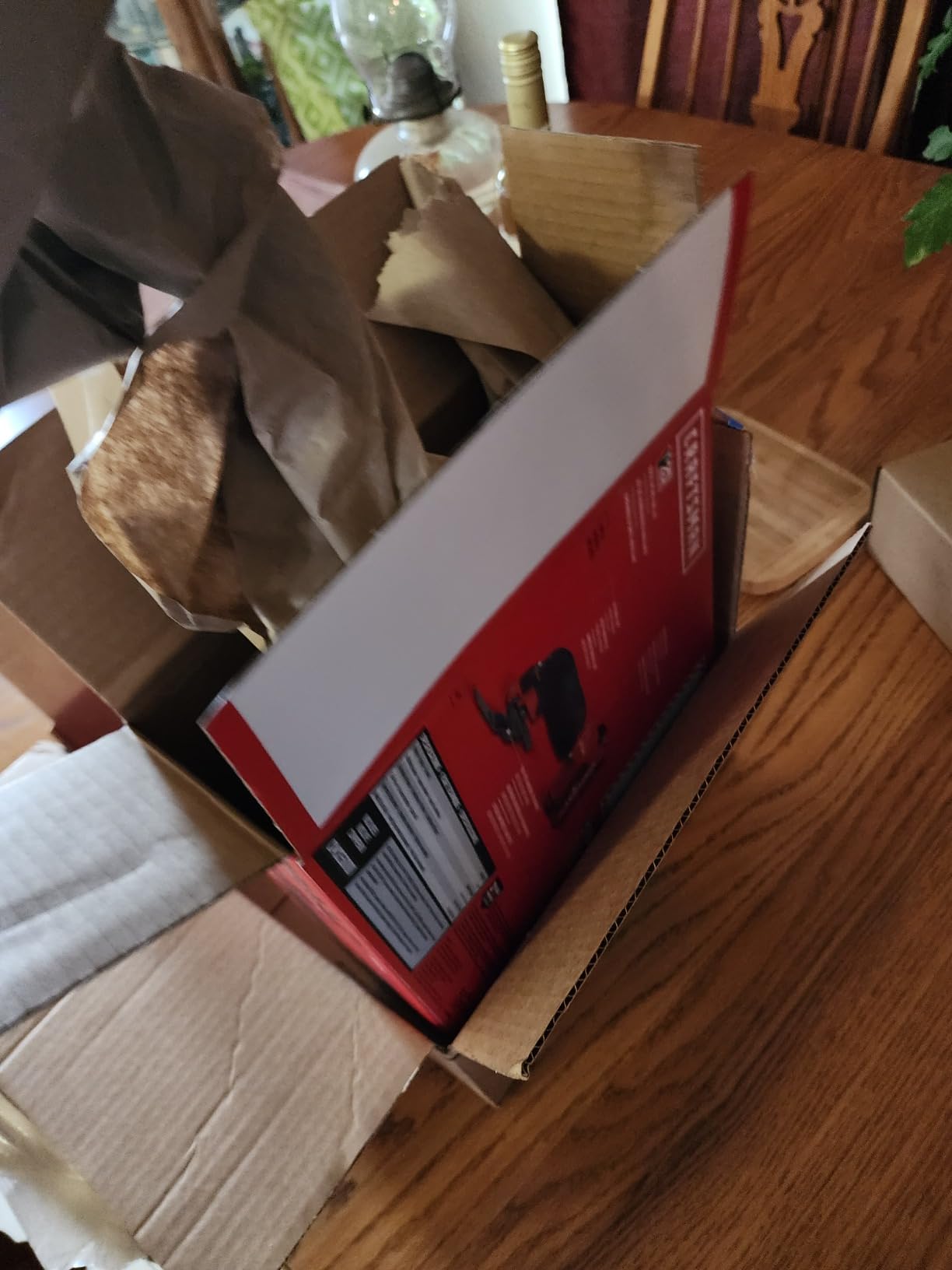
The CRAFTSMAN V20 CMCE501D1 is the most complete cordless package here, and completeness is the point. You get a 2.0 Ah battery, a charger, a wood blade, a wood and metal blade, a sanding platen, four sheets of sandpaper and a storage bag in one box.
For anyone starting a grout job without owning a single cordless battery, that removes the most common reason people abandon the cordless route. The variable speed dial gives you control across cutting, grinding and sanding, and the tool-free universal attachment handles blade changes without tools.
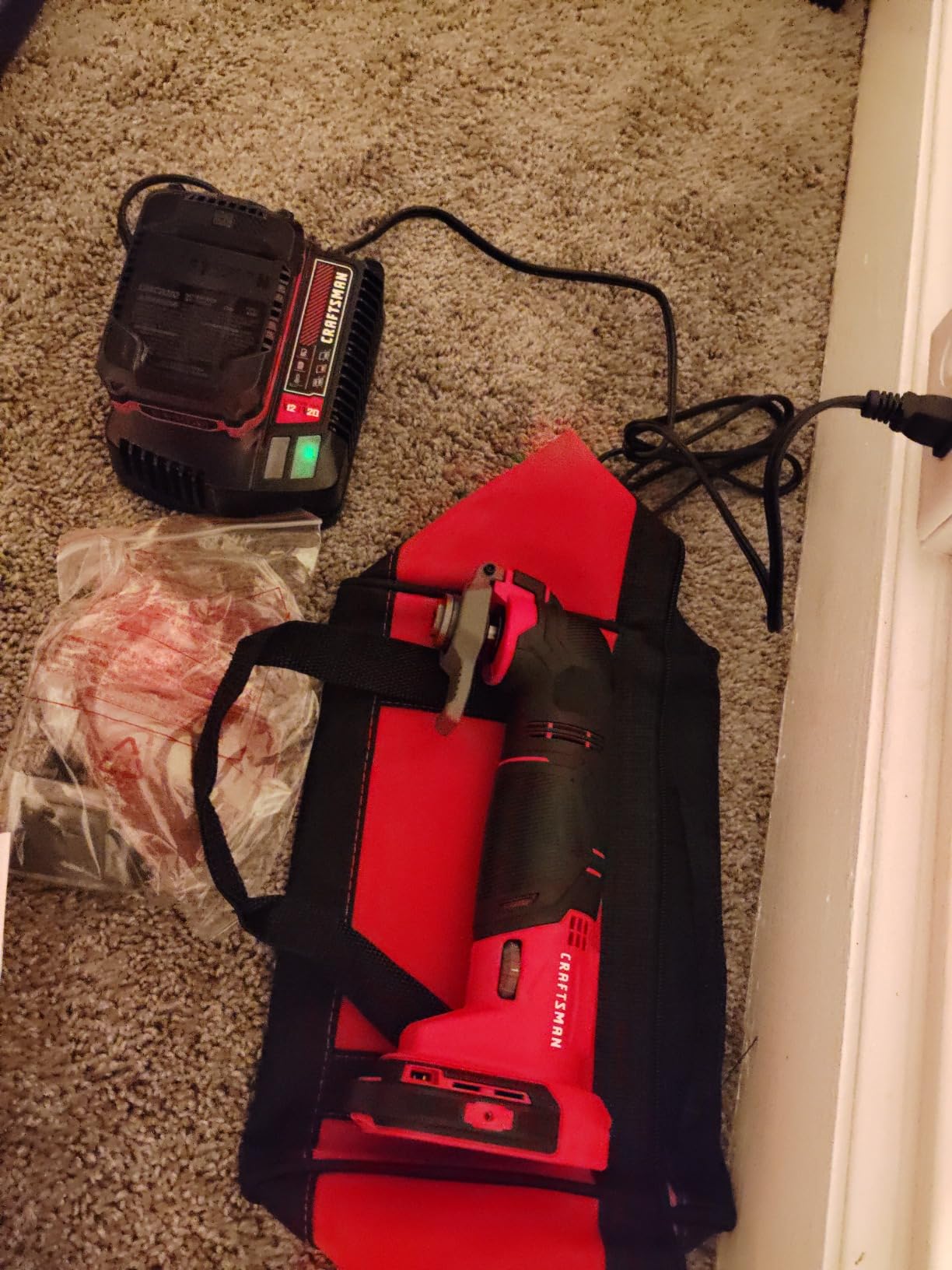
The LED work light improves visibility in the tight, poorly lit spaces where grout work happens, and the 3-year limited warranty is among the longer commitments offered by any tool in this list. Being part of the V20 system also means batteries are shared with other CRAFTSMAN tools if your household already runs that platform.
Against that, the tool-free universal attachment and the speed dial are the two features you would want most on a grout job, and this kit has both. It is a well-rounded machine for a first serious multi-tool purchase.
The obvious objection is cost. It commands more than most of the corded tools in this roundup, and a corded machine of comparable output needs no battery or charger at all. You are paying for both, plus the convenience of not needing a socket in the room.
The second limitation is track record. The long-term reliability record here is thinner than the category leaders, simply because fewer people own one. That is a reason to keep it for general work rather than to depend on it as your only tool.
Why kit completeness matters for a first grout job
Because the first grout job is where people underestimate the accessories. You need a carbide or diamond-grit blade, you need spare blades, and you need a way to keep the dust down. A kit that arrives with a battery, charger and a full set of attachments removes that planning step entirely.
It also suits a household that has no cordless platform at all but wants to start with one tool. The V20 system means a second CRAFTSMAN tool later will use the same packs.
Where it falls short
Value, mostly. A corded tool at a fraction of the cost will outlast it and never run out of power, so this only makes sense if you specifically want the cordless format or already run V20 batteries.
VERSATRACK storage compatibility is also a clip sold separately, so if you plan to hang the tool on a rail system you need to add that to the cost. And with a smaller review record, treat the durability claims as untested over time.
Which Grout Removal Blade You Actually Need
Carbide for most sanded and unsanded grout, diamond-grit for hard thin-set and epoxy, narrow-profile carbide or diamond for grout lines under 1/8 inch, and never bi-metal, which is a wood and metal blade and will dull immediately on grout. That single mapping solves most blade problems before they start.
Unsanded grout is soft and slightly sticky, and a standard carbide grout blade removes it quickly with light pressure. Sanded grout contains silica and is much harder, which is where carbide starts to work harder and diamond-grit earns its place. Epoxy grout is harder still, and it will punish anything that is not a diamond-grit blade or a proper carbide rasp.
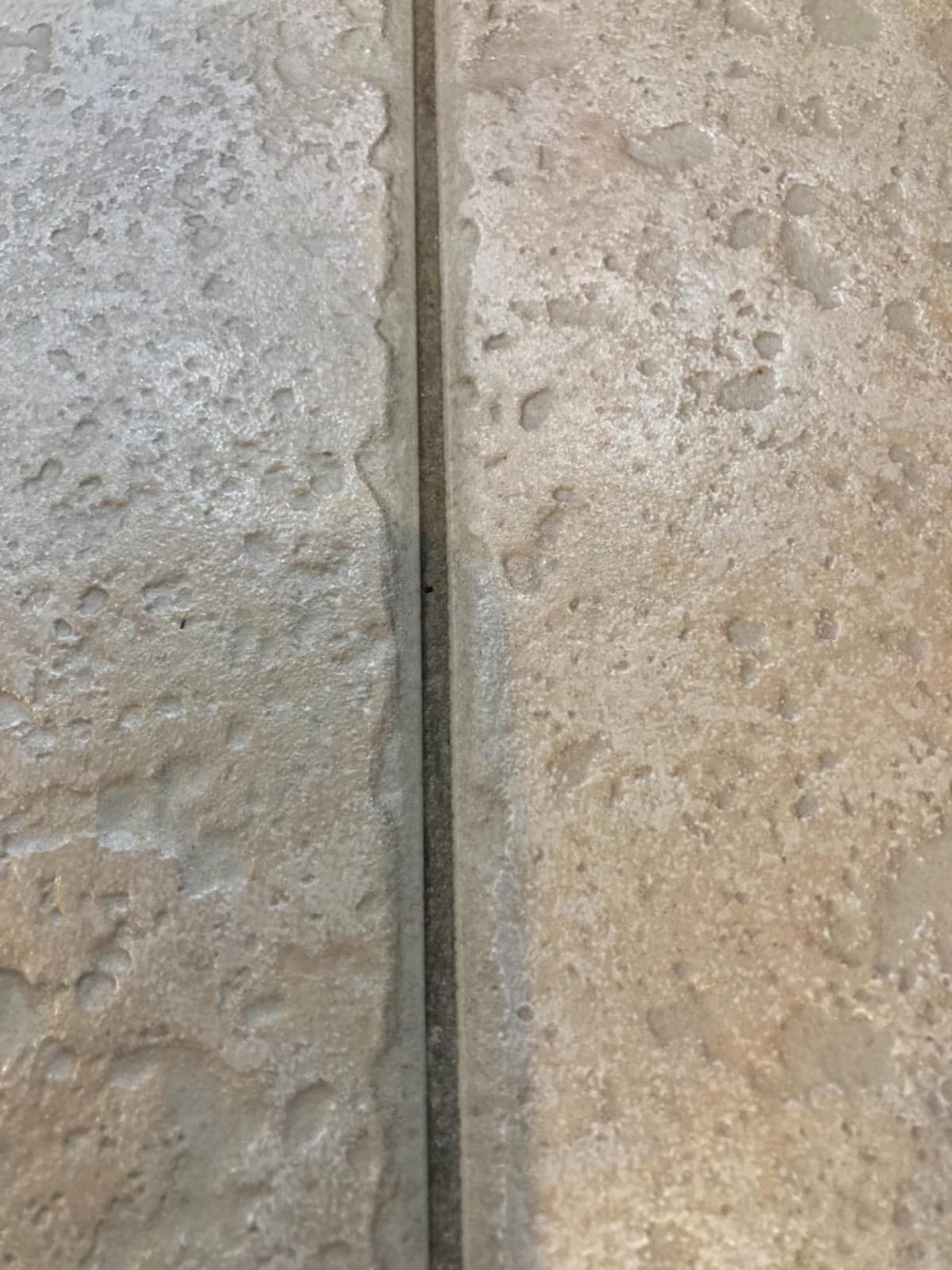
Measure your grout line before you buy a blade, not after. Standard grout removal blades are wider than a 1/8 inch joint, and forcing one into a narrow line is the single most common cause of chipped tile edges. Narrow-profile blades exist specifically for this, and they are the answer to the complaint that shakes up the tile people are trying to save.
Check the mount before you plan the purchase, too. Most tools in this roundup take a universal adaptor that fits blades from other brands, and Makita’s DTM52Z uses the Starlock clamp, which is a broader accessory standard. Either way you are not locked into one brand, but the adaptor has to be present for a third-party grout blade to fit at all.
For the wider range of attachments these tools take on, our roundup of the best multi-tools for field engineers covers the blades and pads that come in handy beyond tile.
Corded vs Cordless for Tile Removal
Corded for full-room or multi-room regrout, cordless for spot repairs, tight rooms and sites with no power access. If you already own batteries for a platform, cordless usually wins on total cost, because the batteries are the expensive part and you already have them.
The corded argument is constant power. A 3-Amp or 3.5-Amp corded motor will hold its output for a full session without a pause, and there is no scenario on a large floor where you run out of anything mid-joint. The cordless argument is reach: a cordless tool goes where an outlet does not, which includes shower pans, exterior patios and the back of a wall you have already stripped.
Runtime is the number most people get wrong. A cordless tool will not finish a 60 square foot bathroom on one pack if you are working hard grout at full speed, so plan on two batteries or a mid-job charge. Our picks on the best cordless oscillating tools for renovations page are worth a look if you are building a kit around that format.
Dust and weight push in opposite directions. A corded tool is heavier and louder with no battery weight, while a cordless tool carries the pack in the balance of the machine. If you are working overhead, the lighter cordless options are easier on the shoulders over a long session.
How to Remove Grout and a Whole Tile Step by Step
Remove about half the tile thickness of grout, with 1/8 inch as a minimum, so the new grout has somewhere to sit and cure. Then break the tile inward from the centre, drill through it, chisel the centre out and pry the edges up. Never hammer a tile with grout still in place, because the shock travels through the joints and cracks the neighbouring tiles.
Start by identifying the grout and pulling anything loose by hand. Sound grout only needs the top layer removed. Anything cracked, crumbling, shrinking or growing needs to come out completely, and skipping that is why regrout sometimes fails within months.
Set the tool to a low speed, fit a carbide blade for normal grout, and work along the joint with light pressure. Let the oscillation do the work. Do not lean on the tool, and if the blade starts to wander, slow down or change to a narrower blade rather than forcing it.
Vacuum between passes. The debris falls as chunky rubble rather than fine dust, but that rubble turns to dust as you walk on it, and a shop vac every twenty minutes keeps the grout you are about to place clean.
When the joint is clear, drill several holes through the face of the tile, break the centre inward with a chisel, then work around the edges and pry up. Take the perimeter adhesive off the substrate before you set the new tile, and check the membrane beneath as you go.
One caution worth stating plainly. In a shower or wet room there is usually a waterproofing membrane under the thin-set, and on some installations there is underfloor heating. Cutting deeper than the tile thickness risks cutting into both. Work shallow, keep the guide set, and stop if the colour or texture of the substrate changes.
When Not to Use an Oscillating Multi Tool
Do not use one for concrete, mortar or hard demolition, where an angle grinder or rotary hammer is the right tool and no oscillating blade will be efficient. It is a precision instrument, and pretending otherwise wastes an afternoon and dulls a blade.
Do not use one on grout lines narrower than about 1/8 inch unless you have a narrow-profile blade, because the standard blade is physically too wide and will ride up onto the tile. On tiny mosaic lines, a manual grout saw or a rotary tool is more accurate.
Do not use one for a handful of tiles where a hand grout saw will do. For pulling three tiles out from behind a microwave, a multi-tool is overkill and a small hand tool is faster, quieter and less likely to damage the tiles you are keeping.
And do not improvise a blade attachment with tape or cable ties. Forum threads describe this as a shortcut, and it is a genuinely dangerous habit. A blade that is not properly clamped will leave the mount under constant shock load, and grout work loads that mount hard.
Safety on Tile Jobs
Wear eye protection, ear protection and a dust mask, and let your local rules decide the grade of mask. Grout contains silica, and the rubble produced by a multi-tool is coarse but the fine fraction still goes airborne once you start sweeping or walking over it.
Change blades with the tool isolated. On a corded tool, unplug it. On a cordless tool, remove the battery. Never change a blade with the trigger live, and never reach past the head while the tool is running, because the oscillation is fast enough to break skin.
Do not force the tool. Pressure does not make a dull blade cut, it makes the blade stall, heat up and ride into the tile. Slow down, change the blade, or accept that the material is harder than the blade you chose.
Keep the cord or the battery clear of the work line, and cut away from your body. With a wall grout line especially, a kickback will send the tool backwards at speed, and the reason to keep a firm two-handed grip is that the blade is going toward the tile next to the one you are cutting.
Frequently Asked Questions
What is the best multi-tool blade for grout removal?
Carbide blades handle most sanded and unsanded grout well. Diamond-grit blades are the better choice for hard thin-set mortar and epoxy grout because they stay sharp longer under abrasion. For grout lines under 1/8 inch, fit a narrow-profile carbide or diamond-grit blade, because a standard blade is wider than the joint and will ride onto the tile edge. Bi-metal blades are for wood and metal and will dull immediately on grout.
Can you cut tile with an oscillating tool?
Partly. An oscillating multi tool will clear grout, thin-set and soft ceramic, and it can score the face of a tile, but it will not rip a whole tile out on its own. Clear roughly half the tile thickness of grout, about 1/8 inch as a minimum, from all four sides first, then break the tile from the centre and pry the edges up.
Which is better, corded or cordless oscillating multi tool?
Corded for full-room or multi-room regrout, because the power is constant and there is no runtime ceiling. Cordless for spot repairs, tight rooms and anywhere without a power outlet. If you already own batteries for a platform, the cordless option is usually cheaper overall because the batteries are the most expensive part of the purchase.
How deep should I remove grout before regrouting?
About half the thickness of the tile, with 1/8 inch as a minimum, so the new grout has room to bond and cure. You do not have to remove all sound existing grout, but anything broken, cracked, crumbling or shrinking must come out completely or the new grout will fail over it.
Can an oscillating tool cut through concrete?
Not effectively. Oscillating multi tools are built for grout, thin-set, wood, drywall, metal trim and similar materials. For concrete, mortar and hard demolition you want an angle grinder or a rotary hammer, both of which cut far faster and are designed to absorb the load.
How many grout removal blades do I need for a bathroom?
Plan on at least two, and three for a hard grout job on a larger floor. Carbide tips dull quickly against sanded grout and heat builds as the blade stops cutting, which is when tile edges start chipping. Diamond-grit blades last longer on hard material but are more expensive, so buying two or three carbide blades is the cheaper way to cover a weekend.
The Best Oscillating Multi Tool for Tile Removal in 2026
The DEWALT DCS356C1 is the best oscillating multi tool for tile removal in 2026 because it arrives complete, weighs 3 pounds, gives you three brushless speeds up to 20,000 OPM and takes a third-party grout blade through its universal adaptor. The Milwaukee 2626-20 is the one to buy if you already own M18 batteries and want finer speed control, and the AVID POWER MW146 is the sensible corded choice for a single bathroom job.
Whichever you pick, buy the blades. A carbide grout blade for normal grout, a diamond-grit blade for hard thin-set or epoxy, and a narrow-profile blade if your lines are under 1/8 inch. The tool matters, but the blade decides whether the grout comes out or the tile edge does.
If you are still working out the rest of the job, our guides to the best tile cutting tools for DIY renovators and the best cordless multi-tools for renovations cover the cutting and general-purpose tools that pair well with a grout removal setup.