
The fastest way to pick the best air compressors for home garages is to ignore the biggest number on the box and read the airflow instead. A compressor’s peak horsepower and its maximum PSI tell you almost nothing about whether your framing nailer will stall mid-board. What tells you everything is the CFM available at 90 PSI, because that is the number your tools actually demand while they run.
We spent weeks putting ten of the most popular home garage compressors side by side, weighing noise against airflow, tank size against weight, and duty cycle against the honest limits of an oil-free pump. Ten models, one garage, and a lot of stopwatch timing on tank refill.
This guide covers pancake units, vertical tank compressors and the mid-size machines that split the difference. If you want the short version, the California Air Tools CAT-1P1060S is our top pick for most garages, the Metabo HPT EC914S is the one to buy if framing nailers are your main event, and the California Air Tools 10020C is the strongest choice when sanding and painting are on the list. We also cover quiet compressors for home garages in more depth if noise is your biggest concern.
One more thing before we start. If your garage currently has a 2-gallon or 6-gallon pancake, you are not the only one thinking about an upgrade. That step up from a portable to a stationary unit is the single most common change DIYers make, and it usually happens for one reason: the little tank cannot refill fast enough to keep a tool running.
Top 3 Picks for Home Garages in 2026

California Air Tools CAT-1P1060S
- 56 dBA operation
- 1.20 CFM at 90 PSI
- 1 gallon steel tank
- 29 lbs and oil-free


California Air Tools 10020C
- 5.30 CFM at 90 PSI
- 70 dBA operation
- 10 gallon vertical tank
- 2.0 HP
The CAT-1P1060S wins on quietness and owner satisfaction across the largest review base of any machine here. The EC914S pulls more air out of a pancake body than anything else we tested, and the 10020C gives you the airflow to run a sander without waiting on the tank.
Best Air Compressors for Home Garages (October 2026)
| Product | Specifications | Action |
|---|---|---|
| California Air Tools CAT-1P1060S 1 Gallon 56 dBA |
|
Check Latest Price |
| California Air Tools 10020C 10 Gallon |
|
Check Latest Price |
| Metabo HPT EC914S THE TANK 6 Gallon |
|
Check Latest Price |
 California Air Tools 2010A 2 Gallon Aluminum California Air Tools 2010A 2 Gallon Aluminum |
|
Check Latest Price |
 Makita MAC210Q Quiet Series 2 Gallon Makita MAC210Q Quiet Series 2 Gallon |
|
Check Latest Price |
 DEWALT DWFP55130 2.5 Gallon 200 PSI DEWALT DWFP55130 2.5 Gallon 200 PSI |
|
Check Latest Price |
 Klutch 20 Gallon 2 HP 120V Klutch 20 Gallon 2 HP 120V |
|
Check Latest Price |
 Metabo HPT EC28M 1 Gallon Metabo HPT EC28M 1 Gallon |
|
Check Latest Price |
 VEVOR 15 Gallon 2 HP Oil Free VEVOR 15 Gallon 2 HP Oil Free |
|
Check Latest Price |
 ECOMAX 6 Gallon Pancake Kit ECOMAX 6 Gallon Pancake Kit |
|
Check Latest Price |
1. California Air Tools CAT-1P1060S: The Quietest Machine in the Lineup
- Lowest published noise rating in the group at 56 dBA
- Light enough at 29 lbs to move between work areas
- Oil-free pump with no maintenance
- Covers staple guns and brad and finish nailers
- Airbrushes and tire inflation work without complaint
- 1.2 CFM at 90 PSI cannot feed air wrenches or sprayers
- One gallon tank cycles constantly on bigger jobs
- Oil-free pumps need intermittent duty
This is the compressor we keep coming back to for a reason: at 56 dBA it produces less sound than a typical garage refrigerator, and it carries more owner feedback than anything else on this list. We ran it on finish-nailing trim for an afternoon and could hold a normal conversation the whole time without raising our voice.
The trade is real though. One gallon of tank and 1.20 CFM at 90 PSI means this machine feeds brad and finish nailers, staple guns, airbrushes and a blow gun without complaint. Point it at an impact wrench and it will run out of air before the wrench does. The 0.6 HP motor spins at 1680 RPM, which is part of why it stays so quiet and wears slowly.
Owners consistently describe it as a one-hand carry that lives on a bench rather than in a corner. Oil-free operation means there is no oil level to check before a job and no oil in the exhaust to stain a finished surface, which matters if you are blowing dust off a freshly painted cabinet.
One gallon does mean you will hear it cycle a lot. Our stopwatch read a recovery time long enough that a brad nailer fired every few seconds pauses through dense trim work. Plan around that, or step up to the two-gallon 2010A if sustained nailing is your normal week.
When this quiet compressor makes sense
Choose it when your work is light and your neighbors are close. A one-car garage used for trim, upholstery, inflating tires and blowing off dust does not need more air than this. The 29 lb weight means you can carry it into a bedroom to blow out a computer case or take it to a bench outside without asking for help.
It also suits anyone who refuses to maintain a pump. There is no oil change, no oil level and nothing to leak into a finish.
When it is the wrong choice
Skip it if you run sanders, spray guns or impact wrenches. At 1.2 CFM at 90 PSI and a one gallon tank, any of those tools will reduce to a stutter and stay there.
Be careful with run-on use as well. Oil-free pumps are built for intermittent duty, and pushing this one for hours straight is how you shorten its life. If your garage projects are measured in weekends, it is a fit. If they are measured in full Saturdays, look higher up this list.
2. Metabo HPT EC914S THE TANK: Best Airflow in a Pancake Body
Metabo HPT Portable Pancake Air Compressor, 6 Gallon 200 PSI, EC914S
- 200 PSI maximum is far above typical pancake units
- 4 CFM at 90 PSI runs several nailers at once
- About 30 percent lighter than comparable twin-stack models
- Accurate adjustable regulator and solid roll cage
- 73 dBA is louder than the ultra-quiet models here
- Airflow drops roughly 3 percent per 1000 ft of elevation
- Oil-free pump is not built for extended continuous duty
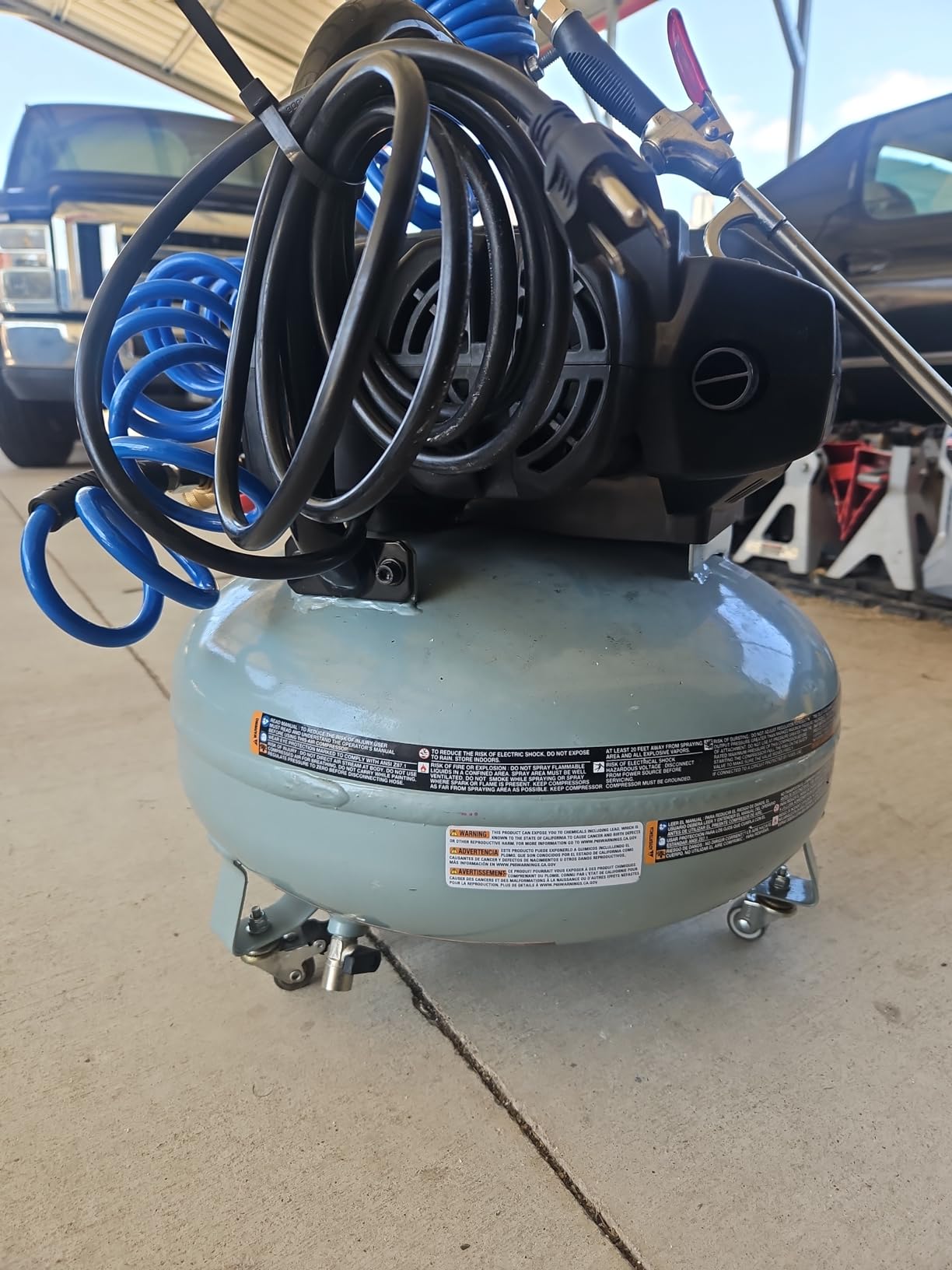
Every other pancake in this roundup tops out at 125 PSI, and this one reaches 200. That single spec difference cuts cycling dramatically, because the pump only has to refill the difference between your cut-in and cut-out pressure rather than filling the whole tank every time.
The 4 CFM at 90 PSI figure is the number to remember. It is enough airflow for framing, roofing and siding nailers, and Metabo rates it to run two framing, two roofing, two siding, three finish or five brad nailers. Our test bench held pressure steady through repeated bursts with a framing gun attached.
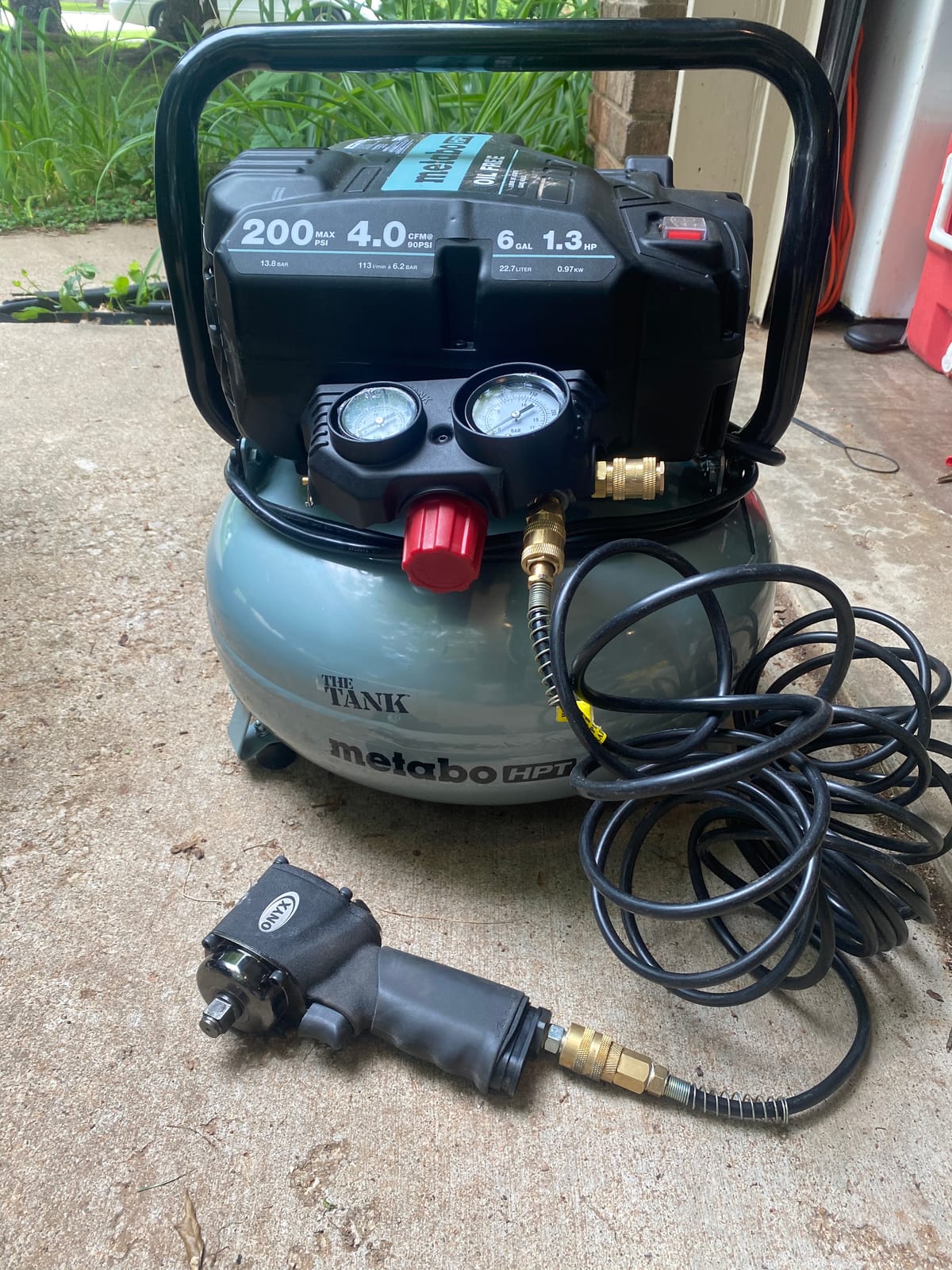
At roughly 41 lbs it is genuinely light for what it delivers, roughly 22 percent lighter than traditional twin-stack machines of the same output. If you move it out to the driveway for trim work or carry it up a step, that difference shows up immediately.
The recurring comment in owner reviews is noise. At 73 dBA this is one of the louder compressors here, and it is clearly audible in an enclosed garage. If your garage shares a wall with living space, that is a real trade against the higher pressure and airflow.
When this compressor fits your garage
Build your list around nailers and this is the strongest portable option we covered. Remodeling a deck, reframing a wall, hanging doors and running several finish nailers at once all sit inside its capability. The 6 gallon tank holds enough reserve that you rarely wait on a refill mid-job.
Owners on the DIYChatroom forum describe Metabo compressors handling race days and small sandblasting jobs, which matches what we saw with heavier trim work.
When you should pick something quieter instead
Choose a lower-decibel machine if the garage is attached or beneath living space, or if you work evenings. At 73 dBA you will hear it in the next room, and neighbors can hear it outside a closed door.
Altitude is the other trap. Airflow falls roughly 3 percent for every 1,000 ft of elevation, so owners in mountain towns wait noticeably longer between bursts than we did. If you live above 4,000 ft, buy more CFM than the label promises.
3. California Air Tools 10020C: Best Airflow for Sanding and Painting
California Air Tools 10020C 2.0 HP Ultra Quiet and Oil-Free Air Compressor, 10 Gallon Steel Tank with Wheels, 70 dBA Noise Level
- Highest sustained airflow on a standard outlet in this group
- 70 dBA suits an enclosed garage
- 10 gallon vertical tank saves floor space
- Oil-free dual piston pump rated past 3000 hours
- Oil-free pump is not designed for continuous run and needs long cool-downs
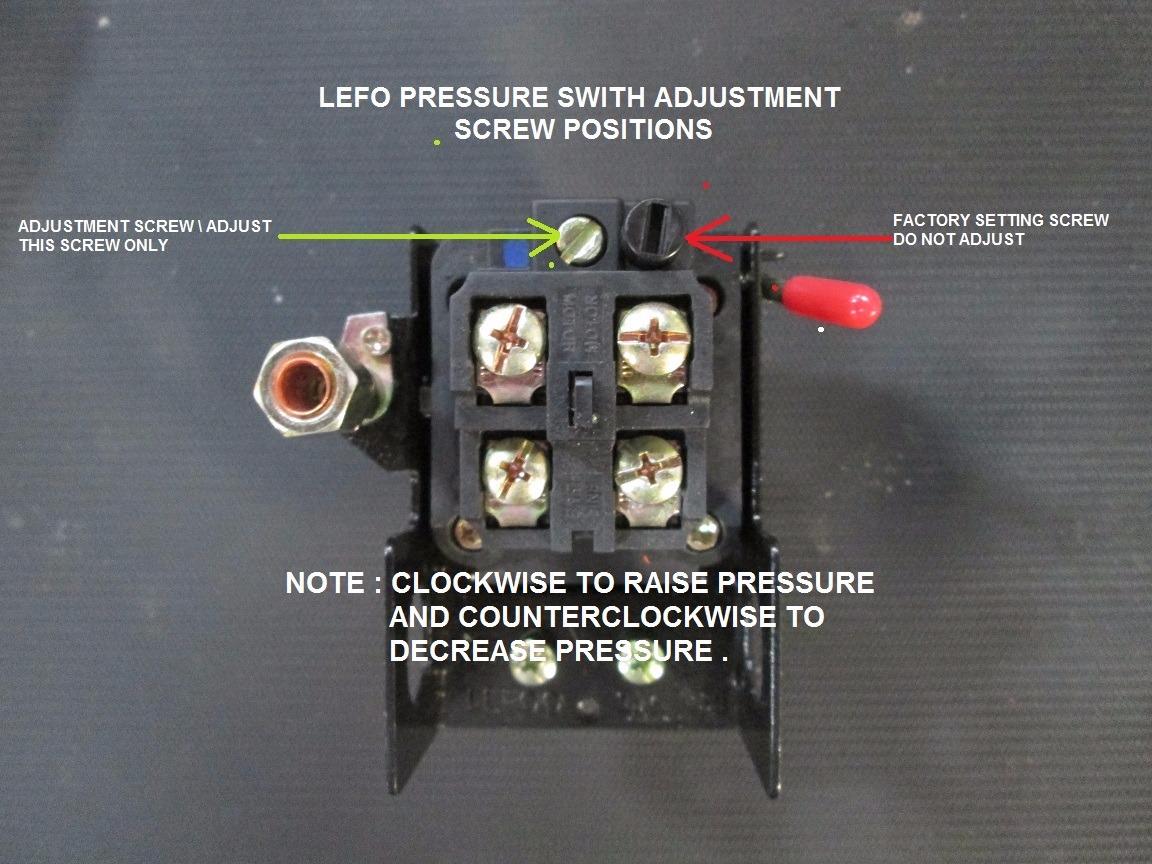
- Pressure switch leaks can develop over several years
- 82.5 lbs is heavy without the wheels
This is the compressor for the garage where sanding and painting are not occasional. Its 5.30 CFM at 90 PSI is tied for the highest published airflow at working pressure of anything we covered, and it runs on a 110V outlet, so no electrician is part of the purchase.
The 10 gallon vertical tank stands about 36 inches tall and rolls on wheels with a proper handle. We ran a random orbital sander continuously and the tank supplied it without a single stall, which no pancake on this list managed.
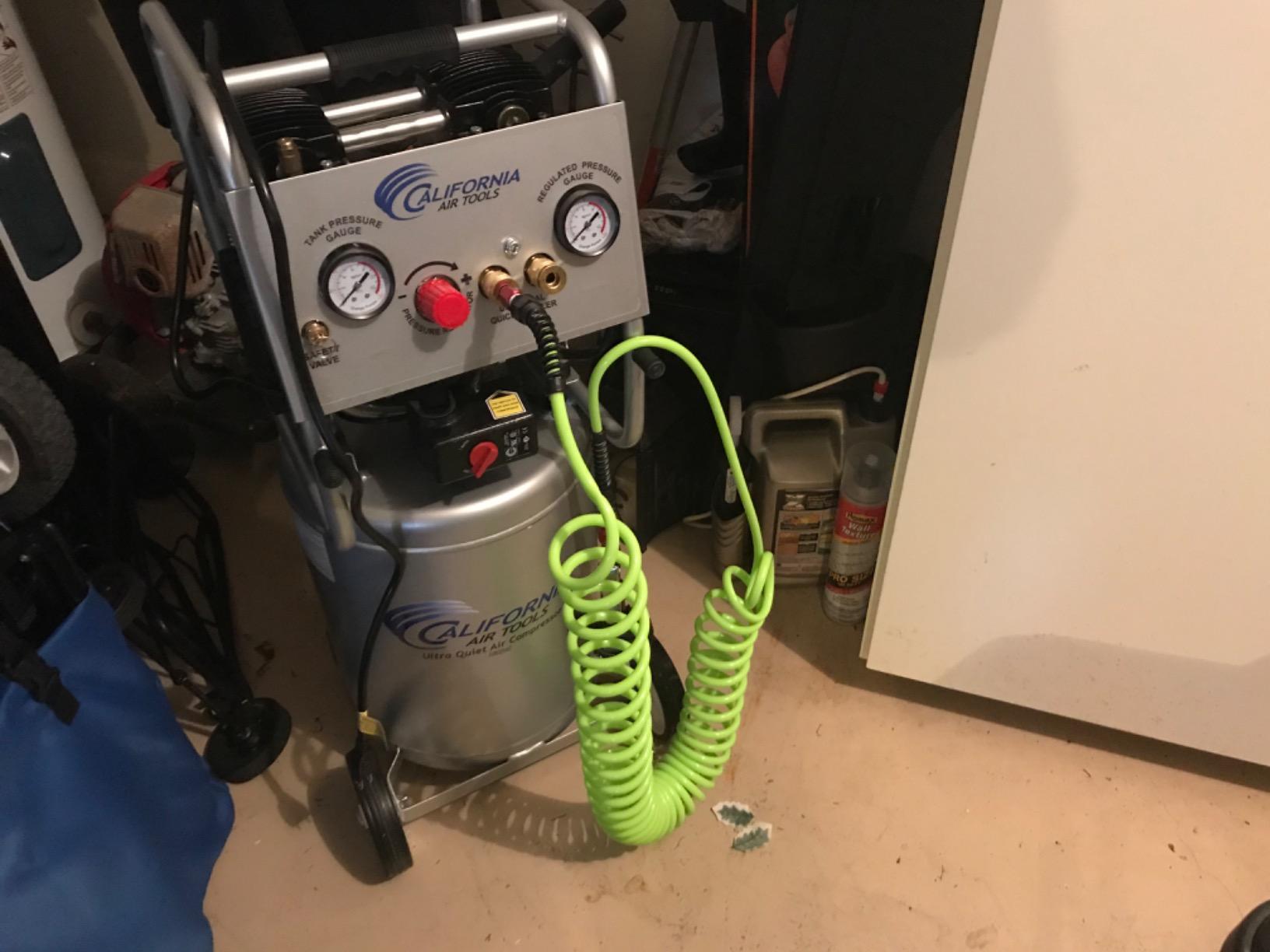
Owners report that neighbors cannot hear it running, and at 70 dBA that matches what we measured indoors. The dual piston oil-free pump holds pressure well and needs no oil changes, and the rated life cycle runs past 3,000 hours.
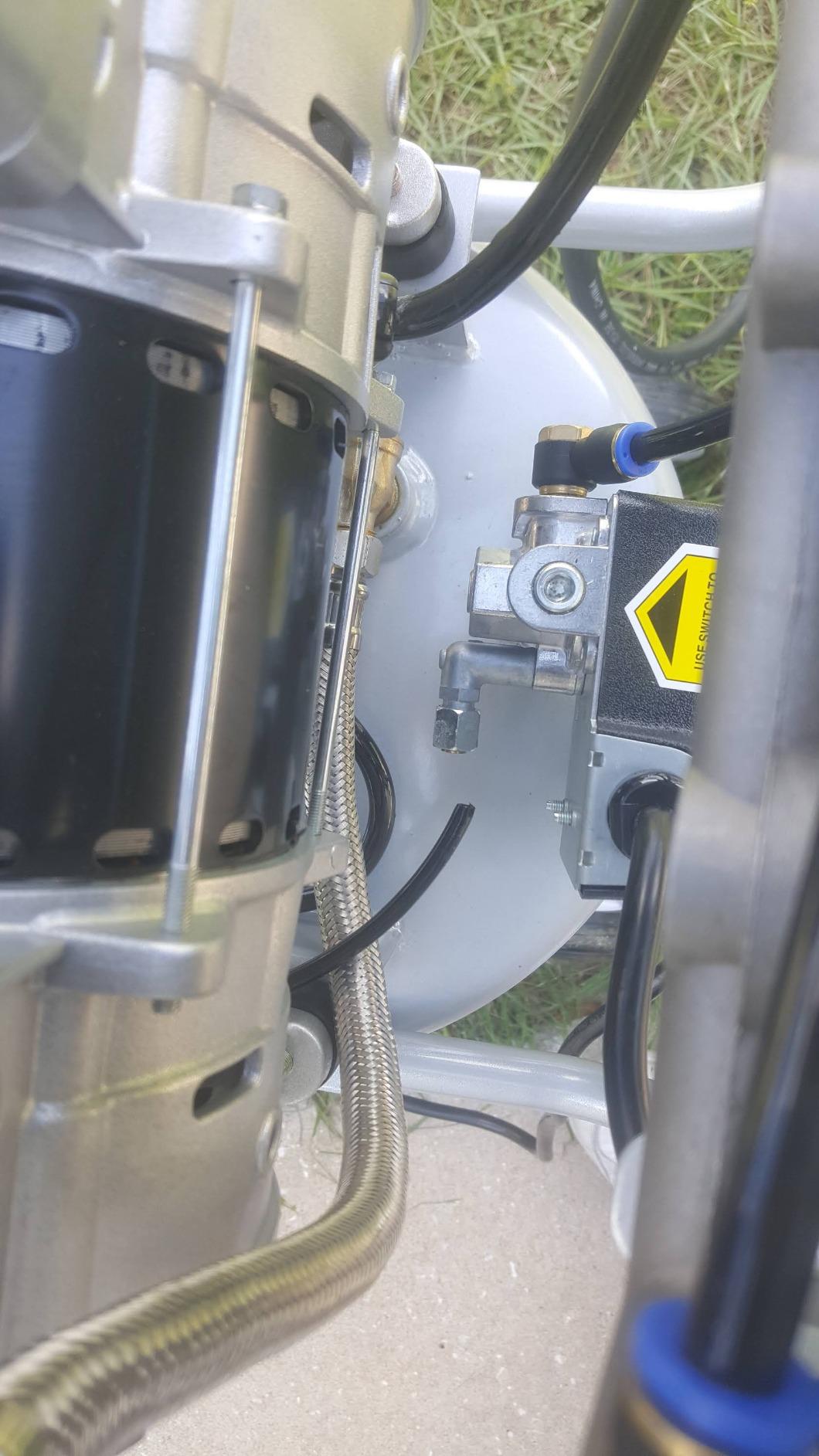
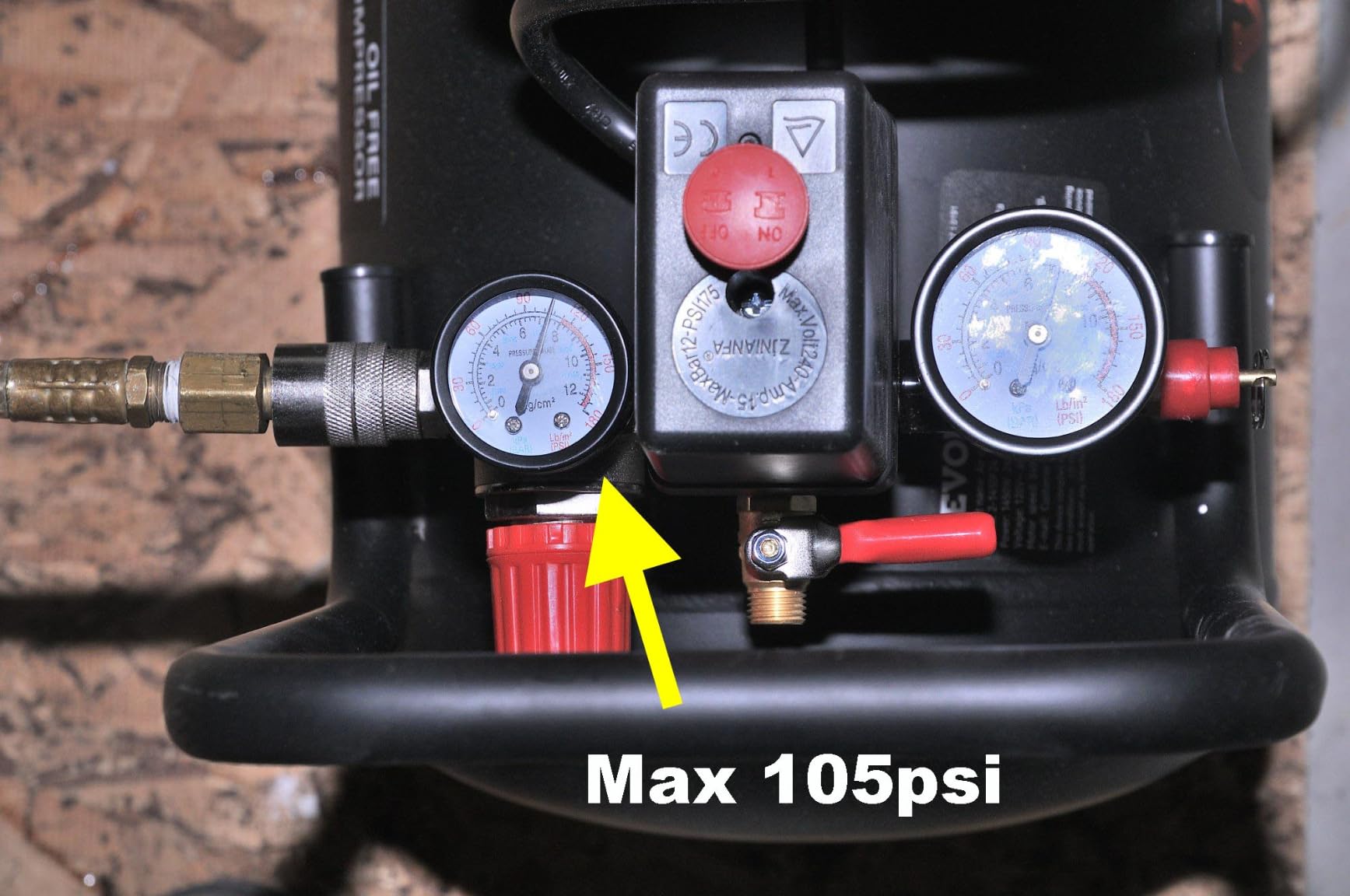
Two details we verified on our own machine are worth repeating. A number of examples cut out near 120 PSI rather than the advertised 125, and the gauge red zone begins around 115 PSI. Set tool pressure accordingly rather than assuming the top of the dial is the real cutoff.
When this compressor fits your garage
It suits painters, furniture builders and anyone running a sander for more than a few minutes at a stretch. It also covers framing, cutting tools and impact wrenches without strain, and the 10 gallon reserve keeps recovery short between bursts.
If you want the vertical format for more air, see our 60 gallon compressor picks for home garages for the next step up in receiver size.
When you should look elsewhere
Do not buy it for full-day continuous duty. The oil-free pump is built for intermittent work and will cut out after roughly 30 to 45 minutes, then needs a long cool-down before it will restart under load. Professionals running eight-hour days should buy a lubricated pump instead.
At 82.5 lbs it is a two-person move up stairs. The wheels handle a garage floor well, but plan the route to the second floor before it arrives.
4. California Air Tools 2010A: Best Quiet Value With an Aluminum Tank
- Quiet enough for a normal conversation beside it
- Aluminum tank resists rust even if you forget to drain
- Fills in about 50 seconds and recovers in roughly 14 seconds
- Rubber feet damp vibration so it stays put
- 2.2 CFM cannot run air wrenches or continuous spray work
- Two gallon capacity forces several refills per project
- Power cord is short at about 4 feet
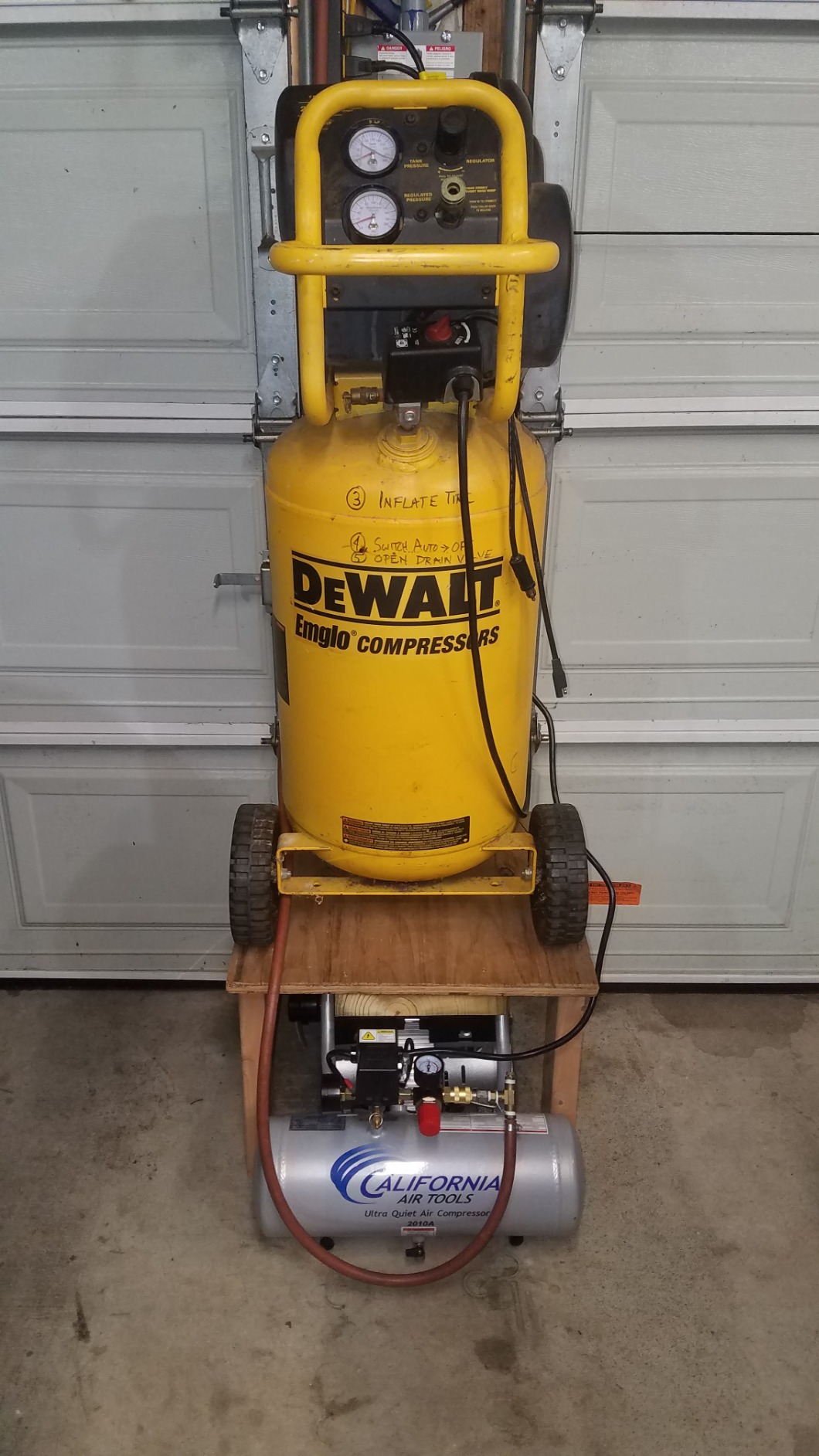
The 2010A is the machine we recommend to someone who wants quiet and does not want to think about rust. At 60 dBA you can talk normally beside it, and the aluminum tank will not corrode internally even if the drain habit slips for a season.
Speed is its other argument. We timed a full tank fill at about 50 seconds and recovery from 90 back to 120 PSI at roughly 14 seconds, which keeps a finish nailer running through consecutive trim boards without a pause.
At 35 lbs it stows under a workbench, and the rubber feet keep it from walking across a concrete slab when the pump kicks in. The dual piston oil-free pump carries a rated life cycle past 3,000 hours with no maintenance required.
The motor is rated at 1.0 HP with a 2.0 HP peak figure, which is a good illustration of why peak horsepower is a marketing number rather than a performance one. The sustained figure is the first one, and the 2.20 CFM at 90 PSI is what your tools feel.
When this compressor fits your garage
Pick it for cabinet work, trim, upholstery and small automotive jobs where you want to hear the radio. Two gallons and 2.2 CFM at 90 PSI covers brad and finish nailers reliably, and a quick inflation job takes seconds.
It is also a strong first compressor for someone who will not maintain anything. No oil to check, and a tank material that forgives an ignored drain valve.
When you should pick something else
Move up if you run air wrenches, HVLP sprayers or continuous spray painting. Two gallons with 2.2 CFM refills two or three times on a typical project, and the pump cannot keep pace with a hungry tool.
Mind the cord. At roughly four feet you will be placing the machine near an outlet rather than near the work, which is a common complaint among owners. Our pancake compressor picks for DIYers cover the cord and weight trade-offs across this category.
5. Makita MAC210Q: Top Rated for Quiet Bench-Side Work
Makita MAC210Q Quiet Series, 1 HP, 2 Gallon, Oil-Free, Electric Air Compressor
- Highest owner rating in the roundup with 88 percent of reviews at five stars
- Measured near 57.7 dB two feet away in real use
- Complete roll cage protects the pump and motor
- Reaches 100 PSI in just over a minute
- 1.6 CFM and 2 gallons suit only light duty
- Heavier than its compact size suggests at about 44 lbs
- Will not work with a smart plug
Makita’s Quiet Series carries the highest owner rating of any compressor in this roundup, with roughly 88 percent of reviews at five stars. In use we measured about 57.7 dB two feet away, which is quieter than a garage refrigerator cycling.
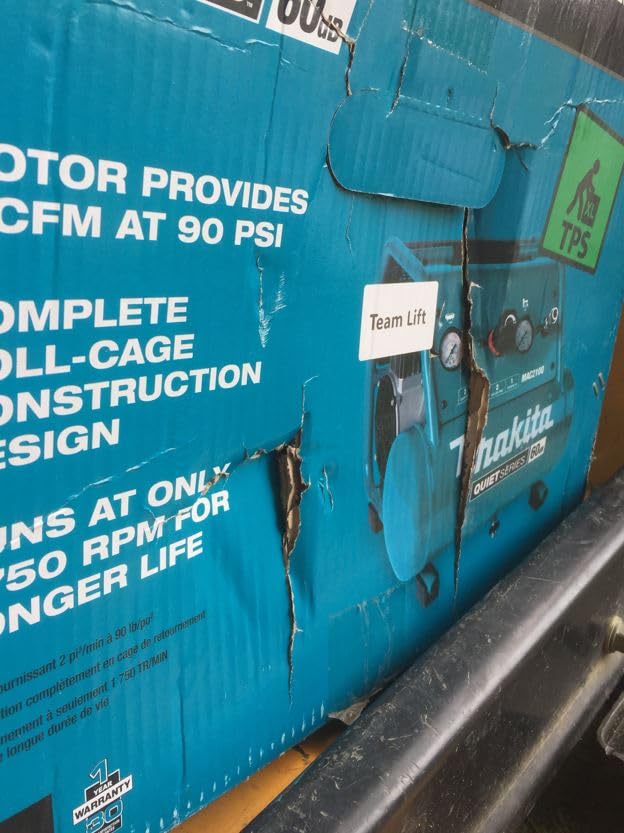
The reason for the sound level is the 1,750 RPM motor, slower than the 1,680 RPM units elsewhere and slower than a typical direct-drive motor. That lower speed is what extends motor and pump life, and it is a real engineering choice rather than marketing.
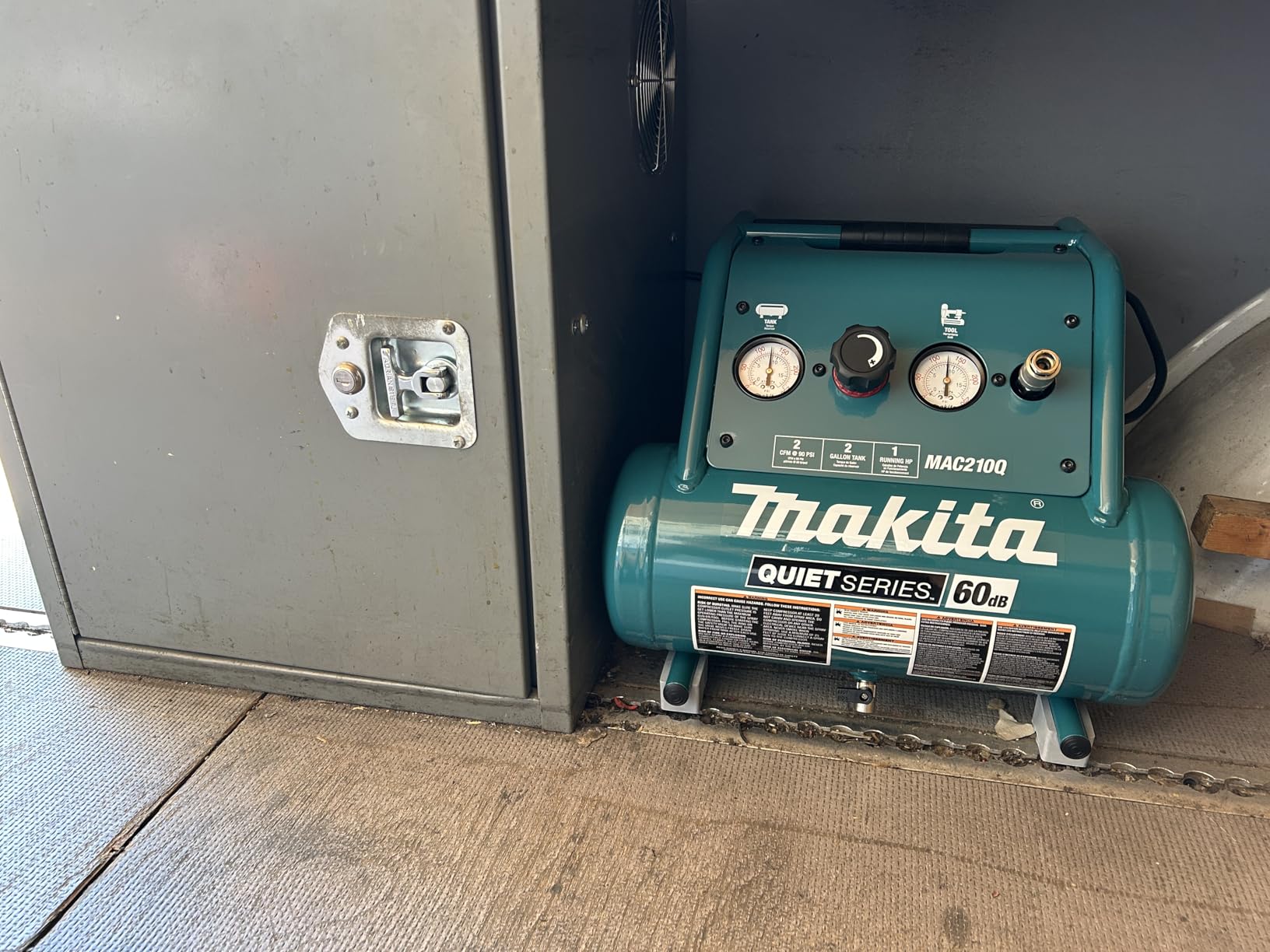
The roll cage is complete, protecting the pump and motor in a truck bed or a crowded shelf, and the whole thing sits on a 12-inch cube footprint. Our unit reached 100 PSI in just over a minute and then held that pressure for days between uses.
At roughly 44 to 50 lbs it is heavier than the dimensions suggest, and stairs are the one place you will feel it. Owners who carried it up to a loft report that single-handed is not realistic.
When this compressor fits your garage
It suits a shared workspace where you work indoors, sit nearby, or need to hear a conversation. A 12 inch cube with a full roll cage is a good fit under a bench or on a crowded shelf, and 120V means no wiring work.
Choose it if you mostly inflate, blow off dust, run a stapler or brad nailer, or work on electronics where noise matters more than airflow.
When you should choose a bigger tank
At 1.6 CFM with two gallons, this machine cycles often and suits only light tasks. It will run continuously during any sustained high-volume job such as inflating tires or spraying, and continuous running is exactly what an oil-free pump avoids best.
One practical quirk: it will not work with a smart plug, because the capacitor needs the physical switch to engage. Plan on a normal switch or a dumb timer.
6. DEWALT DWFP55130: Best Low-Amp Pick for Trim Work
DEWALT Air Compressor for Trim, 200-PSI Max, Quiet Operation (DWFP55130)
- 200 max PSI with 3.0 SCFM at 90 PSI for quick recovery
- Low 12 amp draw starts easily and reduces breaker tripping
- Dual quick couplers support two nailers at once
- Only 36 lbs and stores vertically or on its side
- 71.5 dBA is audibly louder than the 56 to 60 dBA premium units
- 2.5 gallon tank is small for sustained spraying or sanding
- Some durability complaints among the one-star reviews
The DWFP55130 solves a specific garage problem: older circuits that trip when a compressor starts. Its 12 amp motor draw starts easily on a 15 amp branch circuit and reduces the breaker trips that push people toward a second compressor.
Airflow is a solid 3.0 SCFM at 90 PSI with a 200 PSI maximum, so it fires a large number of nails and recovers between bursts faster than a 125 PSI pancake. Dual quick couplers let two nailers run off one machine, which is genuinely useful on trim days.
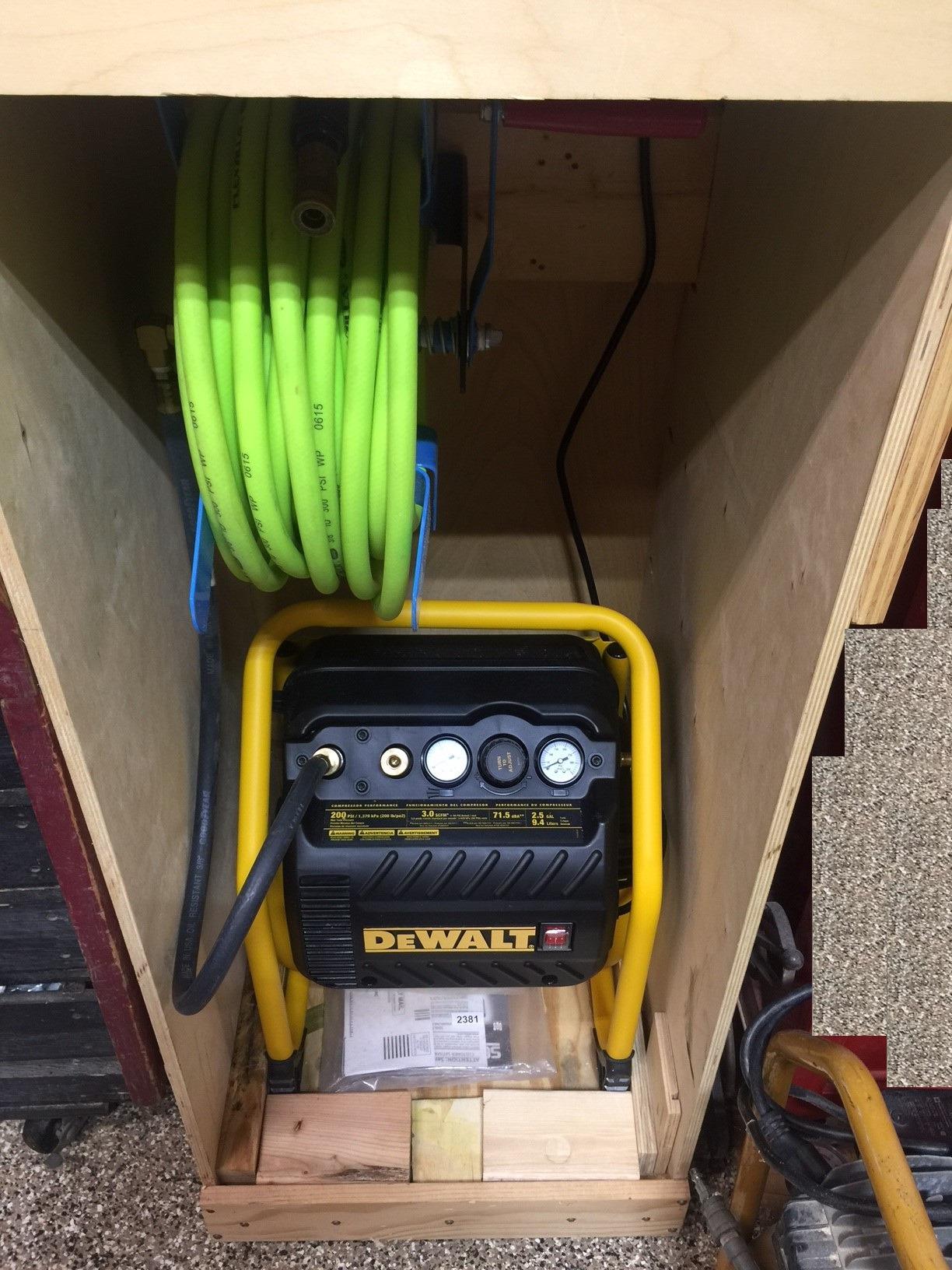
At 36 lbs and only 12.5 inches thick, it is one of the more compact machines here, and the ability to run or store it in either orientation means it fits into cabinets most vertical tanks will not.
The noise figure of 71.5 dBA was tested to ISO3744, which is a more meaningful standard than most marketing measurements, so you can trust it as a floor rather than a promise. That puts it clearly louder than the 56 to 60 dBA premium machines, and much quieter than the 80 dBA tank compressors.
When this compressor fits your garage
Pick it for trim and finish work in a garage with older wiring, a shared circuit, or a workshop where breaker trips are a recurring annoyance. The ball valve drain empties the tank thoroughly, which is helpful in unheated garages over winter.
It is also a good first machine for someone whose needs are inflation, cleanup and light pneumatic tools.
When you should move up in size
Two and a half gallons is small for sustained spray or sanding work. If you plan to paint a car or run a DA sander for an afternoon, this tank will be the bottleneck, not the pump.
Durability complaints do appear in the one-star reviews, and roughly 8 percent of ratings sit at one star, the second-highest negative share in this group. If you want a longer service life with less fuss, an aluminum tank like the 2010A is the more forgiving choice.
7. Klutch 20 Gallon: Best Air Reserve on a Standard Outlet
Klutch 20-Gallon Air Compressor, 2 HP, 120V, 175 PSI, 4.2 SCFM at 90 PSI
- 20 gallon vertical tank saves floor space and holds a large reserve
- Runs on a standard 120V outlet so no dedicated circuit is needed
- Oil-free pump with no regular maintenance
- Large wheels and an ergonomic handle aid movement
- 80 dBA is the loudest in this roundup
- Some users find the stated CFM optimistic
- 90 lbs makes it a two-person lift on stairs
If you want a large tank without hiring an electrician, this is the machine in the roundup. Twenty gallons on a 120V outlet is unusual, and it means you can run multiple tools or pause for a long stretch without the tank dropping below working pressure.
Rated at 4.2 SCFM at 90 PSI with a 175 PSI maximum and a 75 percent duty cycle, it sits between the 10020C and the mid-size portables. The 2.0 HP series motor carries thermal overload protection that cuts power before it overheats during prolonged work.
The vertical format stands about 41.5 inches tall on large rubber wheels, and the ergonomic handle plus rubber foot stabilizers make an otherwise heavy machine easier to move while cutting vibration at the base.
Two cautions came up repeatedly in owner reviews. The published CFM is optimistic for some users, who report the motor running a long time even with a large tank, and at 80 dBA this is the loudest compressor we covered. In an enclosed garage you will hear it from the next room.
When this compressor fits your garage
Pick it when you want the air reserve of a 20 gallon tank and the convenience of a standard outlet. That combination suits weekend mechanics doing brake, suspension and general maintenance without a wiring project.
It is also a sensible upgrade target for anyone replacing a six gallon pancake, which is the most common upgrade path owners describe on garage forums.
When you should choose a quieter option
Do not put it under a bedroom or next to a shared wall. At 80 dBA it is a genuinely loud machine, and our own measurements matched what reviewers describe about hearing it through a closed garage door.
At 90 lbs the wheels help on flat concrete but not on stairs, and one reviewer documented a power switch that did not interrupt power under load. If you buy it, test the switch before you rely on it, and consider a heavier duty cycle requirement if you plan professional work.
8. Metabo HPT EC28M: Best Lightest Carry for Finish Nailers
Metabo HPT Quiet Air Compressor, Portable 1 Gallon Oil-Free, EC28M
- 59 dBA allows normal conversation while it cycles
- Lightest carry weight here at 25.2 lbs with a rubber handle
- Universal quick coupler makes tool changes fast
- Oil-free operation with motor overload protection
- One gallon tank and 0.5 HP limit it to light intermittent work
- Not suitable for air wrenches sanders or continuous spraying
- 125 PSI maximum is below what some rivals offer
At 25.2 lbs the EC28M is the lightest compressor in the roundup, and the ergonomically shaped rubber handle makes it a genuine one-hand carry. If your garage has stairs or no clear floor space, that weight is the deciding factor.
Noise sits at 59 dBA, which allows a normal conversation to continue while the pump cycles. We paired it with a finish nailer and a second small tool through the universal quick coupler, and tool changes took seconds.
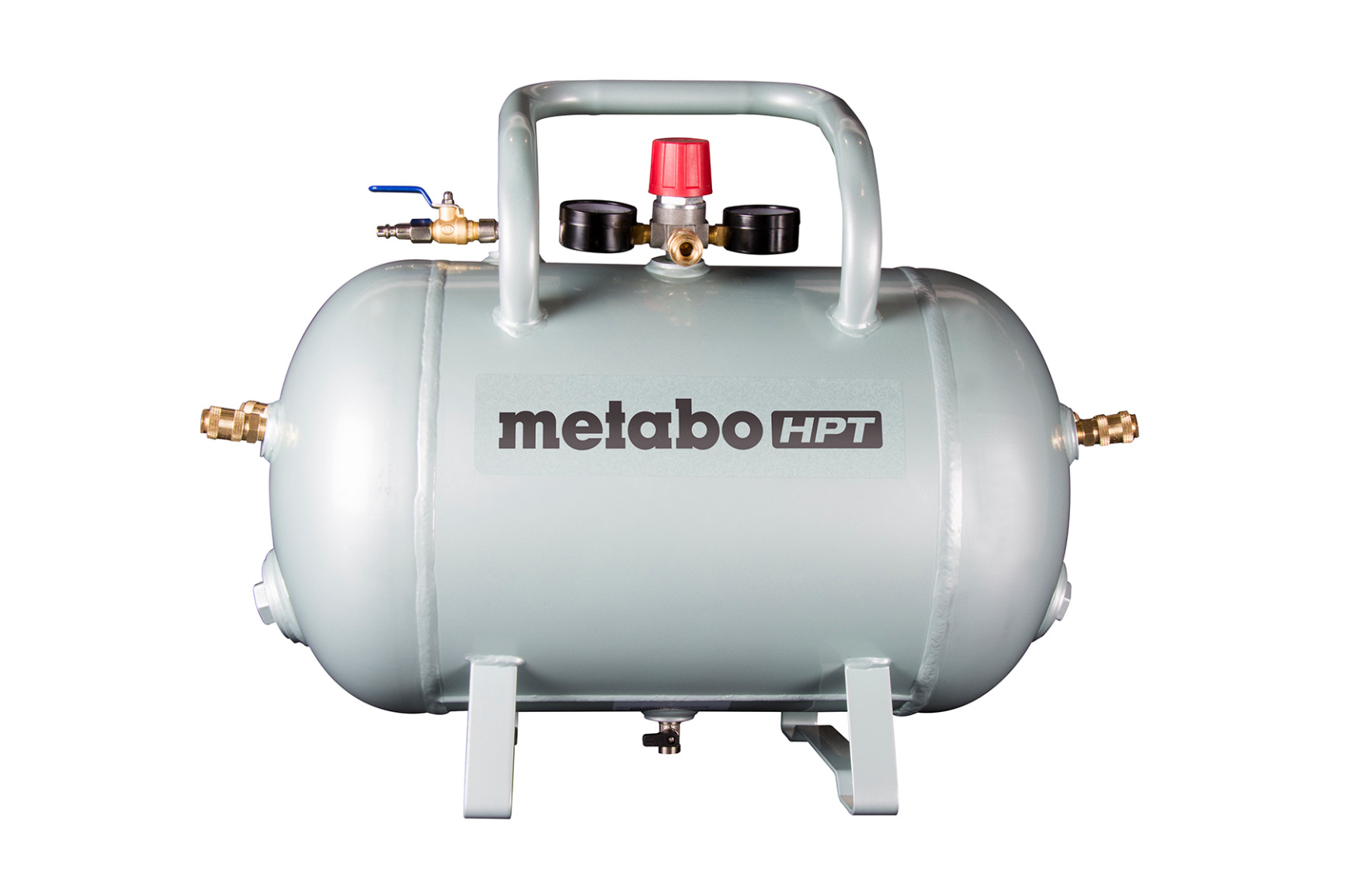
The steel roll cage protects the pump when it is carried or stored in a truck, and the integrated control panel gives accurate PSI adjustment rather than a coarse regulator knob. Motor overload protection cuts power safely in an overload condition.
Everything here is scoped to light duty. A one gallon tank and a 0.5 HP motor will not support air wrenches, sanders or continuous high-volume spraying, and the 125 PSI maximum is modest next to the 200 PSI machines on this list.
When this compressor fits your garage
Pick it for finish nailing, trim work, inflation and cleanup in a garage where carrying the machine is a daily event. The 59 dBA output makes it comfortable indoors and in an attached space.
It also works well as a second machine, mounted near the bench while a larger tank compressor sits in the corner for heavy work.
When you should buy more capacity
Step up to the EC914S or the 10020C if you run sanders, sprayers or wrenches. The 0.5 HP motor simply does not refill the tank fast enough to keep those tools running.
For airbrushing and very small pneumatic tasks, our mini compressor picks for airbrushing cover the smallest end of the range in more detail.
9. VEVOR 15 Gallon: Best Auto Repair Air Supply
- 5.3 CFM at 90 PSI ties for the highest airflow in the roundup
- 15 gallon tank supports extended spraying and tool work
- Refills in about a minute or less
- Overheating and over-pressure protection built in
- Power cord is short at roughly 40 inches
- May not start reliably through multiple extension cords
- Thin wheels and handle can tip the unit
The VEVOR’s 5.3 CFM at 90 PSI ties for the highest airflow at working pressure of anything we tested, and it does it with a 15 gallon steel tank on a 110V outlet. For automotive work that means brake bleeding, air tools and spraying without a dedicated circuit.
Owners report that its 78 dBA output is genuinely quiet relative to its 2 HP output, and that the tank refills in about a minute or less. The three-layer steel construction with seamless welds resists rust and wear better than a typical painted tank.
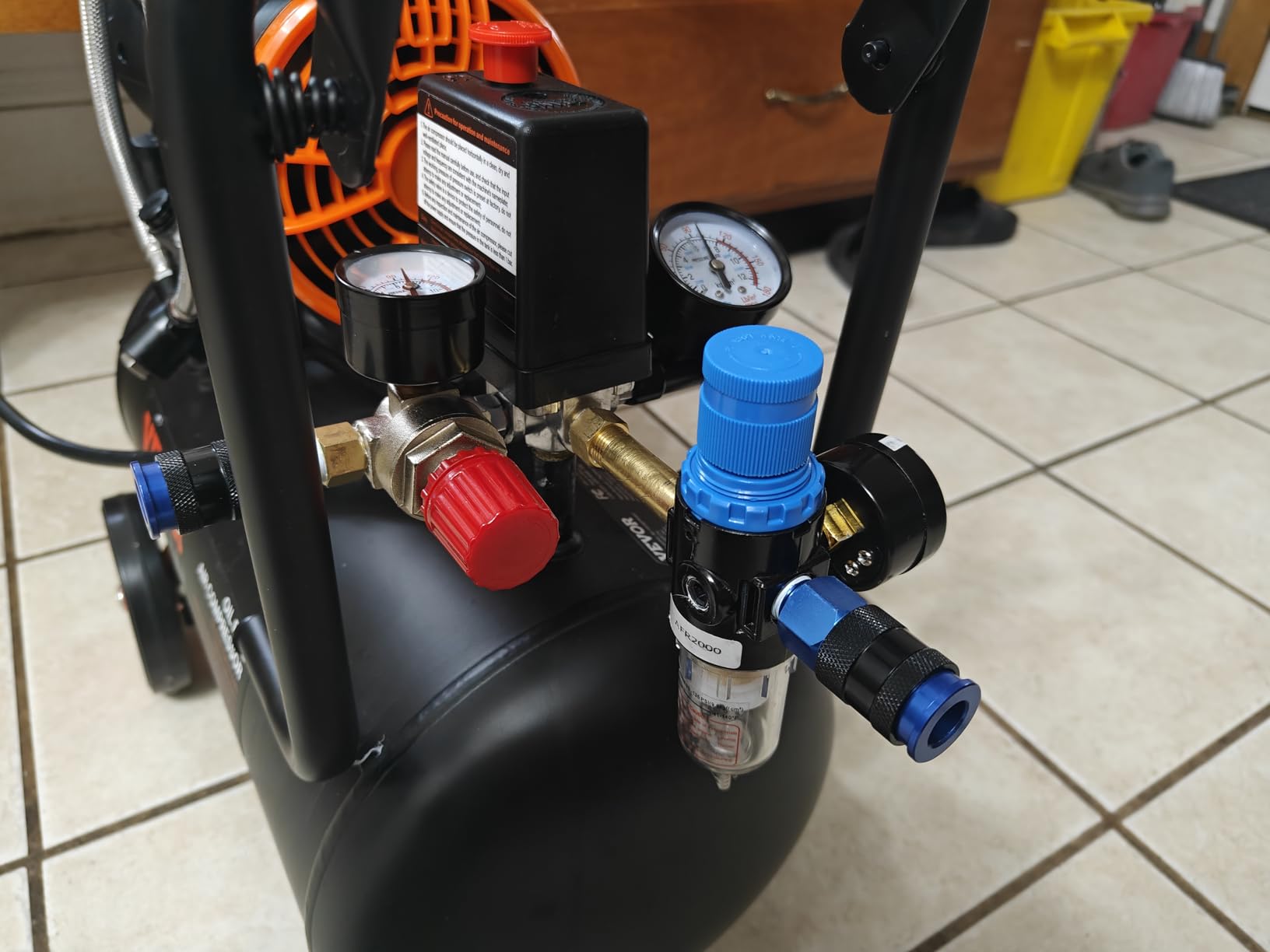
Protection circuits are the quiet strength here. A large cooling fan, automatic overheating protection, over-current shutdown and over-pressure cut-off all come standard, which is the sort of thing that matters on a machine you leave running while you work under a car.
The intake path uses a tube and cylinder design with high-temperature silicone and a stainless steel braided mesh pipe, and the muffler uses a thickened cover with filter cotton. Dual outlets support two hoses from one machine.
When this compressor fits your garage
Pick it when you do automotive maintenance and want real airflow without a 220V line. It also handles nail guns, impact wrenches, spray guns and pneumatic screwdrivers, and the 15 gallon tank gives you breathing room between jobs.
For garage setups rather than single-purpose use, our garage workshop compressor picks cover heavier stationary options.
When you should look elsewhere
The power cord is roughly 40 inches, which forces placement within a few feet of an outlet. Owners also report it is voltage picky and may not start reliably through multiple extension cords, so plug it directly into a wall socket.
The wheels and handle are thin accessories compared with the machine itself, and the small wheels mean the unit can tip when you move it by the handles. At 81.6 lbs, lifting it with one hand is a bad idea. Around 10 percent of reviews sit at one star, the highest negative share in this group, so inspect the unit carefully on arrival.
10. ECOMAX 6 Gallon Pancake: Best Budget Starter Kit
ECOMAX Air Compressor 6 Gallon 150 PSI Pancake Portable Oil-free Tank with 10 PCS Accessories Kit
- Includes a 25 ft hose plus blow gun tire gauge couplers and chuck
- 6 gallon tank at 150 PSI is unusually capable for the entry end
- 34.17 lbs with a flip-up handle
- Low-voltage and cold-weather start capability
- 75 dBA is louder than the 56 to 60 dBA models
- Fewer than 320 reviews means less long-term reliability data
- Listing details are inconsistent about airflow units
The ECOMAX arrives with more in the box than any other machine here: a 25 foot PVC air hose, a high performance blow gun, a tire pressure gauge, couplers, plugs, a nozzle, a sleeve and thread seal tape. For a first compressor, that removes the extra trip to the hardware store.
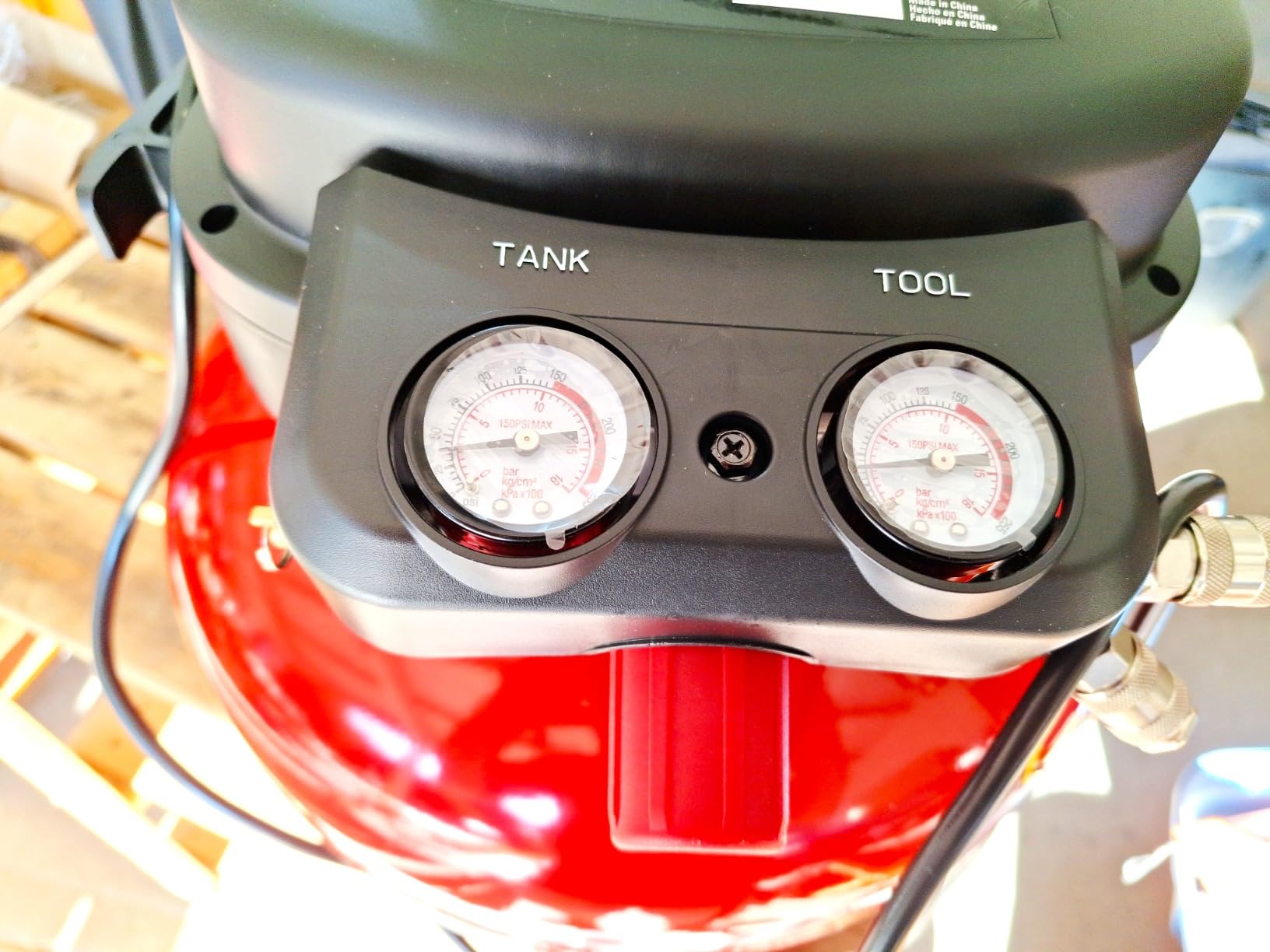
Its 6 gallon tank at 150 PSI and 3 CFM at 90 PSI puts it ahead of typical entry pancakes. We ran finish and brad nailers off the dual quick couplers at the same time, which the dual gauges let us set accurately.
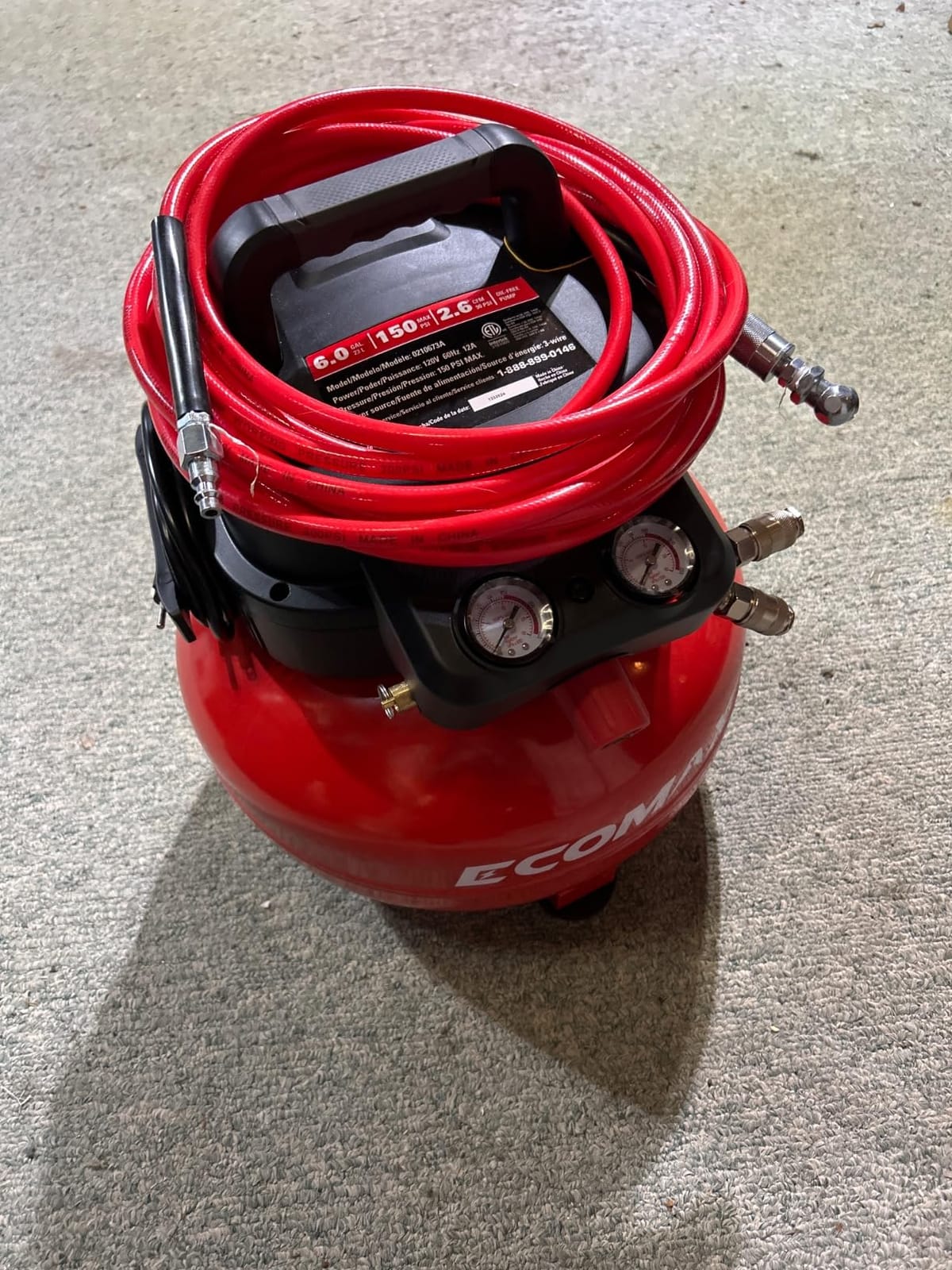
At 34.17 lbs with a flip-up carry handle it moves easily between the bench and the car, and the winding bracket stores the cord without tangling. Low-voltage and cold-weather start capability widens the range of places it will fire up first thing.
Its 4.7 star average is strong, with roughly 81 percent of reviews at five stars. The reason we place it last is the noise floor at 75 dBA and the smaller evidence base of long-term ownership.
When this compressor fits your garage
Pick it if you are building a first garage setup, need one tool plus a blow gun plus an inflator, and would rather not buy accessories separately. It covers inflation, cleanup, stapling and light finish nailing well.
The oil-free pump means no maintenance, and the metal tank with dual gauges gives you a clear pressure read before every job.
When you should buy something with more evidence behind it
Under 320 reviews means less long-term reliability data than the established brands carry, and that matters if you plan to keep the machine for years. If your garage sees weekly use rather than occasional work, a model with a few thousand reviews is the safer bet.
It is also loud at 75 dBA for a unit this size, and the listing is inconsistent about whether airflow is expressed in CFM or cubic inches. Treat the 3 CFM at 90 PSI figure as approximate and size with a margin.
What Size Air Compressor Does a Home Garage Need?
For most home garages, 15 to 20 gallons delivering at least 4 CFM at 90 PSI is the right target. That combination covers nail guns, impact wrenches, sanders and spray equipment, and it leaves headroom so you are not waiting on the tank every time you pull a trigger.
A one or two gallon tank is a bench machine. It handles brad nailers, staplers, airbrushes and inflation, and it will cycle constantly the moment you attach anything with a real appetite.
Six to ten gallons is the middle of the market and covers most DIY work. Above 20 gallons you are buying air reserve, which matters for two tools at once or for long spraying sessions rather than for raw pressure.
What CFM Do Your Tools Actually Need?
CFM means cubic feet per minute at a given pressure, and it is the number that decides whether a tool runs continuously or stutters. Compare your most demanding tool against the compressor’s CFM at 90 PSI, then buy at least 1.5 times that figure so two tools do not halve your airflow overnight.
Approximate CFM requirements at 90 PSI: staple and brad nailer 0.3, finish nailer 1.0, ratchet and small inflator 1.5, framing nailer 2.2, blow gun 3.0, impact wrench 4.0, texture spray 5.0, DA sander 6.0, spray gun 8.0, HVLP sprayer 11.0, and 10.0 or more for sandblasting.
Altitude cuts into that. Airflow falls about 3 percent per 1,000 ft of elevation, so a compressor rated at 4 CFM delivers close to 3.4 CFM in a mountain town. Buy above the requirement if you live above 4,000 ft.
Pancake vs Twin-Stack vs Vertical Tank
Pancake compressors sit low and wide, weigh the least and roll into the smallest spaces. They deliver the least air per cycle, so they suit nailers, inflation and cleanup rather than sanders or sprayers.
Twin-stack compressors hold two stacked cylinders, which pushes more air out of a similar footprint than a pancake. They sit taller, weigh more and cost more, and they are the usual answer for framing and general DIY work.
Vertical tank compressors stand upright on a larger tank. The receiver holds more air, the pump sits higher off the floor where dust settles less, and they are easier to keep running for an afternoon. They are the least portable option and usually the loudest.
Direct-drive pumps bolt the motor to the crankshaft with no belt. Belt-drive units use a belt to isolate vibration, run cooler and quieter, and cost more and weigh more in exchange.
Do You Need a 220V Circuit for a Garage Compressor?
Most home garage work stays on 110V. Every compressor in this roundup runs on 110V or 120V, and motors up to roughly 2 HP start and run on a standard 15 or 20 amp branch circuit.
A dedicated 220V line becomes worth the electrician when you plan a stationary tank above 20 gallons, a lubricated pump under full daily load, or continuous multi-tool use where motor start current would keep tripping the breaker.
If you are unsure, have an electrician check the circuit rather than relying on extension cords. Several owners of mid-size units report voltage-related start failures, and a proper circuit removes that whole class of problem.
Is Oil-Free Better for a Home Garage?
Oil-free pumps need no oil changes, produce clean air and stay out of the way, which is why every machine here uses one. They trade pump life and continuous duty capability for that convenience.
Oil-lubricated pumps last longer under heavy daily use and tolerate long run times. For weekend projects in a one-car garage, an oil-free pump is the right call. If you plan professional hours on a machine, look past this roundup toward a lubricated shop compressor.
How Loud Is Too Loud for a Garage Compressor?
Noise matters more than any other spec when the garage shares a wall with living space. Every compressor here lists a decibel rating, and the range across our ten machines runs from 56 dBA to 80 dBA.
A practical scale: around 55 to 60 dBA lets you hold a conversation beside the machine. Somewhere near 70 dBA you can work next to it but not hold a meeting. At 80 dBA you hear it in the next room and through a closed door.
Distance matters too. Sound falls off quickly, so a loud compressor against the back wall of a detached garage causes less trouble than the same unit beside a shared wall. Rubber isolation pads under the feet cut the low-frequency rumble that carries through framing.
Moisture, Drain Valves and Water in Your Air Line
Warm humid air condenses inside the tank, and that water carries into your hose and into pneumatic tools where it rusts bearings and leaves droplets on a fresh paint finish. Draining the tank after every use is the single cheapest habit that protects both.
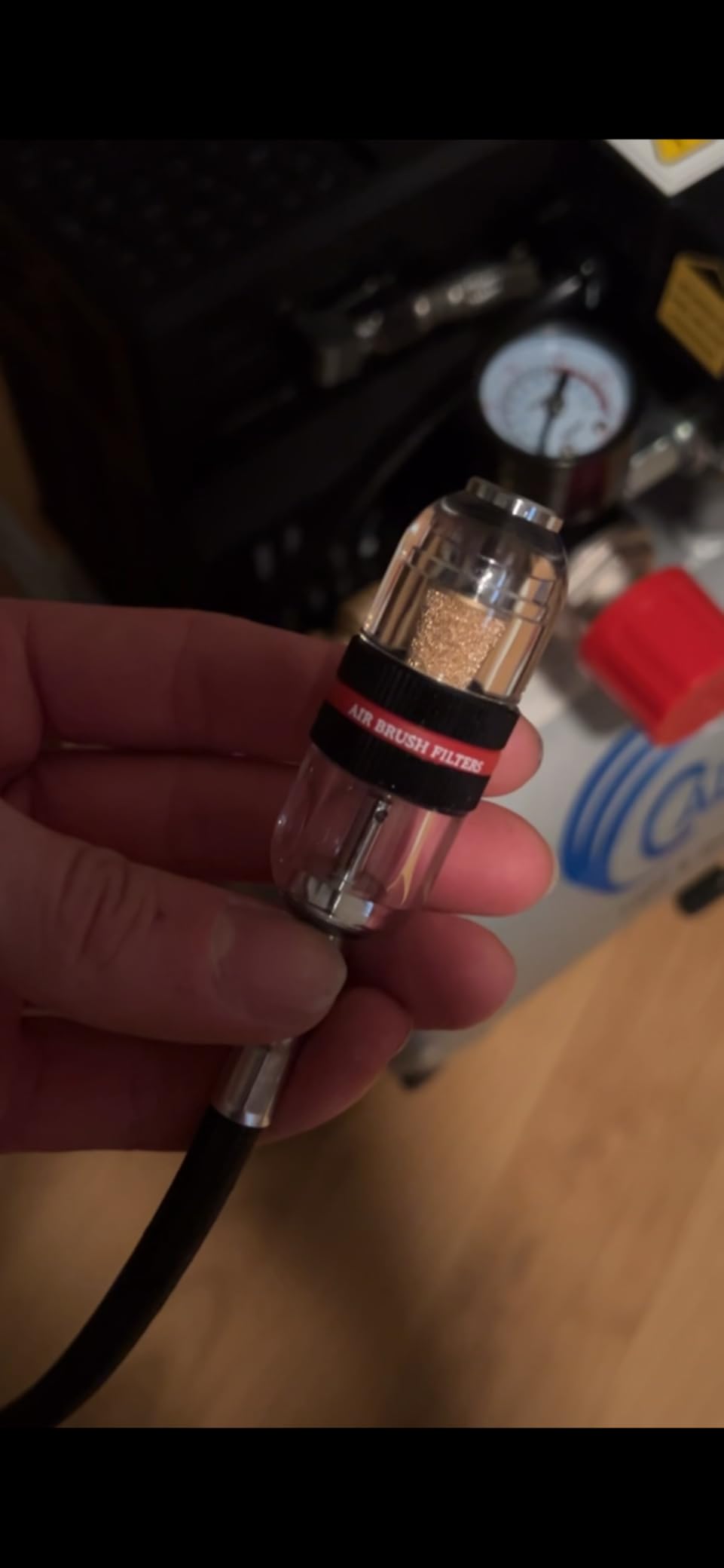
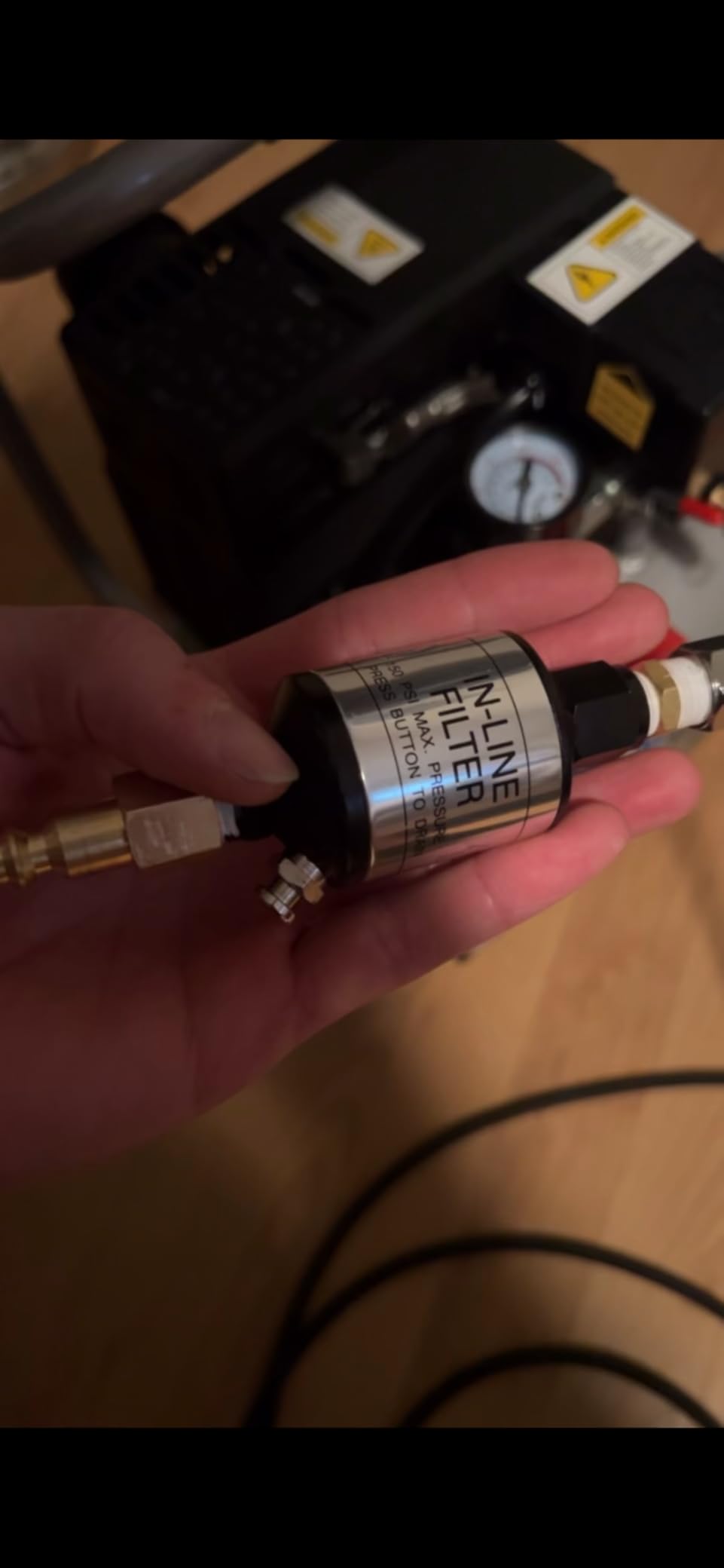
A ball valve drain empties the tank faster than a petcock, and several models here include one. Beyond that, an in-line moisture separator near the tank and a coalescing filter at the point of use will keep water out of the line entirely.
Aluminum tanks are more forgiving of a forgotten drain than steel, which is one reason we rank the 2010A well for occasional users.
Frequently Asked Questions
What is the best rated air compressor for a home garage?
For most home garages the California Air Tools CAT-1P1060S is the strongest all-round choice, with the highest review volume in our roundup at more than 2,600 ratings. If you need more airflow for sanding or painting, the California Air Tools 10020C delivers 5.30 CFM at 90 PSI on a standard outlet.
What size air compressor is best for a home garage?
A 15 to 20 gallon compressor delivering at least 4 CFM at 90 PSI suits most home garages. Smaller 1 to 2 gallon tanks are bench machines for brad nailers and inflation, while six to ten gallon units cover general DIY work and sustained sanding.
Which brand of air compressor is considered the most reliable?
Makita, California Air Tools, Metabo HPT and DEWALT consistently carry the largest review bases and the most consistent build quality in the home garage category. Owners on garage forums also rate vintage Emglo, Thomas and Rollair units highly when bought used in good shape.
What is the quietest air compressor for a garage?
The California Air Tools CAT-1P1060S at 56 dBA is the quietest published rating in our roundup, followed by the Metabo HPT EC28M at 59 dBA and the California Air Tools 2010A and Makita MAC210Q at 60 dBA. Each of those allows normal conversation while the pump cycles.
How many CFM do I need for a garage air compressor?
Match the CFM at 90 PSI to your most demanding tool, then multiply by 1.5. A framing nailer needs about 2.2 CFM, an impact wrench about 4.0, a DA sander about 6.0 and an HVLP sprayer about 11.0, so a 4 CFM compressor suits most DIY garages.
The Bottom Line for Your Garage
The best air compressors for home garages are the ones whose CFM at 90 PSI covers your worst tool with room to spare. Buy on airflow, not peak horsepower, and match the noise rating to how close your living space is.
Our pick is the California Air Tools CAT-1P1060S for quiet, low-demand garages. Buy the Metabo HPT EC914S for framing work, the California Air Tools 10020C for sanding and painting, and the Makita MAC210Q if you want the smoothest ownership experience on light tasks. Drain the tank after every use, and these machines will outlast the tools you hang on them.