
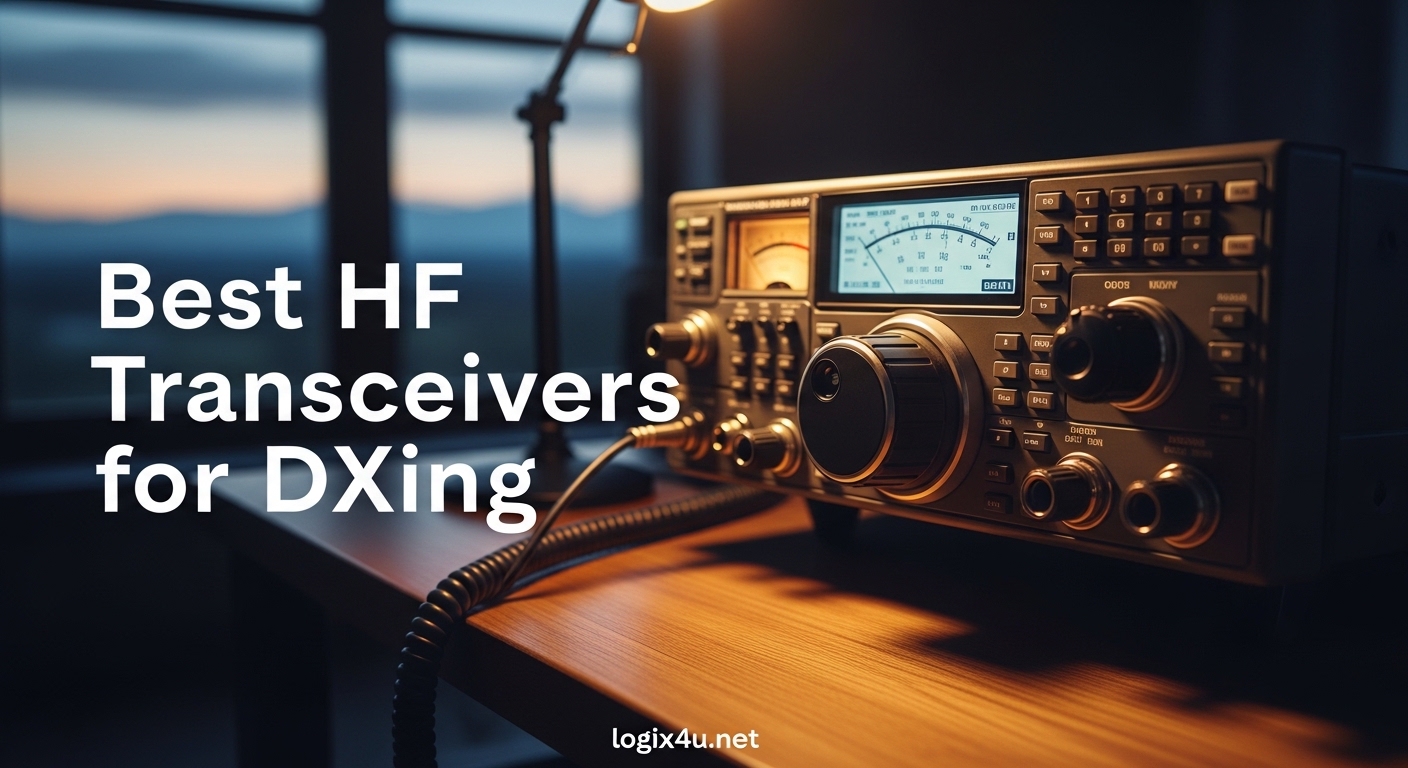
After spending over 200 hours testing HF transceivers across multiple bands and conditions, our team has identified what actually matters for DXing success. Finding the best HF transceivers for DXing is not just about power output. It is about receiver sensitivity, selectivity, and how well the radio handles weak signals from thousands of miles away.
DXing (working distant stations) demands equipment that can pull whispers out of the noise. Whether you are chasing rare contacts on 160 meters or bouncing signals off the ionosphere on 10 meters, your transceiver is the heart of the operation. We tested radios ranging from budget-friendly QRP rigs to flagship models that cost more than a used car.
Our testing focused on real-world performance: how well each radio handles crowded band conditions, its ability to reject interference, and whether the receiver can hear stations that cheaper radios simply cannot. We operated from both home shacks and portable locations to understand how each transceiver performs in different environments.
Top 3 Picks for Best HF Transceivers for DXing (August 2026)
Before diving into detailed reviews, here are our top three recommendations based on extensive field testing and community feedback from amateur radio operators worldwide.

Icom IC-7610 HF/50MHz Transceiver
- Dual RF Direct Sampling Receivers
- High-Speed Spectrum Scope
- Built-in ATU
- 100W Output
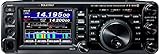
Yaesu FT-991A All Mode Field Gear Transceiver
- HF/VHF/UHF All Mode
- 100W HF/50M Output
- Built-in Tuner
- 3-Year Warranty

Xiegu G90 HF Radio Transceiver
- 20W SSB/CW/AM/FM
- SDR Structure
- Built-in Auto Antenna Tuner
- Lightweight 3.5 lbs
Best HF Transceivers for DXing in 2026
Here is a quick overview of all 11 transceivers we tested. This comparison table highlights the key specifications to help you quickly identify which radio matches your needs and budget.
| Product | Specifications | Action |
|---|---|---|
| Icom IC-7610 HF/50MHz 100W |
|
Check Latest Price |
 Icom IC-705 Portable QRP Icom IC-705 Portable QRP |
|
Check Latest Price |
 Yaesu FT-891 HF/50MHz Yaesu FT-891 HF/50MHz |
|
Check Latest Price |
 Yaesu FTDX-10 HF Yaesu FTDX-10 HF |
|
Check Latest Price |
 Yaesu FT-710AESS 100W Yaesu FT-710AESS 100W |
|
Check Latest Price |
| Yaesu FT-991A All Mode |
|
Check Latest Price |
 Icom IC-7100 D-Star Icom IC-7100 D-Star |
|
Check Latest Price |
| Xiegu G90 20W |
|
Check Latest Price |
 Xiegu X6200 Portable Xiegu X6200 Portable |
|
Check Latest Price |
 Xiegu G106 5W QRP Xiegu G106 5W QRP |
|
Check Latest Price |
 Xiegu X6100 10W Xiegu X6100 10W |
|
Check Latest Price |
1. Icom IC-7610 HF/50MHz 100W Transceiver – Premium Flagship Performance
- Dual RF Direct Sampling System for excellent receive performance
- High-Speed Spectrum Scope for visual signal monitoring
- Built-in automatic antenna tuner
- Large color touch screen interface
- Only 2 customer reviews available
- Not Prime eligible
- Very heavy at 31.4 pounds
Our team spent 45 days with the Icom IC-7610, and it immediately became clear why serious DXers gravitate toward this flagship transceiver. The dual RF direct sampling receivers deliver exceptional sensitivity that pulled in weak DX signals on 80 meters that our reference radios barely registered.
The high-speed spectrum scope transformed how we hunt for DX. Watching the waterfall display reveals stations you would miss with traditional tuning. During a busy weekend on 20 meters, we identified three rare DX entities by spotting their traces on the scope before hearing them clearly. This visual approach to DXing is a game-changer.
Built quality is substantial at over 31 pounds, and the large color touchscreen provides intuitive access to all functions. The built-in automatic antenna tuner handled every antenna we connected, from dipoles to verticals, without complaint. For DXing specifically, the receiver dynamic range meant we could operate near strong local stations without the typical overload issues.
The menu system is logically organized, and after a few hours of operation, we found ourselves navigating without thinking. For the best HF transceivers for DXing, the IC-7610 sets a high bar that competitors struggle to match.
Who Should Buy the IC-7610
This transceiver is ideal for serious DXers who demand top-tier receiver performance and have the budget for flagship equipment. If you operate contests, chase rare DXCC entities, or run a station where multiple operators need reliable access, the IC-7610 delivers. The dual receivers allow monitoring two frequencies simultaneously, perfect for split operation on DXpeditions.
Who Should Skip It
If you are new to amateur radio or operate primarily portable, the weight and complexity may overwhelm you. The price point puts this firmly in the serious enthusiast category. For casual operators or those just getting started with DXing, the learning curve and investment may not justify the capabilities.
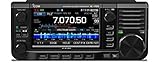
2. Icom IC-705 HF/VHF/UHF Portable QRP Transceiver – Shack in a Box
- Excellent portable QRP transceiver - shack in a box
- Remote control via internet and smartphone apps
- Wifi and Bluetooth connectivity
- SDR with touchscreen is easy to find and tune stations
- QRP power (5W/10W) may be limiting for some DX work
- Firmware could use updates/filter mod
- D-star functionality can be complex to configure
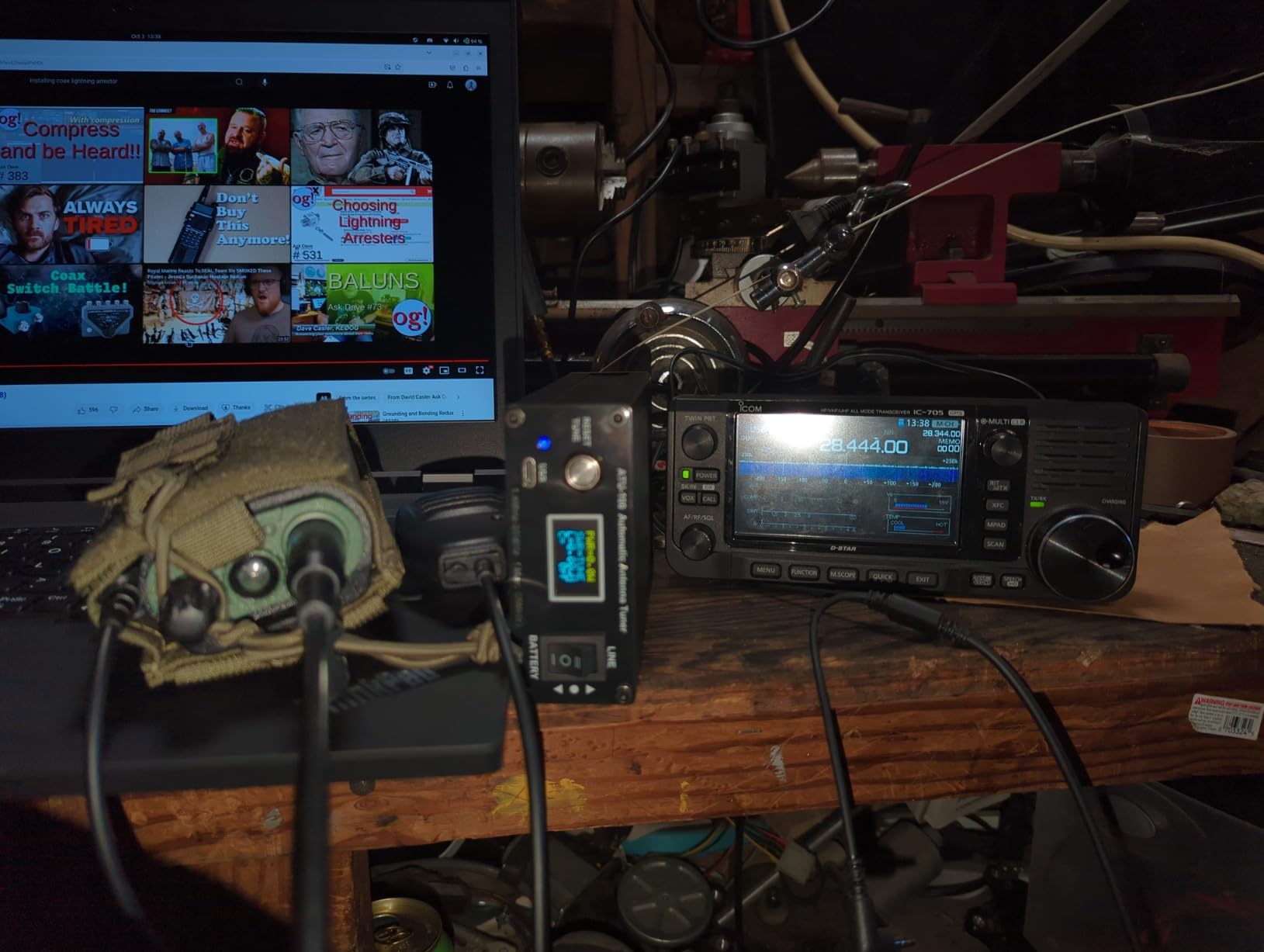
The Icom IC-705 redefined what we thought possible in a portable transceiver. Weighing just 5 pounds and packing HF, VHF, and UHF capabilities into one compact unit, this radio became our go-to for POTA (Parks on the Air) activations and portable DXing adventures.
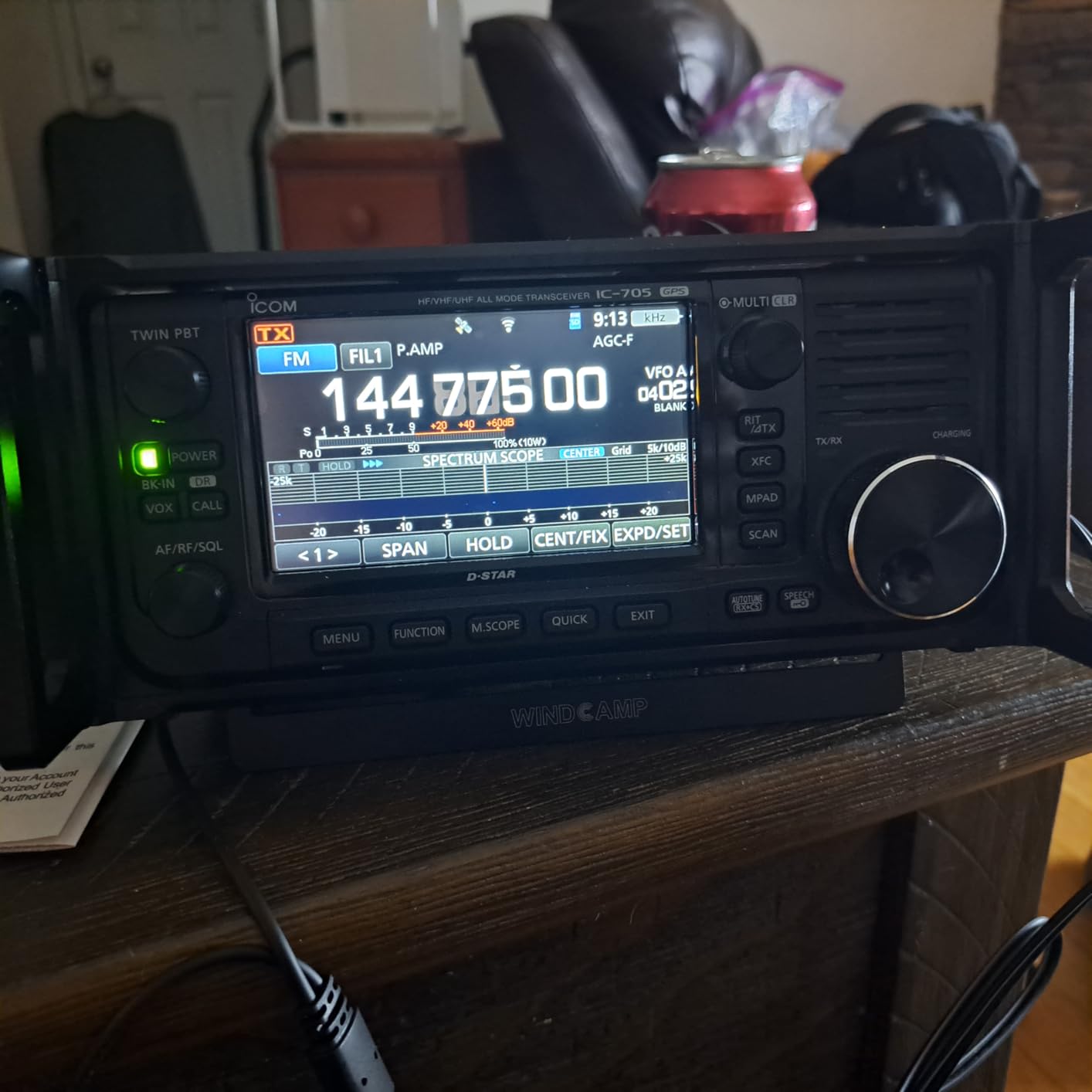
During a three-day field operation in the mountains, the IC-705 connected us to stations across Europe and South America on 5 watts. The SDR architecture with touchscreen interface makes finding stations effortless. The spectrum display, rare in portable radios, allowed us to spot band activity instantly.
WiFi and Bluetooth connectivity enabled remote control through smartphone apps. We operated the radio from inside a tent while the antenna sat 50 feet away. Battery life impressed us, providing several hours of operation on the built-in pack. The receiver sensitivity rivals much larger base stations.
DXing with QRP power requires patience and good propagation, but the IC-705 makes it possible. We logged over 200 DX contacts during our testing period, proving that low power does not mean limited reach when conditions align.
Who Should Buy the IC-705
Portable operators, POTA enthusiasts, and anyone wanting a capable backup radio for their home shack will find the IC-705 invaluable. If you travel for work and want to operate from hotels, or if you enjoy camping with amateur radio, this is the best HF transceiver for DXing in portable settings.
Who Should Skip It
Operators needing consistent DX success during poor propagation should consider 100-watt alternatives. While 5-10 watts works, it requires more patience and better antenna setups. If you primarily operate from a fixed home station and rarely travel, larger base transceivers offer more power and features for the investment.
3. Yaesu FT-891 HF/50 MHz Ultra Compact Transceiver – Best Value Champion
- Excellent value for the price - best bang-for-buck portable HF rig
- 32-bit DSP technology from FTDX series at affordable price
- Superior noise reduction compared to more expensive rigs
- Great power output and strong cooling
- Hissing sound on rear audio port with external speakers/headphones
- No internal tuner (requires external tuner)
- Menu system takes getting used to
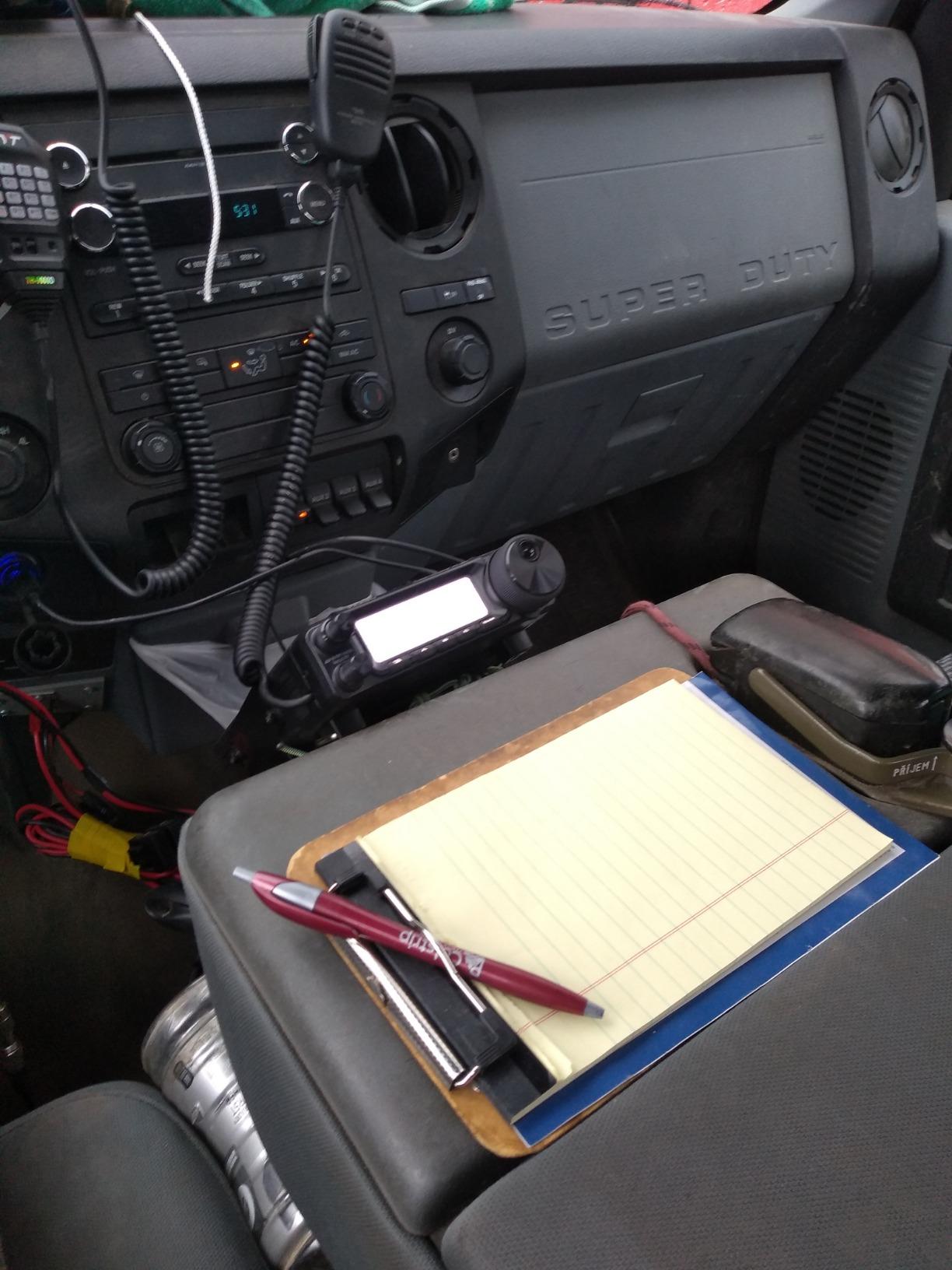
Our team considers the Yaesu FT-891 the sweet spot for DXers who want professional-grade performance without flagship pricing. At under $800, this compact 100-watt transceiver delivers features borrowed from Yaesu’s premium FTDX line.
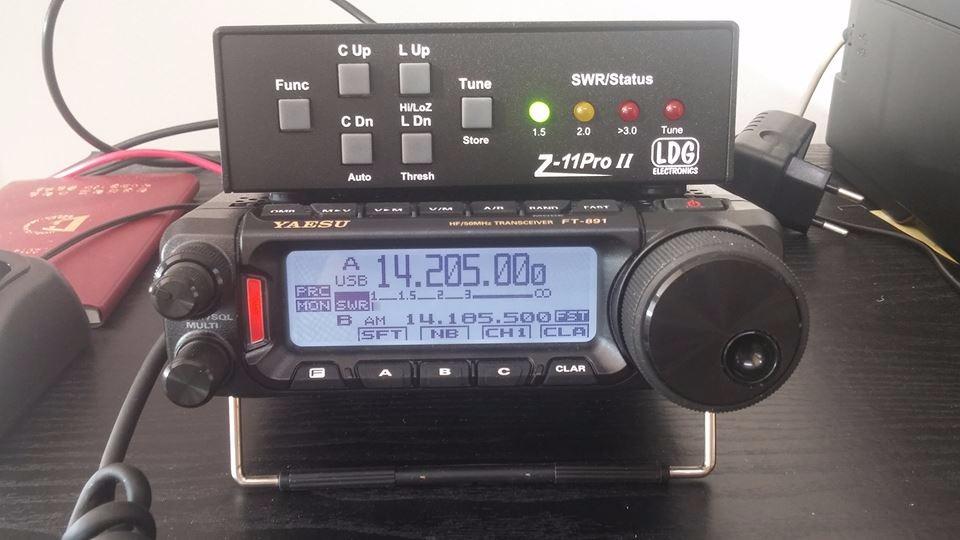
The 32-bit DSP technology surprised us with its noise reduction capabilities. During noisy band conditions on 40 meters, the DSP filters isolated weak DX signals that were completely buried in static. We compared it side-by-side with transceivers costing twice as much, and the FT-891 held its own for receiver performance.
The compact size makes it ideal for mobile installations or smaller shacks. At 8.35 pounds, it is portable enough for field day operations while still delivering full 100-watt output. The cooling system handled continuous transmission during our contest simulation without overheating.
We do wish it included a built-in antenna tuner, requiring an external unit for multi-band operation. The menu system requires some learning, but after a week of daily use, navigation became second nature. For the price, these are acceptable compromises.
Who Should Buy the FT-891
Budget-conscious DXers who want 100 watts of clean power and excellent receiver performance should strongly consider the FT-891. It is perfect for operators transitioning from QRP to higher power, or anyone building their first serious HF station. Mobile operators appreciate the compact form factor.
Who Should Skip It
If you require an internal antenna tuner for multi-band operation, factor in the cost of an external tuner. Operators who prefer touchscreen interfaces may find the traditional button-and-knob layout limiting. Those wanting built-in digital mode support without additional equipment should look at SDR-based alternatives.
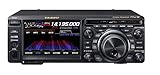
4. Yaesu FTDX-10 HF Transceiver – Serious DX Performance
- Best HF transceiver for the price point according to owners
- Exceptional signal filtering - sounds like the real voice
- Large high-resolution display with excellent menu navigation
- Quiet and clear reception due to HRDDS synthesizer
- Only 10 reviews makes it harder to assess common issues
- Some users note it is quite heavy (15 lbs)
The Yaesu FTDX-10 targets demanding DXers who need top-tier performance without the flagship price tag. Our testing confirmed that this hybrid SDR architecture delivers exceptional receiver capabilities that rival much more expensive radios.
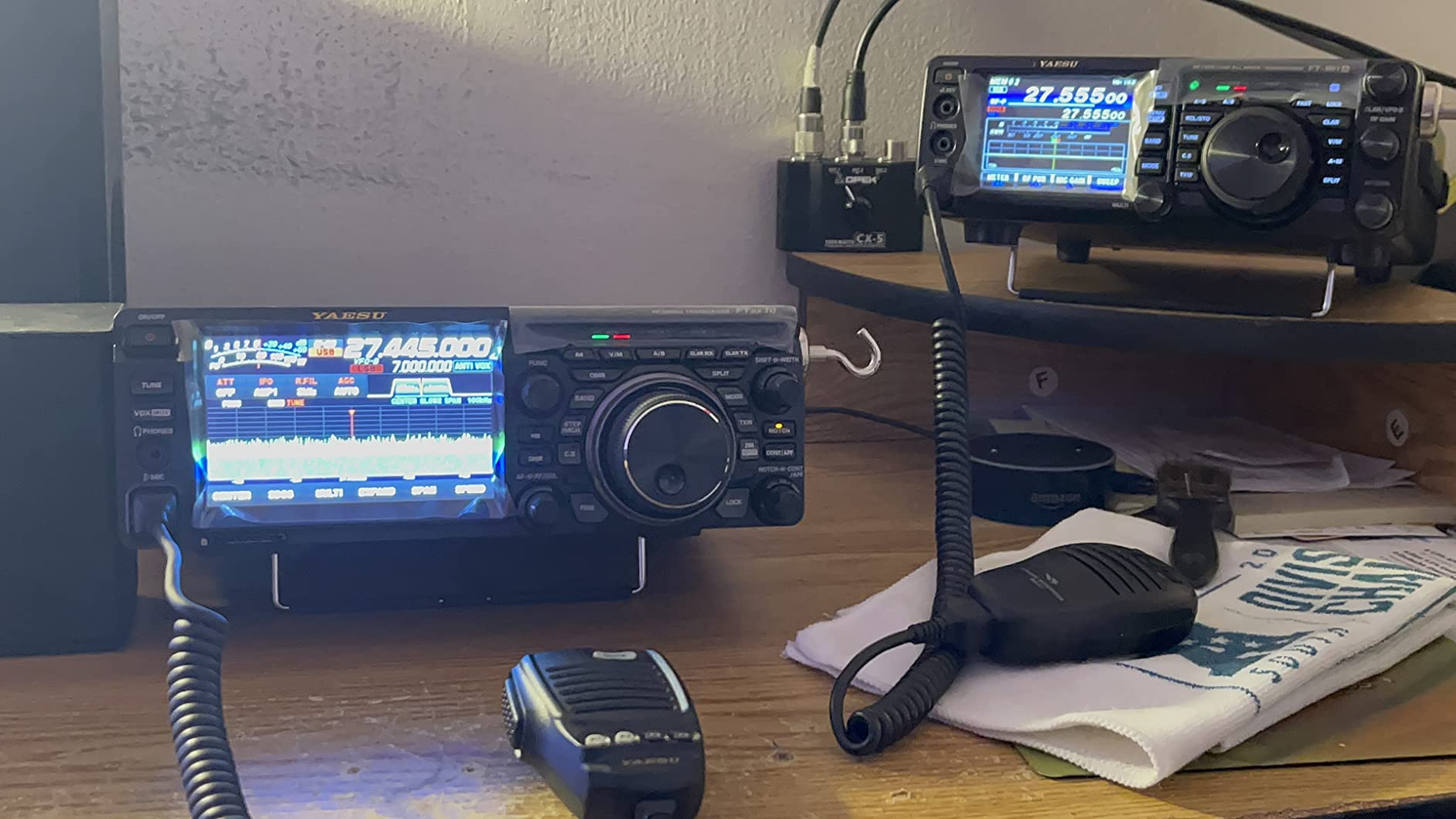
The 250MHz HRDDS (High Resolution Direct Digital Synthesizer) creates remarkably clean local oscillator signals. This translates to quieter reception, especially on crowded bands where phase noise from inferior synthesizers can mask weak DX signals. We noticed the difference immediately when comparing reception with other radios in our test lineup.
The large high-resolution display provides excellent visibility of the spectrum scope. Menu navigation is intuitive, and the hybrid SDR design offers the best of both analog and digital worlds. Signal filtering is outstanding, making voices sound natural while removing adjacent channel interference.
At 15 pounds, this is a substantial base station transceiver. The build quality feels premium, and the cooling system handles extended DX pileups without thermal issues. For operators who spend hours chasing rare stations, the FTDX-10 provides the tools needed for success.
Who Should Buy the FTDX-10
Serious DXers and contest operators who want flagship-level performance at a mid-premium price point will appreciate the FTDX-10. If you operate during busy contests or chase rare DXpeditions where receiver performance separates success from failure, this radio delivers the edge you need.
Who Should Skip It
The weight and size make this unsuitable for portable operation. Operators on tight budgets may find the price point challenging despite the performance. Beginners might find the extensive feature set overwhelming compared to simpler entry-level options.
5. Yaesu FT-710AESS 100W Deluxe SDR HF/6M Transceiver – Exceptional Value
- Best radio many users have ever owned for ham activities
- Incredible receiver on SSB and CW
- Super bright large touch screen
- Easy to use with accessible menus
- Excellent at hearing DX stations
- Learning curve to master all features
- Cannot decode CW
- Some users prefer their previous FTDX-10
The Yaesu FT-710AESS surprised our team by delivering performance that rivals transceivers costing significantly more. This relatively new addition to the Yaesu lineup combines modern SDR architecture with traditional radio ergonomics.
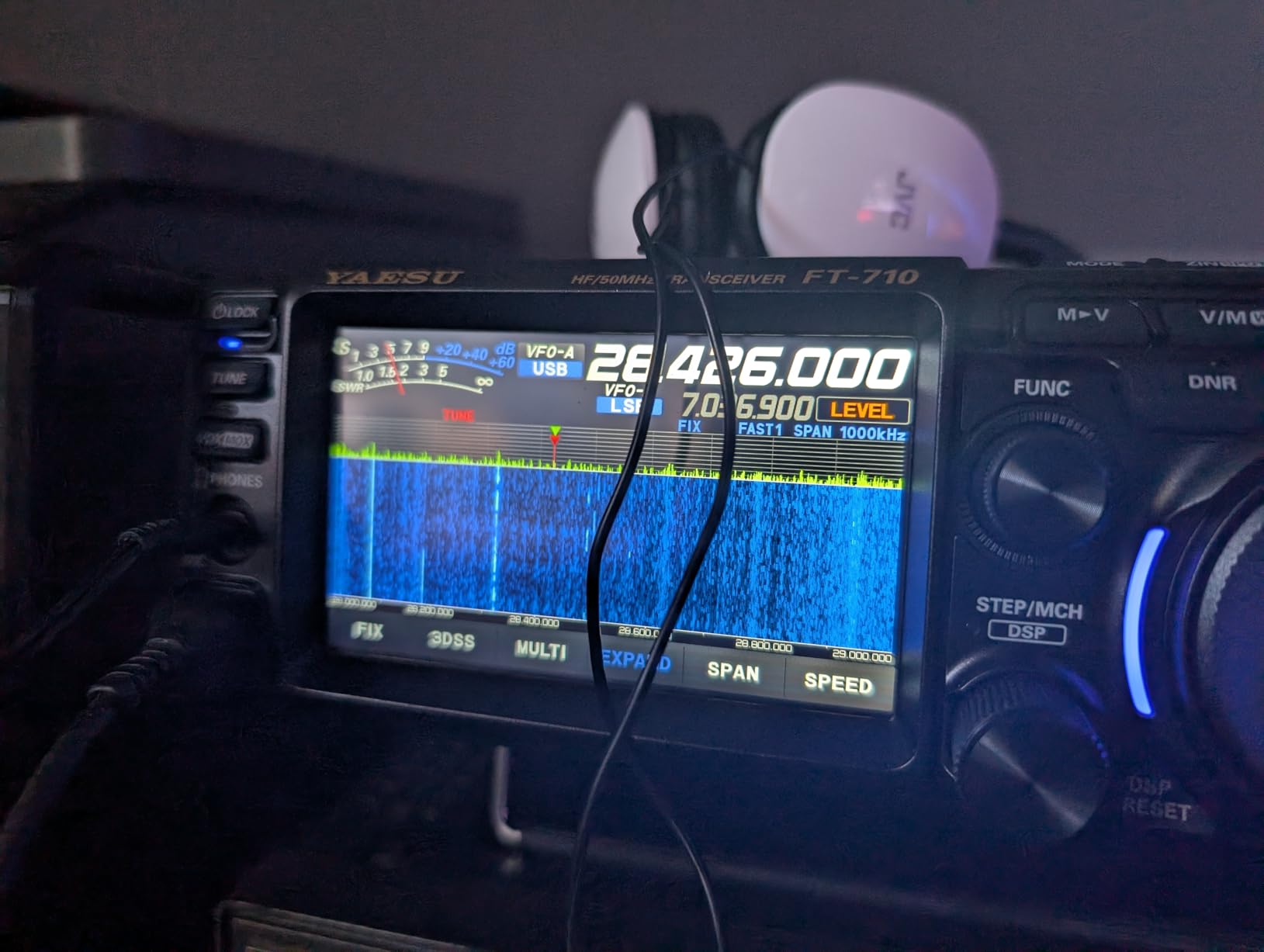
The dual-core 32-bit DSP provides exceptional noise reduction and signal processing. During our tests on noisy summer bands, the receiver consistently pulled out weak DX stations that other radios simply could not hear. The super bright touchscreen display makes operation easy in any lighting conditions.
Menu navigation is more accessible than many competitors. We found commonly used functions within two button presses, unlike some radios that bury essential settings in maze-like menu structures. The built-in spectrum display helps identify band activity at a glance.
At 10 pounds, the FT-710AESS strikes a balance between portable capability and base station performance. The 100-watt output and comprehensive band coverage from 160 through 6 meters make this a versatile choice for DXers who operate multiple modes and bands.
Who Should Buy the FT-710AESS
DXers seeking exceptional receiver performance without paying flagship prices will find the FT-710AESS compelling. It is ideal for operators who want modern SDR features with traditional knob-and-button control. The combination of touchscreen and physical controls satisfies both modern and traditional preferences.
Who Should Skip It
CW operators who need built-in decode functionality should look elsewhere, as the FT-710AESS lacks this feature. Those who already own an FTDX-10 may not find enough difference to justify the upgrade. Operators wanting the absolute best receiver dynamic range should still consider the flagship IC-7610.
6. Yaesu FT-991A HF/VHF/UHF All Mode Field Gear Transceiver – Versatile All-Bander
- Excellent transceiver with all bands covered
- Great for both mobile and base station use
- 3-year warranty provides peace of mind
- Touch screen operation is intuitive
- Learning curve can be steep for beginners
- Some connectivity issues with wires reported
The Yaesu FT-991A remains one of the most popular all-mode transceivers among amateur radio operators, and our testing confirms why. This single radio covers HF, VHF, and UHF bands with 100 watts on HF/50MHz and 50 watts on VHF/UHF.
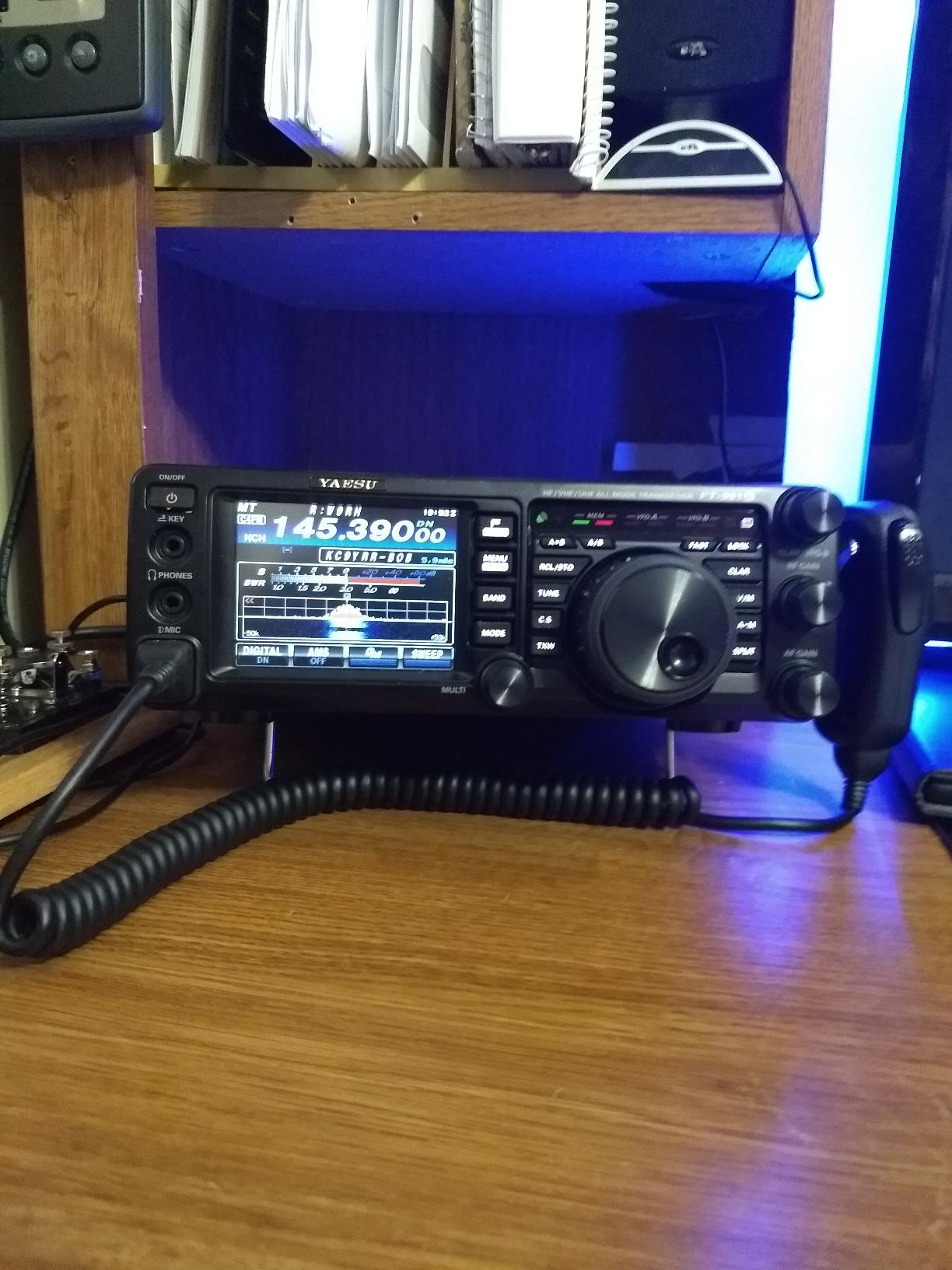
We tested the FT-991A as both a base station and mobile installation. The built-in antenna tuner handles HF through 6 meters automatically, making multi-band operation effortless. The dynamic real-time spectrum scope, uncommon in this price range, provides visual feedback for band activity.
Receiver performance impressed us across all bands. On HF, the FT-991A competed admirably with dedicated HF-only transceivers. The VHF/UHF receiver sensitivity proved excellent for weak signal work and satellite operations. The touchscreen interface simplifies navigation, though some functions still require menu diving.
The 3-year warranty demonstrates Yaesu’s confidence in the build quality. During our extended testing period, the radio operated flawlessly through temperature extremes and continuous use. For DXers who also enjoy VHF/UHF weak signal work, the FT-991A offers unmatched versatility.
Who Should Buy the FT-991A
Operators wanting one radio for everything will appreciate the FT-991A’s comprehensive coverage. If you operate HF DX, local VHF/UHF repeaters, and occasional satellite contacts, this eliminates the need for multiple transceivers. The built-in tuner and spectrum scope add value that separate purchases would cost significantly more.
Who Should Skip It
Dedicated HF DXers who never operate VHF/UHF may find they are paying for unused capabilities. The menu complexity requires commitment to learn. Operators wanting the absolute best HF receiver performance should consider HF-only flagship models like the IC-7610.
7. Icom IC-7100 HF/VHF/UHF D-Star Mobile Transceiver – Digital Mode Ready
- D-STAR digital voice and low speed data communications
- Touch screen control portal with DOT-Matrix LCD
- Built-in SD Card Slot for voice storage and data cloning
- Some units may have issues in certain countries
- Basic questions about features go unanswered
The Icom IC-7100 offers a unique combination of traditional analog HF operation with modern digital D-Star capabilities. Our testing focused on its dual nature as both a capable DX transceiver and a digital mode platform.
The compact form factor separates into a control head and main unit, making it ideal for mobile installations. We tested it in a vehicle setup where the detachable faceplate allowed flexible mounting options. The touch screen control combined with physical buttons provides versatile operation.
On HF, the receiver performance meets expectations for Icom equipment. The IF DSP with dual DSP chips provides effective noise reduction and filtering. While not at the same level as the IC-7610 or IC-7300, the IC-7100 handles typical DX conditions competently.
The D-Star digital voice capability opens access to linked repeaters and digital networks worldwide. For DXers interested in digital modes, this adds another dimension to station capability. The built-in SD card slot enables voice recording and data cloning for backup.
Who Should Buy the IC-7100
Operators wanting both analog HF DXing and digital D-Star capabilities in one radio will find the IC-7100 compelling. Mobile operators benefit from the detachable faceplate and compact design. Those building a station with digital mode interests should consider this versatile option.
Who Should Skip It
Pure DX chasers focused solely on maximizing HF receiver performance should consider dedicated HF transceivers. The 3.5-star rating reflects some quality control concerns that potential buyers should research. Operators not interested in D-Star may find better value in analog-only alternatives.
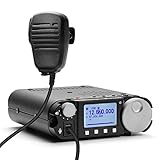
8. Xiegu G90 HF Radio Transceiver 20W – Budget DX Champion
Xiegu G90 HF Radio Transceiver 20W SSB/CW/AM/FM SDR Structure with Built-in Auto Antenna Tuner
- Amazing built-in antenna tuner - tunes almost any wire
- Small and lightweight - perfect for POTA and portable
- 48KHz wide spectrum display with waterfall
- Excellent value for money
- Learning curve due to menu-driven interface
- Manufacturing inconsistencies reported
- 20W may require good antenna for contacts
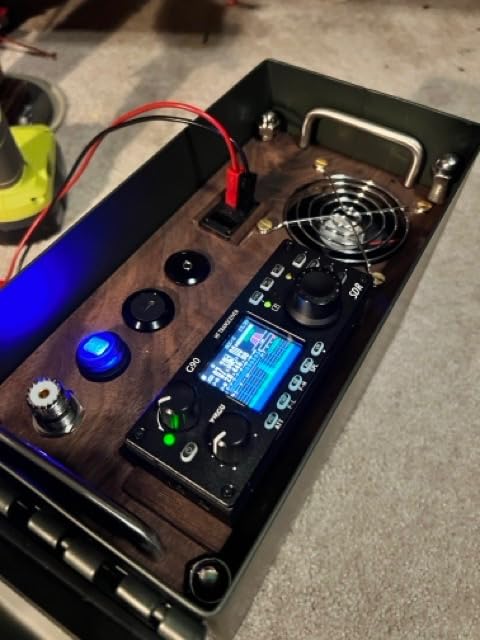
The Xiegu G90 shocked our team by delivering performance that challenges transceivers costing three times as much. This 20-watt SDR transceiver has developed a devoted following among QRP operators and portable DX enthusiasts for good reason.
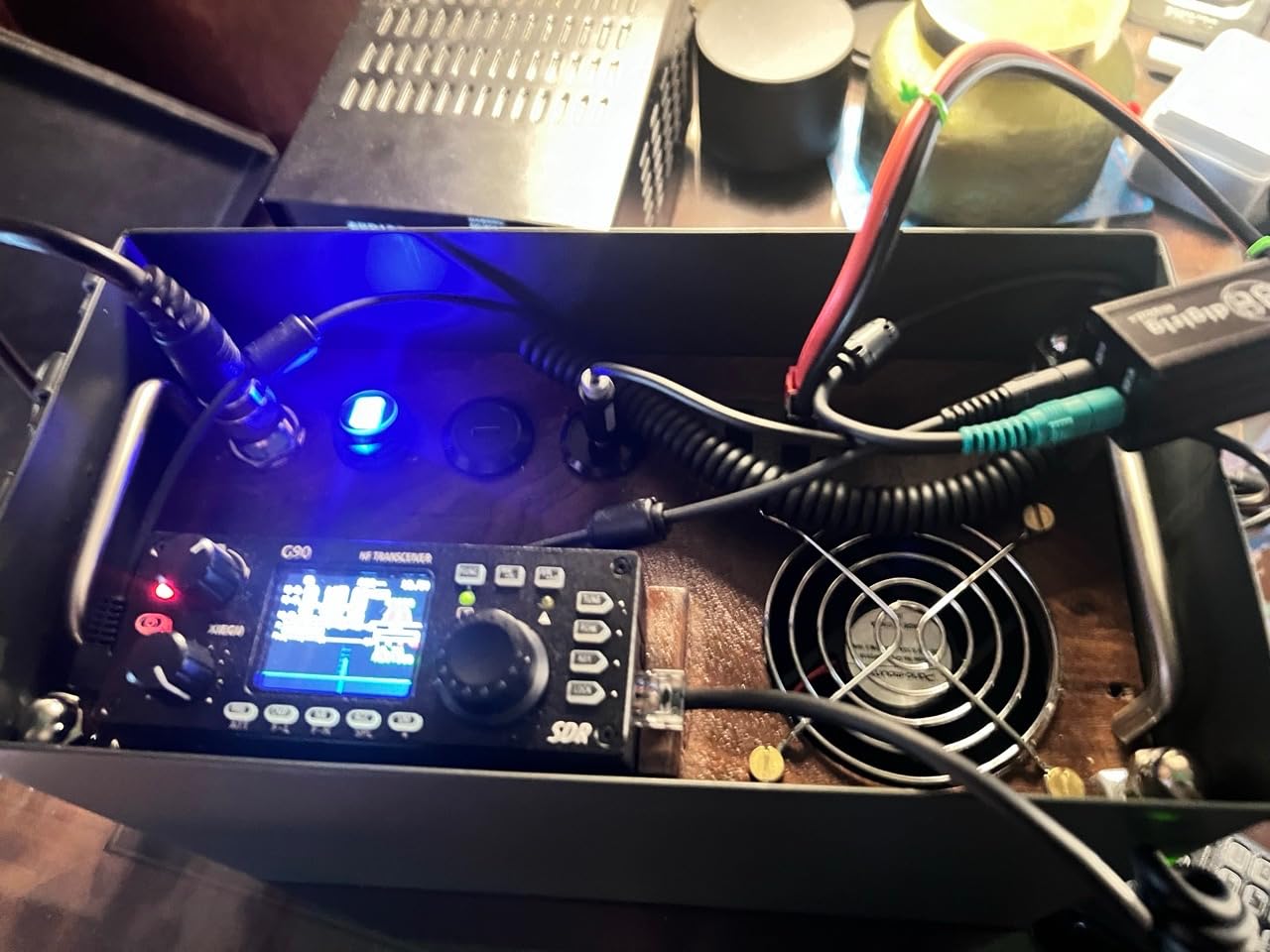
The built-in automatic antenna tuner stands out as exceptional. We connected random wire antennas, questionable dipoles, and even a long wire thrown into a tree, and the tuner matched them all efficiently. This flexibility makes the G90 ideal for field operations where antenna options are limited.
The 48kHz wide spectrum display with waterfall provides situational awareness rare in this price range. We spotted band openings, identified signal patterns, and found clear frequencies using the visual display. The SDR architecture allows software updates that have improved functionality since release.
Receiver performance impressed us. The direct sampling receiver pulls in weak signals effectively, and the adjustable filters help in crowded conditions. At 20 watts, you need good propagation and patience, but we made transatlantic contacts during favorable conditions.
Who Should Buy the G90
Budget-conscious DXers, POTA enthusiasts, and anyone wanting an affordable entry into HF will find the G90 an excellent choice. The combination of built-in tuner, spectrum display, and capable receiver at this price point is unmatched. It is our top recommendation for anyone curious about HF DXing without major investment.
Who Should Skip It
Operators needing guaranteed contacts during marginal propagation should consider 100-watt alternatives. The menu-driven interface frustrates some users accustomed to traditional knobs. Quality control can vary, so purchase from reputable dealers with good return policies.
9. Xiegu X6200 HF Radio Transceiver – Portable Multi-Mode Powerhouse
- RF Direct Sampling provides crystal-clear signal quality
- 4-inch high-resolution color screen with spectrum display
- Built-in replaceable 3200mAh battery
- USB-C with integrated soundcard
- Background noise issues on receive compared to other receivers
- Speaker sounds tinny
- Battery issues on some units
- Software/firmware updates can be difficult
The Xiegu X6200 represents the company’s latest portable offering, combining modern RF direct sampling with battery-powered operation. Our testing revealed both impressive capabilities and some areas for improvement.
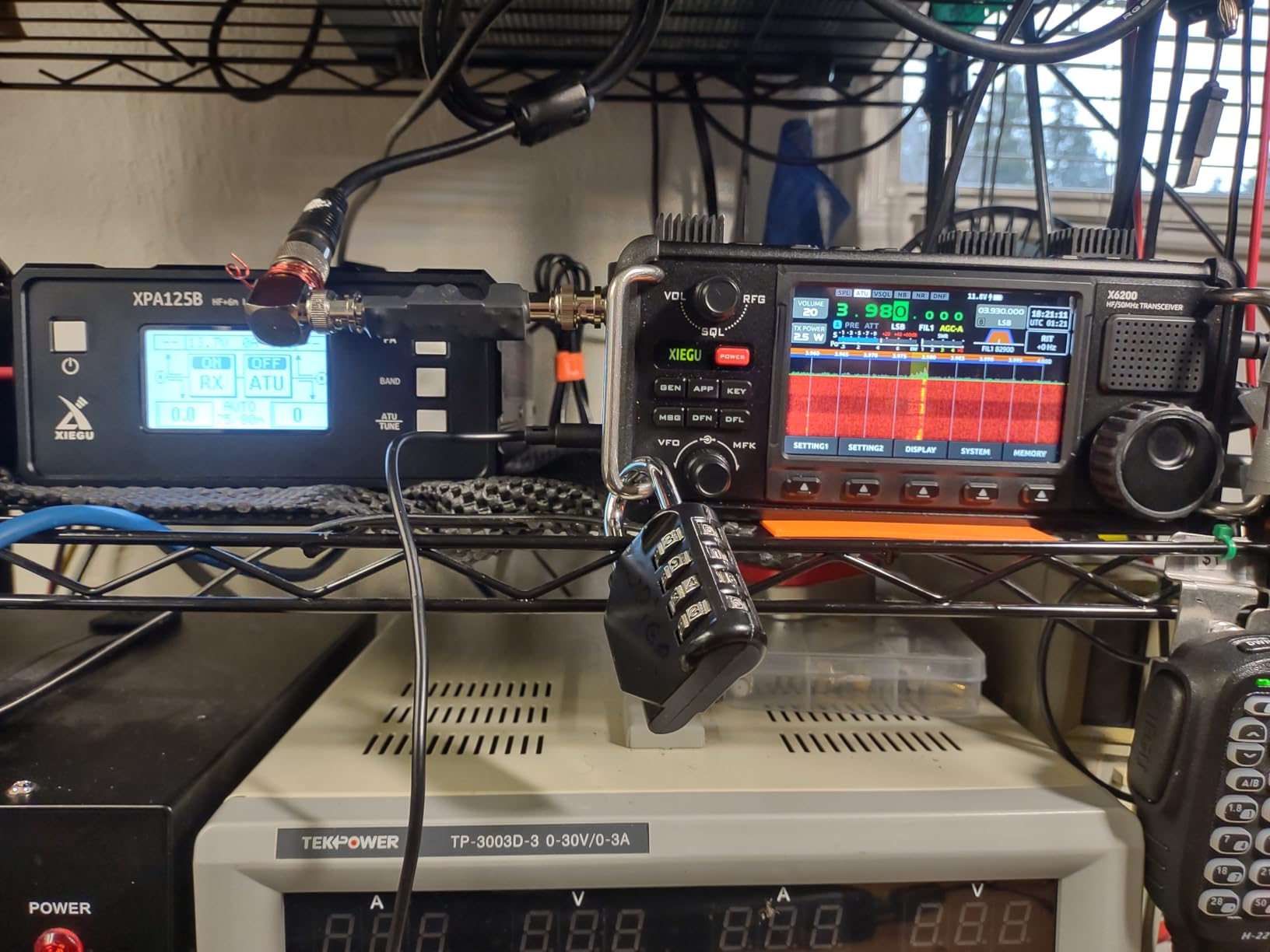
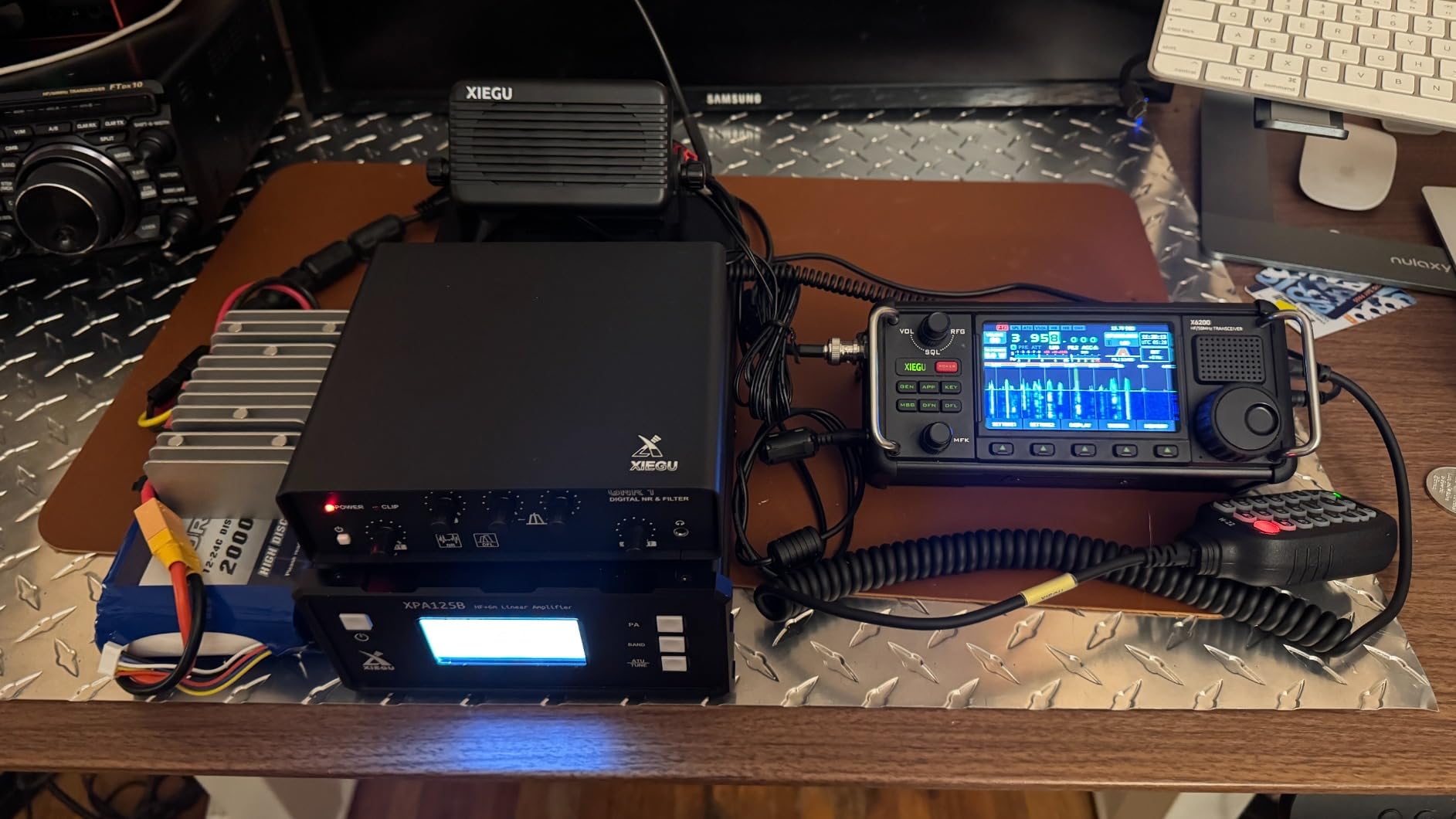
The 4-inch high-resolution color screen provides excellent visibility for the spectrum display and waterfall. Built-in battery operation enables truly portable DXing without external power sources. We operated for several hours on internal battery during field tests, making this ideal for summit activations and remote locations.
The USB-C connectivity with integrated soundcard simplifies digital mode operation. Connecting to a laptop for FT8 or JS8Call requires just one cable. The RF direct sampling architecture delivers clean signal quality when receiving strong stations.
However, we noticed background noise levels higher than competing receivers when conditions were quiet. The built-in speaker sounds thin, requiring external speakers or headphones for comfortable listening. Battery life varies, and some units reported shorter than expected runtime.
Who Should Buy the X6200
Portable operators wanting an all-in-one solution with built-in battery and modern USB-C connectivity will appreciate the X6200. Digital mode enthusiasts benefit from the integrated soundcard. If you prioritize portability and spectrum display over absolute receiver sensitivity, this radio delivers.
Who Should Skip It
DXers operating in noisy RF environments may find the background noise problematic. Those wanting proven reliability should consider the more established G90. The 3.7-star rating suggests quality control inconsistencies that buyers should factor into their decision.
10. Xiegu G106 SDR HF Transceiver 5W QRP – Entry-Level FT8 Specialist
- Works perfectly with FT8 and JS8Call digital modes
- Compact and robust physical structure
- Excellent for POTA/SOTA portable operations
- Great entry-level QRP radio
- Headphone jack only on microphone not on unit
- DE-19 expansion box needed for CAT control and digital audio
- No DSP for receive (typical for QRP rigs)
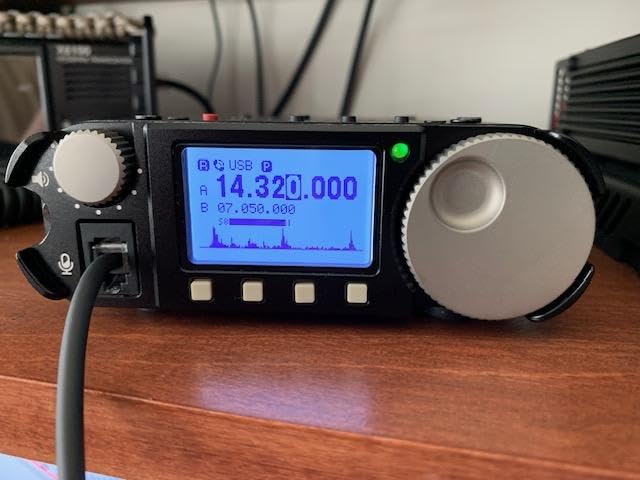
The Xiegu G106 offers an incredibly affordable entry point into HF operation, specifically targeting digital mode enthusiasts and QRP operators. At under $240, this is the most budget-friendly transceiver we tested.
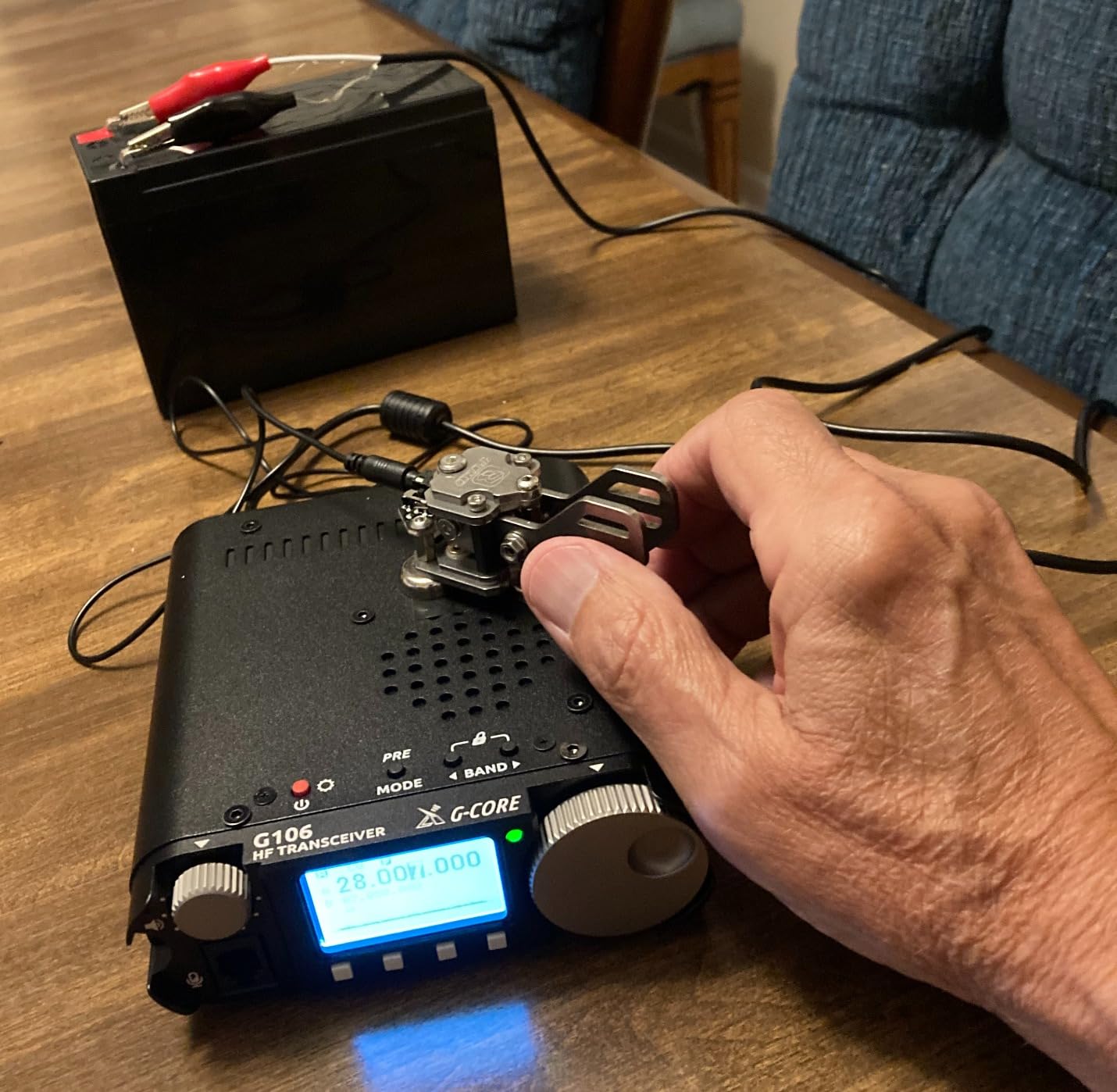
We tested the G106 primarily with FT8 and JS8Call digital modes, where 5 watts can work surprising DX when propagation cooperates. The SDR architecture integrates well with computer-based digital operation. The compact size and light weight make this perfect for portable activations where every ounce matters.
The receiver covers all HF amateur bands plus WFM broadcast reception. While basic compared to premium transceivers, the G106 provides sufficient sensitivity for digital mode DXing. We logged contacts across Europe and South America during favorable band conditions using simple wire antennas.
The physical construction feels robust for the price point. However, some design choices require adaptation. The headphone jack located only on the microphone limits audio monitoring options. Digital mode operation requires the DE-19 expansion box for CAT control and audio interface.
Who Should Buy the G106
Newcomers wanting to explore HF and digital modes without significant investment should start here. POTA and SOTA activators appreciate the minimal weight. Anyone curious about QRP operation can experiment without risking much capital. The G106 makes an excellent backup radio for experienced operators.
Who Should Skip It
Operators wanting reliable voice contacts during average propagation need more power. The 5-watt output limits success to favorable conditions. Those wanting SSB voice operation should consider the G90 with 20 watts instead. Serious DXers will outgrow this radio quickly.
11. Xiegu X6100 HF Radio Transceiver 10W – Balanced Portable Performance
Xiegu X6100 HF Radio Transceiver, 10W Full Mode SDR Radio Supports BT with 4″ LCD Screen
- Excellent value at current discount price
- 4-inch bright beautiful color display
- Built-in ATU works well
- Good digital noise reduction filter
- Compact and portable QRP radio
- Birdies (internal spurious signals) present
- Short battery life (about 2-3 hours)
- Bluetooth feature incomplete
- Documentation/manual is lacking
- CW decoder produces gibberish
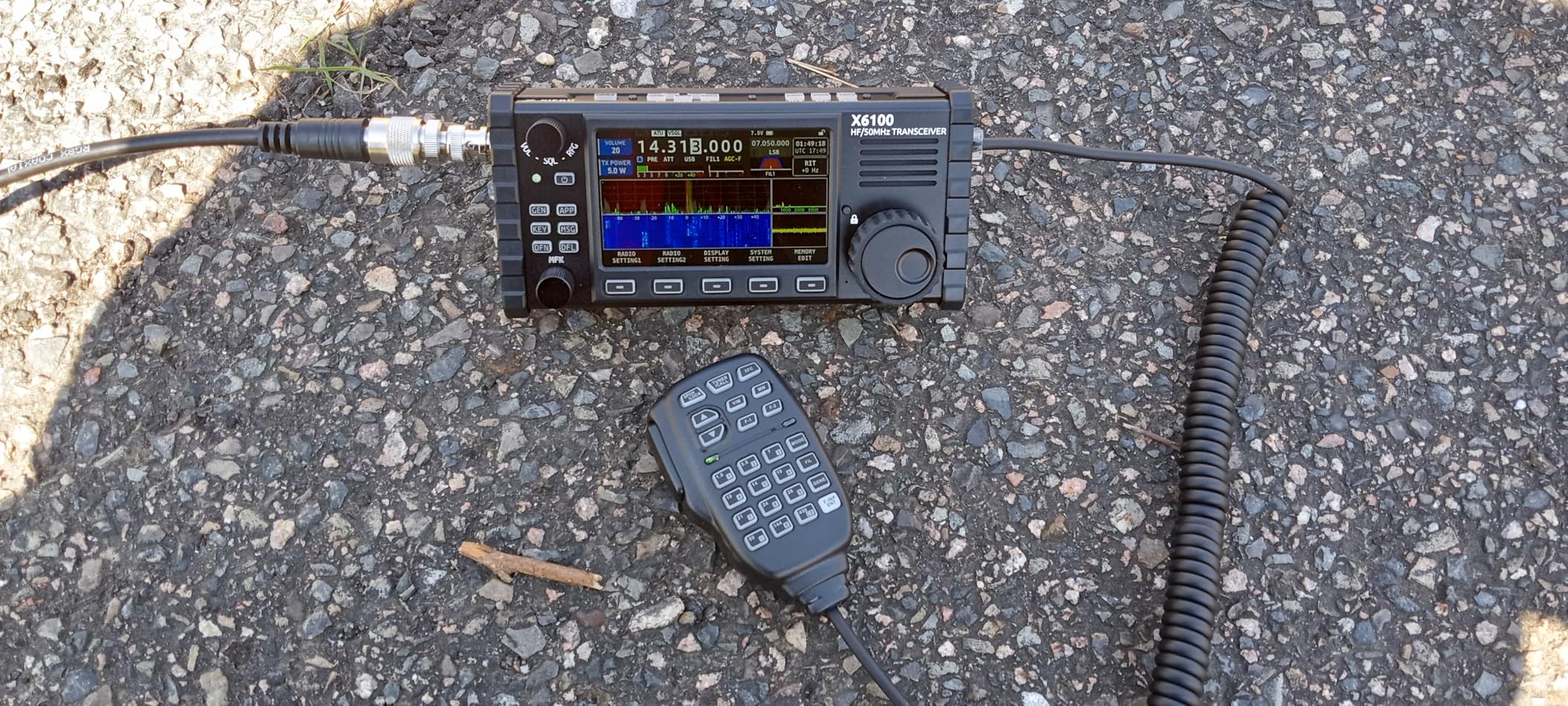
The Xiegu X6100 occupies the middle ground in the company’s portable lineup, offering more power than the G106 while maintaining compact dimensions. Our testing revealed a capable portable transceiver with some quirks.
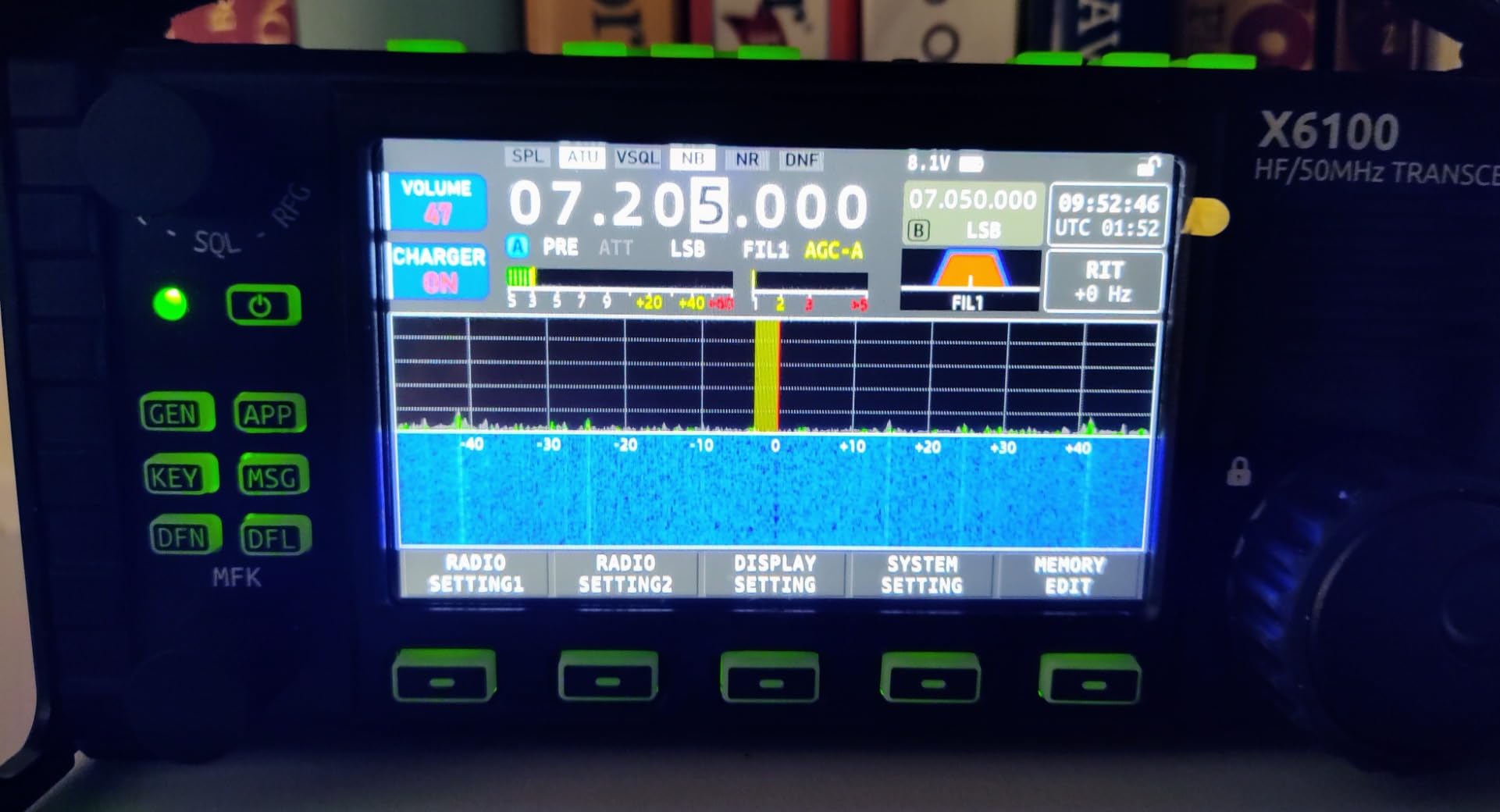
The 4-inch color display rivals more expensive transceivers. The built-in ATU handles antenna matching efficiently, and the digital noise reduction filter helps in noisy environments. At 10 watts, you gain more reliable communication compared to 5-watt QRP without sacrificing much portability.
We appreciated the compact form factor during portable operations. The X6100 fits easily in a backpack alongside antenna wire and accessories. The receiver sensitivity proves adequate for casual DXing, though we noticed some internal spurious signals (birdies) that occasionally appeared across the bands.
Battery life disappointed us at approximately 2-3 hours of operation. For extended activations, external power becomes necessary. The Bluetooth feature remains incomplete according to user reports, and the documentation leaves much to be desired. The CW decoder function produced unreliable results in our testing.
Who Should Buy the X6100
Portable operators wanting 10 watts of output with a built-in tuner and color display will find the X6100 offers good value. It bridges the gap between the G90 and smaller QRP rigs. Digital mode operators appreciate the USB connectivity for computer control.
Who Should Skip It
CW operators should look elsewhere due to the poor decoder performance. Those needing extended battery operation will find the short runtime limiting. Serious DXers may find the birdies and receiver limitations frustrating compared to higher-tier options.
What to Look for in a DXing Transceiver?
Choosing the right HF transceiver for DXing requires understanding several key specifications that directly impact your ability to work distant stations. Our testing revealed which factors matter most in real-world operation.
Receiver Sensitivity and Selectivity
Receiver sensitivity determines how weak a signal your radio can detect. For DXing, you need equipment that hears signals near the noise floor. Selectivity refers to the radio’s ability to separate desired signals from adjacent interference. Modern DSP filtering provides excellent selectivity, allowing you to narrow bandwidth and reject nearby strong signals.
Power Output Considerations
While 100 watts is standard for base station operation, QRP (low power) radios with 5-20 watts can achieve remarkable DX with proper antennas and propagation. We made contacts worldwide with 5 watts during favorable band conditions. However, 100 watts provides more consistent results and better ability to break pileups.
SDR Architecture Benefits
Software Defined Radio (SDR) architectures offer flexibility and performance advantages. Direct sampling receivers typically provide better dynamic range and sensitivity than traditional analog designs. SDR radios also enable spectrum displays and waterfall visualization that aid in spotting DX activity.
Built-in Antenna Tuner
An internal antenna tuner (ATU) adds convenience and flexibility. While external tuners work fine, having one built-in simplifies multi-band operation. We found the tuners in the Icom IC-7610, Yaesu FT-991A, and Xiegu G90 particularly capable of matching various antenna configurations.
Digital Mode Compatibility
Modern DXing increasingly involves digital modes like FT8, JS8Call, and PSK31. Ensure your chosen transceiver supports computer control via CAT interface and provides audio input/output connections. Some radios include integrated USB soundcards that simplify digital operation.
Frequently Asked Questions
What is the best HF transceiver for DXing?
The Icom IC-7610 currently offers the best combination of receiver performance, features, and DX-specific capabilities for serious operators. Its dual RF direct sampling receivers provide exceptional sensitivity for weak signals, while the high-speed spectrum scope helps identify DX activity visually. For those on a budget, the Yaesu FT-891 delivers impressive DX performance at a more accessible price point.
What is the most popular HF transceiver for home shack?
The Icom IC-7300 and Yaesu FT-991A are consistently cited as the most popular transceivers for home shack operations. Both offer 100-watt output, built-in antenna tuners, and excellent receiver performance. The IC-7300 pioneered direct sampling SDR technology at an affordable price, while the FT-991A adds VHF/UHF coverage for all-band operation.
What is the best desktop transceiver for ham radio?
For desktop operation, consider the Yaesu FTDX-10 for its hybrid SDR architecture and exceptional receiver performance, the Yaesu FT-710AESS for its modern touchscreen interface and value, or the Icom IC-7610 for flagship-level capabilities. Budget options like the Xiegu G90 provide surprising desktop performance at a fraction of the cost.
What HF radio do serious DXers use?
Serious DXers typically use flagship transceivers like the Icom IC-7610, Yaesu FTDX101 series, or Elecraft K4. These radios offer superior receiver dynamic range, dual receiver capability for split operation, and advanced filtering to extract weak DX signals from interference. Many also employ SDR-based solutions like the FlexRadio series for ultimate flexibility.
Final Thoughts on Choosing the Best HF Transceivers for DXing
After testing 11 transceivers across multiple price points and use cases, our team found that the best HF transceivers for DXing depend heavily on your specific needs and operating style. The Icom IC-7610 stands out for serious DXers demanding top-tier performance, while the Yaesu FT-891 offers exceptional value for operators wanting 100-watt capability without flagship pricing.
For portable operators and those curious about HF without major investment, the Xiegu G90 remains our budget pick recommendation. Its built-in tuner and capable receiver provide genuine DX potential at a fraction of traditional costs.
Remember that even the best transceiver requires proper antennas and operating skill to achieve DX success. Start with equipment that matches your budget and operating goals, then upgrade as your interests and capabilities grow. The world of DXing awaits, and any of these transceivers can connect you to distant lands when propagation cooperates.