
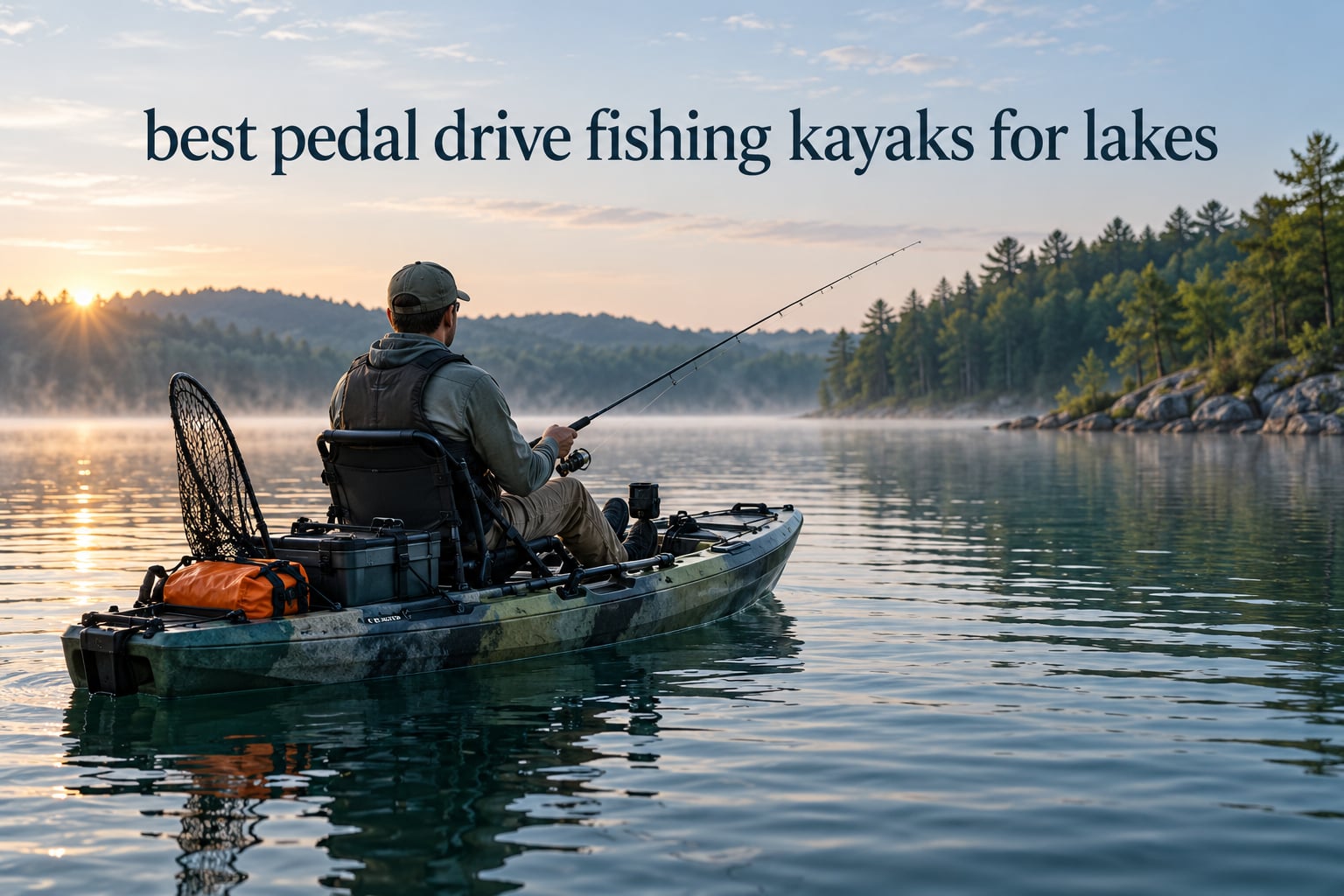
The best pedal drive fishing kayak for lakes is the Reel Yaks Raptor, because it pairs the widest owner-review base in this group with a fin drive that moves quietly through weeds, a 380 lb capacity, and a two-piece hull that one person can load without a roof rack. If your lake is wide and windy, the Old Town Sportsman PDL 106 is the more planted, boat-like option. Both answers assume you will actually pedal for hours at a stretch, which most anglers do not.
A pedal drive puts a propeller, a pair of oscillating fins, or a rotary system under the hull and links it to foot pedals, so both hands stay available for casting, trolling, and fighting a fish while you move. That single change is why anglers who upgrade from a paddle kayak rarely go back. Anglers in r/kayakfishing describe it as hands down better for fishing out of, and the recurring theme across owner threads is not speed but the ability to run rod and reel while covering water.
This roundup covers 12 pedal-only rigs, so you will not find paddle kayaks mixed in here. Each pick gets a spec block, an honest look at the complaints owners actually report, and a clear line on who should skip it. We earn a commission from qualifying purchases, and that commission does not change the ranking order.
If you want a broader look before you narrow down, our pedal kayak guide for anglers covers saltwater and river use, and our general fishing kayak picks for lakes works if you are still deciding between pedal and paddle.
Top 3 Pedal Drive Fishing Kayaks for Lakes in 2026
The Raptor takes the top slot on evidence, not marketing. Its fin drive sheds vegetation that stops a propeller cold, the hull splits into two pieces for storage, and 172 owners have documented the experience. The PDL 106 wins on stability and owner satisfaction, at the cost of a 107 lb hull and an 18 lb removable console. The Raider sits between them, with the longest and widest platform of the modular group.
Quick Overview: Best Pedal Drive Fishing Kayaks for Lakes in 2026
| Product | Specifications | Action |
|---|---|---|
 Reel Yaks Raptor Modular 9.5 ft Reel Yaks Raptor Modular 9.5 ft |
|
Check Latest Price |
 Old Town Sportsman PDL 106 Old Town Sportsman PDL 106 |
|
Check Latest Price |
 Reel Yaks Raider Modular 9.5 ft Reel Yaks Raider Modular 9.5 ft |
|
Check Latest Price |
 Albott Modular 9.6 ft Albott Modular 9.6 ft |
|
Check Latest Price |
 Vibe Makana 100 Vibe Makana 100 |
|
Check Latest Price |
 Riot Kayaks Mako 12 Riot Kayaks Mako 12 |
|
Check Latest Price |
 Reel Yaks Rapido Modular 10.8 ft Reel Yaks Rapido Modular 10.8 ft |
|
Check Latest Price |
 LIFETIME Renegade 116 LIFETIME Renegade 116 |
|
Check Latest Price |
 BKC Brooklyn 10.5 Pro BKC Brooklyn 10.5 Pro |
|
Check Latest Price |
 BKC Brooklyn 10.0 BKC Brooklyn 10.0 |
|
Check Latest Price |
 Spatium FishBone Inflatable Spatium FishBone Inflatable |
|
Check Latest Price |
 Old Town BigWater PDL 132 Old Town BigWater PDL 132 |
|
Check Latest Price |
Two numbers deserve attention before you read further. First, hull width governs whether you can stand and cast: 36 inches gives you real room to move, 35 inches is workable, 32 inches is a sit-down boat, and anything under 31 inches is a low platform best used from the seat. Second, listed weight includes the drive system and console on most of these boats, so the figure you carry to the ramp is higher than the hull number alone.
1. Reel Yaks Raptor Modular: Best Pedal Drive Fishing Kayak Overall for Lakes
Reel Yaks Raptor Modular Fishing Kayak, Fin Drive 9.5ft, 380 lbs Capacity
- Fin drive moves quietly through wind and current
- Two-piece hull stores in an SUV or closet
- Comes rigged with rod holder
- track rails
- hatches and stadium seat
- Customer service answers quickly with replacement parts
- Rudder cables and ferrules are a recurring failure point
- Low seat leaves no under-seat storage or height extender
- Track-rail end caps require loosening a side to fit accessories
- Add-on modules cost more than the same items elsewhere
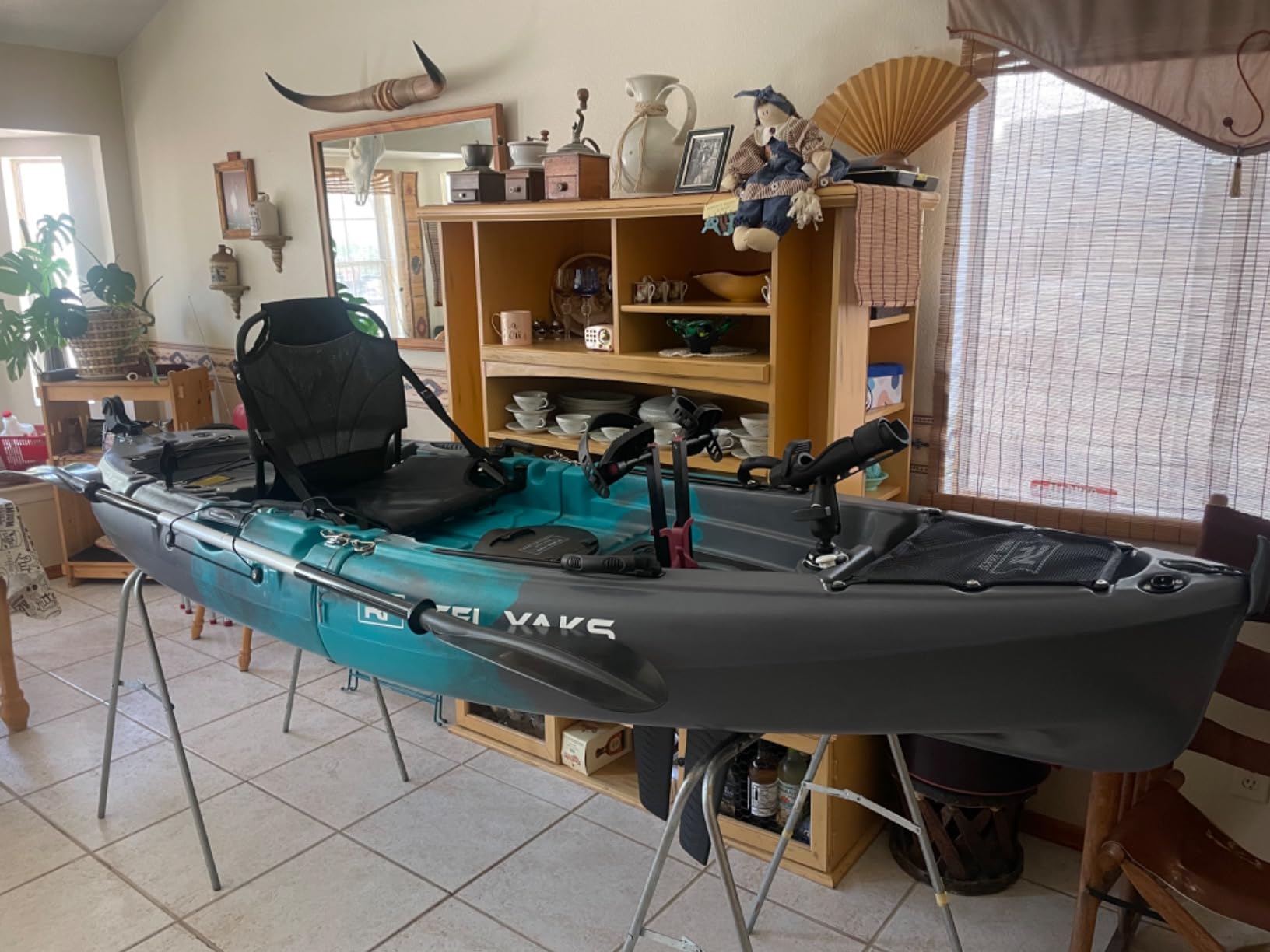
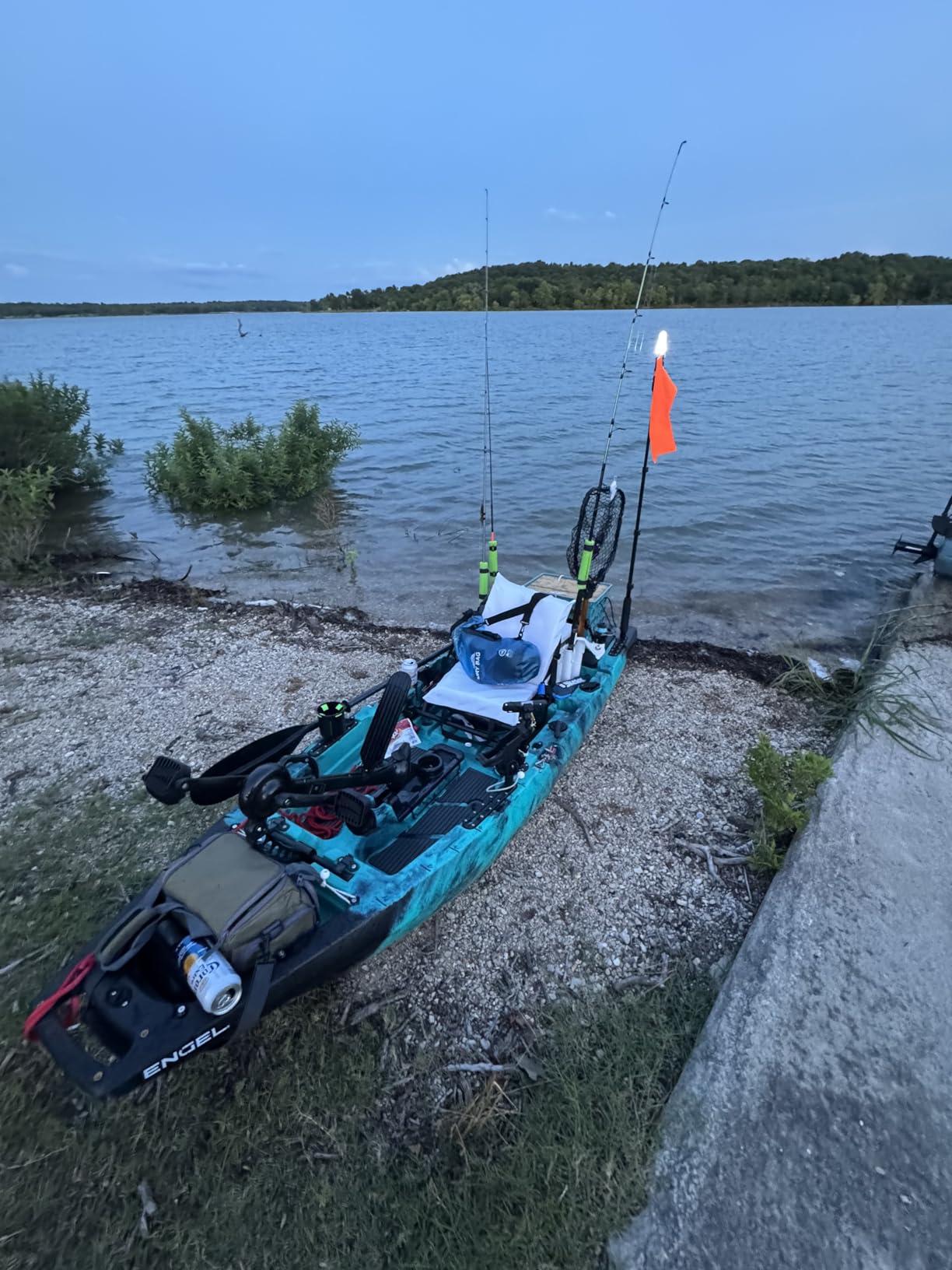
This is the boat I keep coming back to after reading owner reports, and the reason is unglamorous: it is the only one in this group with a large body of written feedback behind it. Owners consistently praise the smooth fin drive and the fact that the whole thing separates into two pieces. My own note on the setup is that the included stadium seat, rod holder, track rails, bungees, and hatches mean you can leave a good amount of the accessory budget alone.
The fin drive is the reason I rank it first for lakes. Most of the rivals here use a propeller, and propeller drives are the single most common complaint on lakes with grass, moss, or flooded timber. A fin drive oscillates instead of spinning, so it pushes forward without wrapping the same mass of vegetation around a shaft.
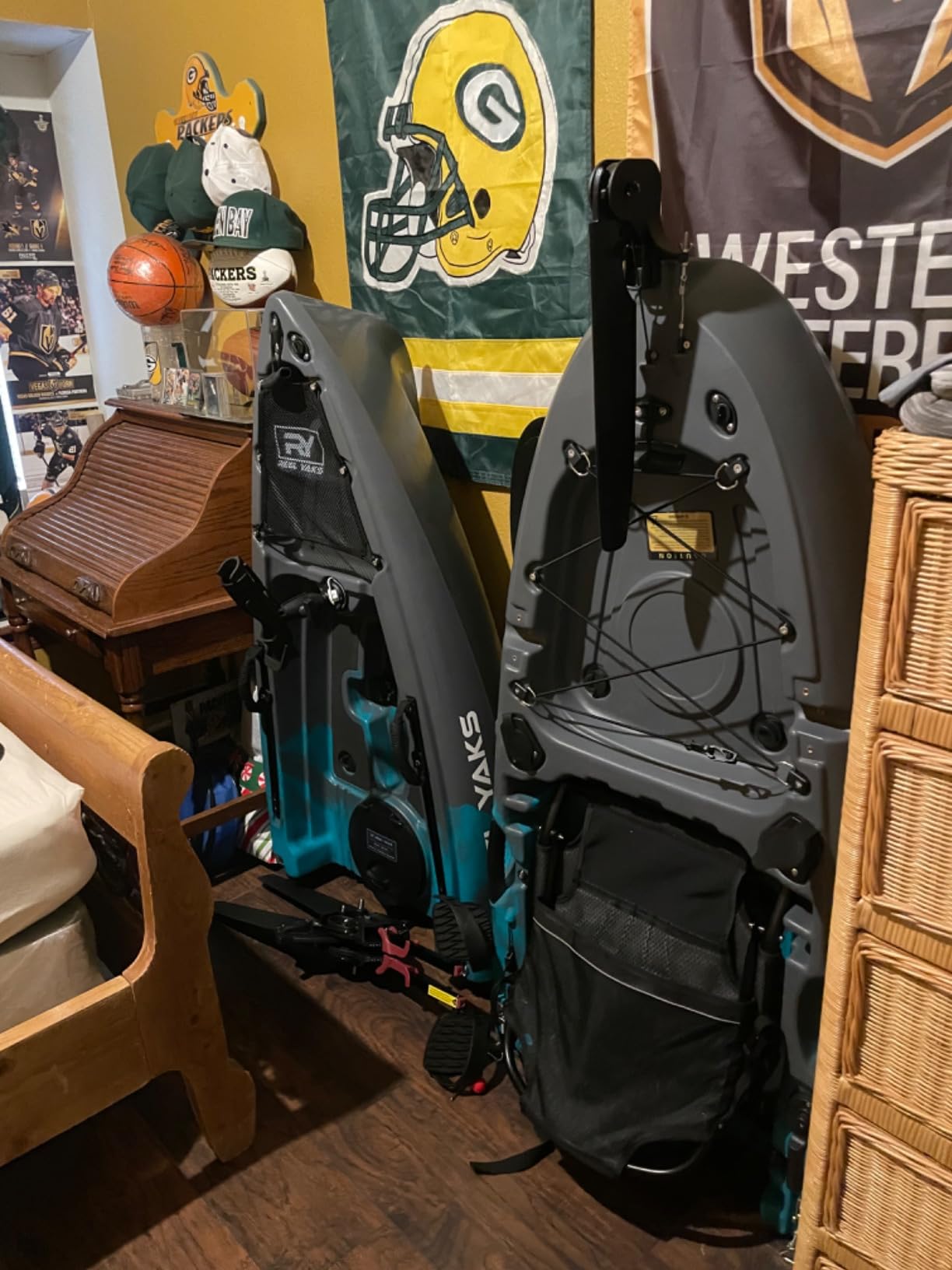
Portability is the second argument. At 62 lb in two sections, this is one of the few pedal kayaks here that a single person can load into a sedan trunk, walk to a launch, and reassemble at the water without a trailer or a second set of hands. Owners treat the kayak cart as mandatory in this hobby, but the Raptor is the model where the cart is genuinely optional for shorter walks.
The honest weakness is rudder hardware. Cables, ferrules, and rudder guide screws show up repeatedly in negative reviews, and one-star feedback concentrates there. The low seat is the other recurring gripe, since there is no under-seat storage and no height extender option for anglers who want to cast standing.
Why the Raptor works on weedy and open lakes
Fin drive is quieter than a propeller and does not foul in the way a spinning shaft does, which matters on shallow reservoirs and flooded timber where a prop can stop dead in one turn. On open water the drive still moves you across current and wind at a pace that paddling cannot match. The 30.3 inch beam is narrower than the big-water boats here, so standing up is possible but not the point.
Who should skip the Raptor
Skip it if your lake is wide, windy, and you plan to stand and cast all day, because the narrow beam and low seat work against you there. Buy the Old Town PDL 106 instead. Also skip it if you fish big-water structure with a trolling motor and need a reinforced bow mount, since the Raptor listing does not advertise one.
2. Old Town Sportsman PDL 106: Best Pedal Drive Kayak for Big Open Lakes
- Pontoon-style hull stays planted in chop and heavy bobbing
- Instant forward and reverse with quick rudder response
- Premium mesh seat with lumbar support and adjustable leg length
- Universal transducer mount and customizable accessory tracks
- 87 percent of reviews are five-star
- 107 lb hull plus an 18 lb console makes solo handling a planning exercise
- Paddle is sold separately
- Scuffs easily and needs a cart for any real distance
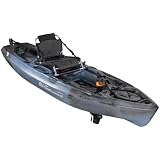
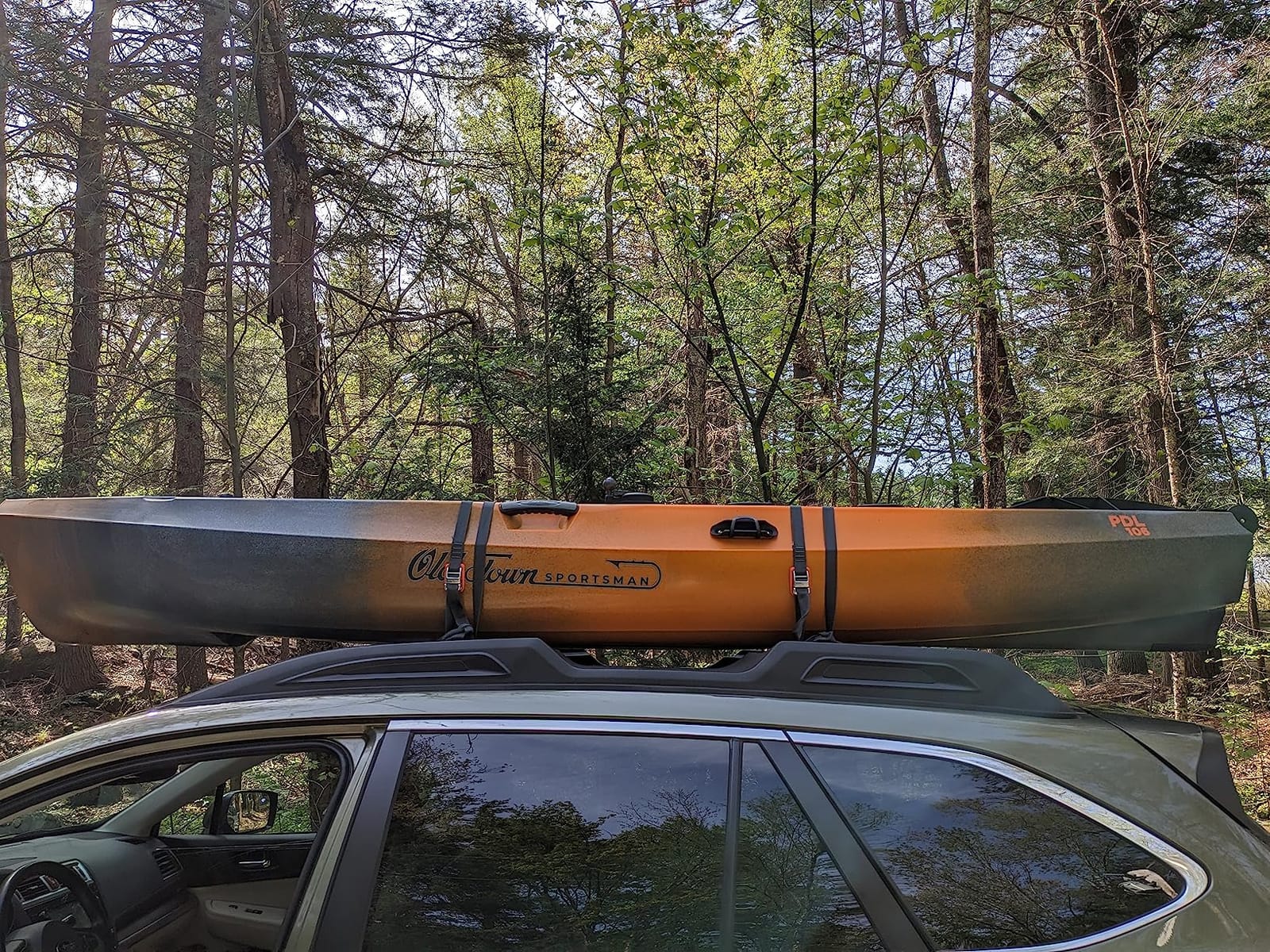
The PDL 106 is the boat on this list that feels least like a kayak and most like a small boat, and its owner reviews describe it that way. The 36 inch beam on a pontoon-style hull is what separates it from every other pick here for chop and bobbing water. Reviewers coming up from mid-grade angler kayaks talk about the difference in speed and handling as dramatic rather than incremental.
Old Town publishes usable capacity separately from total capacity, and this is the number to plan around: 343 lb for you and your gear against a 450 lb total rating. That distinction matters more than the headline figure, and we will come back to it in the buying guide.
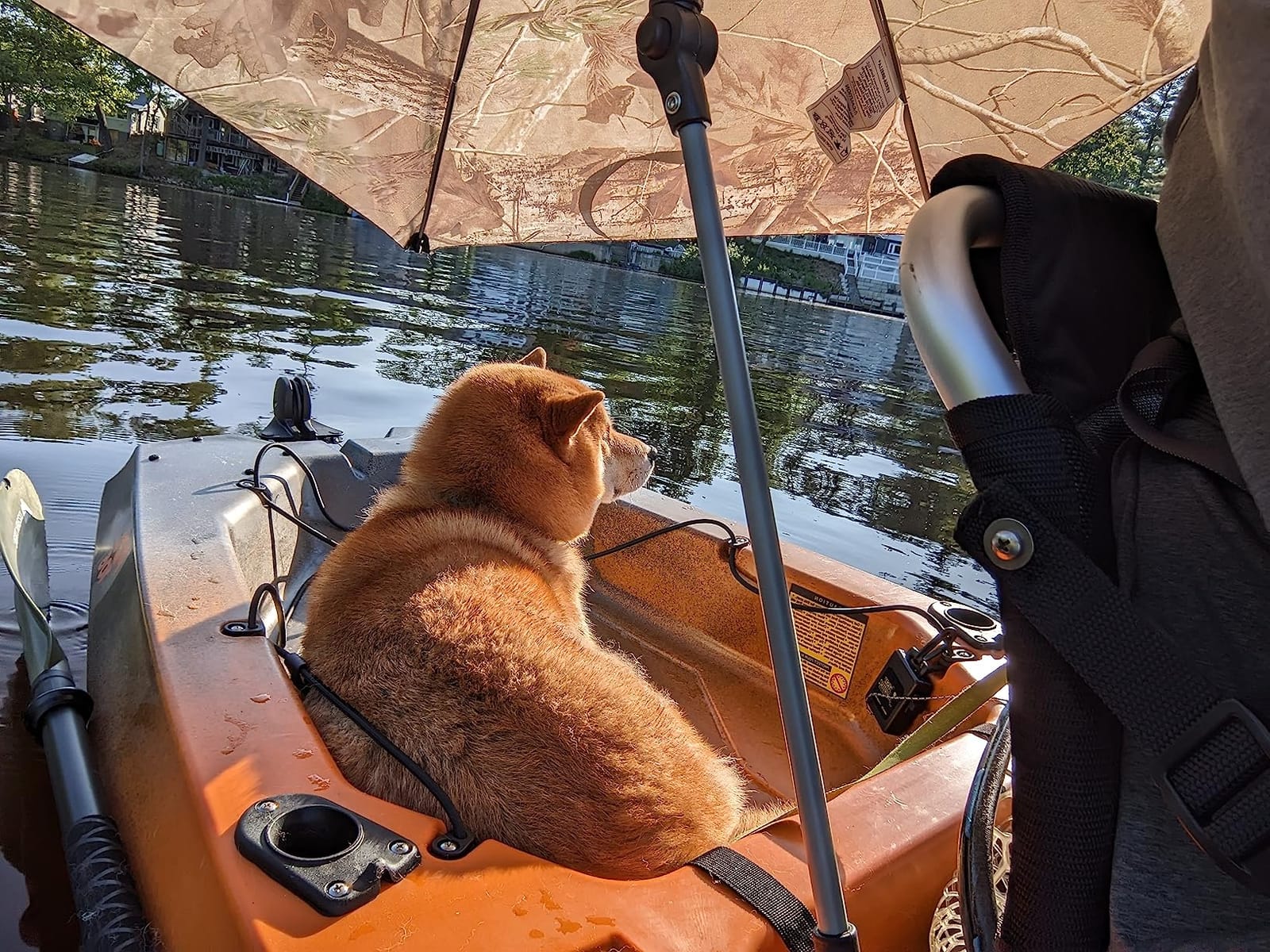
Long-term owners report years without problems, and the rating distribution is unusually clean, with no one- or two-star reviews at all. The removable pedal console is a genuine convenience for transport, since you can shed the drive and carry the hull separately, but the 107 lb hull underneath still means a cart is not optional in our view.
Two practical notes. The paddle is not included, so budget for a backup you can stow, and the hull scuffs, which on a camo pattern is cosmetic but worth knowing about before you start pushing it over gravel ramps.
How the 36 inch beam changes your casting day
Beam width is the single most useful spec on this whole list, because it decides whether you fish sitting or standing. At 36 inches you can stand to cast into wind without the panic of a narrow hull, and the pontoon-style layout keeps that stability when a wake crosses you. Anglers who fight fish standing in current will feel the difference immediately.
Who should skip the PDL 106
Skip it if you carry your kayak alone more than about a hundred yards, because 107 lb plus an 18 lb console crosses the line where a cart becomes mandatory rather than optional. It is also more hull than most people need on a pond or a small lake. For a first boat on small water, the Reel Yaks Raptor at 62 lb is a much easier object to own.
3. Reel Yaks Raider Modular: Most Compact Pedal Kayak With the Widest Modular Platform
- Two 31 lb sections assemble in seconds and store in a closet
- Stable enough that owners stand and cast from it
- Propeller drive moves quietly and quickly in current
- Includes stadium seat
- 360 rod holder and paddle
- Several owners have bought multiple boats and the tandem section
- Propeller snags weeds and must be pulled up and cleared by hand
- The drive is heavy and awkward to fit while seated
- Owners report gear grinding and stripped drives within weeks to months
- The two hull halves can arrive misaligned and look warped
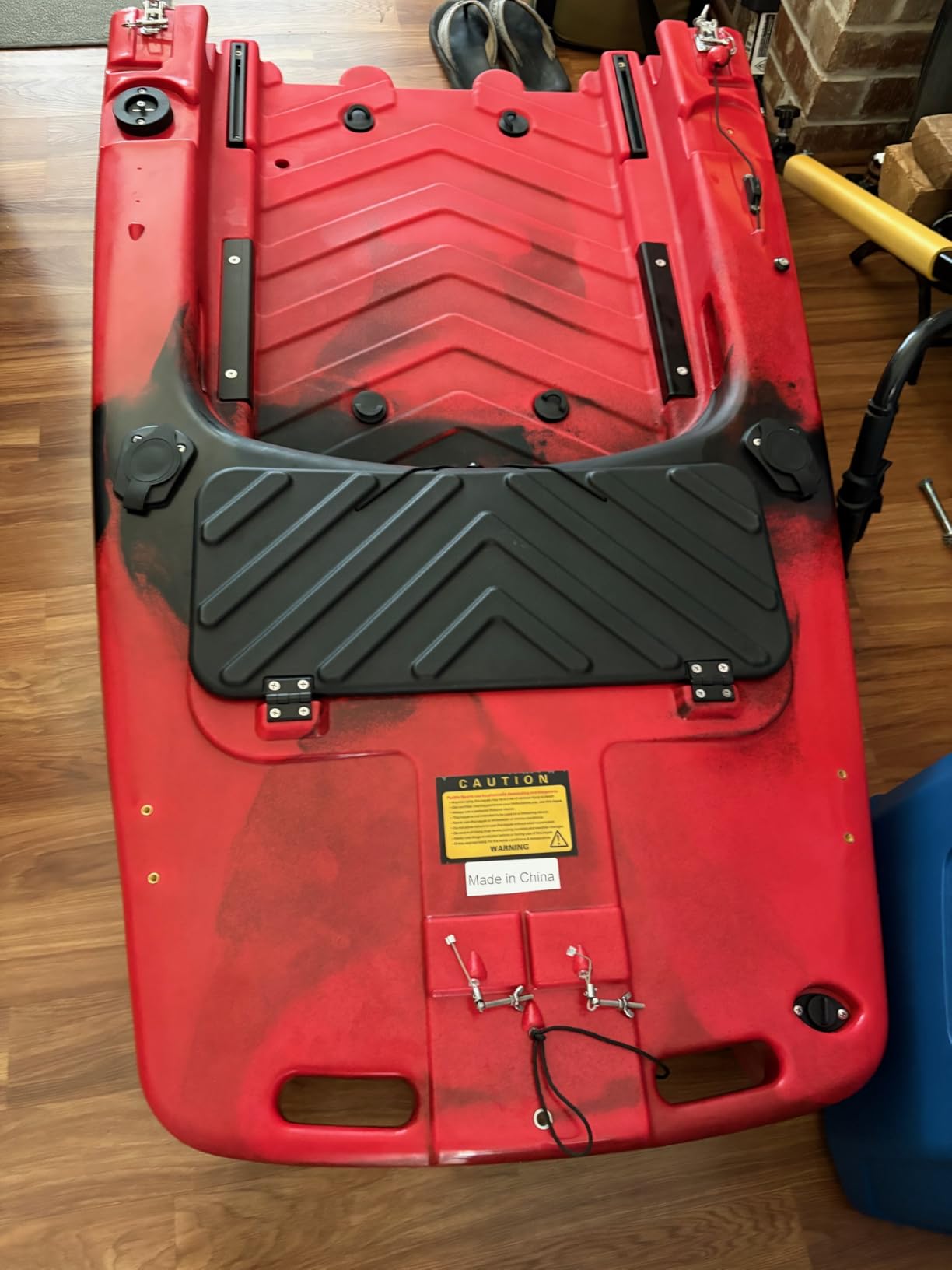
The Raider is the modular boat for someone who wants a wide platform and an easy load. At 35.4 inches of beam is the widest of the split-hull designs here, and owners report standing to cast from it routinely. The two sections at roughly 31 lb each are the same weight philosophy that makes the Raptor work, just applied to a bigger cockpit.
It is also the boat in this group where the enthusiast signal is strongest. Multiple owners have bought a second hull and the center tandem section, which tells you what kind of user this appeals to. Pre-sale support and registration are reported as fast and thorough.
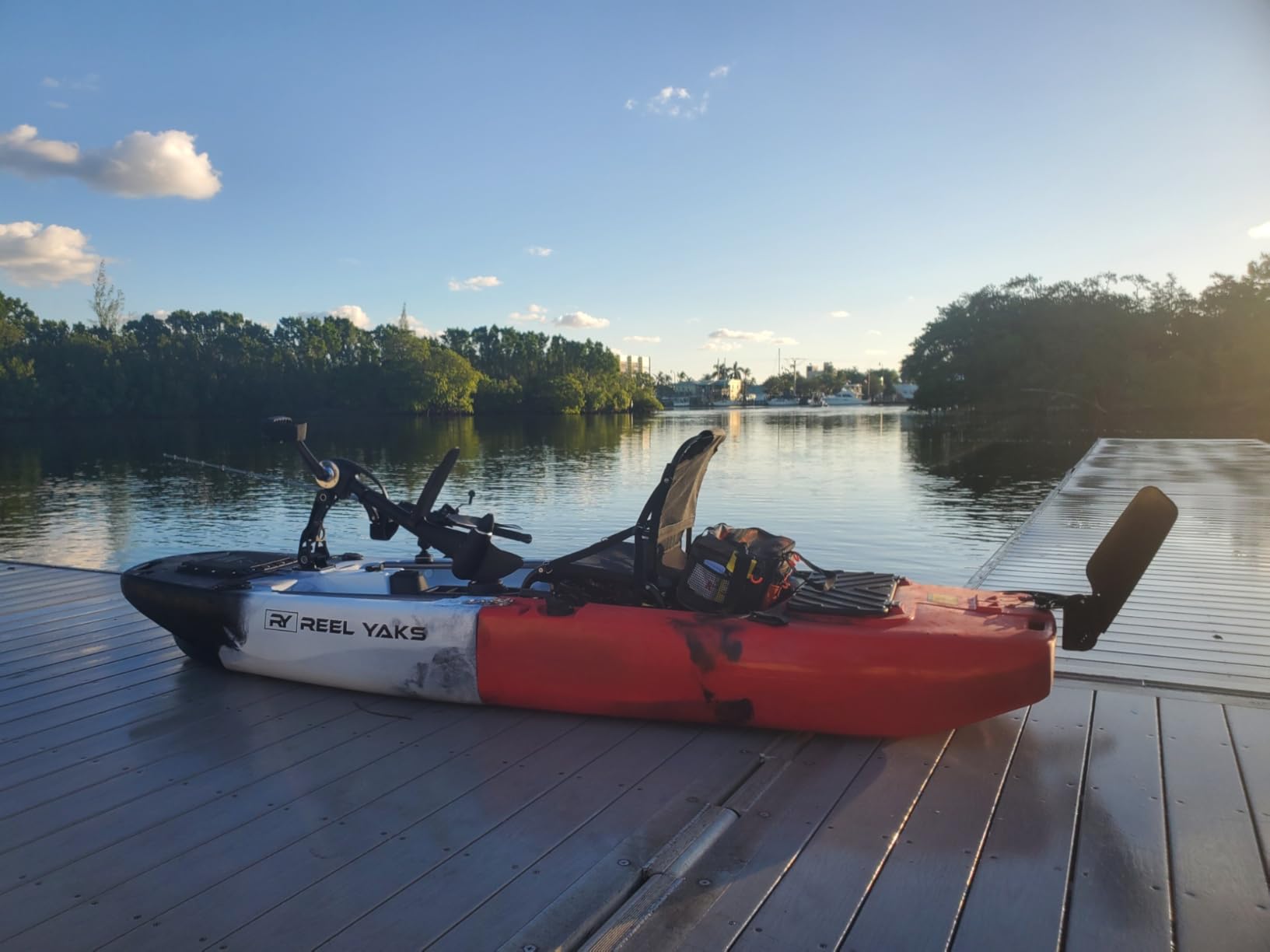
Now the honest part, because it is the reason this boat sits third rather than first. The propeller is the recurring headache: weeds wrap around it, it has to be raised and cleared by hand, and at least one detailed review reports gear grinding followed by a fully stripped drive in roughly 60 days, with a repair priced near the cost of a new drive system.
Secondary gripes include the weight of the drive unit itself, which is awkward to install once you are seated on the water, the front storage compartment being unreachable while seated, and rudder tension needing adjustment before it lifts properly.
Where the modular layout pays off
The split hull solves a problem rigid pedal kayaks create: storage. Two 31 lb sections fit in an apartment closet, a trunk, or a garage shelf, which matters enormously if you do not own a truck or a trailer. Owners who fish rental fleets or run multiple boats cite the four-step assembly as the reason the design scales.
Who should skip the Raider
Skip it on a weedy reservoir or anywhere with flooded timber, because a propeller drive is the wrong tool for that water and this listing documents the problem clearly. Choose the fin-driven Raptor instead. Also consider skipping it if you want a trolling motor, since no bow mount is described for this model.
4. Albott Modular 9.6 ft: Best Pedal Kayak for Rental Fleets and Reconfigurable Setups
Albott Modular Fishing Kayak with Propeller Drive System & Durable HDPE
- Smooth propeller drive with quiet acceleration and easy reverse for tight docks
- Three-step modular assembly with internal carry handles
- Reinforced HDPE hull with 304 stainless fittings
- Multiple areas accept add-on modules
- Cable-operated rudder raises and lowers for shallow water
- Listed capacity and build detail differ between the highlight and the spec table
- Warranty of six months is the shortest here
- Narrow rail channels require loosening the track to fit hardware
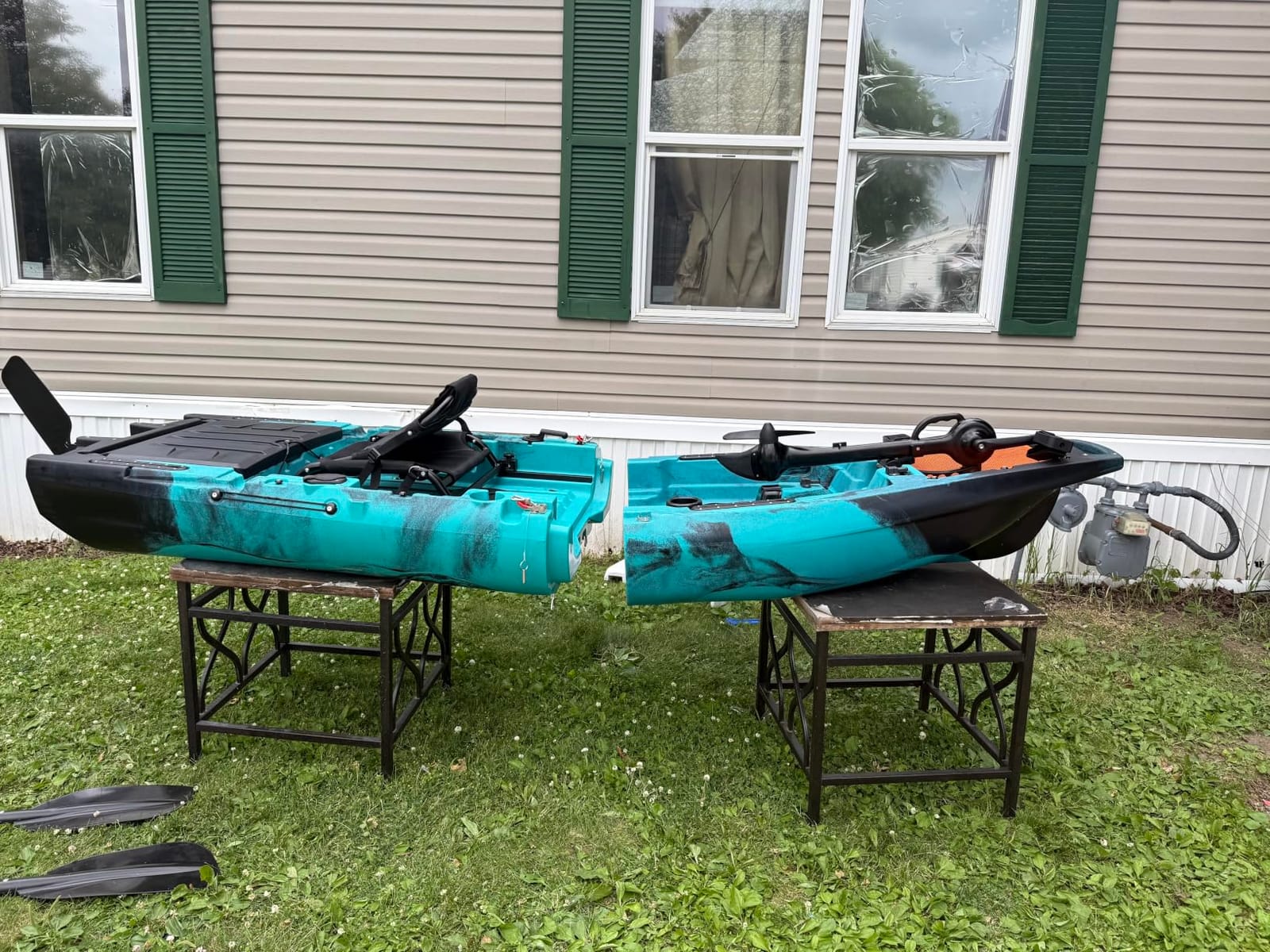
The Albott is the odd one out here in a useful way: it is a durable, configurable pedal kayak built as much for fleet use as for a private angler. Owners highlight the reinforced HDPE hull, the stainless hardware, and the quick three-step assembly as the reasons it works commercially. It also ranks unusually high in its category among entry-level rigs.
The cable-operated stern rudder is a feature more expensive boats leave out. Being able to raise the rudder for shallow water or a beach landing removes one of the few genuinely annoying moments in pedal kayak ownership, where you arrive at the shoreline and have to decide whether to commit.
There is a transparency caveat worth flagging. Owners and reviewers note that the listed capacity and build detail vary between the product highlight and the spec table, so confirm the numbers with the manufacturer before you load it. The written review base is also thinner than the star average suggests, with far fewer detailed written reviews than the rating count implies.
The six-month warranty is the shortest in this group and the clearest signal about where this boat is positioned. If you are buying one boat for your own lake, that short coverage is a fair trade for the configurability. If you are running a fleet, a longer warranty from a rigid-hull brand may be worth more than the modular convenience.
What modularity actually changes for an angler
A three-step assembly with internal carry handles means the boat lives in a garage corner instead of hanging on a wall, and add-on modules let you change the layout as your fishing changes. For anyone moving gear from a car to a boat ramp regularly, that is a real quality-of-life gain rather than a spec-sheet nicety.
Who should skip the Albott
Skip it if you want long-horizon ownership confidence, because a six-month warranty on a pedal drive kayak is thin next to the five-year hull and drive coverage the Old Town models carry. Skip it if you stand to cast often, since 34.68 inches is on the cautious side of the threshold.
5. Vibe Makana 100: Best Pedal Drive Fishing Kayak for Lightweight Solo Carry
Makana 100 Fishing Kayak with Impulse Drive – 10 Ft, Customizable, Lightweight with Ample Storage | Includes Vibe Hero Seat 2.0, Impulse Drive and Rudder (Raven)
- Only 70 lb
- so one person can carry it to the water
- Front tankwell with 8 inch V-Wave deckplate
- hatch and Flex-Top cover
- Four slotted top-loading gear tracks for electronics
- Dual-position Vibe Hero Seat 2.0 with breathable mesh
- Two rear flush-mount rod holders and tackle tray slots
- Only two written reviews
- so there is little long-term reliability history
- The X-Drive alternative drive is sold separately
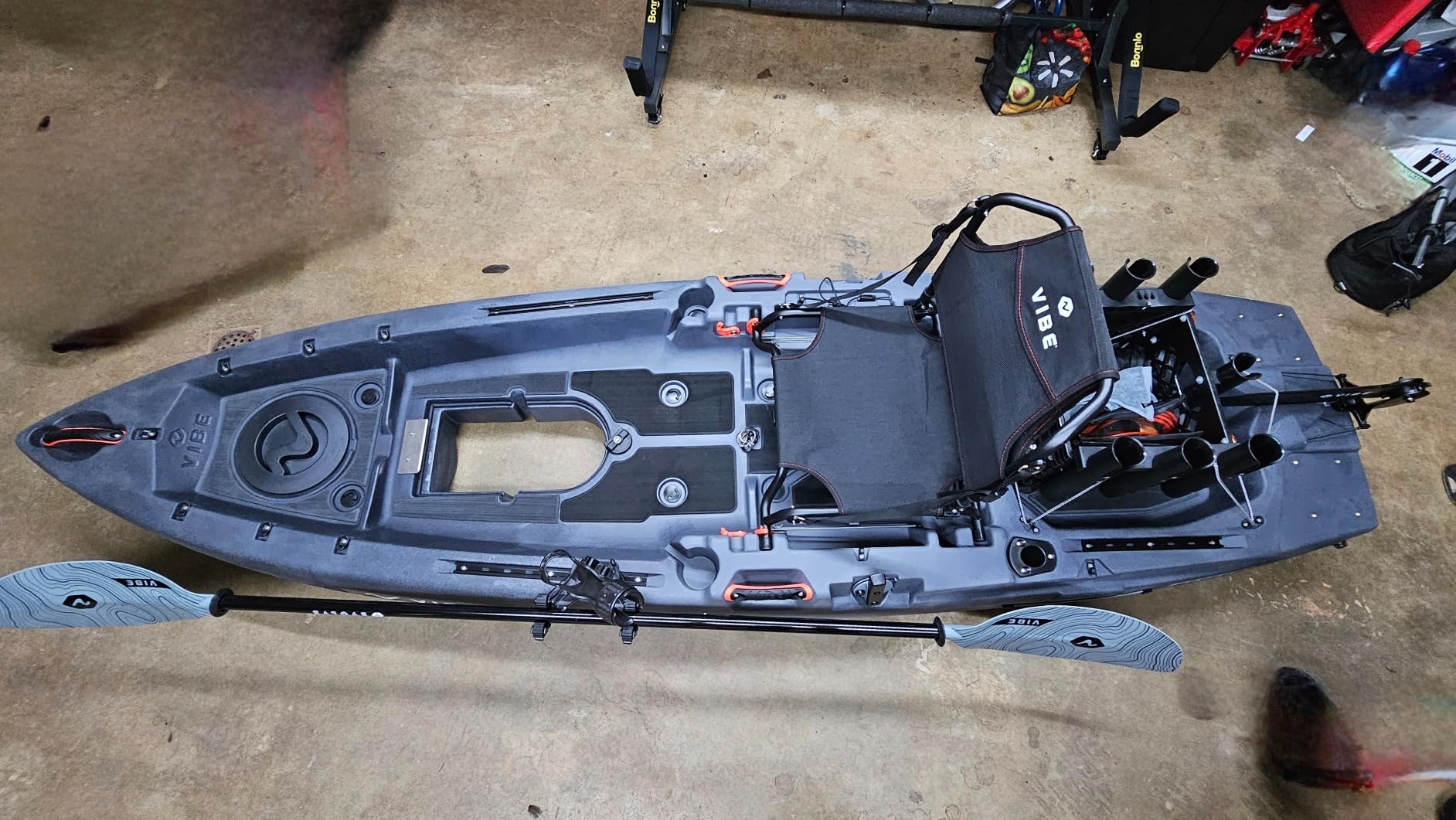
At 70 lb the Makana 100 answers the question that comes up most often in pedal kayak forums, which is whether you can carry your boat to the water without a cart. Owners and spec sheets agree: this is one of the few pedal rigs in this entire list light enough for a solo shoulder carry over a real distance.
The equipment list is unusually generous for that weight. A front tankwell with an 8 inch V-Wave deckplate, a hatch, and a Flex-Top cover gives you protected gear storage, and four slotted top-loading gear tracks give you somewhere to put a fish finder. Two rear flush-mount rod holders and 3600-series tackle tray slots under the bungee complete the angler layout.
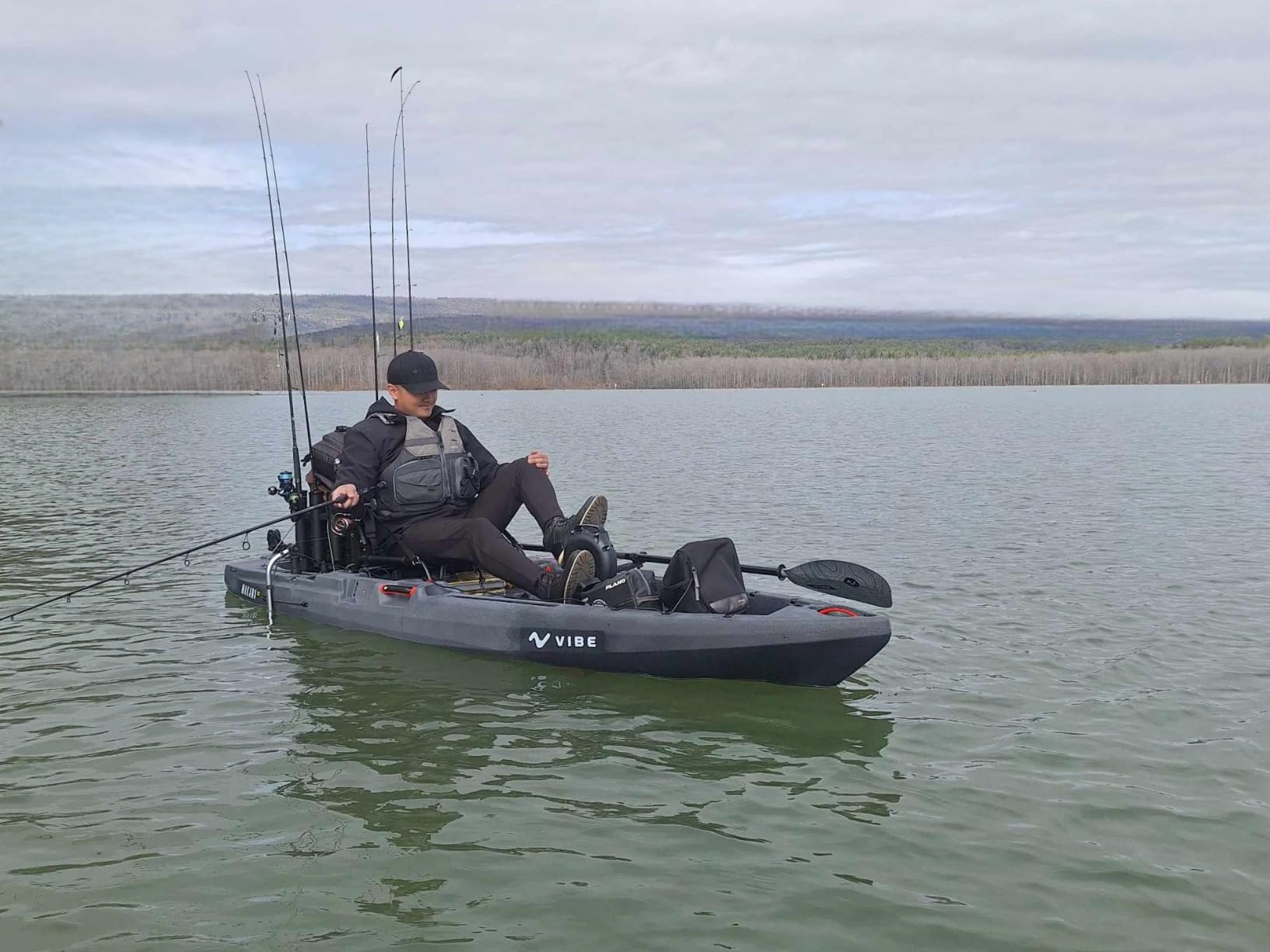
The drive system is worth understanding before you buy. The Impulse Drive is a propeller system, and Vibe engineered it to be swappable with the X-Drive pedal system, which is sold separately. That is a genuine advantage if you plan to change drive types later, since you are not locked into one mechanism for the life of the hull.
The rating reads 5.0, but that comes from two reviews, both without written commentary. We are reporting it because it is the real number, and we would rather you know the evidence is thin. The lifetime limited hull warranty is the counterweight to that thinness, and it is the strongest warranty in this group.
Why weight matters more than most buyers expect
R/kayakfishing threads about lightweight pedal kayaks are among the most repeated discussions on this topic, and the pattern is consistent: weight is the number one blocker, not speed or capacity. A 70 lb boat changes what is possible on a soft ramp, a long carry, or a solo trip, and it is the reason we rate this hull highest for solo transport.
Who should skip the Makana 100
Skip it if you need proven long-term reliability, because two reviews is not a track record and the drive options are partly sold separately. It is also a 10 foot propeller-drive hull, so on big open water with wind you are giving up some tracking compared with a 12 or 13 foot platform.
6. Riot Kayaks Mako 12: Best 12 Foot Pedal Drive Kayak for Long Lake Crossings
Mako 12 Pedal Drive Fishing Kayak – Lightweight & Comfortable with Adjustable Seat, 4 Rod Holders, Ample Storage, Impulse Drive Pedal System & Advanced Rudder Control
- Impulse Drive runs smoothly and the reversible propeller handles open water
- Deluxe lounge chair gives both high and low seating positions
- Pilot Rudder System with hand steering gives responsive control
- Four flush-mount rod holders plus multiple gear tracks
- 8 inch deck hatch and 6 inch access hatch
- Hull is described as thinner than comparable 12 foot angler kayaks
- Rudder steering cables have failed or arrived mis-cut
- Replacement parts are manufacturer-only and expensive to order to the US
- Crank and pedal hardware has arrived incomplete on some boats
The Mako 12 exists for one job, which is covering distance. Owners on big lakes describe the 12 foot hull as tracking straighter and holding speed better than a 10 foot platform, and forum discussion about whether 10 feet or 12 feet is enough on a large lake comes down to exactly this. If your launch is a mile from your spot, length is the feature you are paying for.
It is also the lowest-rated boat in this roundup, at 3.9, and the reasons are consistent enough to describe plainly. Rudder steering cables have failed or arrived cut too short, which leaves the boat able to turn one way only. That is a safety-relevant fault, not an inconvenience.
Build quality is called thin relative to other 12 foot angler kayaks and several reviews cover boats arriving with transit damage, dents, and crank or pedal hardware missing from the box. The manufacturer did eventually provide a free replacement cable, which softens the picture but does not erase the pattern of fit and finish issues.
Weight is not listed for this model, which is itself a problem when you are trying to plan a solo launch. On a big-water boat you should assume a cart is part of the purchase rather than an accessory.
How hull length changes your day on the water
Longer hulls track straighter, which matters when a crosswind pushes you sideways and you are trying to hold a line to a specific point. They also carry speed better at the same effort. Shorter hulls turn tighter and accelerate faster, which is why 9.5 foot designs still dominate weedy water and small lakes.
Who should skip the Mako 12
Skip it if you are on a small lake, if you carry your boat alone, or if you cannot service a steering cable without waiting on manufacturer-only parts. The 12 foot length only earns its keep when you are genuinely covering distance on open water.
7. Reel Yaks Rapido Modular 10.8 ft: Best Pedal Kayak With Tandem Expansion Potential
Reel Yaks Rapido Modular Fishing Kayak, Prop Drive 10.8ft, 440lb Capacity
- Instant forward and reverse for tight maneuvering and open water
- Two-piece modular hull stores in a trunk or closet
- W-hull at 10.8 ft carries 440 lb and feels stable casting
- Rigged with flush-mount rod holders
- track rails
- hatches and a stadium seat
- Available in both propeller and fin drive configurations
- Propeller version snags weeds in shallow water and needs manual clearing
- Rudder string and tension can break or need frequent adjustment
- Sections are heavy and awkward to lift into a vehicle
- The pedal drive is not easily removable to swap systems
The Rapido is the version of the modular idea for someone who wants more room than the 9.5 foot hulls give and plans to add a second angler eventually. At 10.8 ft with 440 lb of capacity and a 35 inch beam, it is the largest split-hull design here, and owners describe it as stable while casting.
One detail here is genuinely useful and rare: the Rapido is offered in both propeller and fin drive configurations. If your lake has vegetation, you can order the fin version and avoid the weed problem entirely. Buyers who already own one of the smaller modular boats can add the center tandem section later.
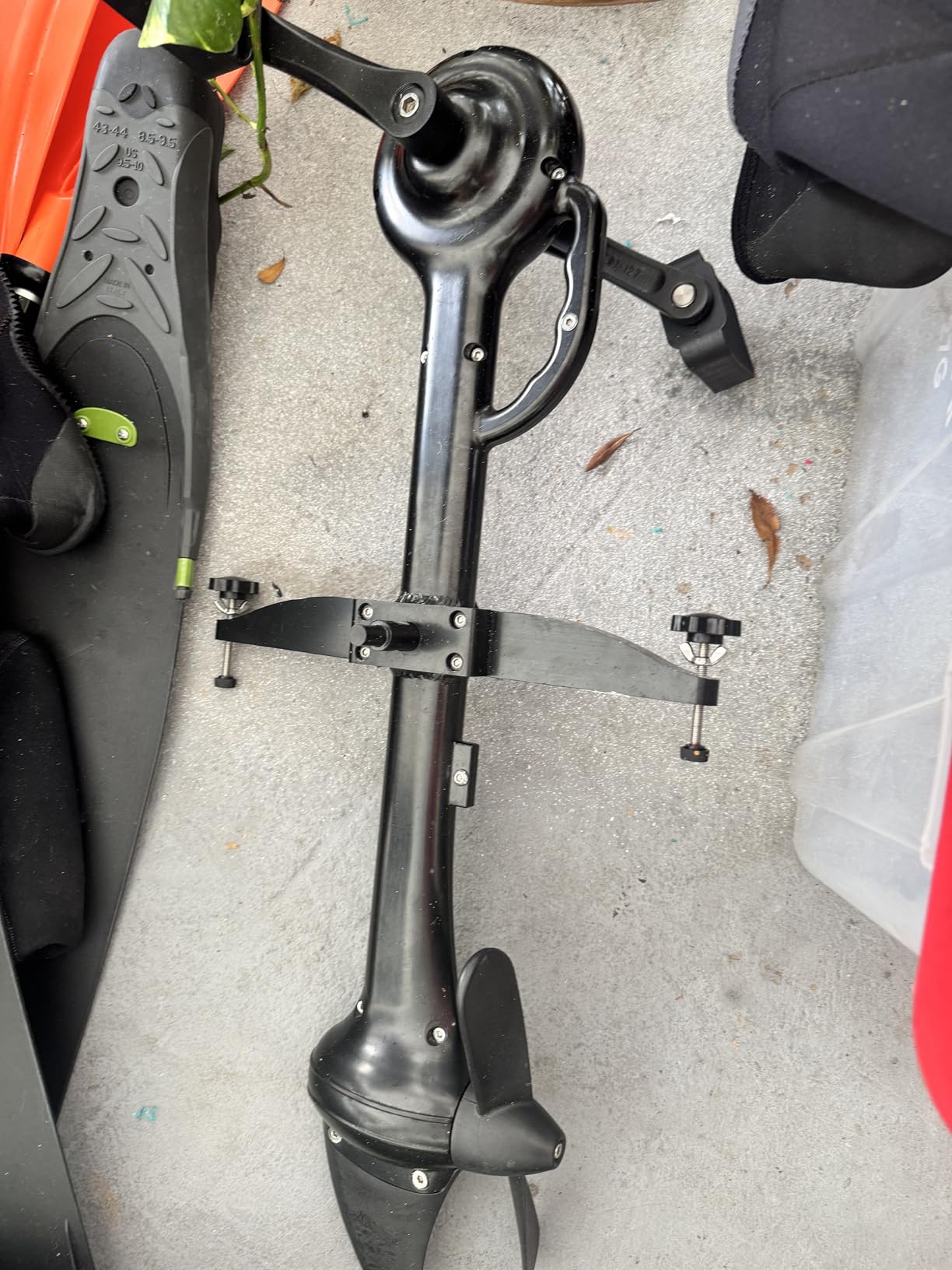
The complaints mirror the other Reel Yaks models, which tells you they are design-level rather than isolated. The rudder string and tension break or need frequent adjustment, the hull sections are heavy and awkward to lift into a vehicle on their own, and the propeller configuration snags weeds in shallow water.
This is also the most polarized of the three Reel Yaks models in this roundup by rating spread, with a visible share of two-star and one-star reviews alongside the positive majority. Reading the negative ones, they cluster on the same rudder and prop themes rather than on something new.
When a modular hull is worth the extra length
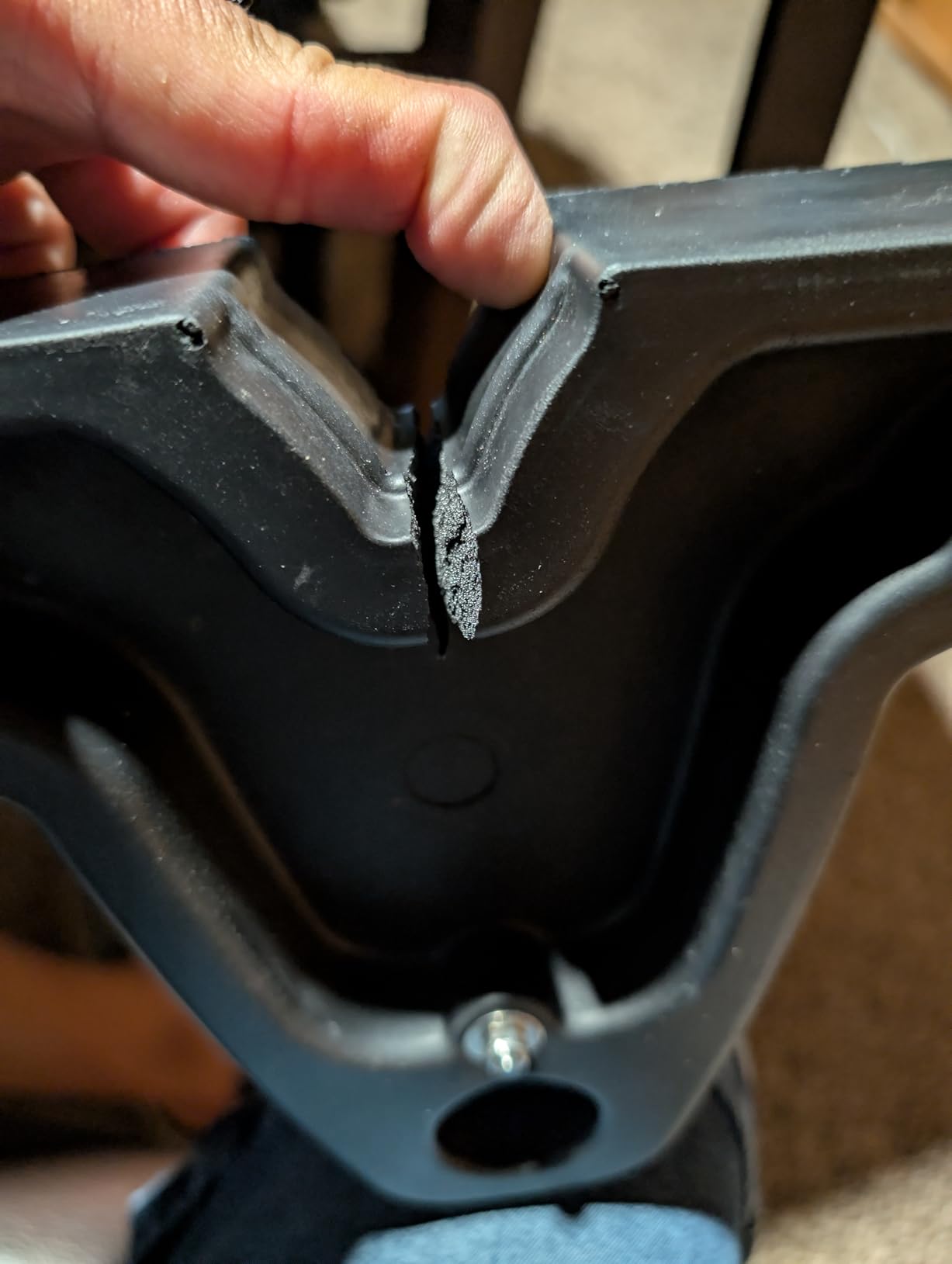
The split design earns its keep if you lack a roof rack, a trailer, or a garage tall enough for a 13 foot rigid hull. It costs you some convenience once you are in the water, since the drive is not easily removable for swapping systems, and it is worth asking yourself honestly how often you will move the boat by hand.
Who should skip the Rapido
Skip it if you are a small or solo angler who will never carry a passenger, because 440 lb of capacity is more than one person plus tackle needs. Skip the propeller version on weedy water and choose the fin configuration if your lake has vegetation.
8. LIFETIME Renegade 116: Best Pedal Drive Kayak for Full Days of Gear Storage
- Deployable propeller pedal drive leaves both hands free for fishing
- Integrated rudder steering that feels natural within minutes
- Framed seat slides forward and back with back support and elevated visibility
- Flush-mount rod holders
- universal accessory mounts
- front and rear storage
- Paddle included and stows on the deck
- 102.5 lb means moving it alone takes planning
- Only one written review
- so no long-term reliability history
- 350 lb capacity is among the lowest in this group
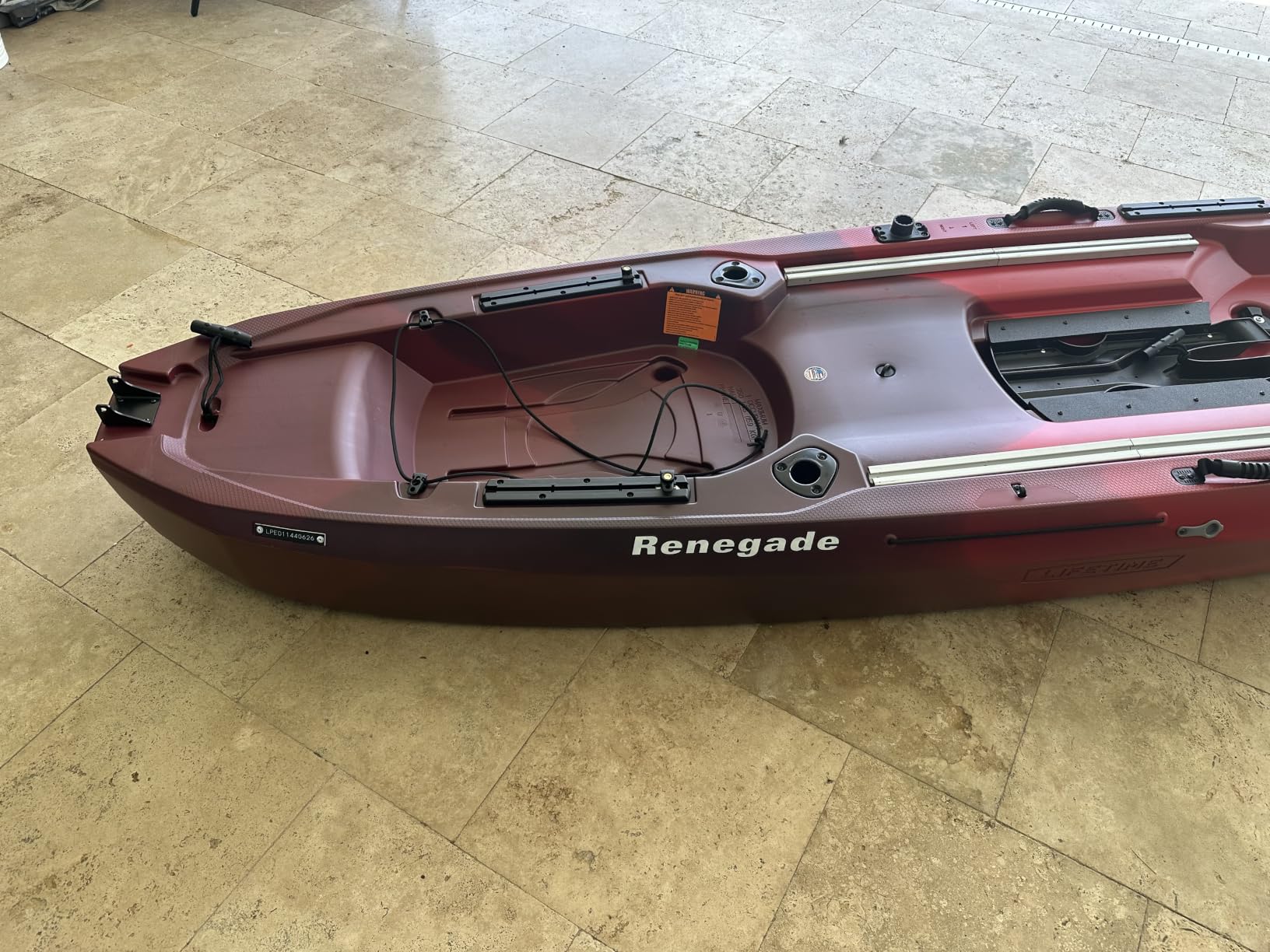
The Renegade 116 is the one pick here backed by an established outdoor brand rather than a small manufacturer, and that shows in the warranty, which runs five years. For an angler who fishes a long day and carries more gear than fits in a hatch, the front and rear storage plus the sliding framed seat are the features that matter.
The seat design deserves specific credit. It slides forward and back to find the right pedaling position, has back support, and raises you for better visibility over the water. On a pedal kayak, where leg length and seat height change how long you can stay in the boat, that adjustability is not a minor comfort feature.
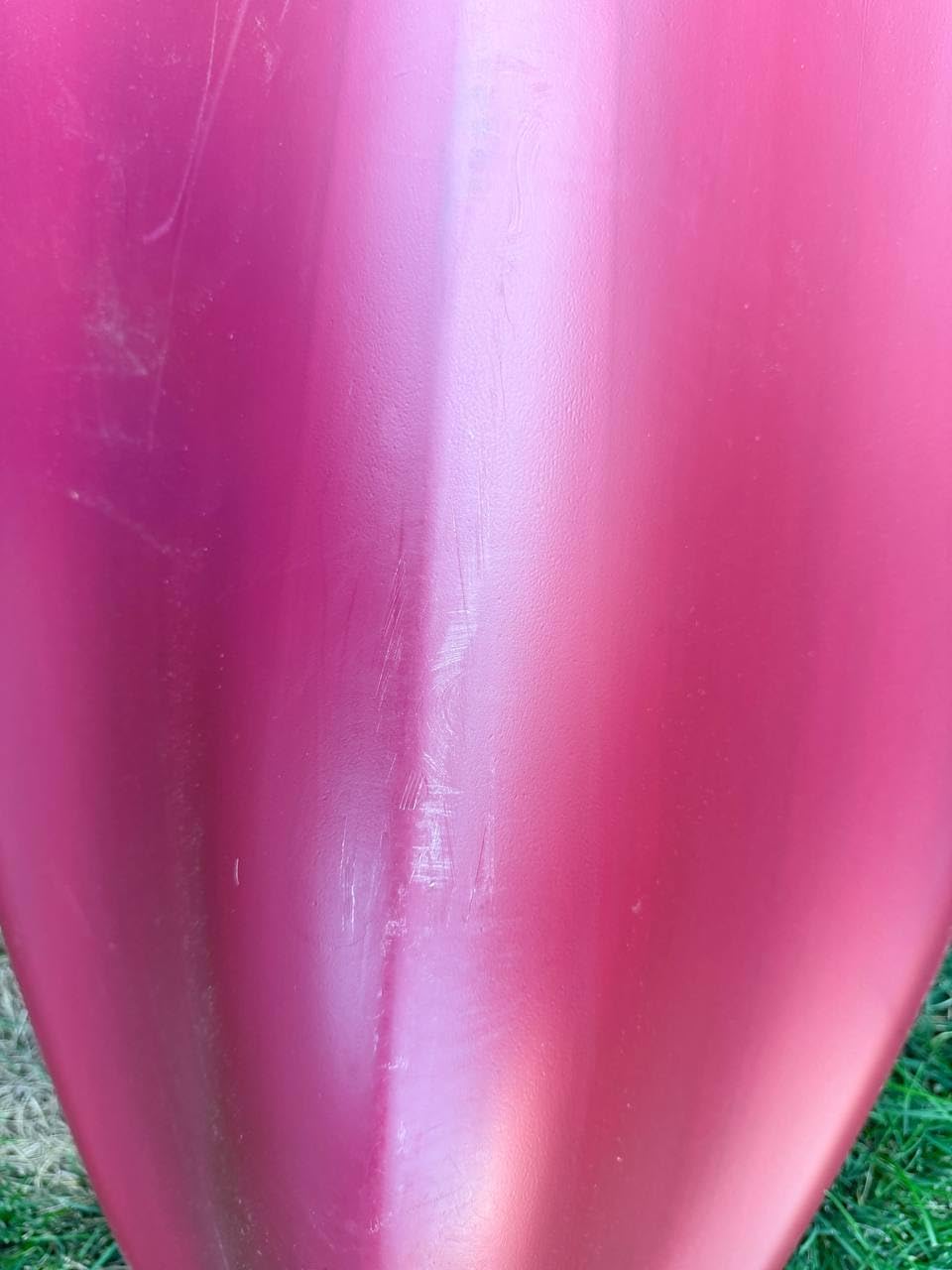
Be clear-eyed about the evidence here. The rating is 5.0 from a single written review, so it reflects one positive experience rather than a broad owner consensus. The one detailed review is positive across the board on the pedal system, rudder steering, seat, storage, and rod holders, with the 102.5 lb weight the only reservation raised.
At 32 inches of beam, this is a sit-and-cast platform rather than a stand-up boat. On a big lake with wind, that narrower beam works against you compared with the 36 inch Old Town hull.
What a five-year warranty is worth to an owner
A pedal drive is a mechanical assembly exposed to water, sand, and impact, and failures cluster in the drive and the rudder cables rather than the hull. Warranty length is therefore a proxy for how confident a manufacturer is in the parts most likely to fail, which is why the Old Town five-year drive warranty and the Vibe lifetime hull warranty carry real weight in this list.
Who should skip the Renegade 116
Skip it if you carry your kayak alone more than a short distance, because 102.5 lb is a two-person or cart job. It is also a poor match for anglers who want to stand and cast, and for anyone who needs to load heavy tackle for two people.
9. BKC Brooklyn 10.5 Pro: Best Value Pedal Drive Fishing Kayak
- Upgraded propeller drive gives smoother power with less fatigue
- Bicycle-style pedals with adjustable foot straps for controlled propulsion
- At 65 lb it is lighter than most pedal kayaks while supporting 440 lb
- Hand-operated rudder tracks precisely and turns tight in wind
- Aluminum frame seat keeps the angler elevated and dry
- Trolling-motor ready
- Owners report bungee clips and motor anchor clips breaking early in ownership
- Rudder systems
- hatch seals and seats reported as low quality on some units
- Hatch inserts are cheap vinyl bags with flimsy plastic frames
- Warranty service is described as poor with no phone line or parts store
The Brooklyn 10.5 Pro is the pick here that answers the most common question in pedal kayak forums, which is what a good rig looks like without a premium-brand badge. The specification is genuinely good: 440 lb of capacity on a 65 lb hull, a hand-operated rudder for tight turning in wind or current, and an aluminum frame seat that keeps you elevated and dry.
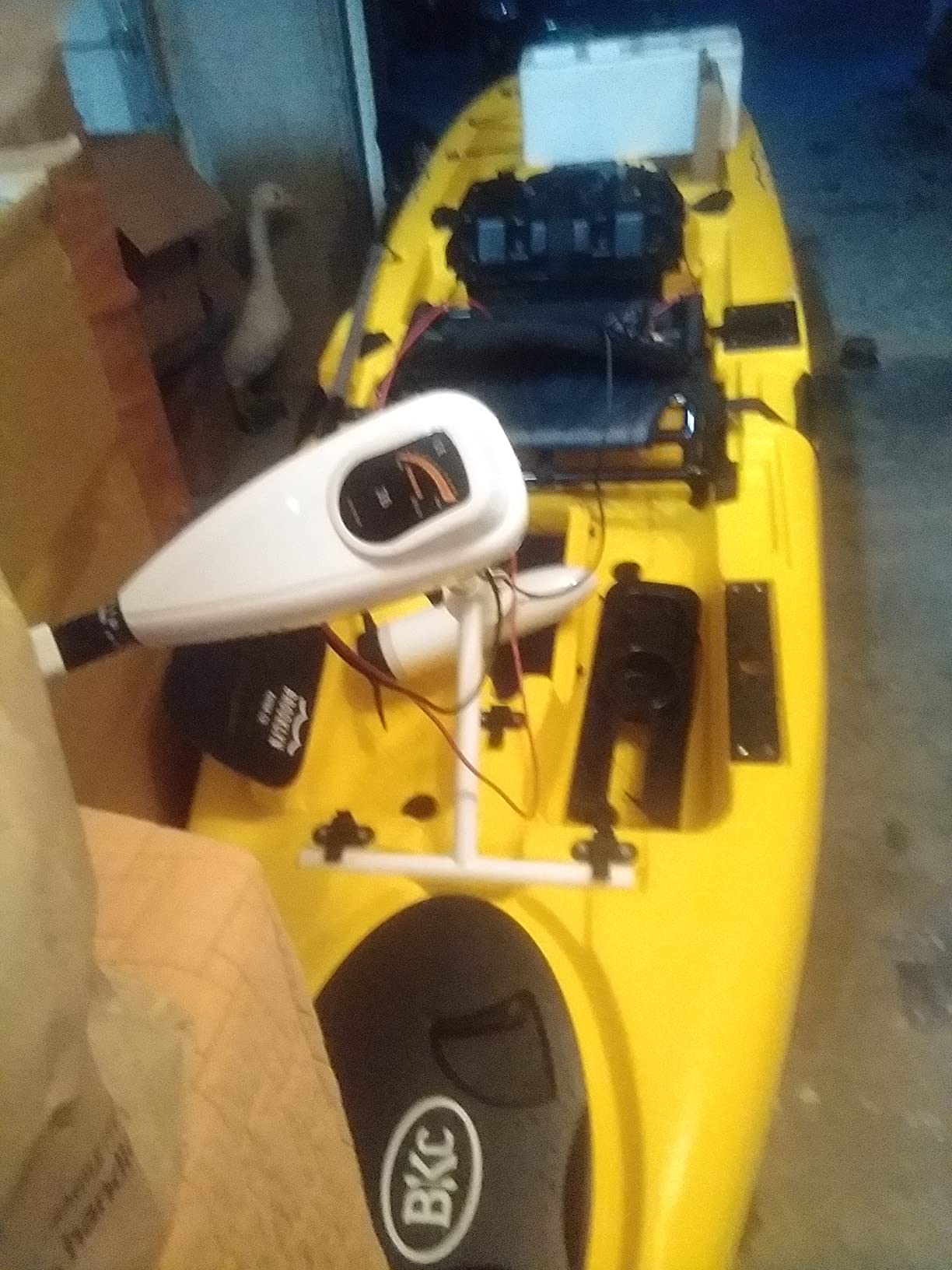
It is also the only pick on this list that explicitly advertises trolling-motor readiness. Motor mounts and quick-release bow brackets are a genuine gap in pedal kayak coverage, and if you plan to run a motor for long trolling stretches, that capability narrows your shortlist to this boat.
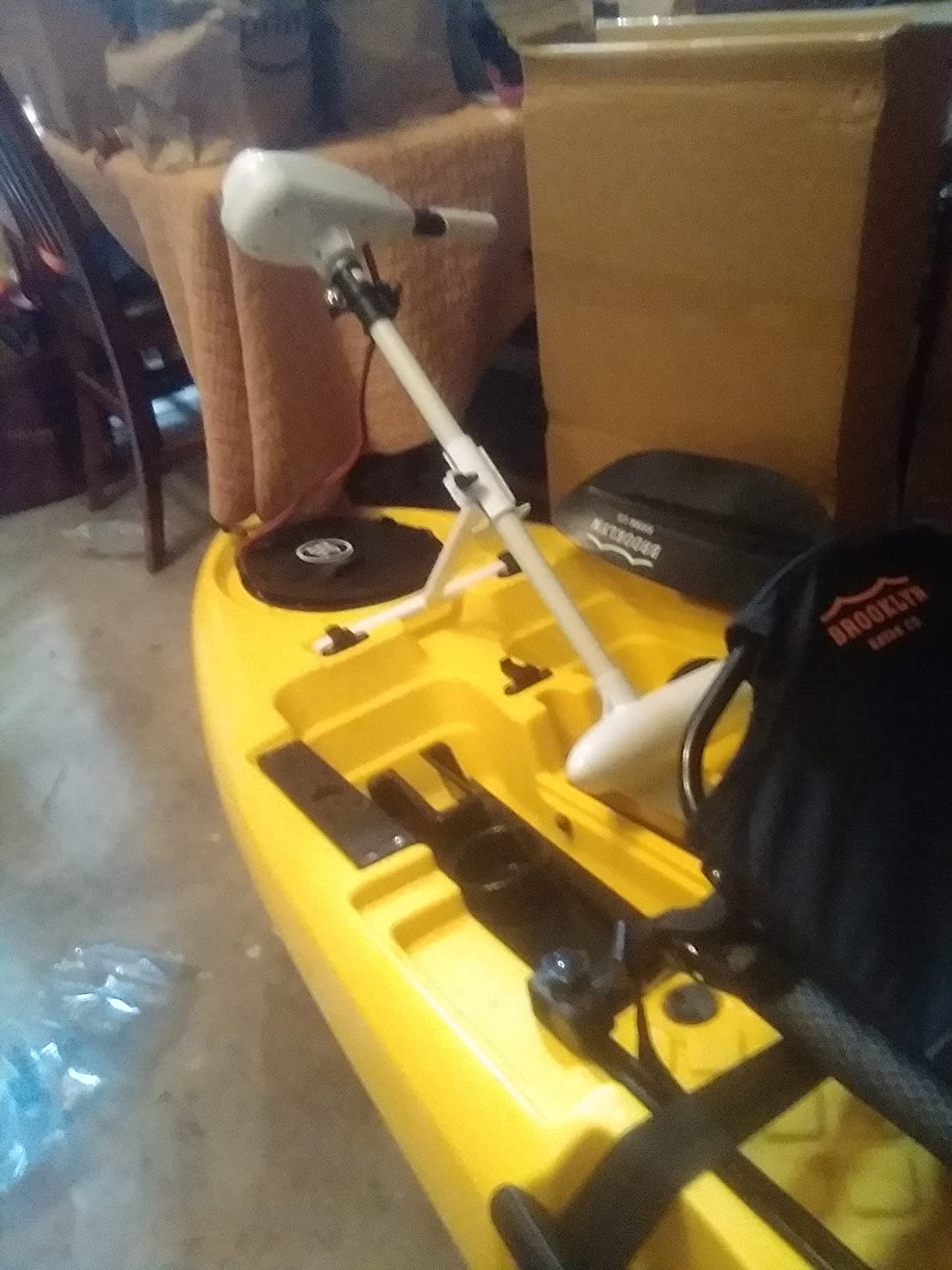
Now the split reviews, because this is a sharply divided boat. Owners who fish it regularly like the light hull and the freed-up hands. Against that, several detailed one- and three-star reviews describe early breakage of clips, rudder failures, hatches that leaked from day one, weak vinyl hatch inserts, and one rudder system stripped out entirely.
Service is the other recurring theme. Owners report endless promises of parts with unusable tracking numbers and no phone support, which is a real problem on a boat with this many failure-prone fittings. If you buy this, buy it with the expectation that a small hardware budget may be part of ownership.
What trolling-motor readiness actually requires
A trolling-motor-ready hull means the bow is reinforced or pre-drilled for a motor bracket, so you can add a motor later without drilling the deck. Note that no battery compartment is included on this boat, so you will need a separate battery box and a wiring plan, and you should confirm the motor mount and cable routing before committing to that setup.
Who should skip the Brooklyn 10.5 Pro
Skip it if you are buying it to be the last boat you ever buy, because the service and hardware complaints are the kind that generate recurring small costs. Owners who value weight, capacity, and motor capability over long-term hardware confidence will get on well with it.
10. BKC Brooklyn 10.0: Best Entry-Level Pedal Drive Fishing Kayak
- Flipper pedal drive gives quick acceleration for fishing or long cruising
- Hand-operated rudder turns sharply and tracks straight on lakes and rivers
- 58 lb rotomolded hull is easy to transport and stable
- Two rod holders
- watertight front hatch
- rear bungee cargo and accessory rail
- Five-year warranty
- Listing conflicts on whether a paddle is included
- The published dimension string does not describe a real hull shape
- 350 lb capacity is among the lowest here and limits gear load
- Only 12 reviews and mostly without written detail
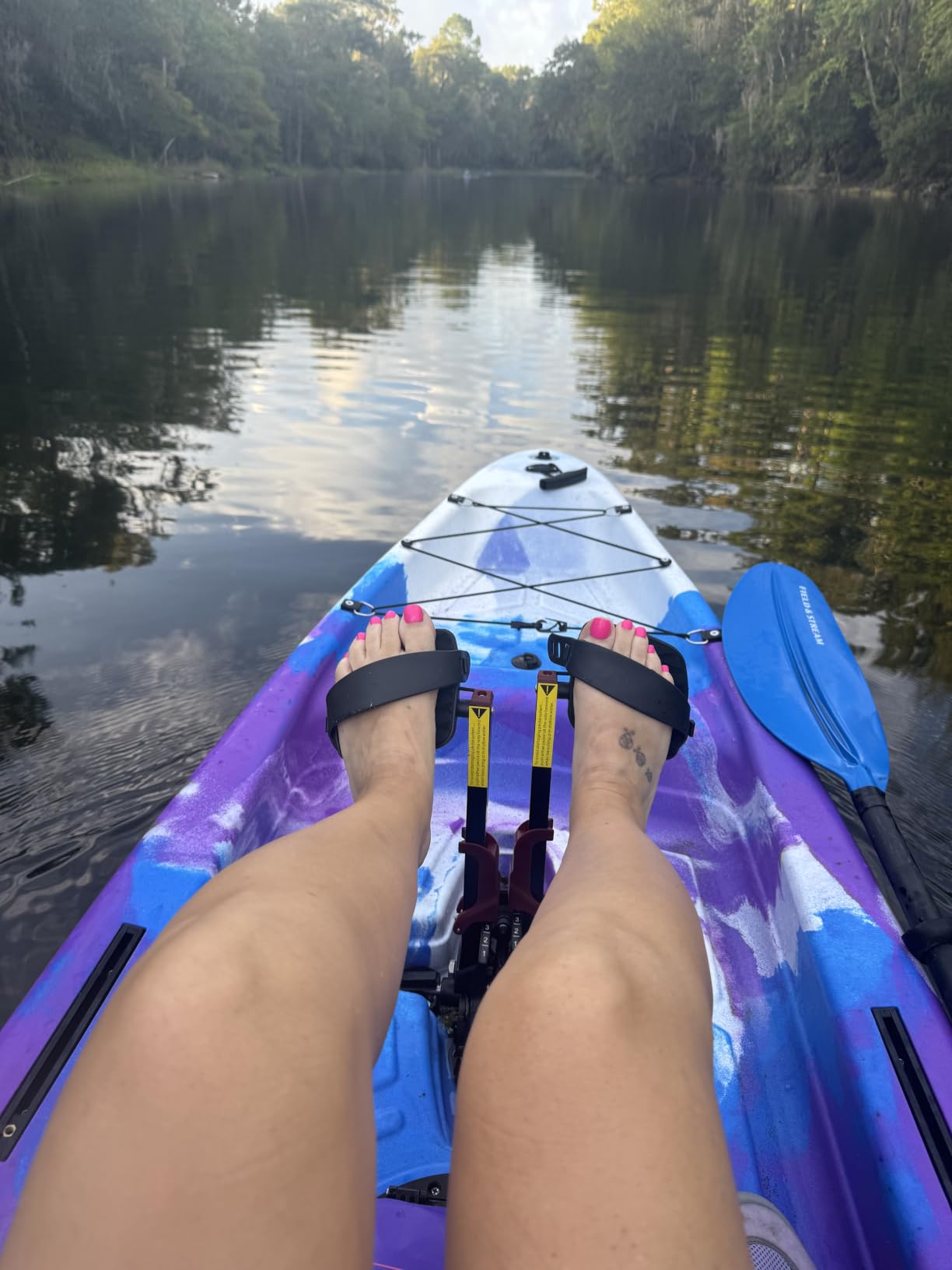
The Brooklyn 10.0 is the simplest way into pedal propulsion, and the 58 lb hull weight is the reason. A rotomolded HDPE hull at that weight can be carried, carted, or loaded alone, which is the barrier that stops a lot of first-time buyers before they ever get on the water. The flipper drive accelerates quickly for repositioning between spots.
The angler furniture is basic but functional: two built-in rod holders, a watertight front hatch, bungee-secured rear cargo, an accessory rail, and scupper holes for fast deck drainage. The adjustable aluminum-frame seat uses dry mesh to keep you dry, and it comes with a five-year warranty.
Two listing problems are worth knowing before you order. The specification pages conflict on whether a paddle is included, and the published dimension string of 33.25 by 14 by 120 inches is a data entry error rather than a real hull shape. Also note the difference between the 58 lb hull weight and the 75 lb listed transport weight, which reduces the portability advantage somewhat.
The 350 lb capacity is the second lowest in this roundup, so plan your load carefully if you carry a tackle cart, a battery, or a lot of water. Reviewers with heavy gear loads would be better served by one of the 440 lb boats.
Why flipper drive works well for a first boat
A flipper-style pedal system trades raw top speed for acceleration, which is exactly the right trade for fishing. Most of your pedaling is short bursts between spots rather than a long crossing, and quick response makes those bursts feel better than raw speed would. The hand rudder gives you precise steering on a straight line.
Who should skip the Brooklyn 10.0
Skip it if you carry heavy gear, if you stand to cast and want a wide platform, or if you want a long record of owner feedback to lean on. Twelve short reviews is thin evidence for a boat you will own for years. If your budget stretches further, the Makana 100 or the Brooklyn 10.5 Pro carry more capacity and a longer warranty story.
11. Spatium FishBone Inflatable: Best Packable Pedal Board for Travelling Anglers
- Converts between a pedal kayak
- a pedal board
- or a motorized board
- 360 degree swivel seat on an 80 cm rail for casting from any angle
- Double-layer PVC hull with bottom stabilizing fins resists impact
- Built-in camera mount
- navigation light mount and side measuring scales
- Packs into the included backpack with pump and paddle
- Lowest capacity in this group at 330 lb
- Transducer brackets are spaced too far apart for a standard fish finder mount
- No extra air connector for an electric inflator
- Hull arrives deflated and takes about an hour to assemble
The Spatium FishBone is not a rigid kayak, and that is the entire point. It converts between three configurations: a pedal kayak, a standard pedal board with the drive removed, or a motorized board with a fin swapped in. It packs into an included backpack with the pump and paddle, which solves a problem no rigid hull in this list can.
The 360 degree swivel seat on an 80 cm rail is the feature anglers notice first, because it lets you cast in any direction without shifting your hips. The double-layer PVC hull runs 0.9 inch pipes at 7-8 PSI with 11-12 PSI hull pressure and bottom stabilizing fins, and one buyer described the seams and build quality as above average for the category.
When an inflatable makes sense on a lake
Inflatable pedal boards suit anglers who move between lakes, rent boats, store a boat in a small apartment, or fish rocky shorelines where a rigid hull would get damaged. The 48 inch width and the swivel seat give you casting angles a narrow kayak cannot. The 330 lb capacity is the limit to plan around, so pack light.
Two practical gaps came from the US buyer and are worth planning around. The Starport transducer brackets are spaced too far apart to accept a standard fish-finder mount without building a custom platform, and no extra air connector is supplied for an electric inflator, so budget for an air compressor if you own one.
The review base is very small and international, with three reviews from the US, Germany, and France, so treat the rating as indicative rather than statistical. Assembly takes roughly an hour and the hull arrives deflated, which means the kayak lives in a closet until you want to use it.
Who should skip the Spatium FishBone
Skip it if you want the tracking and speed of a long rigid hull on open water, if you carry more than 330 lb of gear and body weight, or if you need a fish finder mounted from day one. It is a portability and versatility play rather than a performance one.
12. Old Town Sportsman BigWater PDL 132: Best Pedal Drive Kayak for Open Water and Tournament Fishing
Old Town Sportsman BigWater PDL 132 Pedal Fishing Kayak (Ember Camo)
- Removable pedal drive lets the 13 ft hull break down for transport
- Highest capacity here at 500 lb total and 378 lb usable for person and gear
- Built specifically for open water and tournament fishing
- Universal transducer mounting for a fish finder
- Side-mounted paddle clip keeps a backup paddle secure
- Heaviest boat in the roundup at 122 lb plus a 21 lb console
- Only 4 reviews so minimal long-term owner feedback
- Paddle is sold separately
The BigWater PDL 132 is the boat you buy when your lake is genuinely large and your day involves distance. At 13 ft 2 in with a 36 inch beam and 500 lb of total capacity, it is the longest platform in this roundup, and Old Town states a 378 lb usable capacity for person and gear. It is built for open water and tournament fishing rather than ponds.
The removable pedal drive is what makes a hull this size tolerable. You can shed the 21 lb console and the drive assembly for transport, which does not solve the 122 lb hull but reduces the awkward object you have to wrestle onto a cart or a ramp.
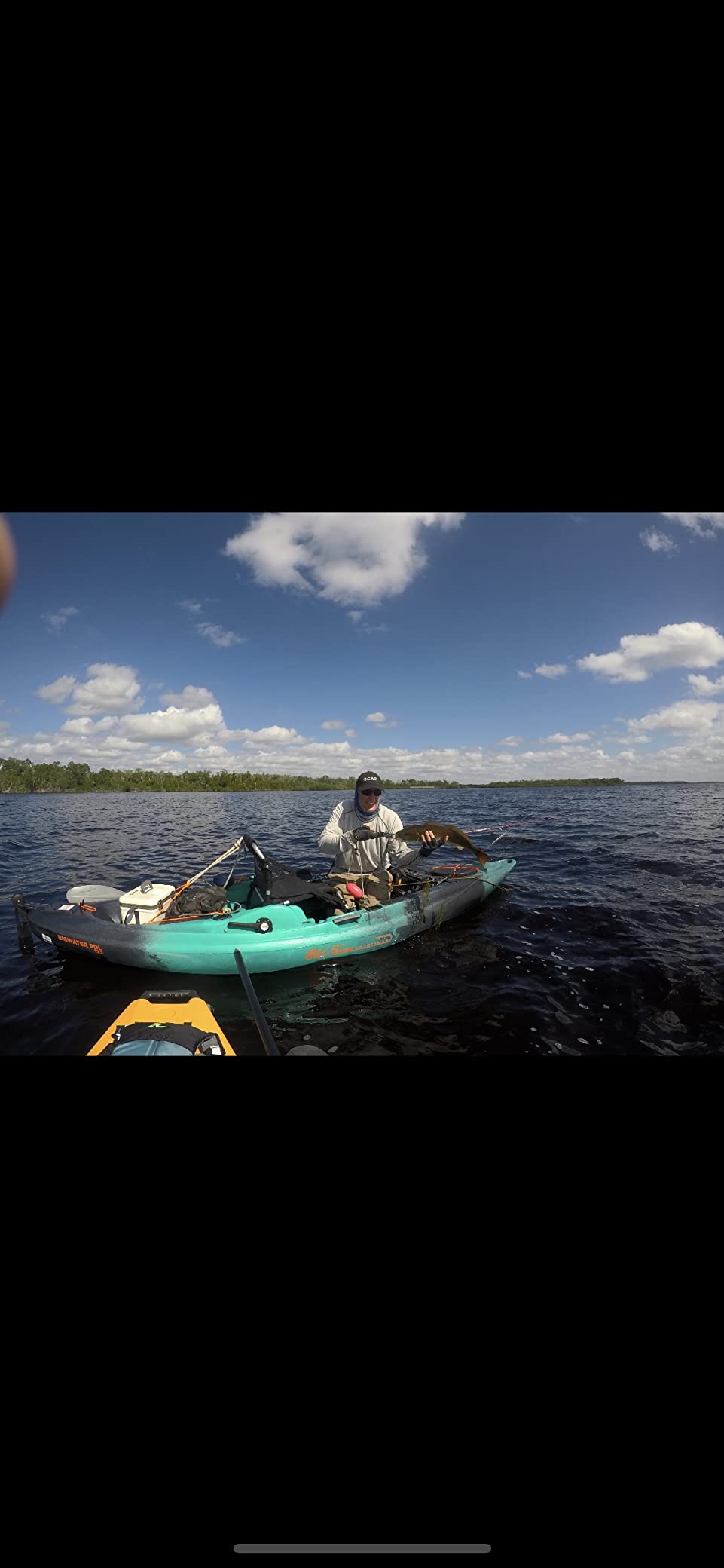
The rating is a perfect 5.0, and we want to be direct about what that means: four reviews. Read it as an absence of complaints rather than a demonstrated track record. The specification is what distinguishes this model, not the score.
Unlike most of the cheaper modular designs here, this is a rigid hull from an established manufacturer with a limited hull warranty and a five-year PDL drive warranty. If you intend to keep a boat for a decade, that warranty structure is worth real consideration.
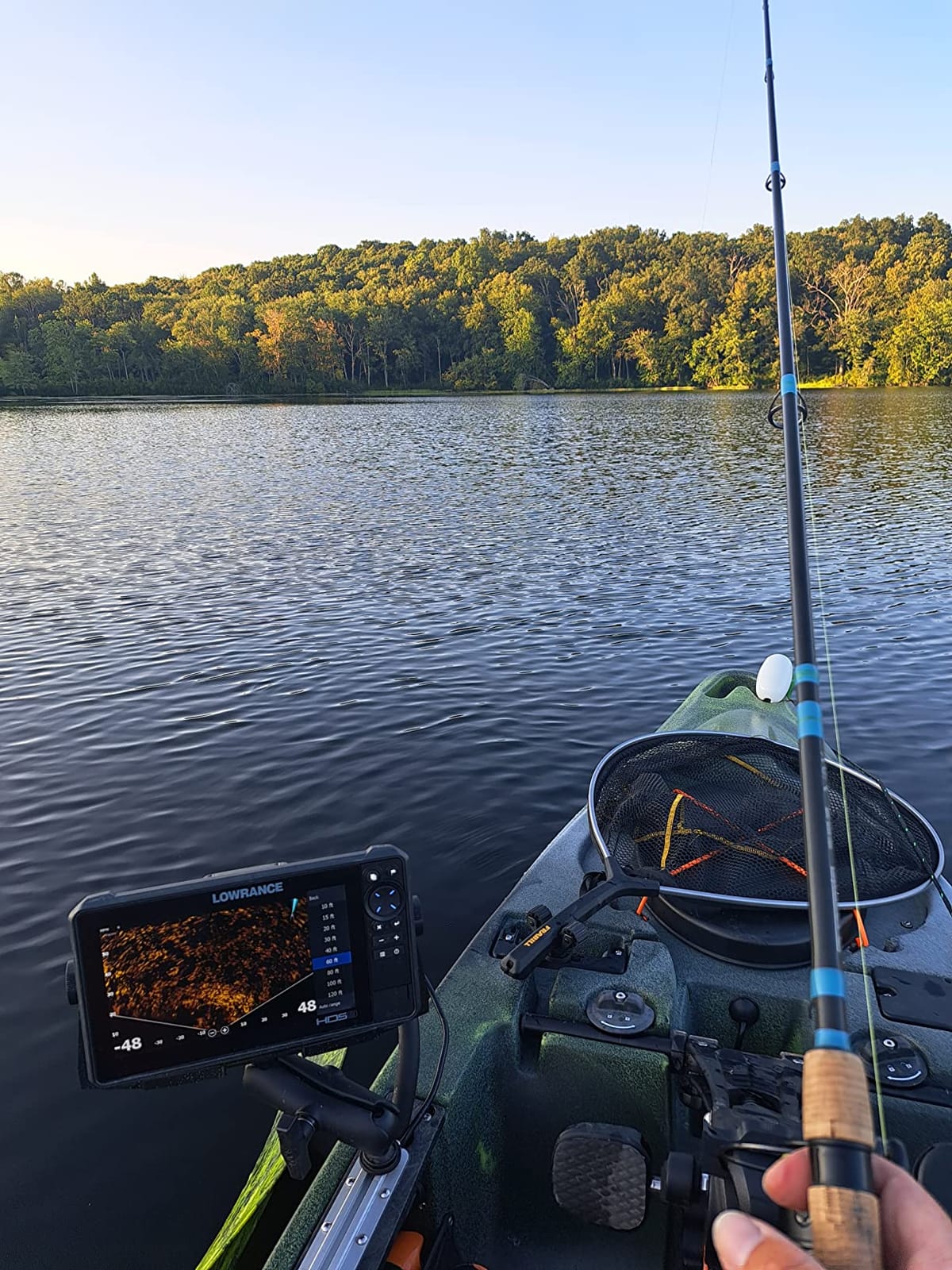
When 13 feet is the right answer
Length pays off in straight-line tracking and in holding speed across a wind or current, and a 36 inch beam on a hull this size gives you a genuine stand-up casting platform. The moment it stops paying off is transport: 122 lb plus a 21 lb console is a two-person lift or a cart and ramp, every single time.
Who should skip the BigWater PDL 132
Skip it unless you fish large open water regularly, because on a small lake the maneuverability and portage burden are pure overhead. It is also the wrong first pedal kayak for anyone who has trouble lifting a loaded cart, and it is unnecessary if your gear load fits comfortably inside 350 lb.
How to Choose a Pedal Drive Fishing Kayak for Lakes
Start with your lake, not with the boat. The four water types below account for most of the decisions in this roundup, and matching your water to a hull length and drive type removes most of the guesswork before you compare models.
Shallow, weedy reservoirs and flooded timber: choose a fin drive. A propeller will stop on the first mat of moss, and clearing it by hand at 30 feet from your truck is a mood-killer. The Reel Yaks Raptor is the pick in this group built around that requirement.
Big deep inland lakes with wind and open crossings: choose length and beam. Twelve to thirteen feet of hull with a 36 inch beam tracks straighter and holds speed, and both Old Town models on this list are purpose-built for it.
Clear-water sight-cast lakes: choose maneuverability over size. A 9.5 to 10 foot hull turns tighter, accelerates faster, and carries more gear per pound of boat, which is what sight fishing rewards.
Small ponds and near-shore fishing: pedal drive may be more than you need. Anglers who fish one small water body often report that a paddle kayak is simpler, lighter, and sufficient, and that is an honest conclusion rather than a failure.
Prop drive, fin drive, and rotary systems compared
Propeller drives are the most common and generally the fastest in open water, but they need 18 to 24 inches of clearance and they wrap around vegetation. Fin drives oscillate rather than spin, which sheds weeds and runs quietly at the cost of some raw speed. Rotary systems sit between the two in character. Practical speed on a good hull is roughly 3 to 4.5 mph cruising and 5 to 5.5 mph at a sprint, and a 12 foot hull outruns a 10 foot hull at every effort level.
Instant reverse matters more than raw speed for fishing. Reversing into a dock, backing off a snag, or repositioning quietly over structure without paddling noise is the feature anglers use most, and instant reverse is what lets you back off a snag or reposition over structure without grabbing the paddle.
Calculate your real loaded weight before you buy
Rated capacity is theoretical, and owners across every forum we read describe real comfort and performance nearer 70 to 75 percent of the rating. Do the math on your actual load: your body weight, tackle, a cooler, a battery, a fish finder, and water. A 200 lb angler with 60 lb of gear and a 20 lb cooler needs roughly 280 lb of usable load, which puts a 350 lb rated boat at the edge and a 440 lb boat in comfortable territory.
Pay attention to usable capacity figures where they are published. The Old Town PDL 106 rates 450 lb total but lists 343 lb usable for person and gear, and the BigWater 132 rates 500 lb total with 378 lb usable. Those are the numbers that describe your actual day on the water.
Beam width, standing, and casting
As a working rule: 34 inches or wider supports standing casts with confidence, 30 to 33 inches means cast carefully or fish seated, and under 30 inches is a sit-down platform. Primary stability, which is how flat the kayak feels when you first drop onto the seat, comes from beam. Secondary stability, which is how it feels once you stand up, comes from overall hull volume and length.
Weight and solo transport
This is the number nobody sells on, and it is the number that decides whether you fish on Saturday or not. Below about 70 lb, solo carrying is realistic. Between 70 and 100 lb, a kayak cart is effectively mandatory, and owners treat it that way. Above 100 lb, you are planning a ramp technique, a second pair of hands, or a trailer. Our fishing canoe guide for lakes is worth a look if a pedal drive is more boat than you need.
Five-point pre-purchase checklist
First, drive compatibility. Proprietary systems lock you to that brand for parts, and retrofitting pedals onto an existing paddle kayak only works if the hull has a universal track mount and the drive kit matches it. Second, the seat. A high-low adjustable seat with lumbar support determines how long you can pedal and cast. Third, rod holder placement relative to your actual casting motion. Fourth, whether a rudder is included and whether it can be raised for shallow water. Fifth, warranty length on the hull and on the drive, since those are the two assemblies that actually fail.
Trolling motor and fish finder mounting
Motor compatibility is a live question in kayak fishing groups and is thinly covered elsewhere. A trolling-motor-ready bow means the hull is reinforced or pre-drilled for a bracket, so you can add a motor later without drilling the deck. Among these picks, the BKC Brooklyn 10.5 Pro is explicitly motor-ready, though no battery compartment is included. For a fish finder, a universal transducer mount is the feature to look for, and the two Old Town models both include one. Mounting a transducer yourself means a custom platform, as the Spatium buyer discovered.
Our broader kayak picks for lakes covers paddle-only options if you want to weigh the pedal decision against a conventional boat before committing.
Frequently Asked Questions
How fast do pedal drive kayaks go?
Realistic cruising speed on a pedal drive kayak is 3 to 4.5 mph, with a sprint of roughly 5 to 5.5 mph on a good hull. A 12 foot hull outruns a 10 foot hull at every effort level because it tracks straighter and carries speed better. Long crossings on big lakes are usually what decides between a 9.5 foot and a 12 foot model.
Can I add pedals to my kayak?
Sometimes. Retrofitting only works if your hull has a universal or universal-track mount and the drive kit matches that mount. Proprietary systems such as Old Town PDL or Hobie Mirage Drive lock you to that brand for parts and controls. If your kayak has no mounting track, you are looking at drilling the deck yourself, which affects the hull warranty.
What is the best fishing kayak?
There is no single best fishing kayak, because the right answer depends on your water and your body. For pedal drive on lakes, match hull length to distance travelled and drive type to vegetation: fin drive for weedy shallows, propeller for open water. Compare beam width for standing casts and usable capacity, not just the rated number, before choosing.
How much does a pedal fishing kayak weigh?
Weights in this roundup run from a 58 lb rotomolded hull up to a 122 lb rigid hull with a 21 lb pedal console. Under about 70 lb one person can carry it alone. Between 70 and 100 lb a kayak cart is effectively mandatory. Above 100 lb you need a ramp plan, a second pair of hands, or a trailer.
Do pedal kayaks work in shallow water?
They do, but the drive type decides how gracefully. Propeller drives need roughly 18 to 24 inches of clearance and wrap around weeds, so they must be raised and cleared by hand. Fin drives oscillate instead of spinning and shed vegetation better. Raising the rudder for shallow water and launching without dragging the drive are the two details that prevent damage.
Which pedal kayak is best for the sea?
None of these lake-focused picks is the right answer for the sea. Saltwater use calls for wide-beam, self-draining boats with sealed gear storage and hardware rated for corrosion, and the fishing kayak and pedal kayak guides here cover that category separately. A lake hull works fine on a calm lake and poorly in salt water and surf.
Final Verdict on the Best Pedal Drive Fishing Kayaks for Lakes
After working through all 12, the Reel Yaks Raptor is our pick for the best pedal drive fishing kayak for lakes because it combines the largest owner review base here with a fin drive that works in the water most lake anglers actually fish. Its 62 lb split hull also solves the transport problem that stops a lot of people before the first season.
Buy the Old Town Sportsman PDL 106 instead if your water is wide and windy and you want to stand and cast all day. Buy the BigWater PDL 132 only when you genuinely cover big open water, and pick one of the lighter 9.5 to 10 foot models if you plan to carry your boat alone. Our best fishing kayak picks for lakes cover the paddle options if pedal drive ends up being more boat than your lake needs.