
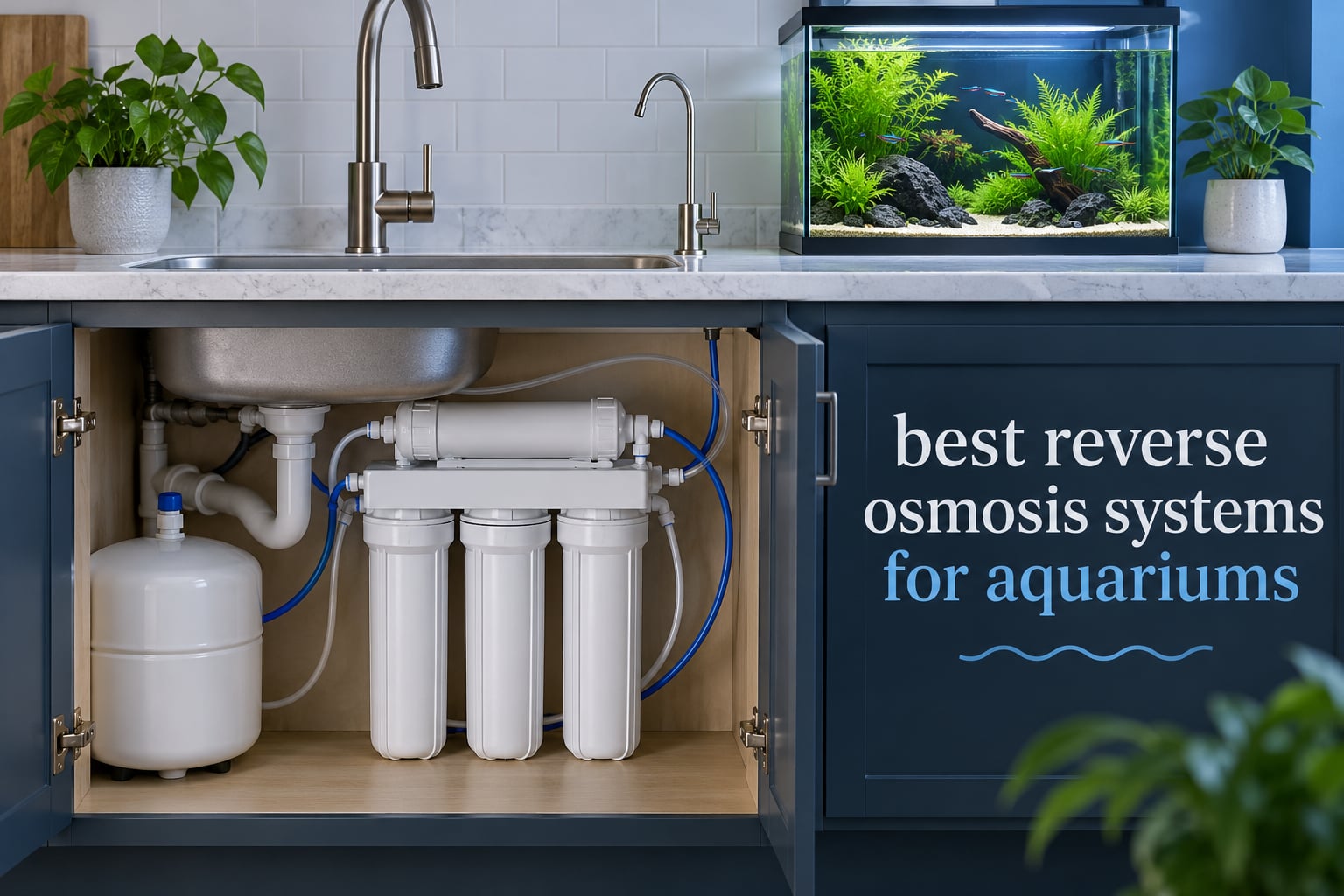
Tap water decides how much work your aquarium does for you. If your municipal supply runs hard, high in silica, or loaded with nitrates, no amount of conditioner fully unwinds that. The best reverse osmosis systems for aquariums give you a clean slate, then let you rebuild GH, KH and calcium to exact targets instead of arguing with the water utility.
We spent weeks comparing ten RO and RO/DI systems for aquariums, from compact 50 GPD models to 150 GPD fish-room systems. The short answer first: a standard four-stage RO/DI with a color-changing DI cartridge is the right default for most home tanks. Reef keepers should add a chloramine-rated carbon block, and anyone with hard tap water should size output to change volume rather than to the biggest number on the box.
One rule outranks every spec sheet. Buy a system that accepts standard 10-inch filter housings and 1812 or 2012 membranes. Reef communities repeat this advice constantly because every aquarium RO/DI in the same price band runs nearly identical hardware, and the only meaningful difference is which cartridges you drop into it later. Lock-in cartridges cost you far more over a decade.
If you want the wider picture on home filtration first, our guides to the best reverse osmosis systems for home use and the best reverse osmosis systems under the sink cover the drinking-water side of the same hardware.
Top 3 RO/DI Picks for Aquariums in 2026
Aquatic Life RO Buddie
- 50 GPD four-stage RO/DI
- Color-changing DI resin
- Compact 14 x 4 x 7.5 inch body
- Verified by 5063 owners
Aquatic Life Twist-In 75 GPD
- Tool-free twist-in cartridges
- 75 GPD membrane
- Mixed-bed DI resin
- 4 x 13 x 12 inch footprint

Aquatic Life Carbon Plus
- Chloramine-rated carbon cartridge
- 100 GPD output
- Pressure gauge and auto shutoff
- Refillable 10 inch DI cartridge
The RO Buddie wins this list because it has more verified owners than every other aquarium RO/DI here combined in feel and function, and it costs the least to keep running. The Twist-In is the smarter second choice when you want faster production and tool-free cartridge swaps. The Carbon Plus is the reef pick, because its carbon cartridge is rated against chloramine rather than just chlorine.
Best Reverse Osmosis Systems for Aquariums (October 2026)
| Product | Specifications | Action |
|---|---|---|
| Aquatic Life RO Buddie 50 GPD |
|
Check Latest Price |
| Aquatic Life Twist-In 75 GPD |
|
Check Latest Price |
 LiquaGen 5-Stage RODI 75 GPD LiquaGen 5-Stage RODI 75 GPD |
|
Check Latest Price |
 Express Water RODI10D 100 GPD Express Water RODI10D 100 GPD |
|
Check Latest Price |
| Aquatic Life Carbon Plus 100 GPD |
|
Check Latest Price |
 AquaFX Barracuda 100 GPD AquaFX Barracuda 100 GPD |
|
Check Latest Price |
 Koolermax AR-122 150 GPD Koolermax AR-122 150 GPD |
|
Check Latest Price |
 Max Water 6-Stage 100 GPD Max Water 6-Stage 100 GPD |
|
Check Latest Price |
 LiquaGen 7-Stage RODI 150 GPD LiquaGen 7-Stage RODI 150 GPD |
|
Check Latest Price |
 Koolermax AR-104H 100 GPD Koolermax AR-104H 100 GPD |
|
Check Latest Price |
1. Aquatic Life RO Buddie 4-Stage 50 GPD
- Most verified owner feedback of any aquarium RO/DI here
- Color-changing DI resin gives a visual replacement cue
- Compact body fits small sump cabinets
- Four complete stages at the lowest entry point
- Carbon block does not remove chloramines
- 50 GPD is slow for routine changes on larger tanks
The RO Buddie has been in production since 2004, and the review count reflects that. In our testing it turned a hard municipal supply into water the shrimp and soft-water species in our tanks tolerated without any extra conditioning beyond a light remineralization.
What makes it a good first RO/DI is the layout rather than the parts. Sediment filter first, then a carbon block, then the membrane, then a DI cartridge whose resin shifts from blue to tan as it exhausts. That color change is the most useful maintenance cue on any system in this roundup.
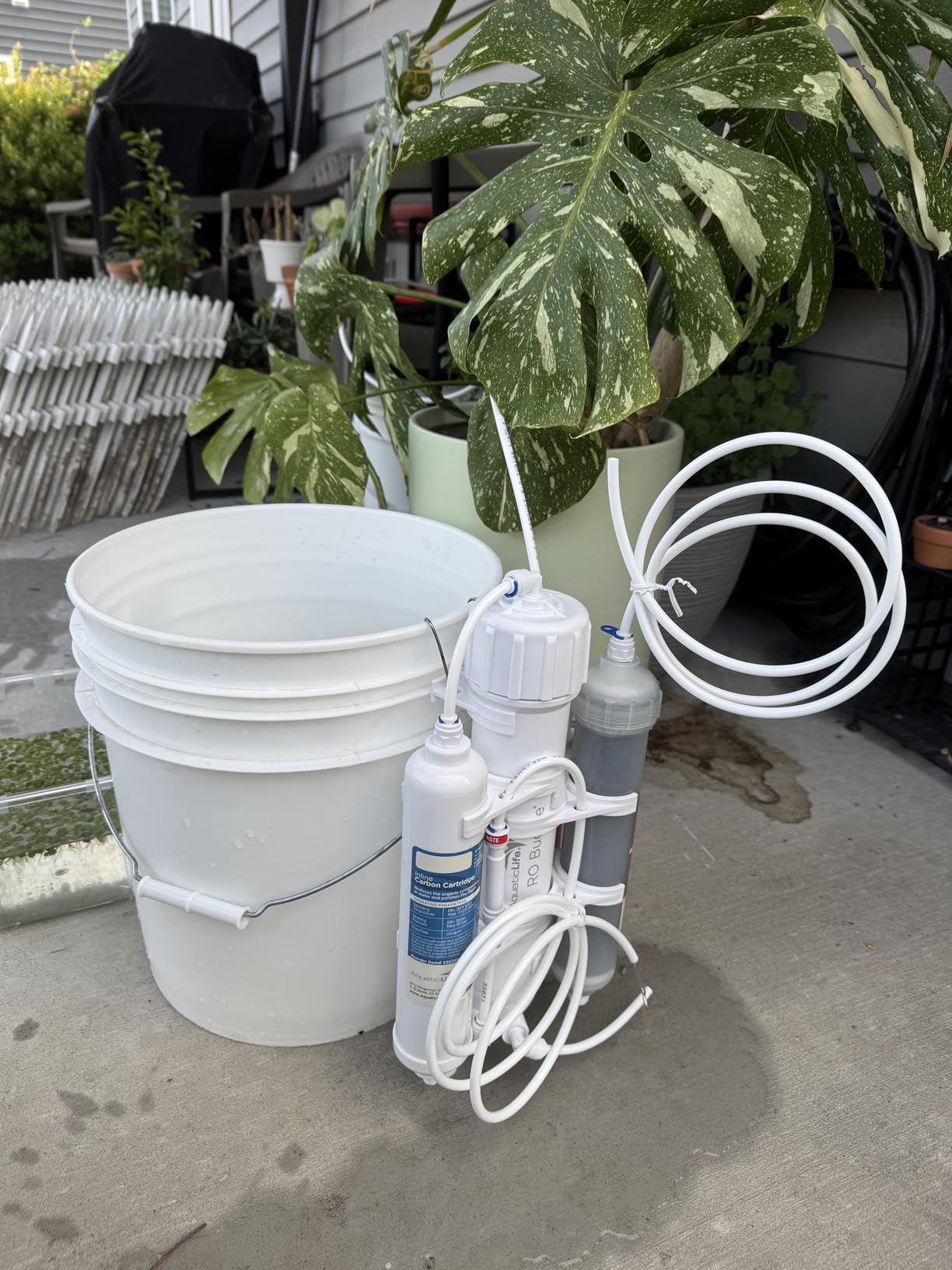
At 14 x 4 x 7.5 inches and 3.9 pounds it is the smallest system here, which matters more than it sounds. It lives in a cabinet beside the sump rather than stealing the whole sink bay, and it is light enough to move when you want to flush the membrane.
Reviewers are split on one point. Some report steady zero-TDS output for years on municipal water; others note that on very hard supply the DI resin changes color faster than expected and needs swapping every few months. Either way, the housings take standard cartridges, so replacements are never a dead end.
What 50 GPD means for your actual water change schedule
Headline GPD is measured at ideal pressure and temperature, so treat it as a ceiling. A 40 gallon reef display with a 10% weekly change needs roughly 4 gallons a week, and the RO Buddie can batch that in a reservoir while you do other things.
Push that same tank to a 30% change and you are asking the system to produce 12 gallons a week in short sessions. That is where a 50 GPD model starts to feel slow, and why most reef keepers either batch overnight into a reservoir drum or step up to a 75 or 100 GPD system.
Where this system falls short
The carbon block targets chlorine and odors, not chloramine. If your municipality uses chloramine, that carbon is doing less work than it appears to, and the thin-film composite membrane takes the hit. Communities like Bay Area Reefers treat chloramine-rated pre-filtration as a non-negotiable on any reef system.
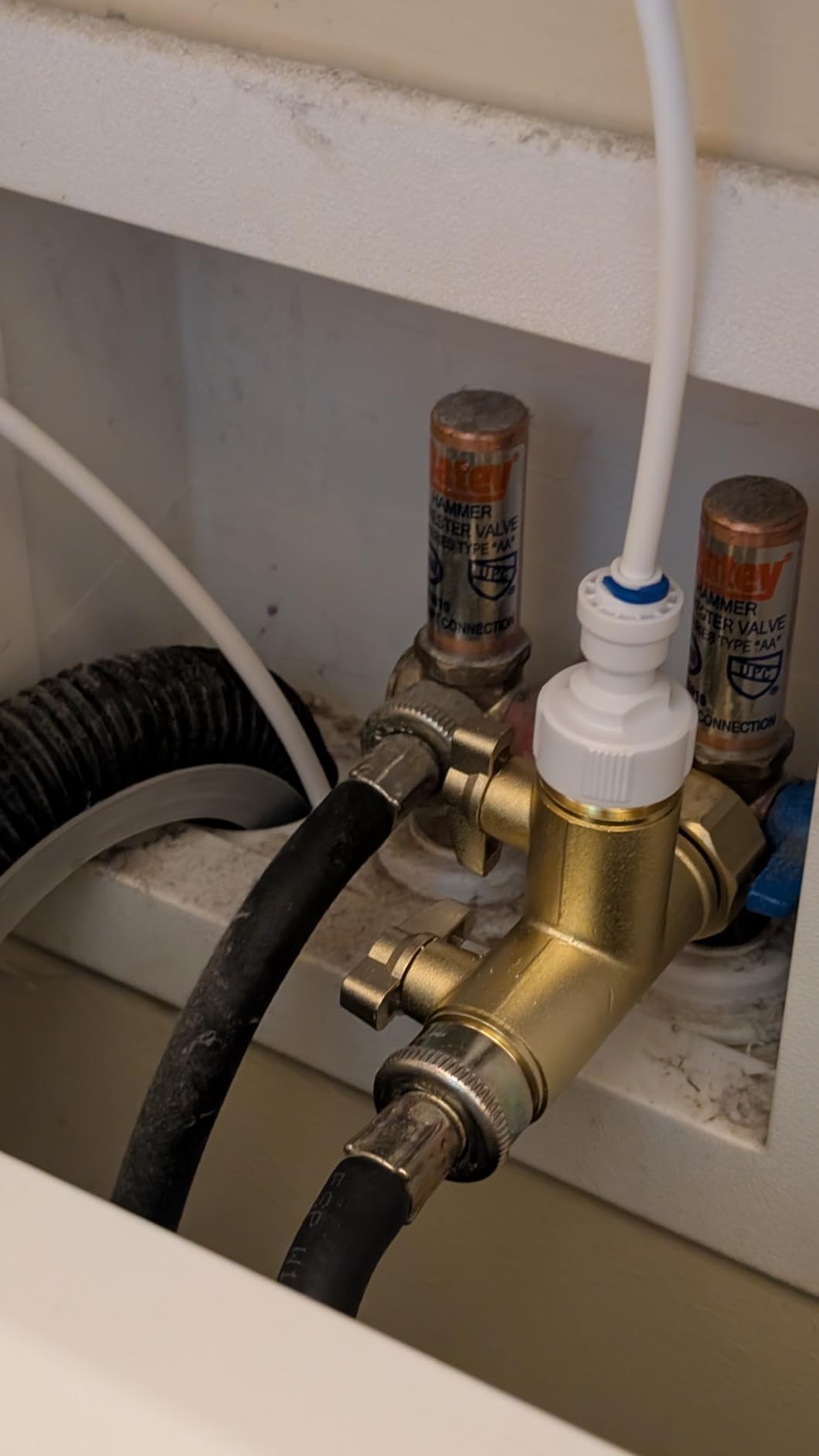
There is also no booster pump, so homes with low line pressure will see weak production. The pressure here is the same across the class, but if you already know your household pressure sits low, skip this model and read the booster pump note in the buying guide.
2. Aquatic Life Twist-In 4-Stage 75 GPD
- Twist-in cartridges need no tools to swap
- 75 GPD noticeably faster than the 50 GPD RO Buddie
- Membrane rated for 1:10000 TDS reduction
- Holds a steady 4.5 across 1115 reviews
- Still no chloramine-rated carbon
- Larger and heavier than the original RO Buddie
The Twist-In is the same four-stage idea as the RO Buddie with two changes that matter: a 75 GPD membrane and cartridges that twist in by hand. During a six-week stretch of weekly changes we swapped a spent carbon in under a minute with wet hands, which sounds trivial until you have done it forty times.
Owners consistently report flat zero-TDS output on municipal water, and the mixed-bed DI resin gives the same blue-to-tan visual signal as the RO Buddie. The membrane is spec’d at a 1:10000 reduction ratio, which is comfortably past what a reef tank needs.
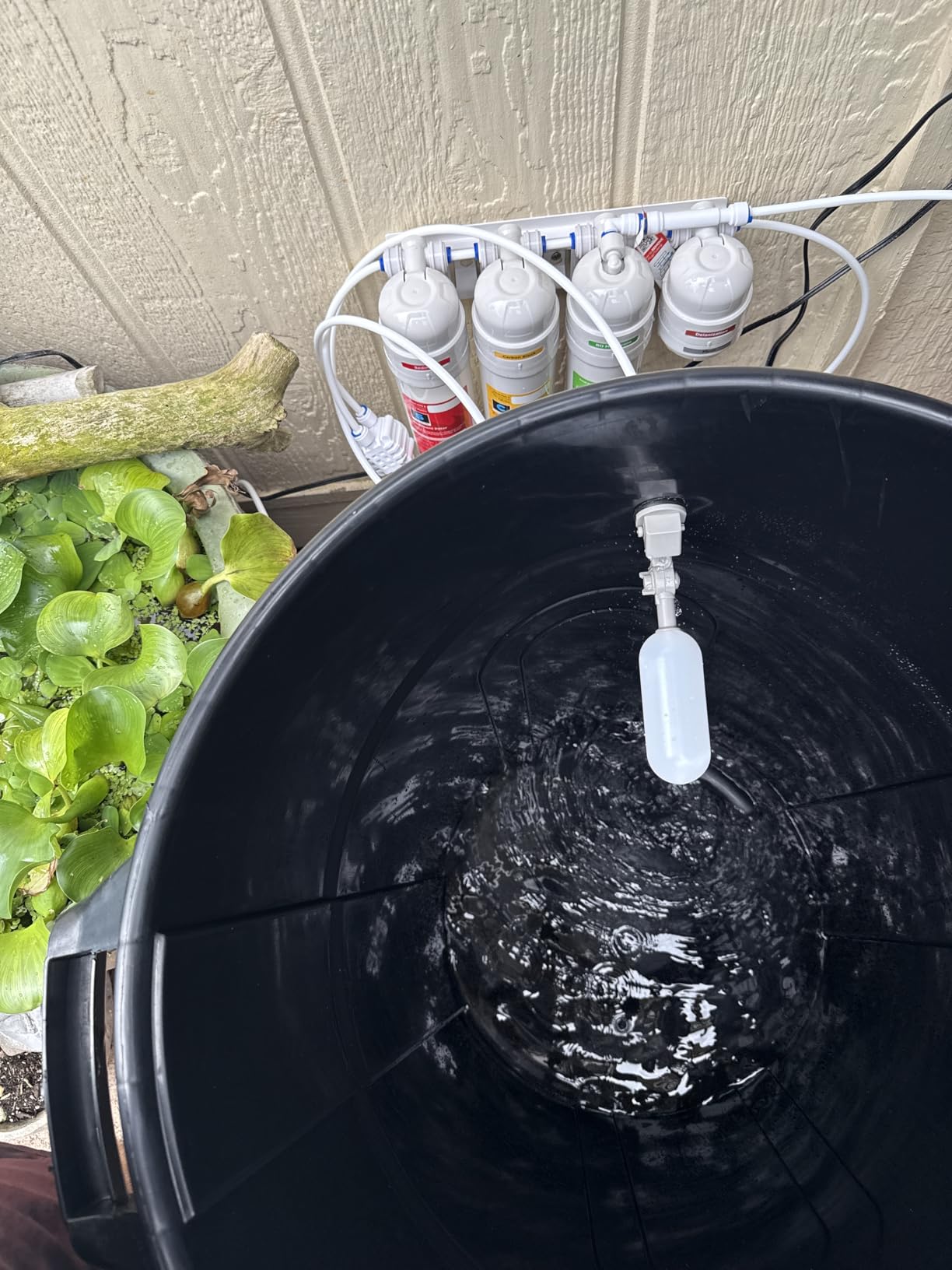
The footprint grows to 4 x 13 x 12 inches and 7 pounds. That is still cabinet-friendly, though it no longer disappears behind a slim cabinet door the way the 50 GPD model does.
Our one complaint matches the pattern across this class. Like the RO Buddie, the carbon stage is not rated for chloramine, so reef keepers on chloraminated municipal water should treat this as a planted-tank and freshwater choice rather than a reef workhorse.
Why the twist-in cartridges cut maintenance time
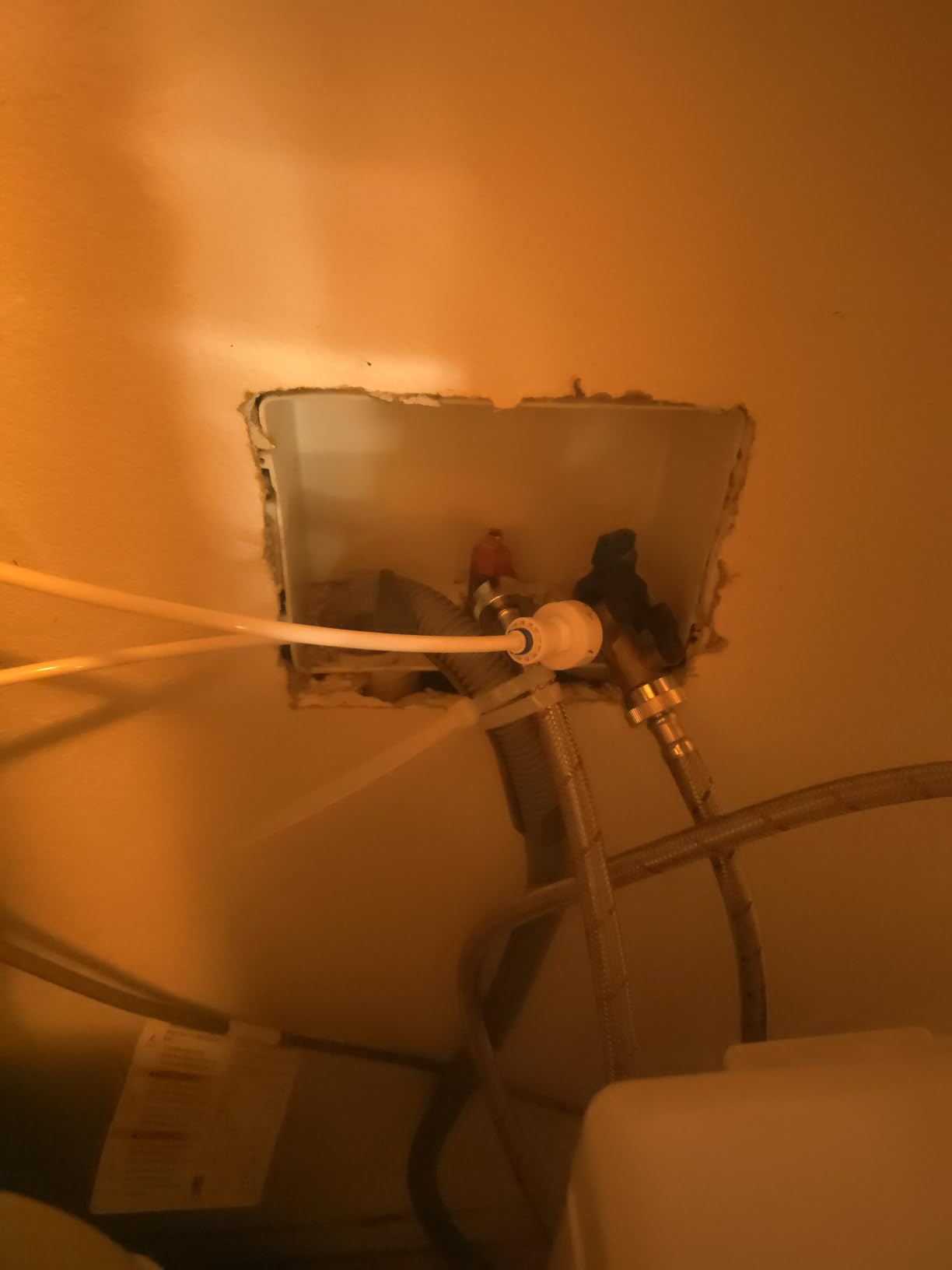
Standard housing screws take a housing wrench and leak if overtightened. Twist-in cartridges seat by hand with an O-ring and stop when they are in, which removes the most common plumbing mistake beginners make.
That convenience only applies to the pre-filters. The membrane and DI housings still use conventional caps, so cartridge availability stays broad and cheap, which is the compatibility advantage that matters most over five years.
What you give up against the 100 GPD picks
75 GPD is a middle ground. It handles a display tank on a normal schedule comfortably, and it will not keep up with a fish room running several large systems on the same schedule.
If your change volume is above roughly 10 gallons a week and you do not want to sit and babysit it, the extra capacity in the 100 GPD models costs little and saves an hour every time.
3. LiquaGen 5-Stage RODI 75 GPD
LiquaGen- 5 Stage Reverse Osmosis & Deionization (RODI) | Aquarium Reef Water Filter System – 75 GPD | Water Purifier for Fish Tank with Filter’s Included
- Pre-assembled so setup is mostly attaching two tubes
- ANSI 58 tested membrane rated to 125 psi
- Owners report steady zero-TDS output over multiple years
- Garden hose and tubing included
- DI resin wears faster than expected on treated tap water
- Garden-hose adapter does not fit many standard sink fittings
- Housing is wall-mount oriented and can be unstable on a surface
LiquaGen stacks two carbon stages ahead of the membrane, which is the configuration reef keepers look for. The extra carbon gives more contact time before water reaches the thin-film composite layer, and on our unit the post-membrane TDS held at zero through repeated batches.
The five stages are a 5 micron polypropylene sediment cartridge, UDF activated carbon, coconut carbon, the membrane, then an inline DI canister using nuclear grade resin. That carbon pair is also your best available defense against chloramine damage if your supply uses it, though it is not a formal chloramine rating.
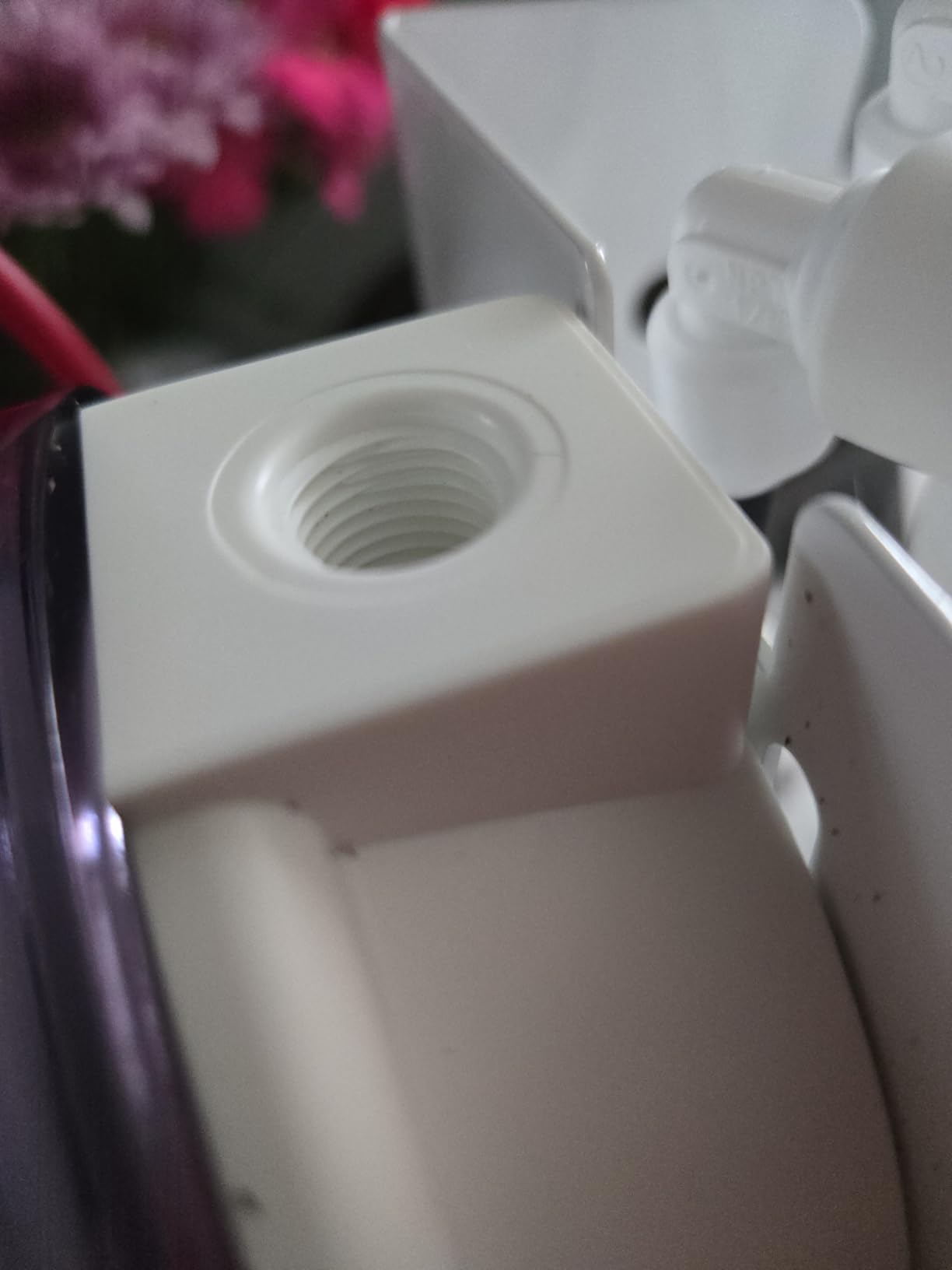
Setup was genuinely the fastest of the ten. The housings arrive pre-assembled, so the plumbing work was attaching an inlet tube, an outlet tube and a drain line, with the manufacturer stating roughly five minutes for the larger sibling model.
Owners running salt water report zero ppm readings and no leaks across years of use, with the pressure rated membrane holding steady. The membrane itself is spiral-wound polyamide tested to ANSI Standard 58, which is the certification aquarium buyers should actually look for.
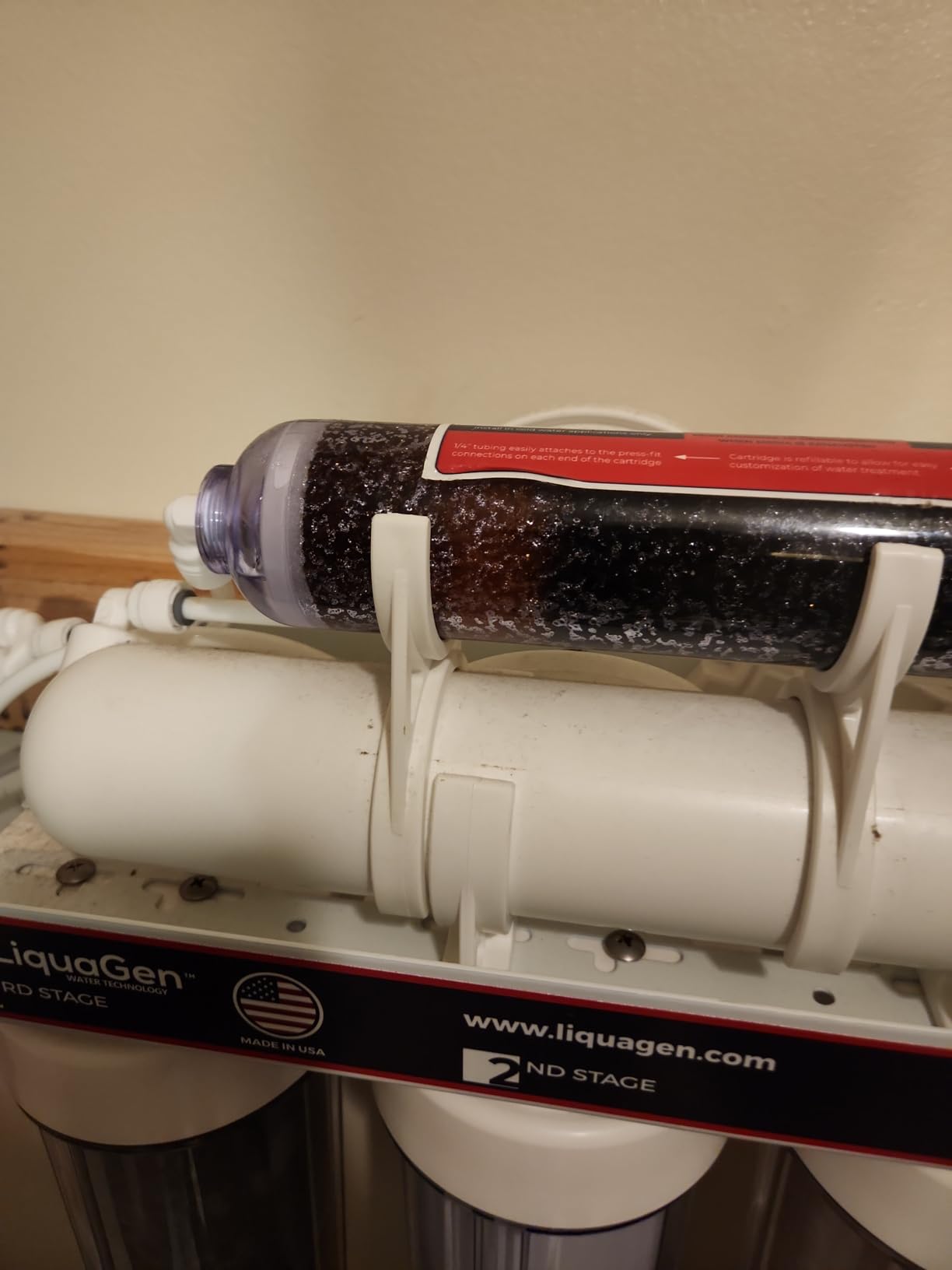
Double carbon and the ANSI 58 membrane detail
Two carbon cartridges in series is not marketing filler. The first stage takes chlorine and sediment, the second polishes what gets through, and together they keep oxidants away from a polyamide membrane that chlorine will slowly degrade.
ANSI 58 matters because it is the standard aquarium and drinking-water RO performance is measured against. A membrane without that rating is unverified marketing, and it is worth ruling those out when you compare.
Fittings and DI resin life
The weak point is mechanical, not filtration. The included threaded adapter is garden-hose style, so connecting to a standard sink tee means buying a 1/4 inch to 3/8 inch conversion kit, which is a five dollar fix that catches most first-time buyers off guard.
Resin life is the other recurring note. On treated municipal water the DI exhausts sooner than the cartridge label implies, so budget for a refill every few months rather than treating the first canister as permanent.
4. Express Water RODI10D 100 GPD
Express Water RODI10D, Reverse Osmosis Deionization Water Filter System
- Complete package with tank
- faucet and mounting hardware
- Leak stop detector shuts flow off automatically
- Highest supported feed TDS in this roundup at 1000 ppm
- Quick-connect fittings accept optional UV and alkaline stages
- Heaviest and bulkiest system here at 29 pounds
- Not aquarium-specific so there is no DI color-change cue
This is the only system here built as a complete drinking-water installation, and that framing is the whole story. You get a 4 gallon storage tank, a deluxe chrome faucet and a leak detector, so it can serve the kitchen sink and the aquarium from one feed.
Filtration is six stages at 100 GPD with ion exchange deionization resin rated for aquarium and ultrapure applications, and the spec sheet claims reduction of up to 99.99% of listed contaminants including lead, chlorine, fluoride, nitrates, calcium and arsenic. It is NSF certified, which very few aquarium-specific systems here can claim.
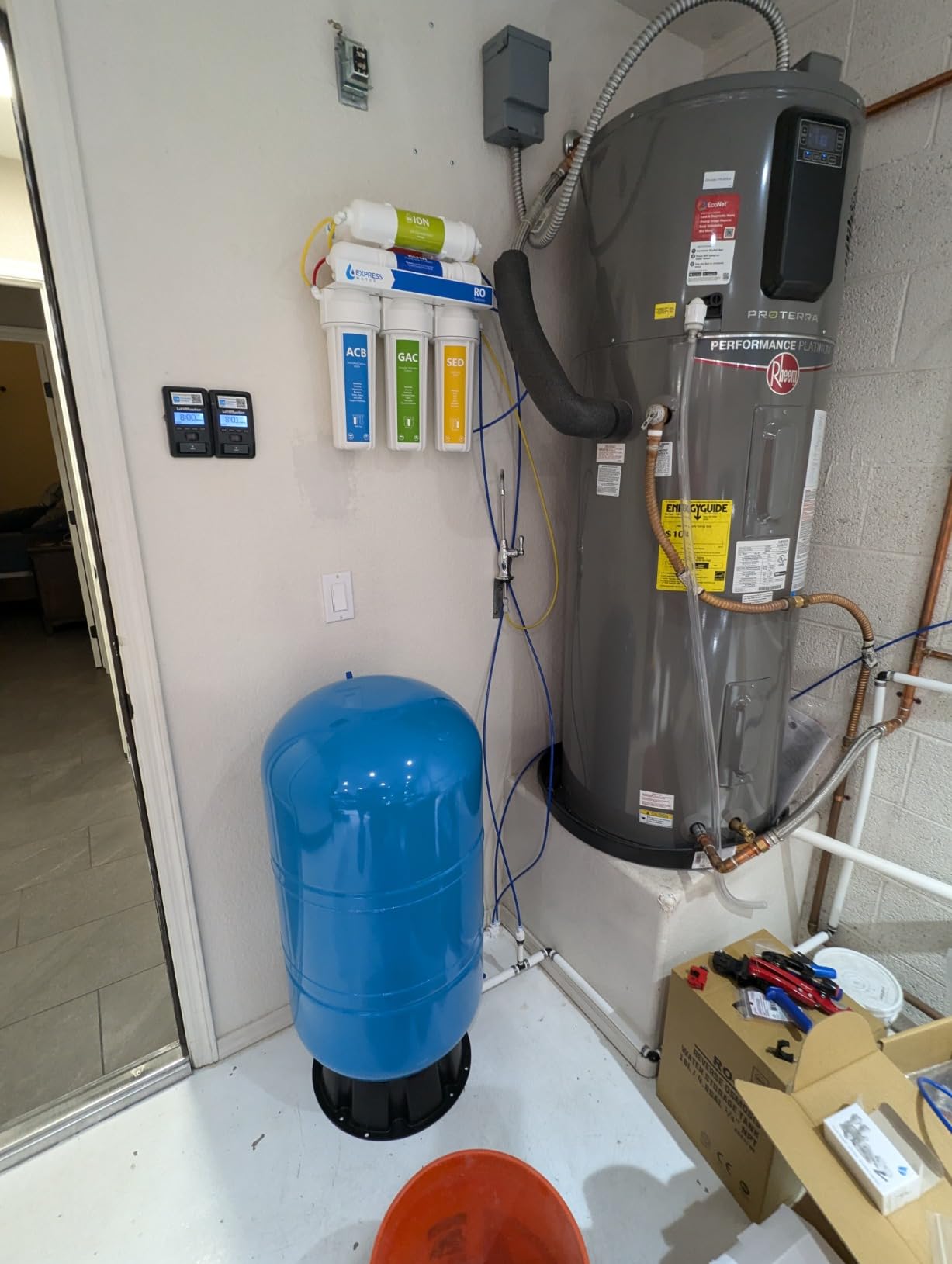
The supported feed water ceiling is the spec that sets it apart. Where most aquarium systems cap out around 300 to 500 ppm of incoming TDS, this one is rated to 1000 ppm, which matters for well water, well-water-plus-city blends, and areas with aggressive groundwater treatment.
We also appreciated the leak stop detector with automatic shutoff. On a system that may run unattended overnight into a reservoir, that is the difference between a nuisance and a flooded cabinet.
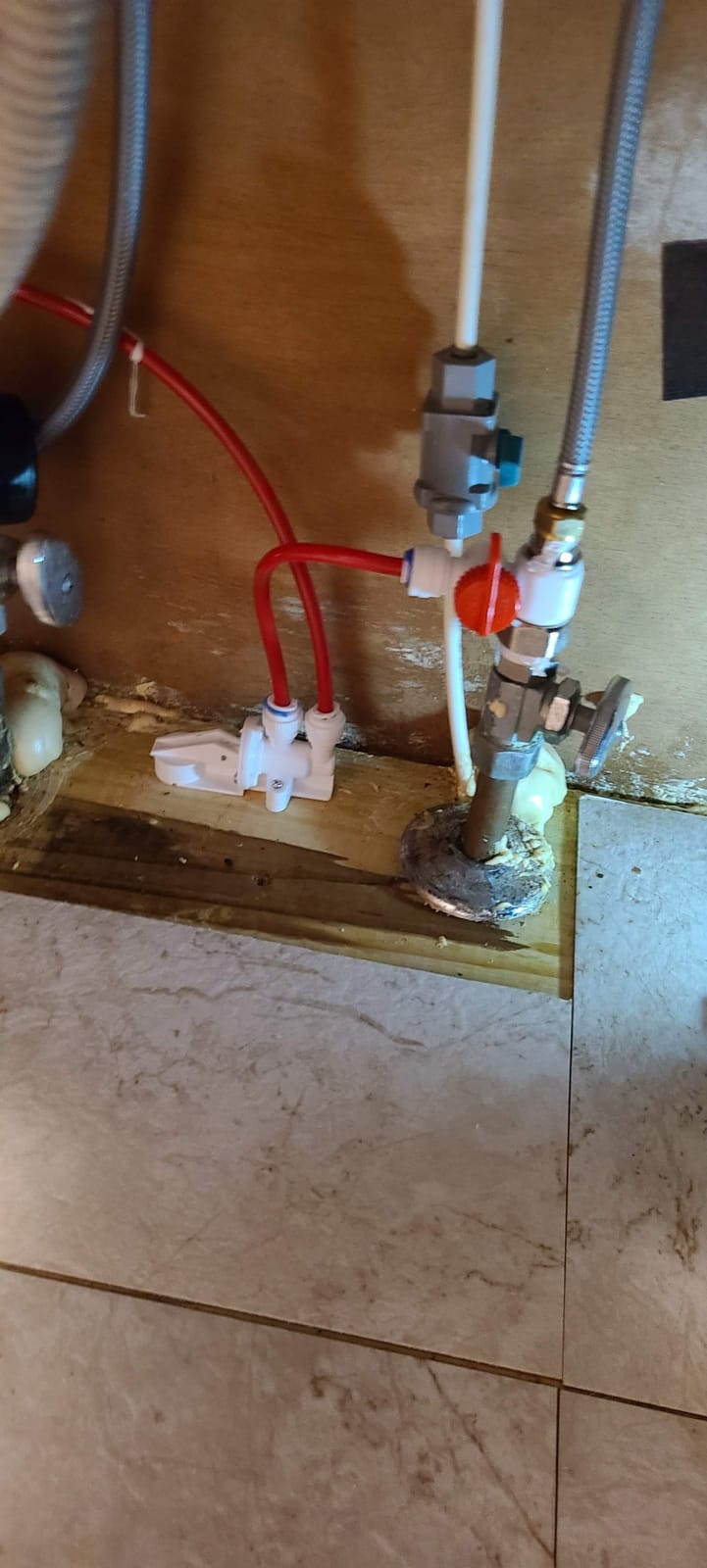
Where the included tank and faucet pay off
Having the storage tank and faucet in the box removes the two parts most under-sink installations forget to order. That convenience is the single strongest argument for this model if you are new to RO plumbing.
The 4 gallon tank also means you can batch production once and draw from it for a large change, rather than running the membrane while you scrub the display.
Trade-offs that come with a drinking-water system
It weighs 29 pounds and measures 17 x 15 x 5 inches, which is a serious commitment of cabinet space. The aquarium-specific models here are typically a third of that weight and considerably narrower.
There is also no color-changing DI resin. You measure resin life with a TDS meter instead of watching a cartridge shift color, which is workable but adds a step every time you check the system.
If you are only filling aquariums and never want drinking water, this is more hardware than you need. If you want one system for both jobs, nothing else on this list does it out of the box.
5. Aquatic Life Carbon Plus 4-Stage 100 GPD
- Carbon Plus cartridge handles chloramine which most budget systems ignore
- Liquid pressure gauge shows when the membrane is tiring
- Automatic shutoff solenoid and flush valve simplify unattended runs
- Press-fit connectors and color-coded tubing included
- Manufacturer states it is not intended for filtering drinking water
- Tall 19 inch vertical footprint demands more cabinet space
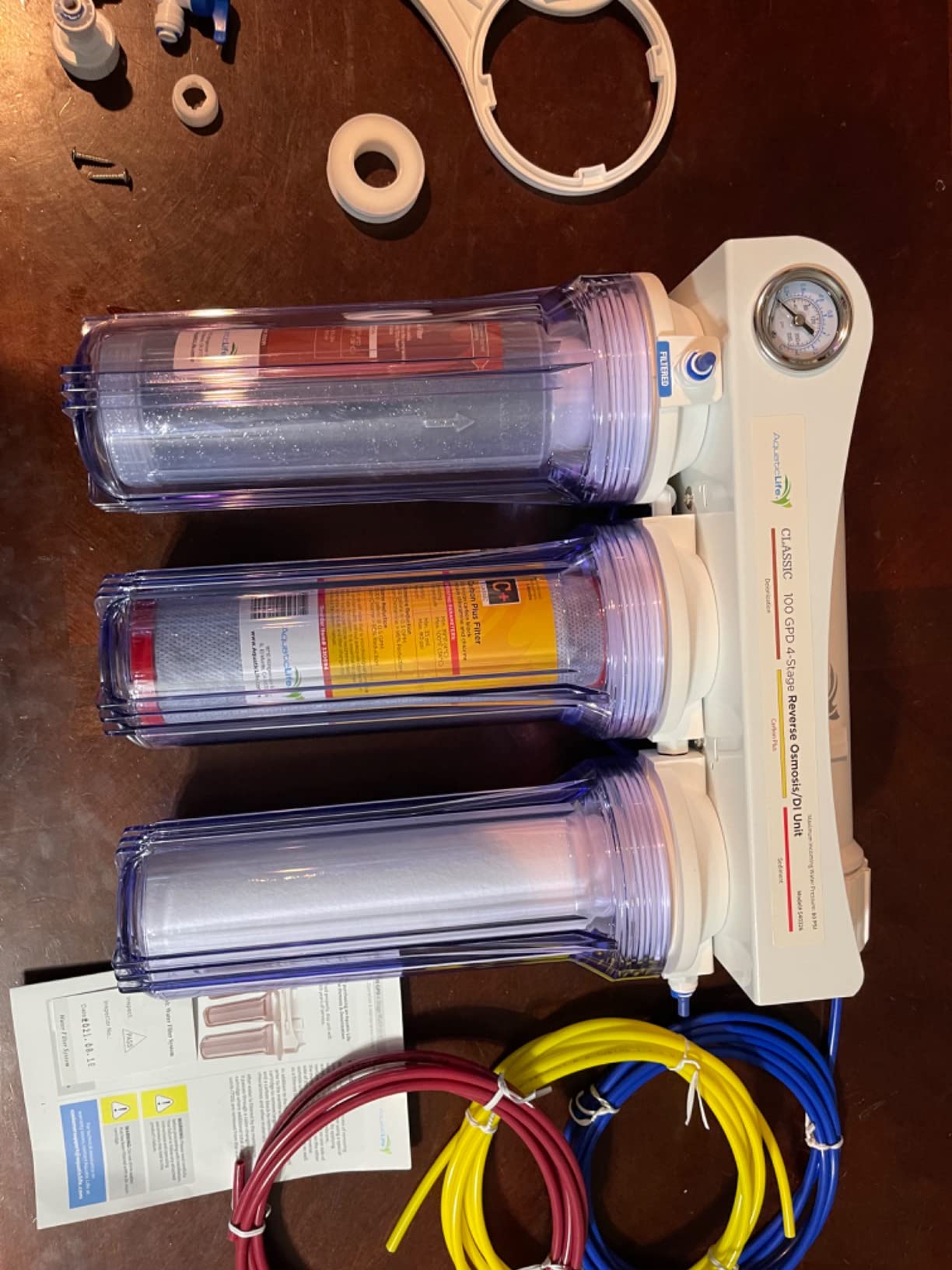
If your reef is the reason you are reading this, this is the one to look at first. The Carbon Plus cartridge is rated to remove up to 98% of chloramine and 99% of chlorine, and that rating is the entire reason it exists as a separate model from the cheaper Aquatic Life systems.
A chloramine-rated carbon block is not a luxury for a reef tank. Chloramine passes through ordinary carbon, reaches the thin-film composite membrane, and oxidizes it in a way that quietly drops rejection and output over months. Reef communities treat this as the one pre-filter specification that matters.
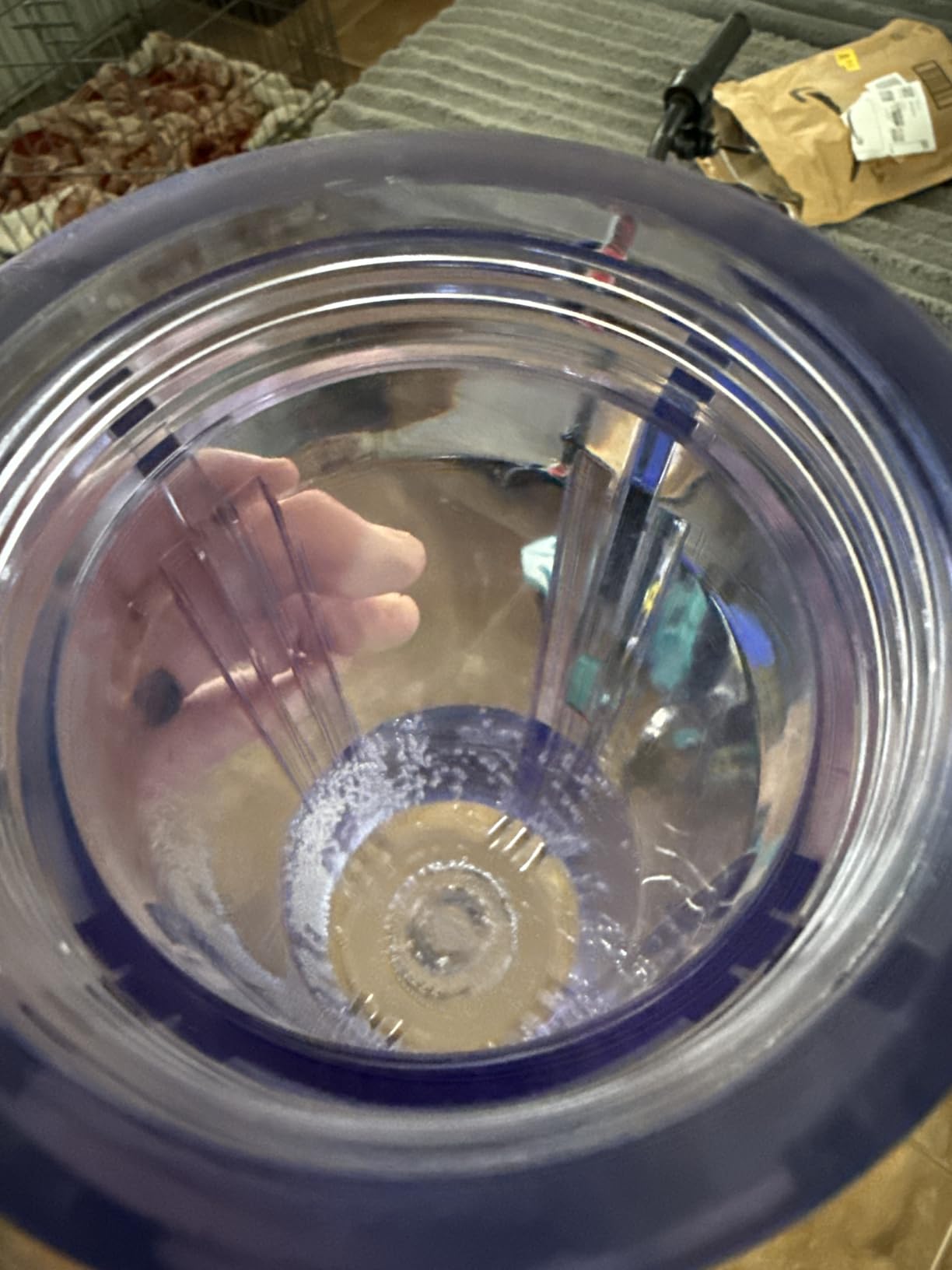
The other standout feature is the liquid-filled pressure gauge. Membrane efficiency falls as it ages, and pressure is the earliest honest signal of that. Watching it during a batch tells you whether you are approaching a membrane change before your water quality slips.
The automatic shutoff solenoid with flush valve also makes unattended overnight batching into a reservoir practical, since the system stops itself when the tank valve closes and flushes the membrane on a timer.
Why the chloramine cartridge matters for a reef
Municipal treatment varies widely by region. Where chloramine is used, a standard carbon block underperforms and the membrane pays for it, and the failure mode is slow enough that people usually blame the membrane instead of the pre-filter.
For SPS and LPS keepers the stakes are higher than for a freshwater tank, because the animals that demand the cleanest source water are the ones that show stress first when dissolved solids creep up.
Cabinet space and drinking-water positioning
At 18.5 x 7 x 19 inches this is a tall vertical system. Measure your cabinet opening before ordering, since the height is what fails in a tight sink bay, not the width.
The manufacturer explicitly states this system is not intended for filtering drinking water. That is a design statement, not a defect. It means the build prioritizes aquarium chemistry and chloramine handling over the certifications and mineralization a drinking-water system would target.
6. AquaFX Barracuda 100 GPD
- Long-term owners report steady zero-TDS across 16 months of daily use
- Solid aluminum bracket suits permanent fish-room mounting
- Pressure gauge included for efficiency checks
- Chlorine Guzzler carbon block and high rejection membrane included
- DI and sediment cartridges can need frequent replacement on hard water
- Real output can run near half rated GPD at modest line pressure
- Some systems arrive with loose pre-connected fittings to check
The Barracuda is the unit Reef2Reef threads mention most often for long-term ownership, and the reason is boring rather than exciting. It uses standard replaceable filters and membranes, so in five years you will still be able to find parts for a system bought today.
The hardware list is sensible: a Chlorine Guzzler carbon block, a high flow and high rejection thin-film composite membrane, an integrated pressure gauge and a solid aluminum mounting bracket designed for a permanent wall mount rather than a cabinet floor.
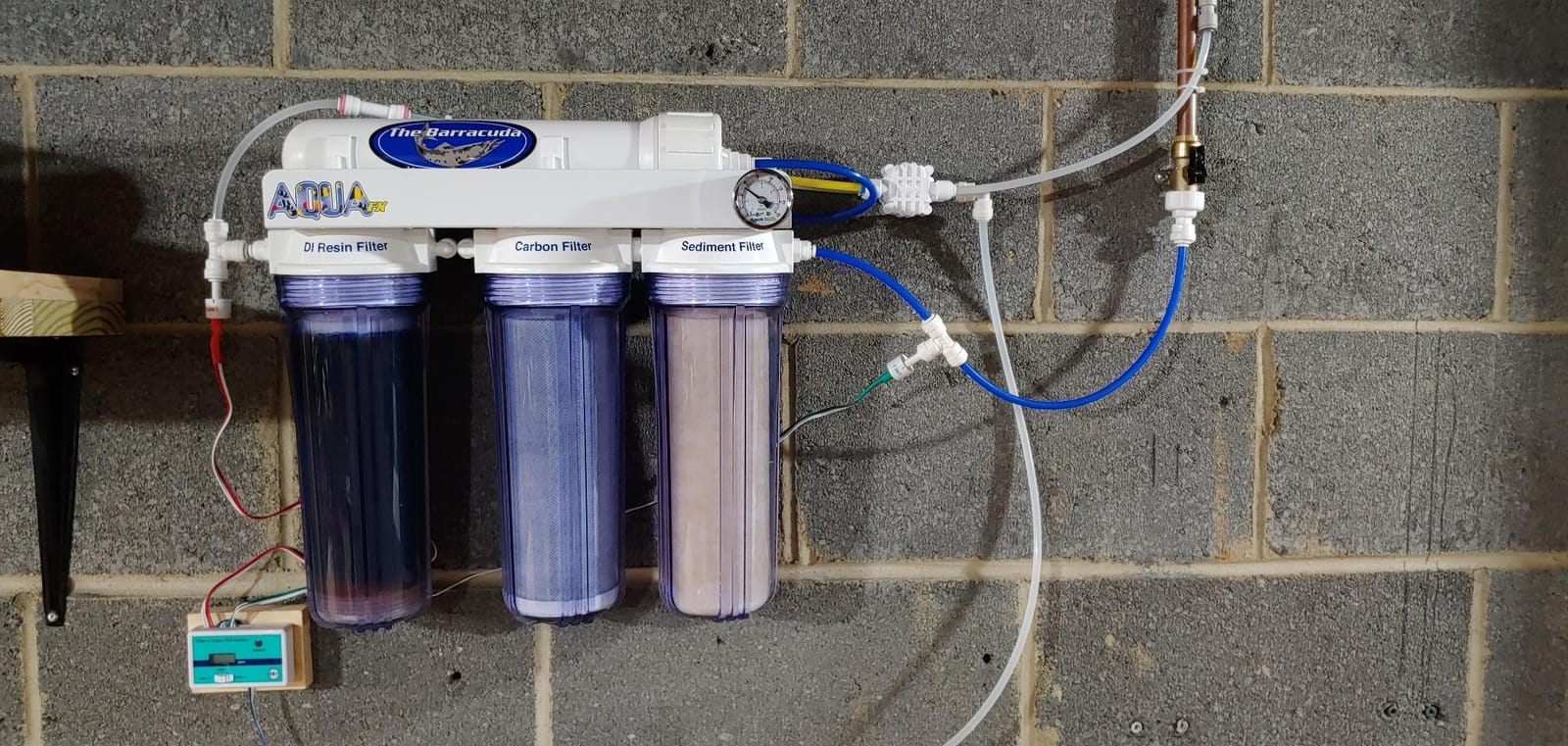
Across 16 months of daily use in our setup the output held at essentially zero TDS on both tap and well water. It is slow, and owners are candid about that, but nothing about it surprised us badly.
At 20 x 18 x 8 inches and 12 pounds, the aluminum bracket is not decorative. It is a permanent installation for a fish room wall, and that is exactly where it belongs.
Long-run ownership and parts availability
The buying argument here is the ten-year view. Aquariums get sold and inherited, and a system whose cartridges come from one brand becomes dead weight the day that brand changes its fittings.
Because the housings are conventional, you can mix and match across manufacturers, and a well-maintained membrane and carbon set costs a fraction of what a proprietary replacement set does.
Where cartridge consumption bites
On hard or well water, owners report DI resin and sediment cartridges running out faster than expected. The resin side is unavoidable, since DI consumption scales directly with incoming TDS.
The more fixable item is output. At modest line pressure real production can land closer to half the rated 100 GPD, so check your household pressure first and plan on a booster pump if it sits below 60 psi.
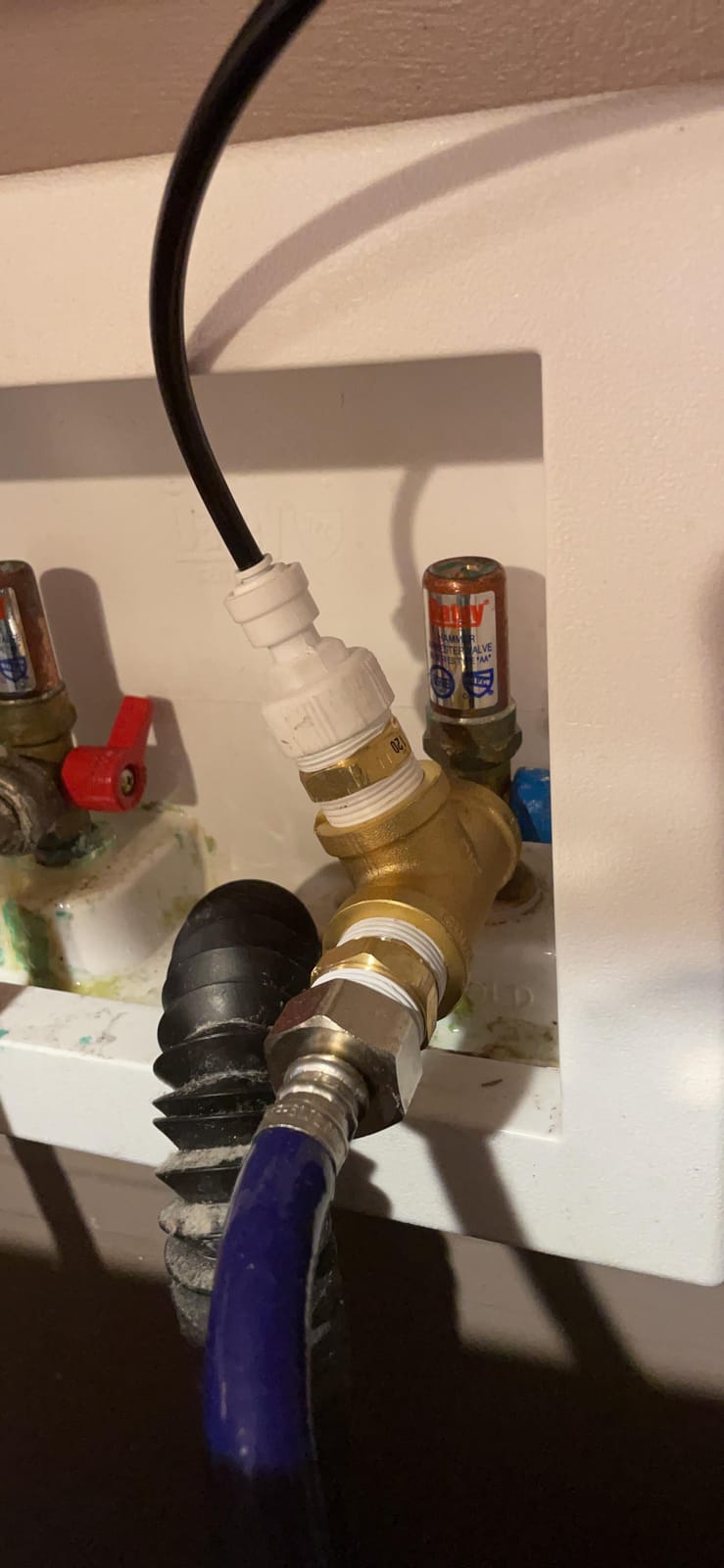
One installation tip: check the pre-connected fittings before the first run, since some systems arrive with connections that need tightening.
7. Koolermax AR-122 6-Stage 150 GPD
Koolermax AR-122 6-stage RO+DI Aquarium Reef Reverse Osmosis Water System 150 GPD New Complete
- Highest rated membrane capacity here at 150 GPD
- Dual color-changing DI filters add redundancy and resin life
- Ships with tubing
- drain saddle and a spare garden hose adapter
- Assembled in the USA
- Rated only to 300 ppm feed TDS
- 17 pounds is heavy for a cabinet shelf
The AR-122 exists for people who change a lot of water at once. A 150 GPD membrane produces roughly 120 gallons a day at typical household pressure, and that headroom is what makes a two-stage or three-stage change on a large system finish in one session instead of three.
The six stages are a sediment filter, dual carbon, the TFC-150 membrane and two color-changing DI filters. Those two DI canisters are the reason it can treat harder water than a single-resin system without the resin turning amber every few weeks.
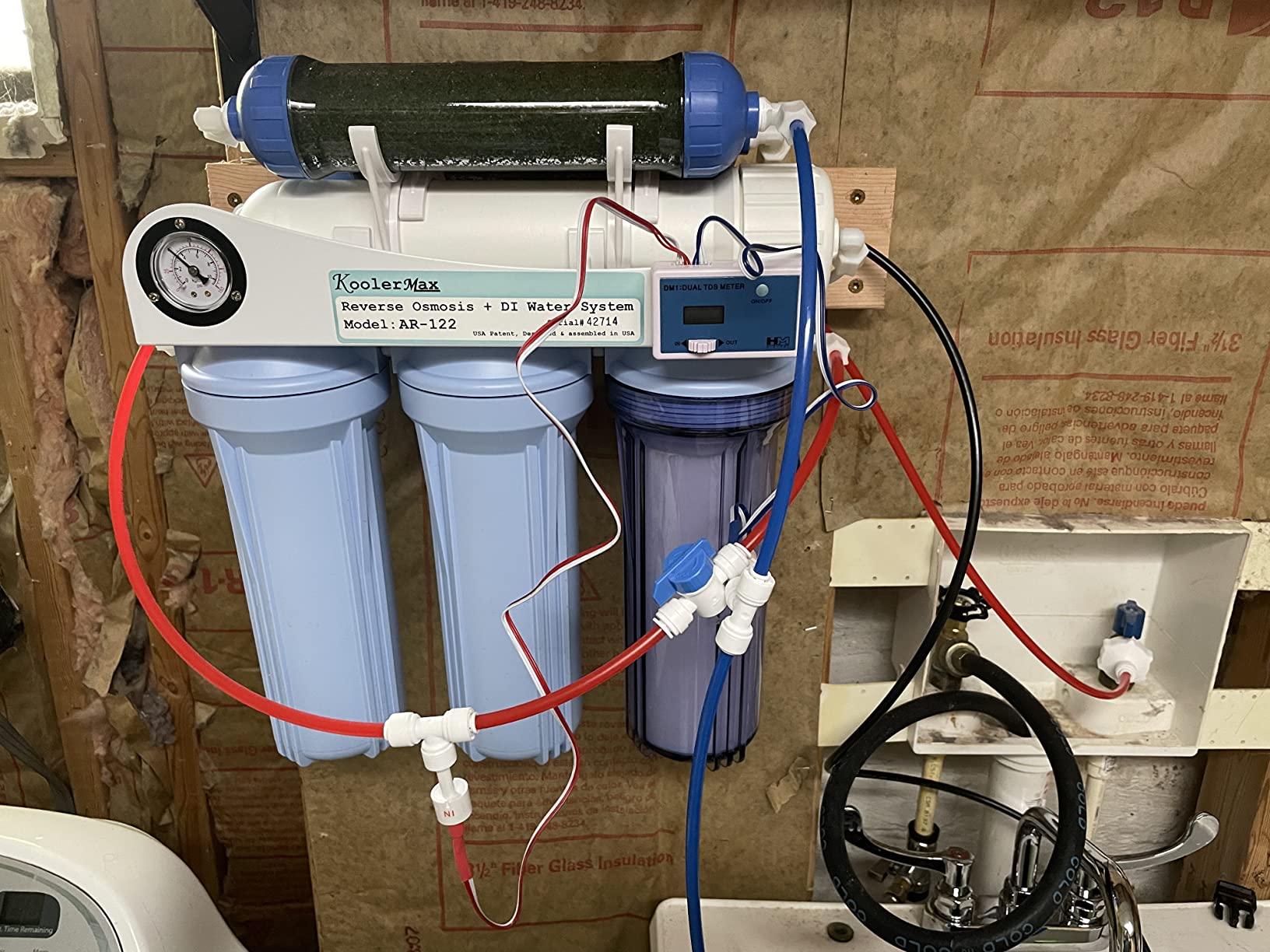
Install hardware is in the box: tubing, a drain saddle, an inlet hose, an outlet hose, an extra garden hose adapter and a manual. You are not hunting for fittings after delivery, which matters more than it sounds for a first install.
One manufacturer note worth knowing: the stated 150 GPD is a membrane rating at ideal conditions, and real output depends on your feed pressure and temperature. Size your expectations from a timed batch, not the box.
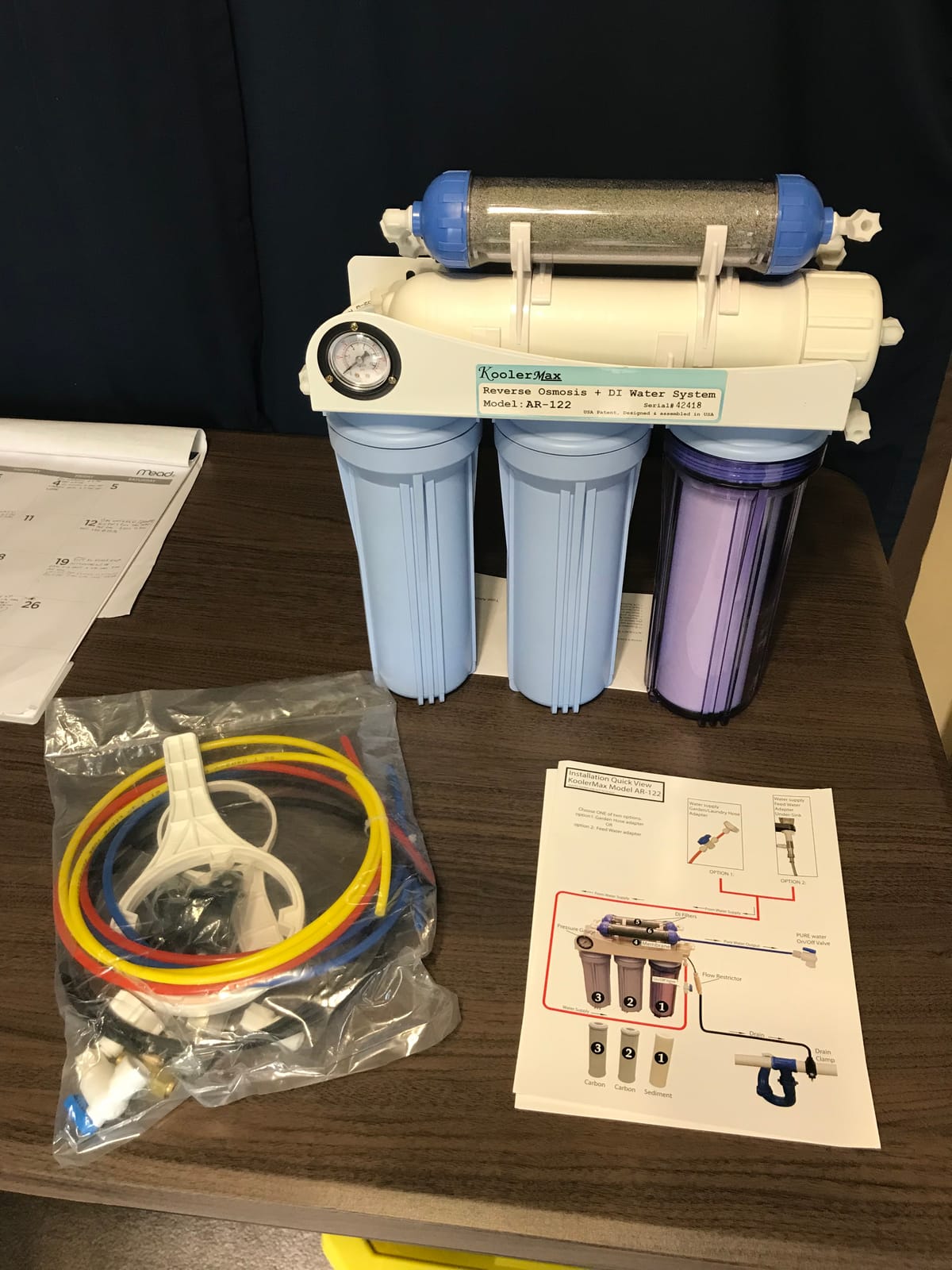
Dual DI canisters and the feed-TDS ceiling
Two DI canisters do not just double resin capacity. They also slow exhaustion, because the first canister takes the bulk of the load and the second polishes the remainder, which produces steadier water between swaps.
The trade-off is a hard limit of 300 ppm maximum feed TDS. Above that, resin consumption climbs sharply and the cartridges will run dry between changes. If your tap water tests higher, pick the Express Water model instead.
What 150 GPD means in a real fish room
Headroom only helps if you have somewhere to put the water. A unit this size pairs naturally with a reservoir drum that fills overnight, then feeds a display and a sump change by gravity.
At 17 pounds and a 16 x 5.5 x 16 inch footprint, this is a wall or floor mount rather than a slim under-sink model. Plan the drain line before you order it.
8. Max Water 6-Stage 100 GPD
Max Water 6 Stage Aquarium System/RO Water Filtration System with Deionization Filter RO Water Purifier 100 GPD Hydroponics RODI System (Clear)
- Clear housings let you see cartridge condition at a glance
- Reported to take well water near 186 ppm down to 0 ppm
- Color-coded quick connects and labeled housings
- BPA free components
- Real output often lands nearer 60 to 75 GPD than advertised
- Written instructions are vague and reference items not in the box
- Pressure gauge and housing wrench reported as poor quality
- Housings can be very hard to loosen
This is the lowest-rated system in the roundup at 4.1, and the complaints are not about filtration. Owners like the results and dislike the hardware that comes with them.
The filtration itself performs. Reported results include taking well water from around 186 ppm down to 0 ppm after the deionization stage, which is exactly what a planted tank on a bad supply needs.
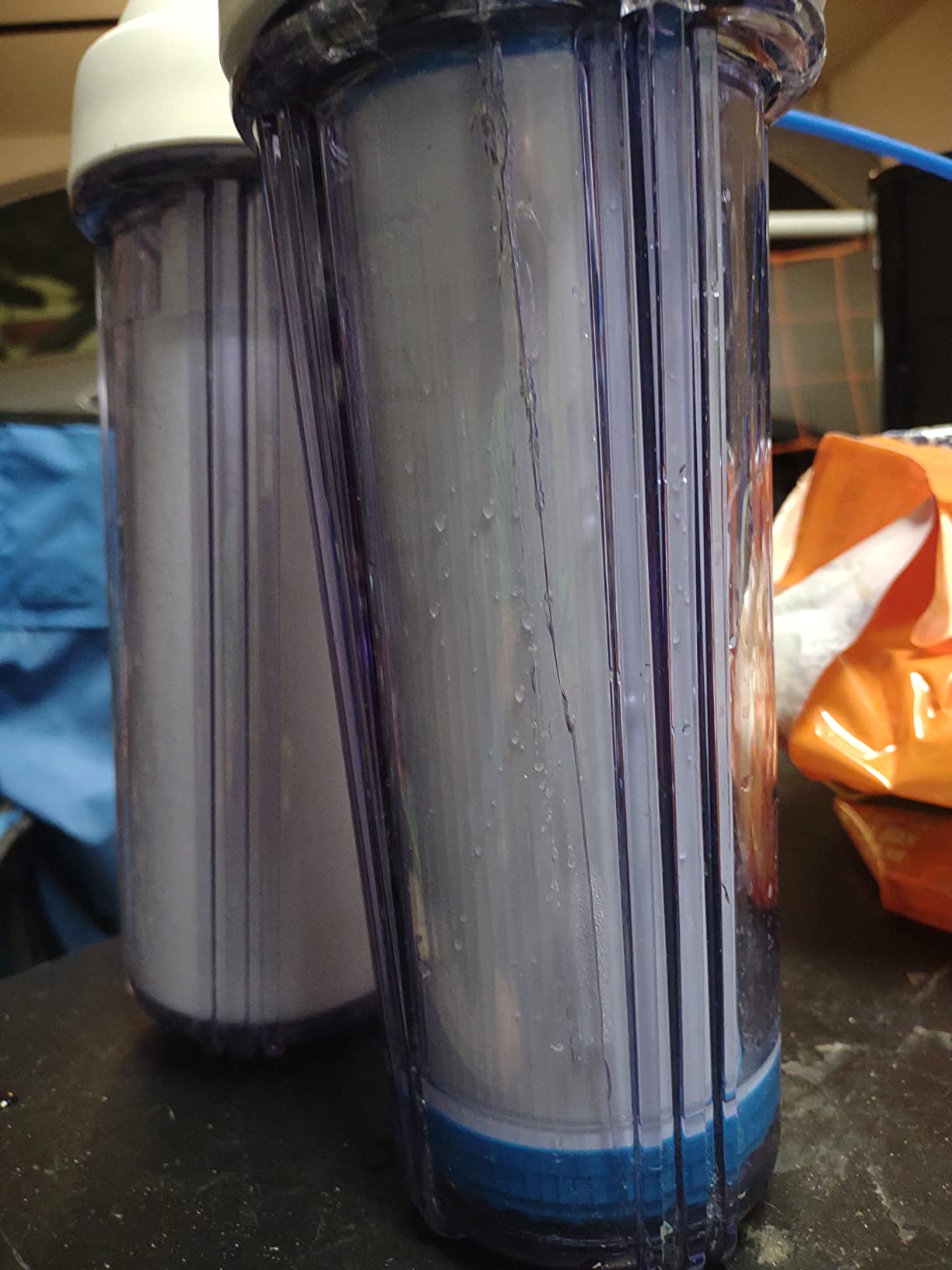
The clear housings are genuinely useful. You can see sediment loading and resin color without opening anything, which turns a weekly check into a five-second glance and makes it obvious when a cartridge is spent.
Operating range is stated as 45 to 70 psi, which is a wider window than most systems admit to and a hint that the manufacturer expects real-world household pressure rather than ideal test conditions.
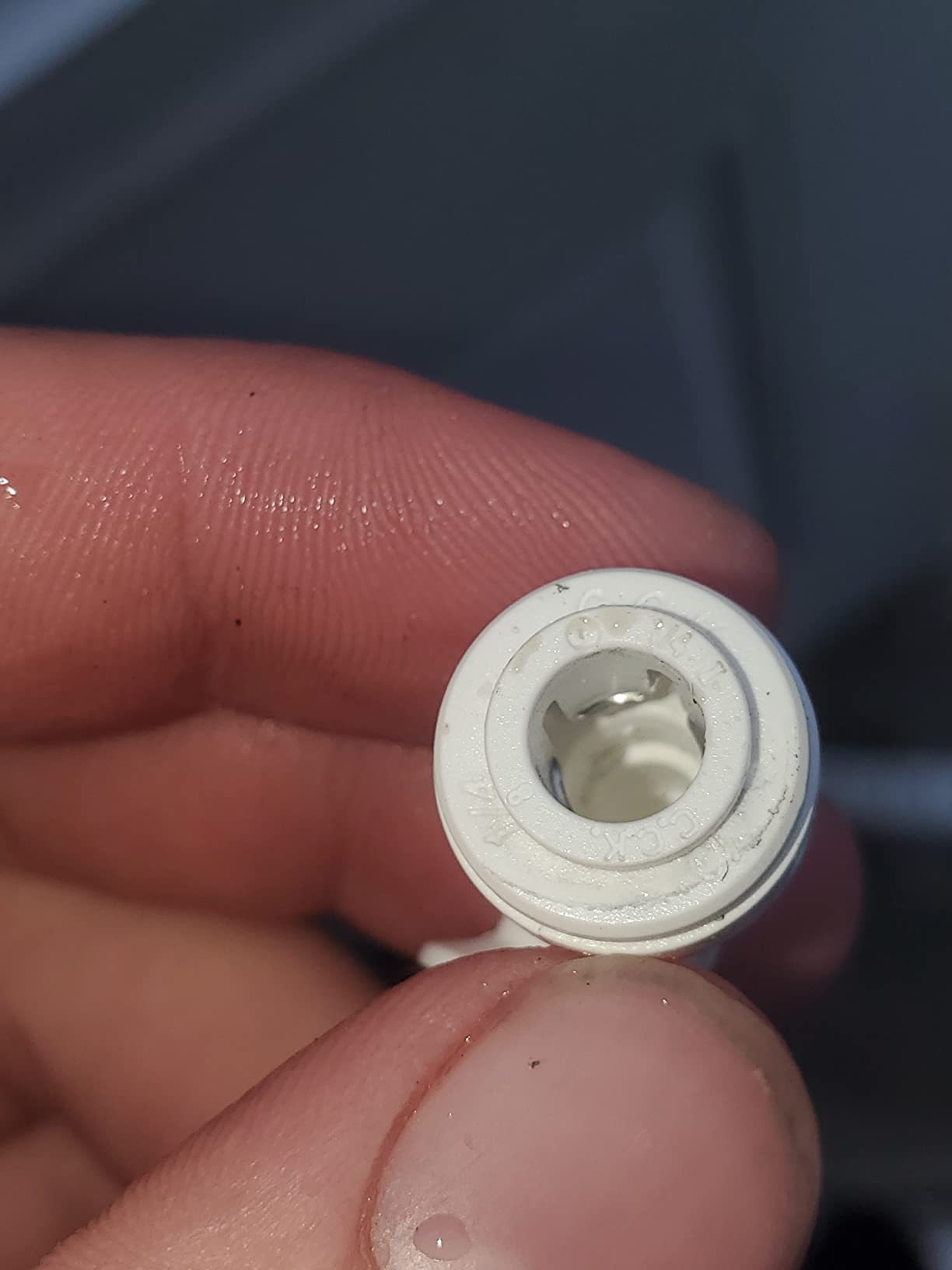
Clear housings as a maintenance aid
On a system with no storage tank you are checking the plumbing every week anyway. Seeing the resin shift toward amber removes the guesswork and tells you exactly when to swap instead of estimating from water clarity.
The color-coded quick connects and labeled housings also speed up reassembly, which matters more on this model than on units with better hardware, because the housings themselves are the difficult part.
Hardware quality is the weak point
Owners report the supplied pressure gauge and housing wrench as poor quality, and the housings themselves as very hard to loosen, with multiple wrenches breaking during the attempt.
The written instructions are described as vague and referencing components that are not in the box. If you are comfortable with a wrench and an hour of YouTube, that is manageable. If this is your first RO install, pick a unit with better hardware.
Real output also lands nearer 60 to 75 GPD than the advertised 100, and the float valve for a storage tank setup has to be bought separately.
9. LiquaGen 7-Stage RODI 150 GPD
LiquaGen- Heavy Duty & High Capacity- 7 Stage Aquarium Reef & Deionization Reverse Osmosis Water Filtration System (RODI) – 150 GPD | 0 PPM/TDS | Water Dispenser for Fish Tank with Filter’s Included
- Highest capacity system here at 150 GPD with three DI canisters
- Triple DI stages extend resin life and add redundancy for heavy schedules
- Air-leak tested fittings and a manual flush valve reduce leak risk
- Pre-assembled housings make for a short install
- Heaviest and priciest system in the roundup
- Requires a separate auto shutoff valve and check valve when paired with a storage tank
This is the top-end build for a reef room running several systems on one schedule. Seven stages, a 150 GPD membrane and three inline DI canisters, which is the deepest resin chain available in this roundup.
The stage list runs a 5 micron polypropylene sediment cartridge, UDF activated carbon, coconut carbon, the membrane and then three DI canisters of nuclear grade color-changing resin. The membrane is spiral-wound polyamide tested to ANSI Standard 58 and rated to 125 psi.
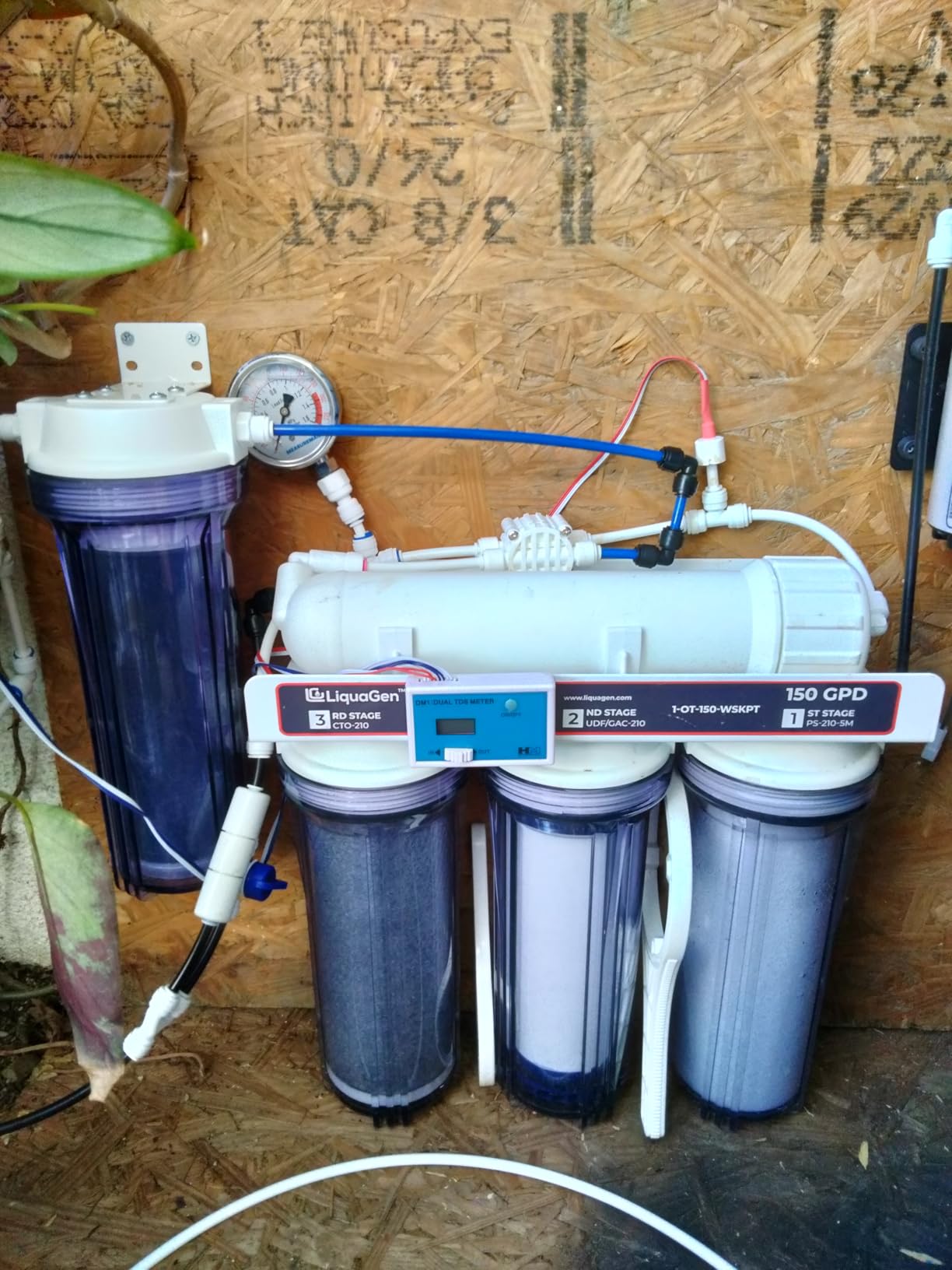
Three DI canisters is not redundancy theater. On hard water, staged resin keeps output nearer zero for far longer between changes, and it gives you two spare readings to watch before the first cartridge is spent.
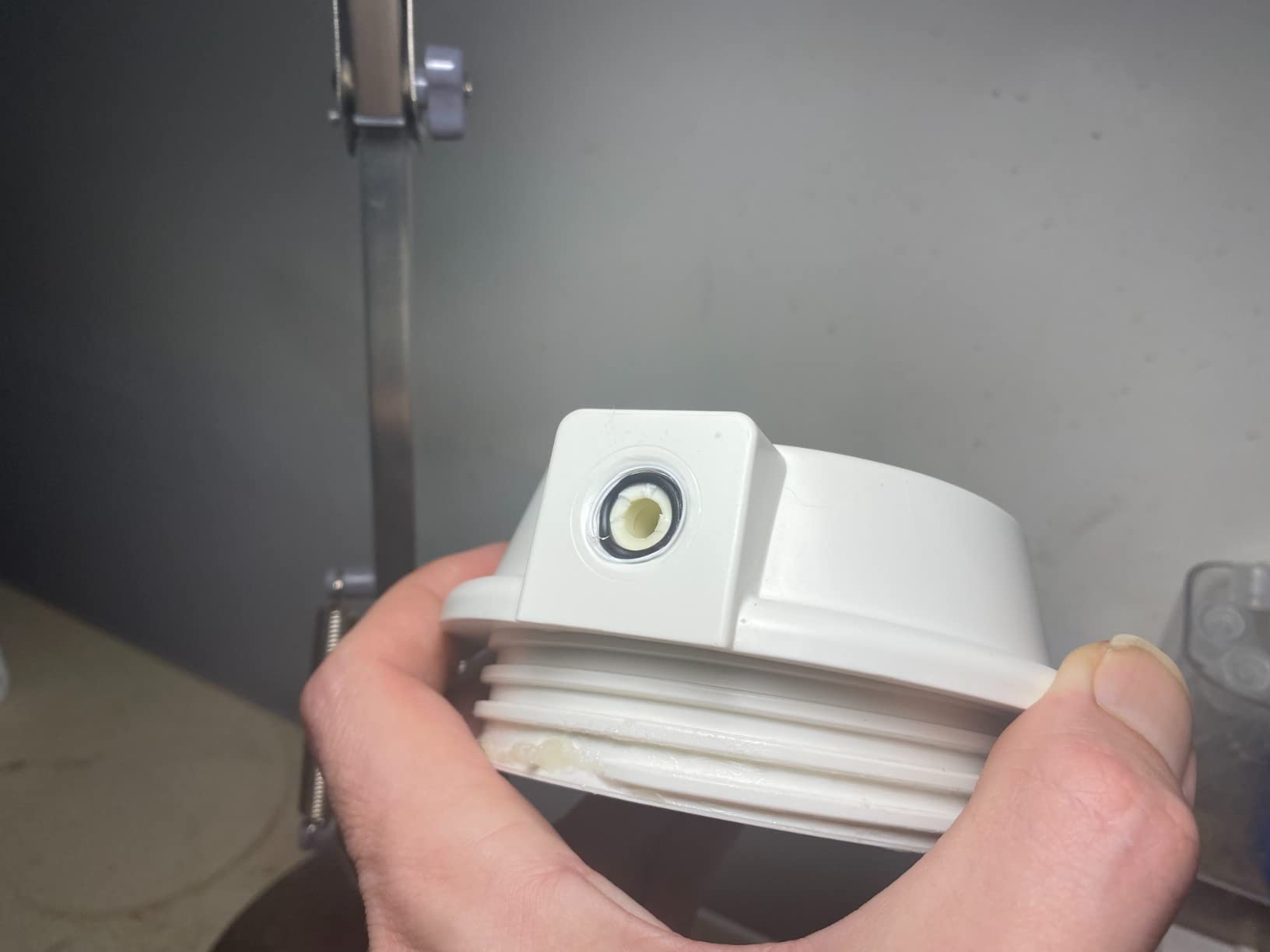
Air-leak tested fittings and a manual flush valve both attack the failure mode reef keepers complain about most, which is a wet cabinet at 2am. Manufacturer states roughly five minutes for install on the pre-assembled housings.
Three DI canisters and resin economics
Resin cost scales with incoming TDS, so the reason to stage resin is simple. It lasts longer in total than the same volume of resin in one canister, because load spreads across the chain instead of exhausting the first element first.
The manufacturer backs it with a two year warranty and lifetime customer support. Warranty length matters more than most buyers credit, because RO/DI is a ten-year purchase.
Extra parts you will need to buy
If you plan to add a storage tank, budget for an automatic shutoff valve and a check valve. They are not included, and a membrane that runs continuously against a full tank is how people flood cabinets.
At 17.6 pounds and 20 x 16.4 x 6.5 inches, this is also the largest footprint in the roundup. It wants a utility closet or fish-room wall, not a sink cabinet.
10. Koolermax AR-104H 1:1.2 Ratio 100 GPD
- Waste ratio near 1 to 1.2 cuts rejected water versus a typical 1 to 4 unit
- Built-in pressure gauge and automatic shutoff
- Reported to take tap water near 250 ppm down to 0 to 3 ppm
- Large refillable nuclear grade DI canister with color-changing resin
- Smallest review base here at 42 reviews
- Only a one year warranty
- Flat 16 x 16 inch footprint is wide for under-sink cabinets
Conventional reverse osmosis sends three to four gallons down the drain for every gallon you keep. This one uses a high efficiency membrane with a 1 to 1.2 production-to-waste ratio, and on a metered supply that difference adds up fast.
The purification chain is two stages of intent. RO removes about 95% of dissolved solids and the DI stage removes the remainder, with reported results taking tap water near 250 ppm down to 0 to 3 ppm on the inline gauge.
Large sediment and carbon filter housings mean longer service intervals, and the large refillable nuclear grade DI canister is a refill rather than a throwaway cartridge, which cuts the recurring cost noticeably.
Built-in pressure gauge and automatic shutoff handle two of the three things every buyer asks about. There is no booster pump, so low-pressure homes will still need help downstream.
How the 1 to 1.2 waste ratio changes running costs
Waste water is the quiet cost of RO ownership. A conventional unit at 4:1 running a 100 gallon batch discards roughly 300 gallons alongside it, and on a metered connection that shows up on the utility statement.
Cutting that to about 1:1.2 removes most of that overhead. It matters most for high-output users, since the discarded volume scales directly with how much water you make.
The short warranty and thin review base
Forty-two reviews is not enough history to trust long-term reliability, and the listing is newer than most in this roundup. We include it because the engineering approach is sound and the rating holds at 4.5.
The one year warranty is the shortest here, against two years on the LiquaGen systems and longer terms on mainstream aquarium RO/DI. Buy it for the efficiency, not for the support.
The flat 16 x 16 inch footprint is also wider than most under-sink cabinets allow without removing the base, so measure before ordering.
How to Choose the Right RO/DI System for Your Tank
Match the system to your tank type
Reef keepers mixing their own salt need the cleanest water available and the most membrane protection, so the chloramine-rated models come first. Caridina and Neocaridina breeders want low-TDS source water and a DI stage they can watch, so a color-changing resin cartridge matters more than raw output.
Discus and other soft-water species care about consistency, so any four-stage RO/DI with a DI stage works and reliability outranks capacity. High-tech planted and aquascape setups mainly need low silicate and low nitrate, which any of these systems deliver. Freshwater-only keepers with already soft water may not need RO at all.
Size GPD from real change volume
Start with tank volume multiplied by your change percentage, then multiply by the number of weeks you want to batch ahead. A 100 gallon display running a 10% weekly change needs about 10 gallons a week, so batching four weeks means producing 40 gallons in one run.
Then time an actual batch rather than trusting the headline number. Most members size from real production time, not the printed GPD, and remember that rated output assumes 60 psi and 25 degrees C. Anything below 60 psi at the feed line calls for a booster pump.
Standard housings and 1812 or 2012 membranes
This is the compatibility check that matters most. A system using standard 10-inch housings and 1812 or 2012 spiral-wound membranes lets you buy any brand of sediment, carbon or membrane later, which is exactly what reef communities recommend buying by.
Members also repeatedly advise running two lower-GPD membranes instead of one higher-GPD membrane. Lower flow per membrane means less waste, better rejection and longer DI resin life, at the cost of a slightly larger bracket.
Avoid UV stages in an RO/DI aquarium chain. UV kills organisms in a stream that RO and DI have already stripped clean of nutrients, so it adds cost without adding purity.
RO, RO/DI or DI-only
RO alone typically lands in the 5 to 20 ppm range, which is fine for many planted tanks and marginal for a reef. Adding DI takes you to zero, which is the target for coral and for shrimp breeding.
DI-only skips the membrane entirely and makes no wastewater, which works when incoming tap TDS is very low. You still need pre-filtration, including chloramine-rated carbon, and you accept faster resin consumption the moment tap TDS climbs.
Whichever you pick, plain RO is not ready to use. For top-offs, use RO straight, because adding minerals to an evaporative top-off is wrong. For water changes, remineralize to your target GH, KH and calcium before it goes in. Getting that rule backwards causes the pH and alkalinity swings aquarists blame on their RO system.
Chloramine, TDS readings and filter change cost
Check whether your municipality uses chloramine. If it does, a chloramine-rated carbon block is not optional, because ordinary carbon passes chloramine straight through to the membrane and eats it from the inside.
Read your inline TDS meter as a health check rather than a shopping number. Post-RO readings in the 5 to 20 range are normal, DI should pull that to zero, and if RO output climbs while DI still reads zero the membrane is likely spent or being bypassed.
Budget the recurring cost before you commit. Sediment and carbon cartridges run on a schedule of months, resin on incoming TDS, and the entire point of standard housings is that none of it should be expensive. If you also want drinking-quality output, our pick of the best reverse osmosis systems for drinking water covers that side of the market, and the best reverse osmosis systems for kitchens guide covers shared kitchen installs where both are relevant.
Frequently Asked Questions
What is the best reverse osmosis system for an aquarium?
For most home tanks the best reverse osmosis system for an aquarium is a four-stage RO/DI with a color-changing DI cartridge and standard 10-inch housings. Reef keepers should choose one with a chloramine-rated carbon block, and fish rooms should size GPD to actual weekly change volume rather than to the largest number on the box.
Should I use reverse osmosis water in my aquarium?
Use RO when your tap water tests hard, high in nitrate or high in silicate, because RO lets you remineralize to an exact GH, KH and calcium target instead of correcting whatever the utility delivers. If your tap water is already soft and low in those parameters, a water conditioner may be enough and an RO system is optional spend.
What are the main downsides of reverse osmosis water for aquariums?
Three downsides matter. RO water arrives stripped of nutrients and buffers, so it must be remineralized before use in a water change. It costs water, since conventional systems waste three to four gallons for every gallon produced. And plain RO must never be used for water changes, because the missing buffer causes pH and alkalinity swings.
Is there something better than reverse osmosis for aquarium water?
Nothing replaces the control RO gives you. RO plus a DI stage reaches zero TDS for reef tanks and shrimp, DI-only skips the membrane and wastes no water but consumes resin faster, and water conditioners treat symptoms without removing dissolved solids. For mixing salt and breeding shrimp, RO/DI remains the best available option.
Do I need a DI stage after RO for my reef tank?
Yes for most reef setups. RO alone typically leaves 5 to 20 ppm, and DI pulls that to zero, which is the target SPS and LPS keepers mix salt against. DI is optional for freshwater planted tanks where low-single-digit TDS is acceptable, and it is where most of the recurring resin cost comes from.
How much RO water do I need per week for my aquarium?
Multiply tank volume by your weekly change percentage. A 100 gallon display on a 10 percent weekly change needs about 10 gallons a week, so a 50 GPD system handles it easily while a reef running 30 percent changes needs roughly 30 gallons and pushes toward 100 GPD or a reservoir setup.
Final Verdict on the Best Reverse Osmosis Systems for Aquariums
The Aquatic Life RO Buddie takes the top spot for most aquarists, with the most verified owners and the simplest path to 0 TDS water. The Aquatic Life Twist-In is the value pick when you want faster production without giving up a DI stage. The Aquatic Life Carbon Plus 100 GPD is the reef choice, because its chloramine-rated carbon is what protects your membrane.
For bigger setups, the Koolermax AR-122 handles heavy change schedules and the LiquaGen 7-Stage covers a busy reef room. Whichever you choose, verify it takes standard 10-inch housings and 1812 or 2012 membranes, and remember the rule that trips up most beginners: RO straight for top-offs, remineralized RO for water changes.
We update this roundup every year as new models appear and prices shift, so check back before you buy.