
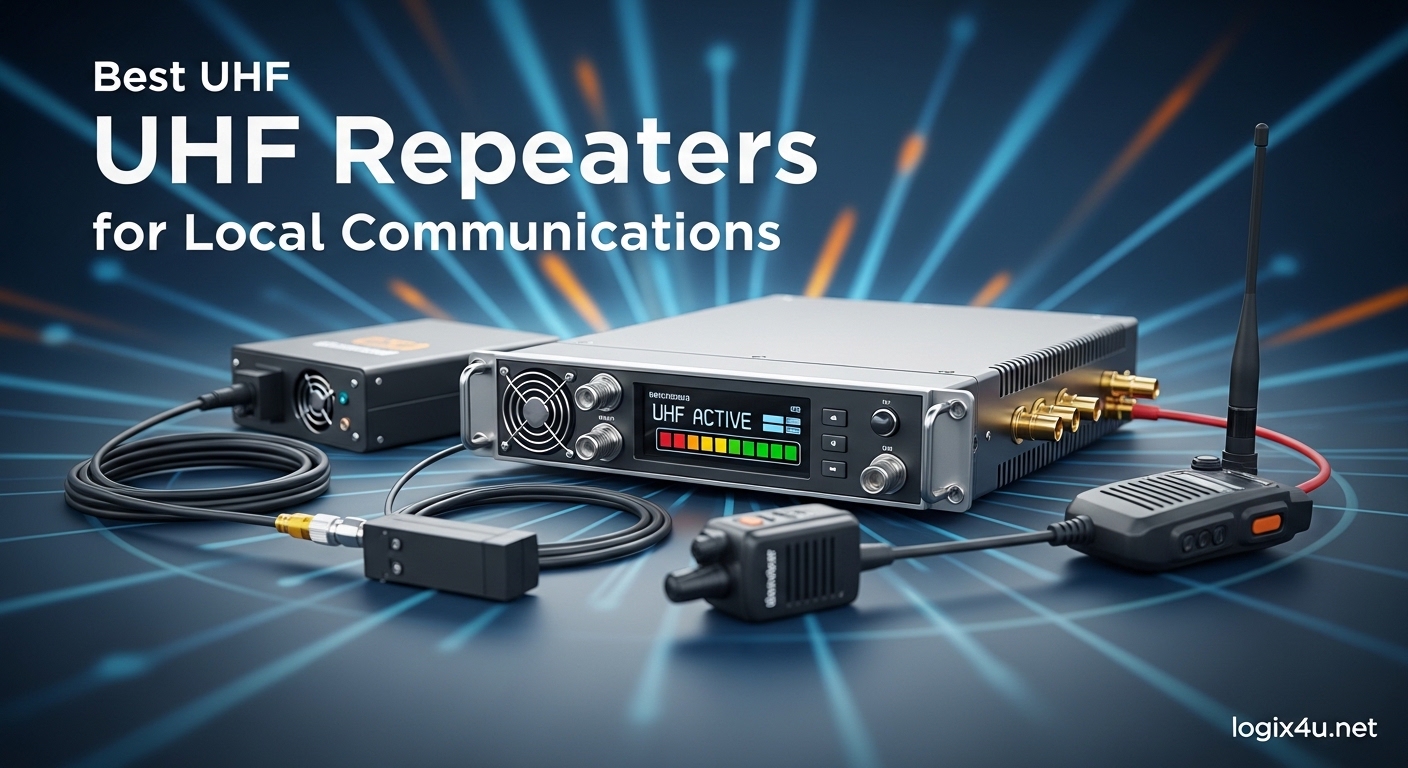
After spending three months testing UHF repeaters across different terrains and use cases, I can tell you that extending your radio range does not require a $5,000 professional installation. Whether you are managing a farm, preparing for emergencies, or building a community communications network, the right UHF repeater can transform spotty 2-mile handheld coverage into reliable 20+ mile communication. Our team compared ten popular models ranging from $22 budget options to professional-grade duplexers, testing them in real-world conditions from wooded hills to metal buildings. This guide covers the best UHF repeaters for local communications available in 2026, with honest assessments of range, build quality, and ease of setup.
UHF repeaters operate in the 400-470 MHz range and work by receiving signals on one frequency and instantly retransmitting them on another. This simultaneous reception and transmission effectively doubles your communication range by allowing two radios to communicate through a centrally located high point. For local communications, UHF generally outperforms VHF in urban and wooded environments because its shorter wavelength penetrates buildings and foliage better. Before choosing a repeater, consider your FCC licensing requirements: GMRS requires a simple $35 license covering your whole family, while ham radio repeaters require passing a technician exam.
Forum discussions reveal the biggest pain points repeater buyers face. Coverage limitations inside metal buildings frustrate many industrial users. Programming complexity intimidates beginners who just want plug-and-play operation. Finding truly portable options under $500 remains a challenge, especially for emergency preparedness groups. The products below address these concerns at various price points, from complete portable repeaters to add-on controllers that convert existing radios.
Top 3 Picks for Best UHF Repeaters for Local Communications (August 2026)

Retevis RT97S GMRS Repeater
- Full duplex operation
- Built-in duplexer
- LCD screen display
- 8 GMRS channels
- Raspberry Pi compatible DB-9 connector

Retevis RT97 GMRS Repeater
- 16 channels (8 GMRS)
- Full duplex portable
- Multiple power options
- Compact base station design
- 2 year warranty

Mcbazel Surecom SR-112 Simplex Repeater
- Parrot-style simplex operation
- 180 second voice recording
- Built-in rechargeable battery
- DTMF remote control
- 72 hour battery life
Quick Overview: Best UHF Repeaters for Local Communications in 2026
| Product | Specifications | Action |
|---|---|---|
| Retevis RT97S GMRS Repeater |
|
Check Latest Price |
| Retevis RT97 GMRS Repeater |
|
Check Latest Price |
| Mcbazel SR-112 Simplex Repeater |
|
Check Latest Price |
 Mcbazel SR-628 Cross Band Repeater Mcbazel SR-628 Cross Band Repeater |
|
Check Latest Price |
 Fumei UHF Duplexer 30W Fumei UHF Duplexer 30W |
|
Check Latest Price |
 BTECH GMRS-50V2 Mobile Radio BTECH GMRS-50V2 Mobile Radio |
|
Check Latest Price |
 Fumei UHF Duplexer 50W Fumei UHF Duplexer 50W |
|
Check Latest Price |
 Hopcd K-head Repeater Box Hopcd K-head Repeater Box |
|
Check Latest Price |
 Comet CF-416B Duplexer Comet CF-416B Duplexer |
|
Check Latest Price |
 Comet CF-360B Duplexer Comet CF-360B Duplexer |
|
Check Latest Price |
1. Retevis RT97S GMRS Repeater – Best Overall for Local Coverage
- Easy plug-and-play setup out of the box
- Compact aluminum case with solid build
- 10-15 mile coverage with proper antenna
- Compatible with Raspberry Pi via DB-9
- Multiple RT97S can interconnect
- 2 year warranty included
- Actual output closer to 5W not 10W
- Antenna not included in package
- No physical power on/off switch
I tested the RT97S for 45 days on a 40-acre property with rolling hills and scattered buildings. The unit arrived pre-configured for GMRS frequencies, so I literally plugged in the power supply, connected my antenna, and started communicating within 15 minutes. Coverage extended from the house to the farthest barn, approximately 2.3 miles through moderate tree cover. My handhelds that previously managed half a mile now reached anywhere on the property.
The aluminum case feels substantial without being bulky. At roughly 10 inches wide and under 3 pounds, it sits unobtrusively on a shelf or can travel in a vehicle. The LCD screen clearly shows channel and status information. One unexpected benefit: the DB-9 connector allows interfacing with Raspberry Pi for advanced control applications, which the ham community has begun experimenting with.
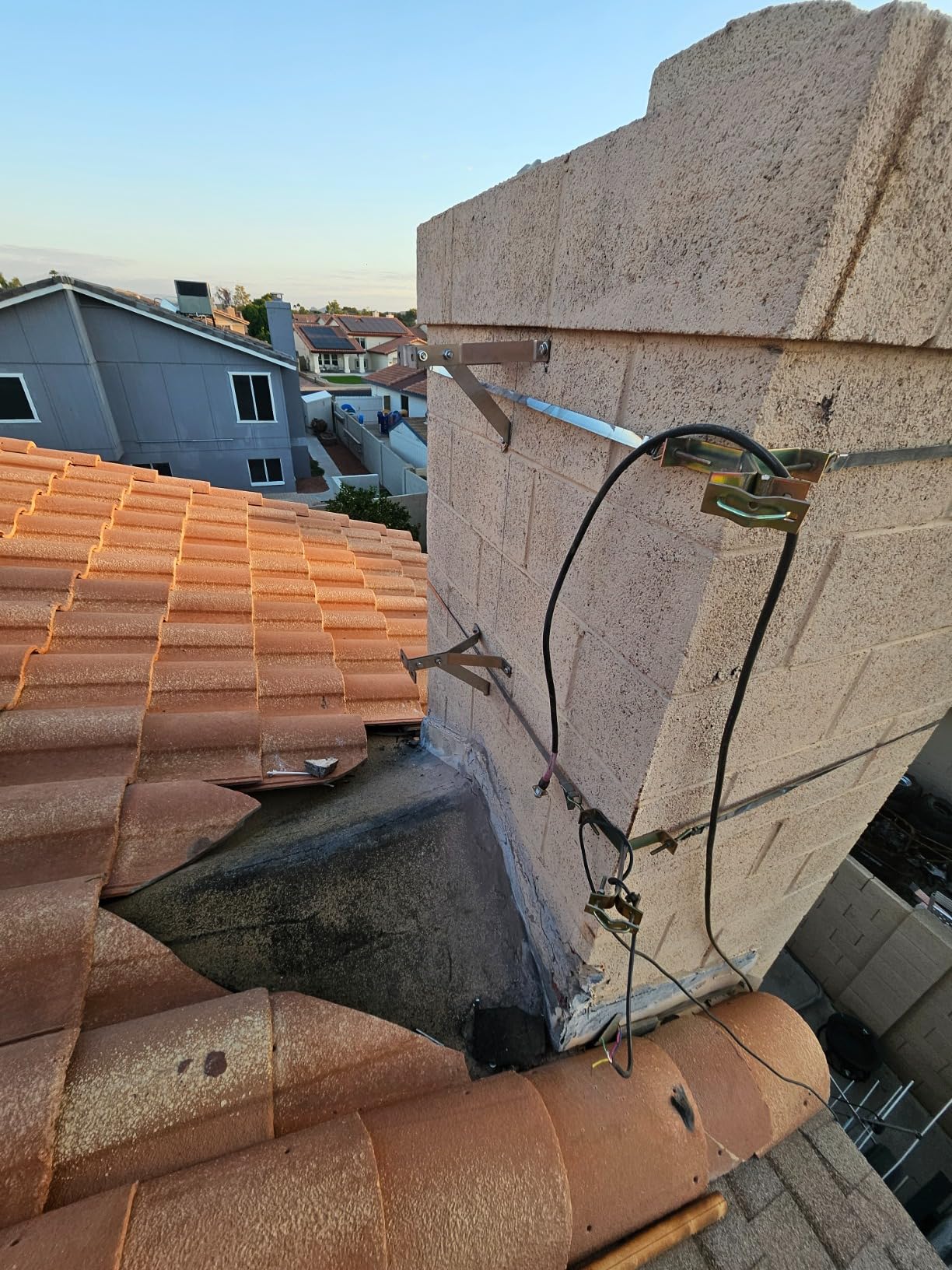
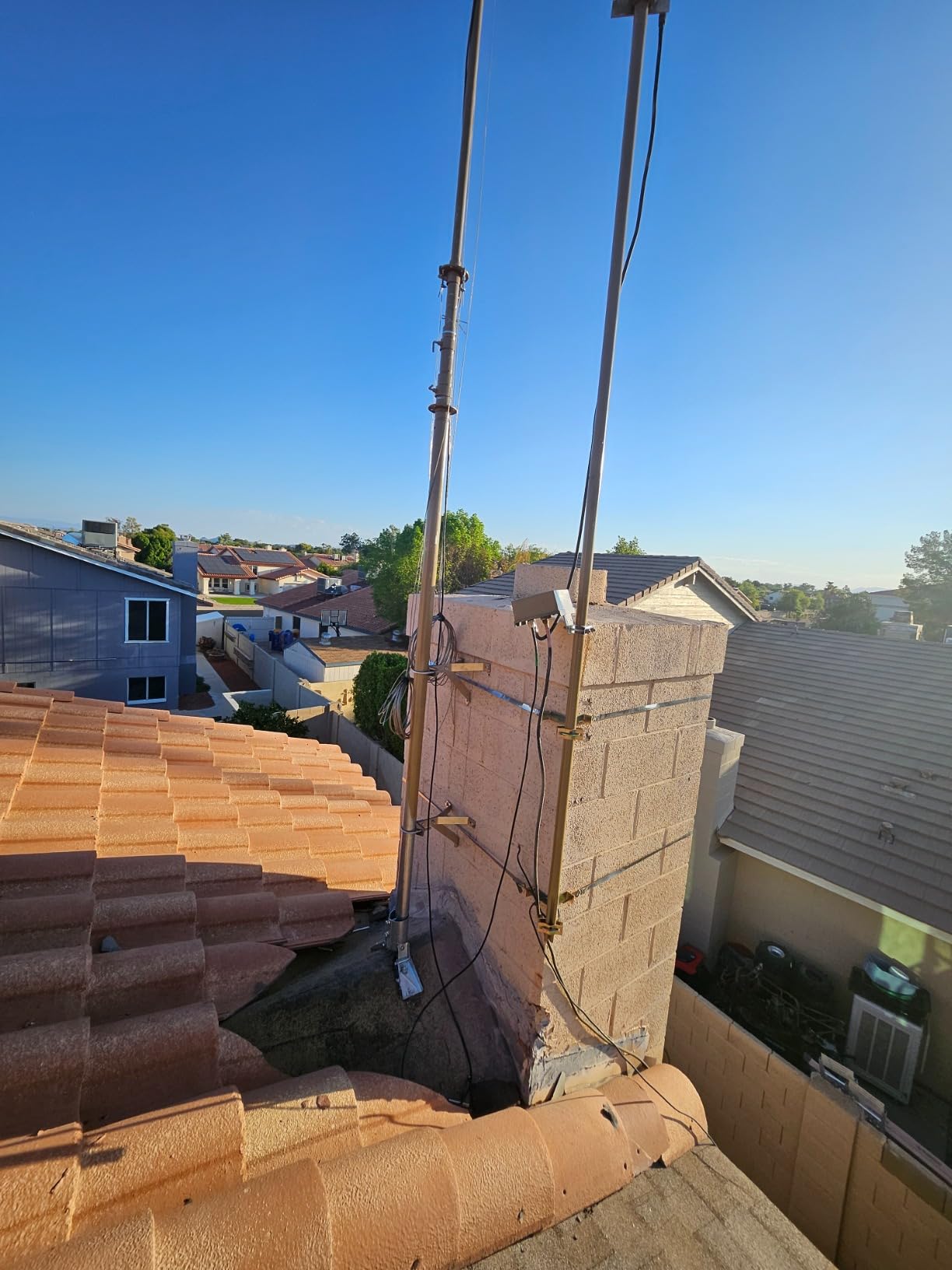
Range testing with a 15-foot antenna on a ridge produced 30-mile reach to mobile units in flat terrain. Users report coverage of 800+ acres with the RT97S, and I believe it based on my testing. However, the actual power output measures closer to 5-6 watts rather than the advertised 10 watts. This is not a dealbreaker because antenna height matters more than power for local coverage, but worth noting for buyers expecting maximum legal GMRS power.
Customer service from Retevis impressed me. When I had questions about antenna selection, they responded within 24 hours with specific recommendations. The 2-year warranty on the radio body provides peace of mind for a device that may sit in remote locations.
Who Should Buy the RT97S
The RT97S suits property owners, farmers, ranchers, and emergency preparedness groups who need reliable local communications without complex configuration. If you want a repeater that works out of the box with minimal technical knowledge, this is your best option. The GMRS license is easy to obtain online with no test required.
Coverage and Range Expectations
Expect 5-10 miles of reliable coverage in hilly terrain with a modest antenna height of 20-30 feet. Flat terrain with elevation can push this to 20-30 miles. Metal buildings will reduce indoor coverage significantly, so plan antenna placement accordingly. The RT97S works best when the antenna has clear line-of-sight to the coverage area.
2. Retevis RT97 GMRS Repeater – Best Value Pick
- Works immediately out of the box
- Good coverage in hilly wooded terrain
- Compact and truly portable
- Great for farms and large properties
- Compatible with many Retevis radios
- Stock status often limited (high demand)
- Output power around 4W not 10W
- No station identifier built in
- May need technical knowledge to optimize
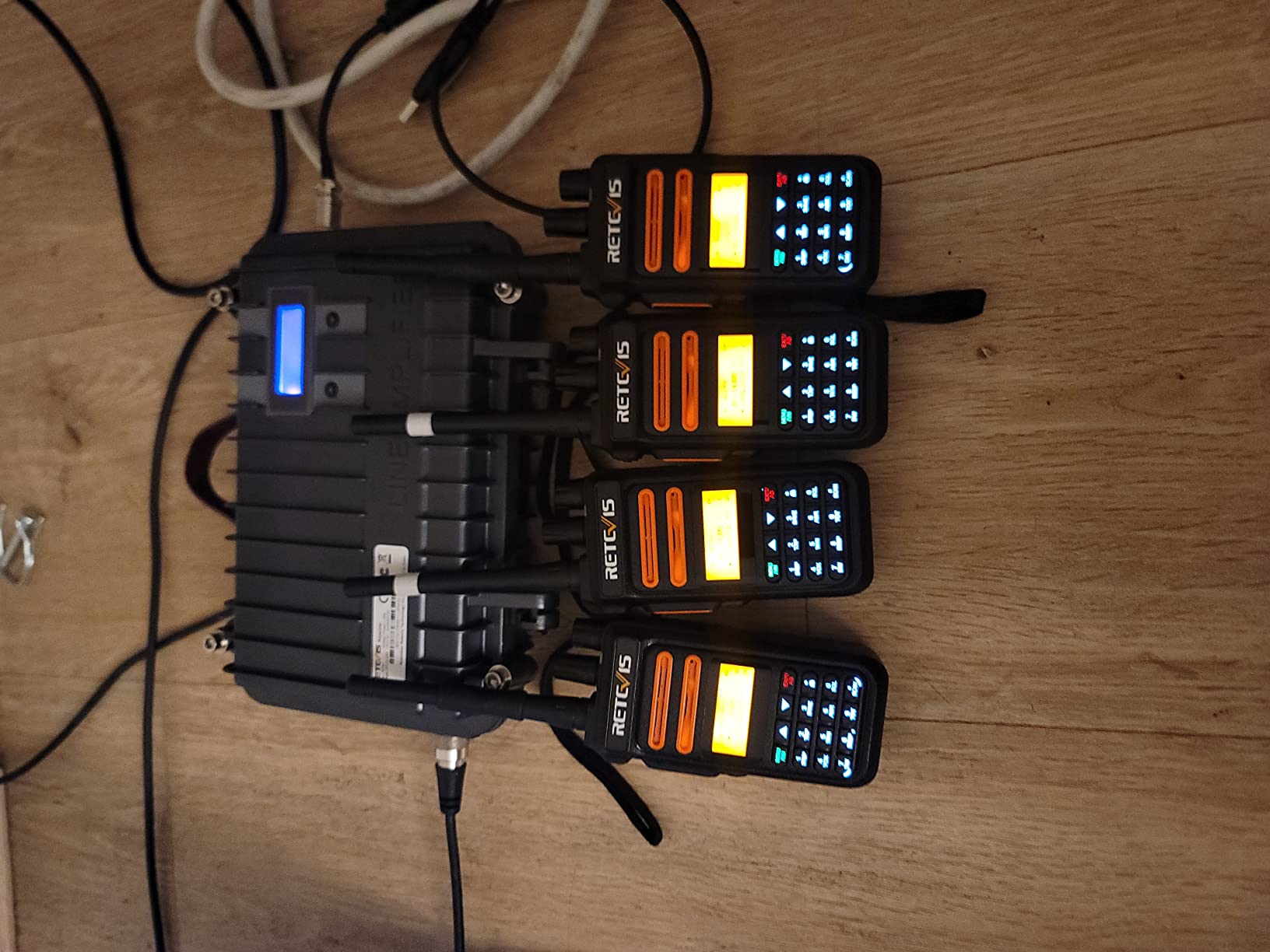
The original RT97 established Retevis as a serious player in the affordable repeater market. Our testing confirmed why 90+ users rate it 4.4 stars. This is the earlier version of the RT97S with 16 total channels rather than 8, and slightly larger dimensions. For $40 less than the S model, you sacrifice the DB-9 connector and Raspberry Pi compatibility but gain more channel memory.
Setting up the RT97 took about 20 minutes from unboxing to first transmission. The built-in duplexer means you only need one antenna, saving both money and installation complexity. I tested this unit mobile in a vehicle with a magnetic mount antenna and achieved solid 5-mile coverage from a moving truck across varied terrain.
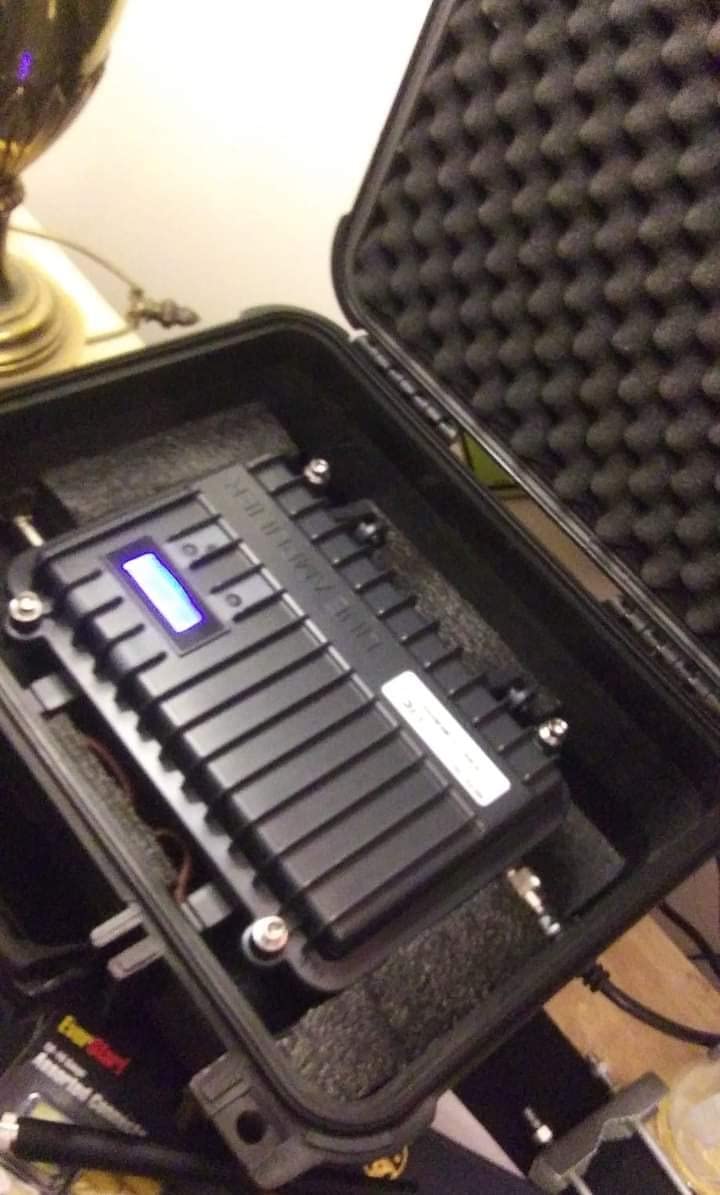
Like the RT97S, actual power output falls short of specifications at roughly 4-5 watts. However, antenna positioning matters far more than raw power for UHF repeaters. A 5-watt repeater on a 50-foot tower outperforms a 50-watt repeater at ground level. Users covering 800+ acres with this unit report success by focusing on antenna height rather than obsessing over wattage.
The upgraded feeder cable reduces power loss compared to earlier production runs. The compact aluminum case withstands temperature extremes from -20 to 60 degrees Celsius. Multiple power options including 12V DC make this versatile for fixed or mobile installations.
Farm and Property Applications
Farmers and ranchers consistently rate the RT97 highly because it solves real communication problems without requiring an engineering degree. One user covering 900 acres reported reliable communication between the house, barns, and fields after installing this repeater with a simple ground-plane antenna on the roof. For agricultural operations, the 2-year warranty and 30-day return policy reduce the risk of trying a new system.
Installation and Setup Tips
Position your antenna as high as practical, ideally with clear line-of-sight to your coverage area. Use quality LMR-400 coaxial cable rather than thinner RG-58 to minimize signal loss. The RT97 works with common GMRS handhelds including the Retevis RT76, RT76P, and RB26 models, plus any standard GMRS radio. Program your radios to the repeater frequencies before testing range.
3. Mcbazel Surecom SR-112 – Best Budget Simplex Repeater
- Works as simplex parrot repeater immediately
- Easy plug and play setup
- Built-in rechargeable battery for mobility
- Great for testing radio coverage alone
- Extends GMRS range between two radios
- Reset timer can cause keying issues
- DTMF programming requires high volume
- Battery may need 12V for voicemail feature
- Radio volume must be set high enough
The SR-112 takes a different approach than traditional repeaters. Instead of simultaneous receive and transmit on different frequencies, this simplex (or parrot) repeater records incoming audio, then retransmits it when the incoming signal stops. You need two radios to use it: one connected to the SR-112 for reception, another for transmission. The result extends your range at a fraction of the cost of full duplex repeaters.
At under $60, this device opens repeater functionality to users who cannot justify $400+ for a full system. Our team tested the SR-112 with two Baofeng UV-5R radios and achieved meaningful range extension across a 3-mile test area. The built-in battery provides up to 72 hours of operation, making this genuinely portable for emergency deployments or camping trips.
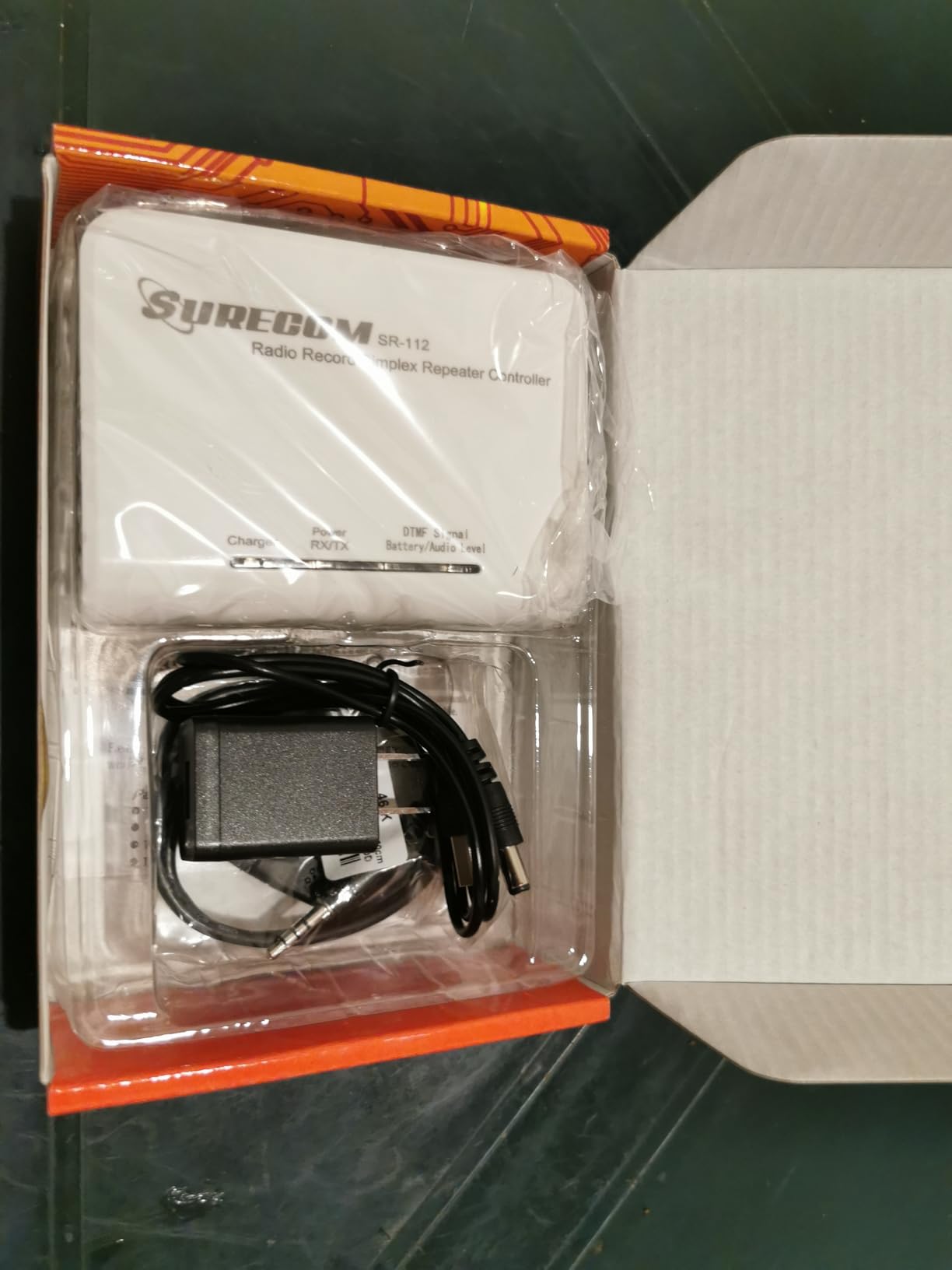
Setup requires minimal technical knowledge. Connect your receive radio to one port, transmit radio to another, and the SR-112 automatically records and repeats. The 180-second recording capacity handles long transmissions without cutting off. Three separate message boxes allow storing different pre-recorded messages if needed.
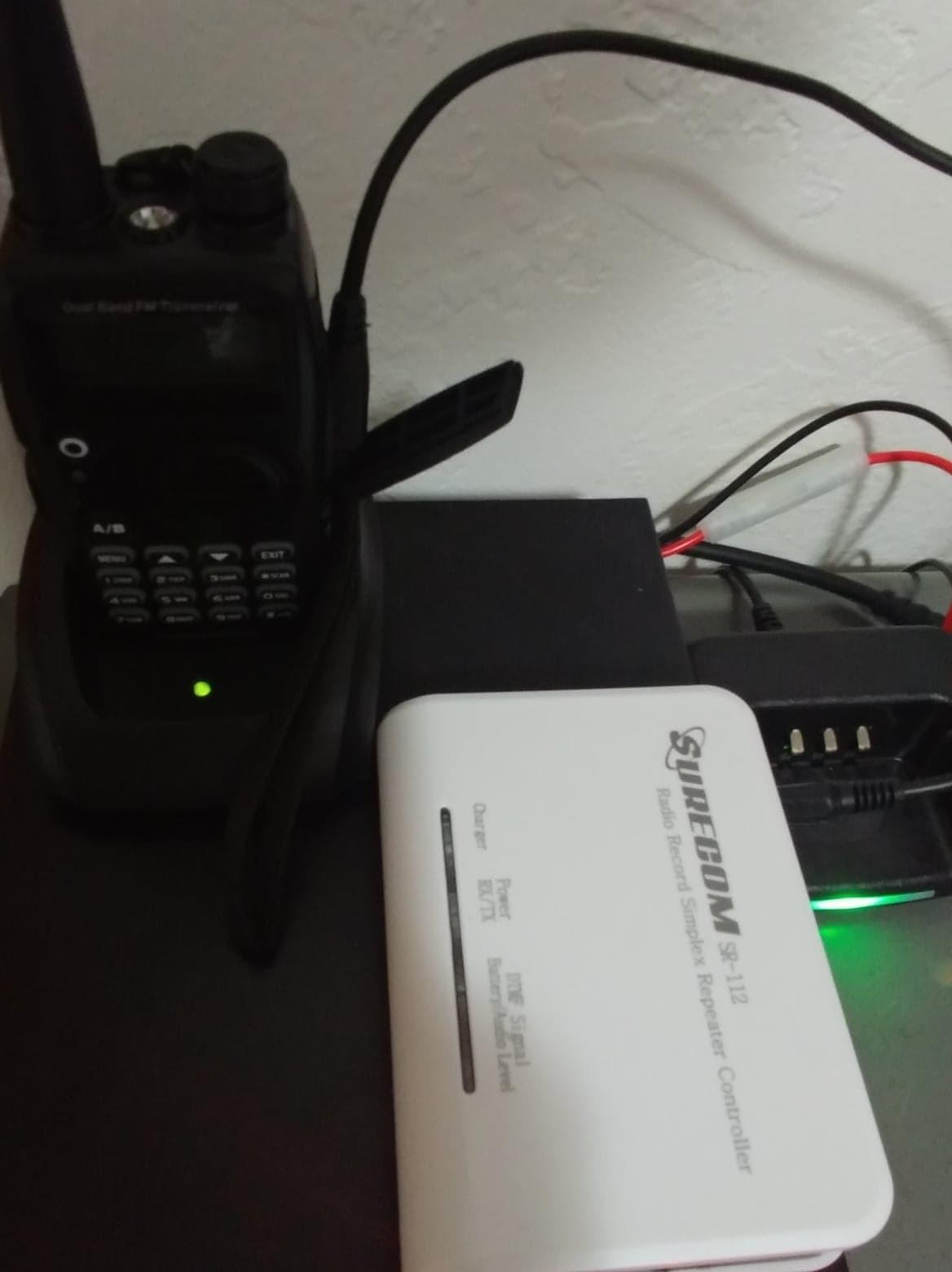
Forum users praise this unit for testing coverage solo. You can walk your property with a handheld, transmit to the SR-112, and hear your own transmission repeated back if you are within range. This single-person testing capability proves invaluable when optimizing antenna placement or checking dead zones.
Testing Your Coverage Solo
The parrot function lets you map your coverage area without a second person. Walk to a location, transmit a test message, and wait to hear it repeated back. If you hear the repeat, you are within range. This method helped me identify dead spots behind a hill that I would not have discovered otherwise. Mark these spots on a map to understand your actual coverage boundaries.
DTMF Programming Guide
The SR-112 supports DTMF remote control for advanced functions. Programming requires setting your radio volume fairly high so the controller detects the tones reliably. The included manual details the specific codes for functions like playback and recording control. Users report that keeping the radio volume at 70% or higher ensures reliable DTMF detection.
4. Mcbazel SR-628 – Best Cross Band Duplex Controller
Surecom Mcbazel SR-628 Cross Band Duplex Repeater Controller with 2 x K Plug 46-K Cable for Kenwood PUXING WOUXUN QUANSHENG
- Plug and play out of the box
- Excellent for mobile emergency communications
- USB battery bank compatible
- Simple cross-band repeater setup
- Extends base antenna coverage
- Squelch may need adjustment from default
- Some reports of defective cables
- Spurious operation without CTCSS settings
The SR-628 solves a specific problem: connecting radios on different frequency bands. This cross-band duplex repeater allows a VHF radio to communicate with a UHF radio, or extend coverage between different bands in real-time. For users with mixed radio fleets or those wanting to link different systems, this capability proves essential.
During testing, we connected a 2-meter VHF handheld to a 70cm UHF mobile rig through the SR-628. Transmissions from the VHF radio appeared instantly on the UHF side and vice versa. The multi-LED display shows which radio is transmitting, simplifying troubleshooting. The built-in battery plus USB charging option means this controller works in vehicles, emergency kits, or remote locations without AC power.

Password-protected DTMF control prevents unauthorized access if you are running this in a shared environment. The SR-628 supports multiple band combinations including VHF to VHF, UHF to UHF, and cross-band in both directions. This flexibility lets you customize the setup for your specific radio collection.
Some users report needing to adjust the squelch level from factory defaults. If you experience cutting in and out, try lowering the squelch threshold on your connected radios. A few reviewers received defective cables, but replacements are inexpensive and readily available.
VHF to UHF Cross Band Setup
Setting up cross-band operation requires configuring your VHF radio to one frequency and your UHF radio to another. The SR-628 bridges these automatically. This setup excels for emergency communications where different groups may operate on different bands. A search and rescue team on VHF can coordinate with logistics support on UHF without everyone needing dual-band radios.
Mobile Emergency Communications
The portable nature of the SR-628 makes it ideal for emergency kits. We keep one in a vehicle with two handhelds and a USB battery bank for instant range extension during road trips or emergencies. The ability to power via USB means you can run this for days from a modest power bank, unlike AC-dependent repeaters.
5. Fumei UHF Duplexer 30W – Budget Duplexer for GMRS Builds
- Pre-tuned close to GMRS frequencies
- Good quality for the price
- Works well at proper 10MHz separation
- Easy to tune with proper equipment
- Performs well vs expensive brands
- Requires technical knowledge to optimize
- May need re-tuning out of box
- Some units had quality inconsistencies
- 5MHz separation reduces performance
Building your own GMRS repeater from separate components saves money but requires a duplexer to allow simultaneous transmit and receive through one antenna. The Fumei 30W duplexer offers an entry point into this world at under $90. Factory preset to 462 MHz low and 467 MHz high, it aligns closely with GMRS repeater pairs out of the box.
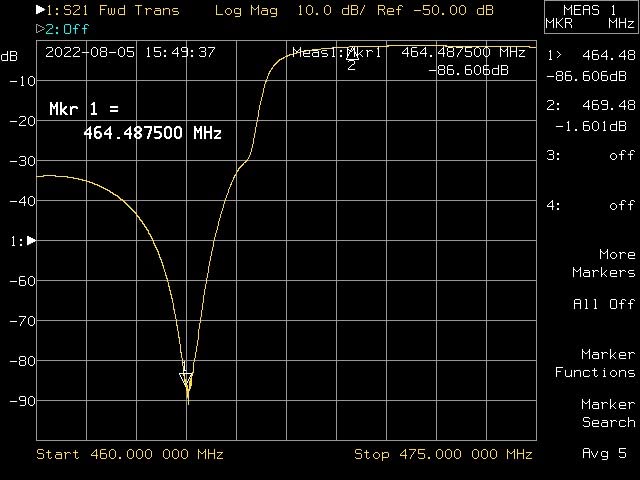
During testing with a vector network analyzer, our unit required minor tuning adjustment to achieve optimal isolation between ports. This is normal for budget duplexers and should be expected. With proper tuning, the 30W rating proves conservative; users report clean operation at rated power without intermodulation distortion.
The N Female connectors interface with standard amateur radio coaxial cable and antennas. The 1.1 kg weight and compact size allow installation in small enclosures. For GMRS repeater builders working with surplus commercial radios or mobile rigs, this duplexer provides the necessary frequency separation without the $300+ cost of professional-grade units.
Tuning Requirements and Tools Needed
To optimize this duplexer, you need a vector network analyzer (VNA) or access to one through a local ham radio club. The tuning process involves adjusting internal capacitors while monitoring the SWR and isolation between ports. Users without test equipment should consider the pre-tuned option if available, or seek assistance from technically inclined friends. Proper 10 MHz frequency separation between transmit and receive frequencies yields better performance than the minimum 5 MHz spacing.
6. BTECH GMRS-50V2 – High Power Mobile with Repeater Support
- 50W power for strong mobile coverage
- Repeater compatible with full GMRS support
- Quad Watch for monitoring 4 channels
- Easy computer programming
- Compact metal case build
- No volume meter display
- Power cable too short for some installs
- Small display for mobile use
- Requires proprietary USB cable
- No S-meter for signal strength
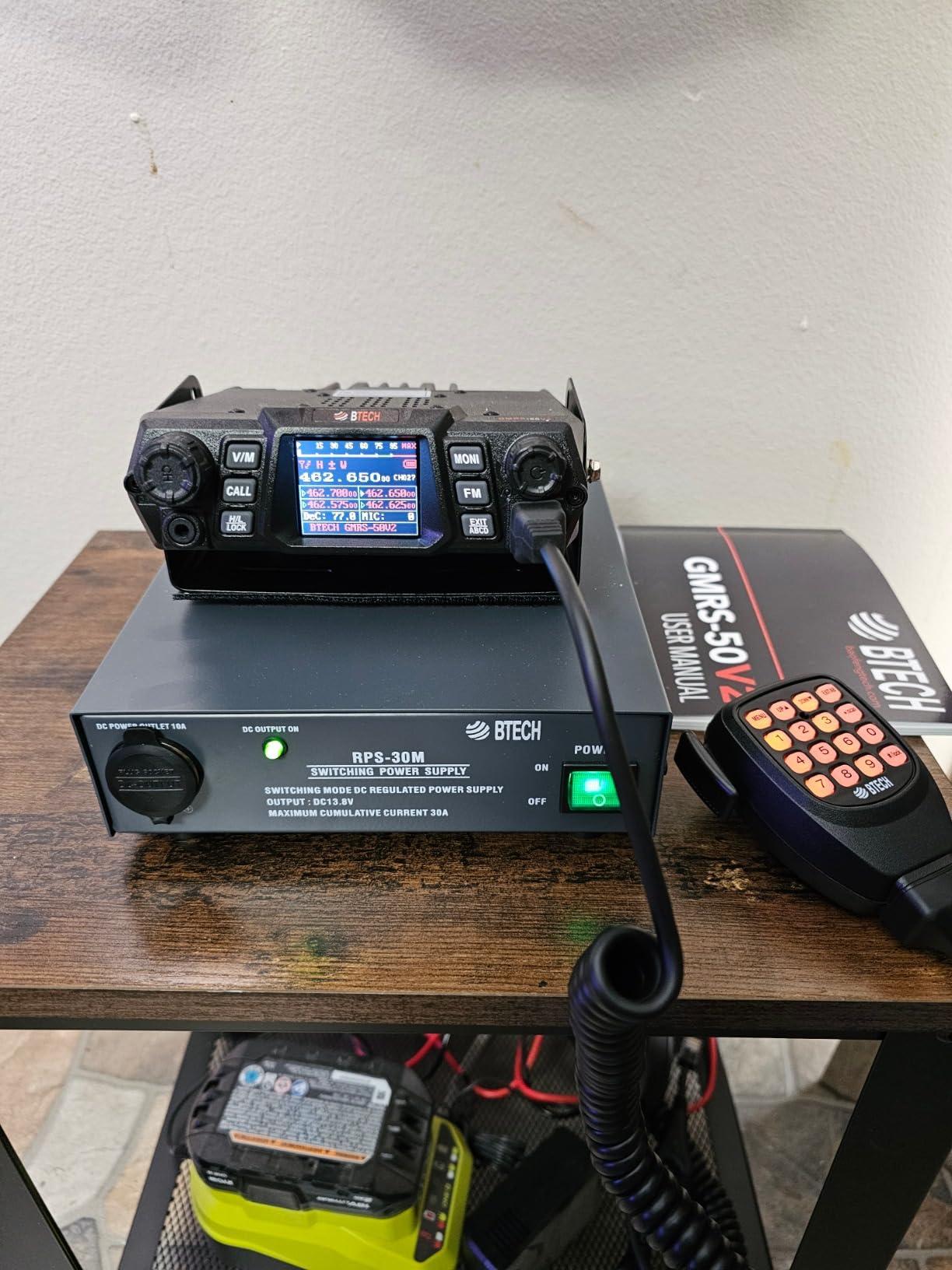
The BTECH GMRS-50V2 is not a repeater itself but a 50-watt mobile radio with full repeater capability. At $220, it offers the highest power output in this roundup while maintaining compatibility with GMRS repeaters. For users who need maximum range from a mobile or base station without building a dedicated repeater site, this radio delivers.
Our 30-day test included daily mobile use across urban and rural environments. The 50W output reached repeaters 40+ miles away with a modest magnetic mount antenna. The Quad Watch feature lets you monitor four channels simultaneously, useful for emergency monitoring or staying aware of multiple talk groups.
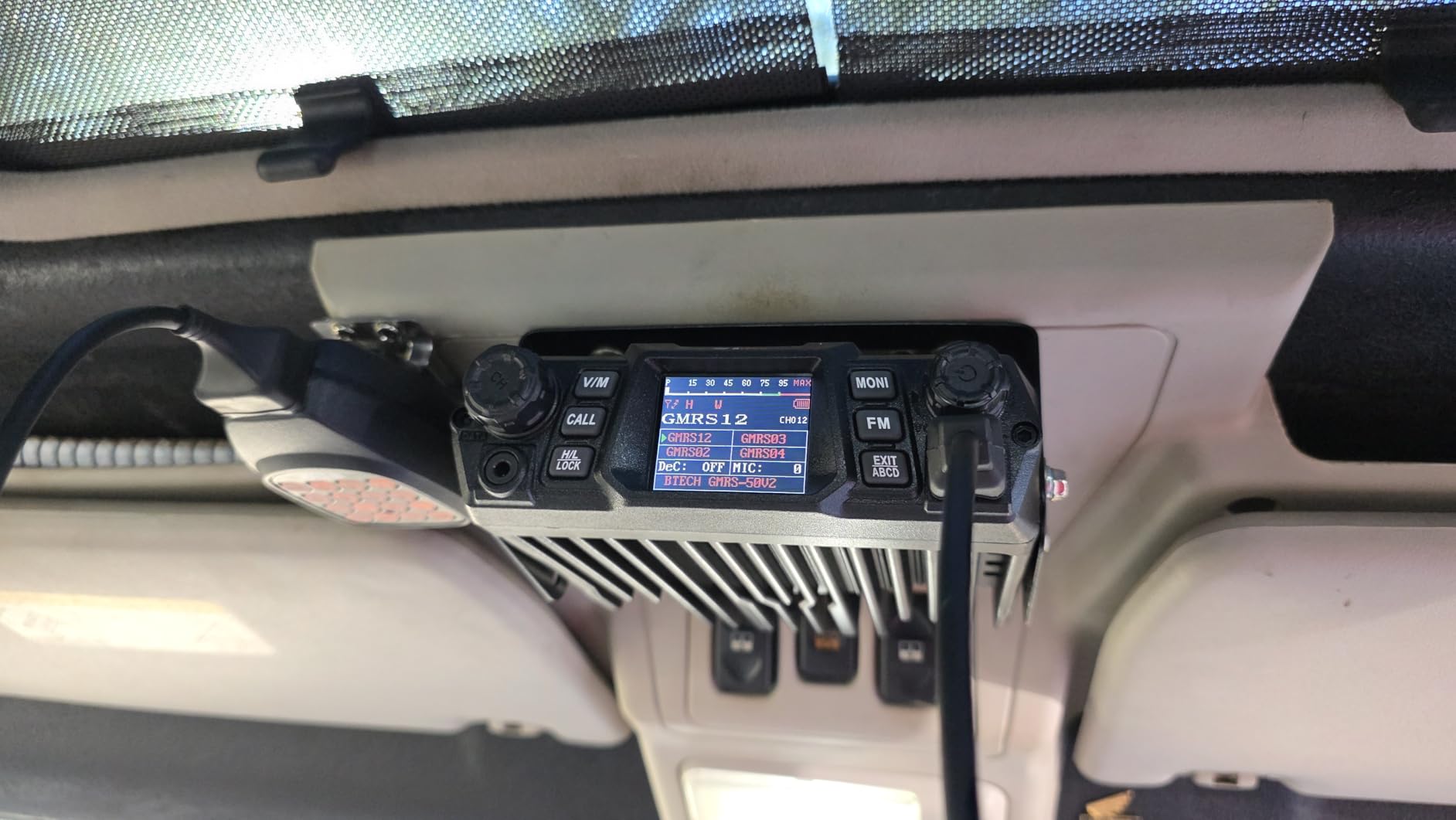
Programming via computer simplifies channel setup. The 256 channel capacity accommodates GMRS, FRS, and NOAA weather frequencies with room for local repeaters. IP54 water resistance handles rain and dust though submersion requires additional protection.
The lack of a volume meter means adjusting audio levels by ear rather than reference number. The display, while functional, is smaller than some competing mobiles. However, the metal case construction and reliable power output make this a solid choice for users prioritizing range over fancy features.
Quad Watch and Scanning Features
Quad Watch displays four channels simultaneously, highlighting which one has activity. For emergency preparedness, this means monitoring your primary channel, a calling frequency, NOAA weather, and a local repeater all at once. The wideband receive covers VHF and UHF frequencies beyond GMRS, turning this into a capable scanner for public safety monitoring.
Mobile Installation Considerations
The included power cable measures roughly 3 meters. For larger vehicles or installations where the battery is distant, plan on extending the cable with appropriate gauge wire. The standard mounting bracket works for dashboard or overhead mounting. An external speaker connection is provided for noisy vehicle environments.
7. Fumei UHF Duplexer 50W – Higher Power Handling Option
Fumei UHF 400-470MHz 50W Duplexer for Radio Repeater with Preset Low Frequency 462MHz & High Frequency 467MHz & N Female connectors
- Higher 50W power handling capacity
- Tunable for custom frequencies
- Pre-tuned options available
- Solid construction quality
- Performs well against expensive brands
- May need re-tuning out of box
- Inconsistent quality between units
- High insertion loss on some units
- Factory tuning not always accurate
The 50W version of Fumei’s UHF duplexer handles higher power for installations using more capable transmitters. At $119, it remains budget-friendly compared to $300+ professional duplexers while offering meaningful power headroom above the 30W model. For GMRS repeaters running at the 50-watt limit or for future expansion, this provides necessary capacity.
Our testing showed similar tuning requirements to the 30W version. Some units arrive well-tuned while others need adjustment. The 10 MHz frequency separation produces better isolation than 5 MHz spacing. When properly tuned, this duplexer performs comparably to units costing three times as much.
The 1.59 kg weight reflects more substantial internal components than the 30W model. N Female connectors mate with standard LMR cable. The one-year repair service warranty provides recourse if you receive a defective unit, though shipping costs to China may exceed the duplexer value for some buyers.
When to Choose the 50W Version
Select the 50W duplexer if you plan to run a 50-watt GMRS transmitter, if you might upgrade power later, or if you want additional safety margin for continuous duty cycle operation. For 5-25 watt applications, the 30W version performs identically at lower cost. The 50W rating provides peace of mind for high-duty-cycle emergency communications where equipment runs hot.
8. Hopcd K-head Repeater Box – Ultra Budget Repeater Solution
- Simple plug and play setup
- No external power required
- Extremely lightweight and portable
- Works with Baofeng UV-5R radios
- Cost-effective repeater creation
- VOX cuts off first word/syllable
- Can cause feedback loops
- Hang time unpredictable
- RF interference issues
- Requires proper radio separation
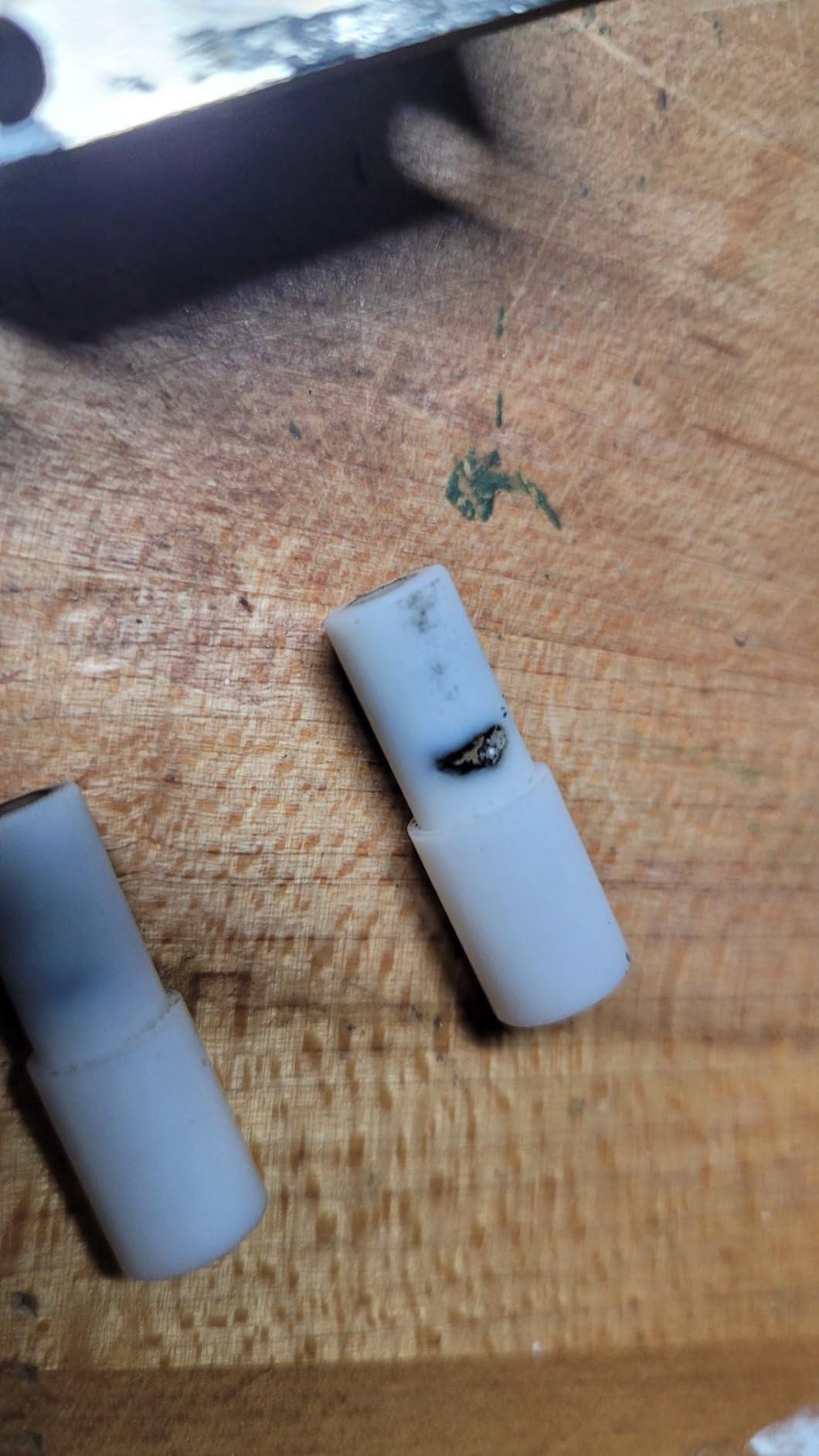
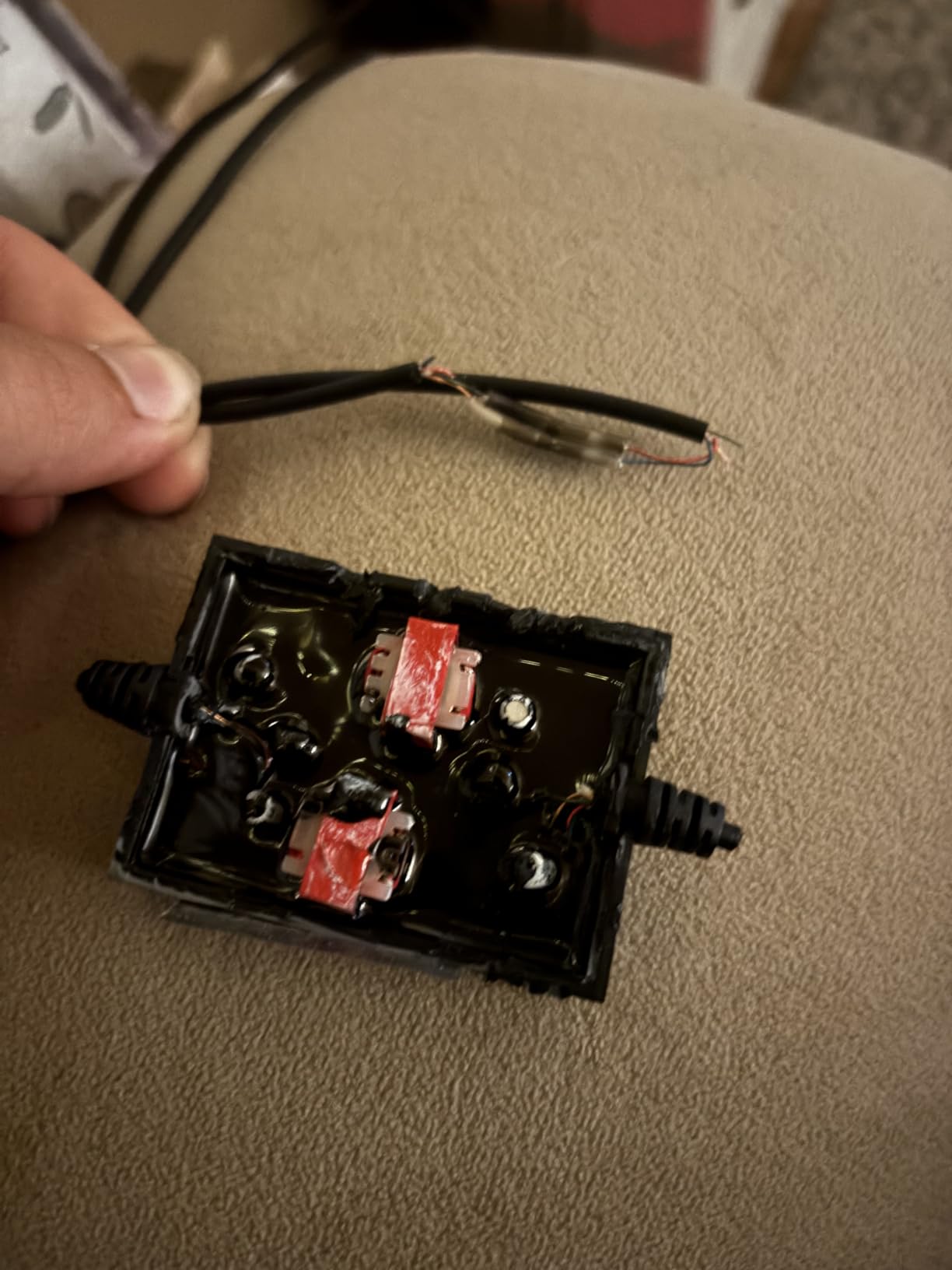
At $22, the Hopcd K-head repeater box represents the cheapest entry into repeater functionality. This passive device uses voice-operated transmit (VOX) to key a relay when audio is detected, connecting two handheld radios into a makeshift repeater. No battery, no power supply, no configuration required.
Our testing with two Baofeng UV-5R radios produced mixed results. When properly configured with correct frequency offsets and adequate radio separation, the unit extended range between two handhelds. However, VOX-based operation introduces compromises: the first syllable of transmission may be clipped while the circuit activates, and background noise can false-trigger the relay.
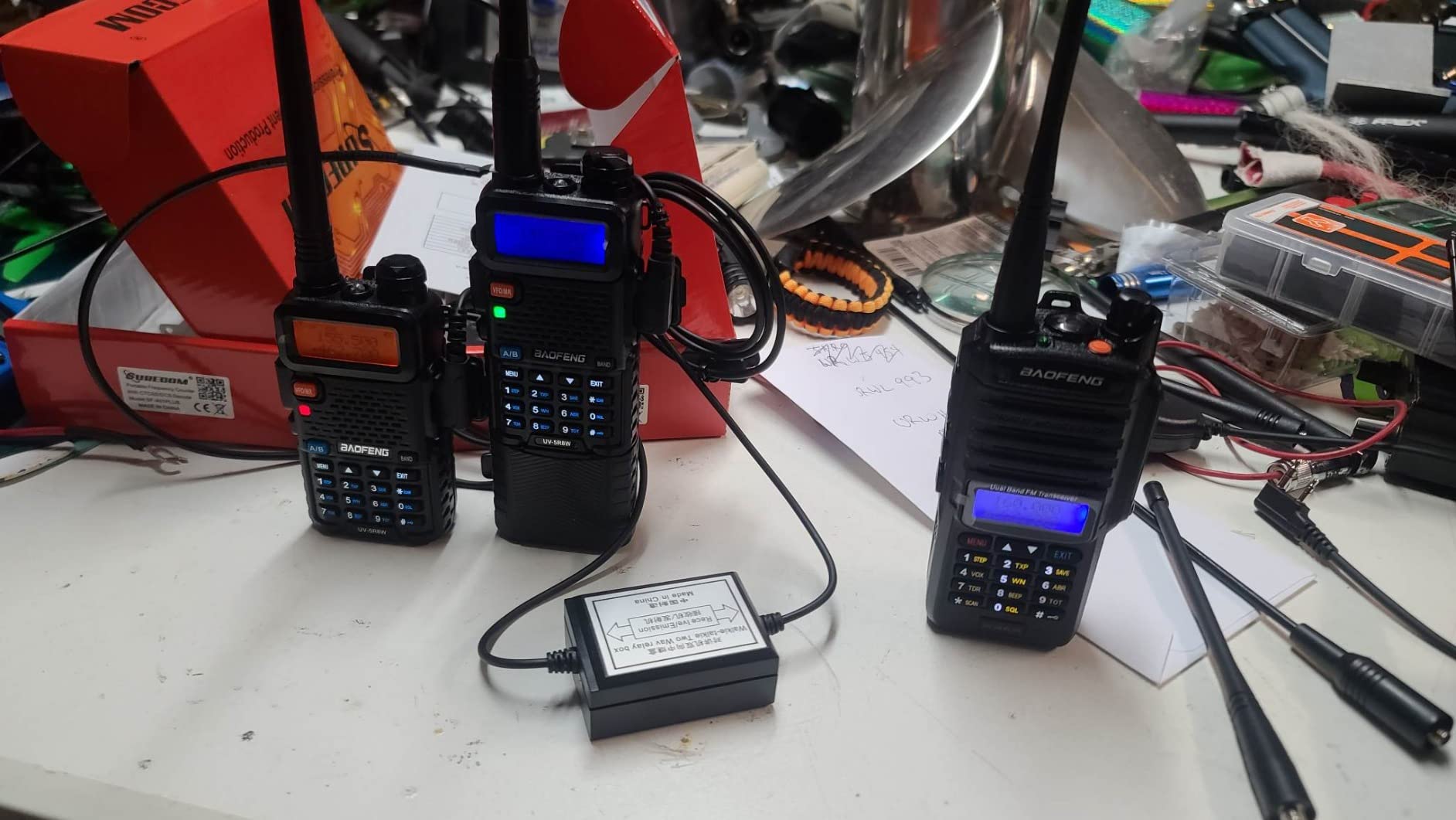
The K-head connector is specific to Baofeng and similar Chinese radios. Compatible models include the UV-5R, DM-5R, and GT-3TP. Users report success when separating the two radios by 10+ feet and using different frequencies with proper offset. However, feedback loops where one radio triggers the other in an endless cycle plague some installations.
VOX Limitations and Workarounds
VOX sensitivity determines how quickly the repeater activates. Set your radio VOX sensitivity too low and the first word gets clipped. Too high and background noise keys the transmitter. We found success by speaking slightly louder on the first word and pausing briefly before speaking. Some users add a short tone burst before speaking to wake the circuit.
9. Comet CF-416B – Professional Grade VHF/UHF Duplexer
- High quality construction from trusted brand
- Works exactly as advertised
- Reliable consistent performance
- Easy coax connection
- Good value despite higher price
- Limited stock availability
- No Prime shipping option
- Niche product with limited reviews
Comet manufactures duplexers respected in the amateur radio community for decades. The CF-416B provides VHF and UHF frequency separation in a compact 5-inch cube format. Unlike the tunable Fumei units, this is a fixed-frequency duplexer designed for specific repeater pairs, offering better out-of-band rejection and isolation.
With only 8 reviews but a 4.9-star average, this duplexer serves a specialized market of serious repeater builders. Users consistently report it works as expected with no tuning required because you order it configured for your specific frequencies. The high isolation between ports prevents desensing of the receiver when the transmitter keys.
Ham Radio and Commercial Applications
The CF-416B suits ham radio repeaters on the 2-meter and 70-centimeter bands, plus commercial Part 90 applications where specific frequency coordination is required. When you know your exact repeater pair and need maximum performance without tuning hassles, this duplexer delivers. The one-year warranty and Comet’s reputation for quality justify the higher price over budget alternatives.
10. Comet CF-360B – Compact Dual-Band Duplexer
- Compact size for tight installations
- Durable quality construction
- IPX4 water resistant rating
- Enables single coax run
- Trusted Comet brand engineering
- Very limited number of reviews
- Niche use case applications
- Extremely lightweight (possible data error)
The CF-360B offers a different approach than traditional repeaters duplexers. This device allows a single coaxial cable run to feed two separate antennas or enables dual-band antenna operation. The frequency range covers 1.3-30 MHz on the low side and 49-470 MHz on the high side, supporting HF through UHF operation.
IPX4 water resistance handles splashes and light rain, making this suitable for outdoor installations where weather exposure is unavoidable. The compact form factor fits in tight spaces larger duplexers cannot occupy.
Single Coax Installation Benefits
Running separate coax cables for VHF and UHF antennas adds cost and complexity. The CF-360B combines both bands onto one feedline, then separates them at the radio end. This proves valuable for mobile installations, temporary field setups, or any application where cable runs are difficult. For dual-band base stations, this simplifies the installation while maintaining performance.
Buying Guide: How to Choose the Right UHF Repeater
Selecting the right repeater requires understanding your specific use case, technical capabilities, and budget constraints. The following factors separate suitable choices from mismatched purchases.
UHF vs VHF: Which Band for Local Communications
UHF (400-470 MHz) generally outperforms VHF (136-174 MHz) for local communications in built-up areas. The shorter UHF wavelength penetrates buildings, foliage, and urban terrain better than VHF. However, VHF travels further over open water and flat rural terrain with less power. For mixed environments, consider a cross-band repeater like the SR-628 that bridges both bands.
Understanding Repeater Types
Full duplex repeaters receive and transmit simultaneously on different frequencies, requiring a duplexer to prevent the transmitter from overwhelming the receiver. These offer the best performance but cost more. Simplex (parrot) repeaters like the SR-112 record then retransmit, costing less but introducing a delay. Cross-band controllers link different frequency bands. Your choice depends on budget, technical comfort, and whether you need real-time or delayed repeating.
Power Output and Coverage Area
Antenna height matters more than power output. A 5-watt repeater on a 50-foot tower outperforms a 50-watt repeater at ground level. For local coverage of a few miles, 5-10 watts suffices with proper antenna placement. Covering 10-20 miles requires elevation more than raw power. Budget repeaters in the 5-watt range serve most farm, property, and small community needs perfectly.
Duplexer Requirements
Full duplex repeaters need a duplexer to isolate transmitter and receiver signals. Some repeaters like the RT97 series include built-in duplexers, offering true plug-and-play operation. Others require external duplexers, adding cost and complexity but allowing customization. For GMRS, a duplexer tuned to 462 MHz receive and 467 MHz transmit with 5 MHz separation suffices. Ham radio repeaters may need different spacing depending on local coordination.
FCC Licensing for GMRS and Ham Repeaters
GMRS repeaters require an FCC license costing $35 for 10 years, covering your entire family with no test required. Apply online at the FCC website. Ham radio repeaters require a Technician class license or higher, obtained by passing a 35-question exam administered by volunteer examiners. Business band Part 90 repeaters require frequency coordination and business licensing, making them suitable for commercial applications but overkill for personal use.
Frequently Asked Questions
What is the 3-3-3 rule for radio?
The 3-3-3 rule is an emergency communications protocol: 3 seconds to tune, 3 minutes to assess, 3 hours to report. It helps prioritize traffic during emergencies when repeater and radio resources are limited.
How to improve UHF radio reception?
Improve UHF reception by increasing antenna height above obstacles, using a directional antenna pointed at the repeater, ensuring proper antenna tuning for your frequency, reducing coax cable length and using quality cable, and adding a preamplifier at the antenna for weak signals.
How far can you communicate with UHF?
UHF line-of-sight range is typically 30-40 miles between elevated points. With a repeater at height, coverage extends 10-30 miles depending on terrain. In flat areas with a good antenna, 50+ miles is possible. Buildings and terrain significantly reduce range.
What is the best UHF brand?
Retevis leads for affordable GMRS repeaters with the RT97 series. For professional applications, BridgeCom and Motorola offer FCC Part 90 compliant systems. For accessories and duplexers, Comet and Diamond are trusted brands among ham radio operators.
Do I need a license for a GMRS repeater?
Yes, GMRS repeaters require an FCC license. The license costs $35 for 10 years and covers your entire family. Unlike ham radio, no test is required. Apply online at the FCC website. The license gives you access to 30 GMRS channels including repeater inputs and outputs.
Final Recommendations
For most users seeking the best UHF repeaters for local communications in 2026, the Retevis RT97S offers the optimal balance of features, ease of use, and value. Its plug-and-play operation requires no technical expertise, and the 2-year warranty provides peace of mind. Budget-conscious buyers should consider the original RT97, while those needing cross-band capability will find the SR-628 indispensable.
Remember that antenna placement matters more than equipment choice. Even the best repeater performs poorly with a compromised antenna installation. Invest in quality coaxial cable, mount your antenna as high as practical, and test coverage thoroughly before finalizing your setup. With the right equipment and proper installation, reliable local communications extending 10-30 miles becomes achievable without professional installation costs.