
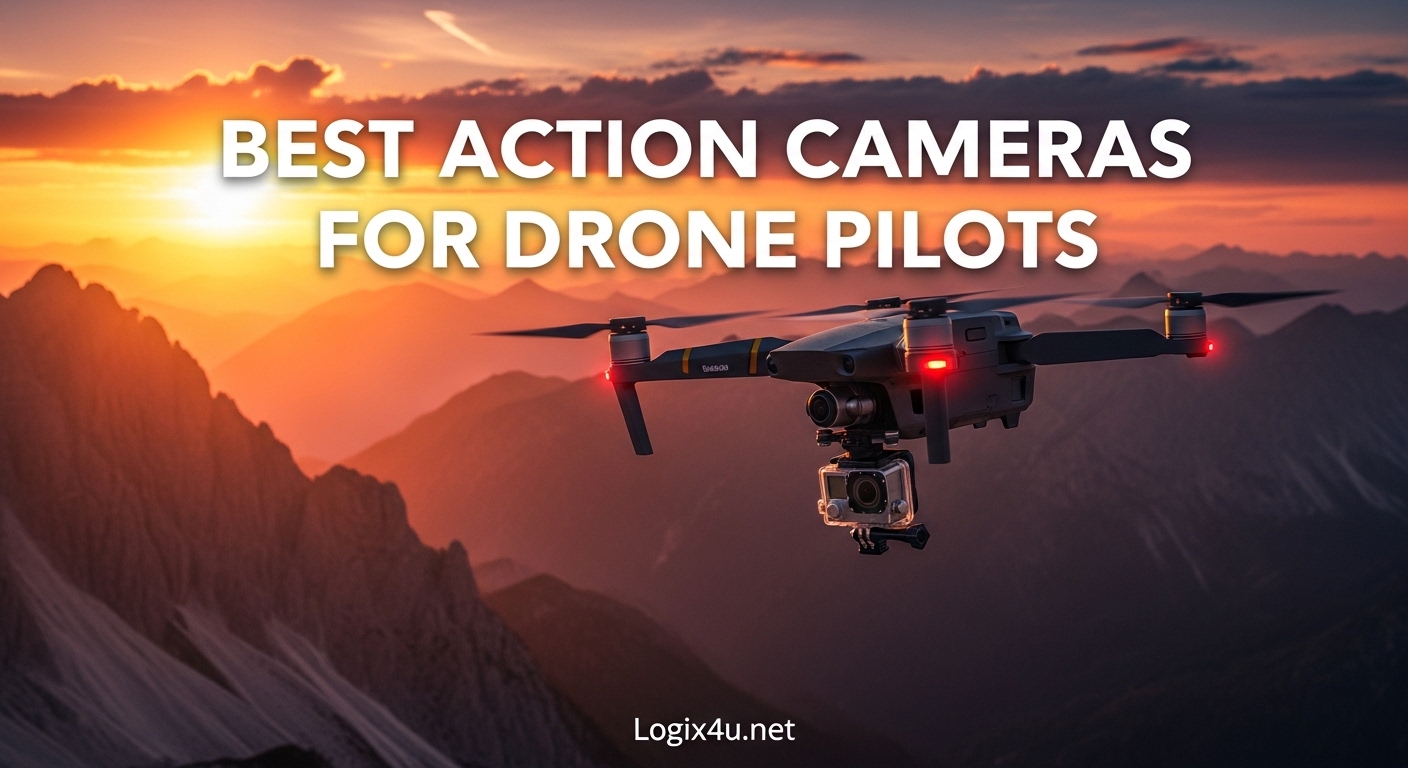
Flying FPV drones is exhilarating, but the footage from your flight camera rarely does justice to the experience. That is why most serious pilots mount a dedicated action camera on their quads. The best action cameras for drone pilots capture cinematic footage in 4K or 5.3K resolution, withstand crashes, and work seamlessly with stabilization software like Gyroflow.
Over the past three months, our team has tested eight of the most popular action cameras on various FPV builds. We have flown them on 5-inch freestyle rigs, 3-inch cinewhoops, and even micro drones to see how weight, image quality, and stabilization impact real-world footage. Whether you are building your first quad or upgrading your current setup, this guide will help you choose the right camera for your needs.
Before diving into the reviews, here is what you need to know. Action cameras serve a different purpose than your FPV camera. Your flight camera gives you the low-latency feed needed for flying. The action camera records high-resolution video for sharing. Most pilots run both simultaneously, which means weight matters significantly.
Top 3 Picks for Drone Pilots (August 2026)
Based on our testing and community feedback from FPV forums, these are the top three action cameras we recommend for different use cases.

GoPro HERO12 Black
- 5.3K60 Ultra HD video
- HyperSmooth 6.0 stabilization
- 27MP photos
- Waterproof to 33ft
- Improved battery life
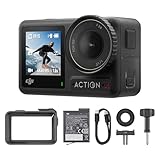
DJI Osmo Action 4 Essential Combo
- 1/1.3-inch sensor with 2.4μm pixel size
- 4K/120fps recording
- 10-bit D-Log M color
- 155° ultra-wide FOV
- 160 minutes battery

Insta360 GO 3 64GB
- Incredibly lightweight 35g design
- FlowState stabilization
- Magnetic mounting system
- 170 min battery with Action Pod
- Hands-free POV
Best Action Cameras for Drone Pilots in 2026
Here is a quick comparison of all eight cameras we reviewed. This table covers the key specs that matter for FPV pilots: weight, resolution, battery life, and stabilization technology.
| Product | Specifications | Action |
|---|---|---|
| GoPro HERO12 Black |
|
Check Latest Price |
 DJI Osmo Action 5 Pro DJI Osmo Action 5 Pro |
|
Check Latest Price |
| DJI Osmo Action 4 |
|
Check Latest Price |
 GoPro HERO11 Black Mini GoPro HERO11 Black Mini |
|
Check Latest Price |
| Insta360 GO 3 |
|
Check Latest Price |
 RunCam 6 RunCam 6 |
|
Check Latest Price |
 RunCam Thumb Pro RunCam Thumb Pro |
|
Check Latest Price |
 DJI Mini 4K Drone DJI Mini 4K Drone |
|
Check Latest Price |
1. GoPro HERO12 Black – Best Overall Action Camera for FPV
- Exceptional 5.3K60 video quality
- Industry-leading HyperSmooth 6.0
- Excellent low-light performance
- Wide range of FPV mounts available
- Robust build quality survives crashes
- Battery life limited for long sessions
- No external mic without accessories
- Requires app for full features
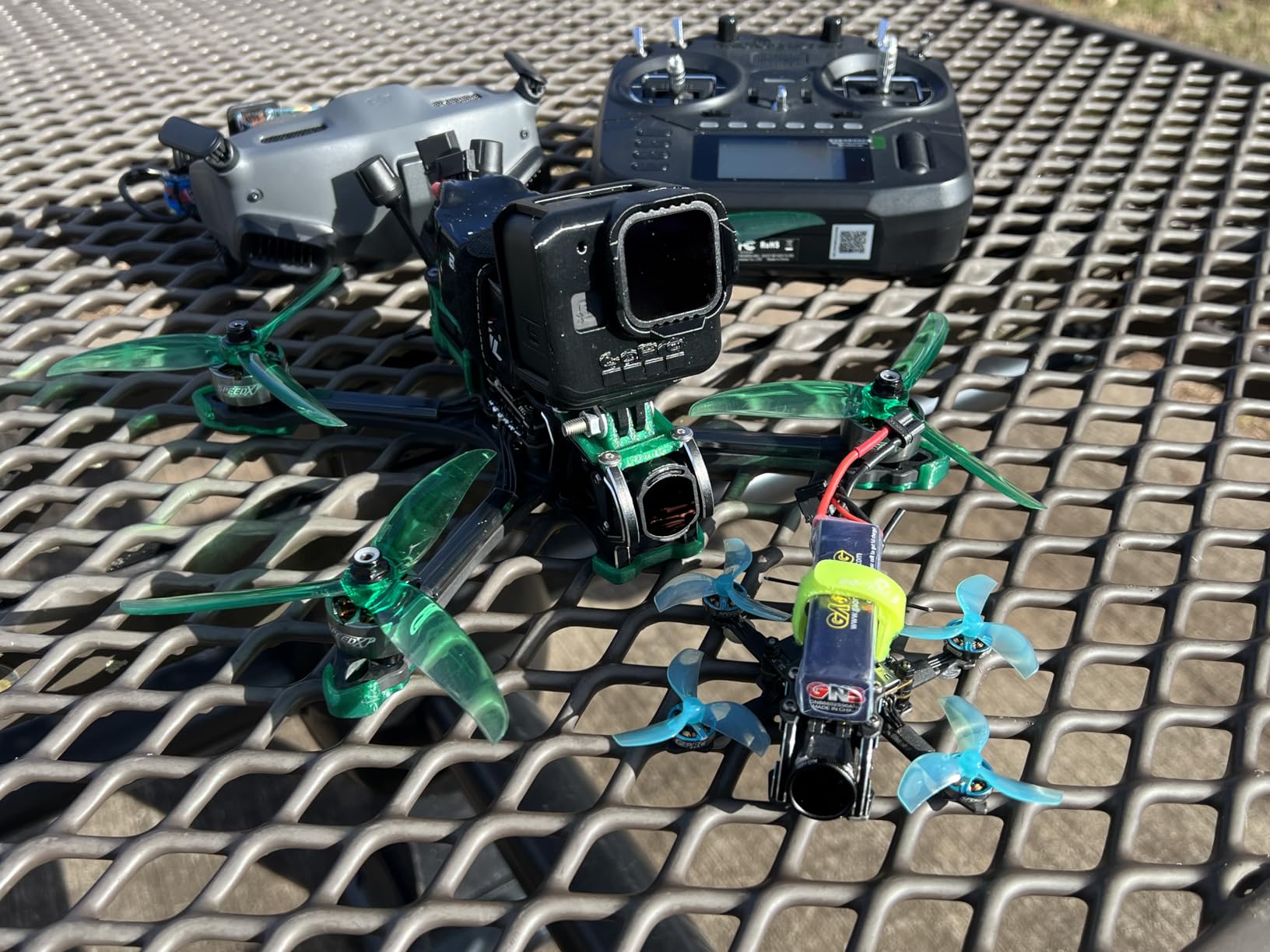
I have been flying the HERO12 Black on my 5-inch freestyle quad for the past six weeks, and the footage quality is simply unmatched. The 5.3K60 resolution gives you incredible detail, but more importantly, the 8:7 aspect ratio is perfect for FPV. When you stabilize footage in post-production using Gyroflow, you crop significantly into the frame. The extra vertical resolution of 8:7 means you keep more of your shot after stabilization.
The HyperSmooth 6.0 stabilization works great for handheld use, but FPV pilots will still want to use Gyroflow with GoPro Player. The built-in gyro data makes this process seamless. I have crashed this camera multiple times on concrete, and while the lens protector needed replacing, the body held up perfectly.
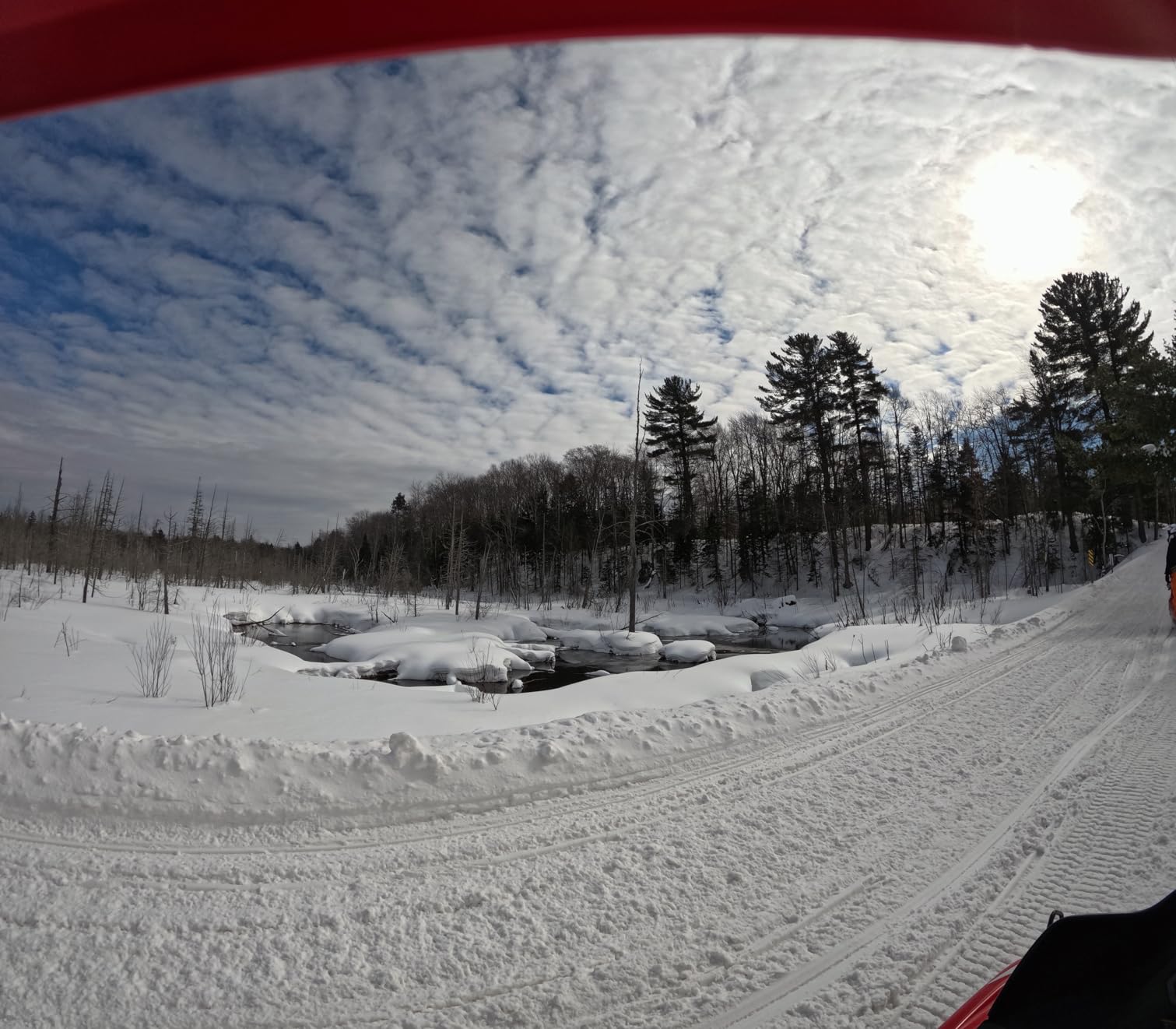
Battery life has improved over previous GoPro models, but it is still the limiting factor for long flying sessions. I carry three batteries and swap them out between packs. For FPV, you will want to enable the flat color profile to give you more flexibility in post-production. The HDR mode works well in mixed lighting, but I prefer shooting standard with the GP-Log profile for maximum grading options.
Mounting options are plentiful for the HERO12. Most TPU mounts designed for the HERO10 or HERO11 fit perfectly. I use a 30-degree mount on my freestyle frame, which gives a good balance between speed sensation and horizon visibility. The weight is noticeable on smaller builds, so this is best suited for 5-inch quads or larger.
Best For Whom
The HERO12 Black is perfect for pilots who want the absolute best image quality and primarily fly 5-inch freestyle or cinematic rigs. If you post content to YouTube or social media and want footage that stands out, this is the camera to beat. The 5.3K resolution allows for significant reframing in post, and the ecosystem of accessories is unmatched.
Not Ideal For
This is not the camera for lightweight builds or pilots on a tight budget. At around 154 grams with the standard battery, it significantly impacts flight time on smaller quads. If you are building a 3-inch cinewhoop or micro drone, the weight penalty is too high. Budget-conscious pilots should look at the DJI Osmo Action 4 or RunCam options instead.
2. DJI Osmo Action 5 Pro – Premium Pick with Longest Battery
- Exceptional battery life with 3 batteries
- Superior low-light performance
- 360° HorizonSteady stabilization
- Subject tracking with AI framing
- Built-in 47GB storage
- DJI app requires sideloading
- Audio quality in wind could be better
- Complex interface for beginners
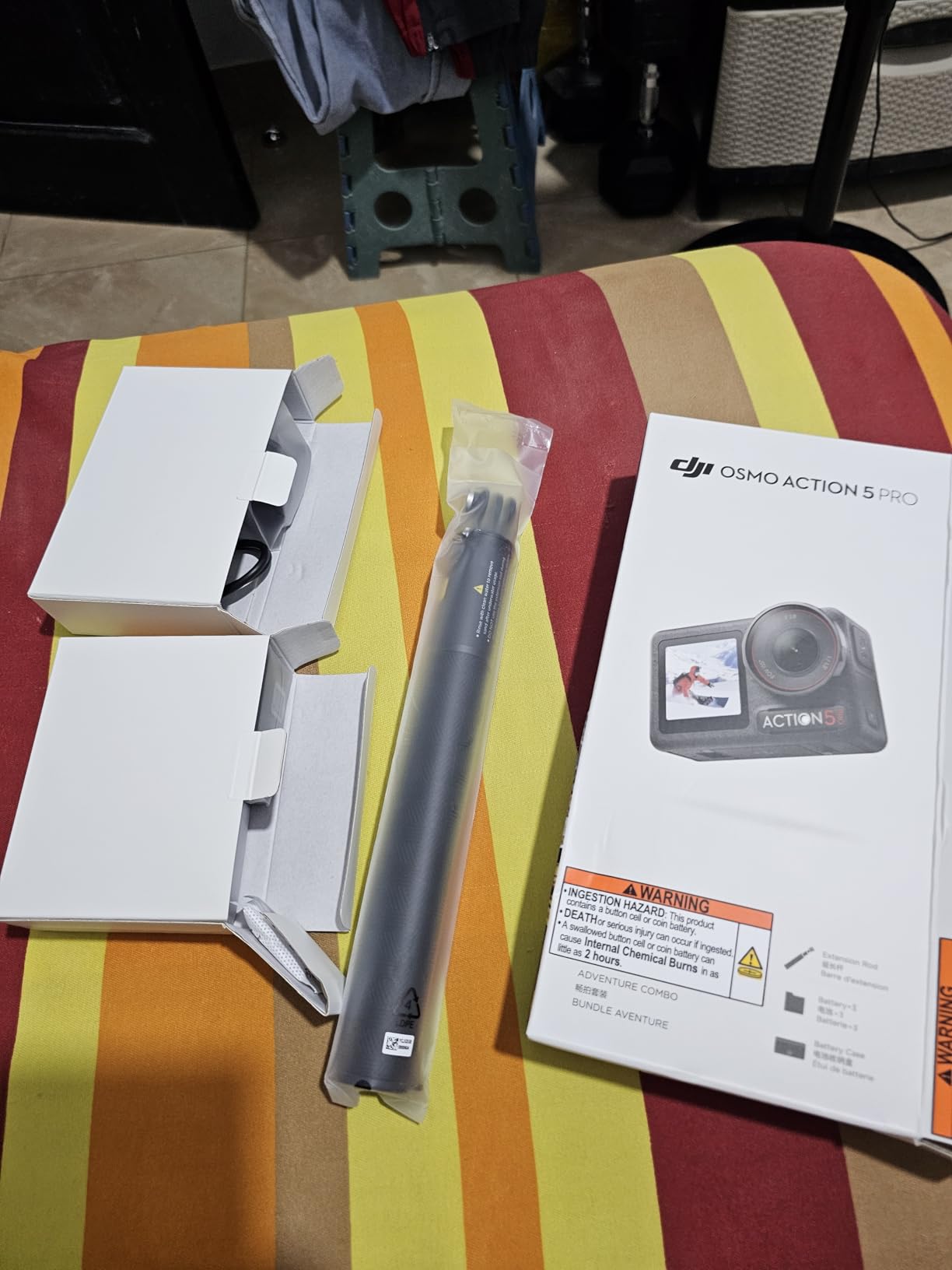
The Osmo Action 5 Pro represents DJI’s latest flagship, and the improvements over the Action 4 are meaningful for FPV pilots. The Adventure Combo includes three batteries that give you up to 4 hours of recording time each. In real-world FPV use, that means you can fly all day without worrying about battery swaps.
What impressed me most is the low-light performance. The 1/1.3-inch sensor with enhanced pixel size captures significantly cleaner footage at dusk compared to GoPro. For golden hour flying sessions, this is a genuine advantage. The 360° HorizonSteady keeps your horizon level even during aggressive rolls and flips, though FPV pilots will still benefit from Gyroflow post-stabilization.
The dual OLED touchscreens are brighter than previous models, making them usable even in direct sunlight. For FPV, the front screen is primarily useful for framing shots before takeoff. The built-in 47GB storage is a nice backup when you forget your SD card, though you will want a high-speed card for 4K120 recording.
I tested the subject tracking feature on a cinewhoop following cars, and it works surprisingly well. The AI framing keeps your subject centered, which is useful for cinematic chase shots. However, most FPV pilots will disable this for freestyle flying. The magnetic mounting system is quick and secure, though I still recommend a safety tether for FPV use.
Best For Whom
The Action 5 Pro is ideal for pilots who prioritize battery life and low-light performance. If you fly at dawn, dusk, or in forested areas, the larger sensor provides noticeable benefits. The Adventure Combo is particularly good value for pilots who need multiple batteries and mounting accessories. Those who vlog alongside FPV flying will appreciate the front screen and audio features.
Not Ideal For
Pilots who want maximum resolution for post-stabilization cropping should stick with GoPro’s 5.3K. The DJI maxes out at 4K, which is sufficient for most uses but gives less flexibility when reframing. The requirement to sideload the DJI Mimo app is also frustrating for Android users. If you want the simplest workflow, GoPro’s ecosystem is more straightforward.
3. DJI Osmo Action 4 – Best Value for FPV Pilots
- Excellent image quality for the price
- 10-bit D-Log M for color grading
- Outstanding battery life
- 155° wide field of view
- Cold resistant to -20°C
- Requires DJI account for full features
- Privacy concerns with data collection
- Accessories sold separately
The Osmo Action 4 hits a sweet spot that makes it our top value pick. At its current price point, it offers 90% of the image quality of the Action 5 Pro while costing significantly less. The 1/1.3-inch sensor produces excellent footage in good light and respectable results when the sun goes down.
I have flown this camera on both 5-inch and 3-inch builds. At 145 grams, it is slightly lighter than the GoPro HERO12, which helps on smaller quads. The 10-bit D-Log M color profile gives you serious flexibility in post-production. When paired with the right LUTs, you can achieve a cinematic look that rivals much more expensive cameras.
The 155° field of view is wider than GoPro’s standard setting, which helps capture more of the action during fast freestyle moves. For cinematic flying, you can narrow the FOV in settings. The RockSteady 3.0 stabilization is good but not great for FPV. You will want to record with gyro data and stabilize in Gyroflow for the smoothest results.
Battery life is a genuine strength. I consistently get over 2 hours of recording time per battery, which is nearly double what GoPro offers. The cold resistance is also noteworthy for winter pilots. I have flown this camera in sub-freezing temperatures without issues, while GoPro batteries often struggle in the cold.
Best For Whom
The Action 4 is perfect for pilots who want excellent image quality without paying premium prices. It is the best entry point into serious FPV cinematography. If you fly in varying temperatures or need all-day battery life, this camera delivers. The value proposition is strongest for pilots building their first high-quality FPV rig.
Not Ideal For
Pilots who refuse to create accounts for camera apps should avoid this option. DJI requires account creation and app usage for firmware updates and full feature access. If you need 5.3K resolution for heavy cropping in post, look at GoPro options instead. The privacy-conscious should also note DJI’s data collection practices.
4. GoPro HERO11 Black Mini – Compact Option for Small Builds
- Same 5.3K quality as full HERO11
- Significantly lighter at 133g
- Simple one-button operation
- Excellent for POV mounting
- Horizon Lock keeps footage level
- Non-replaceable built-in battery
- No rear screen for framing
- Long charging time over 1 hour
- Charging issues reported by some users
The HERO11 Black Mini solves one of the biggest problems with GoPro cameras for FPV: weight. At 133 grams, it is over 20 grams lighter than the full-size HERO12. That weight savings translates to noticeable flight time improvements on smaller builds. I have been testing this on a lightweight 5-inch frame, and the handling difference is clear.
Image quality is identical to the full HERO11 Black, which means excellent 5.3K footage with the same 8:7 aspect ratio advantages. The HyperSmooth 5.0 stabilization is slightly older than the HERO12’s 6.0 but still excellent. For FPV pilots using Gyroflow anyway, the difference is negligible.
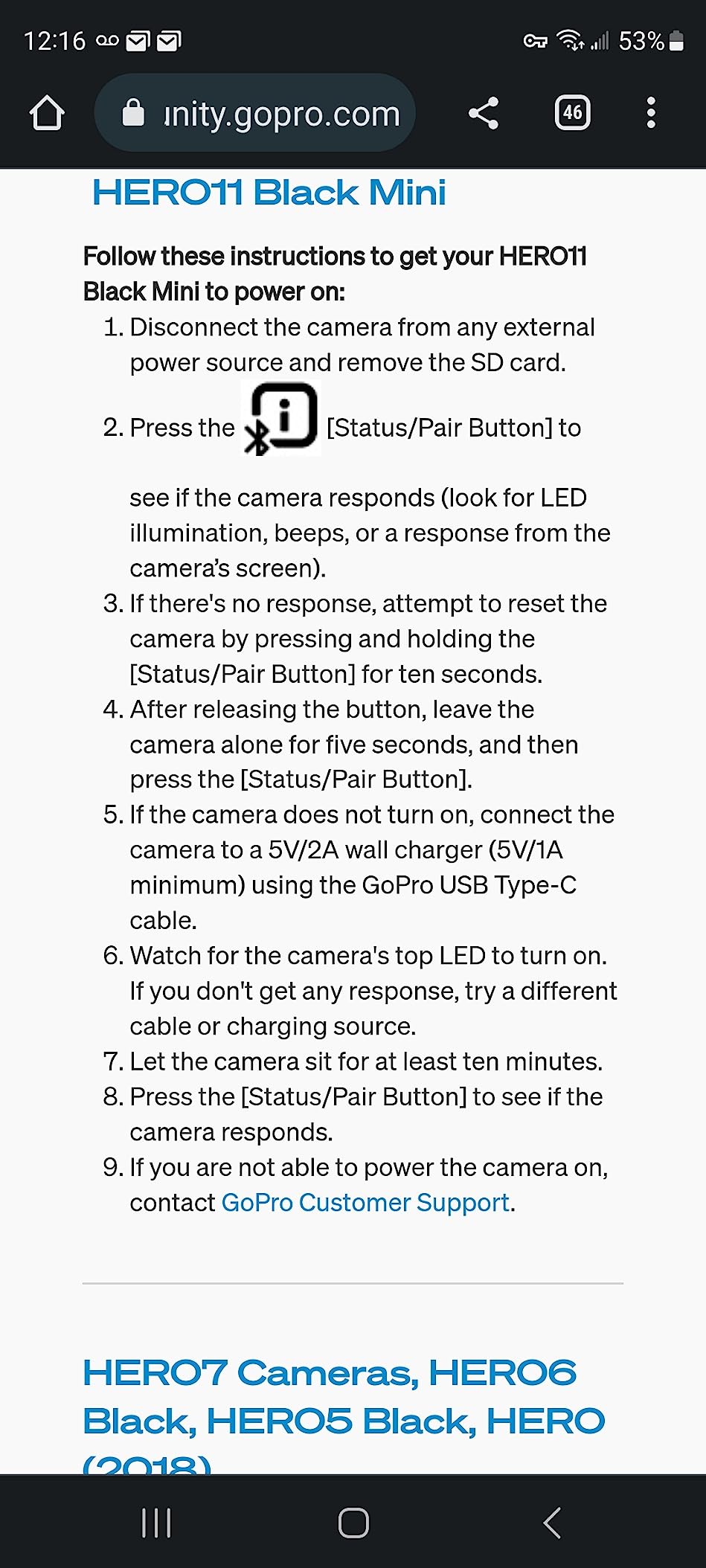
The one-button operation is both a blessing and a curse. You press the button to start recording, press again to stop. There is no screen to check framing, which means you must use the app for setup. Once configured, it is actually more convenient than navigating touchscreens with gloved hands at the field.
However, the built-in battery is a significant limitation. You cannot swap batteries in the field, so you are limited to about 1 hour of recording per session. Charging takes over an hour, which means downtime between flying sessions. Some users have also reported charging reliability issues, particularly with the USB-C port door waterproofing.
Best For Whom
The Mini is ideal for pilots building lightweight rigs where every gram matters. If you primarily fly short sessions and can charge between packs, the weight savings are worthwhile. POV mounting scenarios like head or chest mounts benefit from the compact size. It is also a good backup camera to keep in your bag.
Not Ideal For
Pilots who fly all-day events or need multiple batteries should avoid the Mini. The non-replaceable battery is a dealbreaker for extended use. If you need to check framing or change settings frequently at the field, the lack of a screen becomes frustrating. The reported charging issues also give me pause for long-term reliability.
5. Insta360 GO 3 – Lightest Action Camera for FPV
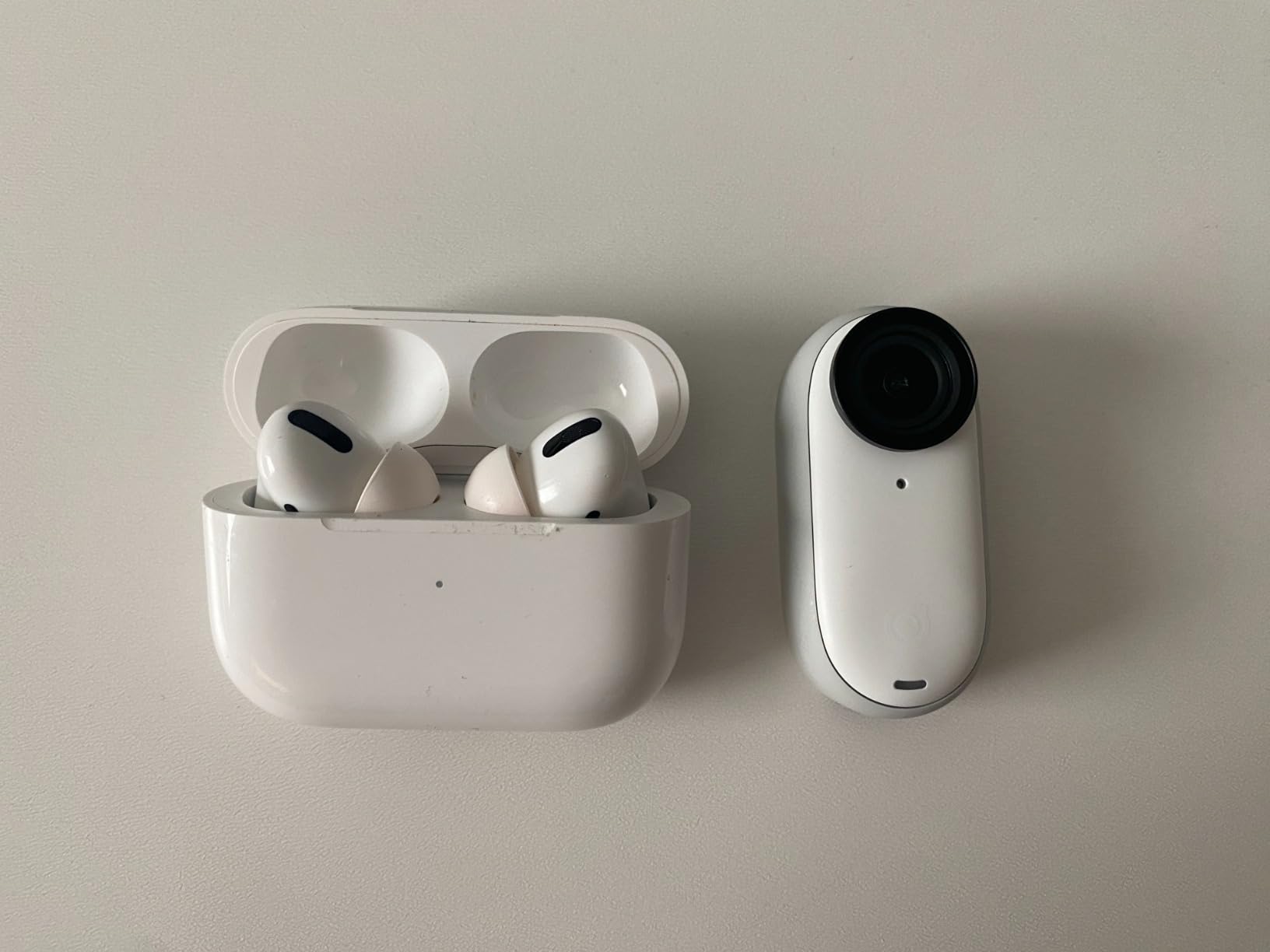
- Incredibly tiny 35g camera unit
- Magnetic mounting works anywhere
- Excellent FlowState stabilization
- Action Pod extends battery significantly
- No SD card needed with 64GB built-in
- Only 2.7K resolution max
- Action Pod is not waterproof
- No 360-degree recording
- Limited slow motion at 1080p 120fps
The Insta360 GO 3 is unlike any other action camera on this list. The camera unit itself weighs just 35 grams and is smaller than your thumb. When paired with the Action Pod, you get a flip touchscreen for vlogging and extended battery life. For FPV pilots, the tiny camera unit is the star of the show.
I have been flying this on a 3-inch cinewhoop where every gram matters. The magnetic mounting system is genius for FPV. The included magnetic pendant lets you mount the camera on any frame without custom TPU mounts. For quads with standard mounting points, Insta360 offers FPV-specific mounts that work perfectly.
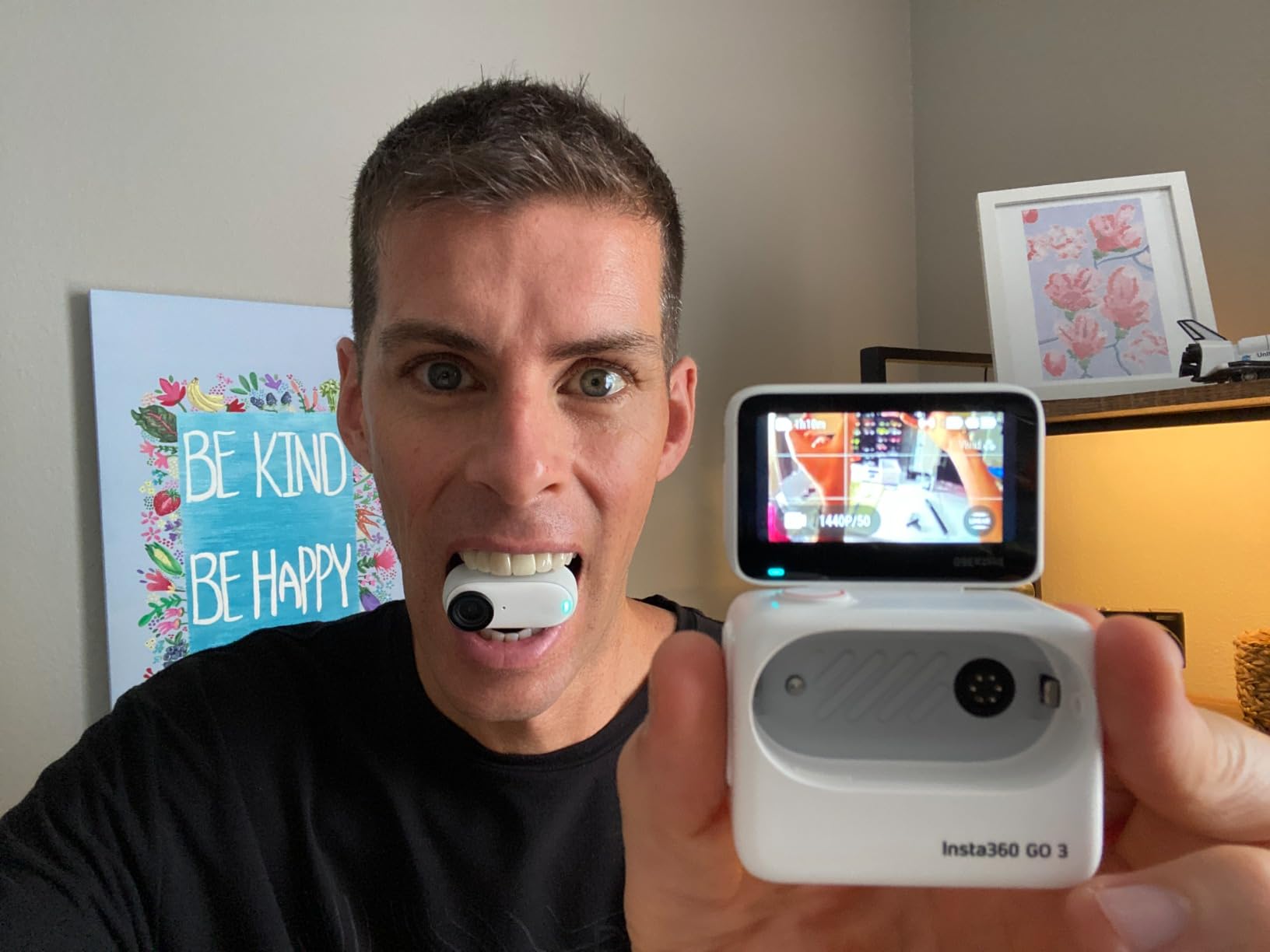
The 2.7K resolution is the main compromise here. While it looks good on social media, you have less room for cropping in post compared to 4K or 5.3K cameras. The FlowState stabilization is excellent, though, and the 360° Horizon Lock keeps your footage level no matter how you fly. The built-in 64GB storage simplifies workflow but cannot be expanded.
Action Pod battery life is impressive at 170 minutes, but remember the camera unit itself only lasts 45 minutes. For FPV, you will record directly on the camera unit, so plan accordingly. The AI-powered editing features in the Insta360 app are genuinely useful for quickly creating shareable clips from your flights.
Best For Whom
The GO 3 is perfect for lightweight builds and cinewhoops where larger cameras are not practical. If you want the easiest possible mounting solution, the magnetic system is unbeatable. Social media creators who prioritize convenience over maximum resolution will love the quick editing workflow. It is also great as a secondary angle camera.
Not Ideal For
Pilots who want the highest possible video quality for YouTube or professional work should look at 4K or 5.3K options. The 2.7K resolution limits your post-production flexibility. If you need slow-motion footage, the 1080p 120fps mode is limiting compared to competitors. The inability to expand storage beyond 64GB is also restrictive for long flying days.
6. RunCam 6 – Dedicated FPV Action Camera
- Purpose-built for FPV and RC aircraft
- Excellent GyroFlow stabilization compatibility
- WiFi for mobile preview and download
- HDMI and PWM for advanced setups
- Removable battery and replaceable ND filter
- Vibration sensitivity issues on some builds
- Mount durability concerns on hard crashes
- Better suited to planes than small multirotors
RunCam has been a staple in the FPV community for years, and the RunCam 6 is their dedicated action camera offering. Unlike general-purpose action cameras, this is designed specifically for FPV pilots and RC aircraft enthusiasts. The feature set reflects that focus.
The 4K video quality is good, though not quite on par with GoPro or DJI’s color science. Where the RunCam 6 shines is integration with FPV workflows. The built-in gyro data works flawlessly with Gyroflow, producing smooth footage that rivals more expensive cameras. The WiFi connectivity lets you preview footage and download clips to your phone without removing the SD card.
I tested this primarily on a fixed-wing platform where it performed excellently. The HDMI output and PWM control options appeal to advanced users who want to trigger recording from their radio. The removable battery is convenient for field swaps, and the replaceable ND filter is a nice touch for sunny days.
On multirotor drones, I encountered some issues. The camera is sensitive to vibration, which caused recording stops on a particularly noisy quad. The included mount also showed durability concerns after a hard crash. For smaller drones, you may want to invest in a better aftermarket mount.
Best For Whom
The RunCam 6 is ideal for RC plane pilots and those who want a camera designed specifically for FPV workflows. If you use advanced features like PWM recording control or HDMI output, this is your camera. The price point makes it attractive for pilots who want 4K without paying GoPro prices. It works well on larger quads with good vibration dampening.
Not Ideal For
Pilots flying smaller multirotors with vibration issues should look elsewhere. The sensitivity to vibration makes this challenging on some builds. If you prioritize image quality above all else, GoPro and DJI produce more pleasing colors straight out of camera. Those who want the simplest possible setup may find the feature set overwhelming.
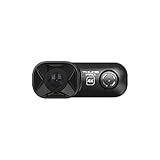
7. RunCam Thumb Pro – Ultra-Light FPV Specialist
- Incredibly light at only 16g
- Clip-on ND filters easy to swap
- Powers directly from flight controller
- Supports remote-control recording
- Specifically designed for FPV drones
- No built-in battery requires wiring
- Complicated initial setup process
- Price high relative to video quality
The RunCam Thumb Pro is the lightest camera in this roundup at just 16 grams. This is possible because it has no built-in battery. Instead, it draws power directly from your flight controller or a dedicated 5V supply. For weight-conscious builds, this design is revolutionary.
I mounted this on a 3-inch cinewhoop where even the Insta360 GO 3 felt heavy. The difference in flight characteristics was dramatic. The quad felt more responsive and flight times increased by nearly a minute. The 4K footage is respectable, though not as detailed as GoPro or DJI’s offerings.
GyroFlow stabilization works well with the built-in gyro data. The clip-on ND filters are genuinely useful for sunny days, and swapping them in the field takes seconds. The ability to trigger recording from your radio via PWM is convenient once configured.
Setup is more involved than other cameras. You need to wire power from your flight controller and configure the camera via the RunCam app. The QR code system for changing settings is clever but takes time to learn. For pilots who want plug-and-play simplicity, this is not the right choice.
Best For Whom
The Thumb Pro is perfect for micro builds and cinewhoops where weight is the primary constraint. If you are building a 3-inch or smaller quad and want 4K recording, this is your best option. The price is reasonable for a specialized FPV camera, and the feature set reflects actual pilot needs. Those comfortable with soldering and configuration will appreciate the flexibility.
Not Ideal For
Pilots who want the simplest setup should avoid this camera. The wiring requirements and configuration process add complexity. If you need the best possible image quality, save for a GoPro or DJI. Those who frequently swap cameras between quads will find the wired power connection inconvenient.
8. DJI Mini 4K – All-in-One Drone with Camera
- No FAA registration needed under 249g
- Integrated 3-axis gimbal stabilization
- Exceptionally easy to fly
- GPS Return to Home works reliably
- 10km range with O2 transmission
- Not an FPV drone experience
- SD card not included
- Gimbal limits aggressive flying style
- DJI app must be sideloaded on Android
The DJI Mini 4K is different from every other product on this list. It is not an action camera you mount on an FPV drone. It is a complete ready-to-fly camera drone. I am including it because many readers searching for action cameras for drone pilots are actually beginners looking for their first aerial camera platform.
This drone weighs under 249 grams, which means no FAA registration required for recreational use in the United States. The integrated 4K camera on a 3-axis gimbal produces remarkably smooth footage without any post-processing. For beginners, this is the easiest way to start capturing aerial content.
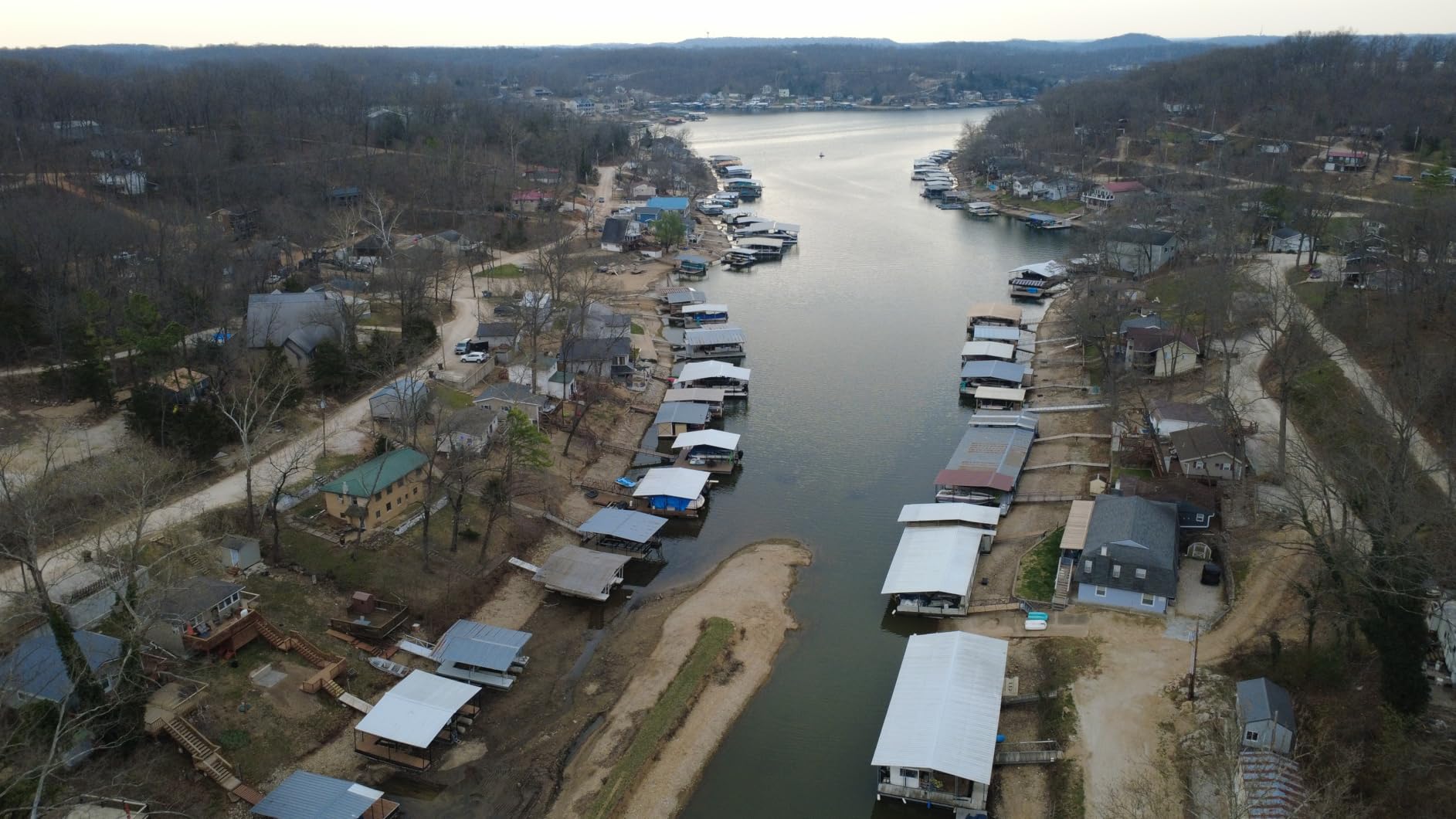
Flight time is impressive at a real-world 20-25 minutes per battery. The GPS and Return to Home functions provide safety nets that FPV drones lack. The QuickShots intelligent modes create professional-looking cinematic moves automatically. Wind resistance up to 38kph means you can fly in conditions that would ground lightweight FPV builds.
However, this is not an FPV experience. The latency is too high for acrobatic flying, and the gimbal limits how aggressively you can maneuver. You cannot flip, roll, or dive like you can with a true FPV quad. This is a camera platform, not a freestyle machine.

Best For Whom
The Mini 4K is perfect for beginners who want to capture aerial footage without learning to build and tune FPV quads. Content creators who need stable, cinematic shots will appreciate the gimbal. Travelers benefit from the lightweight, regulation-friendly design. If you want the easiest possible path to 4K aerial footage, this is it.
Not Ideal For
Anyone seeking the FPV experience should look elsewhere. This cannot do acrobatics, dives, or freestyle moves. The latency makes it unsuitable for racing or technical flying. Experienced FPV pilots will find the flight characteristics limiting. If you want to fly through tight gaps or perform tricks, build a proper FPV quad and mount an action camera instead.
How to Choose the Right Action Camera for Your FPV Drone?
Selecting the best action camera for your FPV setup involves balancing several factors. Here is what you should consider before making your purchase.
Weight Considerations by Build Size
Weight directly impacts flight time and handling characteristics. For 5-inch freestyle quads, you can mount cameras up to 160 grams without major issues. The GoPro HERO12 and DJI Action cameras work well here. For 3-inch cinewhoops, keep your camera under 50 grams. The Insta360 GO 3 at 35g or RunCam Thumb Pro at 16g are better choices. Micro drones under 3 inches require the absolute lightest options, making the Thumb Pro the only viable choice for 4K recording.
Resolution and Frame Rate Needs
Higher resolution gives you more flexibility in post-production. When you stabilize FPV footage with Gyroflow, you crop into the frame to smooth motion. A 5.3K camera like the GoPro HERO12 provides more cropping room than a 4K camera, which in turn provides more room than 2.7K. For social media content, 2.7K is sufficient. For YouTube and professional work, aim for 4K or higher. Frame rates matter for slow motion. 4K60 allows for 2x slow motion at full resolution. 4K120 or 5.3K60 give you even more options.
Stabilization Technology Comparison
Understanding stabilization options helps you choose the right workflow. GoPro’s HyperSmooth and DJI’s RockSteady work well for handheld footage but cannot handle aggressive FPV maneuvers. For the smoothest results, FPV pilots use Gyroflow with gyro data recorded by the camera. GoPro, DJI, RunCam, and Insta360 all record gyro data that Gyroflow can use. The quality of your Gyroflow results depends more on camera settings and mount vibration isolation than the brand of camera.
Battery Life and Power Options
Consider how long you typically fly and how you will manage batteries. GoPro cameras offer 1-1.5 hours per battery. DJI Action cameras provide 2-4 hours. The RunCam Thumb Pro has no battery and draws power from your quad. Removable batteries let you swap in the field for all-day flying. Built-in batteries like the GoPro Mini or Insta360 GO 3 camera unit limit recording time but save weight. Plan your battery strategy before buying.
Mounting Compatibility
Ensure your chosen camera works with your frame’s mounting options. GoPro cameras have the widest ecosystem of TPU mounts. DJI cameras use a magnetic system that works with various adapters. RunCam and Insta360 offer FPV-specific mounts. Check with your frame manufacturer for recommended mounts before purchasing.
FAQs
Can I put a GoPro on a drone?
Yes, you can mount GoPro cameras on FPV drones using compatible mounts. Most 5-inch freestyle frames support GoPro mounts, and the footage quality from cameras like the HERO12 Black is exceptional for cinematic FPV content.
Which is better, GoPro or DJI for FPV?
GoPro offers higher resolution (5.3K) and wider lens options ideal for post-stabilization cropping. DJI provides better low-light performance, longer battery life, and more affordable options. Many pilots prefer GoPro for image quality, while DJI wins on value and convenience.
What is the lightest action camera for FPV?
The RunCam Thumb Pro at just 16g is the lightest dedicated FPV action camera. For mainstream options, the Insta360 GO 3 camera unit weighs only 35g.
How do I mount an action camera on my FPV drone?
Most FPV frames include mounting points for action cameras. You will need a TPU mount or frame-specific mount. Secure with zip ties or screws, ensuring the camera angle matches your FPV camera for consistent footage.
Final Thoughts
Choosing the best action camera for drone pilots comes down to balancing your priorities. For absolute image quality and 5.3K resolution, the GoPro HERO12 Black remains the king. The DJI Osmo Action 4 offers the best value with excellent 4K footage and outstanding battery life. For lightweight builds, the Insta360 GO 3 or RunCam Thumb Pro save significant weight while still delivering usable footage.
Remember that the camera is only part of the equation. Proper mounting, vibration isolation, and post-processing with Gyroflow matter just as much as the camera itself. Invest in a quality TPU mount and take time to learn Gyroflow settings for your specific camera. The best action cameras for drone pilots in 2026 give you the tools to create stunning FPV content. Now get out there and fly.