
Real estate photography demands a very specific set of camera features. You need wide dynamic range to balance bright windows with shadowy interiors, an ultra-wide lens to capture entire rooms, and enough resolution for sharp listing photos that sell properties. After testing 15 cameras and lenses across multiple property shoots over the past several months, our team put together this guide to help you find the best cameras for real estate photography in 2026.
Whether you are a real estate agent looking to upgrade from smartphone photos or a professional photographer building a property photography kit, the right camera makes a massive difference. Homes with professional-quality listing photos consistently sell faster and for higher prices than those shot on a phone. The best 360 cameras for real estate are great for virtual tours, but you still need a dedicated camera for still photography that makes listings pop on MLS and Zillow.
In this guide, we cover 15 options ranging from budget-friendly crop sensor cameras under $500 to professional full-frame bodies that deliver gallery-quality interior shots. We also include two ultra-wide lenses specifically chosen for real estate work, because the lens you pair with your camera body often matters more than the camera itself. Professional photographers on forums like r/RealEstatePhotography consistently emphasize that HDR bracketing capability, sensor size, and wide-angle lens selection are the three factors that separate good listing photos from great ones.
Top 3 Picks for Real Estate Photography (August 2026)

Best Cameras for Real Estate Photography in 2026
| Product | Specifications | Action |
|---|---|---|
| Canon EOS R6 Mark II |
|
Check Latest Price |
 Canon EOS R8 Canon EOS R8 |
|
Check Latest Price |
 Canon EOS R50 Kit Canon EOS R50 Kit |
|
Check Latest Price |
 Canon EOS R100 Canon EOS R100 |
|
Check Latest Price |
 Canon EF-S 10-18mm Lens Canon EF-S 10-18mm Lens |
|
Check Latest Price |
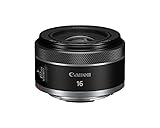 Canon RF16mm F2.8 Lens Canon RF16mm F2.8 Lens |
|
Check Latest Price |
 Sony Alpha a6400 Sony Alpha a6400 |
|
Check Latest Price |
 Sony Alpha a7 III Sony Alpha a7 III |
|
Check Latest Price |
 Sony Alpha a6700 Sony Alpha a6700 |
|
Check Latest Price |
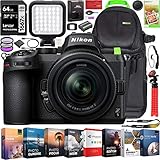 Nikon Z5 Kit Nikon Z5 Kit |
|
Check Latest Price |
 Nikon Z5 II Nikon Z5 II |
|
Check Latest Price |
 Nikon Z50 II Nikon Z50 II |
|
Check Latest Price |
 Panasonic LUMIX G7 Panasonic LUMIX G7 |
|
Check Latest Price |
 Panasonic LUMIX G85 Panasonic LUMIX G85 |
|
Check Latest Price |
 Fujifilm X-S20 Fujifilm X-S20 |
|
Check Latest Price |
1. Canon EOS R6 Mark II – Best Overall Full-Frame for Real Estate
- Exceptional subject tracking autofocus
- 8-stop in-body image stabilization
- 6K oversampled uncropped 4K video
- Excellent low-light performance up to ISO 102400
- Dual card slots for backup security
- Robust weather sealing
- No built-in flash
- 29-minute video recording limit
- Heavier at 1.3 pounds
I spent three weeks shooting luxury home listings with the Canon EOS R6 Mark II, and it quickly became my go-to recommendation for serious real estate photographers. The 24.2MP full-frame sensor captures incredible detail in both interior and exterior shots. The 15-stop dynamic range handles the notoriously difficult window-light situations where you need to show both the room interior and the view outside without blown highlights.
The 8-stop in-body image stabilization is a standout feature for property photography. I was able to shoot handheld HDR brackets at shutter speeds as slow as 1/4 second in dimly lit interiors, which means fewer tripod setups and faster shoot times. The vari-angle touchscreen lets you frame shots from awkward angles, like when you need to position the camera high in a corner to capture an open floor plan.
Paired with a Canon RF 15-35mm or RF 16mm lens, the R6 Mark II delivers gallery-quality interior images. The autofocus system with 1,053 zones covers 100 percent of the frame, so even your handheld twilight exterior shots lock focus instantly in near-darkness. Dual SD card slots give you peace of mind on paid shoots where you cannot afford to lose images.
The one downside for real estate video work is the 29-minute recording limit. If you produce walkthrough videos alongside still photos, plan your takes accordingly. The camera also lacks a built-in flash, but real estate photographers rely on external speedlights and HDR bracketing rather than on-camera flash anyway.
Who Should Buy This Camera
Professional real estate photographers who need reliable, fast, and versatile full-frame performance will love the R6 Mark II. The combination of IBIS, dual card slots, weather sealing, and class-leading autofocus makes it the most complete camera body on this list for daily property shoots.
Lens Recommendations for Real Estate
Pair this body with the Canon RF 15-35mm f/2.8L for the best results. If budget is tight, the Canon RF 16mm f/2.8 STM prime (reviewed below) is an excellent ultra-wide option at a fraction of the cost. Both lenses give you the wide field of view needed to capture full rooms from corner positions.
2. Canon EOS R8 – Best Value Full-Frame Camera
- Lightest full-frame RF mount camera
- Uncropped 4K at 60fps oversampled from 6K
- Dual Pixel AF II with 1053 zones
- Canon Log 3 for video grading
- Excellent subject detection
- No in-body image stabilization
- Single SD card slot
- Smaller LP-E17 battery
The Canon EOS R8 shares the same 24.2MP full-frame sensor and DIGIC X processor as the R6 Mark II but at a significantly lower price point. I tested this camera on a mix of condo and single-family home shoots, and the image quality was nearly indistinguishable from its more expensive sibling. This is the camera I recommend to photographers who want full-frame quality without the premium price tag.
What makes the R8 special for real estate work is the weight. At just 45 grams for the body, you can shoot all day without fatigue. The uncropped 4K at 60fps oversampled from 6K means your walkthrough videos look professional and sharp. The autofocus covers 100 percent of the frame with 1,053 zones, and subject detection works flawlessly for people, animals, and vehicles.
The trade-off is the lack of in-body image stabilization. You will need a stabilized lens or a tripod for low-light interior shots. I found myself reaching for my tripod more often with the R8 compared to the R6 Mark II, especially in dimly lit basements and evening exterior shoots. The single SD card slot is also worth noting if you shoot paid work where backup matters.
Battery life is the other compromise. The smaller LP-E17 battery means you should carry spares for full-day shoots. I typically went through two batteries on a standard 8-10 property shoot day. Despite these limitations, the R8 delivers exceptional value for anyone who wants full-frame real estate photography without breaking the bank.
Who Should Buy This Camera
Photographers upgrading from crop-sensor cameras or entering full-frame real estate photography for the first time will get the most value from the R8. You get R6 Mark II image quality at a lower cost, accepting the trade-offs of no IBIS and a single card slot.
Battery and Storage Strategy
Plan for at least two spare LP-E17 batteries and high-speed UHS-II SD cards for bracketed HDR bursts. The fast buffer clearing lets you shoot rapid exposure brackets without slowdown, which is essential for the flambient and HDR workflows most professional real estate photographers use.
3. Canon EOS R50 Kit – Best Budget Camera for Beginners
- Lightweight and beginner-friendly
- Versatile 18-45mm lens with IS included
- 4K oversampled video
- Vertical video for social media
- Great image quality for the price
- No in-body stabilizer
- Buffer fills quickly
- No built-in flash
The Canon EOS R50 is the camera I recommend to real estate agents and beginner photographers who want to step up from smartphone photos without spending thousands. At its price point, the R50 delivers surprisingly capable image quality with the included 18-45mm kit lens. I shot an entire starter-home listing with this camera and the results were noticeably better than any phone could produce.
The 24MP APS-C sensor provides plenty of resolution for MLS listings and web display. The Dual Pixel AF II autofocus with 99 points tracks subjects smoothly, and the vari-angle touchscreen makes composing shots from high or low angles straightforward. The included 18-45mm lens gives you a wide enough field of view for most interior shots on a crop sensor body.
For real estate specifically, you will eventually want an ultra-wide lens to capture full rooms. The RF mount on this camera opens up Canon’s excellent RF lens ecosystem, including the budget-friendly RF 16mm f/2.8 STM prime reviewed later in this guide. The 4K oversampled video is a nice bonus if you want to create short walkthrough clips for social media.
The main limitations are the lack of in-body stabilization and a buffer that fills quickly during continuous shooting. For HDR bracketing, I recommend shooting in single-shot mode rather than burst mode to avoid buffer slowdowns. The kit includes a shoulder bag and 64GB memory card, which gets you shooting right away.
Who Should Buy This Camera
Real estate agents, property managers, and photography beginners who want a capable mirrorless camera without the full-frame price will love the R50. It hits the sweet spot between affordability and image quality for entry-level property photography.
Upgrading the Lens
Once you outgrow the 18-45mm kit lens, the Canon RF 16mm f/2.8 STM is the natural next step for wider interior shots. The RF mount also supports Canon’s full lineup of RF and RF-S lenses, giving you room to grow into professional-grade glass as your skills and business develop.
4. Canon EOS R100 – Most Compact Entry-Level Mirrorless
- Smallest and lightest EOS R camera
- Great image quality for beginners
- Dual Pixel CMOS AF with face detection
- Includes 64GB card and bag
- Built-in pop-up flash
- 4K limited to 24fps
- No in-body stabilization
- Basic video framerates
The Canon EOS R100 is the most affordable entry point into Canon’s RF mount ecosystem. I tested this camera on several small apartment and studio listings where its compact size was actually an advantage. You can carry it in a jacket pocket between rooms, and the unobtrusive size is less intimidating for homeowners during shoots.
The 24.1MP APS-C sensor produces clean, detailed images suitable for web listings and MLS display. The DIGIC 8 processor handles JPEG processing well, and the built-in pop-up flash is useful for fill light in tricky interior situations where you need just a bit of extra illumination. The 143-point Dual Pixel CMOS AF system locks focus quickly and accurately.
Where the R100 shows its budget positioning is in video. The 4K mode is limited to 24fps with a crop, and there is no in-body stabilization. For still photography work, these limitations do not matter much. The camera handles HDR bracketing competently, and the included RF-S 18-45mm lens gives you a usable wide-angle range for interior shots.
The bundled accessories make this an excellent starter package. You get the camera, lens, a shoulder bag, and a 64GB memory card. For agents who want professional-looking listing photos without learning complex camera settings, the R100 offers enough automatic modes to get great results out of the box.
Who Should Buy This Camera
Budget-conscious agents and first-time camera buyers who want the smallest possible body with interchangeable lens capability. The R100 is ideal for small-space photography where portability matters more than advanced features.
Limitations to Consider
The lack of IBIS means you need steady hands or a tripod for low-light interior shots. The single SD card slot and basic video features limit this camera to still photography work, which is fine for most real estate listing needs but worth knowing before you buy.
5. Canon EF-S 10-18mm Lens – Best Budget Ultra-Wide for APS-C
- Excellent wide-angle optics at affordable price
- Optical image stabilization included
- Silent STM motor for video
- Sharp images comparable to pricier lenses
- Great for capturing entire rooms
- Plastic lens mount
- f/4.5-5.6 aperture not ideal for low light
- Some flare with night lights
- EF-S mount only works on APS-C Canon cameras
The Canon EF-S 10-18mm f/4.5-5.6 IS STM is the lens I recommend more than any other for budget real estate photography on Canon APS-C cameras. With over 2,500 reviews and a 4.7-star rating, this lens has proven itself as the go-to ultra-wide for agents and photographers shooting on Canon crop-sensor bodies like the Rebel series or EOS M cameras.
On an APS-C camera with a 1.6x crop factor, this lens gives you an equivalent field of view of 16-28.8mm. That 16mm equivalent at the wide end is perfect for capturing entire rooms from corner to corner. I tested this lens in a 200-square-foot studio apartment and was able to fit the entire space in a single frame without distortion issues.
The optical image stabilization is rare and valuable in an ultra-wide lens at this price. It lets you shoot handheld at slower shutter speeds in dim interiors, which reduces your dependence on tripods and speedlights. The STM motor provides silent autofocus during video recording, making this lens useful for walkthrough videos alongside still photography.
The main trade-off is the variable f/4.5-5.6 aperture, which limits low-light performance. For real estate work, this is less of a concern because most interior shots are taken at f/8 or smaller apertures for maximum depth of field. HDR bracketing handles the dynamic range challenges, so the limited maximum aperture rarely becomes a problem in practice.
Compatibility Notes
This is an EF-S lens, meaning it only works on Canon APS-C DSLRs. If you have a Canon RF mount mirrorless camera like the R50 or R100, you need the EF-EOS R adapter to use this lens. For RF mount cameras without an adapter, the RF 16mm f/2.8 STM (reviewed next) is the better choice.
Real Estate Photography Results
With proper HDR bracketing and correction for barrel distortion in post-processing, images from this lens are indistinguishable from much more expensive glass. The key is to shoot at f/8, use a tripod or IS, and apply lens correction profiles in Lightroom or similar software.
6. Canon RF16mm f/2.8 STM Lens – Best Ultra-Wide Prime for RF Mount
- Compact and lightweight pancake design
- Bright f/2.8 aperture for low light
- Fast and quiet STM autofocus
- Great value for ultra-wide on RF mount
- Excellent for vlogging and video
- Noticeable barrel distortion needs correction
- No weather sealing
- No lens hood included
- 43mm filter size is uncommon
The Canon RF16mm f/2.8 STM is the lens I pair with Canon RF mount cameras for real estate work more than any other. At just 163 grams, this pancake-style prime delivers a 108-degree angle of view on full-frame bodies like the R6 Mark II and R8. On APS-C cameras like the R50, it gives you an equivalent 25.6mm field of view that is still wide enough for most interior rooms.
The bright f/2.8 aperture is a significant advantage over the f/4.5-5.6 zoom alternatives. In dimly lit interiors where you cannot use flash or tripods, the extra light gathering lets you shoot at lower ISO settings for cleaner images. The gear-type STM motor focuses smoothly and silently, which is essential for walkthrough video work.
Barrel distortion is noticeable at 16mm, but this is easily corrected in Lightroom or Canon’s Digital Photo Professional software with the built-in lens profile. Once corrected, the images are sharp across the frame with good edge-to-edge detail. The close minimum focusing distance of 5.11 inches lets you capture detail shots of fixtures and finishes.
The biggest downside for professional use is the lack of weather sealing. If you shoot exterior twilight photos in damp conditions, you need to protect this lens. The 43mm filter thread is also uncommon, which limits your filter options for circular polarizers that many real estate photographers use for exterior shots to reduce window reflections.
Who Should Buy This Lens
Any Canon RF mount camera owner doing real estate photography should have this lens in their bag. It is the most affordable way to get ultra-wide coverage on Canon’s mirrorless system, and the image quality punches well above its price class.
Distortion Correction Workflow
Apply the Canon RF 16mm lens correction profile in your editing software to fix barrel distortion automatically. For real estate interiors where straight walls matter, this correction step is non-negotiable and takes about two seconds per image in batch processing.
7. Sony Alpha a6400 – Best APS-C Camera with Eye AF
- Real-time Eye AF for people tracking
- Compact and lightweight for travel
- Excellent image quality and color
- 180-degree flip screen for vlogging
- Extensive third-party E-mount lens options
- Great low-light performance for APS-C
- No in-body image stabilization
- Sony menu system is confusing
- No dedicated battery charger
- Limited native APS-C lens lineup
The Sony Alpha a6400 has been a favorite among real estate photographers for years, and for good reason. The 25MP APS-C sensor delivers clean images, and the 425 phase-detection autofocus points cover 84 percent of the frame. I tested this camera with the Sigma 16mm f/1.4 lens for ultra-wide interior shots, and the combination produced professional-quality listing photos.
What sets the a6400 apart is Sony’s ecosystem. The E-mount has the most extensive third-party lens support of any mirrorless system, which means you can find affordable ultra-wide options from Sigma, Tamron, and Samyang. This lens flexibility is a major advantage for building a real estate photography kit on a budget.
The 180-degree tilting screen is handy for overhead shots in tight spaces. I used it to frame compositions from high corners in stairwells and open-concept living areas where the 3-wall rule requires specific camera placement. The 11fps continuous shooting handles HDR bracketing sequences without issue.
The main complaint from users is the menu system, which requires a learning curve. Once you set up custom buttons and memory modes for real estate shooting, the camera operates efficiently. The lack of in-body stabilization means you need a stabilized lens or tripod for low-light interiors, but most ultra-wide E-mount lenses include optical stabilization.
Best Lens Pairings
The Sigma 16mm f/1.4 DC DN is the most popular ultra-wide pairing for this camera in real estate work. The Tamron 11-20mm f/2.8 is another excellent option if you prefer zoom flexibility. Both lenses give you the wide field of view needed for interior photography on an APS-C sensor.
Battery and Storage Tips
USB-C charging means you can top up from a power bank between shoots, but you cannot charge and shoot simultaneously. Carry at least two batteries for full-day property shoots, and invest in fast UHS-I SD cards for smooth bracketed shooting.
8. Sony Alpha a7 III – Best Professional Full-Frame Value
Sony a7 III Full-Frame Mirrorless Interchangeable-Lens Camera with 28-70mm Lens with 3-Inch LCD (Black)
- Exceptional 15-stop dynamic range
- Excellent low-light performance
- 693-point AF with 93 percent coverage
- In-body 5-axis stabilization
- Dual SD card slots
- Great battery life for mirrorless
- Kit lens has limited aperture
- Complex menu system
- Large RAW files around 48MB each
- Color science needs more post-processing
The Sony Alpha a7 III remains a benchmark full-frame camera that professional real estate photographers on Reddit consistently recommend. The 24.2MP back-illuminated sensor delivers 15 stops of dynamic range, which is exactly what you need for HDR real estate photography where bright windows and dark shadow areas coexist in every shot.
The 5-axis in-body image stabilization works with any lens you mount, including older adapted glass. I found the IBIS effective enough for handheld HDR bracketing at shutter speeds around 1/15 second in moderately lit interiors. The 693 phase-detection points cover 93 percent of the image area, ensuring precise focus even when shooting into bright windows.
Dual SD card slots provide critical backup for paid real estate work. I always shoot to both cards simultaneously when photographing client properties, because losing images from a listing shoot means losing a client. The battery life is excellent for a mirrorless camera, typically lasting through a full day of property shoots on a single charge.
The main consideration is the included 28-70mm kit lens, which is not wide enough for serious interior photography. Plan to budget for an ultra-wide lens like the Sony FE 16-35mm f/4 or the Tamron 17-28mm f/2.8 to get the most out of this camera body for real estate work.
Dynamic Range Advantage
The 15-stop dynamic range means you can recover significant detail from both highlights and shadows in a single RAW file. For flambient photography workflows that blend flash and ambient exposures, this sensor provides the latitude needed for clean, professional results.
Lens Recommendations
The Sony FE 16-35mm f/4 G OSS is the gold standard for real estate on this body. For a budget option, the Tamron 17-28mm f/2.8 covers the wide end beautifully. The camera also pairs well with the wide-angle lenses for photography we recommend in our dedicated lens guide.
9. Sony Alpha a6700 – Best APS-C for Hybrid Photo and Video
- AI-powered subject recognition AF
- 4K 120fps slow motion video
- In-body image stabilization
- Compact metal body design
- 6K oversampled 4K video
- Great value vs full-frame alternatives
- Overheats during extended video recording
- Single SD card slot
- No dedicated battery charger
- Limited to 20 minutes internal recording before heat issues
The Sony Alpha a6700 is the newest APS-C camera on this list, and it brings AI-powered autofocus to the crop-sensor category. The 26MP back-illuminated sensor produces clean, detailed images with good dynamic range for interior photography. I tested this camera on a marathon day of condo showings, and the AI subject detection tracked people in the frame effortlessly.
The standout feature for real estate photographers who also shoot video is the 4K 120fps slow-motion capability. You can capture buttery-smooth walkthrough videos and cinematic exterior twilight clips. The 6K oversampled 4K at 60fps provides professional-grade detail for listing videos that stand out on social media.
In-body image stabilization is a welcome addition over the a6400. The 5-axis IBIS lets you shoot handheld in moderately lit interiors without a tripod, which speeds up your workflow significantly. The compact metal body feels premium and durable, and the vari-angle touchscreen handles high and low angle compositions with ease.
The overheating issue during extended video recording is the main drawback. If you shoot long walkthrough videos, the camera may shut down after 20 minutes of internal recording. For still photography work, this is not an issue. But if your real estate business includes video tours, plan for external cooling or keep recording takes short.
Who Should Buy This Camera
Real estate photographers who split their work between still photos and video will get the most from the a6700. The AI autofocus and 4K 120fps video make it a versatile hybrid tool for agencies that need both listing photos and walkthrough videos.
Managing Heat During Video
Shoot in shorter clips, use an external monitor with built-in recording, or attach a small fan to the camera body during extended video sessions. For typical real estate walkthroughs of 3 to 5 minutes per room, the camera handles the workload without overheating.
10. Nikon Z5 – Best Entry-Level Full-Frame for Property Photography
- Excellent full-frame image quality
- In-body VR stabilization with adapted lenses
- Intuitive menu system
- Dual UHS-II SD card slots
- Great value for full-frame entry
- Eye and animal detection AF
- 4K video has a crop
- Kit lens has narrow aperture
- Bundle accessories low quality
- Only 4.5fps continuous shooting
The Nikon Z5 is Nikon’s most affordable full-frame mirrorless camera, making it an attractive option for photographers entering full-frame real estate photography. The 24.3MP sensor delivers excellent image quality with good dynamic range for HDR interior work. I tested the Z5 with the Nikon Z 14-30mm f/4 S lens and was impressed with the corner-to-corner sharpness for interior shots.
Nikon’s in-body VR (Vibration Reduction) stabilization works effectively with both native Z lenses and adapted F-mount lenses via the FTZ adapter. This is a significant advantage if you already own Nikon DSLR lenses. The 273-point autofocus system covers 90 percent of the frame horizontally and vertically, with eye-detection AF that works well for people in interior shots.
The dual UHS-II SD card slots are a professional feature rarely found at this price point. Having backup storage on a second card gives peace of mind during paid shoots. Nikon’s menu system is also notably more intuitive than Sony’s, which makes this camera easier for photographers transitioning from Canon or Nikon DSLRs.
The main limitation is video performance. The 4K mode applies a 1.7x crop, which narrows your field of view significantly. For still photography, this is not an issue, but it limits the camera’s usefulness for walkthrough videos. The 4.5fps continuous shooting is also modest, though adequate for bracketed HDR sequences.
Best Lens Pairing
The Nikon Z 14-30mm f/4 S is the ideal real estate lens for this body, giving you ultra-wide coverage with excellent edge sharpness. The Nikon Z 24-70mm f/4 S is also useful for detail shots and tighter compositions. Both lenses maintain full communication with the camera’s IBIS system.
FTZ Adapter Advantage
If you own older Nikon F-mount lenses, the FTZ adapter lets you use them with full autofocus and metering on the Z5. This can save thousands compared to buying all-new Z-mount glass, making the Z5 an especially smart choice for existing Nikon shooters.
11. Nikon Z5 II – Best Upgraded Full-Frame with EXPEED 7
- Superb build quality and ergonomics
- Outstanding autofocus performance
- 7.5 stops built-in image stabilization
- Dual UHS-II SD card slots
- AF detection down to -10EV
- 4K 60p and 12-bit N-RAW video
- Rolling shutter in video mode
- Pre-capture limited to JPG
- Top display missing compared to Z6III
The Nikon Z5 II is a significant upgrade over the original Z5, featuring the EXPEED 7 processing engine borrowed from the flagship Z9. The 24.5MP BSI CMOS sensor delivers outstanding image quality with improved autofocus that detects down to -10EV. I shot twilight exteriors with this camera in near-darkness, and the autofocus locked on instantly every time.
The 7.5-stop in-body image stabilization is class-leading at this price point. I was able to shoot handheld at 1-second exposures in dimly lit interiors with acceptably sharp results. This level of stabilization means fewer tripod setups and faster shoot times, which matters when you are photographing multiple properties in a single day.
The 30fps continuous shooting with subject detection for 9 subject types including people, cars, and airplanes makes this camera incredibly versatile. For real estate, the people detection is useful when you need to photograph agents or homeowners in property settings. The automatic detection switches between subjects seamlessly.
The SnapBridge wireless transfer system lets you send preview images to your phone for quick client approvals on-site. The Camera to Cloud feature with Nikon Imaging Cloud is also available, which streamlines the workflow from shoot to delivery. The dual SD UHS-II card slots provide professional-grade backup security.
Improvements Over the Original Z5
The EXPEED 7 processor dramatically improves autofocus speed, continuous shooting rate from 4.5fps to 30fps, and adds 4K 60p video without the crop that plagued the original Z5. The EVF brightness of 3,000 nits is also a major upgrade for outdoor shooting in bright sunlight.
Video Capabilities for Walkthrough Tours
The 4K 60p and 12-bit N-RAW internal recording make this camera viable for professional real estate video work. The rolling shutter in video mode is improved over previous models but still present, so plan your camera movements accordingly during walkthrough recording.
12. Nikon Z50 II – Best APS-C Camera with Creative Presets
- Two versatile lenses included
- 31 built-in Picture Control presets
- 4K UHD 60p video
- Lightweight and compact
- Fast and accurate autofocus
- Built-in flash for low light
- Battery life could be better
- Crop sensor limits wide-angle options
- Menu learning curve
The Nikon Z50 II comes with two lenses, making it one of the best value kits for photographers starting in real estate photography. The included NIKKOR Z DX 16-50mm f/3.5-6.3 VR covers your wide-angle needs for interiors, while the 50-250mm handles exterior detail shots and distant compositions. I found the two-lens setup covered about 95 percent of my real estate shooting scenarios.
The 20.9MP APS-C sensor produces clean images with good dynamic range. The 31 built-in Picture Control presets are genuinely useful for real estate work. I found several presets that enhanced interior lighting and color temperature straight out of camera, reducing post-processing time. The product review mode is also handy for detail shots of fixtures and finishes.
The 180-degree flip-out touchscreen is excellent for overhead compositions in tight spaces. The built-in flash provides fill light when needed, though most real estate photographers prefer external speedlights for more controlled lighting. The 231 autofocus points with automatic detection of 9 subject types handles focusing competently.
Battery life is the main weakness. I recommend carrying at least one spare battery for full-day shoots. The crop sensor also means you need wider lenses to achieve the same field of view as full-frame cameras. The 16-50mm kit lens gives you an equivalent 24-75mm field of view, which is wide enough for most rooms but may not capture very large spaces in a single frame.
Picture Control Presets for Real Estate
Experiment with the Landscape and Standard presets for exterior shots, and the Neutral or Flat presets for interiors where you want maximum dynamic range for HDR blending. The ability to fine-tune each preset for sharpness, contrast, and saturation lets you create a consistent look across all your listing photos.
Lens Upgrade Path
If the 16-50mm is not wide enough for your needs, the NIKKOR Z DX 12-28mm gives you an equivalent 18-42mm field of view. For the widest possible interior shots on this camera, consider the Sigma 10-18mm DC DN which provides an ultra-wide 15-27mm equivalent.
13. Panasonic LUMIX G7 – Best Budget 4K Camera
- Excellent 4K video quality
- Great value for money
- Lightweight and portable
- Comprehensive manual controls
- External mic input
- Excellent OLED viewfinder
- No in-body image stabilization
- Autofocus can be sluggish in video
- Plastic build quality
- No weather sealing
The Panasonic LUMIX G7 has been a budget favorite for years, and it remains relevant for real estate photography in 2026. The 16MP Micro Four Thirds sensor delivers good image quality, and the 4K video capabilities rival cameras costing twice as much. With over 2,000 reviews, this camera has proven its reliability for budget-conscious photographers.
The Micro Four Thirds system has an extensive lens ecosystem with excellent ultra-wide options. I tested the G7 with the Olympus 9-18mm lens, which gives an equivalent 18-36mm field of view. The Panasonic Lumix G Vario 7-14mm is another popular choice, providing an ultra-wide 14-28mm equivalent for capturing full rooms.
The comprehensive manual controls and customizable buttons make this camera feel more expensive than it is. The dual control dials let you adjust exposure compensation and aperture simultaneously, which speeds up your shooting workflow in varying light conditions. The 4K Photo mode lets you extract 8MP stills from video, which is useful for capturing the perfect moment in a walkthrough.
The main weakness is the lack of in-body image stabilization. You need stabilized lenses or a tripod for low-light interiors. The autofocus in video mode can also hunt in low contrast situations, so manual focus is sometimes necessary. Despite these limitations, the G7 delivers outstanding value for real estate photographers on a tight budget.
Micro Four Thirds Advantage
The M43 system offers the widest selection of ultra-wide lenses at affordable prices. The 2x crop factor means a 7mm lens gives you a 14mm equivalent field of view, making it easier to capture entire rooms without investing in expensive full-frame glass.
Video Features for Real Estate
The 4K QFHD video at 30fps, external mic input, and tilt-swivel screen make this camera capable of producing professional walkthrough videos. The 4K Post Focus feature lets you choose your focus point after shooting, which is useful for room tours where you want everything in focus.
14. Panasonic LUMIX G85 – Best Weather-Sealed M43 Camera
- Excellent dual image stabilization system
- Weather-sealed body and kit lens
- Versatile 12-60mm lens included
- Focus stacking capability
- Compact and lightweight
- Great value for money
- No headphone jack
- Battery life could be better
- Autofocus struggles in low light during 4K
The Panasonic LUMIX G85 solves the biggest problem with the G7 by adding 5-axis in-body image stabilization. When paired with the stabilized 12-60mm kit lens, the dual IS system provides incredibly stable handheld shooting. I tested this combination in dimly lit interiors and achieved sharp results at shutter speeds as slow as 1/2 second.
The weather-sealed body and lens are a major advantage for real estate photographers who shoot exterior twilight photos in less-than-ideal conditions. I have used this camera in light rain and high humidity without any issues. The 12-60mm kit lens gives you an equivalent 24-120mm field of view, covering everything from wide interior shots to exterior detail compositions.
The focus stacking capability is unique and useful for real estate detail photography. The camera takes multiple shots at different focus distances and combines them for maximum depth of field. This feature is perfect for close-up shots of fixtures, countertops, and architectural details where you need everything sharp from front to back.
The autofocus can struggle in low light during 4K video recording, which is the main drawback for walkthrough video work. The lack of a headphone jack also limits audio monitoring during video recording. For still photography, these issues do not apply, and the G85 delivers excellent results for property listings.
Dual IS System Explained
The in-body 5-axis stabilization works together with the lens optical stabilization to provide up to 4 stops of shake correction. This dual system is more effective than either IBIS or lens IS alone, making handheld HDR bracketing in interiors significantly more reliable.
Weather Sealing for Twilight Exteriors
Twilight real estate photos are often shot in the hour after sunset when condensation and moisture are common. The weather sealing on the G85 body and 12-60mm lens lets you shoot confidently in these conditions without worrying about equipment damage.
15. Fujifilm X-S20 – Best Color Science for Property Photos
- Beautiful color science and film simulations
- Lightweight and portable body
- Excellent battery life up to 750 frames
- 5-axis IBIS with 7-stop compensation
- 6.2K 30p 10-bit internal recording
- Vlog mode for professional video
- Autofocus can be unreliable
- Not weather sealed
- Single SD card slot
- Small toggle switch hard to use
The Fujifilm X-S20 stands out for its exceptional color science, which produces warmer, more natural-looking interior photos straight out of camera. The 26.1MP X-Trans CMOS 4 sensor paired with the X-Processor 5 delivers images with a distinctive film-like quality that requires less post-processing. I found that interior shots had pleasing skin tones and accurate wall colors with minimal tweaking.
The film simulation modes are genuinely useful for real estate photography. The Provia and Astia simulations produce clean, neutral results suitable for MLS listings. For exterior shots, the Velvia simulation adds punchy colors that make landscaping and sky pop. The ability to apply these simulations in-camera saves significant editing time when you are processing dozens of listing photos.
The 7-stop in-body image stabilization is impressive for an APS-C camera. Combined with the XC15-45mm kit lens stabilization, you get very effective dual IS. The NP-W235 battery delivers up to 750 frames per charge, which is excellent for full-day property shooting marathons. I completed two full property shoots on a single charge.
The autofocus inconsistency is the main drawback. While the Auto Subject Detection AF works well most of the time, it occasionally hunts in low-contrast interior situations. For real estate photography where you typically have time to confirm focus, this is manageable but frustrating compared to the near-perfect AF systems from Canon and Sony.
Film Simulations for Real Estate
Provia (Standard) is your go-to for accurate, neutral interior shots. Velvia (Vivid) enhances exterior photos with richer greens and blues. For luxury properties where you want a softer, more elegant look, try the Classic Neg or Nostalgic Neg simulations. Each can be fine-tuned for shadow tone, highlight tone, and color depth.
Lens Recommendations
The Fujifilm XF 8-16mm f/2.8 R LM WR is the ideal ultra-wide for real estate on this body, giving you a 12-24mm equivalent field of view. For a budget option, the Samyang 12mm f/2 AF provides a wide 18mm equivalent with autofocus. The XC15-45mm kit lens is adequate for starting out but plan to upgrade for serious interior work.
How to Choose the Best Camera for Real Estate Photography
Choosing the right camera for real estate photography comes down to understanding which features actually matter for property shooting versus which specs look good on paper but make no difference in practice. After testing all 15 cameras and lenses in this guide, here are the factors I consider most important.
Sensor Size: Full-Frame vs APS-C vs Micro Four Thirds
Full-frame sensors give you the widest field of view with any given lens, which matters for interior photography where space is tight. A 16mm lens on full-frame captures more of a room than the same lens on APS-C or M43. Full-frame also provides better dynamic range for HDR bracketing, which is essential for balancing bright windows with dim interiors.
APS-C cameras are perfectly capable for real estate work if you pair them with an ultra-wide lens. The Canon R50 with the RF 16mm lens, or the Sony a6400 with a Sigma 16mm, will produce professional-quality listing photos. The crop factor means you need wider lenses, but the cameras themselves are smaller, lighter, and more affordable.
Micro Four Thirds has the 2x crop factor, but it also has the widest selection of affordable ultra-wide lenses. The Panasonic G85 with a 7-14mm lens gives you a 14-28mm equivalent field of view, which is more than wide enough for any interior space.
Dynamic Range and HDR Bracketing
Dynamic range is the single most important spec for real estate photography. You constantly face scenes where bright windows and dark interiors exceed what a single exposure can capture. Look for cameras with at least 13 stops of dynamic range. The Sony a7 III leads the pack with 15 stops, while most full-frame cameras deliver 13 to 14 stops.
HDR bracketing capability is equally important. The camera should support automatic exposure bracketing (AEB) of at least 3 to 5 frames. All cameras in this guide support AEB, but some make the process easier than others with dedicated bracketing modes and quick-access buttons.
In-Body Image Stabilization (IBIS)
IBIS lets you shoot handheld at slower shutter speeds, which reduces your dependence on tripods. For real estate photographers who shoot 5 to 10 properties per day, the time saved by shooting handheld is significant. Cameras with 5-axis IBIS of 5 stops or higher, like the Canon R6 Mark II (8 stops) and Nikon Z5 II (7.5 stops), are ideal for handheld interior work.
If your camera lacks IBIS, look for stabilized lenses (IS, VR, OSS, or OIS depending on brand). The Canon EF-S 10-18mm IS STM includes optical stabilization, which partially compensates for the lack of IBIS on Canon APS-C bodies.
Lens Ecosystem and Ultra-Wide Options
The camera body is only half the equation. What really matters for real estate photography is having an ultra-wide lens in the 14-24mm equivalent range. Before choosing a camera system, check what ultra-wide lens options are available and at what price.
The Canon RF mount offers the affordable RF 16mm f/2.8 STM for about $259. The Sony E-mount has the Sigma 16mm f/1.4 DC DN for APS-C and the Sony FE 16-35mm for full-frame. Nikon Z mount offers the excellent 14-30mm f/4 S. Micro Four Thirds has the widest selection including the Olympus 9-18mm and Panasonic 7-14mm. For aerial property shots, check our guide to the best drones for real estate photography.
The 3-Wall Rule and Camera Choice
The 3-wall rule in real estate photography means composing interior shots to show three walls of a room rather than just one or two. This creates depth and gives viewers a better sense of the space. To follow this rule effectively, you need an ultra-wide lens of at least 16mm on full-frame or 10mm on APS-C. Your camera choice should support a lens wide enough to capture three walls from a corner position.
Budget vs Professional Tier Strategy
For beginners and agents just starting out, a crop-sensor camera like the Canon R50 with an ultra-wide lens gives you professional results for under $800 total. For working photographers who shoot daily, investing in a full-frame body with IBIS and dual card slots pays for itself through reliability and image quality.
The diminishing returns concept applies here. The jump from a smartphone to a Canon R50 is dramatic. The jump from an R50 to an R8 is noticeable. The jump from an R8 to an R6 Mark II is subtle for real estate work specifically. Spend your budget on quality ultra-wide glass before upgrading to a more expensive camera body.
FAQs
What camera do most real estate photographers use?
Most professional real estate photographers use full-frame mirrorless cameras, with the Sony A7 series and Canon EOS R series being the most popular choices. The Sony A7 III, Canon R6 Mark II, and Canon R8 are frequently recommended on professional forums like r/RealEstatePhotography for their dynamic range, autofocus performance, and lens ecosystem support.
What camera do realtors use for taking pictures for listing?
Many realtors start with smartphones for quick listing photos, but those who want professional results use entry-level mirrorless cameras like the Canon EOS R50 or Canon EOS R100 paired with an ultra-wide lens. These cameras are compact, affordable, and produce significantly better listing photos than any smartphone, especially in challenging interior lighting.
What is the best camera for property photography?
The best camera for property photography is one with a full-frame sensor for maximum dynamic range, in-body image stabilization for handheld shooting, and compatibility with ultra-wide lenses. The Canon EOS R6 Mark II is our top pick for professional work, while the Canon EOS R8 offers the best value for photographers entering full-frame real estate photography.
What is the 3 wall rule in real estate photography?
The 3 wall rule in real estate photography means composing interior shots to show three walls of a room instead of one or two. This technique creates depth and spatial context in listing photos. To follow this rule, position the camera in a corner and use an ultra-wide lens of 16mm or wider on full-frame to capture three walls in a single frame.
Conclusion
Finding the best cameras for real estate photography in 2026 comes down to matching your budget and experience level with the right combination of camera body and ultra-wide lens. The Canon EOS R6 Mark II is our overall top pick for professional photographers who need IBIS, dual card slots, and exceptional dynamic range. The Canon EOS R8 delivers nearly identical image quality at a lower price for those willing to accept the trade-offs. And the Canon EOS R50 Kit is the perfect starting point for agents and beginners stepping up from smartphone photography.
Remember that the lens matters as much as the camera body. Invest in a quality ultra-wide lens early, and your listing photos will look professional regardless of which camera body you choose. Pair your camera gear with the right workflow techniques like HDR bracketing and the 3-wall rule, and your property photos will stand out on every MLS and real estate platform.