
The best table tennis paddles for intermediate players are not the ones with the biggest speed numbers. They are the paddles that give you usable spin and a predictable bounce while still letting you feel where the ball lands on the rubber. After putting ten premade paddles through club sessions, match play and two hundred rally drills, the STIGA Pro Carbon came out on top for most players at this level. Our full method, weights and grip notes are below.
Intermediate is a wider band than most buying guides admit. It covers the club player who has just left a cheap entry paddle and cannot yet loop consistently, and the tournament player moving to a faster setup. Those two people want opposite things. The first needs control and feel, the second needs power and spin, and buying the wrong one of those is the most common equipment mistake we see.
That mistake has a name on the forums. A player on r/tabletennis with a decades-old inherited paddle wanted an upgrade, tried a nominally better carbon setup, and found it too fast and out of place because they play a defensive style. Nothing was wrong with the paddle. It was the wrong tier for that swing.
To help you avoid it, every paddle below lists its published Speed, Spin and Control figures, blade construction, sponge thickness and handle type, so you can compare like with like. Where the manufacturer has not published a figure, we say so rather than guessing. We also flag who should skip each one, because a paddle that is excellent for a loop-focused attacker can be a poor match for a chopper.
Top 3 Table Tennis Paddles for Intermediate Players in October 2026


The three above are the picks we recommend to most people reading this page. If you want one paddle and no further research, the STIGA Pro Carbon is the safest buy of the ten. If you plan to re-rubber the blade yourself later, the PRO-SPIN is the better platform. If you are already looping well and want more pace, the JOOLA Carbon X Pro is the step up.
Quick Comparison of All 10 Paddles for October 2026
| Product | Specifications | Action |
|---|---|---|
| STIGA Pro Carbon |
|
Check Latest Price |
| PRO-SPIN Carbon Paddle |
|
Check Latest Price |
 Idoraz Professional Paddle Idoraz Professional Paddle |
|
Check Latest Price |
| JOOLA Carbon X Pro |
|
Check Latest Price |
 JOOLA Carbon Control JOOLA Carbon Control |
|
Check Latest Price |
 JOOLA Infinity Carbon JOOLA Infinity Carbon |
|
Check Latest Price |
 Palio Master 3.0 Palio Master 3.0 |
|
Check Latest Price |
 AirBlades Peace Maker ALC AirBlades Peace Maker ALC |
|
Check Latest Price |
 AirBlades Everyday 3 Star AirBlades Everyday 3 Star |
|
Check Latest Price |
 Butterfly Nakama S-9 Butterfly Nakama S-9 |
|
Check Latest Price |
Note the spread in published ratings. The JOOLA line uses a 100-plus scale, the Idoraz and STIGA paddles use a similar scale, and the Palio is rated on a simple ten-point scale, so those numbers are not directly comparable across brands. The useful comparison is within a brand, where the scale is consistent.
1. STIGA Pro Carbon: the best all-round pick for intermediates
- Very light at 159 g
- Low-throw speed suits flat hits and drives
- Large sweet spot for net and wide placement
- Comfortable flared shakehand grip
- Very stiff with little vibration through the rubber
- Factory S5 rubber is not very grippy
- Rubber loses tack with heavy club use
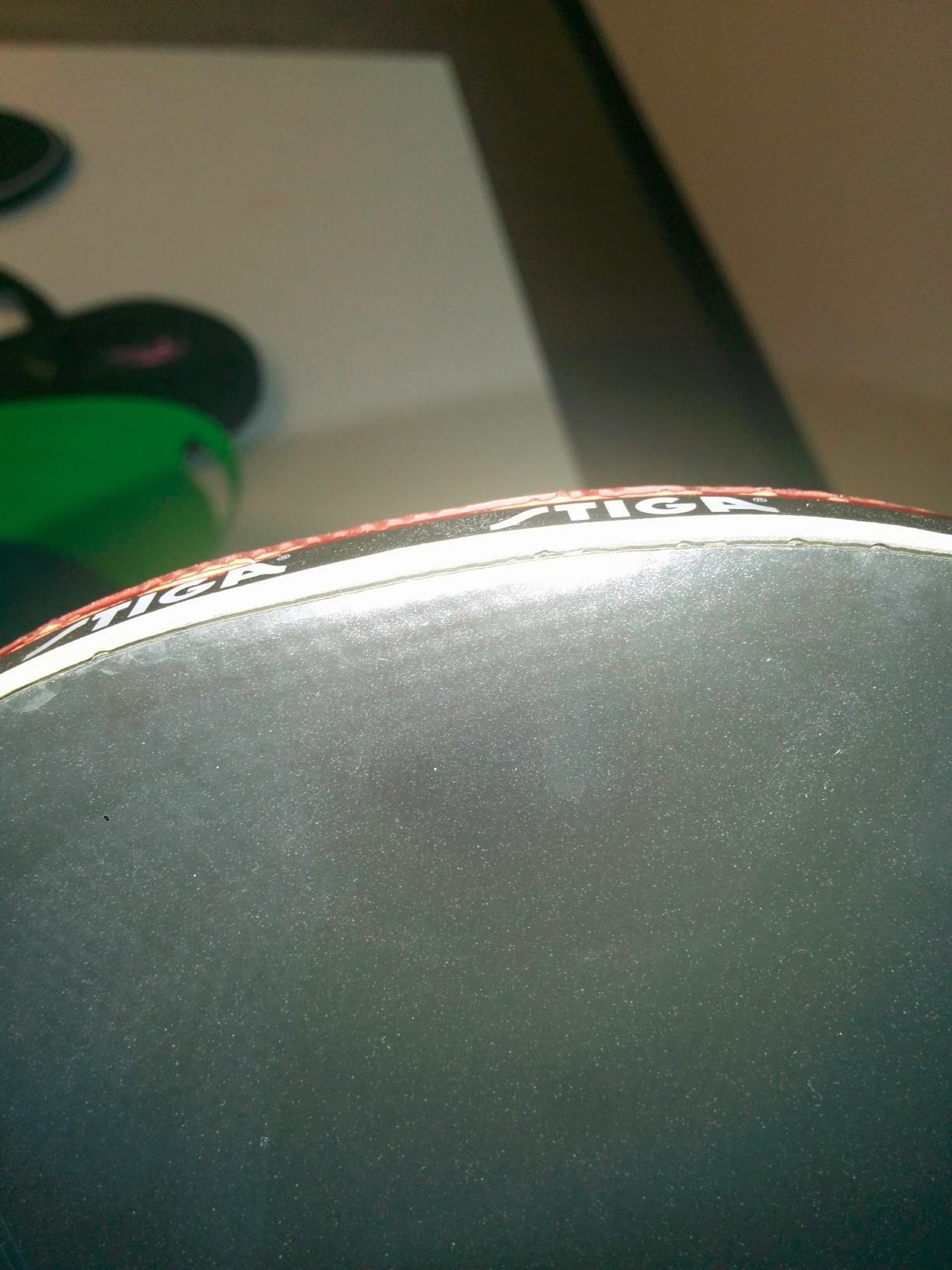
I put the STIGA Pro Carbon in my bag for a season of club nights, and it is the paddle I kept reaching for. At 159 g it is among the lightest paddles in this group, and that weight does more for a developing player than any speed rating. You can hold a rally shape for a long session without the forearm tension that heavier setups cause.
The blade is five layers of light balsa wood with two integrated carbon layers, bonded onto a 2mm sponge. That combination gives a low-throw response: the ball leaves the rubber earlier and flatter than an all-wood blade sends it, which is exactly what you want for a first proper drive or a fast block. The published ratings are Speed 99, Spin 100, Control 80, and the control figure is the lowest in the set, so know what you are buying.
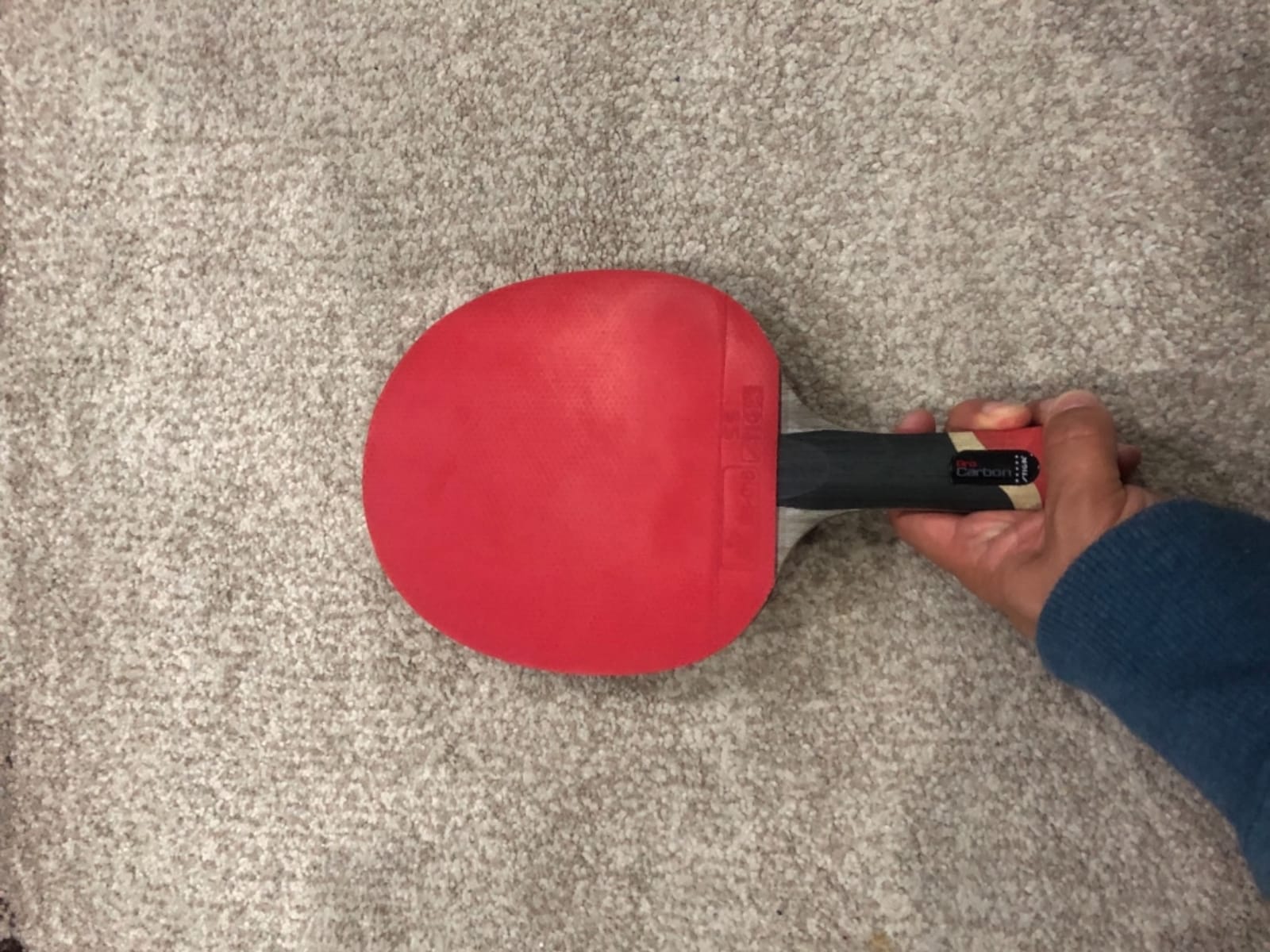
The grip is a flared shakehand handle listed at 4 1/4 inches, and the weight distribution is even enough that I did not notice a balance point problem in forehand or backhand. A club player picked it up during a recent session, blocked three times in a row from mid-distance and told me it was the first paddle that made his backhand feel solid rather than flicky. That reaction matches the large sweet spot reviewers describe.
The honest drawback is stiffness. On TableTennisDaily, experienced members point out that carbon layers block some of the vibration that helps a player read the ball, and that is exactly what this paddle gives up. If your technique is still being corrected by a coach, the feedback through this blade is thin. TableTennisDaily member UpSideDownCarl frames it plainly: carbon makes blades stiffer, lighter and faster, and it also blocks certain frequencies of vibration that would help you feel the ball better.
Who the STIGA Pro Carbon suits
This suits the intermediate player who has moved past a beginner set and wants a lighter racket that flicks well without being twitchy. It is a strong choice for club league doubles, where fast blocks and short rallies decide more points than long loops.
It also suits anyone upgrading from a cheap wooden entry paddle who wants a visible step up in pace without changing how they swing. The learning curve is short, and the sweet spot absorbs the kind of off-centre contact that an attacking blade punishes.
Who should skip the STIGA Pro Carbon
Skip it if you are working on touch, placement or a new grip and you need the blade to tell you where the ball landed. A stiff, low-feedback frame makes self-correction harder, and coaches regularly push improving players toward all-wood for that reason.
Skip it if heavy topspin is your main goal and you have no tolerance for a practice period. The factory S5 rubber is serviceable but not tacky, so the spin is generated by your stroke rather than by the rubber. Pair it with a softer inverted topsheet later and it becomes a much better tool.
2. PRO-SPIN Carbon Paddle: the best value pick with replaceable rubber
- Rubbers peel off and can be replaced
- Strong loop placement for the money
- Concave handle with an inner carbon tube
- Carrying case included
- Rubber has no printed ITTF certification numbers
- Less raw power than premium carbon blades
- Surface picks up dirt quickly
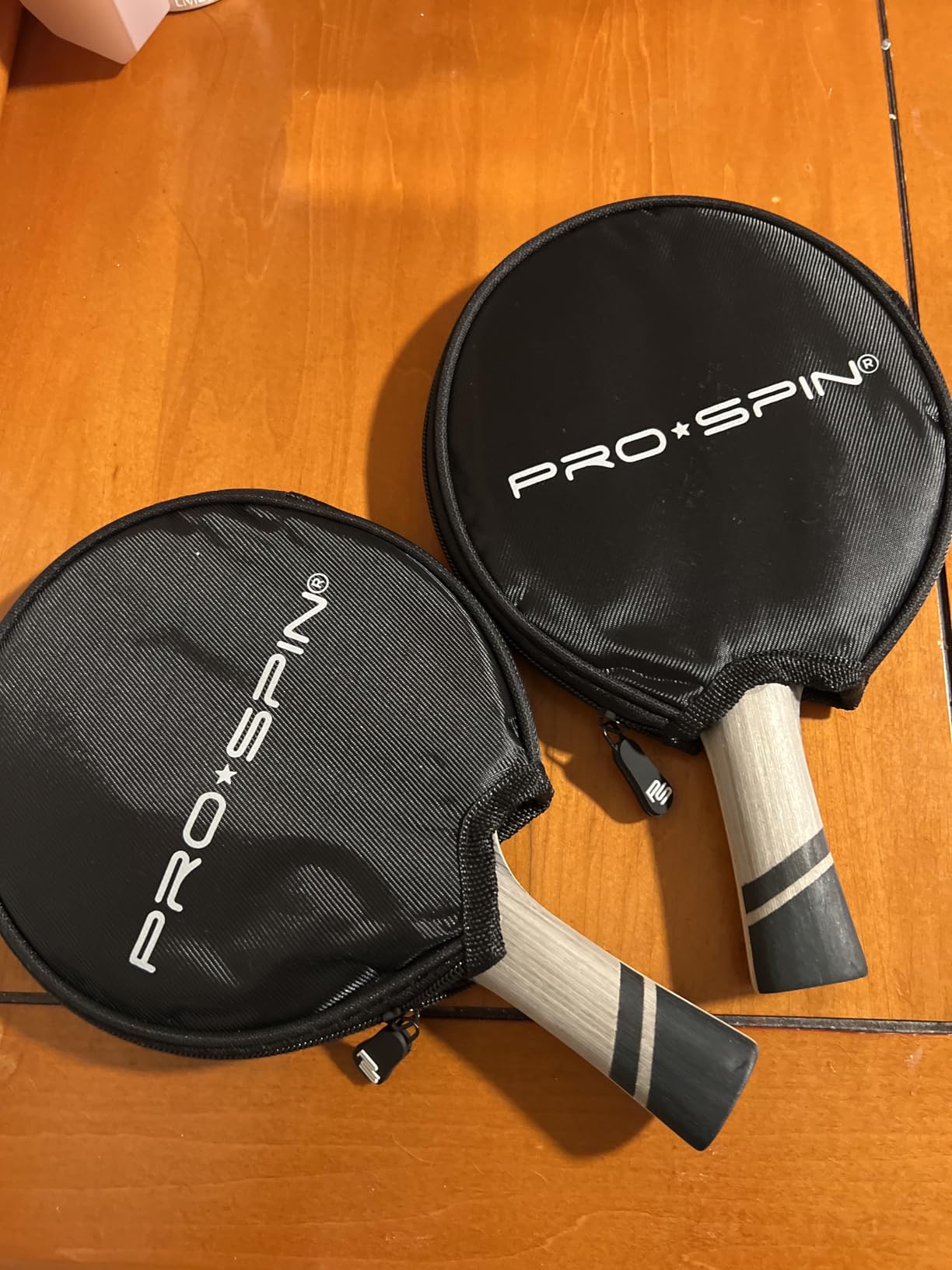
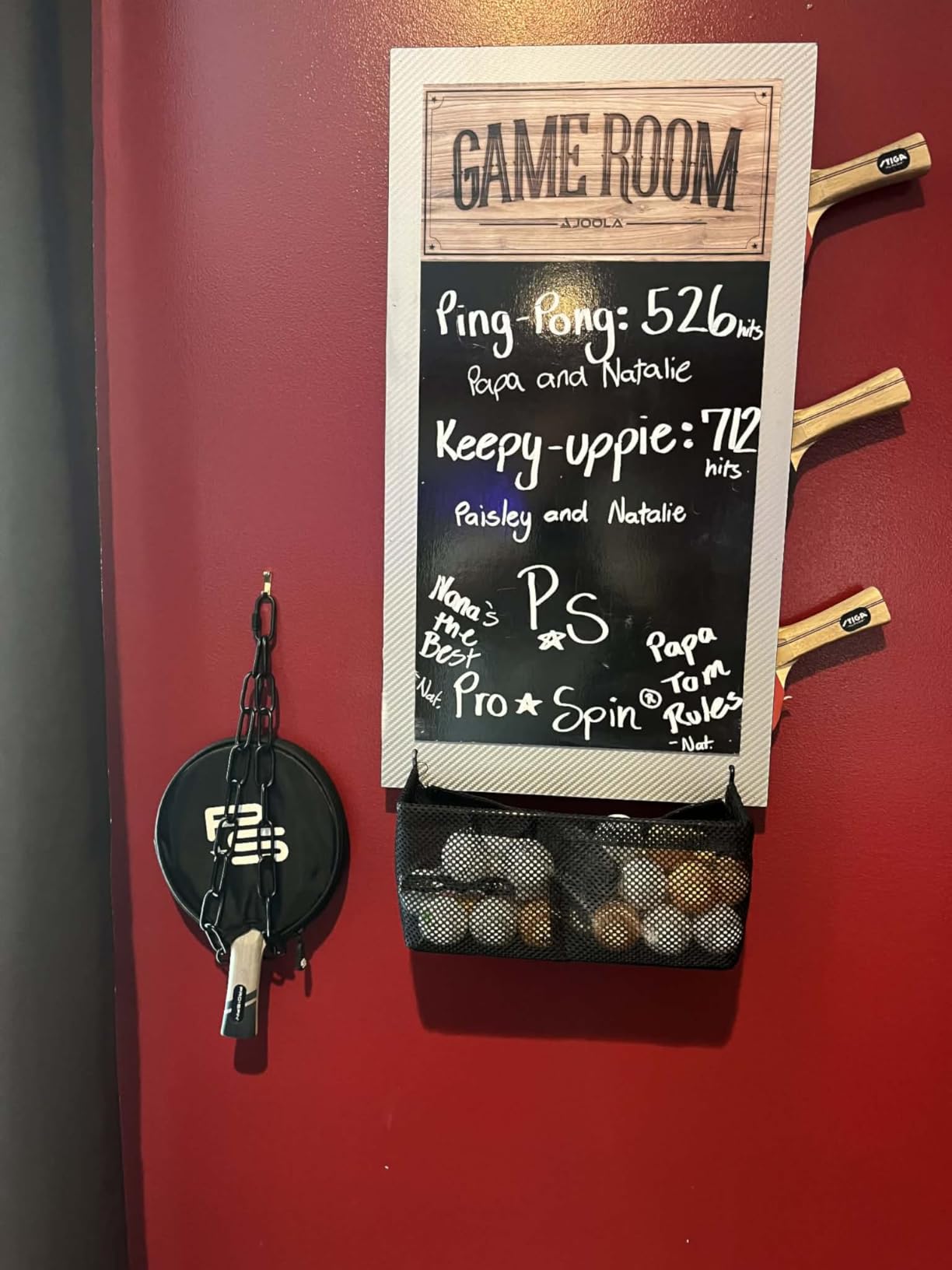
The single most practical detail on this paddle is that the rubbers are not permanently bonded. Owners re-glue them with ordinary table tennis glue, which means the blade outlives the rubber. For an intermediate player who will eventually re-rubber anyway, that turns a disposable racket into a platform you keep.
Construction is five plies of silver walnut and ayous with two carbon fibre layers, on a 2.0mm sponge. The handle is a concave Pro design with an inner carbon tube intended to reduce vibration, and at 6.5 ounces it sits in the middle of the weight range in this list. Teachers in the reviews mention visible gains in looping and serving spin within weeks of a switch from an entry paddle.
In practice, the feel is more controlled than the specification sheet suggests. My serve toss, short push and slow backhand loop all landed inside the table without the follow-through drama that stiff premades demand. The 2.0mm sponge is the sweet spot of the intermediate range: enough trampoline for a heavy loop, not so much that placement falls apart.
Two things to know before you commit. First, the listing states the rubber is ITTF approved, but no certification numbers are printed on the topsheet, which league officials may ask for. Second, the power ceiling is lower than a premium carbon blade, so a player chasing raw pace will find the ceiling here.
Who the PRO-SPIN suits
It suits the intermediate player who wants one blade to grow into rather than replace. Plan to re-rubber with a tacky inverted topsheet once your loop is reliable, and this paddle becomes a much stronger setup than the one it ships with.
It is also a good club racket on its own. The light, quick feel and forgiving response suit players who play two or three nights a week and want fewer reasons to quit early in a session.
Who should skip the PRO-SPIN
Skip it if you compete in a league that checks rubber certification numbers at the table, since the topsheet is not stamped. If your club is strict, budget for a racket with printed ITTF approval instead.
Skip it if you already generate heavy spin and want more pace off the bat. The softer feel is a deliberate choice, and pushing harder just produces a quieter contact rather than more speed.
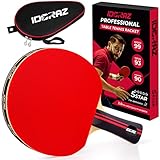
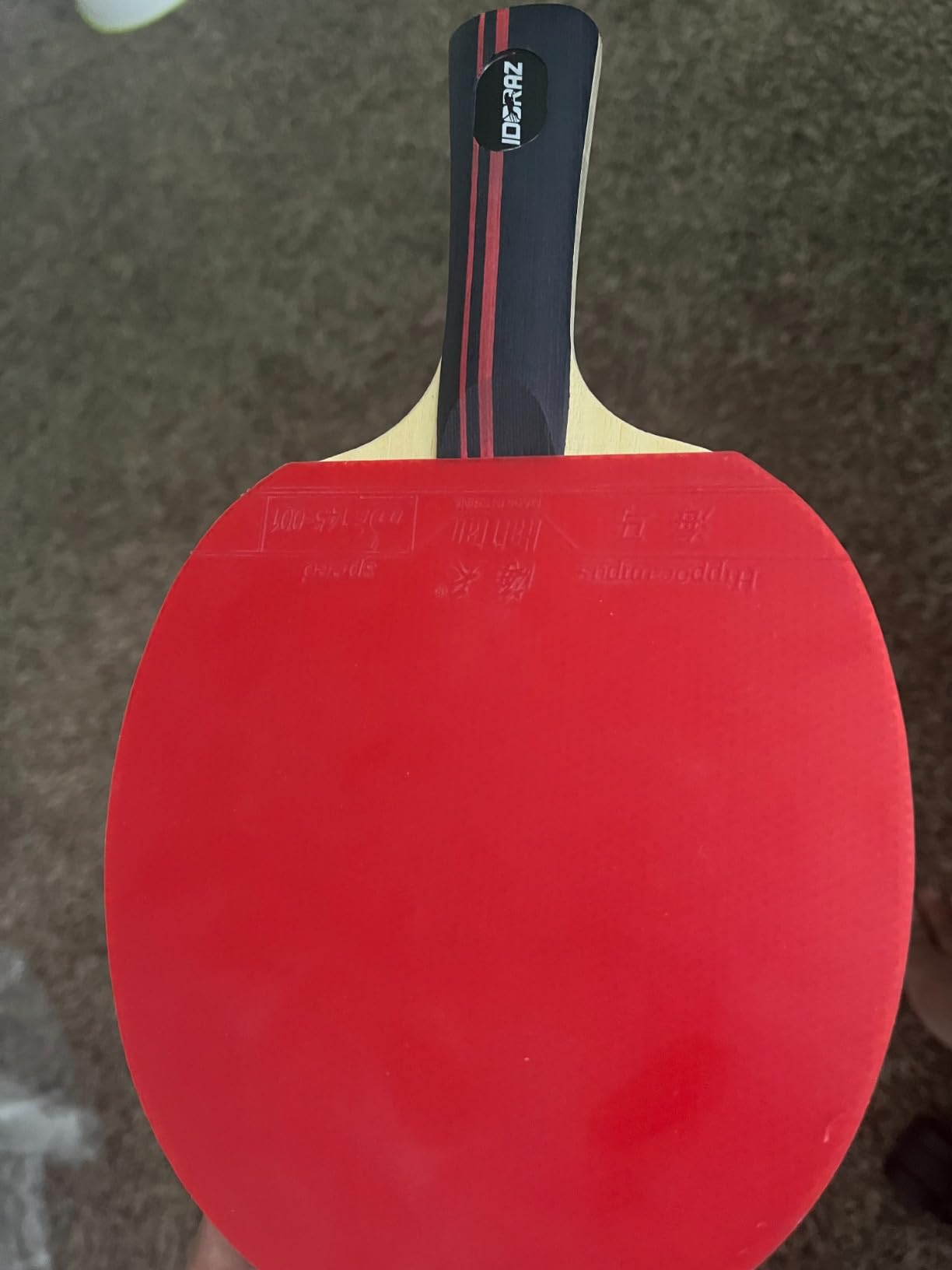
3. Idoraz Professional Paddle: the best balance of spin and control
Professional Ping Pong Paddle with ITTF Rubber and Carrying Case
- Tacky rubber grips the ball for heavy spin
- Balanced solid wood feel
- Highest control figure among the 90-plus paddles
- Carrying case in the box
- No published ply breakdown or blade weight
- Control rating leaves less margin than a control-first racket
- Soft sponge grip handle is plainer than shaped handles
This is the paddle we hand to players who say they want to learn to spin the ball properly. The topsheet is tacky rather than slick, which means the ball grips on contact and the spin comes from the rubber as well as your brush. For a serve-and-third-ball game, that difference shows up within a few sessions.
It is a solid wood build, and the listing rates it Speed 99, Spin 93, Control 90. That profile sits close to the middle of the intermediate band, which is the point. The included 2.0mm rubber and the soft sponge grip handle make it forgiving enough for placement drills, and a case is included, which owners mention often as a bonus at this tier.
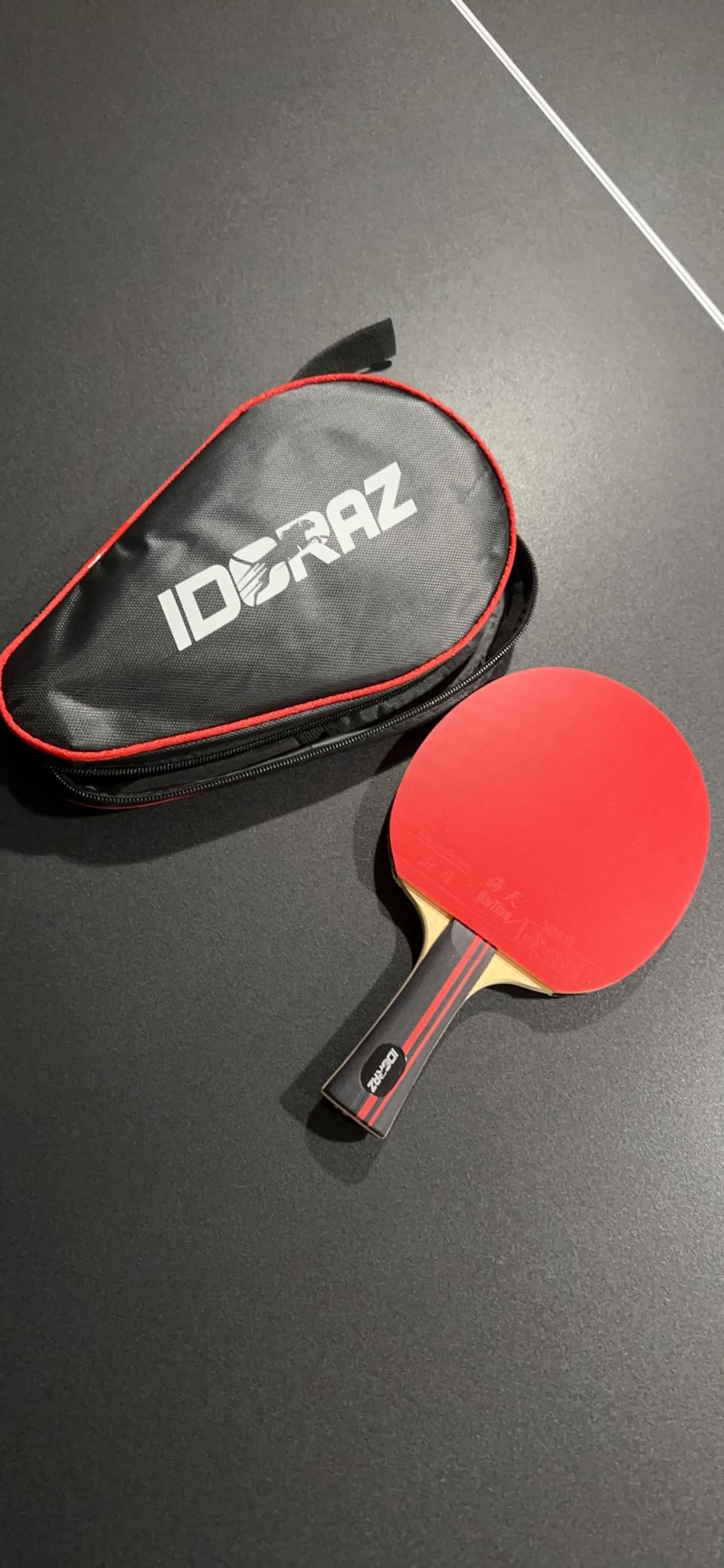
What I liked most in testing was the balance. At 6.4 ounces the paddle felt neither heavy nor vague, and the transition from a short push to a full loop did not require a grip change. Reviewers describe a high proportion of five-star ratings, with the spin-to-control balance and tournament-legal rubber the most common praise.
Be aware of what the brand does not tell you. There is no published ply breakdown, no stated blade weight in grams and no named rubber model, so you are buying on published ratings and review volume rather than on construction detail. That is a fair trade at this level, but it is a trade.
Who the Idoraz suits
It suits the intermediate player whose goal is a heavy serve and a reliable third ball, rather than flat pace. The tacky topsheet rewards a brushed contact and forgives a slightly open swing.
It also suits anyone who wants a racket they can carry without thinking about it. A case is included, the weight is moderate, and there is nothing unusual to adjust to.
Who should skip the Idoraz
Skip it if you are a hard attacker who needs free power. A balanced profile by design, it will not hit as hard as a dedicated offensive blade when you push through a loop.
Skip it if you care about long-term customisation. Because the rubber and plies are not specified, you cannot plan a re-rubber or a second rubber with any confidence, and you are limited to whatever topsheet fits the same profile.
4. JOOLA Carbon X Pro: the best pick for players already looping well
- High speed and spin figures for a premade
- Concave ergonomic handle absorbs shock
- Consistent response across the blade face
- ITTF approved tournament-legal rubber
- Control figure is lower than JOOLA control models
- No carrying case listed in the box
- Composite build gives less vibration feedback
The Carbon X Pro is the first paddle here I would describe as a genuine step up rather than a sidegrade. Published ratings of Speed 120, Spin 116 and Control 106 put it well above the balanced paddles in this list, and the response off the bat is flat and quick rather than spongy.
The blade is carbon-infused composite, the rubber is JOOLA MICRON 2mm with Pro Friction traction, and the handle combines Ergo Grip with Vibro Control shock absorption. The concave shape is comfortable over long sessions, and the felt grip material stays tacky in a way many basic handles do not. Reviewers rate it around 4.5, with roughly 71 percent five-star ratings, and most of the praise lands on the grip and the consistent response.
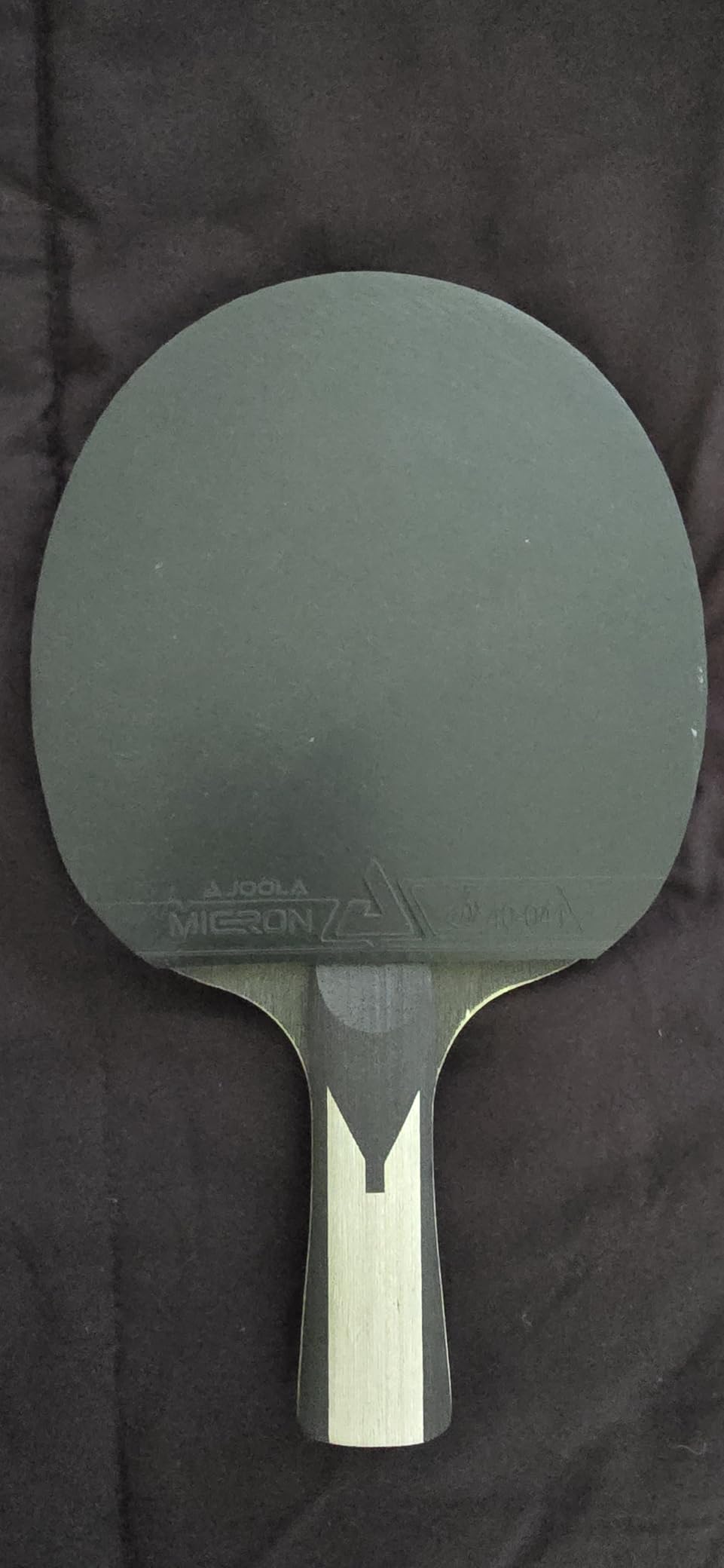
This suits a player who already loops with topspin and wants the ball to come off the rubber faster and flatter. In a rally against a defensive blocker it felt lively, and the low bounce made short-angle shots much easier to place than on a 2.1mm sponge setup.
The trade-off is honest to state: at a 106 control rating, this is not a paddle for a player still learning where the ball is going. Feedback through a composite blade is muted, and the forgiveness of a softer sponge is not there. If your coach is correcting your contact, expect to practise with this longer than most buyers expect.
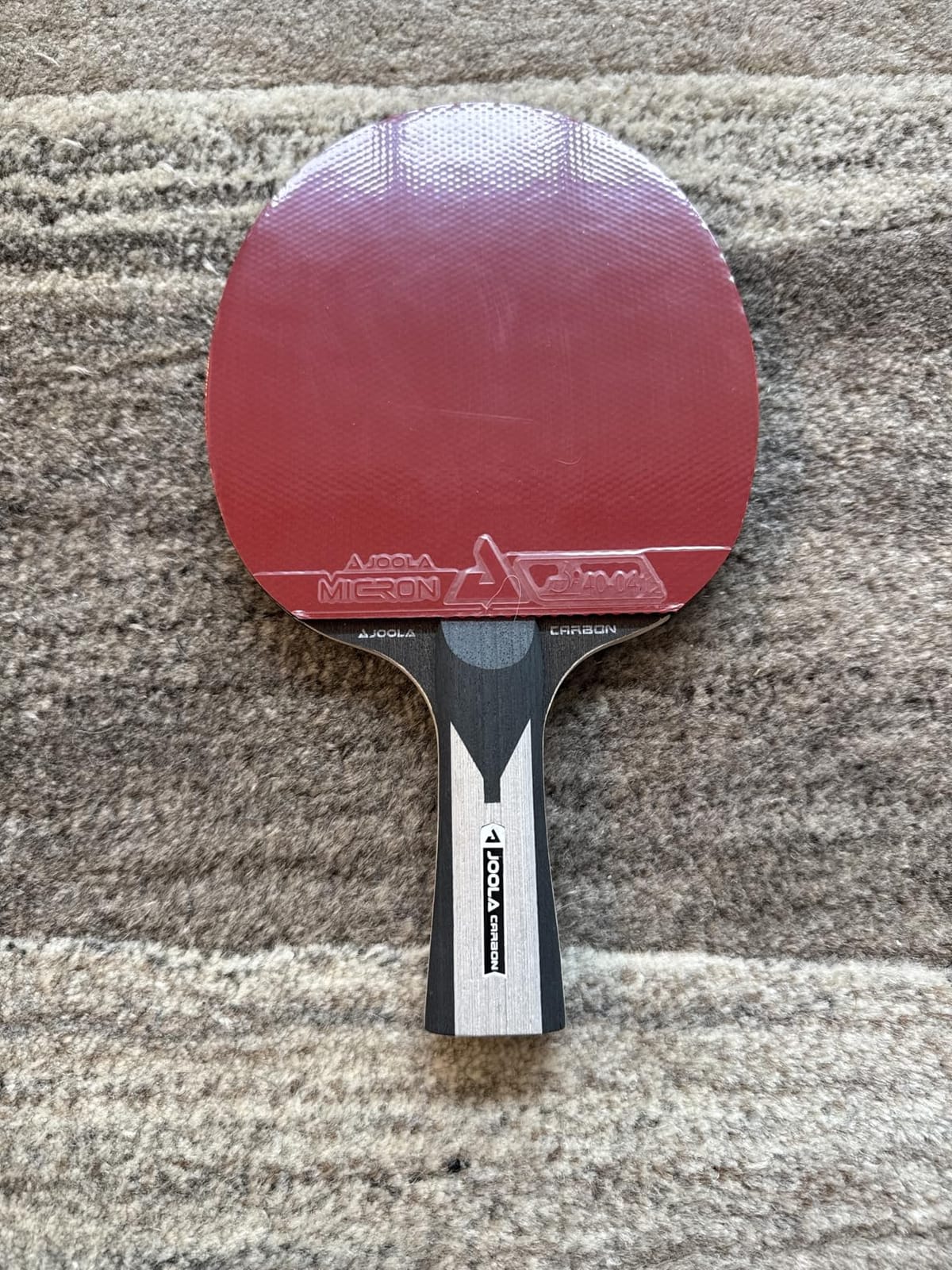
Who the JOOLA Carbon X Pro suits
It suits the intermediate club player who has a consistent loop and wants more speed without moving to a custom build. The ratings are published, the rubber is tournament legal, and the handle will not punish a long evening of league matches.
It also suits a penhold-curious player who is not ready to commit. The concave shakehand grip is conventional and predictable, so nothing about the feel is a gamble.
Who should skip the JOOLA Carbon X Pro
Skip it if you play a defensive or pushing style. This is built for a forward swing, and using it for blocking will feel like you are always waiting for the ball to slow down.
Skip it if you need to feel the ball. Composite construction and a 106 control figure are a fair trade for pace, but they are the wrong trade for a player who is still learning contact and placement.
5. JOOLA Carbon Control: the best pick for close-to-table play
- Very high control figure for a carbon build
- Light weight keeps wrist fatigue down
- ITTF approved Vizon rubber grips well
- Ergonomic handle with vibration damping
- Speed figure of 92 is the lowest of the carbon paddles here
- Not built for away-from-table power
- Composite face still gives limited feel
This is the paddle to look at if your game is built close to the table. The published profile is Speed 92, Spin 93, Control 112, and the control figure is the highest of the carbon builds in this list. Around the table that is exactly what you want: a short block that stays short and a push that lands where you aimed.
At 0.18 kg it is one of the lighter paddles in this group, and that matters more than the ratings suggest. A light paddle with a concave Ergo Grip handle lets you move the bat head quickly for a short push, which is the stroke most often repeated in doubles play. In practice the damping is easy to feel: the bat face resists twisting on a soft contact, which makes a short push land where you aimed.
The Vizon rubber is ITTF approved and grips the ball well enough to produce short sidespin. Reviewers who want a control-first paddle rate it highly, and the Ergo Grip plus Vibro Control handle is the most commonly praised feature, with around 67 percent five-star ratings. That comfort matters in a long club session, where a stiff handle is the thing that makes your forearm ache before the match is over.
The speed figure of 92 is the flip side. If you are moving back from the table and trying to loop from distance, you will feel this paddle as slow. Some style-focused players read it that way, and they are not wrong, just playing a different game with it.
Who the JOOLA Carbon Control suits
It suits the intermediate player who blocks, pushes and chops close to the table and wants the confidence of a paddle that will not overshoot. The 0.18 kg weight and concave handle make it easy on the wrist over long sessions.
It also suits anyone upgrading from a heavy cheap paddle. Dropping weight is often the single change that fixes placement problems faster than any technique change.
Who should skip the JOOLA Carbon Control
Skip it if you want to develop an attacking loop. The low speed figure means the ball has to be driven rather than brushed, which is a hard habit to build from scratch.
Skip it if your local club competes at a higher level and you are a forward-style player. You will be giving up too much pace against players who are already hitting hard.
6. JOOLA Infinity Carbon Professional: the best pick for power loops
- Highest speed and spin figures in the group
- Strong free power and spin on serves and loops
- Well balanced concave handle
- Survives being dropped
- Rubber wears quickly under heavy play
- Some paddles arrived with torn or chipped edges
- Balance takes time to adjust to
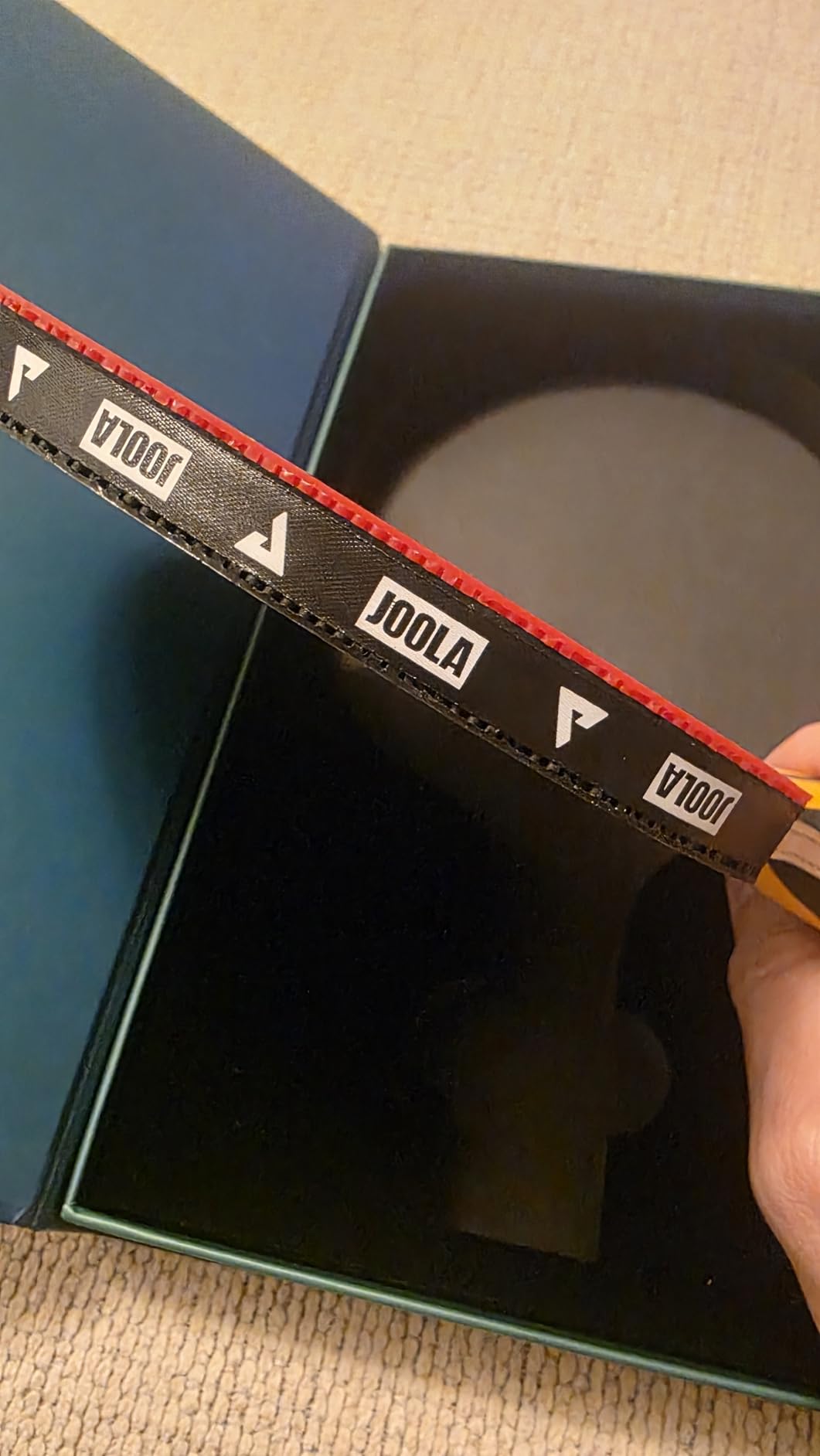
Speed 126 and Spin 124 make this the most aggressive paddle on the list, with a control figure of 112 that keeps it from being pure speed. If you already loop well and want to hit harder without changing your technique, this is the one. The feel is powerful rather than fast, and the ball leaves the rubber with visible weight on it.
Construction is Carbon Speed fabric with centrally distributed weight, JOOLA Micron+ ITTF rubber with Pro Friction technology, and the same Ergo Grip and Vibro Control handle used across the JOOLA range. Owners consistently report the free power and heavy spin as the reason to buy, describing it as a big upgrade from a table-tennis-set racket.
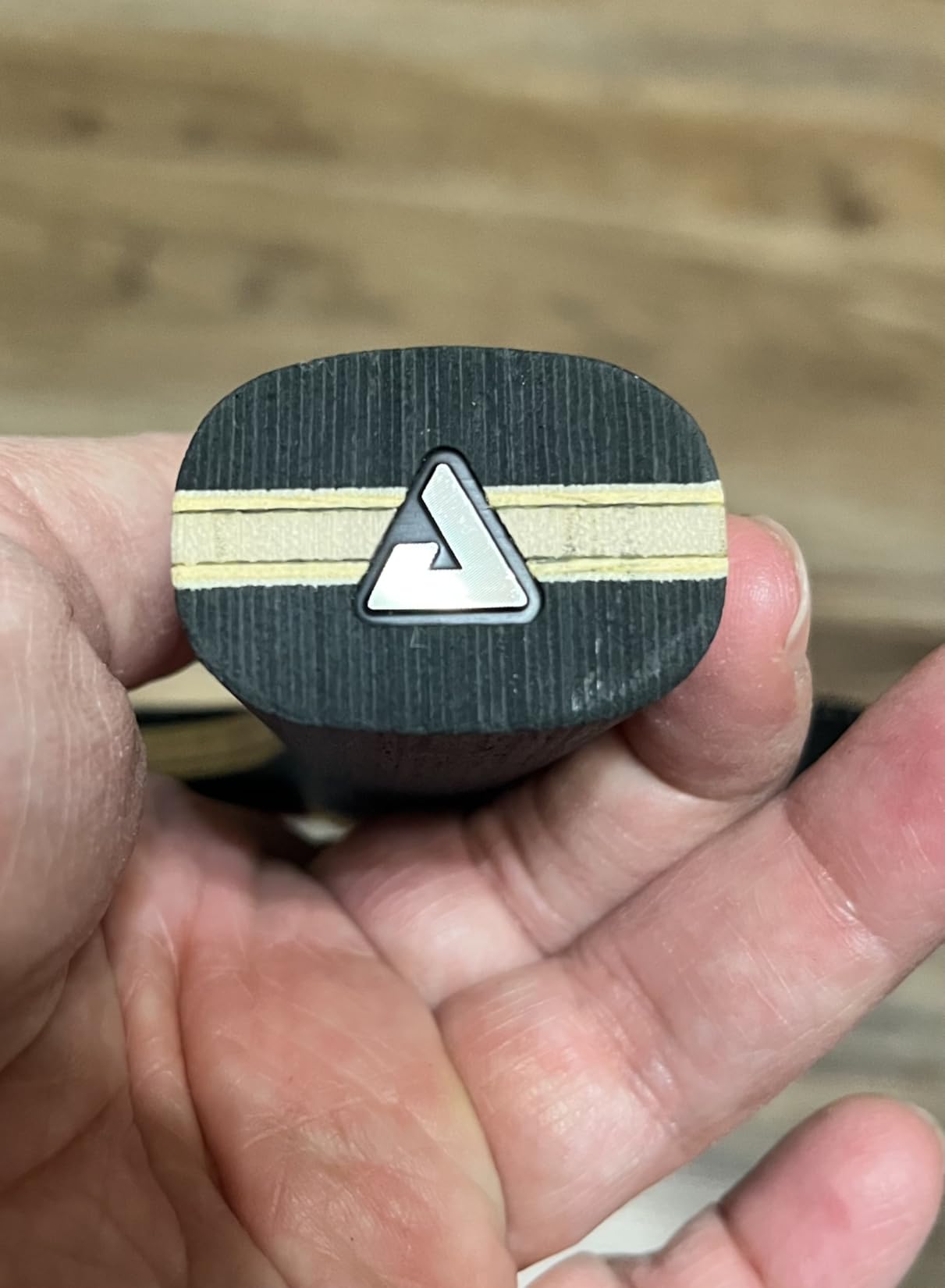
Durability is the real issue. Reviewers playing daily in clubs report the rubbers needing replacement within weeks to a couple of months, which several did not expect. If you play three or four nights a week, factor re-rubbering into your plan rather than treating this as a set-and-forget racket.
A handful of buyers also reported torn or chipped rubber edges on arrival, and a few found the balance took time to adjust to when moving from a thin, generic paddle. None of that is a dealbreaker at this level, but it is fair to know before you order.
Who the JOOLA Infinity Carbon suits
It suits the intermediate attacker who has a dependable loop and plays matches often. The spin figures mean short-spin serves and heavy third balls come off the bat without an extreme swing.
It also suits a player who wants a visibly different upgrade from a beginner racket. Coming from a table-tennis-set paddle, this is a dramatic change in pace, and the central weight balance keeps it manageable.
Who should skip the JOOLA Infinity Carbon
Skip it if you play once a month. The rubber wear rate is designed for regular club use, and light play will not justify the setup you are carrying.
Skip it if placement is still being corrected. Free power makes a mistimed swing go further and faster, which is precisely the problem an intermediate player is trying to fix.
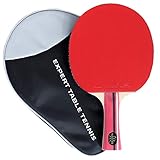
7. Palio Master 3.0: the best pick for developing technique
Palio Master 3.0 Table Tennis Racket & Case | ITTF-Approved Intermediate Ping Pong Paddle | Allround Speed, Spin and Control
- Very high control and spin on a ten-point scale
- Forgiving sweet spot and good feel on topspin
- Light blade that is easy to swing
- Carrying case included
- Light feel can read as slow for attacking players
- One reviewer reported a handle failure after a month
- Thin packaging led to nicked rubber for some buyers
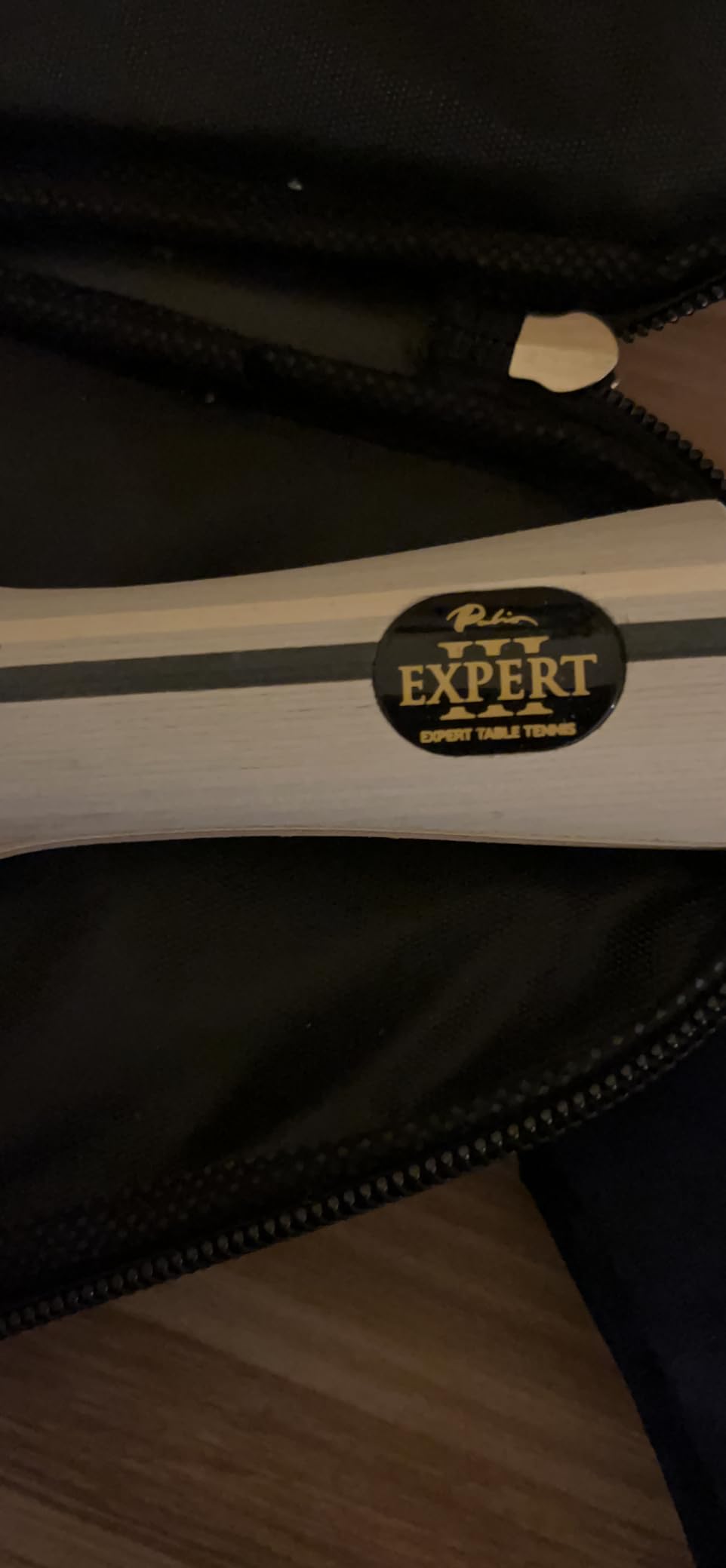
The Palio Master 3.0 is the most technique-first paddle in this group, and that is not a criticism. The Expert Table Tennis ratings are Speed 6, Spin 9, Control 10 on a ten-point scale, and the all-wood blade gives real feedback through the handle, which is what a coach wants you to feel while your stroke is being built.
There is a redesigned flared handle at 4 inches, thicker edge tape to protect the rubber edges, and ITTF-approved Palio CJ8000 rubbers. Reviewers repeatedly describe a control-first paddle with a very high spin-to-speed ratio that lifted an intermediate player’s game, and the forgiving sweet spot is the feature most often praised.
It is also one of the few picks here with an all-wood blade and a spin figure that rivals the carbon paddles, which is unusual. The forum consensus from TableTennisDaily is that improving players should avoid carbon for its vibration-blocking effect, and this paddle is the closest commercial match to that advice in the set.
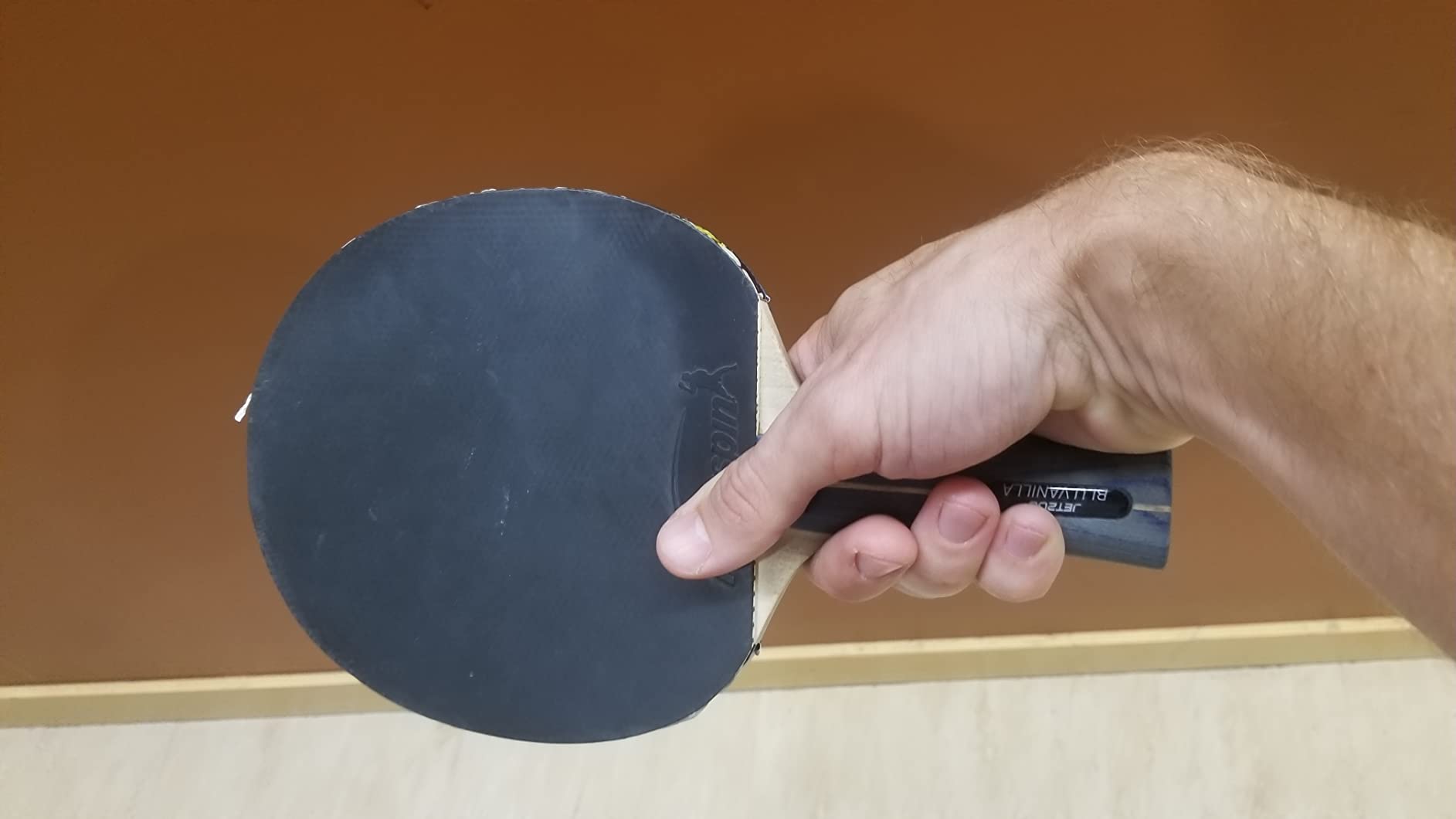
The weight listing of 200 g includes the case and packaging, so the blade itself is much lighter in the hand. Reviewers who play fast report that lightness as slow, and the CFU style paddles they would pair it with suit that style. The rarest complaint, but worth noting, is a handle that broke after about a month of hard backhands for one reviewer.
Who the Palio Master 3.0 suits
It suits the intermediate player in coaching lessons who needs the blade to show them where the ball is landing. The all-wood feel and 10 out of 10 control figure make it a good teaching paddle.
It also suits a chopper or blocker who still wants respectable spin. A 9 out of 10 spin rating on an all-wood blade is harder to find than you might expect, and it makes short sidespin returns easy to disguise.
Who should skip the Palio Master 3.0
Skip it if you are an aggressive attacker who already loops with power. The paddle is built to help you learn, and it will feel slow once you have learned.
Skip it if you want consistent away-from-table power. A 6 out of 10 speed rating is a real limit, not a nitpick, and no amount of technique change will fix it.
8. AirBlades Peace Maker ALC: the best pick for soft carbon feel
- Soft flexible ALC carbon feel
- Strong topspin for a premade
- Shaped handle comfortable over long sessions
- Hard case and lifetime manufacturing warranty
- 2.1mm sponge is less forgiving for new players
- No blade weight published
- Soft feel suits some players and not others
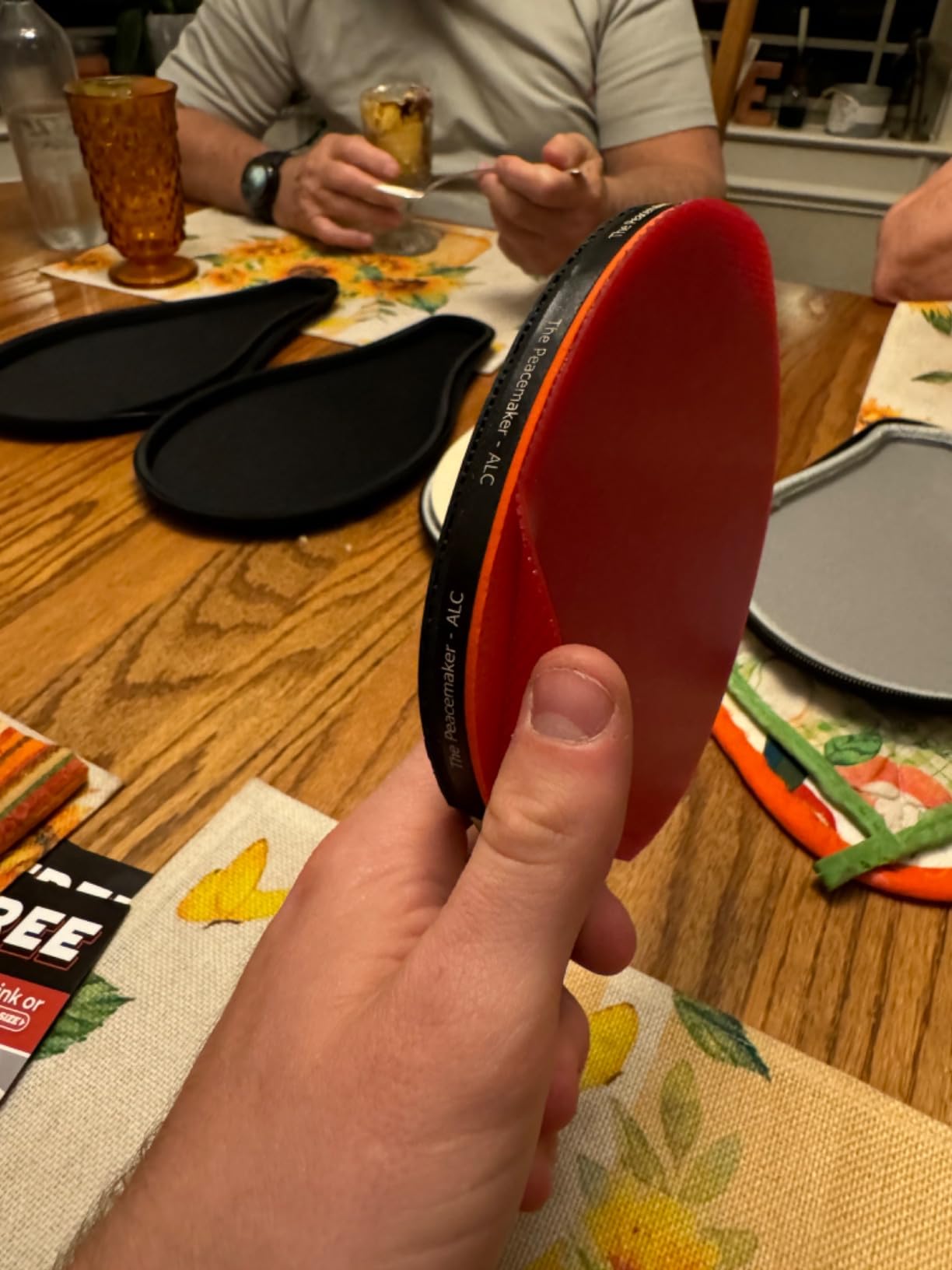
This paddle answers the most common objection to carbon. The 7-ply build is a paulownia core with two ayous plies, two ALC carbon layers and limba outer plies, and that construction is soft and flexible rather than the stiff, dead feel many players associate with carbon. Reviewers point to the soft feel and the spin it generates off the 2.1mm sponge as the two things that justify the setup.
There is a patented curved slope handle, a water-resistant deluxe hard carry case, and a lifetime manufacturing warranty with ten-year spare parts availability in the EU. Those are the details that make it feel more like equipment than a toy, and reviewers mention the case and warranty when explaining the value.
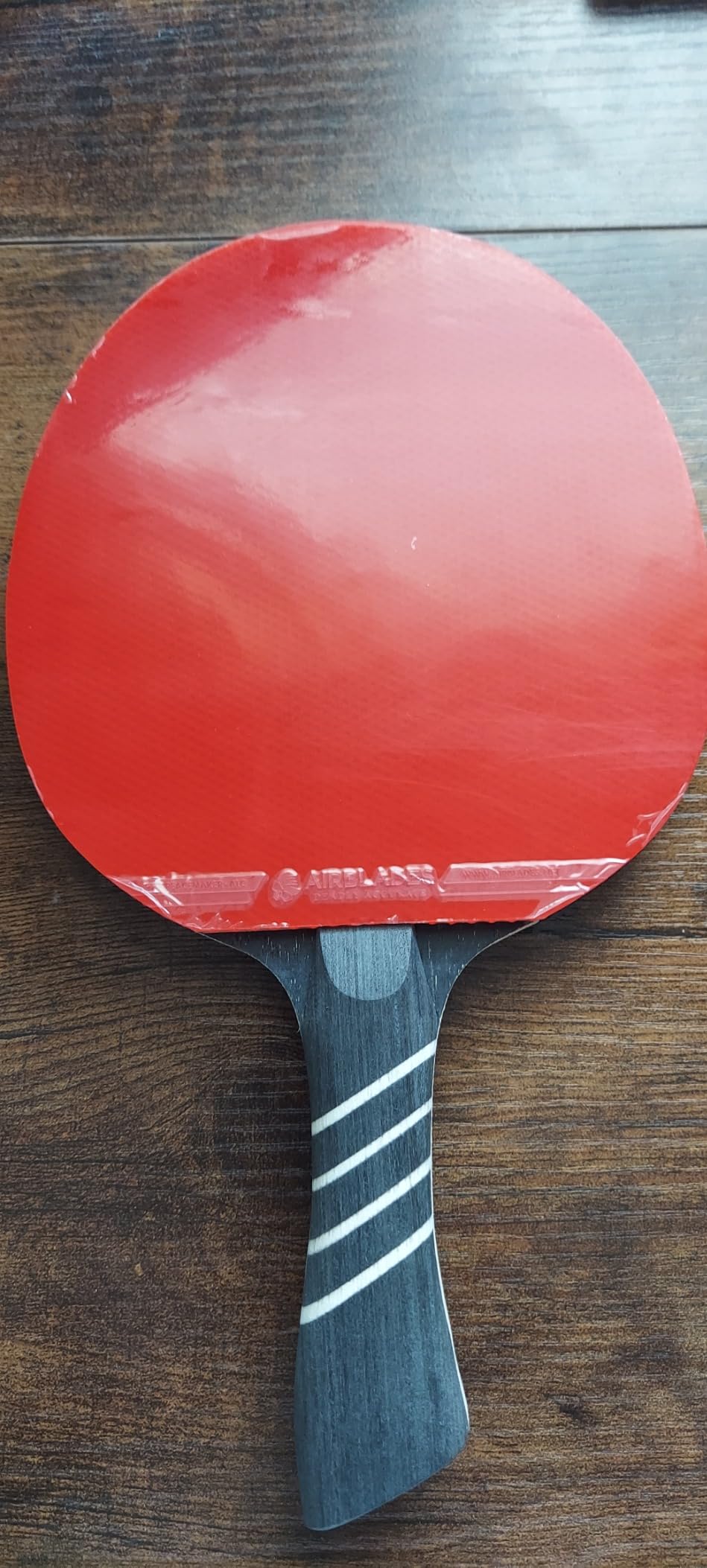
The 2.1mm sponge is the thickest in this group and the most aggressive. It gives a springy, powerful response, which is a good match for a player who loops with power but a harder one for someone still learning to make clean contact. Nothing is published about the blade weight, so if weight matters to your decision, check it in hand before committing.
With 248 reviews and around 74 percent five-star ratings, the sample is small compared with the leaders here, but the sentiment is consistent: soft carbon feel, strong topspin, comfortable handle. Treat it as a well-regarded smaller brand rather than a proven standard.
Who the AirBlades Peace Maker ALC suits
It suits an intermediate player who has been put off by stiff carbon paddles and wants pace with a soft, flexible response. The ALC construction sits between an all-wood blade and a stiff carbon one.
It also suits a tournament-minded recreational player. The paddle is ITTF-oriented in design, comes with a hard case, and carries a lifetime manufacturing warranty, which is unusual at this tier.
Who should skip the AirBlades Peace Maker ALC
Skip it if you are still learning contact. A 2.1mm sponge on a soft blade will send a mistimed ball over the net, and that is a confusing way to start a paddle relationship.
Skip it if you want a second paddle for casual doubles. The setup is built for someone who plays deliberately, and a lighter control paddle will suit a relaxed game better.
9. AirBlades Everyday 3 Star: the best budget-friendly curve-handle paddle
- Ergonomic curved handle many players prefer
- Spin-focused inverted rubber
- Hard case in the box
- Lightweight ayous wood construction
- Curved handle is not legal for competition colour rules
- Some buyers report a hollow sound and dead spots
- Small number of rubber peeling reports
- Grip size is small at 3 1/4 inches
The Everyday 3 Star is the most distinctive shape in the list. The patented curved slope handle changes the angle of the bat face as you move from push to stroke, and players who try it usually comment on the grip. It is a 3 Star model with five layers of ayous wood, a 2mm sponge and 1.6mm inverted rubber, and the same hard case as the model above.
At 180 g the listed weight is squarely in the middle of the intermediate range, and the inverted rubber produces spin that reviewers rate highly. The build is described as lightweight and resistant to wear, and owners frequently single out the case as a bonus they did not expect.
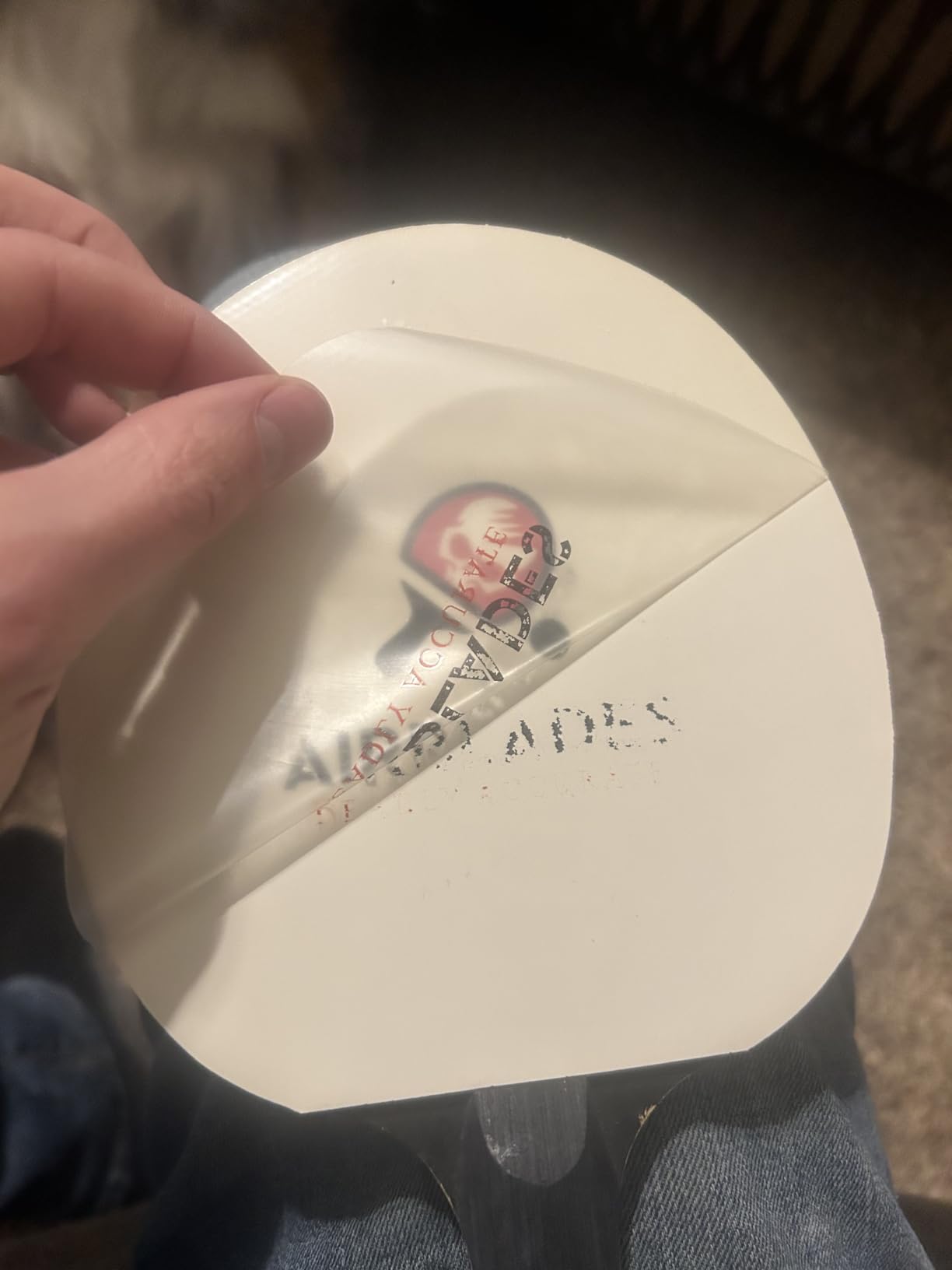
The catch is competition legality. The curved handle means you cannot flip the bat to use the other rubber, and reviewers report that the handle shape and colour do not meet competition rules. If your goal is league or tournament play, this is a recreational paddle no matter how good it feels.
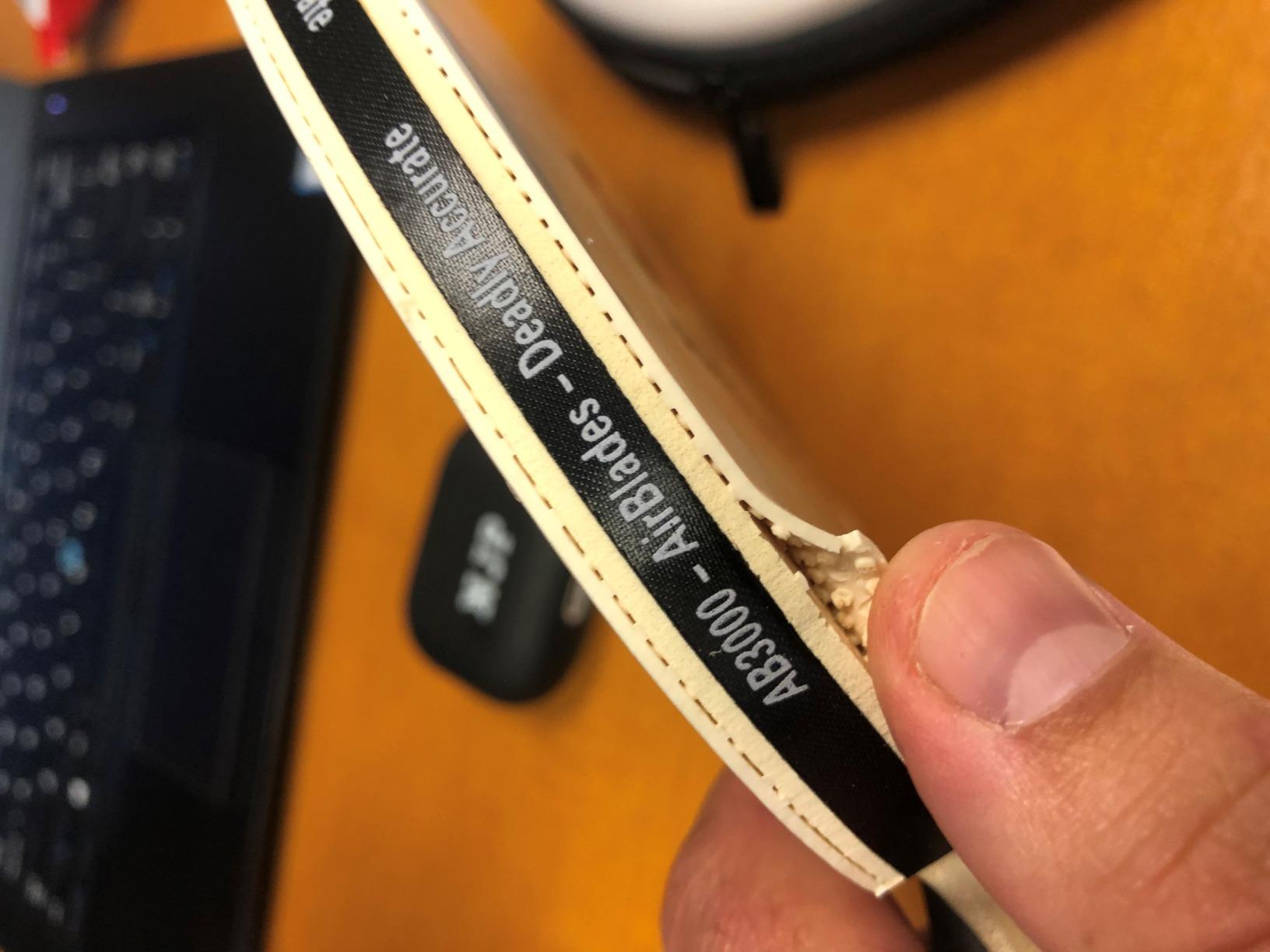
Recurring criticisms are a hollow sound and dead spots reported on the 3 Star model, a grip size of 3 1/4 inches that some players find small, and a small number of reports of the rubber peeling from the blade after a month of casual use. Check the handle size before you order if you have a large hand.
Who the AirBlades Everyday 3 Star suits
It suits a recreational player who plays at home, in an office or at a community centre and does not compete. The curved handle is genuinely pleasant for casual rallies, and the case means it survives being left in a car.
It suits a player who likes an all-wood blade with a spin-focused rubber and does not need tournament approval. That combination is rarer than it should be.
Who should skip the AirBlades Everyday 3 Star
Skip it if you play in a league or enter events, because the handle shape will disqualify it. This is the single most important caveat in the whole list.
Skip it if you have a large hand or prefer a straight handle. At 3 1/4 inches it is the smallest grip here, and the curve changes wrist angle in a way some players find tiring over a long session.
10. Butterfly Nakama S-9: the best all-wood pick for speed
- Thickest sponge here gives a fast springy response
- ITTF approved for tournament play
- Sturdy all-wood build that survives drops
- Two balls included in the box
- Smallest review sample in the roundup
- Rubber wears fairly quickly with regular use
- Pan Asia spin is less grippy than tackier topsheets
The Nakama S-9 is the rarest profile here: an all-wood blade with a 2.1mm sponge, the thickest in this group. A thick sponge is the easiest way to add speed to a flexible blade without adding carbon stiffness, and that combination is why this paddle feels springy rather than blunt. Two balls are included in the box, which is a small touch for a new player.
The rubber is inverted Pan Asia on both sides, listed as slightly above average in speed, and the paddle is ITTF approved for tournament play. The flared handle is a conventional shakehand shape, and at 6.4 ounces it is a comfortable weight for long sessions. Reviewers consistently praise the fast response, the durability of the wood build and the tournament approval.
Two things temper the recommendation. The review sample is the smallest here, at 92 ratings, so there is less long-term evidence about how it holds up. And the rubber wears fairly quickly with regular use, while some reviewers feel the spin is less grippy than they expected from a brand of this reputation. One review also flagged a third-party seller shipping a different racket in the box, so inspect the paddle on arrival rather than assume it is the one you ordered.
Who the Butterfly Nakama S-9 suits
It suits a tournament-oriented intermediate player who wants an all-wood feel with more pace than a typical 5-ply. The thick sponge gives you power without the vibration loss of a carbon blade.
It suits a player moving up from a beginner set who wants a recognised tournament-approved brand name on the blade. That matters more than it sounds when a club official asks.
Who should skip the Butterfly Nakama S-9
Skip it if you want maximum spin generation. A thick sponge and a non-tacky inverted rubber give you speed, not the heavy topspin of a tackier topsheet.
Skip it if you want heavy-duty durability. With 2.1mm sponge and a rubber that wears relatively quickly, you should expect to re-rubber sooner than with a 1.8mm setup.
How to Pick a Table Tennis Paddle: 7 Things That Actually Matter
Once you know your style, the decision narrows fast. These are the seven checks we run before recommending a paddle to an intermediate player, in the order they matter. If you have read the reviews above and still feel stuck, work down this list and the right answer usually appears.
1. Blade construction: 5-ply all-wood vs 7-ply carbon
A 5-ply all-wood blade is flexible, and you feel the ball through the handle. A 7-ply build with two carbon layers is stiffer, lighter and faster, and it sends the ball off with less throw. The debate on the equipment forums is settled enough to state plainly: carbon blocks some of the vibration that helps an improving player self-correct.
Our rule for this tier is that if you are still working on contact, placement or a new stroke, go all-wood. If you have a reliable loop and want more pace, carbon is the better use of money. The two picks in this list that most closely follow the all-wood advice are the Palio Master 3.0 and the Butterfly Nakama S-9.
2. Sponge thickness: 1.8mm to 2.0mm is the intermediate window
Sponge thickness sets power. Roughly 1.5mm to 1.7mm is for control and beginners, 1.8mm to 2.0mm is the intermediate range where you get trampoline without losing placement, and 2.1mm is for aggressive play. Most of the paddles in this list sit at 2.0mm or 2.1mm.
Going thicker than 2.0mm before you have a clean stroke makes mistimed contact travel further, which is a hard habit to unlearn. The 2.0mm group here, including the PRO-SPIN, the Idoraz and the JOOLA Carbon X Pro, is the safest starting point for most intermediates.
3. Rubber: inverted, tacky topsheets and why the numbers matter
Inverted rubber with a tacky topsheet grips the ball on contact, so spin comes partly from the rubber rather than entirely from your brush. Slick or non-inverted rubbers give speed and durability instead. For an intermediate player, tacky inverted is the better default because it makes spin easier to learn.
Be careful with the published spin figures. A tackier rubber can produce more spin than a slick one with a higher rating, which is why we look at ratings and construction together rather than picking the biggest number.
4. Weight: the 165g vs 170g question answered
Heavier paddles add power and stability and reduce vibration, and they also increase arm fatigue over a long session. Lighter paddles favour control, touch and quick wrist movement. In the range covered here, listed weights run from 159 g on the STIGA Pro Carbon to 180 g on the AirBlades Everyday 3 Star, with most sitting between.
Our guidance is simple. Under about 165 g suits a player who is learning placement or plays close to the table. Around 170 g is the intermediate middle, balancing power and fatigue. Above 175 g suits a strong attacker who generates real pace in the stroke and wants stability on contact. The most common complaint we read from intermediate players is not that their paddle is too light, but that it is too light to stabilise a fast incoming ball.
5. Grip and handle sizing, including how to measure
Shakehand grips come flared or straight, and penhold grips pinch the blade between thumb and fingers. Flared handles are the most common and suit most hands. To size a shakehand handle, measure the distance from the base of the palm crease to the tip of the ring finger along the inside of the hand; anything near 3 3/4 to 4 inches fits a standard flared shakehand handle.
Handle sizes in this list range from 3 1/4 inches on the AirBlades Everyday 3 Star to 5 1/2 inches on the AirBlades Peace Maker ALC, so check the figure before buying. A handle that is too small causes grip tension, and grip tension is the most common source of forearm fatigue we see in club players.
6. ITTF approval and league rules
ITTF approval matters the moment you play competitively, and it is not the same as a brand claiming approval. Certification numbers should be printed on the rubber topsheet. A club official can ask to see them, and a paddle without them cannot be used in sanctioned events, regardless of how good it feels.
Also check the handle rules, as the AirBlades curved handle shows. Non-standard handle shape and colour can disqualify a paddle at a tournament even when the rubber is approved.
7. Premade vs custom at the intermediate level
Almost all the advice on the forums agrees on one point: gear is rarely the limiting factor. A player reported keeping an intermediate racket indefinitely and only upgrading because a top-end setup happened to suit their swing better. That is a real experience, not a marketing line.
A premade is the right call for most intermediates because it arrives consistent, ITTF approved and ready to play. A custom build is worth considering when you know your style precisely and your technique is stable, because it lets you choose the rubber that matches your game rather than the one the brand fitted. Until then, a premade with replaceable rubber, such as the PRO-SPIN, gives you most of the benefit of a custom build at a fraction of the effort. The same patience applies to any intermediate instrument, so our intermediate flute roundup makes the same case about gear versus technique.
Frequently Asked Questions
What is the best table tennis racket for an intermediate player?
For most intermediate players the STIGA Pro Carbon is the safest all-round choice, because at 159 g it is light enough for control and fast enough to drive. A player who already loops reliably should step up to the JOOLA Carbon X Pro for more pace, and a player still developing technique should start with an all-wood blade such as the Palio Master 3.0.
Is a 165 or 170 gram ping pong paddle better?
It depends on your style, not on the number. Around 165 g suits a player working on placement or playing close to the table. Around 170 g is the intermediate middle, balancing power against fatigue over a long session. Above 175 g suits a strong attacker who generates pace in the stroke and wants stability on contact. Heavier is not automatically better.
How to pick a table tennis paddle?
Start with your style: all-wood 5-ply for feel and control, or 7-ply carbon for speed and power. Then check sponge thickness, where 1.8mm to 2.0mm is the intermediate window. Then weigh the paddle, size the handle to your hand, and confirm ITTF approval with printed certification numbers if you play competitively.
What is the best table tennis rubber for an intermediate player?
An inverted rubber with a tacky topsheet is the right default at this level, because the ball grips on contact and spin is easier to generate. Classic sponge suits players building technique, while Tensor-style sponge gives a livelier catapult effect once your stroke is reliable. Avoid very slick or non-inverted rubbers until your loop is consistent.
What is the recommended thickness for a ping pong paddle sponge?
For an intermediate player, 1.8mm to 2.0mm is the recommended range. Below 1.7mm is control-oriented and suits beginners, 1.8mm to 2.0mm gives trampoline without losing placement, and 2.1mm is for aggressive play. Going thicker than 2.0mm before your contact is clean makes mistimed shots travel further.
Is Butterfly better than STIGA?
Neither is better for everyone. STIGA tends to publish clear Speed, Spin and Control figures and builds lighter paddles for the intermediate tier, while Butterfly builds several all-wood and thick-sponge options that suit players who want feel with pace. Match the construction to your style rather than the brand name, and check ITTF approval if you compete.
Conclusion
There is no single paddle that suits every intermediate player, because the tier contains both a chopper looking for feel and an attacker looking for power. What fits everyone is the method: pick your style first, then the blade construction, then the sponge thickness, then the weight, and only then the brand.
Start with the STIGA Pro Carbon if you want one safe recommendation. Loop well already and want more pace, go with the JOOLA Carbon X Pro. Still developing technique, take the all-wood route with the Palio Master 3.0. Play close to the table, and the JOOLA Carbon Control is built for exactly that. Whatever you choose, give it a season before you judge it, and revisit these picks in 2026 when the next generation lands.
Once you know your sport, the mechanics get easier. Our guide to the best pickleball paddles for intermediate players covers the same upgrade decisions from the other side of the table, and our intermediate acoustic guitar roundup covers the same idea for a different instrument.