
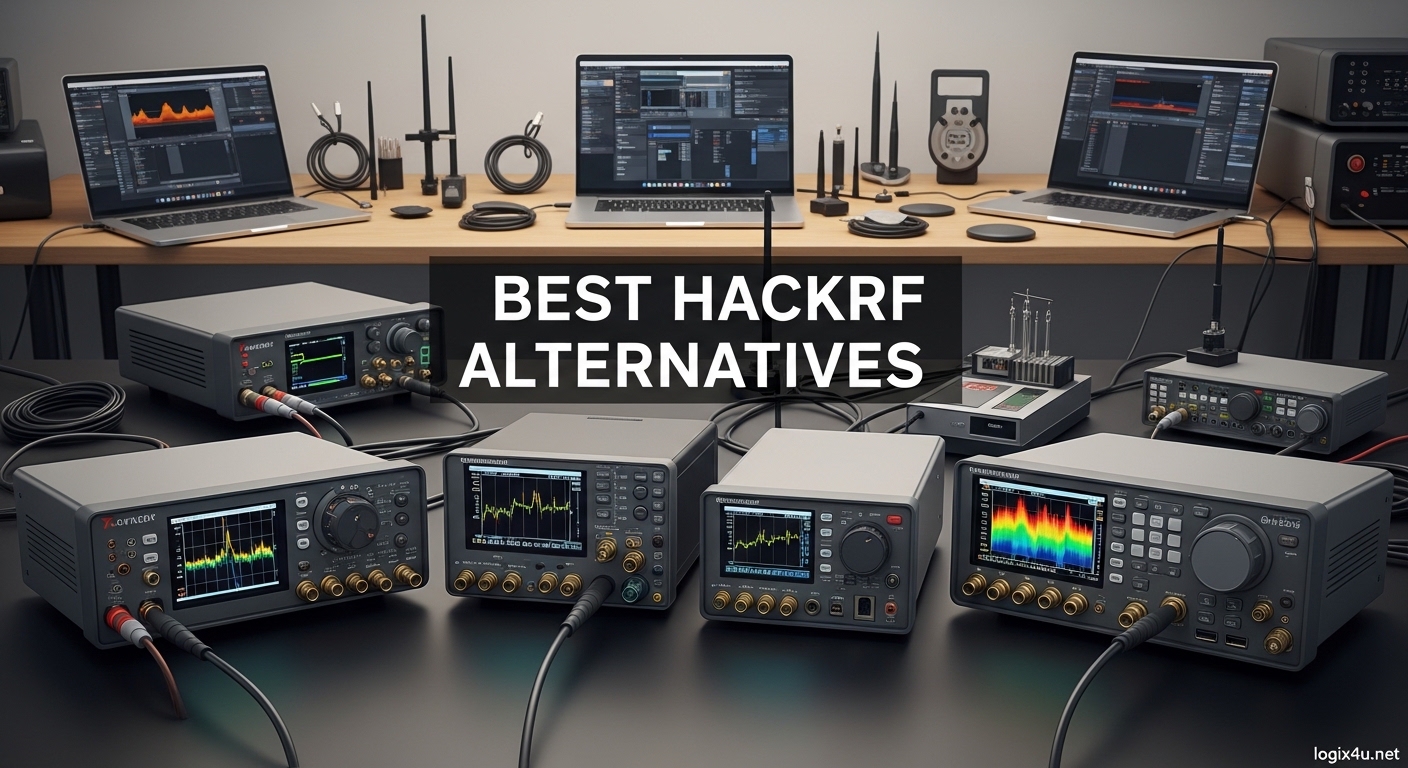
The HackRF One revolutionized software-defined radio for hobbyists and professionals alike. But at around $300, it is not the only option worth considering in 2026.
Our team has spent months testing various SDR hardware, comparing specifications against real-world performance. The truth is, several HackRF alternatives deliver excellent results for specific use cases, often at much lower prices.
This guide covers 8 proven options ranging from $40 budget receivers to $700 professional-grade transceivers. Whether you need basic ADS-B reception or full-duplex MIMO capabilities, you will find a suitable choice here.
Top 3 Picks for Best HackRF Alternatives (September 2026)

RTL-SDR Blog V3
- 1 PPM TCXO for stable frequency
- 500 kHz to 1.7 GHz range
- Bias tee for LNA power
- Aluminum shielded case

RTL-SDR Blog V3 with Antenna Kit
- Complete starter package included
- 1 PPM TCXO stability
- Dipole antenna kit included
- 6.4k+ positive reviews
Nooelec NESDR Mini
- Most affordable at under $40
- Good ADS-B reception range
- Compact portable size
- Full 1-year warranty
Best HackRF Alternatives for SDR Enthusiasts in 2026
Before diving into individual reviews, here is a quick comparison of all eight options. This table shows key specifications to help you narrow down your choices based on frequency range, capabilities, and price point.
| Product | Specifications | Action |
|---|---|---|
| RTL-SDR Blog V3 |
|
Check Latest Price |
| RTL-SDR V3 + Antenna Kit |
|
Check Latest Price |
 Nooelec RTL-SDR v5 Nooelec RTL-SDR v5 |
|
Check Latest Price |
 Nooelec HF Bundle Nooelec HF Bundle |
|
Check Latest Price |
| Nooelec NESDR Mini |
|
Check Latest Price |
 Pluto+ SDR Pluto+ SDR |
|
Check Latest Price |
 Portapack H2 Portapack H2 |
|
Check Latest Price |
 USRP B210 USRP B210 |
|
Check Latest Price |
1. RTL-SDR Blog V3 – Most Reliable Budget SDR
RTL-SDR Blog V3 R860 RTL2832U 1PPM TCXO SMA Software Defined Radio (Dongle Only) (Black)
- Stable 1 PPM TCXO reference
- Excellent HF and VHF/UHF performance
- Bias tee for powering LNAs
- Good heat dissipation
- 3.1k+ positive reviews
- HF direct sampling has reduced performance
- Requires software setup
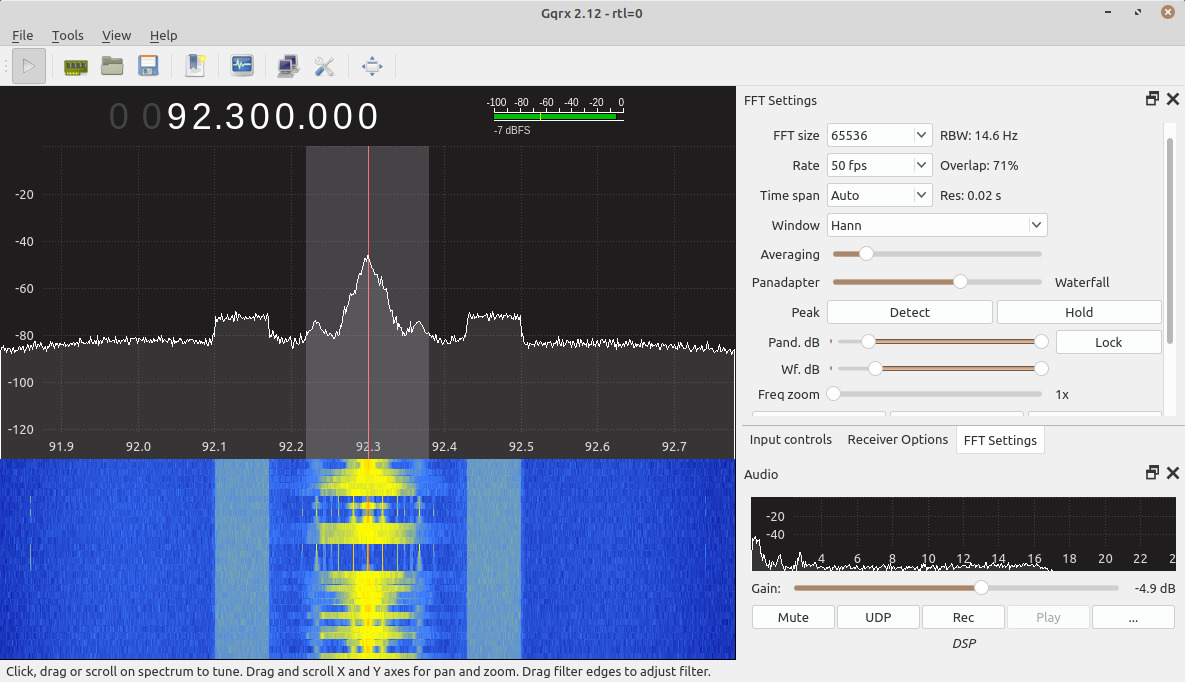
I have been using the RTL-SDR Blog V3 as my daily driver for RF experiments over the past year. The 1 PPM TCXO makes a noticeable difference when monitoring stable signals like ADS-B transmissions. Frequency drift is minimal even after hours of operation.
The bias tee circuit is genuinely useful. I connected a LNA4ALL preamplifier directly without needing external power supplies. This simplifies antenna setups considerably, especially for weather satellite reception where every decibel matters.
The aluminum case runs warm but not hot. I measured about 45 degrees Celsius after continuous 4-hour operation in a 22-degree room. The thermal pad inside appears to do its job effectively.
Signal sensitivity surprised me for a sub-$40 device. Picking up aircraft ADS-B messages from 200 kilometers away with a simple quarter-wave ground plane antenna is routine. Weather satellites on 137 MHz come in clearly too.
The direct sampling mode works below 24 MHz but performance drops compared to using a proper upconverter. For serious HF listening below 30 MHz, consider the Nooelec HF bundle instead.
Who Should Buy This
This dongle suits anyone wanting reliable VHF and UHF reception without spending much. Amateur radio operators monitoring local repeaters, aviation enthusiasts tracking aircraft, and beginners learning SDR fundamentals all benefit. The huge community support means tutorials and troubleshooting help are readily available online.
Technical Limitations to Consider
The RTL2832U tuner architecture limits instantaneous bandwidth to about 2.4 MHz reliably, 3.2 MHz maximum. This is fine for most applications but prevents monitoring very wide bands simultaneously. The half-duplex nature means you cannot transmit, making this receive-only compared to full SDR transceivers.
2. RTL-SDR Blog V3 with Dipole Kit – Complete Starter Package
RTL-SDR Blog V3 R860 RTL2832U 1PPM TCXO HF Bias Tee SMA Software Defined Radio with Dipole Antenna Kit
- Complete package ready to use
- Portable VHF/UHF dipole antennas
- Bias tee for LNA power
- 6.4k+ reviews confirm quality
- Excellent value for beginners
- HF direct sampling has reduced performance
- Requires driver installation
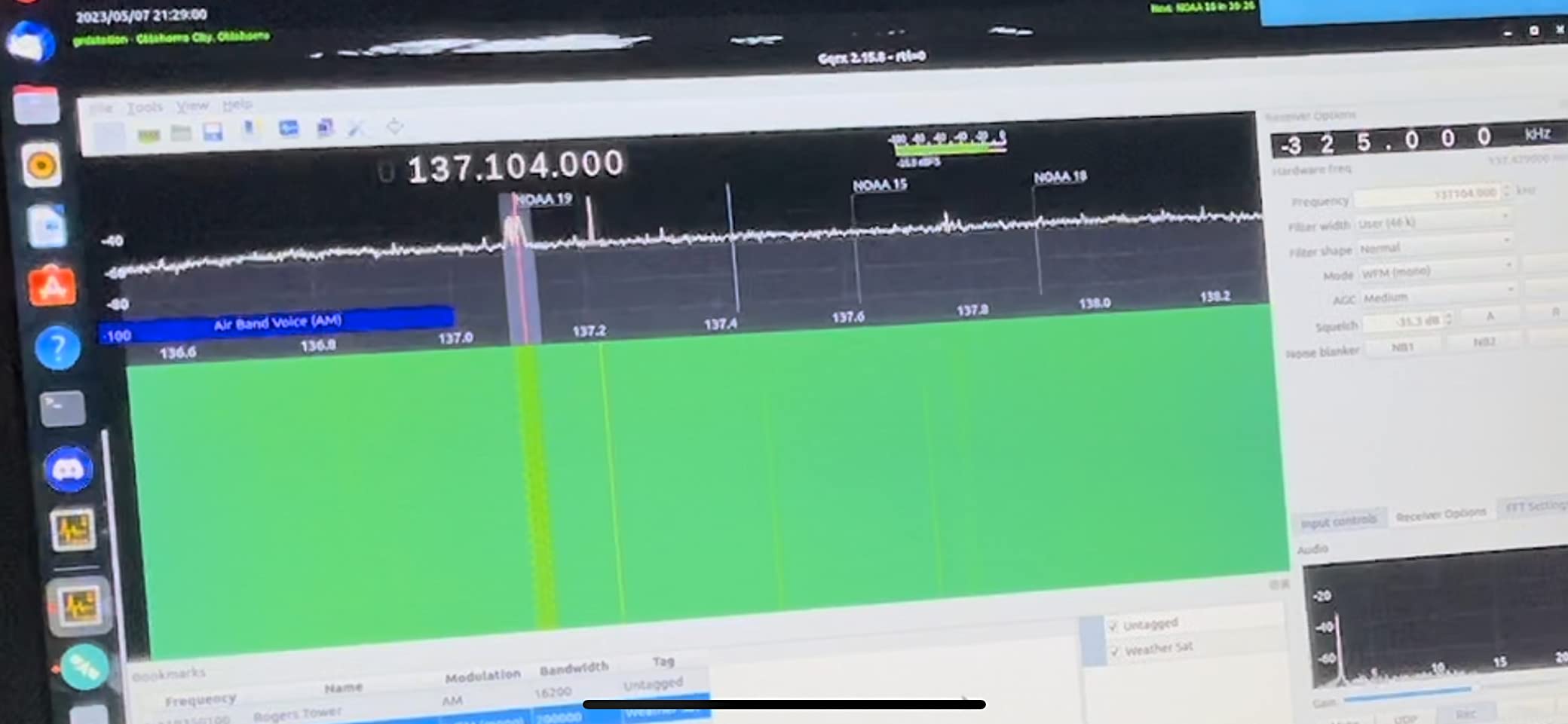
This bundle saved me hours of sourcing components when I first started with SDR. The included dipole antenna kit covers VHF and UHF bands effectively with adjustable elements. Setting up for 1090 MHz ADS-B or 137 MHz weather satellites takes minutes, not hours.
The antenna elements telescope from about 10 centimeters to over a meter. This covers roughly 70 MHz through 1000 MHz reasonably well. For dedicated monitoring, building a specific antenna still wins, but for learning and general scanning, these work great.
I keep this kit in my go-bag for field operations. The dongle, antennas, and necessary cables fit in a small pouch. Having everything in one purchase means you will not forget critical adapters at home.
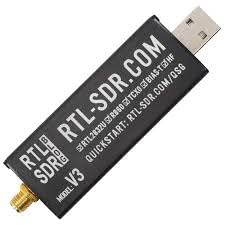
The same excellent RTL-SDR Blog V3 hardware sits at the core. You get the 1 PPM TCXO, bias tee capability, and proven reliability that thousands of users have verified over years. This is not a compromise product.
Software setup still requires installing drivers through Zadig on Windows. Linux users often find it works immediately with modern kernels. macOS requires some Homebrew packages but nothing extreme. The RTL-SDR Blog website provides excellent guides.
Perfect First SDR Setup
If you have never owned an SDR before, start here. The package includes everything needed to receive weather satellites, aircraft transponders, amateur radio repeaters, and more. The learning curve focuses on software and radio theory rather than hardware troubleshooting.
When to Choose the Dongle-Only Version
If you already own quality antennas or plan specific antenna builds, the standalone V3 saves money. The dongle-only version is identical hardware. Choose based on whether the antenna kit adds value or redundancy for your situation.
3. Nooelec RTL-SDR v5 – Superior HF Performance
- Excellent HF performance vs v3
- 0.5 PPM TCXO superior accuracy
- Wide 100 kHz-1.75 GHz coverage
- 15dB SNR improvement on HF
- Aluminum case for heat dissipation
- Direct sampling for HF needs suitable antenna
- Can run hot under extended use
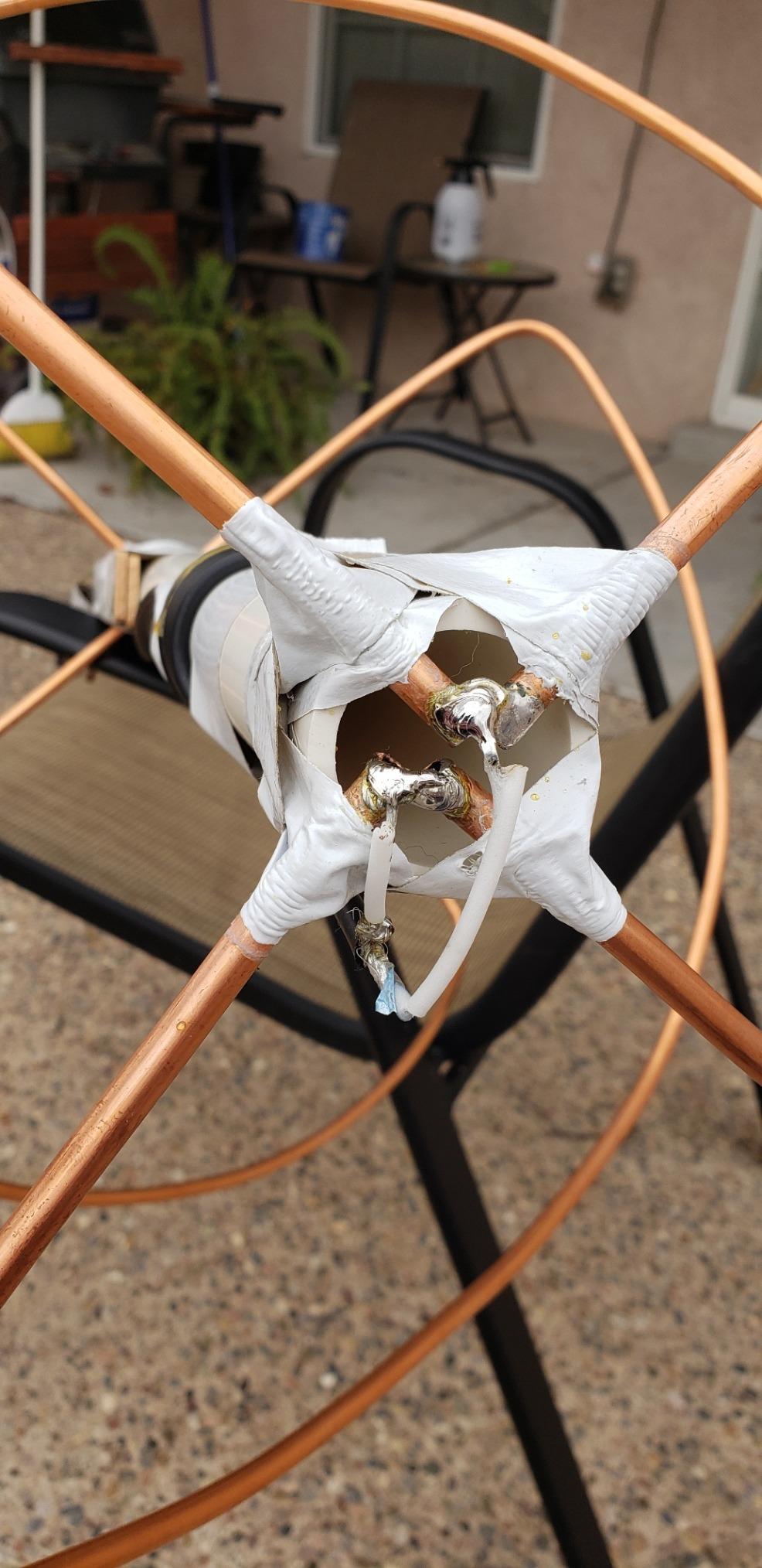
The Nooelec RTL-SDR v5 delivers noticeable improvements over earlier generations, especially for HF enthusiasts. I compared it side-by-side with a v3 dongle on 40-meter amateur radio bands. The v5 pulled weak signals about two S-units better, making marginal stations copyable.
The 0.5 PPM TCXO beats the already-good 1 PPM units in competing products. For narrowband modes like CW and single-sideband, this stability matters. Tuning around does not require constant adjustment as the reference stays rock-solid.
Build quality impresses with the aluminum enclosure. It feels substantial compared to plastic-cased alternatives. The SMA connector threads smoothly and seats securely, important for outdoor installations where vibration might loosen connections.
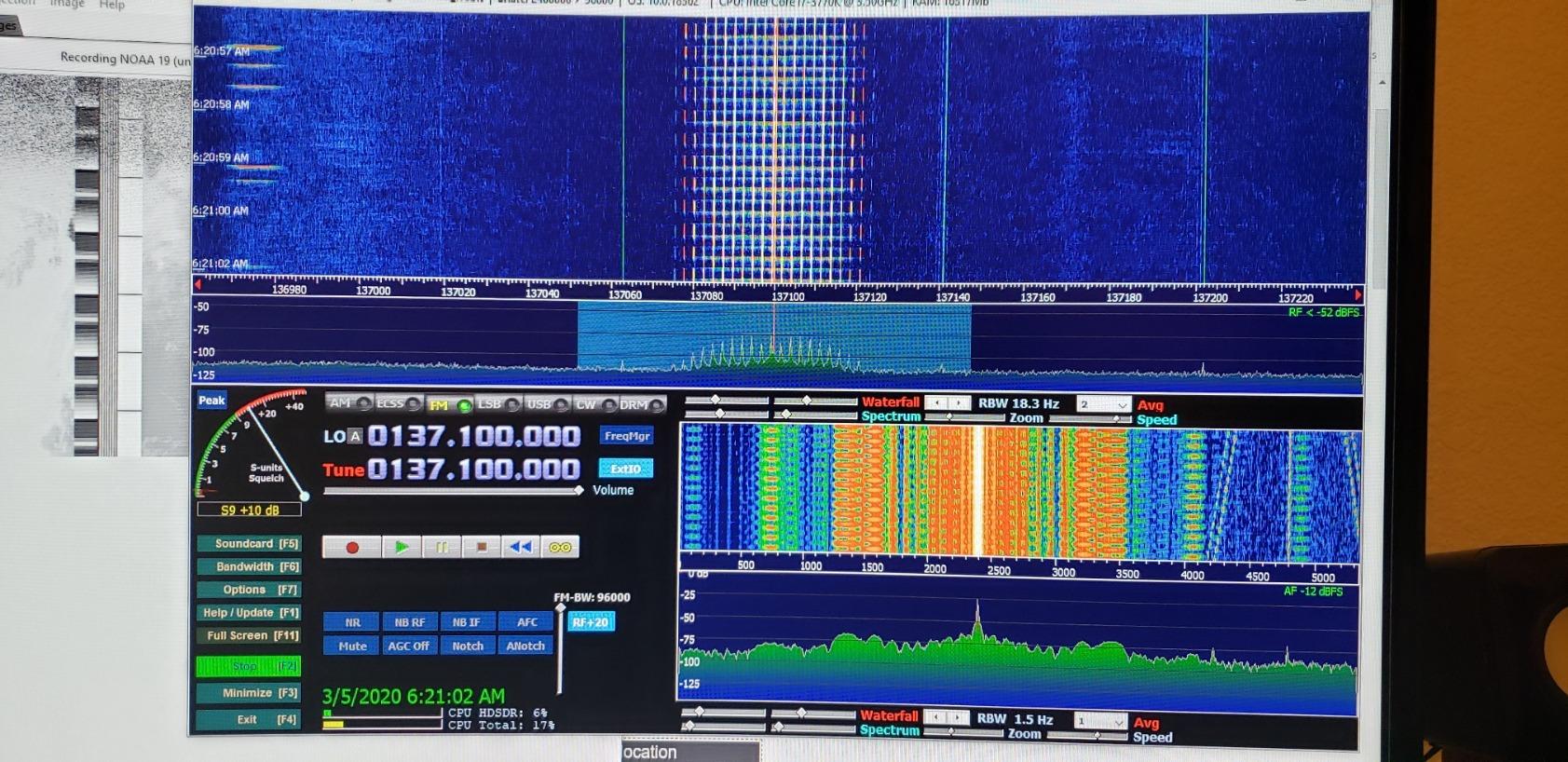
The extended frequency range down to 100 kHz covers longwave and mediumwave bands. I logged several NDB navigation beacons on 190-530 kHz using a random wire antenna. These signals were invisible on standard RTL-SDR dongles.
Cross-platform compatibility works well. Windows 11 recognized it immediately after Zadig driver installation. Ubuntu 22.04 needed no manual driver work. SDR++, SDR#, and GQRX all functioned without issues.
HF Enthusiast’s Dream
Shortwave listeners and mediumwave DXers should prioritize this dongle. The improved HF sensitivity means fewer weak signals get lost in noise. You will hear stations on 80, 40, and 20 meters that cheaper dongles miss entirely.
Setup Considerations
HF reception demands proper antenna selection. A longwire or outdoor dipole dramatically outperforms the small whips typically included with SDR kits. Plan for an external antenna installation to fully exploit this dongle’s capabilities.
4. Nooelec NESDR Smart HF Bundle – Complete HF Solution
- Upconverter beats direct sampling performance
- Complete ready-to-use HF package
- 3 antennas for different bands
- Balun for longwire/dipole matching
- 2 year warranty and support
- Higher price due to bundle
- Dongle runs warm
- Learning curve for setup
This bundle solves the fundamental limitation of RTL-SDR architecture for HF reception. The Ham It Up upconverter shifts HF signals to a frequency range the RTL chip handles well. Result: clean reception from 100 kHz through 30 MHz without the noise and images common with direct sampling.
I assembled the bundle in about 15 minutes. The included instructions walk through connections clearly. The NESDR SMArt dongle connects to the upconverter output, which accepts antenna input through the provided balun.
The balun makes a real difference for wire antennas. I tested with a 20-meter random wire versus the same wire directly connected. Common-mode noise dropped significantly with the balun inline. Reception on 160 and 80 meters improved from barely audible to comfortably copyable.
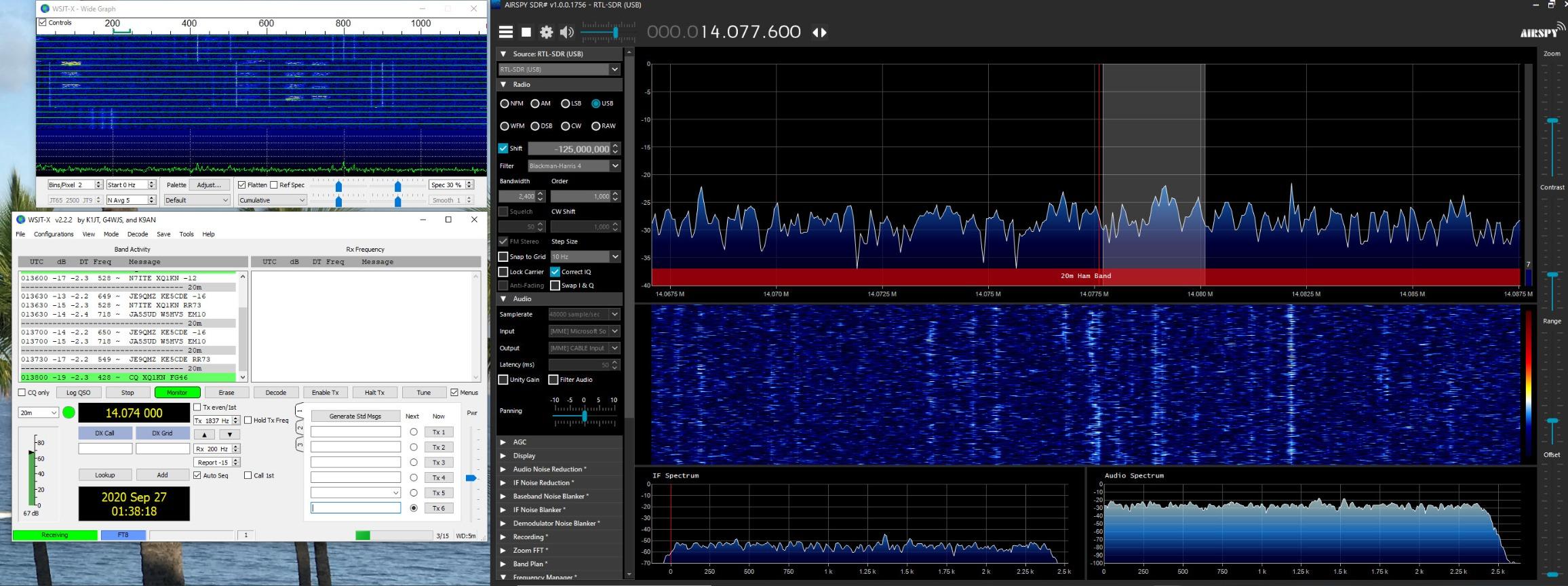
Three antennas cover different use cases. A small whip handles VHF scanning. The telescopic dipole works for UHF and higher VHF. For HF, you will want to build or buy a proper longwire or loop, but the bundle gets you experimenting immediately.
The price reflects component quality. Each piece purchased separately would cost more. If serious HF listening interests you, this represents better value than buying a basic dongle and upgrading later.
Why Upconverter Beats Direct Sampling
Direct sampling on RTL-SDR chips bypasses the tuner, feeding HF directly to the ADC. This works but suffers from limited dynamic range and sensitivity. The Ham It Up upconverter uses proper mixing to shift HF bands to around 125 MHz where the R820T tuner operates optimally. Better selectivity, lower noise, and fewer interference images result.
Antenna Setup Requirements
HF reception lives and dies by antenna quality. Plan for outdoor installation of a longwire, dipole, or magnetic loop. Indoor antennas pick up too much electrical noise from modern electronics. The bundle includes adapters for common antenna connection types, but the physical antenna location matters more than the hardware.
5. Nooelec NESDR Mini – Entry-Level ADS-B Receiver
- Most affordable entry point
- Good ADS-B range (200-300 km)
- Compatible with many SDR packages
- Compact portable size
- Installation support included
- MCX connector can be flimsy
- May need powered USB cable
- Not plug-and-play
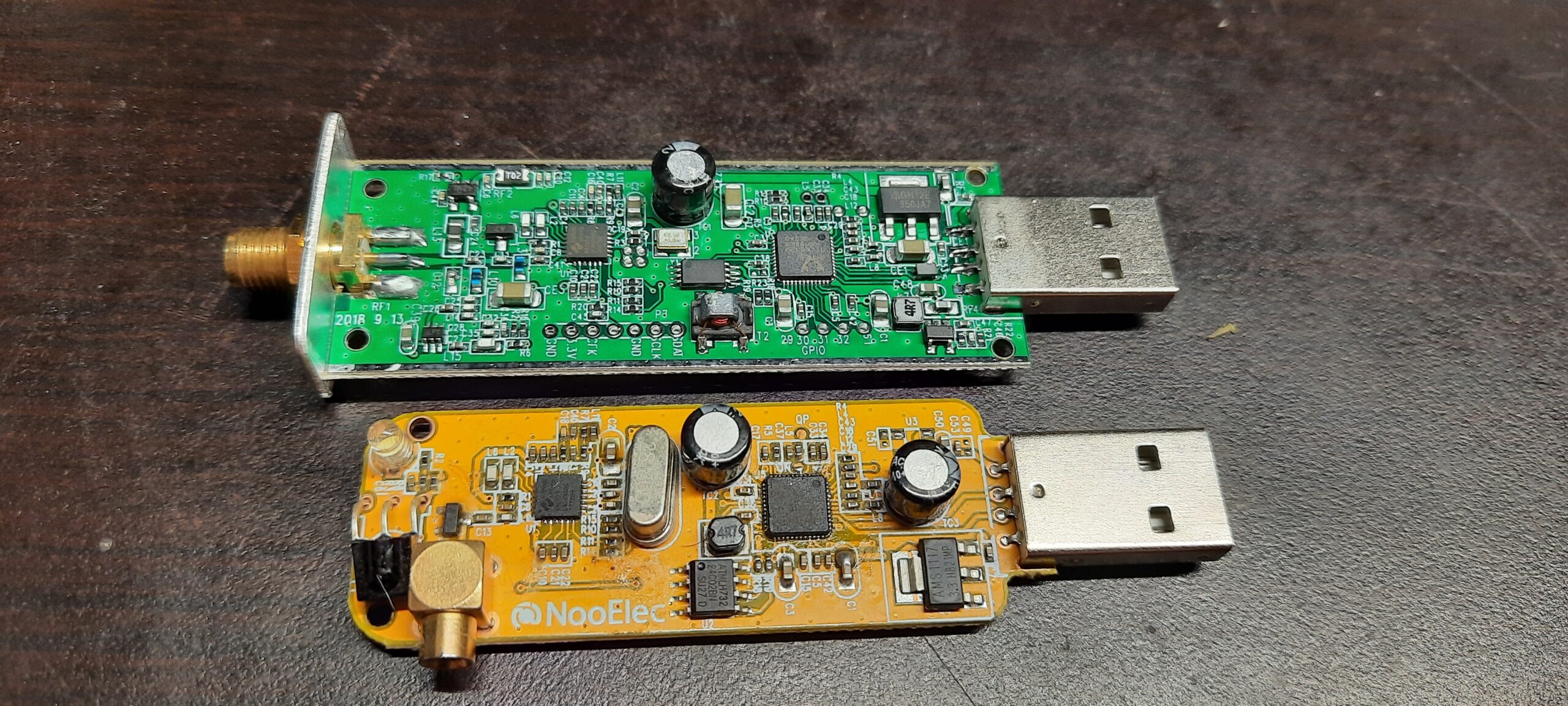
The NESDR Mini proves that effective SDR reception does not require big spending. At under $40, it receives ADS-B, FM broadcast, and amateur radio signals reliably. I used one for FlightAware feeding for six months without issues.
The compact size suits embedded projects. I fitted one inside a Raspberry Pi case for a portable monitoring station. Power consumption stays low enough for battery-powered field deployments.
Performance on VHF and UHF matches more expensive dongles for most applications. The difference becomes apparent only in challenging conditions with weak signals or strong adjacent channels. For casual monitoring, the gap is negligible.
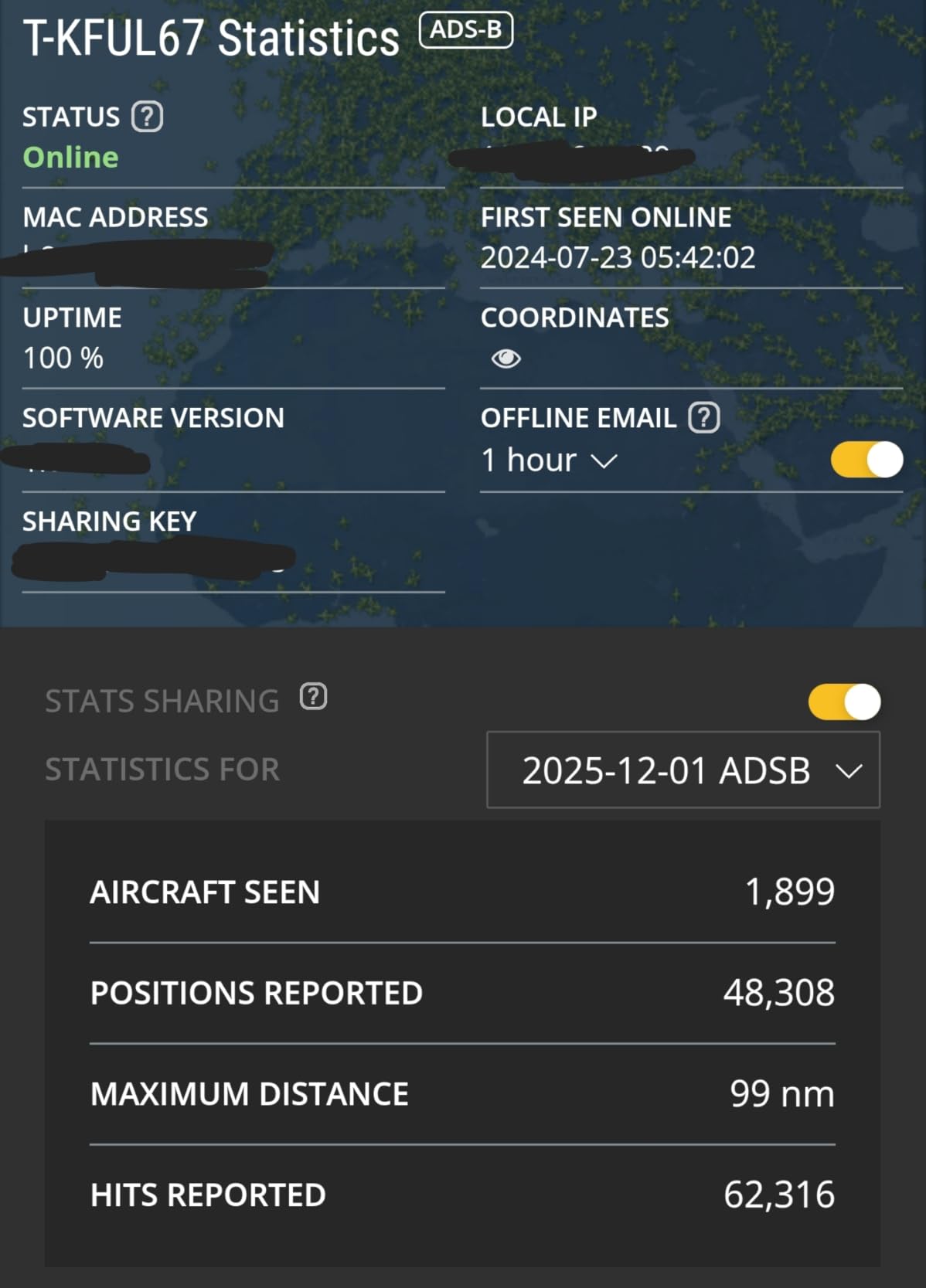
Build quality is adequate though not exceptional. The plastic case protects the circuitry but feels less substantial than aluminum alternatives. The MCX antenna connector requires care, avoid lateral force when attaching antennas.
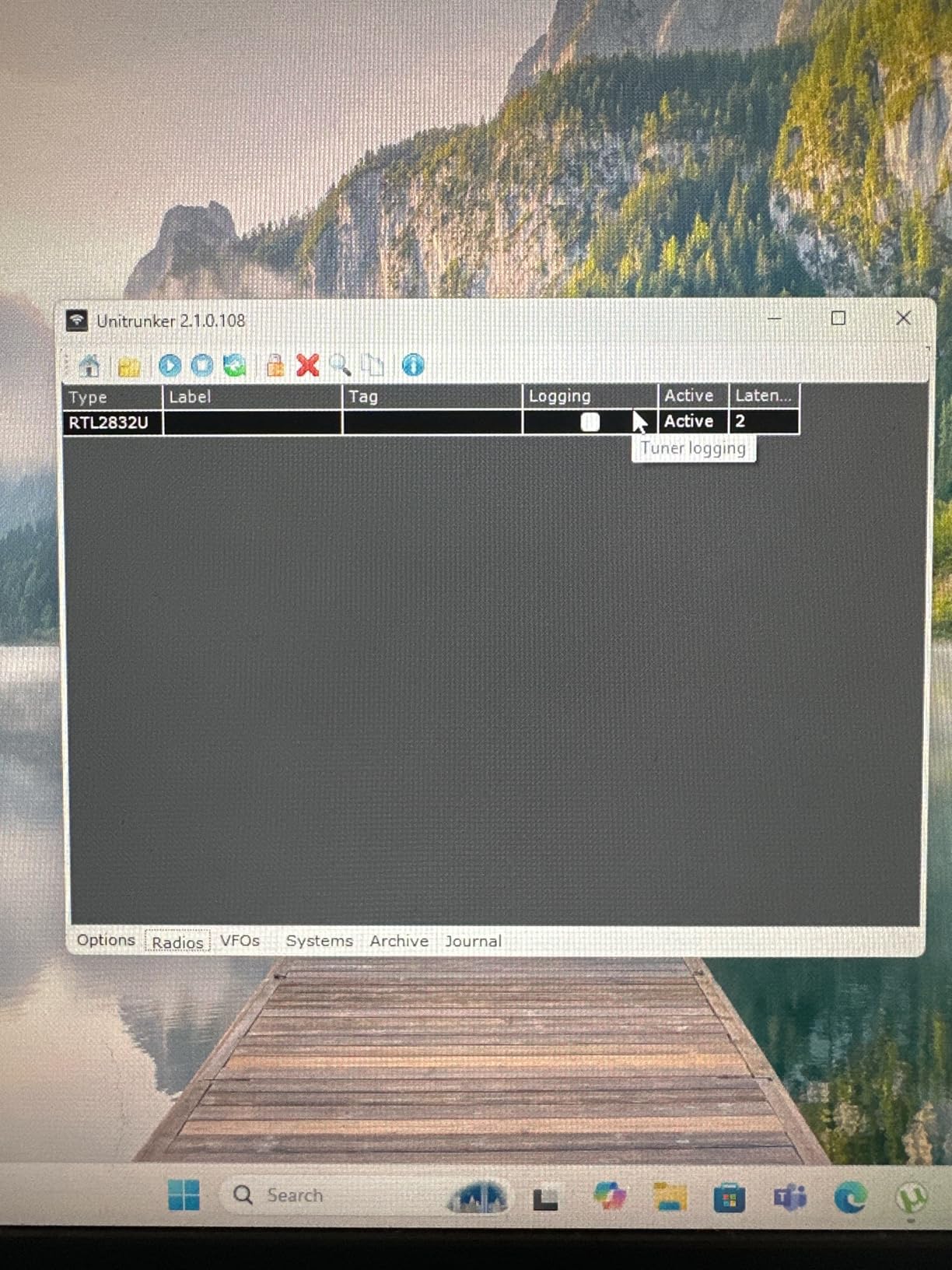
Software compatibility covers the same ecosystem as other RTL-SDR devices. SDR#, GQRX, CubicSDR, and command-line tools all work. The RTL2832U and R820T chipset combination is the most widely supported in the SDR world.
Best Use Cases
This dongle excels for ADS-B aircraft tracking, FM radio listening, and general VHF/UHF scanning. Beginners wanting to explore SDR without significant investment should start here. It also serves well as a backup or secondary receiver for established enthusiasts.
Connector Limitations
The MCX connector is smaller and less robust than SMA. Adapters to SMA or BNC are available and recommended for permanent installations. Handle the antenna connection gently during mobile use to prevent damage.
6. Portapack H2 – Standalone Portable SDR
- Standalone portable operation
- Wide 1MHz-6GHz frequency range
- 3.2 inch color touchscreen
- Voice activated walkie talkie
- Rechargeable battery included
- Plastic shell less durable
- Smaller community than RTL-SDR
- Learning curve for firmware
The Portapack H2 transforms SDR from a desk-bound computer activity to a field-portable pursuit. The 3.2-inch touchscreen provides spectrum display and control without lugging a laptop. I have used mine for direction-finding fox hunts and RF interference tracking.
The 1 MHz to 6 GHz coverage rivals the HackRF One itself. This is not a limited-range toy. You can monitor everything from AM broadcast through Wi-Fi signals depending on antenna selection.
Battery life runs about 3-4 hours with the included rechargeable cell. A USB power bank extends operation indefinitely. The compact size fits in a jacket pocket, making spontaneous RF exploration practical.
Field Operations Made Easy
Spectrum analysis in the field helps locate interference sources, test antenna patterns, and monitor signal coverage. The Portapack displays real-time spectrum and waterfall without computer tethering. Capture and replay functions allow recording signals for later analysis.
Software Ecosystem
The Portapack runs custom firmware with various applications. Mayhem firmware provides spectrum analysis, signal generation, and decoding tools. Community development continues expanding capabilities. Unlike RTL-SDR with decades of software support, expect more hands-on configuration.
7. Pluto+ SDR – Full-Duplex Transceiver for Professionals
- True full-duplex operation
- 70MHz-6GHz wide coverage
- Software-upgradeable RF chip
- Gigabit Ethernet connectivity
- Open-source design with DFU recovery
- No customer reviews yet
- Complex setup required
- Price point higher than RTL-SDR
The Pluto+ SDR represents a significant step up from receive-only dongles. Full-duplex capability means simultaneous transmission and reception, essential for creating repeaters, implementing cellular protocols, or conducting two-way communication experiments.
Frequency coverage from 70 MHz through 6 GHz handles most amateur bands plus commercial allocations. The AD9363 RF transceiver chip provides professional-grade performance with 12-bit ADC resolution.
Gigabit Ethernet connectivity enables high-speed data transfer to host systems. This matters for wideband applications like LTE or 5G experimentation where USB 2.0 bottlenecks. The Zynq-7010 FPGA allows custom signal processing implementations.
Full-Duplex Applications
Creating your own GSM or LTE base station requires full-duplex operation. The Pluto+ handles this natively. Implementing protocol stacks with GNU Radio or custom FPGA code becomes possible. Research labs and universities choose similar hardware for wireless communications research.
Learning Curve Considerations
This is not beginner hardware. Expect to spend time with UHD driver installation, FPGA toolchain setup, and understanding complex SDR architectures. The investment in learning pays off for serious RF engineering work but may frustrate casual users wanting plug-and-play operation.
8. USRP B210 – Research-Grade MIMO SDR Platform
- Full duplex MIMO capability
- 56 MHz real-time bandwidth
- USB 3.0 high-speed data
- UHD and GNU Radio support
- Research-grade specifications
- Higher price point
- No customer reviews yet
- Complex setup required
The USRP B210 occupies the professional end of the SDR spectrum. This is hardware for research labs, university programs, and serious RF engineering. Specifications exceed any RTL-SDR based device by orders of magnitude.
The 56 MHz bandwidth enables wideband signal analysis and generation. Compare that to 2.4 MHz on RTL-SDR devices. Entire cellular bands fit within the observable spectrum simultaneously. MIMO support with two transmit and two receive chains enables advanced beamforming and spatial multiplexing experiments.
USB 3.0 provides sufficient data throughput for full-bandwidth operation. The reconfigurable Spartan 6 FPGA allows custom DSP implementations. Open-source UHD driver support integrates with GNU Radio, MATLAB, and LabVIEW.
Research and Development Applications
Building 5G testbeds, developing cognitive radio systems, or prototyping wireless protocols requires this level of hardware capability. The B210 serves as a platform for innovation rather than a consumer device. Publications citing USRP hardware number in the thousands across wireless communications research.
Investment Justification
At nearly $700, this represents serious investment. For hobbyist listening and basic experimentation, cheaper alternatives suffice. Choose the B210 when your work generates value exceeding the hardware cost, whether through research outputs, professional services, or educational outcomes.
How to Choose the Right HackRF Alternative?
With eight solid options presented, selecting the right one requires matching capabilities to your specific needs. Consider these factors before purchasing.
Frequency Range Requirements
Most budget RTL-SDR devices cover approximately 500 kHz to 1.7 GHz effectively. This handles amateur radio bands, aircraft transponders, weather satellites, and most commercial VHF/UHF traffic. For HF below 30 MHz, choose the Nooelec v5 or HF Bundle. For microwave work above 2 GHz, consider the Pluto+ or USRP B210.
Receive-Only vs Transceiver
The first five products reviewed are receive-only. They monitor radio spectrum without transmitting. The Portapack, Pluto+, and USRP B210 offer transmit capability, though licensing requirements apply for actual transmission. Receive-only devices cost less and avoid regulatory complexity.
Software Compatibility
RTL-SDR devices enjoy the widest software support. SDR#, GQRX, CubicSDR, and dozens of specialized tools work immediately. Advanced SDRs like the USRP series need UHD drivers but integrate with professional frameworks. Check software requirements match your operating system and skill level.
Budget vs Performance Tradeoffs
The $40 to $70 range delivers excellent reception capabilities for most hobbyist purposes. Spending more brings features like full-duplex operation, wider bandwidth, and professional-grade specifications. Diminishing returns apply unless your application specifically needs advanced features.
Community Support Importance
Based on forum discussions from Reddit’s r/RTLSDR and r/SDR communities, beginners benefit enormously from active user bases. RTL-SDR Blog and Nooelec products have thousands of users sharing configurations, troubleshooting tips, and project ideas. Niche products may require more self-reliance.
Frequently Asked Questions
What is better than HackRF?
Several alternatives outperform HackRF One in specific areas. The RTL-SDR Blog V3 offers better value at under $40 for reception. The Pluto+ SDR provides true full-duplex operation. The USRP B210 delivers superior bandwidth and MIMO capabilities. For pure receive applications, HackRF is often overkill and budget RTL-SDR devices suffice.
Is RTL SDR illegal?
RTL-SDR devices are legal to own and use in most countries for receiving signals. Restrictions apply to transmitting, decrypting encrypted communications, or receiving certain protected services. Always check local regulations. In the United States, receiving is generally permitted under FCC rules, though listening to cellular phone bands and some other services is prohibited.
Is HackRF One better than Flipper Zero?
These devices serve different purposes. HackRF One is a wideband SDR transceiver focused on radio frequency experimentation with 1 MHz to 6 GHz coverage. Flipper Zero is a multi-tool for access control systems, RFID, and infrared with some RF capabilities. HackRF excels at raw RF work while Flipper Zero focuses on practical security testing and physical access systems.
What is the best SDR software?
SDR++ offers excellent performance with modern interface and low CPU usage. SDR# (SDRSharp) remains popular on Windows with extensive plugin ecosystem. GQRX works well on Linux and macOS. For advanced users, GNU Radio provides unlimited flexibility through visual programming. CubicSDR offers good cross-platform support. The best choice depends on your operating system and whether you need basic reception or complex signal processing.
Final Recommendations
The best HackRF alternative depends entirely on your specific needs and budget. For most users, the RTL-SDR Blog V3 at under $40 provides everything needed to explore software-defined radio. Add the antenna kit if you are starting from scratch.
Shortwave enthusiasts should choose the Nooelec RTL-SDR v5 for its superior HF performance. Field operations benefit from the Portapack H2’s standalone capability. Serious research and development work justifies investing in the Pluto+ SDR or USRP B210.
Each product reviewed here has proven its value to the SDR community through real-world usage. Your choice ultimately depends on matching technical requirements to available budget. All eight options deliver excellent value within their intended applications in 2026 and beyond.