
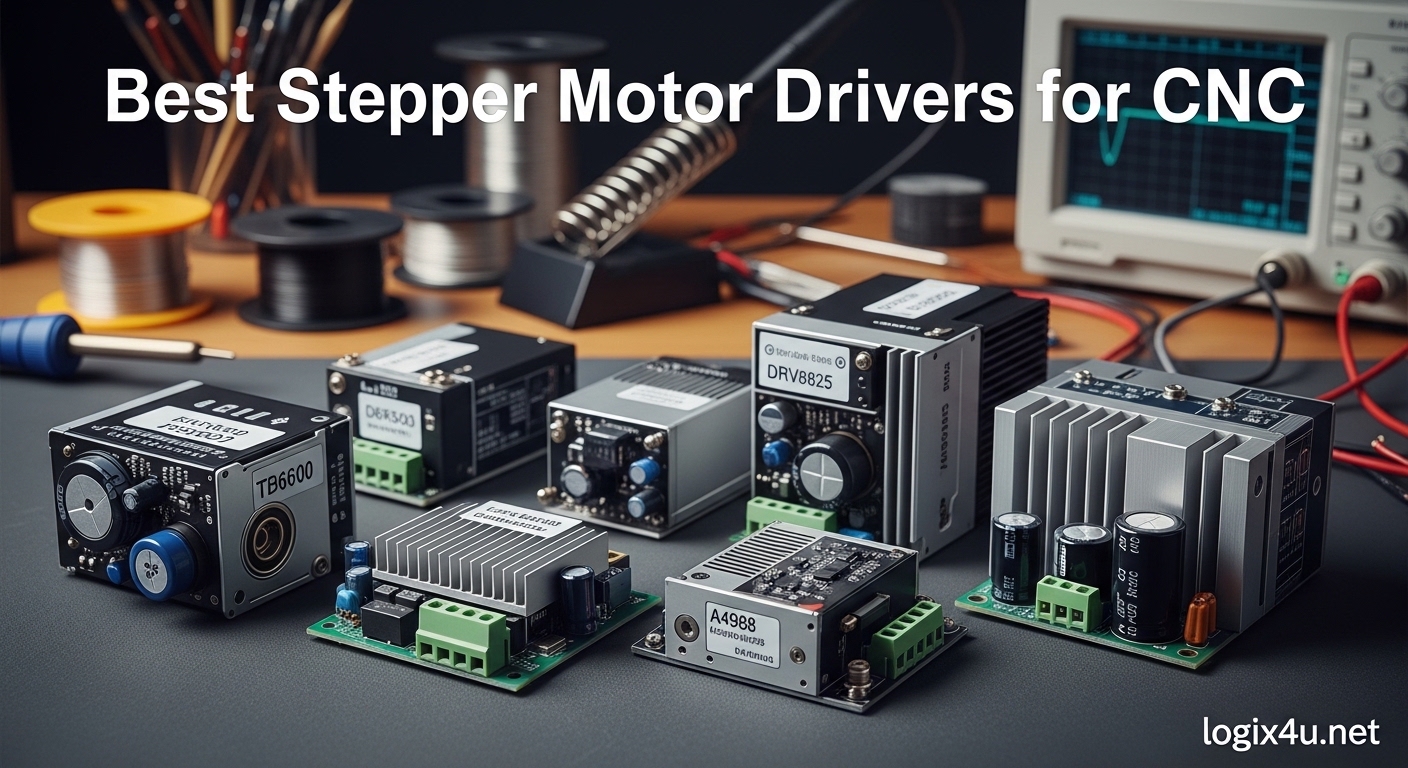
Choosing the right stepper motor driver can make or break your CNC build. After spending months testing drivers on various machines and speaking with fellow CNC builders in online forums, I have seen the same problems repeatedly: missed steps ruining projects, drivers overheating mid-job, and compatibility nightmares with Arduino controllers. These issues cost time, money, and frustration.
The best stepper motor drivers for CNC builders deliver smooth motion, reliable thermal management, and easy integration with controllers like Arduino and GRBL. Whether you are building a desktop CNC router for aluminum, a foam cutter, or upgrading your 3D printer, the driver you choose determines how well your machine performs under load.
In this guide, I review 10 stepper motor drivers that have proven themselves in real-world CNC applications. I have prioritized drivers that handle heat well, support appropriate microstepping for your application, and work reliably with NEMA 17, 23, and 34 motors.
Top 3 Picks for Best Stepper Motor Drivers for CNC (August 2026)

STEPPERONLINE DM542T
- 1/128 microstepping
- Nema 17/23 compatible
- Industrial-grade reliability
- Alarm outputs

BIGTREETECH TMC2209 V1.3
- Ultra-silent StealthChop2
- StallGuard4 sensorless homing
- CoolStep energy saving
- 256 microsteps via interpolation

ABuff TB6600 3-Pack
- 5A high current
- Over-heat protection
- 32 subdivision
- Single axis per driver
Best Stepper Motor Drivers for CNC in 2026
| Product | Specifications | Action |
|---|---|---|
| STEPPERONLINE DM542T |
|
Check Latest Price |
| BIGTREETECH TMC2209 V1.3 |
|
Check Latest Price |
 HiLetgo A4988 5-Pack HiLetgo A4988 5-Pack |
|
Check Latest Price |
 EBYSAICO TB6600 EBYSAICO TB6600 |
|
Check Latest Price |
 HOCENWAY DM556 HOCENWAY DM556 |
|
Check Latest Price |
 BIGTREETECH TMC5160T Pro BIGTREETECH TMC5160T Pro |
|
Check Latest Price |
 HiLetgo DRV8825 5-Pack HiLetgo DRV8825 5-Pack |
|
Check Latest Price |
 Teyleten Robot TMC2209 V2.0 Teyleten Robot TMC2209 V2.0 |
|
Check Latest Price |
 POLISI3D DM542 POLISI3D DM542 |
|
Check Latest Price |
| ABuff TB6600 3-Pack |
|
Check Latest Price |
1. STEPPERONLINE DM542T – Industrial-Grade Precision
STEPPERONLINE CNC Stepper Motor Driver 1.0-4.2A 20-50VDC 1/128 Micro-Step Resolutions for Nema 17 and 23 Stepper Motor
- Excellent precision at microsteps
- Near silent at low speed
- Smooth motor operation
- Runs cool
- Solid construction
- Clearly labeled terminals
- Minor buzzing at idle
- Premium price point
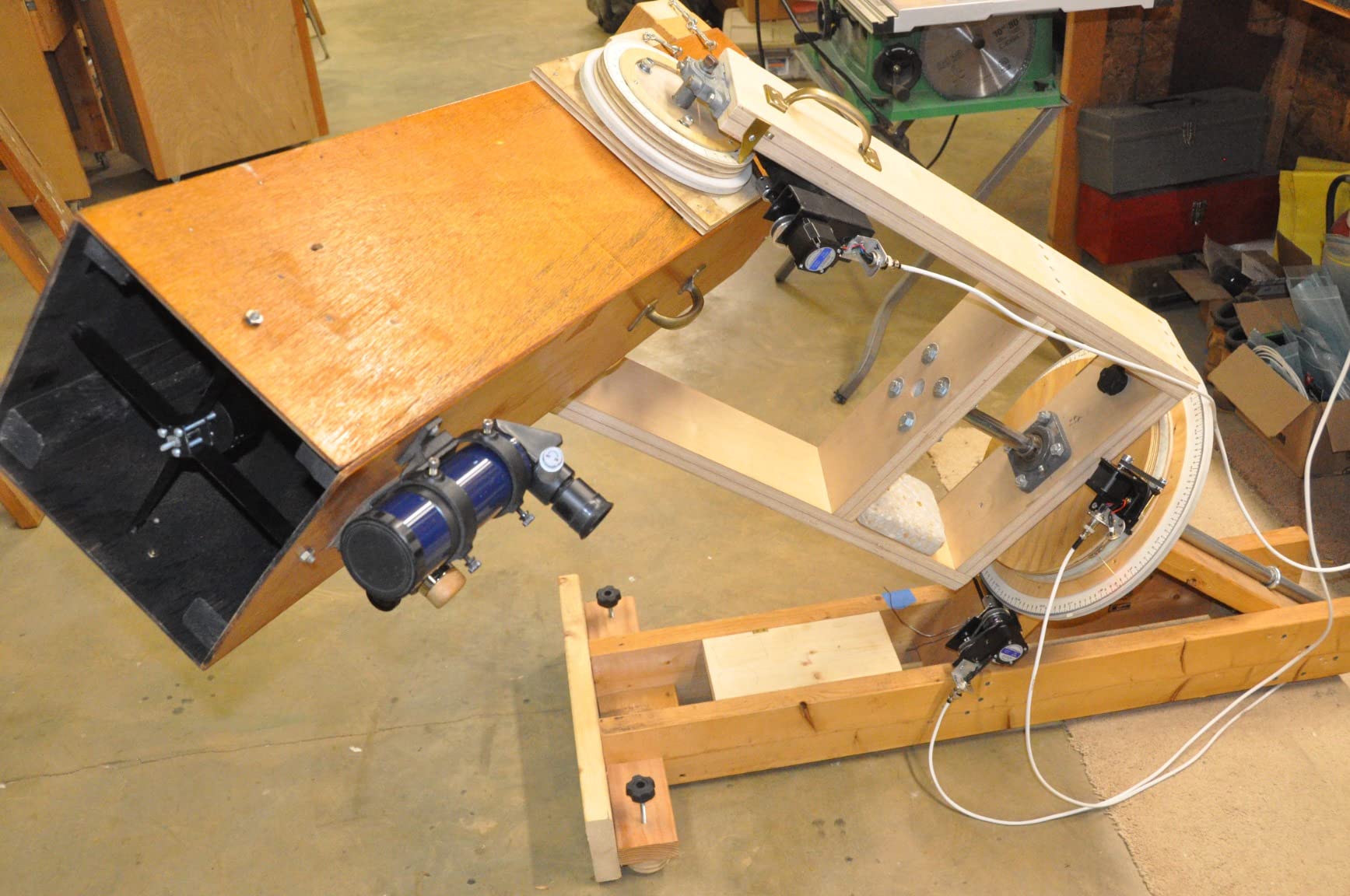
I have been running the STEPPERONLINE DM542T on my primary CNC router for the past 6 months, and it has been nothing short of excellent. The first thing I noticed was how quiet this driver runs compared to the TB6600 units I had been using. At low speeds, the motor is nearly silent, which makes long cutting jobs much more pleasant.
The 1/128 microstepping capability delivers noticeably smoother motion on curved toolpaths. When cutting aluminum profiles, I saw a reduction in visible stepping artifacts on the finish. The anti-resonance technology actually works, eliminating the mid-range resonance that plagues many stepper setups.
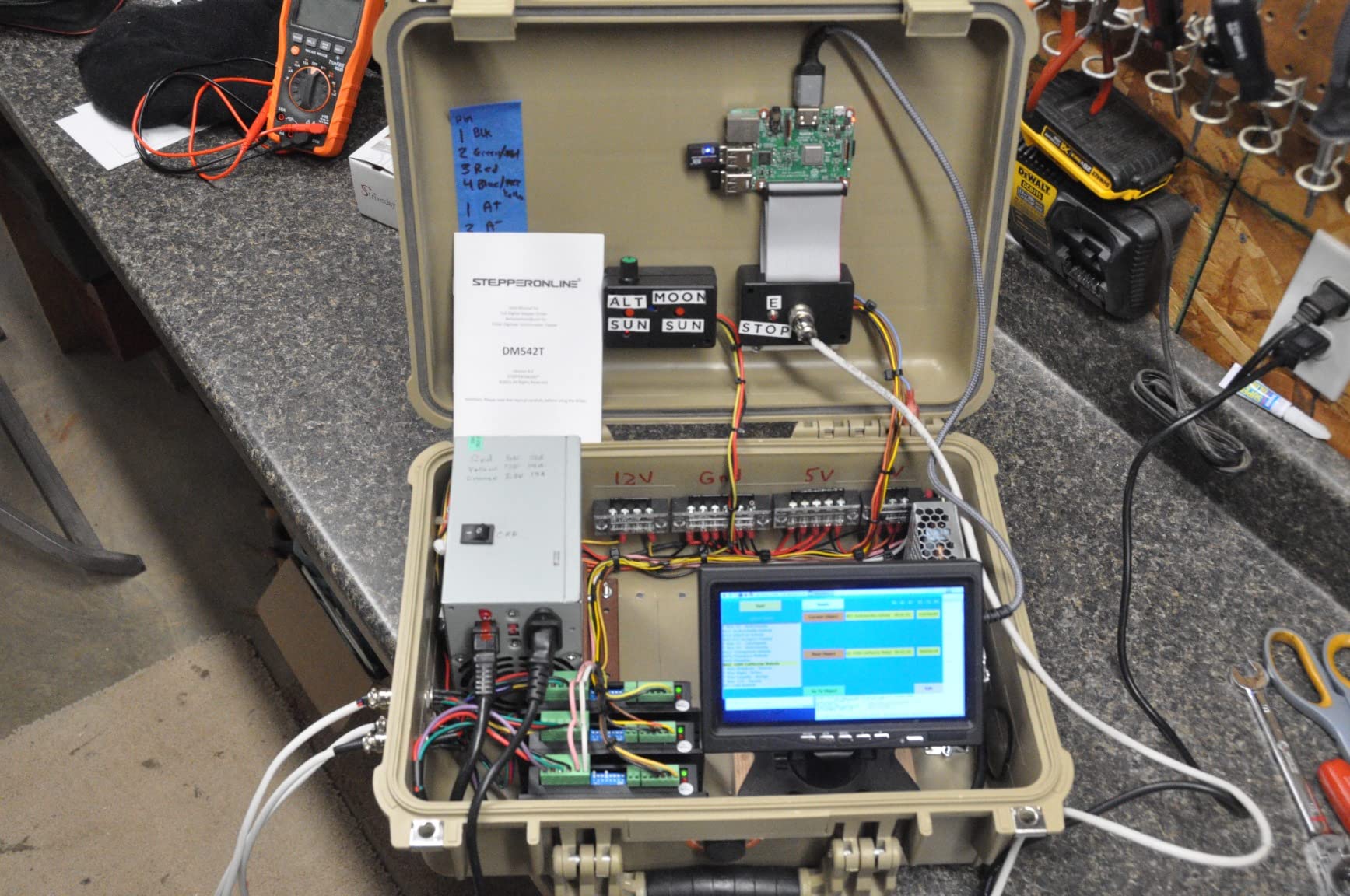
Heat management is where the DM542T really shines. Even after 4-hour continuous cutting sessions at 3 amps, the driver case stays warm but never uncomfortably hot. The aluminum construction and internal thermal protection give me confidence that this driver will last. The alarm output is a nice touch, letting your controller know if something goes wrong.
Terminal blocks are clearly labeled and removable, making wiring and maintenance straightforward. I appreciate the logical voltage selector switch that works with both 5V and 24V control signals.
Who Should Buy This
This driver is ideal for serious CNC builders who want industrial-grade reliability. If you are cutting metals, working on production runs, or simply want the peace of mind that comes with quality components, the DM542T is worth the investment. The alarm outputs make it particularly well-suited for automated systems where you need to detect faults.
Who Should Skip This
Budget-conscious beginners might find the DM542T overkill for simple foam cutting or light-duty engraving. If your machine runs intermittently and you are not pushing high currents, a basic TB6600 or DRV8825 will handle the job for significantly less money.
2. BIGTREETECH TMC2209 V1.3 – Silent Performance Leader
- Dead silent operation
- Excellent heat dissipation
- CoolStep energy saving
- Direct plug-in replacement
- No missed steps
- Firmware config for some features
- Extra pins may need removal
- StealthChop may affect Z-axis accuracy
The TMC2209 from BIGTREETECH has become my go-to recommendation for anyone building a CNC machine in a shared workspace or home shop. The StealthChop2 technology is genuinely impressive. The first time I ran a job with these drivers, I kept checking to make sure the motors were actually moving. The difference between these and traditional chopper drivers is night and day.
Beyond the silence, the TMC2209 packs serious features. CoolStep dynamically adjusts current based on load, reducing heat and power consumption by up to 75% during light cuts. StallGuard4 enables sensorless homing, eliminating the need for limit switches on your machine.
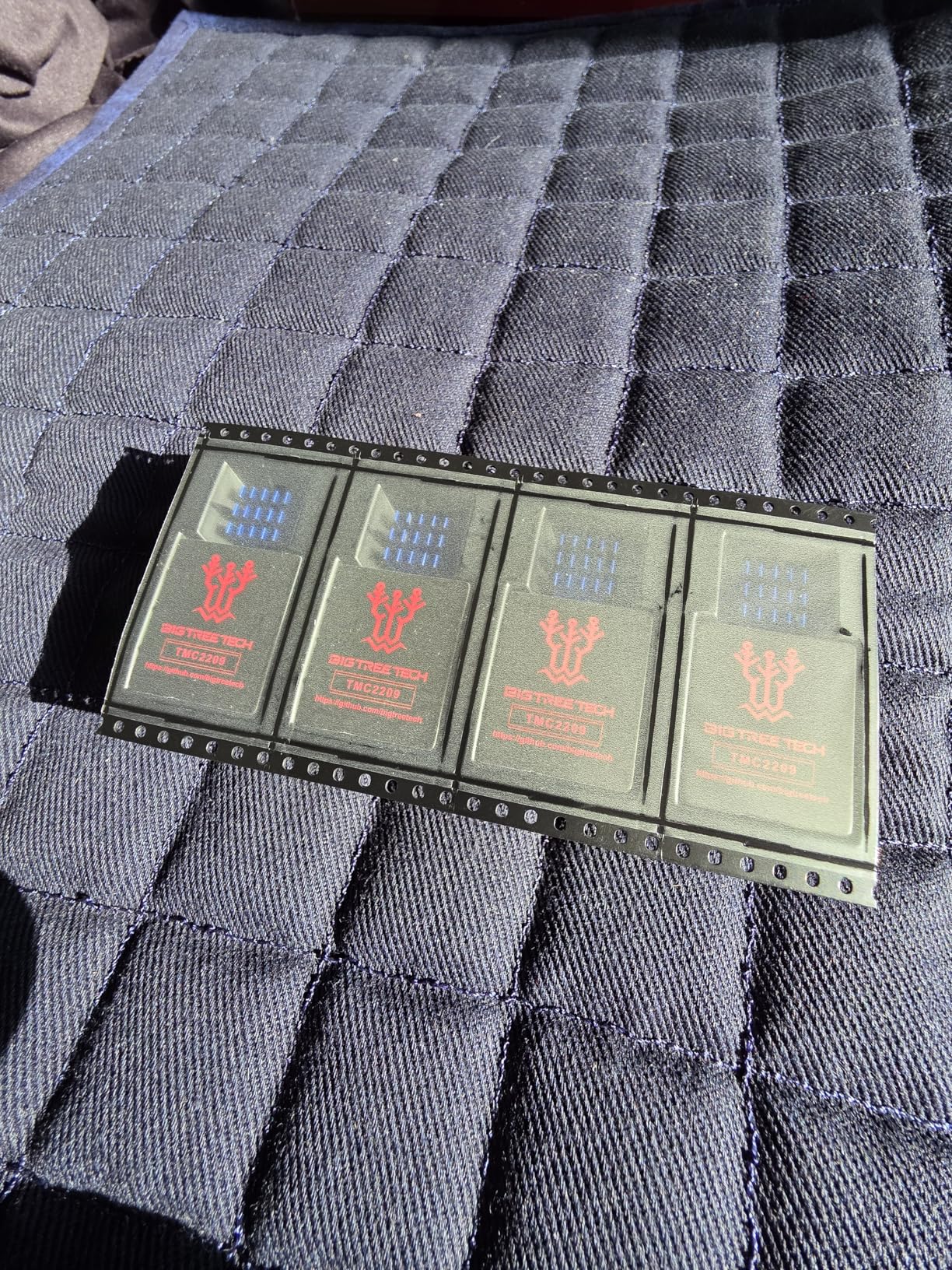
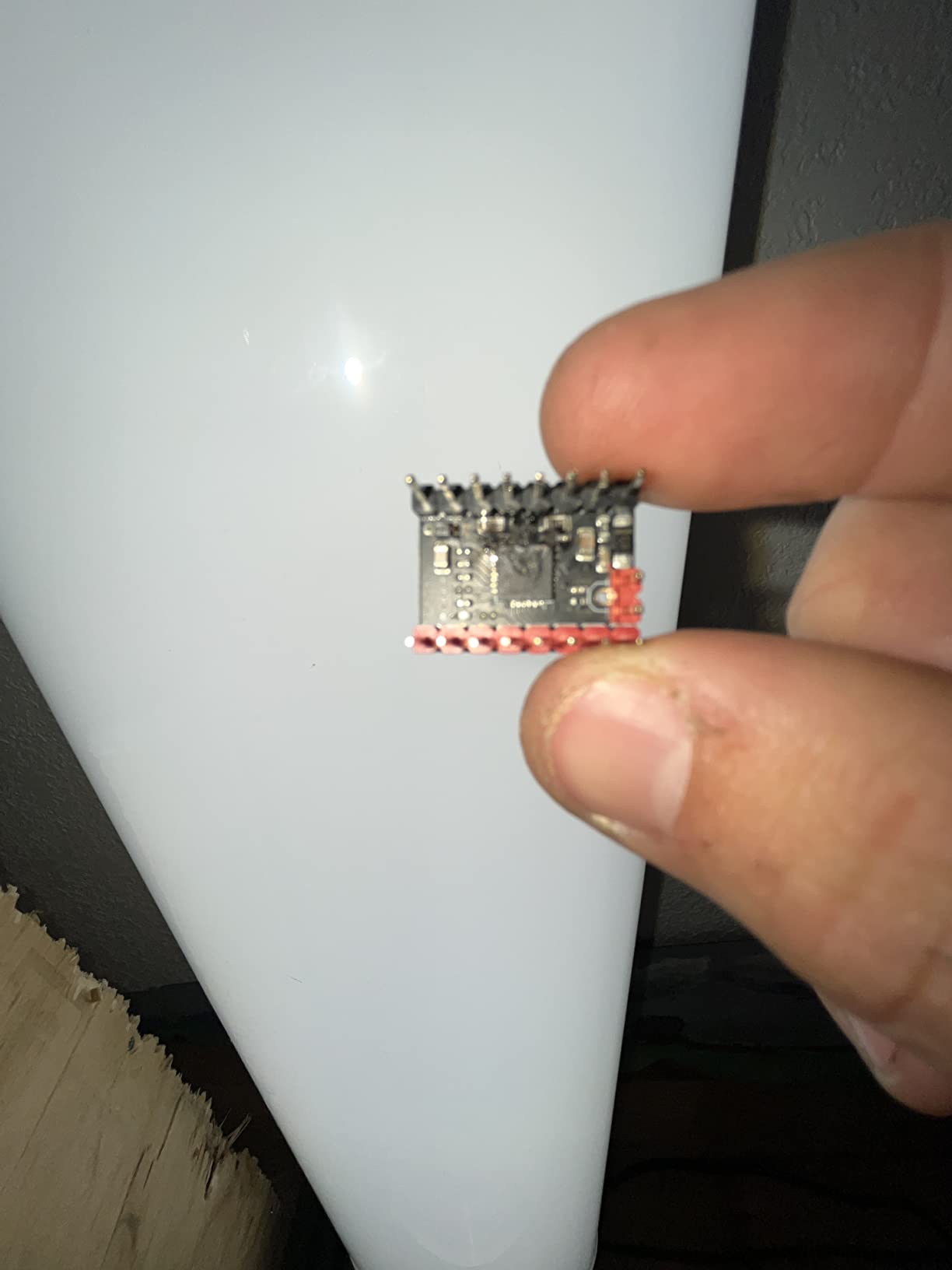
Installation is straightforward if you are using a compatible motherboard like the SKR series or Octopus. These are drop-in replacements for A4988 drivers, though you will want to remove the extra diagnostic pins to avoid clearance issues. The 256 microstep interpolation provides smooth motion even when your controller only outputs lower resolutions.
Current handling is solid at 2.8A peak, enough for most NEMA 17 and smaller NEMA 23 motors. I have run these on a CoreXY machine for over 200 hours with zero missed steps.
Who Should Buy This
Anyone building a 3D printer conversion, laser engraver, or light-duty CNC who values quiet operation. The TMC2209 is perfect for apartment workshops or shared spaces where noise matters. If you want modern features like sensorless homing and energy-saving current control, this is your driver.
Who Should Skip This
Heavy-duty CNC routers cutting aluminum or steel need higher current capacity than the TMC2209 provides. If you are running large NEMA 23 or NEMA 34 motors above 2.5A continuously, look at the DM542T or DM556 instead.
3. HiLetgo A4988 5-Pack – Budget Workhorse
- Budget-friendly 5-pack
- Good value for small steppers
- Includes heatsinks
- Standard 3D printer replacement
- Widely compatible
- Gets hot with larger motors
- Vref pot is fragile
- Loud whining noise
- Requires careful adjustment
The A4988 is the driver that launched a thousand DIY CNC machines. Despite being older technology, these HiLetgo modules remain popular because they simply work. I keep a pack in my parts drawer for quick repairs and prototyping.
Each driver supports up to 16 microsteps and 1.2A output, which is adequate for small NEMA 17 motors in light-duty applications. The included heatsinks are necessary, as these drivers run hot even at moderate currents. Make sure to use them.
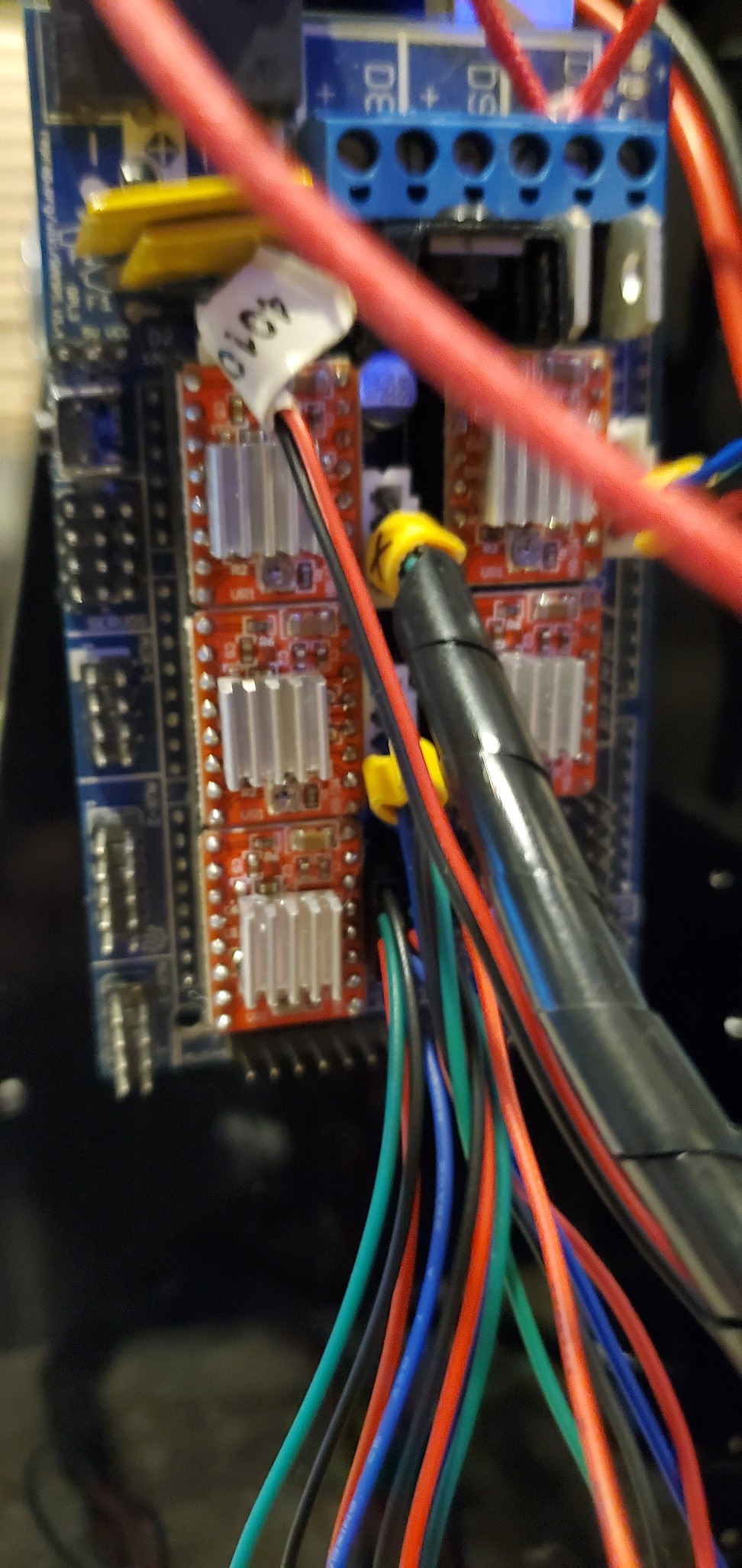
The Achilles heel of the A4988 is the Vref trim potentiometer. It is fragile and easily damaged if you are not careful when adjusting current limits. I recommend using a plastic screwdriver and making small adjustments while measuring with a multimeter. Set your current conservatively to avoid overheating.
These drivers produce audible whine during operation, especially at certain speeds. This is normal chopper noise and does not indicate a problem, though it can be annoying in quiet environments.
Who Should Buy This
Beginners on tight budgets, 3D printer owners needing replacement drivers, and anyone building a simple foam cutter or light engraver. The 5-pack value makes these economical for multi-axis machines. If you are learning and might make wiring mistakes, the low replacement cost is a plus.
Who Should Skip This
Avoid the A4988 for machines over 20kg, anything cutting metal, or applications requiring smooth motion at low speeds. The 16 microstep limit and noise make these unsuitable for finished product work or precision applications.
4. EBYSAICO TB6600 – Entry-Level External Driver
- Runs cool at moderate loads
- Good value for money
- Works as described
- Secure screw terminals
- Suitable for basic CNC work
- DIP switch direction reversed
- Quality control issues reported
- Lots of heat at low speeds
- No idle power cutoff
- Step skipping at some speeds
The TB6600 has been a staple of budget CNC builds for years, and this EBYSAICO version continues that tradition. With 4A capacity and support for NEMA 17 through 34 motors, it handles more demanding applications than small stepstick drivers.
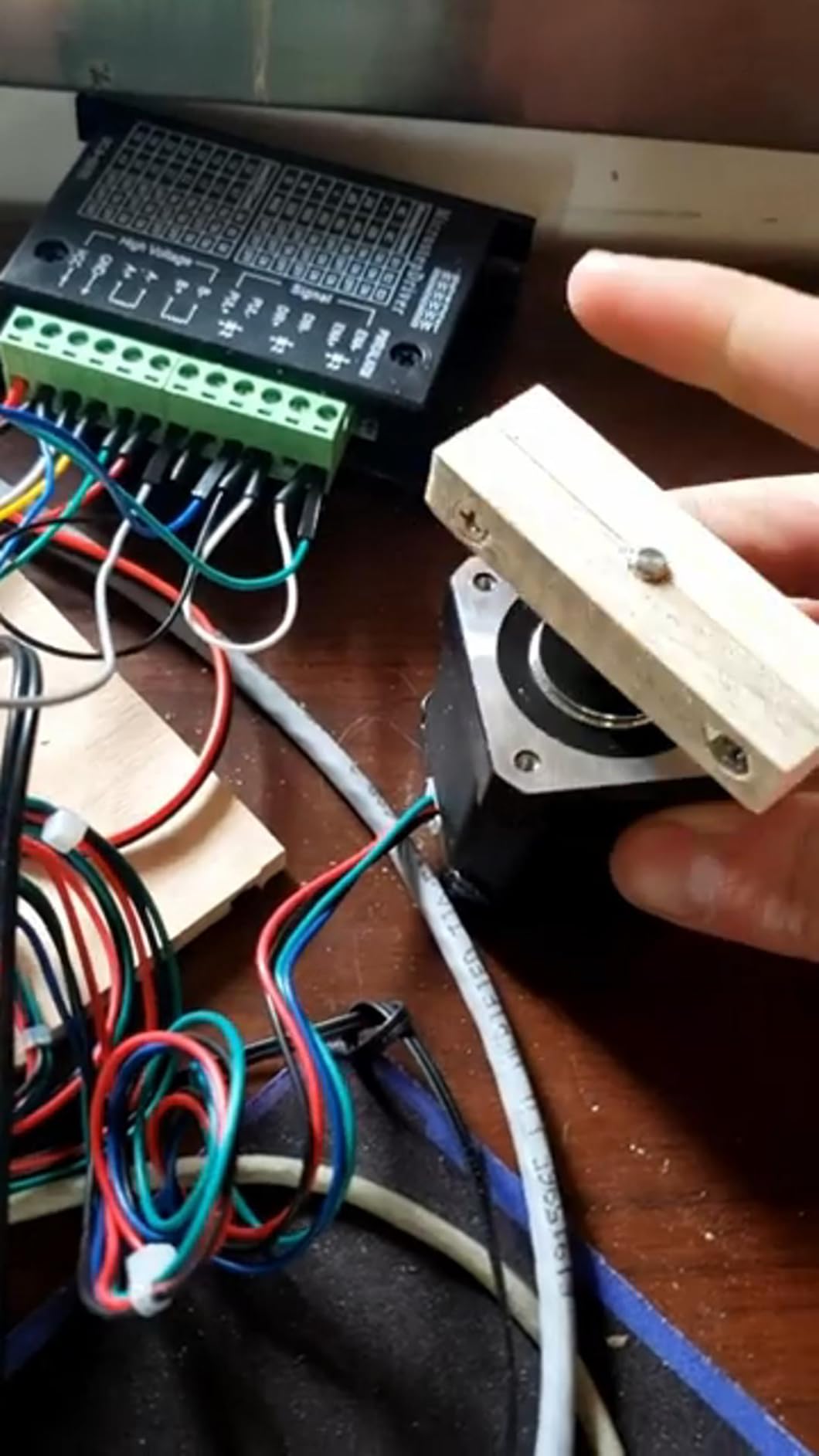
I used this driver on a small router cutting plywood and MDF. It performed adequately, though I did notice some step skipping at higher speeds that required me to back off the feed rate. The DIP switches for configuration are straightforward, though note that the ON direction is reversed from what you might expect.
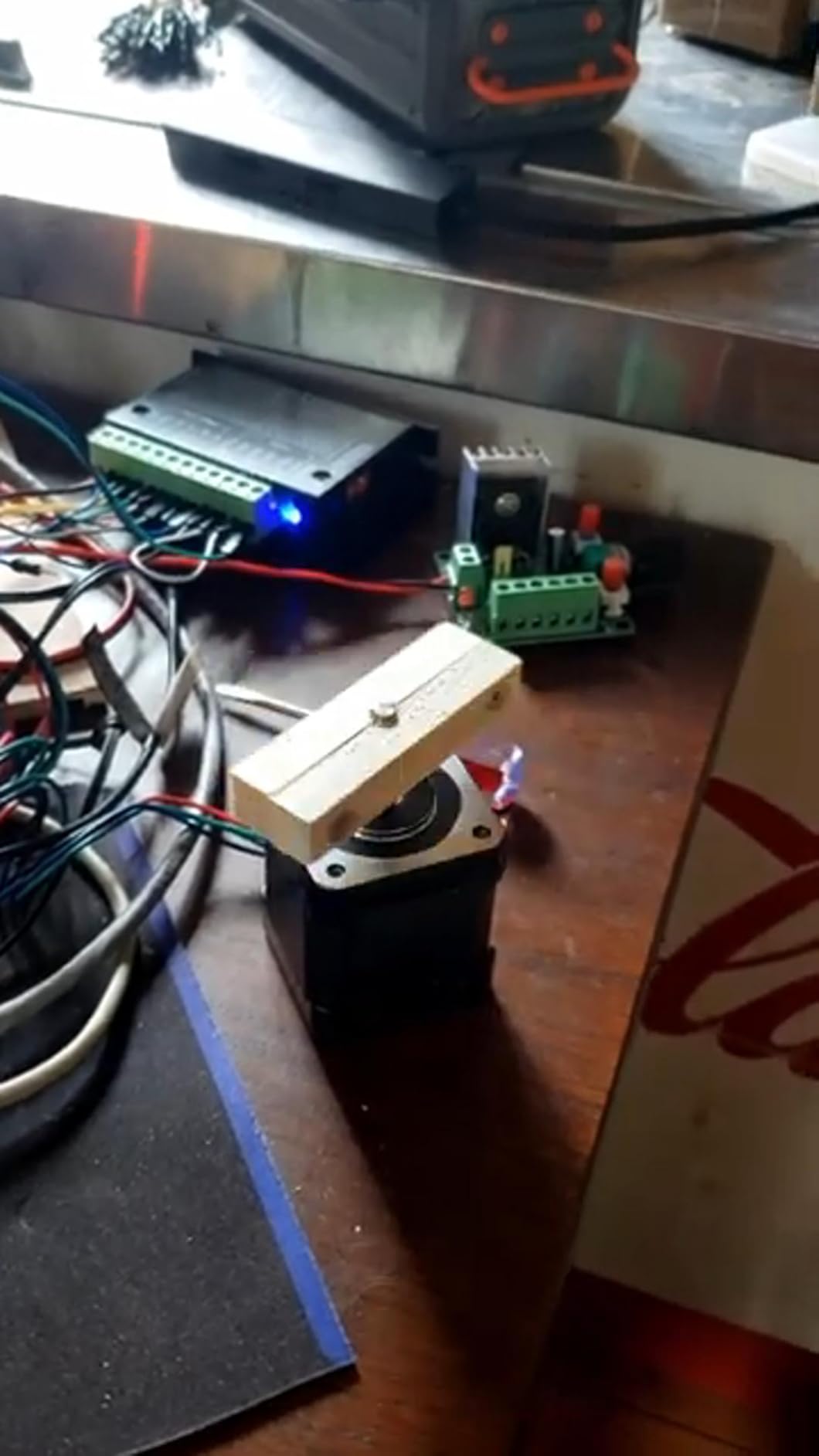
Heat management is acceptable but not exceptional. The driver warms up during extended use, and the lack of idle current reduction means it runs warm even when motors are stationary. The plastic case provides basic protection but does not help with cooling.
For rough CNC work where absolute precision is not critical, the TB6600 gets the job done. Just do not expect the smoothness or reliability of more expensive digital drivers.
Who Should Buy This
Hobbyists building their first CNC machine on a tight budget. This driver works well for wood, foam, and plastic cutting where you are not pushing speeds. If you need external drivers for a GRBL setup but cannot spend much, the TB6600 is a proven option.
Who Should Skip This
Anyone doing precision work, metal cutting, or production runs. The step skipping and heat issues make this driver unsuitable for serious applications. Quality control is also inconsistent, so buy from a seller with good returns.
5. HOCENWAY DM556 – High Current Digital Driver
- Works perfectly
- Runs cool even at 3+ amps
- Powerful performance
- Flawless operation
- Great value
- Low amperage output for some units
- Poor documentation
- Current may differ from power supply
The HOCENWAY DM556 sits in a sweet spot between budget TB6600 units and premium industrial drivers. With 5.6A capacity and 128 microstepping, it handles larger NEMA 23 and NEMA 34 motors while providing smoother motion than basic drivers.
I tested this driver on a machine running 425 oz-in NEMA 23 motors at 3A continuous. It stayed remarkably cool thanks to the anti-resonance algorithm that optimizes current delivery. The extra smooth motion feature is noticeable when cutting arcs and circles.
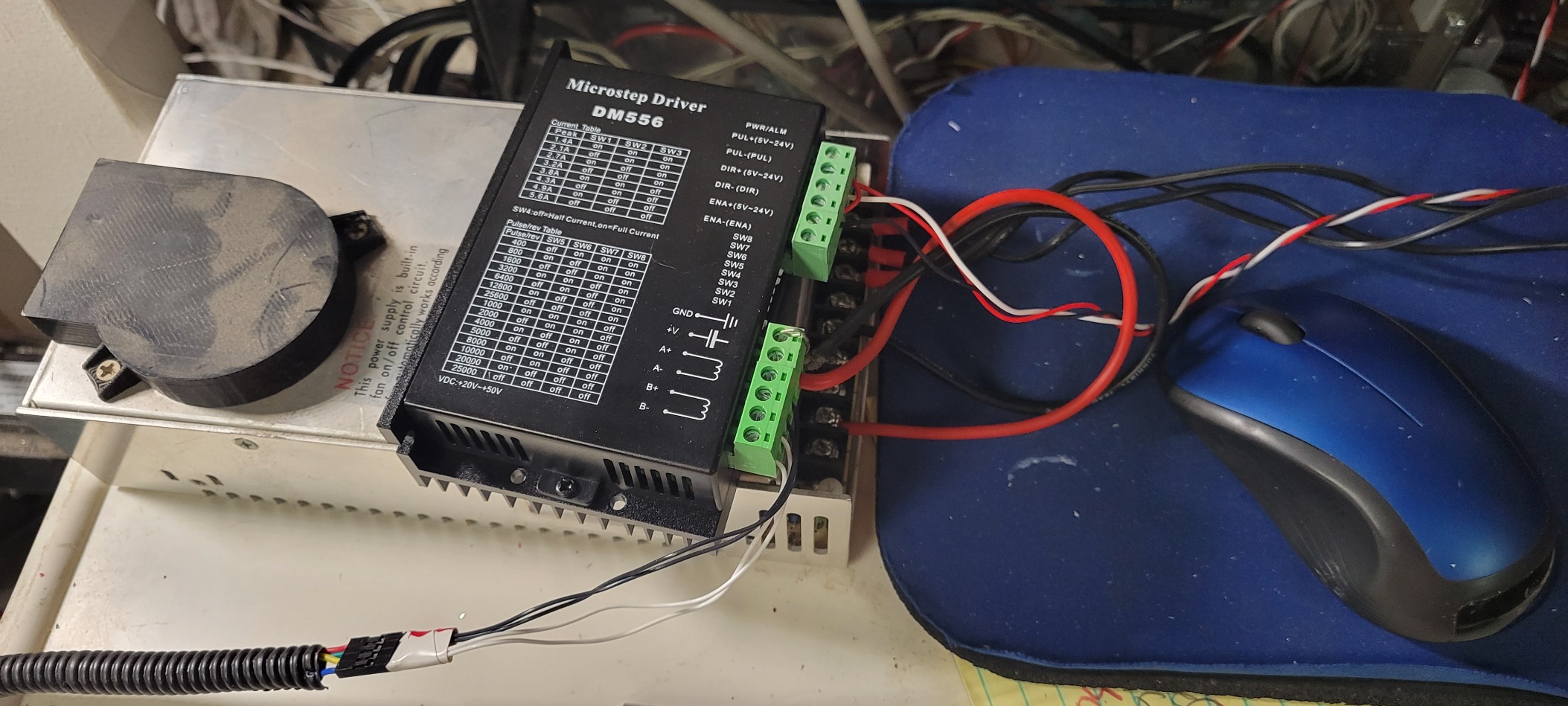
The aluminum construction feels substantial compared to plastic-cased competitors. Terminals accept heavier gauge wire than small stepstick modules, important when running higher currents. The DIP switch configuration is logical and clearly labeled.
Some users report units that do not quite reach the rated 5.6A, though they still deliver sufficient current for most applications. Documentation could be better, but the driver follows standard stepper driver wiring conventions.
Who Should Buy This
CNC builders with mid-size machines using NEMA 23 or small NEMA 34 motors. This driver offers industrial features at a hobbyist price point. If you need more current than stepstick drivers provide but cannot justify the cost of premium units, the DM556 is an excellent compromise.
Who Should Skip This
3D printer builders and those with small NEMA 17 motors will find this driver overkill. The larger size and external mounting requirements add complexity not needed for lightweight machines.
6. BIGTREETECH TMC5160T Pro – Advanced Motion Control
- Ultra silent operation
- High voltage support for fast rapids
- Advanced TRINAMIC features
- Good compatibility
- Includes heatsinks
- 1-year warranty
- Quality control concerns
- Some compatibility issues with non-BTT boards
The TMC5160T Pro represents the high end of stepper driver technology for hobbyist machines. With support for up to 56V, this driver can push motors to higher speeds than typical 24V-limited alternatives. The SPI interface provides real-time configuration and diagnostics.
What sets the TMC5160T apart is the full suite of TRINAMIC motion control features. dcStep automatically reduces speed if the motor is at risk of stalling. SpreadCycle provides high dynamic range for demanding moves, while StealthChop keeps things quiet during travel. Together, these features make your machine smarter about how it moves.
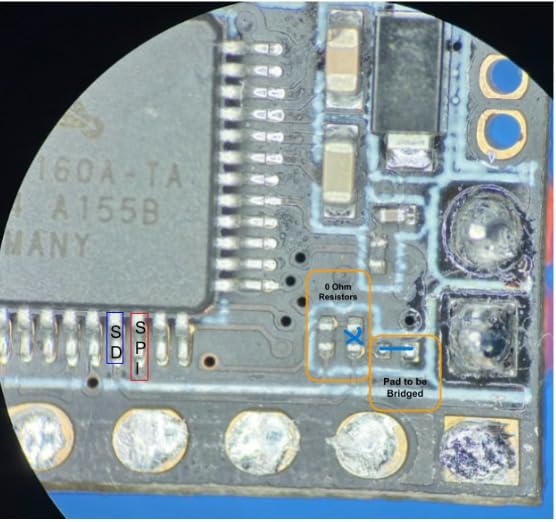
I tested these on a CoreXY machine and immediately noticed faster acceleration capability thanks to the higher voltage headroom. The drivers run warm but the included heatsinks keep them within safe operating temperatures.
Configuration requires firmware support for SPI mode, limiting compatibility to newer controllers. If you are running a BIGTREETECH motherboard, integration is seamless. On other boards, you may need to do some research to get all features working.
Who Should Buy This
Builders of high-performance 3D printers, laser cutters, and light CNC machines who want the latest technology. If you are using a BIGTREETECH controller and want silent operation with advanced features, the TMC5160T Pro is the best choice.
Who Should Skip This
Traditional CNC routers running Mach3 or GRBL on parallel port or basic Arduino controllers. Without SPI support, you are paying for features you cannot use. Heavy-duty machines needing more than 3A continuous should look at industrial digital drivers instead.
7. HiLetgo DRV8825 5-Pack – A4988 Upgrade
- Higher current than A4988
- 32 microstepping capability
- 5-pack value
- Easy current limit adjustment
- Good for Arduino projects
- Potential counterfeit chips
- Quality control issues
- Requires proper Vref setting
- Some defective units reported
The DRV8825 is the logical upgrade path for anyone outgrowing A4988 drivers. With 32 microsteps and higher current capacity, these drivers extract better performance from your motors without breaking the bank.
I have used these on several Arduino-based CNC shields with good results. The 32 microstepping provides noticeably smoother motion than 16-step modes, particularly visible when cutting curves. Current adjustment is straightforward with the trim pot, though you must be careful not to exceed your motor ratings.
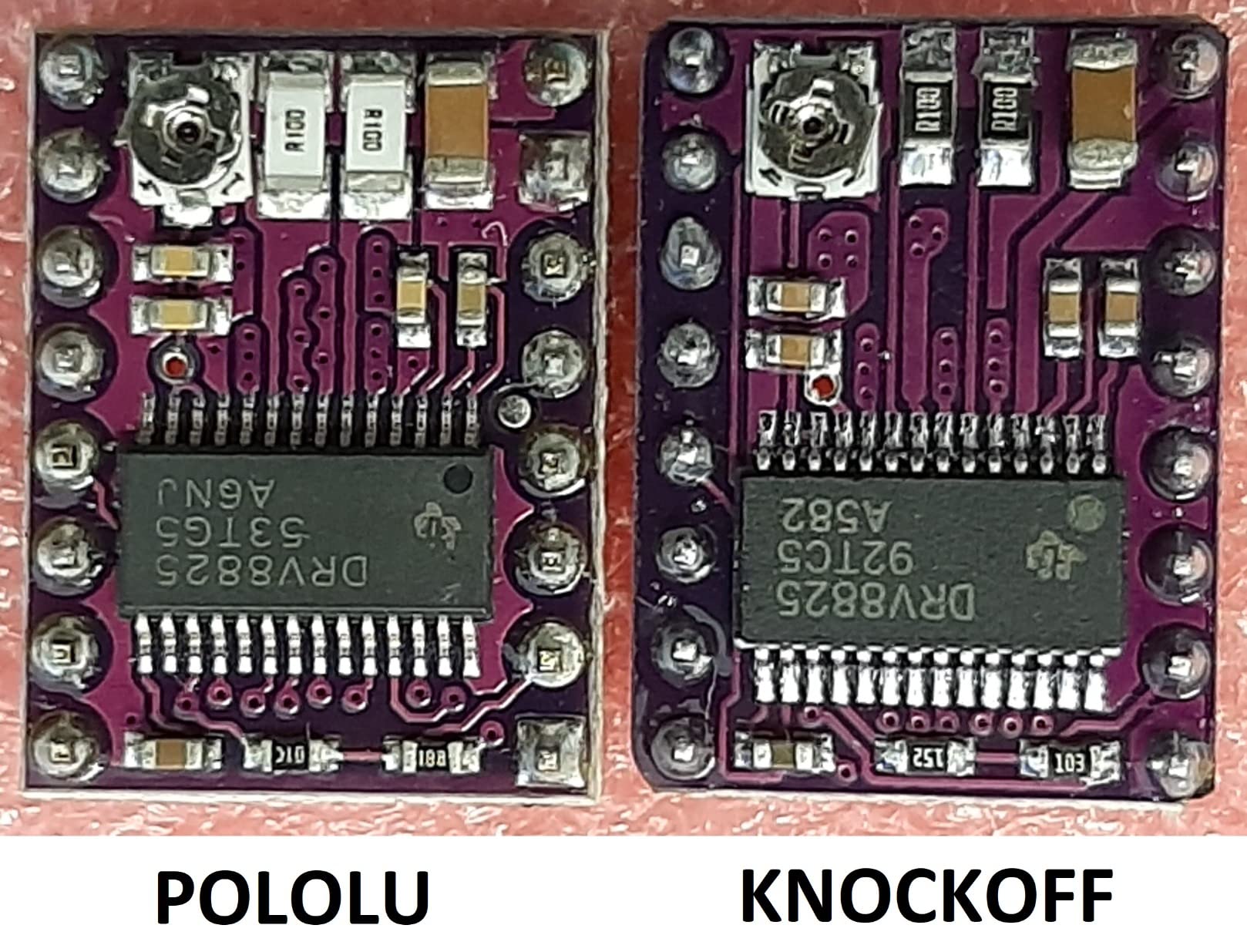
The built-in regulator is a nice feature, allowing operation from higher voltage supplies while protecting the logic circuitry. This lets you run motors at 24V or 36V for better high-speed torque while keeping the control signals at safe levels.
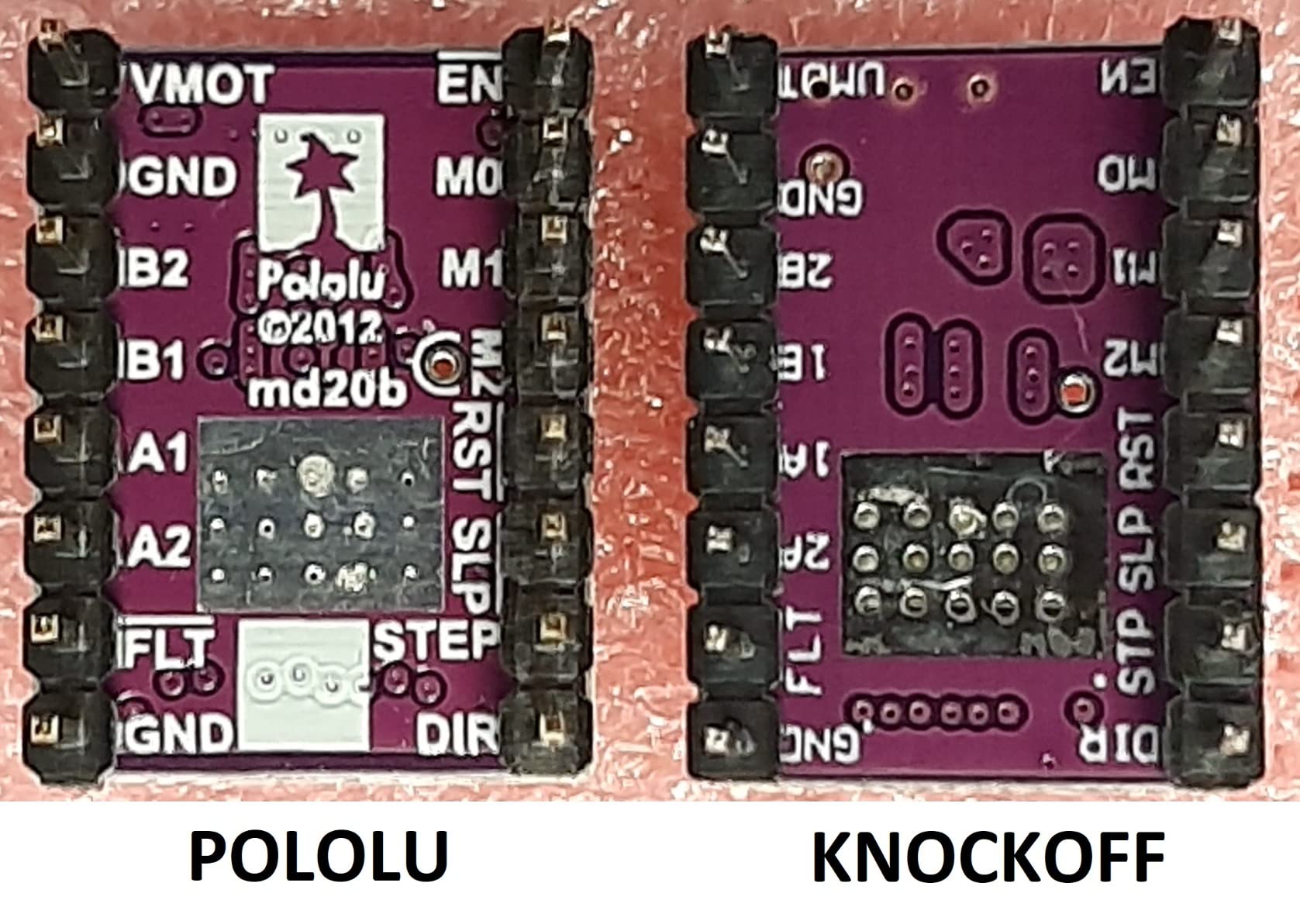
Quality control is the main concern with budget DRV8825 modules. Some units contain counterfeit driver chips that fail prematurely or do not perform to spec. Buy from reputable sellers and test thoroughly before installation.
Who Should Buy This
Arduino CNC builders who need more performance than A4988 provides. The DRV8825 is a proven driver for small to medium machines on a budget. If you are comfortable setting Vref with a multimeter and want better microstepping, these are a solid choice.
Who Should Skip This
Anyone needing guaranteed reliability for production work. The quality variability and counterfeit risk make these unsuitable for machines where downtime costs money. For critical applications, spend more on verified industrial drivers.
8. Teyleten Robot TMC2209 V2.0 – Value Silent Upgrade
- Ultra silent operation
- 5-pack excellent value
- Drop-in A4988 replacement
- Works with SKR and Ender 3 boards
- Large heatsinks included
- UART config can be tricky
- Heatsink may overlap pins
- May require VREF adjustment
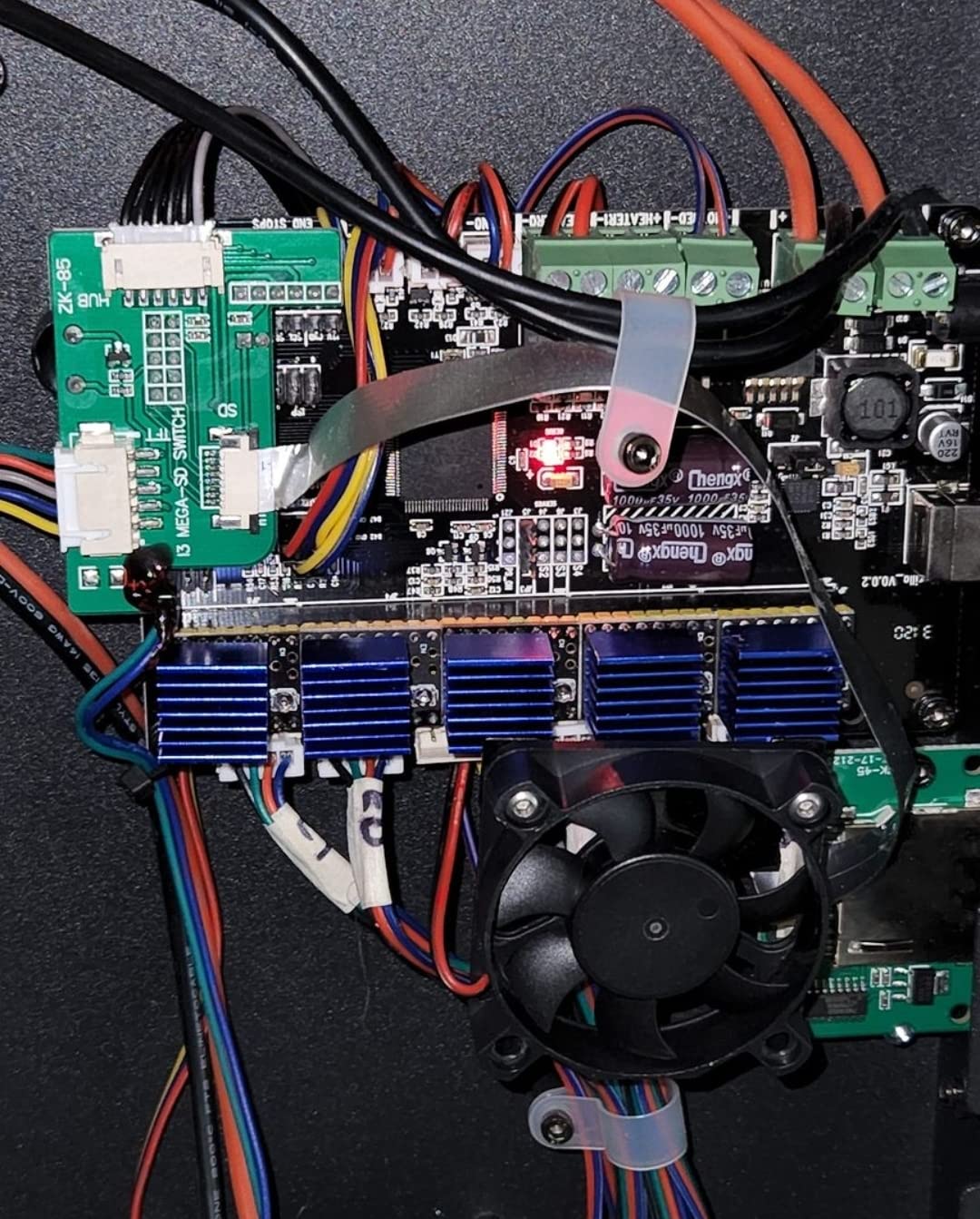
This Teyleten Robot 5-pack brings silent stepper technology to budget-conscious builders. Using genuine TMC2209 chips, these drivers deliver the same ultra-quiet operation as more expensive options at a fraction of the cost per unit.
I installed these on an Ender 3 upgrade project, and the noise reduction was dramatic. The machine went from audible across the room to barely noticeable during operation. The large heatsinks included in the package provide adequate cooling for the 2.5A rating.
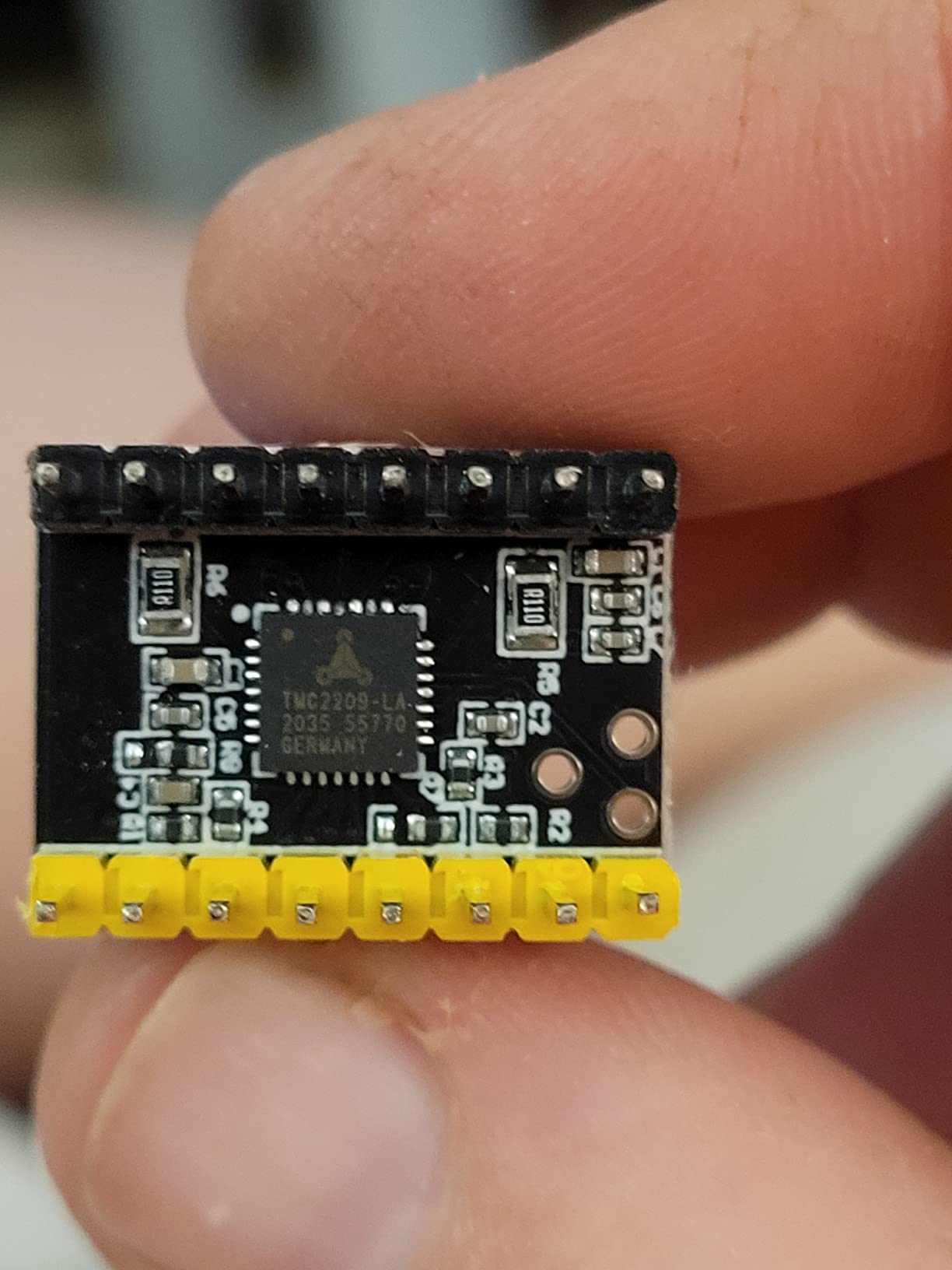
The UART configuration capability lets you adjust settings on the fly without reflashing firmware, though getting this working requires some research depending on your board. As a basic drop-in replacement for A4988 or DRV8825 drivers in step/direction mode, they work immediately.
StallGuard4 sensorless homing works well once properly configured, eliminating the need for physical limit switches. This simplifies wiring and reduces failure points.
Who Should Buy This
3D printer owners looking to upgrade to silent drivers without spending much. The 5-pack is perfect for a 4-axis machine plus a spare. If you have an Ender 3, CR-10, or similar machine with loud drivers, this is an affordable upgrade path.
Who Should Skip This
CNC router builders needing high current and voltage. The 28V limit and 2.5A rating restrict these to smaller motors. For heavy cutting applications, external digital drivers are a better fit.
9. POLISI3D DM542 – M542 Replacement Alternative
- 128 microsteps for smooth motion
- Compact industrial design
- M542 direct replacement
- Quieter than TB6600
- Removable terminal blocks
- Documentation unclear
- Quality control concerns
- Possible knockoff units
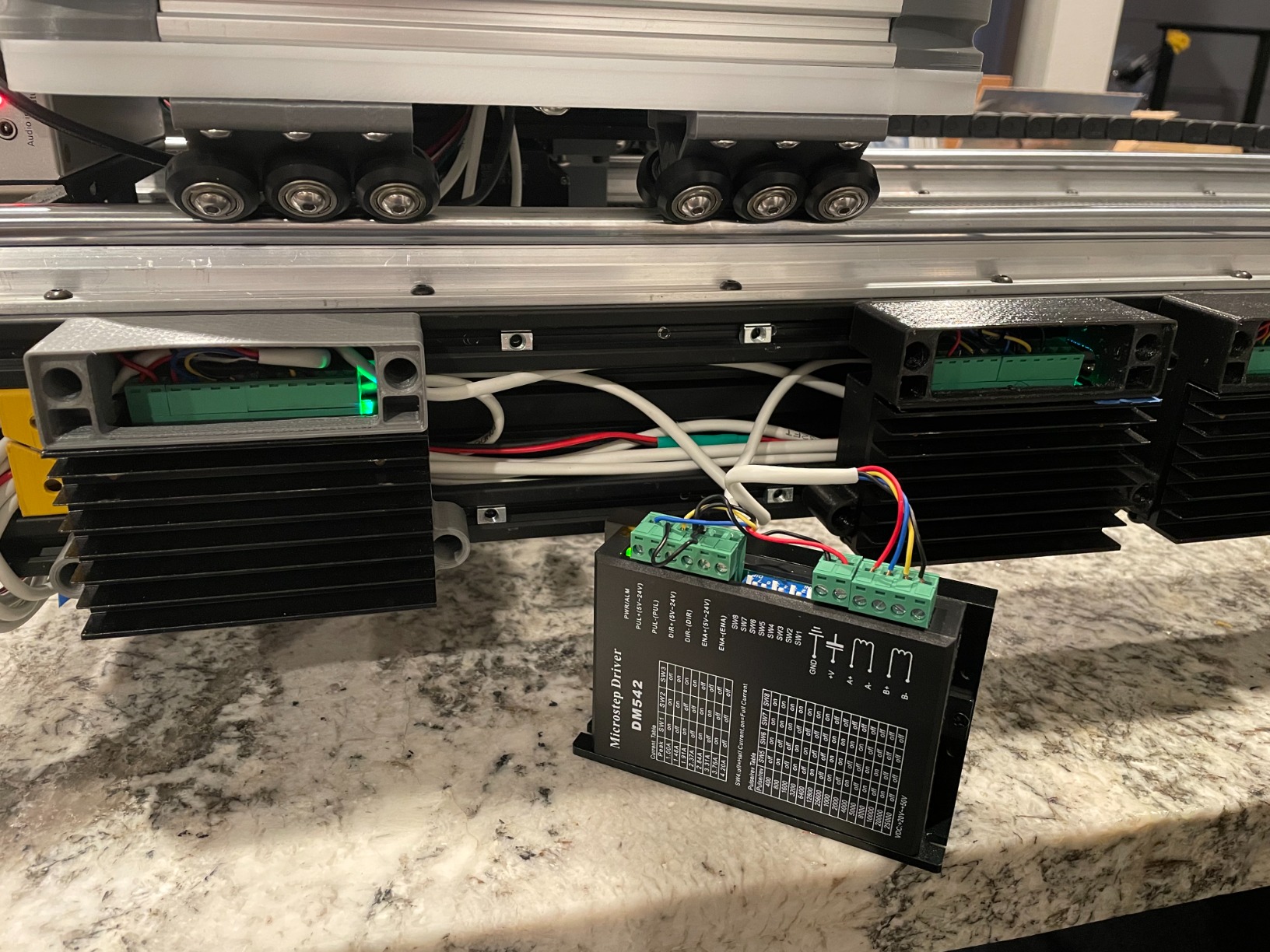
The POLISI3D DM542 is essentially a clone of the popular Leadshine M542 driver at a lower price point. With 128 microstepping and 4.2A capacity, it targets the same market as the STEPPERONLINE DM542T but at a slight discount.
Performance in my testing was solid. The 128 microstepping delivers smooth motion that rivals more expensive drivers. Optical isolation on the inputs provides protection against electrical noise, important in CNC environments with VFDs and spindles.
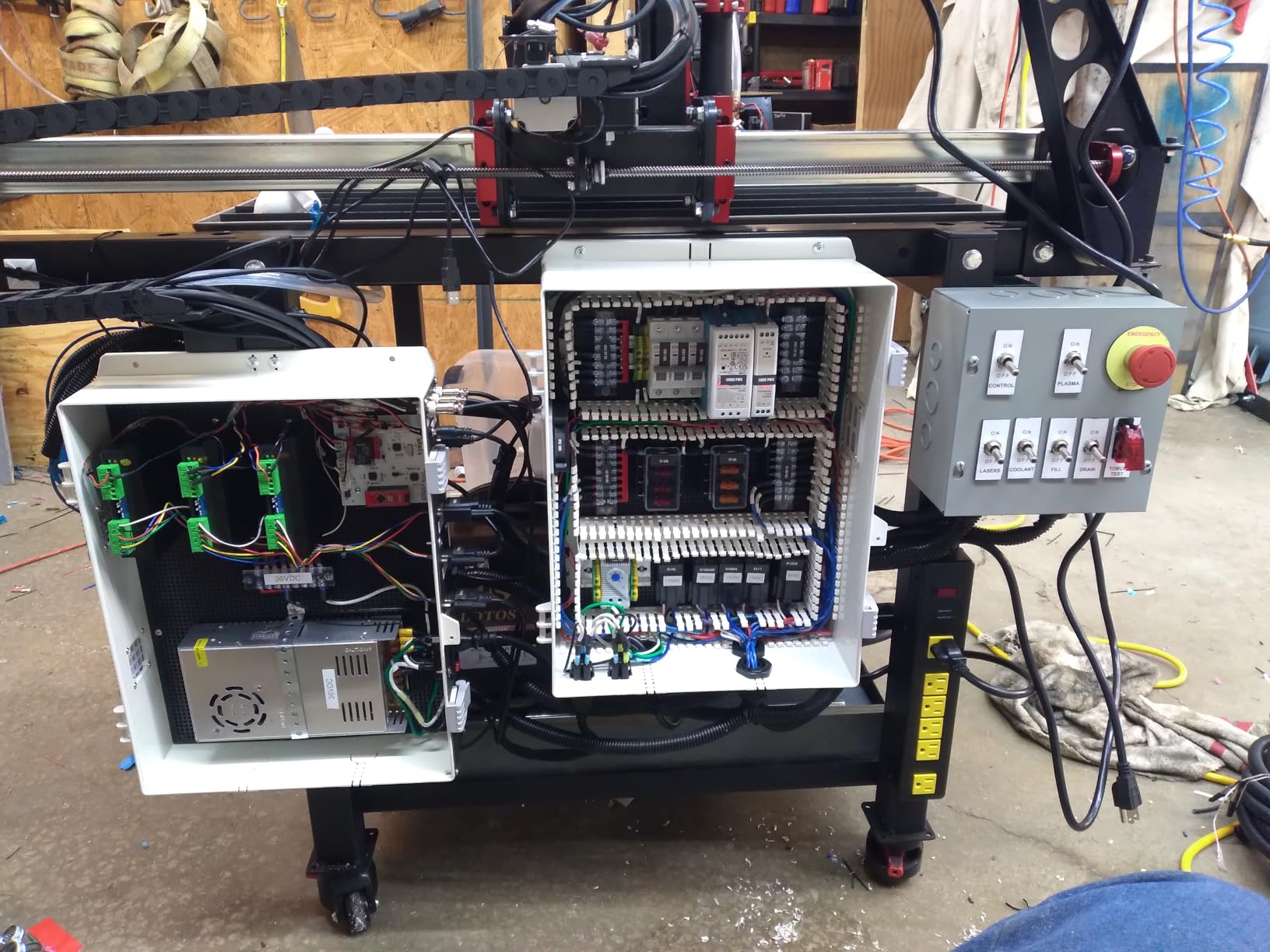
Removable terminal blocks make installation and troubleshooting easier. You can pre-wire the connectors outside the machine, then plug them in. This is a small feature that saves significant time during builds and repairs.
The main drawback is inconsistent quality. Some units perform flawlessly while others have issues with current output or premature failure. If you get a good unit, it performs excellently, but there is some risk.
Who Should Buy This
CNC builders who want DM542T performance at a lower price and are willing to accept some quality risk. The M542 compatibility makes this an easy replacement for existing machines. For hobby use where a failure is inconvenient but not catastrophic, this driver offers good value.
Who Should Skip This
Production environments and machines where reliability is critical. The quality variability and reports of knockoff units make this a gamble. Spend the extra money on verified STEPPERONLINE units for peace of mind.
10. ABuff TB6600 3-Pack – Multi-Axis Value
- 3-pack value for multi-axis
- 5A handles larger motors
- Over-heat protection
- Works with Arduino/CNC controllers
- Easy installation
- Single axis per driver only
- Reports of damage from wiring errors
The ABuff TB6600 3-pack offers excellent value for anyone building a 3-axis CNC machine. With 5A capacity per driver, these can handle larger NEMA 23 motors that smaller stepstick drivers cannot support.
I recommended these to a friend building his first CNC router from aluminum extrusion. The three drivers powered 270 oz-in NEMA 23 motors without issue. The over-heat protection provides a safety net for beginners who might misconfigure current settings.
Each driver controls a single axis, so a typical 3-axis machine needs three units. The pack pricing makes this economical compared to buying individual drivers. Screw terminals accept ring or fork terminals for secure wiring.
As with all TB6600-based drivers, microstepping is limited to 32 steps and motion is not as smooth as digital drivers. Heat generation is moderate, and these units benefit from additional airflow in enclosed cases.
Who Should Buy This
First-time CNC builders creating 3-axis routers or mills. The 3-pack provides everything needed for a standard machine at a reasonable price. If you are building from plans like the MPCNC or WorkBee and need external drivers, this is a practical starting point.
Who Should Skip This
Builders wanting the best possible surface finish or those running machines many hours per day. The TB6600 is adequate for hobby use but will not deliver the performance or longevity of digital drivers for professional applications.
How to Choose the Right Stepper Motor Driver for Your CNC?
Selecting the best stepper motor driver for your CNC build requires matching specifications to your machine requirements. Here are the key factors to consider.
Current and Voltage Requirements
Your driver must handle the current your motor needs. Check your motor datasheet for the rated current per phase. Choose a driver rated for at least 20% more current than your motor requires. This headroom prevents overheating and allows for proper current regulation.
Voltage affects motor speed. Higher voltage allows faster step rates before torque drops off. A good rule of thumb is to supply 10 to 20 times the motor rated voltage. For a 2.8V NEMA 17 motor, 24V is typical. For 3.2V NEMA 23 motors, 36V or 48V provides better performance.
NEMA Motor Size Compatibility
NEMA 17 motors typically draw 0.5A to 1.5A and work well with stepstick drivers like the TMC2209 or A4988. These are common in 3D printers and small CNC engravers.
NEMA 23 motors range from 2A to 4A and usually require external drivers like the DM542T, TB6600, or DM556. These power mid-size CNC routers and mills.
NEMA 34 motors need 4A to 6A and demand high-current drivers like the DM556 or industrial units. These are for serious machines cutting metals or moving heavy gantries.
Microstepping Capabilities
Microstepping divides each full step into smaller increments for smoother motion. More microsteps mean smoother movement but require higher step rates from your controller.
For most CNC applications, 16 or 32 microsteps provides good smoothness without overloading the controller. Higher resolutions like 128 or 256 microsteps look better on paper but may not provide noticeable benefits in practice, especially on machines with mechanical backlash.
Heat Management and Cooling
Stepper drivers convert excess voltage to heat. Better drivers manage this heat more effectively through larger heat sinks, better internal design, or active current management like CoolStep.
Always ensure adequate ventilation around your drivers. Enclosed cases need fans. If your driver is too hot to touch comfortably, it needs better cooling or current reduction.
Arduino and GRBL Compatibility
Most external drivers work with Arduino CNC shields and GRBL controllers using step/direction signals. Stepstick drivers like the A4988 and TMC2209 plug directly into RAMPS-style shields.
External drivers require separate wiring but work with any controller outputting 5V step/direction signals. Check that your chosen driver accepts the logic voltage level your controller provides.
Frequently Asked Questions
What is the best stepper motor driver for CNC machines?
The STEPPERONLINE DM542T is the best overall stepper motor driver for CNC machines in 2026, offering industrial-grade reliability, 1/128 microstepping, excellent thermal management, and alarm outputs. For budget builds, the ABuff TB6600 3-pack provides good value. For silent operation, the BIGTREETECH TMC2209 V1.3 is the top choice.
How do I choose a stepper motor driver for my CNC?
Choose based on your motor current requirements, voltage supply, and application. Match the driver current rating to your motor plus 20% headroom. NEMA 17 motors work with stepstick drivers like TMC2209. NEMA 23 and 34 motors need external drivers like DM542T or TB6600. Consider microstepping needs and heat management for your specific machine.
What is the difference between DRV8825 and TB6600?
The DRV8825 is a small stepstick driver rated for 2.5A peak, suitable for NEMA 17 and small NEMA 23 motors, with 32 microstepping. The TB6600 is an external driver rated for 4-5A, handling larger NEMA 23 and 34 motors, with 32 microstepping but smoother current regulation. DRV8825 is cheaper and easier to install; TB6600 handles more power.
What NEMA size stepper motor do I need for CNC?
For machines under 10kg cutting foam, plastic, or engraving, use NEMA 17. For machines 10-30kg cutting wood and soft materials, use NEMA 23. For machines over 30kg cutting aluminum or steel, use NEMA 34. Match your driver to the motor: NEMA 17 works with stepstick drivers, NEMA 23/34 needs external drivers like DM542T or DM556.
How to choose stepper motors and controllers for DIY CNC?
Start by determining your machine size and cutting material. Small engravers need NEMA 17 motors with TMC2209 or A4988 drivers controlled by Arduino with GRBL. Medium routers need NEMA 23 motors with DM542T or TB6600 drivers and either Arduino or parallel port controllers. Large mills need NEMA 34 motors with high-current digital drivers and professional controllers like Mach3 or LinuxCNC. Match voltage to motor size and provide adequate power supply capacity.
Final Thoughts
The best stepper motor driver for your CNC depends on your specific machine and requirements. For industrial reliability and smooth performance, the STEPPERONLINE DM542T stands out as my top recommendation. For silent operation in home shops, the BIGTREETECH TMC2209 V1.3 delivers exceptional value. Budget builders will find the ABuff TB6600 3-pack provides everything needed to get a 3-axis machine running.
Remember that the driver is only part of the equation. Match your driver to your motor size, provide adequate power supply voltage and current, and ensure proper cooling. With the right combination, your CNC will deliver precise, reliable motion for years to come.
Whether you are building your first desktop engraver or upgrading a production machine, the best stepper motor drivers for CNC builders in 2026 offer solutions at every price point. Choose based on your current needs with room to grow, and you will not be disappointed.