
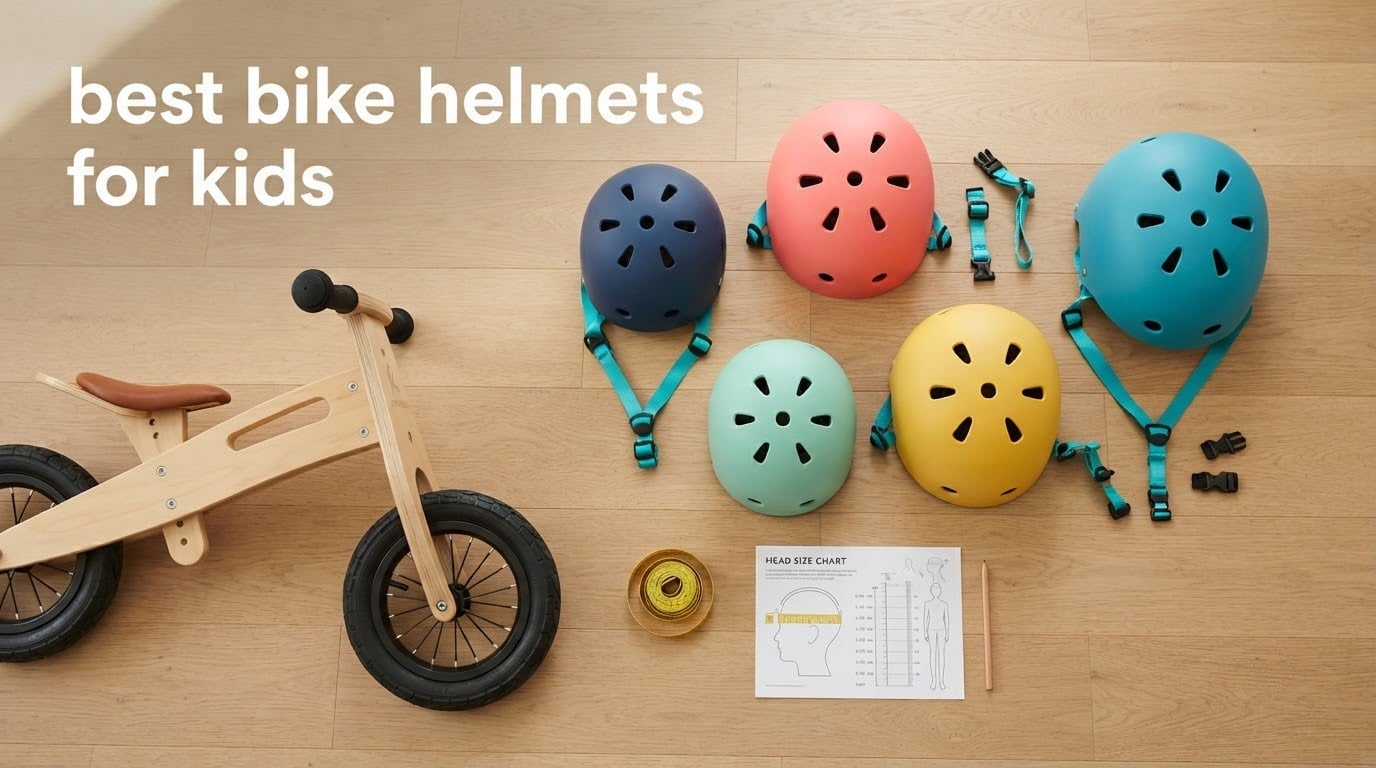
The best bike helmets for kids come down to one thing above all else: a correct fit, worn every single ride. Here is the short version before we go deeper. The OutdoorMaster multi-sport helmet is our overall pick for most families, because two removable liners let one shell cover a wide head range and it holds a 4.6 average across more than 22,000 reviews. The Schwinn Classic is the one to buy for a toddler, at 4.64 ounces with a 360-degree dial and a CPSC rating that starts at age one. The OUWOER three-size helmet is the best value, since three published size bands cover toddler through youth. And the Bell Marvel model is the pick for a child who refuses to wear anything else, because the graphics do the persuading for you.
I have spent years watching parents buy helmets twice. The first one is chosen by price or by a character, it fits badly, the child tilts it back off the forehead within a week, and the helmet ends up hanging on a hook. The second purchase is the one that matters, and it is made after someone finally measures the head. Everything below is built around that order of operations: measure first, choose a size band, then judge the features.
What follows is a ranking of 10 kids helmets we looked at closely, with the head-circumference range, the shell and foam construction, the buckle type, the stated certification, and the honest drawback for each. We also cover how to measure, how to run the fit test, when a helmet has reached the end of its life, and how to get a helmet onto a child who has decided helmets are not for them. If your child also rides a scooter, a balance bike, or a skateboard, the multi-sport section matters more than the price would suggest.
One note on what we did not do. We do not rank on price, because street prices in this category move weekly and the price on a listing tells you nothing about whether the shell is glued or molded. We rank on the things that survive contact with a real fall: certification, fit range, retention, strap design, and whether the child will actually keep it on.
Top 3 Picks for Best Bike Helmets for Kids (October 2026)
These three cover the most common situations. The OutdoorMaster wins on versatility and the depth of its review history, the Schwinn Classic wins for the youngest riders, and the OUWOER wins when a family needs more than one size in the house.

OutdoorMaster Multi-Sport Helmet
- Two removable washable liners
- Rear adjustment dial
- ABS shell with EPS core

Schwinn Classic Toddler Helmet
- CPSC rated from age one
- 4.64 ounce weight
- 360 degree dial fit
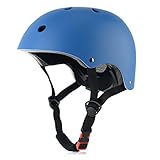
OUWOER Three-Size Kids Helmet
- Three published size bands
- Eleven top and side vents
- Two pad thickness options
All 10 Kids Helmets Compared Side by Side
Every helmet in the ranking appears below with the details that decide a purchase. Head size is the column most parents overlook and the one that matters most.
| Product | Specifications | Action |
|---|---|---|
| OutdoorMaster Multi-Sport Helmet |
|
Check Latest Price |
| Schwinn Classic Toddler Helmet |
|
Check Latest Price |
| OUWOER Three-Size Kids Helmet |
|
Check Latest Price |
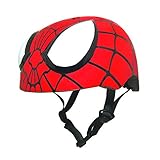 Bell Marvel Avengers Helmet Bell Marvel Avengers Helmet |
|
Check Latest Price |
 Schwinn Thrasher Youth Helmet Schwinn Thrasher Youth Helmet |
|
Check Latest Price |
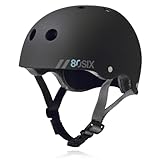 80Six Triple-Certified Helmet 80Six Triple-Certified Helmet |
|
Check Latest Price |
 Bell Richter Youth Helmet Bell Richter Youth Helmet |
|
Check Latest Price |
 Raskullz Mohawk Bolt LED Raskullz Mohawk Bolt LED |
|
Check Latest Price |
 EXCLUSKY Lightweight Kids Helmet EXCLUSKY Lightweight Kids Helmet |
|
Check Latest Price |
 Bell Axle Youth Helmet Bell Axle Youth Helmet |
|
Check Latest Price |
1. OutdoorMaster Skateboard Bike Helmet for Kids, Youth and Adults
- Two removable liners cover different head sizes and wash clean
- Rear adjustment dial tightens without swapping helmets
- Works for skating cycling scooter BMX and MTB
- Largest review base in this group at over 22k ratings
- Medium size can run small for larger head circumferences
- Bulkier profile than low profile youth helmets
The OutdoorMaster is the helmet I recommend to a family who plans to hand the same shell to a second child. It ships with two removable liners, and swapping the liner changes the effective head size far more than any dial ever will. That is a genuinely different mechanism from buying a bigger size and hoping for the best.
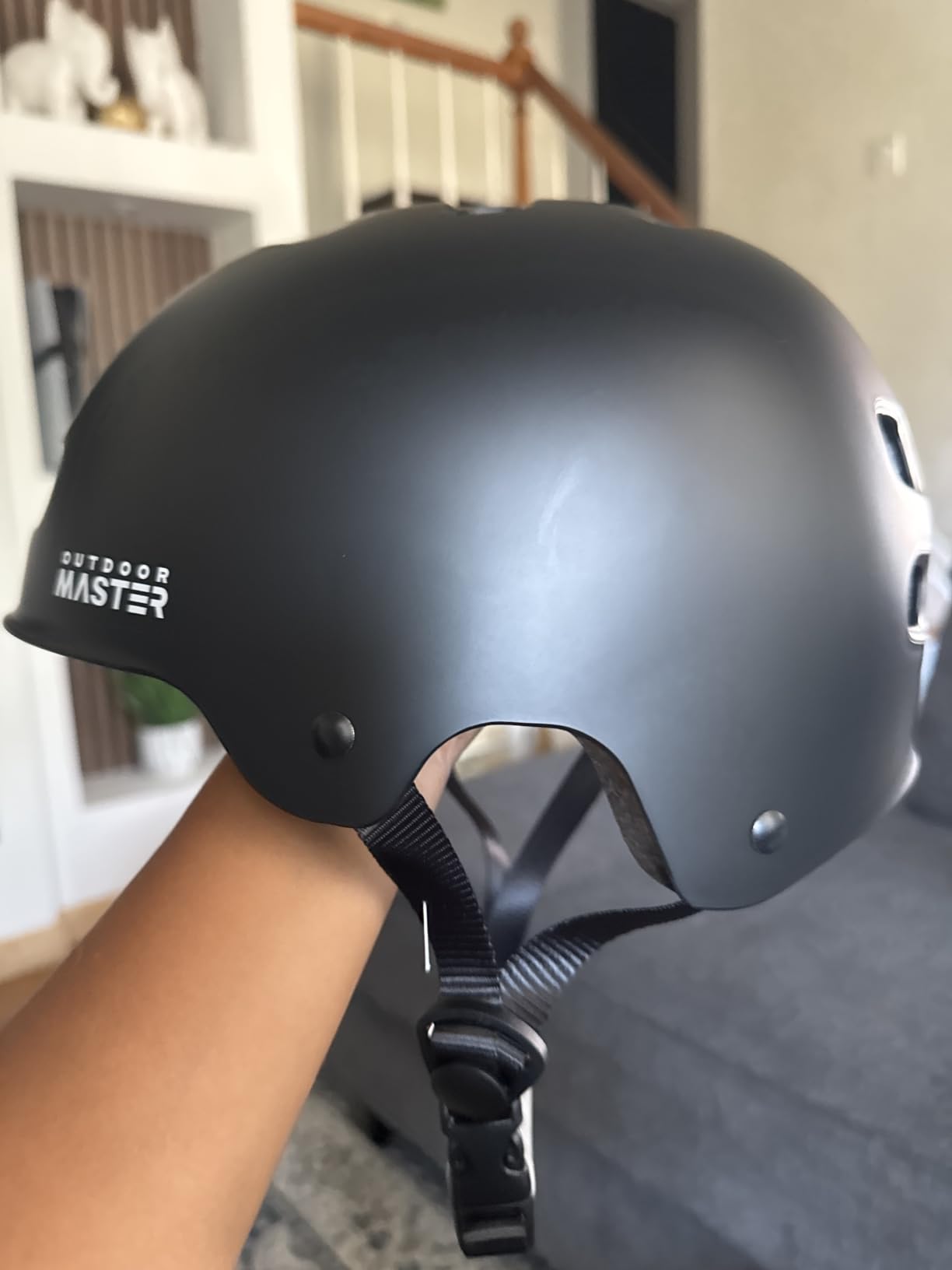
Construction is a reinforced ABS outer shell over a thickened expanded polystyrene core, the standard combination for this price bracket. It weighs 13.86 ounces and measures 3.54 by 3.15 by 2.76 inches, so it is a full-size skate-style shape rather than a low-profile bicycle silhouette. Ventilation is smooth and continuous rather than a set of punched holes.
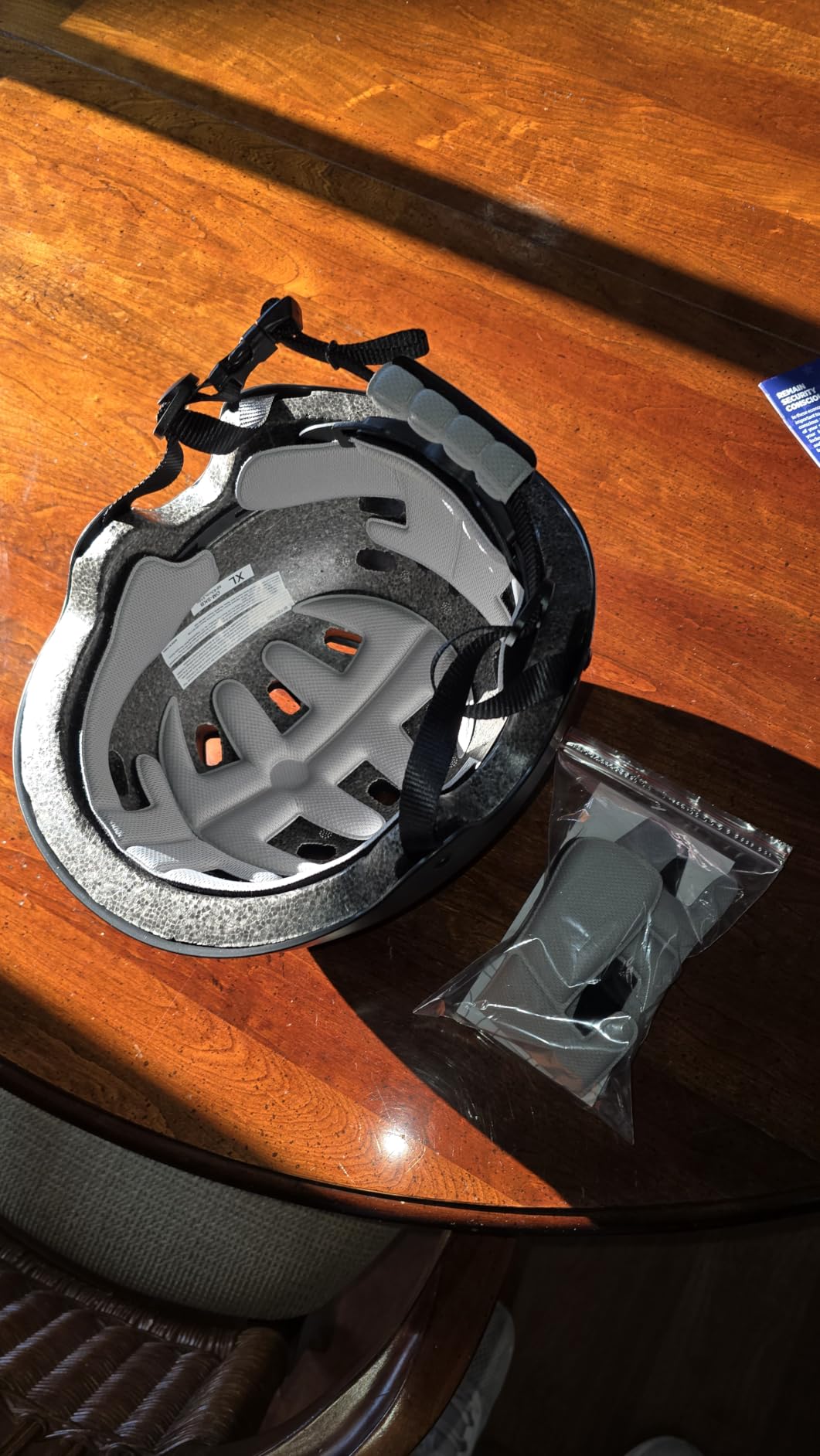
Reviews describe the fit as the deciding factor, and the advice that recurs is to measure before ordering and to step up a size when a child’s measurement falls between two values. With 22490 reviews at a 4.6 average and 77 percent five-star ratings, this is the widest evidence base of anything we looked at, and the removable liners come up again and again as the feature that made the helmet work for two different children.
The retention system is a well-attached adjustment dial at the rear paired with a skin-friendly adjustable chin strap. The dial does the coarse work of holding the shell level, and the strap handles the last centimeter above the ears. That combination is what stops the common failure mode where a helmet slides backward over several weeks of commuting.
Who this helmet suits
This is the right pick for a child on a scooter, a balance bike, a skateboard, or a first mountain bike trail, because the same shell covers all of them. It is also the one I suggest when siblings are close in age and a single purchase has to cover both of them.
The manufacturer’s own sizing note recommends the large configuration between 54 and 58 cm, measured roughly an inch above the eyebrows, with an age guidance of five years and older. Check that number against your child before ordering, because the medium configuration is the one most households receive.
Where it falls short
Two limitations are reported consistently. The medium size can sit snug-to-small at the upper end of a larger head circumference, and the skate-style shape is visibly bulkier than the low-profile youth helmets lower in this ranking, which some older children find uncool.
There is a one year manufacturer warranty on this model. That is a shorter commitment than the limited lifetime warranty carried by the Schwinn Thrasher, so treat this as a helmet to inspect after any meaningful fall rather than one you can pass on with confidence.
2. Schwinn Classic Bike Helmet for Kids Ages 1-3
- Lightest listed weight in this group at 4.64 ounces
- CPSC compliant from age one with extended head coverage
- Bright colorways that toddlers accept
- Integrated visor and multiple air vents
- Chin buckle can pinch if fastened carelessly
- Velcro attached padding adjuster may weaken with age
- Outer plastic can crack at the crown on a hard impact
Weight decides toddler helmets, and the Schwinn Classic comes in at 4.64 ounces. That is roughly a third of what an adult helmet weighs, and for a one-year-old on a balance bike the difference shows up in the first ten minutes of the ride. Children who fight helmets tend to be fighting weight before they are fighting anything else.
The shell is ABS over expanded polystyrene with a lower molded section that extends rear coverage, and it complies with the US CPSC safety standard for bicycle helmets for persons age one and older with extended head coverage. That age-one rating is unusual in this category and is the reason it can be fitted before a child can really pedal.
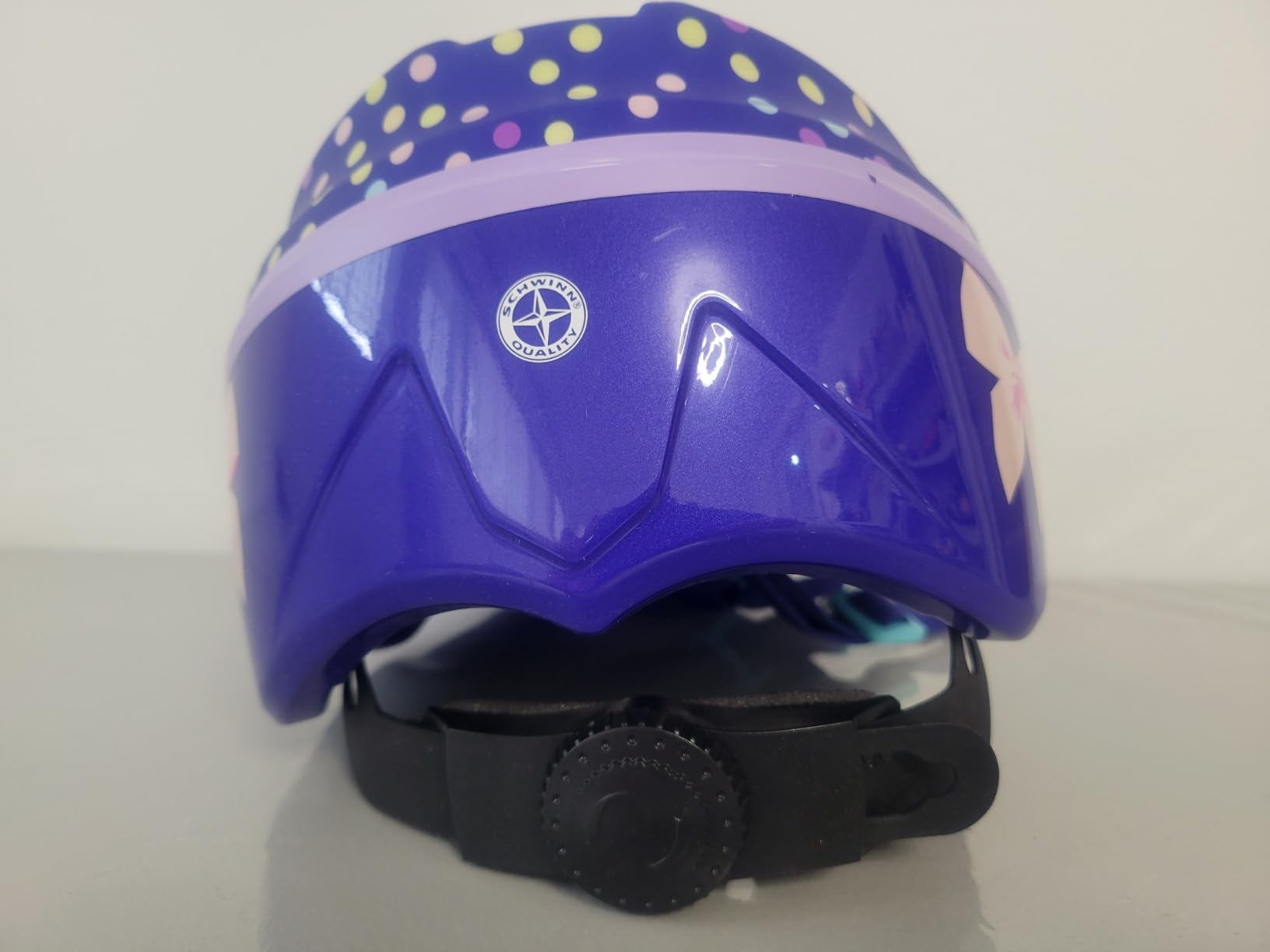
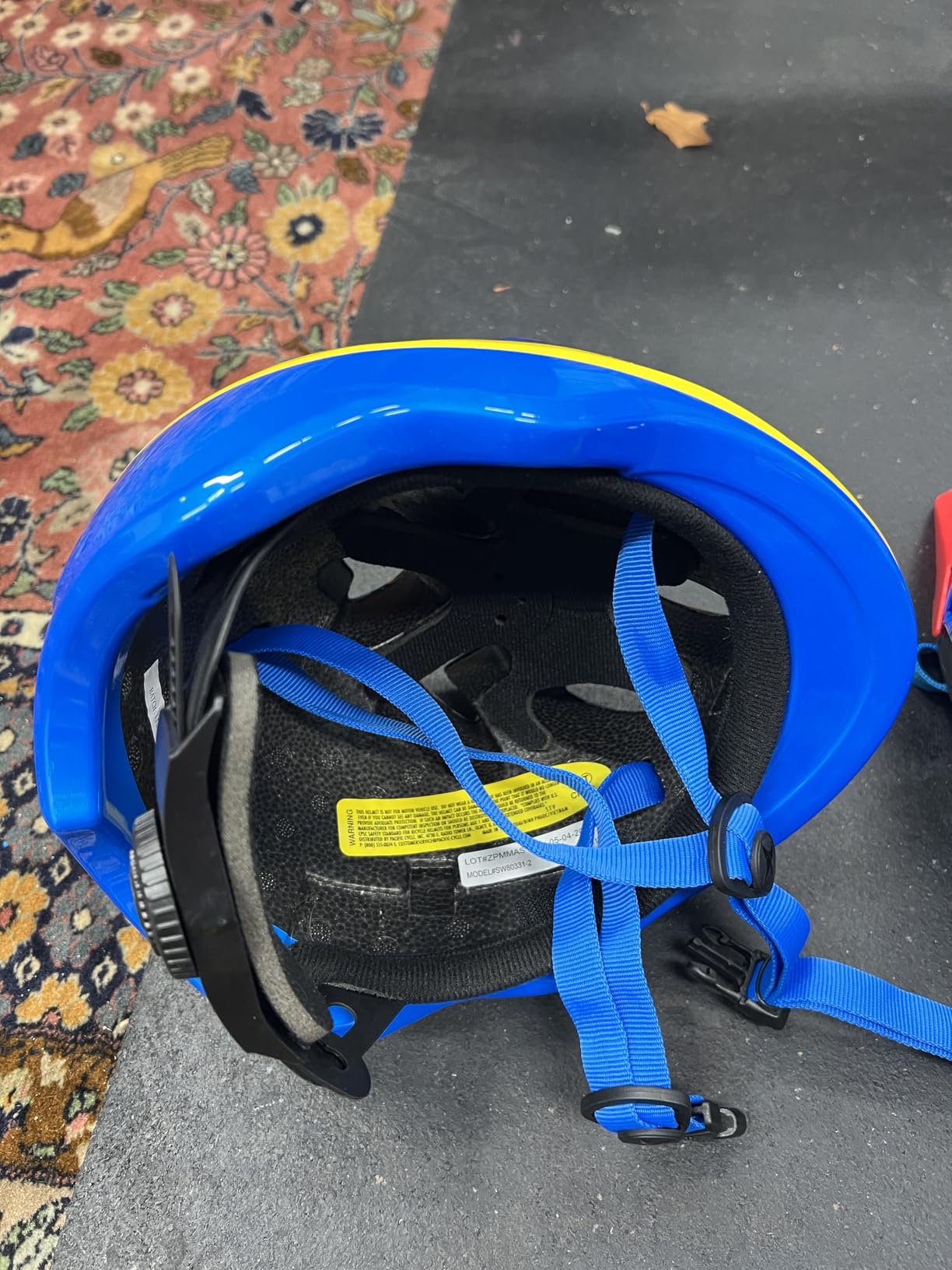
The fit comes from a 360-degree adjustable dial knob combined with full-range interior padding, which reviewers describe as growing with the child rather than being replaced with the child. Parents also report that the extra-small configuration at 44 to 50 cm has fitted a one-year-old, so the shell is narrower than the published small band of 48 to 52 cm suggests. Measure and check both if your toddler is at the small end.
Multiple air vents and an integrated visor handle hot-weather comfort and sun glare, and reviewers repeatedly name the pink and orange colorways with polka dot or owl designs as the reason a toddler will put it on without a fight. Across 13837 reviews the average sits at 4.7, and the praise for compliance outweighs everything else in the feedback.
Who this helmet suits
Pick this for tricycle practice, balance bike laps, and any toddler whose head measures 48 to 52 cm. It also works for a baby trailer passenger, since the age-one CPSC rating covers carried children and the low weight avoids adding to what the adult is already holding.
If your child wears glasses, the low front profile and the absence of a rear cradle make this an easy helmet to fit around frames. The temple arms sit under the shell rather than being squeezed by a retention cup.
Where it falls short
The chin buckle can pinch a small chin when fastened carelessly, and that single complaint appears often enough to matter. Tighten the strap so there is room for one to two fingers under it, and the pinch risk drops sharply.
Reviewers also raise two durability questions. The padding adjuster is attached with hook-and-loop and some owners worry about long-term strength, and the outer plastic can crack at the crown after a hard impact. The warranty is one year limited, so inspect it after any real fall.
3. OUWOER Kids Bike Helmet, Adjustable and Multi-Sport, 3 Sizes
- Three clearly published size bands cover toddler youth and adult heads
- Crank dial plus two pad thicknesses plus adjustable chin straps
- Eleven vents for cooling on longer rides
- Sits at the top of its category by review volume
- Small size can still feel loose on younger toddlers
- Shell scratches easily in normal use
- No manufacturer warranty included
The OUWOER publishes three size bands, and that transparency is the reason it works as a value pick. Small covers 48 to 54 cm for ages two through eight, medium covers 54 to 57 cm for ages eight to fourteen, and large covers 57 to 61 cm. Most competing helmets at this level give you one wide band and hope, which is where sizing frustration usually comes from.
Adjustment happens at three points: a crank dial at the rear, two sets of pads in different thicknesses, and length-adjustable chin straps. Using the pads to close a small gap is better than tightening the dial, because the dial changes the retention tension while the pads change the volume of the shell.
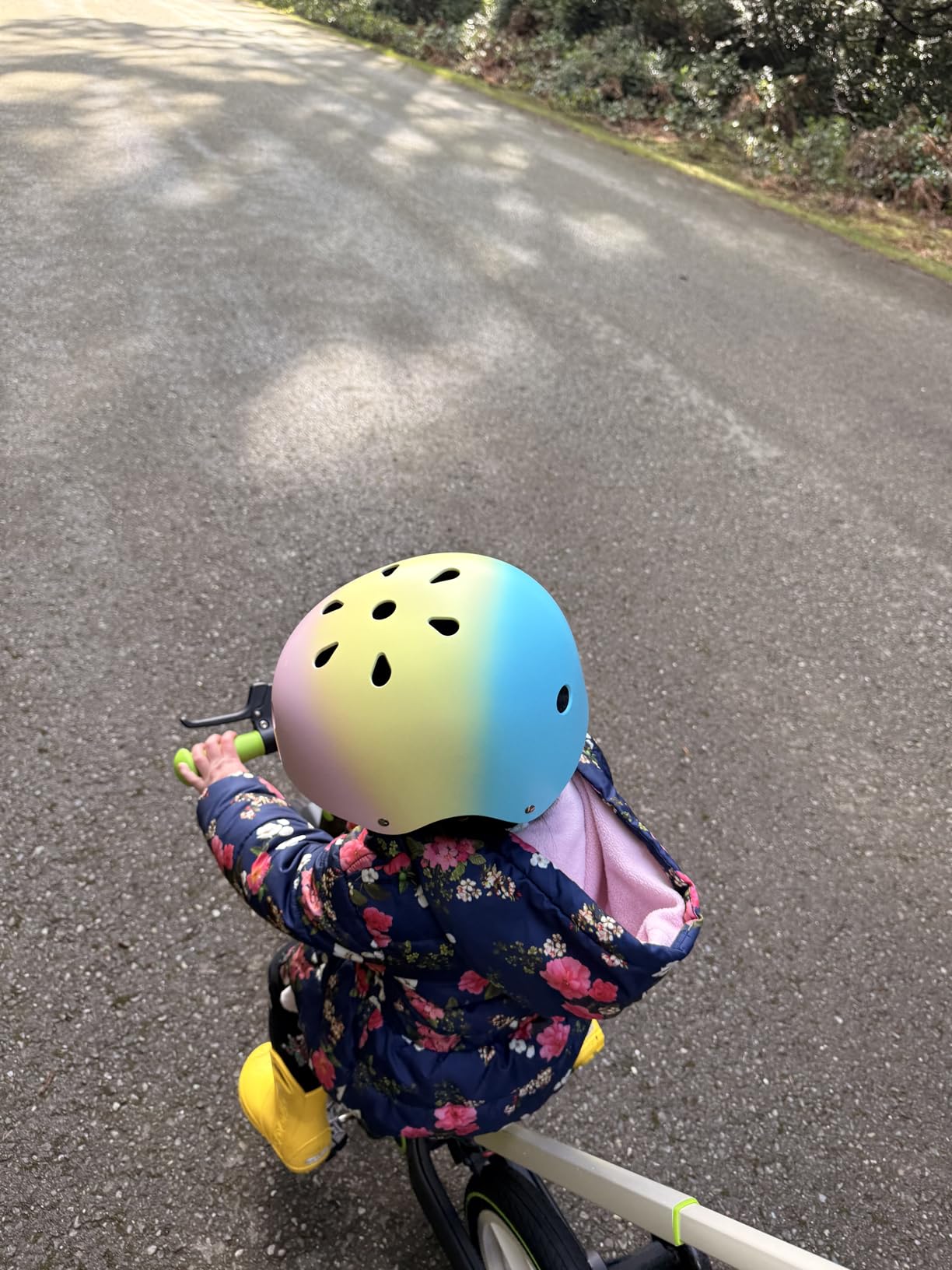
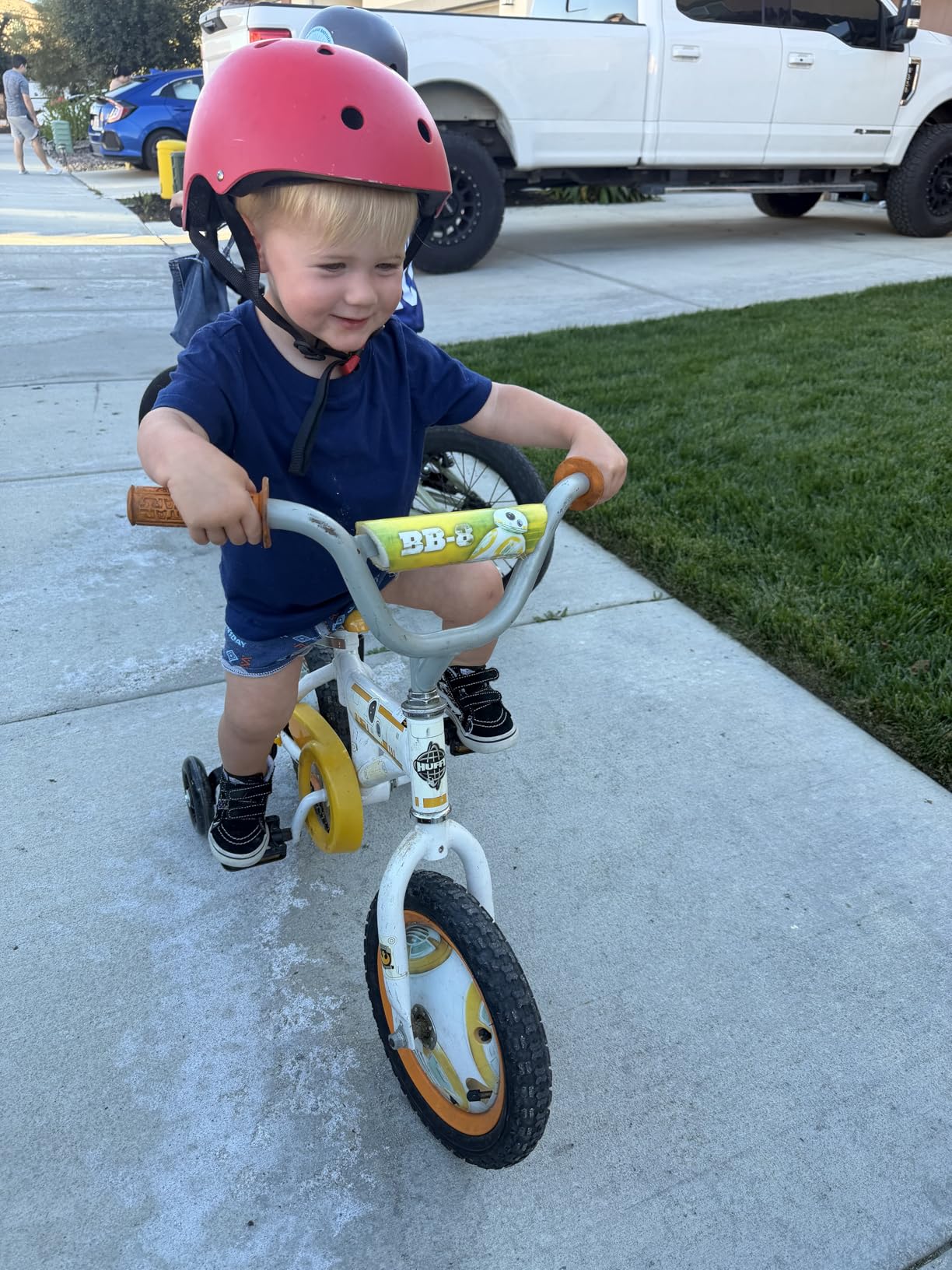
This model holds a 4.6 average across 12873 reviews and ranks at the top of the kids bike helmet category it sits in. Reviewers often buy a second unit as a spare or a hand-me-down, which tells you something about how the shell holds up. The shell is ABS over high-quality EPS foam, and it complies with the US CPSC standard for bicycle helmets for persons age five and older.
Ventilation is the quiet strength here. Eleven top and side vents keep a child’s head cooler on a long summer ride, and the fit is light enough that younger children are not burdened by it. The listed intended uses cover cycling and skateboarding, so a scooter or balance bike is inside the design brief.
Who this helmet suits
This is the pick for a family with two children in different size bands, or for a child who is growing quickly through the toddler to youth range. The three-band structure means a single product listing can cover a five-year-old and a twelve-year-old.
It is also a good skate-style choice for a child who splits time between a scooter and a bicycle, since the shape reads as a skate helmet and children tend to keep wearing it across both.
Where it falls short
The recurring caveat is fit at the small end. Several parents advise measuring and expecting a slightly loose feel even in the small size, and that looseness is exactly the condition that leads to a child tipping the helmet back. The two pad thicknesses help more than the extra-small configurations do not.
There is also no manufacturer warranty on this listing, which is a real difference when you compare it to the limited lifetime warranty on the Schwinn Thrasher. Treat the shell as a replace-after-impact item and buy accordingly.
4. Bell Marvel Avengers Child and Toddler Bike Helmet
- Superhero graphics and 3D shapes get young children eager to wear it
- Nine vents keep small heads cool
- Side-squeeze buckle is simple for small hands
- CPSC compliant for persons age five and older
- Limited adjustment range within the child size band
- Can run large on smaller three-year-old heads
- Painted graphic finish wears over time
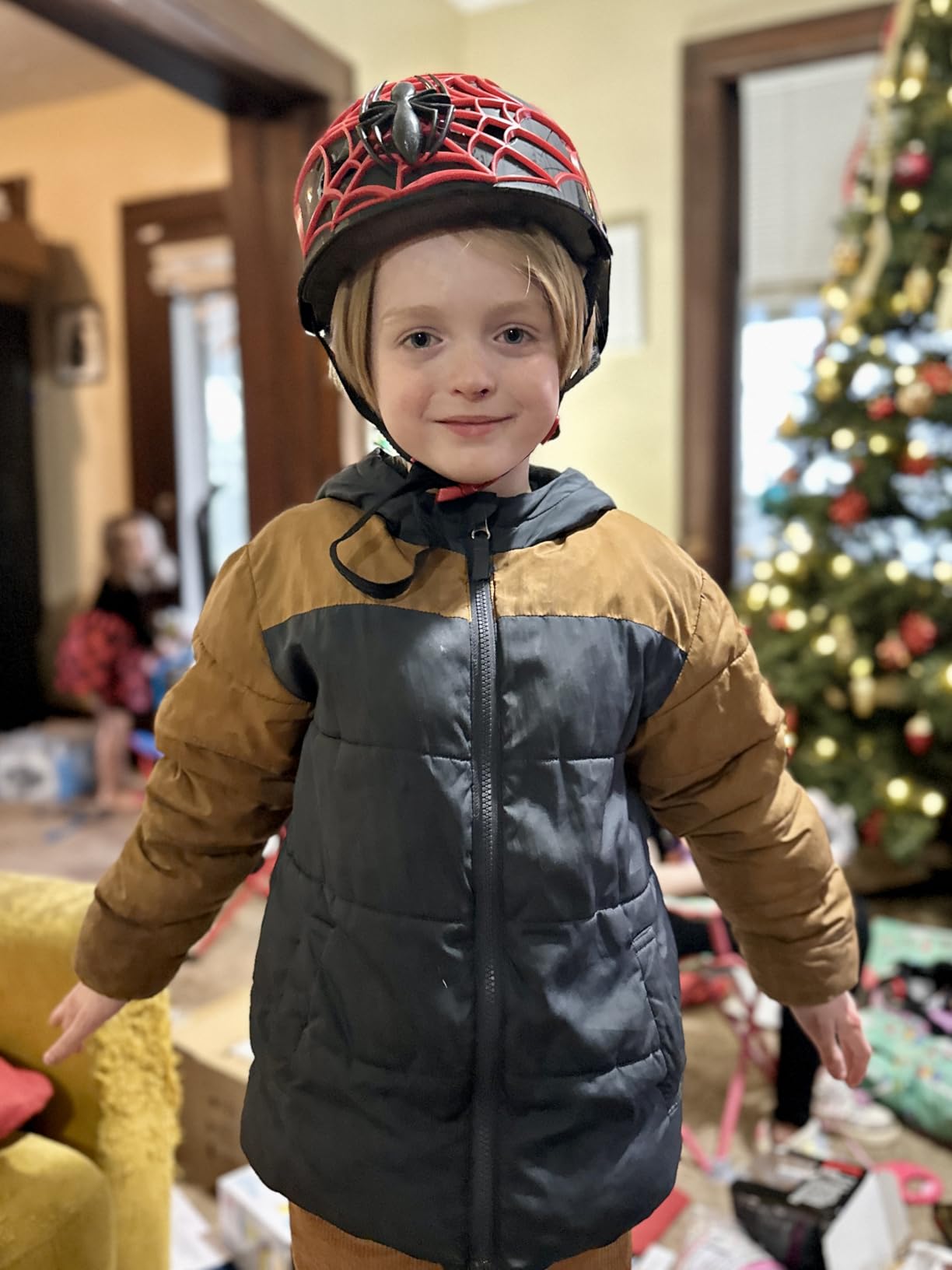
Behavioral fit matters more than technical fit at this age, and that is where this helmet wins. The three-dimensional Marvel character graphics turn the helmet into something a child wants to put on rather than something worn to end an argument. Across 10881 reviews at a 4.7 average, owners consistently name the design as the deciding factor.
The published child size fits most heads measuring 50 to 54 cm, and the helmet complies with the US CPSC safety standard for bicycle helmets for persons age five and older. The shell feels substantial for a first-rides child, with expanded polystyrene inside and nine vents positioned to move air across the top of a small head.
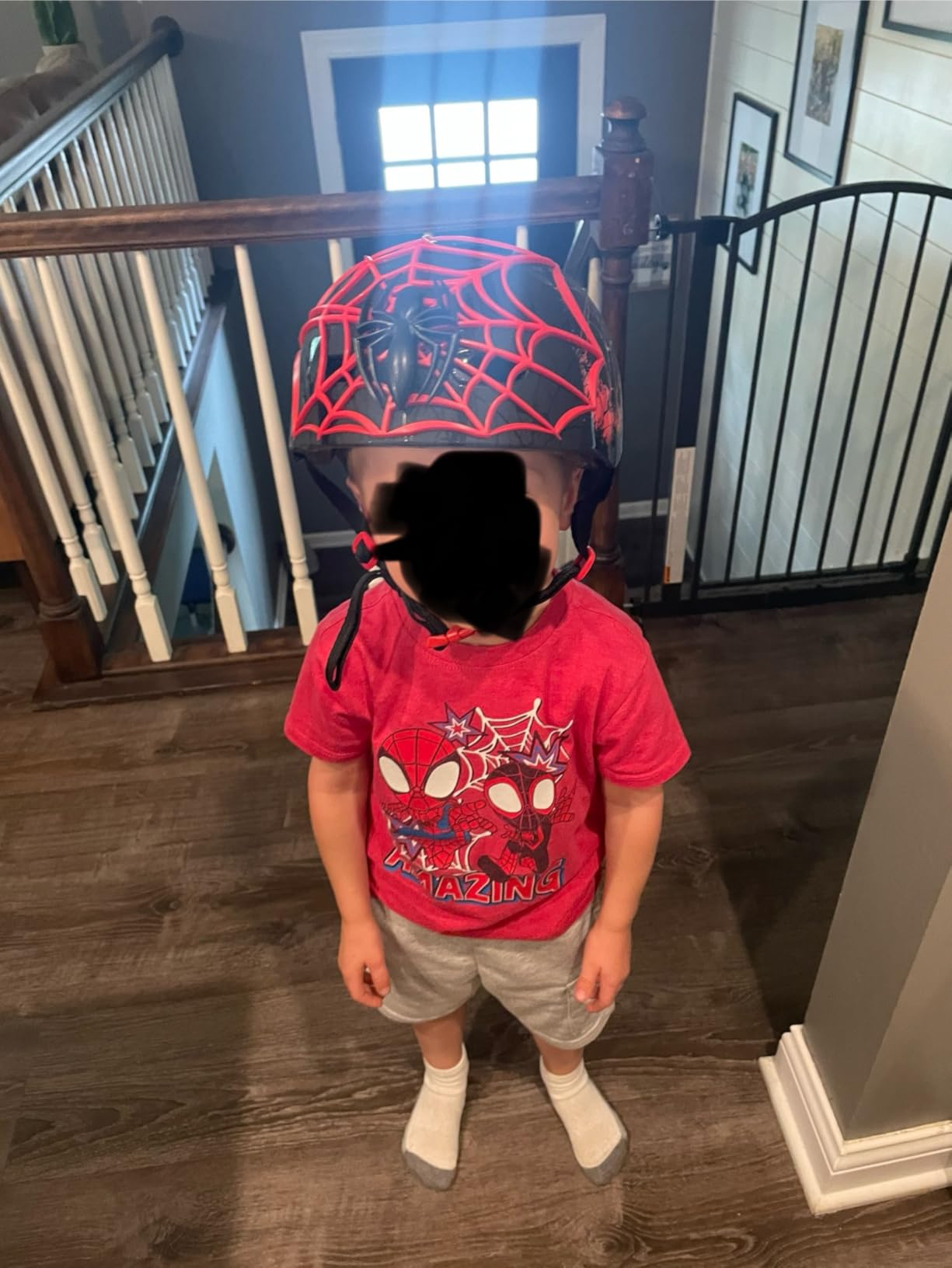
Fitting uses a side-squeeze buckle rather than a ratcheting pin buckle, which is easier for a five-year-old to close one-handed and is less likely to pinch a small neck. The helmet weighs 10.08 ounces, which sits between the very light toddler models and the bulkier skate-style shapes. There is a one year limited warranty.
Bell’s own guidance is worth following exactly here. The listing states plainly that you should always take a head measurement, that head sizes and shapes vary even inside an age range, and that using a helmet which does not fit can be dangerous. That is a fair description of where this model struggles.
Who this helmet suits
This is the pick for a child aged five to eight who measures between 50 and 54 cm and who has already decided that helmets are annoying. If the objection is behavioural, a character design solves a problem that no amount of dial technology will.
It also works as a first helmet for driveway practice, tricycle riding, and short neighborhood loops, where the priority is that the helmet stays on. For a child who wears glasses, the low brow line and absence of a retention cage leave the temple arms clear.
Where it falls short
Adjustment is the weak point. Within the child size band there is limited or no adjustment range, so the fit depends almost entirely on landing inside the 50 to 54 cm window. Several reviews note the size runs large for smaller three-year-old heads, which means a child who looks old enough for it may still be too small.
The painted graphic finish also wears over time, and a scuffed character helmet does a lot of damage to a child’s willingness to put it on. If your child outgrows the band, this is a replace rather than a grow into.
5. Schwinn Thrasher Helmet for Kids Ages 8-14
- Highest average rating in this ranking at 4.8
- Dial retention holds a snug fit through side and chin strap fine tuning
- Removable washable 360 degree interior padding
- Twenty air vents and a removable visor
- Heavier at 13.12 ounces than toddler models
- Fixed 55-58 cm range limits who it fits
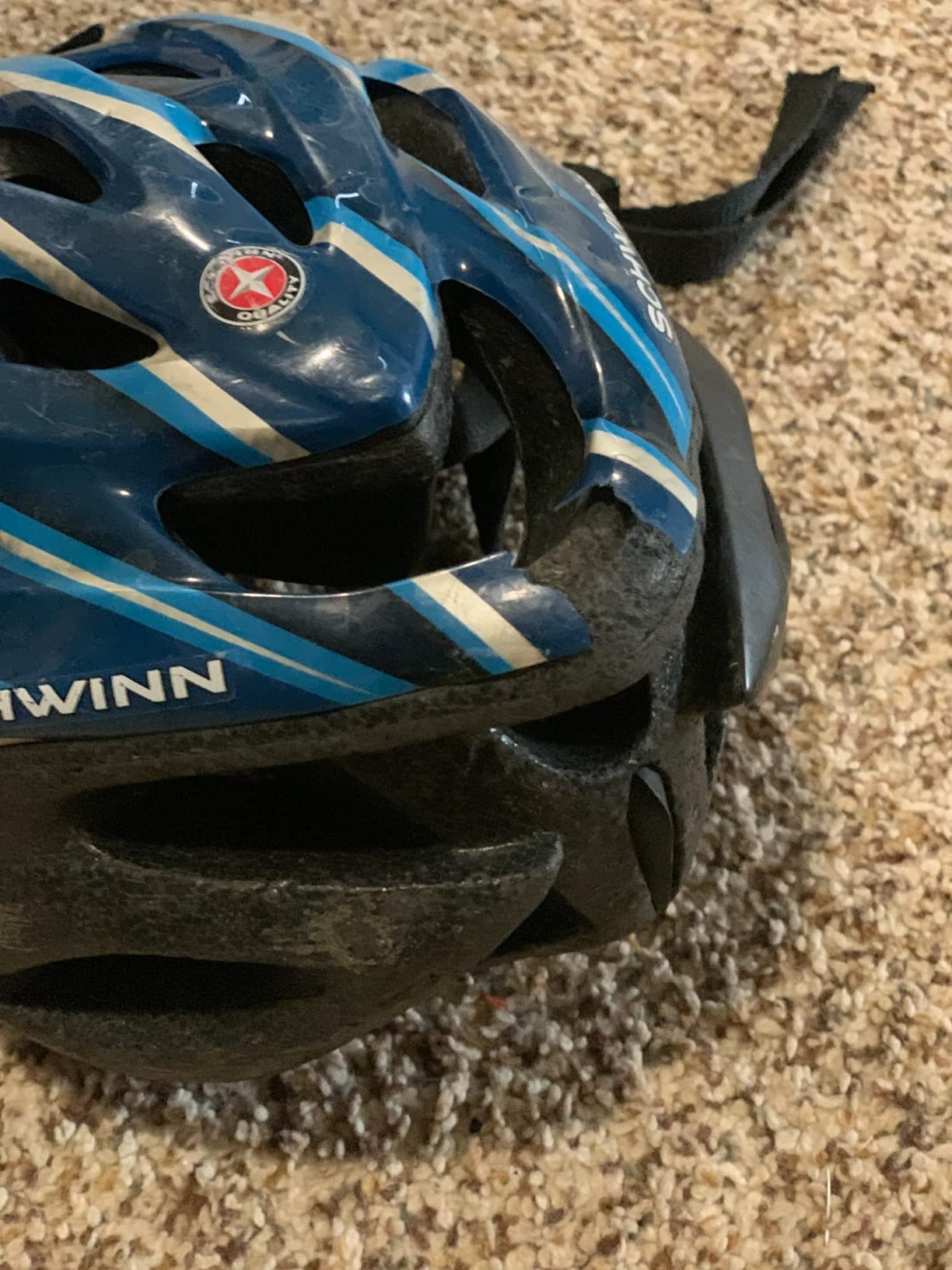
- A small number of units arrive with a damaged microshell
The Schwinn Thrasher has the highest average rating of anything in this ranking at 4.8, with 5291 reviews behind it, and the reason is the dial fit system. Parents of children in the eight-to-fourteen range repeatedly say it outfitted helmets they tried in local bike shops, which is a strong signal for a product with a fixed size band.
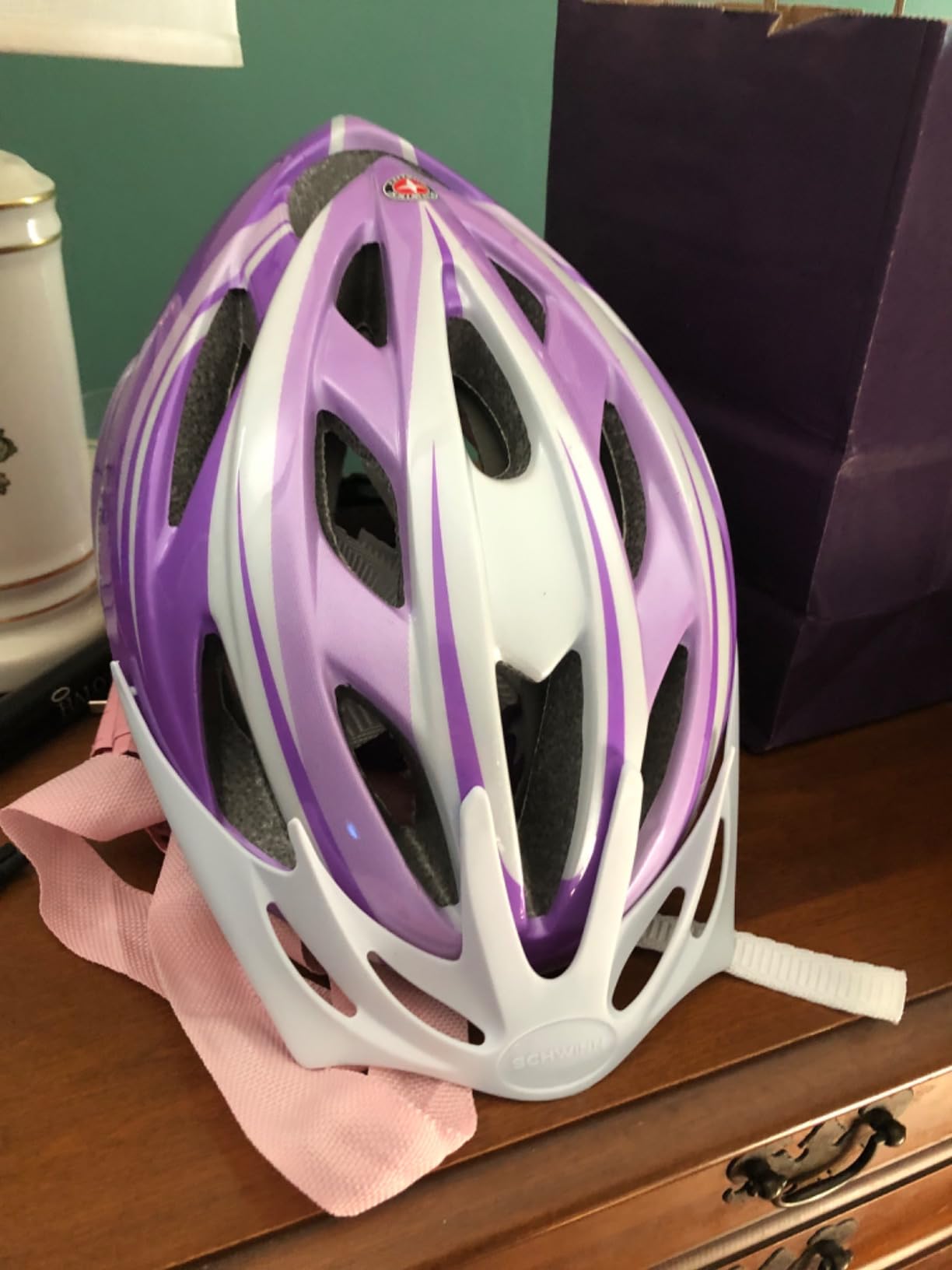
It is built for a head measuring 55 to 58 cm, with a removable visor, a twist dial retention system, and side and chin straps for fine tuning. The microshell construction keeps the weight at 13.12 ounces, and the full-coverage 360-degree interior padding can be removed and washed, which matters across a full school year.
Twenty air vents is the highest vent count among the models here, and reviewers pair that with praise for keeping a head cool on longer rides. Parents of seven to nine year olds, including one set of twins, report that it fitted both a smaller and a larger head inside the band, which is the outcome you hope for from a fixed range.
The certification is unusually generous for this bracket. It complies with the US CPSC safety standard for bicycle helmets for persons age one and older with extended head coverage, so the shell is rated for a wider age span than the eight-to-fourteen guidance suggests, and the warranty is a limited lifetime rather than a single year.
Who this helmet suits
This suits an older child riding to school, a sporty eight-year-old, or a kid heading toward a first mountain bike. The sporty styling is reported as being well received by the eight-to-fourteen crowd, which is a different audience from the one buying the character helmets.
If you have two children eight and eleven with heads inside that 55 to 58 cm window, parents report the same helmet working for both. That is the argument for this model over a dial-adjustable one with a narrower range.
Where it falls short
At 13.12 ounces it is one of the heavier helmets here, and that weight is pointless for a small child. The fixed 55 to 58 cm band is the main limitation: measure first, because this helmet does not adjust its volume, only its tension.
A small number of units arrive with a damaged or peeling microshell over the EPS foam, so inspect the shell the day it turns up rather than the day of the first ride. The limited lifetime warranty is a meaningful offset to that.
6. 80Six Triple-Certified Multisport Helmet for Kids, Teens and Adults
80SIX Triple Certified Multisport Helmet – Ideal for Bike, Scooter, Skateboard, Roller Skate and Inline Skate
- Triple certified including the skateboard standard ASTM F1492
- Three size bands inside a single model
- Interior foam conforms to head shape with use
- Works for biking skating scooters and longboarding
- Heaviest listed weight in this group at 400 g
- Snug by design so it can feel tight at first
- Only a 180 day manufacturer warranty
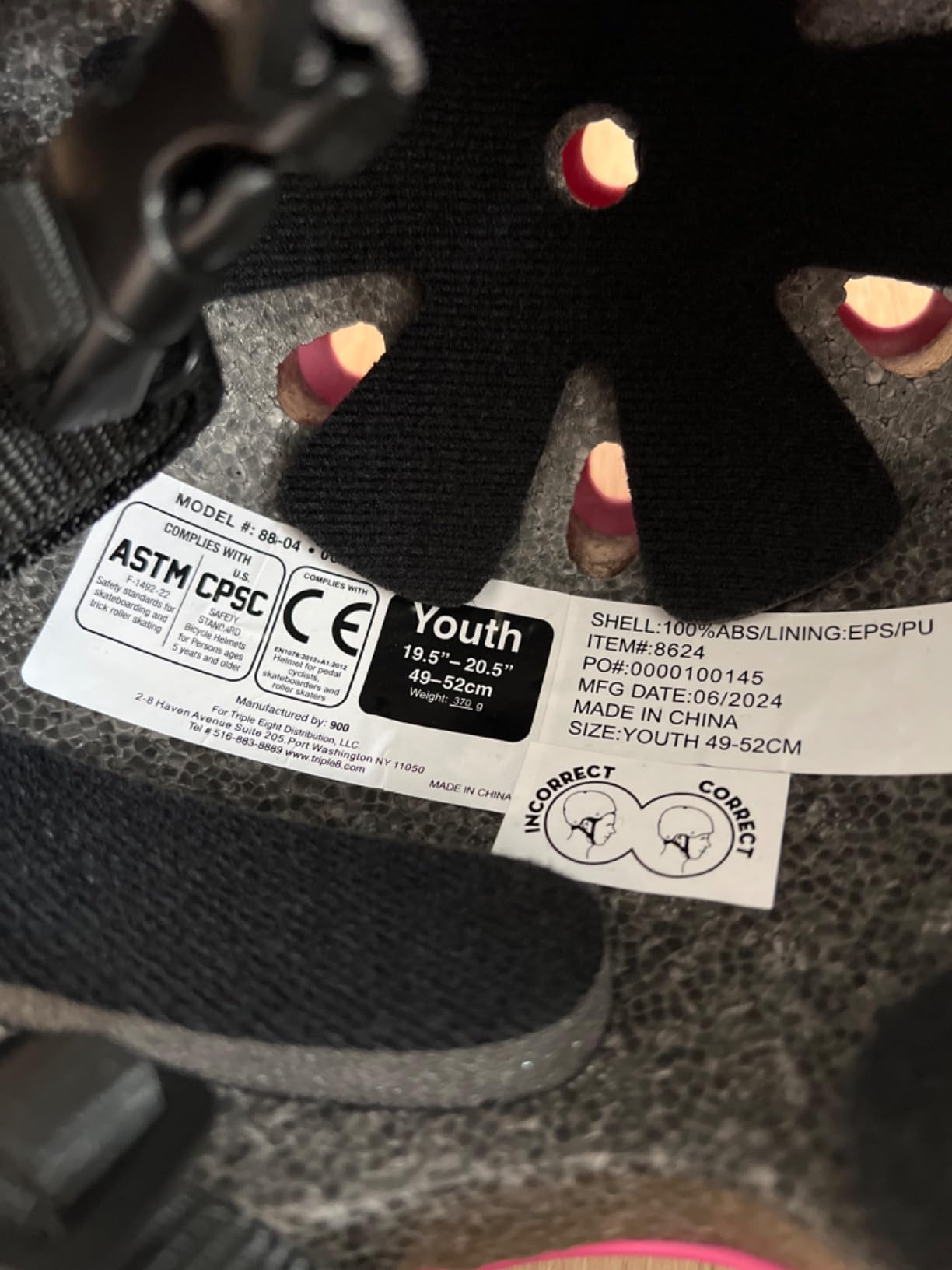
The 80Six is the only helmet here that is certified for trick riding as well as bicycles. It is triple certified to US CPSC, ASTM F1447 for recreational bicycling and roller skating, and ASTM F1492 for skateboarding and trick skating. That third standard is the one that matters if your child is heading to a skatepark rather than the school run.
Size bands are 49 to 52 cm for the five-plus youth size, 52 to 56 cm for the eight-plus youth size, and 55 to 58 cm for the fourteen-plus small/medium. Buyers highlight the certification as the reason they chose it over cheaper single-certified helmets with a similar look.
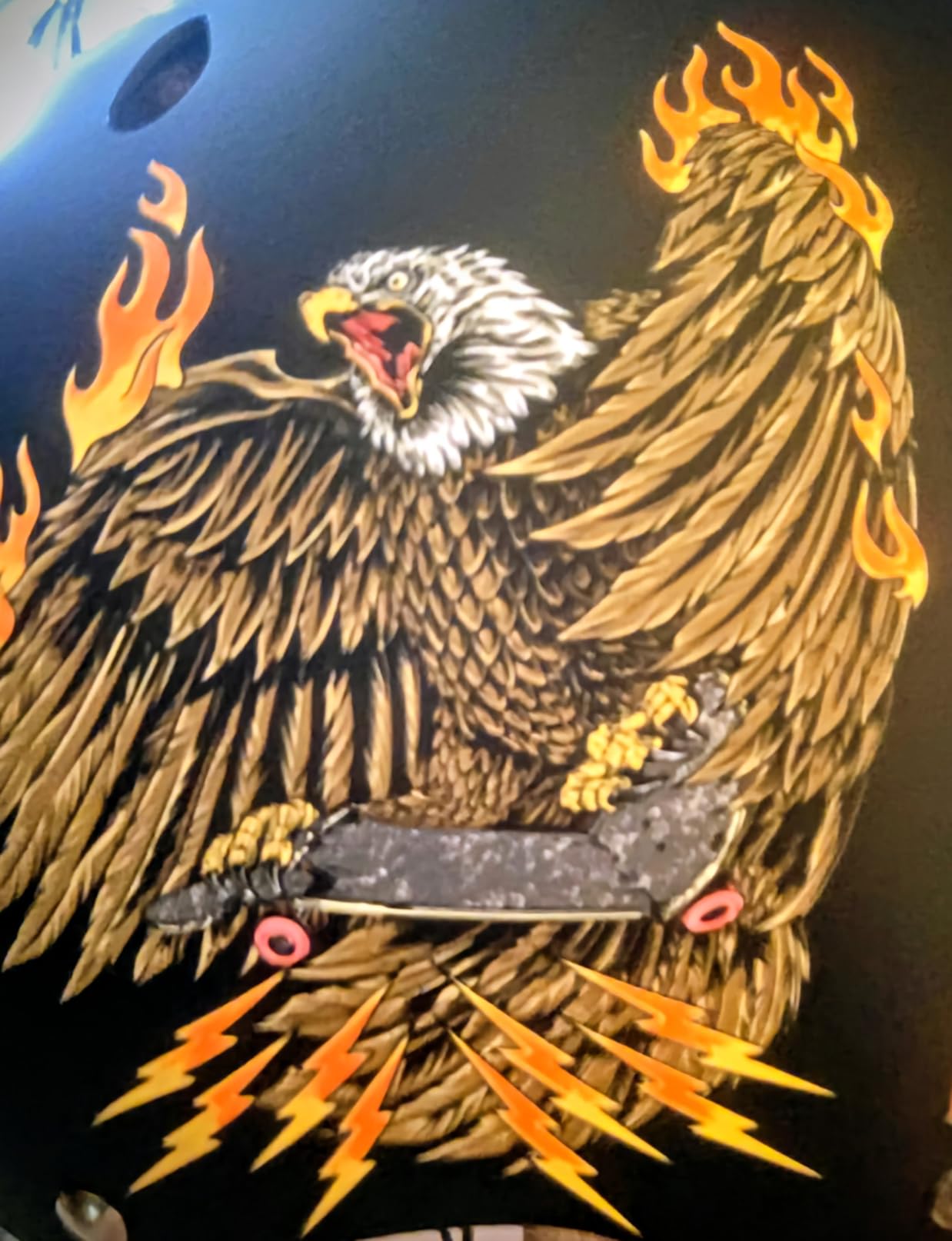
The interior foam gradually conforms to the wearer’s head shape with use, which is a real advantage over a helmet that stays generic after a year. The shell is ABS with an EPS liner and removable inner foam pads, a side-release buckle with an adjustable chin strap, and a classic bike helmet silhouette that reviews describe as looking less like a toy.
At 400 g this is the heaviest listed weight in the group, and that is the honest trade-off against the multi-sport certification. A younger or smaller child may find the weight bothersome on a long ride, which is why the fit is described as snug and secure rather than comfortable from the first minute.
Who this helmet suits
This is the pick for a child who moves between a bike, a scooter, a skateboard, rollerblades, a longboard, or a hoverboard. One helmet that is legal for all of those activities is worth more than three cheaper single-certified ones.
It also suits a child who has already outgrown the toddler sizes and wants a helmet that looks like a cycling helmet rather than a costume. Parents who ride with older kids on mixed surfaces tend to land here.
Where it falls short
Weight is the main complaint, at 400 g against a 4.64 ounce toddler helmet at the other end of this list. The fit is intentionally snug from day one, so a child who objects to a tight helmet will need a few rides to adjust.
The warranty runs 180 days, which is the shortest in this ranking. Beyond that, the snug-by-design fit means you should measure carefully rather than assuming the size band will stretch.
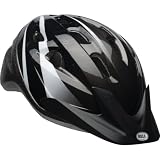
7. Bell Richter Youth Bike Helmet
- Low profile classic shape with good coverage and an understated look
- Bell True Fit system adjusts in one step on every ride
- Patented Pinch Guard buckle stops skin pinching
- Light at 10.24 ounces with good airflow
- True Fit adjustment can be stiff for small hands
- Fixed 54-58 cm band gives little room for growth
- Plain styling offers no character appeal
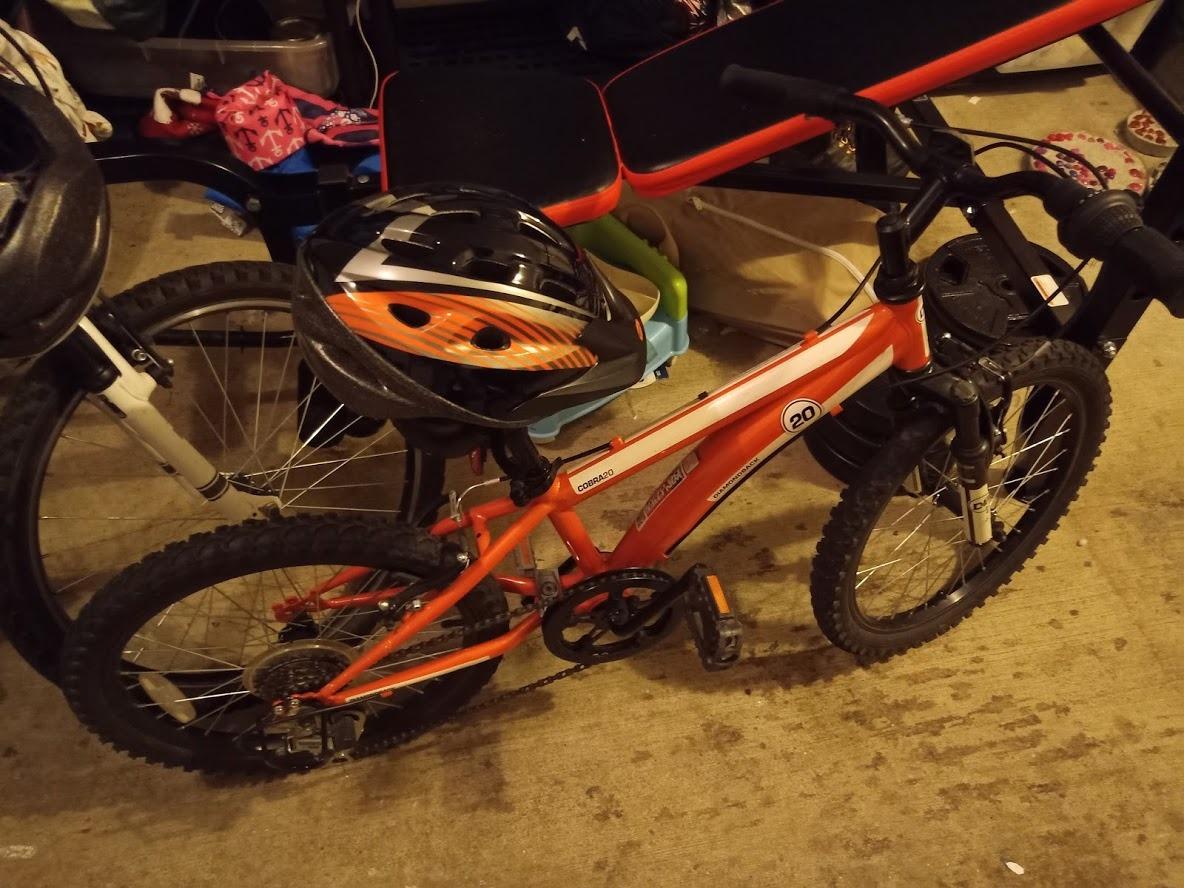
The Richter is the least conspicuous helmet in this ranking, and for an older child that is the whole point. It is a low-profile classic bicycle shape with good coverage, offered in nine color options including graphics styles, and older kids in the eight-to-fourteen range are reported to wear it without complaint.
Fit is handled by the Bell True Fit system, which is a one-step adjustment a child can manage on their own before every ride. That independence matters at this age, and reviewers note that once the system is set the fit holds through a season of use.
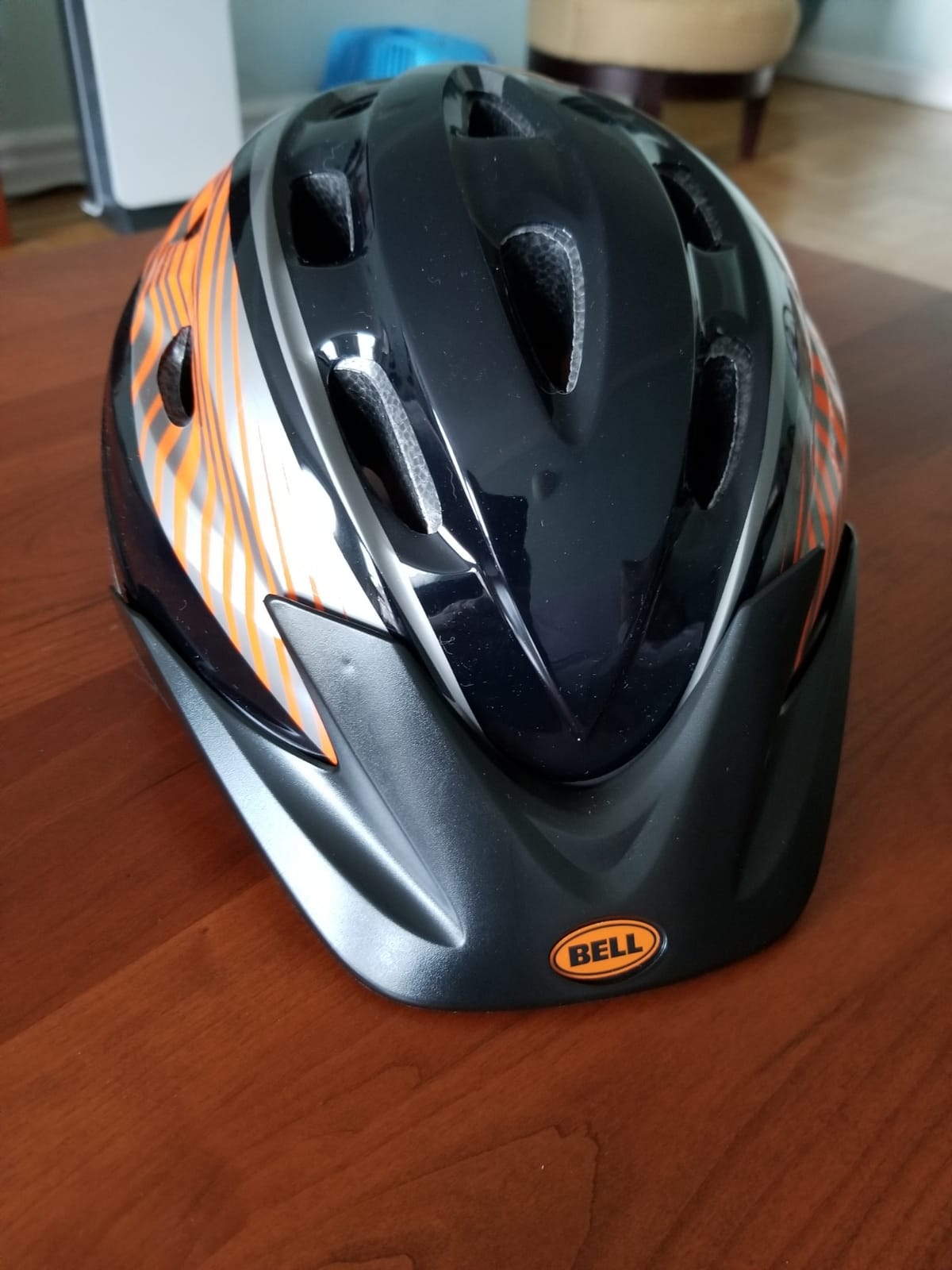
The patented Pinch Guard buckle is the detail parents mention most. It prevents pinching during buckling, which removes the single most common reason a child decides a helmet hurts. The shell is ABS with polyester and nylon internal material, and it complies with the mandatory CPSC safety standards for bicycle helmets. There is a one year limited warranty.
At 10.24 ounces it is one of the lighter options at youth size, and the vents move air well for a helmet with this much rear coverage. The recommended range covers most heads measuring 54 to 58 cm, and the listing repeats the usual warning to take a head measurement first.
Who this helmet suits
This suits an eight-to-fourteen-year-old who has moved past character helmets and wants something that looks like a cycling helmet. It is also a sensible commuter choice because of the light weight and the buckle that does not pinch.
For a child riding in the evening, the understated look matters less than the fact that this is a helmet a teenager will keep on without being asked twice. That is the difference between a helmet and a hook by the door.
Where it falls short
The True Fit system is reported as initially stiff or hard to operate, particularly for younger children, so expect a short adjustment period. The fixed 54 to 58 cm band leaves little room outside that window, and there is no dial to widen it.
Styling is the other limitation. A child who wants a character design will not find one here, and the plain finish does less work in the fight over wearing a helmet than the Marvel or mohawk models do.
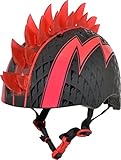
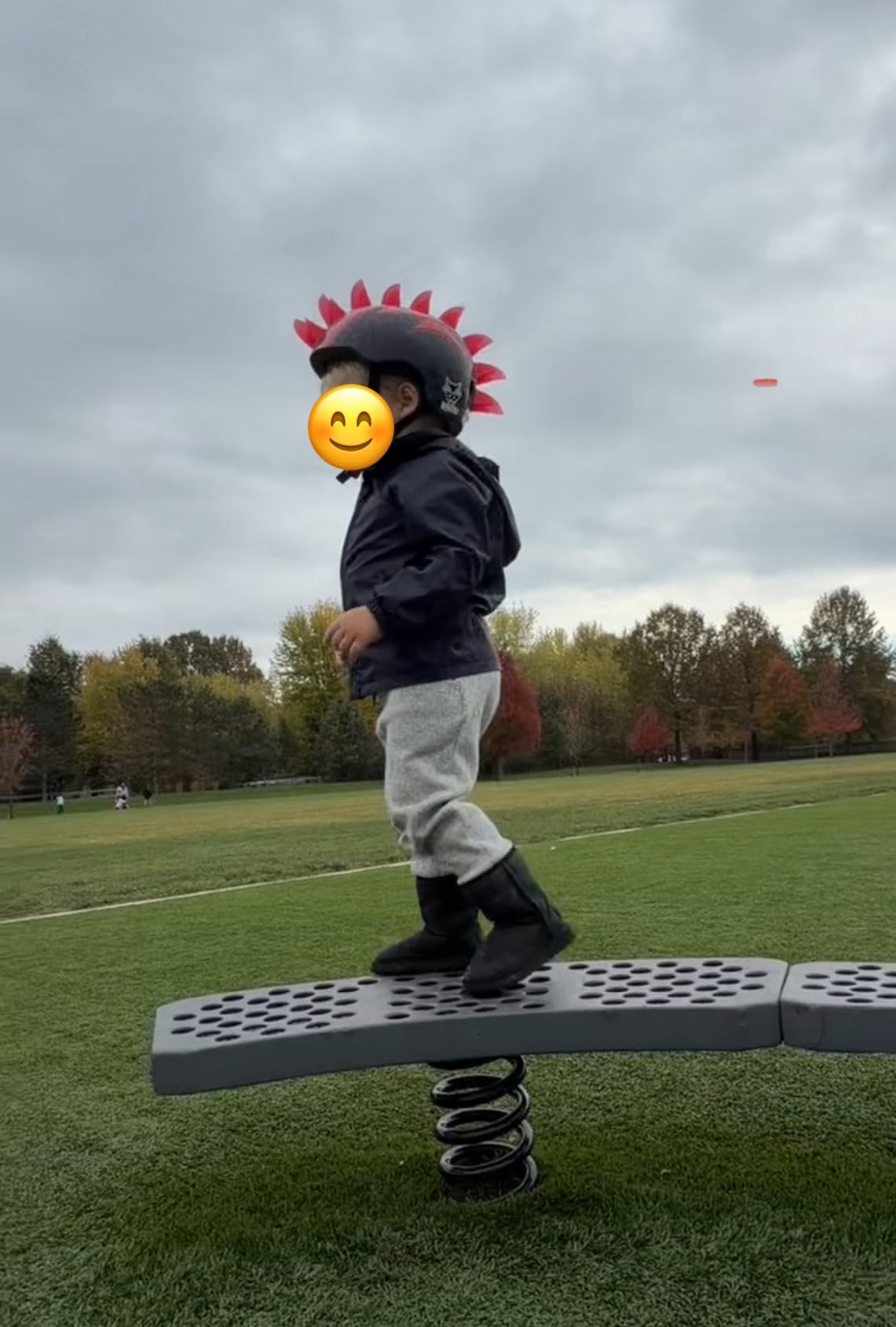
8. Raskullz Mohawk Bolt LED Helmet
- Five LED lights in a 3D fin that children insist on wearing
- Auto shutoff conserves battery when switched off
- Adjustable straps plus cooling vents for airflow
- Joint highest average rating here at 4.8
- Fixed 50-54 cm band limits who it fits
- LED feature is decorative only
- PVC outer shell is less protective in a severe impact than hard ABS
The Raskullz Mohawk solves a problem no amount of padding engineering can. A three-dimensional fin mohawk with five LED lights turns the helmet into the most interesting object in the garage, and reviewers report that children insist on wearing it. With 3948 reviews at a 4.8 average and 87 percent five-star ratings, it is the most enthusiastically received helmet in this list.
The lights carry an auto shutoff feature that conserves battery when switched off, and the fin is purely decorative. Nothing about the lighting adds protection, and that should be understood before buying it as a visibility feature for the road.
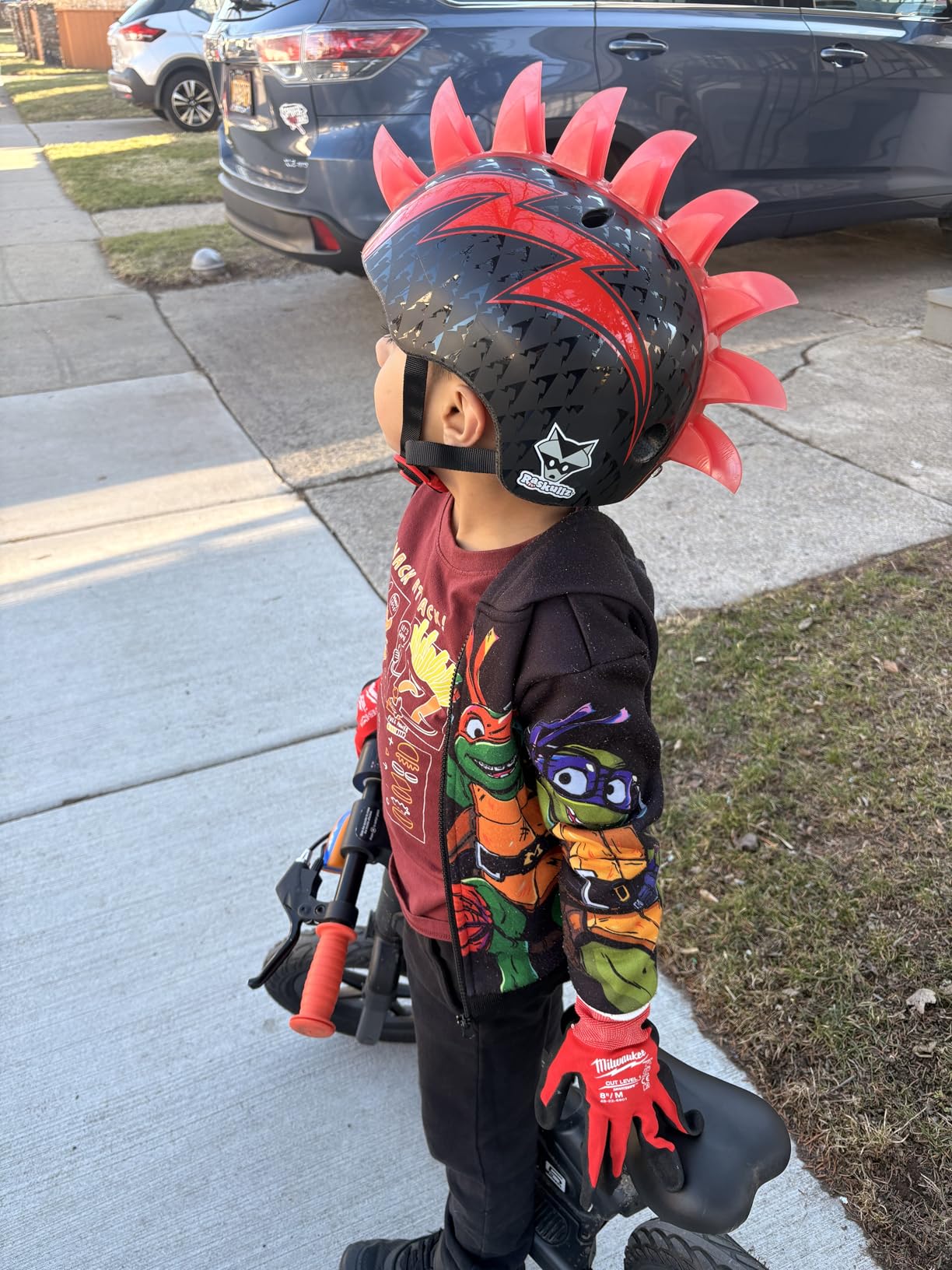
Construction is a durable outer PVC shell with impact-dampening expanded polystyrene inner foam, adjustable straps for a snug fit, and aerodynamic cooling vents. The helmet complies with the US CPSC safety standard for bicycle helmets for persons age five and older, and the listed uses cover cycling, inline skating, and skateboarding. There is a one year limited warranty.
The sizing note is the practical issue. The child size fits most heads measuring 50 to 54 cm and is recommended for ages five to eight, with no adjustment of shell volume. Parents repeatedly advise measuring the child’s head first, because the band is fixed and the shape inside it is not adjustable.
Who this helmet suits
This is the pick for a five-to-eight-year-old who is unmovable on helmet choice, and for households where getting the helmet on without a negotiation is worth more than refinement. The intended uses also cover a scooter, a skateboard, and rollerblades.
For a child who rides at dusk in a neighborhood where drivers are not watching for small riders, the illuminated fin is a genuine bonus for being seen, even though it is not a safety system in the engineering sense.
Where it falls short
The outer shell is PVC rather than the harder ABS used by several rivals, and reviews note it offers less protection in a severe impact. It is still CPSC compliant, but it is not the shell I would choose for trail riding at speed.
The fixed 50 to 54 cm band is the other limitation, and there is no dial or liner swap to widen it. Weigh that against the child who will actually wear it, because a helmet that stays on the hook protects nothing.
9. EXCLUSKY Lightweight Kids Bike Helmet for Ages 5-14
Kids Helmet, Exclusky Kids Bike Helmet Adjustable Safety Lightweight Children for Skating Cycling Scooter Boys and Girls Bicycle Helmets Ages 5-8-14
- Very light at 6.4 ounces with 15 air vents
- Single-hand dial retention the child can adjust alone
- Detachable sun visor and soft chin pad
- High density EPS liner with heat-sealed edging to reduce abrasion
- Sizing is hard to judge online and fit mismatches occur
- Polycarbonate shell rather than the harder ABS used by rivals
- Bright colorways do not suit every child
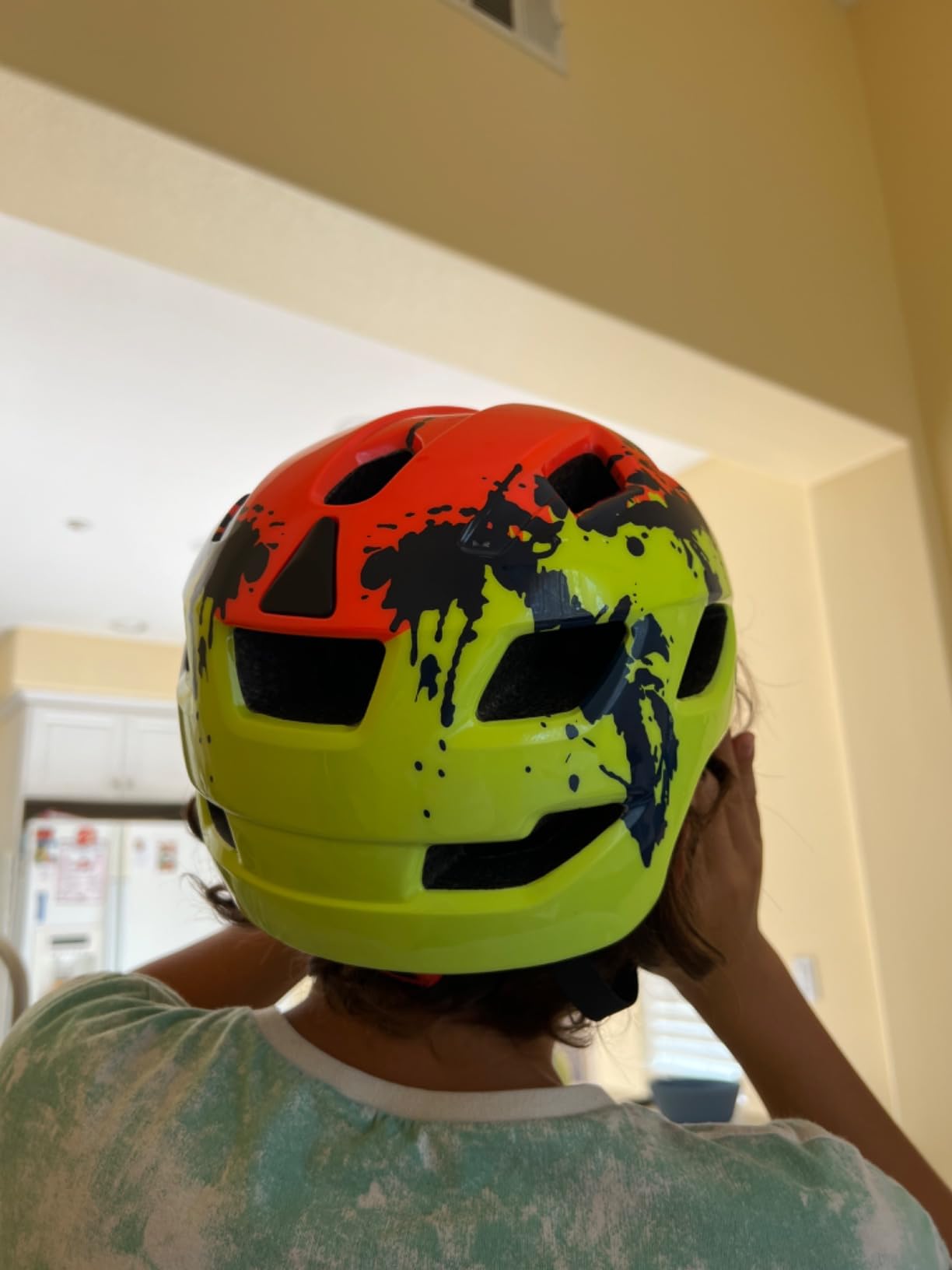
The EXCLUSKY is the second lightest helmet here at 6.4 ounces, and it pairs that with 15 air vents. For a child doing long summer rides in real heat, the combination of low weight and high ventilation is the point, and parents of five-to-eight-year-olds single out how little it heats up the head compared with boxy alternatives.
Size options are an X-Small at 48 to 52 cm and a Small at 50 to 57 cm, with a single-hand dial retention system a child can adjust independently as they grow. The helmet is CE and CPSC dual certified, and the liner is high-density EPS with a thickened heat-sealed lining and a chin pad to reduce abrasion.
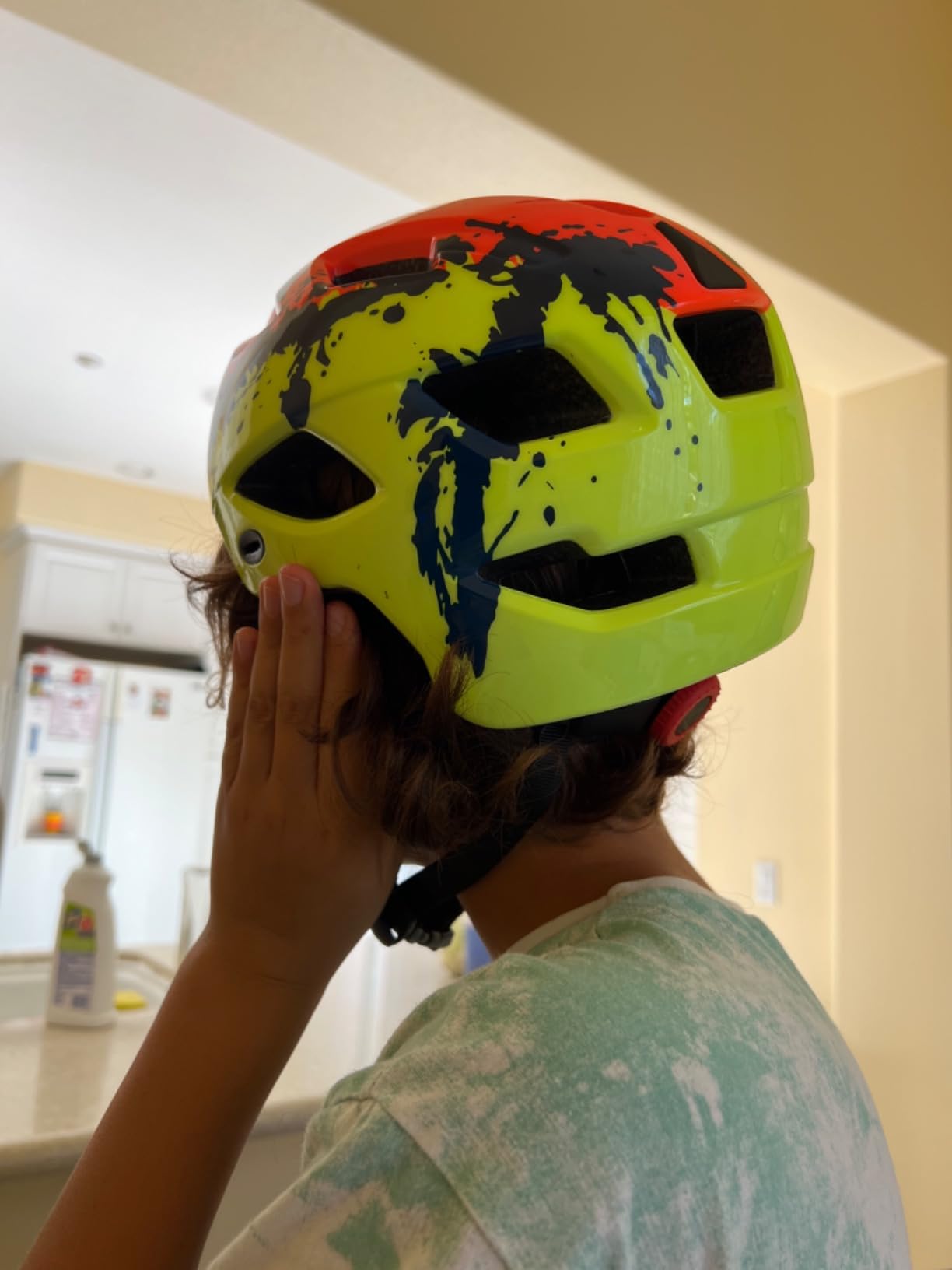
A detachable sun visor shades a child’s eyes, which is more useful than most parents expect on an evening school run. The intended scenarios include bicycles, trikes, ride-on cars, scooters, and bike trailers, so it works as a toddler and pre-school helmet as well as a youth one. The warranty runs one year.
Across 3532 reviews the average is 4.6, with repeated praise for the dial fit system, the visor, and easy independent buckling. The dominant negative is online sizing: several buyers report the helmet did not fit and suggest trying it in person, which is a fair warning given the overlapping size bands.
Who this helmet suits
This suits a child in a hot climate, a long daily commute, or a summer riding pattern where heat is the reason a helmet comes off mid-ride. The 6.4 ounce weight also suits a younger child moving up from a tricycle.
It is a sensible second or trailer helmet as well. A spare low-cost unit in the car is a reasonable way to cover the trip to the park, and the dual certification covers bicycle use broadly.
Where it falls short
Sizing is genuinely hard to judge from a listing, and the two bands overlap between 50 and 52 cm, so a child in that window could reasonably fit either. Measure and compare against the published band rather than the age label.
The outer shell is polycarbonate rather than the harder ABS used by several competing models, which is a trade for weight. Bright high-visibility colors are well liked by most children and firmly rejected by some, so check the colorway before ordering.
10. Bell Axle Youth Bike Helmet
- High-impact reflectors improve visibility in low light
- True Fit one-step adjustment older kids manage alone
- Low profile silhouette sits close to the head
- Compact design at 2628 reviews and a 4.7 average
- One size covers a narrower 54-58 cm range than dial rivals
- Reflector styling suits older kids more than younger children
- No visor on this model
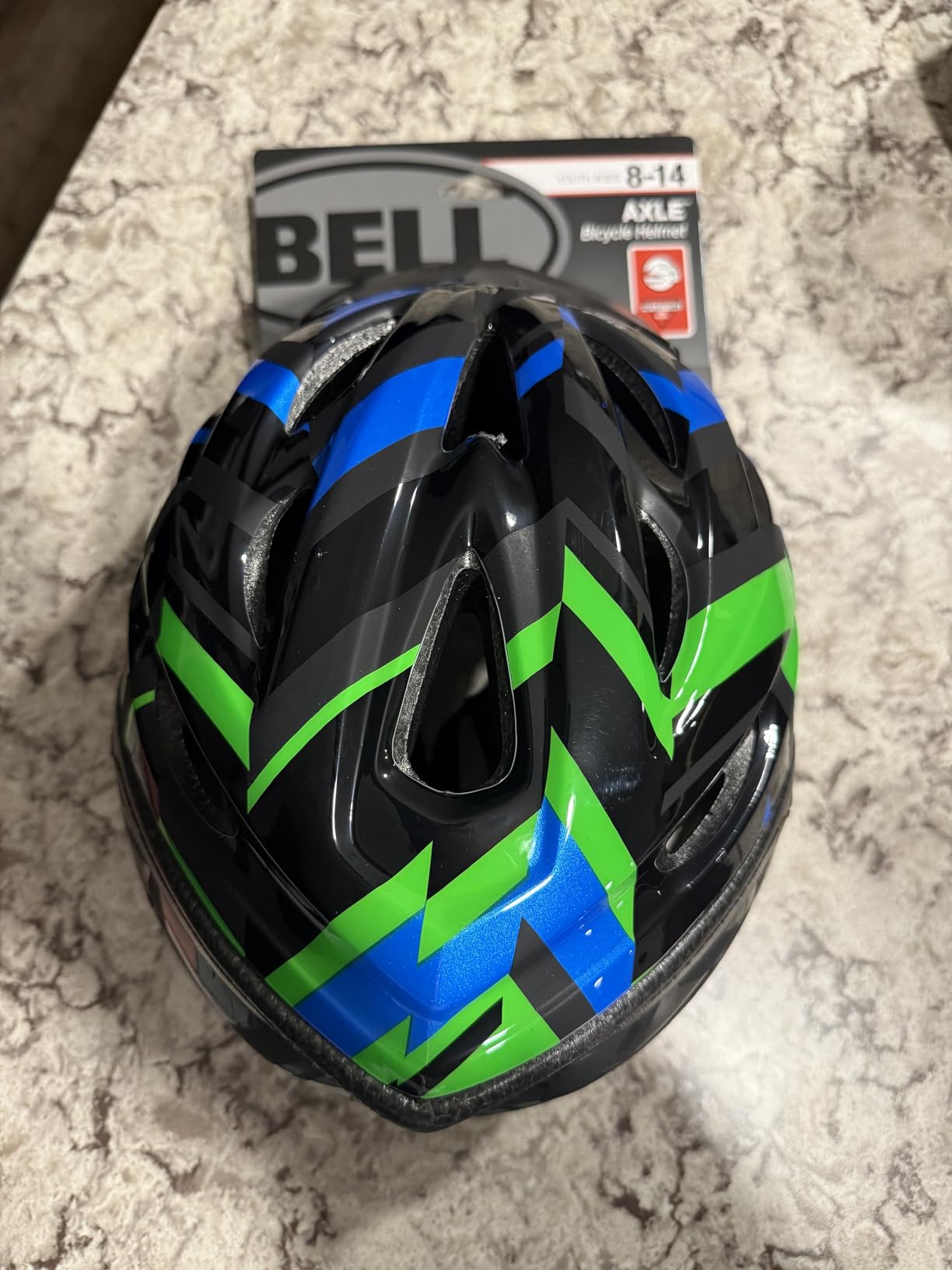
The Bell Axle is built around visibility. Its high-impact reflectors are the feature reviewers name most, and for a child riding home at dusk on a road with poor lighting, reflectors on a helmet are visible to drivers at angles where clothing reflectors are not. That is a real gap in a lot of otherwise good youth helmets.
Like the Richter, it uses the Bell True Fit system for one-step adjustment on every ride, and older kids reported in reviews manage the adjustment themselves without a parent. The silhouette is compact and low profile, sitting close to the head with good coverage, and it complies with the US CPSC safety standard for bicycle helmets for persons age five and older.
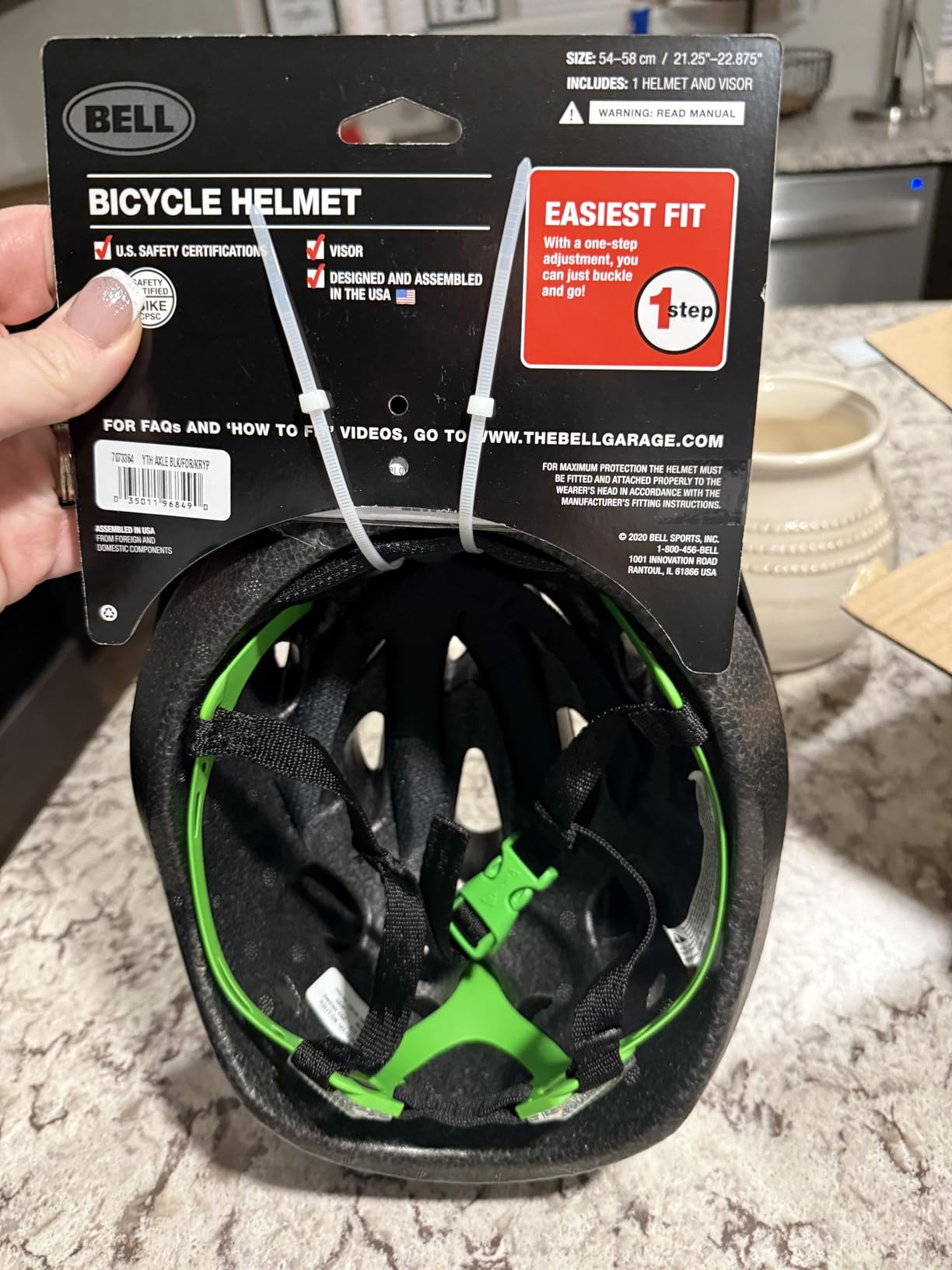
Fit is recommended for ages eight to fourteen and most heads measuring 54 to 58 cm, with a one year limited warranty. The rating holds at 4.7 across 2628 reviews, with 84 percent five-star, which makes it a steady performer rather than a headline pick.
Note that the listing does not publish a weight for this model, so treat comparisons on grams with care. The outer material is listed as polycarbonate with a foam interior, and there is no visor on this version.
Who this helmet suits
This suits a child aged eight to fourteen riding after dark, on a school route with street lighting, or anywhere visibility is the priority. The compact close-to-the-head shape also appeals to older kids who have moved past bulkier skate-style helmets.
Because the True Fit adjustment is a single step, it works well for a child who wants to put the helmet on themselves rather than negotiate with a parent first. That independence is worth more than another feature at this age.
Where it falls short
The one size covers a 54 to 58 cm range, which is narrower than several dial-adjustable competitors in this ranking. Head measurement matters here more than with an adjustable model, because there is no volume adjustment to compensate.
There is no visor, and the reflector styling skews to an older look that younger children in the same size band tend to find plain. The polycarbonate shell is also lighter than an ABS shell would be.
How We Ranked the Best Bike Helmets for Kids
We ranked these helmets on five things, in this order: certification, fit range, retention quality, strap and buckle design, and the likelihood a child will keep wearing it. Price was not a criterion, because it changes constantly and says nothing about the shell.
Certification came first because it is binary. Every helmet here complies with the US CPSC safety standard for bicycle helmets, and the 80Six goes further with ASTM F1447 and ASTM F1492 certification. A helmet with no stated standard on the listing is not a candidate regardless of what else it offers.
Fit range came second. A dial that adjusts tension, removable liners that change volume, and published size bands in centimeters all score higher than a single wide band with a fixed internal shape. Head shape varies as much as head size, and only one of those two is printed on a box.
Retention and straps came third. A rear dial holds the shell level, adjustable chin straps close the last gap above the ears, and fixed sewn-in straps cannot rotate out of position. Buckle design matters too, and a pinch guard is a genuine safety feature rather than a gimmick.
Finally we weighed the reviews for evidence of long-term behavior. A helmet that works for a year in daily use is a better recommendation than a better-engineered helmet that ends up on a hook.
How to Measure Your Child’s Head Circumference
Measure the widest part of the head, roughly an inch above the eyebrows and the top of the ears, and compare the centimetre number to the helmet’s listed range. Age is a poor proxy for this, and a two-year-old can measure more than a four-year-old.
Use a soft tape measure rather than a rigid ruler. Wrap it level around the back of the head at the widest point, keep it just above the eyebrows and ears, and read the number in centimetres. If you only have inches, the OutdoorMaster sizing note gives a worked example: a size large is recommended between 21.3 and 22.8 inches, which is 54 to 58 cm.
Match the measurement to the middle of the published band rather than the bottom. If a child measures 52.5 cm, a band of 50 to 54 cm is a better match than a band of 50 to 52 cm, even though the smaller number is closer to the measurement. Look for the number to land near the center of the range.
Do not size up to allow for growth. This is the most common mistake parents make, and it is a safety mistake rather than a savings one. A helmet with visible extra room can rotate and slide off in a fall, and no amount of dial adjustment corrects a shell that is simply too large. Buy the correct size and replace it when the child outgrows it.
If a head shape is unusual, an in-person fitting at a bike shop is worth the trip. Sizing up to compensate for a confusing chart is a widespread habit that forum discussions about children’s helmets show up again and again, and it is one of the reasons staff at independent shops are trusted more than online review aggregators.
The Fit Test: Two Finger-Widths, V-Straps and a Snug Chin
A helmet is fitted correctly when it sits level on the forehead, one to two finger-widths above the eyebrows, with the side straps forming a V under each ear and the chin strap tight enough for one to two fingers underneath. Run this check every time, and again after any adjustment.
Position first. The helmet should sit level across the forehead, not tilted back off it, and not pushed down over the eyes. A helmet that slides backward when the child shakes their head is not fitted, no matter what the retention system is doing. That is the single most common deal breaker reported by owners of otherwise good helmets.
Straps second. Each side strap should form a V shape under the ear, with the top of the V meeting the bottom of the ear lobe. If the strap runs straight down from the shell to the buckle, the Y position is wrong and the helmet can slide forward over the eyes.
Buckle third. Tighten the chin strap until one to two fingers fit under it. It should be snug enough that the helmet cannot be pushed off the head with an open palm on the front, and loose enough that the child can swallow and speak normally. A pinched chin is the fastest way to end helmet cooperation permanently.
The two-minute routine matters more than the model. Have the child put the helmet on themselves, check the level, form the two Vs, and test the chin strap, then start the ride. Doing the check yourself each time removes the negotiation and teaches the child to do it without you.
If the helmet shifts when the child shakes their head, the fit is wrong and no amount of strap tightening will fix it. Sizing up is not the answer. The answer is a smaller shell, a different liner thickness, or a different helmet entirely.
Bike Helmet vs Skate-Style Helmet
A child can wear one helmet for bikes and scooters, but skateboards and trick riding need a helmet certified for that use. Look for a dual-certified model carrying both the CPSC standard and ASTM F1447 for skateboarding, and ASTM F1492 for trick riding where relevant.
Bicycle helmets are cut low at the front and cover less of the sides. They are lighter, cooler, and better vented for riding in a forward position. Skate-style helmets sit lower and further back, cover more of the skull, and often include a visor. They are heavier but they stay on through a fall from a height, which is what happens on a skateboard.
The 80Six in this ranking is the model that resolves the question. It is triple certified to CPSC, ASTM F1447, and ASTM F1492, and it works for biking, skateboarding, rollerblading, inline skating, longboarding, scooters, and hoverboards. Its 400 g weight is the price of that coverage, and it is the heaviest listed weight in this group.
For scooters and balance bikes, most bicycle helmets are fine, because a scooter fall is a low-speed sideways event much like a bicycle fall. Parents on cycling forums often treat balance bike and tricycle riding as too slow to need a helmet, and driveway falls and slope speed-ups are the reason that is a bad assumption.
Our broader guides cover the other end of the helmet market, including helmets for mountain bikers and dirt bike helmets for trail riding, which are relevant once a child is riding trails or a pump track at speed.
Is Rotational Impact Protection Worth It?
Rotational impact systems are worth adding when the budget allows, but only after the fit is right. A helmet that rotates off the head does more harm than the feature can prevent, so fix the fit first and treat anti-rotation technology as the second decision.
The idea is simple. A traditional helmet manages linear impact by crushing its foam liner. Rotational systems add a low-friction layer that slides a few millimetres during an oblique impact, allowing the helmet to rotate slightly so the brain does not rotate as violently inside the skull. Most real bicycle falls are oblique rather than straight down, which is why this matters.
The best-known version is MIPS, and there are competing implementations worth knowing about, including KinetiCore, QuadCore, and Low Density Layer designs. If a MIPS helmet is outside your budget, a certified helmet without it is still a good helmet, and none of the ten here carry a named rotational system, which is worth stating plainly rather than hiding.
What substitutes for it in this group is extended rear coverage and a low-profile shell. The Schwinn Thrasher and Schwinn Classic both rate for extended head coverage, and the 80Six carries a deeper skate-style shell that covers more of the skull than a low-profile bicycle helmet. That geometry does part of the same job.
For a full picture of how this technology works in practice, our guide to ski helmets with MIPS covers the same engineering in a category where the protection claims are documented in more detail.
When to Replace a Kids Bike Helmet
Replace a helmet after any crash or significant impact, even when the shell looks intact, because the EPS liner compresses invisibly and stops performing. Also replace it when the shell is cracked or scraped, when straps or the buckle no longer hold, when it no longer fits, or when the manufacturer’s replacement window has passed.
The compression point is the one parents miss. Expanded polystyrene absorbs energy by crushing, and a crushed liner does not recover. The helmet can sit in a garage looking perfect for years while providing materially less protection than a new one. A drop from a bike at speed, a fall onto concrete, or a head-first slide onto a kerb all count as significant.
Age is a factor too, and the warranty terms in this ranking show how brands treat it. The Schwinn Thrasher carries a limited lifetime warranty, which is the strongest commitment here. Most others run one year, one year limited, and the 80Six runs 180 days. Short warranties are common because shells and buckles fail with UV exposure and time regardless of use.
Used helmets need their own rule. A helmet with an unknown history may have been in a crash, may have been stored in a hot car, or may have been dropped repeatedly. Refurbishing a sibling’s helmet is reasonable when it is undamaged, has a known history, has never been in a fall, and still fits, and the new child’s head circumference is inside the same band.
Storage matters as much as age. Do not leave a helmet on a car seat or in a hot trunk, since heat degrades both the foam and the shell plastic. Store it indoors with the bike, in a place the child can reach. That single change also solves the habit problem described next.
Getting Your Child to Actually Wear a Helmet
Most helmet refusal is a fit or comfort problem wearing a costume. Check heat, pinch points, hair pulling, and pressure points before you assume a child is simply being difficult.
Start with the physical causes. A helmet that pinches at the chin, sits on a pressure point at the temples, pulls a ponytail, or traps heat in July will be removed at the first opportunity. Fixing the chin strap tension, adding or removing a liner pad, and choosing a more vented model solves most cases within a week.
Then fix the routine. Parents report that children tolerate helmets far better when the helmet is stored with the bike rather than in a closet, and one consistent rule works better than any amount of negotiation: helmet first, then wheels. The child never gets to start riding without the helmet, and never gets nagged once it is on.
Give the child some ownership. Let them pick the color, let them buckle it themselves, and let them be the one who checks the fit on a friend. A helmet the child considers theirs is worn; a helmet imposed on a child is removed at the first quiet moment.
Expect a bad week. Most children who fight a new helmet settle within a few rides, and the ones that do not are usually the ones with a genuine fit problem. If resistance continues after two weeks of correct fitting, treat it as a fit issue rather than a discipline issue and try a different shell or a character model.
For older children, a helmet that looks like an adult cycling helmet rather than a costume matters more than any feature. That is the argument for the Bell Richter and the Bell Axle over the Marvel and mohawk designs, in the other direction from the toddler market.
Frequently Asked Questions
What is the safest bike helmet for kids?
The safest kids bike helmet is a correctly fitted helmet that complies with the US CPSC safety standard, worn on every ride. Add rotational impact protection such as MIPS if your budget allows, and buy from an established brand with a public recall record. Fit matters more than any feature: a helmet that sits one to two finger-widths above the eyebrows, forms a V under each ear, and stays put when your child shakes their head will protect them better than a better-engineered helmet fitted badly.
What is the best helmet for cycling for kids?
For older youth sizes, the Schwinn Thrasher is our pick, with a dial retention system, twenty air vents, a removable visor, and a 4.8 average across 5291 reviews. It fits heads measuring 55 to 58 cm and carries a limited lifetime warranty. For younger children, the Schwinn Classic covers 48 to 52 cm, weighs 4.64 ounces, and is CPSC rated from age one. For a child who moves between bikes, scooters, and skateboards, the 80Six is triple certified to CPSC, ASTM F1447, and ASTM F1492.
What is the best bike helmet for kids?
It depends on head size and age, which is why we split the answer four ways. Best overall for most families: the OutdoorMaster, whose two removable liners cover a wide head range. Best for toddlers: the Schwinn Classic at 4.64 ounces and CPSC rated from age one. Best value across three size bands: the OUWOER. Best for a child who refuses helmets: the Bell Marvel, where the graphics do the persuading. Measure your child’s head in centimetres before choosing any of them.
What is the 2 2 2 rule for bike helmets?
There is no single official 2 2 2 rule, and several different explanations circulate for it. The practical version, and the one that matches safety guidance, is: two finger-widths above the eyebrows, two V-shaped straps under the ears, and two fingers under the chin strap. If you see a 2 2 2 rule described as two inches of clearance, treat that with caution and use the finger-based test instead, which you can actually perform on your child.
How do I measure my child’s head for a helmet?
Use a soft tape measure and wrap it around the widest part of the head, about an inch above the eyebrows and the top of the ears, level around the back. Read the number in centimetres and compare it to the helmet’s published range. Look for your number to land near the middle of that range rather than at either edge. Age labels are unreliable, because a two-year-old can measure more than a four-year-old.
What size bike helmet does my 4 year old need?
Most four-year-olds measure between 50 and 54 cm, but measure before you buy, because a two-year-old can outgrow a four-year-old’s head. In this ranking, the Bell Marvel child size covers 50 to 54 cm, the Raskullz Mohawk covers 50 to 54 cm, and the 80Six five-plus youth band covers 49 to 52 cm. A child measuring above 54 cm should look at the 54 to 58 cm youth bands on the Bell Richter, the Bell Axle, or the OUWOER medium size.
When should I replace a kid’s bike helmet?
Replace it after any crash or significant impact, even if the shell looks fine, because the EPS liner compresses invisibly and does not recover. Also replace it if the shell is cracked or deeply scraped, if the straps or buckle no longer hold, if it no longer fits, or if the manufacturer’s replacement window has passed. Avoid used helmets with an unknown history, and do not store a helmet in a hot car, since heat degrades the foam and the shell plastic.
Why does my kid keep taking off their helmet?
Check the physical causes first, because most refusal is a fit or comfort problem. Heat buildup, a chin strap that pinches, hair pulling at the strap, and pressure points at the temples all cause a helmet to come off mid-ride. Fix the strap tension, adjust the pads, and consider a more vented model. Then store the helmet with the bike rather than in a closet and use one rule: helmet first, then wheels. Give the child ownership of the buckle and the fit check.
Our Final Best Bike Helmets for Kids Picks
After working through all ten, the OutdoorMaster is still the pick we hand to most families, because two removable liners and a rear dial solve more real fitting problems than any other mechanism in this group. For a toddler, the Schwinn Classic is hard to argue against at 4.64 ounces with a CPSC rating that starts at age one. If you need several sizes in one household, the OUWOER’s three published bands are the most useful thing in the category.
The rest earn their place for specific reasons. The 80Six is the only triple-certified multi-sport option here, the Schwinn Thrasher has the highest rating in the group with a limited lifetime warranty, and the Bell Marvel and Raskullz Mohawk solve the problem no engineering can: a child who will actually put the helmet on.
Measure the head, fit the helmet with the two-finger test, and replace it after any real fall. Those three habits do more for a child’s safety than any feature on this list, including the one we would like to recommend.
Once you have a helmet, our guides to premium bike helmets for commuters cover what changes when the rider is an adult rather than a child.