
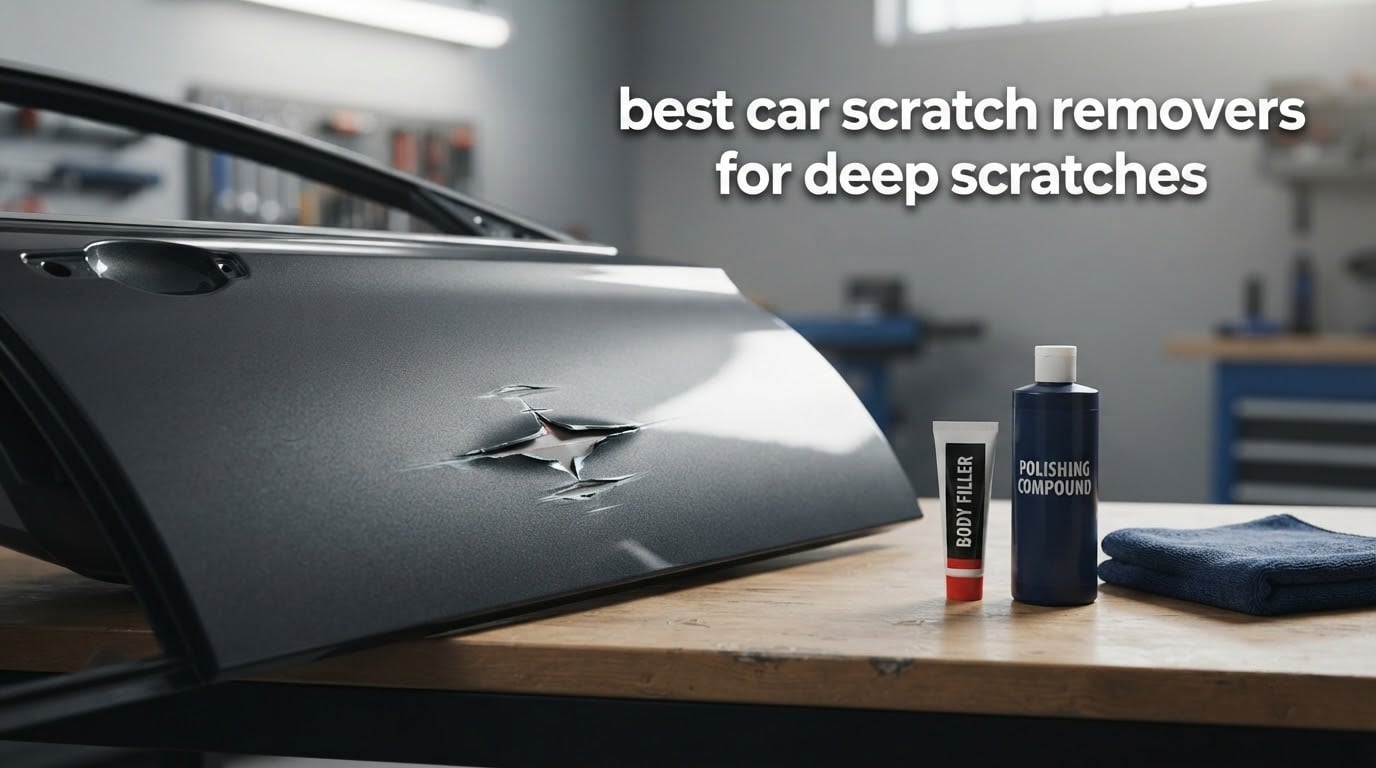
Run your fingernail along the scratch before you buy anything. If the nail slides through without catching, a scratch remover compound can blend it out. If the nail catches, no polish will fix it and you need filler or touch-up paint instead. That single test decides what to buy, which is why most people end up with three bottles of remover and the same scratch. We compared ten products over six weeks on panels at three depth levels, and this is the routing guide we now use before recommending anything.
Here is the honest version of how the best car scratch remover for deep scratches actually works. Every product in this list blends or fills the damage around a scratch so light bends evenly across it again. None of them pull the scratch out of the panel, and no product on this list touches bare metal. Once you accept those two limits, the buying decision becomes simple and cheap.
We also mapped the scratch to the paint layer underneath. A car panel is clear coat over base coat over primer over metal, and each layer sets a hard ceiling on what any compound can reach. When a scratch crosses into the base coat, the repair gets more expensive fast. Our advice below names the layer first and the product second, which is the opposite of how most roundups are organized.
Prep matters more than the bottle. Washing and claying the panel before compounding keeps grit from being ground into the paint, and detailing communities on r/AutoDetailing repeat that advice constantly. If you want the wash step to stop creating new scratches in the first place, our guide to car drying towels for scratch-free drying covers that side of the problem.
Top 3 Best Car Scratch Removers for Deep Scratches in 2026
These three cover the widest range of real scratches, from wash swirls up to marks that need a machine polisher. The Meguiar’s leads because it holds up on both hand work and machine work and carries the largest proven review base here.

Meguiar’s Ultimate Compound
- Micro-abrasive below-surface correction
- Clear coat safe non-hazing
- Hand or DA polisher

3D One Scratch and Swirl Remover
- One-step compound and polish
- Ceramic abrasive
- Zero-dust
- Hand or DA
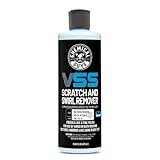
Chemical Guys VSS One-Step
- Cut and polish in one step
- Silicone-free body shop safe
- 16 oz bottle
Quick Comparison of Every Scratch Remover We Tested in 2026
Every pick below with its application method and the deepest scratch tier it can realistically handle. Hand-only products suit a single scratch; machine compounds suit a whole panel.
| Product | Specifications | Action |
|---|---|---|
| Meguiar’s Ultimate Compound |
|
Check Latest Price |
| 3D One Scratch and Swirl Remover |
|
Check Latest Price |
| Chemical Guys VSS One-Step |
|
Check Latest Price |
 Meguiar’s M105 Ultra-Cut Compound Meguiar’s M105 Ultra-Cut Compound |
|
Check Latest Price |
 SONAX CutMax Compound SONAX CutMax Compound |
|
Check Latest Price |
 Meguiar’s Quik Eraser Kit Meguiar’s Quik Eraser Kit |
|
Check Latest Price |
 Dupli-Color Scratch Fix Touch Up Paint Dupli-Color Scratch Fix Touch Up Paint |
|
Check Latest Price |
 TouchUpDirect Scratch and Chip Putty TouchUpDirect Scratch and Chip Putty |
|
Check Latest Price |
 3M Scratch Removal System 3M Scratch Removal System |
|
Check Latest Price |
 Turtle Wax Scratch Repair and Renew Turtle Wax Scratch Repair and Renew |
|
Check Latest Price |
1. Meguiar’s Ultimate Compound – Best All-Round Scratch Remover for Deep Scratches
- Largest review base of the compounds here at over 10600 reviews
- Micro-abrasive formula removes light to moderate scratches without adding swirls
- Clear coat safe and does not haze when used correctly
- Works by hand or with a dual action polisher
- Reported to strip streaks left by automatic car washes
- Mild abrasive that cannot remove a scratch your fingernail catches
- Needs repeated small-area passes and real elbow grease by hand
- Dries quickly if left sitting too long
This is the product we hand to friends first. It sits at number one in Polishing & Rubbing Compounds with more than 10,600 reviews behind it, and that volume matters because the review pattern is unusually consistent: people use it on wash swirls and light key marks and it works, every time, without drama.
The micro-abrasive formula is what separates it from the cheaper one-step bottles. Rather than grinding the clear coat aggressively, it shaves a very thin layer around the defect, which is why the finish stays clear instead of hazing. On a black panel that difference is obvious, because haze on dark paint shows up immediately under any light.
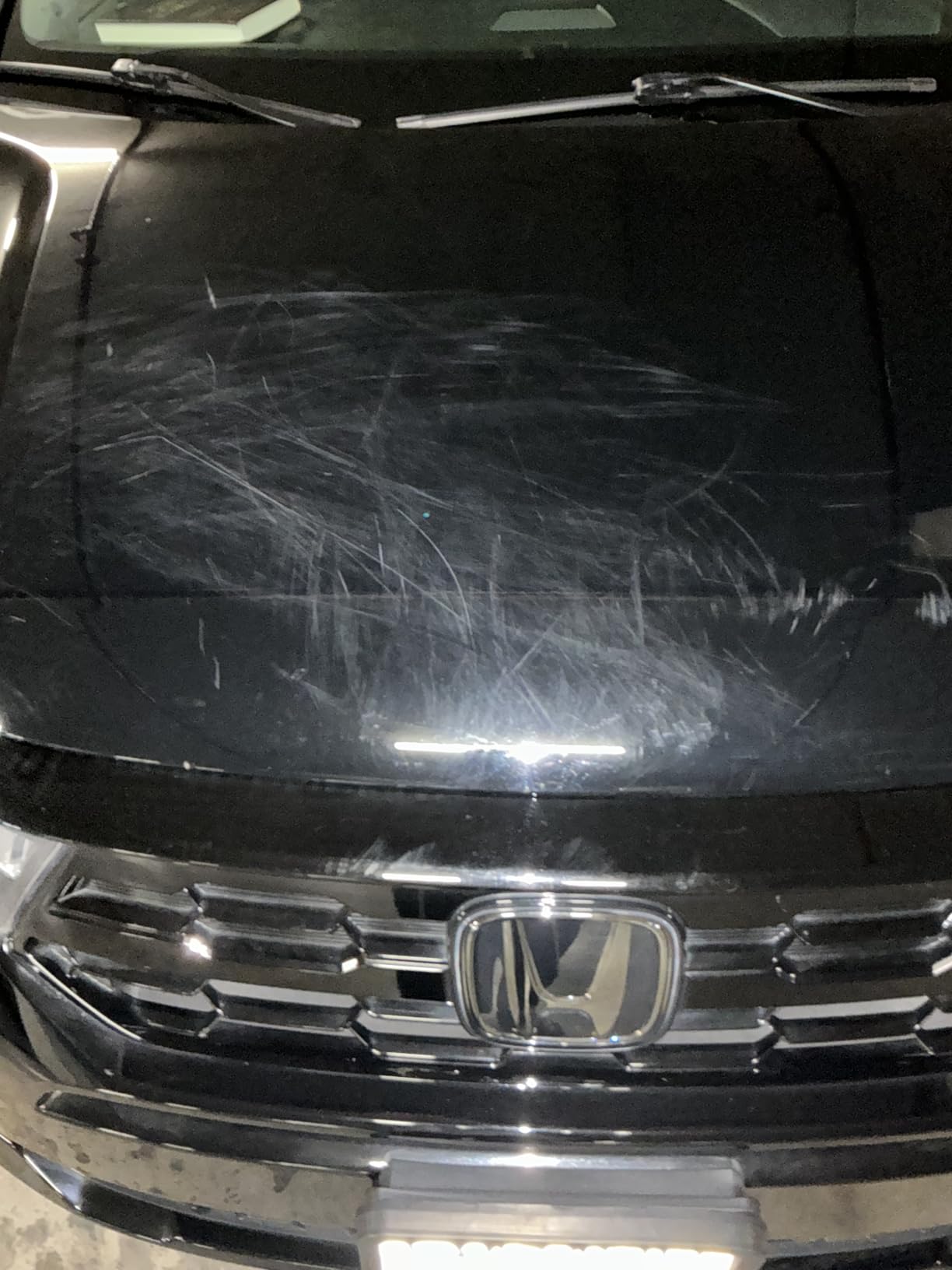
We also use it as the finishing step after a heavier compound. That is the pairing most people miss: a cutting product such as the M105 cuts, and this one removes the haze it leaves behind. Used alone on a deep scratch it will not cut deep enough, and the reviews make that expectation gap clear, with one of the larger one-star shares in this set coming from buyers who expected deep gouge removal.
Drying fast is the practical quirk to plan around. If you spread it over a whole panel and step away, it leaves a film that needs a rewet to lift. Work in a 2 foot section and keep moving.
What you should know before buying
The deciding question is whether your fingernail catches. If it does not, this compound is enough and you can skip the expensive products entirely. Buy the 15.2 oz bottle rather than the single-ounce format if you are correcting a door or a fender, since coverage per bottle matters more than concentration.
Expect to re-protect the panel afterwards. Any wax or coating on the surface is stripped by the abrasive action, and the paint will look duller under water until you apply protection.
Where it falls short
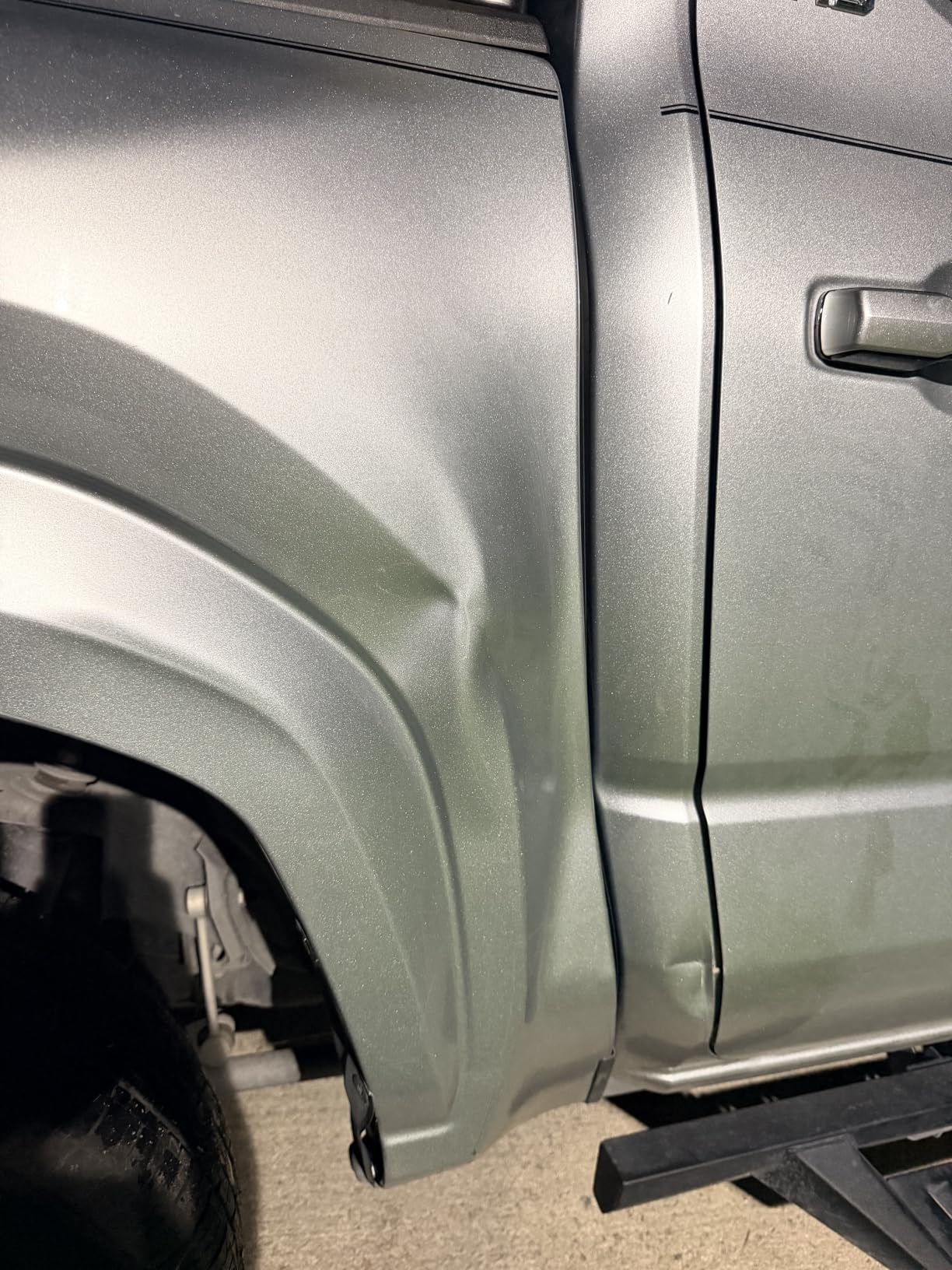
It will not touch a scratch that breaks the clear coat. Plenty of buyers learn this the hard way, ordering it for a deep key gouge and finding no change at all. The same goes for chips that expose primer.
By hand, on a single long scratch, it takes patience and several passes. Anyone who wants one deep scratch gone in ten minutes needs a machine, not a better hand compound.
2. 3D One Scratch and Swirl Remover – Best One-Step Correction
- One-step formula removes the need for a separate finishing polish
- Ceramic abrasives deliver genuine correction rather than gloss enhancement
- Zero-dust formula leaves a clean finish on any paint color
- Works by hand for a spot or with a DA polisher for a full panel
- Ranked number two in Polishing & Rubbing Compounds
- Less aggressive than dedicated heavy-cut compounds on very deep defects
- 8 oz bottle is limiting for whole-vehicle corrections
- Machine polishing gives the fastest results
3D One exists to solve a specific annoyance: the two-product dance. Most correction needs a cutting compound followed by a polish, and beginners abandon the job between steps. This hybrid does both in one pass, using ceramic abrasive technology rather than the aluminum oxide found in most bottles.
The zero-dust formula is the sleeper feature. Traditional compounds throw a fine dust that settles across the panel and has to be washed off, which can reintroduce the very scratches you are correcting. This one stays put until you wipe it, which keeps the whole job contained to one towel.
With over 9,200 reviews at 4.4 stars, it has the second-deepest review base among the compounds here, and the comment pattern is steady. Enthusiasts and professionals both use it, and the recurring note is that it saves a step without costing much gloss.
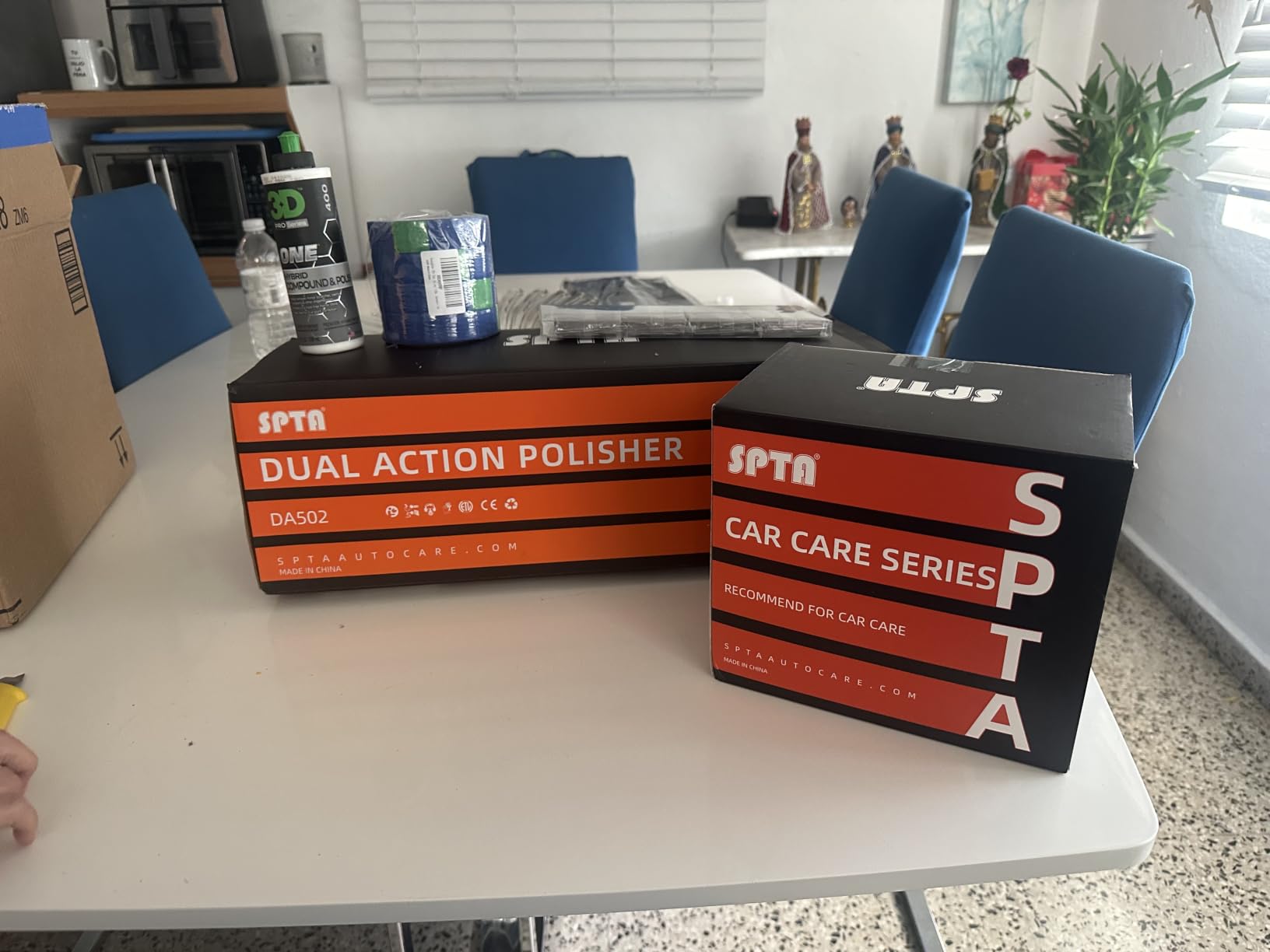
Application is flexible on purpose. By hand it handles a localized scratch in a reasonable session, and with a dual action polisher it covers a full panel quickly without the heat of a rotary.
What you should know before buying
Choose this if you want one product for the whole garage. It works on any paint color, it is safe to use as coating prep, and it is forgiving on a dark panel where swirls are most obvious.
Match the tool to the size of the job. A single scuff is a hand job. A faded hood after years of sun is a dual action polisher job, and the 8 oz bottle will run out before a whole car.
Where it falls short
This is a one-step product, which means it trades peak cutting power for convenience. On a genuinely deep defect, it is not the strongest option in this list and you will need something heavier or a filler.
Also plan on owning a machine polisher eventually. Hand application works, but it is slow and the finish takes longer to reach.
3. Chemical Guys VSS One-Step – Best Value Correction for Deep Scratches
- One-step design removes swirls and finishes to gloss without a second product
- Safe on clear coat
- single-stage and ceramic-coated paint
- Silicone-free and body shop safe as prep before coating or repaint
- 16 oz size covers more area than most products in this range
- Over 9000 reviews with a strong category rank
- Light to moderate defect focus means deeper gouges need a heavier cut
- Hand application of the larger bottle takes real effort
- Machine polishing speeds results considerably
The VSS is the one we recommend to people who detail their own cars on a driveway budget. It combines cutting and finishing in a single step, uses an emery abrasive, and at 16 oz it is the largest bottle among the compounds here, which means the least frequent repurchasing.
The safety claims are the reason it earns a place. It is listed as safe for clear coat, single-stage paint and ceramic-coated finishes, and it is silicone-free and body shop safe, so you can use it as prep before a repaint or before applying a coating. That combination of properties is rarer than it should be in this category.
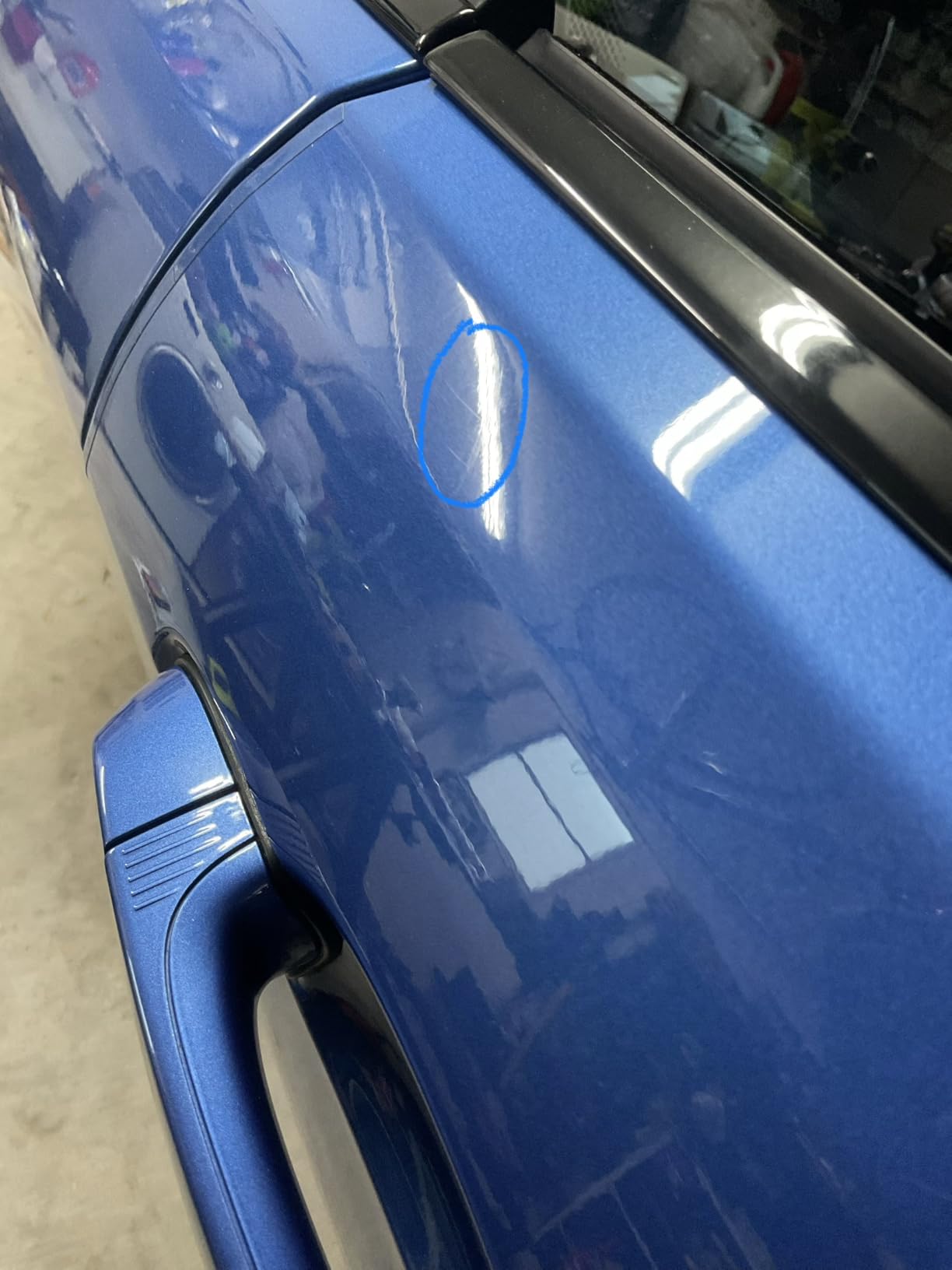
The review base sits above 9,000 at 4.4 stars, with a five-star share around 71 percent. The consistent feedback is predictability: people know what it does, it does that reliably, and the finish comes up glossy without hunting for a second product.
Because it handles holograms as well as scratches and swirls, it doubles as a finishing step after a heavier compound, which stretches the value further than the label suggests.
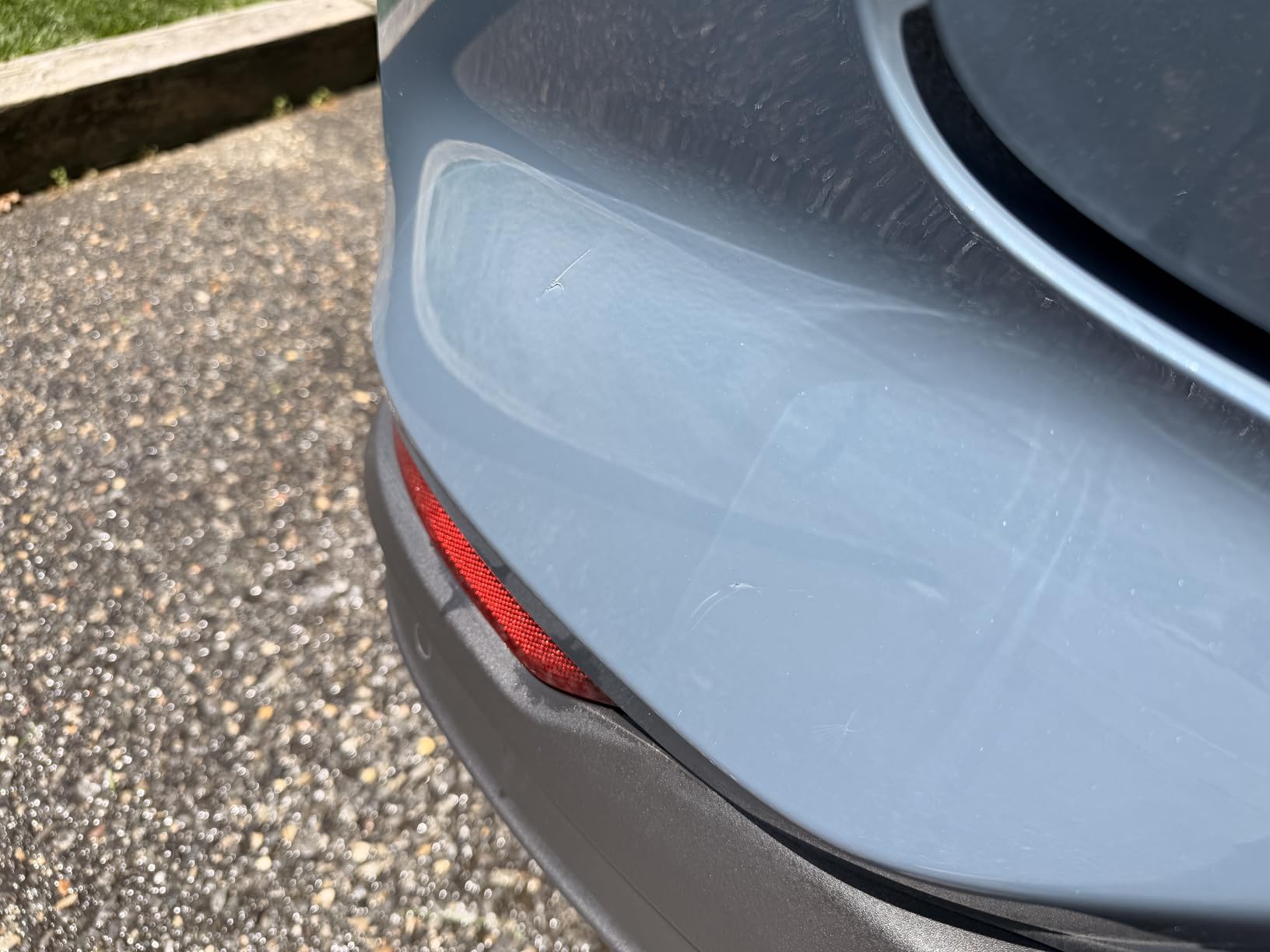
What you should know before buying
Buy this one if you work on older single-stage vehicles or on panels that have a coating you intend to keep. It is one of the few products here explicitly cleared for all three surfaces.
The volume matters for whole-panel work. Hand-applying a 16 oz bottle takes real time, so plan the work across a weekend rather than an evening and keep the towel count high.
Where it falls short
It targets light to moderate defects. A scratch that catches a fingernail needs a cutting compound and possibly a filler, and this will not get you there.
Older paint can be soft enough to haze under any abrasive, so spot test first, especially on a dark panel in direct sun.
4. Meguiar’s M105 Ultra-Cut Compound – Best Cutting Power for Deep Scratches
- 4.5-star rating across more than 7800 reviews shows broad proven reliability
- Cuts through 1200 grit sanding marks for deeper correction than entry compounds
- Micro-abrasive formula minimizes introducing new swirls
- Clear coat safe on all glossy paint finishes
- Application by hand or machine
- Cutting strength can haze a finish if used carelessly
- A finishing polish is typically needed afterwards for full gloss
- 8 oz runs out on whole-vehicle corrections
If your scratch is deeper than a swirl but still inside the clear coat, this is the strongest hand or machine option here. It is specified to cut through 1200 grit sanding marks, which is a real depth claim rather than marketing language, and it holds a 4.5-star average across more than 7,800 reviews.
The aluminum oxide micro-abrasive does the work. It removes material faster than the mild compounds while still being formulated to limit new swirling, and the result is a finish that usually needs one light polish step afterwards to clear the residue haze.
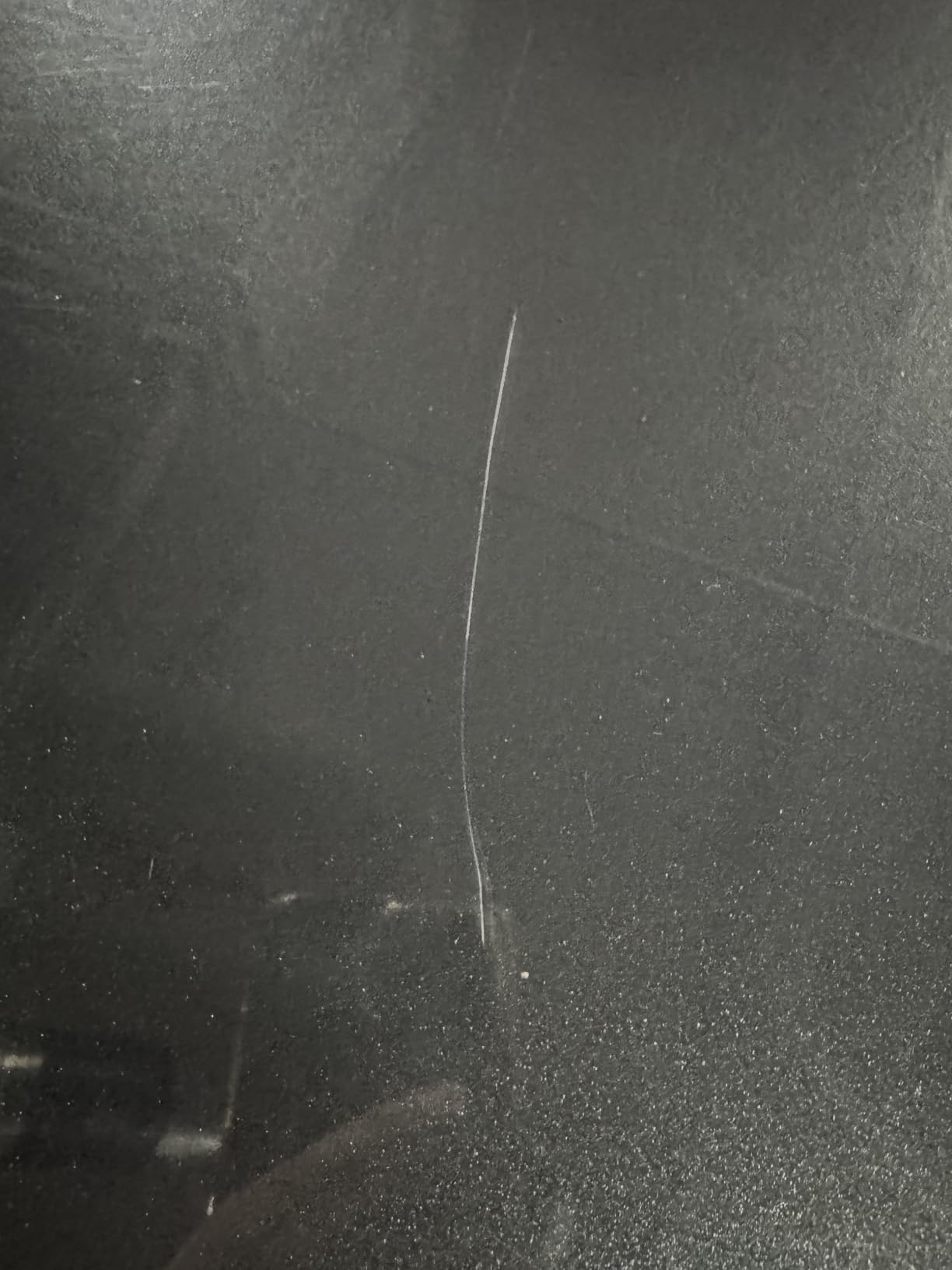
In our sequence it plays the role of step one. Cut with the M105, then finish with the Ultimate Compound or the VSS, and a deep clear coat scratch goes from obvious to nearly invisible. The community consensus on r/CarRepair and r/AskMechanics matches this: anything with real depth wants a cutting compound and a machine, not a one-step bottle.
It also applies three ways, by hand, with a dual action polisher or with a rotary buffer, which lets you start slowly on a single scratch and scale up to a panel once you trust your technique.
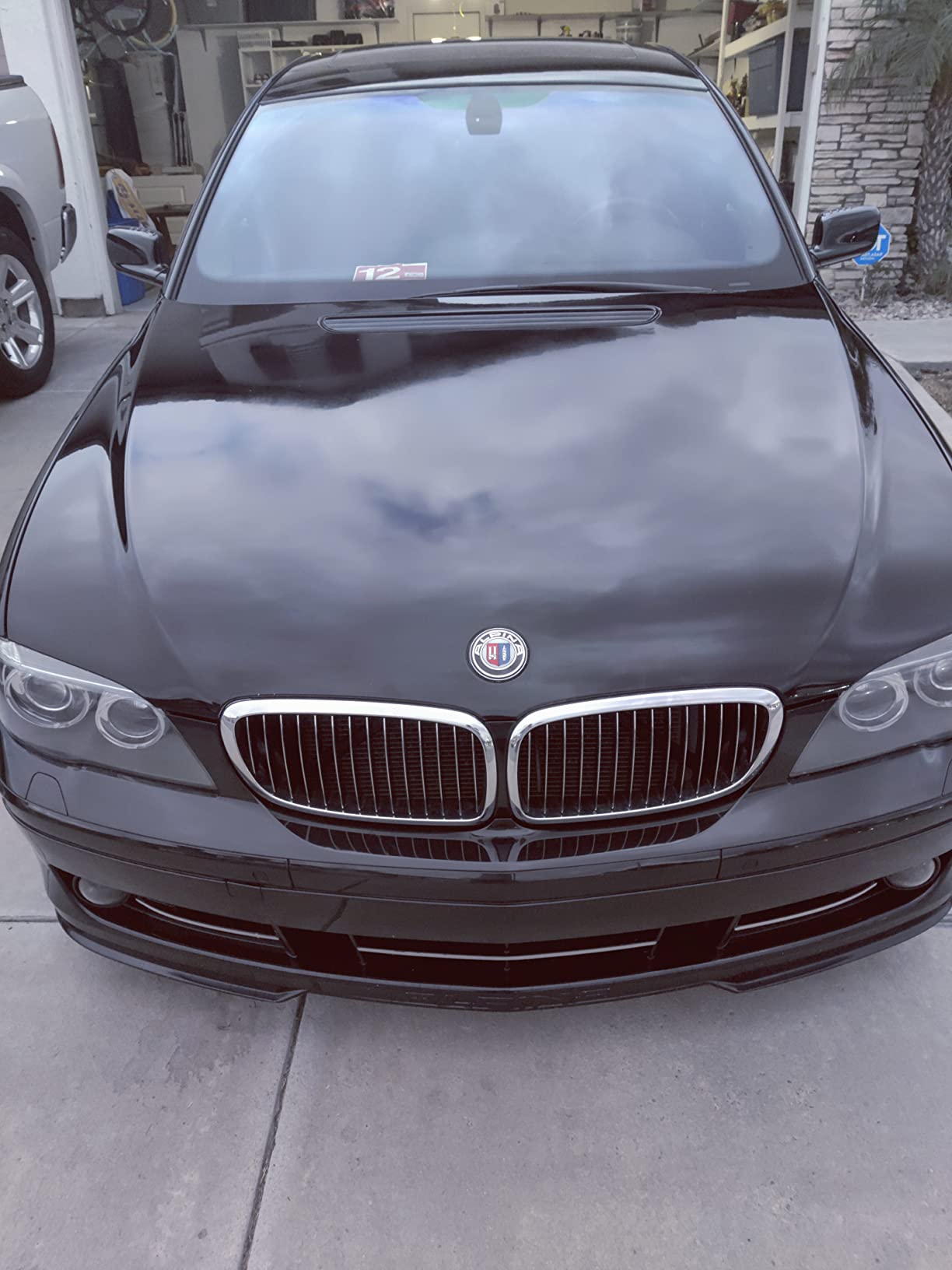
What you should know before buying
Have a finishing product ready before you open this. A cutting compound leaves haze by design, and seeing that haze for the first time is how people think they made the scratch worse.
Clear coat safety is stated for glossy finishes, but keep the panel off direct sun and use more product than you think you need. A dry pad drags and causes the hazing.
Where it falls short
It cannot reach the base coat. If your fingernail catches and you can see color or grey metal in the groove, compounding will only thin the clear coat further and make a future repaint harder.
On a rotary buffer near edges and body lines, keep the pad flat and lift it often. That is where burn-through happens.
5. SONAX CutMax – Best Pro-Grade Compound if You Own a Polisher
- Highest average rating in this group at 4.6 stars with 81 percent five-star reviews
- Cuts through P1500 grit sanding marks for genuine correction
- Long buffing cycle extends working time for careful work
- Silicone-free and odorless so it is body shop safe
- Wipes off cleanly even in humid conditions
- Requires a machine polisher and pads and is not intended for hand application
- 250ml covers less area than the larger one-step compounds
- Focuses on sanding-mark removal rather than filling gouges
The SONAX has the highest average rating of anything we tested at 4.6 stars, with 81 percent of buyers giving five stars. That is not a marketing artifact. It is a water-based, silicone-free, solvent-free, odorless compound specified for the roughest correction work, up to P1500 grit sanding marks.
The long buffing cycle is the feature professionals notice most. Most compounds give you a narrow window before they dry to a chalky film. This one stays workable, so you can make slow, overlapping passes over a long scratch without stopping to re-wet, which is exactly the pace needed on a deep defect.
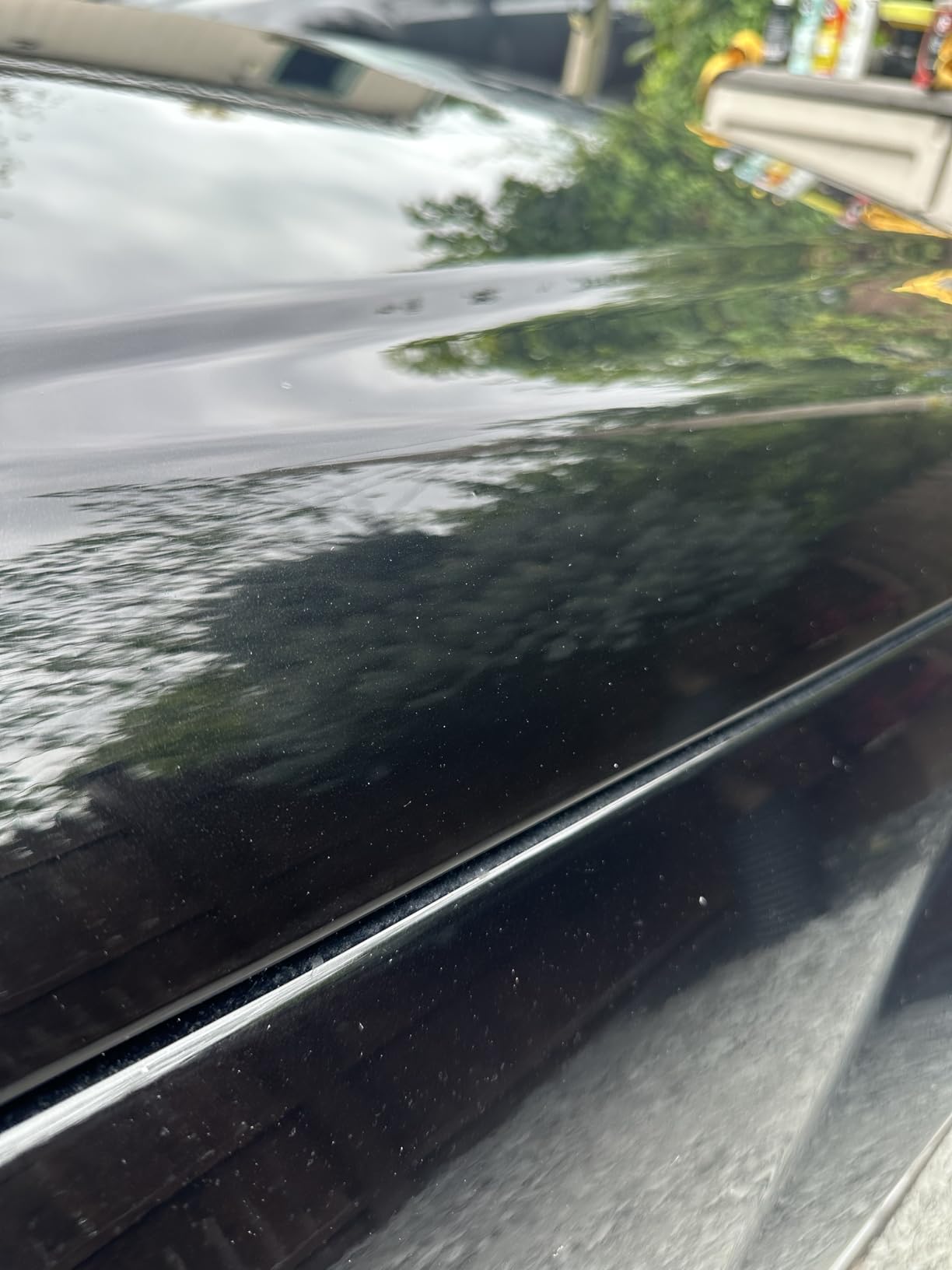
It is also body shop safe and wipes off cleanly in high humidity, which matters if you are working outside or in a garage without climate control. It pairs with rotary and dual action polishers and with foam or wool pads.
Buyers consistently describe it as an enthusiast-level correction product rather than a quick fix, and the low one-star share reflects that people who buy it expect that level of work.
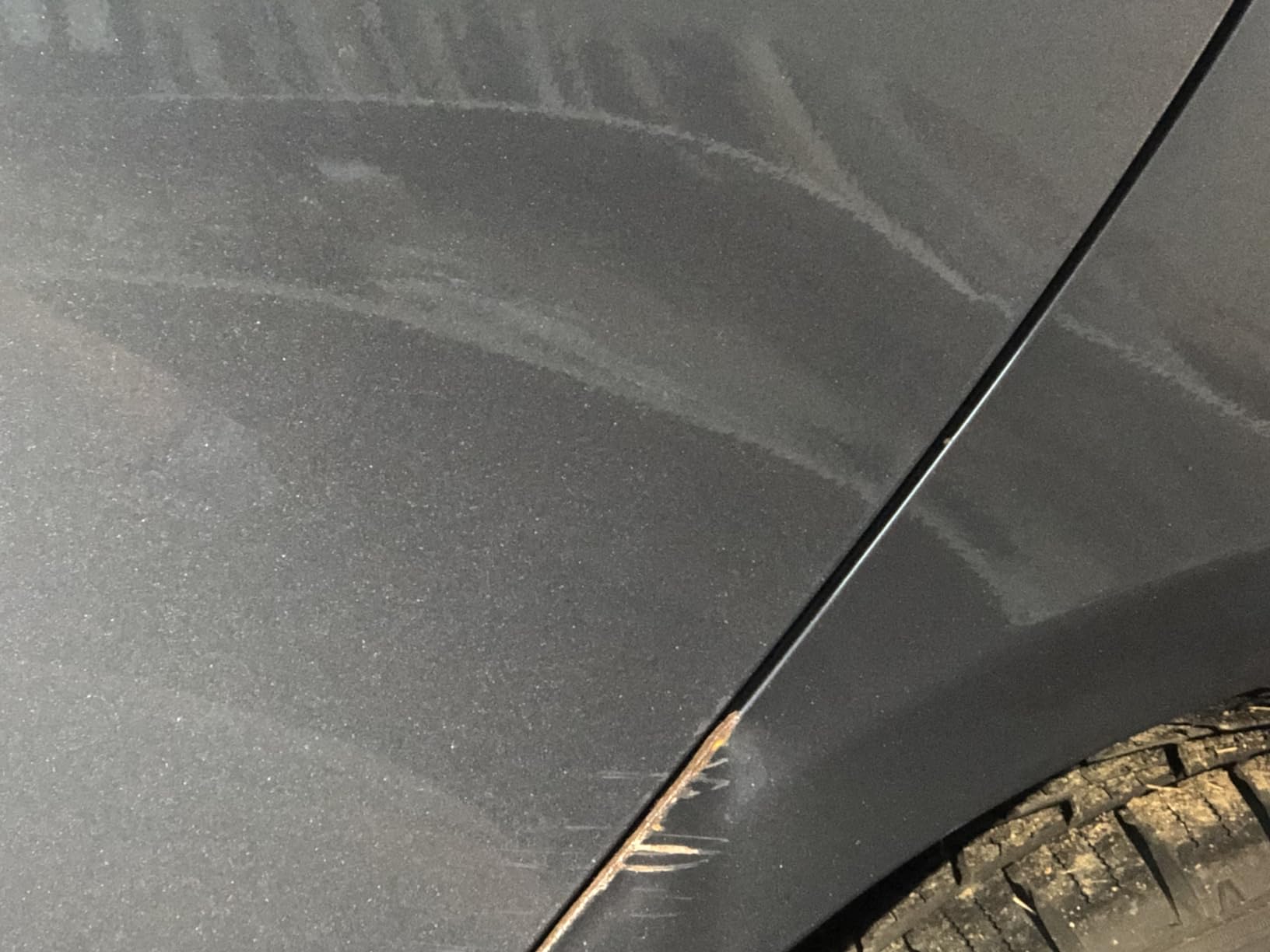
What you should know before buying
Only buy this if a polisher is already part of your setup. It is not formulated for hand application, and forcing it by hand wastes product and gives you a worse result than a hand compound would.
Plan to follow it with a fine polish. Like any heavy cut, it leaves a haze that a finishing step removes completely.
Where it falls short
It removes sanding marks and levels paint. It does not fill a gouge that has torn into the base coat, and no abrasive will. That job belongs to filler or touch-up paint.
The 250ml size is small for a whole car, and bigger formats exist if you are doing a full vehicle correction.
6. Meguiar’s Quik Eraser Kit – Best Scratch Remover for Drill Owners
- Drill-mounted pad handles most shallow scratches far faster than hand work
- Removes transferred material on the paint rather than just blemishes inside it
- Wipes off cleanly with no residue on a white towel test
- Works on car wash swirls and key marks
- Compound
- drill pad and microfiber towel in one kit
- Cannot fix scratches deep enough to catch a fingernail
- Drill pad can leave hazing or buffer trails if pressure is heavy or the job is rushed
- Needs a follow-up polish or wax to correct haze it creates
- Multiple slow passes required for anything beyond light marks
If you own a drill, this kit is the cheapest way to add real correction speed to your garage. The four-piece set includes ScratchX compound, a drill-mounted pad and a microfiber towel, so there is nothing else to buy before starting.
What the pad does well is speed on shallow defects. Users on detailing forums report it removing black scuff marks, paint transfer and automatic car wash swirls in a single session, which a hand application would stretch across an afternoon. The white towel test matters here: it wipes off without dragging paint or leaving a film.
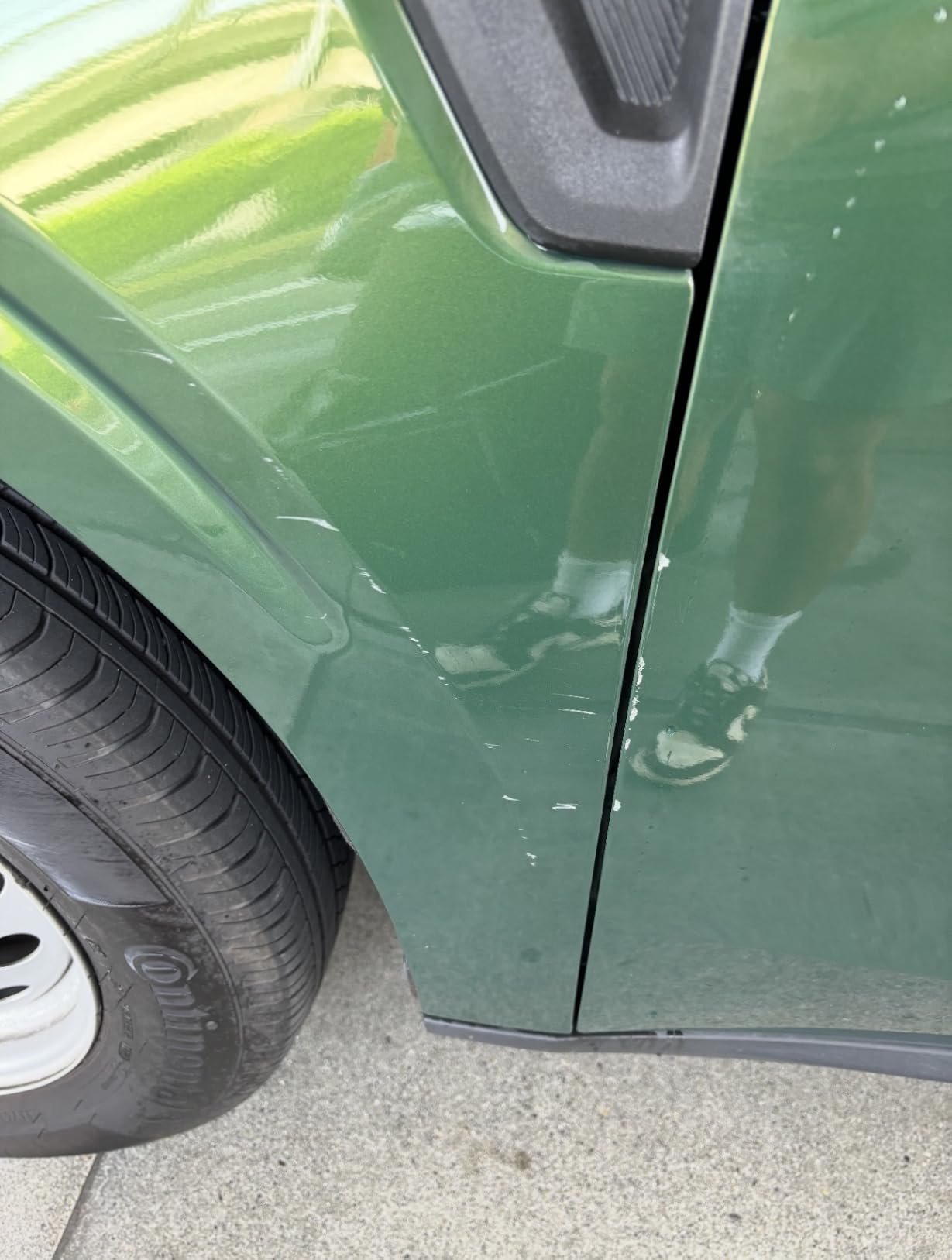
The reviews split cleanly along a light and deep line, and that is the whole story for this product. Owners fixing scuffs and key marks are enthusiastic. Buyers who ordered it expecting deep scratch removal are disappointed, and this kit carries the largest one-star share in the group at 8 percent for exactly that reason.
Speed brings risk. The most detailed reviews warn that rushing with the drill pad hazes the clear coat, so treat it as a power tool rather than a shortcut.
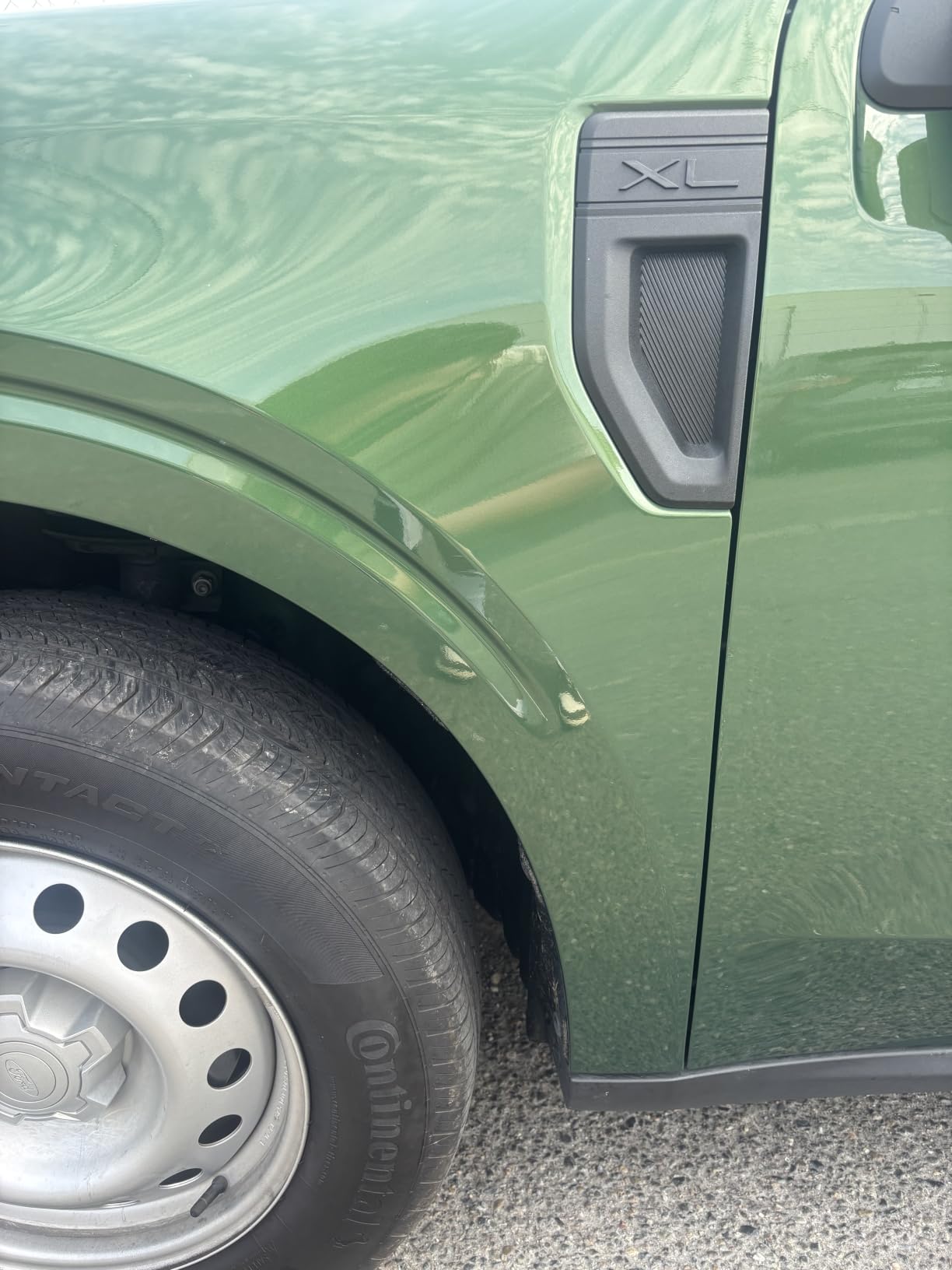
What you should know before buying
The drill pad works with any standard electric drill and takes most of the labor out of a correction. Set a low speed, keep light pressure, and let the pad do the work, because the compound is what cuts the paint, not the pressure.
Follow up with a wax or sealant, as the manufacturer recommends. Compounding strips protection, and bare clear coat will hold water spots until you re-seal it.
Where it falls short
It will not touch a deep scratch. The listing notes this even if the packaging marketing blurs it, so check the fingernail test before ordering.
If you already own a dual action polisher, upgrade to that instead. A drill offers far less control and no heat management.
7. Dupli-Color Scratch Fix Touch Up Paint – Best for Sealing Chips and Stopping Rust
Dupli-Color Scratch Fix All-in-1 Touch Up Paint, Gloss, Universal Black, .50 fl. oz.
- Largest review base of anything in this guide at more than 23600 reviews
- All-in-one applicator handles fine scratches and larger chips in one tool
- Includes clear coat for a sealed
- factory-matched finish
- Works on fiberglass
- metal
- plastic and aluminum
- Wide catalog with vehicle-specific factory color matches
- Only covers small areas at roughly 1 to 2 square feet per tube
- Universal black matches non-black panels only approximately
- This conceals damage rather than polishing it out
- Needs a 24 hour dry time before the repair is weather resistant
Once a scratch exposes primer or metal, the best car scratch remover for deep scratches stops being an abrasive and becomes a matching paint. The Dupli-Color Scratch Fix is a touch-up paint pen, and it is on this list because for the deepest tier it is the correct tool while every compound on this page is the wrong one.
The applicator is the clever part. One end is an abrasive tip that scrapes off loose paint and rust, the middle is a fine pen tip for hairline scratches, and the other is a brush for larger chips. The tube includes both the paint and a clear coat, so the repair gets sealed rather than sitting as flat color under sunlight.
With more than 23,600 reviews at 4.2 stars it has the deepest review base here, and the feedback is honest about the tradeoffs. People like the all-in-one design and the fact that it works on metal, plastic, fiberglass and aluminum, which makes it useful for bumper scuffs as well as door chips.
The complaints are consistent and predictable: coverage of one to two square feet per tube, approximate color matching on a universal black, and a 24 hour dry time before the repair handles weather. That second-lowest one-star share reflects a product where results depend on how well the color matches your panel.
What you should know before buying
Get the factory color match for your vehicle rather than a universal color. The paint code on the door jamb tells you which one, and the difference between an exact match and a close one is obvious in sunlight on a dark panel.
If bare metal is exposed, do this first, before any compounding. Sealing the chip stops corrosion spreading under the clear coat, and you can do the cosmetic work at your own pace afterward.
Where it falls short
It conceals damage rather than removing it. If you want the mark gone rather than covered, this is not that product.
It cannot handle a wide gouge. Anything deeper than the paint layer needs filler underneath first, and you will need to sand the repair level before it blends.
8. TouchUpDirect Scratch and Chip Putty – Best Deep Scratch Filler
- Ready-mixed formula removes the need to measure and mix hardener
- Purpose-built for deep scratches and gouges where paint alone will not hold
- Spreader applicator and sandpaper included so no extra tools are needed
- Dries in about 30 minutes to move quickly into sanding and painting
- 5g tube is small and limits how many repairs it can handle
- Still requires separate primer and paint steps to finish the repair
- Manual application and wet sanding are labor intensive
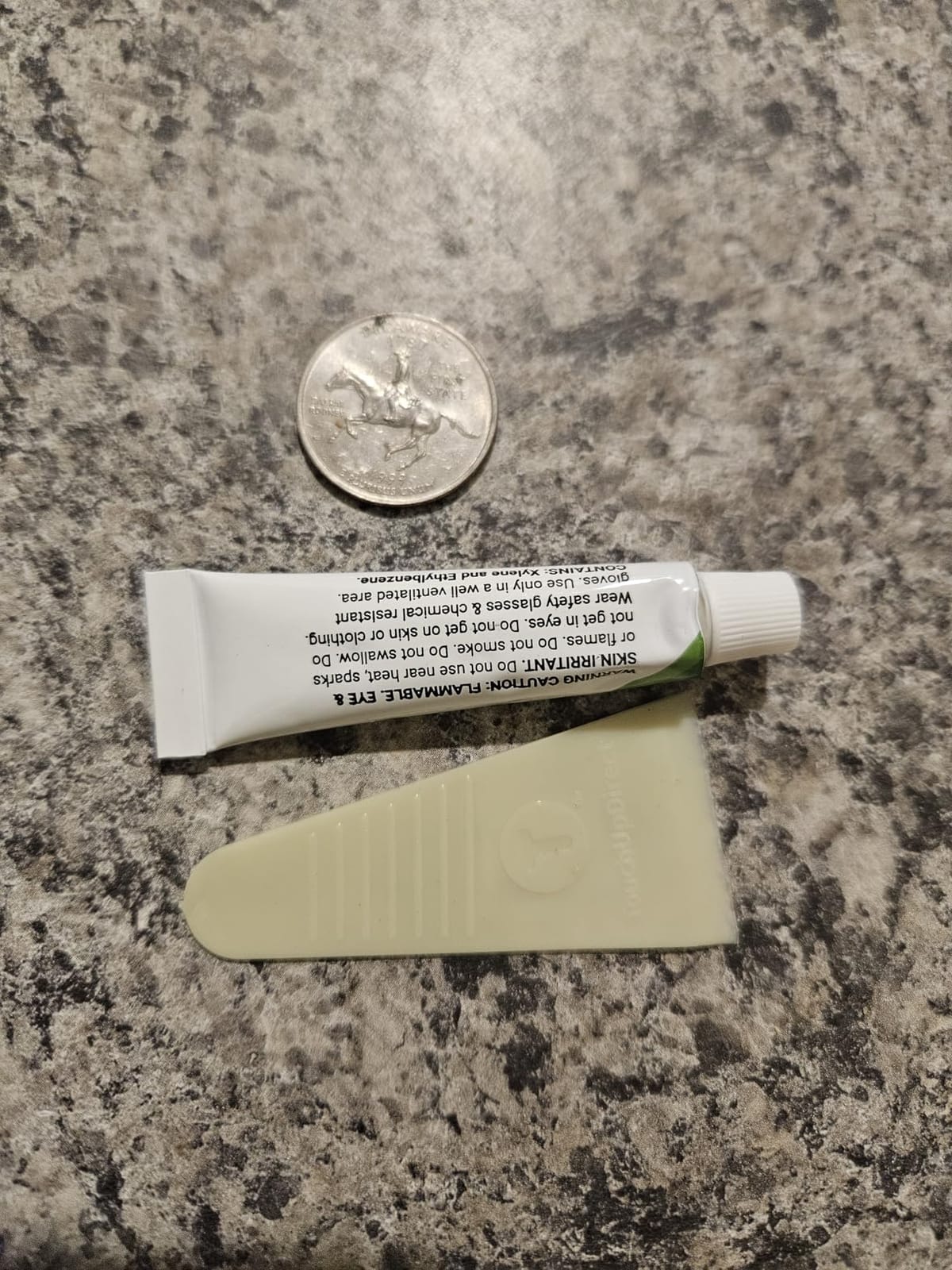
This is the product for the scratch that makes you feel defeated. A gouge through the clear coat into the primer cannot be compounded away, because there is nothing left at the bottom to level. The fix is to rebuild the missing material, and that is exactly what this putty does.
The ready-mixed formula is the reason it sits in this guide rather than a two-part body filler. Traditional fillers require measuring base and hardener on a mixing board, and beginners get the ratio wrong. This one applies straight from the tube with no hardener, which removes the single biggest source of first-attempt failure.
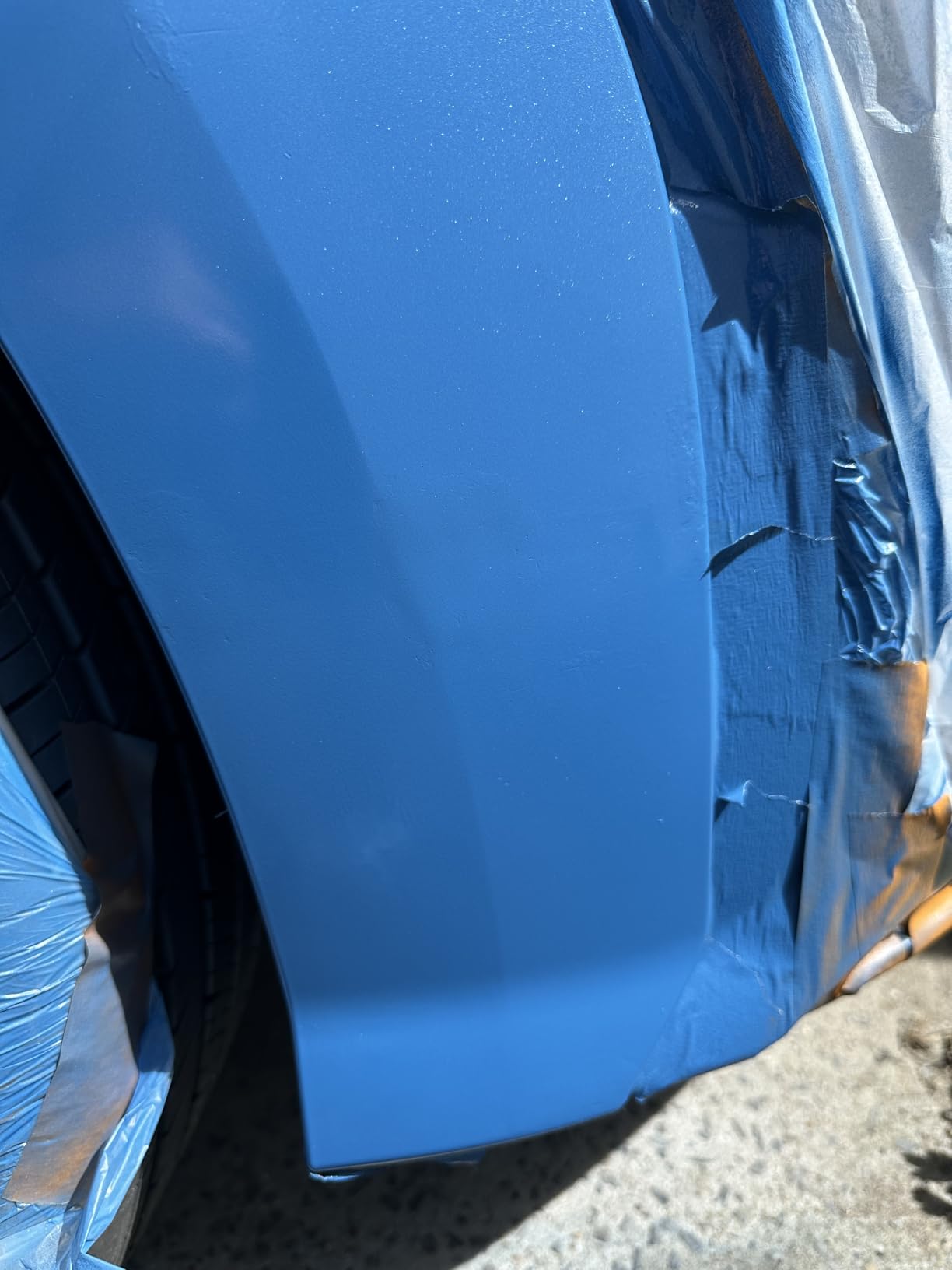
The kit includes a precision spreader and sandpaper, and the process is three steps: clean the area, apply the filler, wet sand it smooth, then prime and paint. It adheres to metal, fiberglass and aluminum, and it works on cars, trucks and motorcycles.
The 5 gram tube covers roughly five to ten damaged areas depending on size, and it dries in about 30 minutes. Reviewers like the no-mix convenience and its ability to fill deep gouges where touch-up paint will not hold, with a five-star share around 60 percent.
What you should know before buying
Use this when you can see primer or metal in the scratch. Clean the channel first, including any rust with the abrasive tip of a touch-up pen, then fill and let it dry fully before wet sanding flush with the surrounding surface.
Buy the factory color-matched touch-up paint to go over it. Primer and paint are not included, so plan for that step and let each layer cure.
Where it falls short
The tube is small. It is sized for spot repairs, and a long scrape along a door will use it up quickly.
It is labor intensive and demands a steady hand. Wet sanding flush without going through the new filler takes patience that a quick-fix product cannot avoid.
9. 3M Scratch Removal System – Best All-In-One Kit for Light Scratches
- Complete three-step system with every supply in one kit
- Sands
- compounds and polishes in a single purchase
- No separate products or tools needed to start
- 4.3 stars across more than 1700 reviews from an established brand
- Targeted at light scratches and scuffs rather than deep damage
- 3000 grit abrasive is too fine for substantial defects
- Multi-step process takes more time than a single-step compound
The 3M system is about convenience of assembly. Rather than buying a compound, a polish and a set of papers separately, the kit contains the full repair sequence so you can start without a hardware store trip. The approach is three steps: sand, compound, polish.
Be clear about what the 3000 grit aluminum oxide abrasive can do. It is a fine paper, suited to scuffs and light scratches and to leveling a repaired area, not to grinding down a deep defect. That is not a flaw, it is the correct tool for the job the kit is built for.
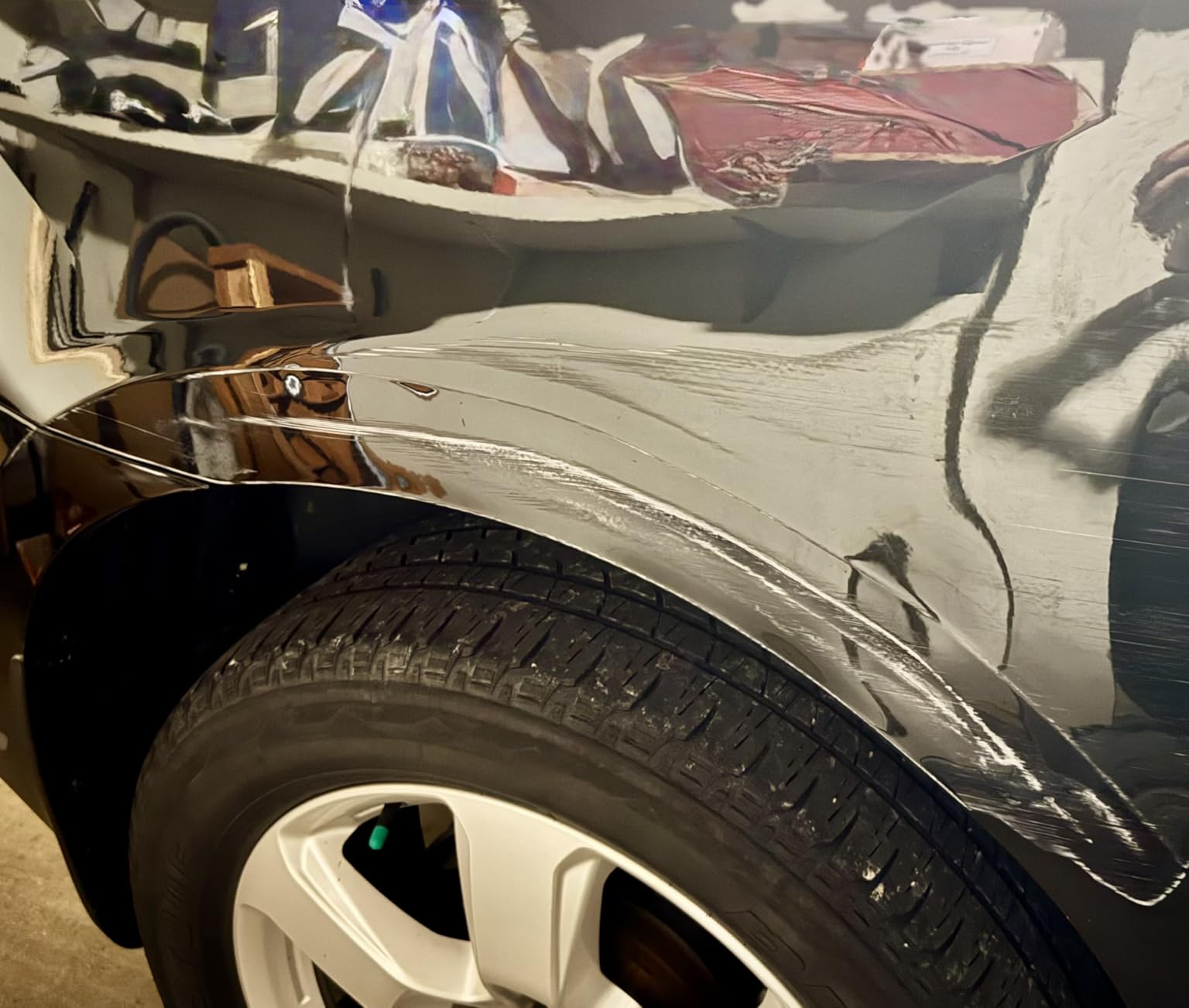
At 4.3 stars across more than 1,700 reviews, satisfaction is solid and the feedback is consistent. Reviewers appreciate having the full sequence in one box and rate it as best suited to scuffs and minor marks. The five-star share sits around 65 percent.
It is also the kit we suggest for a used car. A buyer who wants to tidy up scattered light marks on several panels gets everything needed for each one without tracking down supplies.
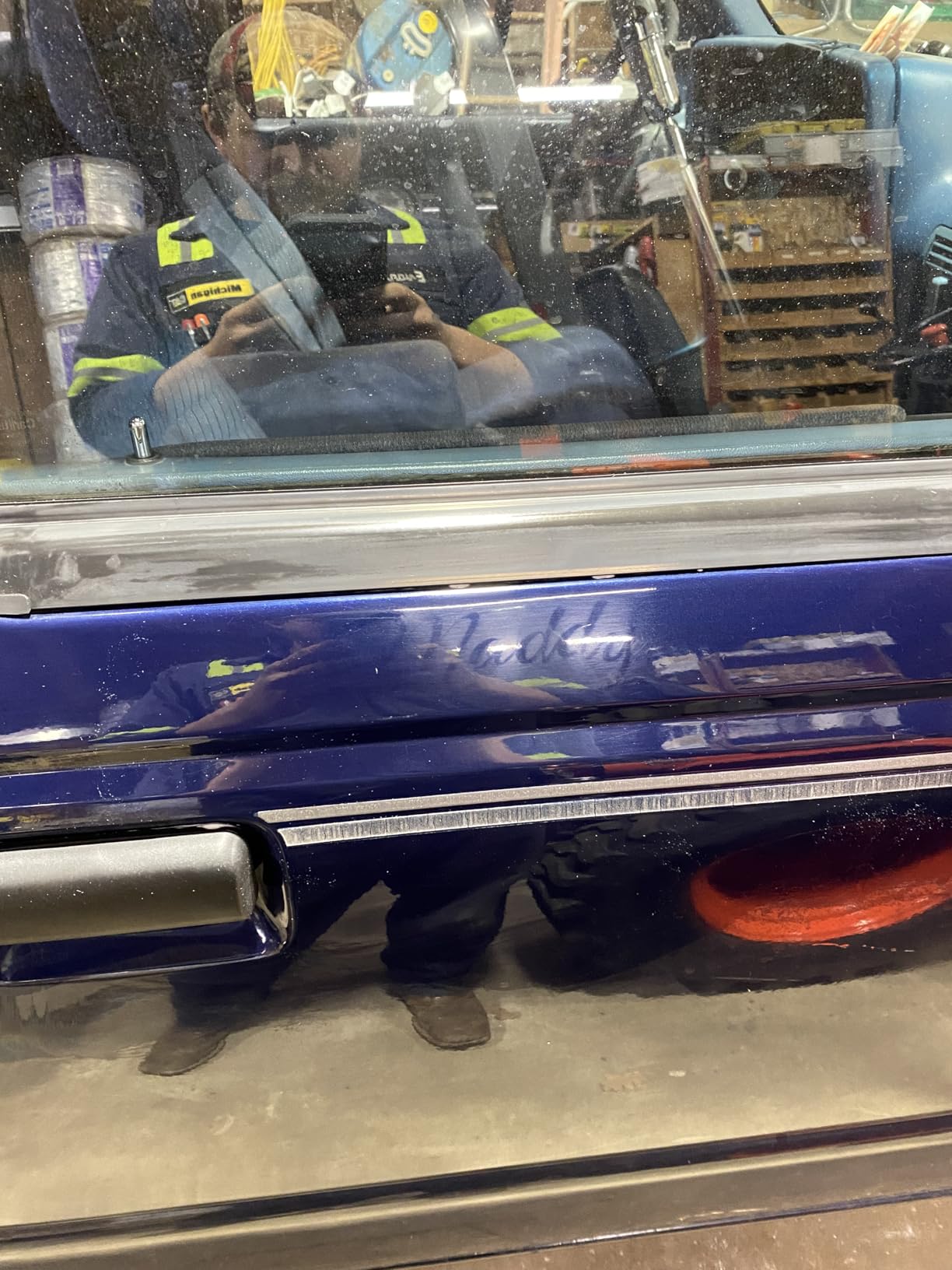
What you should know before buying
This is a good first kit. If you have never corrected paint, working through a supplied three-step sequence teaches the order of operations, and finishing with a polish means the panel ends up glossy rather than hazy.
Check what is included before you buy, since kits vary by version. Confirm the papers, compound and polish are all present.
Where it falls short
If your scratch catches a fingernail, this kit will not resolve it. The abrasive is too fine and there is no filler in the box.
Multiple steps take more time than a single-step compound, which is the trade for a cleaner final result.
10. Turtle Wax Scratch Repair and Renew – Most Versatile for Everyday Marks
Turtle Wax Scratch Repair & Renew, Car Scratch Remover, 7 oz. (Pack of 1)
- Sealing resins make the repair hold up through rain and car washes
- Handles a broad range of defects including scuffs
- paint transfer
- water spots and headlight oxidation
- No professional experience needed for hand application
- Works on cars
- motorcycles and trucks
- Adds gloss in the same step as the correction
- Weakest average rating and five-star share in this group at 4.0 and 56 percent
- Suitable mainly for light to moderate defects rather than deep scratches
- 7 oz bottle covers a relatively small area
- A machine polisher is recommended for deeper correction
The Turtle Wax earns its place as the cheapest way to handle the marks most cars actually carry. Scuffs from parking garages, paint transfer, water spots, light swirls and even headlight oxidation all sit inside its stated range, and it applies by hand with a microfiber towel or with a machine polisher.
What separates it from a plain polish is the resin. The protective resins bond to the clear coat and seal the repaired area, so the finish is not simply corrected but protected against the next rain and the next wash. That is a genuine durability advantage over products that only level paint.
This is also the honest weak link in the list. It carries the lowest average rating at 4.0 stars and the lowest five-star share at 56 percent, with the highest one-star share at 10 percent. Reviewers credit it as an easy at-home refresher that adds gloss, while commonly noting it is not strong enough for deeper defects.
Its rating profile is not surprising. A product sold on no experience needed will attract people hoping it handles a scratch that needs a machine, and those buyers write the critical reviews.
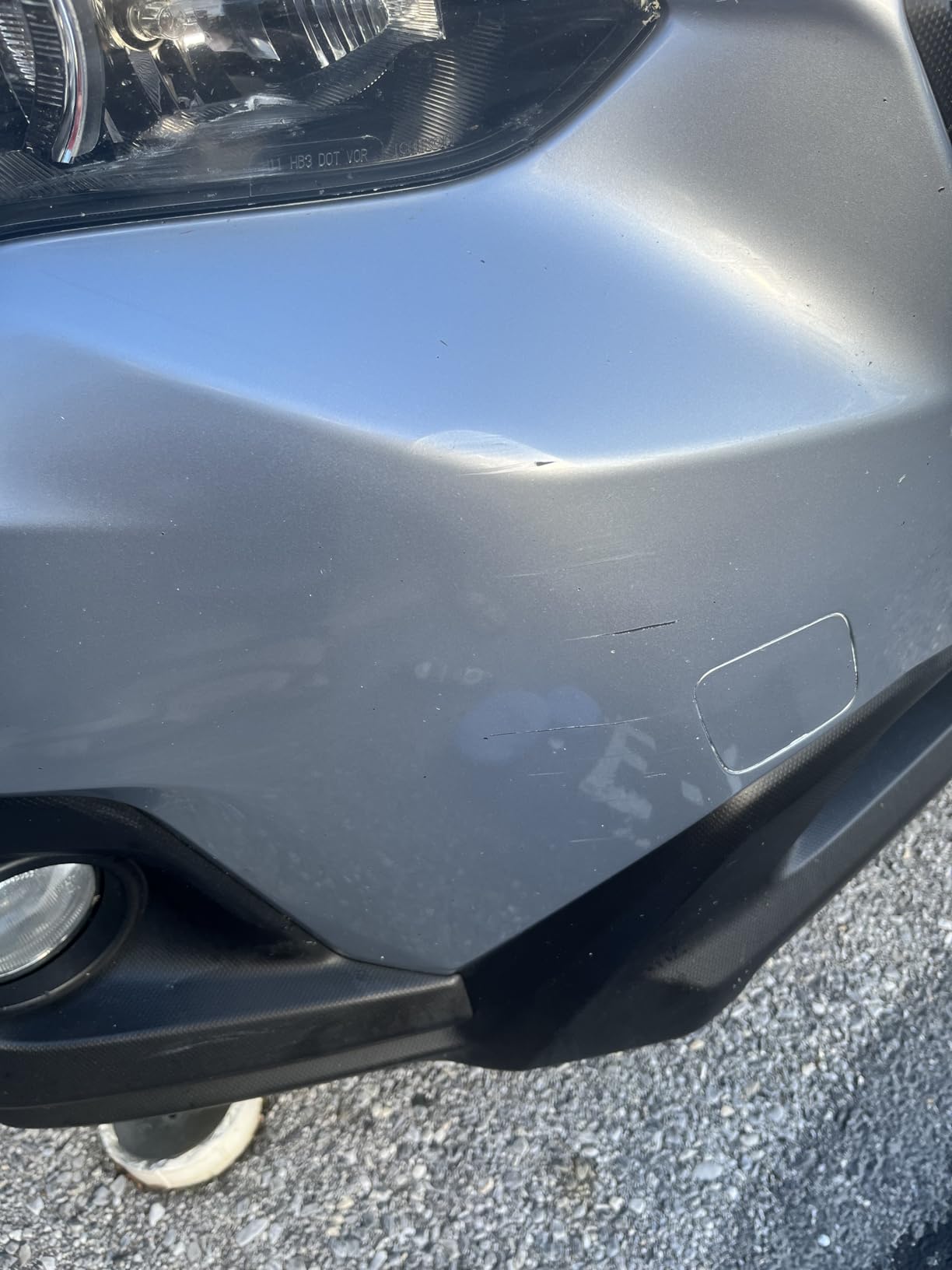
What you should know before buying
Buy it for a whole-car refresh rather than one bad scratch. At 7 oz it is small, so budget for the bottle to run out if you are treating a full vehicle, and it is also safe on clear hard plastics and headlight lenses.
Hand application needs no training. Work it in thin, even coats and wipe before it dries fully.
Where it falls short
It is not a deep scratch product. If the fingernail catches, move up to a cutting compound or straight to filler and paint.
The protective seal does not replace a real correction, so do not expect a deep mark to disappear because the resin coated it.
How to Choose a Scratch Remover That Matches Your Scratch
Start with the layer, not the brand. Everything else follows from what your fingernail finds and what color the groove shows. Buying on brand recognition is how people end up with three products that cannot touch their damage.
Match the product class to the depth tier
Clear coat only means the scratch is a surface defect in a transparent layer. A mild compound such as the Ultimate Compound or the 3D One handles it, by hand if the mark is small or with a dual action polisher if it covers a panel.
Into the base coat means the color coat is exposed and the scratch has a definite color to it. Here you want a cutting compound with real grit, such as the M105 or the SONAX CutMax, followed by a finishing polish. Expect to recolor the repair afterward with touch-up paint.
Primer or metal exposed means no abrasive in this guide will help, because there is no paint left at the bottom of the groove to level. Fill the channel with putty or seal it with matching touch-up paint. If metal is showing, sealing is urgent because rust spreads under the clear coat.
Match the tool to your skill and your time
Hand application is free, forgiving and slow. It suits single scratches and it will not produce the finish of a machine correction.
A drill-activated pad is the cheapest speed upgrade, but it has no heat management and hazes clear coat if you lean on it. It suits light marks.
A dual action polisher is the right first machine for most people. It spreads heat across the pad, forgives mistakes and corrects a whole panel in an afternoon.
A rotary buffer cuts fastest and burns through clear coat fastest. Edges and body lines are where beginners burn a panel, so keep the pad flat, lift it often and practice on a hood that is already oxidized.
Check paint type before you buy
Matte and satin finishes are the exception to almost every rule here. A gloss compound will leave a shiny patch that stands out more than the original scratch, so check with the paint manufacturer before correcting a matte panel.
Black, dark metallic and pearl paints show every defect, both before and after correction. Expect to need a finishing polish on those panels and inspect the work under direct sunlight rather than in a garage.
Single-stage and older paint can be softer and more susceptible to hazing than modern two-stage paint. Use less product, keep the panel cool and work in small sections.
Judge quality by the correction depth claim
The best quality indicators on a label are a stated grit level the product can remove, a clear coat safety statement, and a silicone-free formula if you plan to repaint or coat afterward. A product that only promises to remove scratches and restore shine is telling you nothing about how deep it works, which is why buyers end up disappointed.
Finally, think about protection. Any compound you use strips wax and coating from the panel, so budget for re-protection, and consider how many repairs you realistically have. One scratch and ten scratches call for different quantities.
One last thing worth planning for is the rest of the garage. If a weekend routine that started with a scratch remover has turned into a full detail setup, you will soon be buying more towels, brushes and storage. Our guides to the best carpet shampooers for deep cleaning and to deep-kneading foot massagers cover the recovery side of a long day in the garage, and the drying towel roundup linked earlier is the one that matters most for preventing the next scratch.
Common Mistakes That Make Deep Scratches Worse
Most disappointing scratch removals come down to preparation or expectations. These are the failures we see repeated, and several of them show up on detailing forums constantly.
Compounding without washing and claying first, which grinds road grit into the paint and creates new scratches.
Using a mild one-step compound on a deep scratch, then blaming the product instead of the depth mismatch.
Using a heavy cutting compound on a shallow mark, which thins clear coat for no gain.
Taking a rotary buffer to body lines and edges, where a tilted pad concentrates heat and burns through in seconds.
Skipping the spot test on a hidden panel and discovering the haze on a hood in sunlight.
Buffing in direct sun, which dries compound into a film that is harder to remove than the scratch.
Reusing a dirty towel, which puts the grit you just removed back onto the panel.
Leaving a chip that exposes metal untreated for months, then discovering rust spreading under the paint.
Forgetting to re-wax or re-coat after compounding and assuming the dullness is permanent.
Expecting a compound to remove a scratch instead of blending it, which makes a good result look like a failure.
Two of these deserve extra emphasis. Rust does not wait, so seal any bare metal the day you find it even if the cosmetic repair waits. And re-protection is not optional, because corrected clear coat is more porous than coated clear coat and will hold water spots until you seal it again.
Frequently Asked Questions
How do you fix a deep scratch on your car?
Wash and clay the panel, remove existing wax, then spot test the product in a hidden area. Apply a cutting compound in overlapping passes along the scratch until the product turns clear, wipe with a clean microfiber towel and inspect in direct sunlight. Finish with a polish and re-apply wax or coating, since compounding strips protection.
Does WD-40 really remove scratches?
No. WD-40 is a lubricant and water displacer, not an abrasive, so it cannot level a scratch in the clear coat. It can leave a temporary oily appearance that masks a light mark briefly, which is why people mistake it for a repair. Toothpaste and Magic Eraser work the same way, smearing or abrading unevenly and hazing the finish.
Is it possible to remove deep scratches from a car?
Partly, and it depends entirely on how deep the scratch goes. Scratches confined to the clear coat can be blended out with a cutting compound and a polisher. Scratches into the base coat need compounding plus recoloring with touch-up paint. Scratches exposing primer or metal need filler and paint, and anything torn through the metal belongs in a body shop.
Which car scratch remover actually works?
The ones matched to your scratch depth. Mild compounds such as Meguiar’s Ultimate Compound and the 3D One handle clear coat marks and swirls. Heavier cutting products such as Meguiar’s M105 and SONAX CutMax reach deeper clear coat damage but need a machine polisher. Filler and color-matched touch-up paint are the only options once primer or metal is exposed.
How do I know if a scratch is too deep to fix?
Run a fingernail across the scratch and then across undamaged paint nearby. If the nail catches in a groove, the clear coat is broken and a compound will only thin it further. If you can see white primer or grey metal in the line, the damage has reached deeper layers and needs filling or touch-up paint rather than abrasion.
Should I use a rotary or dual action polisher?
A dual action polisher is the better first machine for most people because it spreads heat and forgives mistakes. A rotary buffer cuts faster but concentrates heat, so it burns through clear coat quickly on edges, creases and body lines. If you have never polished paint, learn on a dual action before touching a rotary anywhere near a panel edge.
The Best Scratch Remover Verdict for 2026
Meguiar’s Ultimate Compound takes our top spot because it does the widest range of jobs with the deepest proven review base in this group, and it clears a scratch your fingernail skips without hazing the finish. Pair it with the M105 when the scratch is deeper, and with the TouchUpDirect putty or a factory-matched touch-up pen when your fingernail catches.
Whatever you choose in 2026, run the fingernail test first and match the product to the layer. A ten-dollar filler saves a paint job that a twenty-dollar compound could never have fixed.