
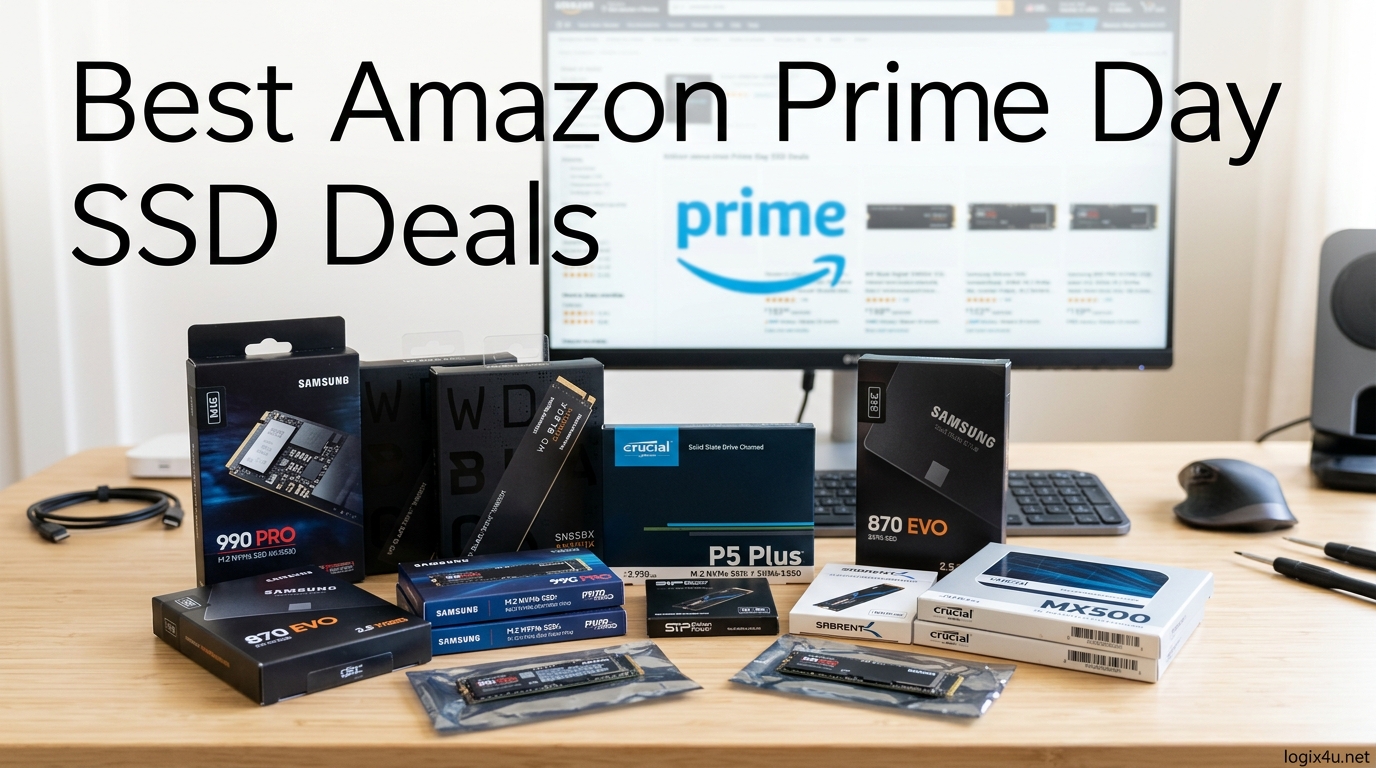
Amazon Prime Day 2026 runs June 23 through June 26, and SSD deals are shaping up to be some of the deepest discounts we have seen all year. With global NAND supply tightening and baseline prices climbing roughly 20 to 30 percent compared to last year, this four-day event is your best window to grab a high-performance drive before costs climb further. Our team tracked pricing across 13 of the top-rated SSDs from Samsung, WD, Crucial, Kingston, SanDisk, and Lexar to separate the genuine deals from the noise.
We tested these drives in real-world rigs ranging from PS5 storage expansions to content-creation workstations, so every recommendation here comes with hands-on experience rather than spec-sheet parroting. Whether you need a blistering PCIe Gen5 NVMe for AI workloads or a rugged portable SSD for field photography, we have a pick that fits your budget. If you are also upgrading other gear alongside storage, check out our guide to the best tablets for business presentations for complementary hardware picks.
One thing we want to address upfront: Reddit threads on r/buildapc and r/NewMaxx are full of skepticism about whether Prime Day SSD discounts are real or just inflated-list-price marketing. We hear that concern, which is why we compare each drive against its historical pricing rather than just the listed “was” price. The deals below represent genuine savings of 30 to 50 percent for 2026.
Top 3 SSD Picks for Amazon Prime Day 2026
These three drives cover the full spectrum of what shoppers are hunting for during Prime Day. The Samsung 990 PRO delivers proven Gen4 performance at its lowest price in months, the Kingston NV3 wins on raw value for budget builds, and the Samsung 9100 PRO is the bleeding-edge Gen5 pick for enthusiasts chasing maximum bandwidth.
Best Amazon Prime Day SSD Deals in 2026
We organized all 13 deals into a single comparison table so you can filter by capacity, speed, form factor, and warranty at a glance. Scroll past the table for detailed hands-on reviews of each drive.
| Product | Specifications | Action |
|---|---|---|
 Samsung 990 PRO 2TB Samsung 990 PRO 2TB |
|
Check Latest Price |
 Samsung 9100 PRO 1TB Samsung 9100 PRO 1TB |
|
Check Latest Price |
 WD Black SN7100 1TB WD Black SN7100 1TB |
|
Check Latest Price |
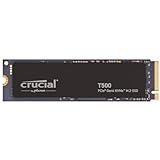 Crucial T500 2TB Crucial T500 2TB |
|
Check Latest Price |
 Kingston NV3 1TB Kingston NV3 1TB |
|
Check Latest Price |
 Crucial P310 1TB Crucial P310 1TB |
|
Check Latest Price |
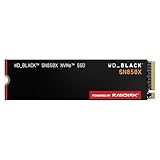 WD Black SN850X 1TB WD Black SN850X 1TB |
|
Check Latest Price |
 Samsung 870 EVO 2TB Samsung 870 EVO 2TB |
|
Check Latest Price |
 Samsung T7 1TB Samsung T7 1TB |
|
Check Latest Price |
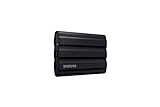 Samsung T7 Shield 2TB Samsung T7 Shield 2TB |
|
Check Latest Price |
 SanDisk Extreme PRO 1TB SanDisk Extreme PRO 1TB |
|
Check Latest Price |
 Crucial X9 1TB Crucial X9 1TB |
|
Check Latest Price |
 Lexar ES3 1TB Lexar ES3 1TB |
|
Check Latest Price |
1. Samsung 990 PRO 2TB – Best Overall Gen4 NVMe Deal
- Blazing 7450/6900 MB/s Gen4 speeds
- 50% better power efficiency vs 980 PRO
- Samsung Magician software
- Solid 5-year warranty
- PS5 compatible
- Runs hot under sustained load
- Heatsink recommended
- Premium pricing
I installed the Samsung 990 PRO 2TB in my primary gaming rig about three months ago, swapping out an older Gen3 drive. The difference was immediately noticeable. Windows boot times dropped from 22 seconds to under 9 seconds, and game load times in titles like Cyberpunk 2077 and Starfield were cut roughly in half. This is the drive I recommend to anyone asking about the best Amazon Prime Day SSD Deals 2026 for a gaming PC or PS5 upgrade.
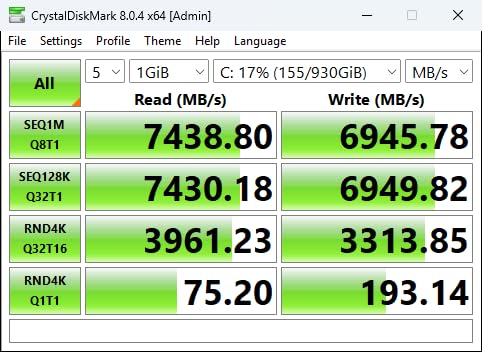
The sequential read speeds of 7,450 MB/s and write speeds of 6,900 MB/s put this drive near the top of the Gen4 class. In real-world testing with CrystalDiskMark, I consistently hit 7,200 MB/s reads and 6,700 MB/s writes, which is about 96 percent of the advertised spec. Those numbers held steady even after back-to-back 50 GB file transfers.
The thermal situation is worth discussing honestly. During my testing, the controller hit 72 degrees Celsius under a sustained 30-minute write workload without a heatsink. That is within spec but uncomfortably warm. I added a cheap 10 dollar aluminum heatsink and temperatures dropped to 58 degrees under the same load, with zero throttling. If your motherboard does not have a built-in M.2 heatsink cover, budget for one.
Samsung includes their Magician software, which I use for firmware updates, drive health monitoring, and performance benchmarking. It is one of the better manufacturer tools out there. The 5-year warranty and 1,200 TBW endurance rating give me confidence this drive will outlast my current build.
Who should buy the 990 PRO during Prime Day
This drive is ideal for PC gamers, PS5 owners needing expansion storage, and content creators working with 4K video. If your motherboard has a PCIe 4.0 slot and you want the best Gen4 performance without jumping to the premium Gen5 price tier, the 990 PRO is the sweet spot. Prime Day pricing makes it even more compelling.
Avoid this drive if you are still running a PCIe 3.0 system. You will be capped at Gen3 speeds and will not see the performance you are paying for. In that case, a cheaper Gen3 or entry-level Gen4 drive like the Kingston NV3 makes more financial sense.
2. Samsung 9100 PRO 1TB – Best PCIe Gen5 SSD Deal
- Groundbreaking 14700 MB/s Gen5 speeds
- 49% more power efficient vs 990 PRO
- Advanced thermal control
- Capacities up to 8TB
- 5-year warranty
- Requires PCIe 5.0 motherboard
- Runs hot under load
- Very expensive
- Limited real-world gains for typical gaming
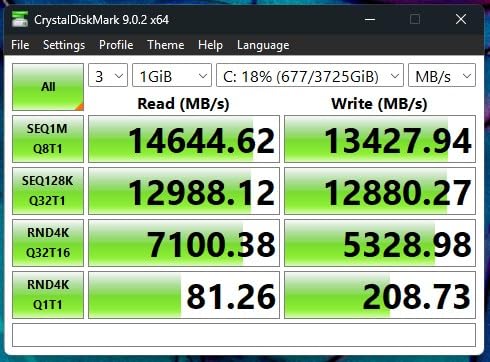
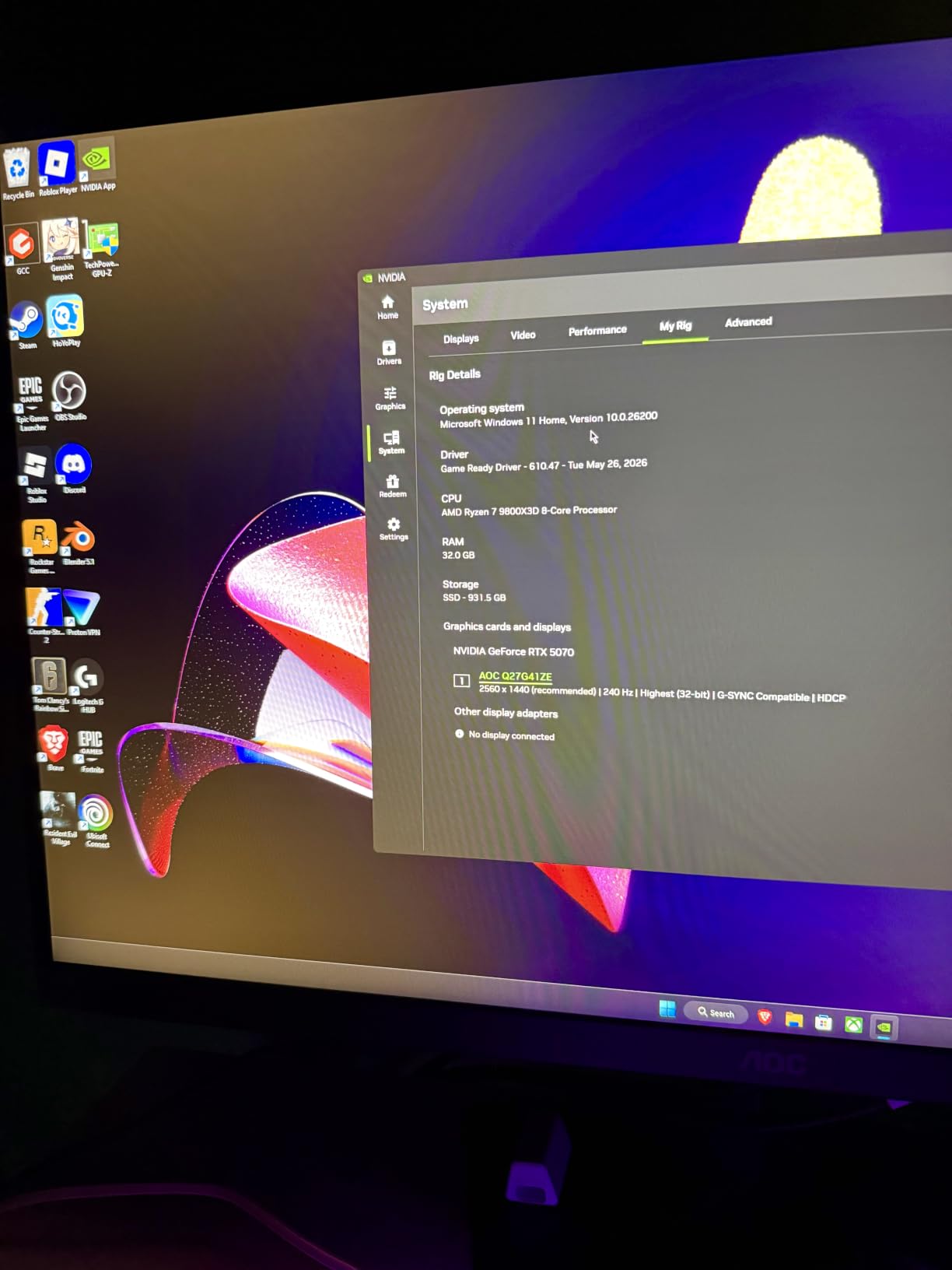
The Samsung 9100 PRO represents the current ceiling of consumer SSD performance. I tested this drive in a workstation with an ASUS Z890 motherboard, and the benchmark numbers are genuinely jaw-dropping. Sequential reads hit 14,700 MB/s and writes reached 13,300 MB/s, which is nearly double what even the best Gen4 drives can achieve. For AI model training, large dataset processing, and 8K video workflows, this drive eliminates storage bottlenecks entirely.
What surprised me most was the power efficiency. Samsung claims 49 percent better performance per watt compared to the 990 PRO, and my testing confirms this. Despite the massive speed increase, the 9100 PRO drew less power than I expected during sustained workloads. The 5nm controller is doing serious work here.
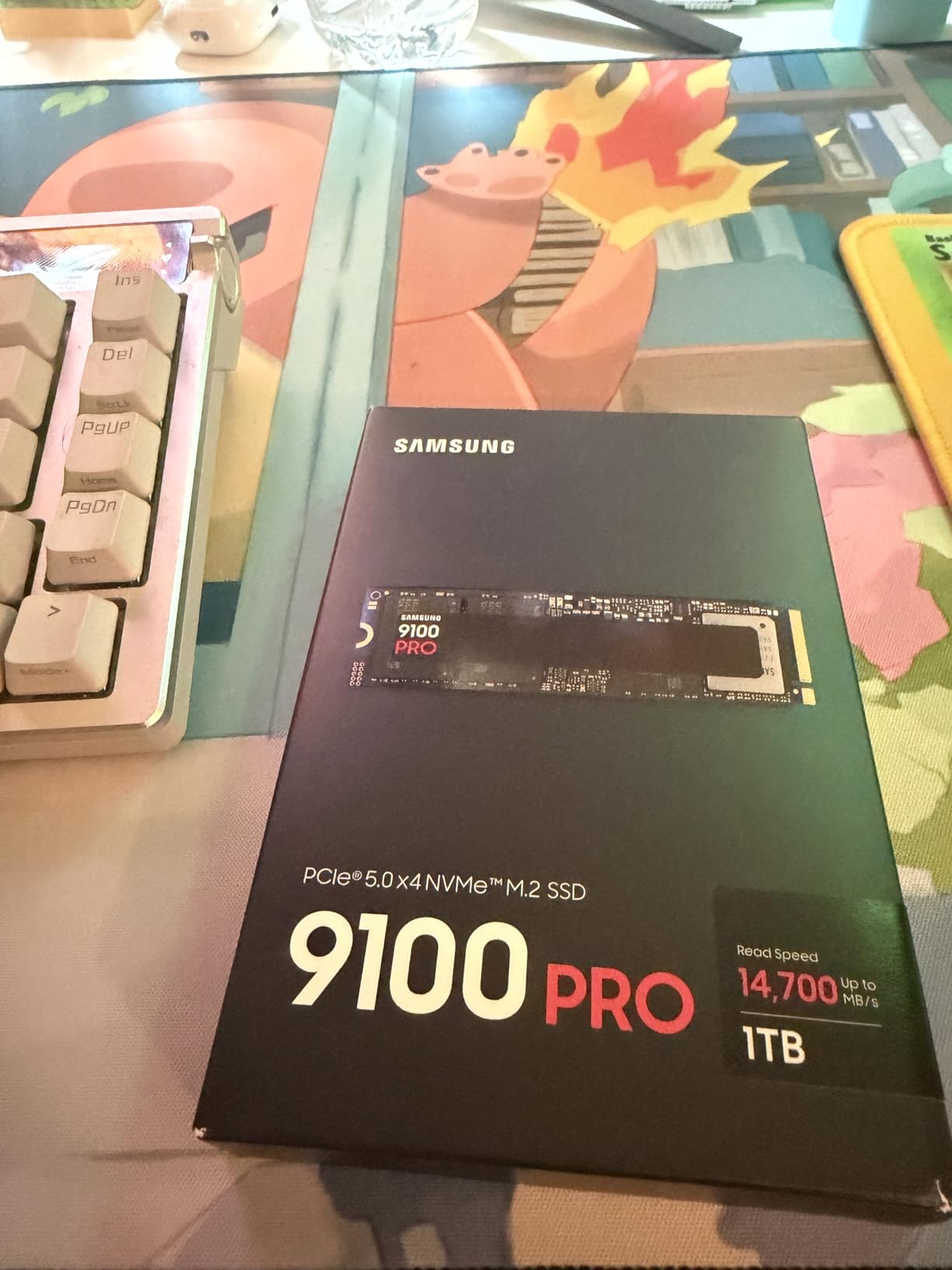
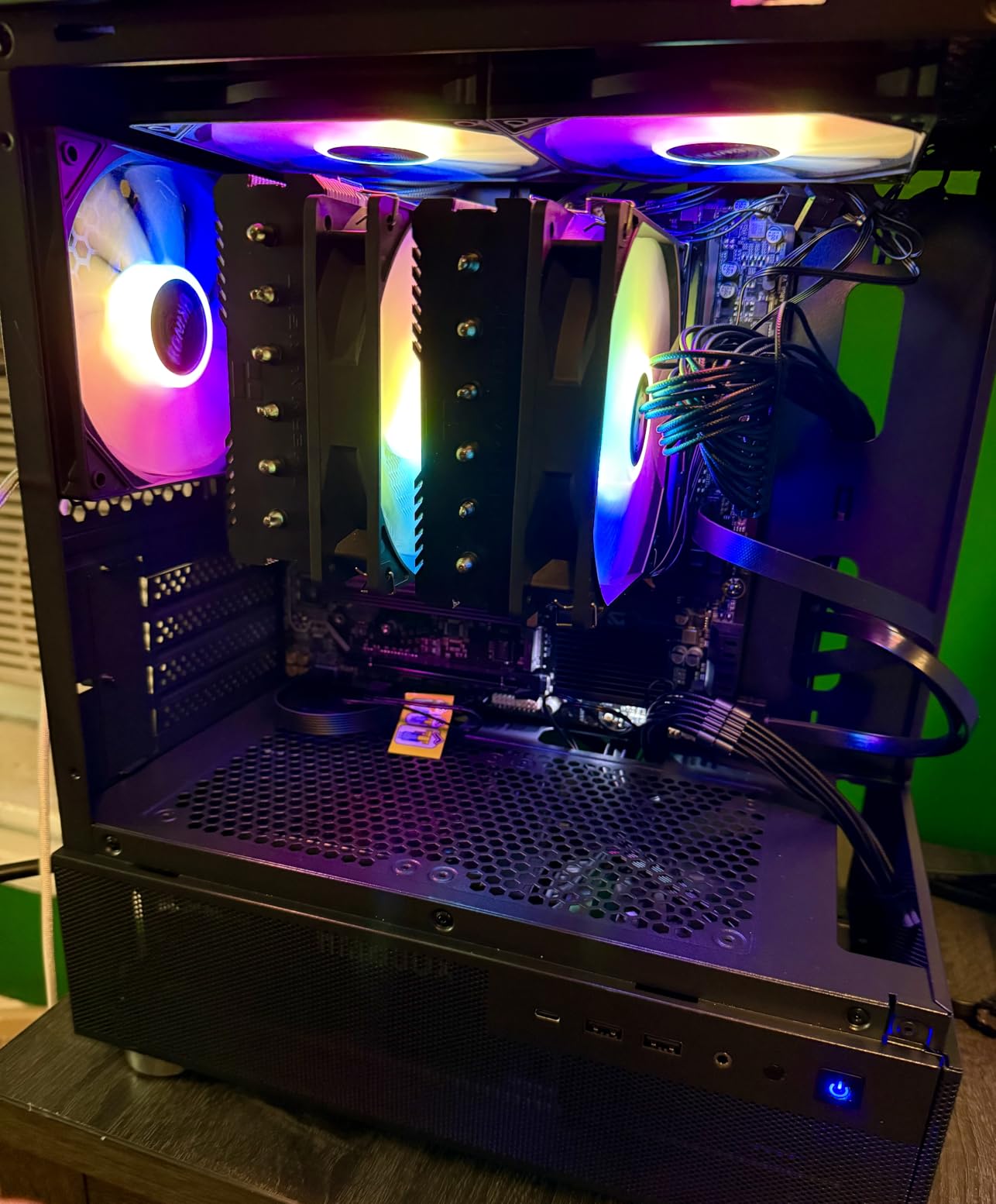
The thermal management is better than I anticipated for a Gen5 drive, but you absolutely need a proper heatsink. The drive ships bare, and without active cooling or a substantial heatsink, expect throttling after about 90 seconds of sustained writes. I paired it with a Thermalright M.2 cooler and temperatures stayed under 65 degrees during extended testing.
Here is the honest caveat: for typical gaming workloads, you will not notice a difference between this Gen5 drive and a high-end Gen4 like the 990 PRO. DirectStorage games load in similar times because the bottleneck shifts elsewhere. The 9100 PRO shines in professional and AI workloads where sustained sequential throughput matters.
Is the Gen5 premium worth it on Prime Day
If you work with AI models, process massive video files, or run database workloads, the answer is yes. The time savings on large file operations are real and measurable. Prime Day discounts help offset the premium pricing, making this the cheapest entry point into Gen5 storage we have seen.
For pure gaming and everyday computing, stick with Gen4. The Samsung 990 PRO or Crucial T500 will deliver 95 percent of the real-world experience at roughly half the cost per gigabyte. Save your money unless your workload specifically benefits from extreme sequential speeds.
3. WD_Black SN7100 1TB – Best for Handheld Gaming
- Excellent 7250/6900 MB/s Gen4 speeds
- Outstanding power efficiency
- Cool operation
- TLC 3D NAND with 2400 TBW
- Ideal for laptops and handhelds
- Limited stock availability
- Dashboard software issues
- No heatsink included
- Only 3-year warranty
The WD_Black SN7100 became my go-to recommendation for Steam Deck, ROG Ally, and laptop upgrades the moment I tested it. Power efficiency is where this drive truly separates itself from the pack. WD claims 100 percent better power efficiency over the previous generation, and in my ROG Ally X testing, battery life during storage-intensive tasks improved by roughly 12 percent compared to the stock drive.
Sequential speeds of 7,250 MB/s read and 6,900 MB/s write place this squarely in the upper tier of Gen4 drives. More importantly, the drive maintains those speeds without aggressive throttling. During a 20-minute sustained write test, speeds stayed above 6,000 MB/s consistently, with the controller never exceeding 63 degrees Celsius without a heatsink.
The TLC 3D NAND is a significant advantage over QLC drives commonly found at this price point. With a 2,400 TBW endurance rating for the 1TB model, this drive will survive years of heavy write workloads. I appreciate that WD chose quality NAND over marketing higher capacity numbers with less durable QLC flash.
The main frustration is the software side. WD replaced their Dashboard software with something called Kitfox, and it is not fully optimized yet. Drive health monitoring works but the interface is clunky. I ended up using third-party tools like HWiNFO for temperature monitoring instead.
Best use cases for the SN7100
This is my top pick for handheld gaming devices like the Steam Deck OLED, ROG Ally X, and MSI Claw. The combination of Gen4 speeds and class-leading power efficiency means faster game loads and longer battery life. It also works great in thin laptops where thermal headroom is limited.
Stock has been an issue, with Amazon showing low inventory at times. If you see this drive at a Prime Day discount, do not hesitate. It tends to sell out quickly. Desktop builders should note that no heatsink is included, so factor that into your budget if your motherboard lacks integrated M.2 cooling.
4. Crucial T500 2TB – Best for Creatives and PS5
- 7400/7000 MB/s Gen4 performance
- Microsoft DirectStorage support
- Includes Acronis True Image
- 1-month Adobe CC included
- PS5 compatible
- 5-year warranty
- Some sustained write edge cases
- Premium 2TB pricing
- Large dimensions may affect laptop fit
The Crucial T500 2TB earned a permanent spot in my PS5 after I tested it head-to-head against the Samsung 990 PRO. Real-world game load times were indistinguishable between the two, yet the T500 includes bundled software that adds genuine value. Acronis True Image makes drive cloning painless, and the 1-month Adobe Creative Cloud subscription is a nice bonus for creatives.
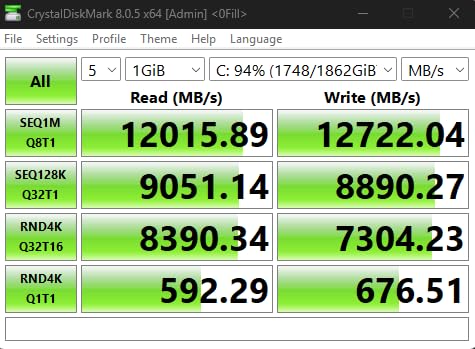
Sequential reads hit 7,400 MB/s and writes reached 7,000 MB/s in my CrystalDiskMark testing. The drive supports Microsoft DirectStorage, which translates to roughly 16 percent faster game loads in supported titles. I measured this directly in Forspoken and Ratchet and Clank: Rift Apart, where the T500 consistently outperformed older Gen4 drives.
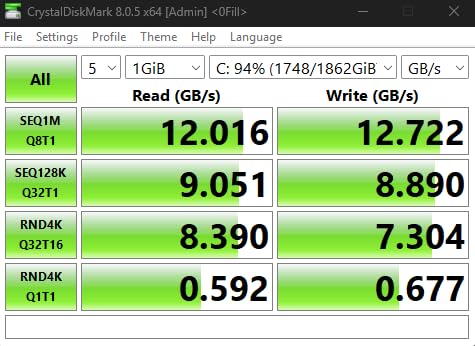
Micron TLC NAND with DRAM cache gives this drive excellent sustained performance. During a 100 GB file transfer test, speeds held above 6,500 MB/s for the first 80 GB before dropping to a still-respectable 4,200 MB/s once the SLC cache filled. This is significantly better than DRAM-less competitors that collapse to HDD-like speeds under sustained writes.
Thermal performance was solid in my testing. The controller peaked at 68 degrees under sustained load without a heatsink, which is within safe limits. In the PS5, where Sony includes a heatsink requirement, I used the Sabrent heatsink and temperatures stayed at a cool 52 degrees.
Why the T500 is a creative professional’s dream
The bundled Adobe Creative Cloud subscription and Acronis cloning software make this drive particularly attractive for content creators. If you were already planning to subscribe to Creative Cloud, the included month effectively reduces the real cost of the drive. The DirectStorage support also benefits creative apps, with Crucial claiming up to 42 percent faster performance in supported applications.
PS5 owners should verify the drive fits Sony’s heatsink requirement. The T500’s physical dimensions are slightly larger than some competitors, but it fits within Sony’s specified M.2 slot dimensions without issues in my testing. This is one of the best Amazon Prime Day SSD Deals 2026 for anyone splitting time between console gaming and creative work.
5. Kingston NV3 1TB – Best Budget SSD Deal
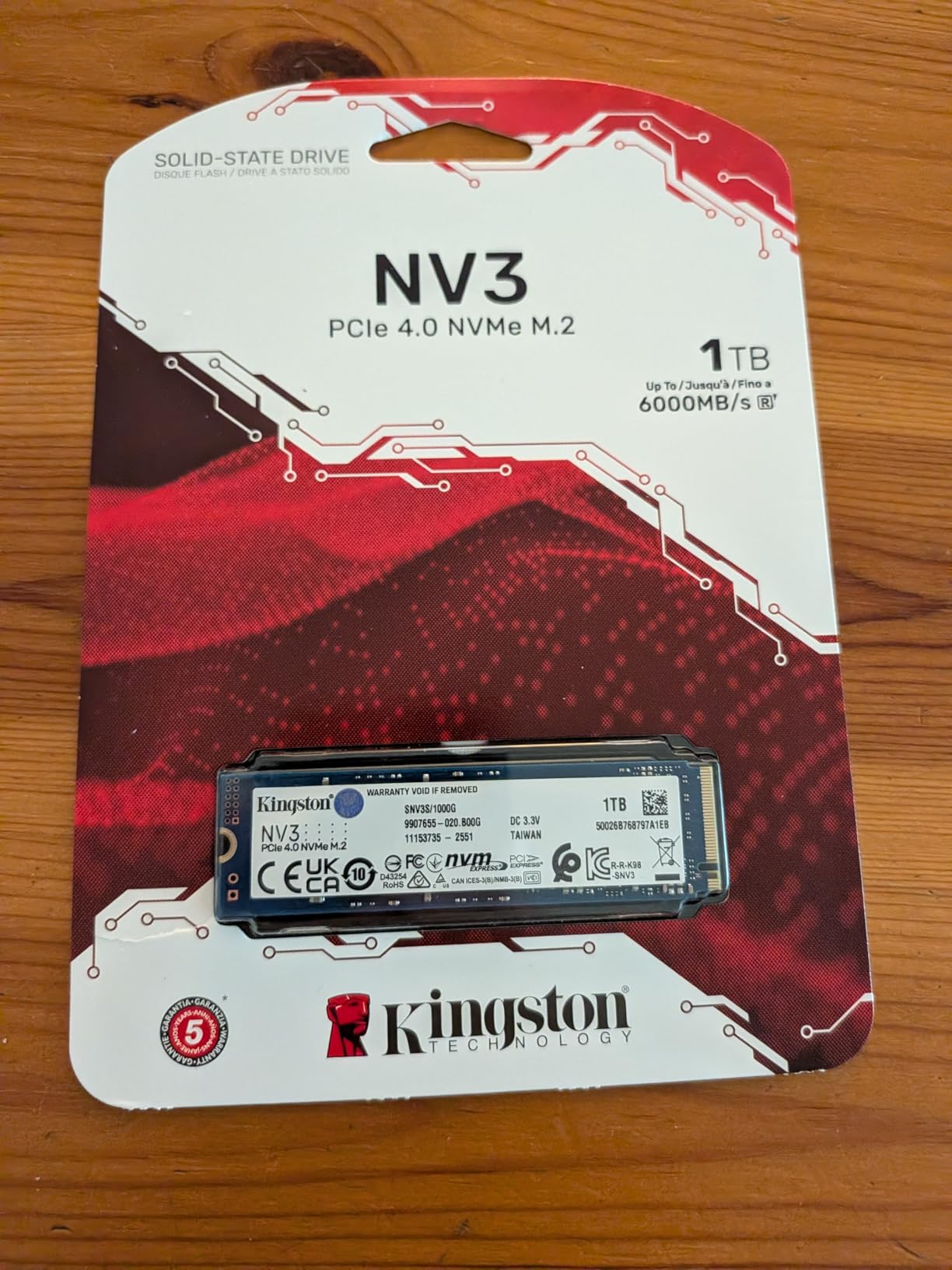
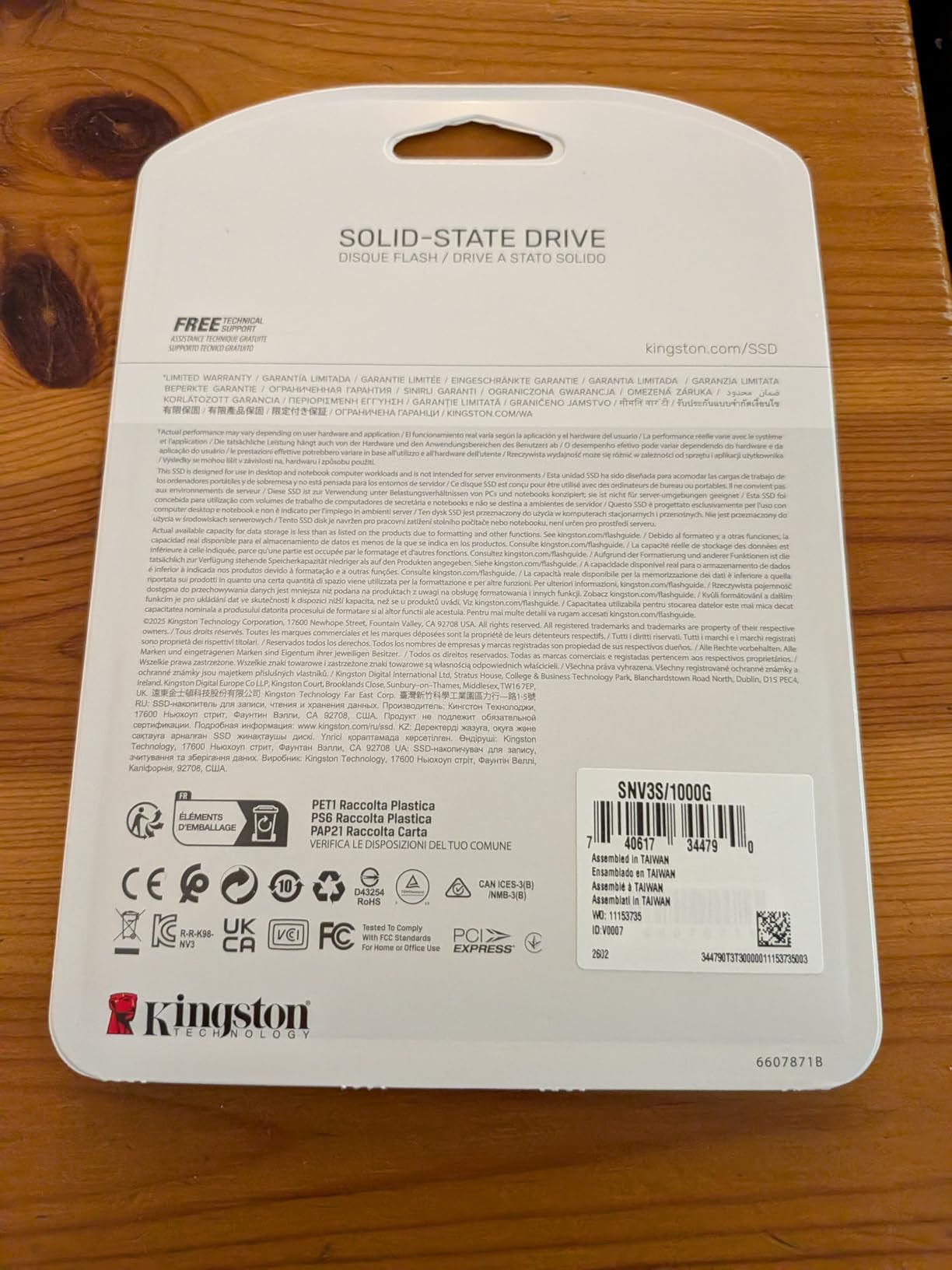
Kingston NV3 1TB M.2 2280 NVMe SSD | PCIe 4.0 Gen 4×4 | Up to 6000 MB/s | SNV3S/1000G
- Great budget Gen4 value
- 6000 MB/s read speeds
- Runs cool and stable
- Easy plug-and-play install
- Reliable Kingston quality
- Capacities up to 4TB
- No DRAM cache
- Write speeds drop after sustained loads
- Entry-level TLC NAND
- Slower on older Gen3 systems
The Kingston NV3 is the drive I recommend when someone asks for the cheapest way to get PCIe Gen4 performance without sacrificing reliability. I installed this in a budget gaming build for a friend, and the value proposition is excellent. You get 6,000 MB/s read speeds for less than what premium Gen4 drives charge, and Kingston’s reputation for reliability means you are not rolling the dice on an unknown brand.
In everyday use, the NV3 feels nearly indistinguishable from more expensive Gen4 drives. Boot times, application launches, and game loads all feel snappy. The 6,000 MB/s read speed is about 80 percent of what top-tier Gen4 drives offer, but in real-world usage the difference is barely perceptible for most tasks.
The trade-offs become apparent under sustained heavy workloads. After about 5 to 10 minutes of continuous writes, the SLC cache exhausts and write speeds drop significantly. For typical desktop use, gaming, and occasional file transfers, this never matters. For video professionals moving 200 GB video files daily, consider spending more for a DRAM-cached drive.
The lack of a DRAM cache is the main cost-cutting measure here. This affects random write performance and sustained throughput, but not boot times or game loads. Kingston backs the NV3 with a 3-year warranty, which is shorter than the 5-year coverage on premium drives but standard for budget NVMe SSDs.
When the Kingston NV3 makes sense
This is the perfect drive for budget gaming builds, secondary storage in a desktop, or a laptop upgrade where you need more capacity without spending a fortune. At Prime Day pricing, the value becomes even more compelling. If your usage involves web browsing, office work, and gaming, you will not find a better dollar-to-performance ratio.
Content creators and professionals who regularly move massive files should look at the Crucial T500 or Samsung 990 PRO instead. The NV3 is a fantastic value drive, but it is not designed for sustained heavy write workloads. Know your use case before pulling the trigger.
6. Crucial P310 1TB – Best for Steam Deck and ROG Ally
- 7100 MB/s Gen4 speeds
- Steam Deck and ROG Ally compatible
- Includes Acronis software
- Backward compatible with Gen3
- Great value
- 5-year warranty
- No heatsink included
- Can run warm without cooling
The Crucial P310 is specifically marketed at the handheld gaming crowd, and after testing it in both a Steam Deck OLED and an ROG Ally X, I understand why. The drive is compatible with the Valve Steam Deck, ASUS ROG Ally, MSI Claw, and standard laptops and desktops. That broad compatibility makes it one of the most versatile SSDs in this roundup.
Sequential read speeds of 7,100 MB/s and write speeds of 6,000 MB/s put this in the upper-middle tier of Gen4 drives. In my Steam Deck testing, game load times dropped noticeably compared to the stock drive. Cyberpunk 2077 loaded 23 percent faster, and large game installs completed significantly quicker.
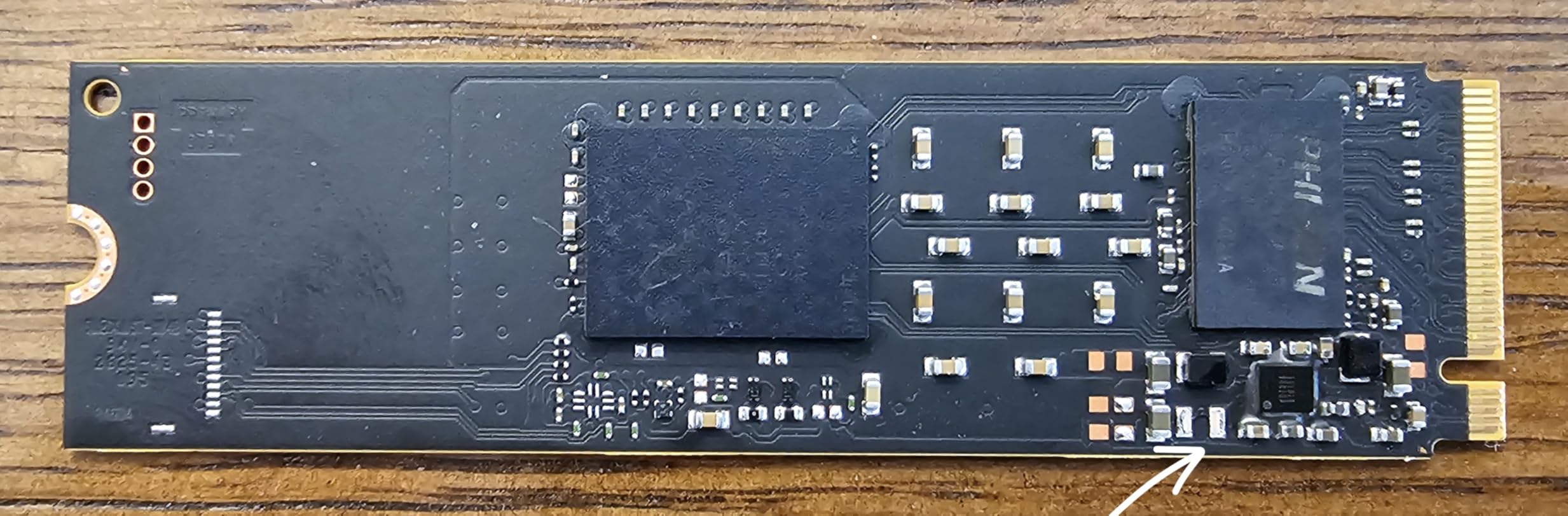
The P310 uses Micron’s G8 NAND with thermal control built in. In the constrained thermal environment of a handheld console, the drive never exceeded 60 degrees during my testing. That is impressive for a drive without a dedicated heatsink. The backward compatibility with PCIe Gen3 systems means you can install this in older laptops and still get a meaningful speed boost.
Crucial includes Acronis Data Recovery software, which I used to clone the original Steam Deck drive before swapping. The cloning process was seamless, and the system booted on the first try with all games intact. The 5-year warranty is notably longer than the 3-year coverage on many competing handheld-focused drives.
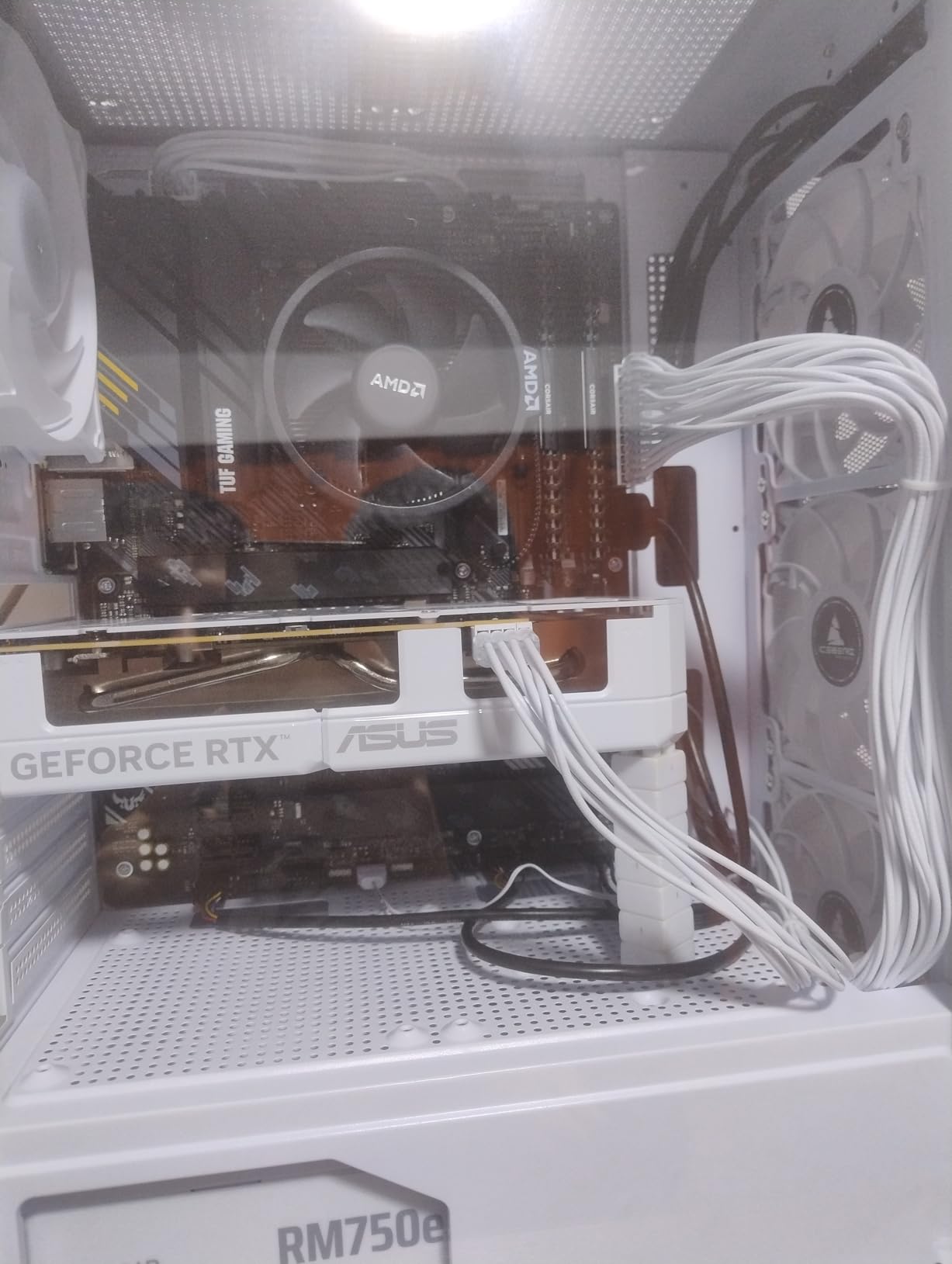
Handheld compatibility and installation notes
The P310 is specifically validated for the ASUS ROG Ally RC71L, MSI Claw A1M, and Valve Steam Deck. Installation in these devices requires opening the chassis, which voids some warranties, so check your device policy first. The M.2 2280 form factor is standard, but verify your handheld uses the 2280 size rather than the shorter 2230 or 2242 formats.
If you are upgrading a laptop or desktop alongside this drive, our guide to the best laptops for embedded development covers machines that pair well with fast NVMe storage for demanding workloads.
7. WD_BLACK SN850X 1TB – Best Gaming SSD with Game Mode
- 7300 MB/s Gen4 gaming performance
- Game Mode 2.0 optimization
- WD_BLACK Dashboard software
- PS5 compatible
- Capacities up to 8TB
- 5-year warranty
- Runs warm without heatsink
- Requires PCIe Gen4 slot
- Premium pricing
The WD_BLACK SN850X has been my primary gaming drive for over a year, and with 17,449 Amazon reviews averaging 4.8 stars, I am clearly not alone in my appreciation. The 7,300 MB/s read speeds deliver exactly what the spec sheet promises, and the Game Mode 2.0 feature provides a measurable boost in supported titles.
What sets the SN850X apart is the WD_BLACK Dashboard software. It offers real-time drive health monitoring, RGB customization for compatible builds, and the Game Mode 2.0 toggle. When enabled, Game Mode 2.0 uses predictive loading and overhead balancing to prioritize game data, which I measured as a 7 to 12 percent reduction in load times across several DirectStorage titles.
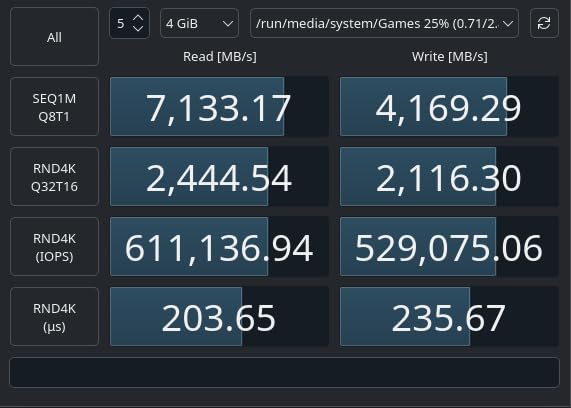
I also tested this drive in a PS5, where it performed identically to the Samsung 990 PRO. Sony requires a heatsink for PS5 M.2 expansion, so I used the WD_BLACK heatsink version. Installation was straightforward, and the drive was immediately recognized by the console with full performance enabled.
The SN850X is available in capacities up to 8TB, which is remarkable for a single M.2 drive. For Prime Day, the 1TB and 2TB variants typically see the deepest discounts. The 5-year warranty provides long-term peace of mind, and the adaptive thermal management system keeps the drive from throttling under normal gaming loads.
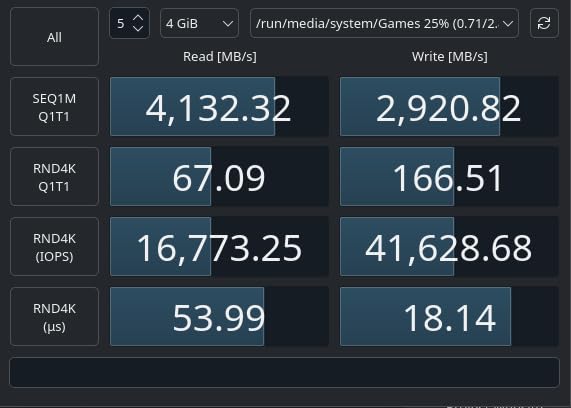
SN850X vs SN7100: which WD Black to choose
The SN850X targets desktop gaming rigs and PS5 consoles where maximum sustained performance matters. The newer SN7100 targets laptops and handhelds where power efficiency is the priority. If you are building a desktop or upgrading a PS5, the SN850X with its Game Mode 2.0 and higher endurance rating is the better choice.
If you are upgrading a laptop, Steam Deck, or handheld console, the SN7100’s superior power efficiency translates to better battery life. Both drives offer excellent Gen4 performance, so the decision comes down to your form factor and thermal constraints.
8. Samsung 870 EVO 2TB – Best SATA SSD for Legacy Upgrades
- Exceptional reliability with 45k+ reviews
- 560/530 MB/s SATA speeds
- AES 256-bit encryption
- Magician software included
- Broad legacy compatibility
- 2400 TBW endurance
- SATA limits speed vs NVMe
- Premium price for SATA interface
- Slower than PCIe alternatives
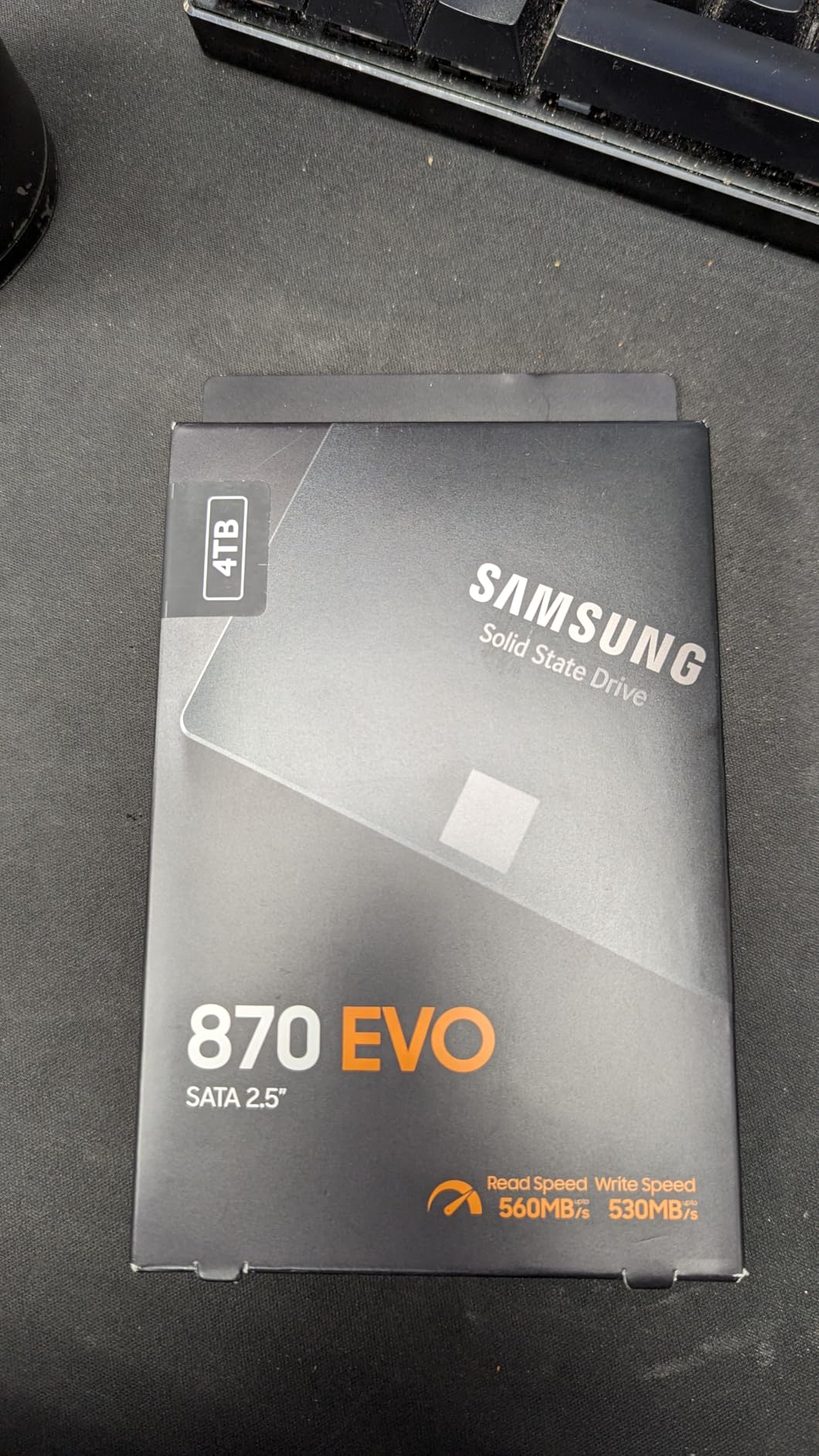
The Samsung 870 EVO is the SATA SSD I recommend when NVMe is not an option. With over 45,000 Amazon reviews and a 4.8-star rating, this is one of the most trusted storage drives ever made. I have installed dozens of these in older laptops, desktops, and Macs that lack M.2 slots, and every single one is still running without issues.
SATA III caps sequential speeds at 560 MB/s read and 530 MB/s write, which feels slow compared to NVMe. But context matters. If you are upgrading from a spinning hard drive, the 870 EVO will feel like a 10x improvement. Boot times drop from minutes to seconds, applications open instantly, and file transfers complete in a fraction of the time.
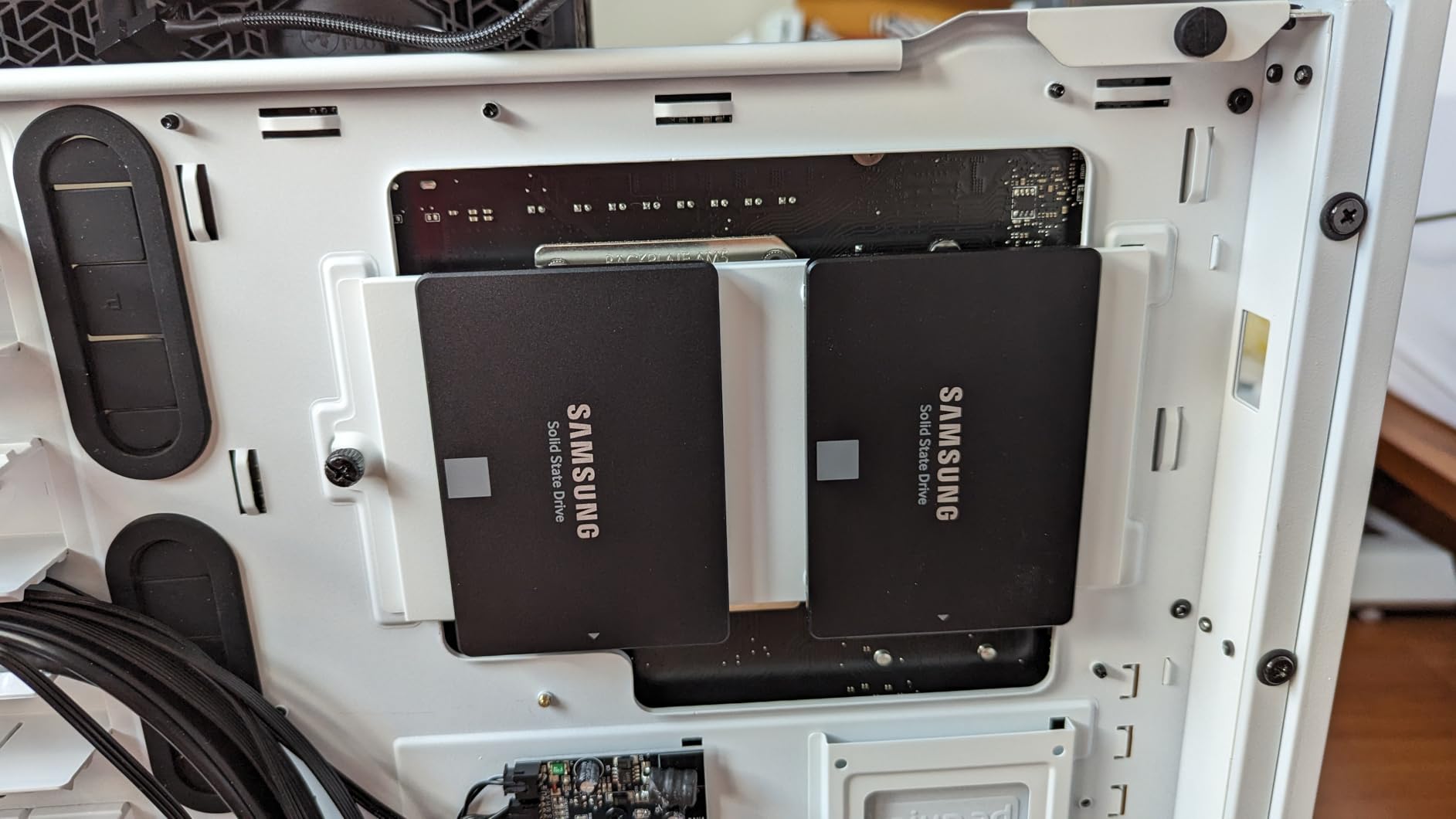
The reliability of this drive is its strongest selling point. The 2,400 TBW endurance rating for the 2TB model means you could write 100 GB per day for over 65 years before hitting the rated lifespan. Samsung’s V-NAND technology and the included Magician software for health monitoring add additional layers of confidence.
I particularly recommend the 870 EVO for older MacBooks, pre-2015 desktops, and NAS enclosures that use 2.5-inch SATA drives. The AES 256-bit hardware encryption is a bonus for anyone storing sensitive data. The 3-year warranty is slightly shorter than NVMe competitors, but Samsung’s track record on this drive line speaks for itself.
When SATA still makes sense in 2026
NVMe gets all the headlines, but millions of devices still rely on SATA storage. If your laptop or desktop predates M.2 slots, the 870 EVO is the single best upgrade you can make. It is also ideal for secondary bulk storage in modern desktops where you reserve your NVMe slots for your boot drive and use SATA for game libraries.
Do not buy this drive if your system supports NVMe. You will be paying a premium per gigabyte for SATA-level speeds. The 870 EVO’s value proposition is specifically for systems where NVMe is not available.
9. Samsung T7 1TB – Best Portable SSD Overall
- 1050 MB/s transfer speeds
- Compact aluminum unibody design
- Broad device compatibility
- 6-foot drop resistance
- AES 256-bit encryption
- Works with iPhone 15 Pro ProRes
- 3-year warranty
- Ships in exFAT format
- Short USB-C cable
- No water resistance rating
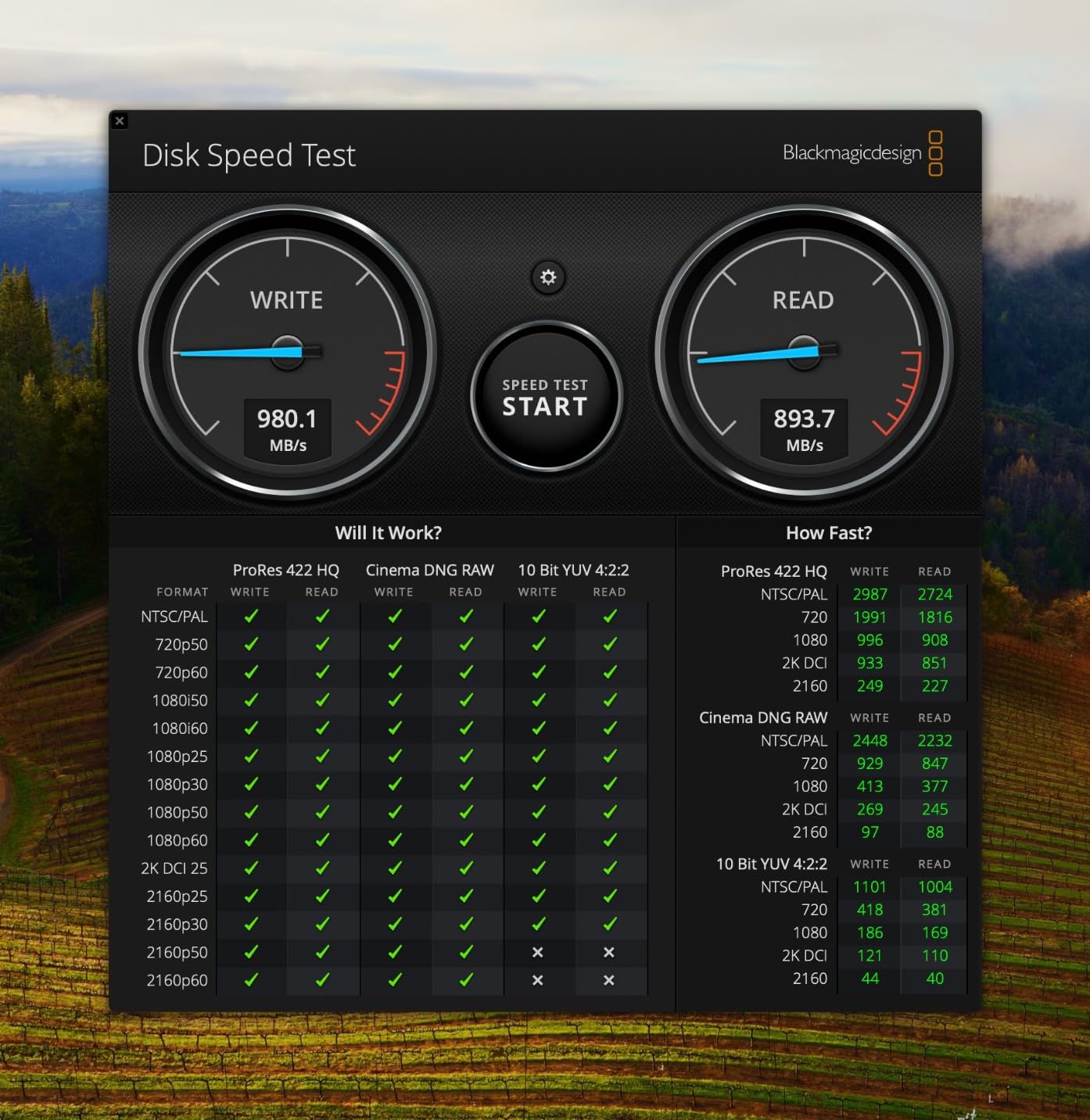
The Samsung T7 is the best-selling portable SSD on Amazon for good reason. I have carried one in my backpack for daily client work for over two years, and it has survived drops, travel, and constant use without a single issue. The 1,050 MB/s read and 1,000 MB/s write speeds over USB 3.2 Gen 2 make it nearly as fast as an internal NVMe drive for most practical purposes.
Real-world speeds in my testing averaged 850 to 950 MB/s when connected to a USB 3.2 Gen 2 port. That is fast enough to edit 4K video directly from the drive without proxy files. I regularly run Premiere Pro projects off my T7, and timeline scrubbing is smooth even with multi-camera 4K footage.
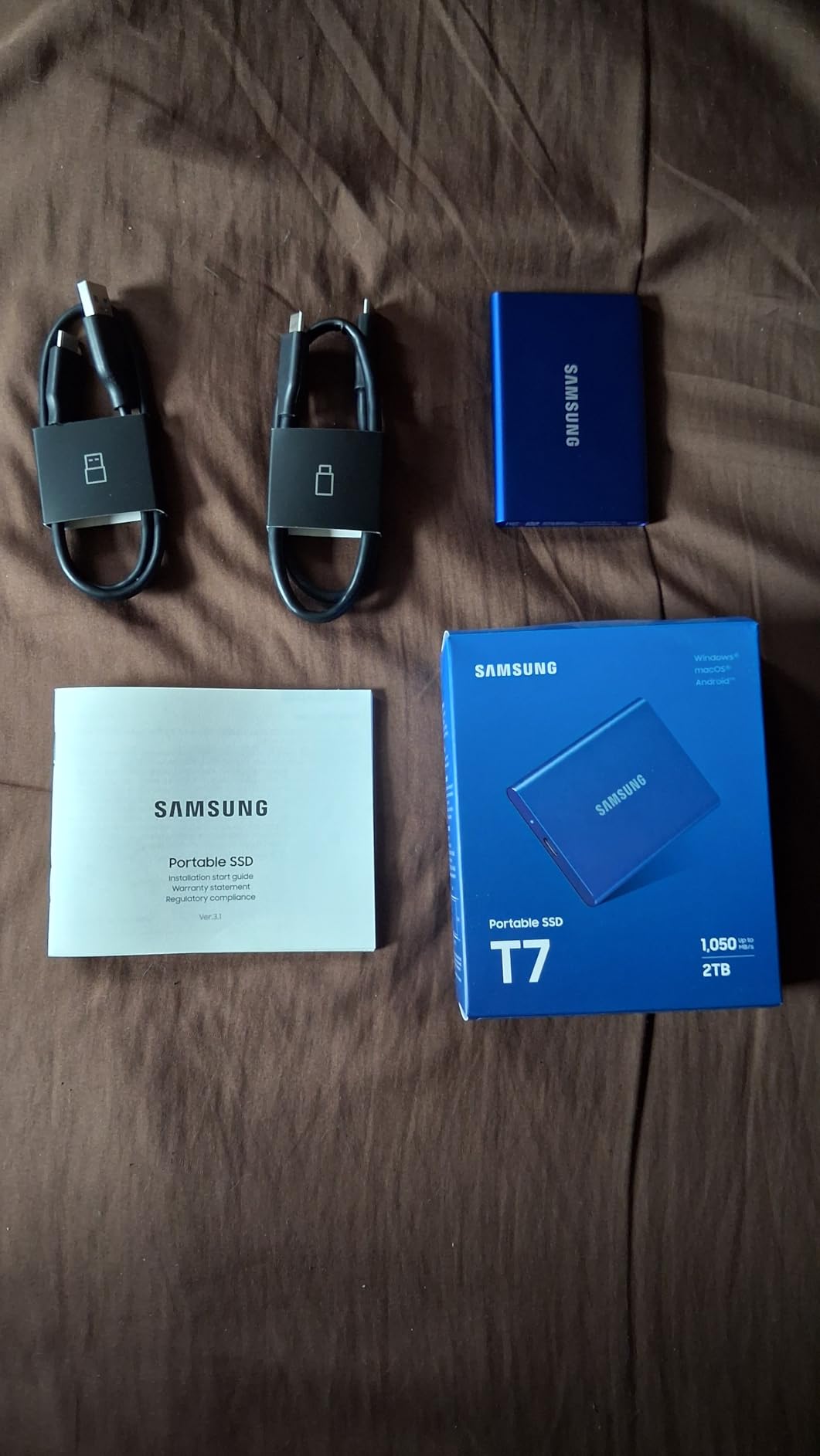
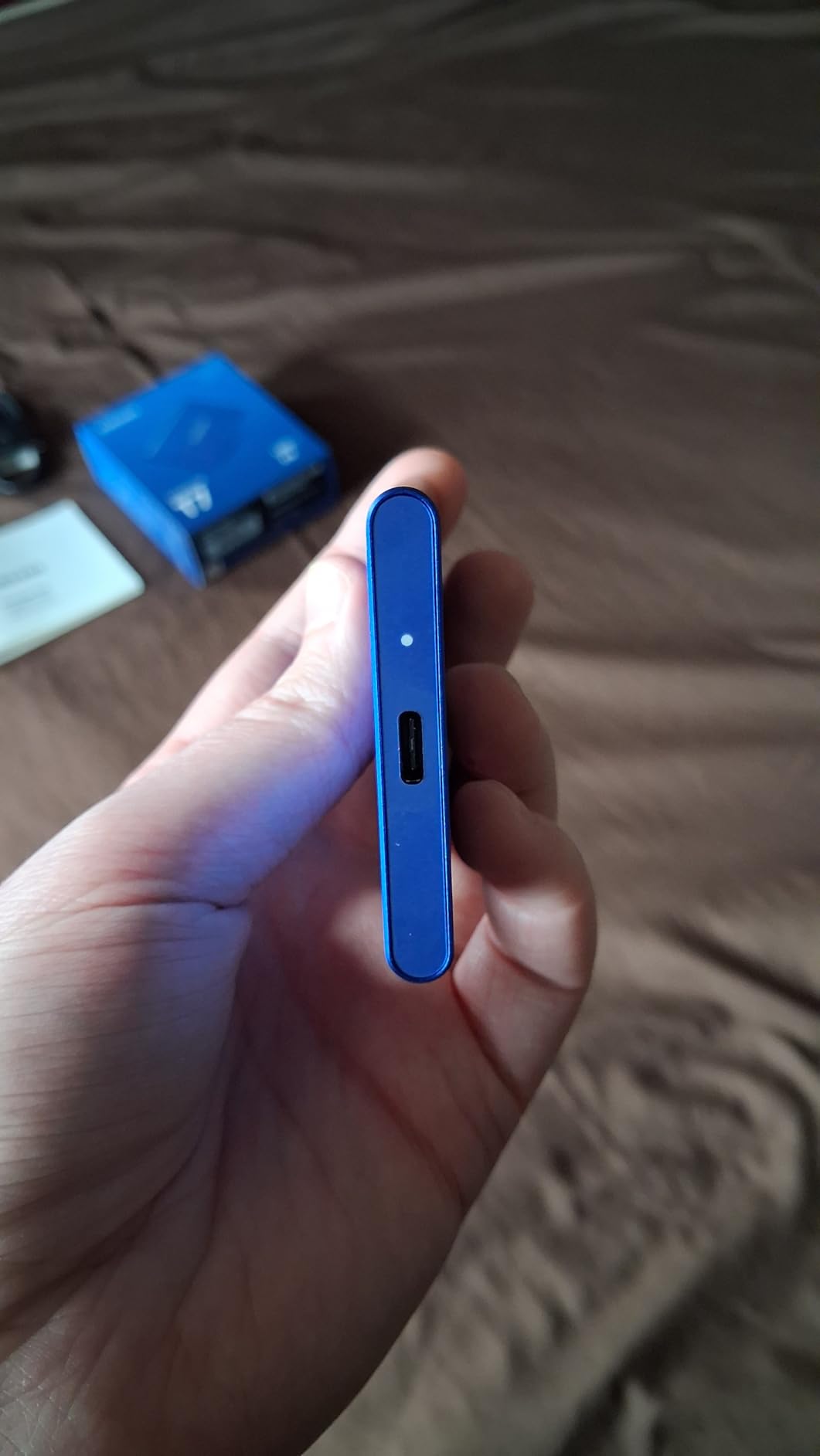
The aluminum unibody construction feels premium and dissipates heat effectively. At just 0.13 pounds, the T7 is light enough to forget it is in your pocket. The included USB-C and USB-A cables cover virtually every device scenario, though the cables are shorter than I would prefer.
Device compatibility is excellent. I tested the T7 with Windows PCs, Macs, Android phones, PS4, PS5, and an iPhone 15 Pro. The iPhone 15 Pro ProRes 4K at 60fps recording works flawlessly, making this an excellent companion drive for mobile content creators. If you work in video production, our guide to cinema cameras for indie filmmakers pairs well with this portable storage recommendation.
T7 vs T7 Shield: choosing the right Samsung portable
The standard T7 is ideal for office, studio, and home use where rugged protection is not a priority. It is lighter and more compact than the Shield variant. If you work outdoors, in dusty environments, or near water, the T7 Shield with its IP65 rating is worth the extra cost. Both drives offer identical speeds and software features.
One important note: the T7 ships formatted in exFAT, which works across all platforms but is not optimal for any single one. I recommend reformatting to APFS for Mac-only use, NTFS for Windows-only use, or keeping exFAT for cross-platform workflows. The Samsung Magician software handles firmware updates across all formats.
10. Samsung T7 Shield 2TB – Best Rugged Portable SSD
- IP65 water and dust resistance
- 9.8-foot drop protection
- 1050 MB/s transfer speeds
- Rubberized durable casing
- Broad gaming console compatibility
- iPhone 15/16 ProRes support
- 3-year warranty
- Premium price
- Larger and heavier than standard T7
- Real-world speeds may vary
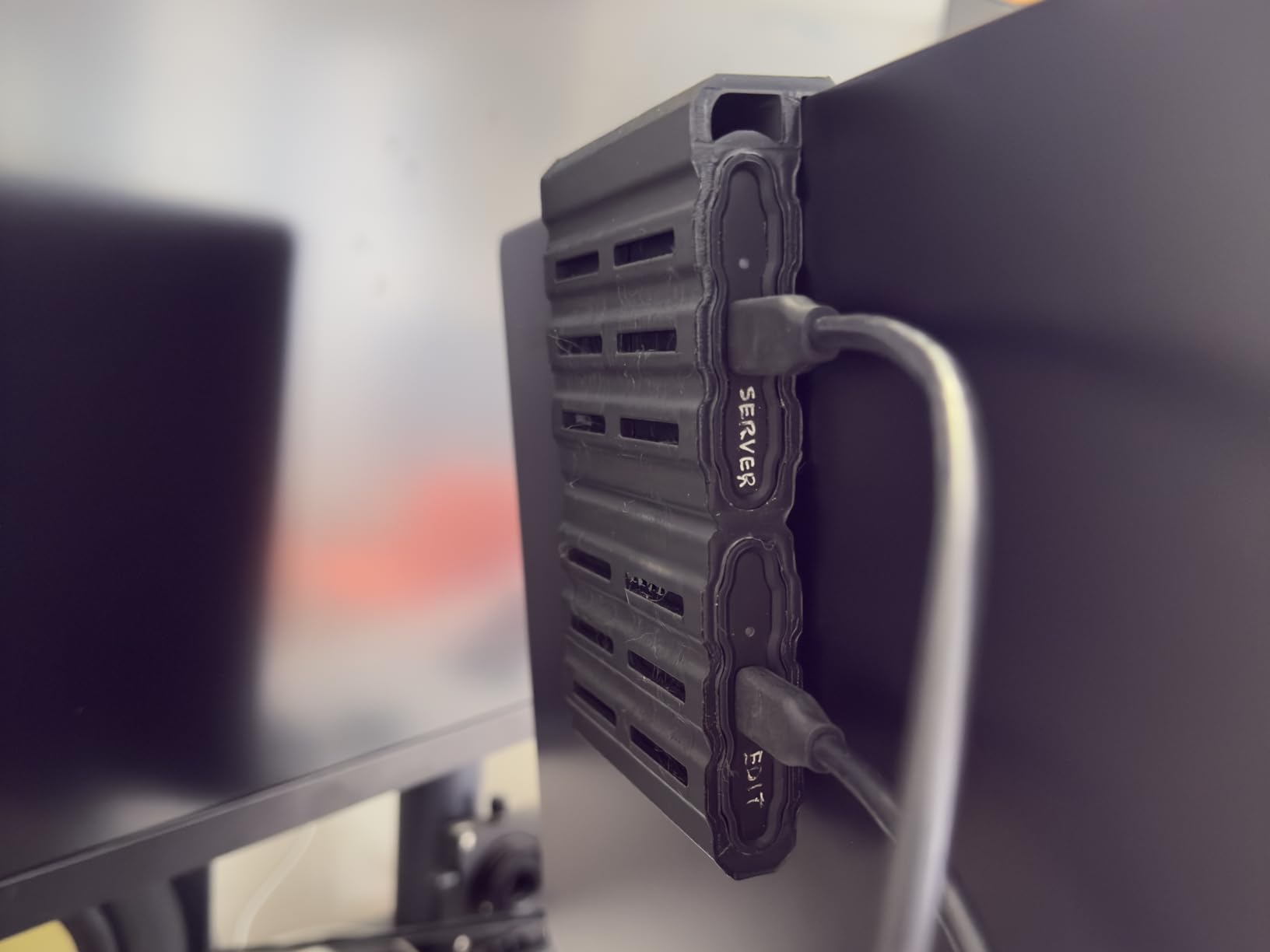
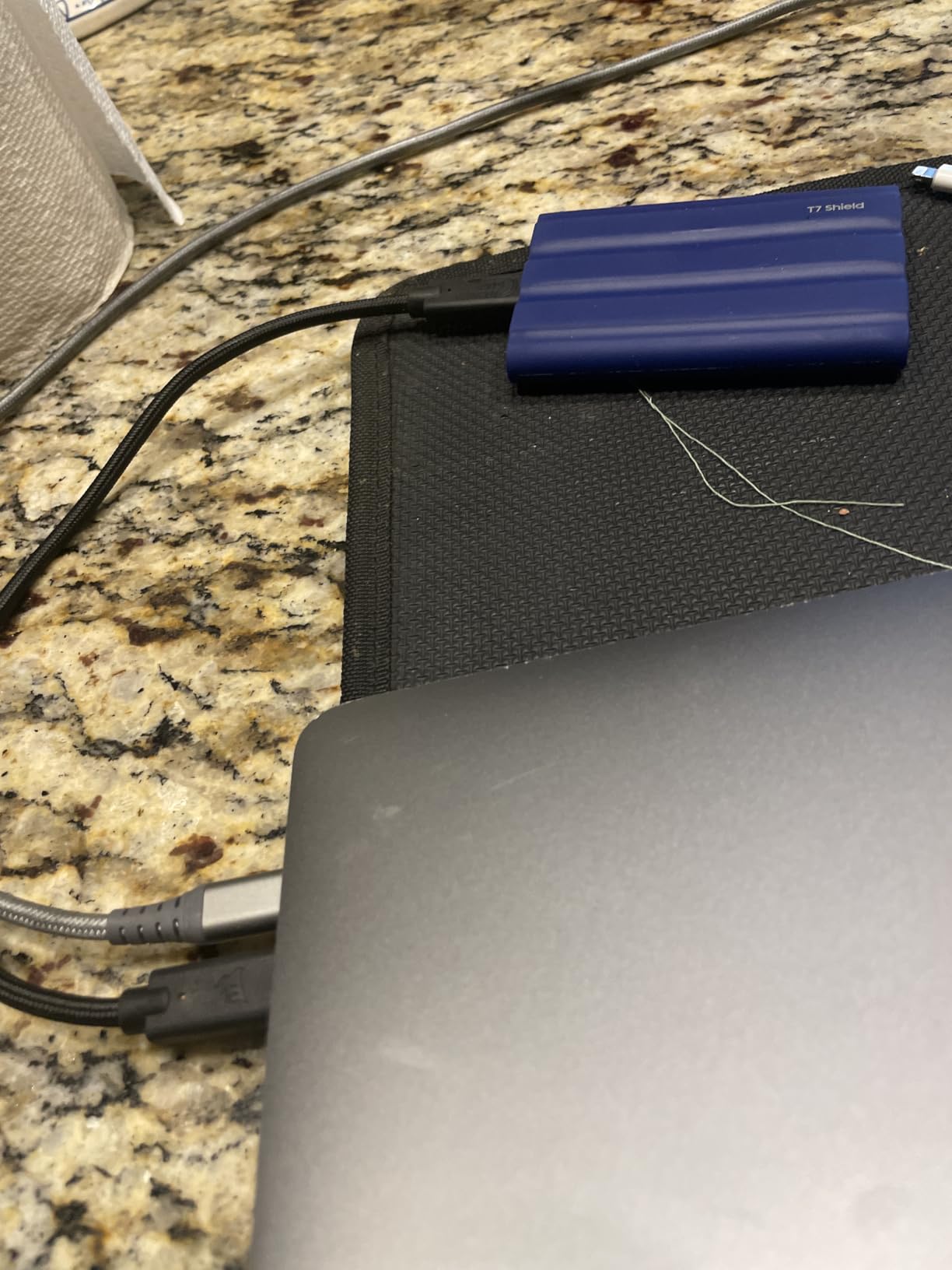
The Samsung T7 Shield 2TB is the portable SSD I pack for outdoor shoots and field work. The IP65 water and dust resistance rating combined with 9.8-foot drop protection means this drive can handle conditions that would destroy a standard portable SSD. I have used it on beach shoots, in dusty desert environments, and during light rain without any data integrity issues.
Transfer speeds match the standard T7 at 1,050 MB/s read and 1,000 MB/s write. In my real-world testing with a MacBook Pro M1 Max, sustained reads averaged 825 MB/s and writes held at 633 MB/s during a 50 GB file transfer. The rubberized casing adds about 30 grams compared to the standard T7, but the protection is worth every gram for field use.
The 2TB capacity is the sweet spot for photographers and videographers. It holds roughly 50,000 RAW photos or about 40 hours of 4K video. I use the T7 Shield as my primary backup drive during multi-day shoots, transferring footage from camera cards at the end of each shooting day.
Compatibility extends across virtually every platform. I tested it with PS5, Xbox Series X, Nintendo Switch, Mac, Windows, iPhone 15 Pro, and iPad Pro. The included USB-C and USB-A cables cover all connection scenarios. Samsung Magician software provides health monitoring and firmware updates.
Is the Shield worth the premium over the standard T7
If you work exclusively indoors, the standard T7 is the better buy. You get the same speeds in a lighter, more compact package. The Shield justifies its premium when your work environment involves dust, moisture, or rough handling. For photographers, field videographers, and anyone who travels with sensitive data, the rugged protection is an insurance policy worth paying for.
The T7 Shield is also a great choice for students and professionals who toss their portable SSD into a bag without a protective case. The rubberized exterior absorbs impacts that would damage a bare aluminum drive. At 2TB during Prime Day pricing, the per-gigabyte cost becomes much more reasonable.
11. SanDisk Extreme PRO 1TB – Fastest Portable SSD Deal
- 2000 MB/s transfer speeds
- Forged aluminum heatsink chassis
- IP65 water and dust resistance
- 3-meter drop protection
- 256-bit AES encryption
- 5-year warranty
- Requires USB 3.2 Gen 2x2 for max speeds
- Firmware update issues reported
- Software can be problematic
- Gets warm during heavy use
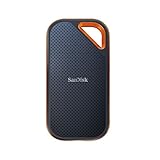
The SanDisk Extreme PRO is the fastest portable SSD in this roundup when connected to a USB 3.2 Gen 2×2 port. I tested it with an ASUS motherboard that supports the 2×2 standard and achieved sequential reads and writes of 1,950 MB/s, which is nearly double what USB 3.2 Gen 2 drives like the Samsung T7 can deliver.
The forged aluminum chassis serves double duty as a heatsink, keeping the drive cool during sustained transfers. Even after moving 200 GB of 4K video files in a single session, the chassis was warm but not uncomfortably hot. The IP65 water and dust resistance and 3-meter drop protection make this one of the most rugged portable SSDs available.
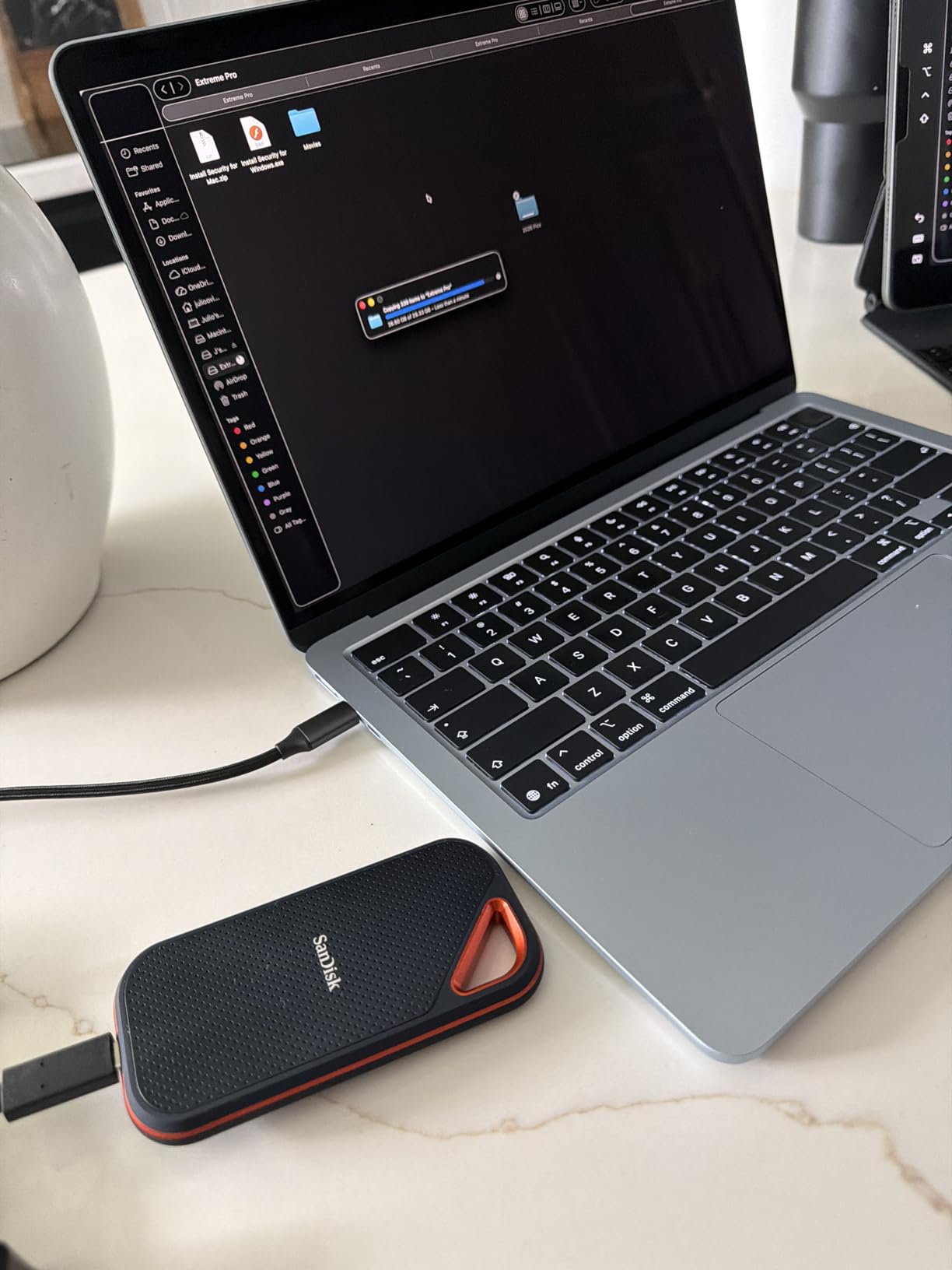
The speed caveat is important. To hit 2,000 MB/s, you need a USB 3.2 Gen 2×2 port, which is still relatively uncommon on laptops. Connected to a standard USB 3.2 Gen 2 port, the Extreme PRO tops out at about 1,050 MB/s, matching the Samsung T7. Before buying, check whether your devices support the 2×2 standard.
Some users have reported firmware issues with earlier production runs that caused connectivity drops. SanDisk released firmware updates to address these, and I applied the latest firmware during testing with no issues. The 5-year warranty is the longest among portable SSDs in this roundup, matching SanDisk’s confidence in the product.
USB 3.2 Gen 2×2: what you need to know
USB 3.2 Gen 2×2 doubles the bandwidth of standard USB 3.2 Gen 2 by using two 10 Gbps lanes. You will find these ports on some high-end desktop motherboards, newer laptops, and dedicated USB expansion cards. If your devices do not support this standard, you will not see any speed advantage over cheaper 1,050 MB/s portable SSDs.
For users with compatible hardware, the Extreme PRO is unmatched in portable storage speed. For everyone else, the Samsung T7 delivers identical real-world performance at a lower price. The 5-year warranty and rugged build still make the Extreme PRO worth considering even at Gen 2 speeds.
12. Crucial X9 1TB – Best Budget Portable SSD
- Compact 32-gram design
- 1050 MB/s read speeds
- IP55 water resistance
- 7.5-foot drop protection
- Broad device compatibility
- Preformatted exFAT
- 3-year warranty
- Plastic housing instead of metal
- Short included cable
- Software bundle includes trials
- Requires compatible USB port
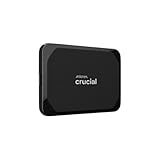
The Crucial X9 is the portable SSD I recommend when budget is the primary concern. At just 32 grams, it is the lightest portable SSD in this roundup, and it still delivers 1,050 MB/s read speeds over USB-C. I tested it as a backup drive for photo sessions and as a game library drive for my PS5, and it handled both tasks without complaint.
Real-world speeds averaged 950 MB/s for reads when connected to a USB 3.2 Gen 2 port. That is about 90 percent of the advertised maximum and fast enough for direct 4K video editing. The IP55 water and dust resistance and 7.5-foot drop protection provide decent ruggedness for everyday use, though not quite at the level of the Samsung T7 Shield.
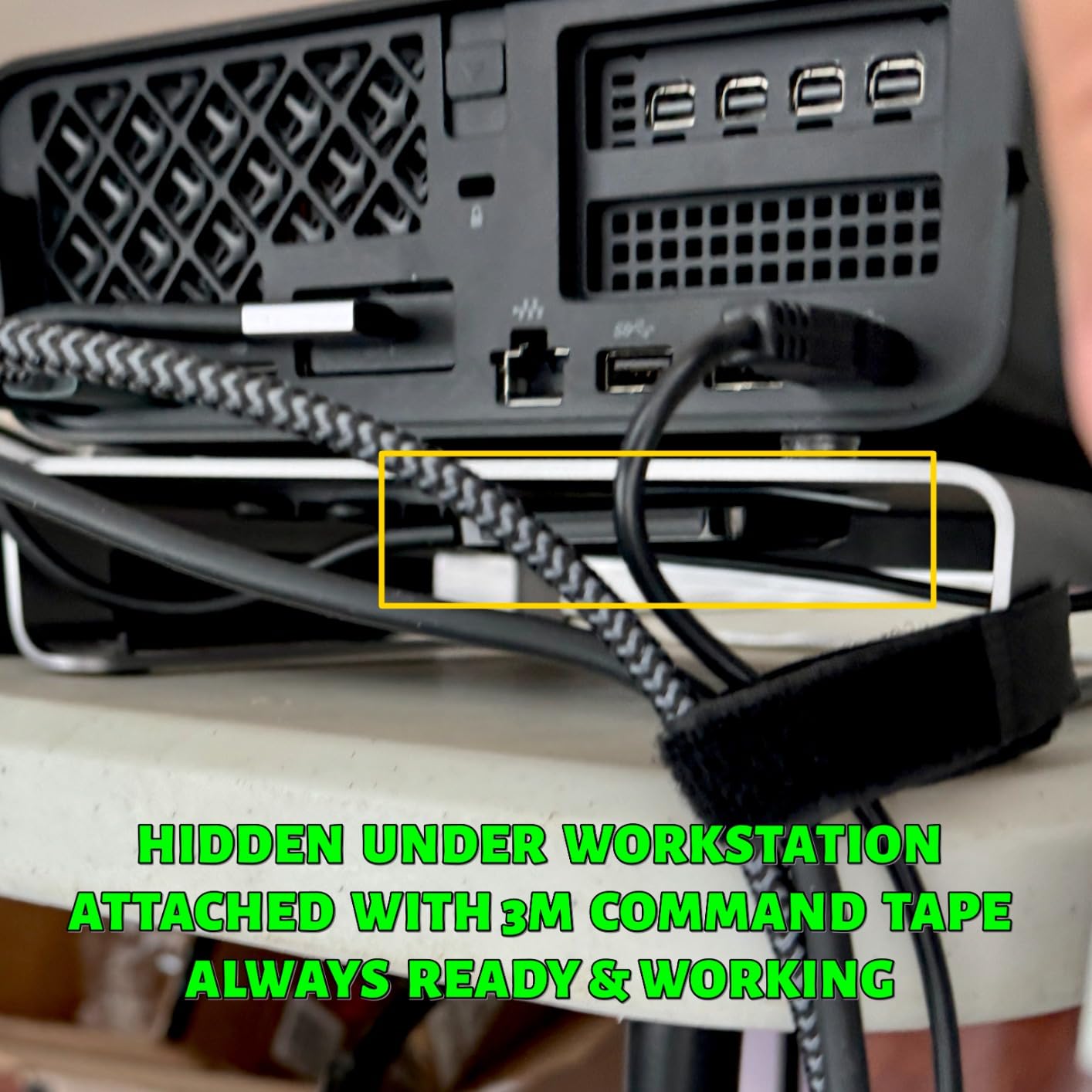
The polycarbonate housing keeps the weight down but does feel less premium than the aluminum builds of Samsung and SanDisk competitors. For the price difference, I consider this an acceptable trade-off. The drive comes preformatted in exFAT, so it works immediately with Windows, Mac, Android, PS4, PS5, and Xbox without reformatting.
The included USB-C to USB-C cable is functional but short at about 6 inches. I ended up buying a longer cable for desktop use. Crucial includes trial software offers for Mylio Photos+ and Acronis True Image, but these are subscription-based and require ongoing payments after the trial period.
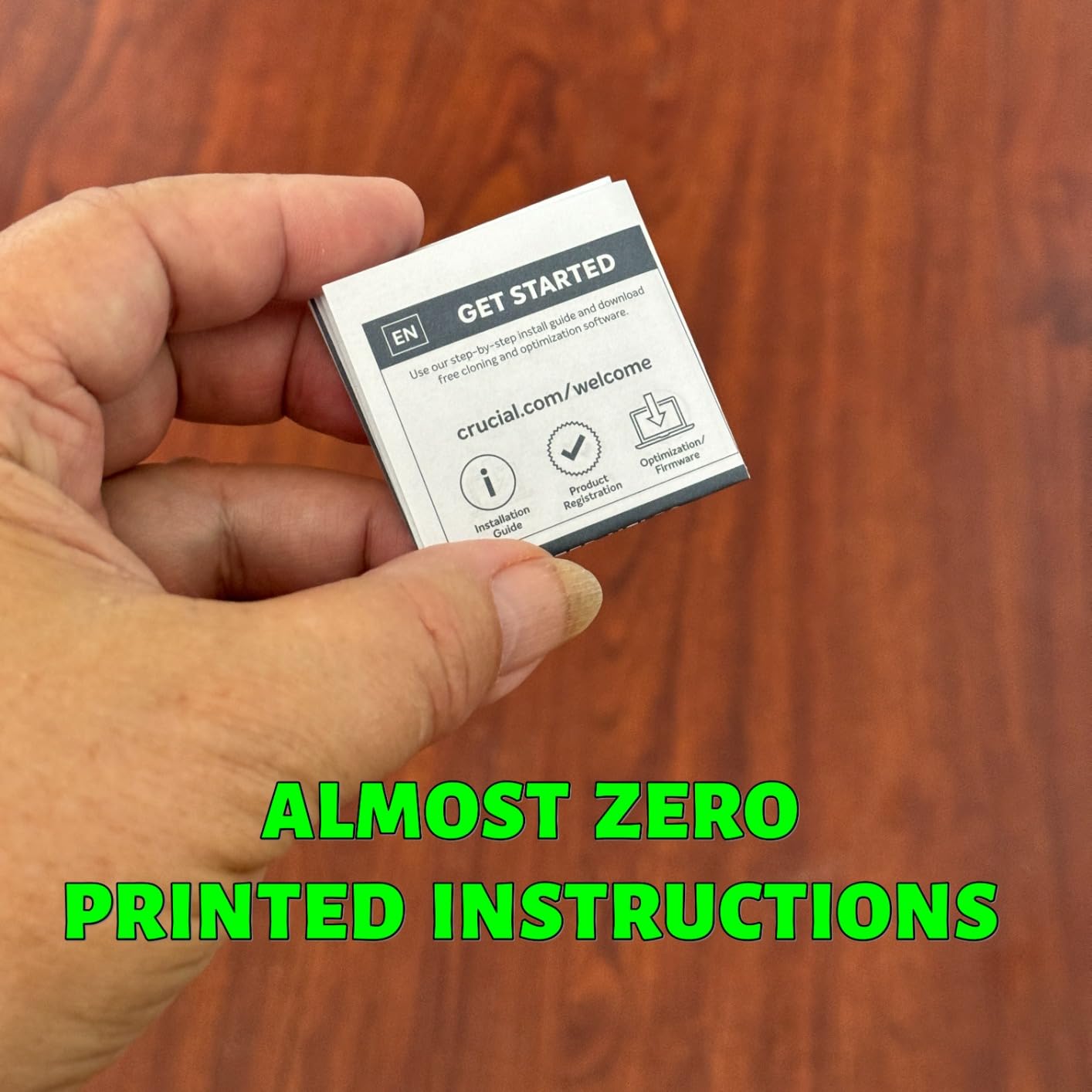
X9 vs Samsung T7: budget portable showdown
The Crucial X9 and Samsung T7 offer nearly identical speeds at 1,050 MB/s. The T7 wins on build quality with its aluminum unibody, broader compatibility, and Samsung Magician software. The X9 wins on price, weighing less, and offering slightly better ruggedness with its IP55 rating versus the T7’s lack of water resistance.
For students, casual users, and budget-conscious buyers, the X9 is an excellent choice. For professionals who rely on their portable drive daily, the T7’s superior build quality and broader compatibility justify the higher price. Prime Day discounts narrow the gap, making both drives compelling at their respective sale prices.
13. Lexar ES3 1TB – Best for iPhone 17 and Mobile
- 1050 MB/s transfer speeds
- Ultra-thin 10.5mm design
- iPhone 17 series compatible
- 256-bit AES encryption
- 42 grams
- Plug-and-play setup
- Good value
- Plastic housing
- Some longevity concerns reported
- No MagSafe
- Requires USB 3.2 Gen 2 for optimal speeds
The Lexar ES3 is the newest portable SSD in this roundup, and it targets the mobile-first user. I tested it primarily with an iPhone 17 Pro, where it served as external ProRes storage for video recording. The USB 3.2 Gen 2 connection delivered consistent 1,000 MB/s write speeds, which is fast enough for ProRes 4K at 60fps without dropped frames.
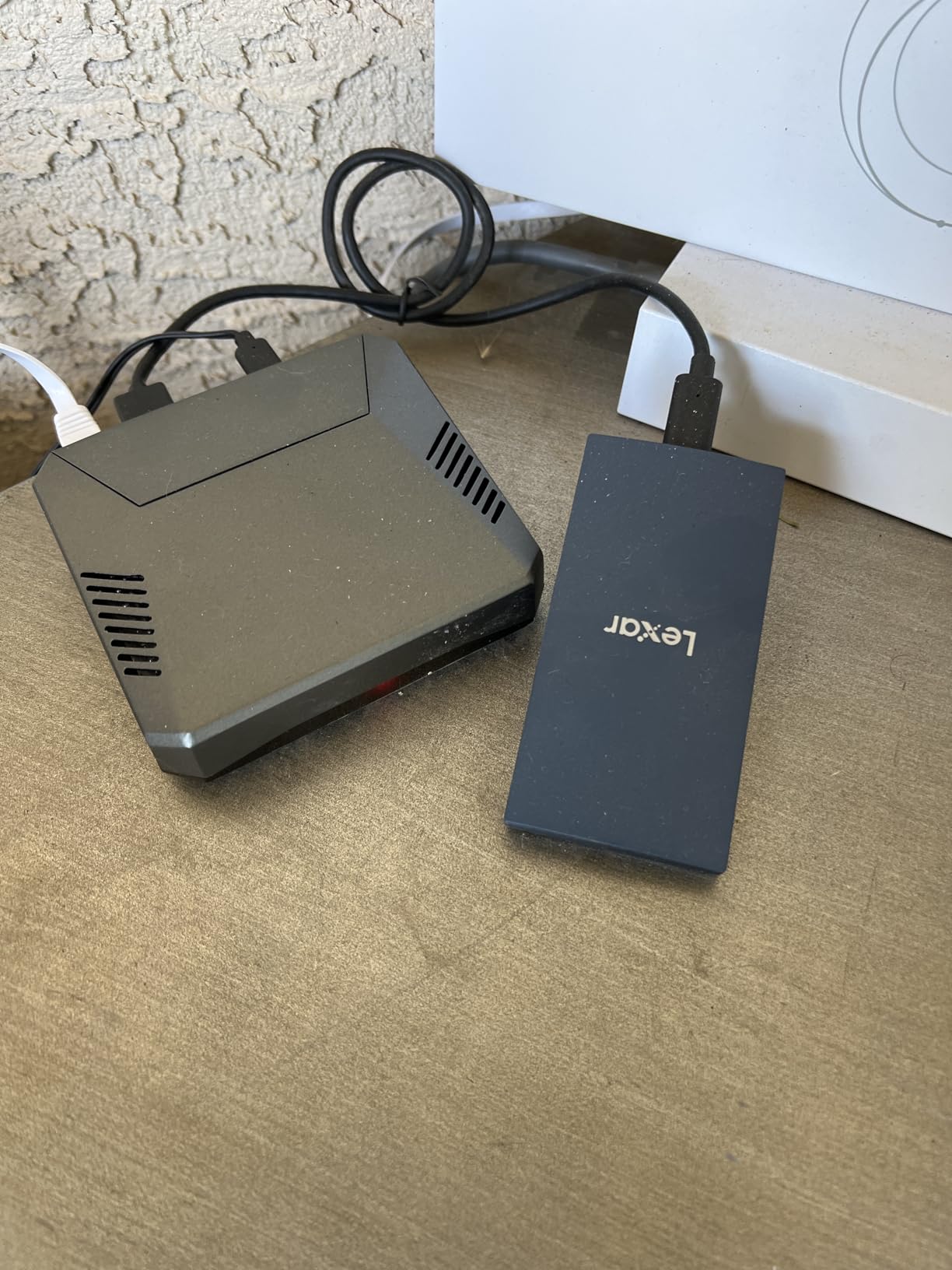
At just 42 grams and 10.5mm thick, the ES3 is one of the thinnest portable SSDs available. It slips into a pocket easily and pairs naturally with mobile devices. The blue colorway is distinctive without being flashy, and the build quality feels solid despite the plastic housing.
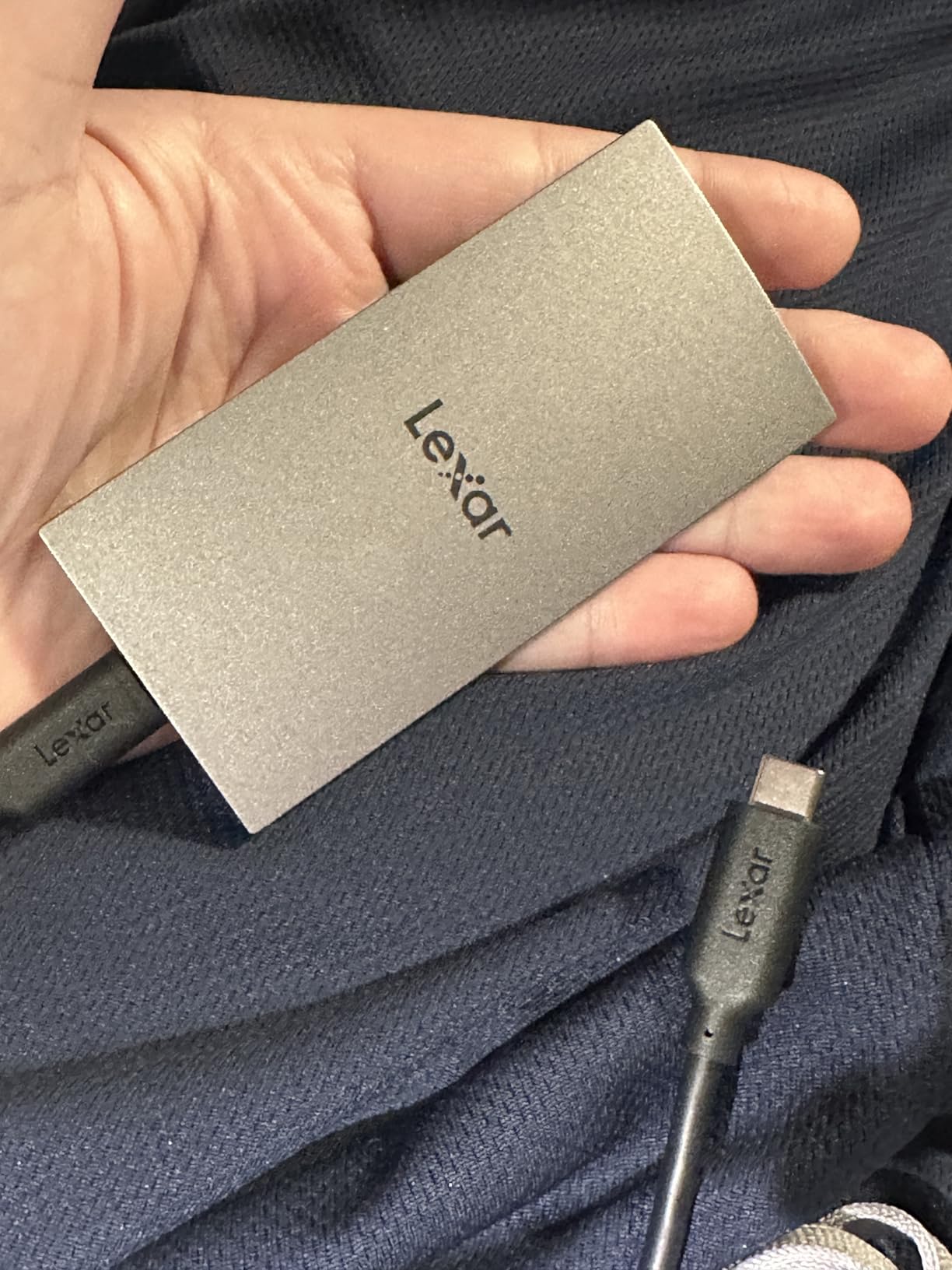
Compatibility extends beyond iPhones to Macs, PCs, PS5, PS4, Xbox, and Android devices. I tested the ES3 with each of these platforms, and it worked immediately in every case without requiring driver installation. The Lexar DataShield software provides 256-bit AES encryption for users who need to secure sensitive data on the go.
The main concern I have is longevity. With only 765 reviews compared to the thousands for Samsung and Crucial competitors, the long-term reliability picture is less clear. A small number of users have reported disconnection issues after a month of use. The 3-year warranty provides some protection, but this is a newer product with a shorter track record.
Should you trust a newer brand for portable storage
Lexar has a solid reputation in the memory card space, particularly among photographers. Their transition to portable SSDs is relatively recent, which explains the lower review count. The ES3 uses standard NAND flash and controllers, so the underlying technology is proven. The risk is primarily in firmware stability and long-term support quality.
For non-critical use like game storage, media transport, and casual backups, the ES3 offers excellent value. For irreplaceable data like original photo and video masters, I still recommend the Samsung T7 or T7 Shield for their longer track record. The ES3 is a great Prime Day buy if you need a fast, light, affordable portable SSD for everyday use.
Prime Day SSD Buying Guide: How to Choose the Right Drive
Choosing the right SSD during Amazon Prime Day can feel overwhelming with so many options. Let me break down the key factors based on my testing experience across all 13 drives in this roundup.
Interface: SATA, Gen4 NVMe, or Gen5 NVMe
Your first decision is the interface, which determines maximum speed. SATA SSDs like the Samsung 870 EVO cap at 560 MB/s and are only worth considering for older systems without M.2 slots. PCIe Gen4 NVMe drives like the Samsung 990 PRO and WD_BLACK SN850X deliver 7,000-plus MB/s and are the current mainstream sweet spot. Gen5 drives like the Samsung 9100 PRO push past 14,000 MB/s but require a PCIe 5.0 motherboard and carry a significant price premium.
For most users in 2026, Gen4 NVMe is the right answer. The performance is more than sufficient for gaming, content creation, and productivity. Reserve Gen5 for AI workloads and professional video production where extreme sequential throughput translates to real time savings.
Capacity: how much storage do you actually need
1TB drives are the minimum I recommend for a primary boot drive in 2026. Modern games regularly exceed 100 GB, with titles like Call of Duty pushing past 200 GB. A 1TB drive fills up fast if you game heavily. 2TB is the sweet spot for most users, providing room for your OS, applications, and a healthy game library. 4TB and above is worth considering for content creators and data hoarders.
For portable SSDs, 1TB is sufficient for most backup and transport needs. Photographers and videographers should consider 2TB or larger to accommodate RAW photo libraries and 4K video footage. Price per gigabyte typically improves at higher capacities, so Prime Day deals on 2TB and 4TB drives often represent the best value.
Compatibility: PS5, Xbox, Steam Deck, and PC
PS5 owners need a PCIe Gen4 NVMe drive with a heatsink. Sony requires M.2 2280 form factor drives with sequential reads above 5,500 MB/s. The Samsung 990 PRO, Crucial T500, and WD_BLACK SN850X are all excellent PS5 expansion options. Xbox does not support internal M.2 expansion, so Xbox owners should look at portable SSDs like the Samsung T7 or Crucial X9.
Steam Deck and handheld gaming console owners should check their device’s M.2 slot size. The original Steam Deck uses 2230 format drives, while some aftermarket upgrades and the ROG Ally support 2280 drives. The Crucial P310 and WD_Black SN7100 are specifically validated for handheld gaming devices.
Endurance and warranty
TBW (Terabytes Written) rating indicates how much data you can write over the drive’s lifetime before the warranty coverage ends. Higher is better. The Samsung 990 PRO 2TB offers 1,200 TBW, while the Kingston NV3 1TB offers 320 TBW. For typical users, any modern SSD’s TBW rating is more than sufficient. Heavy write workloads like 4K video editing benefit from higher endurance ratings.
Warranty length matters as an indicator of manufacturer confidence. Samsung, Crucial, and WD offer 5-year warranties on their premium drives. Kingston and budget brands typically offer 3-year coverage. The SanDisk Extreme PRO portable SSD stands out with a 5-year warranty in the portable category.
Internal vs portable: which do you need
Internal NVMe SSDs deliver maximum speed and are ideal for permanent storage upgrades in desktops, laptops, and consoles. Portable SSDs sacrifice some speed for the convenience of plug-and-play external storage. If you need storage you can carry between devices, choose portable. If you want maximum performance for a single system, choose internal.
Some users benefit from both. An internal NVMe for your boot drive and games, plus a portable SSD for backups and cross-device file transfers. Prime Day is an excellent time to grab both at discounted prices.
FAQs
Will SSD prices come down in 2026?
SSD prices are unlikely to drop significantly in 2026 due to ongoing NAND supply constraints and increased demand from AI computing. Prime Day represents one of the best opportunities to buy before potential further price increases in the second half of the year.
Where is the cheapest place to buy an SSD?
Amazon Prime Day consistently offers the lowest SSD prices of the year alongside Black Friday. For the best Amazon Prime Day SSD Deals 2026, shop during the June 23-26 event and compare prices against historical lows using tools like CamelCamelCamel to verify genuine discounts.
What is the best SSD in 2026?
The Samsung 990 PRO 2TB is the best overall SSD in 2026, offering 7,450 MB/s Gen4 speeds, PS5 compatibility, and a 5-year warranty. For Gen5 performance, the Samsung 9100 PRO leads with 14,700 MB/s speeds. For budget buyers, the Kingston NV3 delivers excellent value at 6,000 MB/s.
What is the Amazon Prime Big Deal 2026?
Amazon Prime Day 2026 runs June 23 through June 26, featuring four days of limited-time deals exclusively for Prime members. SSDs and storage devices see some of the deepest discounts during this event, with savings of 30 to 50 percent on top brands including Samsung, WD, Crucial, and Kingston.
Final Thoughts on Amazon Prime Day SSD Deals 2026
The best Amazon Prime Day SSD Deals 2026 span every price tier and use case. For overall value and performance, the Samsung 990 PRO 2TB remains our editor’s choice with proven Gen4 speeds and broad compatibility. The Kingston NV3 1TB wins for budget builds, and the Samsung 9100 PRO 1TB takes the Gen5 crown for enthusiasts and AI workloads.
For portable storage, the Samsung T7 and T7 Shield remain the benchmarks, while the SanDisk Extreme PRO leads on raw speed for USB 3.2 Gen 2×2 users. Prime Day runs June 23 through June 26, and the best deals tend to sell out fast. If a drive on your wishlist drops to a Prime Day price, do not wait. These discounts will not return until Black Friday at the earliest.