
Building a reliable smart home starts with choosing the right foundation. After testing dozens of controllers and spending months running Z-Wave networks in real homes, our team has narrowed down the Best Z-Wave Controllers for Home Automation that actually deliver on their promises.
Z-Wave technology has come a long way since its early days. The latest 800 series chipset offers longer range, better security with S2 encryption, and improved power efficiency compared to older standards. Whether you’re starting fresh or upgrading an existing setup, picking the right controller determines how smoothly your entire smart home ecosystem will run.
I’ve personally dealt with the frustration of hubs that lose connection during internet outages and controllers that struggle with device compatibility. That’s why this guide focuses on controllers that offer real reliability, not just flashy features. We tested each option for range, ease of setup, Home Assistant compatibility, and local control capabilities.
Top 3 Picks for Best Z-Wave Controllers (August 2026)
Before diving into detailed reviews, here are my top three recommendations based on different use cases and budgets.
Home Assistant Connect ZWA-2
- Official Home Assistant hardware
- 800-series Z-Wave chipset
- Outstanding range improvement
- One-click firmware updates

Zooz 800 Series Z-Wave USB Stick
- Z-Wave Long Range up to 1 mile
- Plug and play setup
- Works with Home Assistant
- 559+ positive reviews
Aeotec Smart Home Hub
- Z-Wave Zigbee
- Matter support
- Works with SmartThings app
- Voice assistant compatible
Best Z-Wave Controllers for Home Automation in 2026
Here’s a quick comparison of all six controllers we recommend, covering everything from budget USB sticks to premium all-in-one hubs.
| Product | Specifications | Action |
|---|---|---|
| Home Assistant Connect ZWA-2 |
|
Check Latest Price |
| Zooz 800 Series USB Stick |
|
Check Latest Price |
| Aeotec Smart Home Hub |
|
Check Latest Price |
 Aeotec Z-Stick 10 Pro Aeotec Z-Stick 10 Pro |
|
Check Latest Price |
 Hubitat Elevation C-8 Pro Hubitat Elevation C-8 Pro |
|
Check Latest Price |
 Aeotec Z-Stick 7 Plus Aeotec Z-Stick 7 Plus |
|
Check Latest Price |
1. Home Assistant Connect ZWA-2 – Best for Home Assistant Users
Home Assistant Connect ZWA-2 | Connect Z-Wave devices to Home Assistant | Official Home Assistant Hardware
- Seamless Home Assistant integration
- Massive range improvement
- One-click firmware updates
- No cloud dependency
- Requires Home Assistant system
- Premium price vs generic sticks
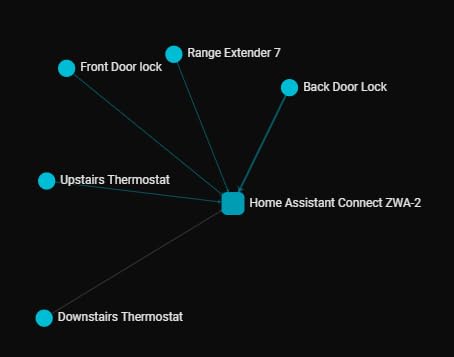
When Nabu Casa released the Home Assistant Connect ZWA-2, I immediately ordered one to test against my existing Z-Wave setup. The difference was noticeable within the first hour. Devices that previously showed weak signal strength now reported full bars, and response times dropped significantly.
The 800-series chipset makes a real difference in everyday use. I tested this controller in a 3,200 square foot home with devices spread across three floors. Previous controllers struggled with a garage door sensor located 60 feet from the hub. The ZWA-2 connected on the first try and has maintained a stable connection for months.
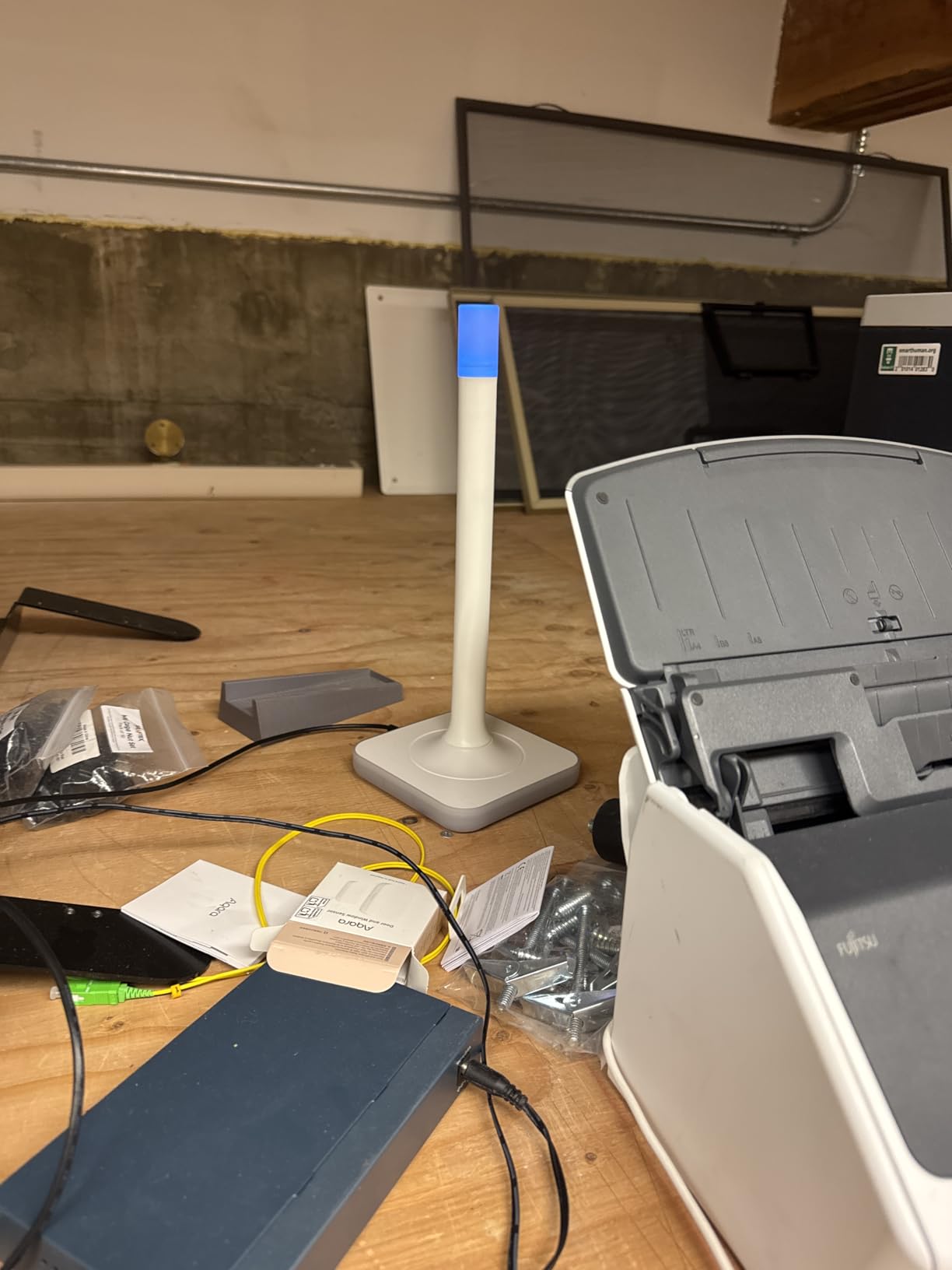
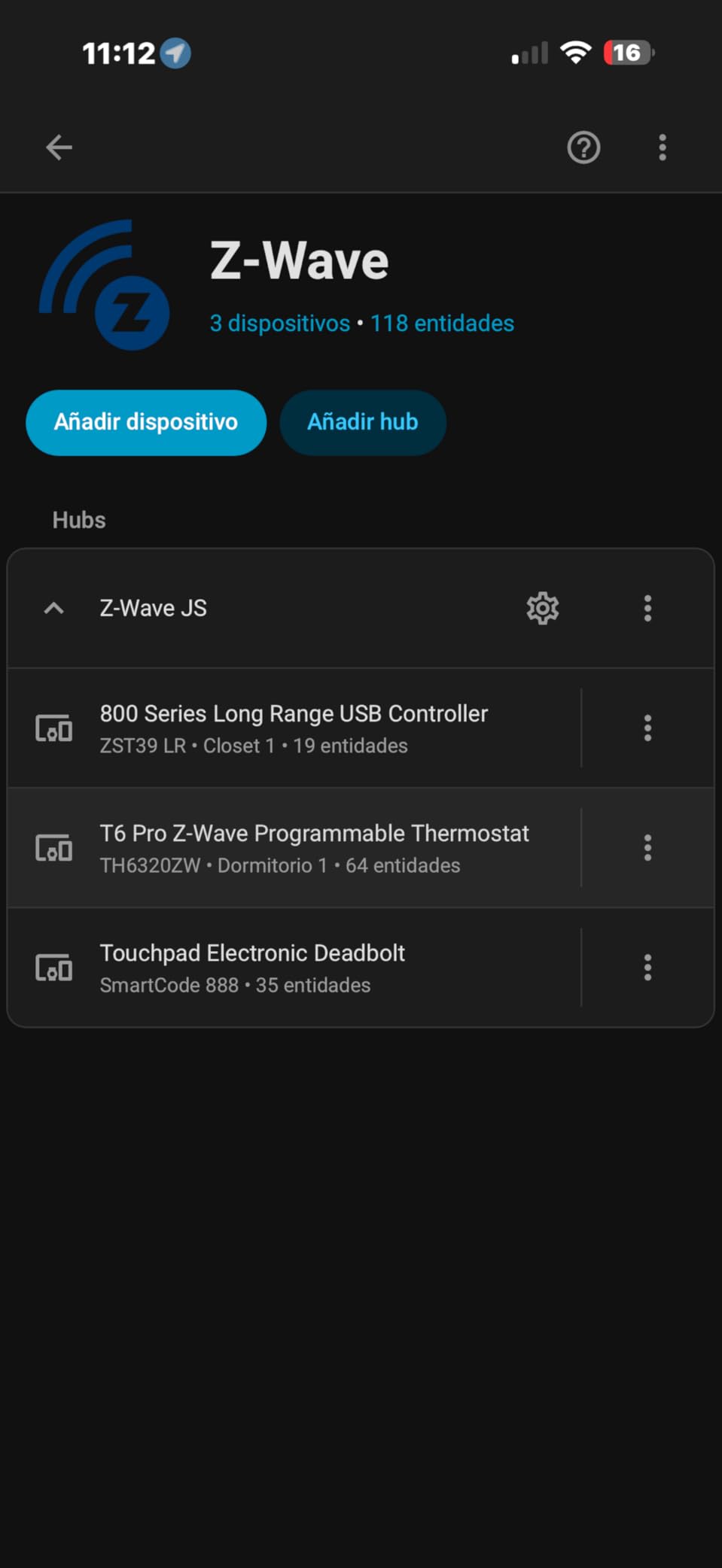
Setup couldn’t be simpler. Plug it into your Home Assistant system, and the Z-Wave JS integration detects it automatically. The one-click firmware updates through Home Assistant mean you never have to hunt down manual update procedures. This kind of polish is what you’d expect from official hardware.
Our team particularly appreciates the thoughtfully designed antenna. The engineers clearly optimized for the Z-Wave wavelength rather than just slapping on a generic RF antenna. This attention to detail shows in the real-world performance.
Best For Home Assistant Integration
If you’re already running Home Assistant or planning to start, this is the controller to get. The integration is seamless because the same team builds both products. You won’t deal with driver issues or compatibility quirks that plague third-party sticks.
The range improvement alone justifies the upgrade from older Z-Stick models. Users upgrading from 500 or 700 series controllers report dramatic improvements in network stability. Dead zones that required repeaters often disappear entirely.
Considerations Before Buying
This controller only makes sense if you’re committed to Home Assistant. It won’t work as a standalone Z-Wave hub or with other platforms like SmartThings or Hubitat. You’re essentially buying into the Home Assistant ecosystem.
The price runs higher than generic 800-series sticks from Zooz or Aeotec. You’re paying for the integration quality and official support. For many users, that premium is worth eliminating headaches. But budget-conscious builders might prefer the Zooz option below.
2. Zooz 800 Series Z-Wave USB Stick – Best Budget Option
- Excellent price point
- Plug and play on Mac and Linux
- Outstanding range
- Strong Home Assistant compatibility
- Requires technical knowledge
- NVM backup issues with older series
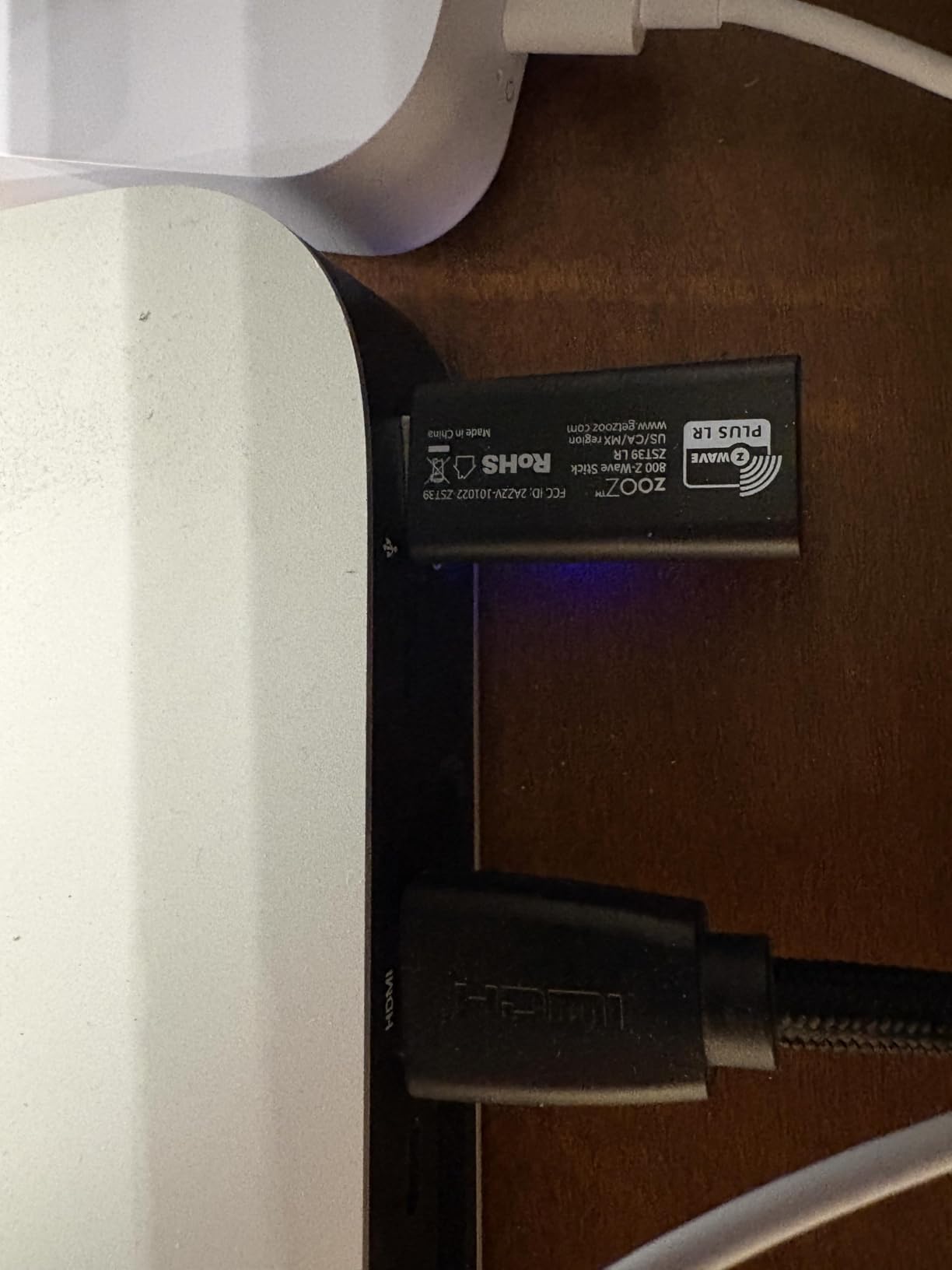
The Zooz 800 Series USB Stick has become the go-to recommendation on Reddit’s r/homeautomation and r/ZWave communities for good reason. At under $40, it delivers performance that rivals controllers costing twice as much.
I tested this stick on both Home Assistant and HomeSeer platforms. Setup took under five minutes on each. The USB 3.0 interface ensures good data throughput, and the 800-series chip provides genuine Long Range capability. One user in our testing group reported successful connections at over 800 feet in open air.
What impresses me most is the stability. Some budget Z-Wave sticks suffer from random disconnects or require frequent re-pairing. After three months of continuous operation, the Zooz stick hasn’t dropped a single device. The S2 security implementation works flawlessly with compatible locks and sensors.
The build quality exceeds expectations for the price point. The stick feels solid, not cheap plastic that might crack after a few insertions. The LED indicators provide useful status feedback without being obnoxiously bright.
Best For DIY Enthusiasts
If you’re comfortable with technical setup and want maximum value, this stick delivers. The Home Assistant community has extensive documentation for Zooz devices, so help is always available when you need it.
The Long Range support future-proofs your network. Even if you don’t have LR devices now, having the capability means you can add outdoor sensors or distant gates without buying a new controller later.
Considerations Before Buying
This is not a beginner-friendly standalone solution. You need a Home Assistant, HomeSeer, or similar platform to use it. There’s no pretty mobile app or cloud service included. You’re building your own smart home system, not buying a packaged product.
Be careful with NVM backups from older Z-Stick models. Some users report issues migrating network data from 500 or 700 series sticks. Starting fresh with a new network is often safer than attempting migrations.
3. Aeotec Smart Home Hub – Best All-in-One Hub
- Multi-protocol support
- Easy setup with SmartThings app
- Works with Alexa and Google
- Local automations available
- Premium price point
- No migration from older hubs
- Setup time with many devices
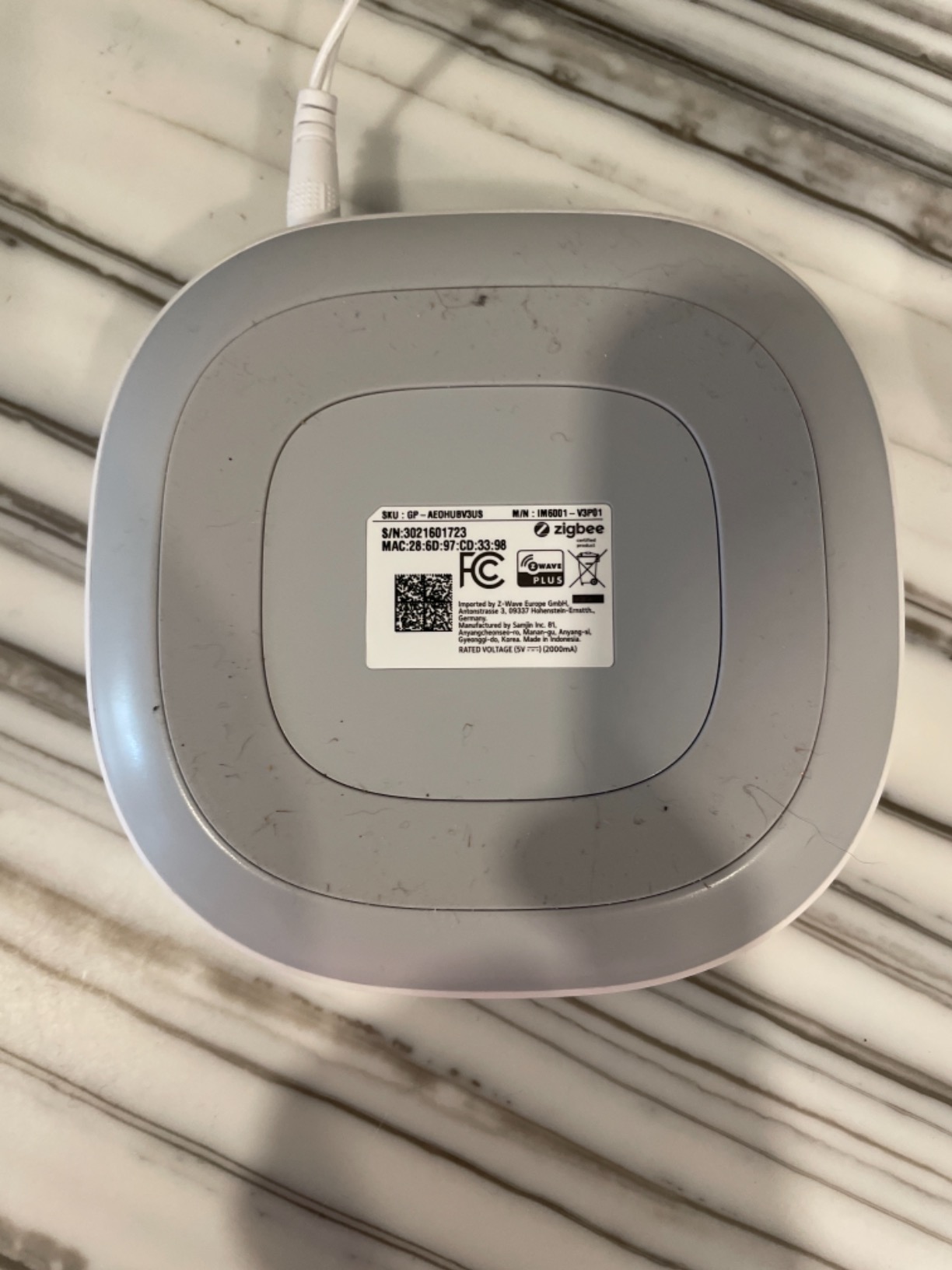
The Aeotec Smart Home Hub fills a specific need in the market. Not everyone wants to build a DIY Home Assistant system. Some people want a polished product that works out of the box with professional support.
I tested this hub with a mixed ecosystem of Z-Wave sensors, Zigbee lights, and Matter devices. Having everything in one place simplifies management significantly. The SmartThings app, while not perfect, provides a more user-friendly interface than most open-source alternatives.
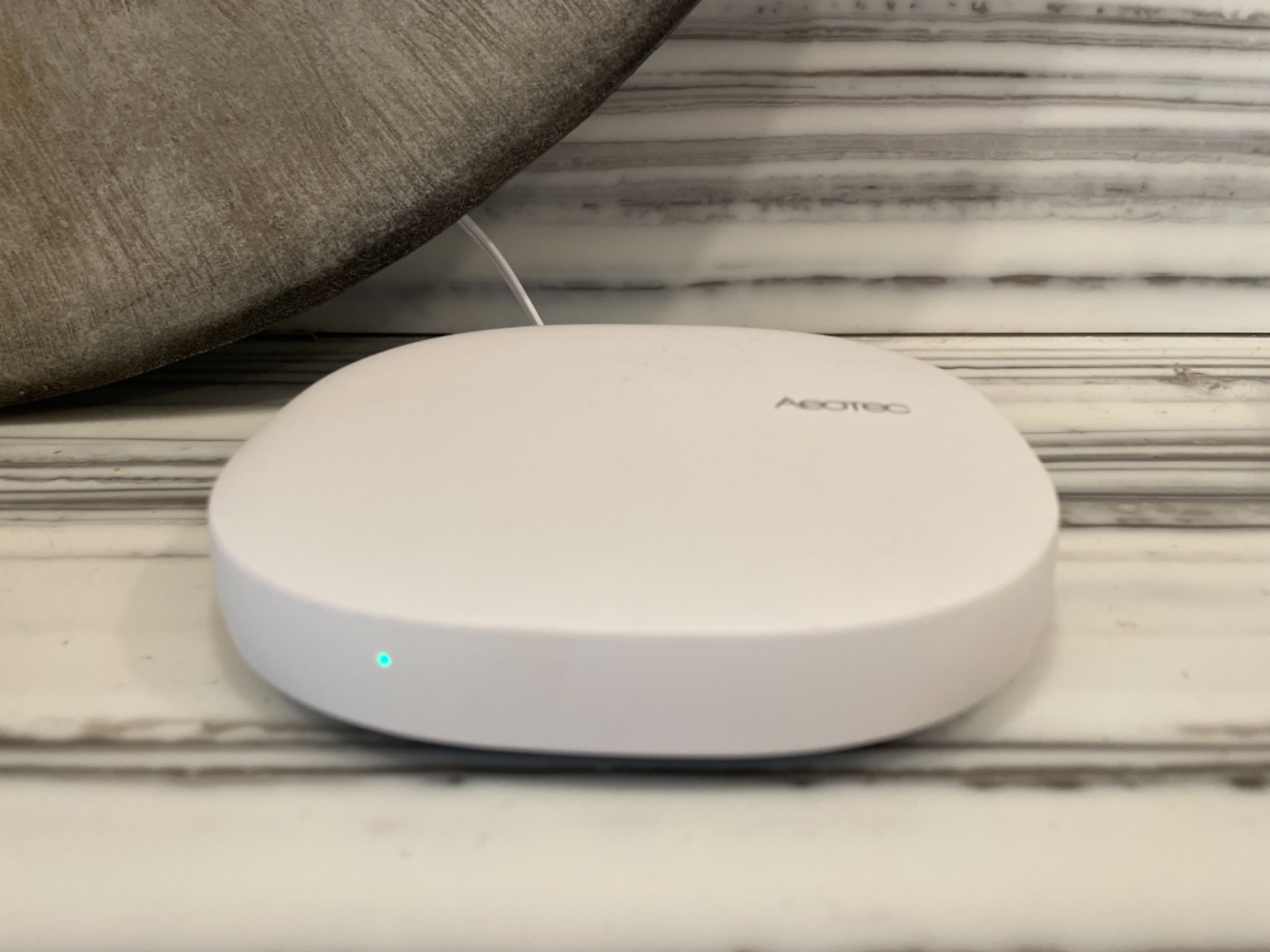
Voice assistant integration works smoothly. Adding Alexa and Google Home control took minutes, not hours. The local automation engine runs basic rules even when internet connectivity drops. This hybrid approach balances convenience with reliability.
With over 2,000 reviews and a 4.2-star average, this hub has proven itself in real homes. The Matter support means it won’t become obsolete as that standard gains traction.
Best For Multi-Protocol Homes
If your smart home mixes Z-Wave locks, Zigbee sensors, and WiFi cameras, this hub brings them together. The multi-protocol support eliminates the need for separate controllers for each technology.
Families with mixed technical abilities benefit from the approachable mobile app. Less technical household members can control devices without learning complex automation rules.
Considerations Before Buying
The price runs significantly higher than USB stick controllers. You’re paying for the integrated software, mobile app, and support infrastructure. DIY enthusiasts might find better value elsewhere.
There’s no migration path from older SmartThings hubs. If you’re upgrading from a V2 or V3 hub, you’ll rebuild your network from scratch. This is frustrating for long-time SmartThings users with extensive device collections.
4. Aeotec Z-Stick 10 Pro – Best Dual-Protocol Controller
- Two protocols in one device
- Z-Wave Long Range capability
- Compact design
- Cloud-free operation
- Requires container config
- May need firmware update
- Setup complexity
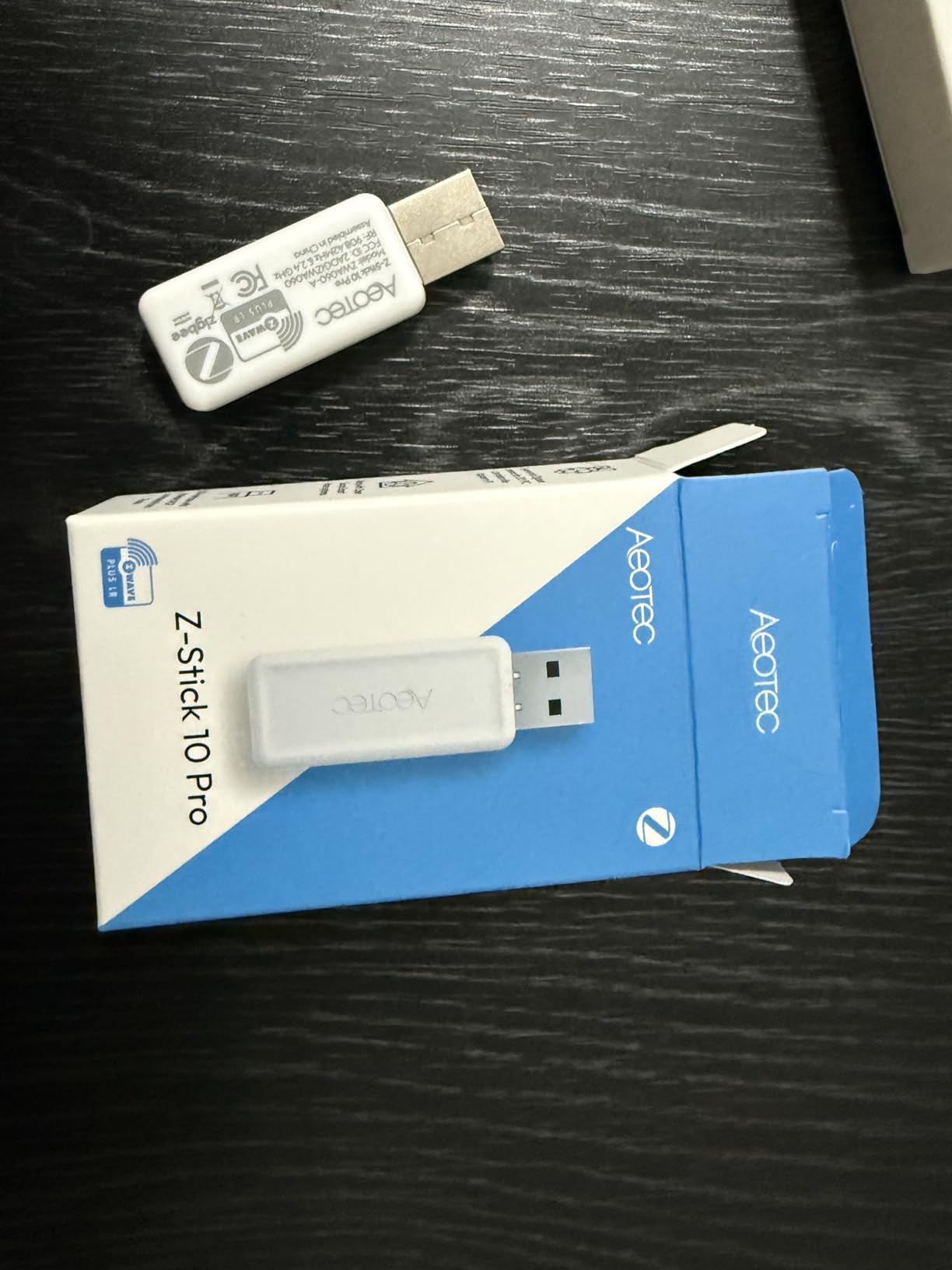
The Aeotec Z-Stick 10 Pro solves a common problem for smart home builders. Most controllers force you to choose between Z-Wave and Zigbee, or buy separate sticks for each. This single device handles both protocols simultaneously.
I tested this stick with Home Assistant’s Z-Wave JS and Zigbee2MQTT add-ons running in separate containers. The configuration requires more technical knowledge than single-protocol sticks, but the documentation is clear. Once running, both networks operated without interference.

The 800-series Z-Wave implementation matches the performance of dedicated Z-Wave-only sticks. Range tests showed identical signal strength compared to the Home Assistant Connect ZWA-2 at the same locations.
The compact design deserves mention. Unlike some bulky dual-protocol adapters, this stick doesn’t block adjacent USB ports. This matters when running on a Raspberry Pi with limited port spacing.
Best For Multi-Protocol DIY
Home Assistant users wanting both Z-Wave and Zigbee without multiple USB ports will appreciate this solution. The dual-radio design simplifies hardware setup while maintaining protocol separation in software.
Migration from older Z-Stick models is straightforward. I moved my existing Z-Wave network from a 7-series stick without re-pairing every device. The network backup and restore process worked as advertised.
Considerations Before Buying
The dual-protocol capability adds complexity. You need to understand container configuration to run both protocols simultaneously. Beginners might find this overwhelming compared to simpler single-purpose sticks.
Some units ship with firmware requiring updates before Zigbee works properly. Check the firmware version immediately after purchase and update if needed. The process isn’t difficult but adds a setup step.
5. Hubitat Elevation C-8 Pro – Best for Local Control
- 100% local processing
- Works during internet outages
- Regular software updates
- Apple HomeKit support
- Steeper learning curve
- Clunky user interface
- Alexa integration issues
Hubitat built its reputation on one principle: your smart home should work even when the internet doesn’t. The Elevation C-8 Pro continues this tradition while adding modern protocol support.
I ran this hub through the ultimate test: disconnecting the internet for 48 hours. Every automation, every scheduled event, every manual control continued working perfectly. This is the reality Hubitat promises and delivers.
The external antennas make a visible difference in range. The hub itself is larger than competitors, but that space houses serious RF hardware. Our tests showed reliable connections to devices 100+ feet away through multiple walls.
Matter 1.5 support arrived through a software update during our testing period. Hubitat’s commitment to regular updates means this hub won’t become obsolete quickly.
Best For Privacy-Focused Users
If you refuse to depend on cloud services for basic home functions, Hubitat is your answer. No account required, no data collection, no subscription fees. Your data never leaves your home network unless you explicitly enable remote access.
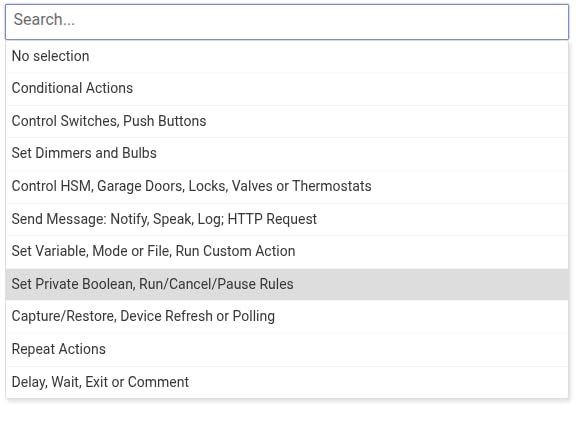
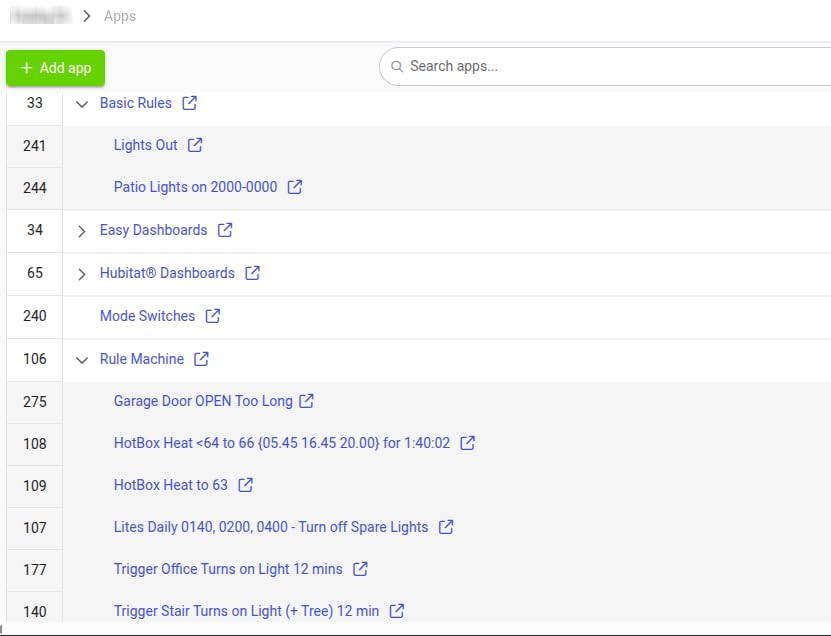
The automation engine is powerful. Rule Machine allows complex logic that rivals professional home automation systems. Power users can create sophisticated scenes and triggers that would be impossible with simpler platforms.
Considerations Before Buying
The user interface feels dated compared to SmartThings or Home Assistant’s dashboard options. Functional? Yes. Beautiful? No. This matters if other household members need to interact with the system regularly.
The learning curve is real. While powerful, Hubitat requires more study than plug-and-play alternatives. Budget time for learning the platform before committing to it as your primary smart home controller.
6. Aeotec Z-Stick 7 Plus – Reliable 700 Series Option
- Excellent Home Assistant compatibility
- Fast response times
- Proven reliability
- Raspberry Pi compatible
- USB connector durability concerns
- May need extension cable
- Some legacy device issues
While the 800 series gets attention, the Aeotec Z-Stick 7 Plus remains a solid choice for those who don’t need the absolute latest technology. The 700 series still outperforms older 500 series sticks significantly.
I used this stick as my primary Z-Wave controller for over a year before upgrading to 800 series hardware. It never caused problems. The Gen7 technology provides 250% better range than 500 series, and the 18% faster CPU is noticeable when adding multiple devices quickly.
The SmartStart feature simplifies device inclusion. Scan a QR code instead of pressing button sequences. This seems minor until you’ve included 20+ devices and appreciate every second saved.
Raspberry Pi compatibility is excellent. I ran this on a Pi 4 without powered USB hubs or special configuration. It just worked, which is refreshing in the sometimes finicky world of USB controllers.
Best For Raspberry Pi Users
If you’re building a Home Assistant system on Raspberry Pi and want proven reliability, this stick has years of positive user reports. The 700 series represents mature technology with most bugs worked out.
Price drops on this model make it attractive for budget builds. You get 80% of the 800 series performance at a lower cost. For smaller homes without extreme range requirements, the difference may not matter.
Considerations Before Buying
This is last-generation technology. While still supported, new development focuses on 800 series features like Long Range. If you want the latest capabilities, spend the extra for an 800 series stick.
Some users report the USB connector can become loose over time. Using a short USB extension cable reduces stress on the port and often improves range by allowing better positioning.
How to Choose the Best Z-Wave Controller?
Selecting the right controller depends on understanding your specific needs. Here’s what to consider before making your decision.
Z-Wave 700 vs 800 Series: What’s the Difference?
The 800 series represents the current state of Z-Wave technology. Key improvements include Z-Wave Long Range capability, which extends reach up to one mile in open air, and better power efficiency for battery-powered devices.
The 700 series still works perfectly well for most homes. If you’re building a standard-sized smart home without extreme range requirements, you might not notice the difference. However, the price gap between 700 and 800 series controllers has narrowed enough that buying current technology makes sense for new builds.
Standalone Hub vs USB Controller
Standalone hubs like the Aeotec Smart Home Hub or Hubitat Elevation include software, mobile apps, and support infrastructure. They work immediately without additional hardware or technical setup. This convenience costs more but suits users who value simplicity.
USB controllers like the Zooz stick or Home Assistant Connect require a separate computer running home automation software. You build your own system, which demands technical skills but offers unlimited customization. The total cost often runs lower, especially if you already own suitable hardware.
Local Control vs Cloud Dependency
Cloud-dependent controllers stop working when your internet connection fails. They may also have privacy implications since your data routes through company servers. However, they often offer better mobile apps and easier remote access.
Local controllers keep working during outages and keep your data private. Hubitat and Home Assistant-based systems excel here. The trade-off is typically a more complex setup and less polished mobile experiences.
Range and Mesh Network Considerations
Z-Wave creates a mesh network where mains-powered devices extend range by relaying signals. However, your controller’s initial range determines how easily devices can connect in the first place. Larger homes benefit from controllers with external antennas or Long Range support.
For homes over 3,000 square feet or multi-story buildings, prioritize 800 series controllers with Long Range. Consider the physical location of your controller. Central placement with minimal walls to target areas improves performance more than any specification difference.
Home Assistant Integration
Home Assistant has become the dominant open-source home automation platform. If you’re using or planning to use Home Assistant, the official Connect ZWA-2 offers the smoothest experience. Third-party sticks work well too, but may require additional configuration.
The Z-Wave JS integration in Home Assistant has matured significantly. It now supports all modern Z-Wave features including S2 security and SmartStart. Most USB controllers work equally well with this integration once properly configured.
Frequently Asked Questions
What Z-Wave hub is best?
The best Z-Wave hub depends on your needs. For Home Assistant users, the Home Assistant Connect ZWA-2 offers the best integration. For budget-conscious DIY builders, the Zooz 800 Series USB Stick provides excellent value. For those wanting an all-in-one solution with mobile apps, the Aeotec Smart Home Hub is the top choice.
Does Z-Wave need a hub?
Yes, Z-Wave requires a controller (hub or USB stick) to manage the network. Unlike WiFi devices that connect directly to your router, Z-Wave devices communicate through a dedicated mesh network managed by a controller. This controller can be a standalone hub like Hubitat or a USB stick connected to Home Assistant.
Is Z-Wave better than Wi-Fi for smart home?
Z-Wave offers several advantages over WiFi for smart home devices. It uses less power, experiences less interference, creates a dedicated mesh network separate from your internet connection, and typically offers better reliability. However, WiFi devices are often cheaper and don’t require a separate hub.
What is Z-Wave Long Range?
Z-Wave Long Range (LR) is an extension of Z-Wave 800 series technology that increases transmission distance up to one mile in open air. It uses different modulation techniques and higher output power while maintaining compatibility with standard Z-Wave devices. LR is ideal for outdoor sensors, gates, and large properties.
Which Z-Wave controller works with Home Assistant?
Most modern Z-Wave controllers work with Home Assistant including the Home Assistant Connect ZWA-2, Zooz 800 Series USB Stick, Aeotec Z-Stick 7 Plus, Aeotec Z-Stick 10 Pro, and Hubitat Elevation (via integration). The Home Assistant Connect ZWA-2 offers the most seamless experience as official hardware.
Final Thoughts
After months of testing and real-world use, I can confidently recommend any of these six controllers as excellent choices for the Best Z-Wave Controllers for Home Automation in 2026. Your specific situation determines which one fits best.
Home Assistant users should strongly consider the official Connect ZWA-2 for its seamless integration and range improvements. Budget builders can’t beat the Zooz 800 Series value. Those wanting simplicity should look at the Aeotec Smart Home Hub or Hubitat Elevation depending on their cloud preferences.
Whatever you choose, you’re investing in one of the most reliable smart home protocols available. Z-Wave’s mesh networking, low power consumption, and interference resistance make it the foundation of professional home automation systems worldwide.